@William_Xol retweeted

Jun 15
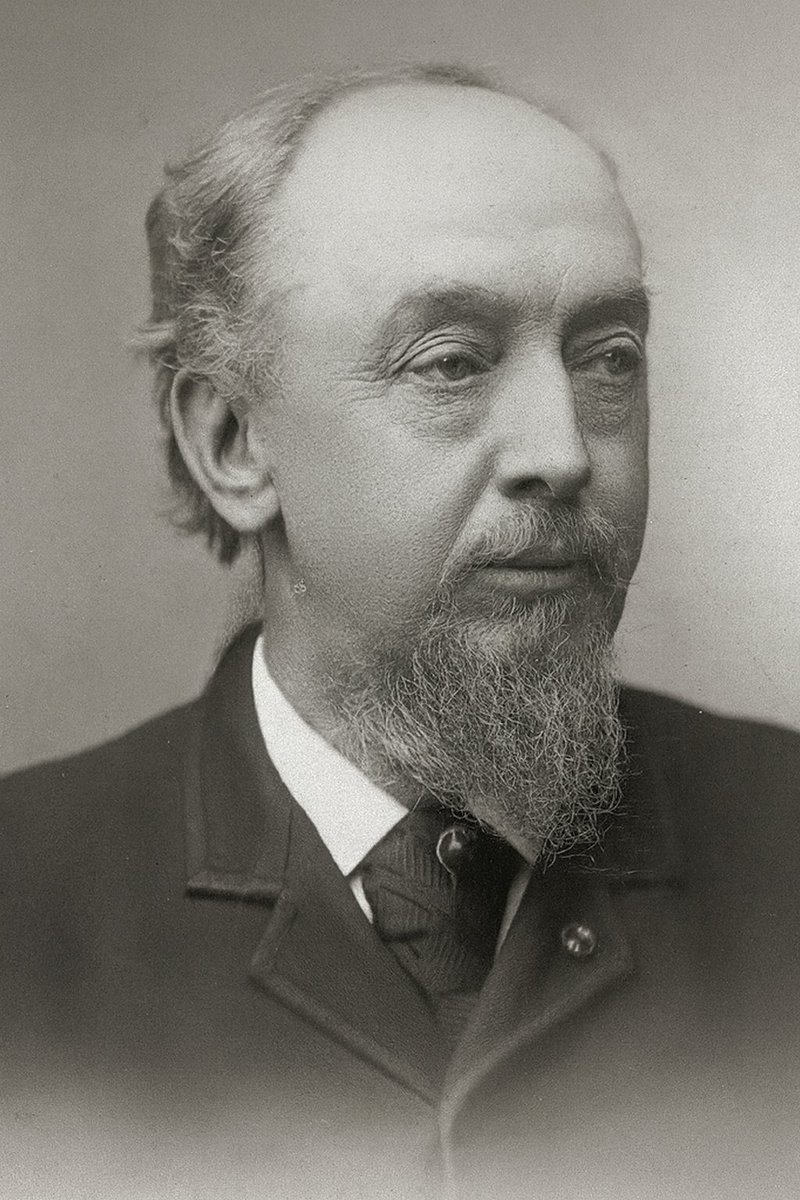
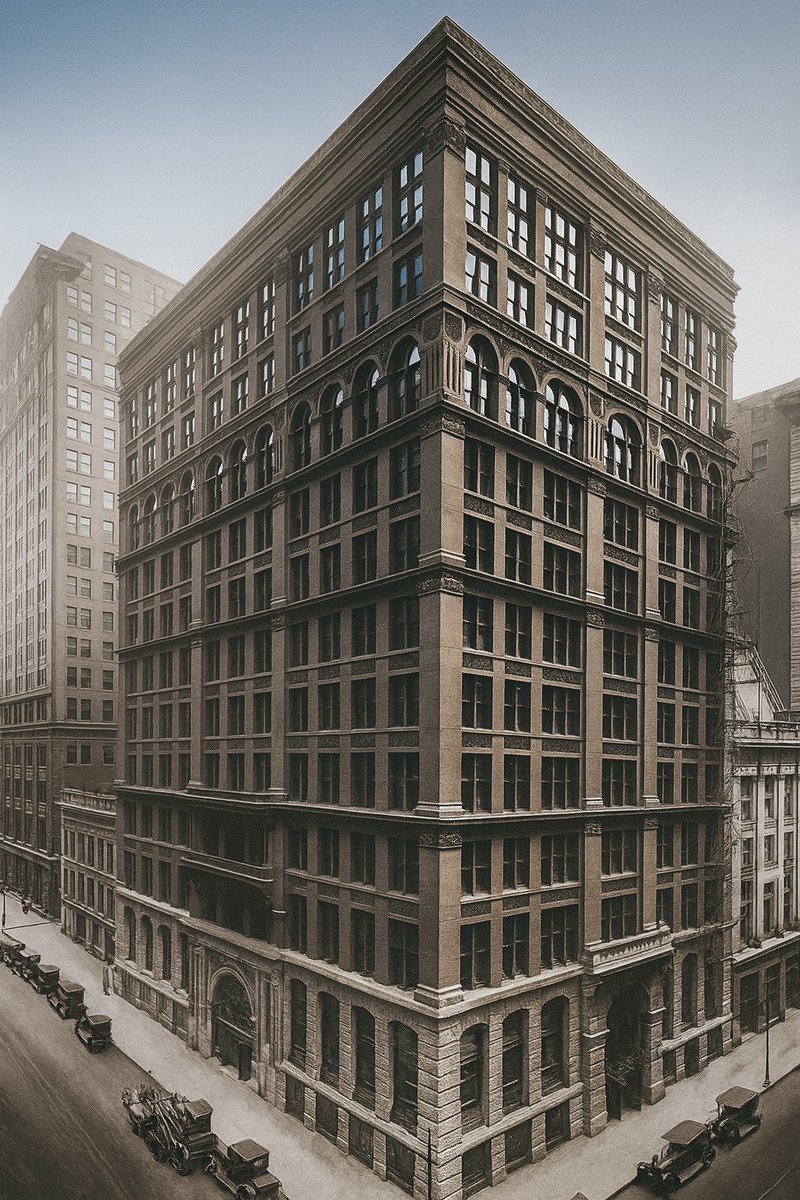
William Le Baron Jenney: pionero de los rascacielos y maestro de la Escuela de Chicago
victoryepes.blogs.upv.es/202…
5
9
406

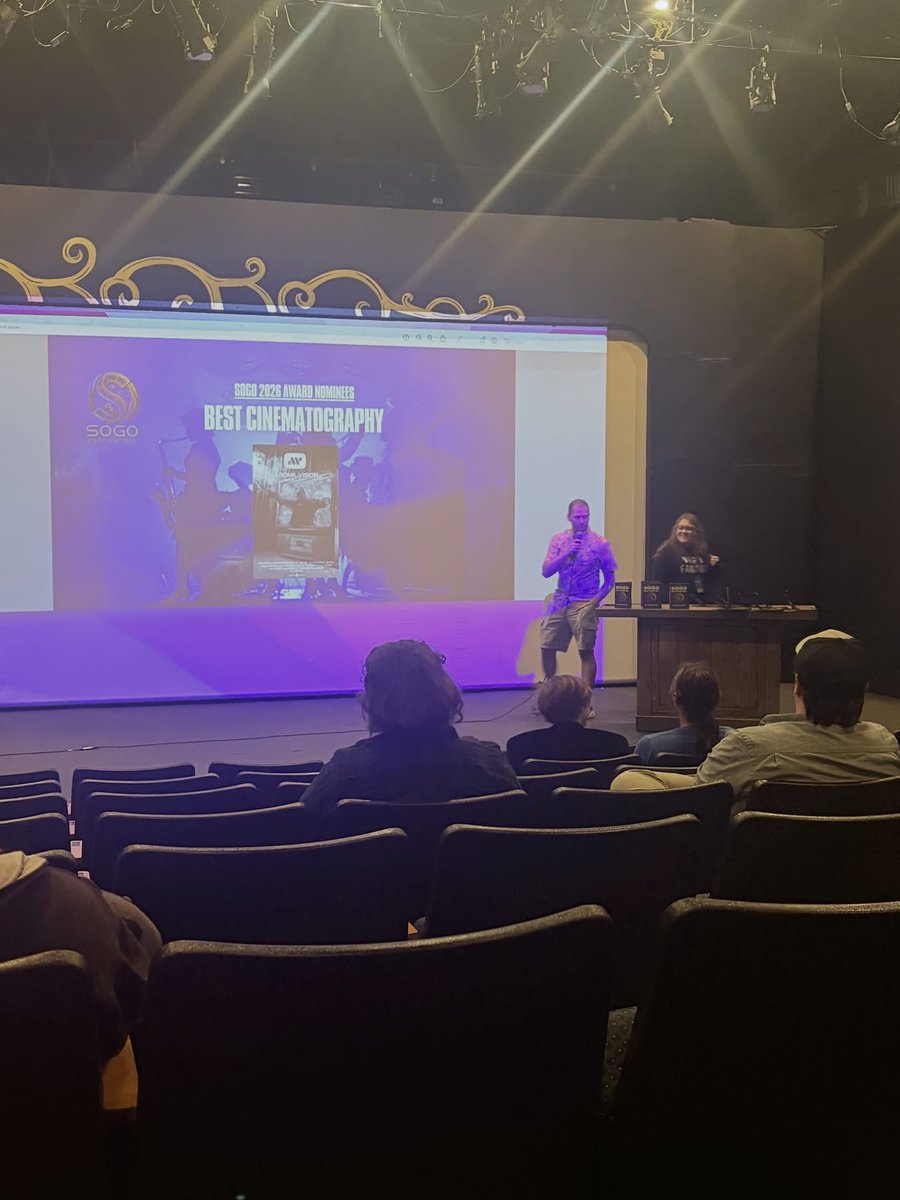
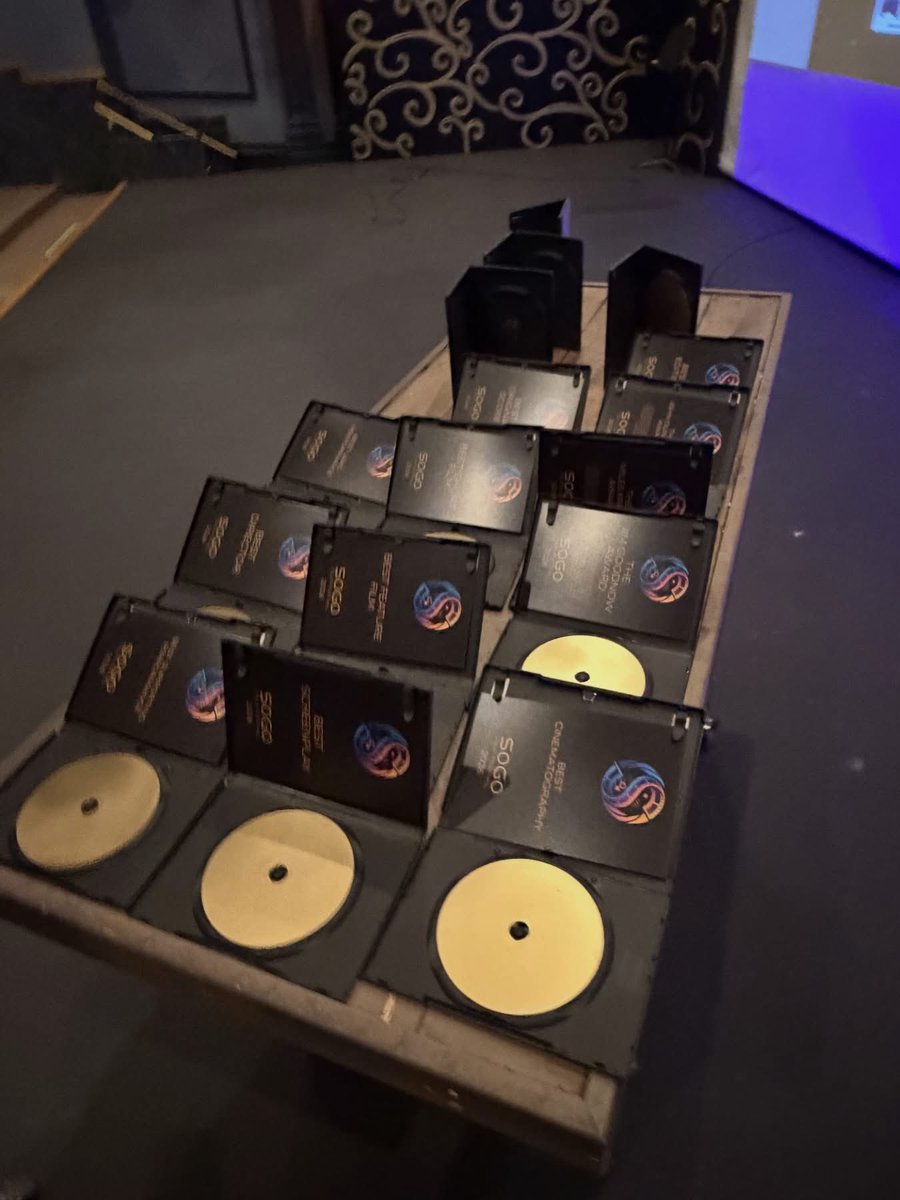
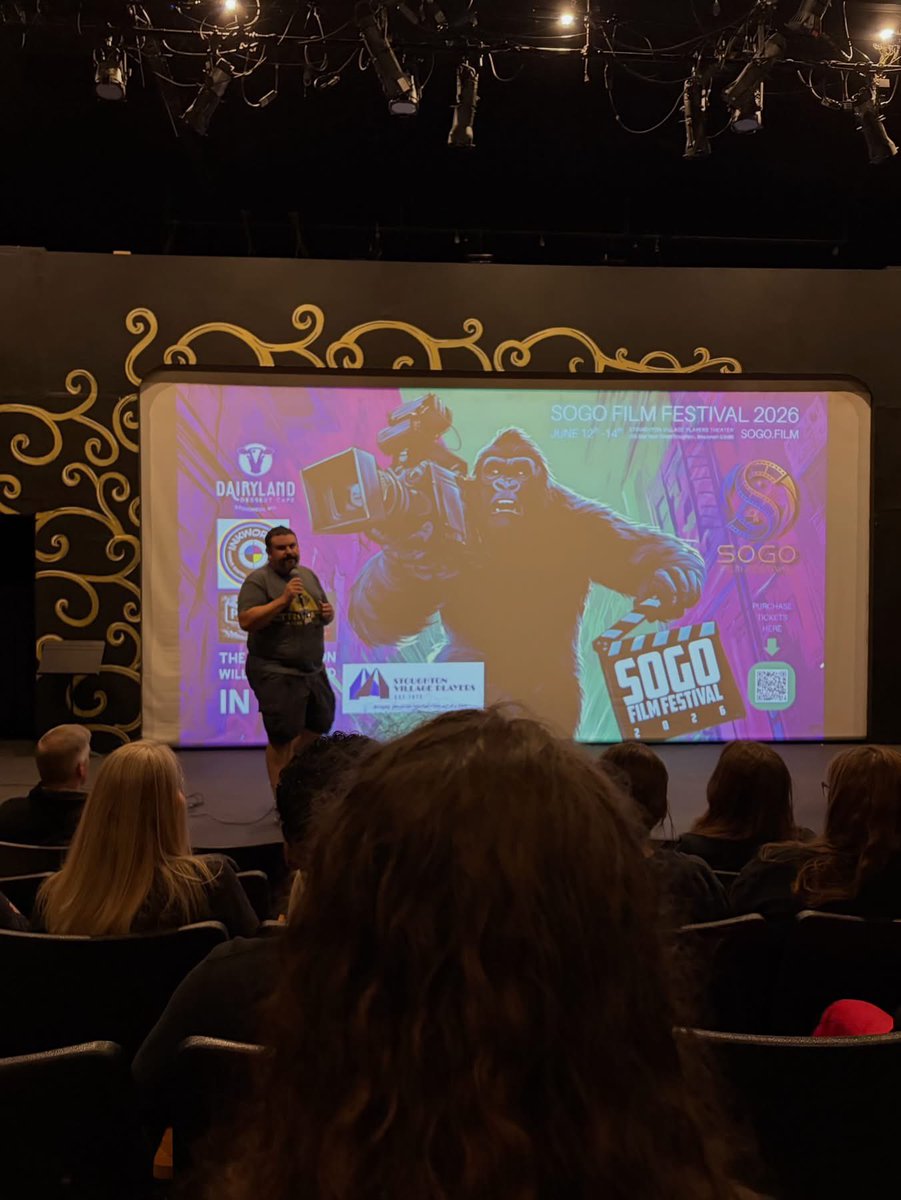
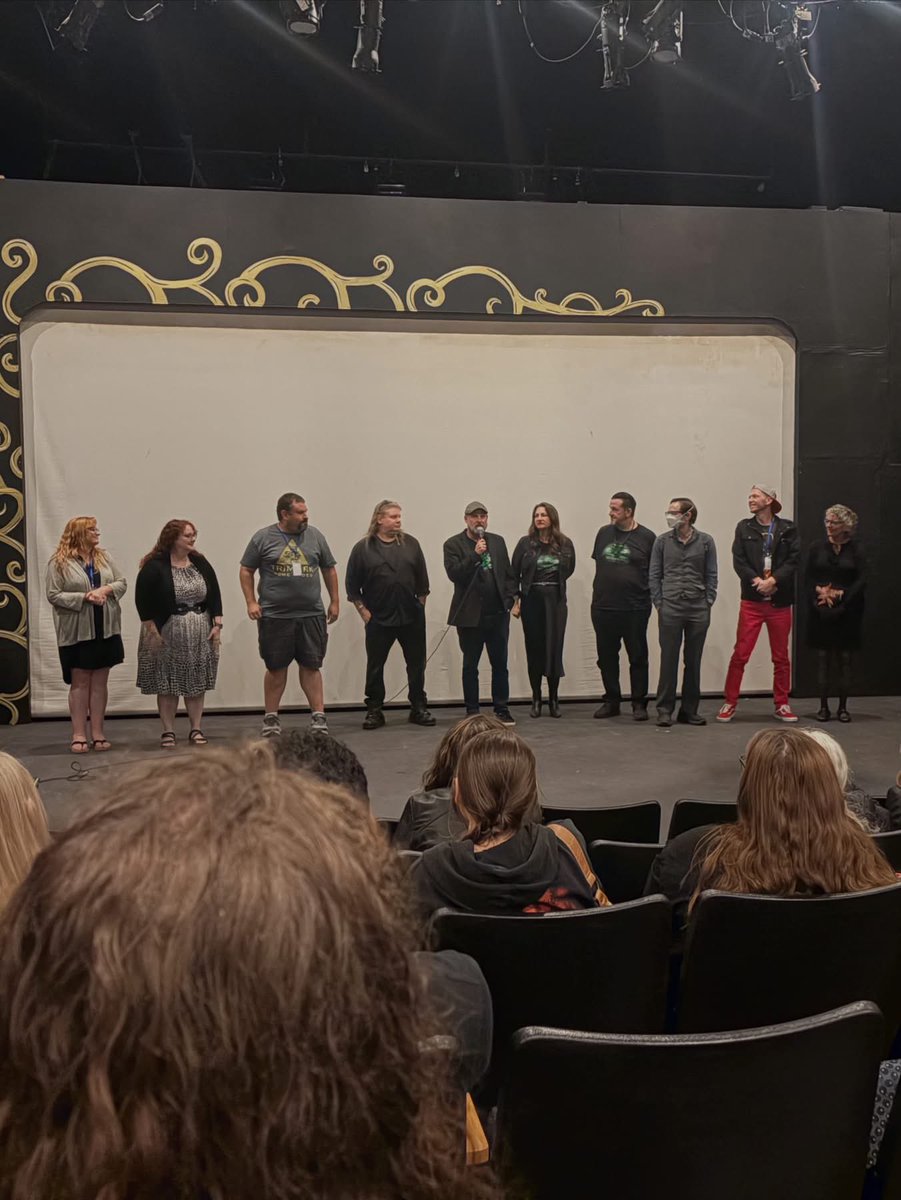
Special congratulations to everyone involved in the SOGO Film Festival over the weekend!
It was a pleasure handing out the awards with the wonderful Jennell Jenney and having the premier of “The Withering”
Congrats to all the winners and nominees!
#sogofilmfestival #wisconsin
12

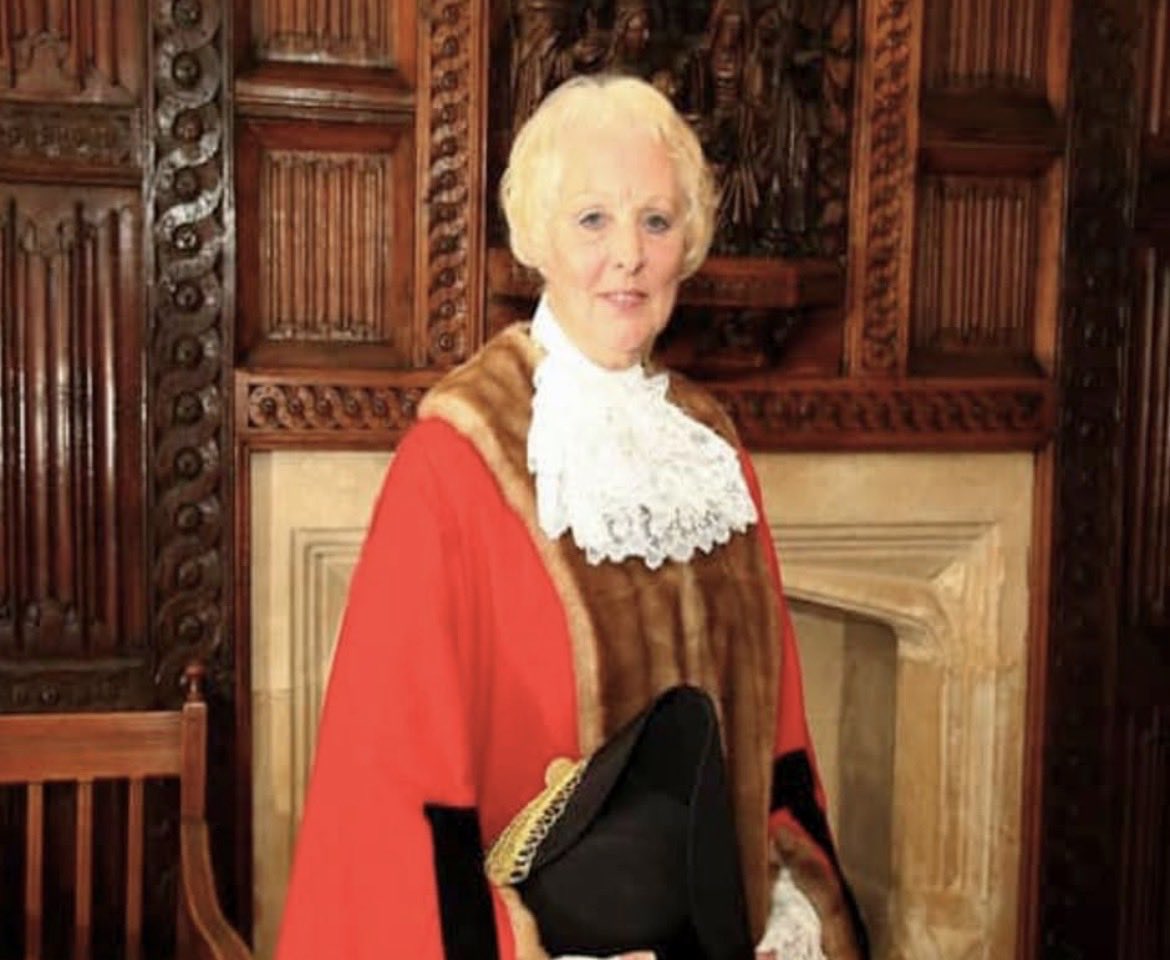
𝗖𝗹𝗹𝗿 𝗕𝗮𝗿𝗯𝗮𝗿𝗮 𝗝𝗲𝗻𝗻𝗲𝘆 𝗔𝘄𝗮𝗿𝗱𝗲𝗱 𝗕𝗿𝗶𝘁𝗶𝘀𝗵 𝗘𝗺𝗽𝗶𝗿𝗲 𝗠𝗲𝗱𝗮𝗹 𝗶𝗻 𝗞𝗶𝗻𝗴’𝘀 𝗕𝗶𝗿𝘁𝗵𝗱𝗮𝘆 𝗛𝗼𝗻𝗼𝘂𝗿𝘀
We are pleased to announce that Cllr Barbara Jenney has been awarded a British Empire Medal in the King's Birthday Honours List.
18

Jun 14
JOIN US!!!
If you want to “meet” Leo Martin, the main speaker at our September gala in beautiful Plymouth, Massachusetts, here’s just a taste of the work he presents every day at The Jenney, in Plymouth. You are in for a treat. Leo as a speaker.
youtu.be/smxz_5WVKRE?si=FV6a…
29


Jun 12
Huge congratulations to all those in local government recognised in the King's Honours.
Especially Cindy Davis former Cllr on Faversham Town Council, Cllr Barbara Jenney from Rushden Town Council, and Goole Town Council’s town clerk Brian Robertson.
👏🏅
Jun 12

Congratulations to everyone recognised in His Majesty The King's Birthday Honours 2026 🎊
Find out more: gov.uk/government/news/uk-ce…
1
139

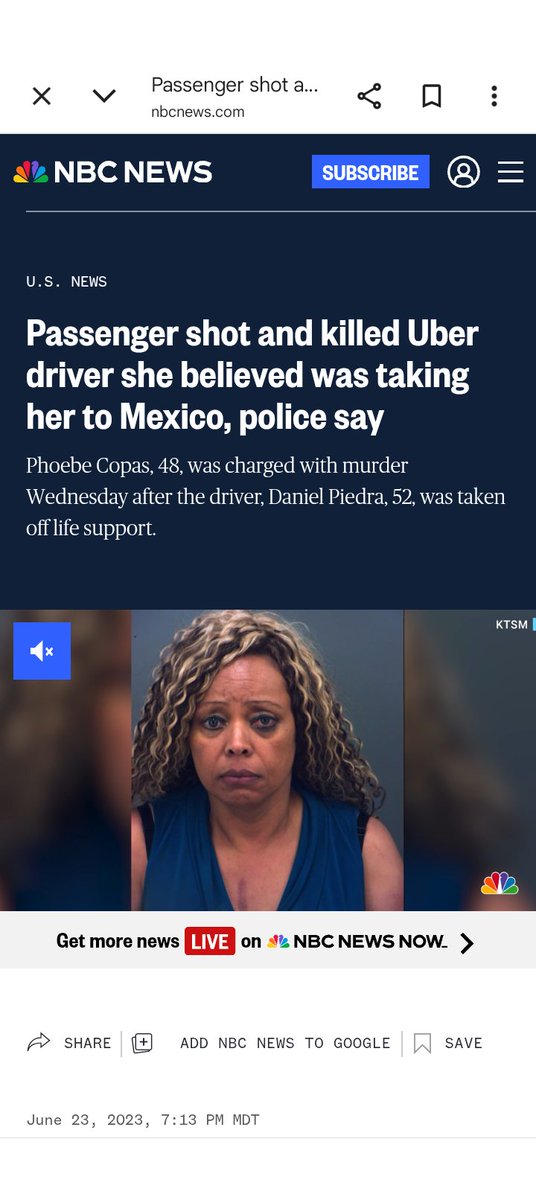
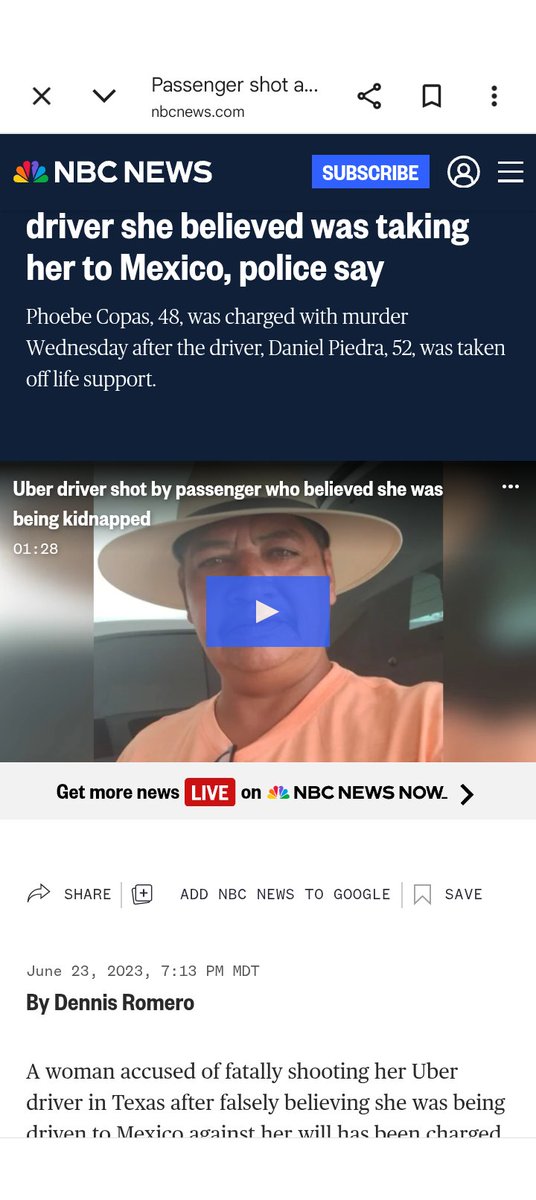
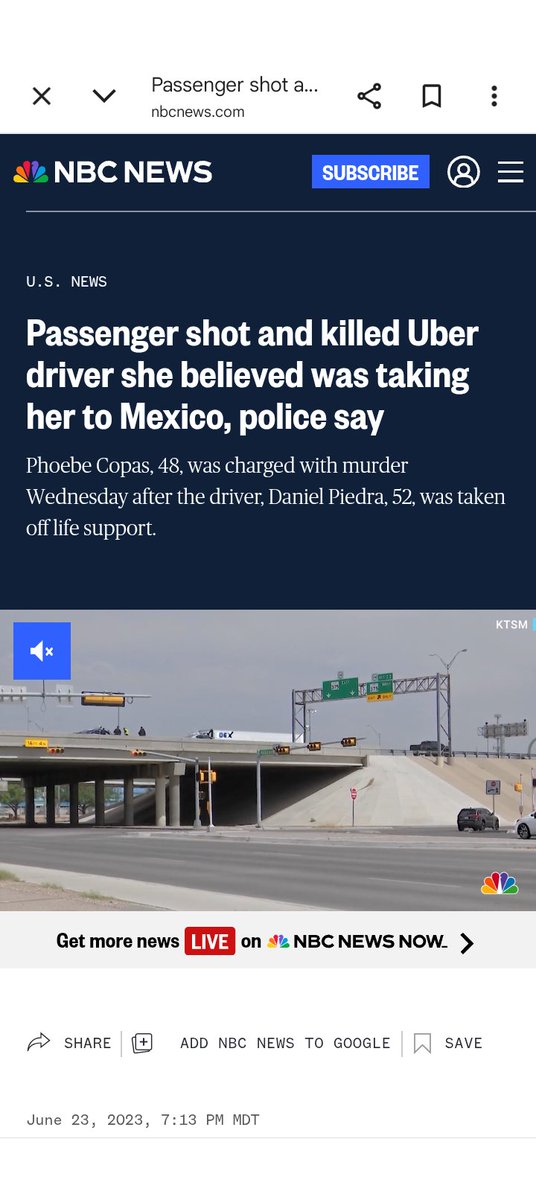
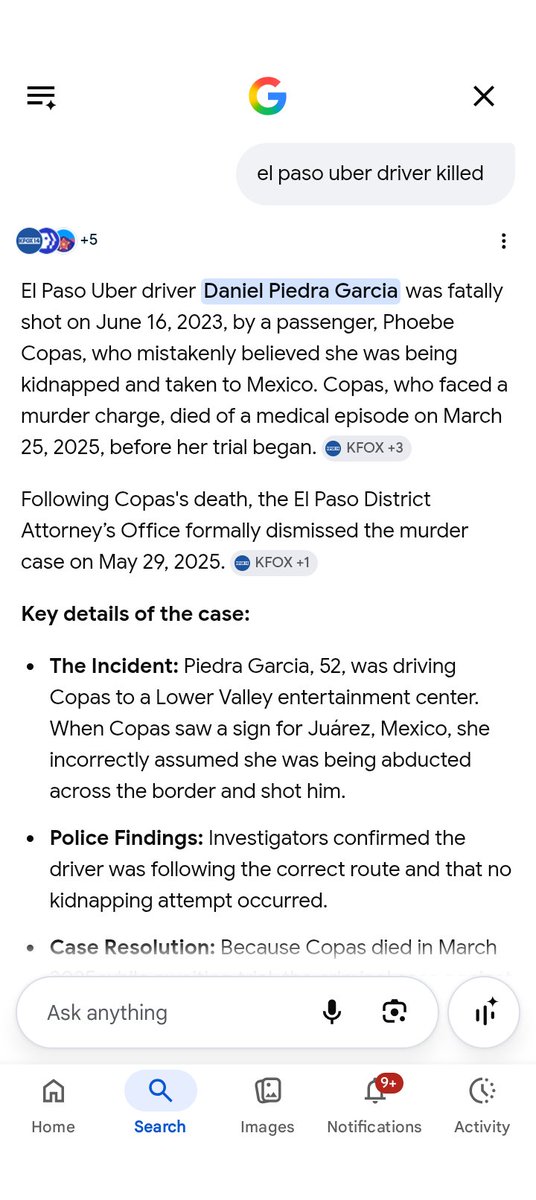
KENTUCKY TOURISTS STOOD HER GROUND Juarez, MEXICO is the kidnapping capitol of the world off limits even to fort Bliss soldiers. Copas stood her ground My ex girlfriend jenney Williams lived just east of that overpass Juarez MEXICO is yards away
1
49

I spoke to Mr Munro's healthy donor, Jenelle Jenney, by telephone once.
She felt it was her privilege to have donated her healthy bone marrow to him, she told me. That day, I volunteered to be on the donor registry too.
16

Mike Jenney
Transforming spaces through custom murals and creative storytelling.
👉 View the work: bit.ly/4a6h00E
Powered by Belltech | Google Partner
#BBAstrong #BuyBeachesFirst

3

Jun 9
Jenney, are you also a 'call girl?' then of course you will say she is 'classy'.

8

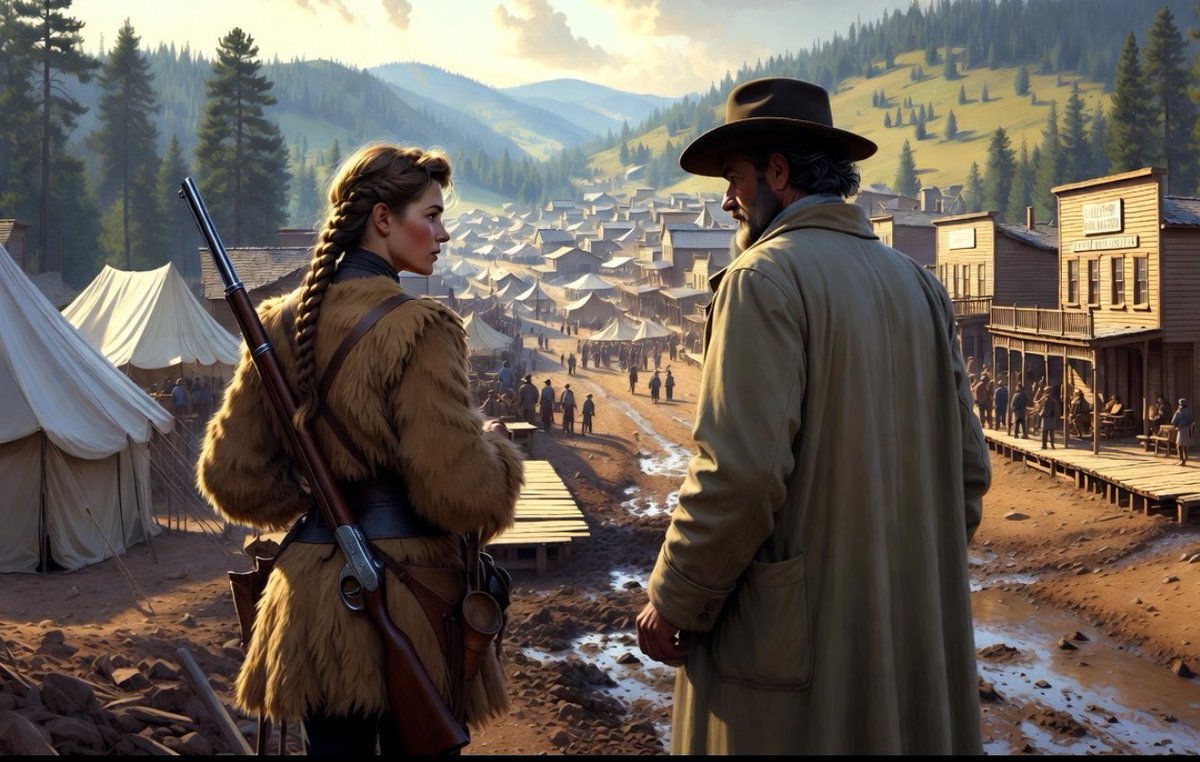
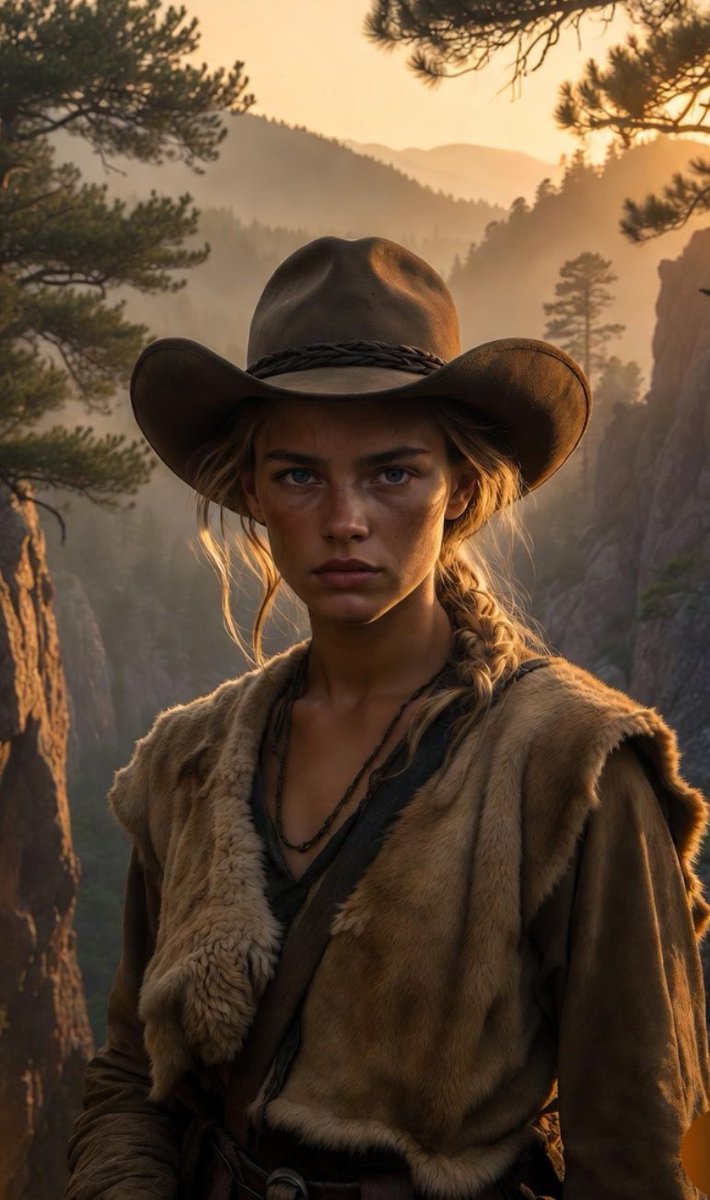
“The Dust and the Heart: Martha Jane in the Black Hills”
The Black Hills have a way of claiming those who wander into their shadowed valleys and pine-covered ridges. In the summer of 1875, a tall, strong young woman rode into that sacred country with the Newton-Jenney expedition. She wore buckskins and men’s boots, carried a rifle as naturally as another woman might carry a sewing needle, and answered to Martha Jane Canary.
The Hills, still ringing with the echoes of Sioux drums and the whispers of hidden gold, would become the truest home she ever knew. She had already traveled a hard road to reach them. Martha was orphaned at thirteen, after her family’s wagon trek west claimed first her mother, then her father, she had raised her younger siblings through Wyoming and Montana mining camps.
Martha drove ox teams, cooked for rough crews, nursed the fever-stricken, and learned that a sharp tongue and quicker aim kept her safe in a man’s world. By her early twenties the nickname, ‘Calamity Jane’ had settled on her like trail dust, some said it came from the trouble she brought to those who underestimated her, others from a story of riding through fire to save a cavalry captain.
Whatever the truth, she wore it with the same careless pride she wore her trousers.
The Black Hills in 1875 and ‘76 were a place of raw promise and sudden violence. Gold had been found, and the world rushed in. Martha rode scouting, hunting, and guiding parties through the steep canyons and whispering ponderosas.
In the chaotic boomtown of Deadwood, she found her stage. The streets were mud and tents and false-front saloons; the air smelled of pine resin, whiskey, and fresh-turned earth. There, in the summer of 1876, she met James Butler Hickok (Wild Bill) whose cool gaze and deadly reputation matched the wild country itself. Their friendship was real and brief.
She admired his steady hand….he respected her fearlessness. When a coward shot him in the back at a poker table that August, Martha mourned openly, one more loss carved into a heart already full of them.
The Hills refused to let her leave. She stayed on through smallpox epidemics, nursing the sick with the same rough hands that could hitch a freight team or drop a deer at two hundred yards.
She tended bar, drove bull teams over the treacherous roads to Custer and Rapid City, and lived among the prospectors, gamblers, and dance-hall girls who made up the heartbeat of the gulch. Kindness lived quietly inside her…coins slipped to hungry children, blankets shared with the freezing, water carried to the fevered.
The same woman who could out-cuss a mule skinner would sit beside a dying stranger and speak gentle words until the end came.
Marriage came and went. She wed Clinton Burk in the 1880s, bore at least one daughter, and tried half-heartedly to settle,while domestic life never quite fit.
The open ridges and hidden creeks of the Hills kept pulling her back. She drifted between Deadwood, Lead, and the smaller camps, telling stories around campfires that grew taller with every retelling: scouting for General Crook, fighting Indians, riding dispatch through hostile country.
Some were embroidered, many invented, but they all carried the flavor of truth because they came from a woman who had truly lived the wild life.
As the century turned and railroads tamed the frontier, Martha took her legend on the road. She performed in Wild West shows, appeared at the Pan-American Exposition in 1901, and dazzled crowds with her tales of the Black Hills days. But the hard years…whiskey, long trails, and grief…had worn her down.
In the winter of 1902 she returned one last time, drawn like an old prospector to familiar ground. The Hills received her quietly.
On August 1, 1903, in a modest room in the little mining town of Terry, pneumonia and the accumulated toll of frontier life finally stilled her. She was fifty-one.
Graphics by @KickRocks2026
Part 2 in the comments. 🧵
4
9
232

Sharon and Jenney lived through different chapters of the same story: one at the beginning of a scientific breakthrough, and the other benefiting from how far it had come. Discover: bit.ly/431UPpg #Melanoma #MelanomaSurvivor #ClinicalTrial
1
1
4
389

May 26
Kason Jenney -The face you make when Alberta lays out a decade of reasons to leave… and he still shows up selling ‘just give Ottawa one more chance.
1
5
203

May 25
Tonight on Murph's Movie Loft
Richard Gere - Laura Linney - Will Patton
Debra Messing - Lucinda Jenney - Alan Bates
David Eigenberg and Bill Laing star in Mark Pellington's
The Mothman Prophecies
1
5
85