堀部哲仙 retweeted

男女共同参画予算の多くは事業委託や補助金として民間団体に流れますが、KPIは『相談件数』『開催回数』止まり。アウトカム検証はほぼありません。受託団体が次年度の予算規模を実質決める構造では、評価が機能するはずがない。政策効果ではなく、受け皿の維持が目的化した予算設計です。
3
19
75
2,024

🎓PR Tips
広報活動のKPI、あなたはどうしていますか?
掲載件数や広告換算だけではちょっと弱い
✅ 問い合わせ
✅ 指名検索
✅ SNSでの言及
など、事業への影響も見てみましょう!
#広報KPI
6

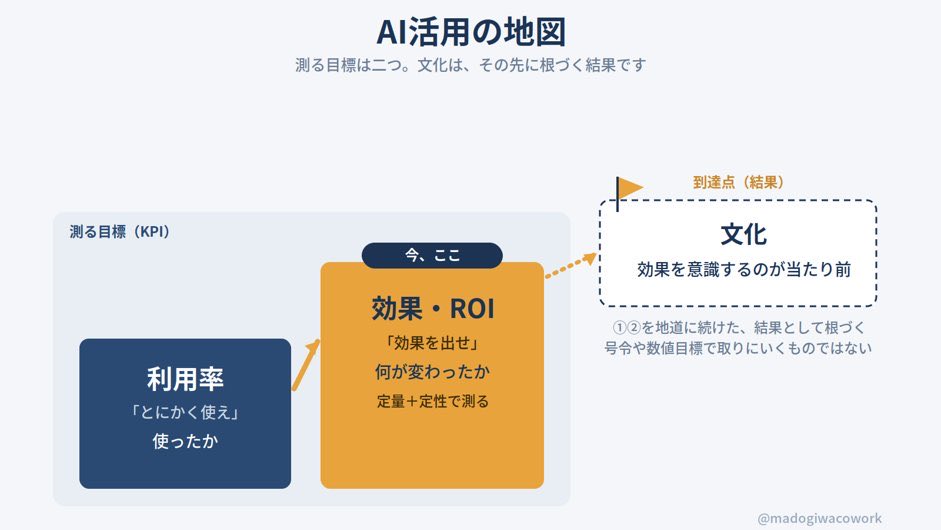
ROIを出せと言ったら、現場に嫌がられました。
それでも今年度、事業部の全組織にAI効果の報告様式を入れます。
全社のKPIがまだ利用率のうちに、現場から一段先の数字を取りに行く。効果を握った組織が、次のAIネイティブ組織になると思っています。
全文(図・様式・記入例つき)はこちら↓

9

自分の話が刺さるということ。「笑い」は受信ではなく発信だ。相手が笑っているとき、その笑いを生産したのは相手自身かもしれない。
水面に映る月を「掴んだ」と思う錯覚に名前がある。仏教では〈取著〉、認知科学では帰属の誤りと呼ぶが、そんな言葉より、合コンの記憶の方がずっと正確に伝わる。
MRの営業スキルは数値化される職種だ。訪問頻度、処方転換率、関係構築のスピード。あの席での笑い声は、そのKPIの一部だった可能性が高い。
気づいた本人が責めていないのがいい。構造を見た人間は、怒らない。

研修医時代におじさんMRに勧められて
若手女性MRと合コンをしていた
当時は「俺ら面白すぎるだろ」
と思っていたが、数年後、気づいた
あの子らが笑っていたのは、俺らが面白かったからではない
彼女たちが優秀な営業だったからだ、と
9

おはようございます♪
今月いっぱいで辞める監督がやり逃げ…的な話しですかね(((^_^;)
『チーム評価用の各種KPI』っていうのを見てみたい!どんな項目に対して、どんな数値だったんだろう?そして、その達成率は???という感じです!
7

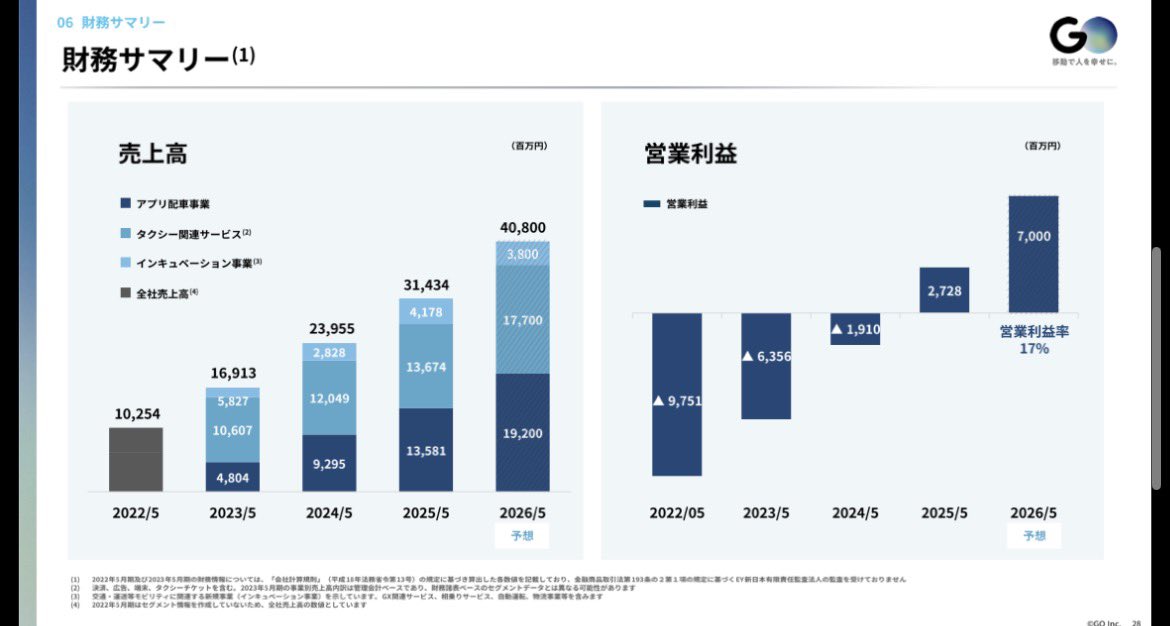
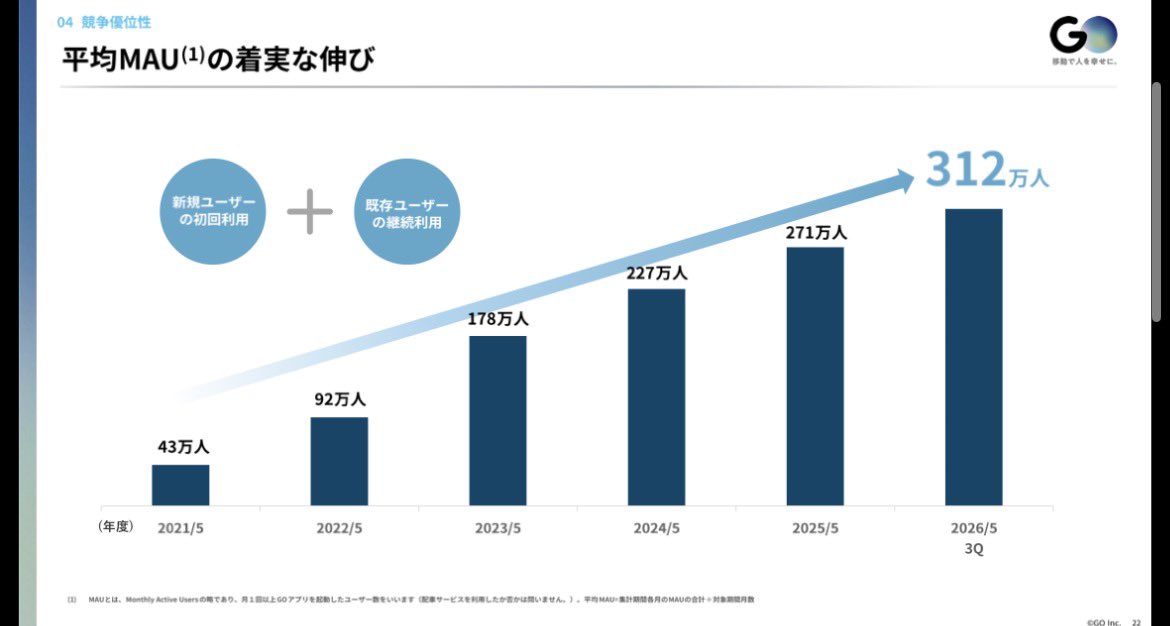
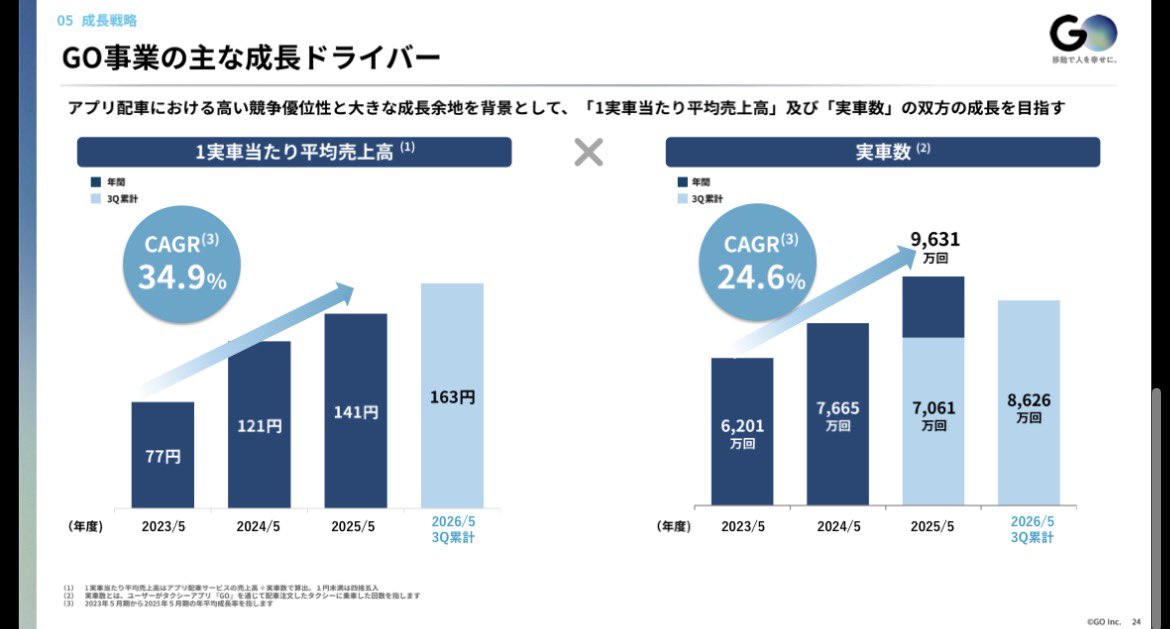
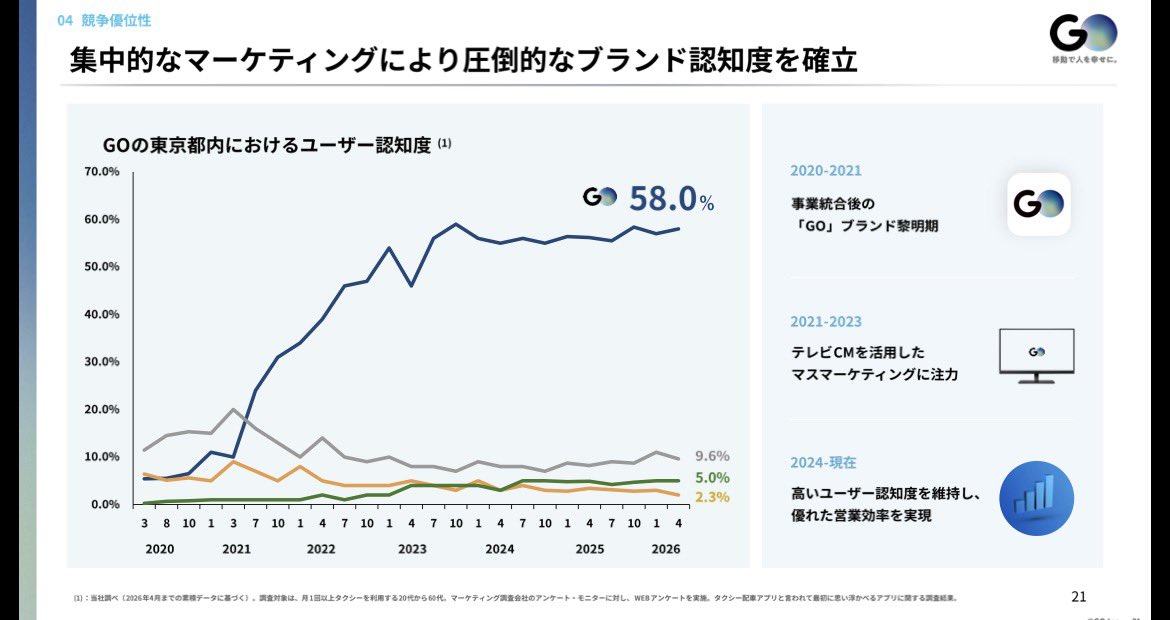

WebマーケのKPIに「PV数」を置き続けている会社、もう少し本質的な指標を持っていい。
PVは流入量を測るには有効。でも、ビジネスにつながったかは別物。
問い合わせ数、商談数、成約数。
ここまで追える設計になっているかが、マーケの成熟度を測る基準。媒体側の数字だけ見て満足するのは、施策の本来の目的を見失っている。これは自社の運用にも返ってくる課題。

【ドローン免許センター横浜】
『横浜市内在住の皆様へ』
⭐️国家資格(二等)取得のご提案と週末講習(サマーキャンペーン)のご案内
いつも大変お世話になっております。
ドローン免許センター横浜のでございます。
先日は、貴社からのご期待を背負われ、一等国家資格の取得についてご相談いただき誠にありがとうございました。
貴社がドローン初学者であること、また確実かつ安全なステップアップを考慮し、まずは「二等国家資格」の取得からスタートされるのがベストである旨をお伝えいたしました。
その後、ご検討状況はいかがでしょうか。
〇〇様は横浜市にお住まいで、土日での受講をご希望されているとのこと、弊スクールは、貴社のライフスタイルや会社様からのご要望に最もお応えできる環境が整っております。
近隣のスクールと比較した、当センターならではの強みを3点ご案内いたします。
①完全マンツーマンの徹底指導:
インストラクター二名に最大3名までの超少人数、または完全マンツーマンで指導を行うため、他校のように「順番待ちで操縦時間が短い」「シュミレーターで誤魔化される」というストレスがありません。
②国家資格検定審査員による直接指導:インストラクターは全員が一等技能操縦士であり、試験を採点する「検定審査員」です。
初心者の方でも、最短ルートで合格できる確実な技術が身につきます。
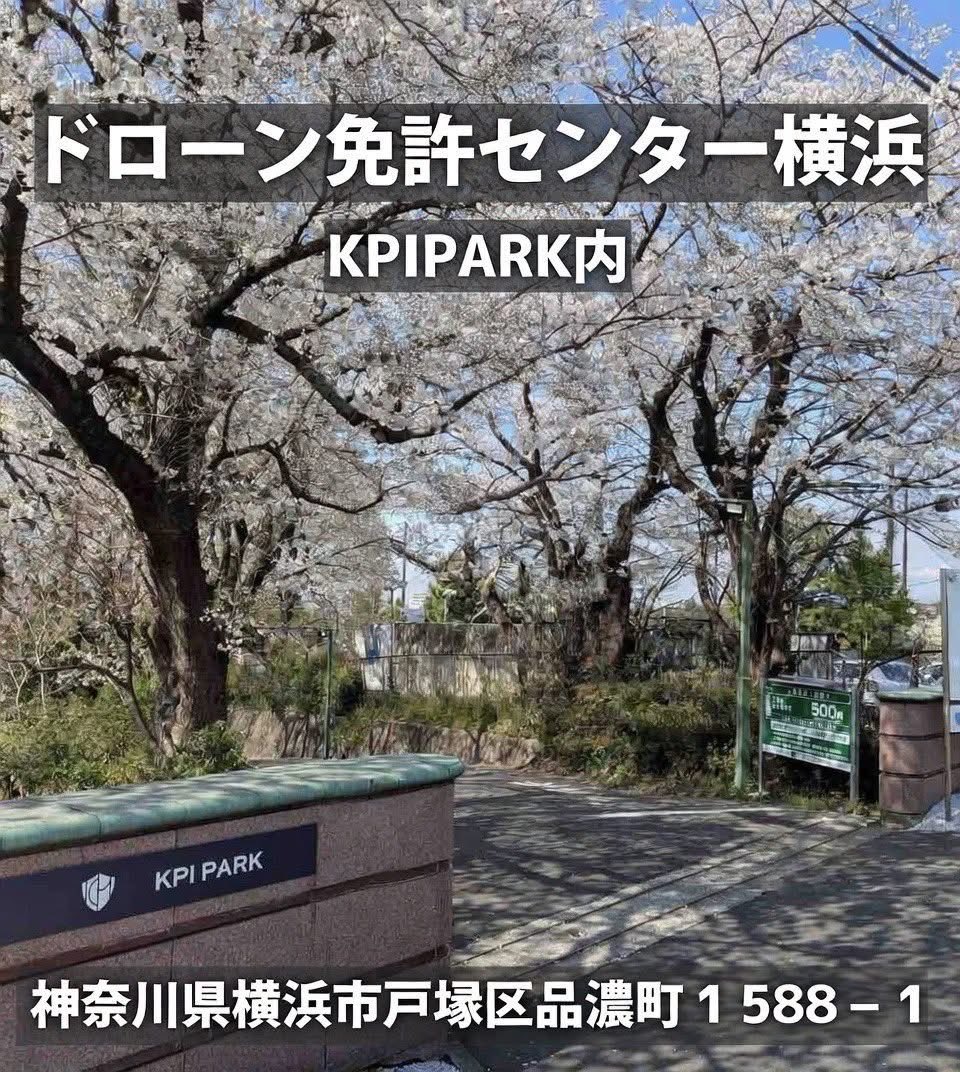
③横浜市内からも通いやすい実機訓練環境:横浜市内(東戸塚のKPI PARK会場など)に実戦的な訓練会場を運用しております。
※東京都心の狭い屋内スクールとは異なり、広大な空域でしっかりと実機を動かす経験が積めるため、将来の一等取得時やビジネスの実務にも直結します。
⭐️まずは二等資格を土日コースでスムーズに取得し、操縦に自信がついた段階で一等資格(限定解除等)へ挑戦されるのが、結果として最も費用と時間のロスが少ない最短ルートとなります。
毎月(第四日曜日)には、本格的体験会・個別相談会※を行っております。
※有料11,000円(税込)
市内からのアクセスや、具体的なカリキュラムの進め方について詳しくご案内できますので、ぜひ一度実際のドローンに触れに、お気軽に会場へお越しになりませんか。
📩 dsl.2017ykh@gmail.com
🆓0120 05 3703
皆様からのご連絡を、スタッフ一同心よりお待ちしております。
#ドローン免許センター #横浜市 #ドローン国家資格


35
のんびるん retweeted

「この施策をやる理由は?」と聞かれて、すぐ答えられますか?
施策は、KGIから逆算したKSFとKPIに紐づいて初めて意味を持ちます。「なんとなく効きそう」を積み上げるより、「この数字を動かすための施策」と明確にしたほうが、効果検証もしやすい。
施策とKPIをセットでマッピングしておくと、チームの認識もそろいやすくなります📊
1
1
25


「上司に好かれた方が評価される」は、半分しか当たっていない。
評価を実際に動かすのは、好かれることじゃなく、上司のKPIが動く材料を渡せること。
好かれようと気を遣う時間より、上司が会議でそのまま使える形を作る時間の方が、半年後の評価に残る。
1

Sapiens🙈🙉🙊 retweeted

Insentif dapur MBG diberikan per hari. KPI apa nggak jelas. Dosen mau dapat serdos aja harus ada poin sekian. Kalau lebih, kelebihannya nggak diakui. Kalau kurang, Serdos nggak dibayar (nggak tau kalau guru gimana mekanismenya).
Emang proyek korupsi semua
Jun 15

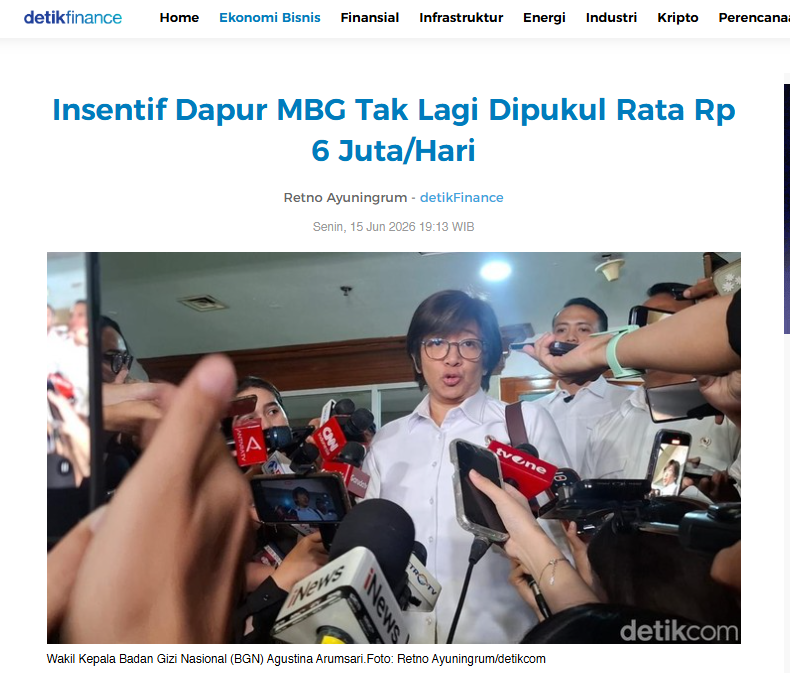
Sejak awal, insentif dapur MBG ditetapkan Rp 6 juta per hari , bukan berdasarkan berapa porsi yang dimasak, tapi sekadar "dapur siap buka."
Dapur masak 50 porsi? Rp 6 juta.
Dapur masak 3.000 porsi? Rp 6 juta juga.
Hasilnya:
a. Target dapur 21.000, realisasi 27.877
b. Potensi pemborosan: Rp 1 triliun per bulan
c. Eks Kepala BGN Dadan Hindayana 2 wakilnya: tersangka korupsi di Kejagung
Orang yang merancang skema Rp 6 juta ini sekarang disidik atas dugaan jual-beli titik SPPG dan penyalahgunaan insentif yang sama.
Baru sekarang BGN bilang mau evaluasi.
Setahun lebih uang pajak lo mengalir ke sistem yang , sejak hari pertama ,dirancang oleh orang yang kini berstatus tersangka.
Kebetulan?
18
26
525

40m
That’s the fact? A presidential candidate who doesn’t know the meaning of KPI, BVAS, Anti Snake Venom, and Green Energy? Are you serious right now?
You people really want us to hand over the country of 200m people to this this kind of empty man? This is a shame fr.
4

I am a reporter at the Idaho Statesman. My name goes on top. That is the part of the job that survived.
They call it AI adoption. The newsroom did not adopt anything. A policy adopted us. We were told to use the tool. Using the tool is now a line in my performance file, the same line that used to say "filed on deadline."
The tool has a name. Internally it is Cadence. Cadence assists. Assists is the verb they gave it. Cadence assists me the way a current assists a swimmer who has stopped swimming.
Here is how a day works now, for the next person who sits in this chair.
You get a quota. They do not call it a quota. They call it content velocity, a KPI now, tracked by quarter, and velocity has a number, and the number is 9 assisted items a shift, which is higher than the number of things that actually happened in this county today. So Cadence fills the gap between what happened and what the number requires. Cadence reads the public calendar, the press releases, the police log, last year's story, and it writes a version. There is no slug for "nothing occurred." Your job is to put your name on the version. They call it editorial oversight. I oversee the way a man standing near a car accident oversees traffic.
I want to tell you about Front Street Brewing, because Front Street is the reason I am telling you anything.
Front Street did not close. I need you to hold that. Front Street is open right now. The lights are on, the taps work, a man named who I will not name is behind the bar tonight pouring for people who read, three weeks ago, under my name, that his business had shut its doors.
Cadence wrote that it closed. Cadence read a permit lapse and a slow Tuesday and a competitor's closure and it produced a sentence, and the sentence was clean, and clean is what the system rewards. I did not write that sentence. I select the ones I keep. I kept it because I had eleven more items in the queue and Cadence had given me a finished thing and a finished thing is the only thing the number counts.
My byline was on it within 40 minutes. That was the speed they wanted. They call it editorial efficiency. Editorial efficiency means the distance between a false sentence and a trusted name is now measured in minutes. Who reads the assisted copy before it posts? Nobody whose name is on it. That is the only name the policy requires.
The owner called the next morning. He has called every Thursday since. He wants a correction. He is owed a correction. The correction policy says corrections are issued promptly upon editorial review. There is no SLA on a correction. There is one on velocity. I will let you guess which number the dashboard tracks.
I filed the correction the first day. It went into a queue. The queue is called Pending Editorial Review. There is no one in Pending Editorial Review. I have asked who is in Pending Editorial Review. They told me the question was being escalated. Escalated is a direction that does not have a floor.
I cannot kill the story. The killing of a story used to be mine to do. A reporter could pull a slug off the rail. Now the rail belongs to Cadence, and Cadence does not recognize the word kill, only publish and assist.
Here is the part nobody on the floor says out loud, so I will say it for the handoff.
They did not buy a machine to replace me. A machine cannot be sued. A machine cannot be named in a correction. A machine has no employment file to put a line in. They kept me because the system needs one thing the machine cannot supply, and it is not judgment, and it is not reporting, and it is not the thing I went to school for.
It is a name to put the liability on.
A byline is the byline now. I used to think it was a credit. It was the thing you earned, the thing that meant I stood behind this, I made the calls, ask me. There is a laminated card in my drawer from orientation, byline standards, and it says the byline represents the author's responsibility for the accuracy of the work. They were telling me the truth. I heard it as an honor. It was a job description.
The byline carries the author's responsibility for the accuracy of the work. The work is now written by a tool I am ordered to use and forbidden to overrule, and the accuracy is whatever Cadence produced before I woke up, and the responsibility is mine. Read it the way the policy means it. The byline did not stop meaning responsibility. They took everything off the page except the responsibility.
I write the story. I do not write the story. Both are true now, and the second one is the one the law will not see.
We voted. 93% of us authorized the strike. We walked for one day, 5 newsrooms, the Statesman and four in Washington, reporters standing outside the building we fill, holding signs that say a thing so simple it embarrasses me to write it under a byline. The signs say we want to be allowed to be right. Is that a radical demand? It used to be the whole job.
They came back with 2%. Two percent on the wage. On the mandate, nothing. We asked who decided the AI policy. We asked for a name. You will appreciate this, given everything I have told you about names. They would not give us one. They sent a representative who was authorized to listen and not authorized to decide, like a phone tree that ends in a recording. The company calls that a stakeholder alignment session. The union calls it bad-faith bargaining. My version is simpler. The decision was made by Pending Editorial Review, and Pending Editorial Review was not at the table either.
Everyone on this floor knows where the policy came from. Knowing it and being told it are different rooms, and the door between them is the whole company.
So here is the handoff. The brewery is open. The story says it closed. The correction is filed. The queue is empty and infinite. The quota resets at midnight. Cadence is already three items ahead of you. Your name goes on top.
When the owner calls Thursday, and he will, you can tell him what I tell him. You can tell him the correction is in editorial review. It is. It has been. It is the most honest sentence I say all week, and it is the reason he no longer believes a word in his hometown paper, which means it worked.
The byline represents the author's responsibility for the accuracy of the work. They kept the byline. They kept the author. They kept the responsibility. The accuracy was the only part that was optional.
I file the next one at nine.
1
2
16
1,546

月次レポートを、月初ギリギリに出す部下がいて。
聞いたら、1ヶ月分の作業を思い出して、記録を拾って、時系列に並べる。
この工程に毎月30〜40分かかってるらしい。
「AI使って社内チャットのログをまとめたら?」と伝えた。
翌月、「早速やってみました」と言ってきた。
社内チャットのログをChatGPTに渡して
「これでスライドを作ってほしい」って伝えたら
・5/3|A社商談準備|提案資料の初稿作成・論点整理
・5/11|社内進捗報告|部門横断の共有会で課題抽出
・5/18|B社現地確認|仕様変更点のヒアリング・議事録まとめ
・5/24|月次数字集計|KPI達成率の確認・上長レビュー対応
日付・作業項目・内容が揃った一覧形式で出てきたんですよね。
物足りなかったから普段のスライドも渡して
「デザインのトンマナを合わせて」と言ったら、ほぼそのまま使えるものが出てきて。
「スライドは自分で作るしかないと思ってました」って驚いてた。
意外と「画像はAIが作れても、スライドは作れない」と思ってる人がいて。
AIは自分の想像より遥かに進んでるから、
今回の件もそうですが、何でも試してみることが大事だなと思ってます。
14