📸 MR. HANGING ON IN QUIET DESPERATION... retweeted

Jun 14
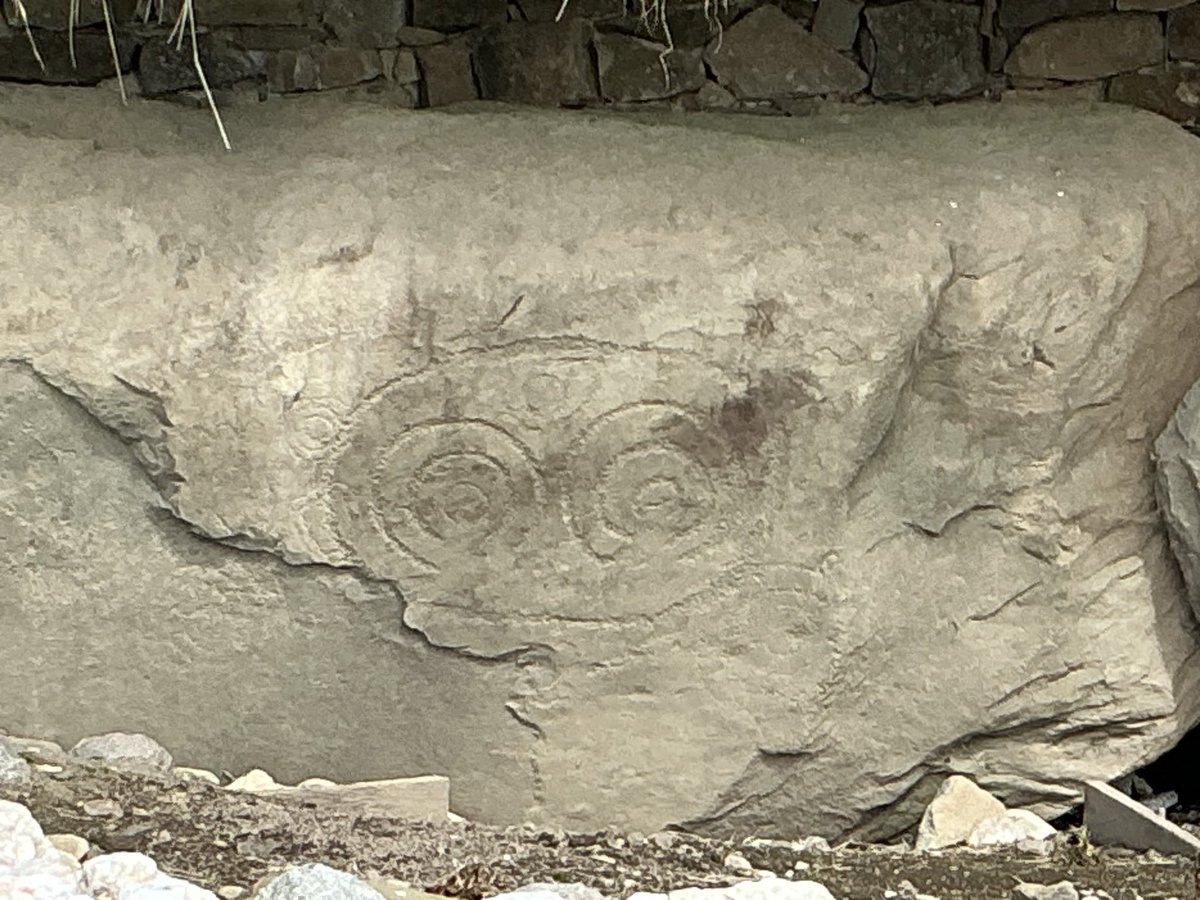
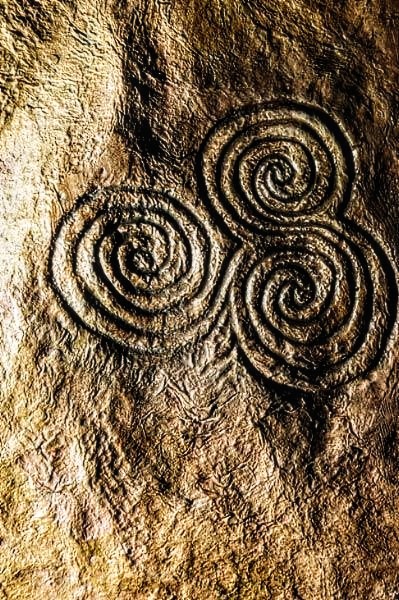
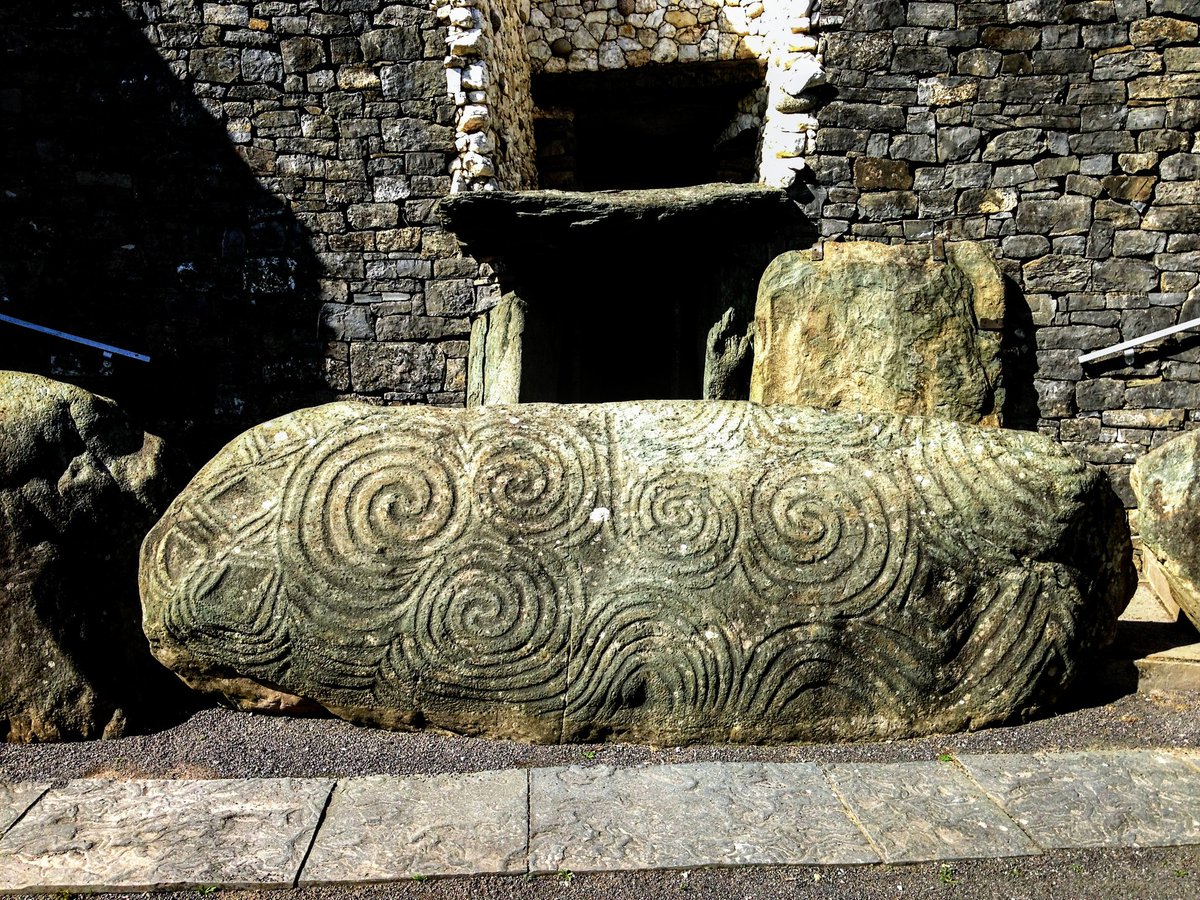
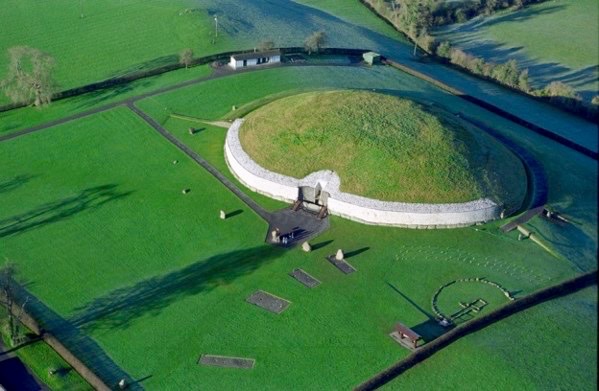
#StoneworkSunday Neolithic stonework at Knowth, Drogheda, County Meath
3
31
211



Jun 11
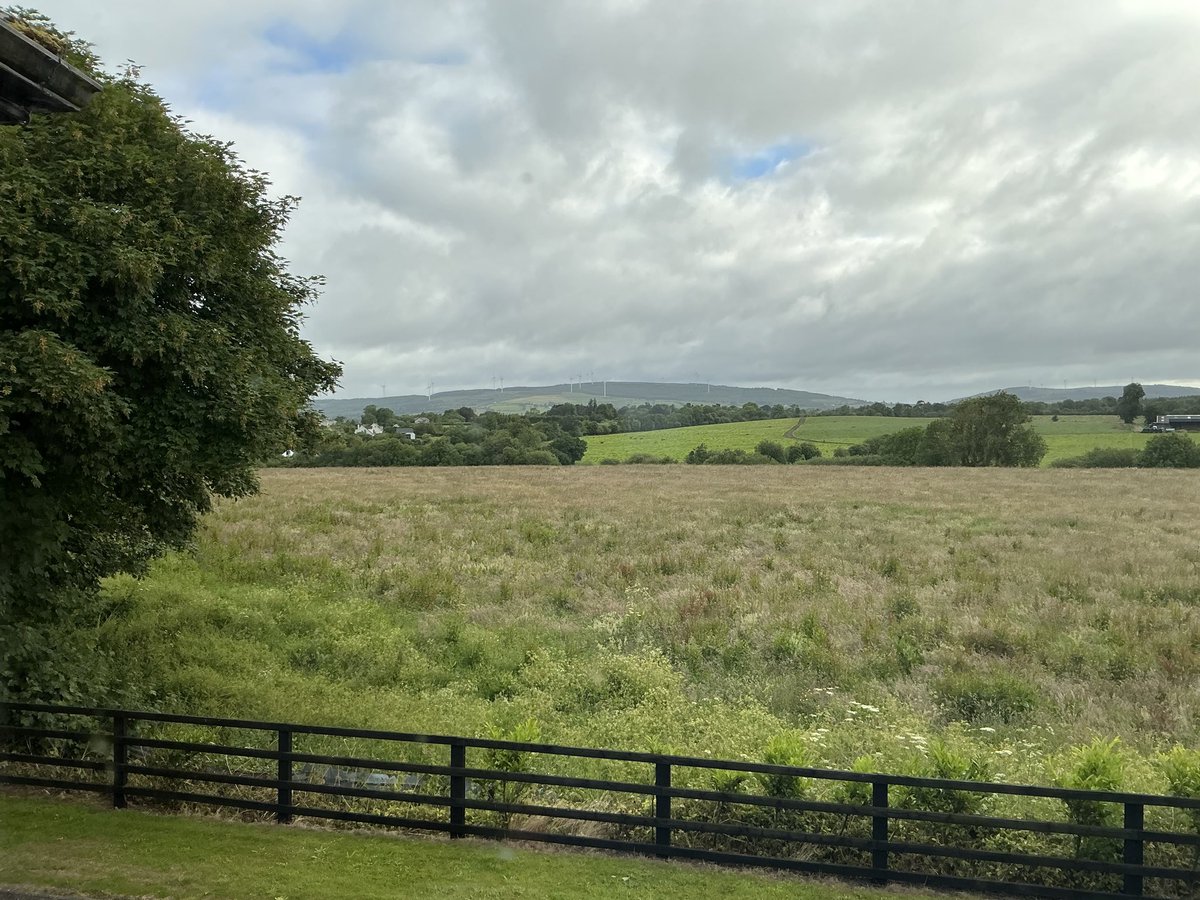
That man is too stupidest for he knowth he is unto competition with his friends
19
Jump SIFF retweeted

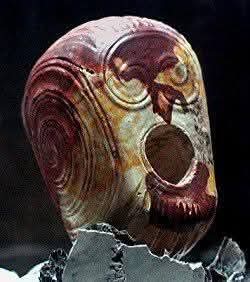
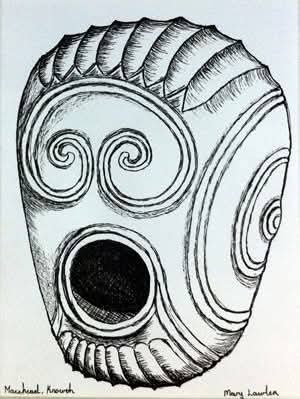
The Knowth Mace Head is a 5,000-year-old carved flint masterpiece widely regarded as one of the finest works of prehistoric art surviving from Neolithic Europe. Discovered in 1982 it was found hidden beneath a layer of shale in the eastern passage tomb at Knowth, County Meath, Ireland.
The head measures 79 mm (approx. 3 inches) long and weighs 324.51 grams. Crafted from a single piece of exceptionally hard, mottled pale creamy-grey flint flecked with brown, it is intricately carved in relief on all six sides with spirals, lozenges, and diamond shapes. When viewed from the front, the decorations naturally align to look like a stylized human face. The central hole (perforation) acts as a gaping mouth, the dual side spirals look like eyes, and the natural shading of the stone mimics hair and a beard.
The precision and smoothness of the deep carving on such hard flint suggests that Neolithic craftspeople used a sophisticated rotary bow-drill mechanism. This advanced method predates technology seen in the classical world by 2,000 years.
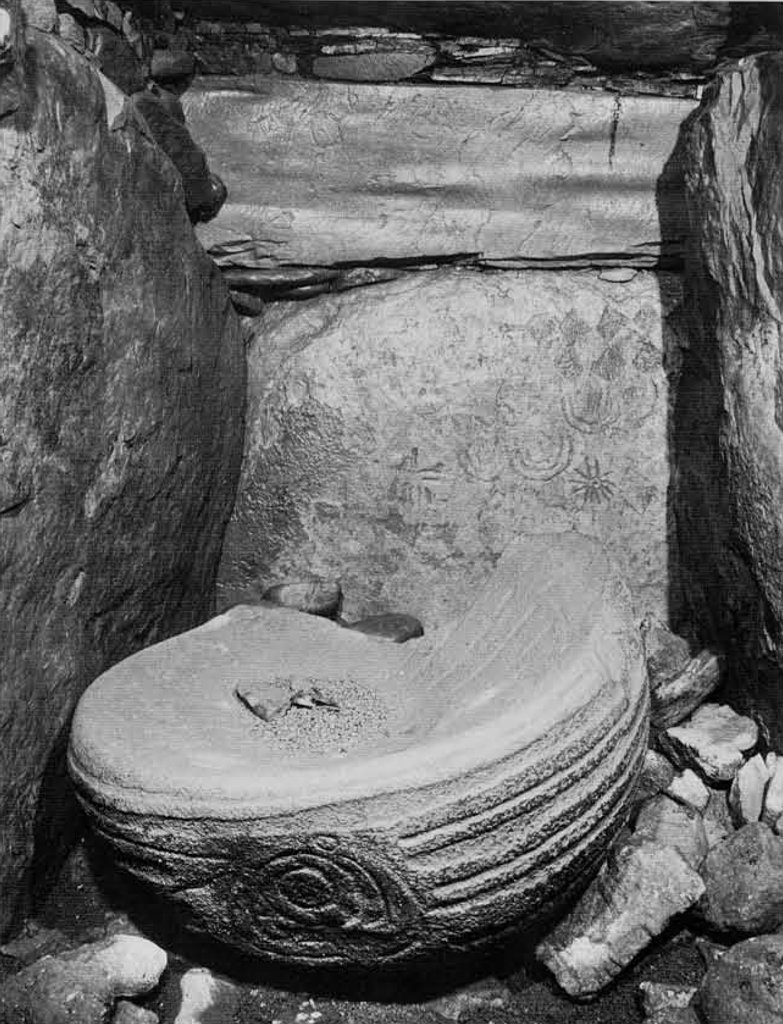
Found near a stone basin containing cremated human remains, it was not a functional weapon. It was a ceremonial object or prestige symbol indicating political or religious authority. While found in Ireland, the unique flint composition may have originated from the Orkney Islands in Scotland. This highlights an active elite trade network stretching across the Atlantic coasts of Britain and Ireland during the Late Neolithic period.
The original artifact is preserved and available for public viewing at the National Museum of Ireland in Dublin.
1
1
66

Jun 11
The NP' aligned buildings were built spread out over thousands of years after the cataclysm. Not during (they cant build, they just got turned into hunter gatherers)
What is starting to become clear now is that after the event, a subset of people in every culture became obsessed with making sure humanity would not forget.
While a few locations were built dedicated to explaining that this happened (e.g. Knowth Ireland), but dedicated sites are expensive and the most affordable ways to remember are (1) passed down great flood stories in every culture, (2) convincing 83% of builders worldwide to keep aligning buildings to southern Africa which has no extra cost. (3) incorporating the angle 104 degrees into stone cutting (25% to 80% of polygonal mortarless stones have this angle depending on location), wall angles being 104 (like in Peru where the there is a wall made of 104 stones that zigzags at 104 degrees when viewed from above), and art (like double spirals around the world from Utah to Malta marked to 104 degrees by a plus or wedge or horizon nearby.
Plato commented that people in his time were starting to doubt the passed down stories but most believed them. At some point believing Noahs flood was something more than a flood or happened in cycles became a crime via blasphemy. Then belief really fell off and now today only survives in indigenous preserved cultures.
11
548
Alicia retweeted

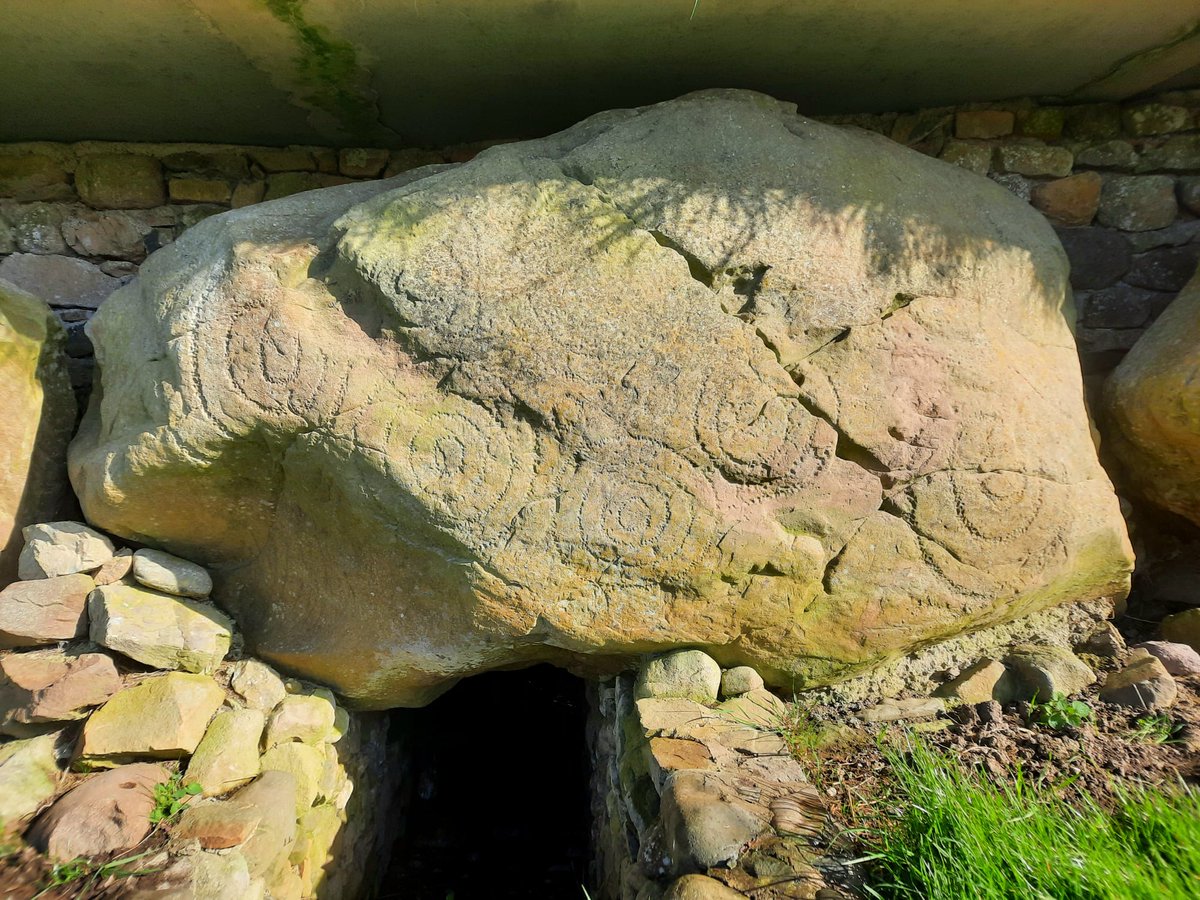
A souterrain in Tomb 1 at Knowth and it tunnels under Kerbstone 89.
This is just 1 of 9 souterrains found at Knowth, 4 of these are linked to houses. They were likely used to store food and precious personal items.
🧵1/2
1
11
63
1,254
Trevor the Giant retweeted

27 Aug 2025
1
2
2
117
Trevor the Giant retweeted
30 Dec 2023
#Neolitisation
Awesome #Dowth 🇮🇪#Knowth #Newgrang & all #Palaeolithic #Neolithic etc #Monuments across #Britain (eg #Stonehenge) #Europe & the world🌍are all fundamentally exactly the same
For thousands of yrs their #Megalithic #SECRET remained lost ...
Now it is found- See my
1
5
5
323


ye knowth not, evils of men.
church fathers have taught Jesus as a myth since 381
the doctrine of the trinity - was defined and approved -
at the first council of constantinople - in 381 ad
here is a bishop teaching me this fact
tinyurl.com/3cpyv7ba
28
Ketzahl retweeted

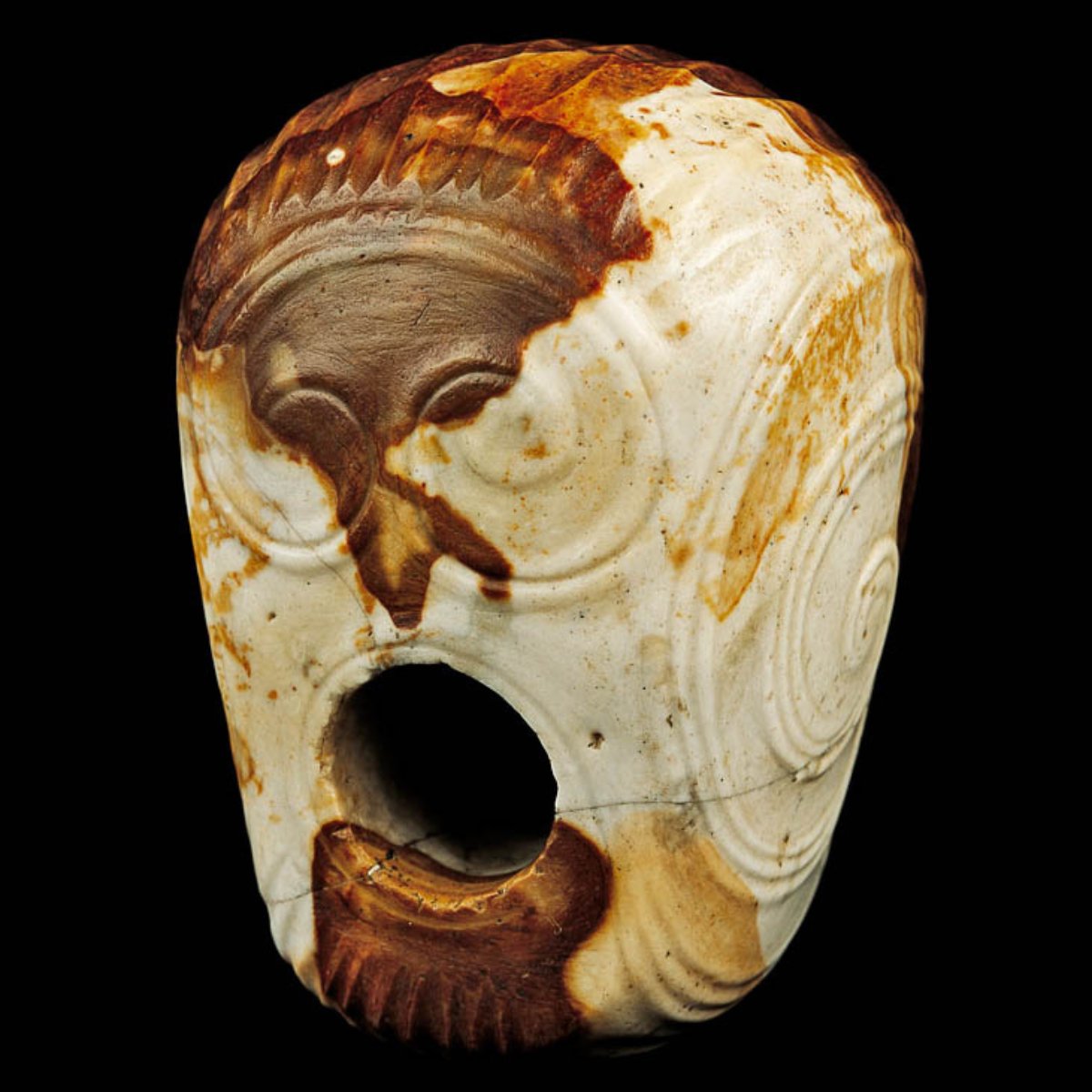
The Knowth Mace Head is a 5,000 year-old carved flint masterpiece widely regarded as one of the finest works of prehistoric art surviving from Neolithic Europe. Discovered in 1982, it was found hidden beneath a layer of shale in the eastern passage tomb at Knowth, County Meath, Ireland 🇮🇪
The head measures 79mm (approx. 3 inches) long and weighs 324.51 grams. Crafted from a single piece of exceptionally hard, mottled pale creamy-grey flint flecked with brown, it is intricately carved in relief on all six sides with spirals, lozenges, and diamond shapes. When viewed from the front, the decorations naturally align to look like a stylized human face. The central hole (perforation) acts as a gaping mouth, the dual side spirals look like eyes, and the natural shading of the stone mimics hair and a beard.
The precision and smoothness of the deep carving on such hard flint suggests that Neolithic craftspeople used a sophisticated rotary bow-drill mechanism. This advanced method predates technology seen in the classical world by 2,000 years.
Found near a stone basin containing cremated human remains, it was not a functional weapon. It was a ceremonial object or prestige symbol indicating political or religious authority. While found in Ireland, the unique flint composition may have originated from the Orkney Islands in Scotland. This highlights an active elite trade network stretching across the Atlantic coasts of Britain and Ireland during the Late Neolithic period.
The original artifact is preserved and available for public viewing at the National Museum of Ireland in Dublin.
#archaeohistories
2
10
82
6,411