武井チカ retweeted

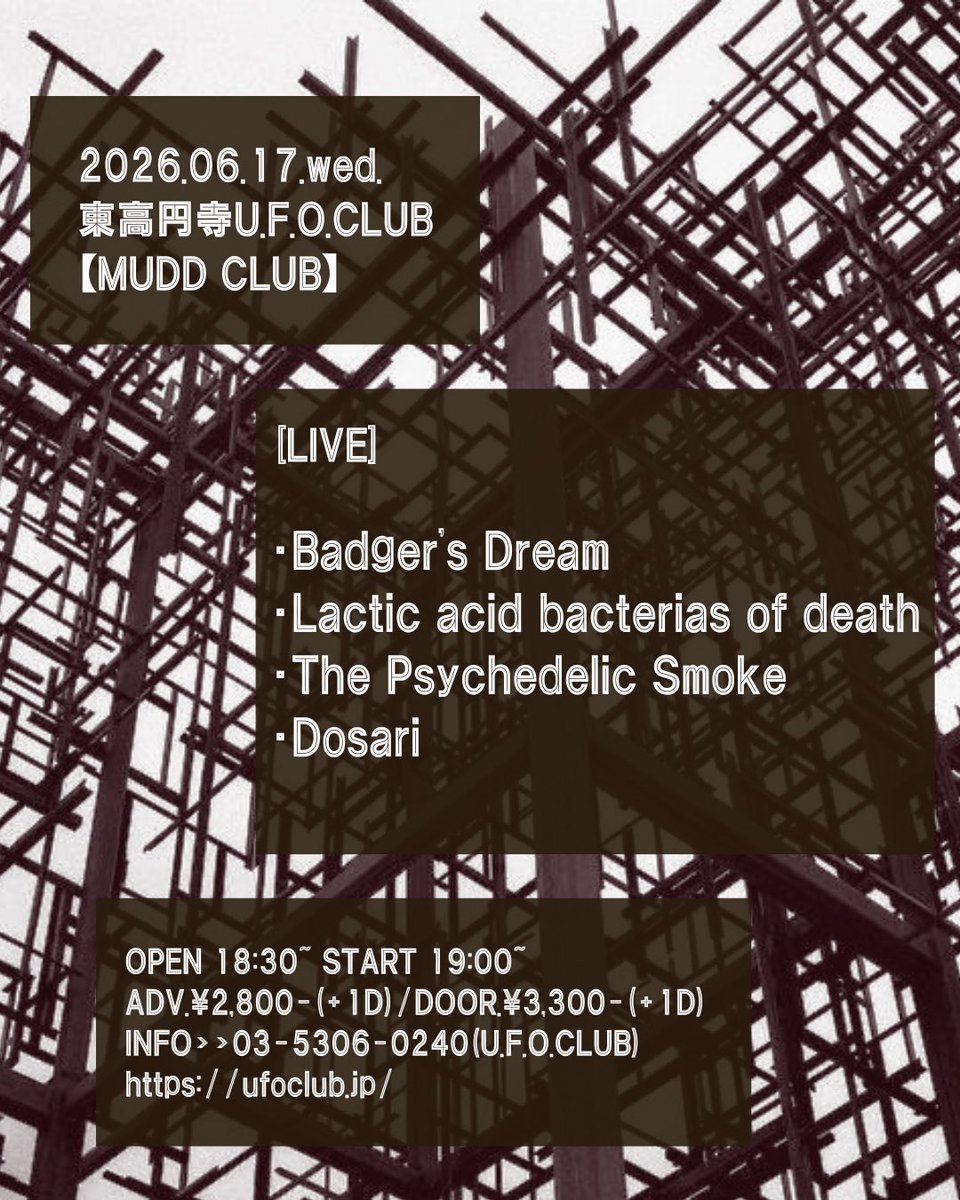
今夜はコチラ!!
【MUDD CLUB】
6月17日(水)
LIVE;
▽Badger’s Dream
▽The Psychedelic Smoke
▽Dosari
▽Lactic acid bacterias of death
OPEN 18:30~
START 19:00~
ADV.¥2800( 1D)
DOOR.¥3300( 1D)
ufoclub.jp/
1
1
65
Raghdah ♚ ~ retweeted

Jun 15
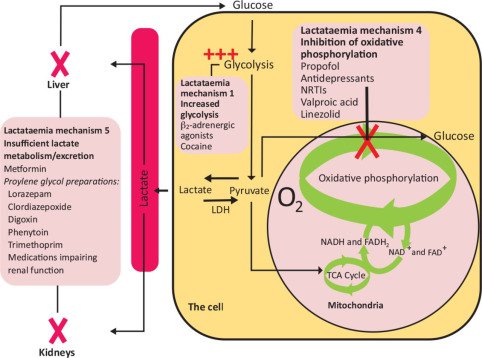
Salbutamol nebulization and High lactate.
This classic presentation is due to Salbutamol-Induced Lactic Acidosis (SILA), a well-documented Type B lactic acidosis.
*High or frequent doses of β₂-agonists trigger a sequence of metabolic changes that completely mimic a septic picture.
●Here is exactly why this happens:
1. Tremor:
Salbutamol stimulates β₂-adrenergic receptors in skeletal muscle, resulting in increased cyclic AMP (cAMP) production.
This heightened adrenergic state leads to increased glycogenolysis (the breakdown of glycogen into glucose) and subsequent muscle tremors.
2. Tachycardia:
High circulating levels of salbutamol start to stimulate β₁-adrenergic receptors (the primary receptors in the heart) in addition to β₂-receptors, directly causing a rapid heart rate (palpitations) and a drop in diastolic blood pressure.
3. High Lactate:
Salbutamol-induced intracellular cAMP accumulation aggressively stimulates both glycolysis (the breakdown of glucose) and lipolysis (the breakdown of fats into free fatty acids).
The massive amount of glucose being broken down creates excess pyruvate.
Simultaneously, the free fatty acids inhibit the enzyme that converts pyruvate into acetyl-CoA.
Left with nowhere else to go, this pyruvate is rapidly converted by the body into lactate.
4. Worsening the Vicious Cycle:
Co-administered steroids (like hydrocortisone or dexamethasone) increase β₂-receptor sensitivity, which further heightens lactate production.
The rising lactate creates a metabolic acidosis, making the patient breathe faster (tachypnea), which can be falsely interpreted as a worsening respiratory infection.
■The Takeaway...
When a patient receiving frequent salbutamol nebulization develops a high lactate, tachycardia, and tremor, SILA should be considered before presuming worsening sepsis.
Unlike sepsis-induced Type A lactic acidosis (which results from poor tissue perfusion), Type B lactic acidosis resolves rapidly when the offending β₂-agonist is reduced or discontinued.
researchgate.net/figure/Mech…
3
35
87
3,535

The protein will take up less than 1 litre, because it's denser than water. The rest would be a mixture of water, sugar, lactic acid etc.
3

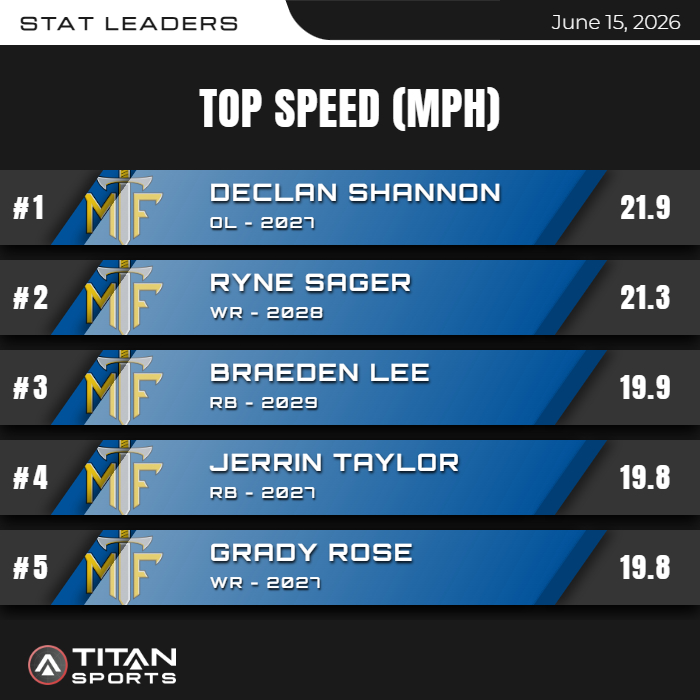


Not many...but, it works both ways.
How many NFL players could survive 90 minutes of continuous running and a 7-mile baseline without an oxygen tank? Most guys would redline and drown in lactic acid by minute 20.
Different engines, different races.
1
178
Badger’s Dream retweeted

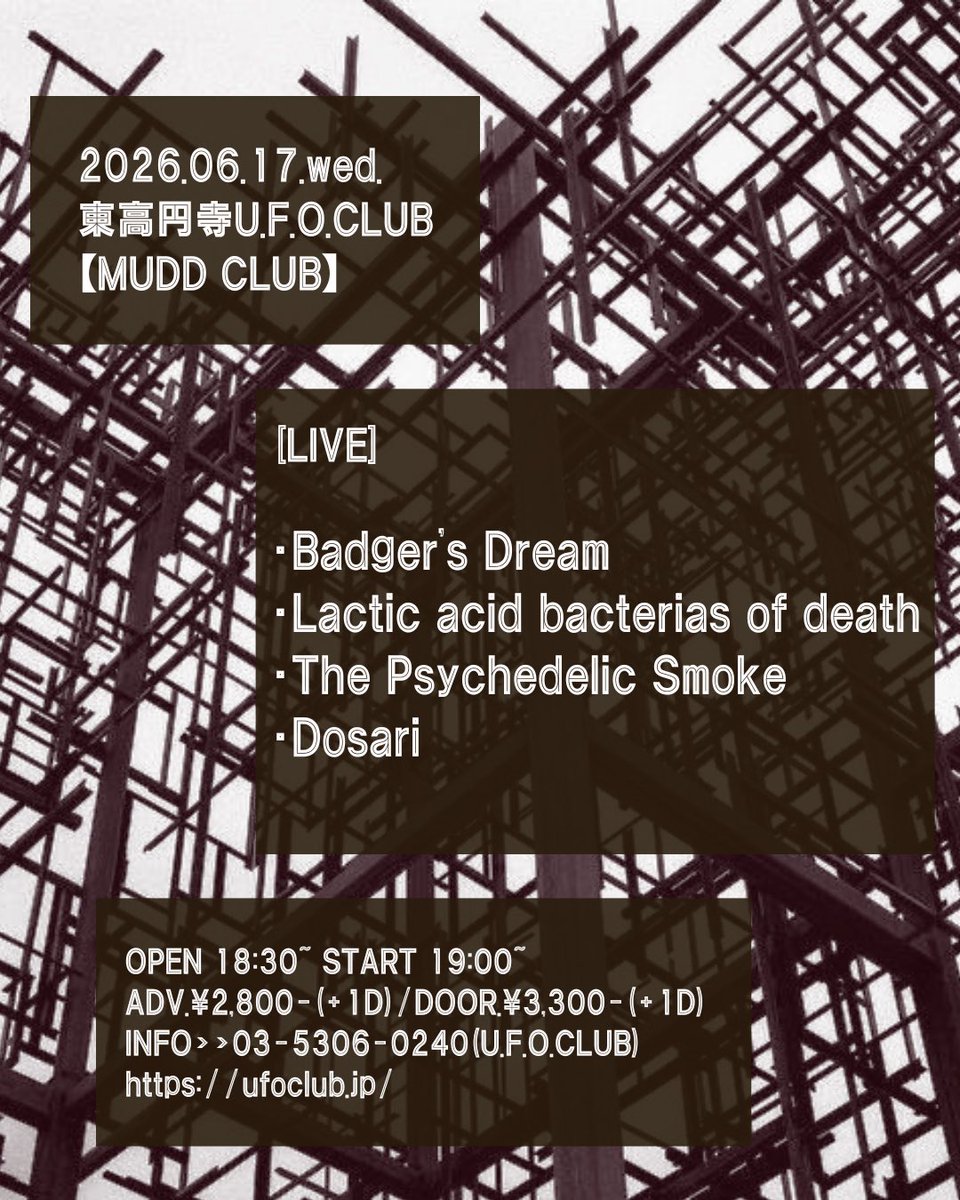
今夜のUFOCLUB→
【MUDD CLUB】
6月17日(水)
LIVE;
▼Badger’s Dream
▼The Psychedelic Smoke
▼Dosari
▼Lactic acid bacterias of death
OPEN 18:30~
START 19:00~
ADV.¥2800( 1D)
DOOR.¥3300( 1D)
ufoclub.jp/
1
2
109

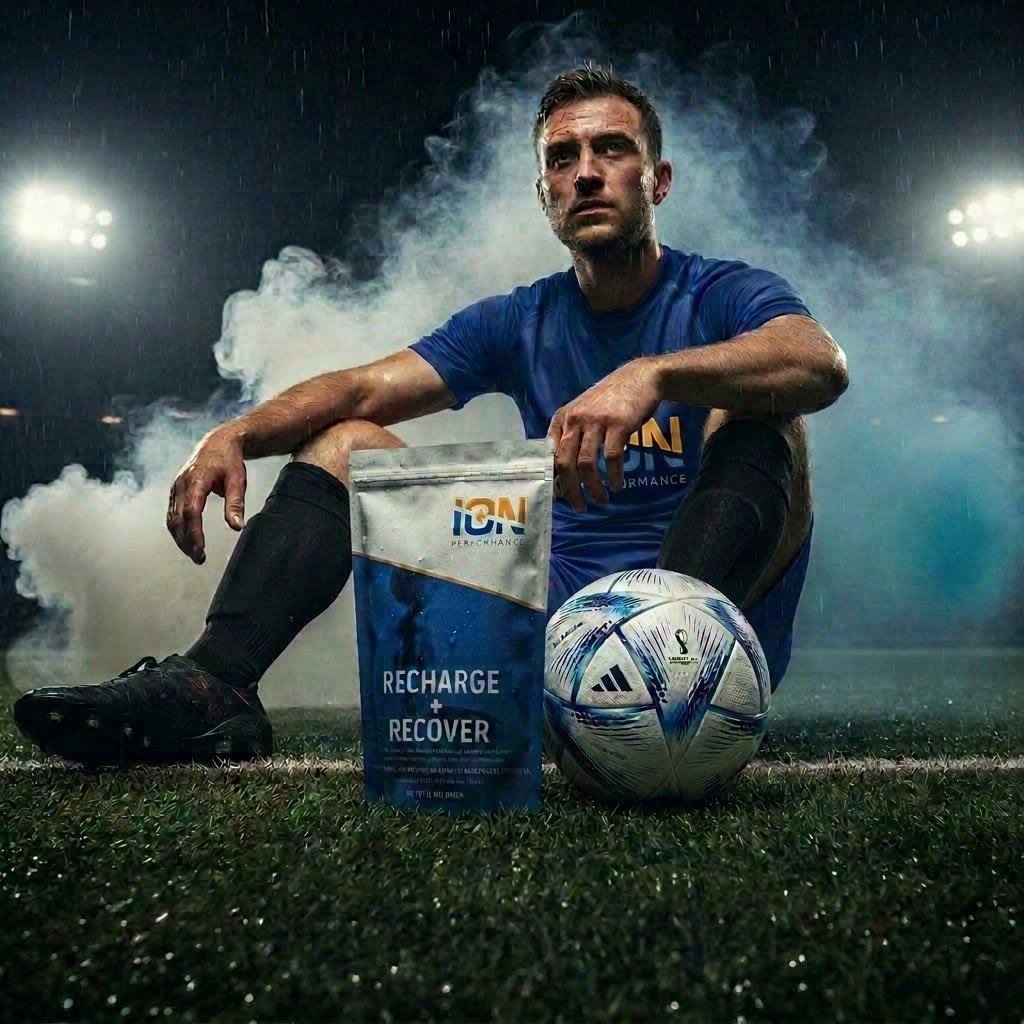
Advancing through the tournament bracket is about how fast you recover. ⚽️
Flush lactic acid and reset your legs with iON Recharge Recover before the next whistle. Clip the Amazon coupon to secure your tactical advantage. amzn.to/4eghfcM #SoccerRecovery
1
Pravinkumar Gupta retweeted

14 Feb 2024
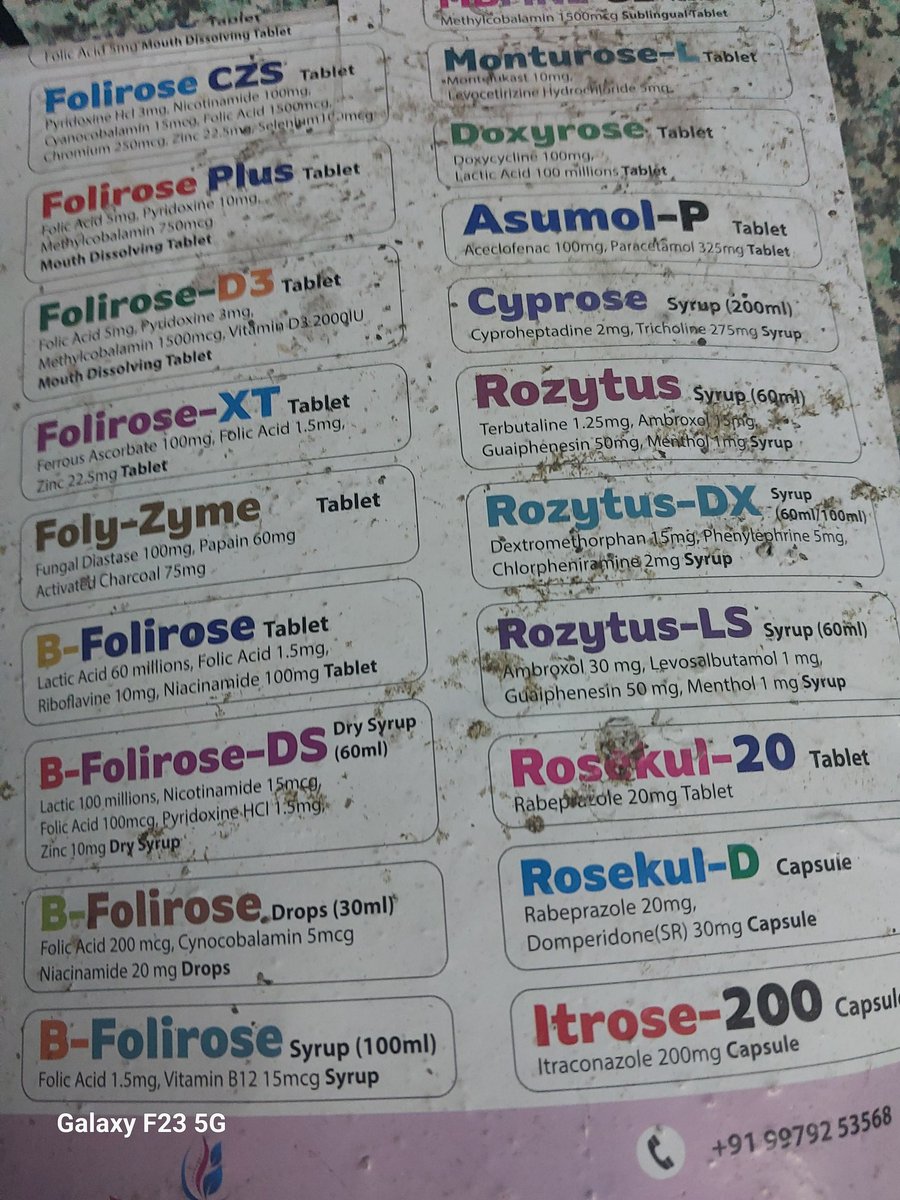
Folic acid ascorbic acid lactic acid are organic acid useful in pharmaceutical course to be taken by patient deficiency artificial life setting of people as they need to buy it from company source for "change of life style of complementary need of body function,chemical balance"
111
2
1,086

Yes! Too much cheese adds too much salt and lactic acid to otherwise balanced dishes.
14

That’s a good idea. They should walk good way to get rid of the lactic acid and avoid cramping. This is better for their health. I like the way you think JB
1
31

Yes, otherwise the balance of yeasts and lactic bacteria will shift towards lactic bacteria and the starter, and dough, will not rise.
1
10

One of the biggest fitness myths is that lactic acid causes your muscles to burn during exercise and makes you sore the next day.
In reality, that’s not true.
First, what most people call “lactic acid” is actually lactate. Lactate is not a waste product that your body needs to get rid of after a workout. In fact, it serves as an important fuel source. During intense exercise, when your muscles need energy faster than oxygen can be delivered, your body produces lactate, which can be used as an additional source of energy by your muscles, heart, and other tissues. (PubMed Central)
So what causes that burning sensation during hard exercise?
Researchers now believe the burn is primarily related to the accumulation of hydrogen ions and other metabolic changes that occur during intense exercise—not lactate itself. Lactate is actually helping the process by allowing energy production to continue. (Track & Field News)
The myth that lactic acid causes fatigue dates back more than a century. Early studies found high levels of lactate in fatigued frog muscles, leading scientists to assume lactate was causing the fatigue. We now know that lactate is more of a marker of hard work than the cause of muscle failure. (PubMed Central)
What about the soreness you feel the next day?
That soreness, known as Delayed Onset Muscle Soreness (DOMS), is primarily caused by microscopic damage to muscle fibers and the resulting inflammatory response as your body repairs and strengthens the tissue. Lactate is not responsible for DOMS. Studies have shown that lactate levels return to normal relatively quickly after exercise, while soreness often peaks 24–48 hours later. (PubMed)
In fact, blood lactate levels typically return close to normal within about 30–60 minutes after exercise, especially with light active recovery. (researchgate.net)
So let’s stop blaming lactic acid for next-day soreness. Lactate isn’t the villain it’s often made out to be. It’s actually an important energy source that helps your body perform during hard exercise. The soreness you feel later comes from the body’s repair process—not from lactate lingering in
64


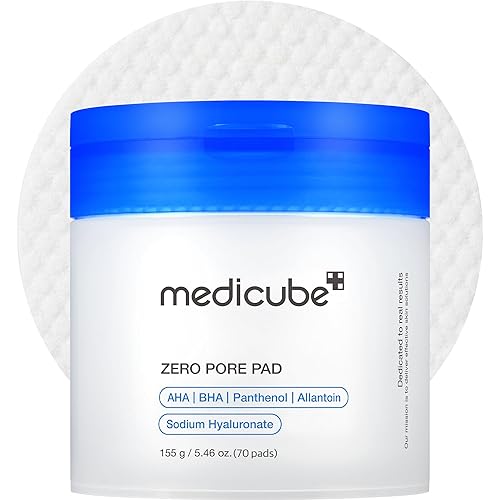
I just received medicube Toner Pads Zero Pore Pad 2.0 | Dual-Textured Facial Pad for Exfoliation and Pore Care with 4.5% AHA Lactic Acid, 0.45% BHA Salicylic Acid | Ideal for All, Korean Skin C from iccarly via Throne. Thank you! throne.com/taytries #Wishlist #throne
111