
Jun 10
NEW: A $495K LCPtracker settlement offers cash and credit monitoring to individuals affected by an August 2024 data breach.
classaction.org/news/495k-lc…
48

Mar 18
Have you ever bid on a local government contract?
1. Prevailing Wage
Requirements:
•Must be registered with the California Department of Industrial Relations (DIR)
•Pay prevailing wage rates (not your normal crew rates)
•Submit Certified Payroll Reports (CPRs) weekly
•Maintain:
•Worker classifications (carpenter, laborer, operator, etc.)
•Apprenticeship ratios
Reality:
👉 Labor cost can jump 20–40% vs private jobs
👉 Paperwork is constant and audited
⸻
📊 2. Certified Payroll Reporting
•Weekly submission (often through LCPtracker or similar systems)
•Includes:
•Worker name, classification, hours, wage rate
•Subject to audit at any time
👉 Mistakes = penalties back pay
⸻
🌱 3. Local Hire Requirements (SF-specific)
San Francisco has strict local hire rules through the:
•San Francisco Office of Economic and Workforce Development (OEWD)
Typical requirements:
•% of hours must be worked by SF residents
•Additional targets for:
•Disadvantaged workers
•Apprentices
👉 If you miss targets:
•You pay penalties OR make up hours
⸻
🏗️ 4. LBE / DBE / Small Business Participation
City contracts often require:
•LBE (Local Business Enterprise) participation (SF-based firms)
•Or DBE / MBE / WBE participation depending on funding
You may need to:
•Subcontract a % (e.g., 10–25%) to certified firms
👉 This can affect:
•Your subs list
•Your pricing
⸻
🌿 5. Environmental Requirements
Especially in SF:
a. Clean Construction / Green Diesel
•Use Tier 4 equipment or retrofitted engines
•Low-emission diesel (or electric where required)
b. Dust Control
•Watering / dust suppression plan required
•Air Quality Management compliance
c. Stormwater Pollution Prevention (SWPPP)
•Erosion control
•Runoff containment
•Inspections logs
⸻
🪶 6. “Indigenous / Community / Equity” Requirements
This varies by project, but you’ll often see:
•Community benefits requirements
•Outreach to:
•Minority-owned businesses
•Local workforce programs
Sometimes includes:
•First Source Hiring
•Good faith efforts documentation
⸻
🛠️ 7. Tooling & Safety Requirements
•Cal/OSHA compliance (strictly enforced)
•Site-specific safety plan required
•Sometimes:
•Electric tools (noise/emissions rules)
•Idling limits on equipment
⸻
📑 8. Insurance & Bonding
Much heavier than private work:
•General liability: often $2M–$5M
•Performance bond: 100% of contract
•Payment bond: 100%
👉 This can cap how big a job you can bid
⸻
💰 9. Retention & Payment Terms
•Retention: typically 5–10%
•Slow payment cycles vs private work
•Change orders = bureaucratic
⸻
🧠 10. Administrative Burden (Underrated Cost)
You’ll need:
•Someone managing:
•Payroll compliance
•Subcontractor compliance
•Reporting
👉 This is why a lot of good builders avoid public work
1
4
124

28 Nov 2024
Dear Mark Douglas, We need clarity on the recent cyber incident at LCPtracker, Inc. (@LCPtracker). Let’s cut to the chase:
1. What exactly happened?
2. What actions have been taken or are underway to resolve it?
3. How will you rebuild trust and restore your brand’s reputation?
Please let us know a convenient time to discuss. Thank you!
1
2
2
72
28 Nov 2024
LCPtracker, Inc. (@LCPtracker) is writing breach notification letters to 40,963 victims after becoming aware of unusual activity in their online storage account environment. Breach Occurred: August 14, 2024, Breach Discovered: October 25, 2024, Customer Notification: November 22, 2024. We grade their response as D-.
#CNL #CyberNewsLive #CYBER #payroll #reporting #HR
lcptracker.com/
1
2
2
91

18 Mar 2024
Happy Monday! Check out today's #ConTech #blog No. 49 for all the latest news, blogs, podcasts and videos for #ConstructionTechnology in #Canada and around the world. Read the blog here 👉 t.ly/EV7kr - Mentions this week include: @procoretech @JonasSoftware @REVIZTO @SiteMaxSystems @CMDALKON @PCLConstruction @DocumentCrunch @BentleySystems @ICON3DTech @Matterport @resi_uk @ApisCor3D @LCPtracker @TrimbleCorpNews

ALT Happy Monday! Check out today's #ConTech #blog No. 49 for all the latest news, blogs, podcasts and videos for #ConstructionTechnology in #Canada and around the world. Read the blog here 👉 https://t.ly/EV7kr
2
46

7 Jul 2023
Women Build California 🎥 @C_Powell84 & @AngelaGardner26 💙 it! We must make thousands of these titled ~ "Women & Men" Build the World! 👊🏻👷🏻♀️👷🏼♂️🎥 Thanks @AGCCalifornia @buildcalifornia @AGCofA @PeterTateishi @procoretech @LCPtracker and many more!👇🏻👇🏻
youtube.com/watch?v=-E_bZGkC…
3
70

10 May 2023
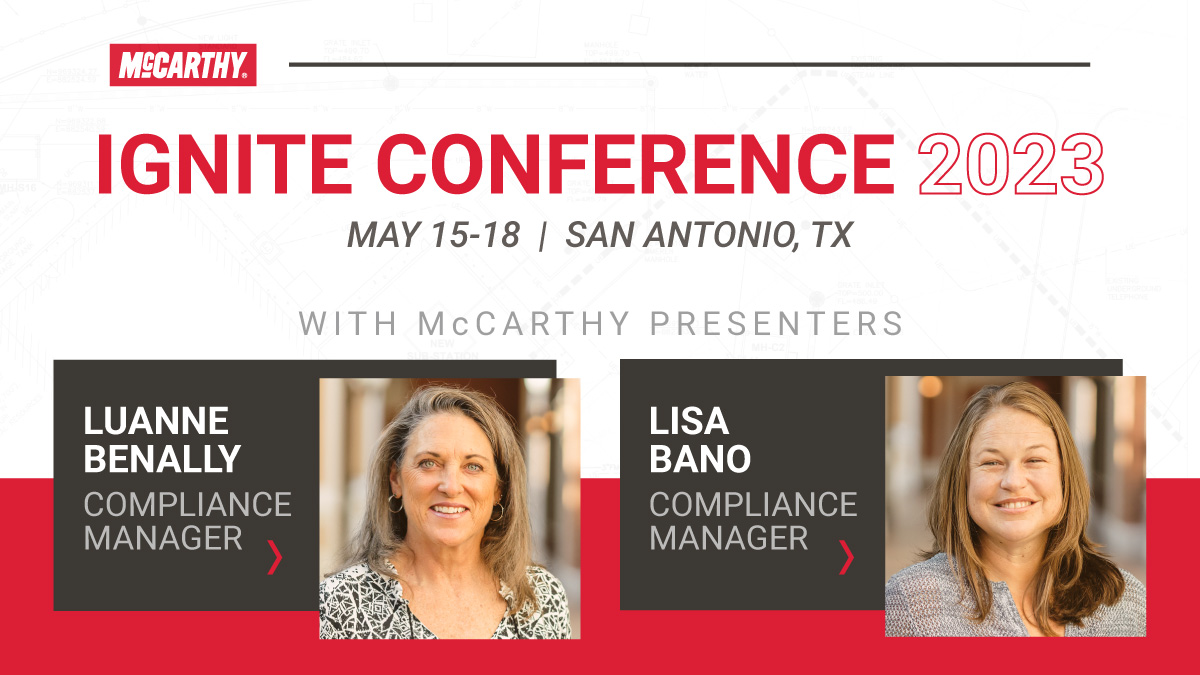
Attending the @LCPtracker #Ignite2023 conference in San Antonio? Join McCarthy compliance managers LuAnne Banally & Lisa Bano for presentations on #WomenInConstruction and Underutilized Features in LCPtracker to maximize your labor compliance. Register ➤ ow.ly/OKCO50OiV2s
3
11
982

Looking simplify your certified payroll reporting? We have a great integration that streamlines the process by importing your payroll data from Paychex Flex® to LCPtracker. Learn more about the benefits at buff.ly/3DwjLsu
1
3
284

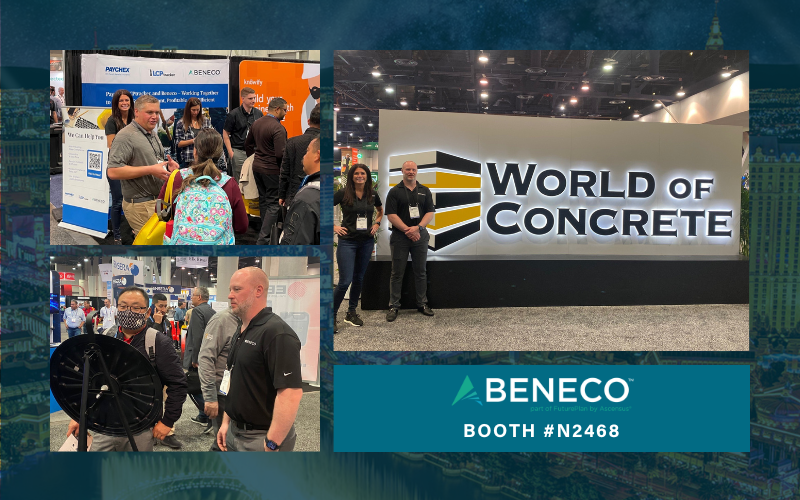
Beneco is having a GREAT time at @WorldofConcrete spreading the word about all things #prevailingwage with @LCPtracker & @Paychex. If you're in #Vegas for the event, drop by booth #N2468 to learn about everything from #certifiedpayroll to #employeebenefits!
#WOC2023 #Construction
1
75
Do you find yourself getting frustrated by submitting certified #payroll reports & tracking #employeebenefits? Join our FREE webinar 10/25 and learn how Beneco, Paychex, & LCPtracker can save you time, money and, most importantly, keep you in compliance. bit.ly/3yl5KLT

2

23 May 2022
Last week, Denver Labor had the honor to participate in the @LCPtracker Prevailing Wage Seminar to explain how we enforce the wage law.
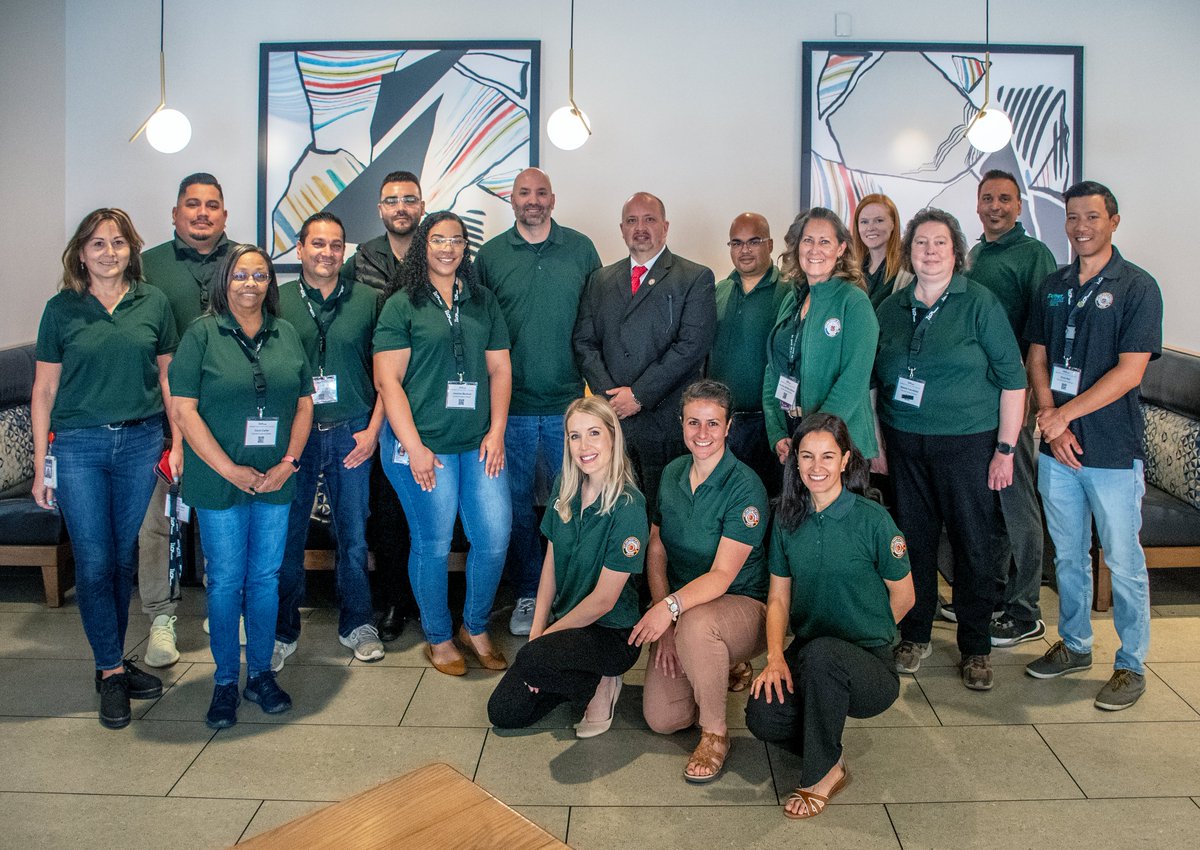
ALT Denver Labor at the LCPtracker Prevailing Wages Seminar in Denver.
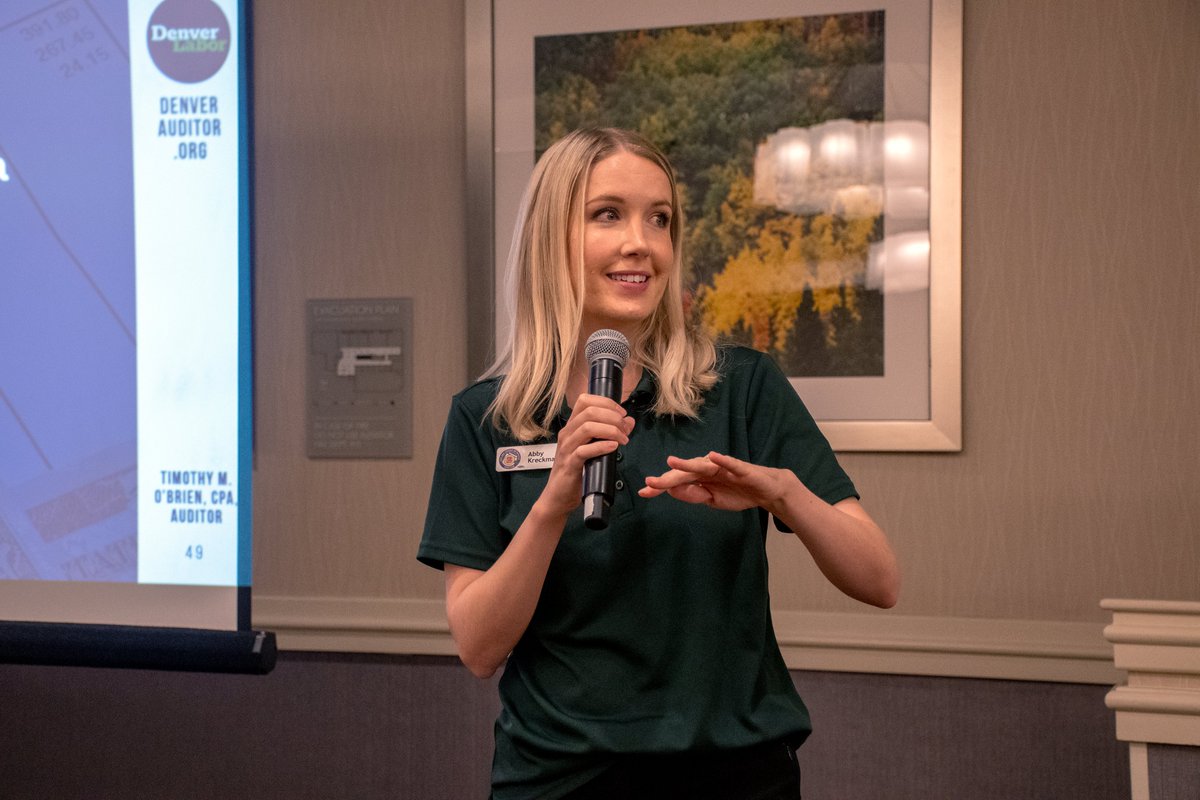
ALT Lead Labor Compliance Analyst presenting at the LCPtracker seminar in Denver.
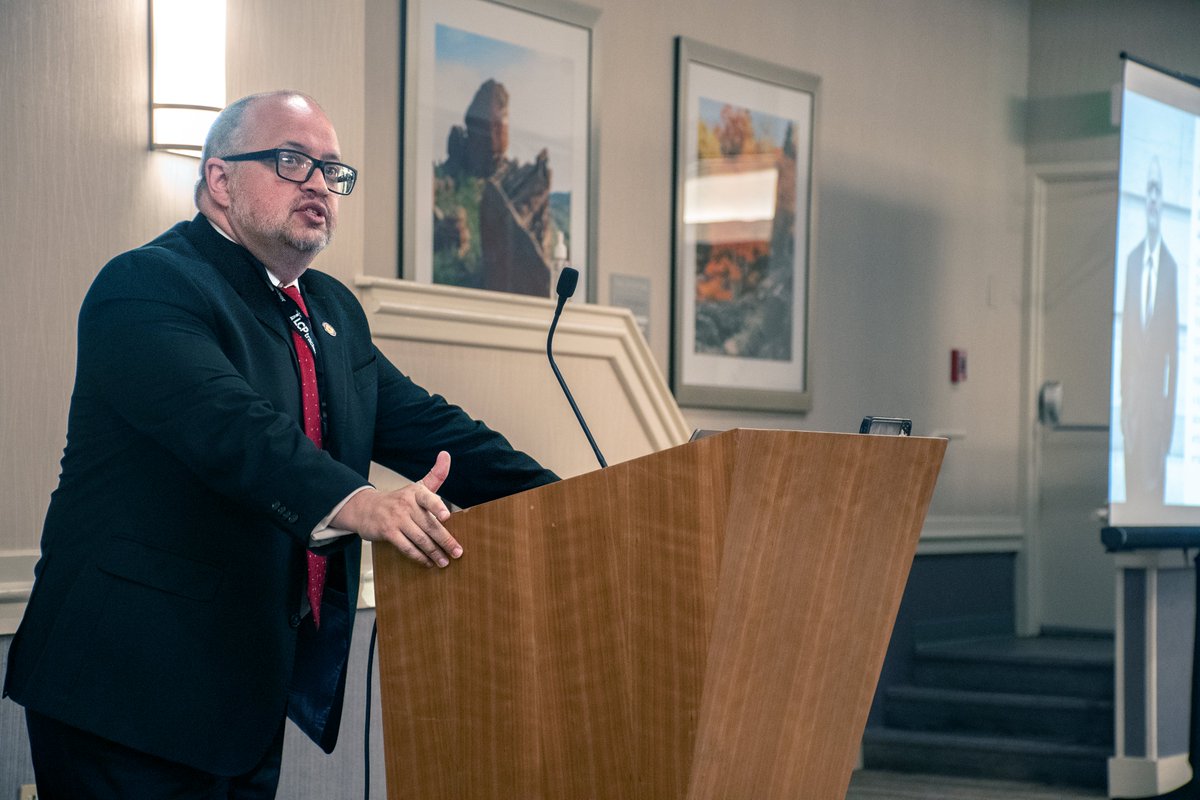
ALT Denver Labor Executive Director Jeffrey Garcia presenting at the LCPtracker seminar in Denver.
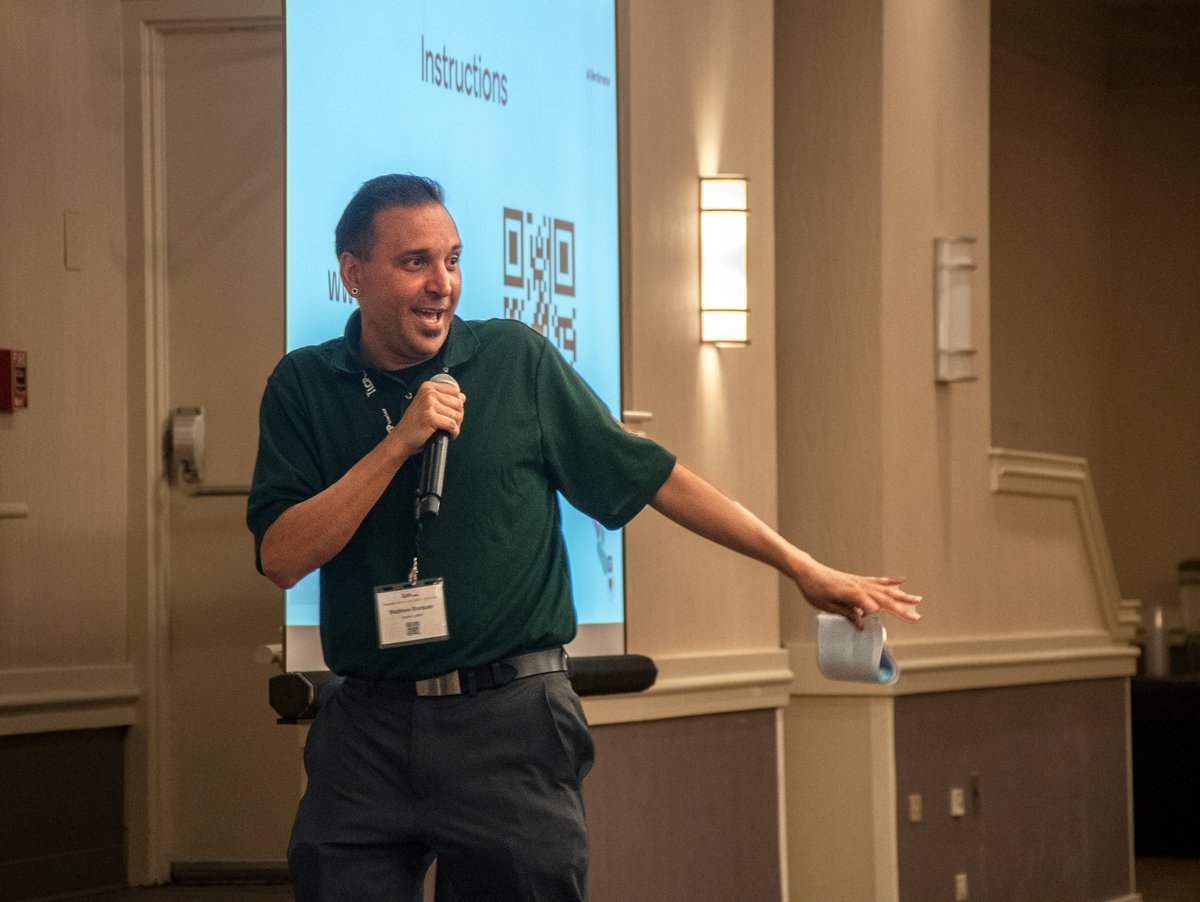
ALT Labor Compliance Analyst presenting at the LCPtracker seminar in Denver.
1
1
4

18 May 2022
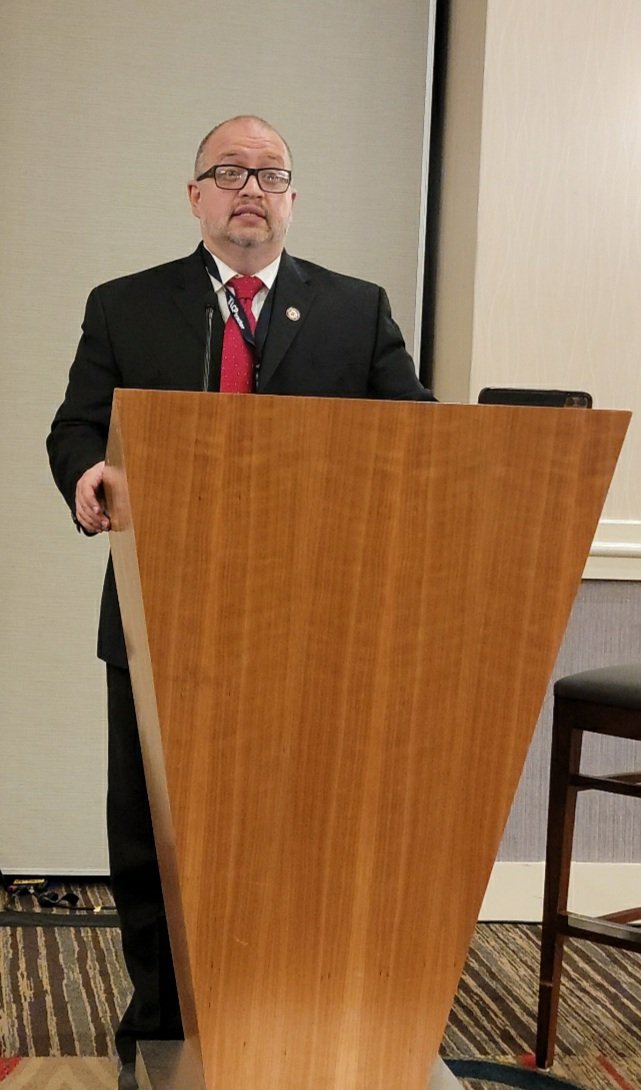
I could talk about the positive effect thoughtful labor law enforcement can have on a community for hours.
It was cool to have a few minutes today to discuss that subject at the @LCPtracker Denver Summit.
Great to see 150 community partners at the summit. @DenverLabor
1
4
17 May 2022
Attention, city contractors: Our Denver Labor team will participate in the prevailing wage seminar organized by @LCPtracker in downtown Denver this week.
1
2
Getting frustrated with submitting certified #payroll reports & tracking #employeebenefits? Join Beneco, @Paychex, & @LCPtracker 3/15 to learn how each company can save you time, money, and most importantly, keep you in #compliance. bit.ly/3K1EjKm
#constructionindustry

4
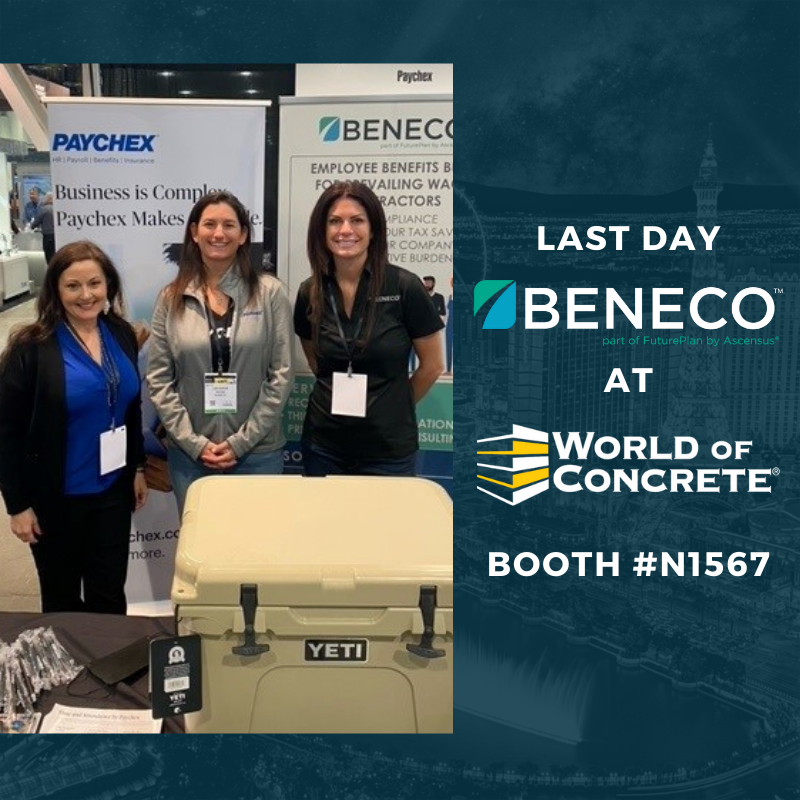
If you're like us, you're making the last rounds with exhibitors at #WOC2022. Make sure to stop by to visit us in booth N1567 to hear how a benefits program from Beneco can meet the needs of both your company & your employees - say hi to the teams from @Paychex & @LCPtracker, too
1
2
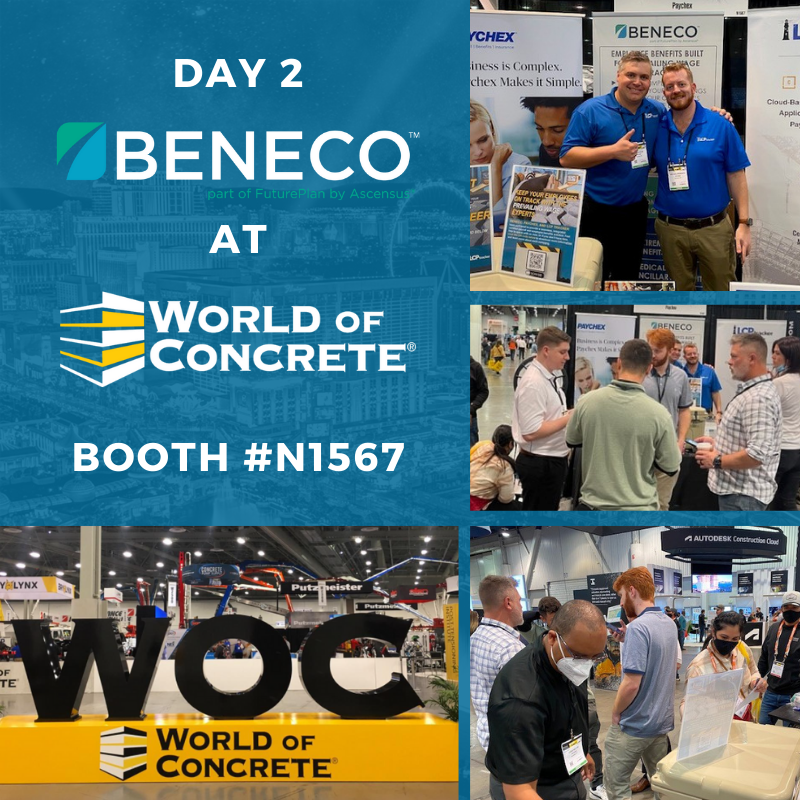
#WOC2022 is off to a great start, with a lot of buzz at the team Beneco booth with @Paychex & @LCPtracker. Don't forget to swing by booth #N1567 to learn about prevailing wage benefits and get your name in to win @YETICoolers!
1
3
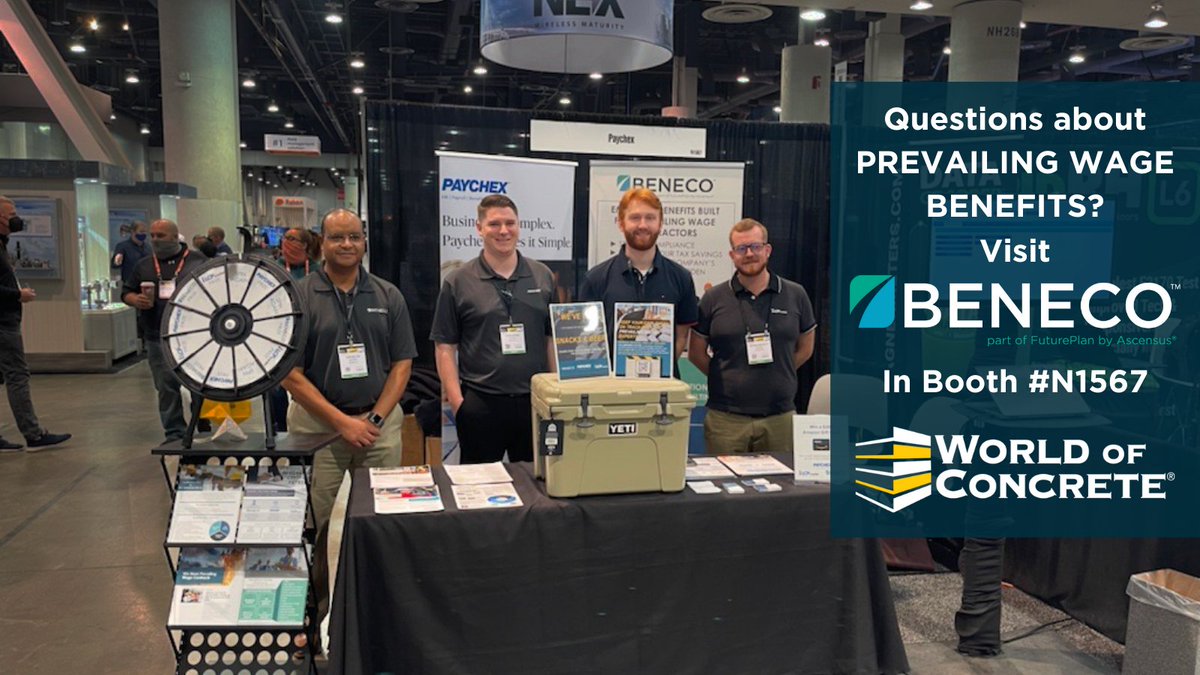
We’re excited to be at #WOC2022 in Las Vegas! If you’re attending, stop by Booth N1567 to discover how your team can win more #infrastructure spending projects. While you’re here, you can also visit with the @Paychex and @LCPtracker teams.
1
1
3
2 Nov 2021
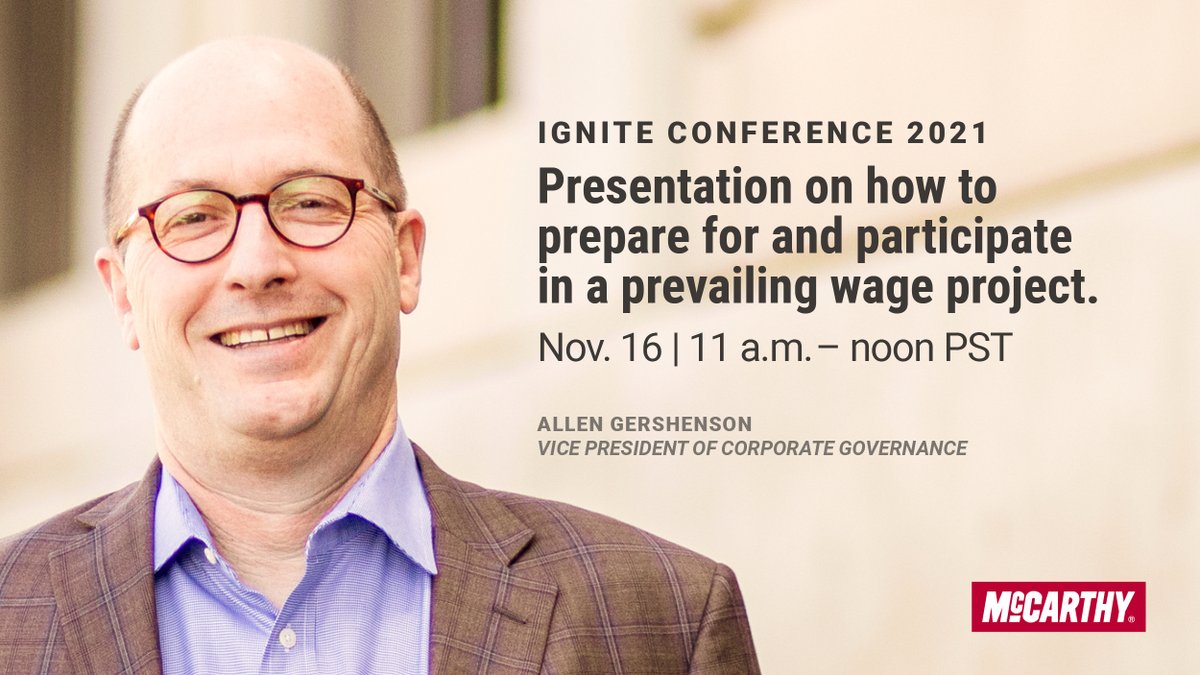
Attending the @LCPtracker #Ignite2021 conference in San Diego? Join McCarthy’s VP of Corporate Governance Allen Gershenson to learn how to successfully prepare for a #PrevailingWage construction project during his presentation on 11/16. Register ➤ ow.ly/ic8F50GCCwQ
1
2

28 Sep 2021
New guidelines for #DavisBacon wage determination #conformance requests were published today by the US Department of Labor: bit.ly/3m01GcU
#LCPtracker #USDOL #LaborCompliance #Construction

1
3