hitonoia 🍥 retweeted

Mar 26
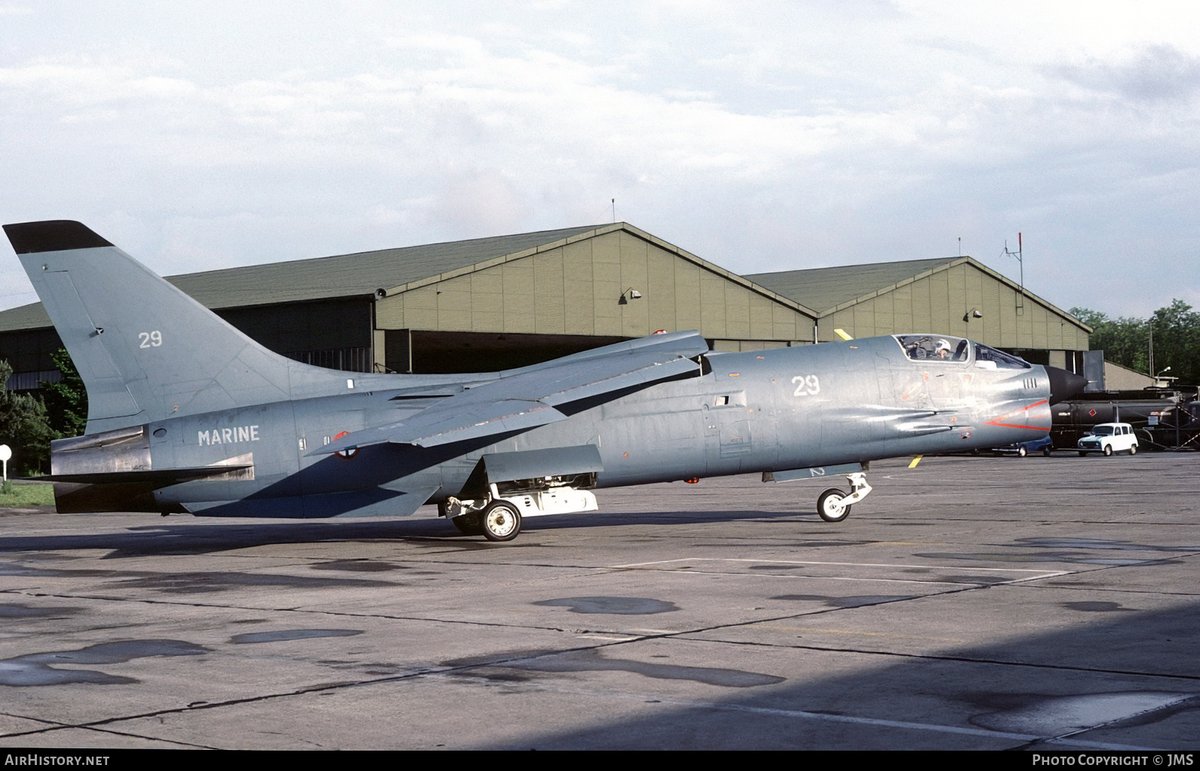
Vought F-8E(FN) Crusader, Serial 29, Operator French Navy, Unit Markings 12F, Location Colmar - Meyenheim (LFSC), France, Photo Date 31 May 1987, Photo by JMS.
Source: airhistory.net/photo/826408/…
Feast your eyes on this totally bodacious F-8E(FN) Crusader rocking classic French Navy 12F markings at the 1987 Meeting National de Colmar — a true throwback naval fighter legend!
#F14Tomcat #NavalAviation #TomcatTuesday #TacoTuesday #BringBackBodacious @NavalMuseum #ThrowbackFighter #F8Crusader #FrenchNavy #12F #ColmarAirshow
What’s your favorite French Navy F-8 Crusader memory or throwback naval fighter? Drop it in the comments!
1
25
236

May 21
and somehow we did better for that lfsc paper than we did for physics 😭
1
2
40

IMPORTANT ANNOUNCEMENT:
Last year, the LFNC and LFSC merged to form the California Lupus Foundation. Now, we are slowing down our posts on this account to focus our attention on @CaliforniaLupus
Please follow the CLF on Instagram, Facebook, X, and LinkedIn to keep in touch!💜

1
2
418

ADORNI no ataca a la militancia de LLA, la limones si .. muchos nos bajamos por los ataques de la gente de LFSC, no nos bajamos por Adorni
2
125

Apr 20
समाज व देश का पूरे विश्व में नाम रोशन करने वाले वर्ल्ड चैंपियन संदीप आर्य का पालन पोषण करने वाली उनकी माता श्रीमती सुमित्रा देवी जी की दोनो किडनी दो वर्ष से ख़राब हैं अब लीवर फेफड़ों किडनी में ज़्यादा समस्या होने से जयपुर के निम्स हॉस्पिटल ICO में भर्ती है
HCV पॉज़िटिव आया है
सभी सम्माननीय सदस्यों से निवेदन है कि पीड़ित परिवार के इलाज के सहयोग करवाएं आपका सहयोग जरूरी है ₹100, ₹500, ₹1000 का सहयोग करें इनका बैंक खाता एवं गुगल पे नंबर नीचे दिए है सभी से हाथ जोड़कर करवध निवेदन है कि पीड़ित परिवार की मददगार बने ताकि इनके इलाज में सहयोग हो सकें बूंद बूंद से मददगार बने। अपने साथियों को पोस्ट शेयर करें
संदीप आर्य का मोबाइल नंबर
फ़ोन पे गूगल 918003765295 है
बैंक अकाउंट
35149849773
Sandeep
lFSC: SBlN0050520
9
11
190

Mar 3
yours is valid bc yall didn’t have teachers, for us there were dozens of LFSC teachers, which towards the end of my Matric year they told us (the top achievers) to teach each other, and the whole grade would have lessons with them???
Mar 3

Just realised my high school was a bit sketchy. For Life Sciences, we didn’t have a teacher at all so we divided the topics amongst ourselves and we’d take turns teaching each other every week. 😭
1
1
3
186

13 Dec 2025
Best Monthly Sector Performance 🎭
Sector: Cannabis
Popular ETFs: $WEED $MSOS $YOLO
1M return: 35%
Sector: Biotech
Popular ETFs: $BBC $LFSC $SBIO
1M return: 22%
Sector: Silver
Popular ETFs: $SIL $SILJ $AGMI
1M return: 17%
Sector: Gold
Popular ETFs: $GDXJ $GOEX $GDX
1M return: 12%
Sector: Airlines
Popular ETFs: $JETS $UFO
1M return: 11%
Sector: Minerals
Popular ETFs: $COPJ $LITP $ION
1M return: 10%
Sector: Banks
Popular ETFs: $KRE $KBWR $IAT
1M return: 9%
3
2
32
2,240

3 Dec 2025
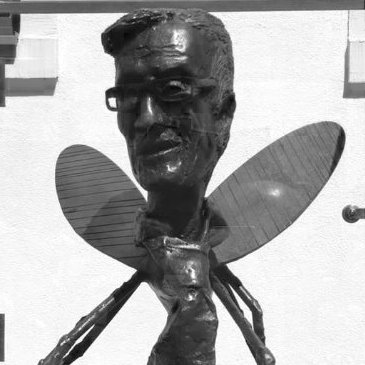
"yes. it is the likeness of paul schädler who founded a mosquito extermination program that spreads bacterial toxins into mosquito infested waters along the rhine" -LFSC

4
407


31 Oct 2025
ETHIOPIA’S LOST PROVINCES STRATEGY OF EXPANSION
Ethiopian governments have repeatedly used “historic” arguments to justify territorial claims far beyond their recognized borders. From Haile Selassie’s insistence in the 1960s that Djibouti “indisputably is ours,” to successive governments invoking ethnic overlap to rationalize expansion, this has been a consistent political pattern and not a coincidence. The logic remains: portray neighboring lands as “lost provinces” and their people as “naturally Ethiopian.”
The same narrative is resurfacing today in the PP’s rhetoric toward Eritrea, where old imperial ambitions are poorly repackaged.
The following excerpts from a paper that quotes historical sources show how Ethiopia was making nearly identical arguments to those now recycled regarding Eritrea.
———
‘Ethiopia’s ‘historic’ rights were used by Emperor Haile Selassie to claim Djibouti as part of it. The Emperor pointed out that “Djibouti indisputably is ours and its people know they belong to Ethiopia”. On a press conference on 16 September 1966, the Emperor put forward the strongest claim to Djibouti asserting that for historic, economic, strategic and demographic reasons Djibouti is part of Ethiopia and that Ethiopia would automatically fall heir to Djibouti if France renounced sovereignty over the Territory (Ministry of Information, 1967). He also affirmed that “We do not seek what belongs to others. However, we will continue impressing people that are concerned in this matter that the Djibouti Territory had always formed, prior to the last part of the 19th century, an integral part of Ethiopia.” Thus, the Emperor claimed unification with Djibouti and stressed that the boundary between the two countries was artificial and had been imposed against the will of the people.’
———
‘On the press conference of September 16, 1966, the Emperor implied that Ethiopian government would resist by force any attempt by Somali Republic to take over the Djibouti Territory. He also asserted that there was no reason for Somalia to be involved in the matter of Djibouti; it was affirmed as it concerned only the Ethiopian government and the inhabitants of Djibouti territory. For Ethiopia the Territory had economic and strategic importance, but Somalia did not need Djibouti and her claims to it were purely political. In fact both Ethiopia and Somalia had already established stronghold in the politics of Djibouti through the political parties formed by their active supports. The pro-Somalia, Liberation Front of Somali Coast (LFSC) was operating from Mogadisho while the Ethiopian backed the Committee for Liberation of Djibouti (CLD) was formed in December 1964 at Dire Dawa. Later on the CLD had moved its headquarter from Dire Dawa to Addis Ababa where it took the name of the Mouvement de Liberation de Djibouti (MLD).
‘Indeed Ethiopia’s interest on Djibouti stemmed from two basic premises: the Afars and part of Issas spill over into her territory; and the economic interests. Fundamentally, Ethiopia’s interest in Djibouti was economic i.e. to secure access to port of Djibouti via the Franco-Ethiopian railway. Although Ethiopia had other ports at Assab and Massawa the port of Djibouti was preferred by accommodating about sixty percent of Ethiopia’s foreign trade due to the connection of the port with Addis Ababa-Djibouti railway—Ethiopia’s only rail link with the sea, the proximity of Djibouti port to many parts of Ethiopia and moreover Assab and Massawa ports were vulnerable because they lay in Eritrea where there was growing violent secessionist movement.’
—
Footnote:
‘The Aksumites originally lived in the Ethiopian highlands but through growth and conquest eventually took over much of the surrounding region and even held territory across the Red Sea on the Arabian Peninsula.’
—-
Urgessa Gutu, 2014
Pages 34-35
researchgate.net/profile/Urg…
2
4
13
2,617
மனதுக்குள் பலகோடி நினைவுகள் இருந்தாலும்
உதடுகள் திறந்தால்தான் உதவிகள் பெறக்கூடும்
கோழைக்குக் காதலென்ன ஊமைக்குப் பாடலென்ன
#LFSC
ஆ....
நாத்ருதனா திரனனா திரனனா திரனனா
நாத்ருதனா னனா
நாத்ருதனா திரனனா திரனனா திரனனா
நாத்ருதனா னனா
நாத்ருதனா… நாத்ருதனா… ததிரனா
நாத்ருதனா… நாத்ருதனா… ததிரனா
நாத்ருதனா தர்திர்தனா
திர்திர்தனா தர்திர்தனா
நாதிர தர் தர் தர் தர் தர் தர் தர்
நாதிர்திர்திர் நாதிர்திர்திர்
நாதிர்திர்திர் நாதிர்திர்திர்
நாதிர்திர்திர் திர்திர்திர்திர்
திர்திர்திர்திர் திர்திர்திர்திர்
திர்திர்னா திர்திர்னா திர்திர்னா
திர்திர்னா திர்திர்னா
#LFSC
1
1
9
672

26 Sep 2025
It is a good method to learners who understand LFSC concepts first. Learners sing these songs, and when questions are asked, they can't answer accordingly. I've been an LFSC teacher for decades, and I stopped my learners from singing tiktok they can't do with application ques?
2
9
2,999