


Have you heard of or tried a LabView replacement called Node-RED?
I have heard good things from it, but haven't tried it myself. Built on javascript, so should be easy-ish to learn
nodered.org/
16

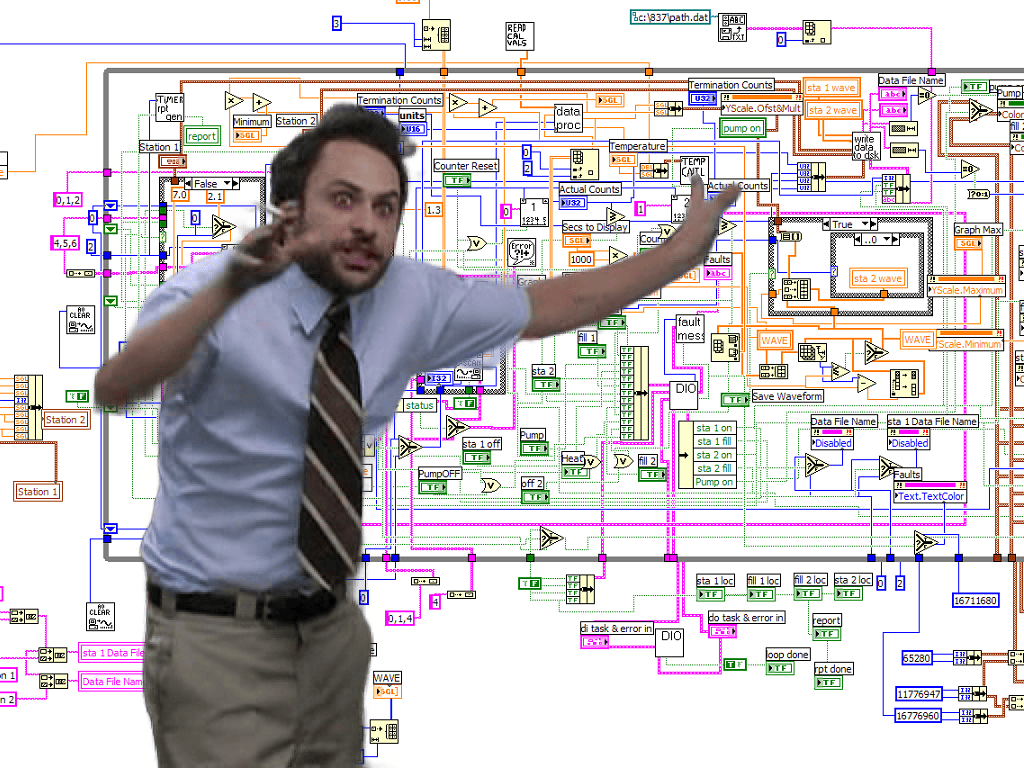
It turned out that all along the thing preventing humanity from becoming a space-faring civilization was just how shitty the LabView interface was

@GoToImpulse is on a mission to accelerate humanity's future beyond Earth. To get there, they are building the spacecraft that will advance the orbital economy, and need to test as fast as they build.
Before Revel, standing up a new test stand took 1–3 weeks, first-time deployments could take up to 3 months, software changes required looping in a specialist, and the team was locked into a single DAQ ecosystem.
Now, stands are up in days, sometimes even hours. Engineers self-serve on sequence changes, the program runs multiple test fires per day instead of one every other day, and with the ability to mix and match hardware across vendor ecosystems, the team saves over 100x on hardware alone.
Today, Revel runs across hundreds of Impulse assets — engine stands, vacuum chambers, avionics test stands, facility monitoring, and more — creating a single codebase that can be maintained and deployed consistently at scale.
Thanks to @lrocket, @_Eric_Romo, Dane Sarcone, Julia Vyborny, Trevor Hanken, and the rest of the Impulse Space team for the partnership.
Read the full case study at revel.io/impulse
4
3
42
3,397


20h
Tech Stack behind your favourite OS & Companies 🌍
• 🪟 Windows — C C
• 🍎 macOS — Swift Objective-C
• 🐧 Linux — C Assembly
• 🤖 Android — Java Kotlin C
• 📱 iOS — Swift Objective-C
• 🔵 Facebook (Meta) — PHP Hack React
• 🔍 Google Search — Python C Java
• 🛒 Amazon — Java Python C
• 🚗 Tesla Autopilot — Python C
• 💼 Microsoft Azure — C# Python Go
• ☁️ Netflix — Java Python Node.js
• 🧠 ChatGPT (OpenAI) — Python CUDA
• 🚀 SpaceX Software — C LabVIEW
• 💳 PayPal — Java Node.js C
38
4
63
2,594

Half my day. The other half
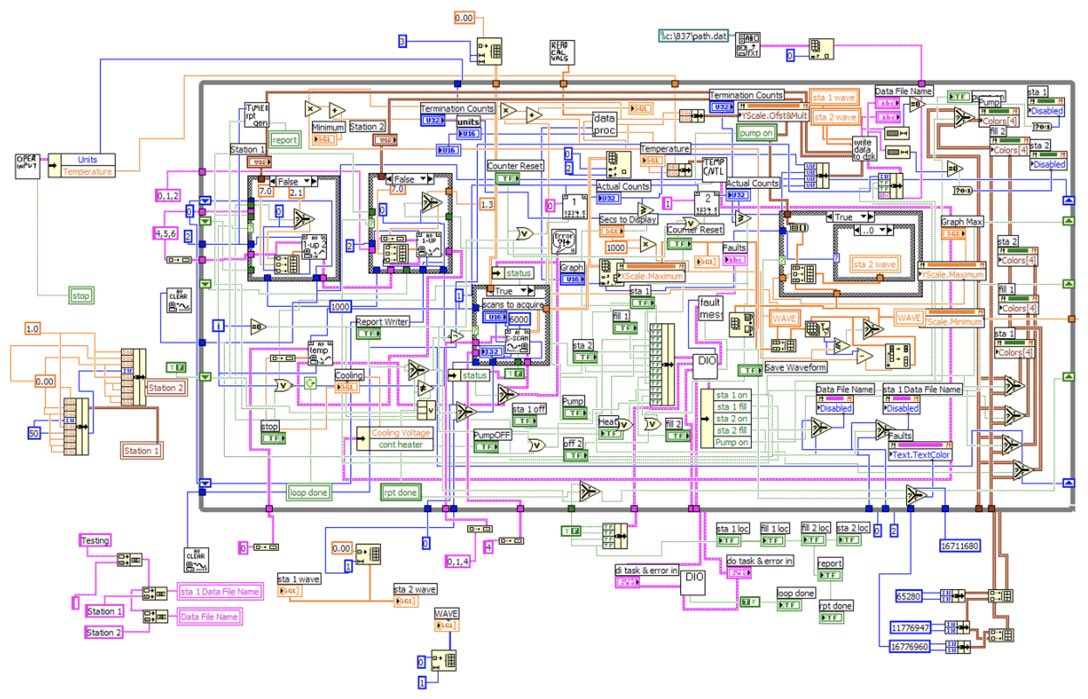
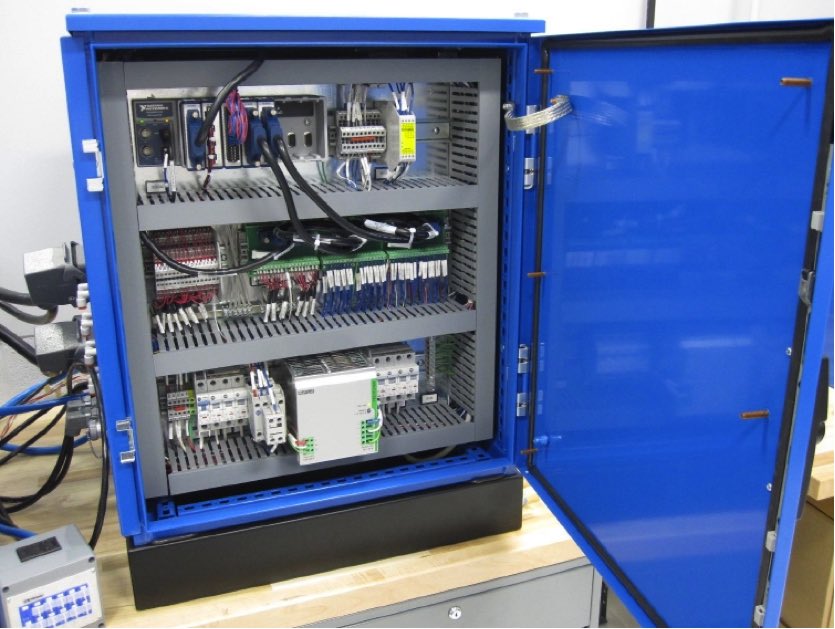
I taught myself to program Labview now that’s all they want me to do.
9

It's a good thing that the entire field of comp neuro moved to python because in 2020 we had these mfs doing analyses on dogshit MATLAB, SIMULINK and LabView
1
1
17


dipaphy hartby, my love @stellajero_ !! 💖
stay being the person with lots of funny bones and a good heart,, labview
22


Jun 15
Brussels makes GDevCon#7 easy - fast metro, walkable streets, simple airport links, and accommodation options across every neighbourhood.
Plan your stay 👉 gdevcon.com/location
Tickets now £575 taxes - grab yours today.
#GDevCon #graphicalprogramming #LabVIEW

32

The Department of Electronics and Communication Engineering
“𝐋𝐚𝐛𝐕𝐈𝐄𝐖 𝐟𝐨𝐫 𝐕𝐢𝐫𝐭𝐮𝐚𝐥 𝐈𝐧𝐬𝐭𝐫𝐮𝐦𝐞𝐧𝐭𝐚𝐭𝐢𝐨𝐧 𝐚𝐧𝐝 𝐃𝐚𝐭𝐚 𝐀𝐜𝐪𝐮𝐢𝐬𝐢𝐭𝐢𝐨𝐧 𝐒𝐲𝐬𝐭𝐞𝐦𝐬” on 13 June 2026.
#KAHE #ECE #FacultyDevelopmentProgramme #LabVIEW
16


Jun 14
ワイの会社は新卒の研修とかザルなので入社2週間で現場に放り込まれた。それでVCCI技術基準を丸暗記させられたり、いきなりスペアナをLabVIEWでいじらされた。良い経験だけど、一年目はもう少し過保護にしてほしかったな。ってか、今でもLabVIEWって使ってる人いるの?
1
5
184

Jun 13
Bridging the gap between college learning and industry skills starts with the right guidance. 🚀Gain practical exposure to Embedded Systems, Microcontrollers, LabVIEW, and more to build a strong foundation for your core engineering career. 💡💻#FITA #FITAAcademy #EmbeddedSystems
8

Jun 13
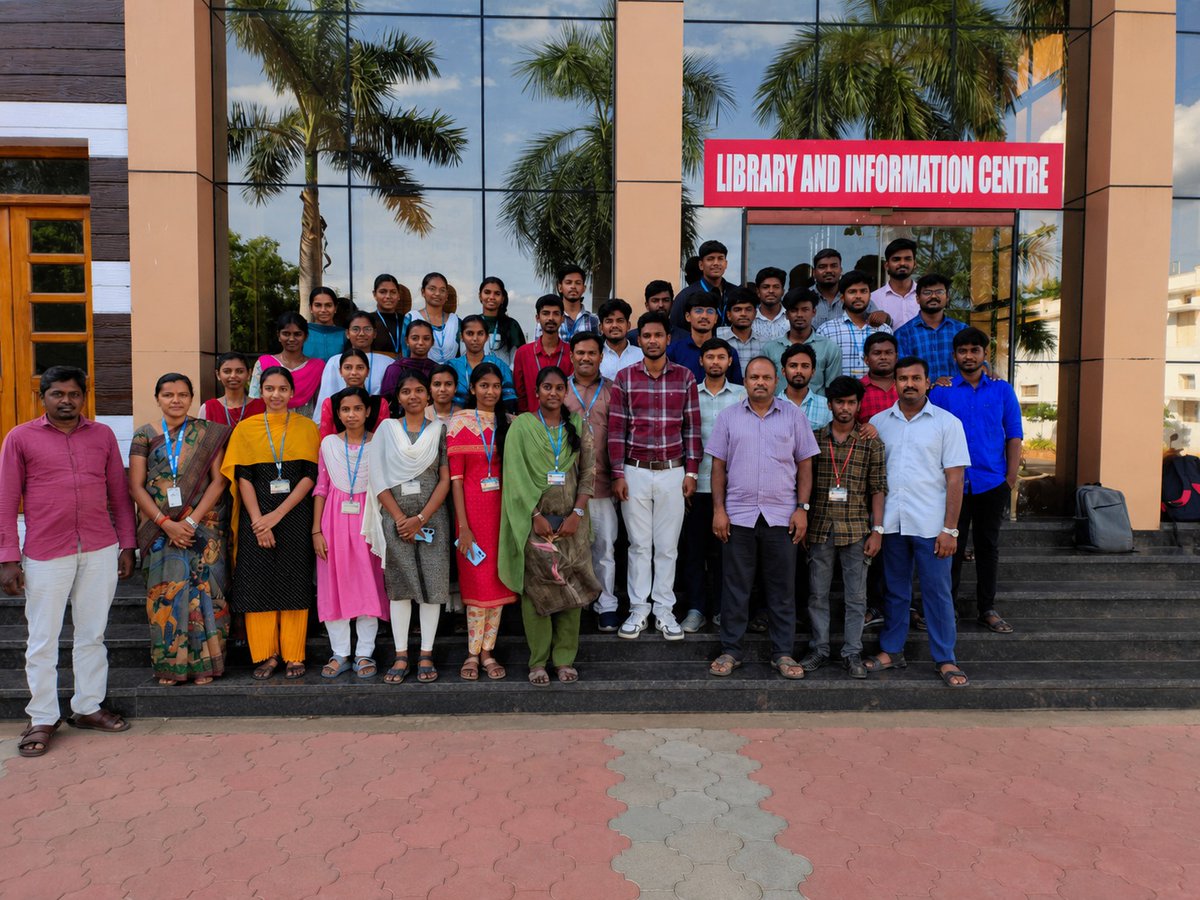
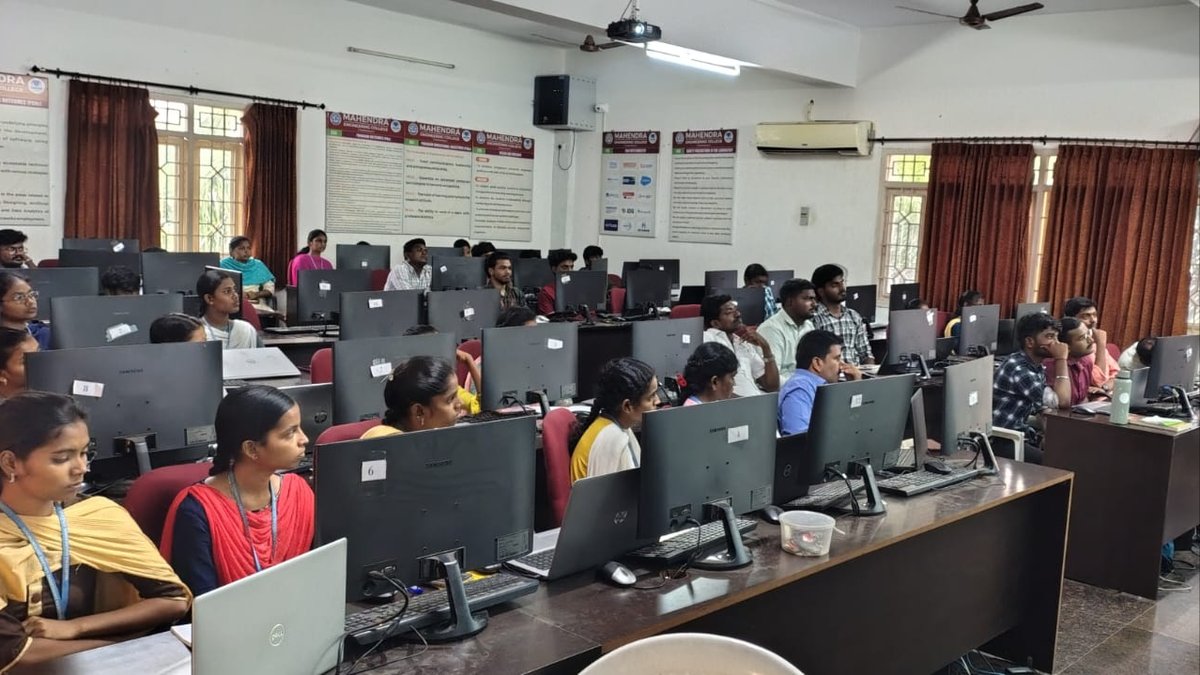
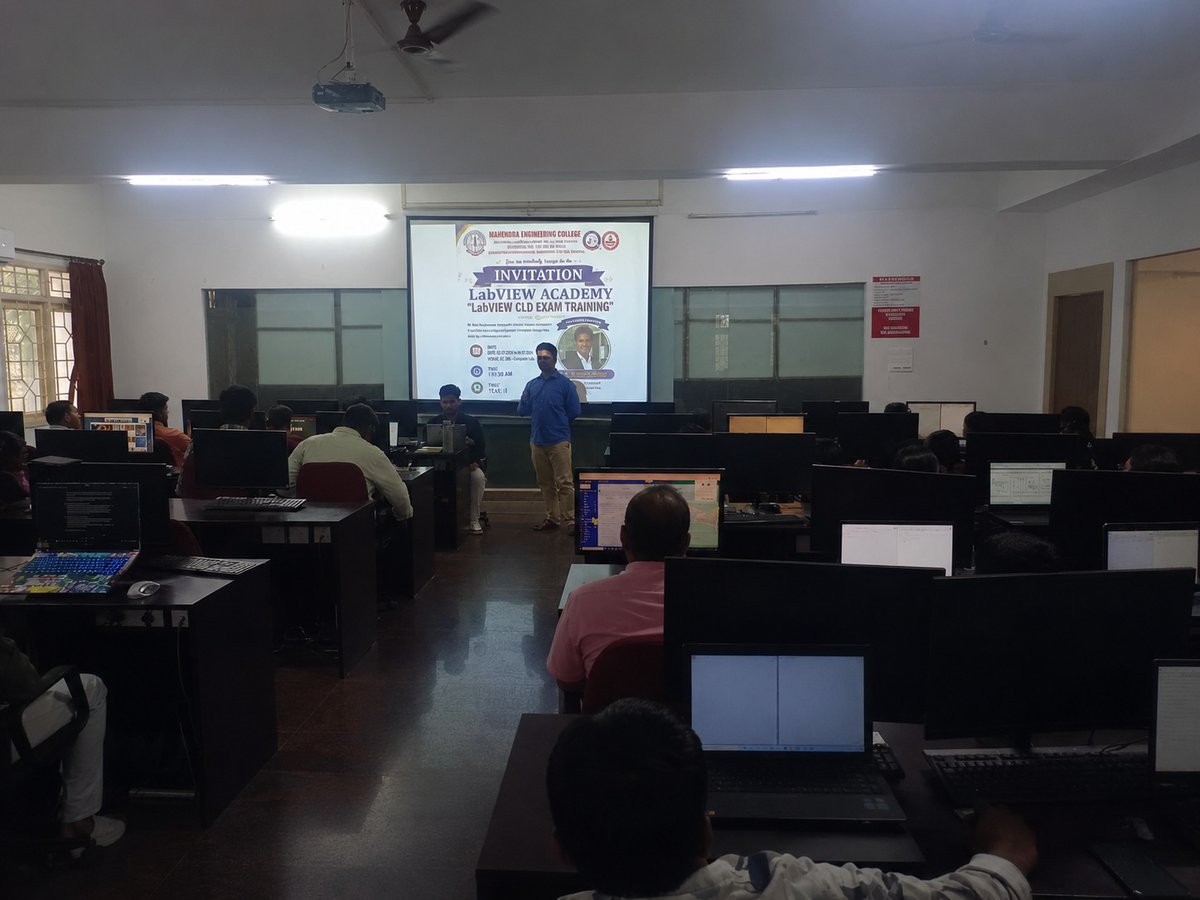
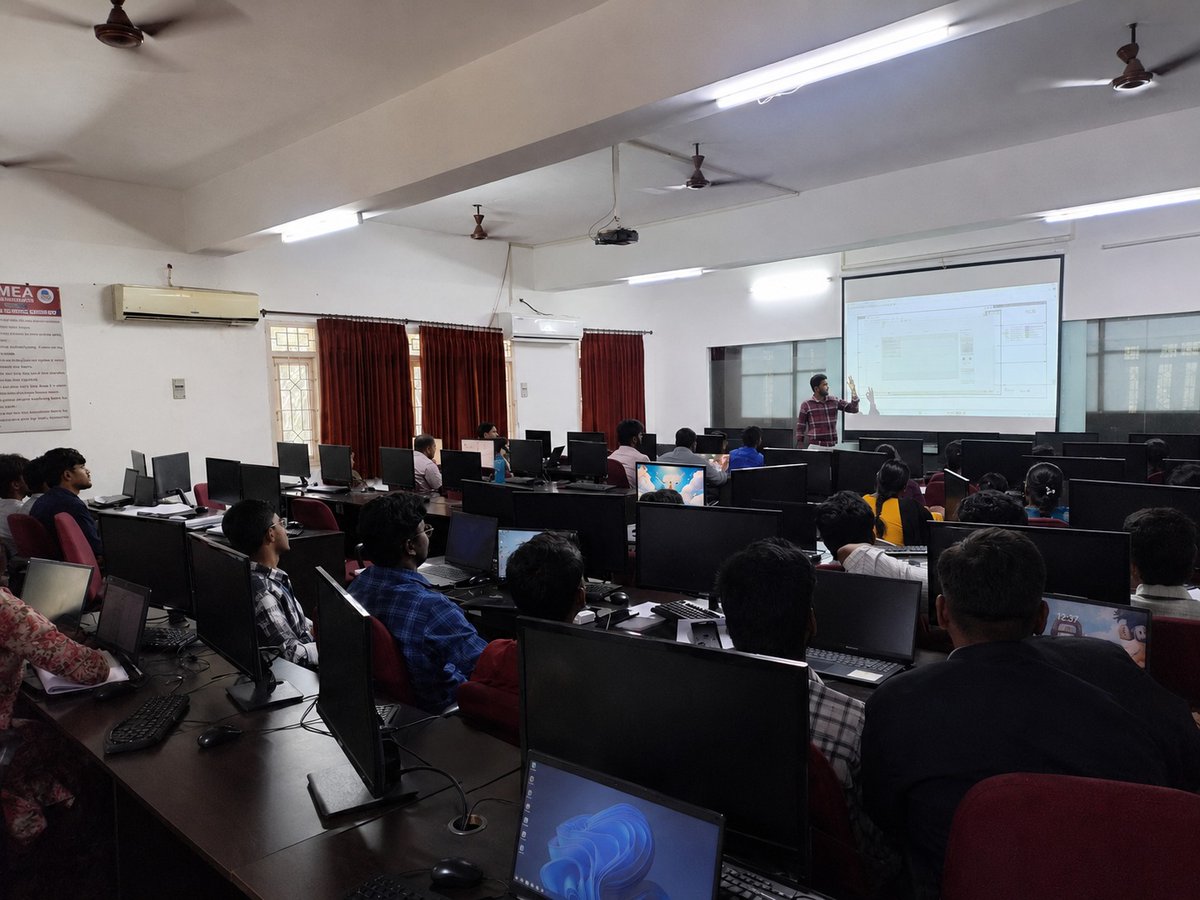
The Departments of ECE and EEE at Mahendra Engineering College successfully conducted a two-day LabVIEW CLD Exam Training Program on 6th and 7th June 2026 for final-year students.
The training provided hands-on exposure to graphical programming, industrial automation, and system design using LabVIEW, helping students strengthen their technical skills and prepare for the Certified LabVIEW Developer (CLD) Examination.
Programs like these bridge classroom learning with industry requirements, equipping students with practical knowledge and career-focused expertise.
#MahendraEngineeringCollege #LabVIEW #CLDTraining #IndustrialAutomation #SkillDevelopment #HandsOnLearning #MahendraInstitutions
15

Jun 12
Надо писать не unwrap а ? И делать возвращаемое значение Option. А с unwrap да это ужас - все учат неверным рефлексам, но я то пришел из LabView и error надо тащить
2
26


LabVIEW, a graphical tool for data acquisition, instrument control, and automation, is available under UT’s NI Academic Site License. It includes LabVIEW PDS and various add-on modules and toolkits.
Details: oit.utk.edu/research/researc…

ALT Research Computing Support Software Highlight; LabVIEW logo
1
29