
22 Aug 2025
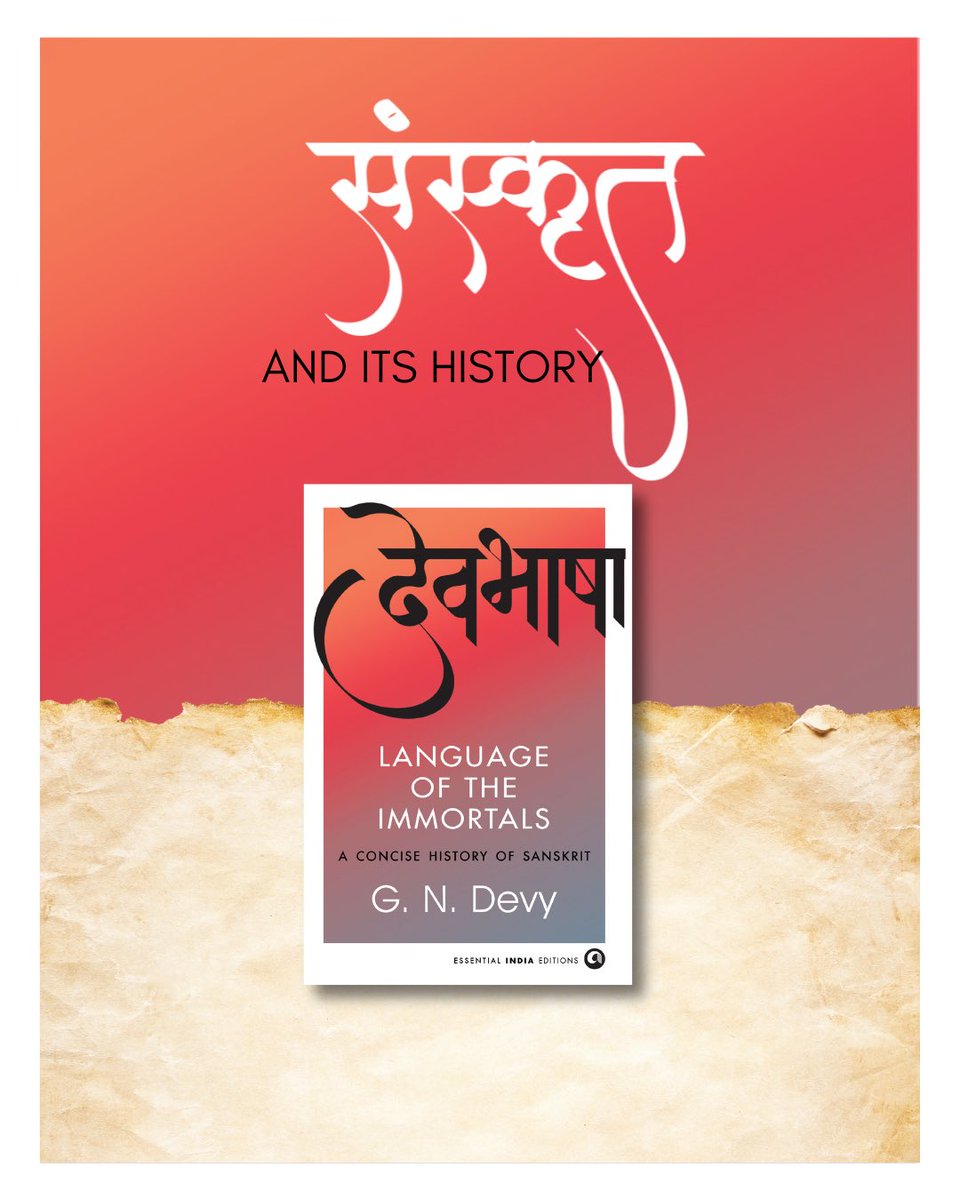
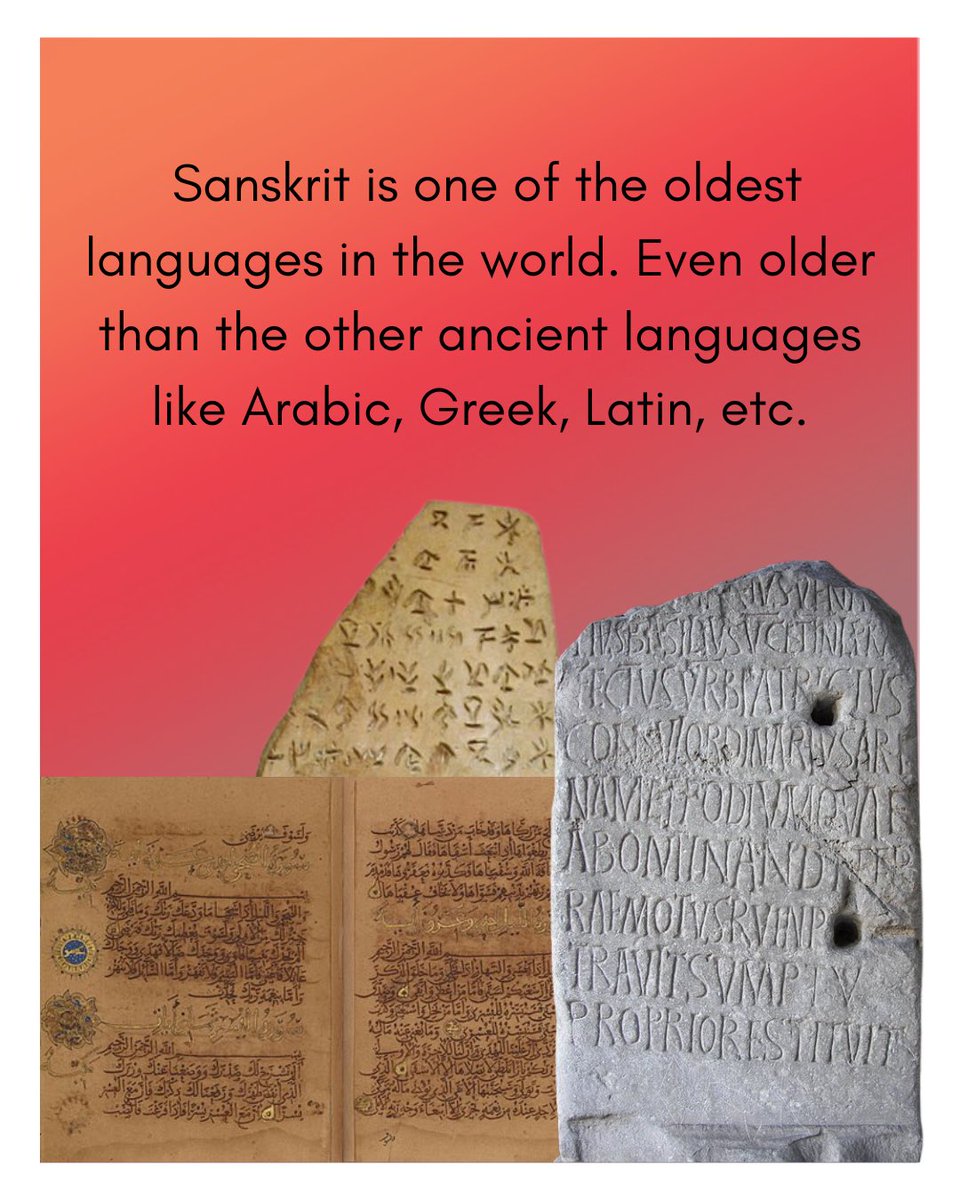
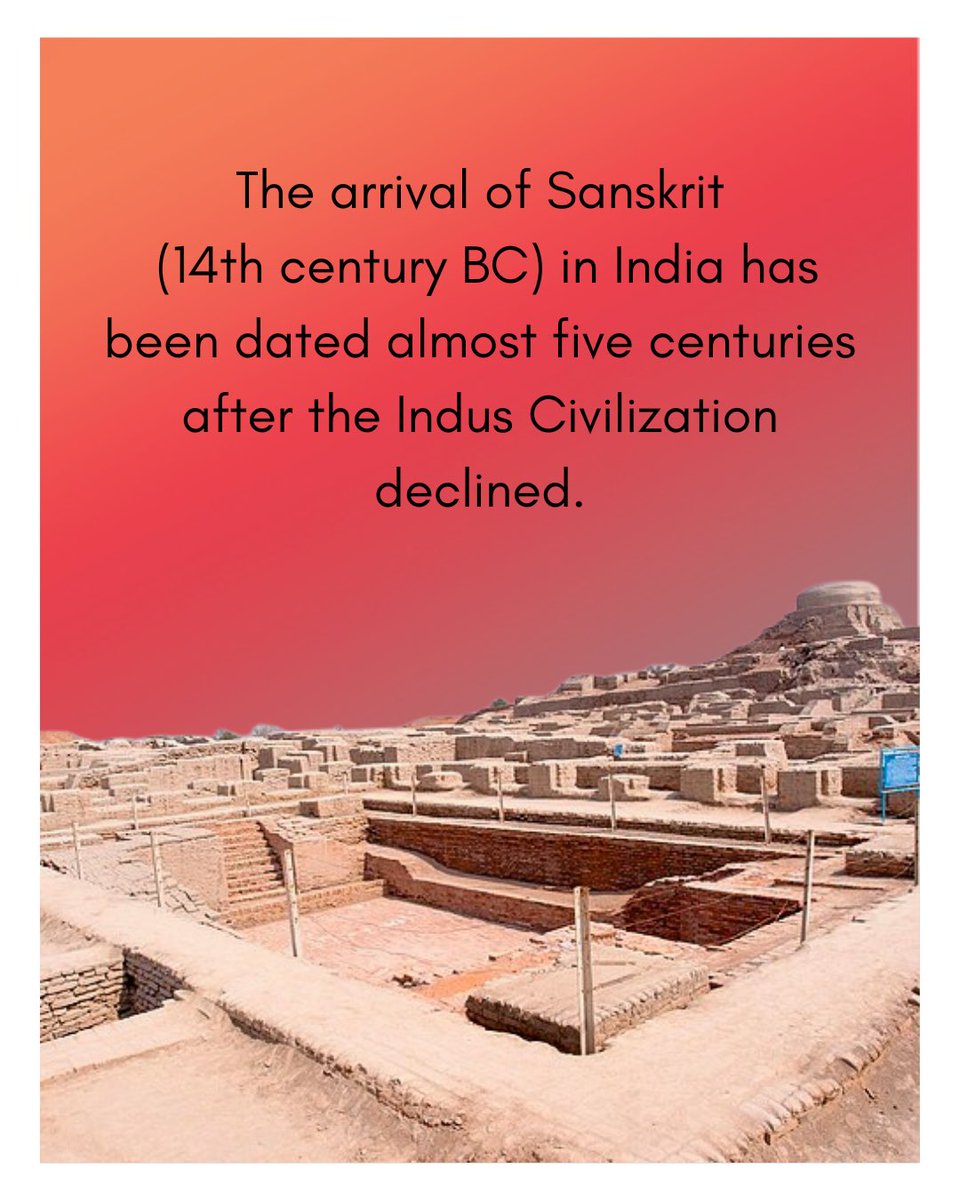
An ancient language that shaped Indian thought, philosophy, and identity for millennia. Though never truly a language of the people, it continues to influence the way we think, speak, and imagine.
Uncover the history of Sanskrit—its legacy, brilliance, and timeless impact.
#Sanskrit #CulturalHeritage #AncientKnowledge #IndianHistory #LanguageLegacy #Heritage
#AlephBookCompany
2
2
277

23 Jul 2025
Gujarati couple, both 91, use Instagram to preserve culture and language
#GujaratiHeritage #IndianRoots #GrandparentsOnInsta #CulturePreservation #LanguageLegacy #DigitalDesi #GujaratiPride #IntergenerationalLove #ElderWisdom #SocialMediaStories
easterneye.biz/gujarati-elde…
2
186

4 Jun 2025
🌟 Celebrate Father's Month with N L SIMPSON LLC! 🌟
In honor of all the incredible fathers out there, we are excited to introduce our Father's Month Language Legacy campaign! Language skills are not just tools for communication; they are legacies that fathers pass down to their children.
This month, let's celebrate the fathers who inspire us to learn and grow.
👨🏫 Whether you're looking to improve your Business English for professional success ($91/hour),
enhance your Conversational English skills ($58.50/hour),
or provide tutoring for your children ($65/hour), we have the perfect solutions for you!
✨ Use the coupon code DADLEGACY30 to enjoy a 30% discount on all our services! Plus, don't forget about our session packages, where you can save 20% when you book multiple sessions.
Visit us at nlsimpsonllc.com to learn more and start your journey towards language excellence today!
Let's create lasting legacies together! 💬🌍 #FathersMonth #LanguageLegacy #NLSimpsonLLC #LanguageExcellence
1
2
14

10 Jul 2024
Sanskrit is a universal legacy of human evolution, not tied to any single religion. Read how Dr. Rezvi Sultana, a Sanskrit scholar and Assistant Professor at USTM, inspires a new generation to embrace the richness of this ancient language
Read here🔗awazthevoice.in/education-ne…
#Assam #Sanskrit #LanguageLegacy #EducationForAll #DrRezviSultana #Harmony #Brotherhood #NationalIntegrity #Peace #DNN24 #AwazTheVoice @AwazThevoice @MinOfCultureGoI
1
1
196

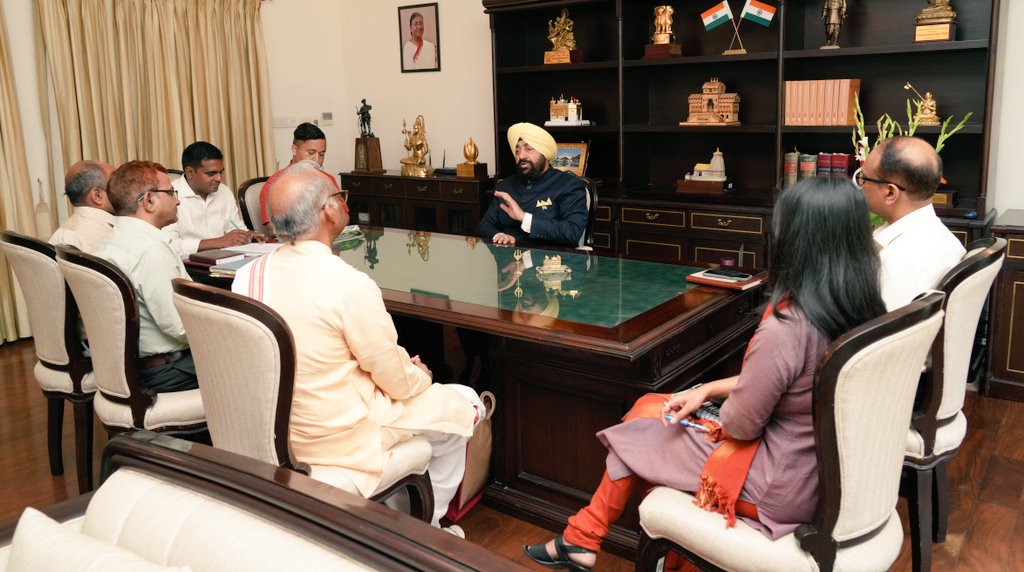
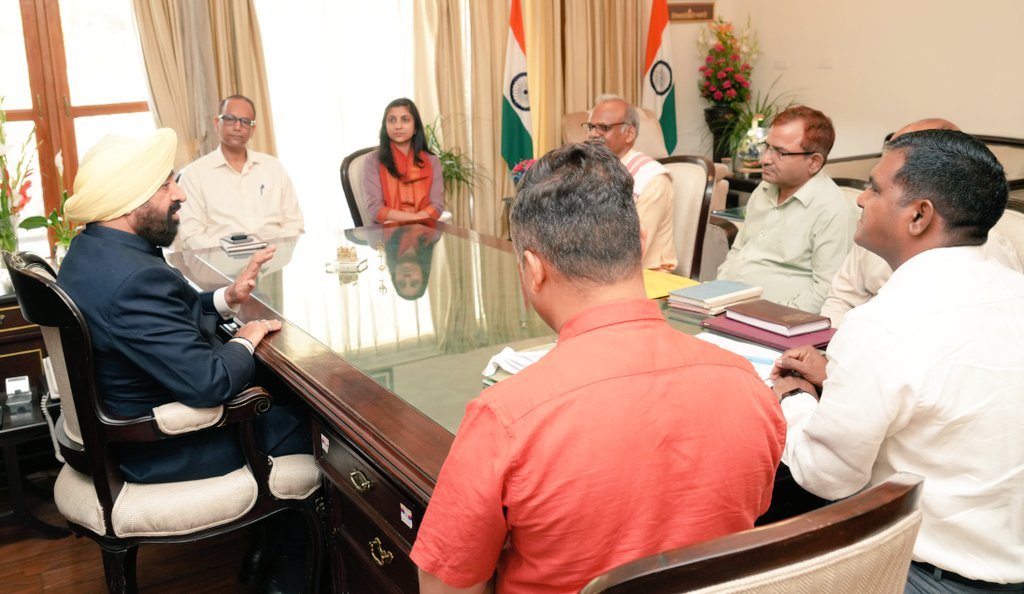
Had an insightful meeting with Sanskrit Education Secretary Shri Chandresh Kumar Yadav and Vice Chancellor of Uttarakhand Sanskrit University, Prof. Dinesh Chandra Shastri. They provided updates on the ongoing activities related to Sanskrit language in the university and our state.
Sanskrit is the second official language of our state, and it is our collective responsibility to ensure its preservation and promotion. Uttarakhand Sanskrit University plays an important role in this regard, and efforts are underway to enhance the learning environment and facilities for students.
Uttarakhand Sanskrit University must explore student exchange programs with other universities to facilitate research and academic collaboration. By working together, we can further strengthen the position of Sanskrit language and culture in our state and beyond.
आज राजभवन में संस्कृत शिक्षा सचिव श्री चंद्रेश कुमार यादव एवं उत्तराखण्ड संस्कृत विश्वविद्यालय के कुलपति प्रो. दिनेश चंद्र शास्त्री ने भेंट कर विश्वविद्यालय एवं प्रदेश में संस्कृत भाषा के विषय में चल रही गतिविधियों के बारे में अवगत कराया।
देववाणी संस्कृत हमारे प्रदेश की द्वितीय राजभाषा है और यह हमारा कर्तव्य है कि हम अपने प्रदेश में संस्कृत भाषा के उत्थान के लिए हर संभव प्रयास करें। संस्कृत विश्वविद्यालय के माध्यम से इस दिशा में कार्य किया जा रहा है।
उत्तराखण्ड संस्कृत विश्वविद्यालय को छात्र-छात्राओं को बेहतर वातावरण एवं सुविधा उपलब्ध कराने के अतिरिक्त प्रयास भी करने चाहिए। विश्वविद्यालय को शोध हेतु अन्य विश्वविद्यालयों के साथ छात्र विनिमय कार्यक्रम भी साझा करने चाहिए।
#SanskritEducation #UttarakhandSanskritUniversity #SanskritLanguage #LanguagePreservation #LanguagePromotion #EducationUpdate #AcademicCollaboration #CulturalHeritage #StudentExchange #LearningEnvironment #LanguageRevival #SanskritCulture #EducationLeadership #StateLanguage #ResearchCollaboration #LanguageRevitalization #CulturalExchange #EducationalDevelopment #SanskritStudies #LanguageLegacy
@rashtrapatibhvn @VPIndia
@PMOIndia @narendramodi @EduMinOfIndia @drdhansinghuk @ukcmo @PIB_India @MIB_India
3
4
27
615

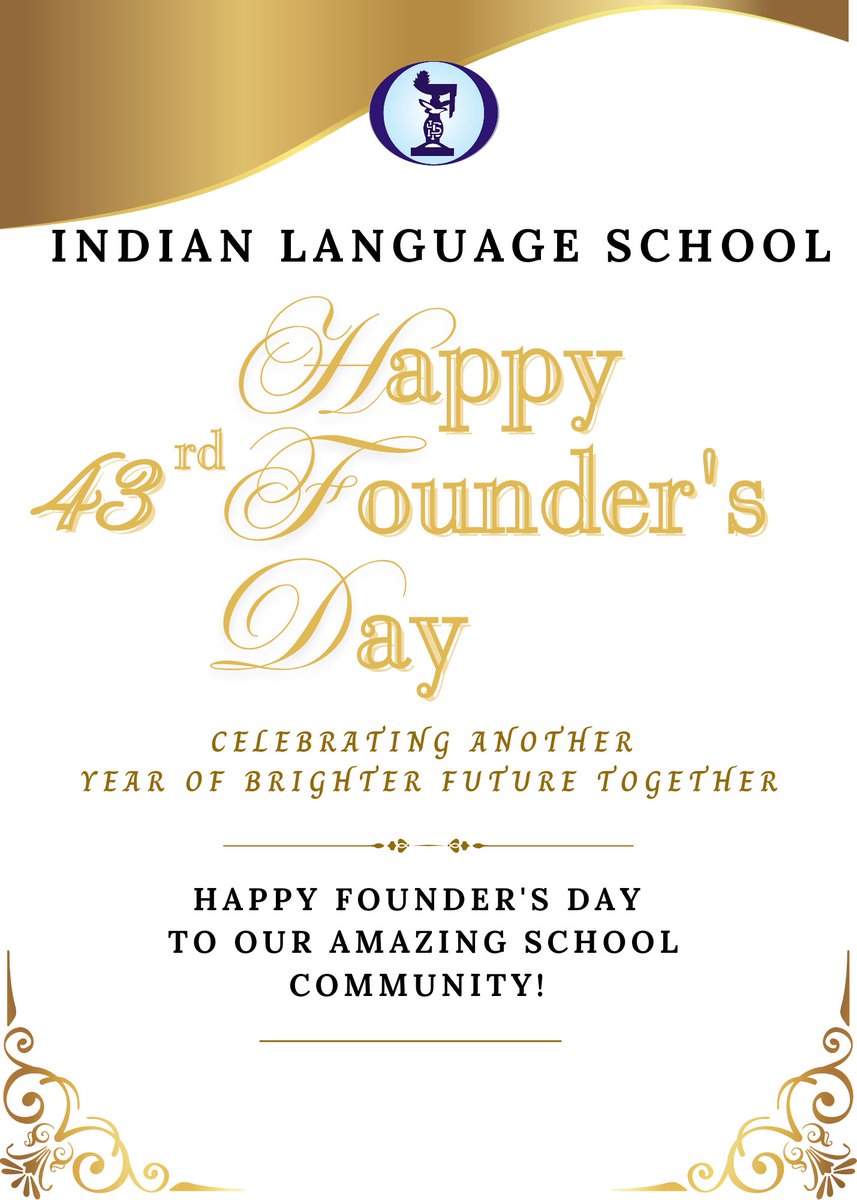
Continuing the Legacy, Embracing the Future: Happy 43rd Founder's Day to our Indian Language School Community! 🎉🇮🇳 #ILSFoundersDay #IndianEducation #CulturalHeritage #LanguageLegacy
2
37

10 Jan 2024
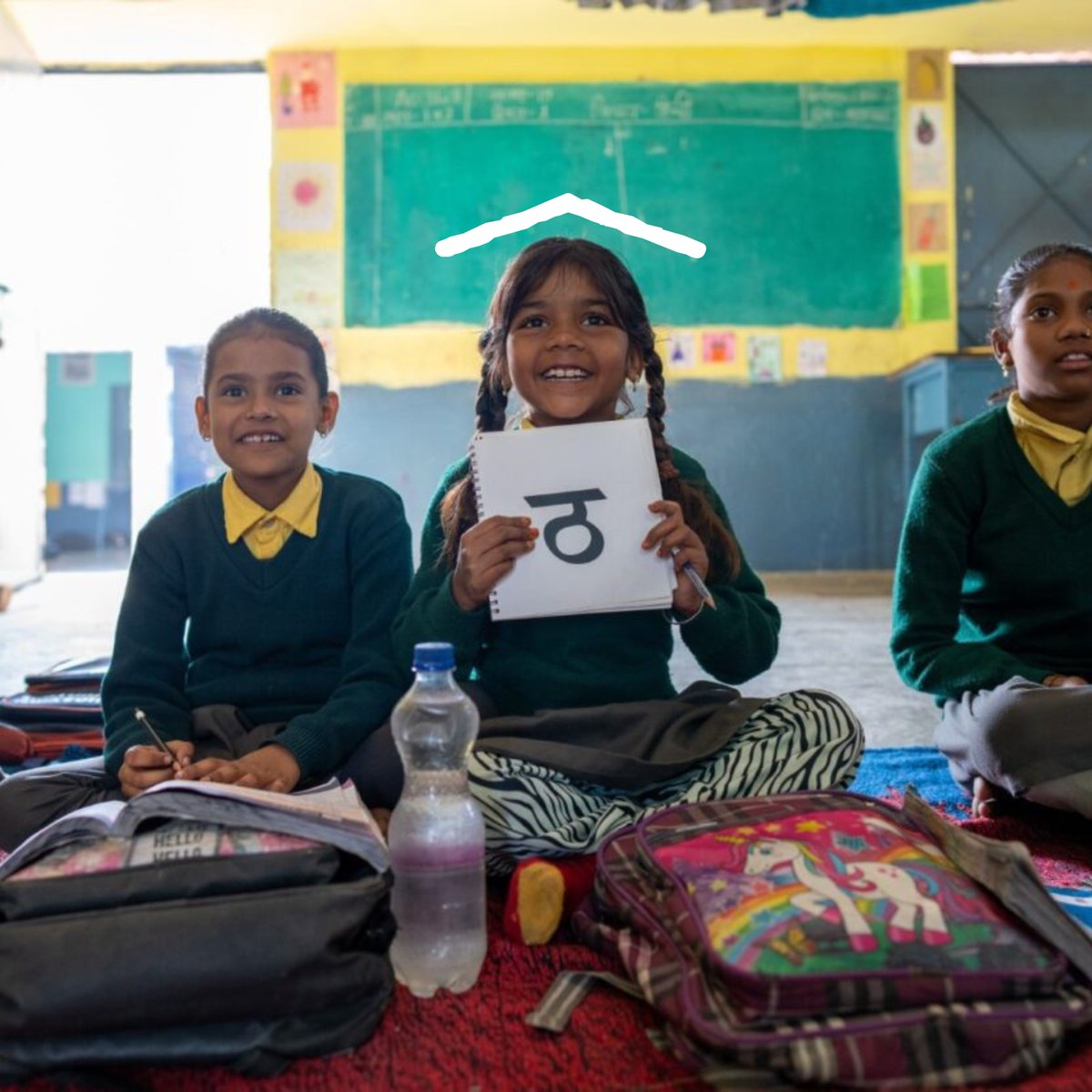
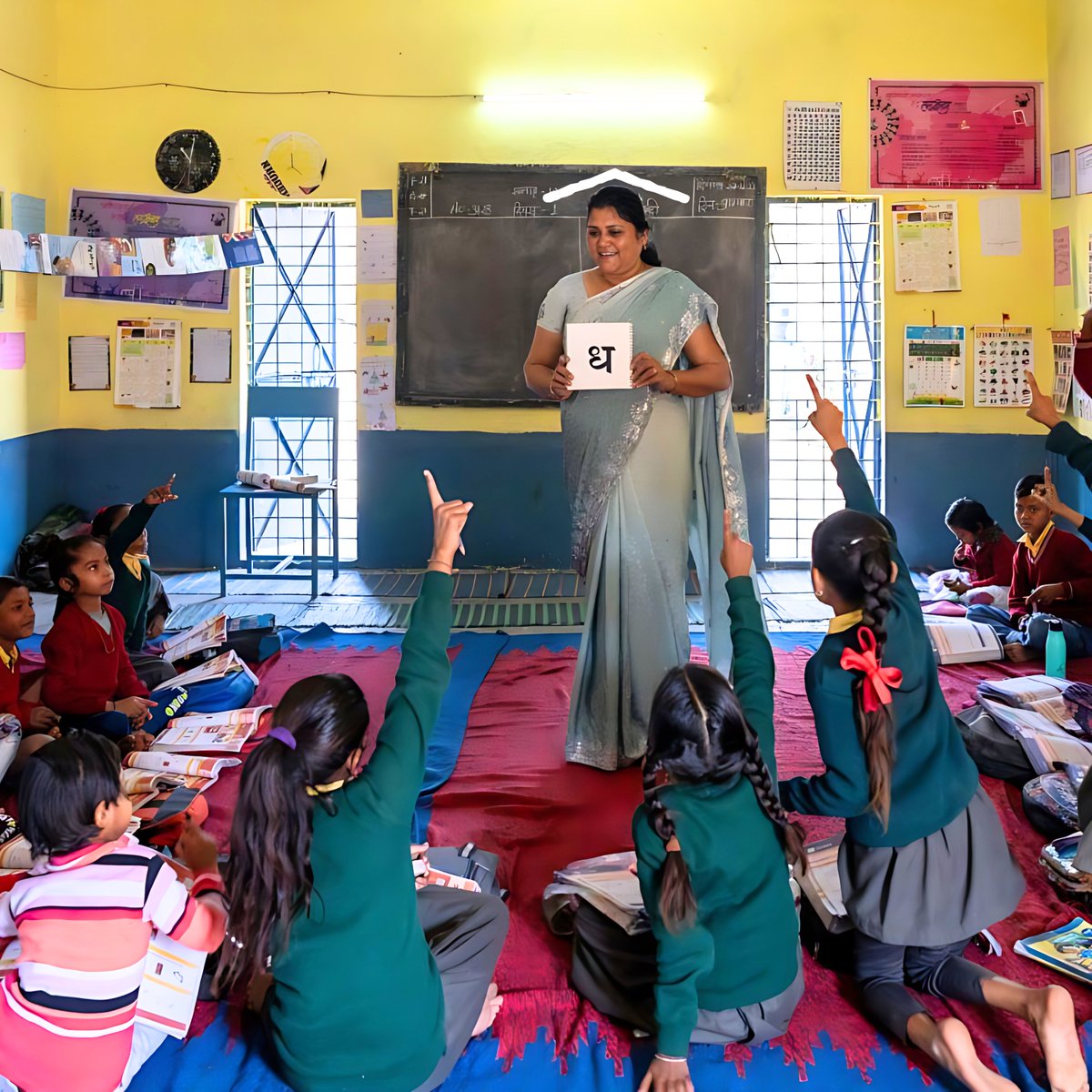
🎉 Celebrating the beauty of Hindi language and its rich heritage on #WorldHindiDay! Let's cherish its poetry, prose, and power to unite. 📚🌍
#HindiHeritage #LanguageLegacy #HindiLiterature #CelebratingHindi
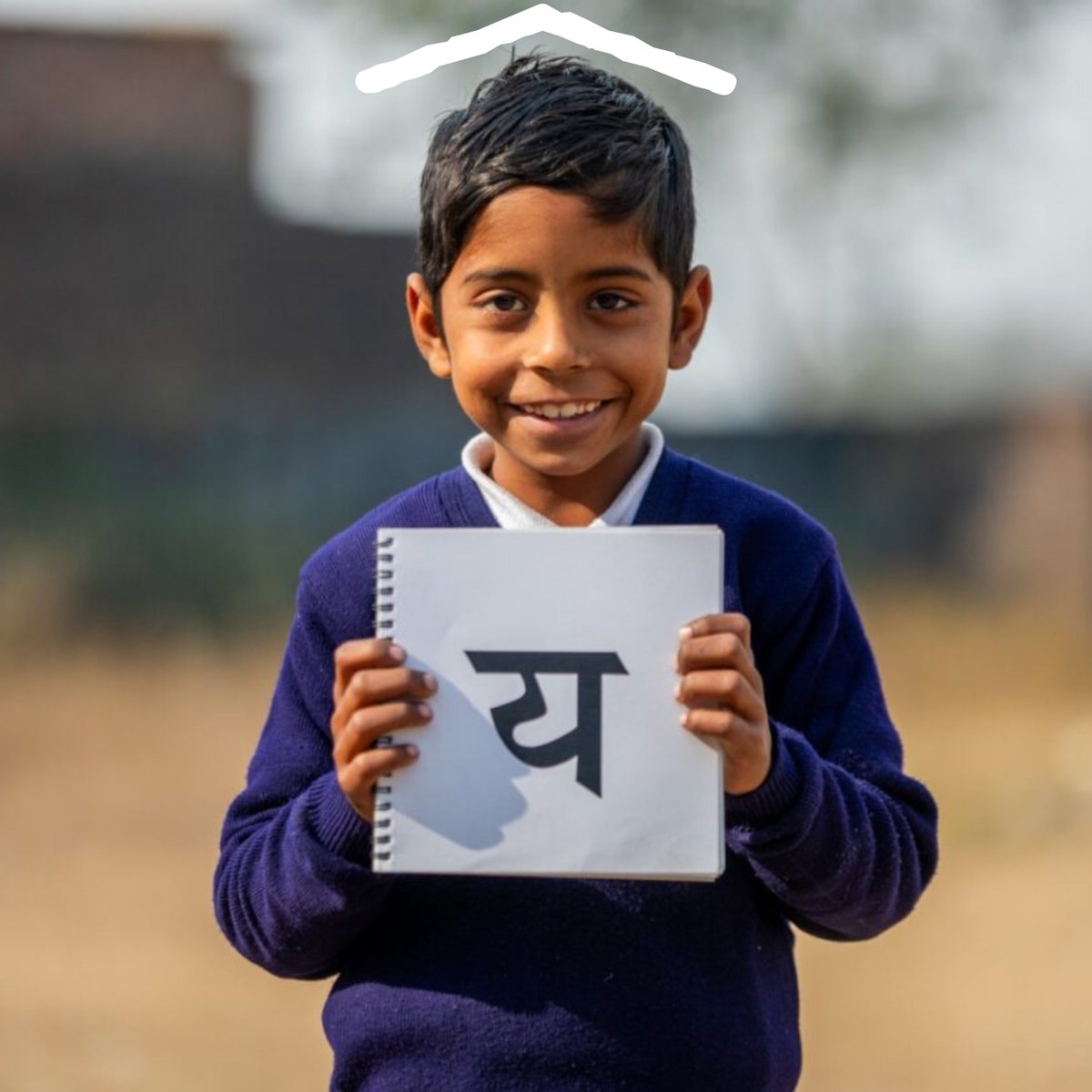
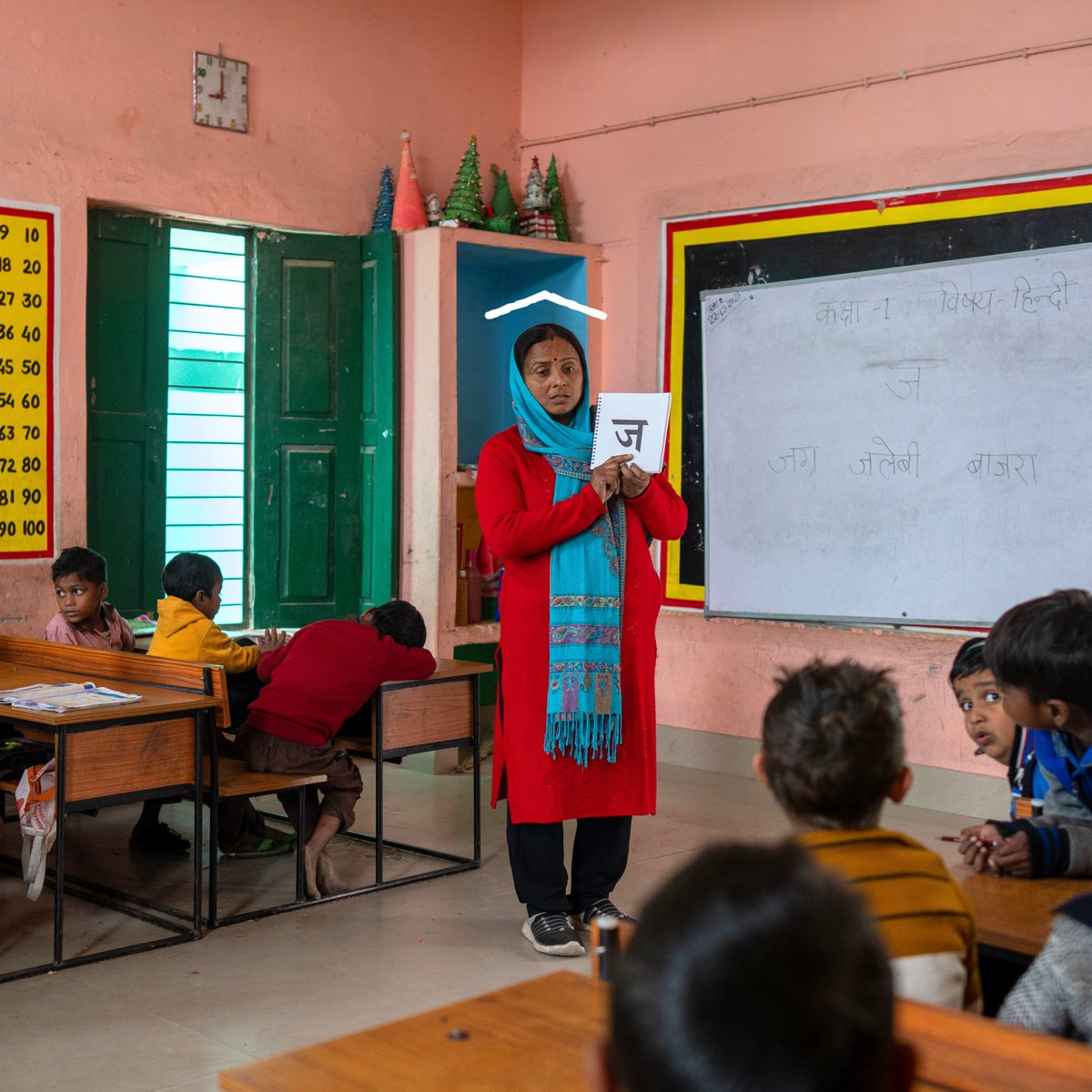
1
3
86

19 Dec 2023
🗣️ @iamlettiemoore shared invaluable insights on preserving our culture and language for the next generation. Let's unite in this mission of cultural heritage. 💬🌐
#CulturalPreservation #LanguageLegacy #AYFSummit2033🙌
4
12
32
1,790

2 Dec 2023
Unlock the linguistic treasures of history with our latest revelation: "10 of the World's Oldest Languages Still Used Today." #AncientLanguages #LivingHeritage #LanguageLegacy
ancient-origins.net/history-…
2
11
42
6,750

31 Aug 2023
On this #WorldSanskritDay, let's appreciate the rich heritage of Sanskrit and its enduring message of harmony.
#LanguageLegacy #SanskritAppreciation #LanguageOfHeritage #SanskritWisdom #CulturalRichness #AncientLanguage #SanskritTradition #UnityThroughSanskrit
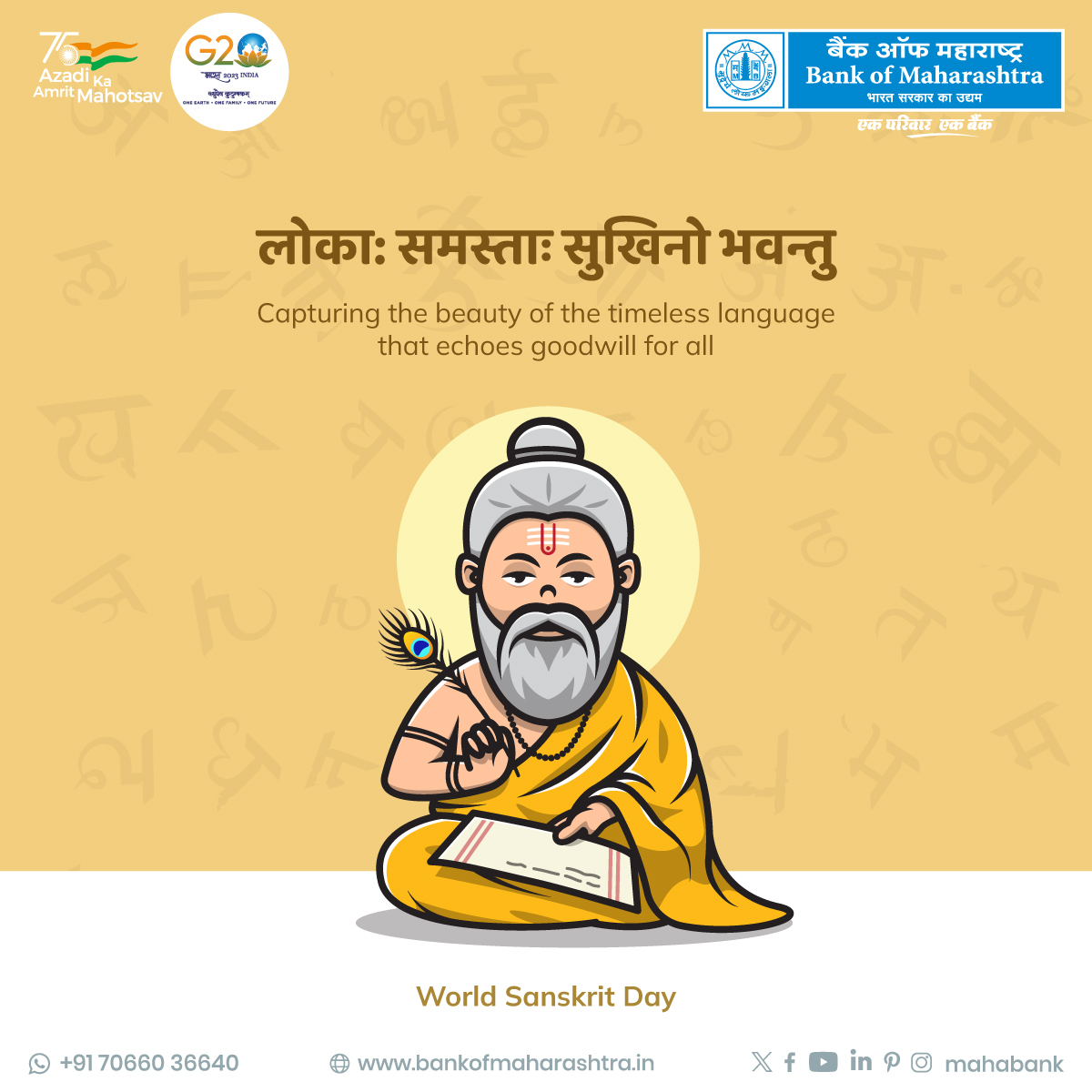
2
4
35
3,365

31 Aug 2023
Let's cherish the language that carries the essence of our culture and knowledge. Warmest wishes on World Sanskrit Day!
#SanskritSplendor #CelebrateSanskrit #LanguageLegacy #WisdomOfTheAncients #HeritageHearts #SanskritSamarpan #AncientWisdom #LinguisticElegance #CultureConnect
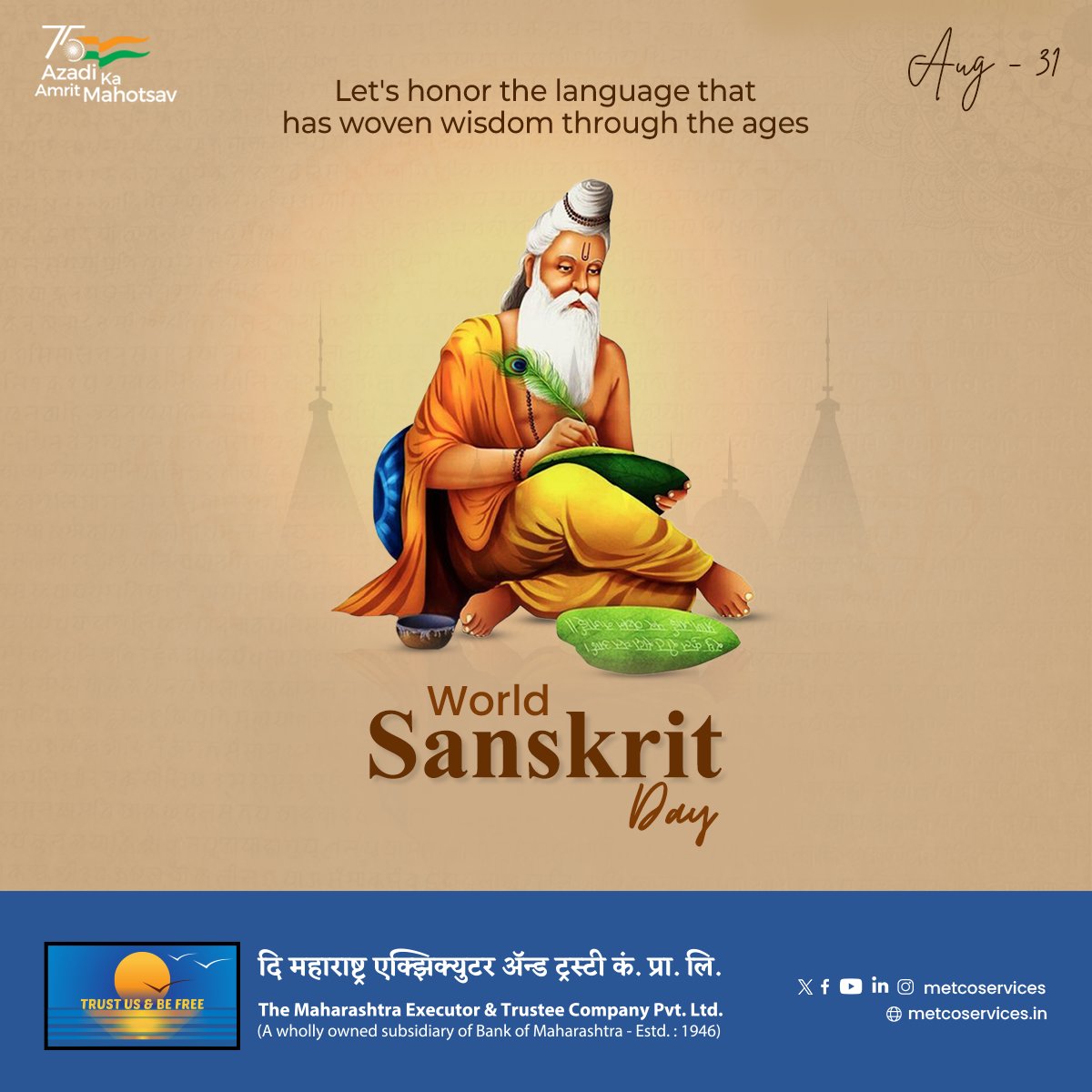
2
4
68

31 Aug 2023
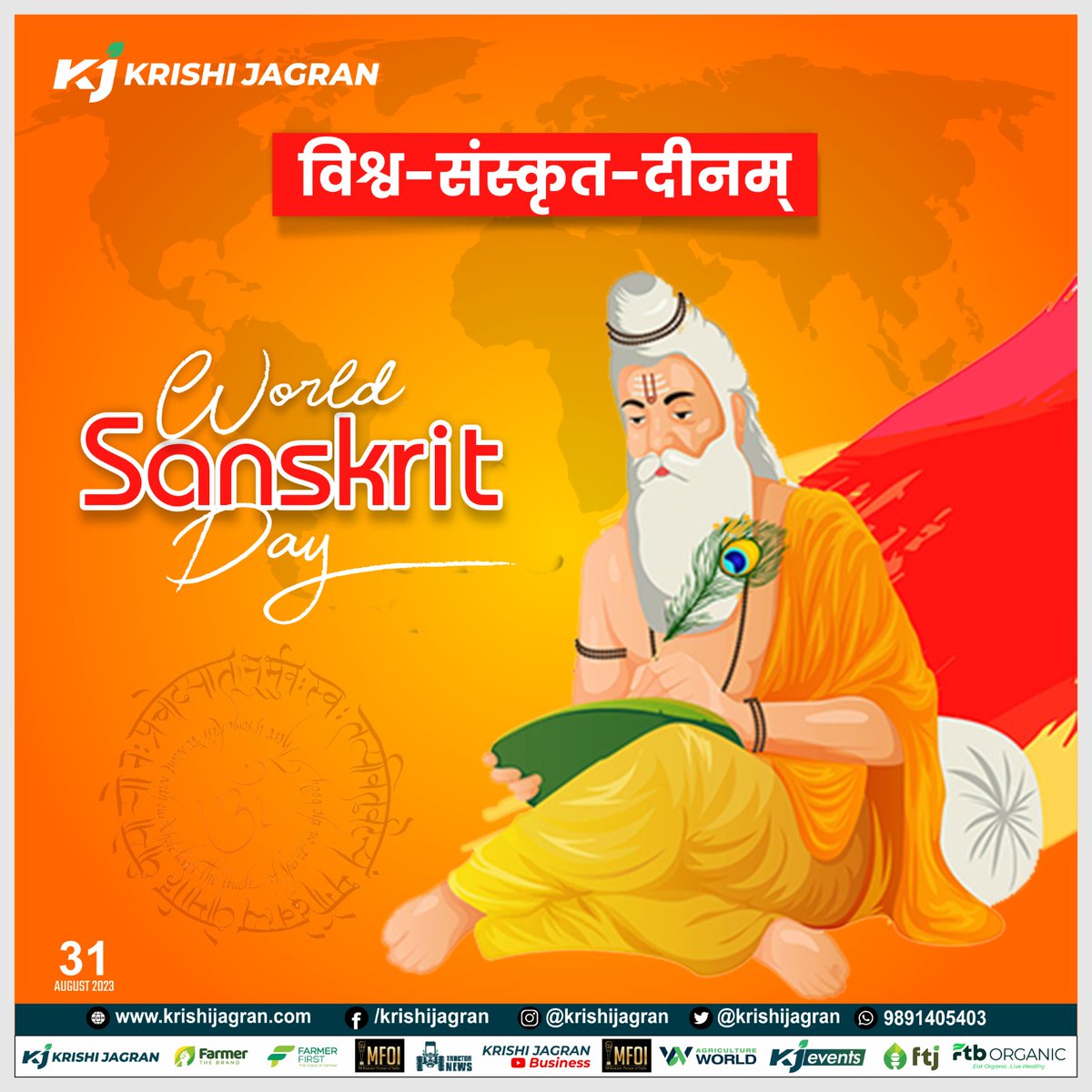
On this World Sanskrit Day, we pay homage to the ancient language that embodies wisdom, culture, and tradition. Let's continue to explore its beauty and significance, keeping its legacy alive for generations to come and celebrate the eternal elegance of Sanskrit.
𝑯𝒂𝒑𝒑𝒚 𝑾𝒐𝒓𝒍𝒅 𝑺𝒂𝒏𝒔𝒌𝒓𝒊𝒕 𝑫𝒂𝒚!🕉️
#WorldSanskritDay #LanguageLegacy #EternalWisdom #krishijagran
1
4
70

31 Aug 2023
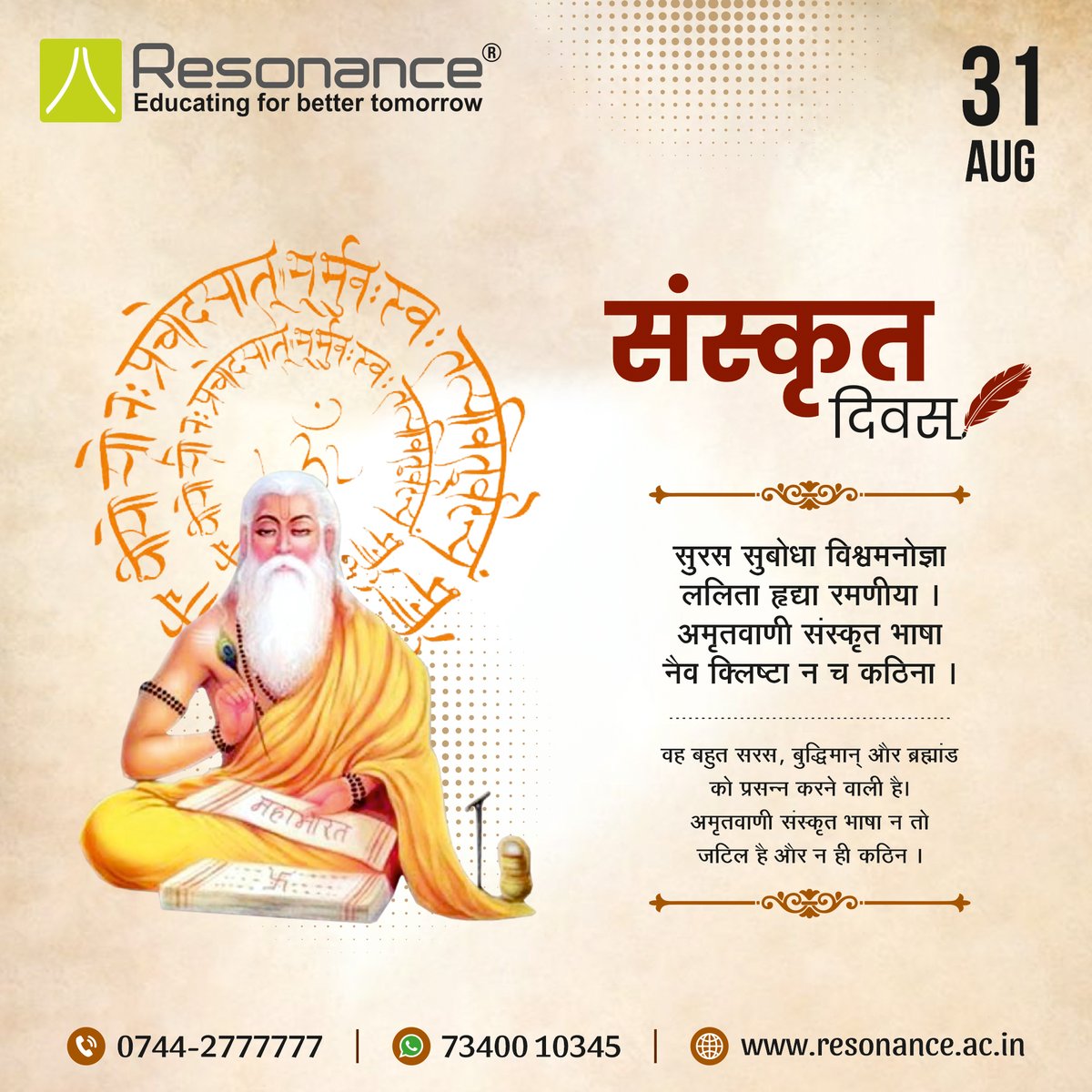
🌅 Celebrating #WorldSanskritDay: Embracing the language that continues to enlighten minds, akin to education's illuminating influence. 🎉🕯️
#WorldSanskritDay #LanguageLegacy #Resonance 📜🧠🎊
1
5
216

23 Aug 2023
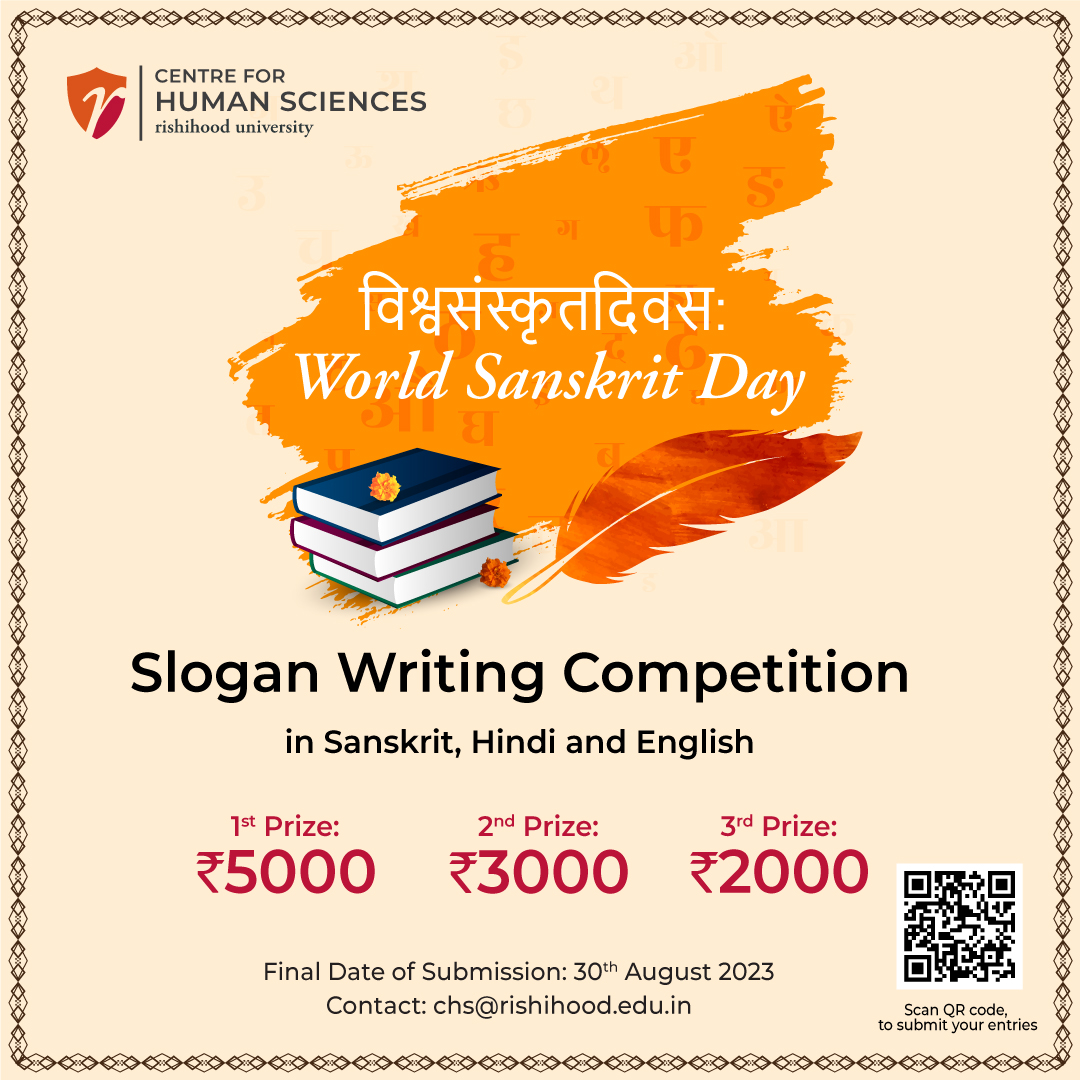
Embrace the piousness of #Sanskrit! Join us in the celebration of World Sanskrit Day on Aug 31, 2023.
Unleash your creativity in our Slogan Writing Competition, promoting the timeless beauty of Sanskrit language & literature.
Win cash prizes up to Rs 5000!
Competition Categories:
Slogan in Sanskrit
Slogan in Hindi
Slogan in English
- The competition is open to all.
- Participants have to submit slogans in all three languages.
- Slogans should be original and capture the essence of promoting Sanskrit language and literature.
Submit your original slogans in Sanskrit, Hindi, & English today: shorturl.at/biqP5
Let your words echo through time.
#RishihoodUniversity #SanskritDay2023 #LanguageLegacy #Approachingrishihood #EducationforImpact
2
4
10
1,058

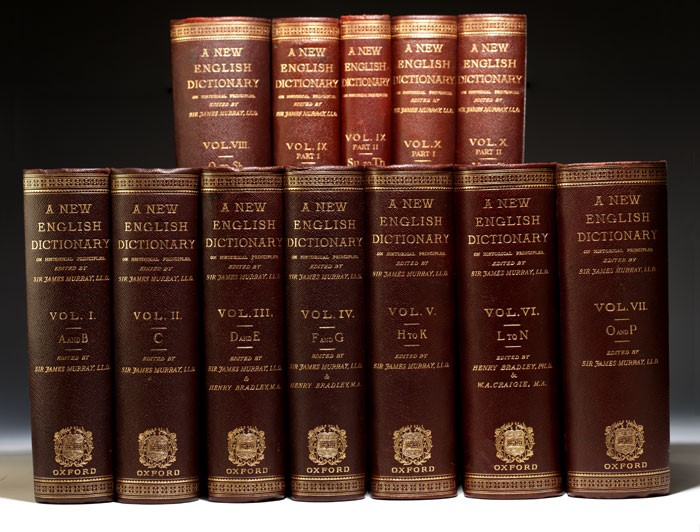
The Epic Journey of the Oxford English Dictionary 📚🌍 A Testament to Passion, Dedication, & Collaboration in Pursuit of Language 🤝🗣️ #OED #LanguageLegacy #Lexicography"
The story of the Oxford English Dictionary (OED) is a testament to the power of human passion, dedication, and collaboration in the pursuit of knowledge. The roots of this ambitious undertaking can be traced back to 1857 when members of the Philological Society of London envisioned a comprehensive dictionary that would encompass all English words and their meanings throughout history. Their dream soon caught the attention of the Delegates of the Oxford University Press, who saw the value and significance of such a project. In 1879, they commissioned James Murray as the first editor of the OED.
James Murray, a self-taught linguist and lexicographer, was the perfect choice for the monumental task ahead. With a deep love for language and an unwavering commitment to the project, he assembled a diverse team of volunteer readers, contributors, and scholars from all corners of the globe. Their mission was to scour through vast quantities of written material, including literary works, historical documents, and regional dialects, to meticulously collect and analyze words and their usage.
The process of creating the dictionary was slow and painstaking. The team faced significant challenges, including financial constraints and the sheer volume of work involved. Nevertheless, their shared passion for lexicography and the English language kept them going. The workspace at Oxford University, where the team labored diligently, became known as the "Scriptorium."
In 1884, the first fascicle (part) of the dictionary was published, and it was met with widespread acclaim for its scholarly approach and comprehensive coverage. However, despite this achievement, the dictionary project was far from finished. The team continued their efforts, documenting word histories, definitions, and usage examples, while new words continued to emerge and evolve.
Tragically, many contributors passed away before witnessing the completion of the dictionary. Yet, their dedication and the commitment of those who followed in their footsteps kept the project alive. The collaborative effort and tireless pursuit of linguistic excellence bore fruit over the years.
The completed first edition of the Oxford English Dictionary was published in 1928, spanning ten volumes and encompassing words from A to Ant. It was a monumental achievement that showcased the vastness and richness of the English language. However, the story didn't end there. The dictionary project has continued to evolve with supplements and new editions, reflecting the ever-changing nature of English as a living, dynamic language.
Today, the Oxford English Dictionary remains a vital resource for scholars, writers, and language enthusiasts worldwide. Available in both print and digital formats, it continues to serve as a linguistic treasure trove, preserving the history and evolution of the English language for generations to come. The OED's enduring legacy stands as a testament to the power of collaboration, the relentless pursuit of knowledge, and the profound love for words and language that has shaped and enriched human communication throughout history.
2
78

First Voices of Montana tribes are weaving together the threads of #language to honor and cherish the timeless stories of their beloved elders. #LanguageLegacy #CulturalHeritage bit.ly/3P1i115
2
1
810