
21 Oct 2024
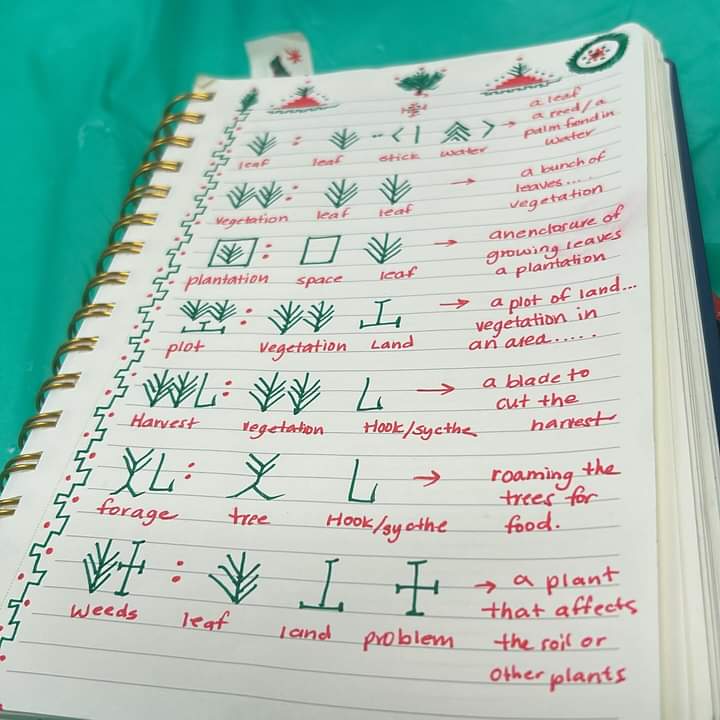
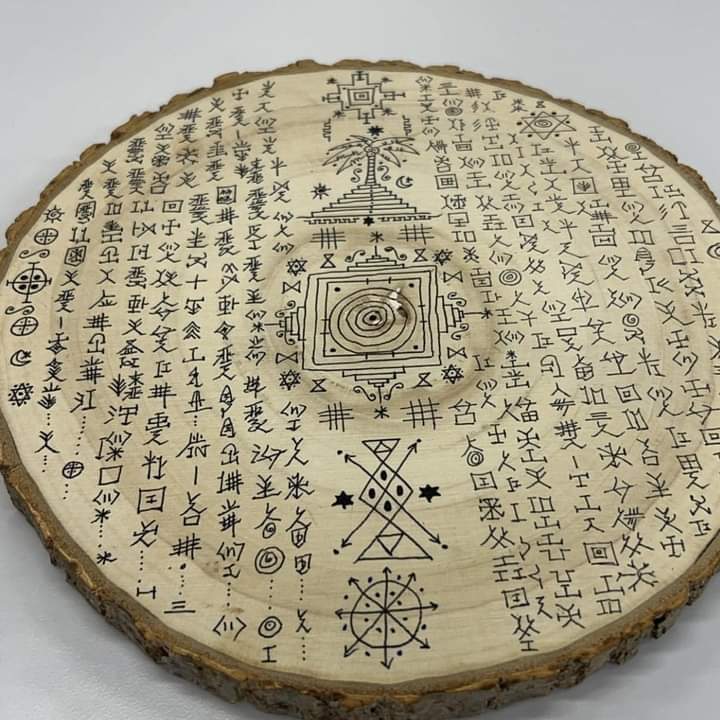
Join us as we explore Nsibidi, the Ancient Writing System of Africa as our #LanguageOfTheWeek . Interestingly, we have a podcast about the language coming up on 25th of October 2024.(8:00PM CAT)
Our special guest speakers are; American born Jordan Williams, Nsibidi lexicographer and Izu Chigbo (Ichie Idemba).
Mark your calendars for Friday, 25th October!
#Nsibidi, #AfricanHistory, #PodcastAlert, #IndigenousLanguages.
1
4
83
15 Oct 2024
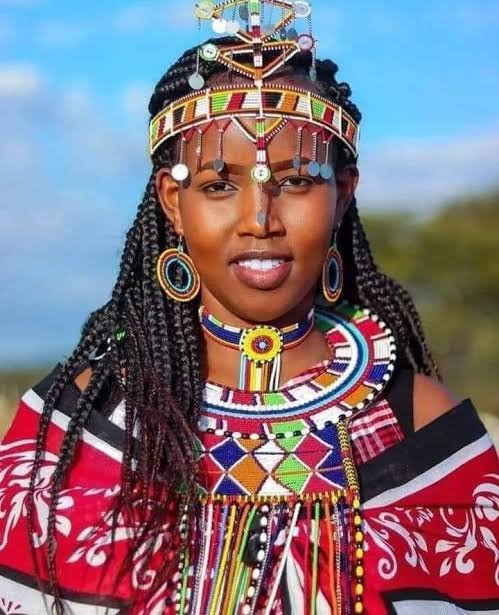
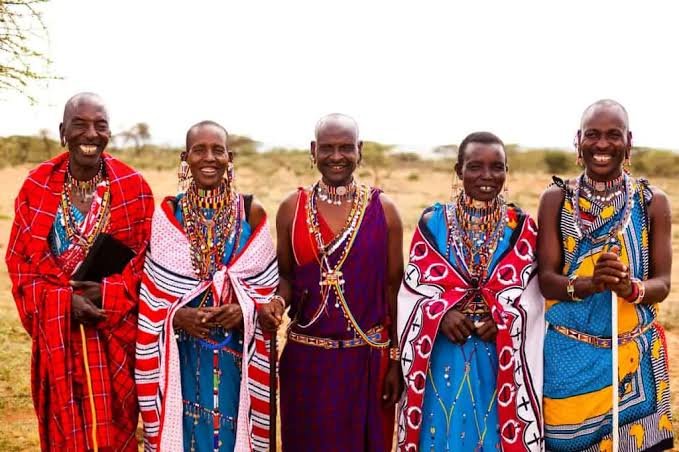
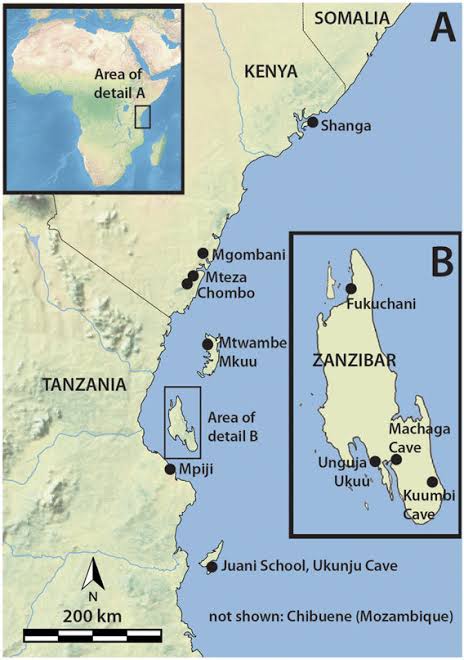
Swahili culture is a blend of African, Arab, and Persian influences, shaped by centuries of coastal trade along East Africa. The Periplus of the Erytharaean Sea wrote about a place in east Africa, which Arabs frequent to trade with those living on the mainland. This history is closely tied to Indian Ocean trade routes linking India, the Arabian Peninsula, and Africa. Centered around the Swahili language (Kiswahili), this rich heritage is reflected in their music, food, architecture, and religion. The majority of Swahili people are Muslim, with traditions like Islamic festivals and prayers into daily life. Their cuisine features dishes like pilau and biryani, spiced with a variety of flavors from the Indian Ocean trade routes.
Coastal cities like Zanzibar and Mombasa showcase stunning Swahili architecture, with coral stone buildings and intricately carved doors. The people of Swahili enjoy the enchanting rhythmic beats of Taarab music influenced by Arabic melodies, the colorful kangas worn by their women. Swahili culture exposes centuries of exchange, adaptation, and resilience, resulting in a vibrant and unique heritage that continues to thrive along the East African coast.
#swahili #Africanlanguage #languageoftheweek #Pluritongues #africanheritage
4
97
14 Oct 2024
Swahili: Language Of The Week
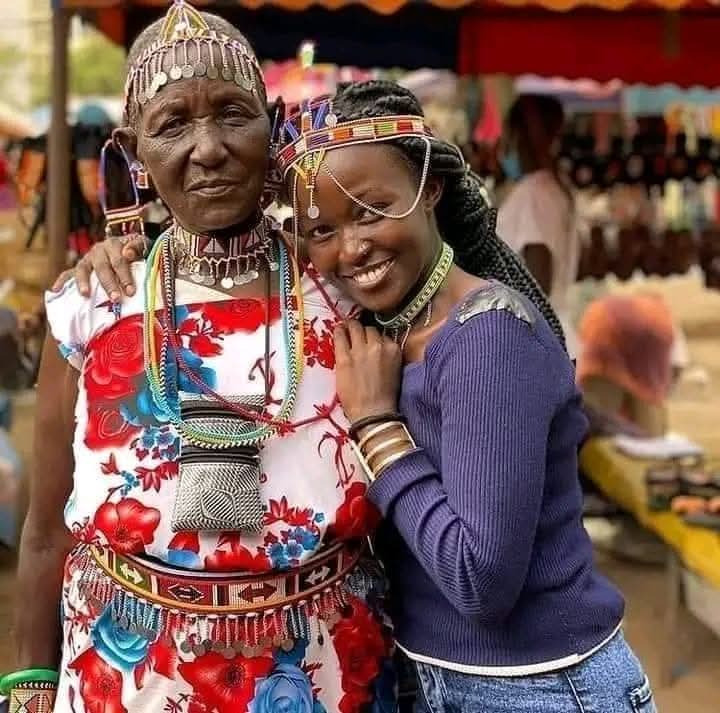
Swahili is a beautiful Bantu language spoken by over 100 million people across East and Central Africa. It has roots both in African and Arabic culture, evolving through centuries of trade along the Swahili coast.
Today, it serves as the official language of Tanzania and Kenya, uniting diverse communities and a sense of national pride.
Try these phrases today;
•Hello-----Habari
•Thank you-----Asante
•How are you?-----Habari gani?
•Goodbye-----Kwaheri
•Yes----Ndiyo
•No-----Hapana
Lets celebrate Swahili and its rich history today!
#Languageoftheweek #Swahili #Kiswahili #Africanlanguage #Pluritongues
2
5
85

15 Sep 2023
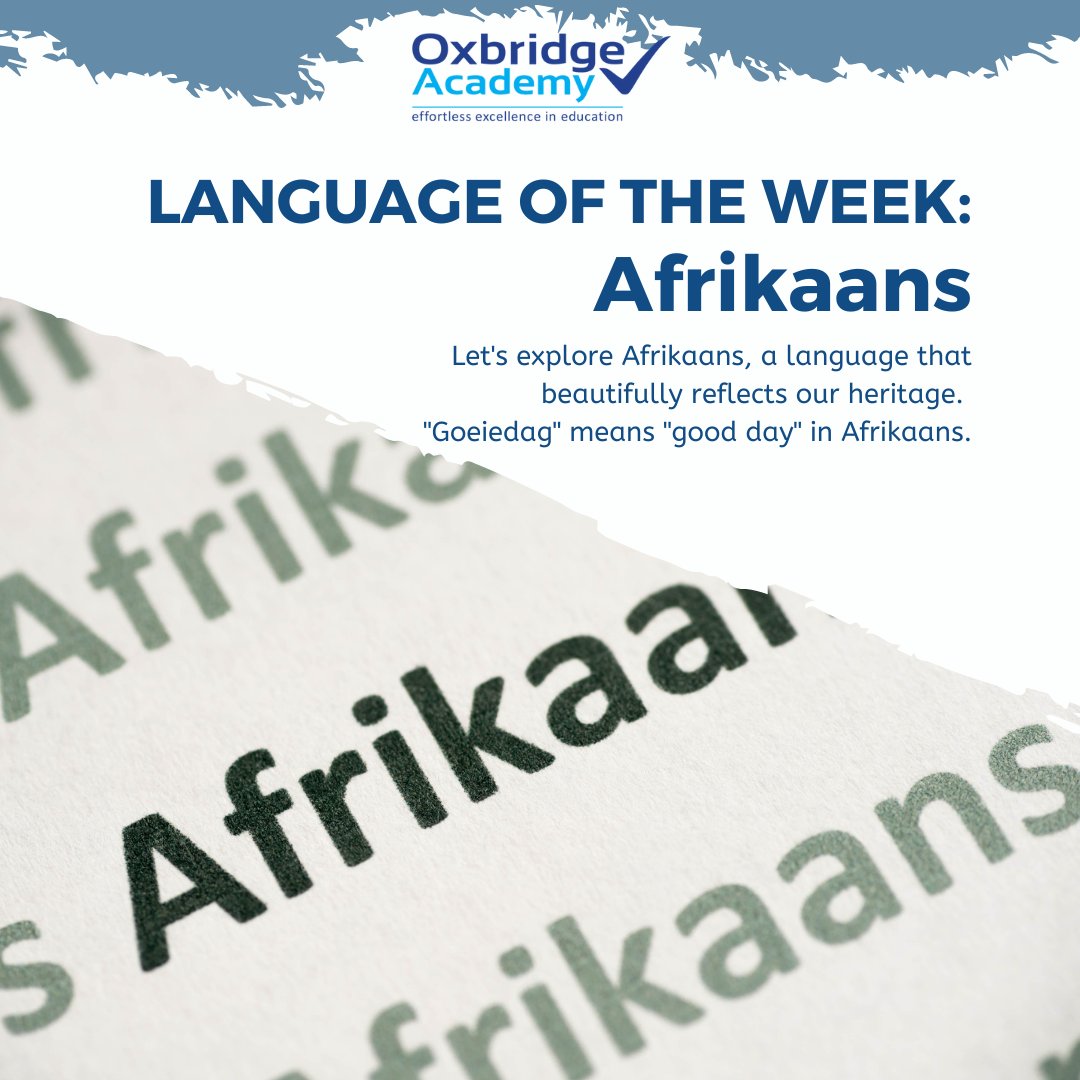
This week’s #LanguageOfTheWeek: Afrikaans:
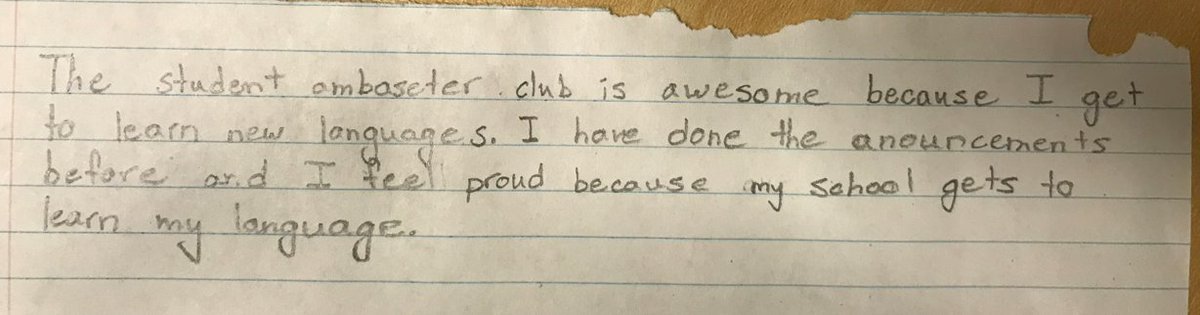
This week, let's explore Afrikaans, a language that beautifully reflects our heritage. "Goeie dag" means "good day" in Afrikaans. Tag a friend and brighten their day with this friendly greeting!
#heritagemonth #myheritage
1
2
71

2
10
369
3
7
5,257
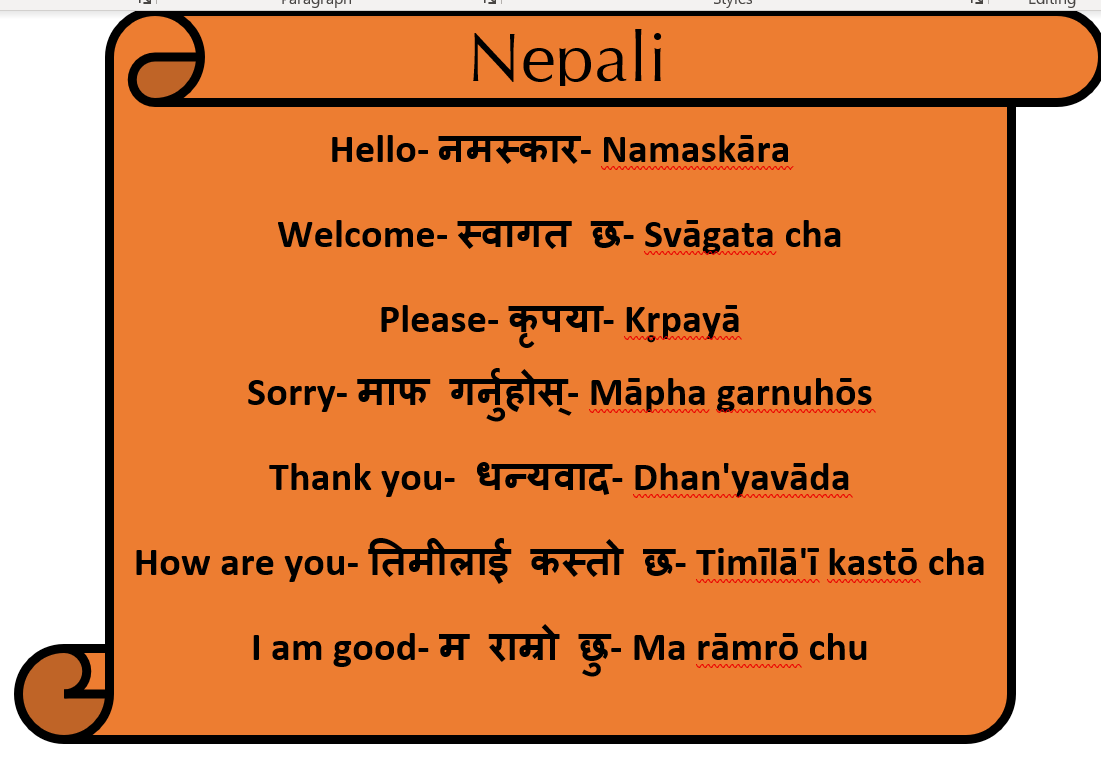
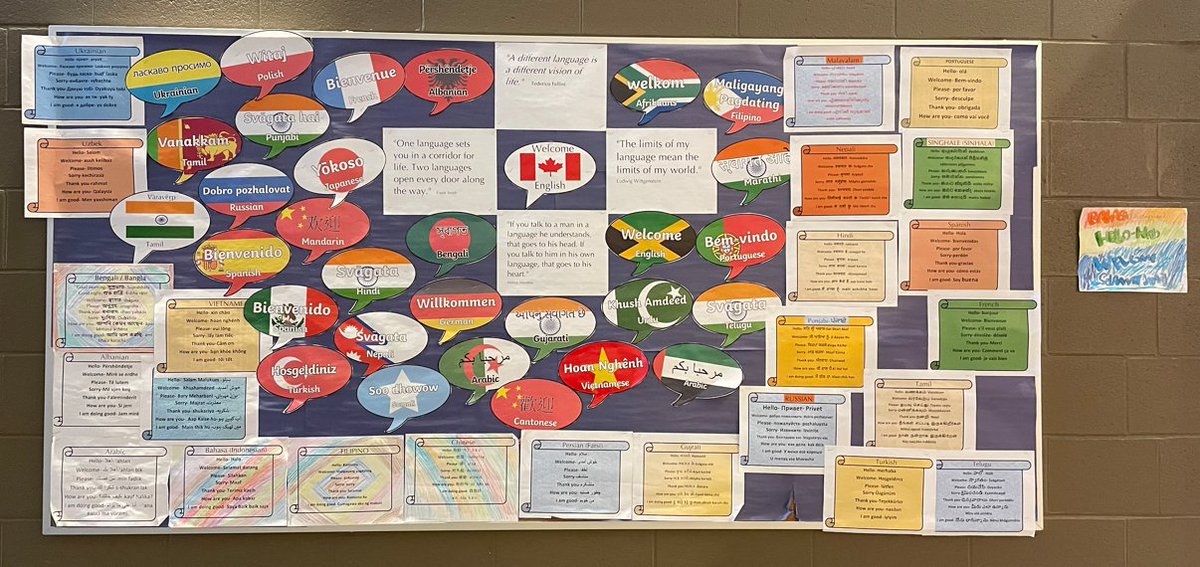
#Languageoftheweek @wggriffins "A different language is a different vision of life." Federico Fellini
This provides the opportunity for students to make connections with their language and another language.
1
2
158

7 May 2021
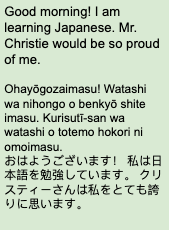
#languageoftheweek - Good morning! I am learning Japanese. @EGHSJapanese Mr. Christie would be so proud of me!
おはようございます! 私は日本語を勉強しています。 クリスティーさんは私をとても誇りに思います!
#JXP #Japanese
3
9 Apr 2021
#Languageoftheweek, suggested by my #MLL kiddos: #French! "À cœur vaillant rien d'impossible. Bon chance!"—> "Nothing is impossible for a willing heart. Good luck!" I went with an idiom. #MotivatingELLs #MotivatingMLLs #fridaymorning
4
18 Mar 2021
This week's #languageoftheweek might have been a little obvious as a choice... Beannachtaí na Féile Pádraig ort!
(Bah-nach-twee nah FAY-lah PAH-rik urt.) Happy St. Patrick's Day! #Irish #Gaelic #StPatricksDay youtube.com/watch?v=vCAAg9yZ… @bitesizeirish
1
3
11 Mar 2021
My #languageoftheweek this week was #xhosa -- Molweni ninjani. Yazi umhle? (Hello all. Do you know you are beautiful?) As always, hope I didn't mess up--feedback welcome! *One student got it when I gave a hint about @Trevornoah speaking it. :) youtube.com/channel/UC5H2PxM…
3

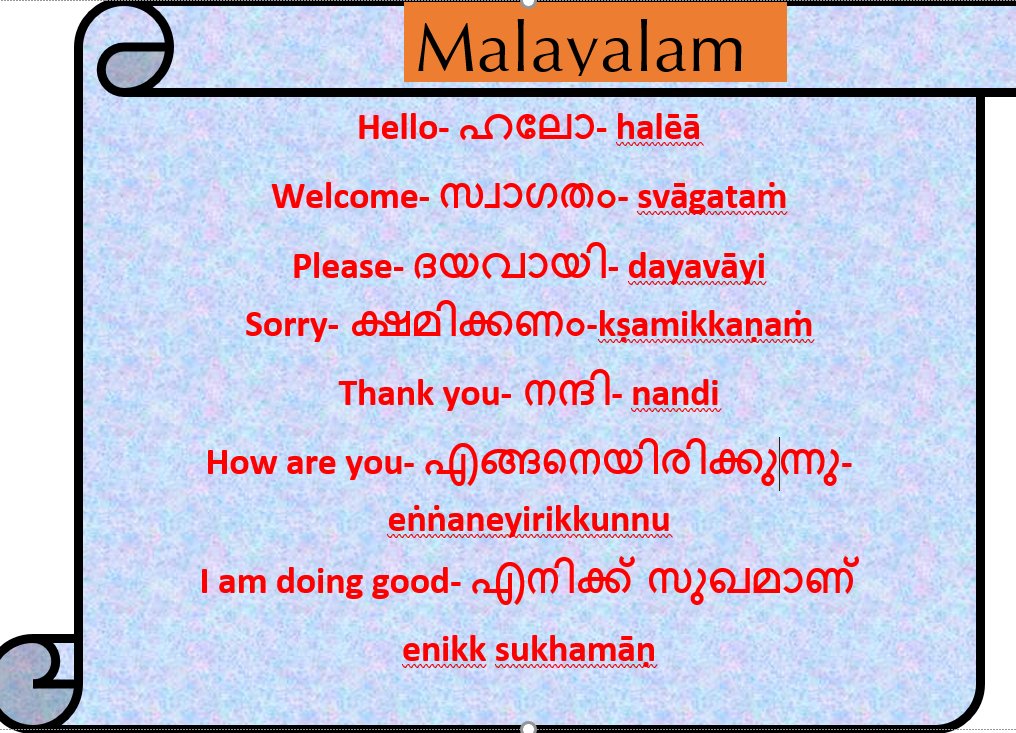
This week’s language of the week is Malayalam!
Why Malayalam?
🗣 It has around 28 million speakers.
🗣 It is primarily spoken in India.
🗣 It has a significant number of loanwords from Portuguese.
#Malayalam #LearnMalayalam #LanguageOfTheWeek


3
5

I'm also thinking about starting up my #languageoftheday (or alternatively, #languageoftheweek) project back up on here
2
Happy Monday! Or maybe we should be saying Happy Maanantai—our #languageoftheweek is #Finnish! 🇫🇮
It’s one of 2 official languages of #Finland—the other is #Swedish.
If you want to #LearnFinnish, we are offering a 30% discount, this week only!
👉 utalk.com/plans/finnishweek1…
1
2

8 Jan 2019
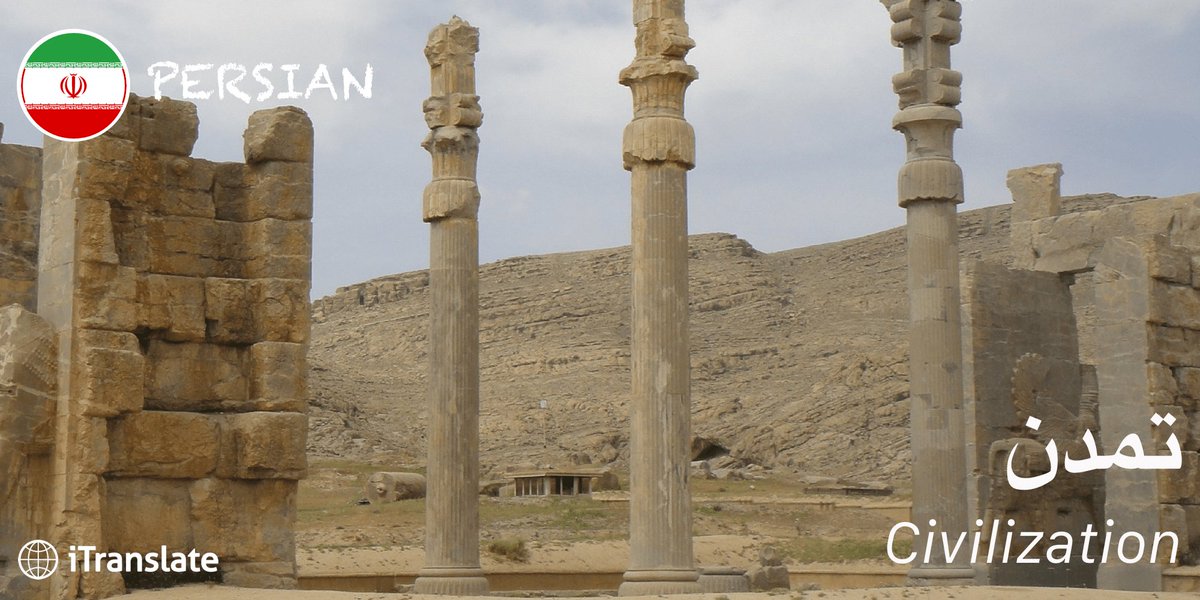
Did you know that Iran has settlements dating back to 4000 B.C.?! This makes Iran one of the world’s oldest continuous civilizations. #iTranslate #LanguageoftheWeek #Persian
1
2
7 Jan 2019
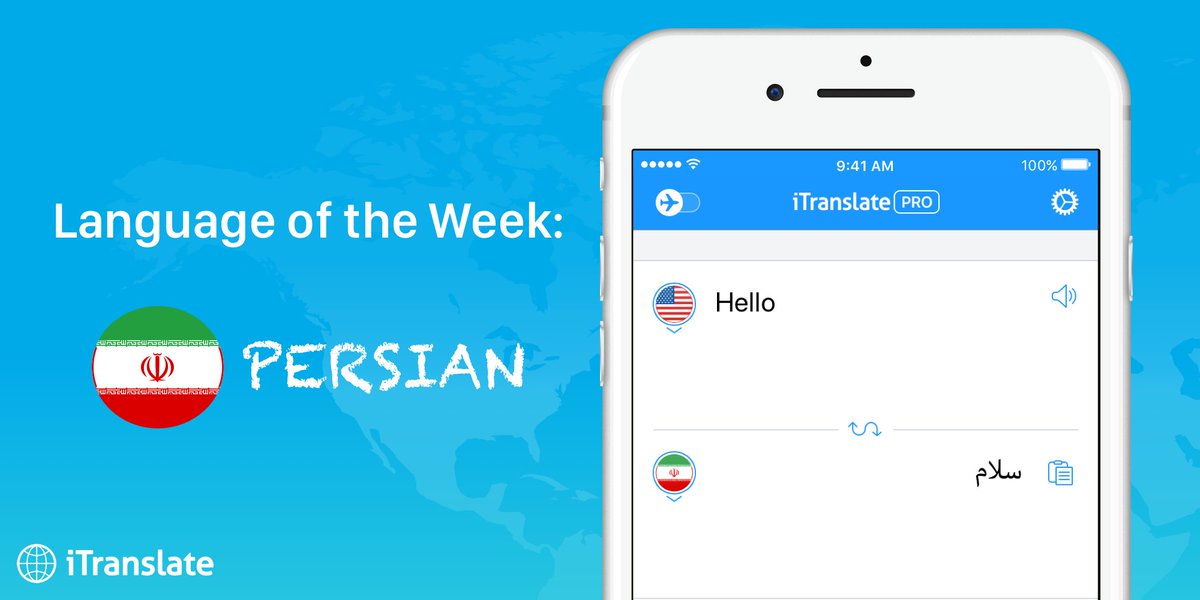
The language of this week is Persian - the official language of Iran. Also called Fārsī, it is a member of the Iranian branch of the Indo-Iranian language family. #iTranslate #LanguageoftheWeek #Persian
1
2
21 Dec 2018
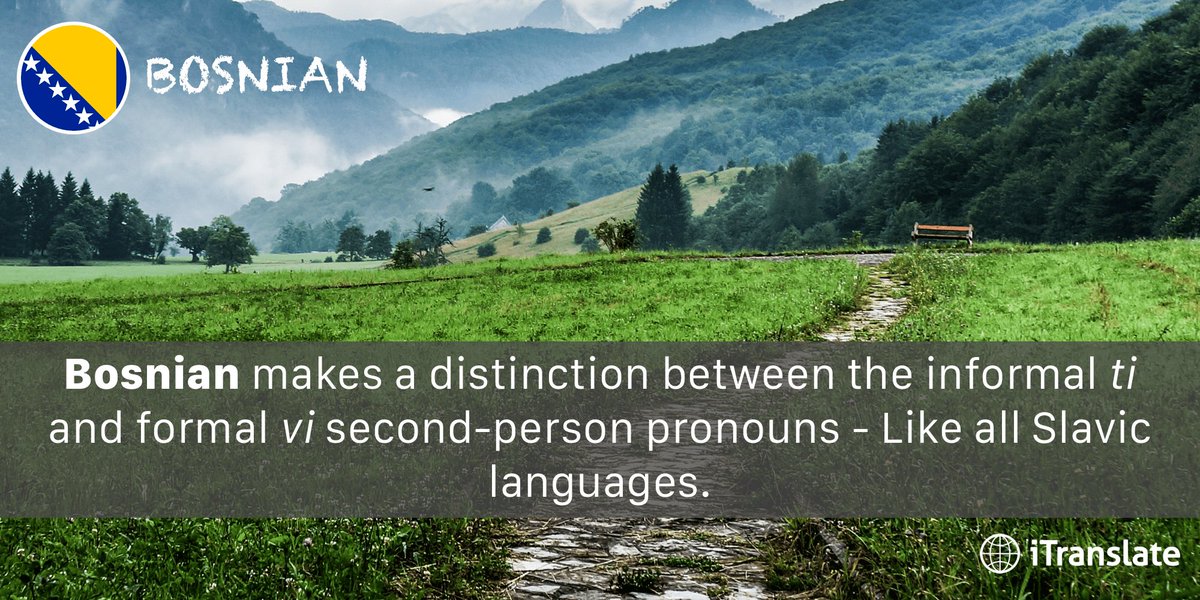
This distinction is reflected in the associated verb forms. #iTranslate #LanguageoftheWeek #Bosnian #FactFriday
1
1
20 Dec 2018
The currency of Bosnia and Herzegovina is the Marka, which can’t be bought or exchanged anywhere else in the world. #iTranslate #LanguageoftheWeek #Bosnian

1
19 Dec 2018
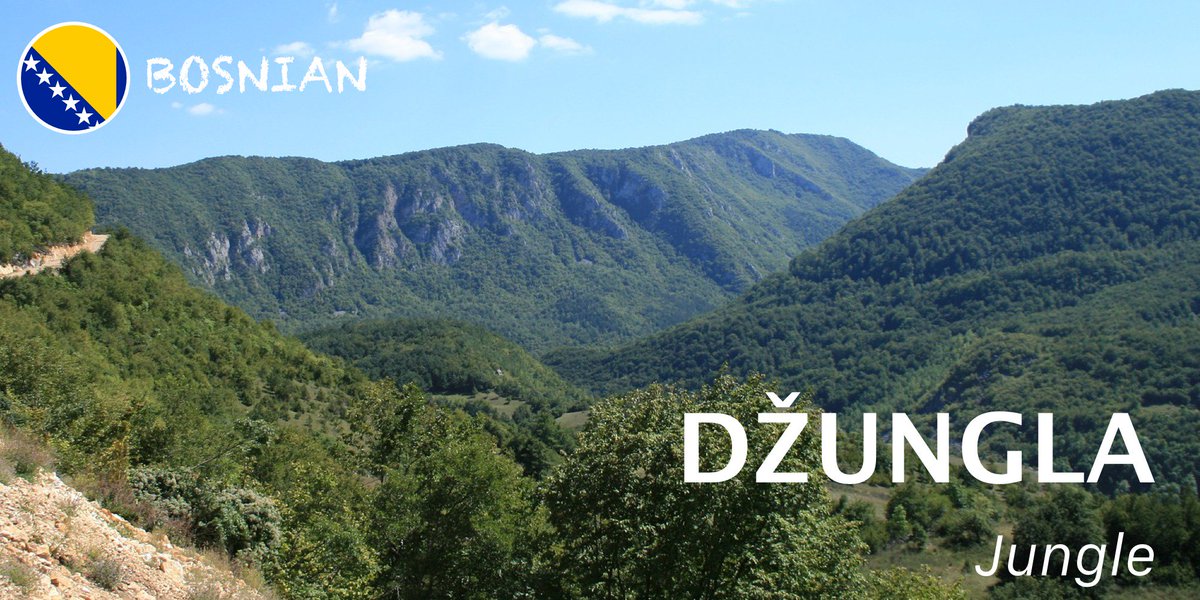
Did you know…The last remaining #jungle in #Europe is in #Bosnia?! Around 170 species of trees and thousands of different types of #plants and wildlife live in the 20,000-year-old #rainforest, called Perućica. #iTranslate #LanguageoftheWeek #Bosnian
18 Dec 2018
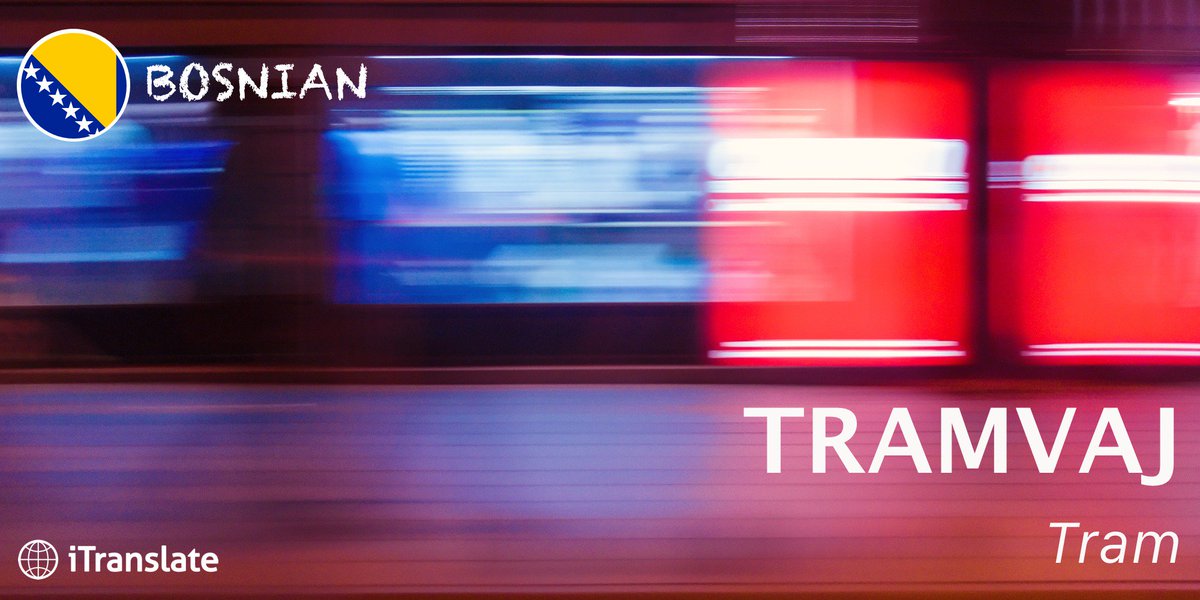
Trams were first regularly used in Europe in Sarajevo: As just a few European countries had trams, Sarajevo was a pioneer in public transportation. #iTranslate #LanguageoftheWeek #Bosnian
1
1