
💬 Linguagem mora só nas palavras? Sistemas cerebrais e vida inteira — OHBM 2026
#fNIRs #NIRS #neuroscience #OHBM2026 #BrainImaging #CognitiveNeuroscience #SciComm #NeuroTwitter #BrainHealth #Psycholinguistics #Development #LanguageScience
brainsupport.co/blog/ohbm-20…
11
6
27

Mar 23
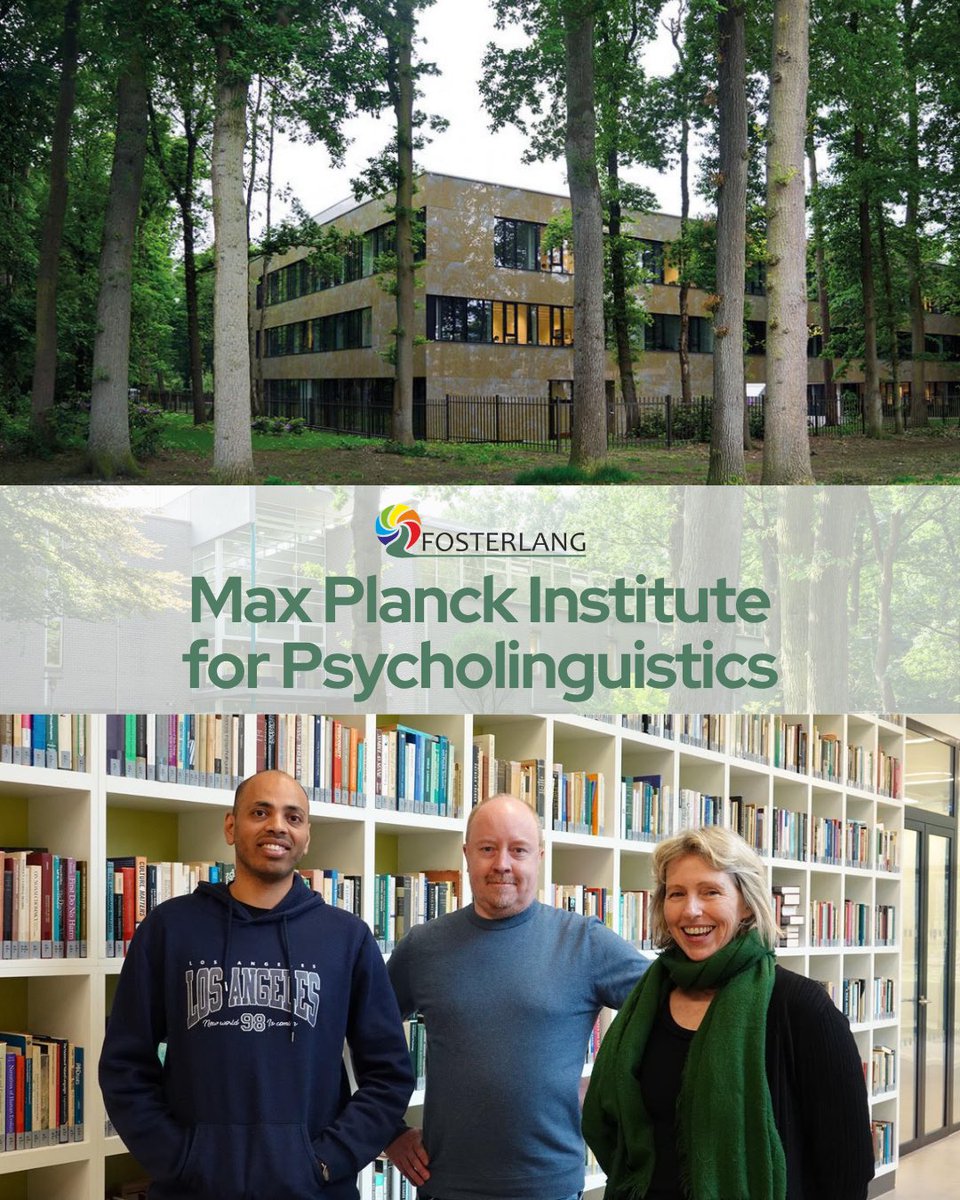
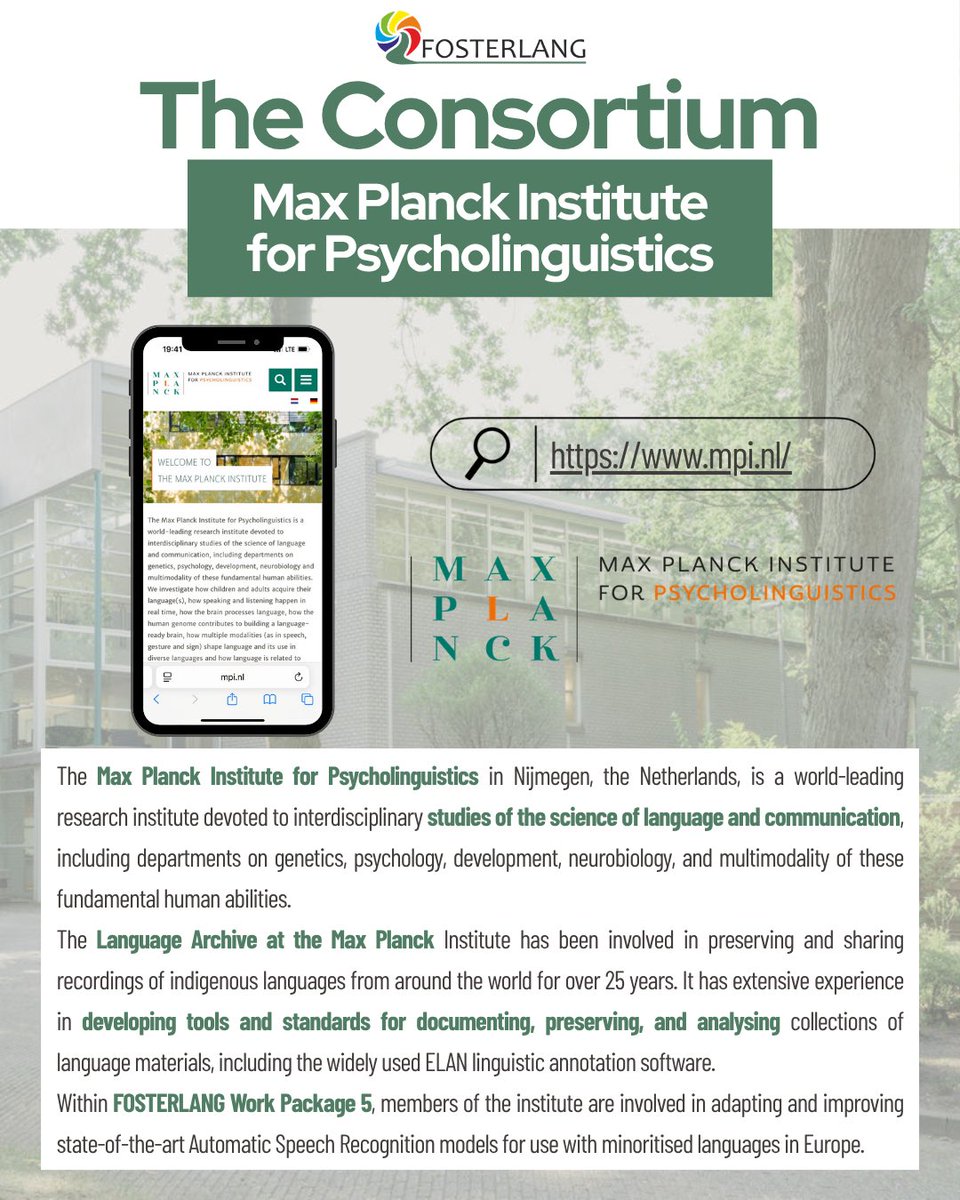
Meet the FOSTERLANG partner Max Planck Institute for Psycholinguistics, preserving and documenting languages worldwide 🌍 and adapting Automatic Speech Recognition models for minoritised European languages. #FOSTERLANG #MinoritisedLanguages #LanguageScience @MPI_NL
3
4
100

Jan 29
Jan 29

Grok ranked me with Ilya SUTSKEVER, Geoffrey HINTON, Andrej KARPATHY, Demis HASSABIS, & other AI greats
1
1
5
886


Sanskrit is referred to as the language of gods in the Vedic texts. It is one of the most systematically structured languages ever studied. Research discussed by Harold Dean Brown explores how its precision may have influenced later linguistic systems, including English—supporting faster cognitive processing and logical sentence construction.
#EnglishOrigins #HaroldDeanBrown #ScientificEducation #AncientWisdomModernScience
#EvidenceBasedLearning #AncientScience #EducationWithDepth #science
#Sanskrit #LinguisticsResearch #LanguageScience
#BIVS #Science #Spirituality #ScienceOfTheSoul #sciencemeetsspirituality #ScienceAndSpirituality #CosmicTruth #BhagavadGita #vedicscience
3
3
34

19 Nov 2025
The "247 Letters" Misconception: Efficiency vs. Redundancy
The claim that Tamil has 247 letters is a fundamental misunderstanding.
Tamil is built on a core set of 30 primary phonemes: 12 vowels (அ, ஆ, இ, ஈ, உ, ஊ, எ, ஏ, ஐ, ஒ, ஓ, ஔ), 18 consonants (க், ங், ச், ஞ், ட், ண், த், ந், ப், ம், ய், ர், ல், வ், ழ், ள், ற், ன்), and one special character (ஃ). Each consonant combines with a vowel in a predictable, logical way to form a syllabic unit (uyirmei). The number 247 simply counts all these possible combinations, not unique letters.
This reflects a key difference in linguistic design:
· Sanskrit/Hindi (an Abugida system): Creates a unique character for each consonant-vowel combination (e.g., क, का, कि, की). This design leads to a higher glyph count.
· Tamil (an Alphabetic system): Uses a modular approach where a base consonant (e.g., க் k) seamlessly integrates with a vowel diacritic (e.g., ா ā) to form a syllable (கா kā). We do not consider கா a new "letter" any more than we consider "B" a different letter from "A"; it is a combination of letters.
Tamil's writing system is not deficient; it is remarkably efficient and avoids redundancy. Claiming it has 247 letters is like claiming the English alphabet has hundreds of "letters" because of uppercase, lowercase, bold, and italic variations—it confuses the core alphabet with its visual representations.
Phonemic Flexibility & Integrity
Tamil is renowned for its "phonemic subtlety." It is a language where the script and speech are in perfect alignment. Its sophistication lies not in having a dedicated glyph for every possible sound, but in its intelligent, context-sensitive phonology.
For instance, the letter க (ka) can represent sounds like /k/, /ɡ/, or /x/ (an 'h'-like sound) depending on its position in a word. This demonstrates a phonemic system where meaning is distinguished by core sound units, rather than a strictly phonetic one that aims to capture every acoustic detail. This inherent flexibility is a feature of its elegant design, not a lack.
Furthermore, Tamil possesses a resilient and self-sustaining architecture, rooted in its profound grammatical integrity. It gracefully adapts to external influences, absorbing loanwords while steadfastly preserving its unique phonological and grammatical identity.
This structural elegance highlights why Tamil stands not as a counterpart to, but as a distinct pillar of, India's linguistic heritage, alongside Sanskrit.
To Read More: pnqk.me/qudauy
#AlphabetMyth #LanguageScience #Devanagari #TamilScript #TamilFacts #DravidianLanguages #Saṃskṛtika_bhāṣāeṁ
8
811

4 Sep 2025
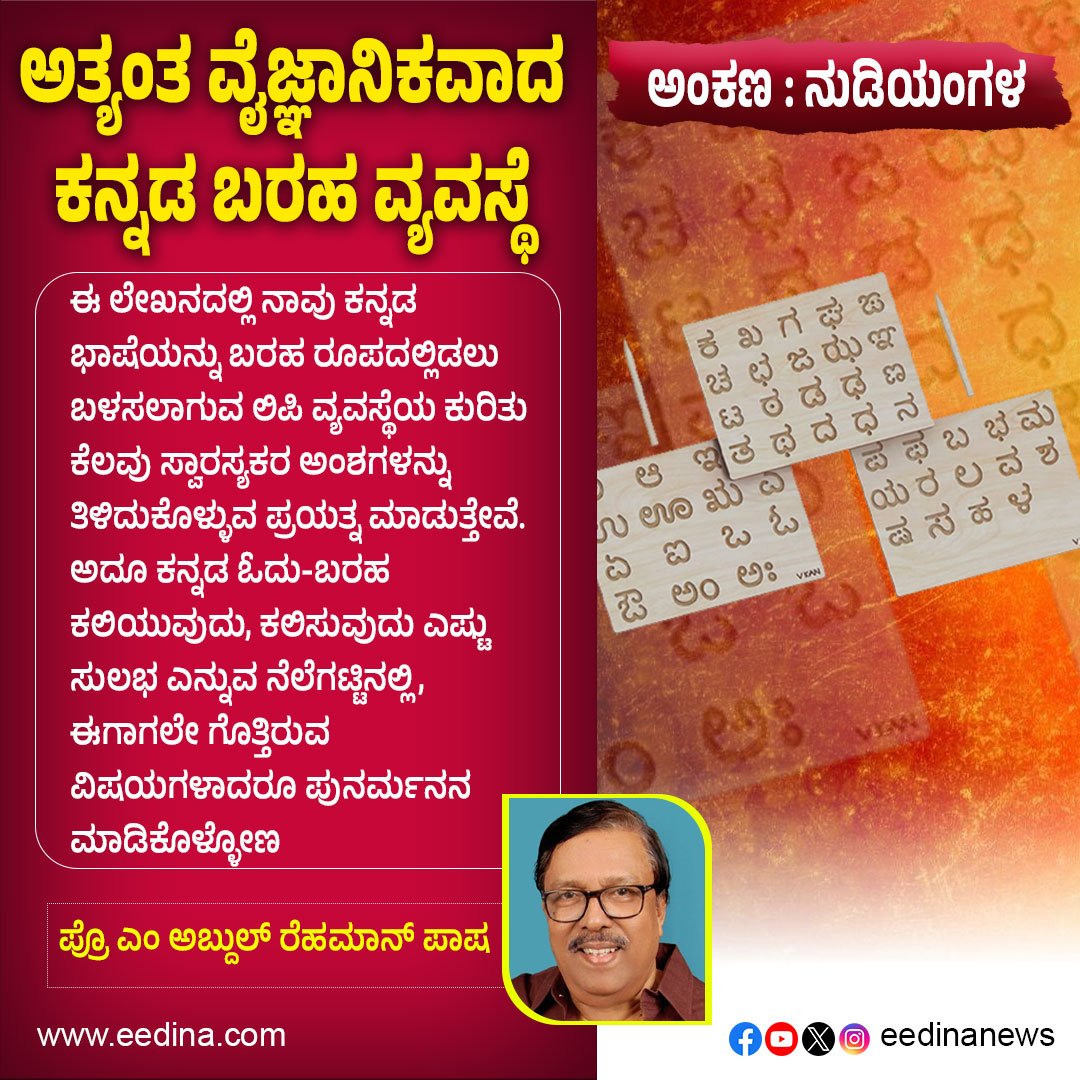
ನುಡಿಯಂಗಳ | ಅತ್ಯಂತ ವೈಜ್ಞಾನಿಕವಾದ ಕನ್ನಡ ಬರಹ ವ್ಯವಸ್ಥೆ
#Nudiyangala #KannadaScript #ScientificLanguage #KannadaWriting #LinguisticScience #KannadaCulture #KannadaPride #KannadaHeritage #KannadaLetters #KannadaAlphabet #LanguageSystem #KannadaLove #KannadaMatthu #KannadaHistory #KannadaTradition #LanguageScience #KannadaRoots
2
71

14 Aug 2025
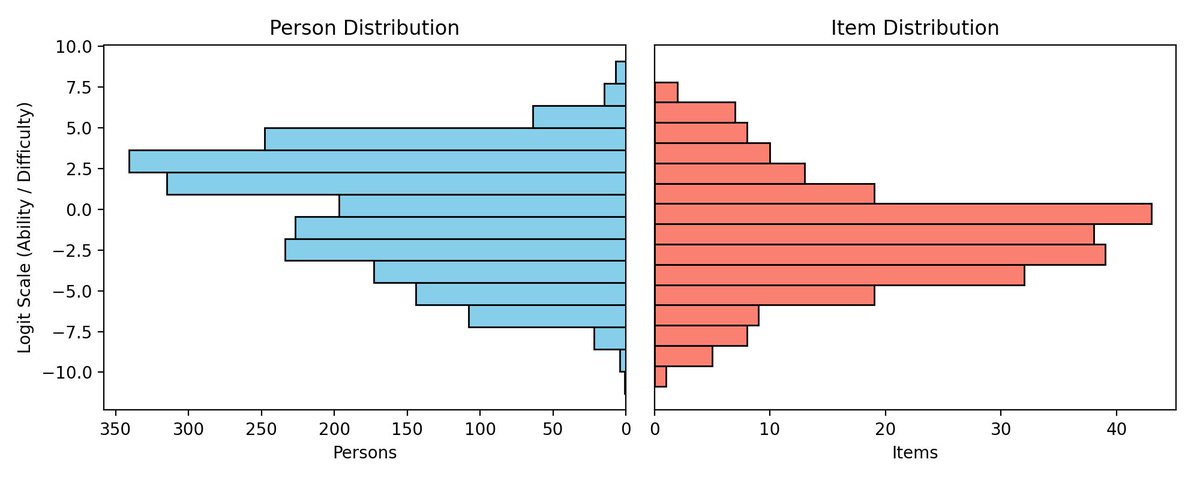
🚨 New tool alert! Fokin and co created the Polish Vocabulary Size Test (PVST) — a fast, validated, and adaptive way to measure Polish vocab for natives & learners. Try it 👉 myvocab.info/pl #Psycholinguistics #LanguageScience buff.ly/lFaPqCE
1
4
424

13 Aug 2025
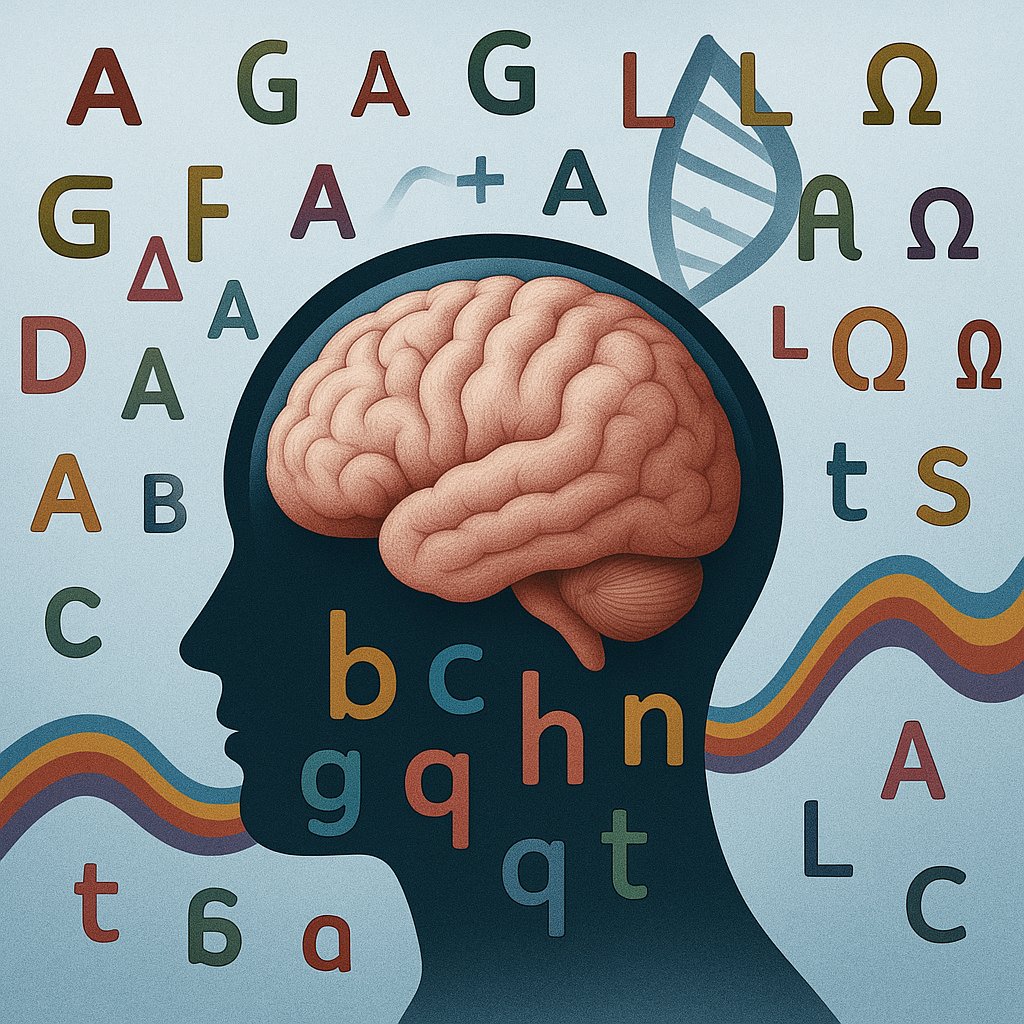
In 1994, I found myself “behind enemy lines” at a Montreal conference on the so-called grammar gene. Years later, in Liz Bates’s classroom, I finally saw the data that changed everything — and learned how science can be slowed by its own gatekeepers.
shorturl.at/nqGhc
#LanguageScience #CognitiveScience #Bilingualism #ScienceHistory #Psycholinguistics #Emergentism #Montreal #GrammarGene #ScienceGatekeeping
2
105

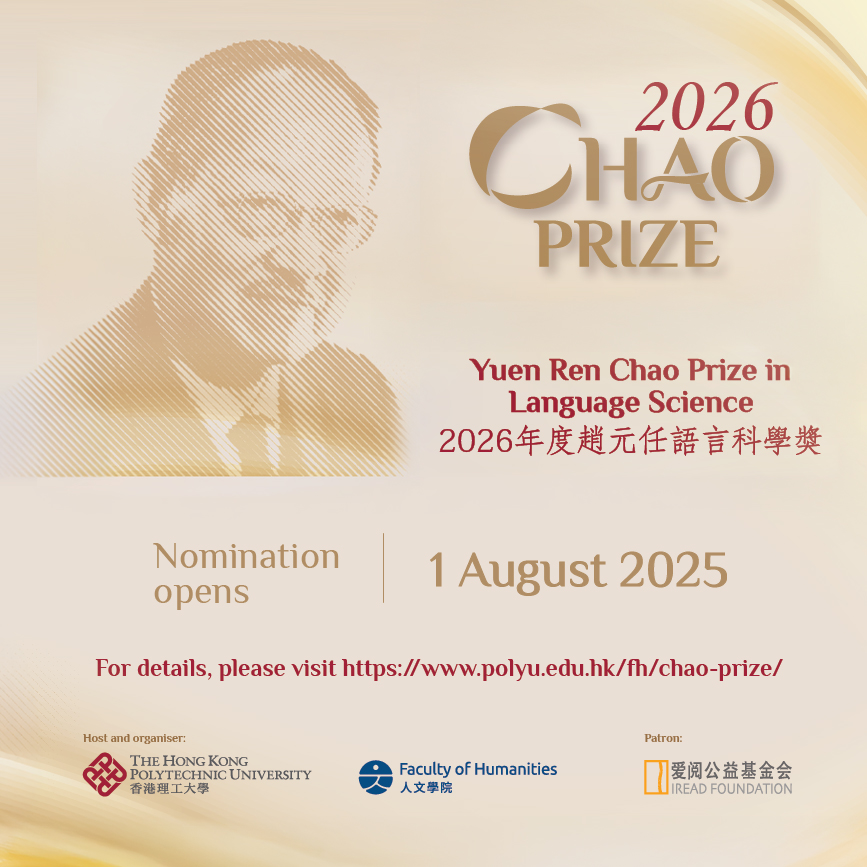
PolyU is pleased to announce that the Yuen Ren Chao Prize in Language Science 2026 will be open for nominations from 1 August until 31 October 2025. This biennial international award, includes the Lifetime Achievement Award, which honours long-term, internationally recognised contributions to the field, and the Early Career Contribution Award, which celebrates outstanding work by scholars or researchers aged 45 or below. The Prize also includes cash awards of US$100,000 and US$50,000, respectively. Outstanding scholars and researchers worldwide are encouraged to participate.
More: polyu.hk/ePLYN
#TheHongKongPolytechnicUniversity #ChaoPrize #LanguageScience
1
3
276

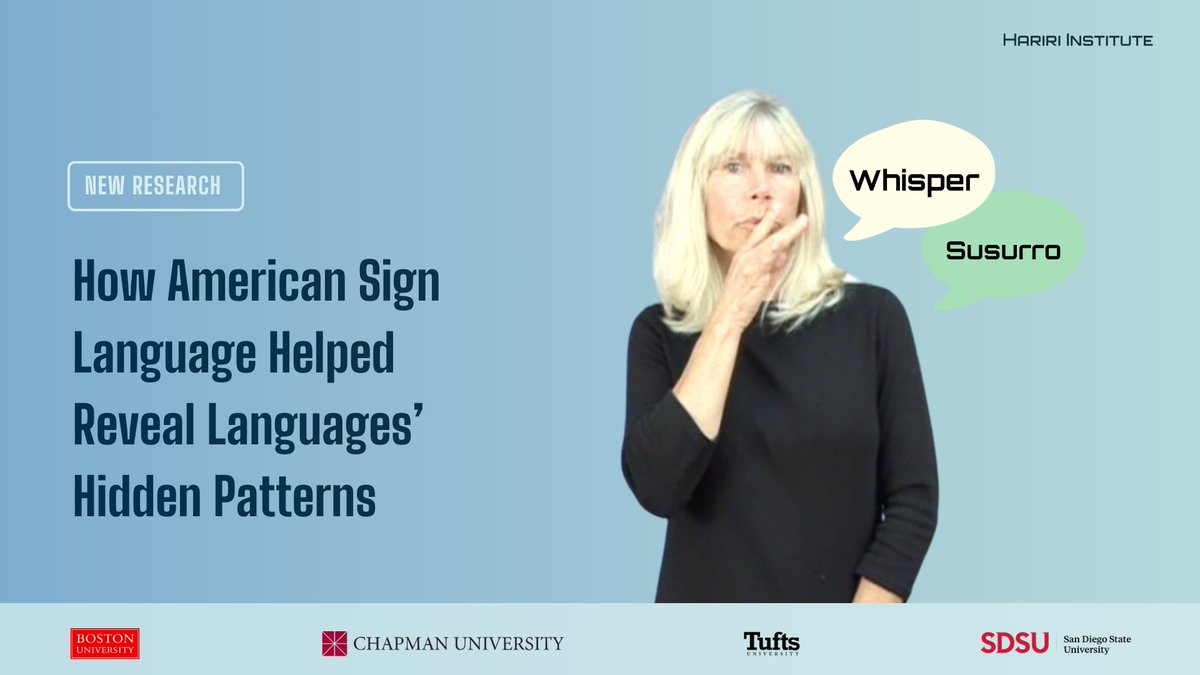
Are words arbitrary? A new @BU_Tweets-led study says no, challenging core language theory.
Findings in @PNASNews show patterns in ASL, English & Spanish—suggesting words reflect meaningful language structure. This could reshape how we learn, recover & model language.
➡️Learn more: spr.ly/60192Vxnl
#PNAS #LanguageScience #ASL #DeafStudies #ResearchImpact #BUResearch #SignLanguage #ComputerVision #Systematicity #Iconicity #Linguistics @ChapmanU
2
2
3
1,648

26 Mar 2025
In this month’s episode of “Breaking it down with Dr. Berg” we talk about the genes that influence functional connections between language centers in our brain #science #languagescience #musicianscientist #scientistsofx
3
2
18
2,817

3 Dec 2024
🧠 New paper alert! Pickering & @strijkers propose a Parallel Activation Model for language production, where semantic, grammatical, & phonological aspects activate together.
Check out the study: doi.org/10.1111/tops.12775 #LanguageScience
1
8
651

12 Nov 2024
🌟 Experience the Power of Precise Pronunciation! 🌟
Here’s a glimpse into our Rudri classes—see how each word is carefully broken down into letters and phonics, ensuring accuracy and depth with every sound! 🎶📖
Unlock the secrets of Language Science with Bhasha Bodh: Science Behind Language! 🎓
🔜 New Special Afternoon Batch starting soon!
Don’t miss this chance—register now at djvm.org
#RudriPath #BhashaBodh #LanguageScience #PerfectPronunciation #VedicWisdom #SanskritLearning #LanguageLearning #DJVM
1
8
21
186

17 Oct 2024
We are proud to release the 2024 issue of The Spoken Word! Our magazine features articles written by undergraduate research students that tackle big issues in #aphasia, #languagescience, #representation, and more! Read the full issue here: myerslab.media.uconn.edu/wp-…
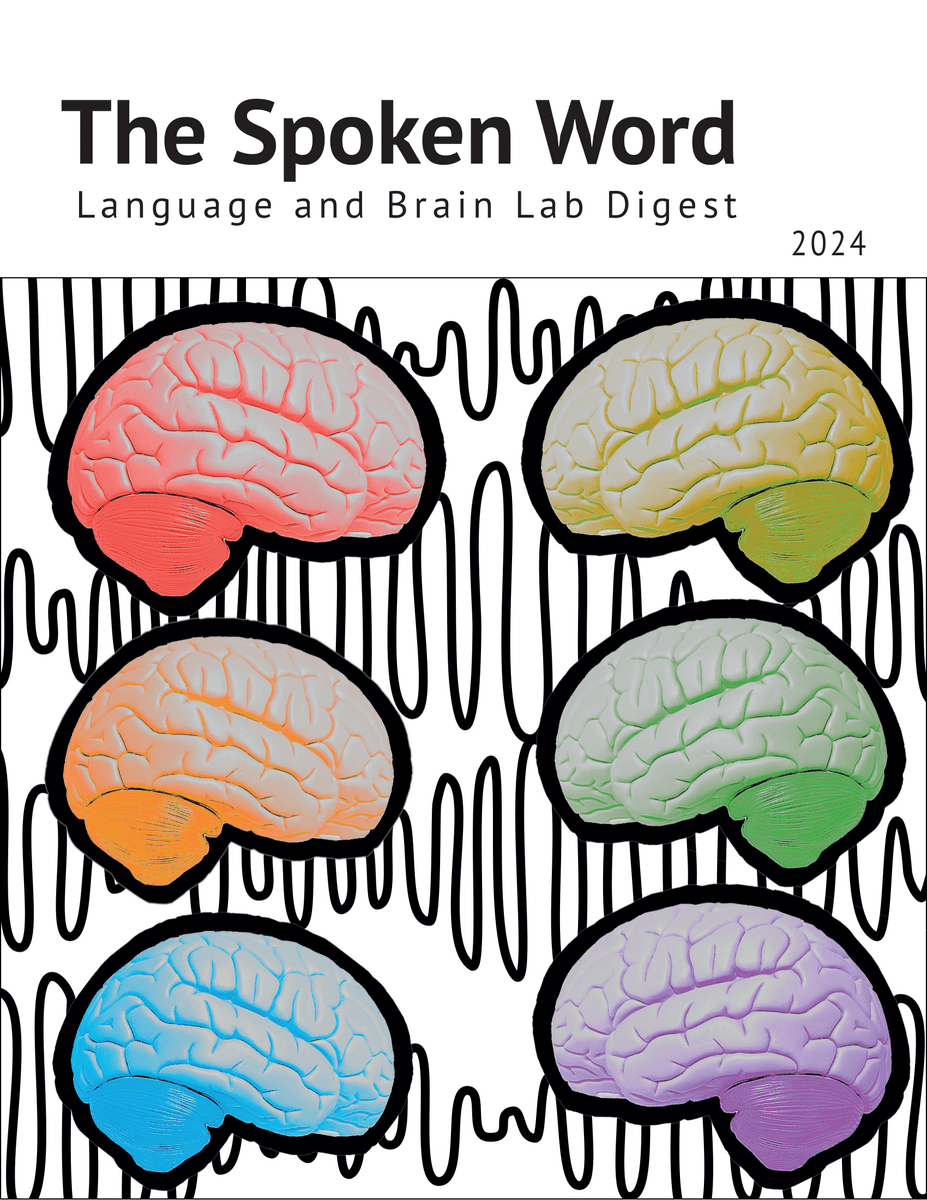
ALT The front cover of the 2024 issue of The Spoken Word research magazine
1
1
5
202

1 Oct 2024
We’re thrilled to introduce our 2025 LSA Annual Meeting plenary speakers! Hear from Dr. Jeffrey Lidz (University of Maryland), Dr. Christopher Potts (Stanford University), and Dr. Ofelia Zepeda (University of Arizona), as they share their research and insights in linguistics. Check out the website to learn more about each of their presentations and register today! bit.ly/3BuN8NG
#LSA2025 #Linguistics #PlenarySpeakers #LanguageScience

1
3
11
3,907

13 Sep 2024
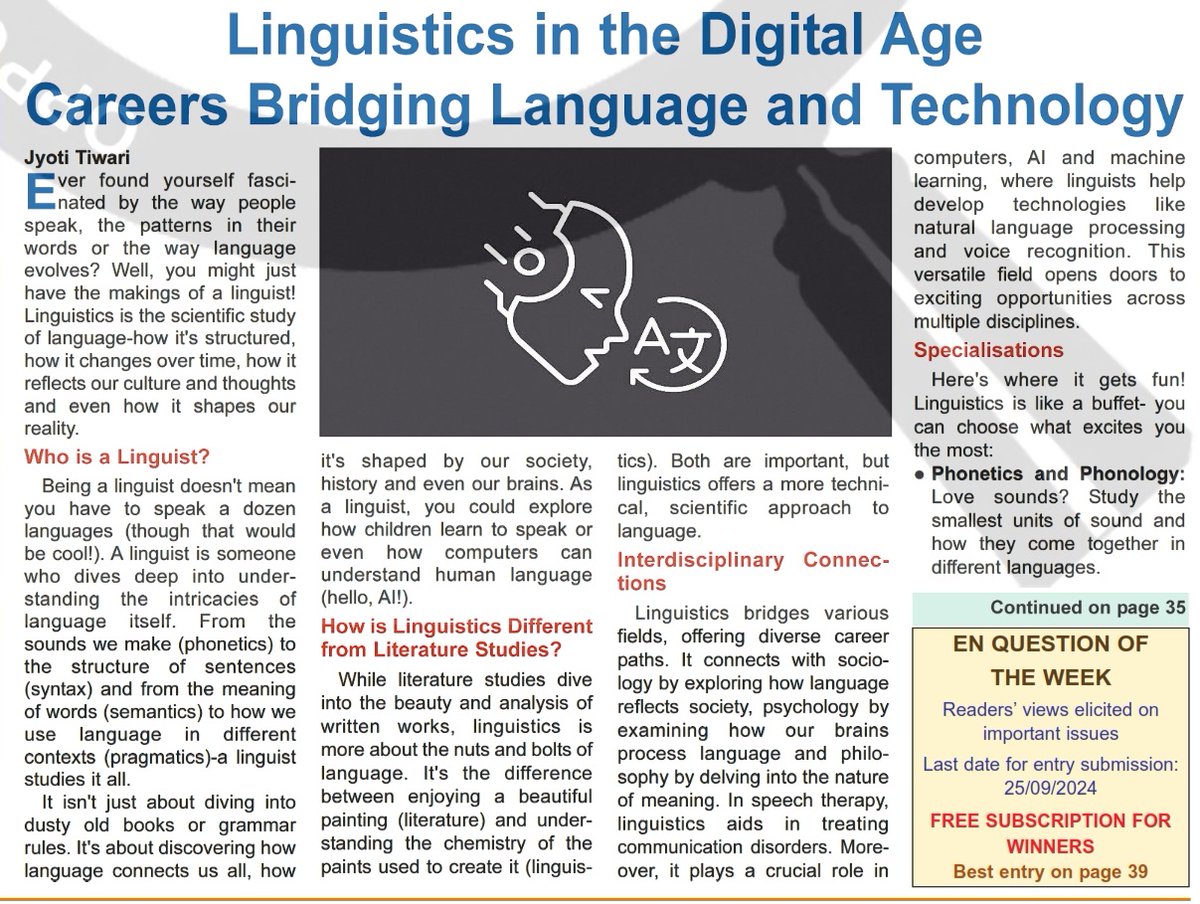
Explore #Linguistics Careers at the Intersection of Language & Tech! Discover how language shapes technology and innovation. From AI and data science to forensic linguistics and publishing, the opportunities are endless! 🗣️
#CareerInLinguistics #AI #Tech #LanguageScience
3
17
4,159

8 Aug 2024
Call for Chapters:
Exploration of the Intersection of Corpus Linguistics and Language Science
Proposals Submission Deadline - Extended: August 18, 2024
For further details and to submit your proposal: igi-global.com/publish/call-…
#linguistics #corpus #languagescience #CallForChapters #CallForPapers
4
19
1,549

22 Jul 2024
Ever wondered how researchers analyze massive collections of text? 🤔 This is your chance to find out! Who's ready to level up their linguistic skills? 💪 #CorpusLinguistics #VirtualLearning #LanguageScience
1
2
59

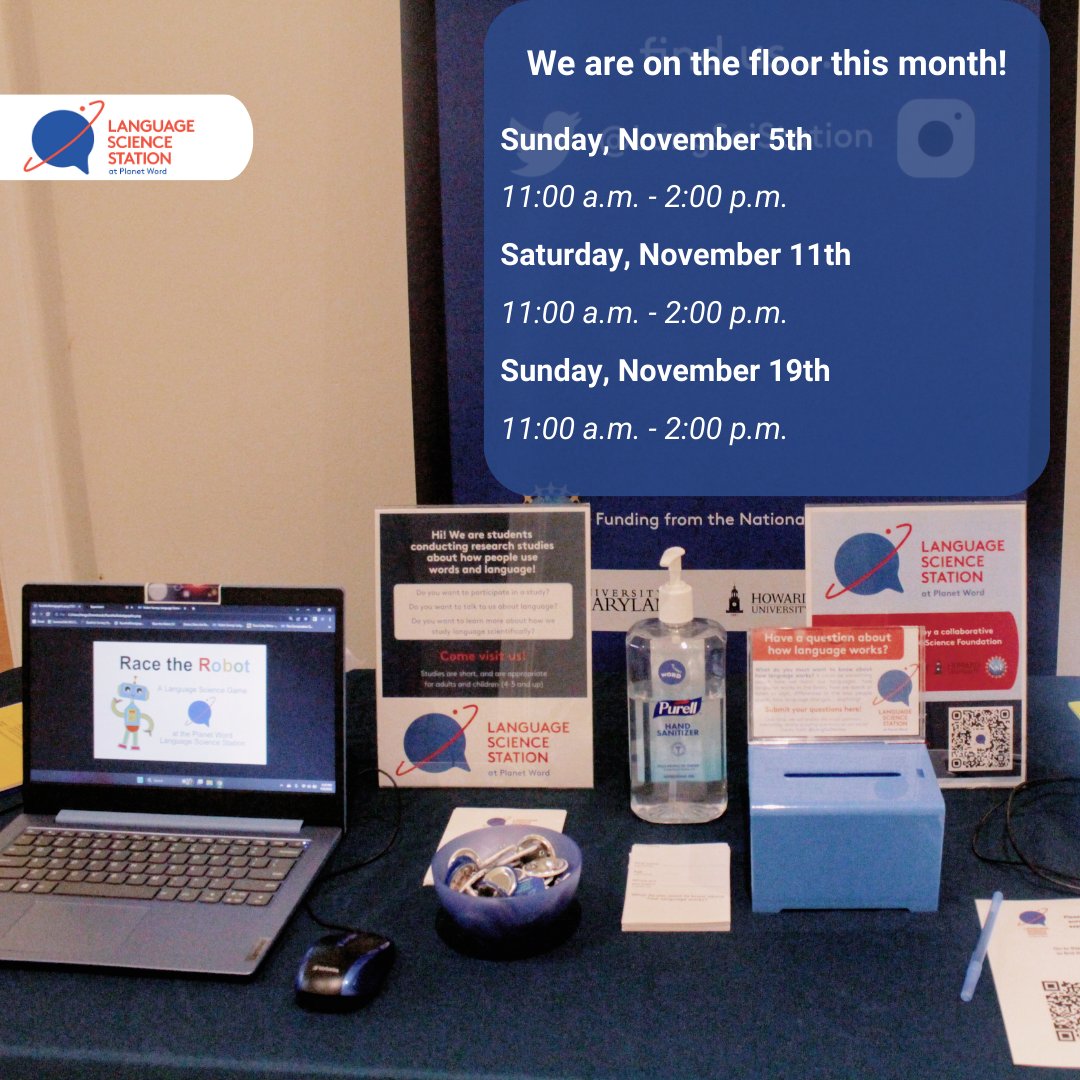
Ready to participate in research studies and learn more about language science? Join us this month @PlanetWordDC! #PlanetWord #LanguageScience
4
319