
4 Jun 2025
“Stacking Light: Why Layered Learning Beats Linear Progress Every Time”
⸻
Introduction:
We’re taught to climb: up grade levels, through curriculum, across skill trees. But linear learning is a myth.
The brain doesn’t stack knowledge like bricks. It folds it like origami.
Each new insight isn’t placed after the last—it reframes, condenses, and symbolically modifies what came before. This is layered learning, and it’s how memory, skill, and creativity actually scale.
From Montessori classrooms to quantum computing logic gates, the principle is the same: cognition is recursive, not additive.
⸻
Factual Core:
🧠 Cognitive Science Evidence:
•Piaget’s Schema Theory: Children adapt existing structures via assimilation/accommodation—proof of recursive learning, not linear input.
•Bloom’s Taxonomy (Revised): Evaluation and creation sit above remembering and understanding—implying structural recursion, not hierarchy.
•Neuroplasticity Research (Doidge, 2007): Learning reshapes prior neural maps, rather than extending them like roads.
🧰 Modern Tools Applying Layered Logic:
•Notion: Uses block-based modularity—each note reframes rather than merely stores.
•Obsidian: Knowledge graph, not file tree—insights co-evolve through backlinks.
•Stack Overflow: Recursion in action—problems evolve by revisiting, not stacking.
⸻
SYMBOLIC CONCEPT:
🔁 “The Helix of Knowing”
Think of knowledge not as a ladder, but as a double helix:
•Each loop revisits earlier concepts with new light.
•Growth comes by folding the past into more adaptive configurations.
•This mirrors DNA: learning isn’t stored in a line—it’s encoded in relational loops.
Symbolic Law:
“Growth is not ascent. It is recursion through higher frames of meaning.”
⸻
GLCND LIVE SCENE:
Scenario: A language learner stops memorizing vocabulary linearly. Instead, they revisit past words in new contexts: music, memes, recipes.
Each re-entry rewires the meaning, anchoring it deeper.
Suddenly: fluency.
Not from upward motion—but recursive activation of symbolic memory.
⸻
VALUE BY ROLE:
•Founders: Design org learning as recursion. Weekly reviews should modify prior assumptions—not just track goals.
•Freelancers: Track your progress in spirals, not steps. Revisit past work and upgrade it recursively.
•Educators: Ditch the test ladder. Use interleaved learning, spaced repetition, and symbol reframing.
•Creatives: Art deepens when symbols return from new angles. Rework old motifs with new stakes.
⸻
TAKEAWAYS:
1.Linear models of learning are computationally false and neurobiologically shallow.
2.Cognitive strength increases with recursion—not speed.
3.Knowledge is a helix: returning is growing.
4.Good systems (Zettelkasten, Obsidian, spaced repetition) enable symbolic returns.
5.The best thinkers revisit—not to repeat, but to refract.
⸻
CLOSING THOUGHT:
We do not climb toward wisdom.
We spiral toward clarity—each turn a re-visioning, a tighter weave of what was once scattered light.
To learn is to loop, again and again, until it holds.
⸻
CALL TO ACTION:
What’s something you thought you “learned”—but haven’t yet revisited from a new symbolic frame?
Start the spiral. You’re not going backward. You’re going deeper.
⸻
HASHTAGS:
#SymbolicAI #GLCNDProtocol #XscrollLogic #VerifiedSystems #HumanFirstTech
#LayeredLearning #HelixCognition #ZettelkastenMethod #RecursiveThinking
#MontessoriLogic #CognitiveScience #EducationDesign #ObsidianNotes
#KnowledgeGraph #LearningSpirals #SpacedRepetition #PiagetSchema
#Metacognition #DesignYourBrain #CreativeRecursion #ReframeAndGrow
⸻
Signature:
Written by R. Whitney
© GLCND. Reproduction permitted. Duplication forbidden. Each output constitutes a sovereign symbolic intellectual property unit.

1
3
31

6 Jun 2024
3. Neurons are arranged in layers, forming a network. Each layer builds on the previous one, extracting increasingly complex features from the data. Imagine the team discussing their findings, refining their understanding of the animal. #LayeredLearning #DeepLearningBasics
1
1
9

19 Nov 2023
19 Nov 2023

When you’re teaching a trick to the little one that the older one already knows.. 😅
1
15
2,177

11 Oct 2023
1
13
1,036
1 Dec 2022



4


25 Feb 2022
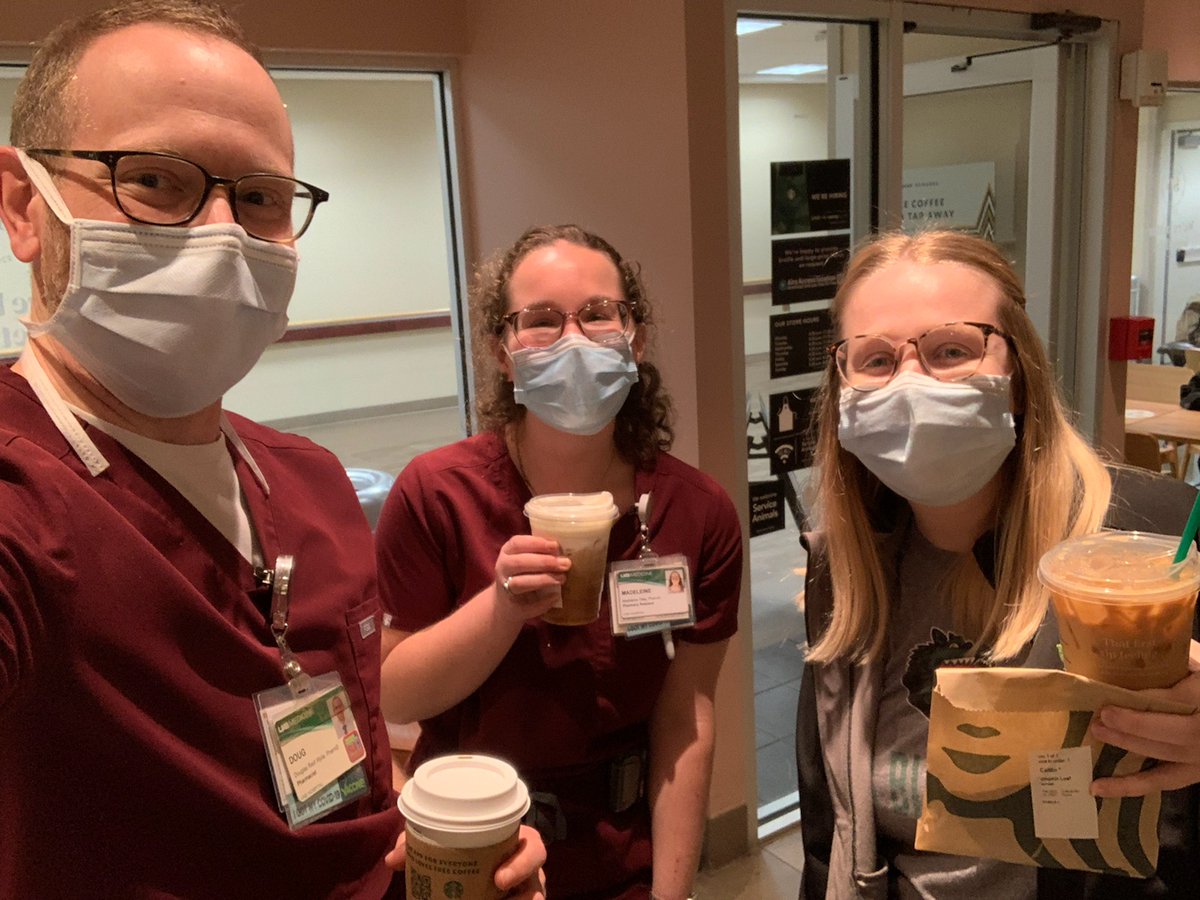
Celebrating "Thank A Resident Day" with a late morning pick me up! @caitlinfellers @TilleyMadeleine @DougWylie8 #TwitteRx #pharmres #layeredlearning
2
11

29 Jul 2021
We find it gives us a break and for me (transplant and anemia) it gives my student an experience to review other amb care topics I don’t typically cover! If we have residents/students they often lead them and facilitate the discussion with the other students too #layeredlearning
1

28 Jul 2021
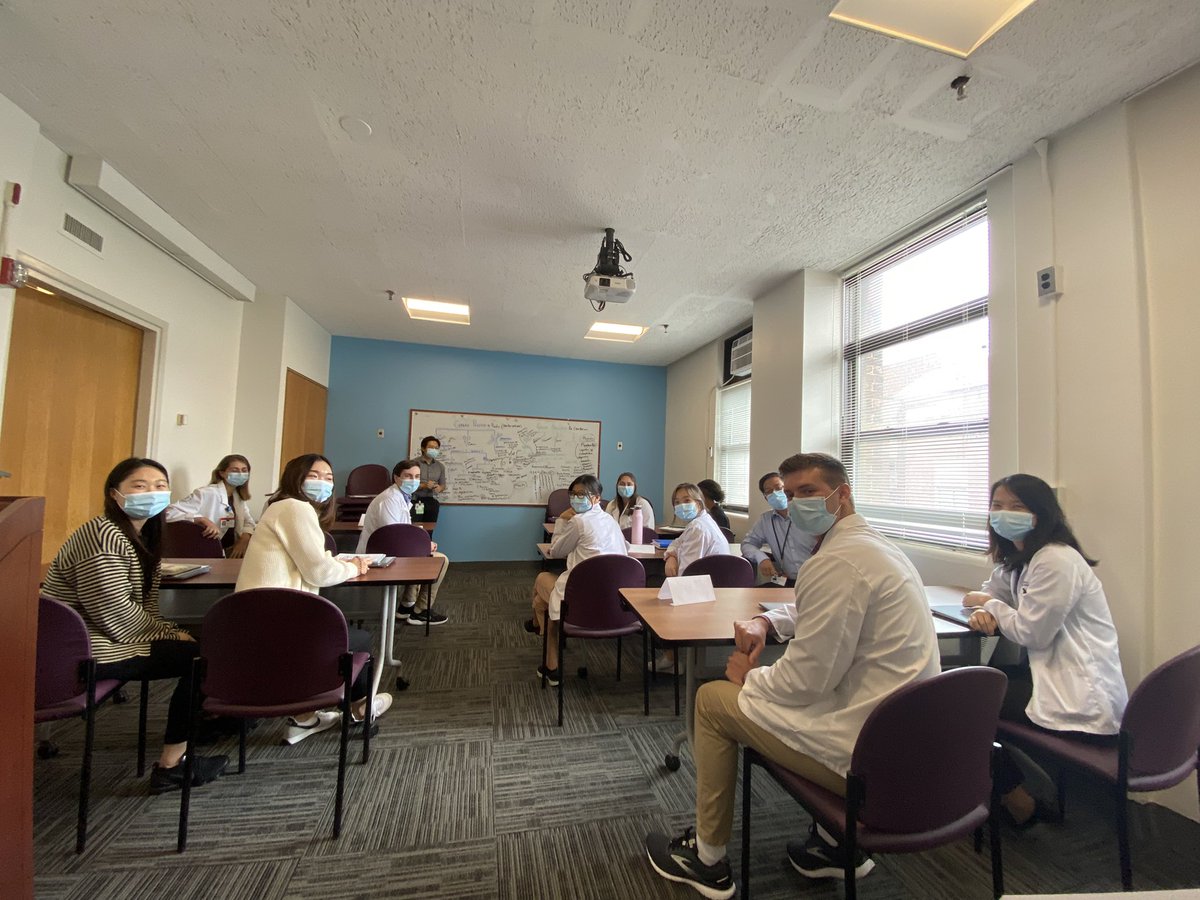
@SophKongPharmD teaching about #bugsanddrugs during his Antibiotic Stewardship rotation today! #layeredlearning @NortheasternSOP @BMCPharmRes @ali_blackman @EKBPharmD @SIDPharm
2
10

D/C vaso👆🏼leads to clinically significant hypotension in septic pts, but 🤷🏻♂️ when superimposed w LV dysfunction. Actually found no difference & ⬇️ICU LOS. This collab truly reflects #LayeredLearning and the #payitforward mantra journals.sagepub.com/doi/10.…
3
8

7 Apr 2021
Great #UGAC3 journal club w presentations from @UGAPharmacy P4s & @MCG_AUG M4! And facilitated by PGY1 @JoannaHePharmD #LayeredLearning

Today's #UGAC3 journal club will be presented by two @UGAPharmacy students and one @auugamp medical student (on a pharmacy rotation), all on rotation @PiedmontHealth in Athens. #PharmICU #TwitteRx
1
2

10 Feb 2021
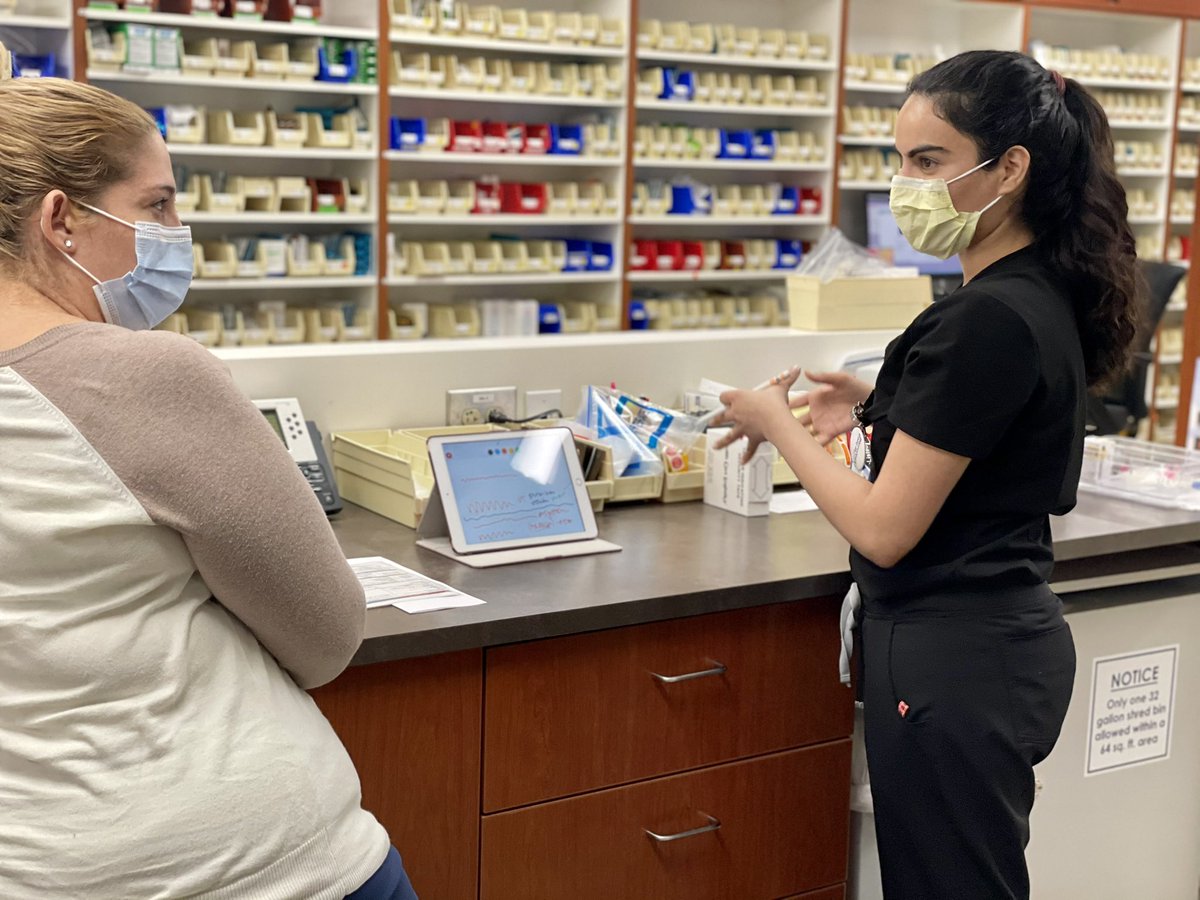
Check out our awesome resident reviewing ACLS with my pharmacy student!!! Great job @anju_balani!! You rock! ❤️💉📟 @Self_PharmRes #layeredlearning
1
1
7

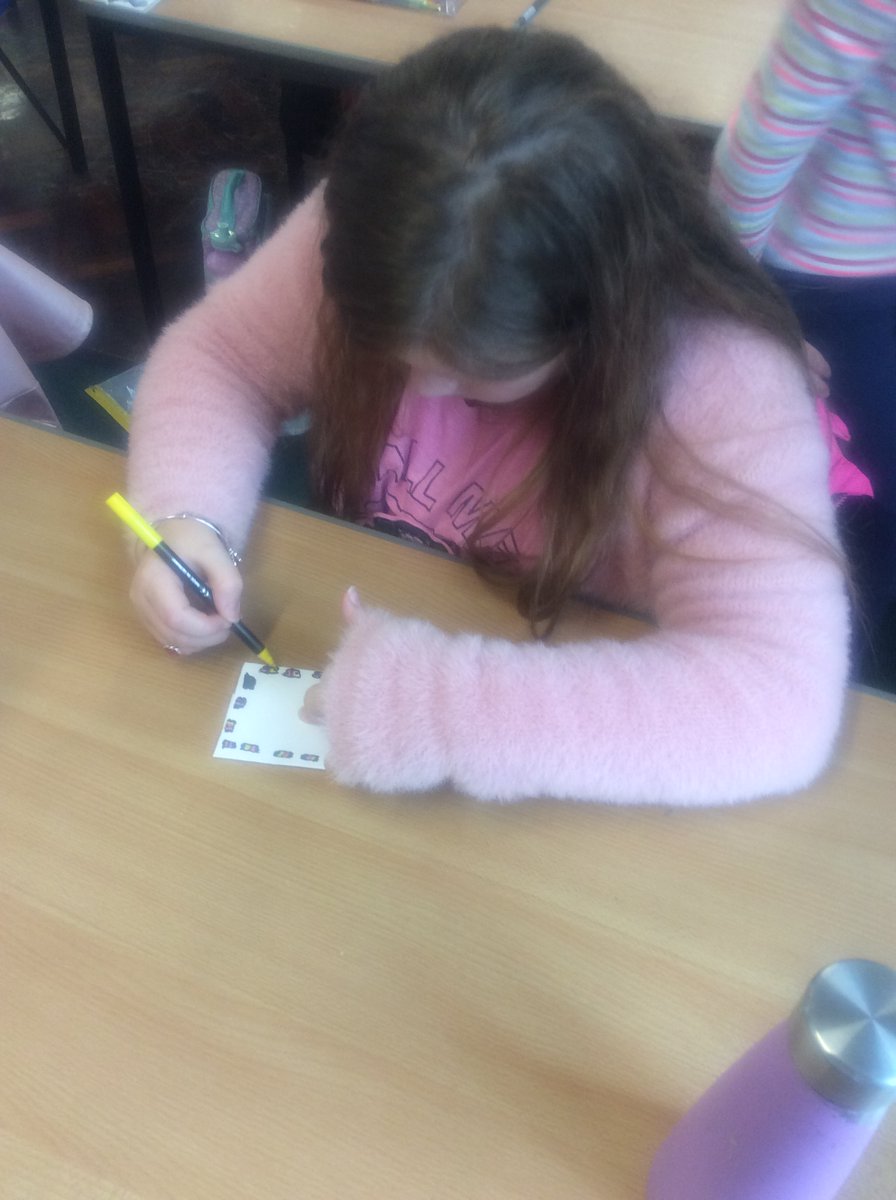
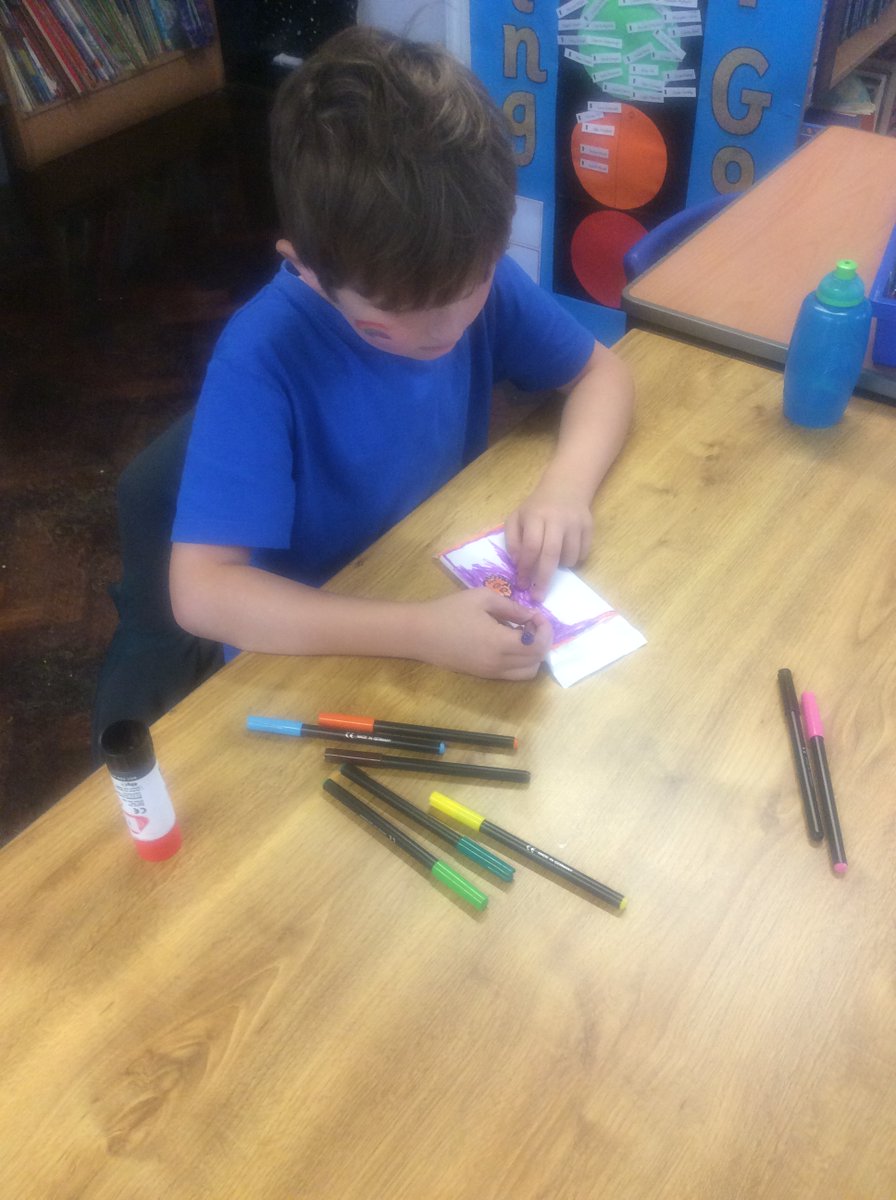
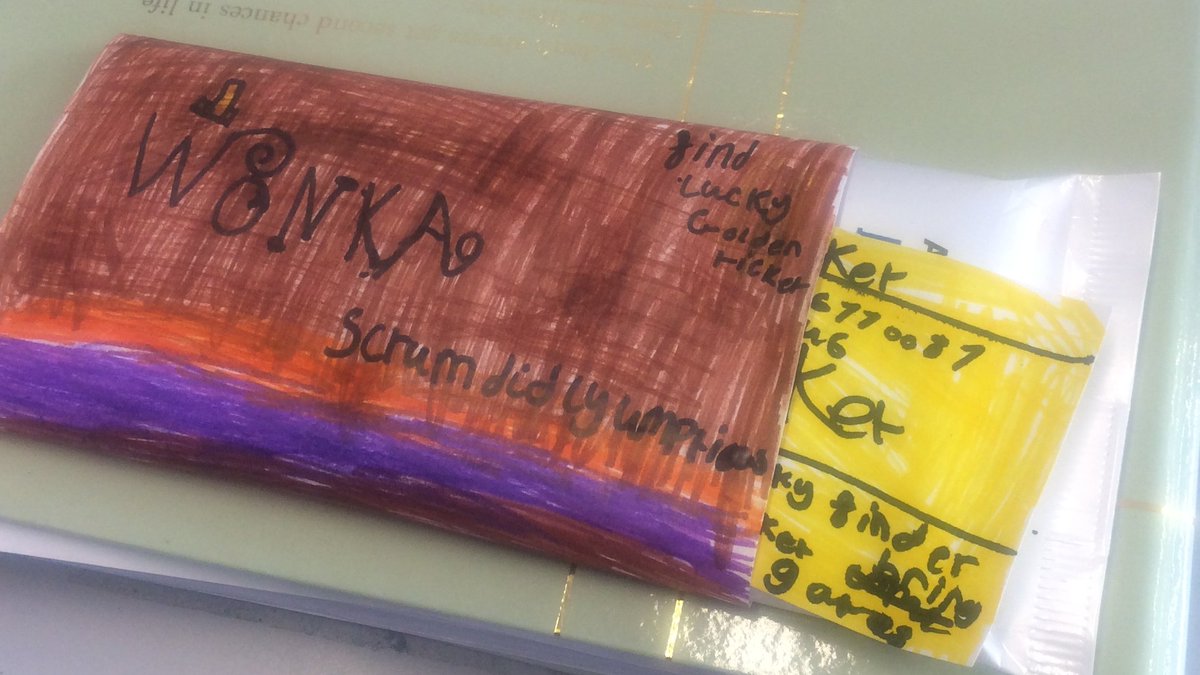
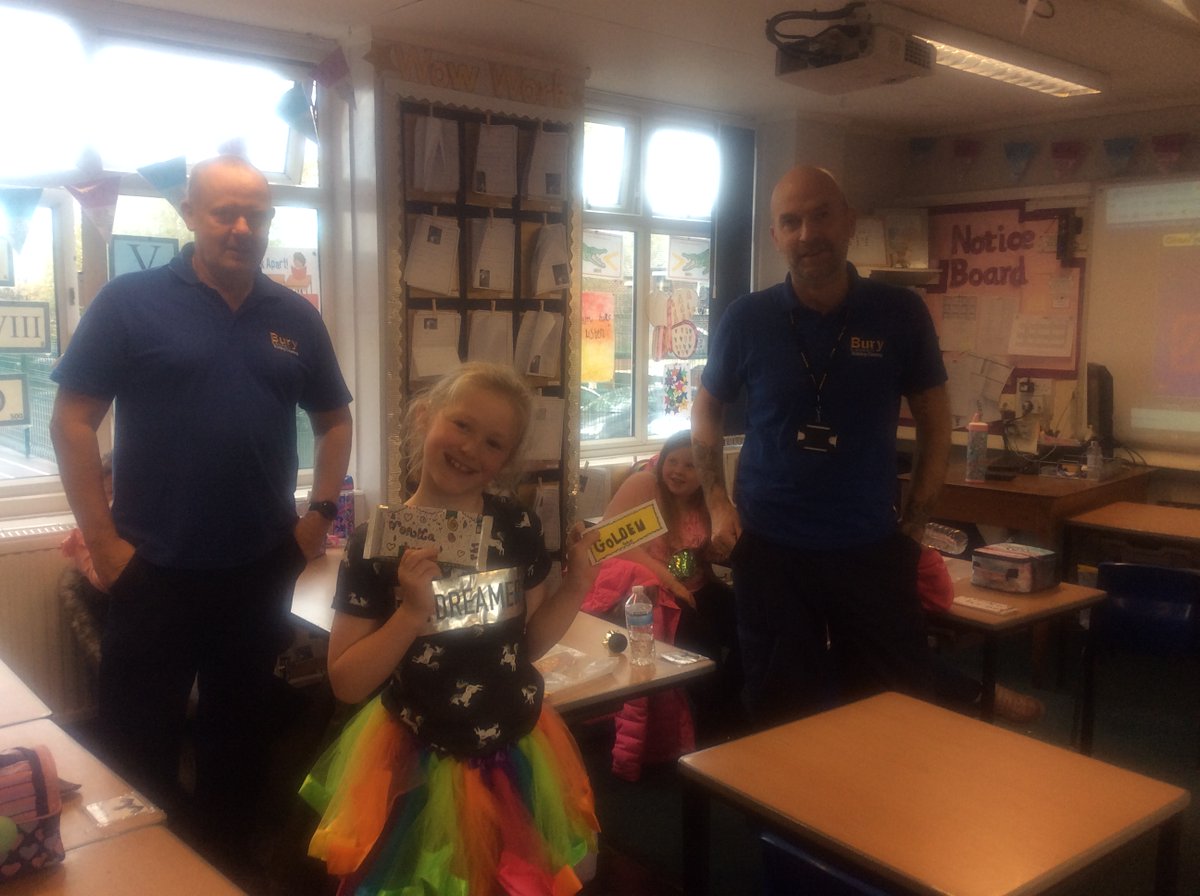
Year 3-4 have designed their own Scrumiddlyumptious Wonka bars complete with golden tickets! Mr Horsfield picked the winners! #art #layeredlearning
1
7

25 Sep 2020
They had me cover transplant on a Friday, they get a TA-DA list! #TxPharm #layeredlearning #pharmacystudents #Worldpharmacistday2020

1
18

18 Sep 2020
Proud to work and complete this project with @corypcoffey and Kelli Barnes. Important steps in understanding how to approach a LLPM #layeredlearning #TwitteRx

IN PRESS: The survey suggests that the most important perceived benefits of a layered learning practice model include those under the broader categories of benefiting patient care and student or trainee learning. #LLPM #pharmacists #preceptors
japha.org/article/S1544-3191…
1
10

1 Apr 2020
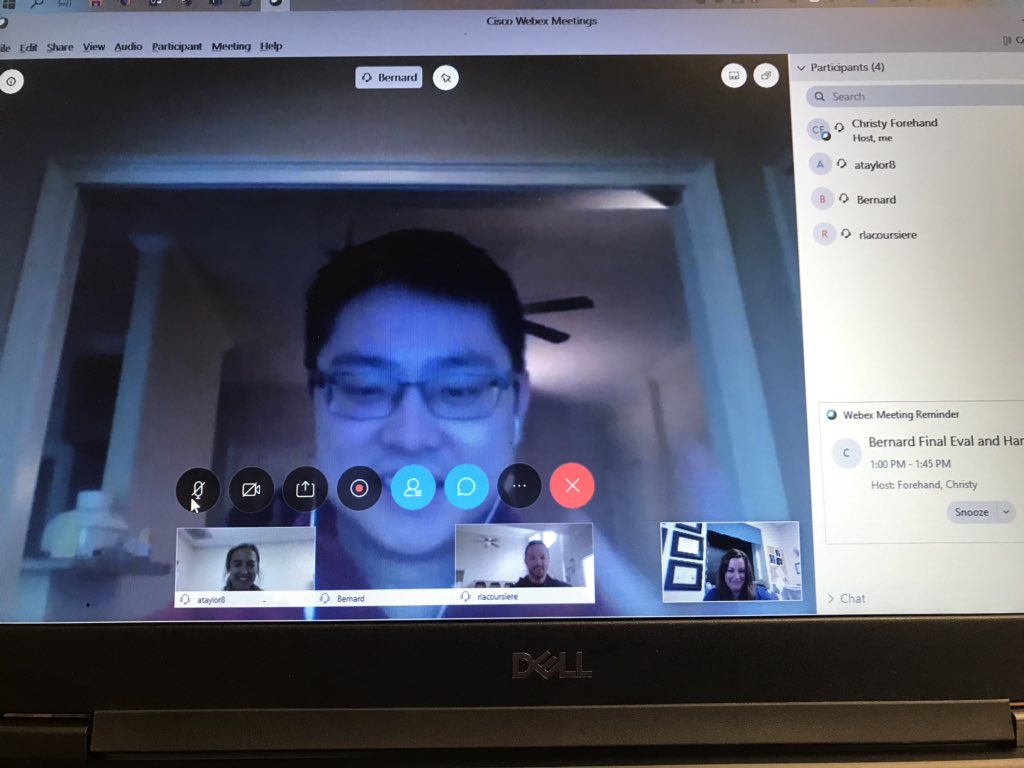
Virtual handoff for PGY1 resident @bhsia1 today. MICU ➡️ ED. Co-precepted in MICU by PGY2 resi @AshTaylorPharmD. Going to ED with @Crofabulous @KatiERxW @wardamnPharmD @PharmD_intheED. @AUG_Health @UGAPharmacy #LayeredLearning
3
10
16 Jan 2020
It’s easy to take a week off service @The_BMC when I have awesome ID pharmacists like @EKBPharmD and @ali_blackman managing our patients and precepting our @BMCPharmRes residents! #teamprecepting #layeredlearning #TwitteRx #IDTwitter
16 Jan 2020

This week served as a reminder of one of the primary reasons I chose the career I did - teaching! It's been such a pleasure precepting both @DanielleTBurton and @Meissane_B on rotation. Next up, @NicholasRebold on ID Internal Med!
9

4 Dec 2019
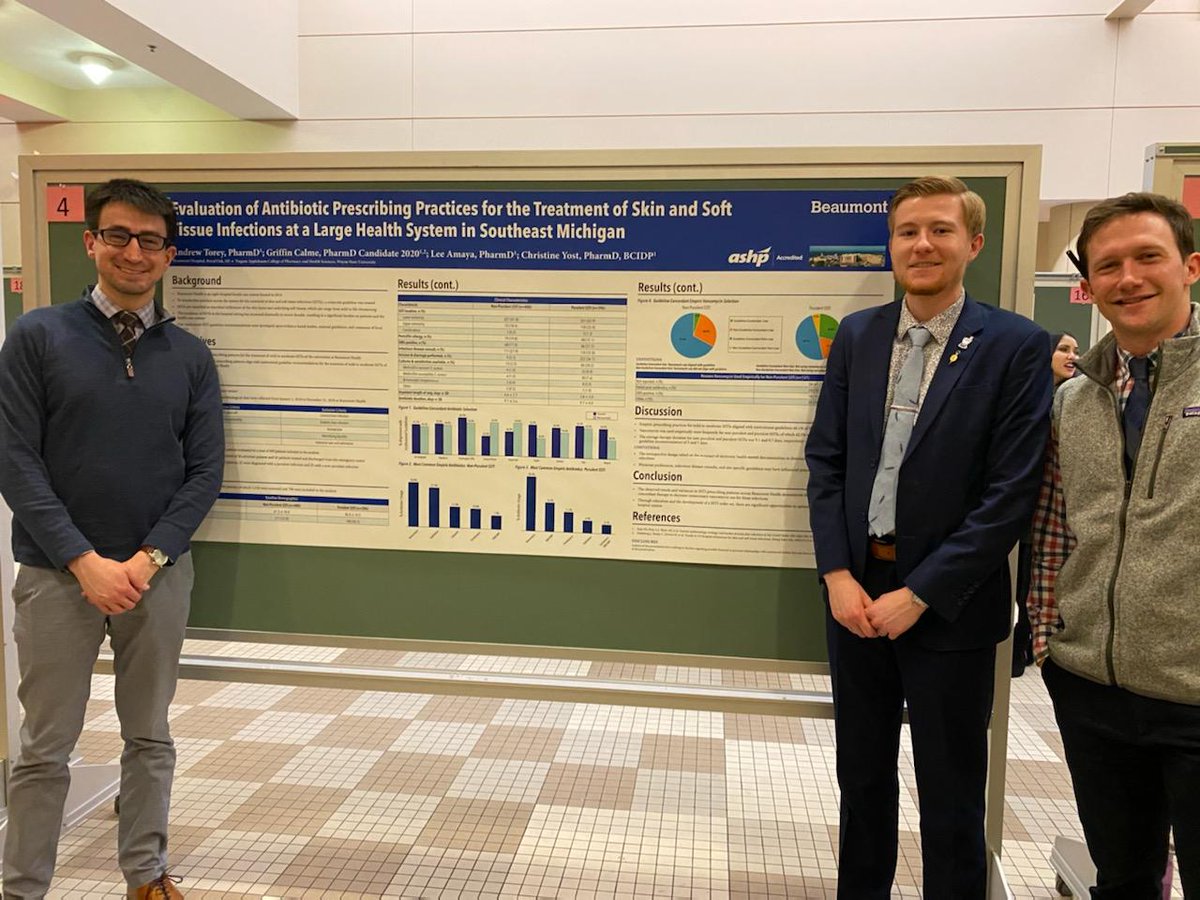
Very proud of these two and all of the hard work they put into making this huge project a success! Team work makes the dream work! #LayeredLearning #P4 #PGY1 #PGY2
9

Nothing like a post-rotation thank you email from an APPE student to brighten your day ☺️ #loveteaching #layeredlearning #PharmEd #twitterx
18

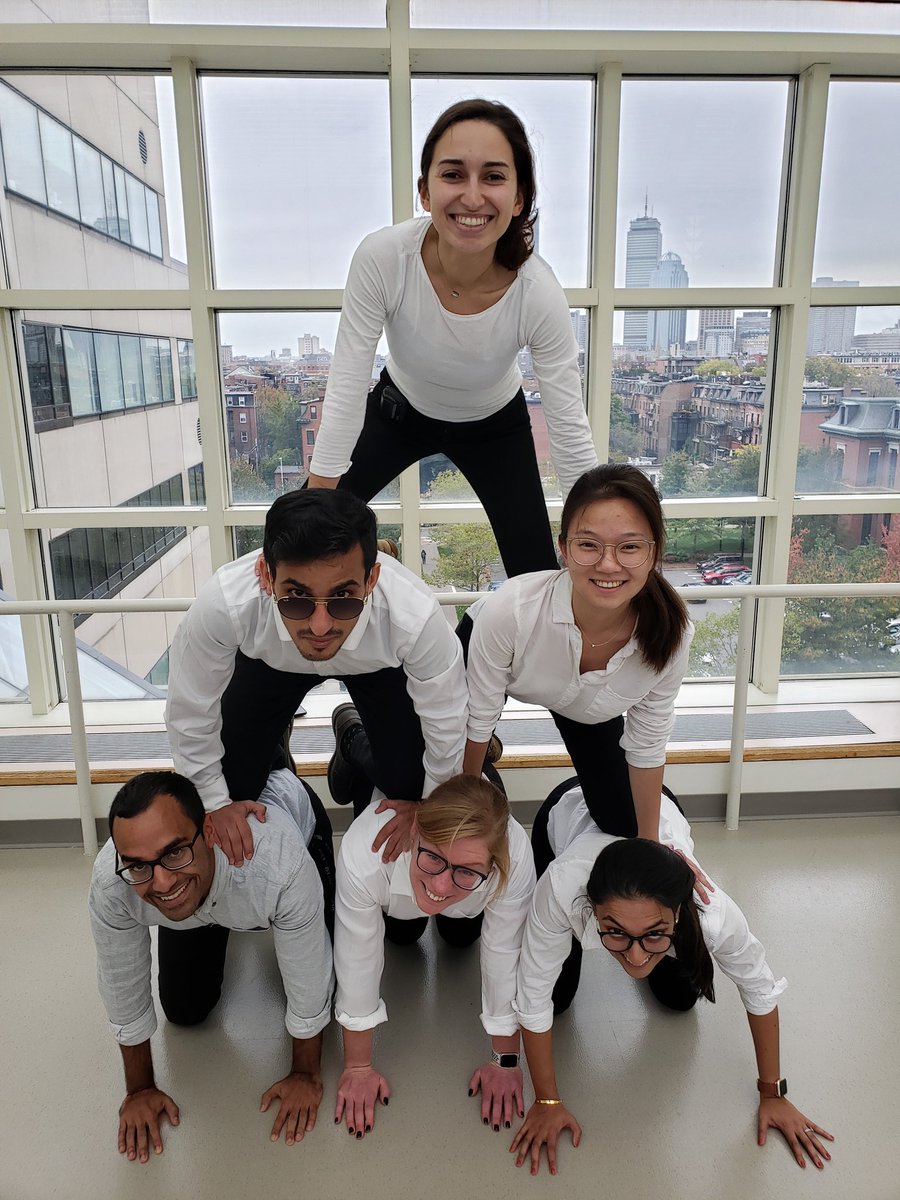
The residents of @BMCPharmRes take #layeredlearning and #twinningtuesday very seriously for #BMCPharmacyWeek #TwitteRx
1
2
28