
🔬 A Cytology Lesson:
One Marker • Two Histories • Three Primaries !!!
👩⚕️ Patient
• 72-year-old female with pleural effusion
• Initial history provided: Previous h/o anal squamous cell carcinoma and breast carcinoma
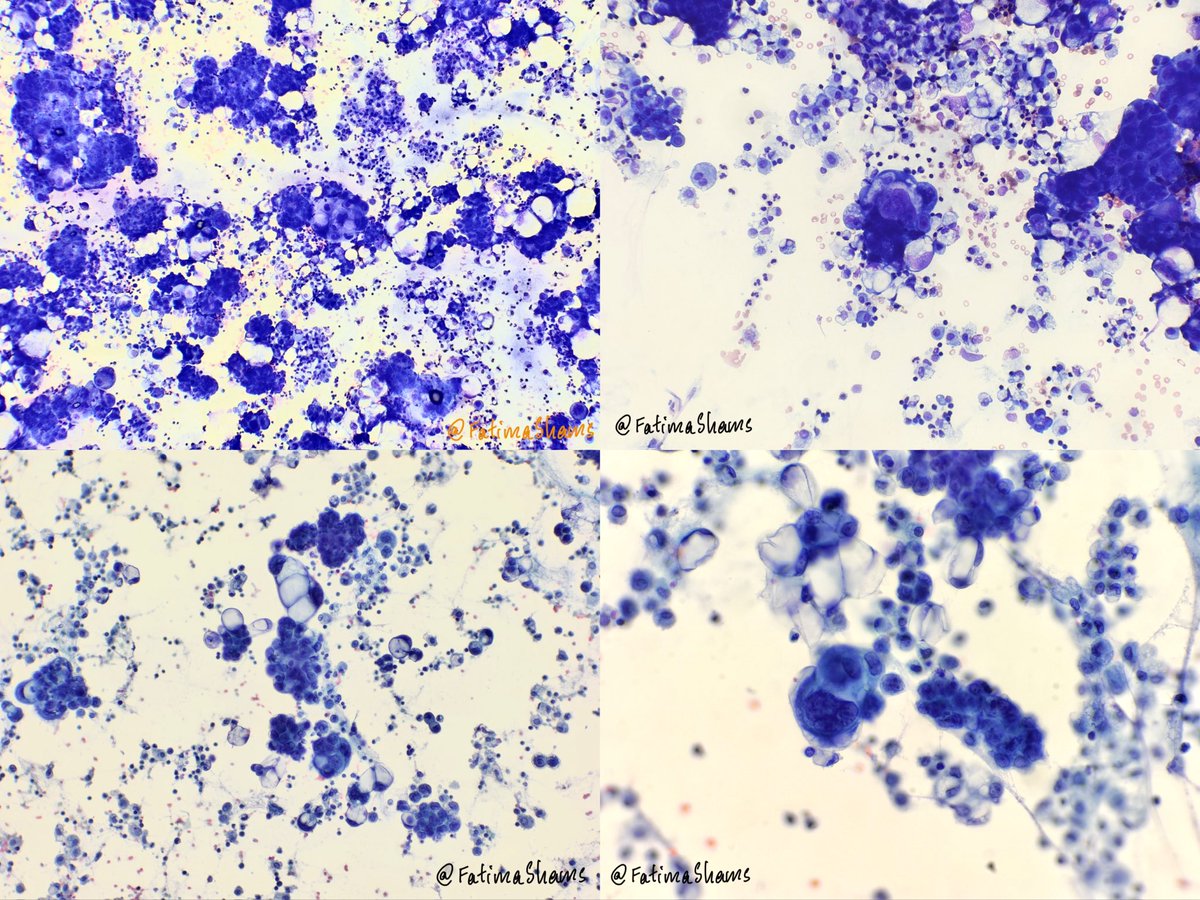
🔍 Cytology Findings
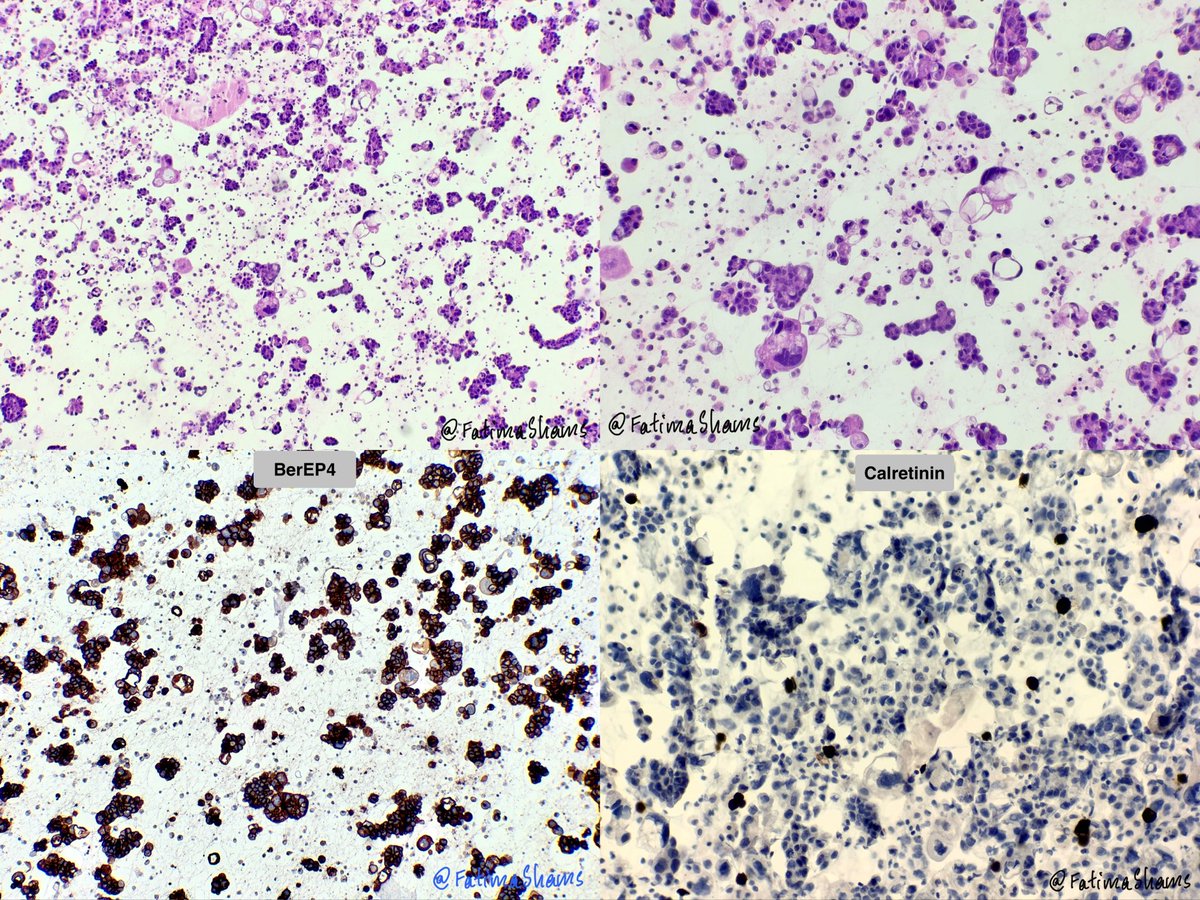
• Highly cellular specimen
• Malignant epithelial cells in clusters and 3D groups
• Marked nuclear atypia
• Occasional vacuolated cytoplasm
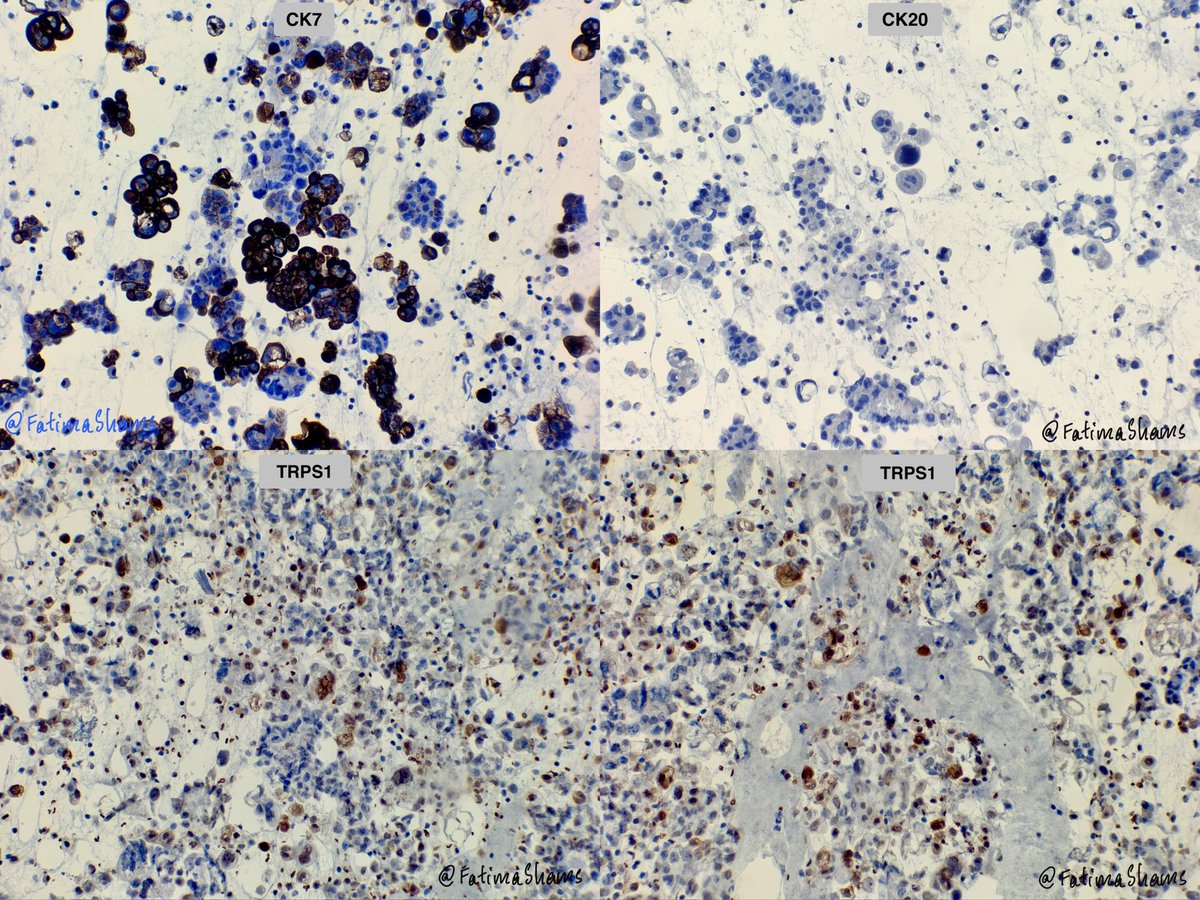
🧪 Initial Cell Block IHC
✅ BerEP4 positive
❌ Calretinin negative
✅ CK7 positive
❌ CK20 negative
🎯 Diagnostic Approach Based on Available History
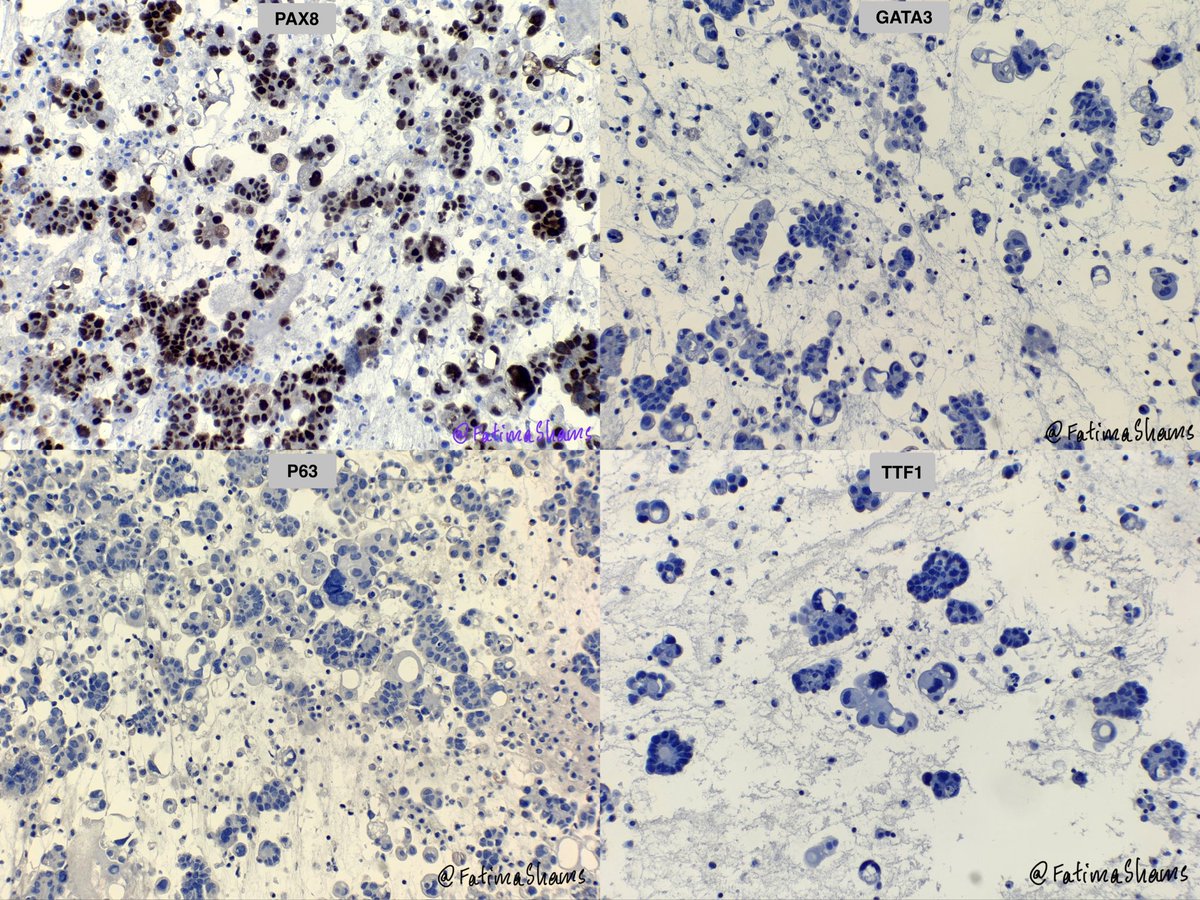
• TTF1 → to exclude primary lung adenocarcinoma
• p63 → to assess squamous differentiation
• TRPS1 → to evaluate possible breast origin
📋 Results
❌ TTF1 negative
❌ p63 negative
✅ TRPS1 patchy positive
⚠️ The Pitfall
With a history of breast carcinoma and a CK7 /TRPS1 profile, metastatic breast carcinoma seemed highly likely.
🔄 The Turning Point
• TRPS1 positivity was only patchy
• Additional clinical information was obtained
• Histologic correlation was performed
🧩 The Missing History
The patient also had a recently diagnosed endometrial malignancy with frozen pelvis and extensive local spread, a crucial piece of information that was not initially available.
🧬 Further Workup
✅ PAX8 positive - favor mullerian
❌ GATA3 negative - point against breast cancer
📌 Final Interpretation
Metastatic Müllerian carcinoma, with correlation favoring high-grade serous carcinoma.
💡 Take-Home Messages
✔️ TRPS1 is a useful marker, but not entirely specific for breast carcinoma.
✔️ Patchy TRPS1 positivity can be seen in Müllerian serous carcinomas and other non-mammary tumors.
✔️ Never interpret immunostains in isolation.
✔️ Morphology Clinical History Imaging Histology Correlation = Accurate Diagnosis.
✔️ Always question a result that does not perfectly fit the overall picture.
🏆 Lesson Learned
💎 The most important diagnostic tool in this case was not TRPS1—it was the missing clinical history.
#Cytopathology #PleuralFluid #DiagnosticPitfall #TRPS1 #BreastPathology #PathologyPearls #Cytology #ClinicopathologicCorrelation #PathTwitter #MedEd #LearningFromCases
3
7
24
916

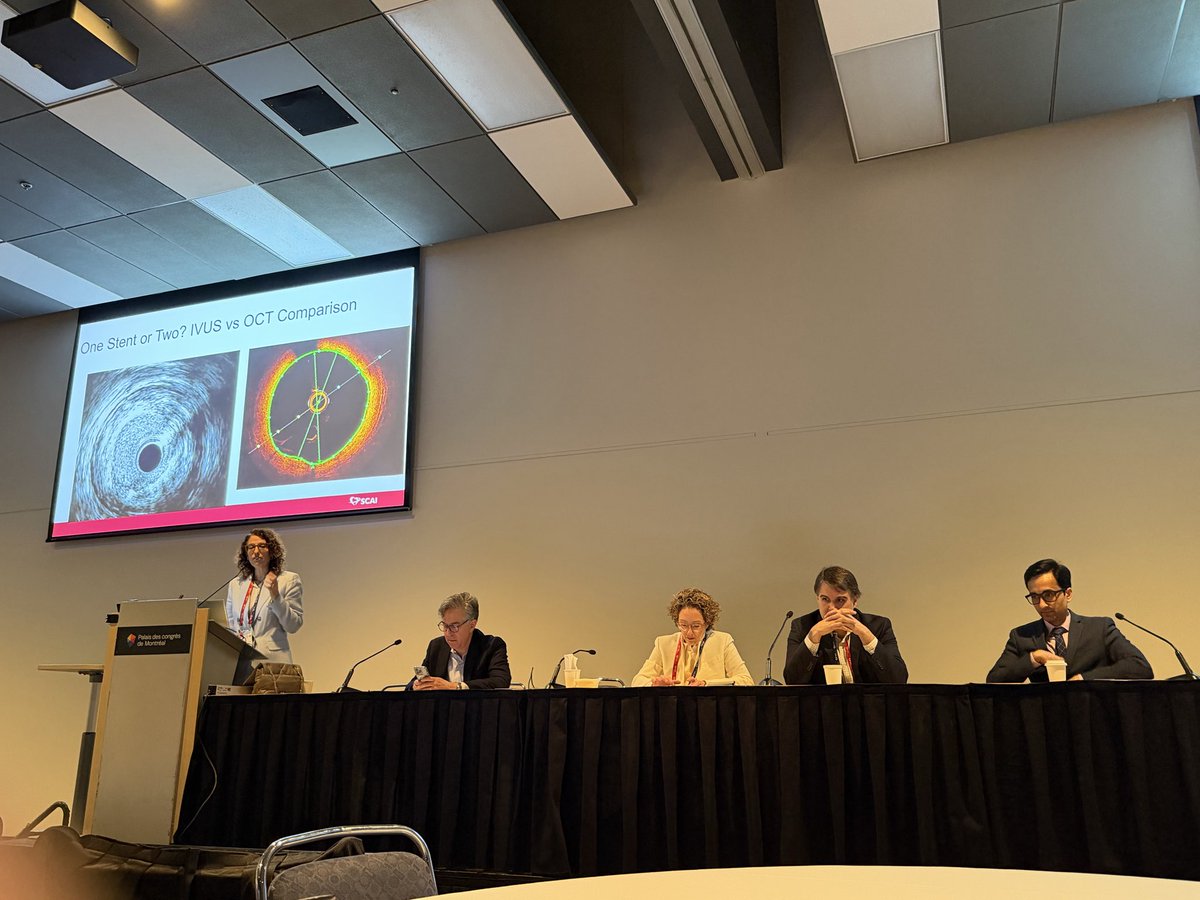
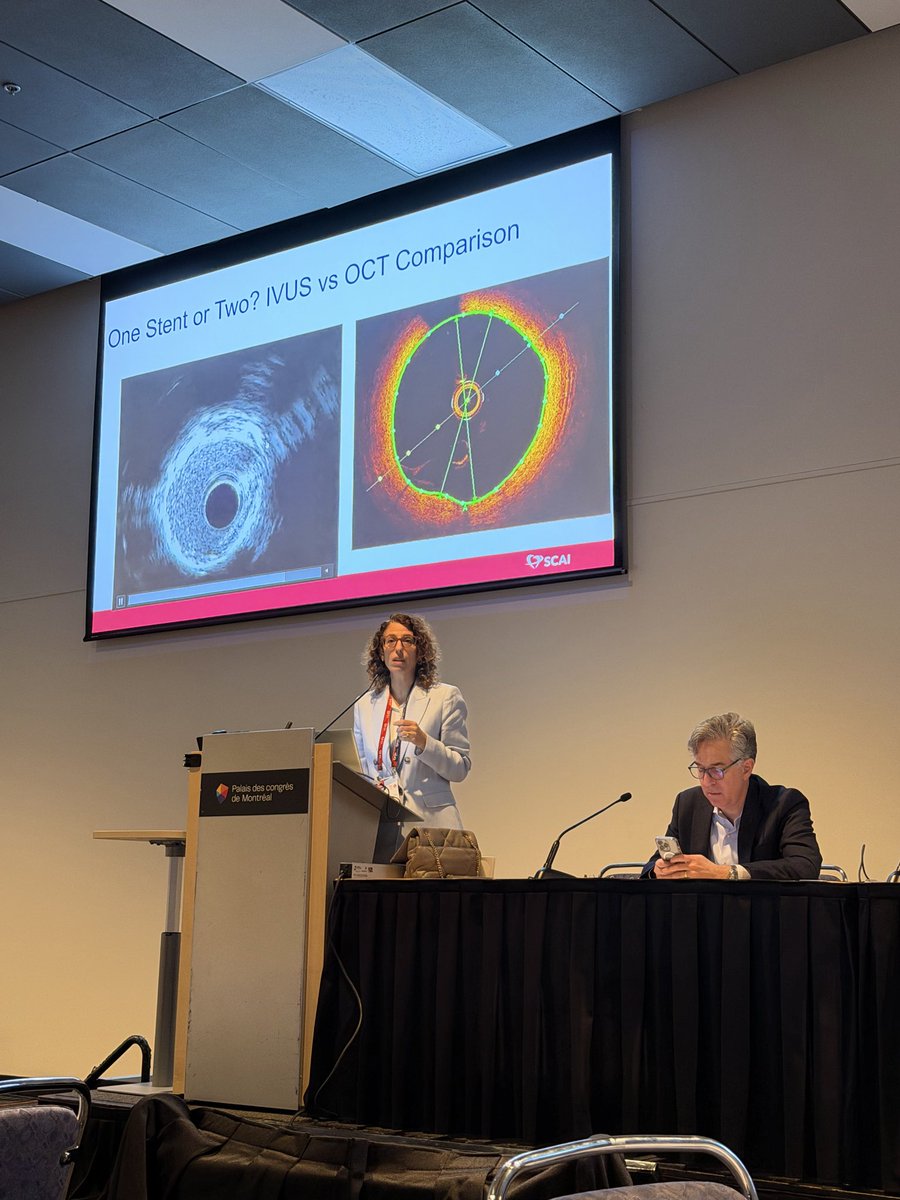
Dr. Anna Bortnick ♥️ delivering an eloquent case based presentation to fellows about importance of Intra coronary imaging and IVL usage during complex coronary cases. #LearningFromCases #SCAIScientificFellowsSummit #FIT
#SCAI2026 @SCAI @MyJSCAI
1
8
515

Jan 11
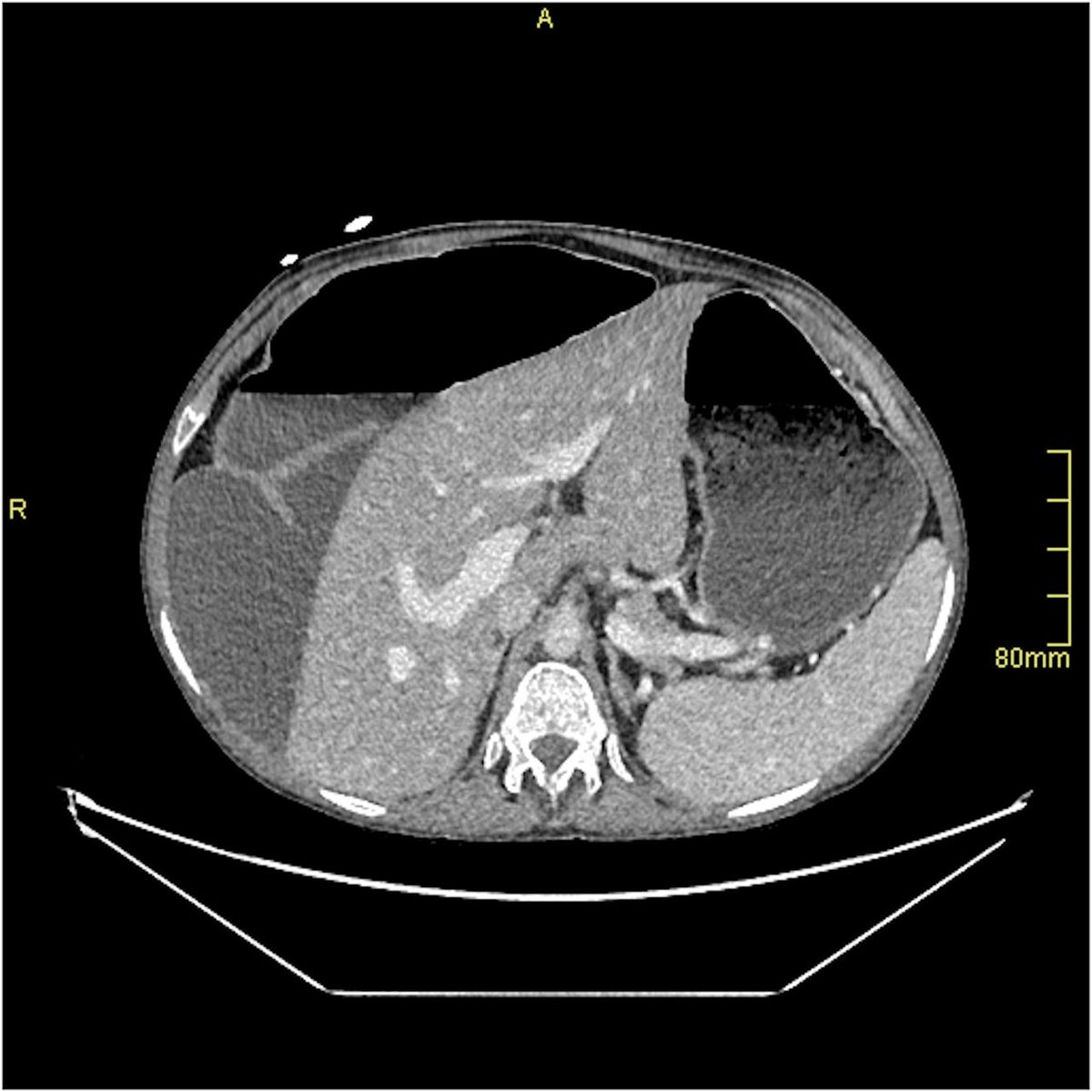
A 23-year-old male patient, with a history of X-linked pseudo-obstruction requiring lifelong parenteral nutrition (PN), was referred to hepatology for evaluation of abnormal liver blood tests...
Do you know what the CT findings show? Test your knowledge here! 👇 👇 👇
bit.ly/455qlUB
With thanks to the authors - Imran Iqbal, Clare Donellan and Oliver Tavabie.
@PhilSmithIsBack @OTavabie @dr_aditi_kumar @TrevorTabone @eathar_s @IrenePerezMD @KGananandan @zare_benjamin @medicalreg @dtleiberman @DrLChina @acv69cardenas @GeriKeane @jamesbmaurice @drobeirne
#ClinicalCase #CaseReport #RareCase #RareDisease #MedicalCase #CasesInMedicine #LearningFromCases #MedEd #ClinicalLearning #DiagnosticChallenge #TeachingCase #InterestingCase #AcademicMedicine #MedTwitter #FOAMed
3
8
1,047
Jan 10
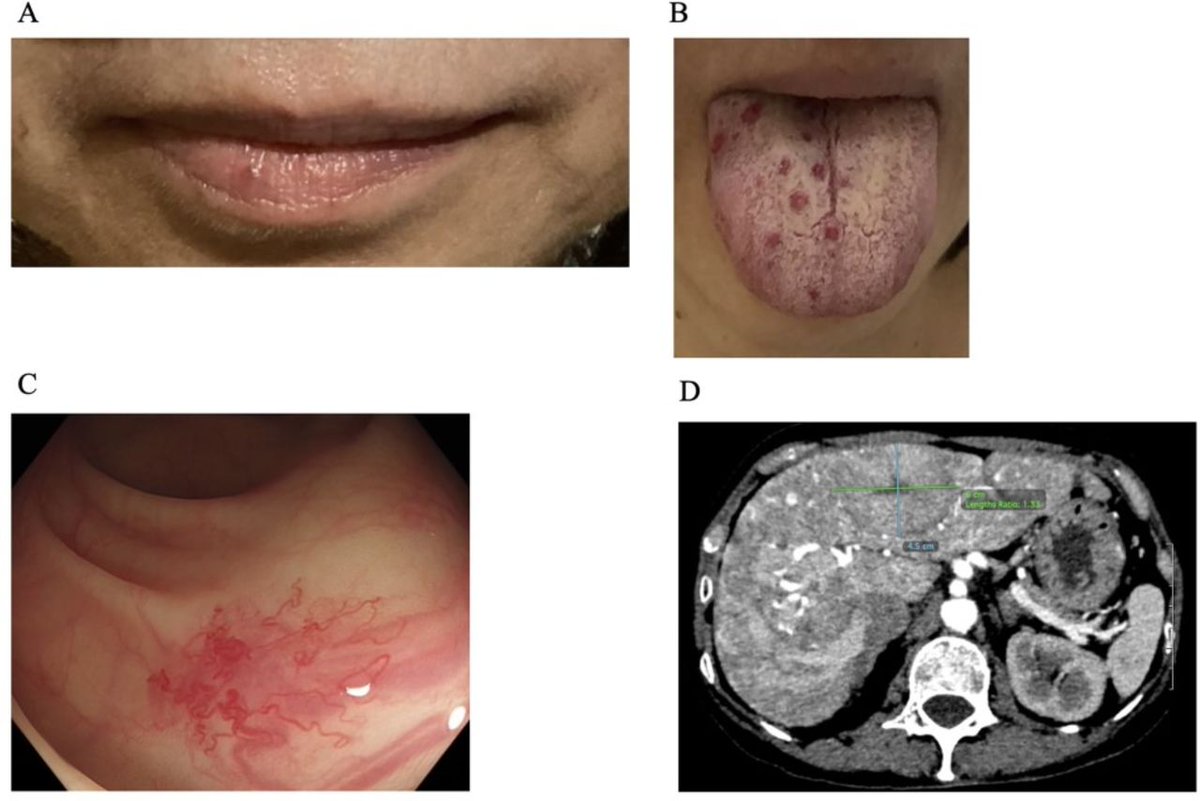
"A previously healthy 58-year-old woman presented to the emergency department with epigastric pain and dizziness. She reported recurrent episodes of epistaxis, and her elder sister also had a similar condition..."
With thanks to Dr Karen Cheuk-Ying Ho and Dr Loey Lung-Yi Mak for this fantastic case!
fg.bmj.com/content/early/202…
@PhilSmithIsBack @OTavabie @dr_aditi_kumar @TrevorTabone @eathar_s @IrenePerezMD @KGananandan @zare_benjamin @medicalreg @dtleiberman
#ClinicalCase #CaseReport #RareCase #RareDisease #MedicalCase #CasesInMedicine #LearningFromCases #MedEd #ClinicalLearning #DiagnosticChallenge #TeachingCase #InterestingCase #AcademicMedicine #MedTwitter #FOAMed
2
4
11
710
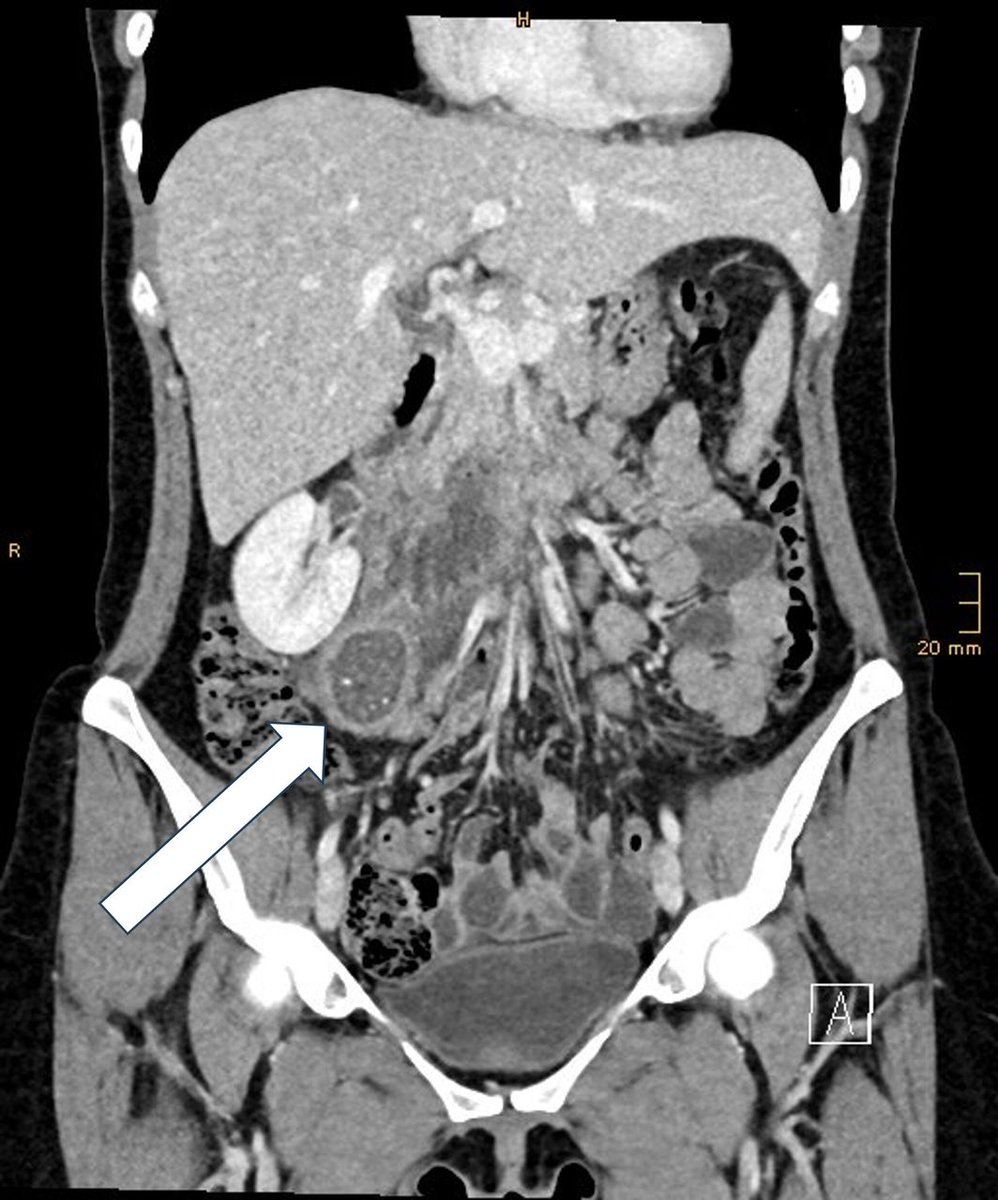
📷 🤔 KNOWLEDGE CHECK ⚠️ ⚠️ ⚠️
A woman in her late twenties presents upper quadrant pain 1 week after laparoscopic cholecystectomy, with the following CT appearances. What is the diagnosis?
With thanks to Dr Daniel Gero and co-authors.
@PhilSmithIsBack @OTavabie @dr_aditi_kumar @TrevorTabone @eathar_s @IrenePerezMD @KGananandan @zare_benjamin @medicalreg @dtleiberman
@Nendoscopy @GeriKeane @sheiybani
#ClinicalCase #CaseReport #ImageReport #MedicalImaging #Radiology #Pathology #LearningFromCases #MedEd #Gastroenterology #GI #AcademicMedicine #MedTwitter
3
6
630
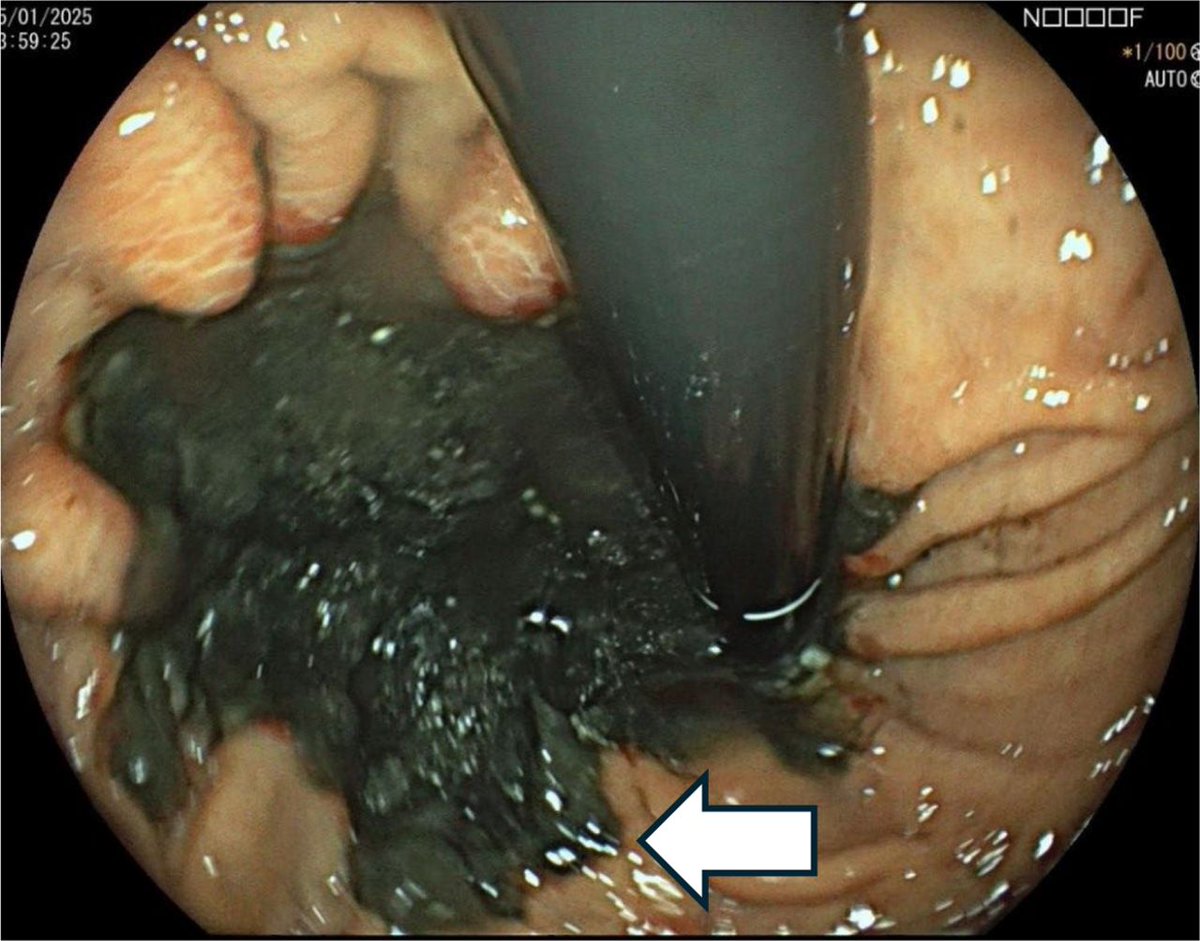
🏥 Gastric fundus necrosis in a patient after stem cell transplantation, culminating in partial gastrectomy and splenectomy 🏥
What caused for the necrosis? FIND OUT HERE 👇 👇 👇
doi.org/10.1136/flgastro-202…
With thanks to Dr Patricia Mester and co-authors for sharing this insightful case.
@PhilSmithIsBack @OTavabie @dr_aditi_kumar @TrevorTabone @eathar_s @IrenePerezMD @KGananandan @zare_benjamin @medicalreg @dtleiberman
#ClinicalCase #CaseReport #ImageReport #MedicalImaging #EndoscopyImages #Radiology #Pathology #LearningFromCases #MedEd #Gastroenterology #GI #AcademicMedicine #MedTwitter
6
9
574

25 Sep 2021
1
2
25 Sep 2021
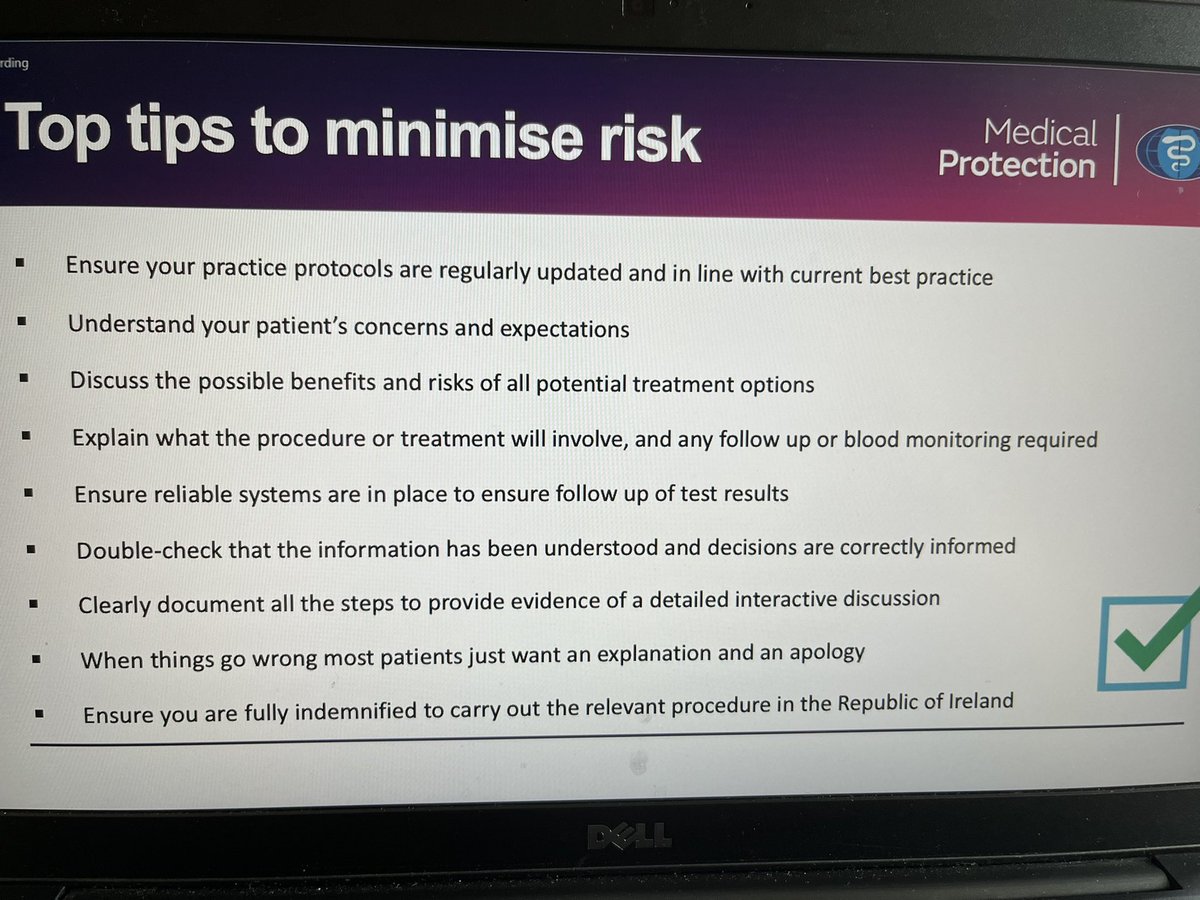
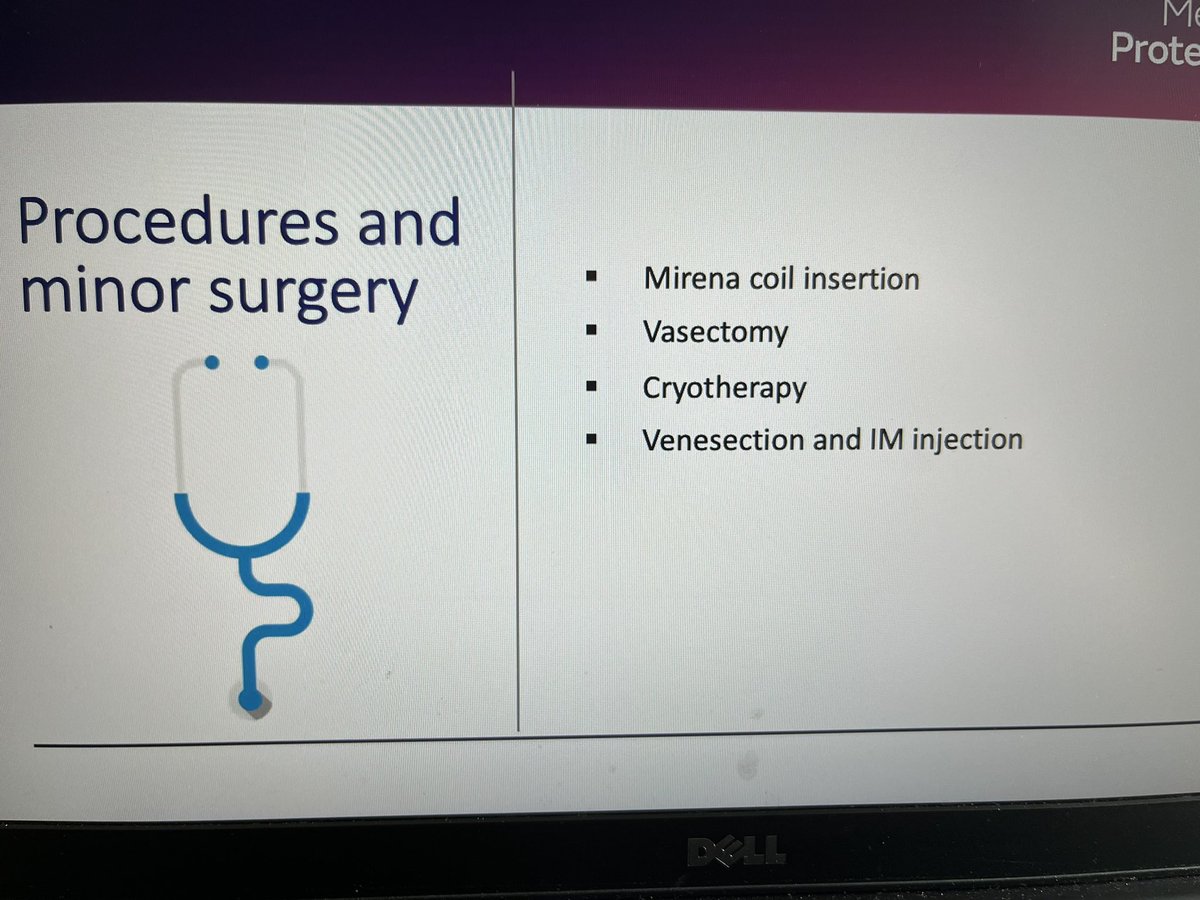
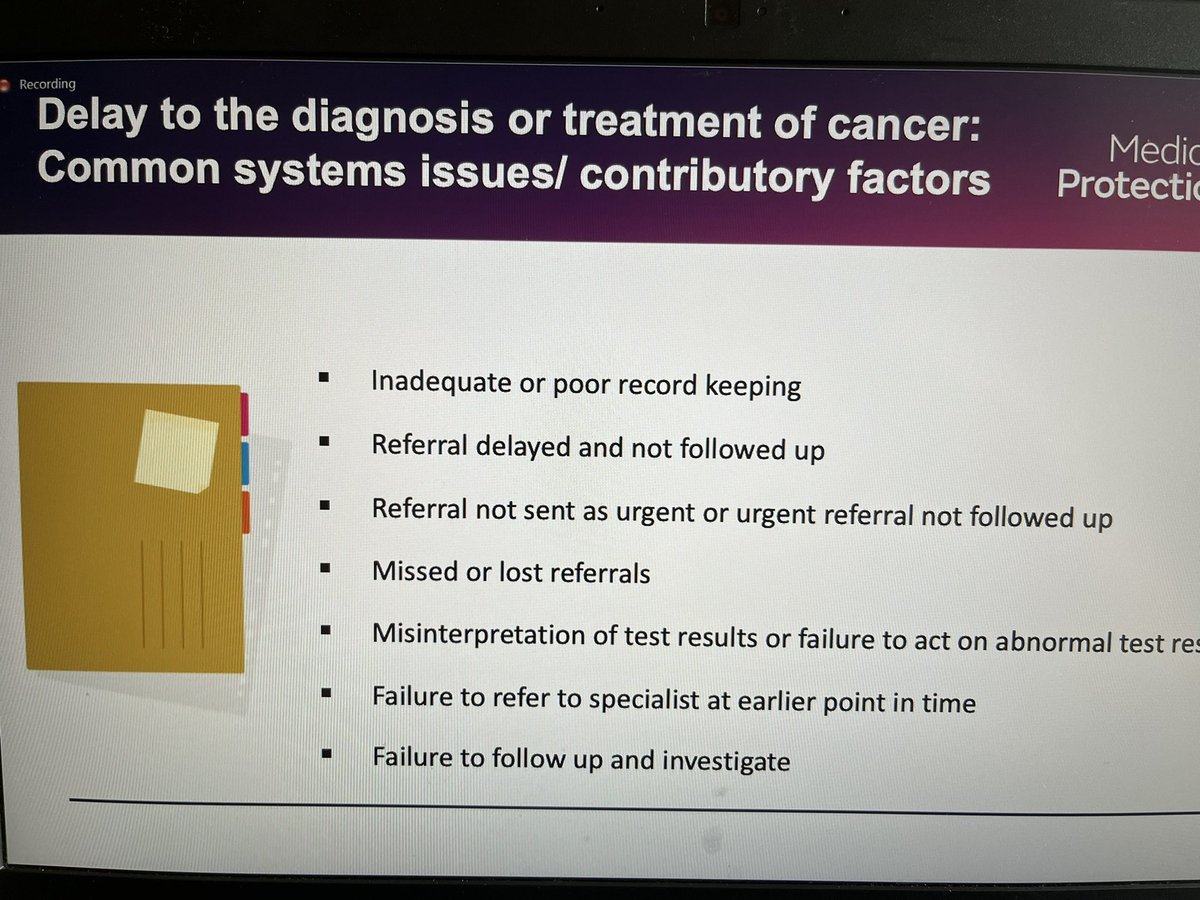
10% of claims came from procedures and minor surgery #learningfromcases #GPConference @MPSdoctorsIRE
2
3
25 Sep 2021
2
2
20 May 2021
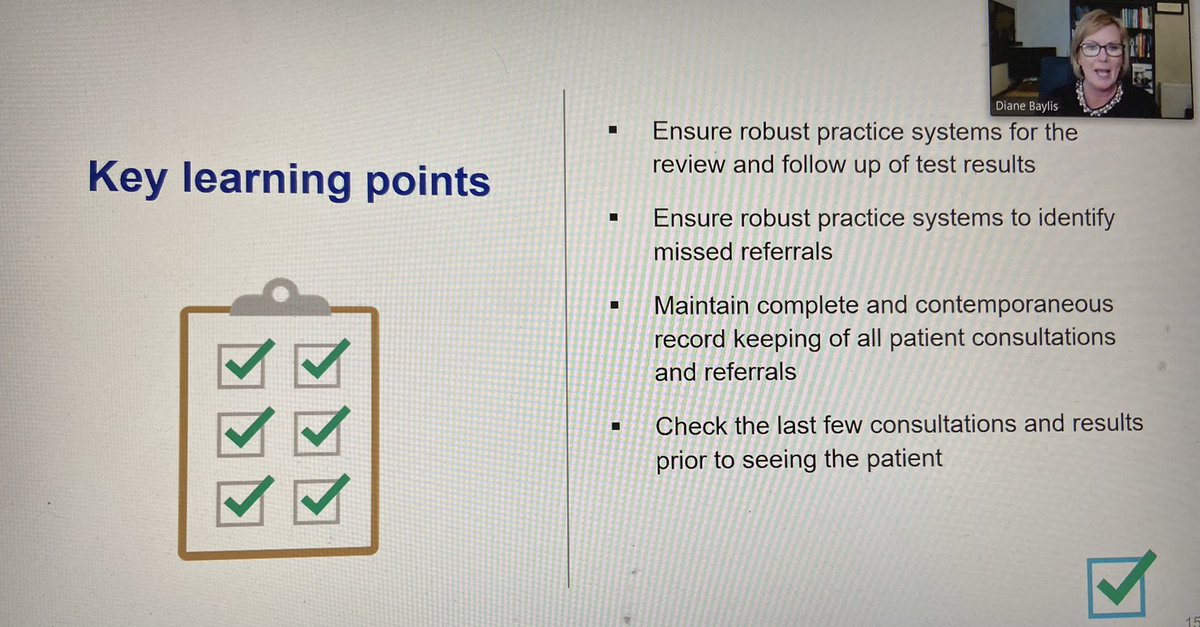
Key learning points from @diane_baylis Doctors are human. Robust practice systems need to be in place. #learningfromcases
1
2
20 May 2021
Should a patient follow up their own test results with their GP. Dr Ellen Walshe @MPSdoctorsIRE points out the onus is on the requesting Dr and that the information is passed on. #learningfromcases
2
20 May 2021
Positive and negative reasons why you didn’t think it was a specific issue Should be documented #learningfromcases @MPSdoctorsIRE
1
1
19 May 2021
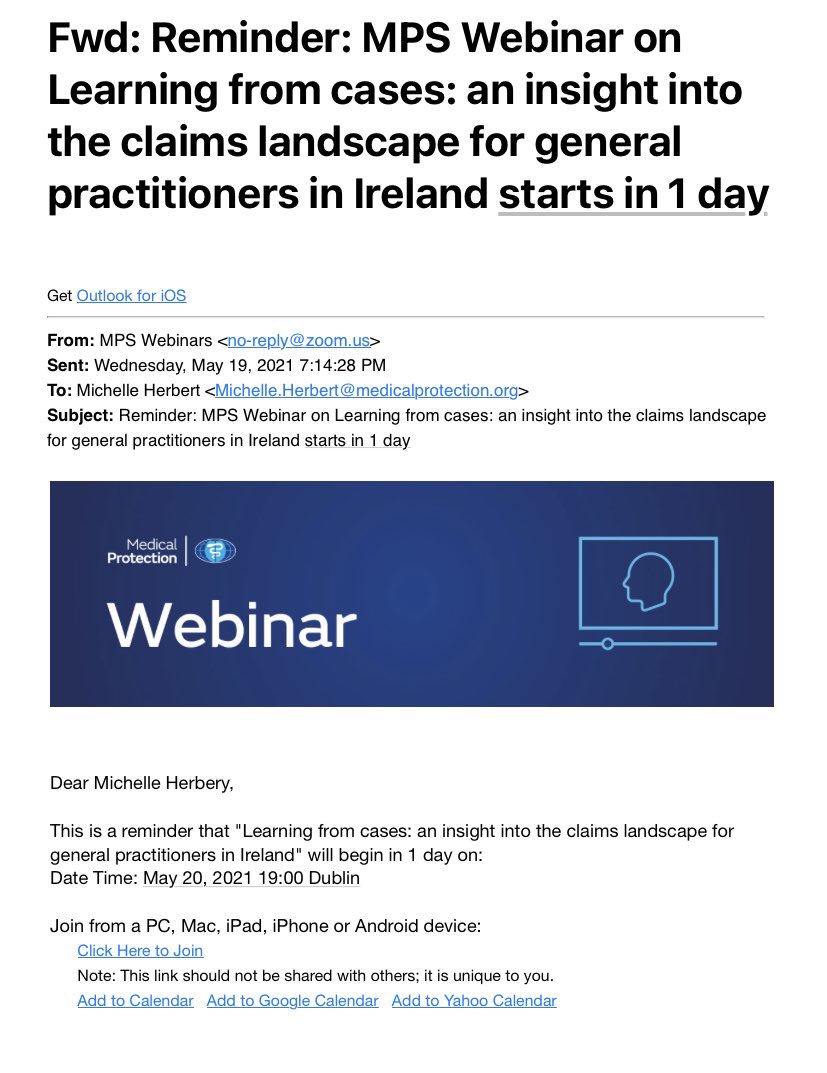
I’ve had mine have you? @MPSdoctorsIRE #learningfromcases webinar reminder tomorrow night 7pm
1
2

5 Feb 2021
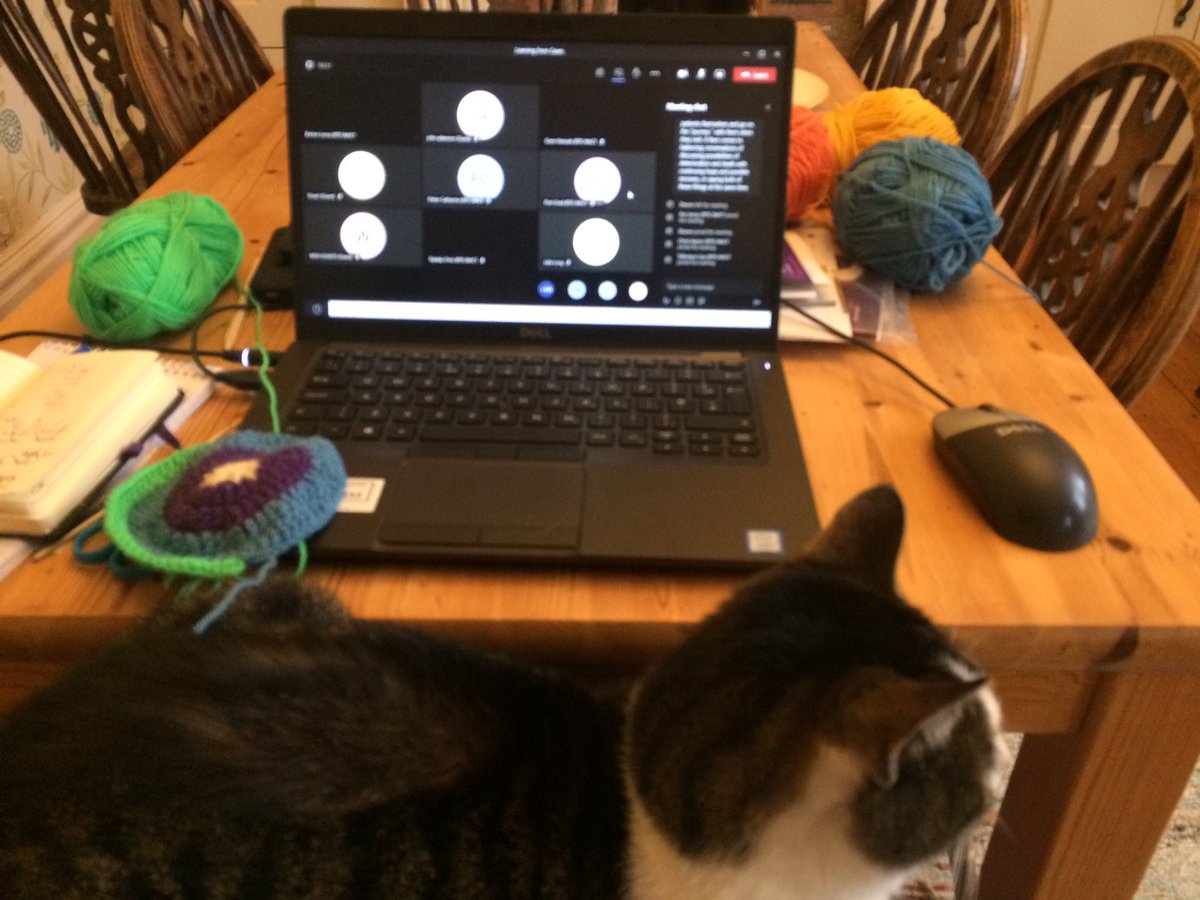
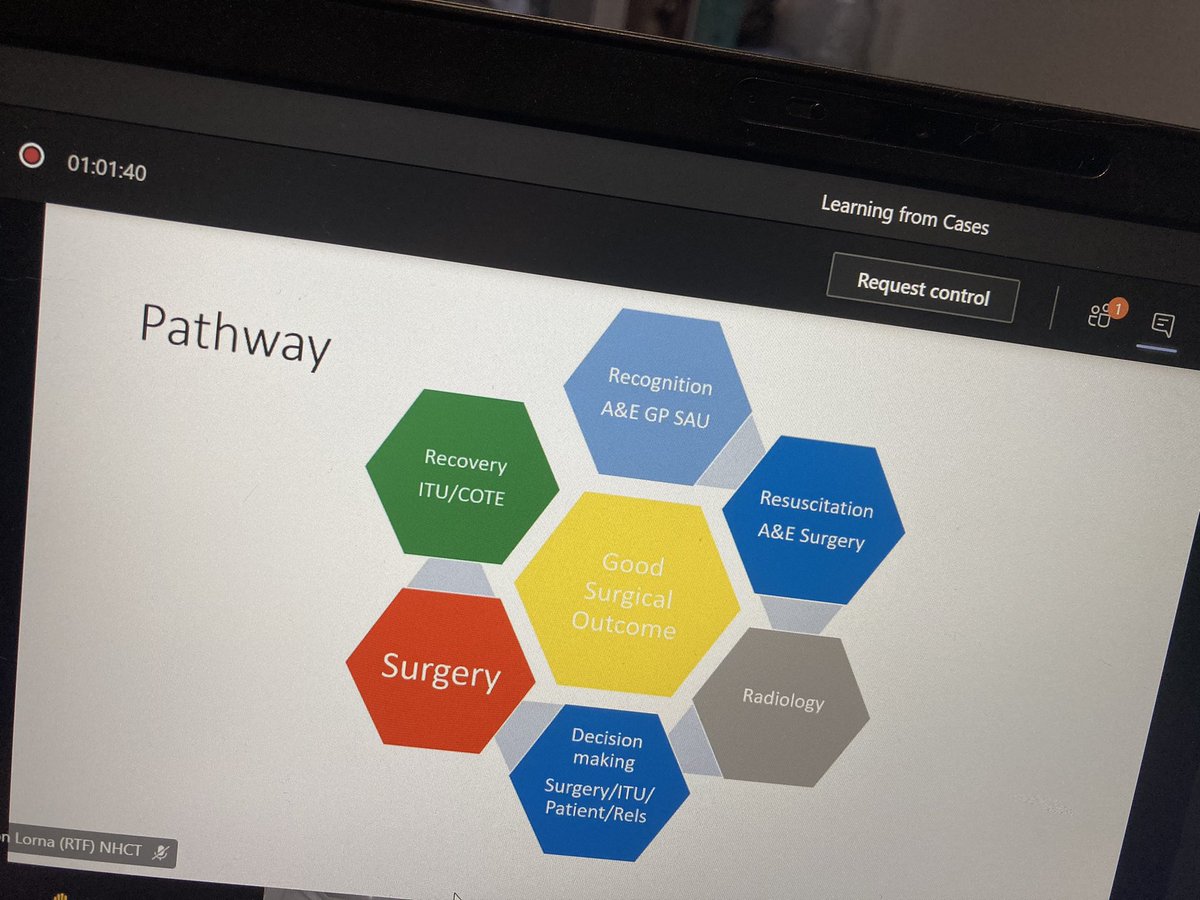
Thank you @Lornabi52318062 for an excellent #learningfromcases. Extra benefit of working from home I get all this along with cat and crochet! @NorthumbriaNHS
5

4 Dec 2020
Learning From Cases today with @NorthumbriaNHS always good to reflect and openly discuss learning opportunities and more meaning is applied when they’re real cases. @nikimsanders @Faye_Dixon19 @EmmaD_72 #learningfromcases
2