
What does transformation actually look like for a DSA participant?
In this episode of #GetToKnowDSA, Lucky Owoicho shares the story of a participant whose journey reflects the kind of change the program is designed to enable.
Behind every statistic is a real person, a real starting point, and a real shift that happens over time.
Watch this week’s episode to hear the full story.
#AREAi #AREAi4Africa #LearningWithoutBarriers #DigitalSkills #GetToKnowDSA
1
6
60
Every child is full of promise. But promise alone is not enough.
Without a strong foundation — the ability to read, write, and reason — that promise has nowhere to go. And this is not just a problem for children who are out of school. Two thirds of the children falling behind in foundational learning are already sitting in classrooms. They showed up. The system did not.
AREAi was built for this gap. For the child whose teacher has never received structured support. For the girl whose future is being decided by the circumstances she was born into. For every learner written off before they were given a real chance.
Eleven years. Four programmes. One belief: that the future is only as promising as the foundation we build for every child — not just the privileged ones.
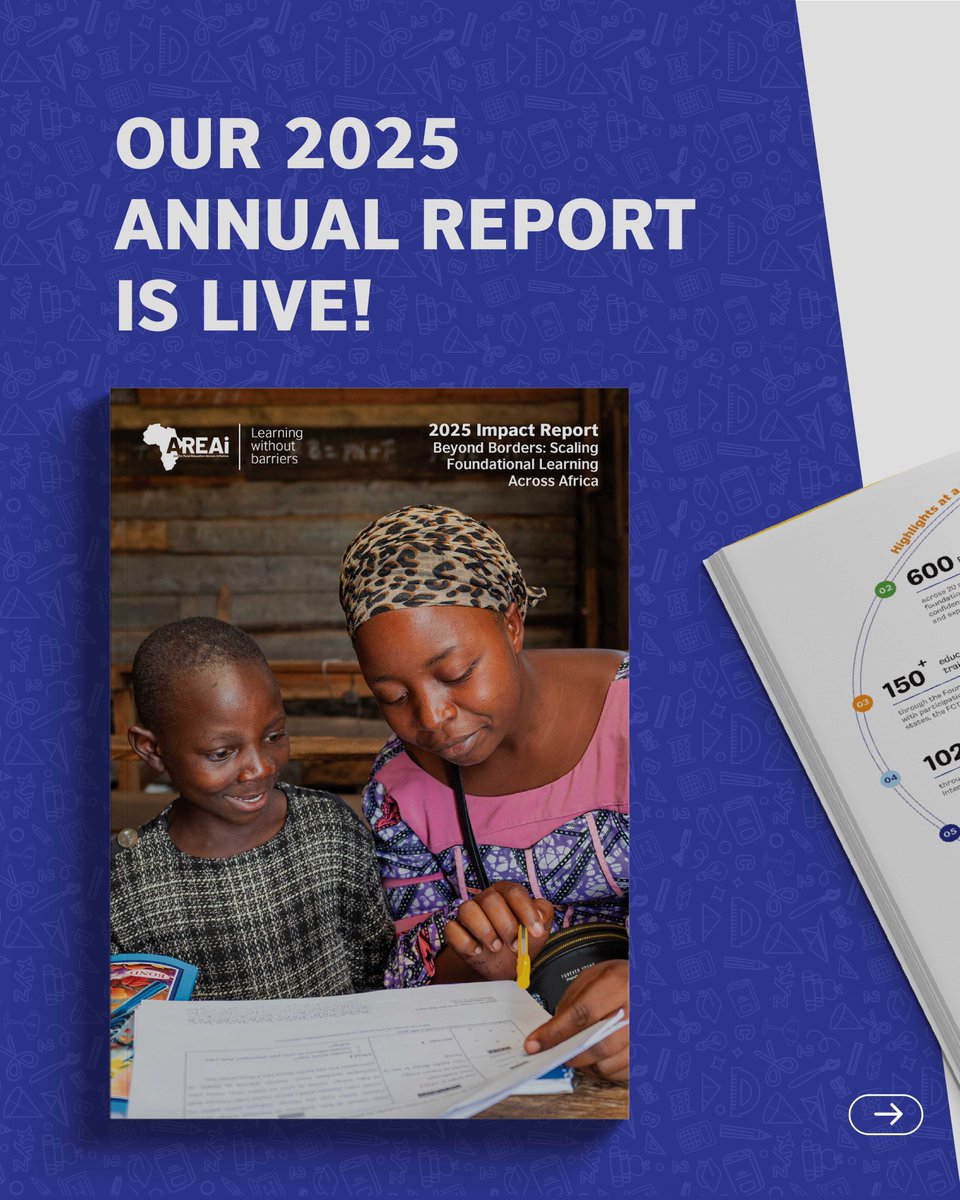
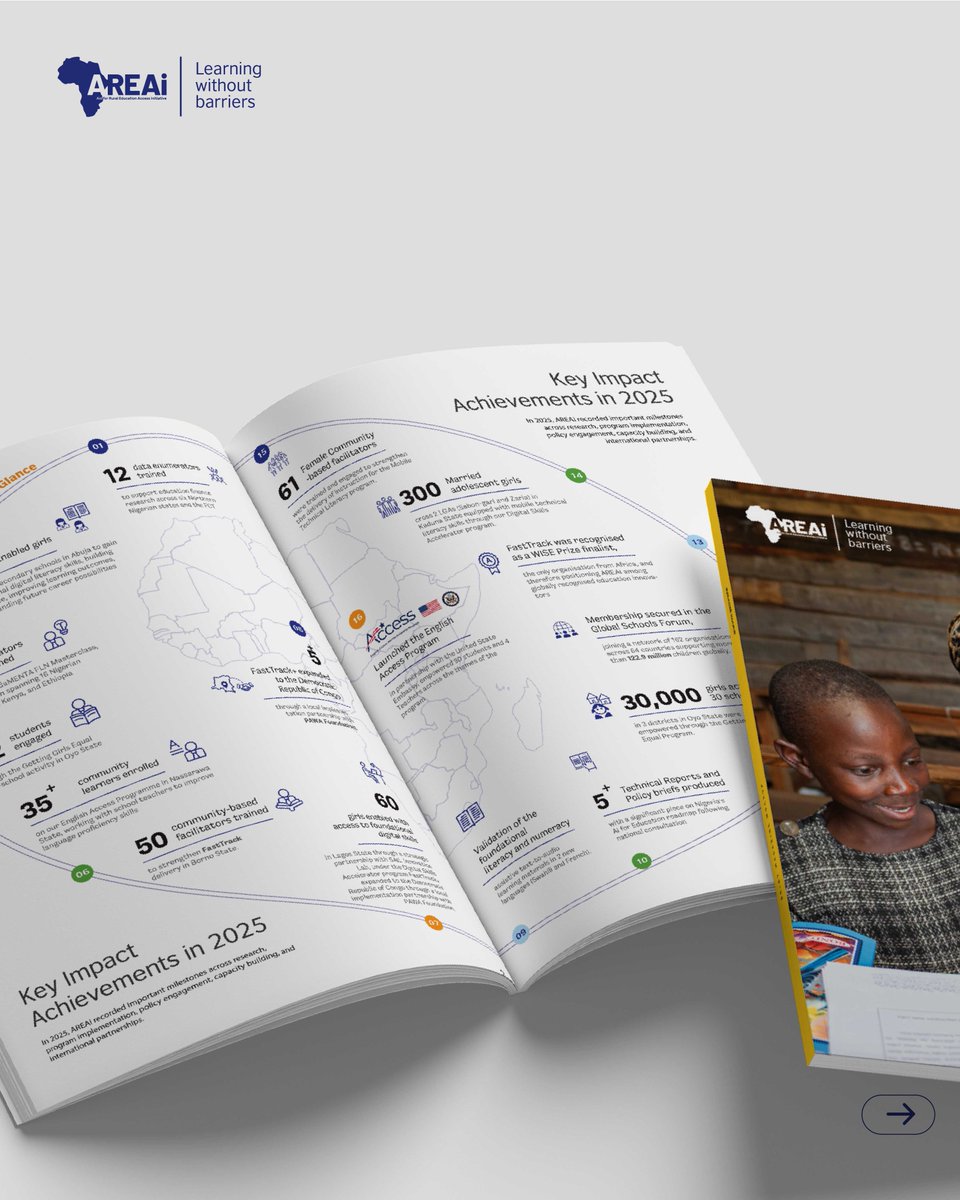
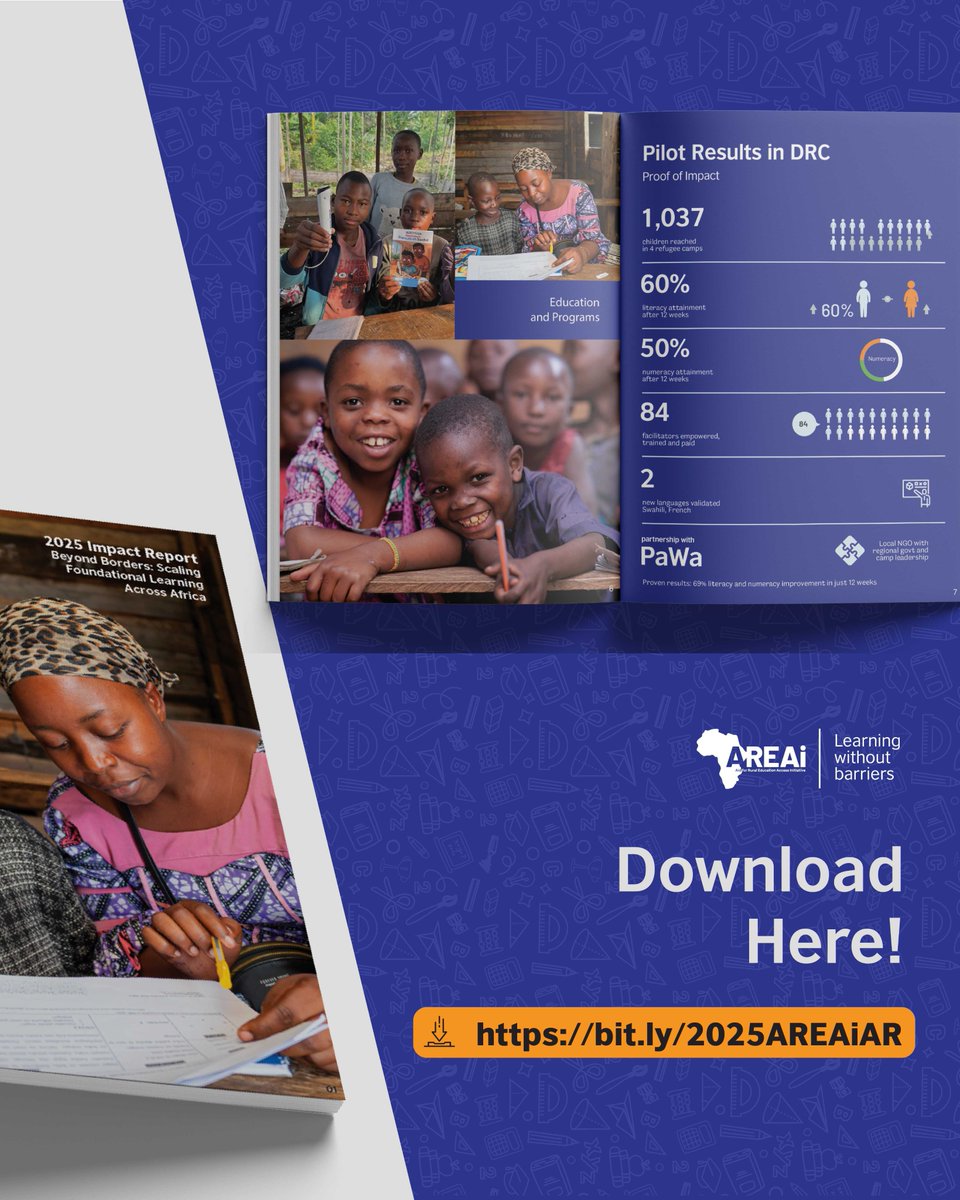
Our 2025 Impact Report, Beyond Borders: Scaling Foundational Learning Across Africa, is a document of that belief in action.
Read it here: bit.ly/2025AREAiAR
#AREAi #AccessToEducation #LearningWithoutBarriers #BeyondBorders #ImpactReport2025 #FoundationalLearning #FoundaMENTA #TeacherSupport #AfricaEducation #RuralEducation #EducationForAll
3
4
71
Every child matters. That is not just a phrase to us, it is lesson learned from years of working in some of the hardest places to deliver education.
Foundational learning is time-bound. Every child should be able to read and perform basic mathematics by the age of 10. That window is small. And it is precious.
So what happens when that window is stolen?
When schools come under attack across Nigeria, the conversation often focuses on the visible damage — the burned buildings, shattered windows, and abandoned classrooms. But the deepest scars are less visible. They are carried by children who were already racing against time to learn. Children whose opportunity to acquire foundational skills is slipping away, not because they lack the ability or the will, but because the world around them is too unsafe to allow them to simply sit in a classroom and learn.
This is the emergency we are not talking about loudly enough.
#FastTrack has shown us that no child is too far behind, no learning gap too wide, and no circumstance too difficult to overcome. But it has also taught us something equally important: the longer children are denied safe access to learning, the harder it becomes to help them catch up.
And right now, Nigeria cannot afford to wait.
Because every day lost is a day that cannot be returned.
#AREAi #AREAi4Africa #FastTrack #FoundationalLearning #LearningWithoutBarriers #EducationInCrisis #ProtectEducation #EducationForAll #NigeriaEducation
2
4
41
Behind every improved learning outcome is a teacher who chose to do more, learn more, and be more.
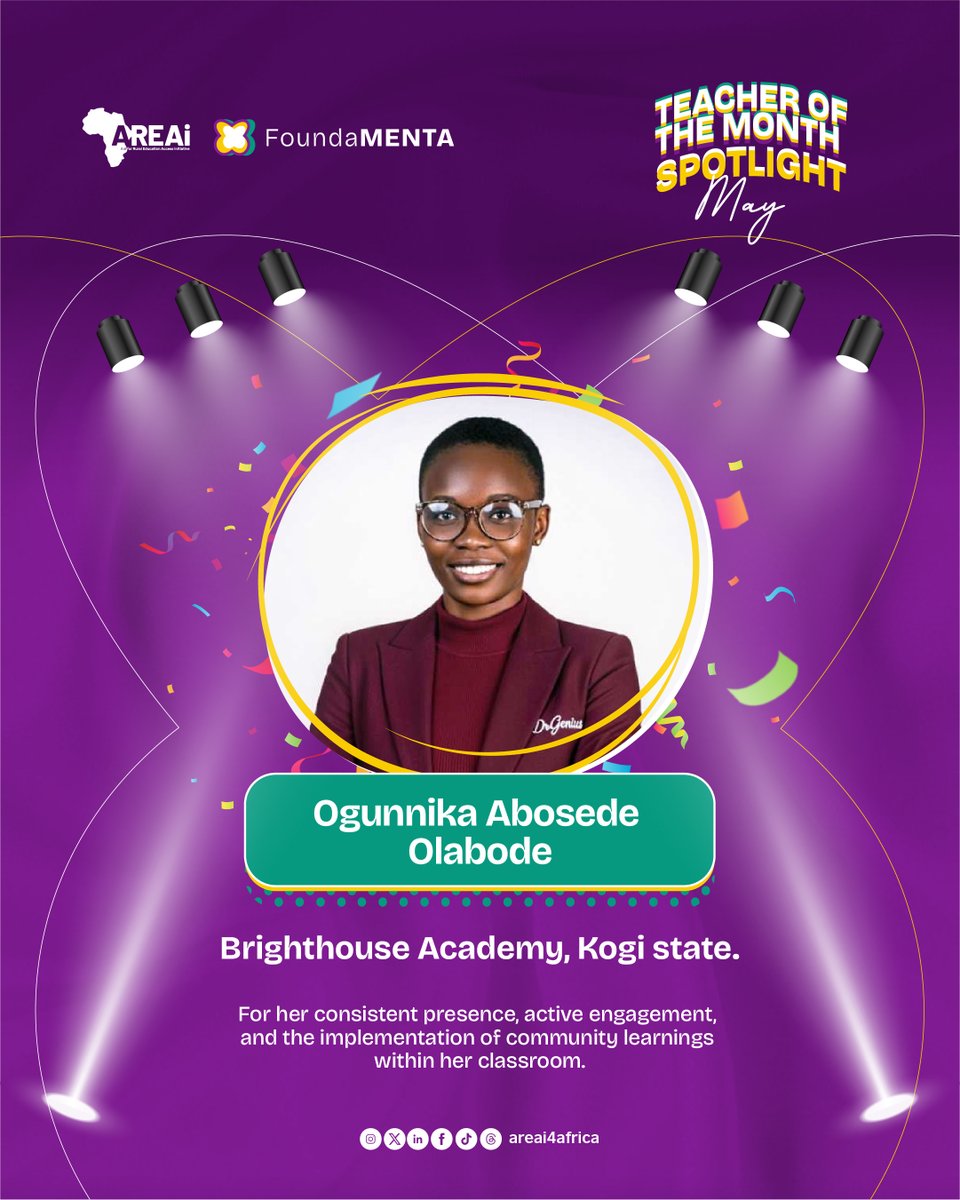
This month, we are proud to spotlight Ogunnika Abosede Olabode (@AbosedeOgunnika) of Brighthouse Academy, Kogi State, as our FoundaMENTA Teacher of the Month for May.
Her engagement within the Community of Practice goes beyond attendance, it shows in how she actively learns, contributes, and translates new strategies into meaningful classroom practice.
She embodies the heart of FoundaMENTA: teachers who are not just equipped, but intentional about making learning better for every child.
Today, we celebrate her commitment, her growth, and the impact she continues to make.
#AREAi #AREAi4Africa #LearningWithoutBarriers #AccessToEducation #FoundaMENTA
1
6
100

May 29
From Policy to Practice: Learning Without Barriers
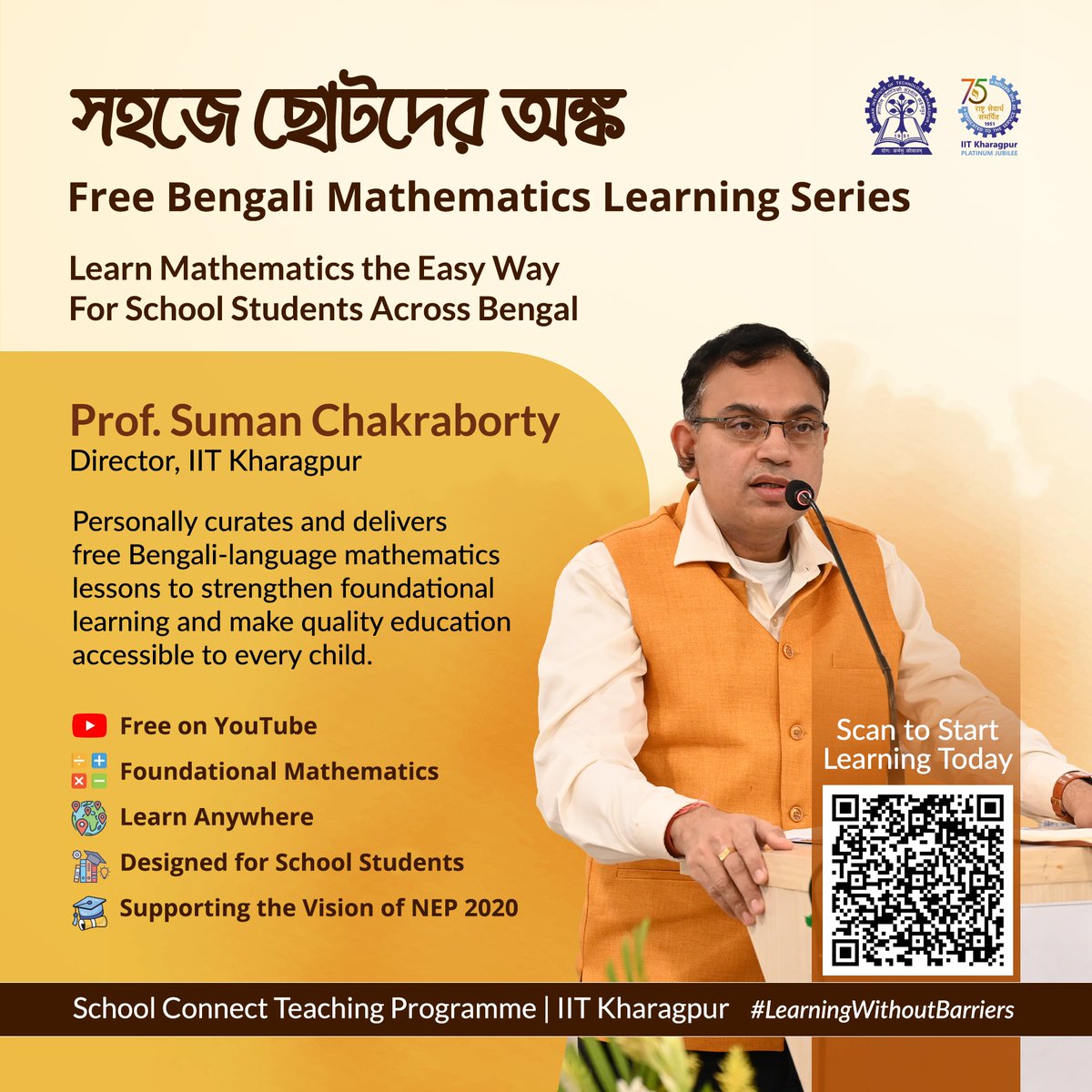
While conversations around NEP 2020 continue to emphasize inclusive and accessible education, IIT Kharagpur is translating that vision into meaningful action.
As part of the Institute's School Connect Teaching Programme, Prof. Suman Chakraborty, Director, Indian Institute of Technology, Kharagpur, has personally curated and delivered a free Bengali-language mathematics learning series titled "সহজে ছোটদের অঙ্ক", designed to strengthen foundational mathematical understanding among school students.
Available freely on YouTube, the initiative aims to make high-quality conceptual learning accessible to children regardless of geography, language, or economic background, while promoting regional-language education and scientific temper from an early age.
This initiative reflects IIT Kharagpur's commitment to taking knowledge beyond classrooms and empowering young learners through accessible, inclusive, and meaningful education.
Watch the series: Scan the QR code or visit the link below.
l1nq.com/dh72luh
#IITKharagpur #SchoolConnect #LearningWithoutBarriers #NEP2020 #MathematicsEducation #Bengali #EducationForAll #FoundationalLearning #RegionalLanguageEducation #PlatinumJubilee #KnowledgeForSociety
@EduMinOfIndia @dpradhanbjp @DrSukantaBJP @Suman_iitkgp
2
11
740
Nigeria has made measurable progress in education over the last two decades. More schools have been built. More teachers have entered classrooms. More children are enrolled in school today than at any other point in the country’s history. These are important gains, and they deserve to be acknowledged.
But progress is not only about how much has improved. It is also about who those improvements have reached.
The children who have benefited most from Nigeria’s educational expansion are often those who were already closest to the system; children in urban centres, in relatively stable communities, and in households where the conditions for consistent schooling already existed.
Meanwhile, the children furthest from opportunity remain furthest from the gains.
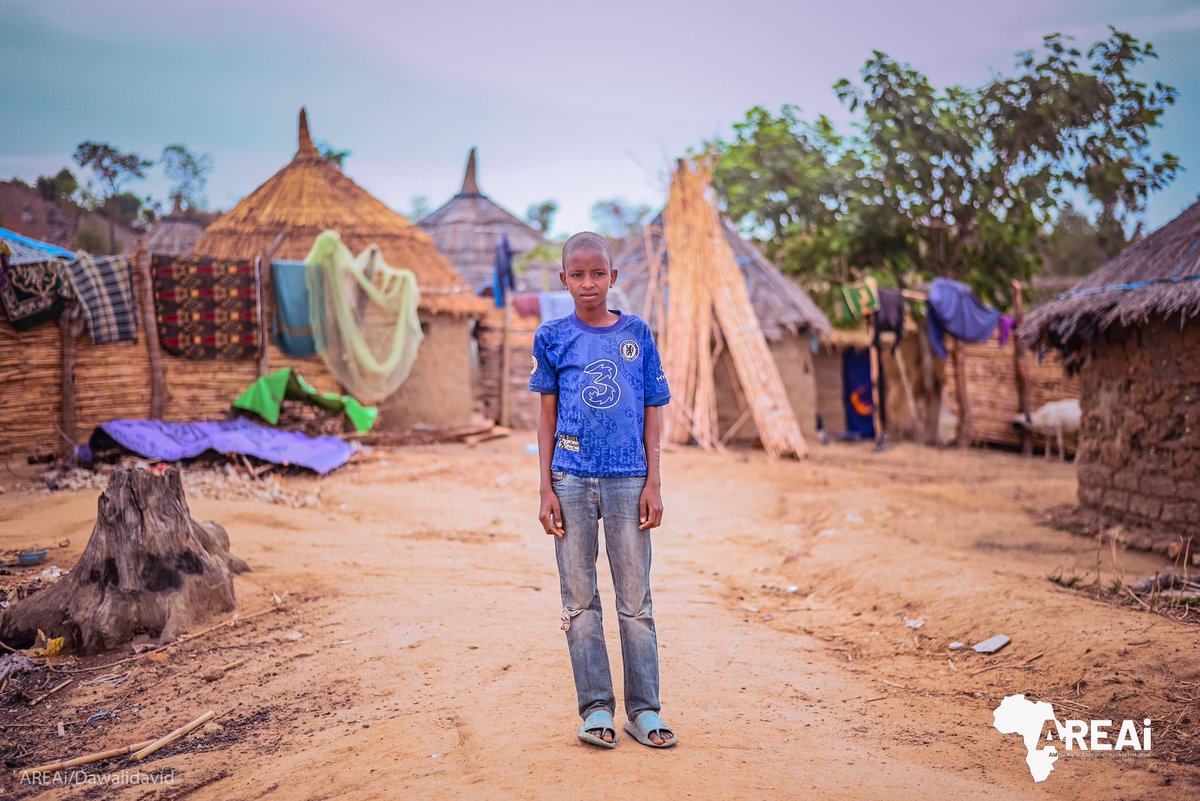
Children displaced by conflict. Children living in refugee camps. Children in communities so underserved that the growth of the formal education system has still not meaningfully reached them.
For many of these children, the national story of educational progress feels distant. Enrollment figures rarely reflect their realities. Literacy benchmarks are often measured without accounting for the conditions they are learning through. And too many interventions are designed without fully considering how to reach children where they actually are.
#FastTrack is AREAi’s response to that gap.
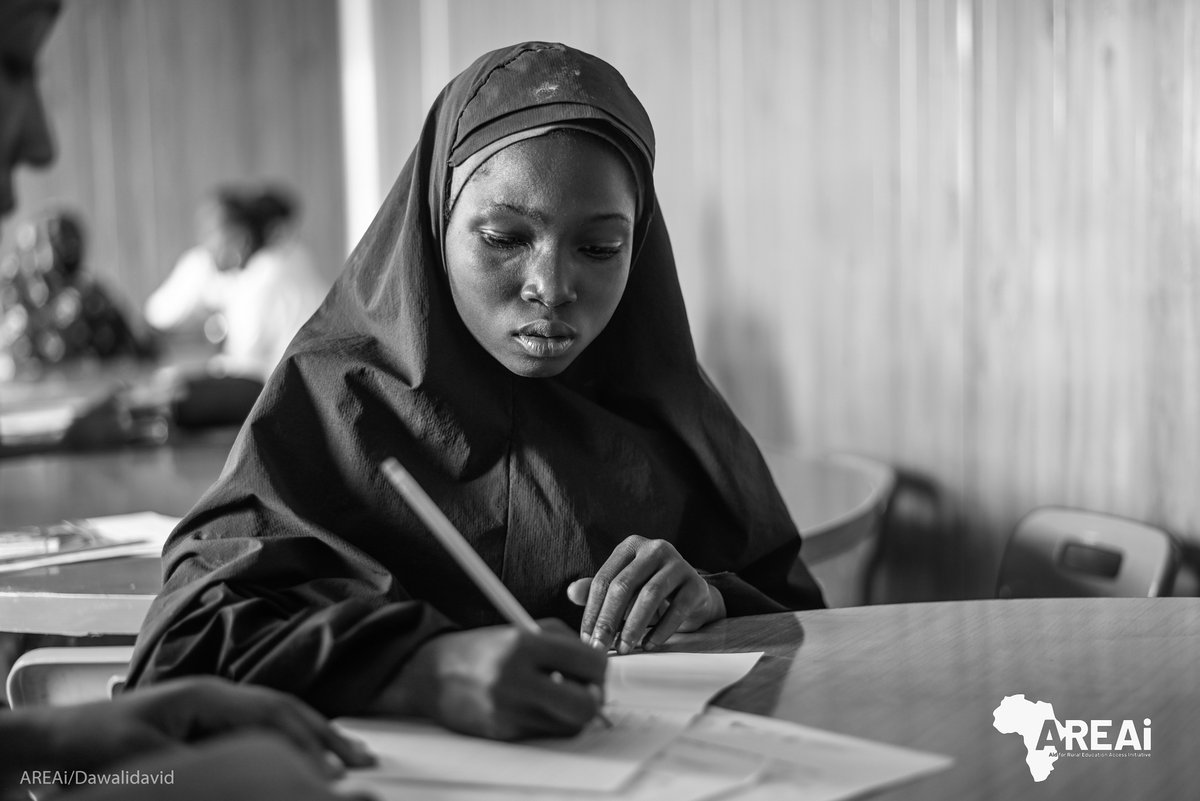
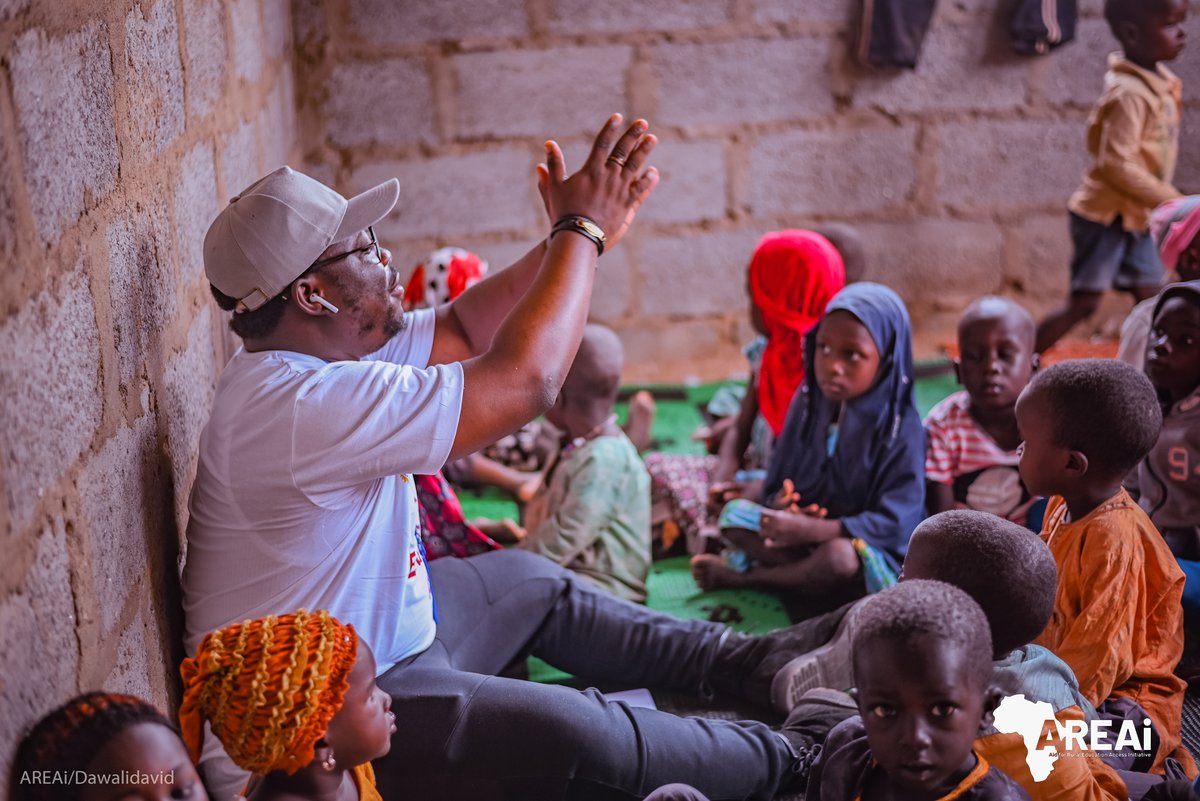
Not a conventional school system. Not a temporary intervention. But a deliberate, structured, community-driven accelerated learning programme designed to help children in conflict-affected and displaced communities build foundational literacy and numeracy skills.
Across refugee camps and underserved communities in Nigeria, #FastTrack does not wait for opportunity to eventually arrive. It goes directly to the children who have been excluded and begins there.
Because educational progress only becomes meaningful when the children furthest behind are no longer left out of it.
Learn more: areai4africa.org
#AREAi #AREAi4Africa #LearningWithoutBarriers #AccessToEducation #FastTrack #FoundationalLearning #NigeriaEducation
1
2
33
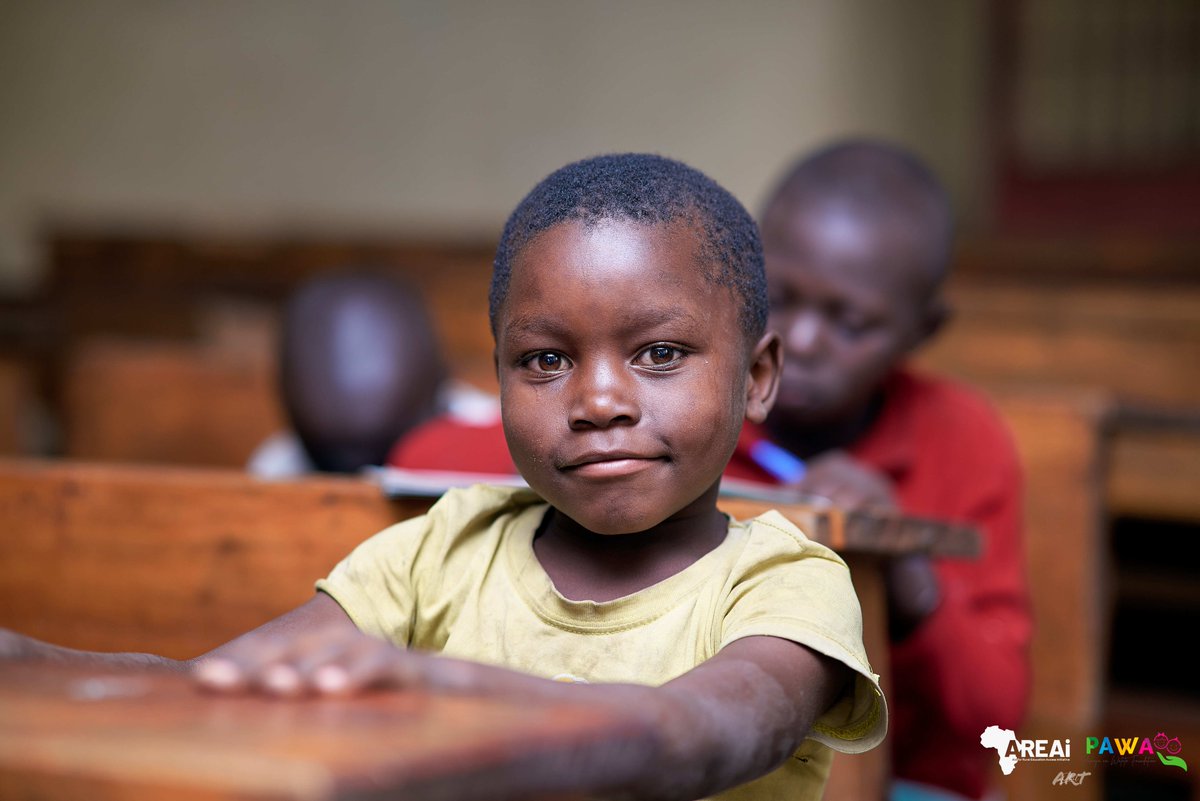
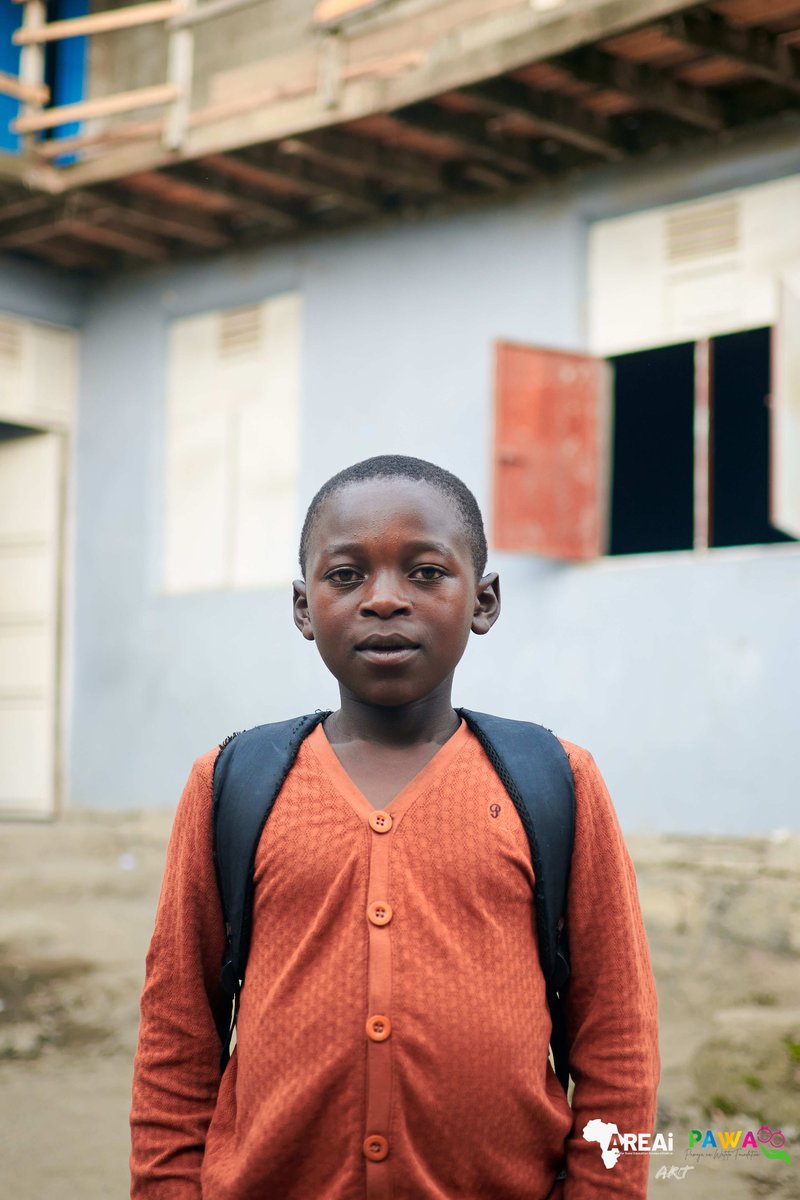
In the communities where AREAi works, the children we meet are not waiting to be noticed. They are already trying.
A child displaced from his home still shows up to class in an unfamiliar community, determined to learn despite everything that has changed around him. A boy shares the few learning materials available because access to education, for him, has always depended on collective survival. A girl walks long distances to school each day because education matters enough to make the journey worth it.
The problem has never been a lack of willingness in these children. The problem is the barriers built around them.
For ten years, AREAi has worked in the spaces where education systems have struggled to fully reach. Not to replace those systems, but to strengthen them. To fill critical gaps. To create opportunities where none previously existed.
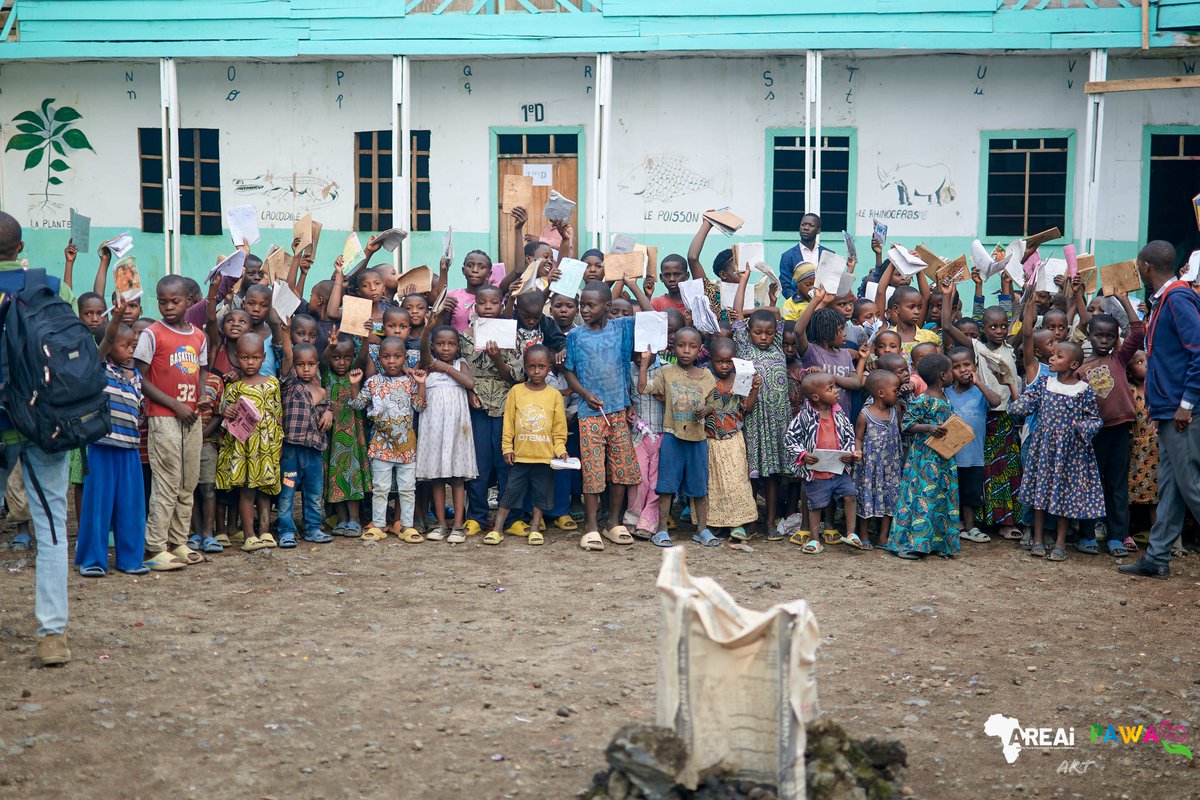
From refugee camps to conflict-affected communities and underserved areas across Nigeria, AREAi has continued to work toward one goal: ensuring that children are not just enrolled in school, but genuinely supported to learn, grow, and thrive.
Over two million children and young people across thirteen states and the Federal Capital Territory have been reached through this work. And behind every number is a child whose future became more possible because someone chose not to look away.
That work continues. And its reach expands through the partnerships, support, and resources that make long-term impact possible.
Learn more at areai4africa.org
#AREAi #AREAi4Africa #AccessToEducation #LearningWithoutBarriers #EducationEquity #GirlsEducation #InclusiveEducation #NigeriaEducation
1
3
60
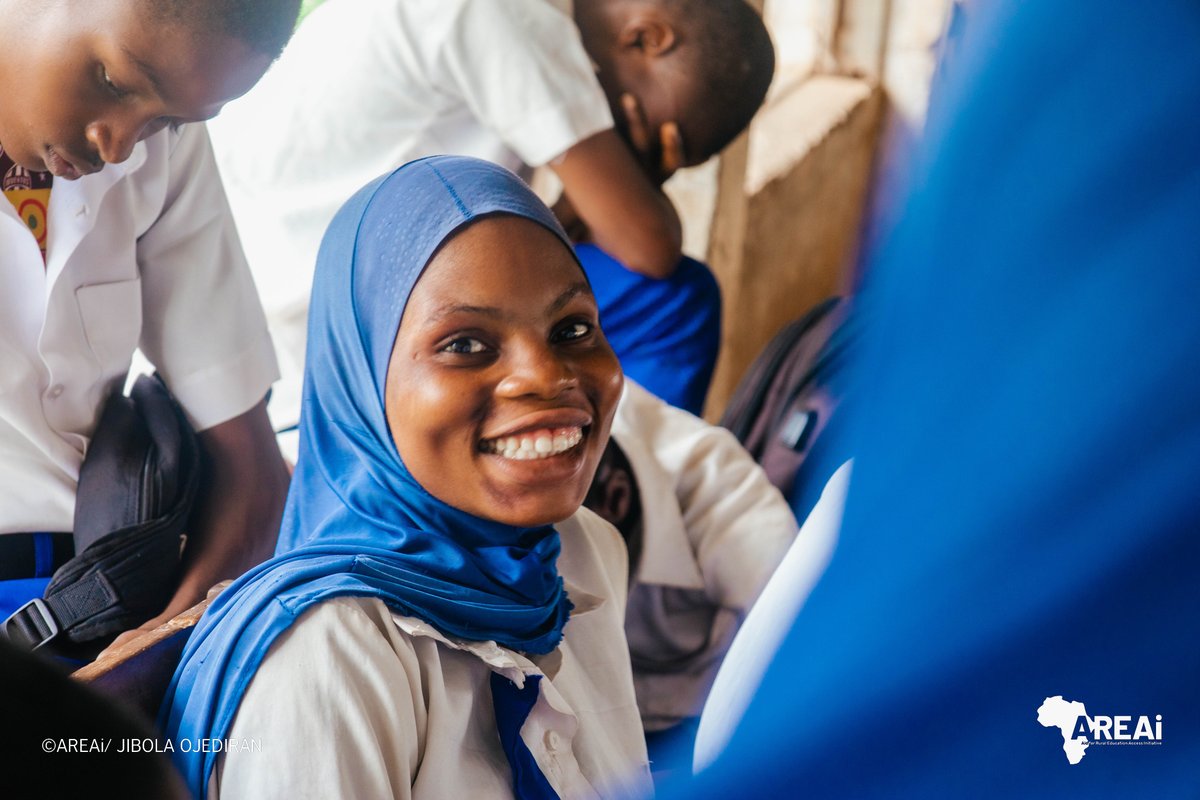
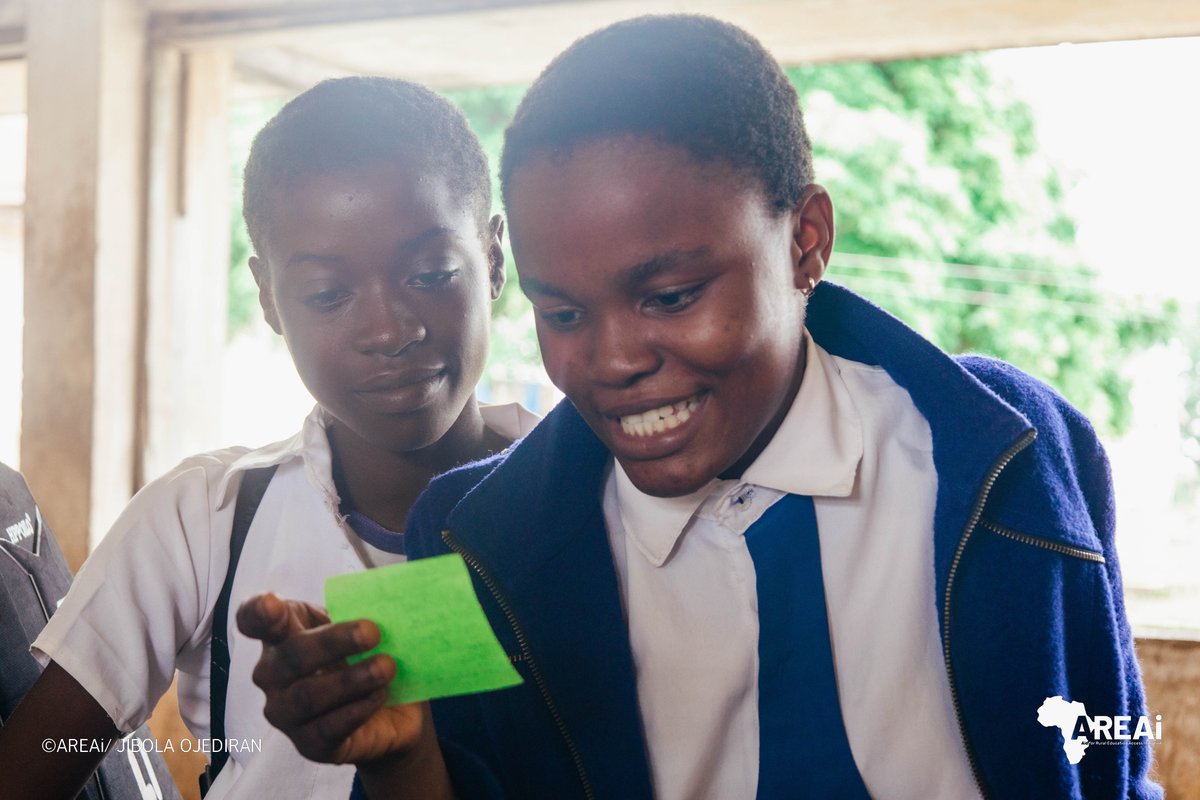
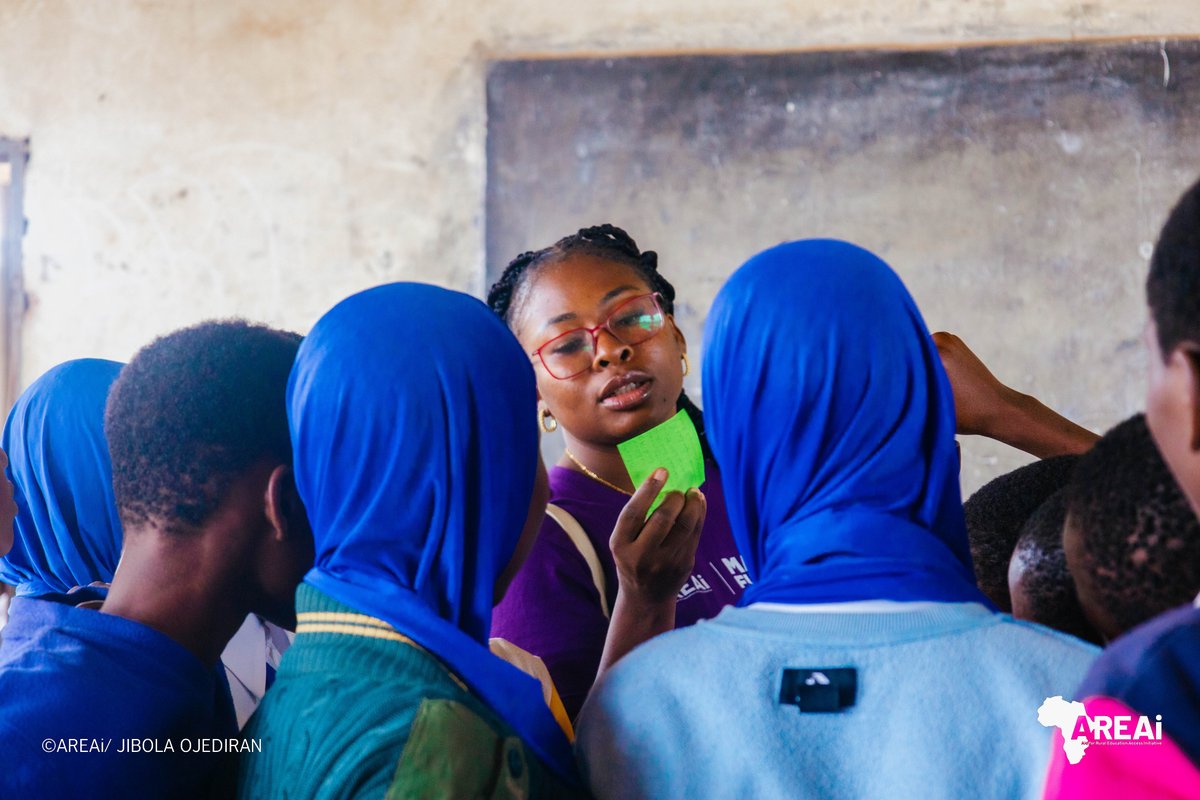
When a girl stays in school, something begins to change.
With every additional year of education, her opportunities expand. Her earning potential grows. Her confidence strengthens. Her ability to make informed decisions about her own life deepens. And her chances of shaping a future on her own terms become far greater.
These are not distant possibilities. They are realities consistently reflected in research, including across Nigeria, where barriers to girls’ education remain significant, but so do the outcomes when those barriers are removed.
Education does more than provide qualifications. It changes how a girl sees herself and what she believes is possible. That quiet shift in confidence, identity, and agency is often what sustains every other form of progress that follows.
At AREAi, this is the thinking behind Getting Girls Equal. Not the belief that girls need rescuing, but the understanding that systems must work better for them. When policies are intentional, schools are more responsive, and communities are supported to make different choices, more girls are able to stay, learn, and thrive.
And when that happens, possibilities multiply far beyond the classroom.
Learn more at areai4africa.org
#AREAi #AREAi4Africa #GettingGirlsEqual #LearningWithoutBarriers #GirlsEducation #NigeriaEducation #EducationEquity
1
3
57
What really changes when a teacher joins FoundaMENTA?
In this episode of #GetToKnowFoundaMENTA, we take a closer look at that first experience; what teachers receive from day one, how the learning journey is structured, and why the support is designed to build confidence gradually instead of overwhelming educators with information all at once.
FoundaMENTA was never created to hand teachers a toolkit and leave them to figure things out alone. It was built to walk alongside them through every stage of growth, from the very first session to the point where stronger, more confident, and more effective teaching becomes part of everyday practice.
Because meaningful teacher development is not a one-time intervention. It is continuous support, practical learning, shared reflection, and a community that grows together.
If you are a teacher looking for the kind of support that strengthens both your practice and your confidence in the classroom, this episode is for you.
Watch now and learn more about joining the FoundaMENTA Community of Practice: areai4africa.org/foundamenta…
#AREAi #AREAi4Africa #LearningWithoutBarriers #TeacherSupport #FoundaMENTA #TeacherProfessionalDevelopment
1
3
73
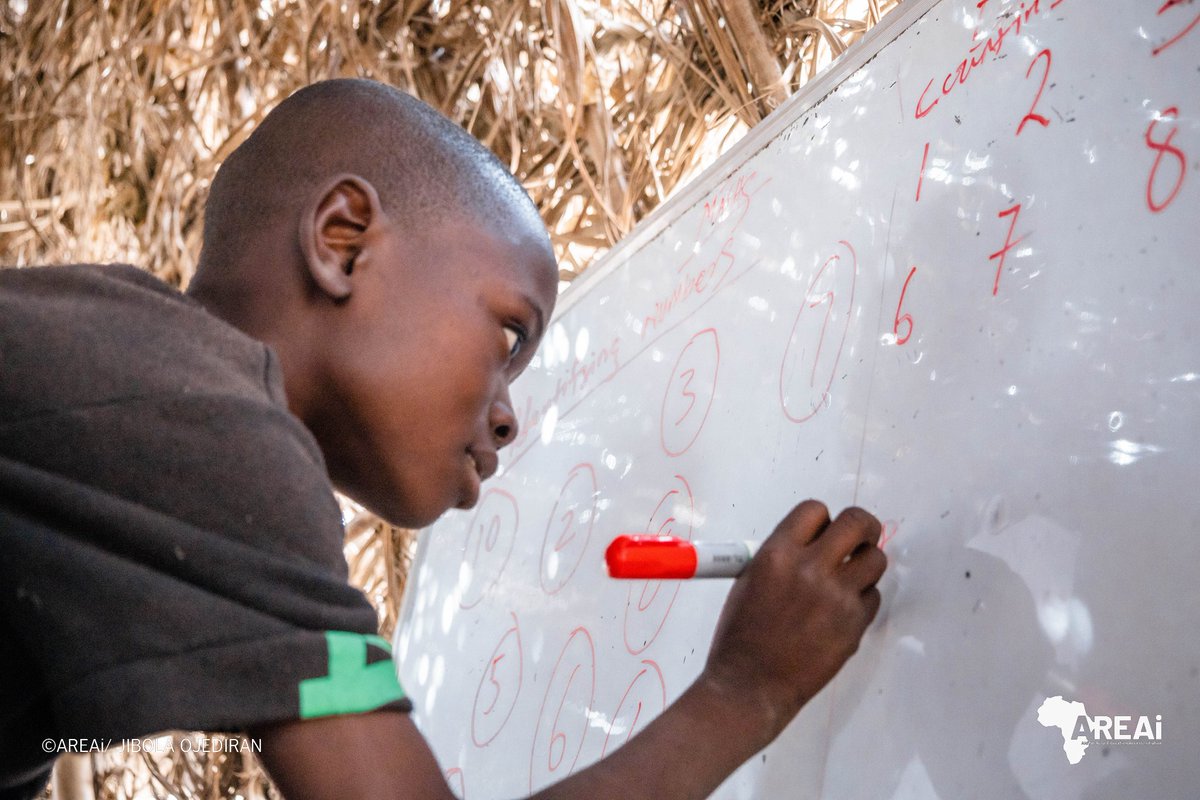
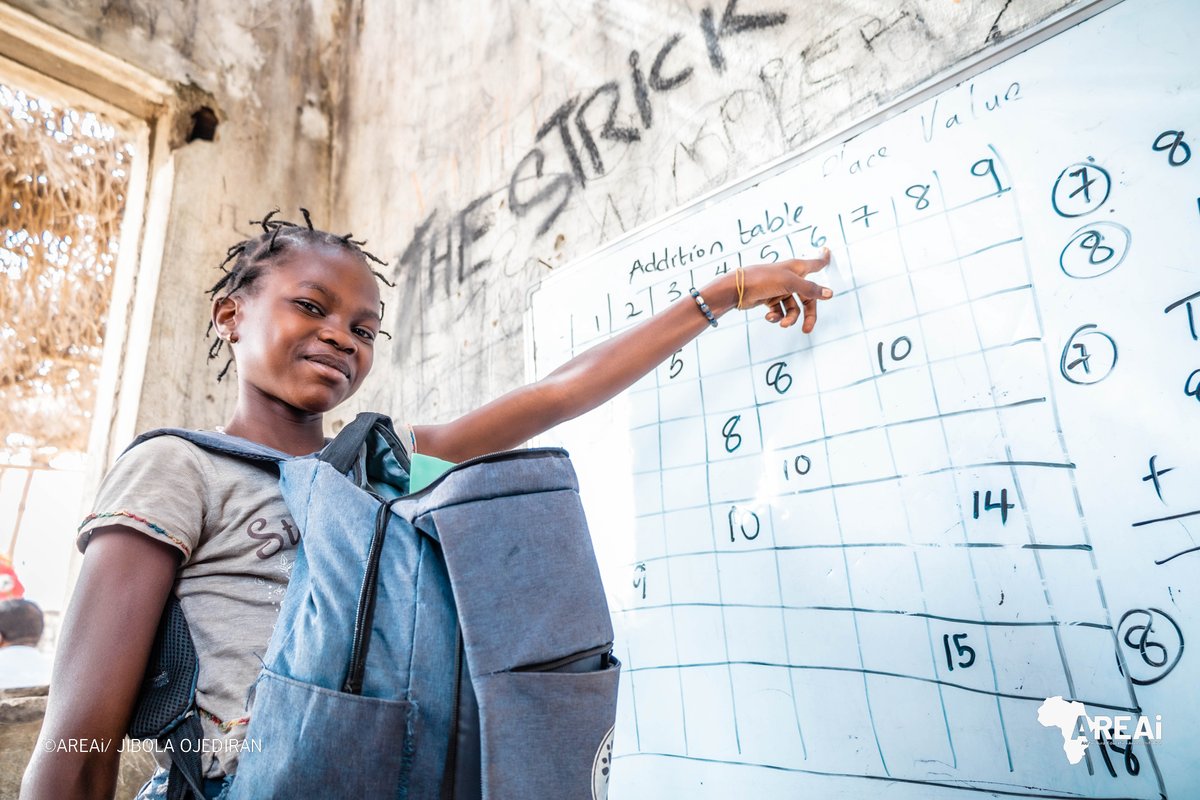
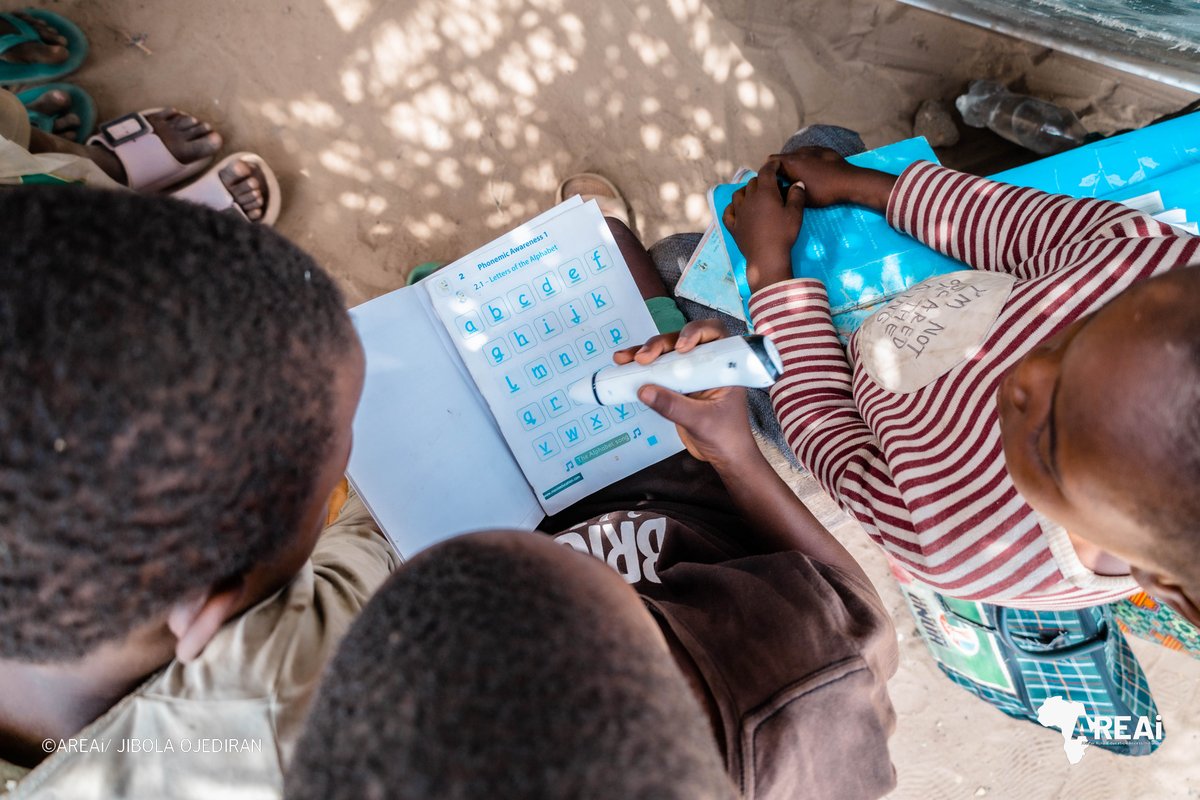
More than half of the children in Primary 1 to Primary 3 in Nigeria cannot read a single word. Six out of every 10 grade 3 children cannot complete a single-digit addition problem.
These are not projections but the current reality of foundational learning in Nigeria. And they raise a question that is easy to defer but impossible to honestly ignore; what happens to a child who moves through years of schooling without ever understanding what they are being taught?
When instruction moves faster than a child's foundation can carry them, not understanding becomes its own kind of education. They learn, gradually and privately, that school is a place where other children thrive, and they endure. That lesson, unspoken and unintended, is one of the most damaging things an education system can teach.
Understanding changes that. When a child finally grasps what is being taught, confidence follows, and curiosity follows confidence. A child who was previously disengaged begins to show up differently, not because the material got easier but because they finally have the tools to meet it.
Since 2021, FastTrack has reached over 25,000 learners across ten refugee camps in Nigeria, achieving a 69% improvement in foundational literacy and numeracy proficiency. Not by replacing what communities already had, but by working within them — meeting children at their actual level, teaching in languages they think in, and building the foundational skills that make everything else in education possible.
This is what changes when a child finally understands what they are being taught. Not just their scores. Their sense of what is possible for them.
Learn more: areai4africa.org
#AREAi #AREAi4Africa #FastTrack #FoundationalLearning #LearningWithoutBarriers #AccessToEducation #NigeriaEducation
2
3
54
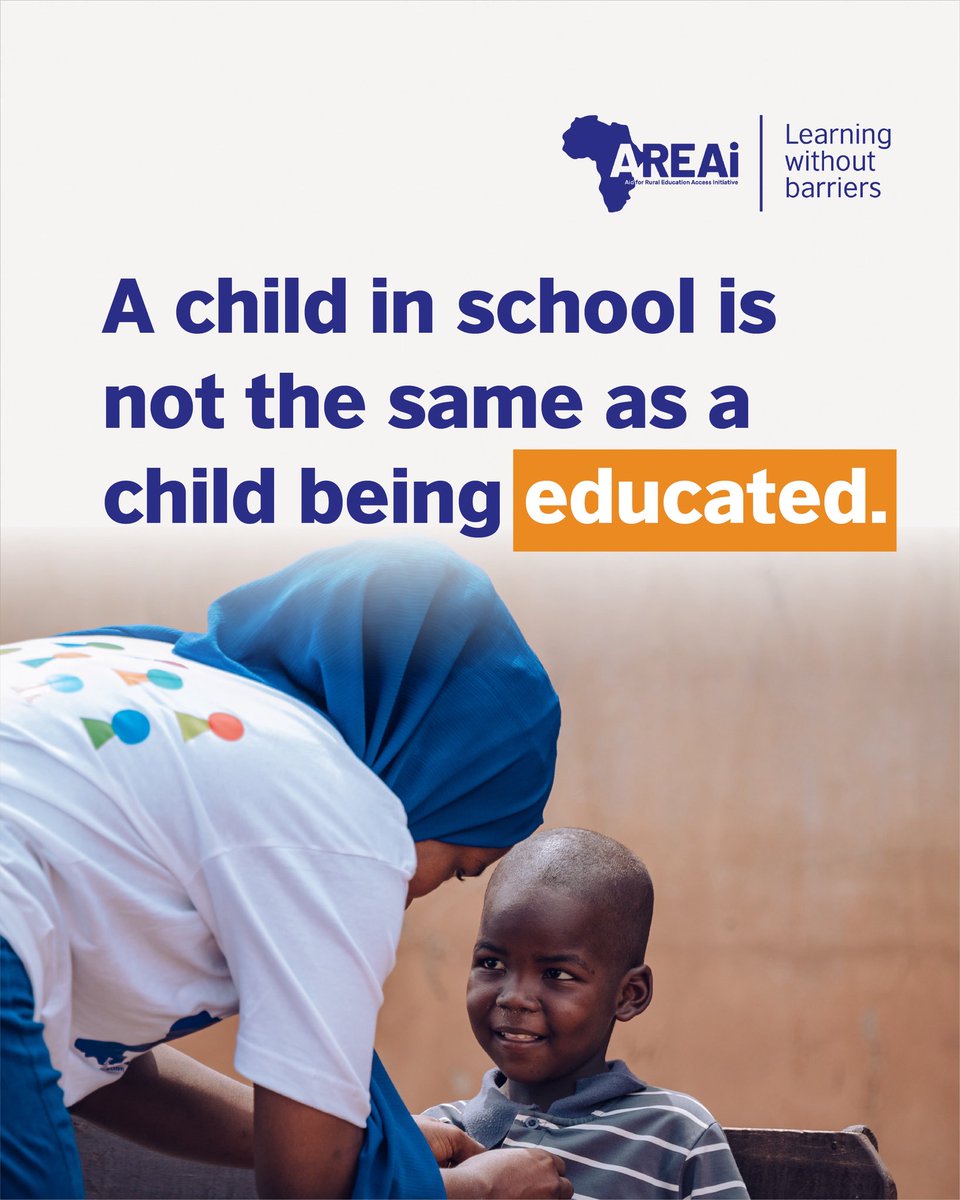
Millions of children across Nigeria are enrolled in school. They are counted in national statistics, reflected in enrollment figures, and used as evidence that progress is being made.
But enrollment is only the beginning of the story.
What happens after a child walks through the school gate is what truly determines whether education is working. It depends on whether the teacher in front of them is equipped to support a child who has fallen behind. Whether instruction is delivered in a language the child understands and connects with. Whether the classroom is safe, inclusive, and responsive to the realities of every learner within it.
These are the decisions that shape whether a child is merely present in school or genuinely learning.
And for millions of children in underserved and marginalised communities, that difference changes everything.
At Aid for Rural Education Access Initiative (AREAi), we have spent the last decade designing solutions that take that difference seriously. Our work does not start at the school gate. It starts with understanding what a child needs to truly learn and then building backwards from there: through teachers, curriculum, policy, financing, technology, and community systems.
Because getting children into school is only part of the work. Designing systems that help them learn, thrive, and succeed is the other half, and that is where AREAi works.
Learn more: areai4africa.org
#AREAi #AREAi4Africa #AccessToEducation #EducationEquity #LearningWithoutBarriers #GirlsEducation #NigeriaEducation
1
4
50
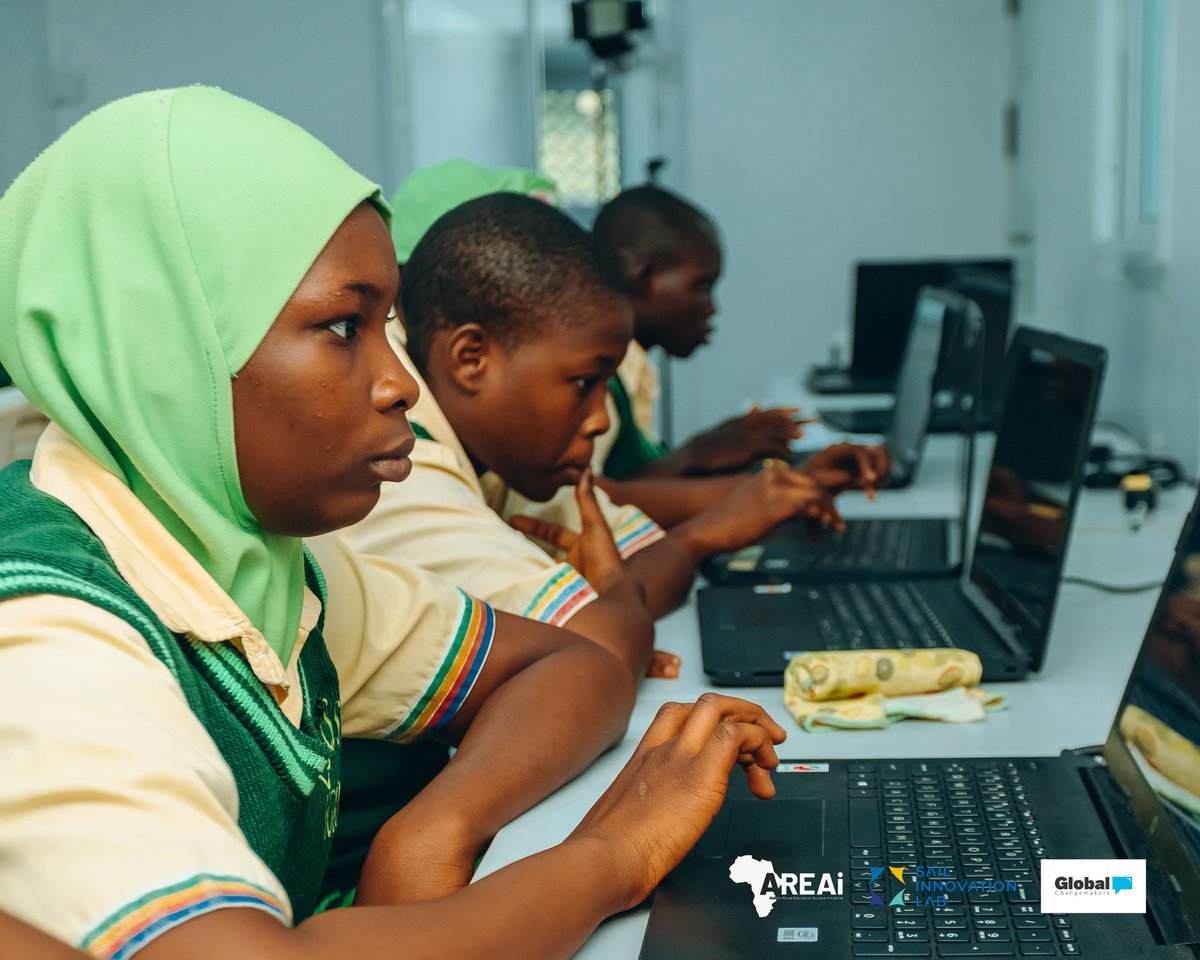
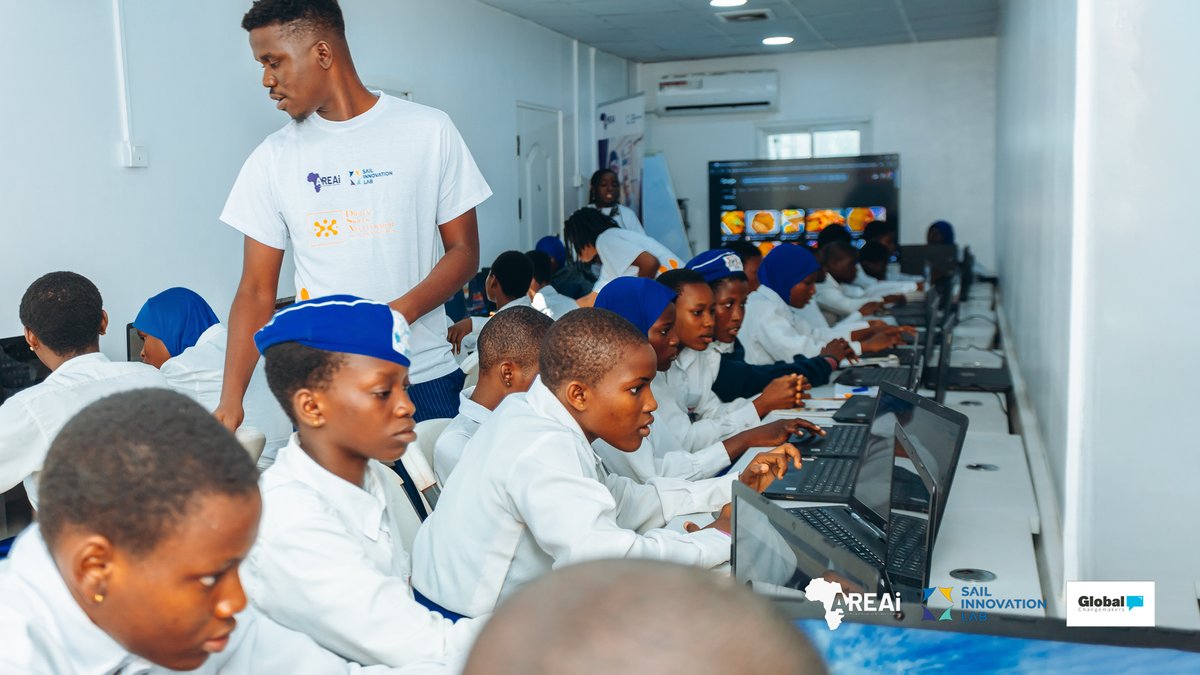
Somewhere between 2025 and 2030, the global economy will complete a shift that has been building for decades. The jobs that will define that economy, the ones that offer stability, growth, and genuine economic participation, will require digital skills as a baseline. Not as a specialization. As a starting point.
For young women and girls in Nigeria, particularly those in underserved and displaced communities, that shift is not an abstraction. It is the difference between a future that is available to them and one that moves forward without them.
Nearly one billion girls worldwide currently lack the digital literacy needed to use the internet safely and productively. They are not behind because they are incapable. They are behind because the infrastructure, the training, and the deliberate investment required to bring them into the digital economy have not followed them into the communities where they actually live.
Digital skills are no longer a pathway to opportunity. They are the gate. And a girl who cannot pass through that gate does not just miss out on a job. She misses out on the economic agency, the financial independence, and the capacity to shape her own future that a digitally connected world makes possible for those it reaches.
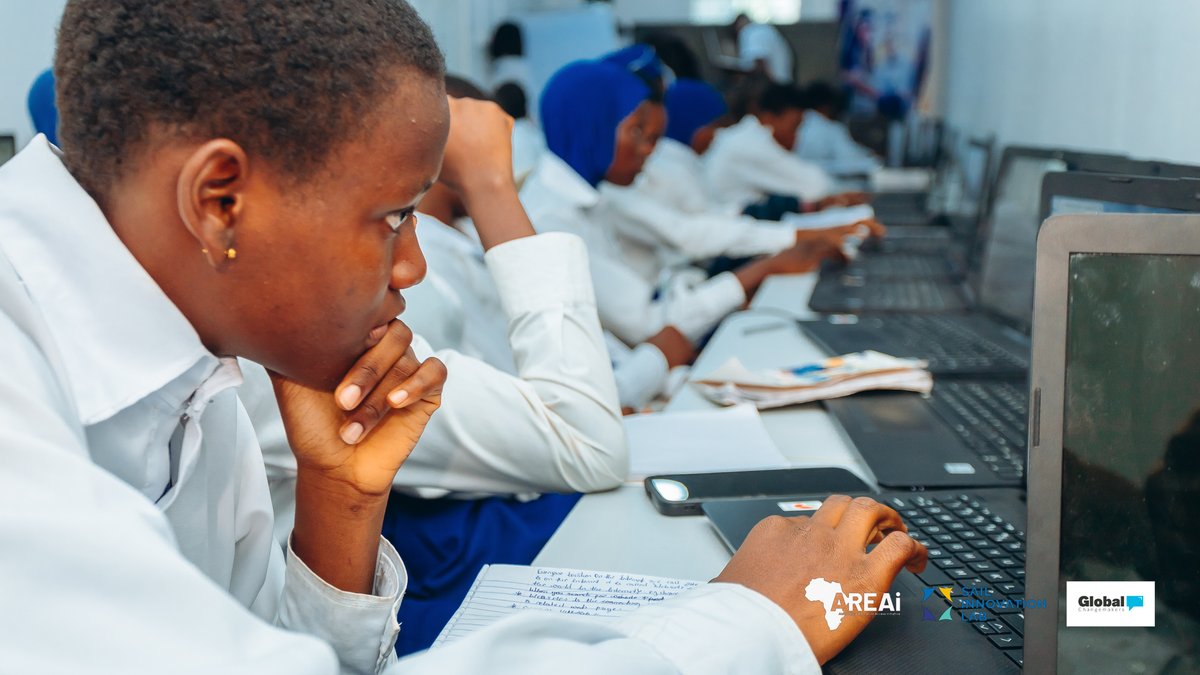
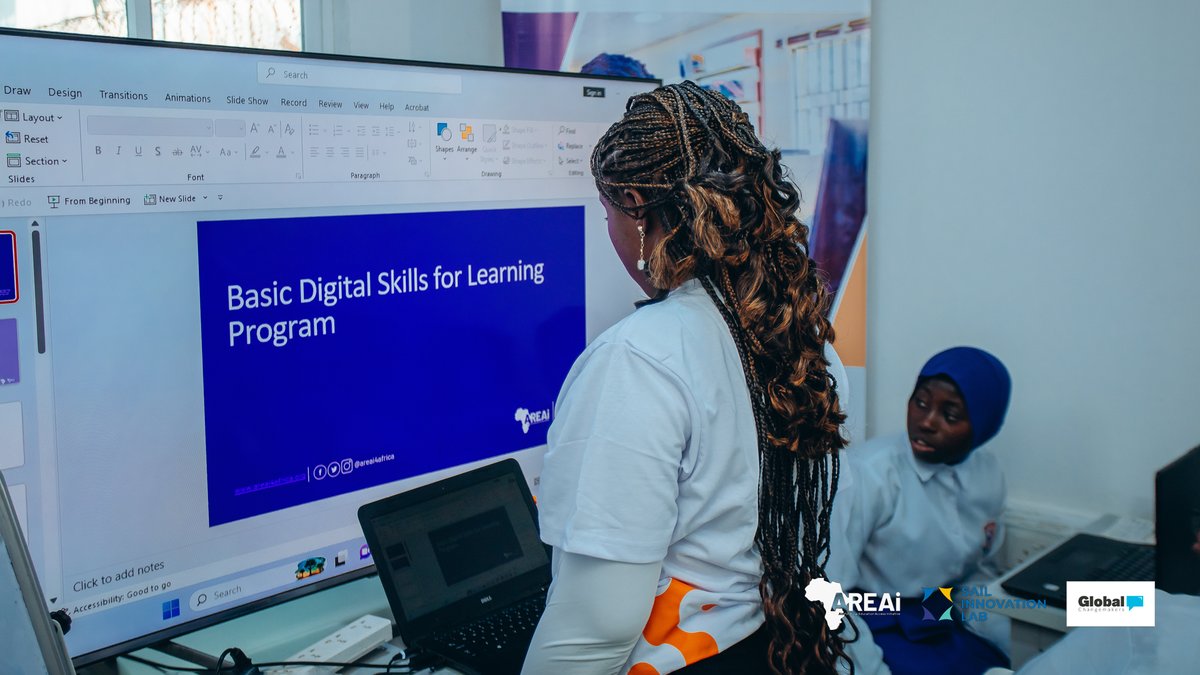
At AREAi, our Digital Skills Accelerator for Women and Girls was built around the urgency of that reality. A structured, phased programme that meets young women and girls between the ages of 13 and 25 where they are, building digital awareness, competence, and employability skills that translate directly into economic opportunity, even within the constraints of displacement and disadvantage. Because the digital future is arriving, whether or not every girl is ready for it. Our job is to make sure more of them are.
Learn more: areai4africa.org
#AREAi #AREAi4Africa #LearningWithoutBarriers #AccessToEducation #DigitalEquity #DSA #DigitalSkills #WomenAndGirls #EconomicEmpowerment #NigeriaEducation
2
8
121
What does it truly take to move from isolated impact to impact at scale?
In this episode of #GetToKnowFoundaMENTA, the conversation turns to a critical question at the centre of education transformation; how strategic investment can expand reach while strengthening the quality and sustainability of foundational learning outcomes.
Meaningful improvements in teaching and learning do not happen accidentally. They are built through intentional investment in the systems, tools, and support structures that enable teachers to deliver consistent, responsive, and high-quality instruction.
As FoundaMENTA continues to evolve, the priority is not simply to reach more classrooms, but to ensure that expansion does not come at the expense of depth, relevance, or effectiveness. The focus remains on building support systems that are adaptable to context and capable of sustaining long-term learning gains.
Because scale, in its truest sense, is not measured only by numbers reached, but by the ability to sustain and strengthen impact over time.
Watch this week’s episode to explore why strategic investment remains essential to the future of foundational learning and education systems transformation.
#AREAi #AREAi4Africa #LearningWithoutBarriers #AccessToEducation #FoundaMENTA #FoundationalLearning #EducationFinancing
1
5
62
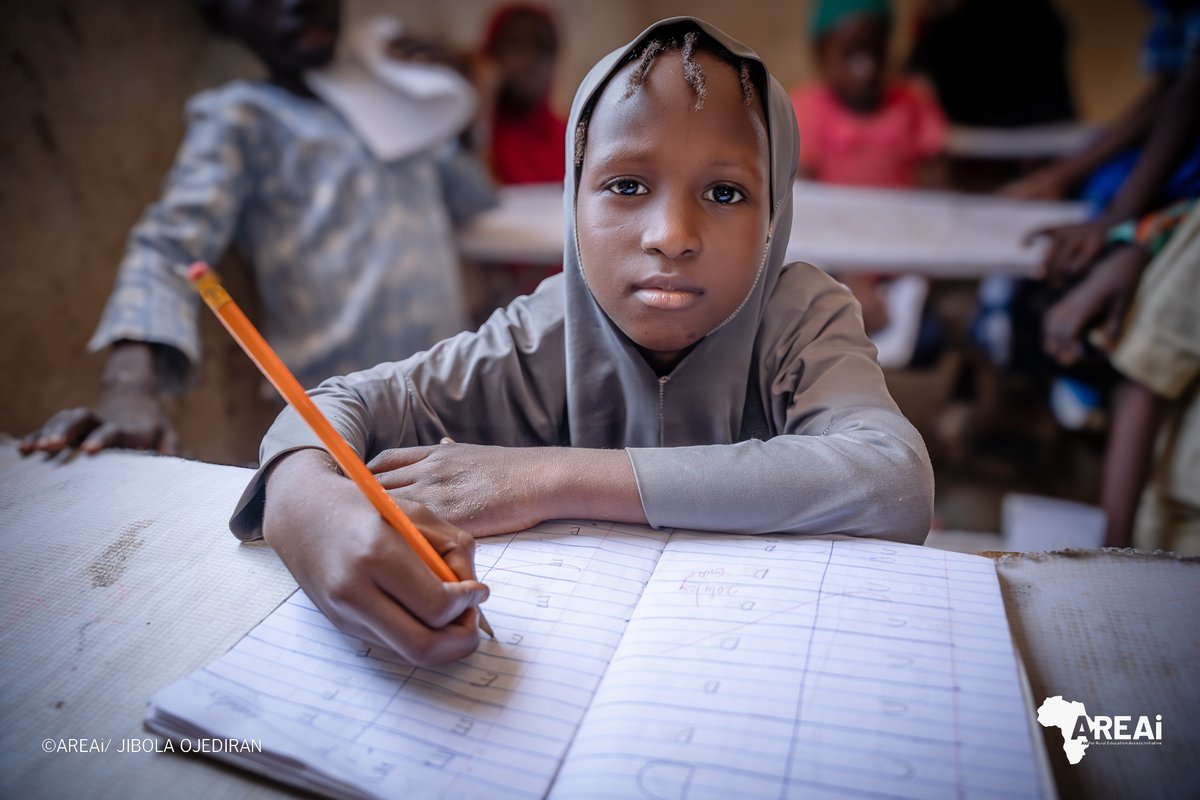
When we talk about access to education, we often assume it means the same thing: schools, enrollment, attendance figures. These are the indicators that appear in reports, get discussed in meetings, and are often used to measure progress.
But there is another dimension of access that numbers alone do not capture.
It exists in the gap between a child who can physically reach a school and a child who is actually learning. Between a system that has provided education in theory and a child who is meaningfully receiving it in practice. Between education that exists nearby and education that is relevant, responsive, and consistent enough to truly shape a child’s future.
That gap is where many children in Nigeria quietly disappear, not always from official records, but from the real experience of learning. They are present, yet unreached. Counted, yet underserved.
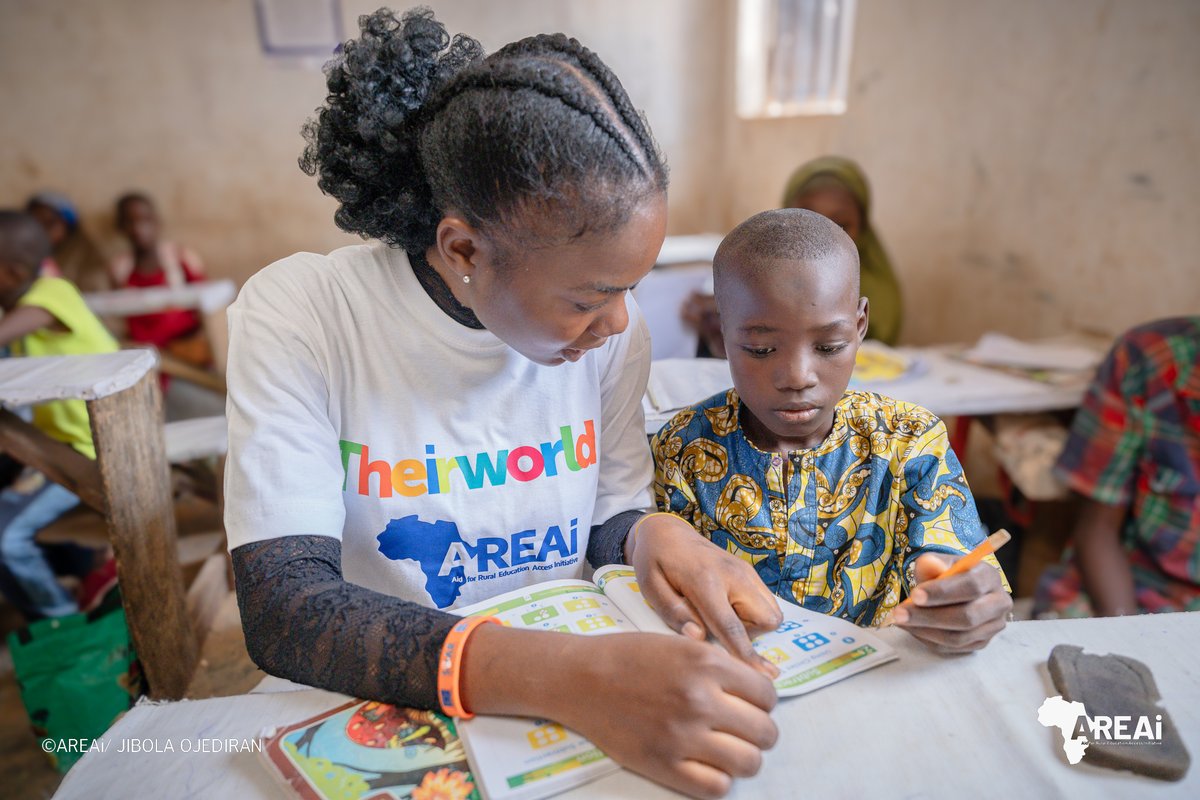
Addressing this challenge requires us to think differently about what access really means. It is not only about where schools are located, but whether what happens inside those classrooms reflects the realities of the children sitting in them. It is not only about getting children through the school gate, but ensuring that once they arrive, learning is meaningful enough to build confidence, growth, and opportunity over time.
This is the question AREAi has been working to address for years: not simply how to get children into schools, but how to make learning close enough, practical enough, and responsive enough to truly reach children who have historically remained just beyond the system’s grasp.
Learn more about our work: areai4africa.org
#AREAi #AREAi4Africa #AccessToEducation #LearningWithoutBarriers #EducationEquity #GirlsEducation #NigeriaEducation
2
5
44
When a senior colleague says, “use your head” and you take it very literally… 😭
Next thing, you’re nodding aggressively at your laptop, tapping your forehead like ideas will drop, even lightly “headbutting” the problem like it’s the solution.
Your teammates are explaining logic, and you’re there like, “don’t worry, I’m applying my head already.” 🤦🏽♂️
Turns out… they meant think, not demonstrate.
Follow @areai4africa to learn more about our programs.
#AREAi #AREAi4Africa #LearningWithoutBarriers #HumansOfAREAi #LifeAtAREAi #OfficeChronicles #WorkplaceHumor
7
112
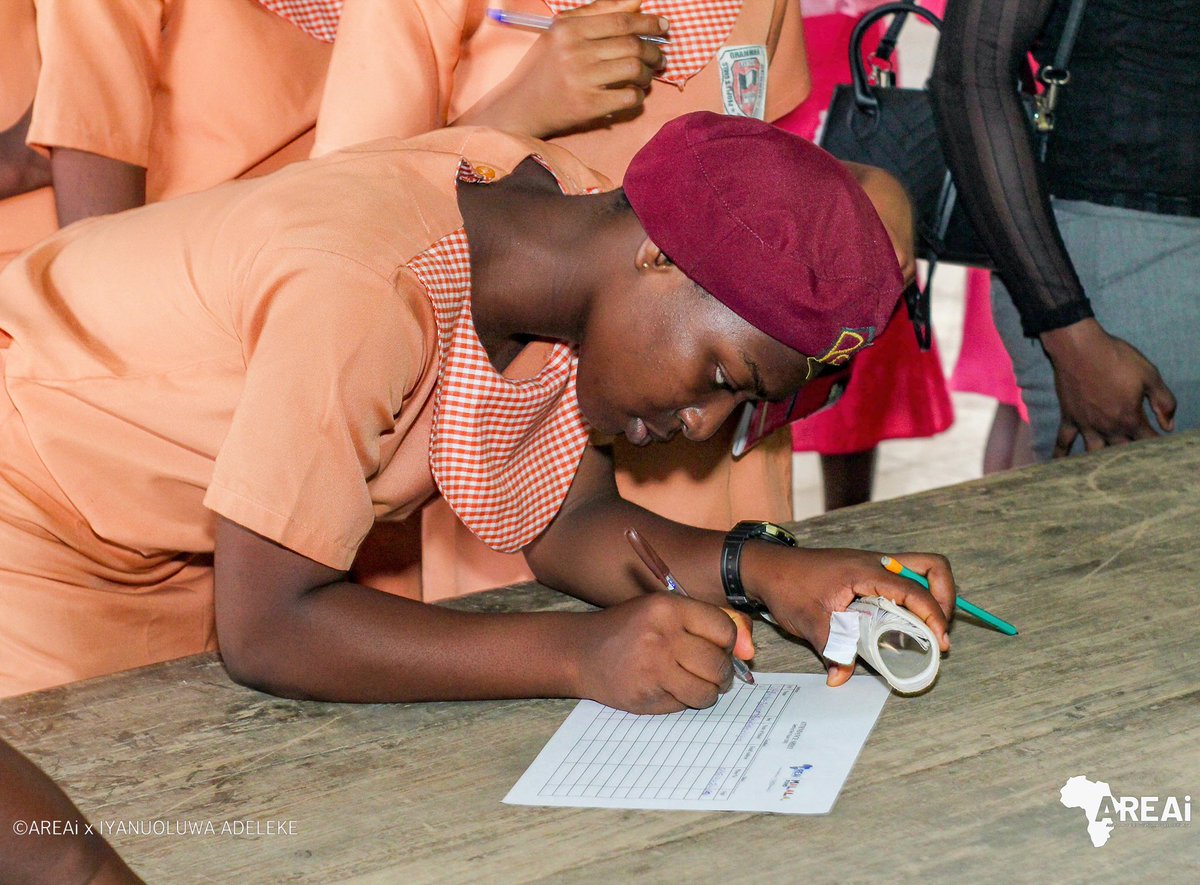
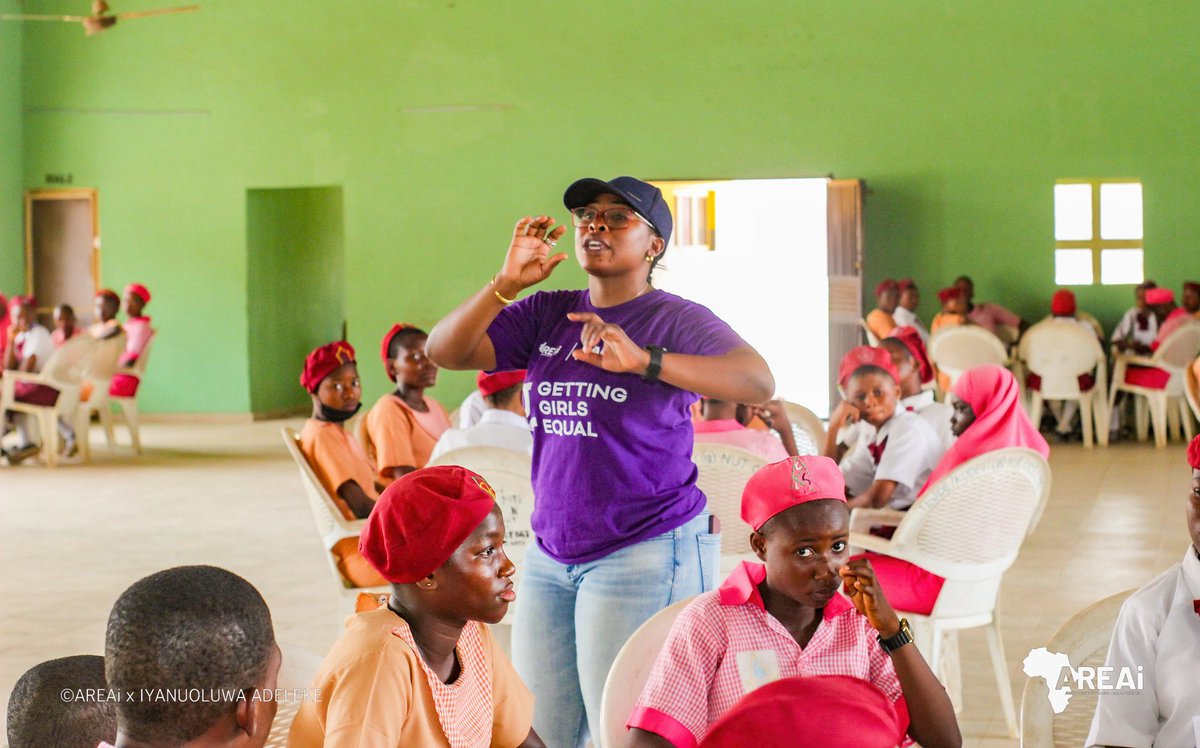
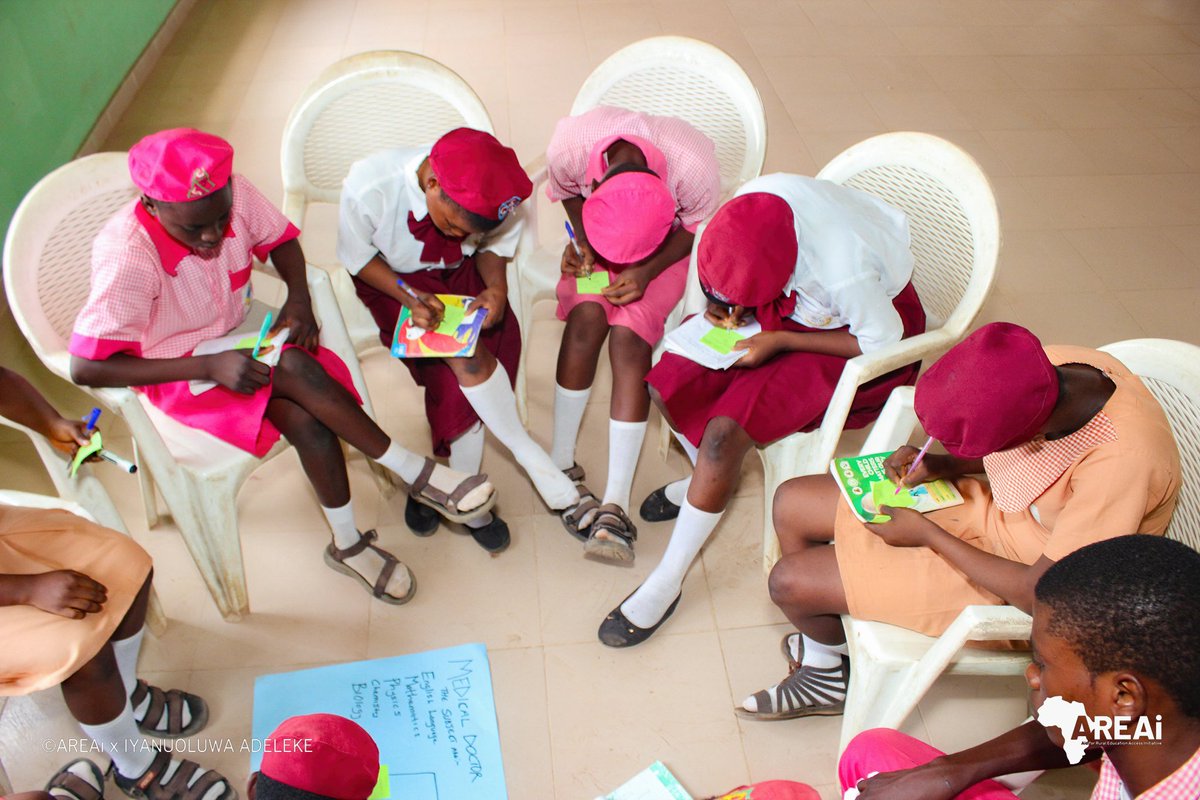
An education budget is more than a financial document; it is a reflection of who a government chooses to prioritize.
Gender-responsive education budgeting represents a shift from funding education systems in theory to funding education as it is experienced in reality, especially for girls whose access to learning is shaped by distance, safety, poverty, and other structural barriers that are too often overlooked.
This matters because when these realities are not considered in budgeting decisions, exclusion is no longer accidental. It becomes embedded within the system, quietly determining which children are more likely to be left behind before they even reach the classroom.
Yet, this continues not because the challenges are unknown, but because financing decisions are too rarely informed by the lived experiences of those most affected, particularly girls in underserved communities.
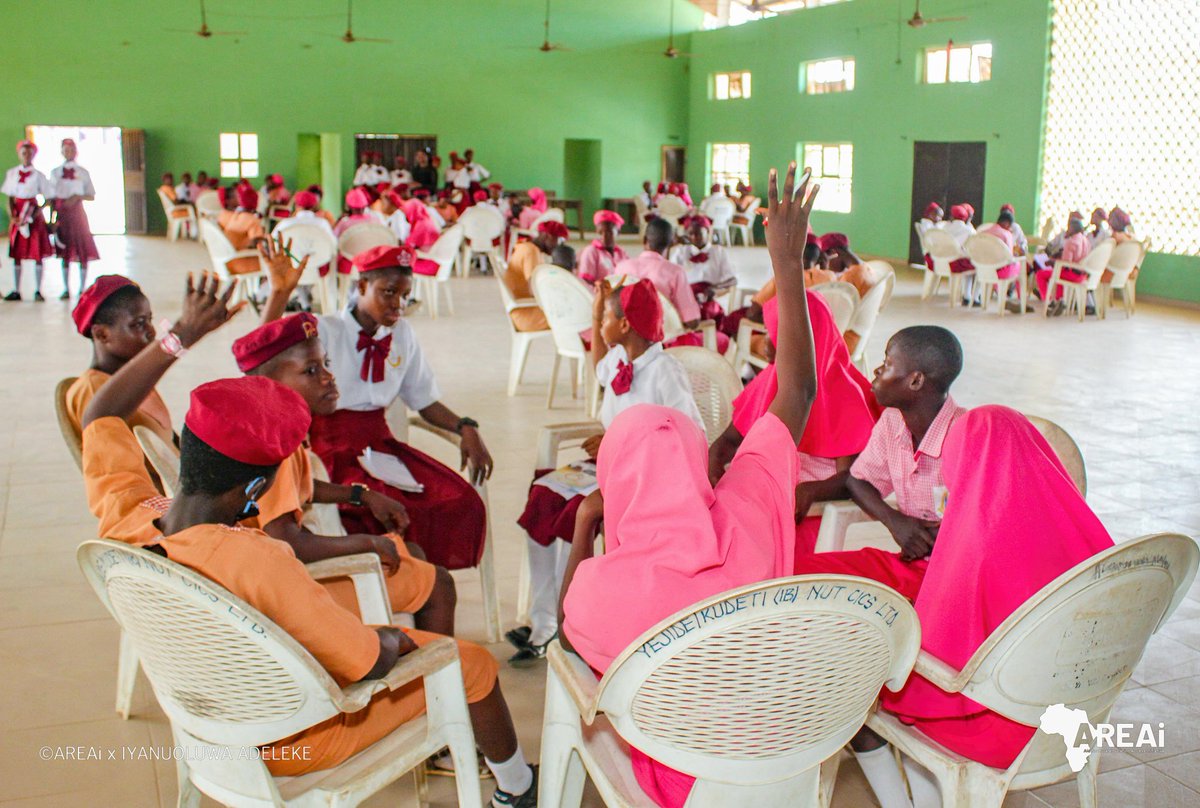
At AREAi, through the Getting Girls Equal programme, we are working with the Oyo State Government in Nigeria to support this shift, from education budgets that allocate broadly to education, to budgets that intentionally respond to the real barriers girls face in accessing and completing their education.
Because what gets funded gets implemented, and what gets ignored often remains broken.
Learn more: areai4africa.org
#AREAi #AREAi4Africa #GettingGirlsEqual #GenderResponsiveEducationBudgeting #LearningWithoutBarriers #GirlsEducation #NigeriaEducation
1
3
48
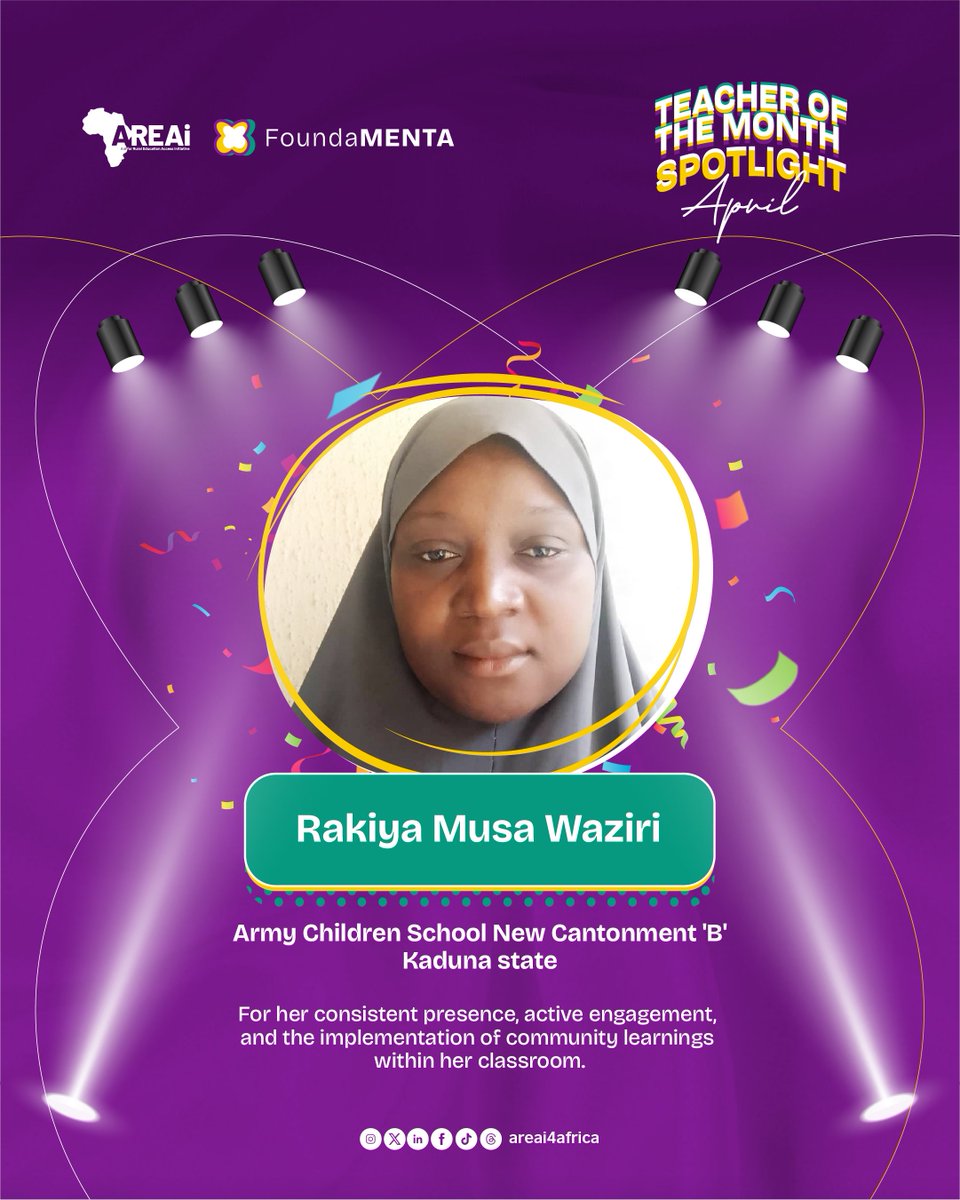
Consistency in the small things often leads to the biggest shifts in the classroom.
Across the FoundaMENTA Community of Practice, teachers are showing up, learning, engaging, and translating new insights into their everyday teaching.
Today, we celebrate Rakiya Musa Waziri, a teacher at Army Children School New Cantonment 'B' Kaduna, as our FoundaMENTA Teacher of the Month for April.
Her consistent presence, active participation, and clear effort to apply community learnings within her classroom reflect what this work is about, not just access to knowledge, but the commitment to use it.
She represents what becomes possible when teachers are supported and choose to grow.
Join us in celebrating her impact.
#AREAi #AREAi4Africa #LearningWithoutBarriers #AccessToEducation #FoundaMENTA #TeacherOfTheMonth #TeacherExcellence
1
7
63
What does it look like when teachers are not just trained, but consistently supported?
In this episode of #GetToKnowFoundaMENTA, Maureen London reflects on the shifts unfolding in classrooms as teachers begin to engage more intentionally with their practice.
From growing confidence to more responsive teaching, and deeper classroom engagement, the progress may be gradual, but it is clearly visible.
This is exactly what FoundaMENTA was designed to enable, not just through tools, but through continuous learning, guided support, and shared practice.
At the heart of this is the Community of Practice, a space where teachers are not working in isolation, but are consistently learning, reflecting, and improving together over time.
Watch this week’s episode to learn more about these changes and what is making them possible.
If you are a teacher seeking this kind of ongoing support, you can join the Community of Practice here: areai4africa.org/foundamenta…
#AREAi #AREAi4Africa #LearningWithoutBarriers #TeacherProfessionalDevelopment #FoundaMENTA
1
5
49
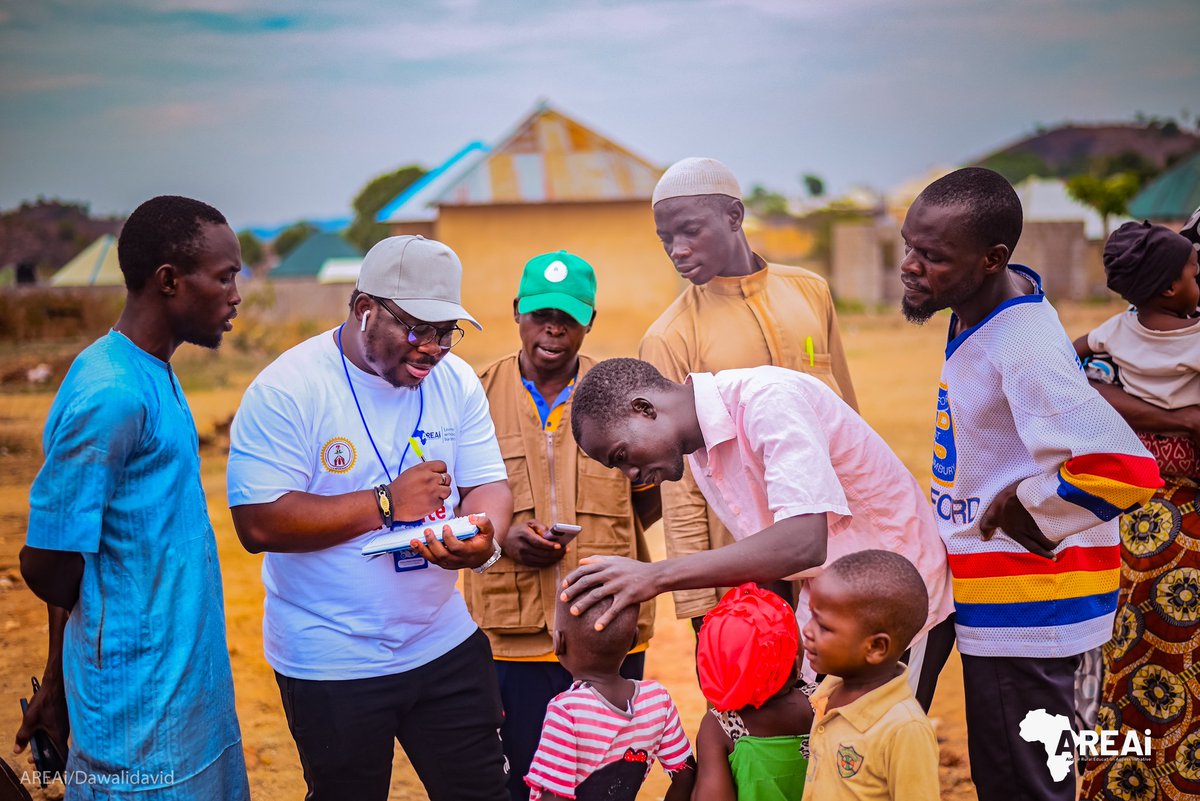
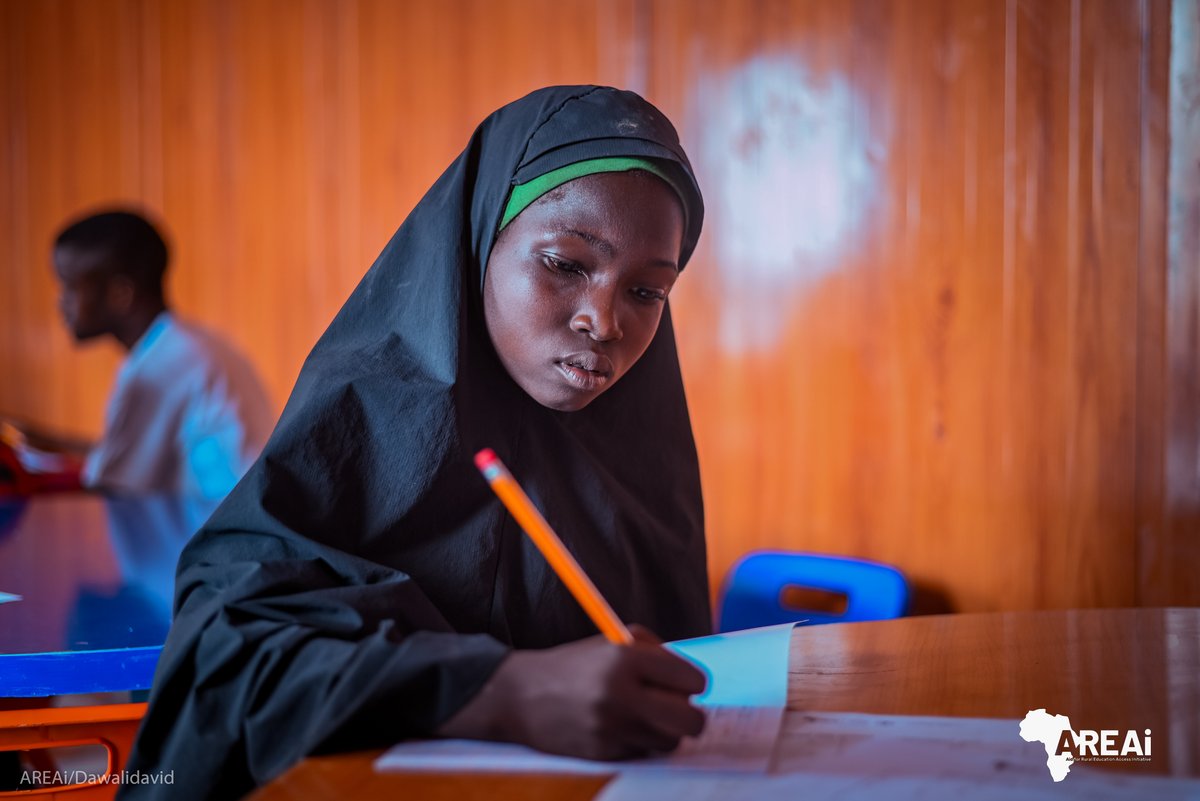
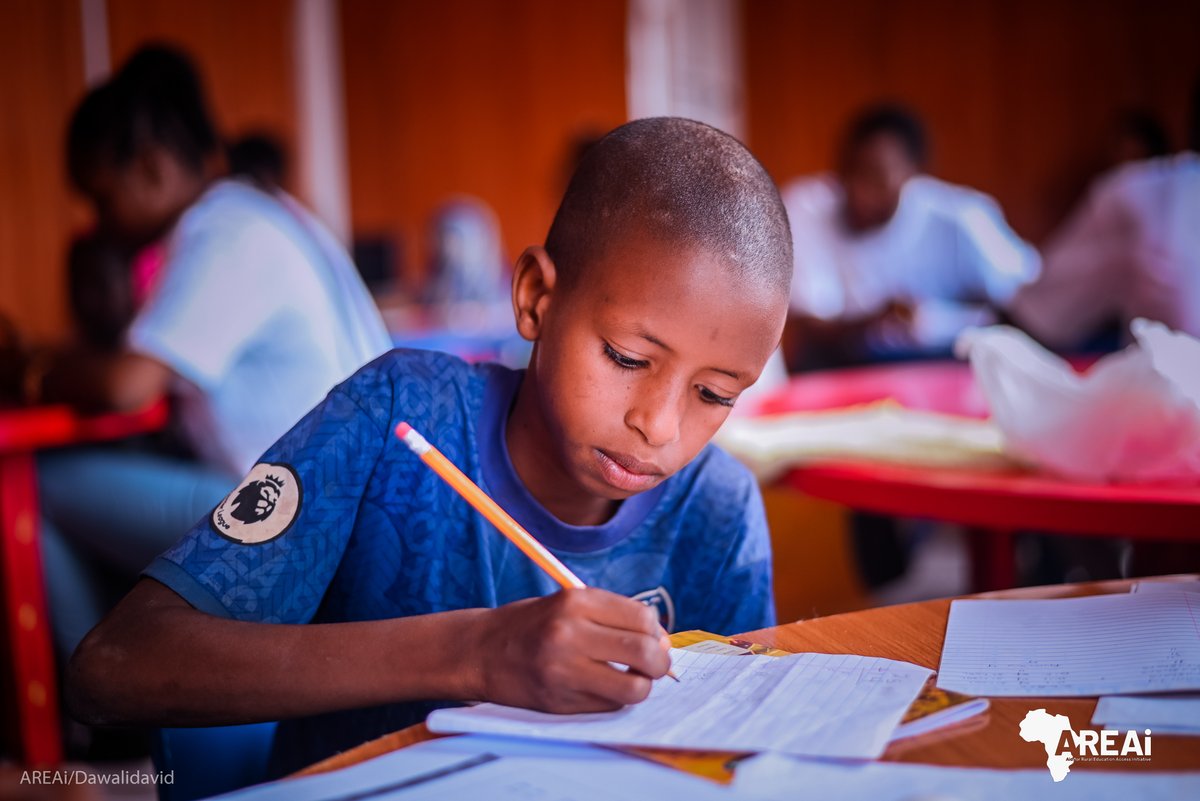
Across many communities that we have worked in, children are enrolled in school but are not acquiring the foundational skills they need to move forward.
They are present in classrooms, yet are unable to read with understanding.
They progress through grades, yet struggle with basic numeracy.
So while access has improved in many places, learning has not always kept pace.
This is where the real challenge lies.
Because access without learning does not open doors, it simply delays the moment when gaps become harder to close.
At AREAi, our focus goes beyond getting children into school. We work to strengthen what happens within the classroom, supporting teaching practices, improving learning experiences, and ensuring that children are not just present, but progressing.
This means paying attention to how children learn, how teachers teach, and what support systems are in place to make learning possible, especially in underserved and low-resource contexts.
Education only becomes meaningful when it equips children with skills they can build on and until learning is at the center of access, the promise of education remains incomplete.
Learn more about our work: areai4africa.org
#AREAi #AREAi4Africa #LearningWithoutBarriers #AccessToEducation #FoundationalLearning
2
6
69
Why Digital Skills Accelerator (DSA), and what makes it different?
The digital gender gap is no longer a future problem , it is already shaping who gets access to opportunity and who is left behind.
In this episode of #GetToKnowDSA, we explore the rationale behind the Digital Skills Accelerator for Women and Girls, and the thinking that shaped its design.
DSA is a deliberately structured programme, tailored to the realities of girls and young women. It goes beyond basic exposure to technology, offering a progressive learning pathway that meets them at their current level and supports them toward meaningful digital competence.
Watch Episode 1 to understand the foundation of the program and the approach guiding its implementation.
#AREAi #AREAi4Africa #LearningWithoutBarriers #GetToKnowDSA #DigitalSkillsAccelerator #DigitalInclusion
1
5
76