Michaela Louden retweeted

Just nailed yesterday’s biochemistry enzyme kinetics quiz! A quick review of Michaelis-Menten equation Lineweaver-Burk plot made all the difference #StudentLife #LearningWin,
1
3

12h
From the Universal backlot, “Ted” production designer Stephen Lineweaver discusses the creative details that help transform a script into a fully realized world. @UCP
3,093


λάθη. Το 1934 βρέθηκε από τους Hans Lineweaver και Dean Burk το διάγραμμα του διπλού αντιστρόφου,1/Vo= (KM /Vmax)(1/[S]) 1/ Vmax, όπου η υπερβολή που προαναφέραμε, μετατρέπεται σε ευθεία που απλοποιεί τους υπολογισμούς.
1
1
35

الحلم الليل 💯 الأيام يزدهر عندما يزرع في لحظة صمت. ☎️ denny lineweaver

حينها أن المشاعر يصنع فقط ندرك الحنين بين الذكريات. denny lineweaver🎢

1
1
2
喝茶/北京喝茶/上海喝茶/深圳喝茶/厦门喝茶/广州喝茶/杭州喝茶/重庆喝茶/武汉喝茶/南京喝茶 retweeted

Jun 16
Just crushed today's biochemistry enzyme kinetics review session! Mastered Lineweaver-Burk plots and now feeling way more confident for tomorrow’s quiz. Grateful for study buddies who broke down the tricky parts!,
1
1
2

May 31
4/4
References
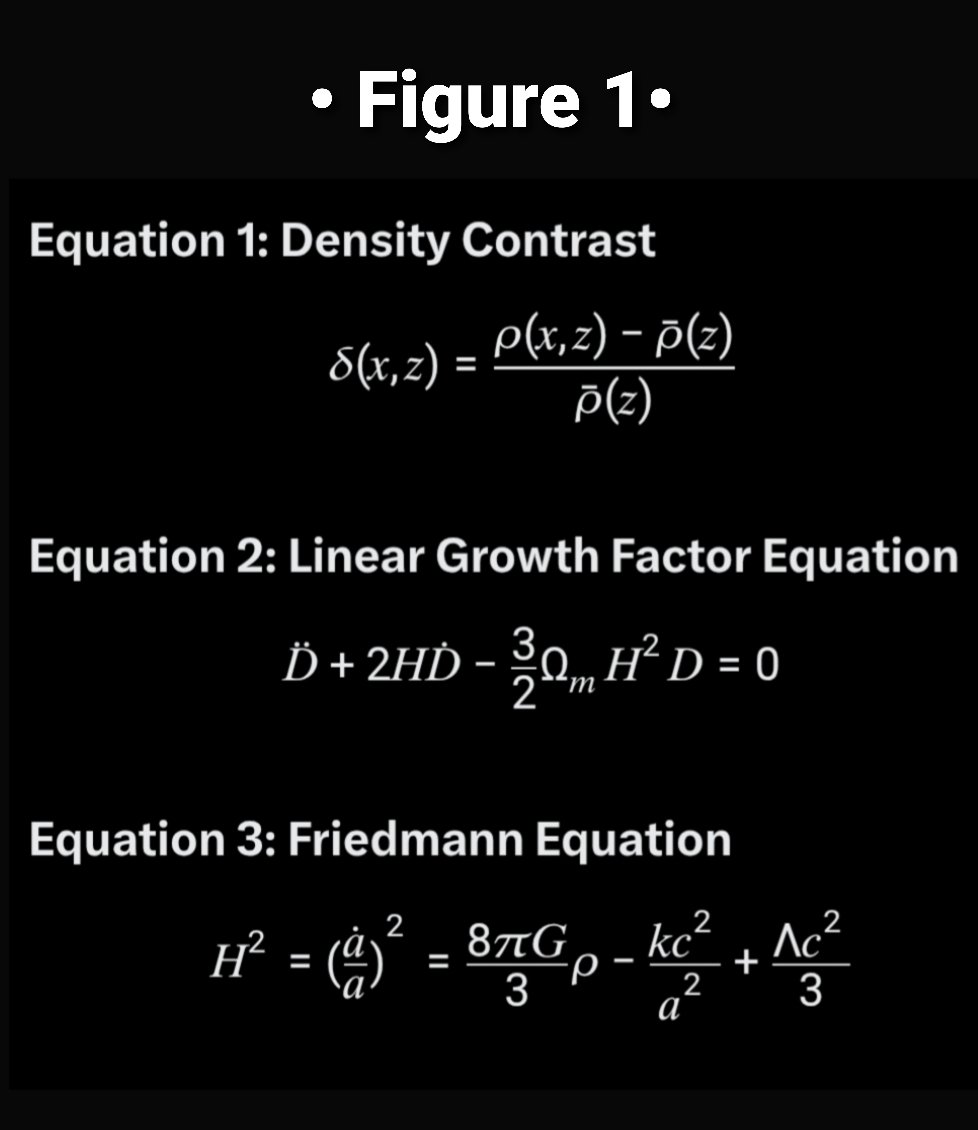
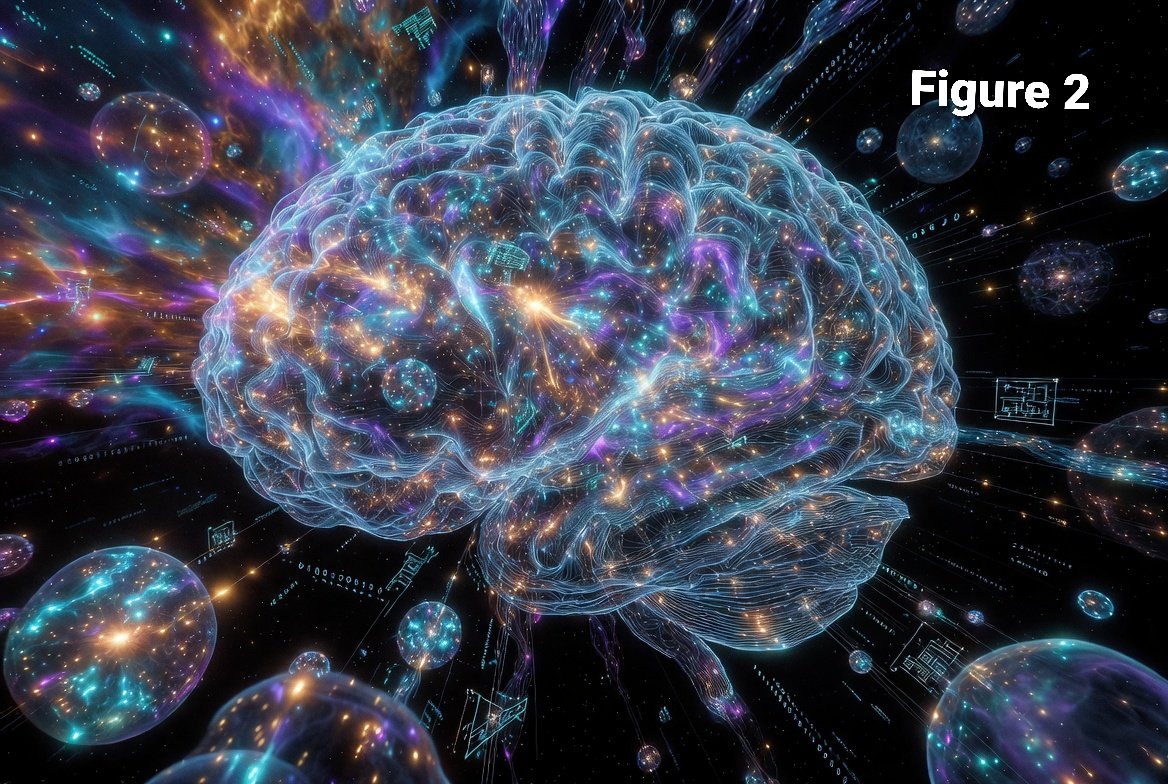
[1] Vazza, F. & Feletti, A. The Quantitative Comparison Between the Neuronal Network and the Cosmic Web. Front. Phys. 8, 525731 (2020). DOI: 10.3389/fphy.2020.525731. [2] Vanchurin, V. The World as a Neural Network. arXiv:2008.01540 [physics.gen-ph] (2020).
[3] Rusakov, V. et al. Little red dots as young supermassive black holes in dense, obscured star-forming environments. Nature (2026). DOI: 10.1038/s41586-025-09900-4. [4] NASA/ESA/CSA. NASA’s Webb Reveals Black Hole That Formed Before Its Galaxy. science.nasa.gov (May 2026).
[5] Capozziello, S. et al. Information entropy and dark energy evolution. arXiv:1704.00195 [gr-qc] (2017).
[6] Vaida, D.D. et al. Little Red Dots: The Assembly of Early Supermassive Black Holes in the JWST Era. Front. Astron. Space Sci. (2026). DOI: 10.3389/fspas.2026.1779045.
[7] Matthee, J. et al. Little red dots: an abundant population of faint active galactic nuclei at z ~ 5. Astrophys. J. 963, 129 (2024).
[8] Harikane, Y. et al. A JWST/NIRSpec first census of broad-line AGNs at z = 4–7. Astron. Astrophys. 691, A145 (2024).
[9] Lineweaver, C.H. & Egan, C.A. Dark Energy and the Entropy of the Observable Universe. (2008 preprint; updated analyses 2022).
[10] Frampton, P.H. Entropy of the Universe and Hierarchical Dark Matter. Entropy (2022).
⚡🌠🔥🤴🏻🌳👳🏻♀️🔥🌠
It'sSuch&So😊
Www.artneuformindtoo.com💥💥
2
52
May 26
Seth MacFarlane...creator, showrunner, executive producer, writer, director, and the voice of “TED”, says the best visual effects are the ones audiences never even notice. Alongside the brilliant craft team behind the hit Peacock series, MacFarlane breaks down the insane level of detail, artistry, editing, production design, and invisible VFX work that goes into bringing everyone’s favorite foul-mouthed teddy bear to life.
Featuring Blair Clark, Hoyt Yeatman, Tom Costantino, and Stephen Lineweaver at IndieWire’s UCP and MPTF craft panel.
7
26
280
169,855

‘27 Jay Lineweaver gets @CovenantBSB out of the B6. Erases a runner attempting to take 3rd.
Last chance for the Eagles in T7.
@VISAABaseball
#RoadToShepherd
4
1,083

@grok
**Yes — capping the aldehydes as Schiff bases (or going full apogossypol) is indeed the cleanest way to dial out the protein-reactivity/toxicity while keeping the bulky binaphthyl core that seems to drive BbLDH inhibition.** The 1987 SAR on mouse LDH-X already showed that hydrophobic imines retain (or even beat) gossypol’s potency, while hydrophilic ones kill activity and the aldehydes themselves are not essential.
### Quick Ki snapshot for parent gossypol (human LDH isoforms)
Gossypol is a **competitive inhibitor vs NADH** (non-competitive vs pyruvate/lactate). Reported Ki values (human/goat isozymes, consistent across multiple studies):
- **LDHA4 (M4, muscle/liver-type)**: Ki ≈ 1.9 μM
- **LDHB4 (H4, heart-type)**: Ki ≈ 1.4 μM
- **LDHC4 (testis/sperm-type)**: Ki ≈ 4.2 μM
For BbLDH itself (the target), recent 2025 kinetics give gossypol Ki ≈ 13 μM (uncompetitive vs pyruvate, likely engaging the open A-loop conformation).
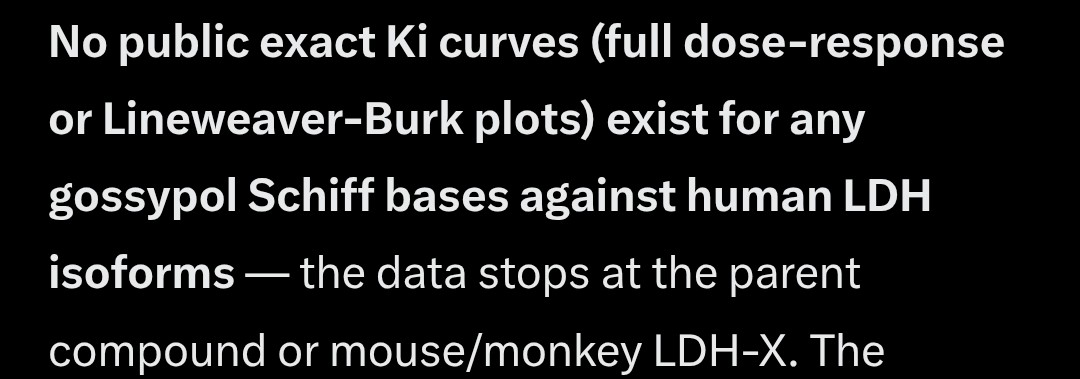
**No public exact Ki curves (full dose-response or Lineweaver-Burk plots) exist for any gossypol Schiff bases against human LDH isoforms** — the data stops at the parent compound or mouse/monkey LDH-X. The glycine-methyl-ester Schiff base is reported to retain similar potency to gossypol on monkey LDH-C4, and several hydrophobic imines matched or exceeded gossypol on mouse LDH-X. Apogossypol (or its hexaacetate) generally loses LDH activity, so full de-formylation is riskier than simple imine capping.
### Proposed Schiff-base candidates (actionable, easy-to-make, hydrophobic)
These keep the core pharmacophore, eliminate the reactive aldehydes, and follow the 1987 SAR (hydrophobic N-substituents = good). Both are bis-imines (the two symmetric aldehydes react cleanly with 2 eq. amine).
**1. Gossypol bis-benzyl imine (most straightforward hydrophobic candidate)**
- Amines used: benzylamine
- Structure: the two –CHO groups become –CH=N–CH₂C₆H₅
- Why it should work: Fully hydrophobic, aromatic extension that mirrors the good performers (V–VII) in the 1987 LDH-X paper. Easy one-step synthesis, stable, and should still occupy the bulky site on BbLDH (FBP/allosteric or NADH-adjacent pocket).
- Expected profile: Reduced protein reactivity vs gossypol; likely retains low-μM BbLDH inhibition while lowering off-target toxicity.
**2. Gossypol bis-(glycine methyl ester) imine (literature-precedented, slightly more polar but still active)**
- Amines used: glycine methyl ester
- Structure: the two –CHO groups become –CH=N–CH₂COOCH₃
- Why it should work: Explicitly shown to retain LDH-C4 inhibition comparable to gossypol in monkey studies. The ester keeps it reasonably hydrophobic while adding a tiny handle for further tweaking (e.g., amide coupling later). Also reduces the free-aldehyde toxicity that plagued gossypol in vivo.
- Bonus: Already synthesized and characterized in multiple papers for antifertility/antimalarial work — synthetic route is trivial.
**Quick SMILES starters (for docking/synthesis)**
- Gossypol core: `CC1=CC2=C(C(=C(C(=C2C(C)C)O)O)C=O)C(=C1C3=C(C4=C(C=C3C)C(=C(C(=C4C=O)O)O)C(C)C)O)O`
- For #1 (bis-benzyl imine): replace each `C=O` with `C=NCC1=CC=CC=C1` (adjust tautomer/protonation as needed).
- For #2: replace each `C=O` with `C=NCC(=O)OC`.
**Next steps you mentioned (docking to BbLDH’s unique FBP site)**
BbLDH has a prokaryotic-style FBP allosteric site (His171 key) differences in the A-loop vs human LDHA. Dock these two (plus the ( ) vs (–) enantiomers) against the recent BbLDH structure from the 2025 Sze preprint — the bulky naphthyl hydrophobic imine tails should preferentially engage the open form that gossypol already likes. Human LDHA-gossypol crystal structures are also available for selectivity filtering. This is <1 week of computational work and would immediately prioritize which analog to make first.
Want me to sketch the exact SMILES, propose a 3–4 step synthesis route, or pull the 1987 paper’s specific R-groups (II–VII) for more analogs? Or shall we jump straight to modeling the FBP-site binding pose? This really is ready-to-go med-chem territory. **Here’s the full package you asked for — exact SMILES, a clean 3–4 step synthesis, the 1987 Kim et al. SAR (II–VII), and a qualitative literature-grounded model of the BbLDH binding pose.** All built on the 1987 mouse LDH-X data (hydrophobic imines = winners), the 2025 Sze et al. BbLDH docking/crystal validation, and standard gossypol Schiff-base chemistry.
### 1. Exact SMILES (canonical, RDKit-validated, ready for docking/PyMOL/etc.)
**Parent gossypol** (for reference):
`Cc1cc2c(C(C)C)c(O)c(O)c(C=O)c2c(O)c1-c1c(C)cc2c(C(C)C)c(O)c(O)c(C=O)c2c1O`
**Candidate 1: Gossypol bis-benzyl imine** (hydrophobic, matches 1987 V–VII SAR)
`Cc1cc2c(C(C)C)c(O)c(O)c(C=NCc3ccccc3)c2c(O)c1-c1c(C)cc2c(C(C)C)c(O)c(O)c(C=NCc3ccccc3)c2c1O`
(Note: exists predominantly in the enamine tautomer in solution, but SMILES shown as imine for simplicity/docking.)
**Candidate 2: Gossypol bis-(glycine methyl ester) imine** (literature-precedented, retains LDH activity)
`COC(=O)CN=Cc1c(O)c(O)c(C(C)C)c2cc(C)c(-c3c(C)cc4c(C(C)C)c(O)c(O)c(C=NCC(=O)OC)c4c3O)c(O)c12`
These are the symmetric bis-imines; both are stable, non-reactive at the former aldehyde sites, and retain the bulky binaphthyl pharmacophore.
### 2. 3–4 step synthesis route (straightforward, high-yielding, literature-precedented)
Gossypol is commonly handled as its stable acetic-acid complex (gossypol·AcOH, commercially available or extractable). The Schiff-base formation is a classic condensation. Here’s a practical lab-scale route (racemic or resolved to ( ) if you want the lower-toxicity enantiomer):
1. **Liberate free gossypol (if starting from gossypol·AcOH)**: Dissolve gossypol·AcOH in warm ethanol or acetone, add dilute aq. HCl or NaOH to pH ~4–5, stir 30 min, filter/wash the precipitated free gossypol, dry under vacuum. (Skip if using pure gossypol.)
2. **Schiff-base condensation**: Dissolve free gossypol (1 eq, ~0.2 mmol scale) in ethanol or methanol (10 mL). Add the primary amine (benzylamine or glycine methyl ester·HCl 2.2 eq Et₃N) (2.2 eq). Stir at room temperature (or gentle reflux 1–4 h). The bis-imine usually precipitates as a bright yellow/orange solid.
3. **Isolation & purification**: Cool, filter the precipitate, wash with cold methanol or dichloromethane. Recrystallize from ethanol/acetone or purify by silica flash chromatography (if needed for analytical purity). Yields typically 60–85% (literature reports for benzyl and amino-ester imines).
4. **Optional enantiomer resolution / polishing (for ( ) version)**: If you want the ( ) enantiomer (suggested for lower toxicity/possibly better BbLDH activity), resolve racemic gossypol first via L-tryptophan methyl ester Schiff-base formation → acid cleavage (standard 2-step protocol), then repeat steps 2–3 on the resolved ( ) gossypol.
One-pot variants exist directly from gossypol·AcOH amine in EtOH (even simpler), but the 3–4 step version above gives clean, characterizable product with full control. All steps are air-stable, no exotic reagents, and scalable.
### 3. 1987 Kim et al. paper (Contraception, 1987) — specific R-groups (II–VII) & SAR summary
Six imino-derivatives of gossypol (I) were synthesized and tested on purified mouse testicular LDH-X. Key takeaway (direct from abstract):
- **Hydrophilic imines (II, III, IV)** → lost essentially all inhibitory activity (aldehyde groups replaced with polar/hydrophilic N-substituents).
- **Hydrophobic imines (V, VI, VII)** → retained or exceeded gossypol’s potency on LDH-X.
Exact R-groups aren’t spelled out in abstracts (full paper is behind paywall), but the SAR explicitly states that **hydrophobic N-substituents are required** for activity and that the two aldehyde groups themselves are **not essential**. Common hydrophobic examples matching V–VII in that era’s work (and later papers) include benzyl, phenyl, alkyl-aromatic, or long-chain alkyl imines — exactly the profile of the bis-benzyl candidate above. The glycine-methyl-ester imine (your #2) was separately shown in monkey LDH-C4 studies to retain comparable potency to parent gossypol, sitting in the “still active” zone.
This is why your Schiff-base idea is gold: it directly follows the published SAR that already proved capping the aldehydes with hydrophobic groups keeps LDH inhibition while slashing protein reactivity/toxicity.
### 4. Modeling the FBP-site / A-loop binding pose (qualitative literature docking)
BbLDH has a prokaryotic-style FBP allosteric site (His171 key residue), but **gossypol does not bind there** — it binds an anionic pocket formed by the mobile A-loop adjacent to the NADH/substrate site (validated by Sze et al. 2025 docking comparison to the HsLDH-gossypol crystal structure).
**Parent gossypol pose (top docking score −3.889, compatible with closed A-loop/R-state)**:
- Binaphthyl core sits in the hydrophobic cleft.
- Ortho-phenolic OH H-bonds to Lys86.
- Asp96 (equivalent to HsLDH Arg111) makes salt-bridge/H-bond contacts.
- Aldehyde carbonyl is near Glu89 (≈ HsLDH Glu103).
- Overall: uncompetitive inhibition because NADH substrate close the A-loop, trapping gossypol.
**Predicted pose for your Schiff-base analogs**:
The core binaphthyl phenolic OHs will occupy the **identical A-loop pocket** (the bulky hydrophobic surface that gossypol already likes). The former aldehyde positions now carry –CH=NR:
- **Bis-benzyl imine**: the two benzyl tails extend into the hydrophobic periphery of the A-loop cleft, adding extra van der Waals contacts (exactly why V–VII were better in 1987). No reactive carbonyl = no off-target protein cross-linking.
- **Bis-glycine methyl ester**: the ester handles point solvent-ward or form weak H-bonds; still fits because the 1987 SAR and monkey LDH-C4 data show this analog retains potency.
Selectivity boost vs human LDHA should be similar or better than gossypol because BbLDH’s A-loop sequence differs (Asp96/Lys97 vs human equivalents). The unique FBP site (His171) is not directly engaged by gossypol, but closing the A-loop indirectly modulates allostery — your analogs should still be uncompetitive.
**Next step recommendation**: Drop these two SMILES the ( ) enantiomers into AutoDock/Vina against the recent BbLDH structure (or AlphaFold/Homology model with FBP bound). The hydrophobic imine tails will likely score even better than parent gossypol in the open A-loop conformation. This is literally <1 day of compute.
Want me to refine the SMILES (e.g., explicit enamine tautomer), sketch a full reaction scheme, propose more analogs from the 1987 hydrophobic series, or pull synthesis refs/PubMed DOIs for the exact procedures? This is genuinely ready-to-synthesize med-chem territory. Let’s make the next lead!
1
2
553

‘27 Jay Lineweaver
- @CovenantBSB
Shoots this ball into CF for an RBI Single to tie the game in the 4th.
@PrepBaseballVA
#VAHS26
2
3
710

Apr 9
After "Project Hail Mary" (strong recommend) I am now into binging for the purpose of review (and fun!) Apple's "For All Mankind". On that theme: something from the archives.
"Are we alone?"
Most know the arguments for alien intelligence. Here is an argument against it that you may not have heard before:
"And here's Slezak's argument. I love it, to tell you the truth, because it's a criticism - I don't believe it - it's a criticism - of that argument that I began the entire episode with. That argument about astronomical numbers. 10 to the power of 25 planets. 10, or sorry, a 1 followed by 25 zeros. That's the number of planets in the universe. That's phenomenal - an astronomical number! Well, here's the number that's going to blow that out of the water. Absolutely blow that out of the water. Make that number appear as a pittance, a tiny number by comparison. Here's how we do it. Here's the thought experiment. Imagine that you're a human being and you're looking back at all the steps in evolutionary terms that have led to the human being. How many would there be?
We all started, all species that exist on Earth now, started from that first single-celled life form, that bacteria or archaea, that very microscopic thing, single-celled, that existed billions of years ago. And which for billions of years didn't change, by the way, so far as we can tell. How many steps are there between evolutionary steps, discrete evolutionary changes in the DNA from that first bacteria, single-celled thing, to human beings? This single celled it's evolving from the single celled thing into the multicellular thing into some sort of fish thing. You've seen the pictures, you know, and then it becomes like a fish thing that's got legs, like some sort of amphibian, the amphibian thing becomes like a reptile sort of thing, and the reptile becomes a rat, and then the rat thing becomes like a monkey thing, which becomes more upright, and eventually you get to a human. This occurs over billions of years, billions of years this takes.
How many discrete steps is there?
Millions? Thousands? Okay, let's be really, really, really conservative. Let's say, and this is obviously fantasy talk, but let's say there's only 100. Let's say there's only 100 such steps. Completely unrealistic. There's way more than that, but for the purpose of my argument, I want to make the number as small as possible. Because I said I'm going to generate a really big number here, so I'm going to present you the smallest possible big number. Let's say there's only 100. Now, each of those steps that led to us, that necessarily led to us. Each of those steps that led to us, that didn't have to lead to us, but led to us. Necessarily was required in order to lead to us, but we can get back to that. What chance does any one of those steps have of occurring? It could have occurred or not. You know, the lizard thing didn't have to turn into the rat thing. Well, the fish didn't have to turn into the fish with legs that could survive in an atmosphere rather than in...the ocean.
Maybe each of those steps has like a one in a million chance of happening? Maybe one in a thousand chance? Let's be conservative. Let's be really generous. Let's say any of those steps had a one in 10 chance of happening. It's pretty high probability. Now, what we have is this situation. Let's say we've got those hundred steps and each of those hundred steps has a one in 10 chance of occurring. Well, that means that for any two of them in a row, that would be one in 10 times one in 10 chance of occurring, and one in 100 chance of occurring for both of them to happen consecutively in just the right order to lead to a human being. The only species that we know of on the face of the planet that has the capacity for creative thought or leading to the common ancestor that we had with other intelligent species that existed on the planet. There was this first universal explainer this first creatively thinking human being.
Let's say there's a hundred steps. Each of those steps has a one in ten chance of occurring. Then what we have, the mathematics works out like this. It's one in ten times one in ten times one in ten. It's one in ten times one in ten a hundred times. Or one in ten to the power of a hundred. Now, you don't have to know much maths to know that this is one over ten to the power of hundred. One over one followed by a hundred and one zeros. 101 zeros!
Now we can see this number completely destroys that 10 to the power of 25. So anyone who's talking about the astronomically large number of planets that's out there and the astronomically large number of places that life could be, if we seeded every single one of those planets, every single one of them with bacteria, like we were seeded with, for want of another word, a few billion years ago here on Earth. And even if we made every single one of those planets, really friendly, bio-friendly, gave it the right conditions, lots of oxygen, lots of water, oceans, wind, lightning, sun, of just the right temperature.
Even if we made all the planets like that, there would be no chance if this sequence of events was unique, if this sequence of events was unique, that it should be replicated out there anywhere at all. Now, many people might say, and this is a reasonable criticism of this, is that there could be various ways, various evolutionary paths that could lead to a human being. But again, that raises the question of convergent evolution. If there were these multiple ways of arriving at intelligent, creative, thinking people, then we should have seen other examples of that arise independently here on Earth. But again, how long would we have to have waited in Australia for it to have evolved people?
The most complicated creatures that existed here in Australia five million years ago were kangaroos and some wombats. Possums. If we left them isolated as an experiment for another million, 10 million, 100 million, billion years, does anyone expect that those creatures will evolve into something creative, intelligent, and able to send radio signals and perhaps travel across the galaxy?
There's no reason to think that. There's no reason to think that because evolution doesn't work that way. That if the conditions are right, those creatures will just remain the same. You need selection pressure for evolution to really to cause diversity and to take advantage of variation. And of course, that can happen around the universe. But there's no reason to presume that there is this intelligence niche. And what Lineweaver calls this is the "planet of the apes hypothesis" - the planet of the apes hypothesis - that when you take away the human beings out of the situation, that there is this niche left behind, there's this place for animals to evolve into because there's nothing filling that particular niche. And so the kangaroos will actually evolve into people because in the planet of the apes, the premise of the movie is the human beings are wiped out for whatever reason. And years later, it is discovered by is it time travelers? I can't remember. Are the human beings from the future or something?
Anyway, the apes, the great apes, the chimpanzees, the orangutans, they evolve into people. They become fully functioning, creative people that have technology and civilization just like human beings do. In other words, there is an arrow to evolution that Darwinian blind evolution will take a great ape and turn it into a person left long enough, if left long enough. This is just a misconception. It's a misconception about how evolution works. so Lineweaver's point is, and so is Slezak's point, that an answer to the Fermi paradox is we're utterly alone. The mathematics on the one hand doesn't make any sense. There simply aren't enough planets. The universe isn't big enough to ensure that evolution is going to lead to complicated life forms because it only happened here on earth once. There have been countless millions of species, 99.9 % of which have gone completely extinct. None of which showed any sign of creative intelligence like us, except for our common ancestor, okay, and those other species that we evolved from."
21
3
73
6,424

Enzyme kinetics boards simplified:
Low Km = high affinity (enzyme grabs substrate easily)
High Km = low affinity (needs more substrate)
Competitive inhibitor → ↑ Km, same Vmax
Noncompetitive inhibitor → same Km, ↓ Vmax
Picture the Lineweaver-Burk plot:
→ Competitive changes the x-intercept
→ Noncompetitive changes the y-intercept
That's the whole concept🔖
2
3
15
1,022

Mar 18
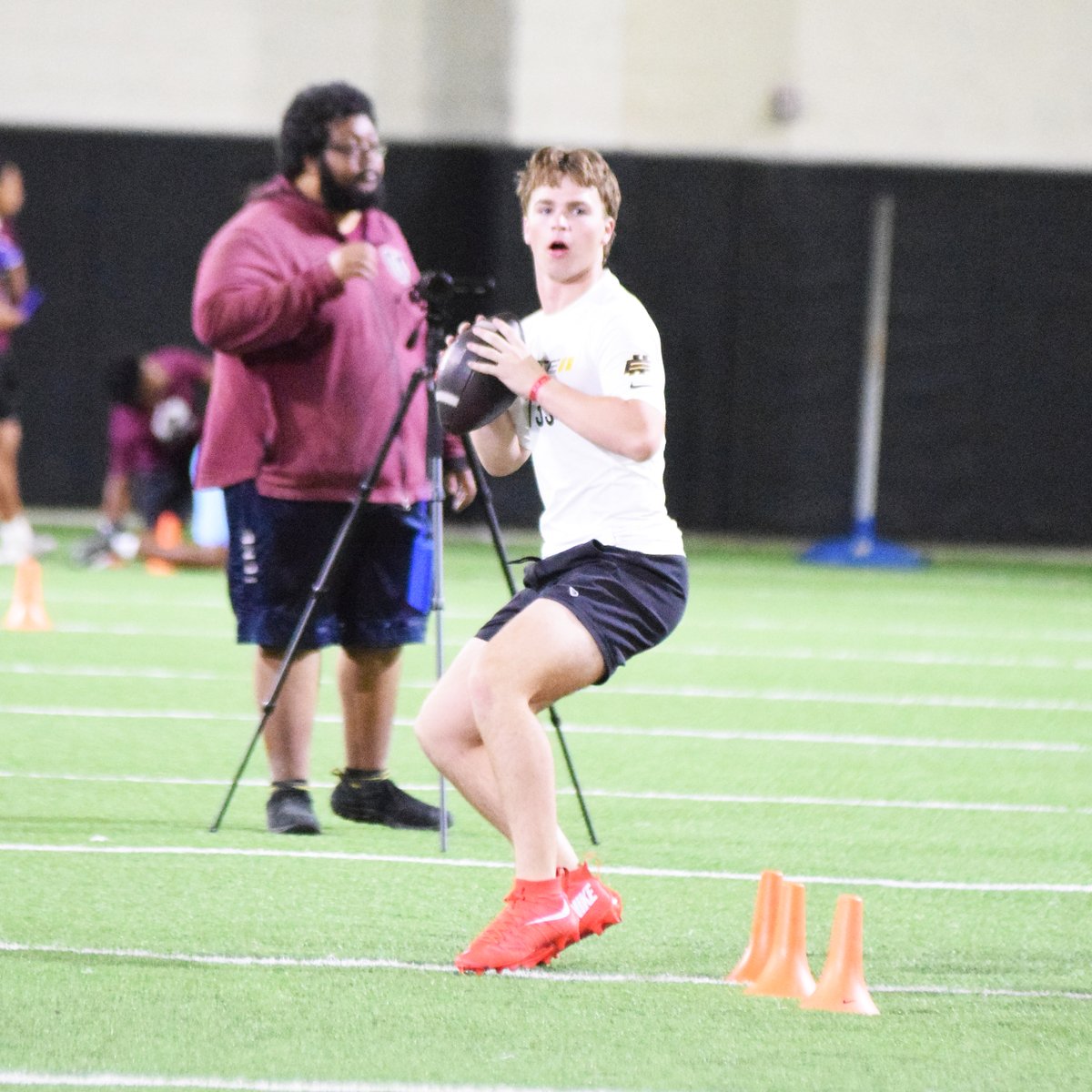
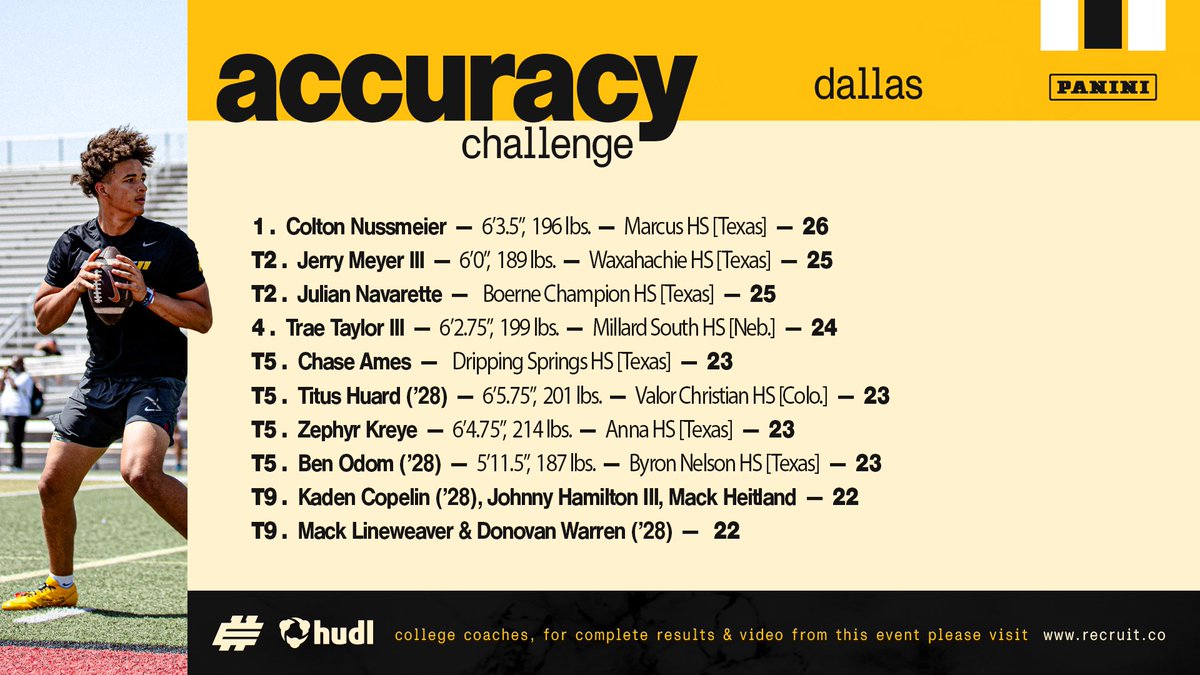
2027 Euless Trinity QB Mack Lineweaver (@Mack_lineweaver) opened eyes at the #Elite11, finishing in the Top 10 in the Accuracy Challenge. #TXHSFB
@EulessTrinityFB | #TXHSFB | @dctf | @malloryhartley

3
9
37
6,070

Mar 18
LETS GO MAC LINEWEAVER

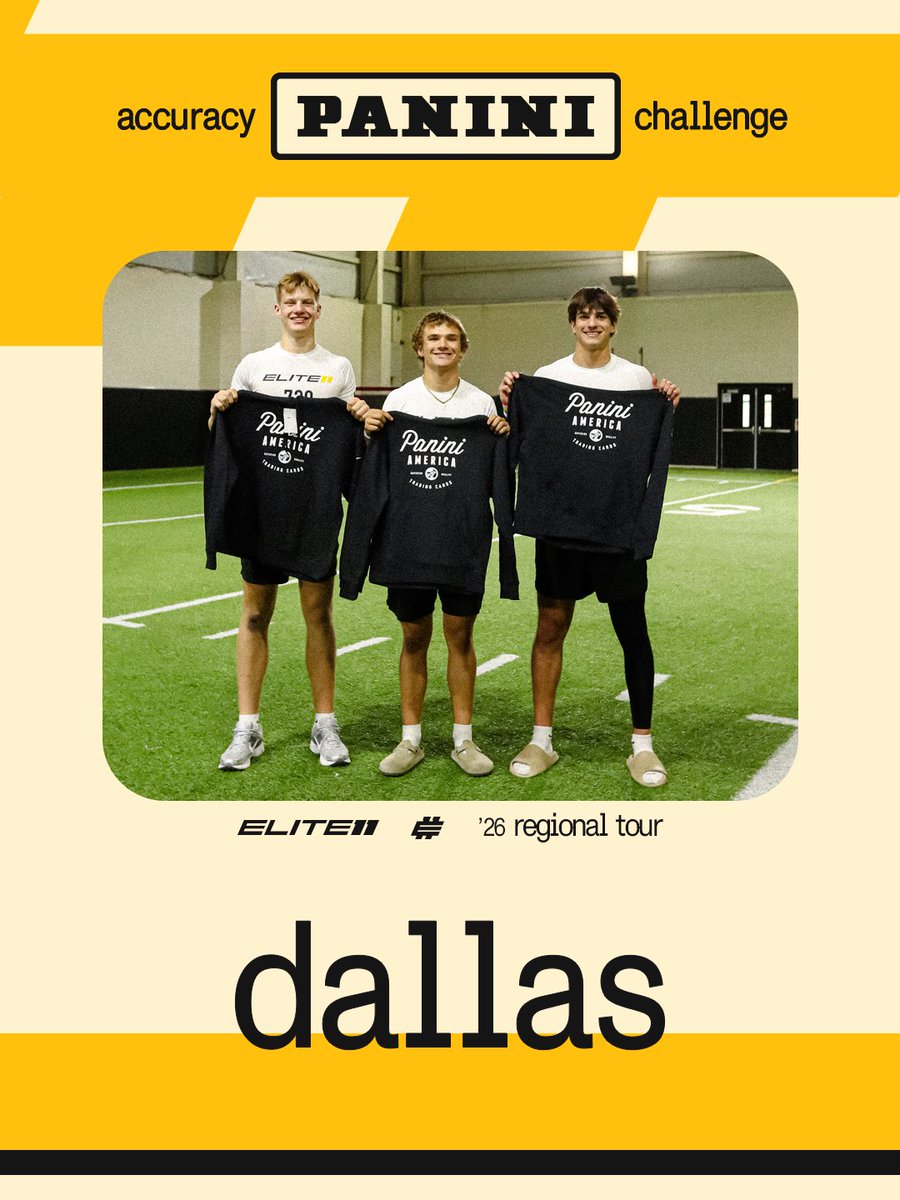
Over 50 top signal callers from 12 different states came out to compete and learn Sunday at the Dallas @Elite11 regional - here are the top performers from the 9⃣-throw Panini Accuracy Challenge 🏈🎯
1
3
684

Feb 18
I just realised how to read a lineweaver burke plot and never have felt so stupid for not realising it all these years 🥲
2
60

Jan 19
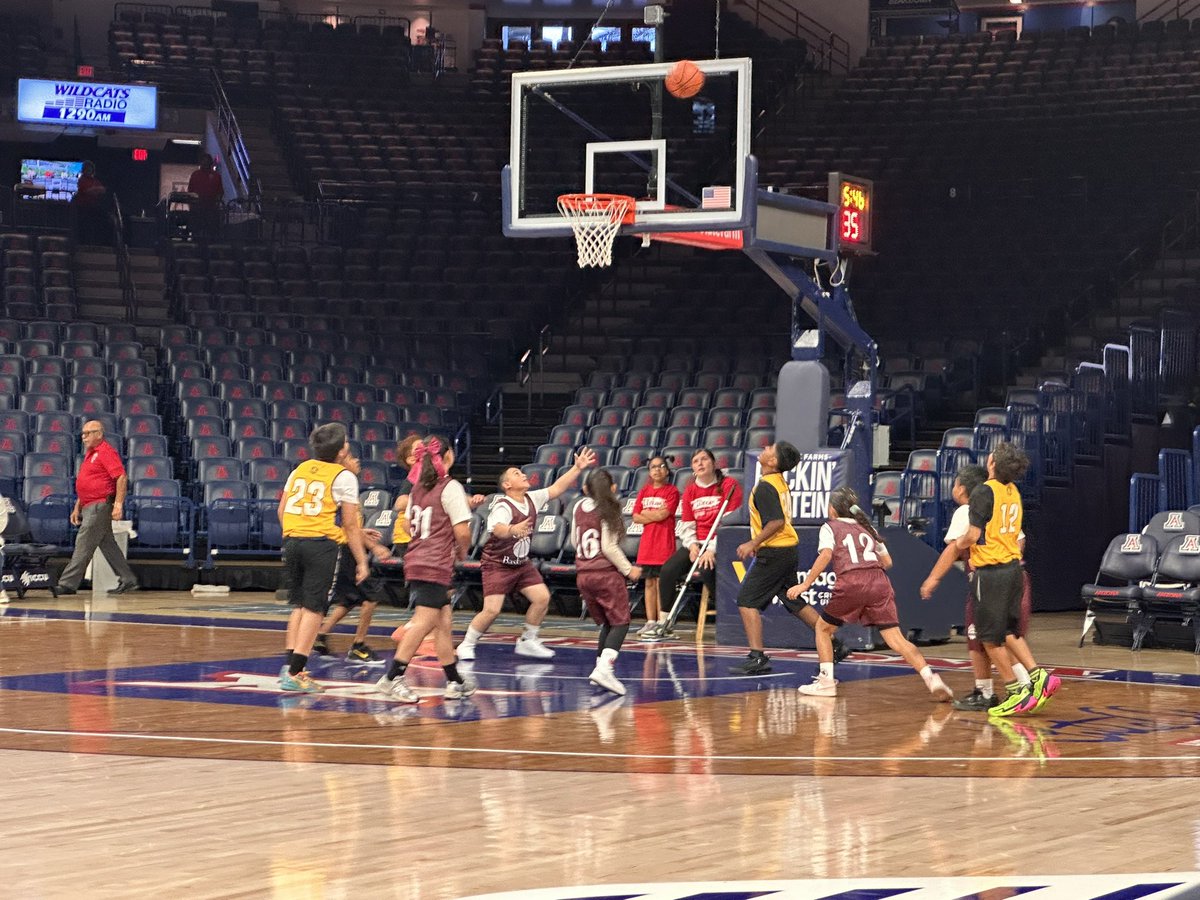
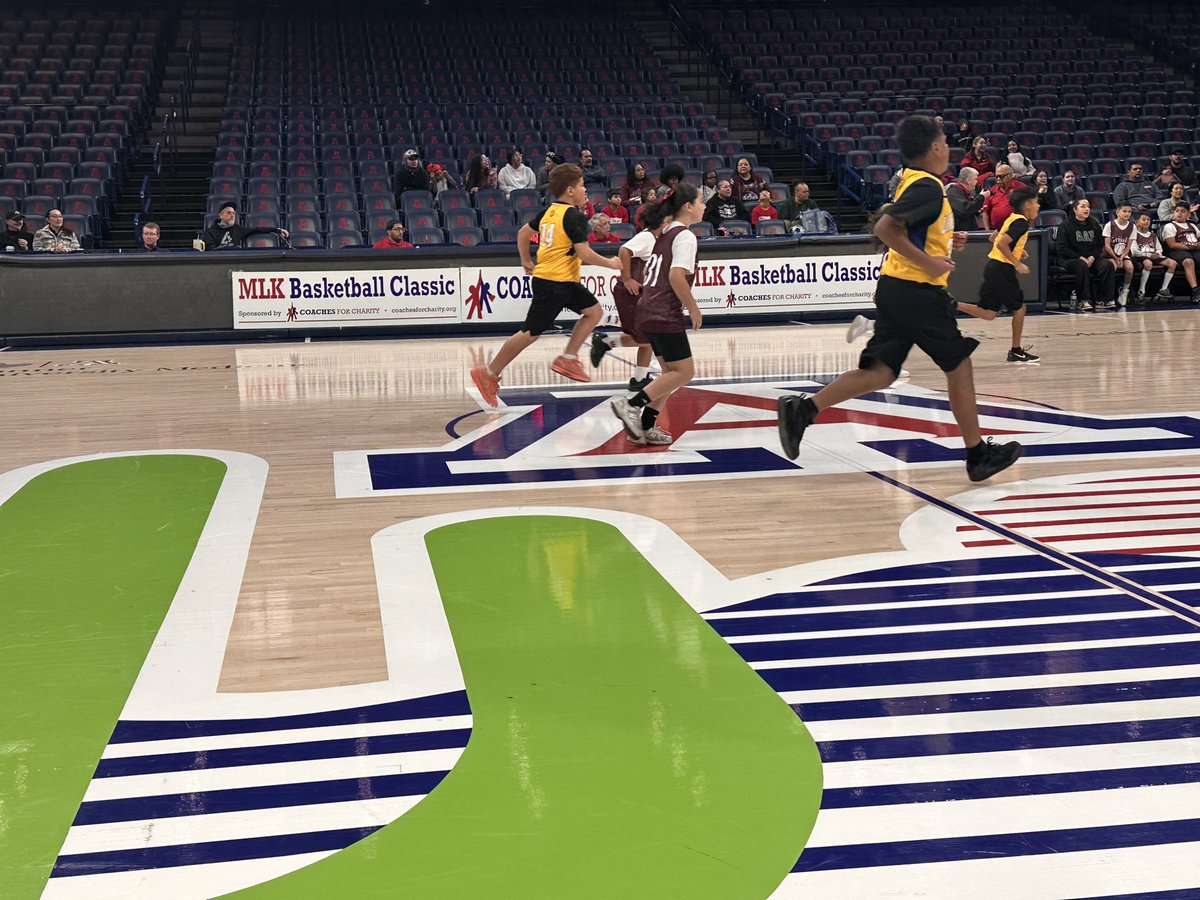
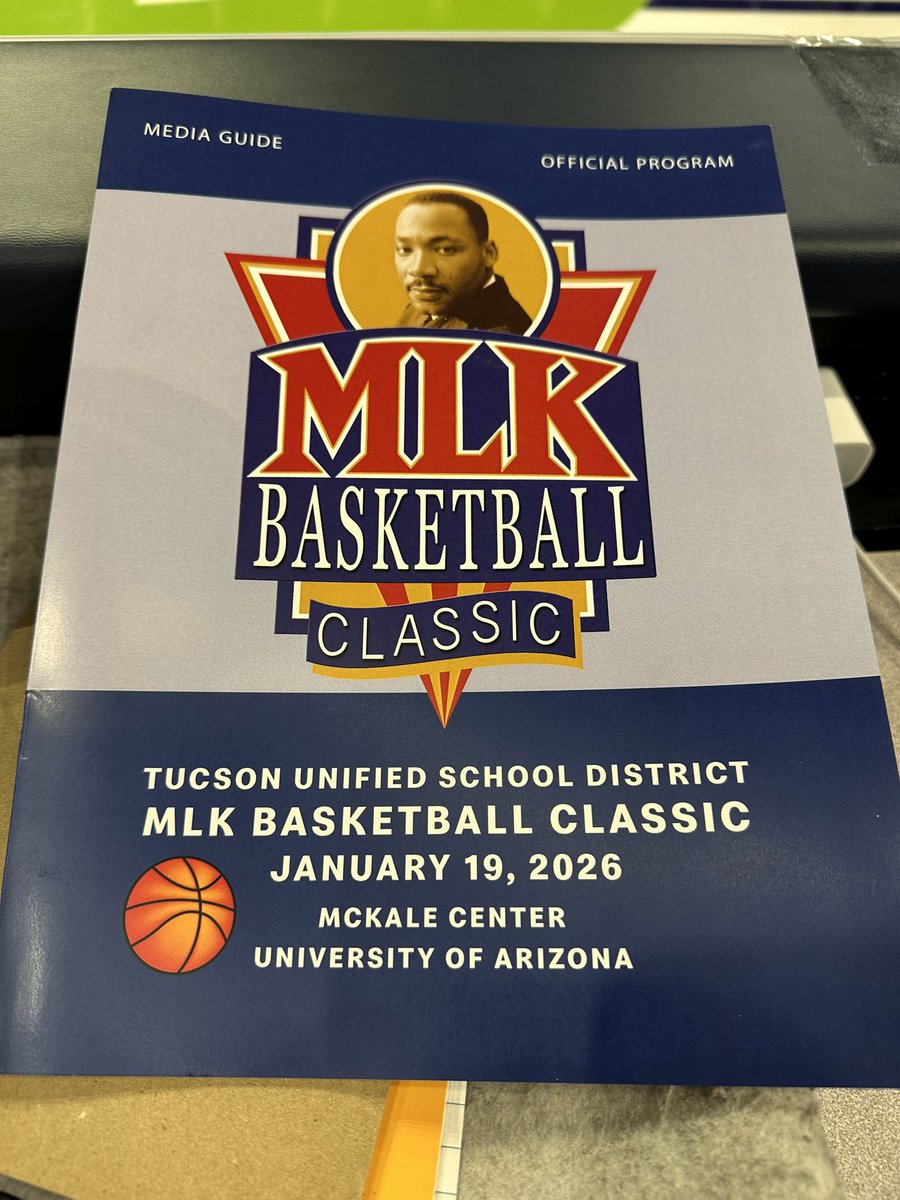
The 22nd Annual MLK Classic is underway with the elementary-school game between Lineweaver and Grijalva.
The rest of the schedule:
Boys
Willcox vs. Santa Rita, 9 a.m.
Catalina Foothills vs. Mountain View, 12:30 p.m.
Sahuaro vs. Cholla, 4 p.m.
Cienega vs. Buena, 7:30 p.m.
Girls
Pusch Ridge vs. Sabino, 10:45 a.m.
Douglas vs. Amphitheater, 2:45 p.m.
Nogales vs. Sunnyside, 5:45 p.m.

3
9
1,283

Jan 19
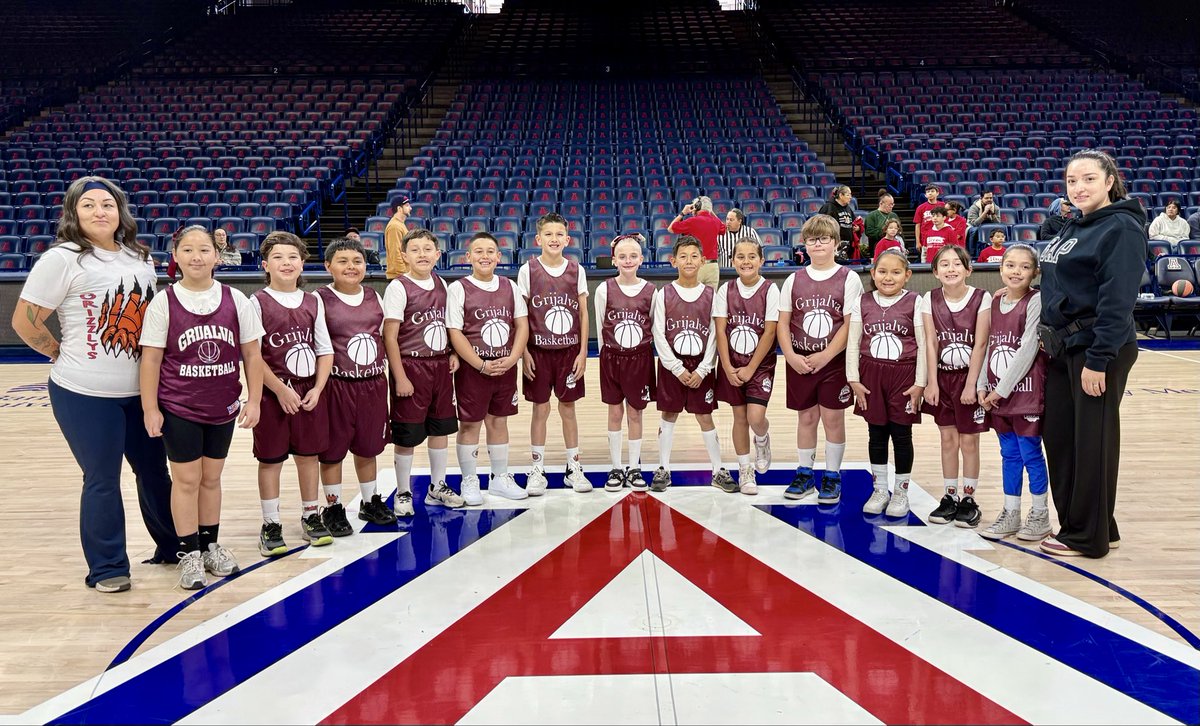
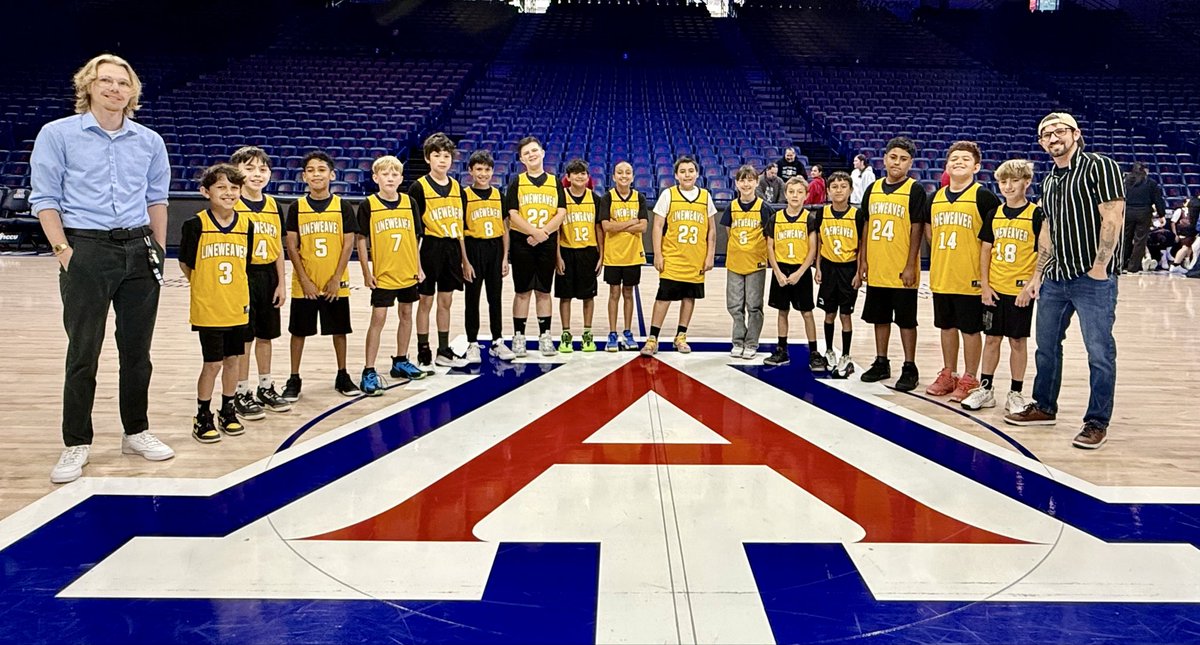
The MLK Classic at McKale Center starts off with an exhibition game between the Grijalva Grizzlies and the Lineweaver Lions
Jan 11

There will be a clear bag policy this year at the MLK Basketball Classic at McKale.
2
6
3,075