
Feb 18
Most 3D engines have a notion of a `Scene` which represents every object in a single hierarchical model. This seems intuitive because it seems like the job of a 3D engine is to show a consistent "world".
But in practice that isn't really true. You can have visual overlays and 3D widgets, which don't represent 'real' objects. You might have low-resolution proxies for reflections. Not everything needs to cast a shadow, etc. Some objects are static, others are highly dynamic. Some are pickable and clickable, some are not.
Even lighting is often subject to shenanigans, e.g. adding additional lights that only hit playable characters, to make them stand-out (Baldur's Gate 3 does this).
So in practice, a `Scene` object has to have some kind of filtering, with layers, flags, bitfields, etc, to allow it to do double or triple-duty depending on the specific context. e.g. Three.js has both standard and custom flags you can use for this.
I've always avoided this in Use.GPU, because in a reactive model, it's more natural to just assemble the world from disparate components à la carte. But this had the downside that you can't really share content at all, and instead have to repeat it in every place it is used, leading to deep, repeated component trees.
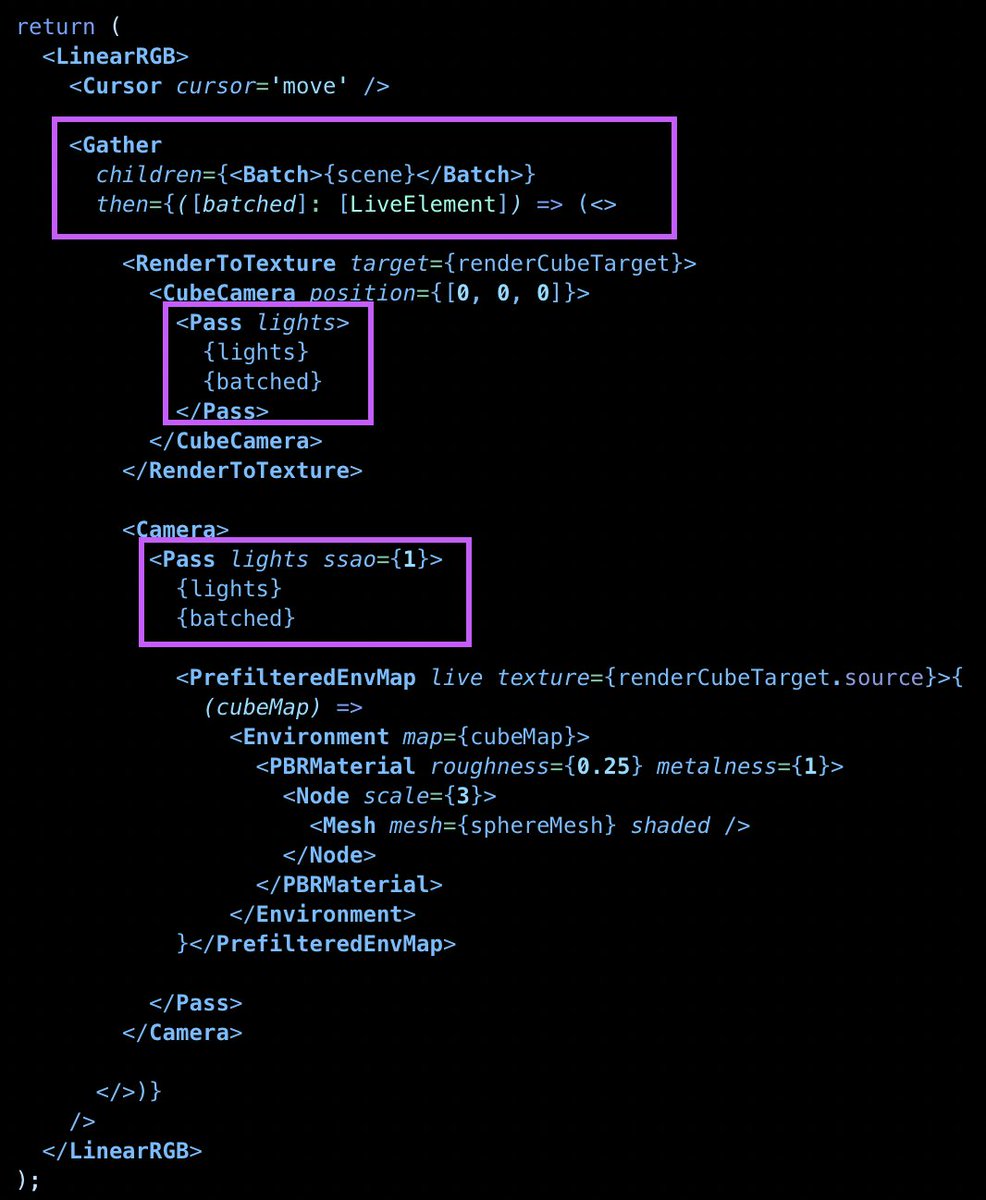
Luckily, this can be fixed, as Live behaves like an effect system. So I've added a `Batch` helper to do the gathering ahead of time. It gives you a proxy effect (a `LiveElement`, i.e. JSX) that you can drop in wherever you want.
Instead of a single scene that you pull apart with various ad-hoc tricks, you can just create batches and re-use them as appropriate. You can still mix them with one-off content too.
Data flow and reactivity is still respected, and the trees where it is used remain extremely shallow. The API surface area is tiny: one element, no props.
1
20
768

31 Jul 2023
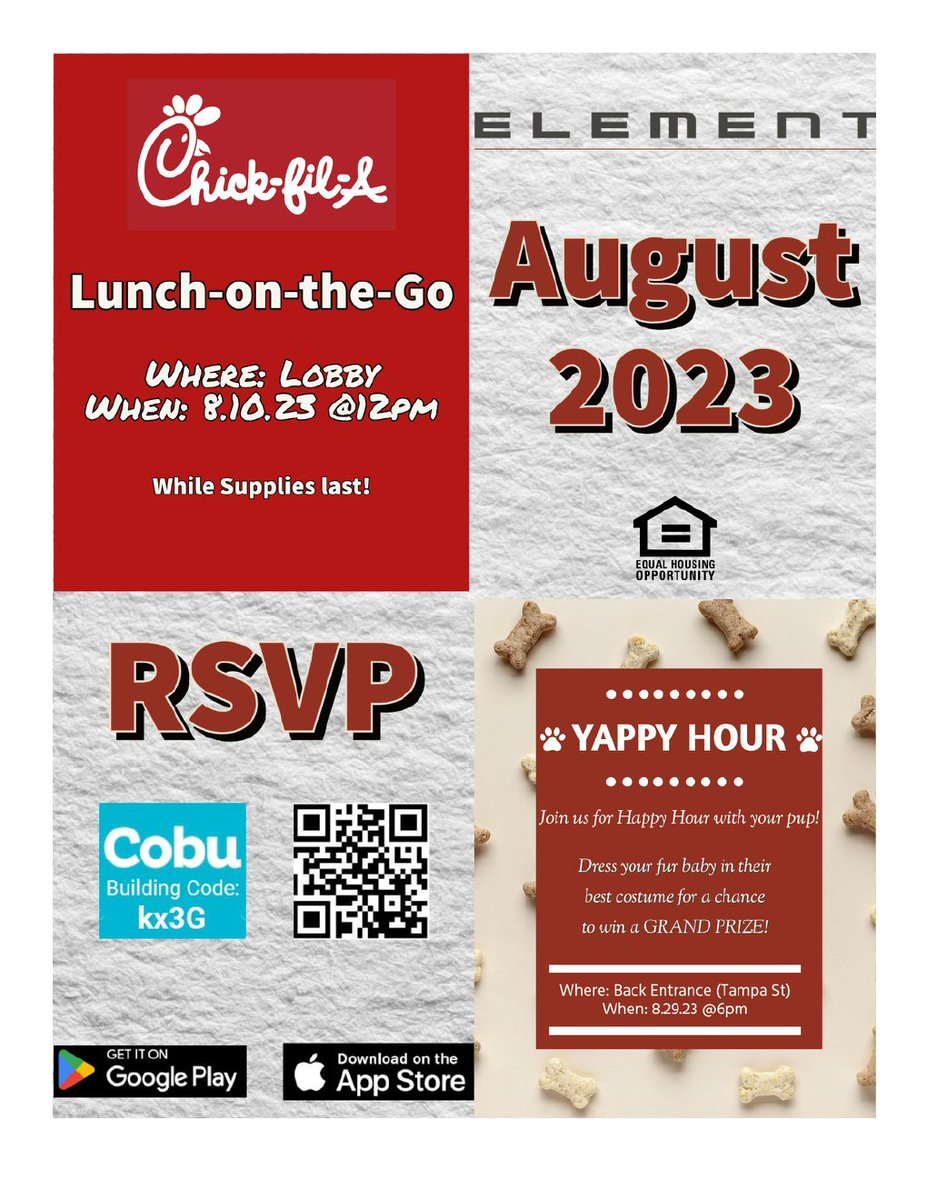
We love to celebrate summer with our residents! Join us for these fun events coming up in August!
#LoveWhereYouLive #WeLoveOurResidents #Summertime #ResidentEvents #Chikfila #YappyHour #Community #Lifestyle #August #LiveElement #Tampa #TheElement #PetFriendly #FurryFriends
2
74
26 Jul 2023
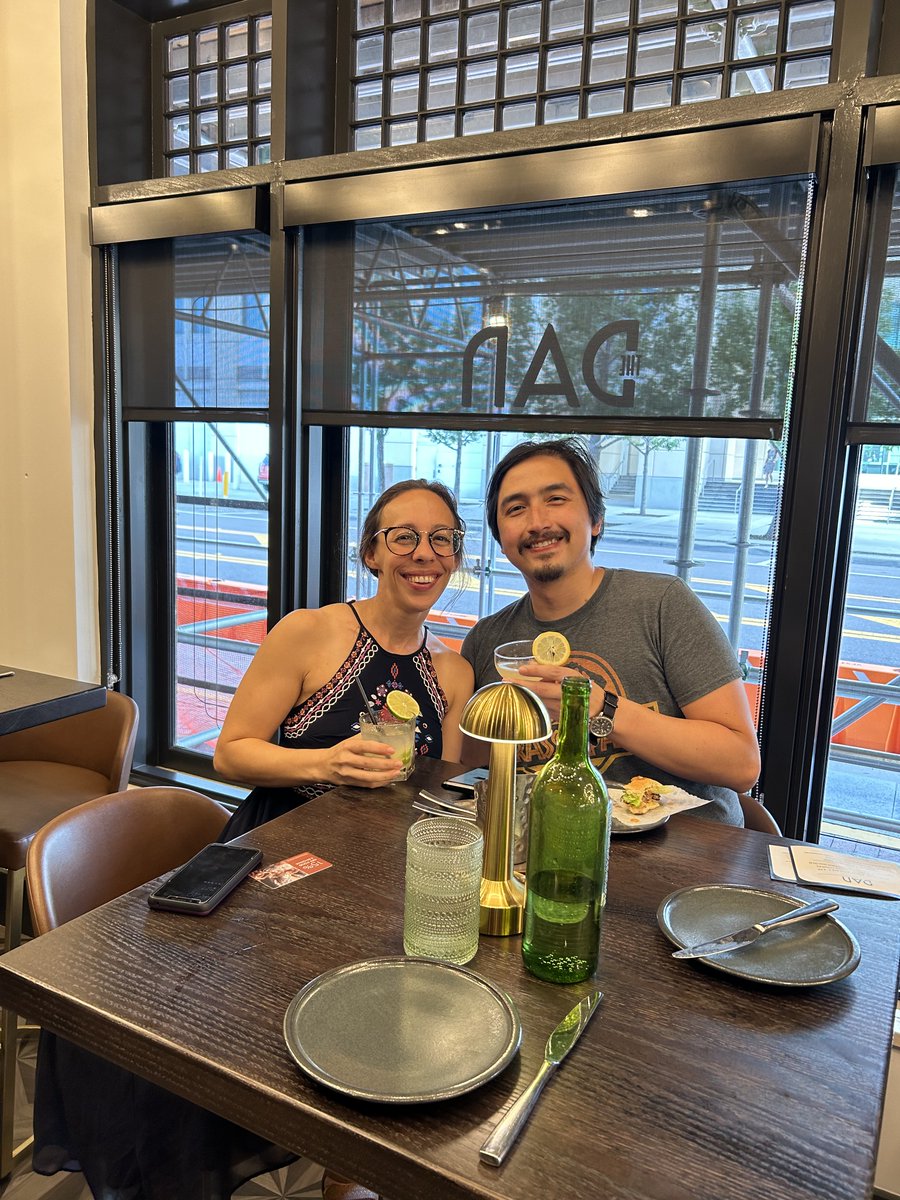
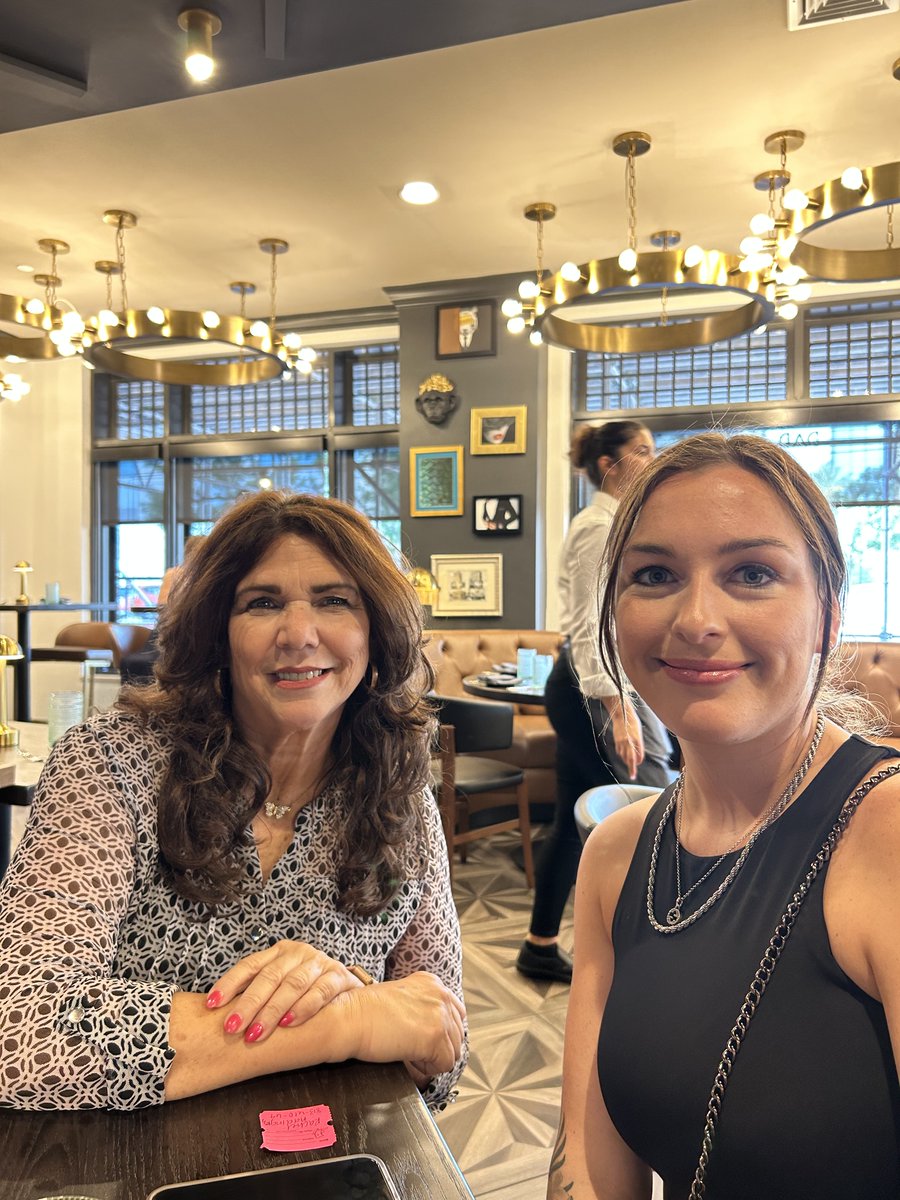
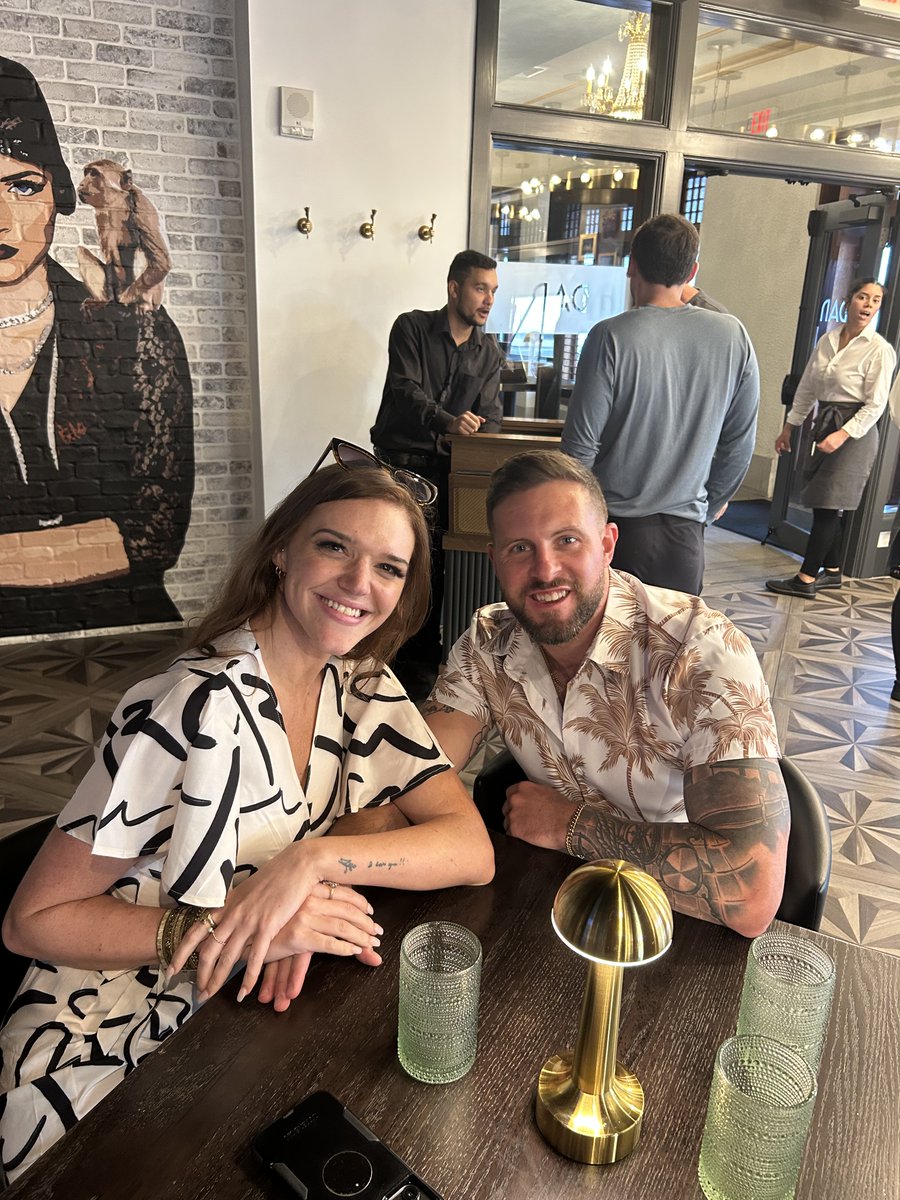
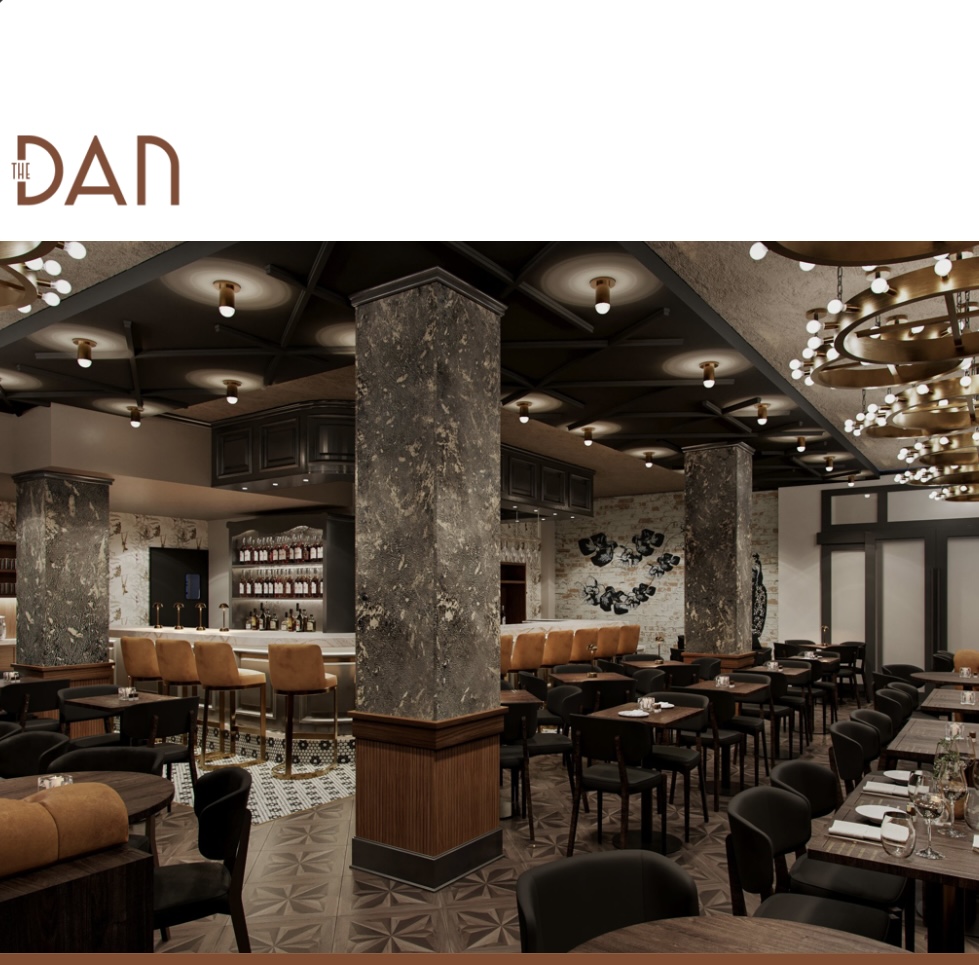
Thank you all for joining us at @TheDanTampa for an Element Resident Event!
#LoveWhereYouLive #WeLoveOurResidents #Summertime #ResidentEvents #Amenities #Community #Lifestyle #LiveElement #TheElement #Tampa
3
46
19 Jul 2023
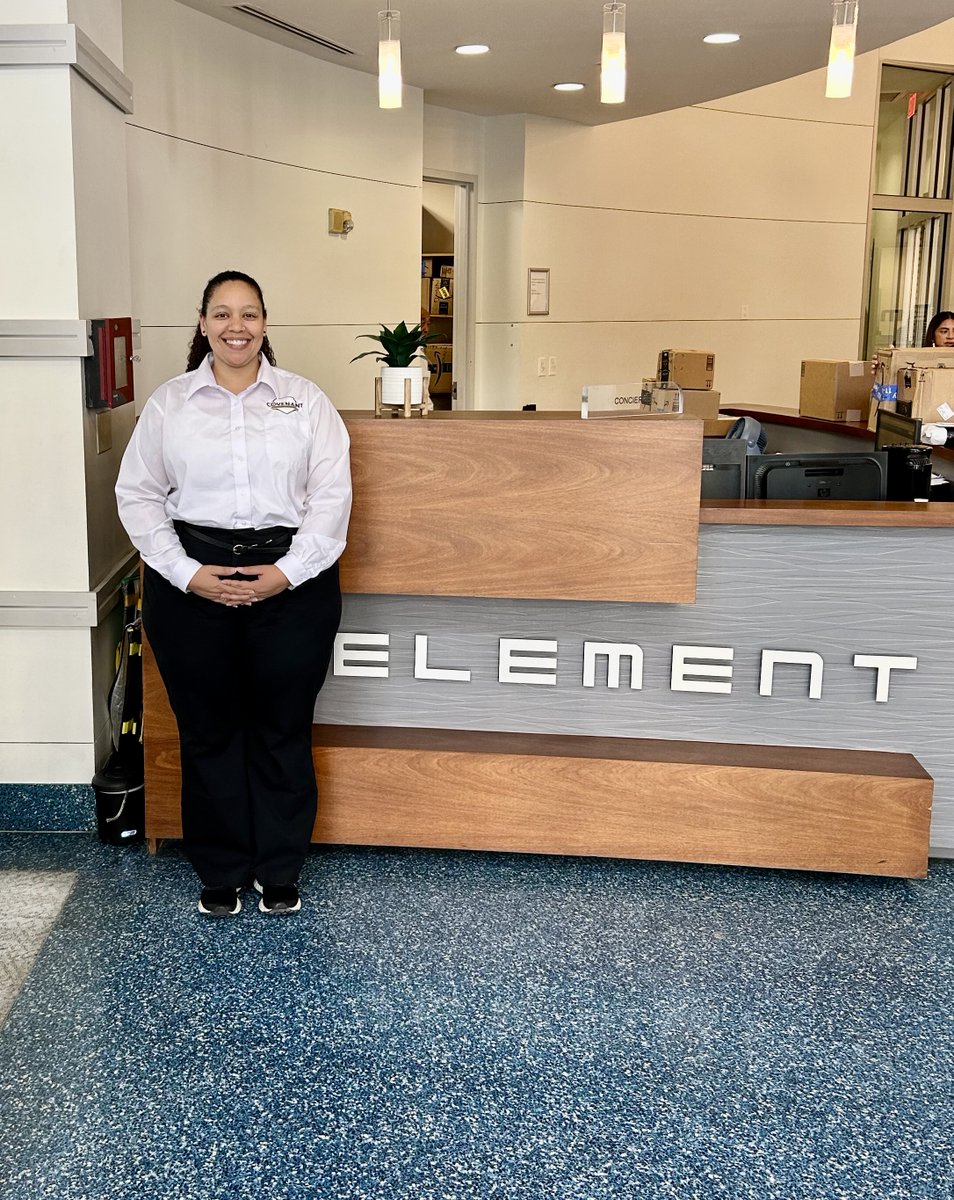
Please join us in welcoming The Element's new Concierge, Rachel Taveras! She is excited to get to know all of our residents and assist them with their needs. #LoveWhereYouWork #WeLoveOurResidents #Community #WelcomeToTheCommunity #LiveElement #Tampa #TheElement
3
38
7 Jul 2023
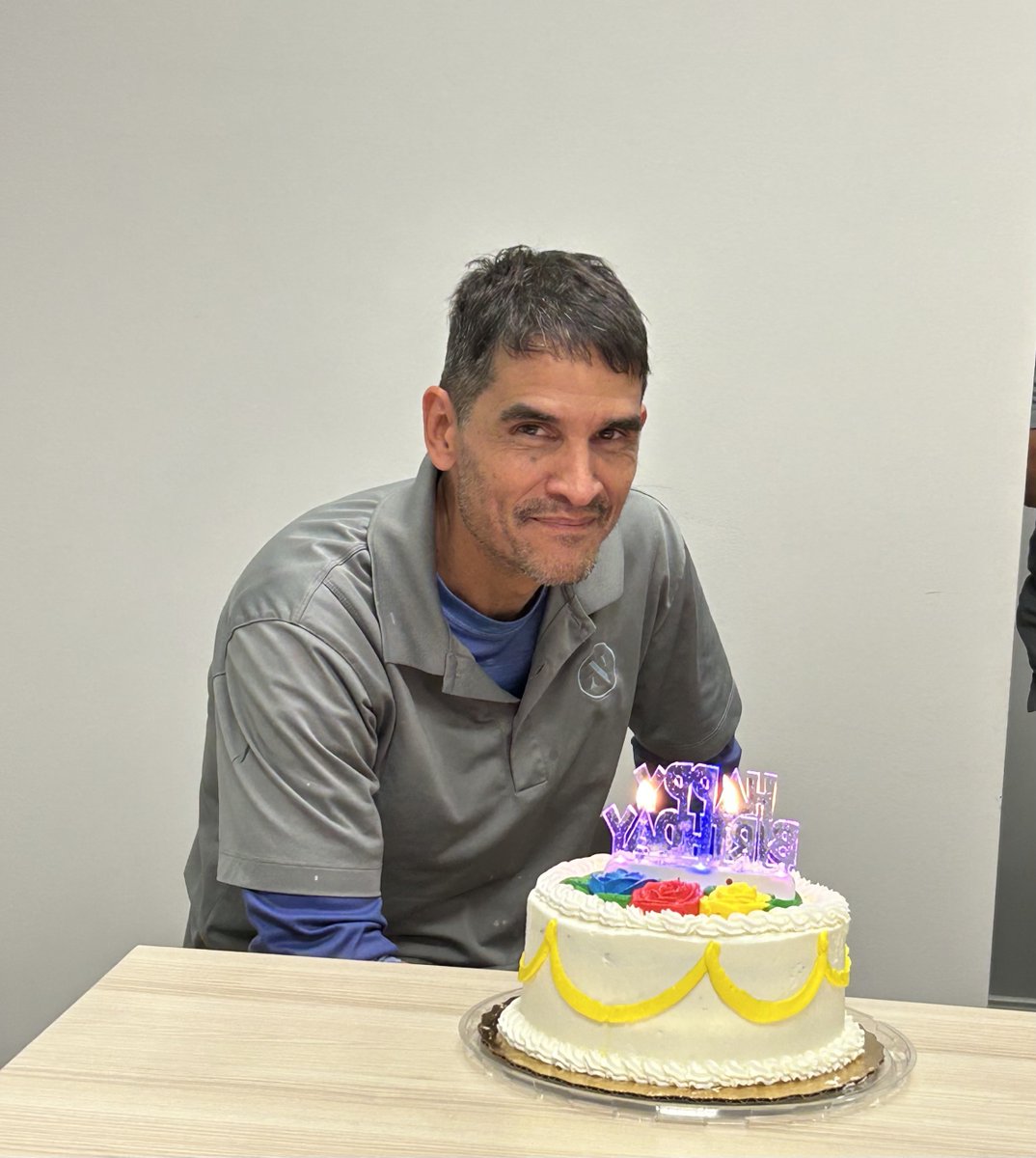
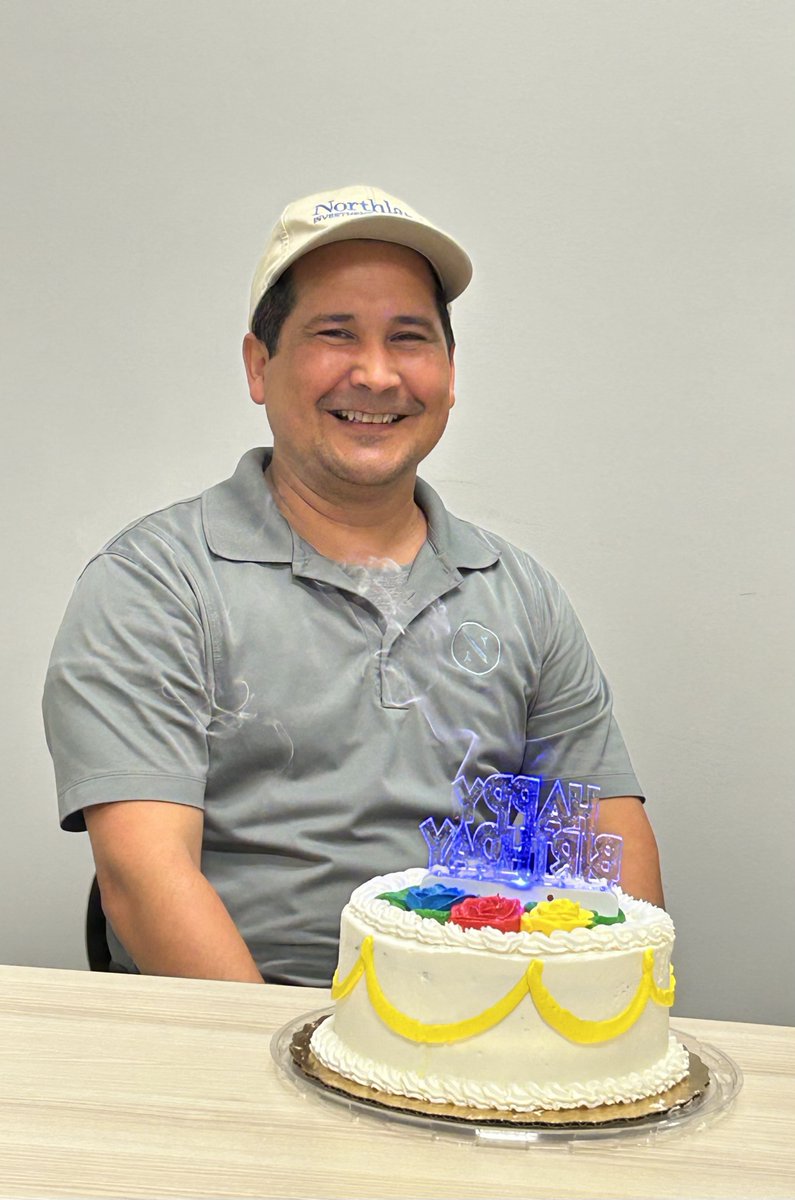
Please join us in wishing Maintenance Technicians, Victor and Jose a very Happy Birthday!
#LoveWhereYouWork #Element #Tampa #LuxuryRentals #BirthdayWishes #HappyBirthday #Community #Team #WelcomeHome #LiveElement
1
2
115

3 Jul 2023
2
67
26 Jun 2023
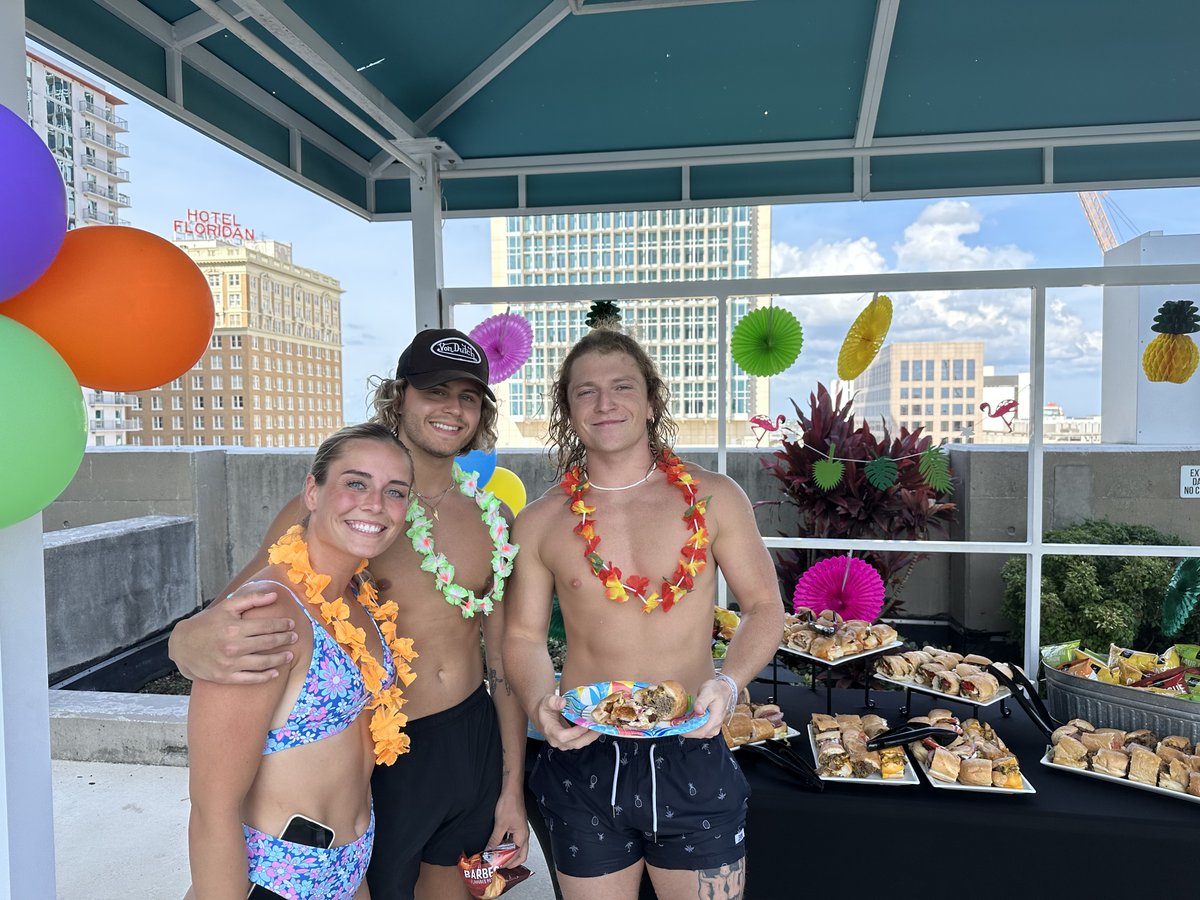
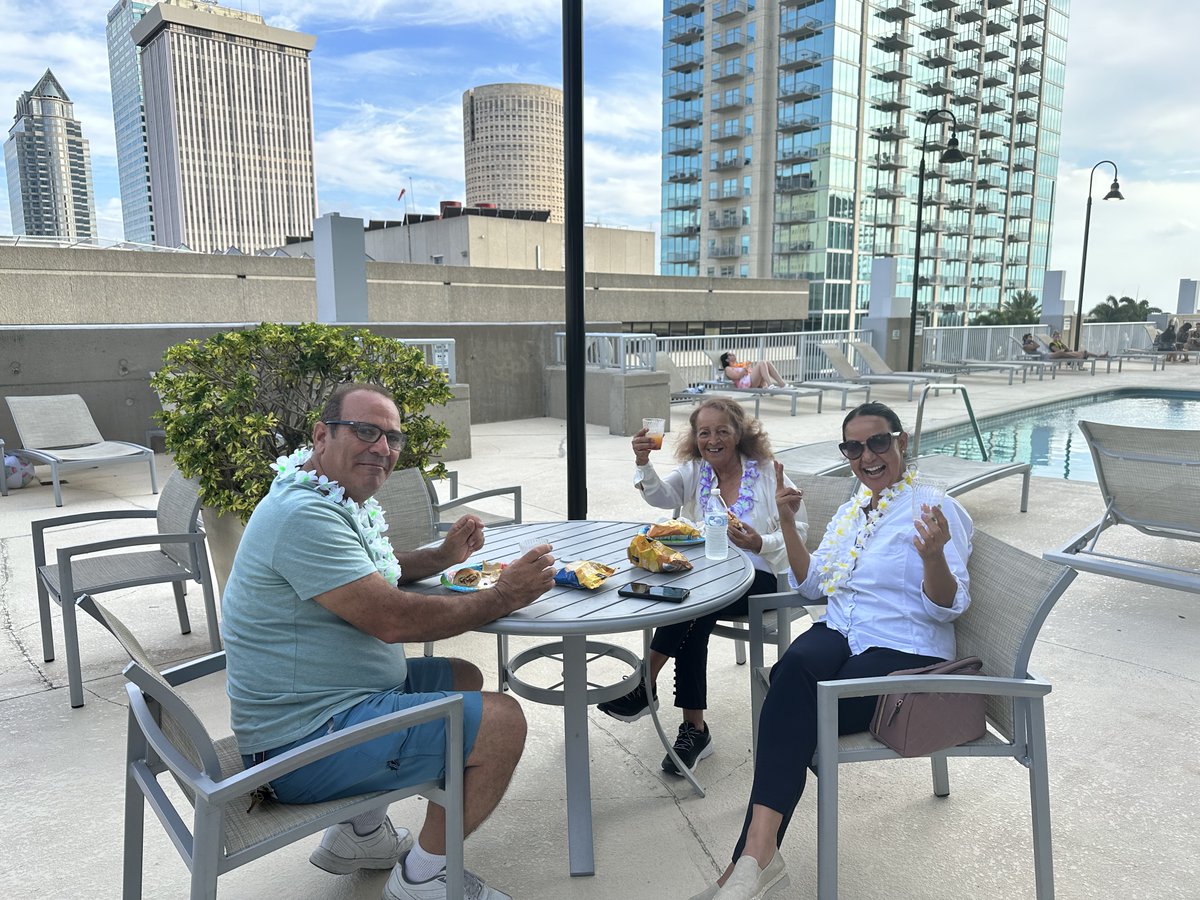
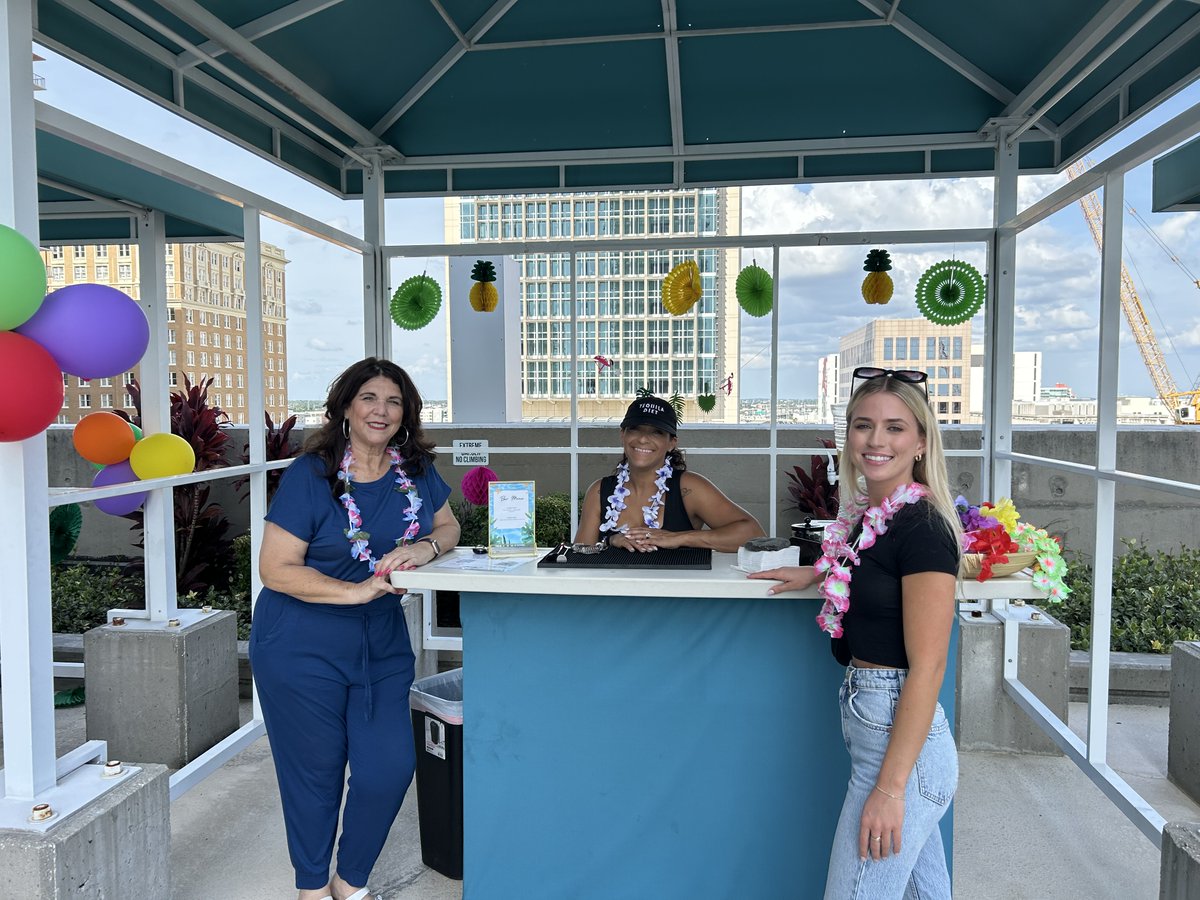
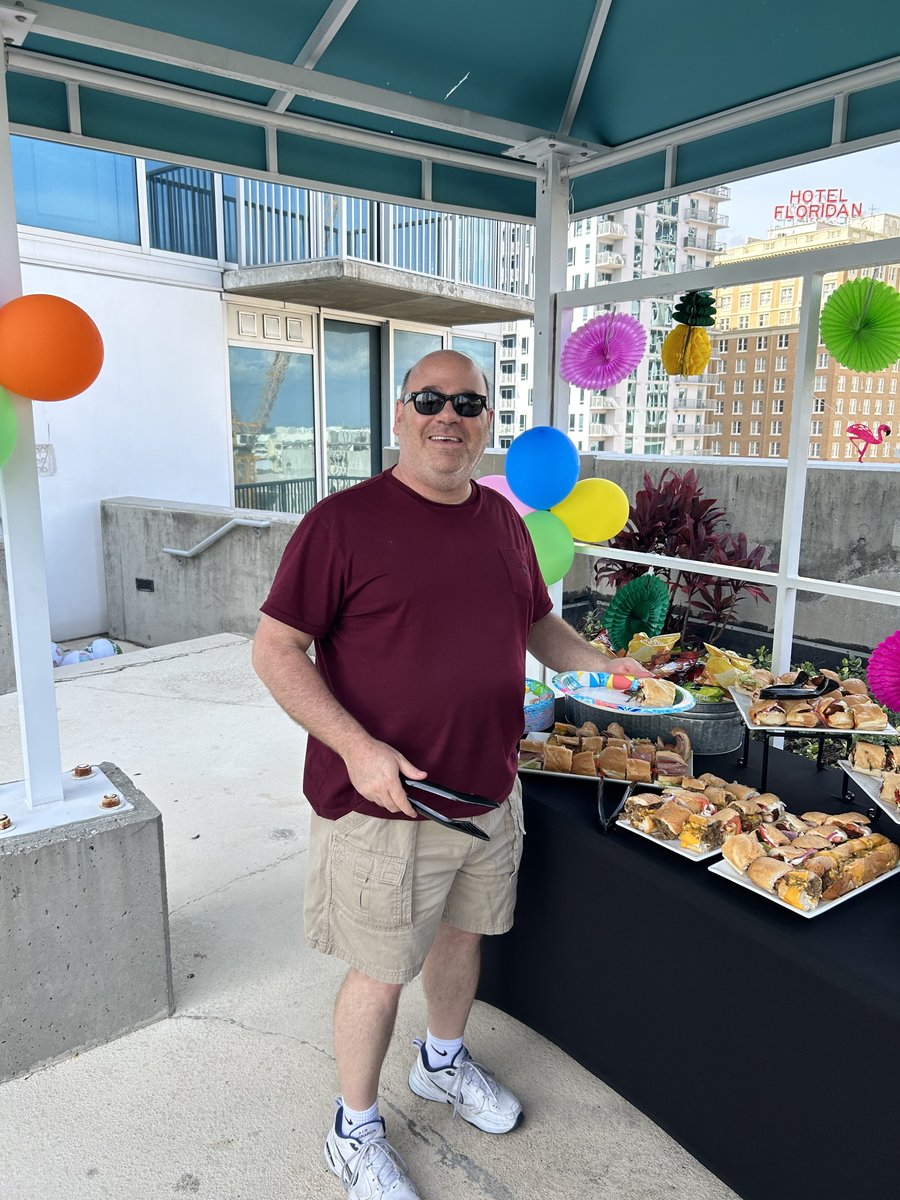
We had a blast with our residents at The Element Sunset Luau! Thank you all for joining us in this fun event!
#LoveWhereYouLive #WeLoveOurResidents #Summertime #ResidentEvents #Amenities #Community #Lifestyle #LiveElement #TheElement #Tampa #SunsetLuau
2
52
13 Jun 2023
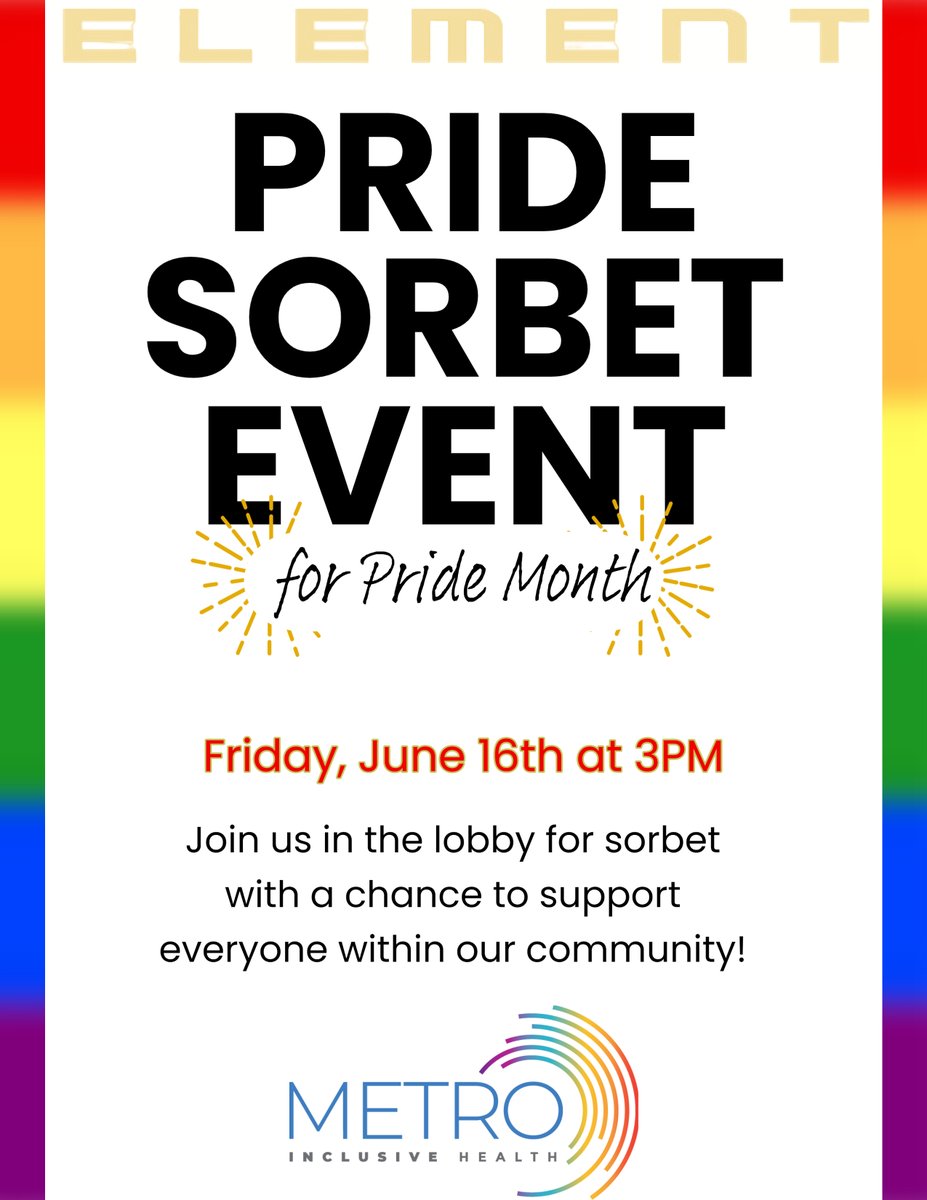
Happy #PrideMonth! Join us for The Element Pride Sorbet Event - Friday, June 16th at 3 PM!
#WeLoveOurResidents #LoveWhereYouLive #LiveElement #Tampa #LuxuryRentals #Pride #Sorbet #ResidentEvents #Community
2
43
6 Jun 2023
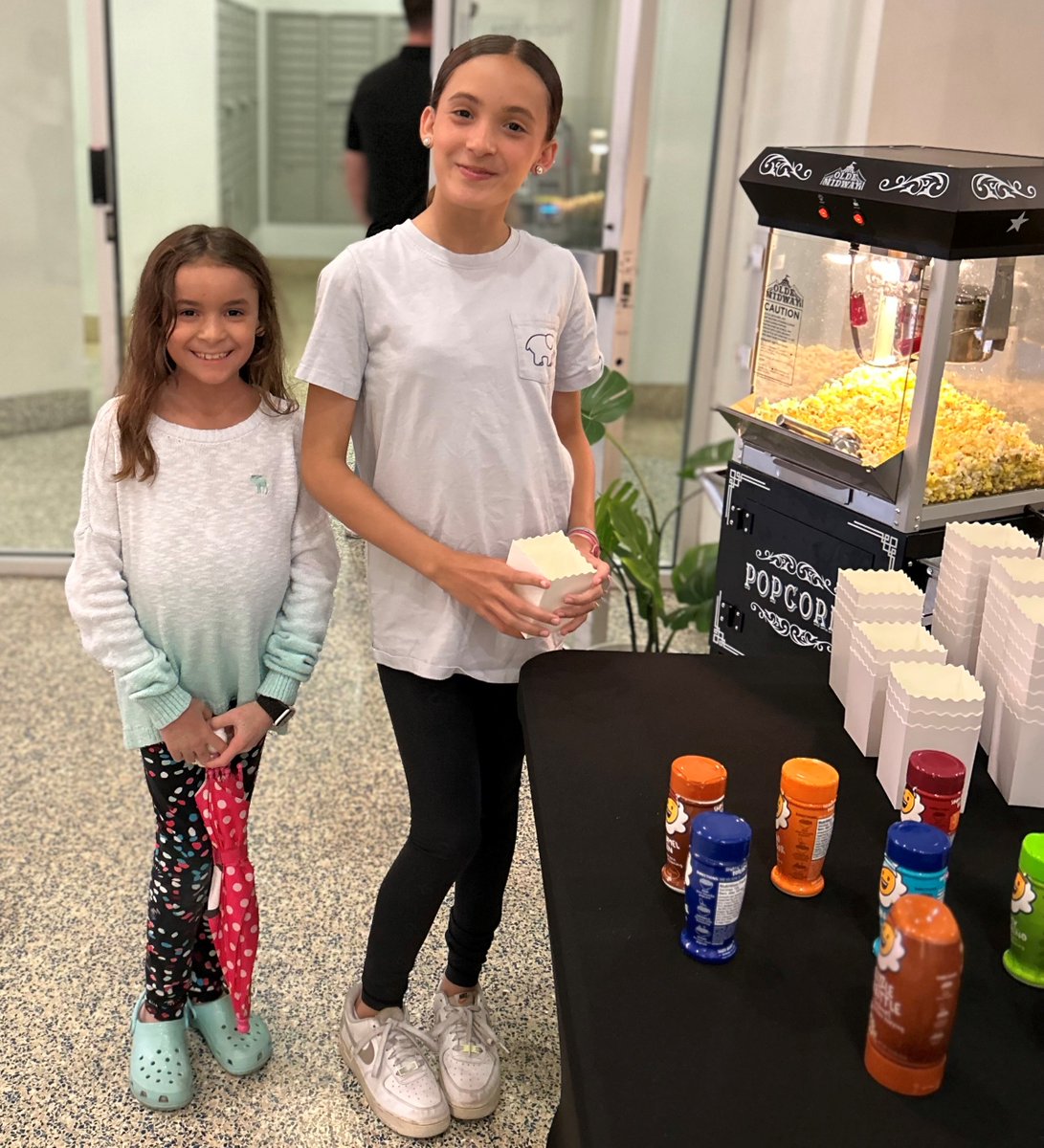
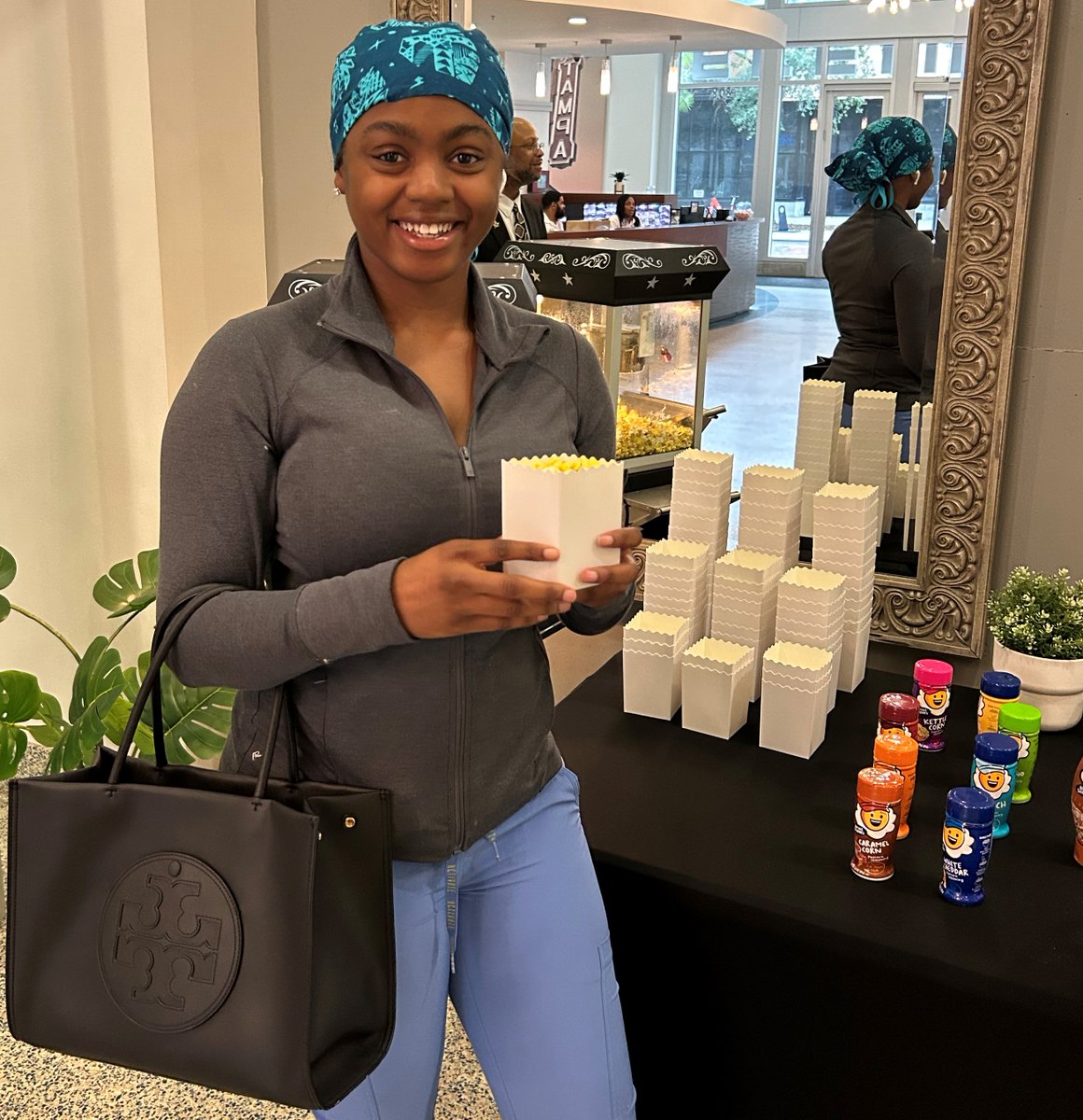
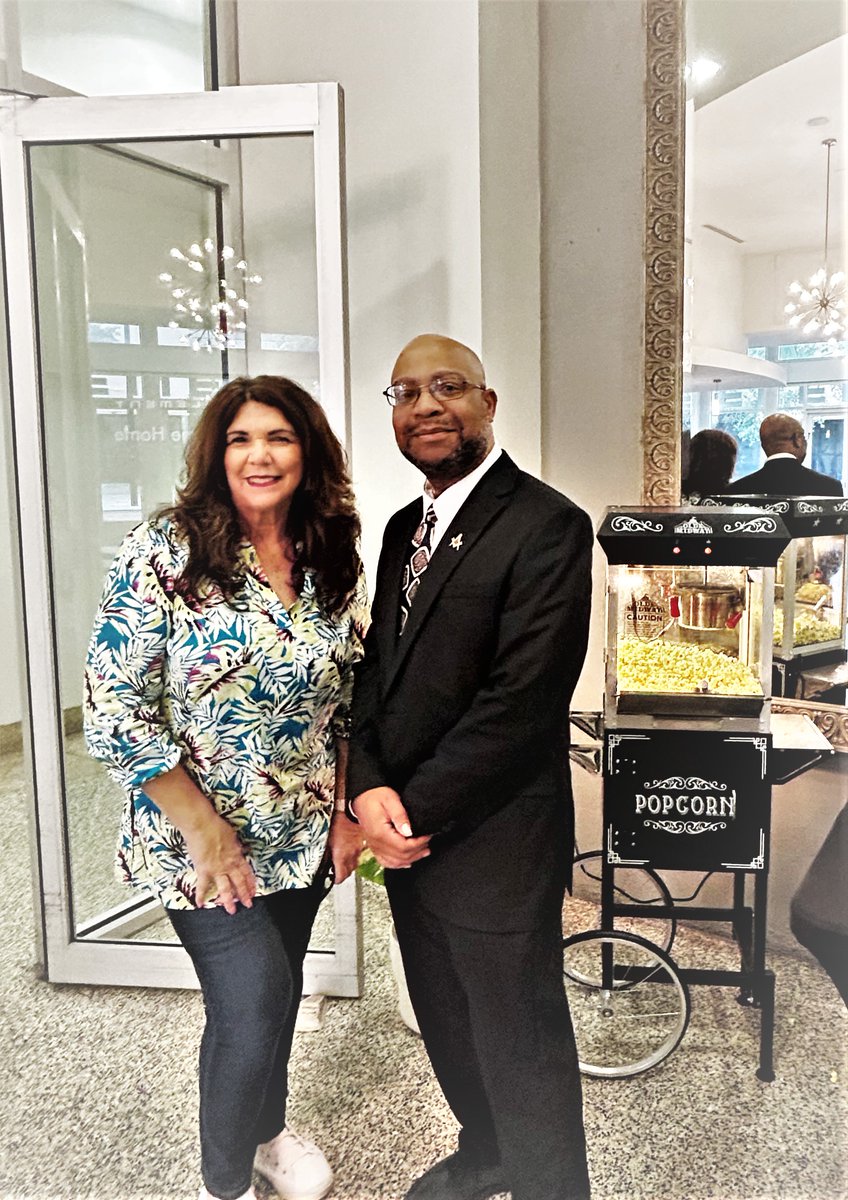
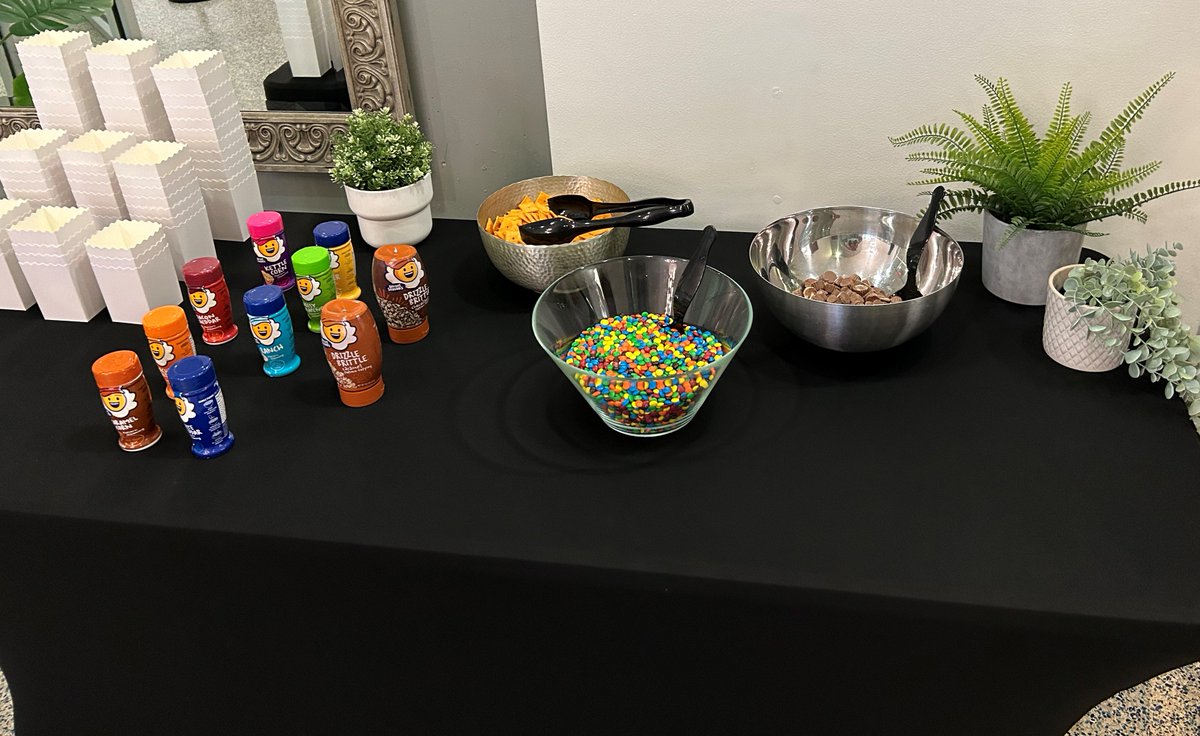
We want to thank you all for poppin over for some popcorn!
#LoveWhereYouLive #WeLoveOurResidents #Summertime #ResidentEvents #Amenities #Community #Lifestyle #LiveElement #TheElement #Tampa #PopcornBar
4
58
7 Apr 2023
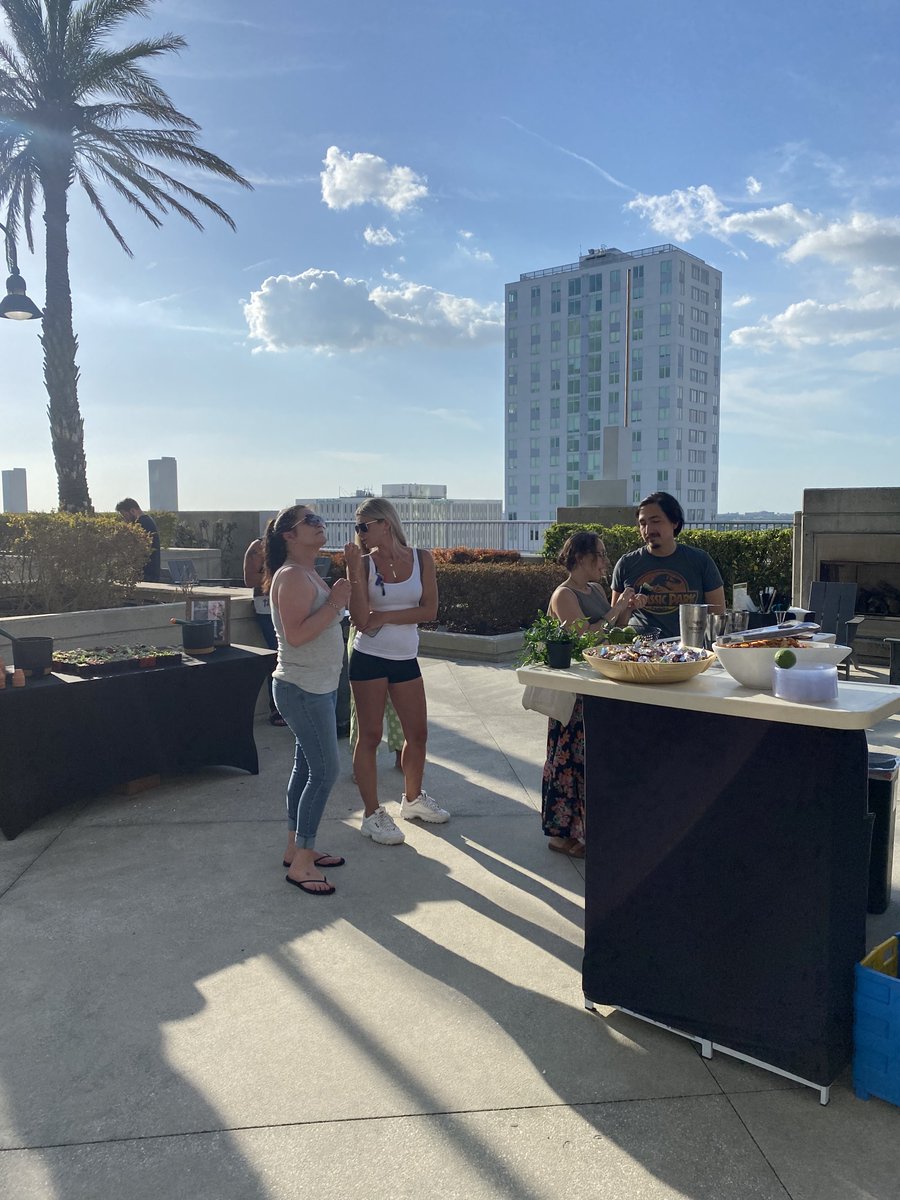
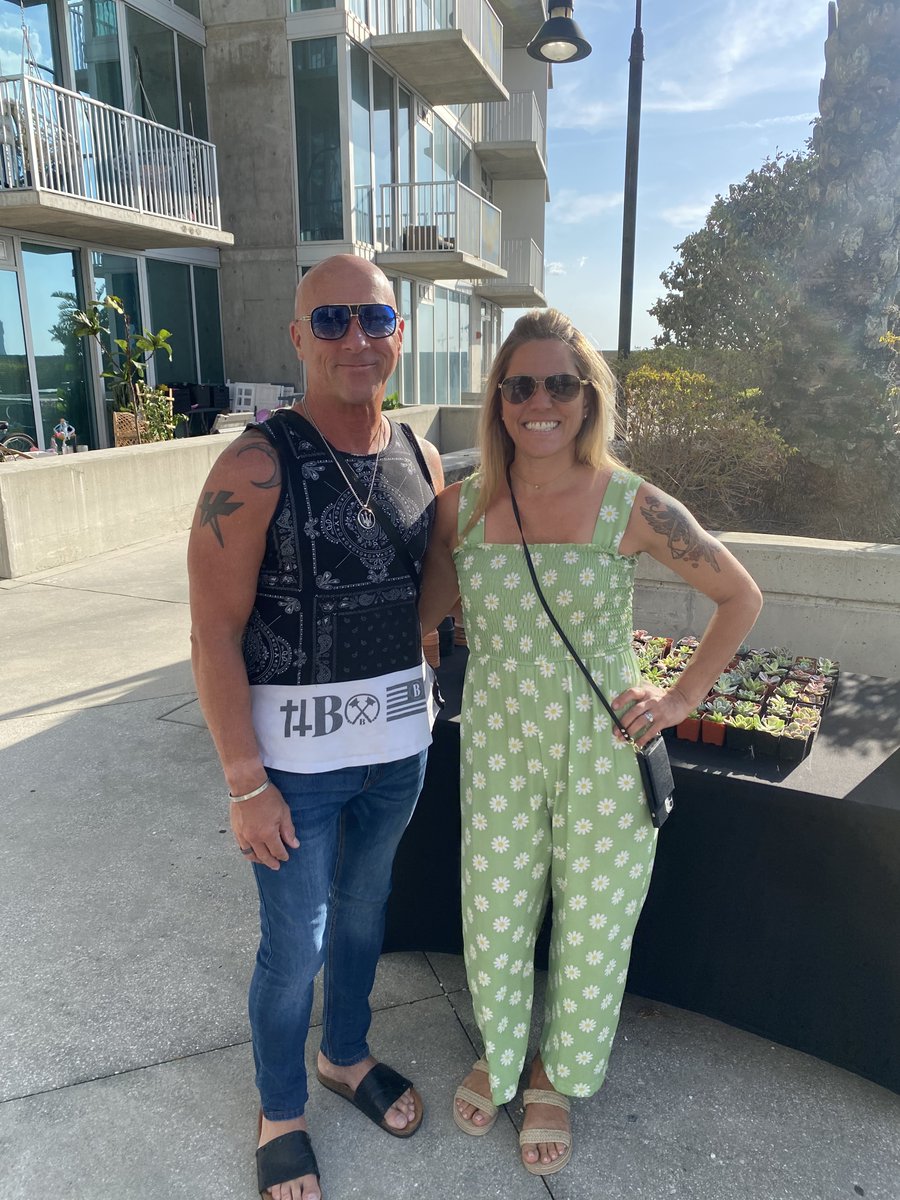
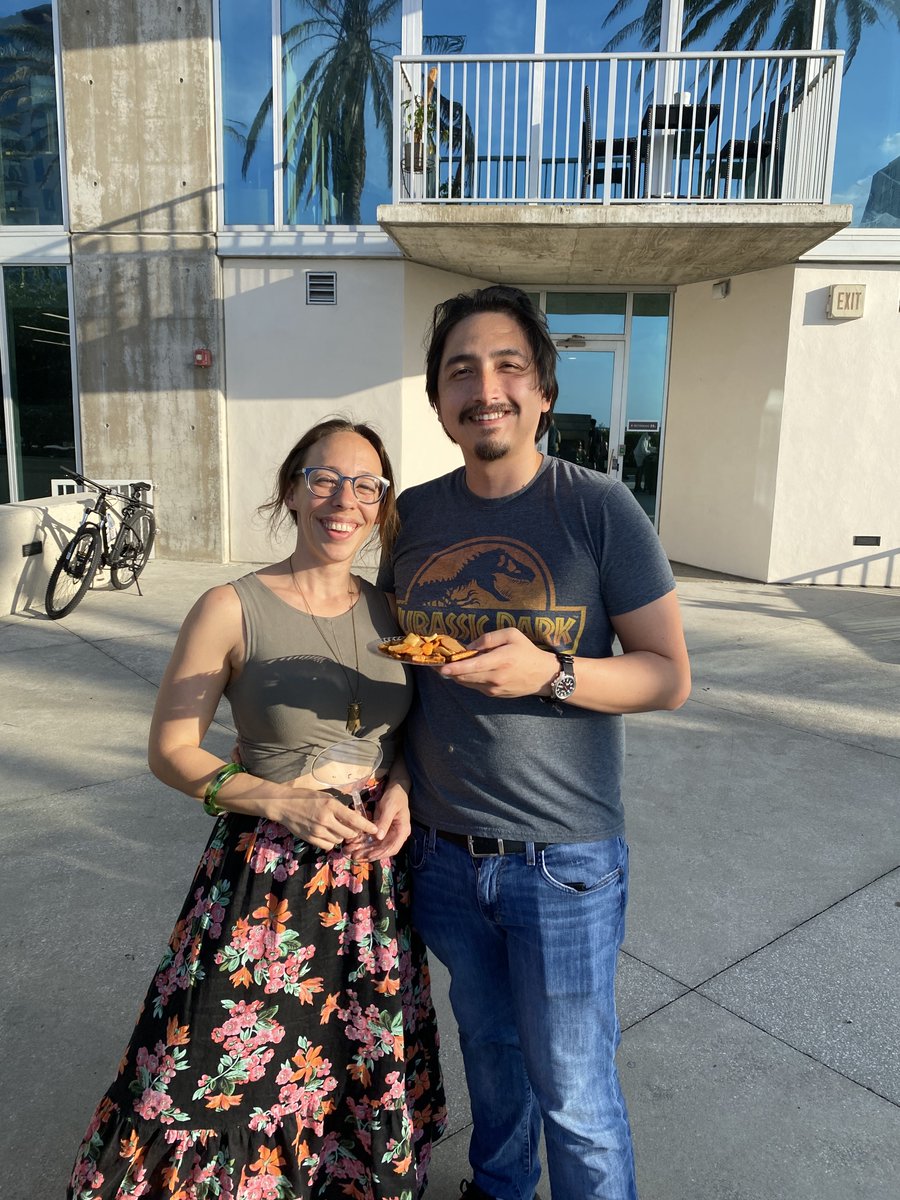
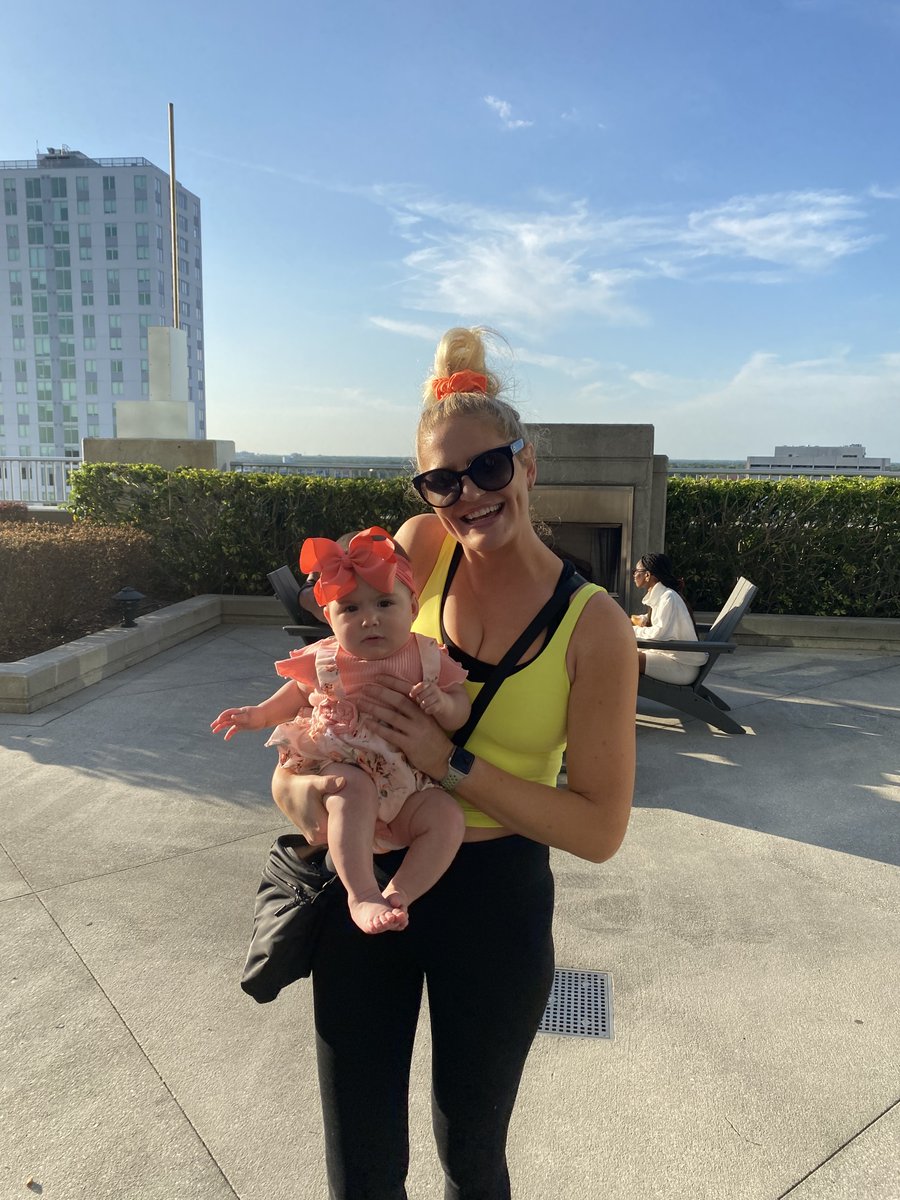
Thank you all for joining us for our fun event last night!
#WeLoveOurResidents #LiveElement #Tampa #LuxuryRentals
2
20
17 Mar 2023
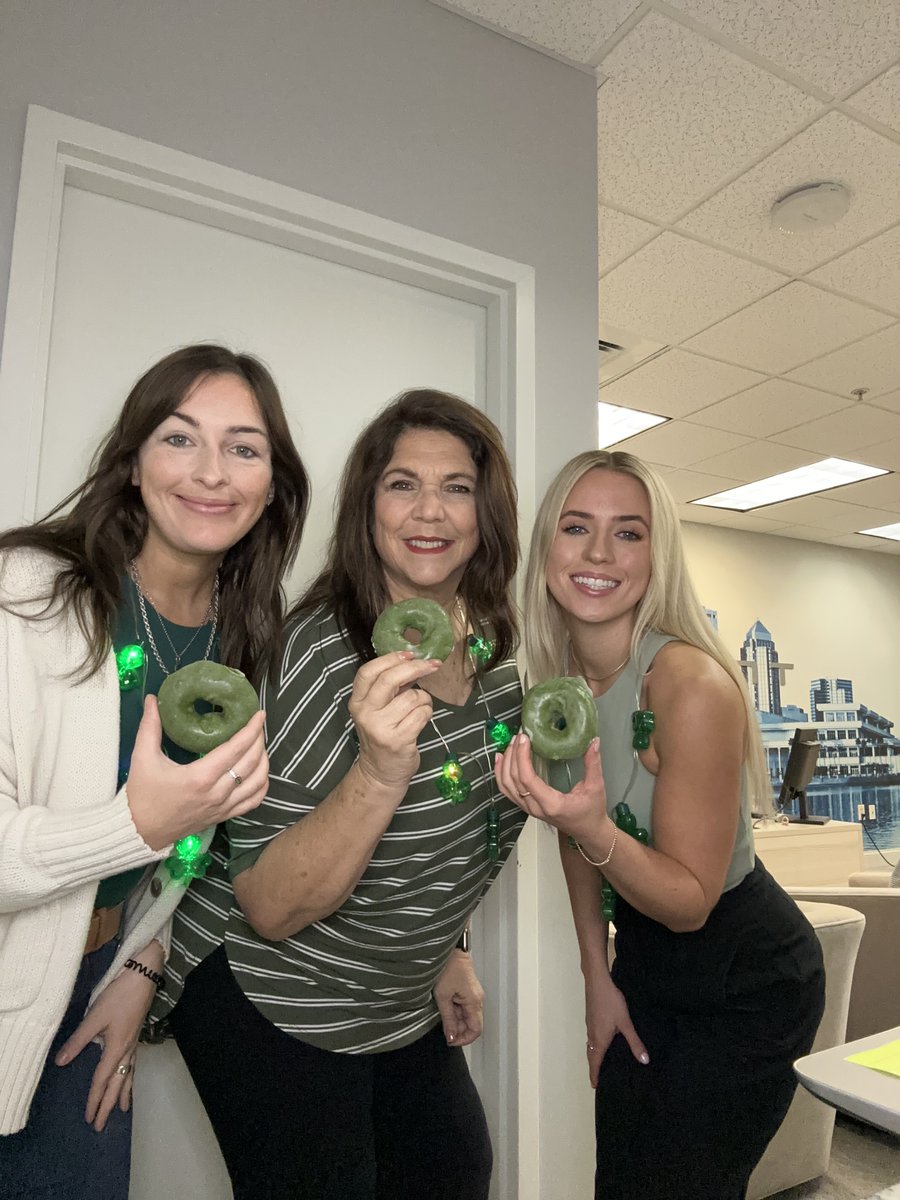
Happy Saint Patrick’s Day from The Element Team!
#HappyStPatricksDay #SaintPatricksDay #StPaddysDay #WeLoveOurResidents #FridayFeeling #LoveWhereYouLive #PaddyAllDay #LetsPaddy #Shamrock #WearItGreen #LiveElement #Element #Tampa
3
56
10 Mar 2023
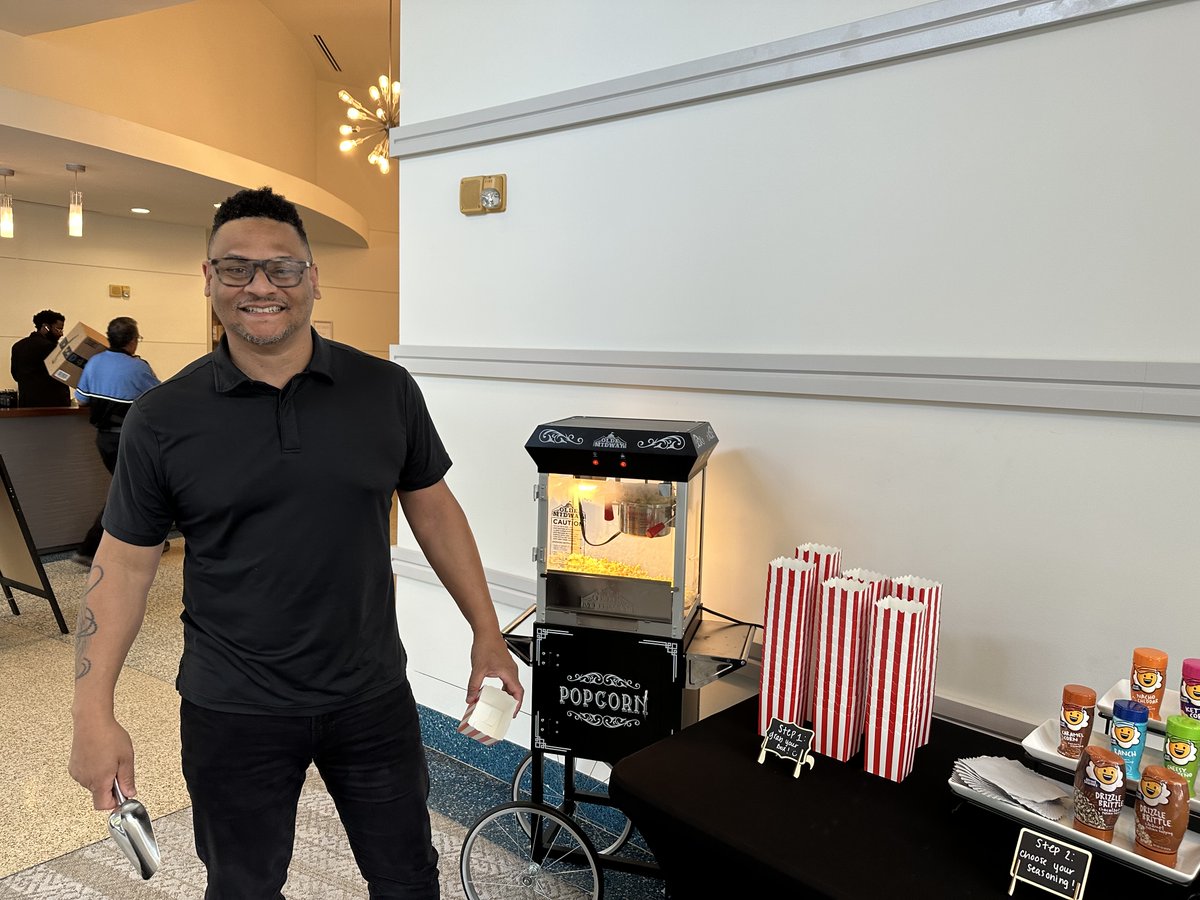
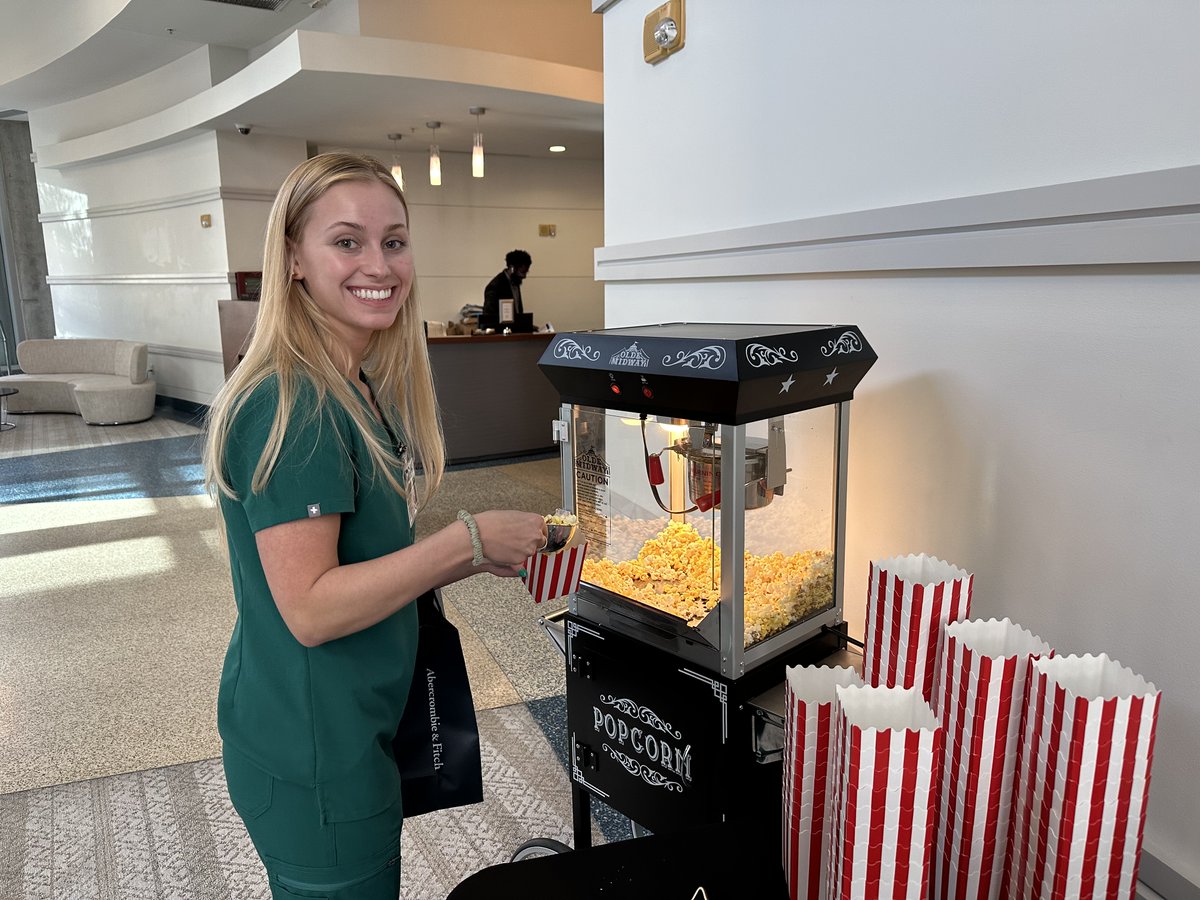
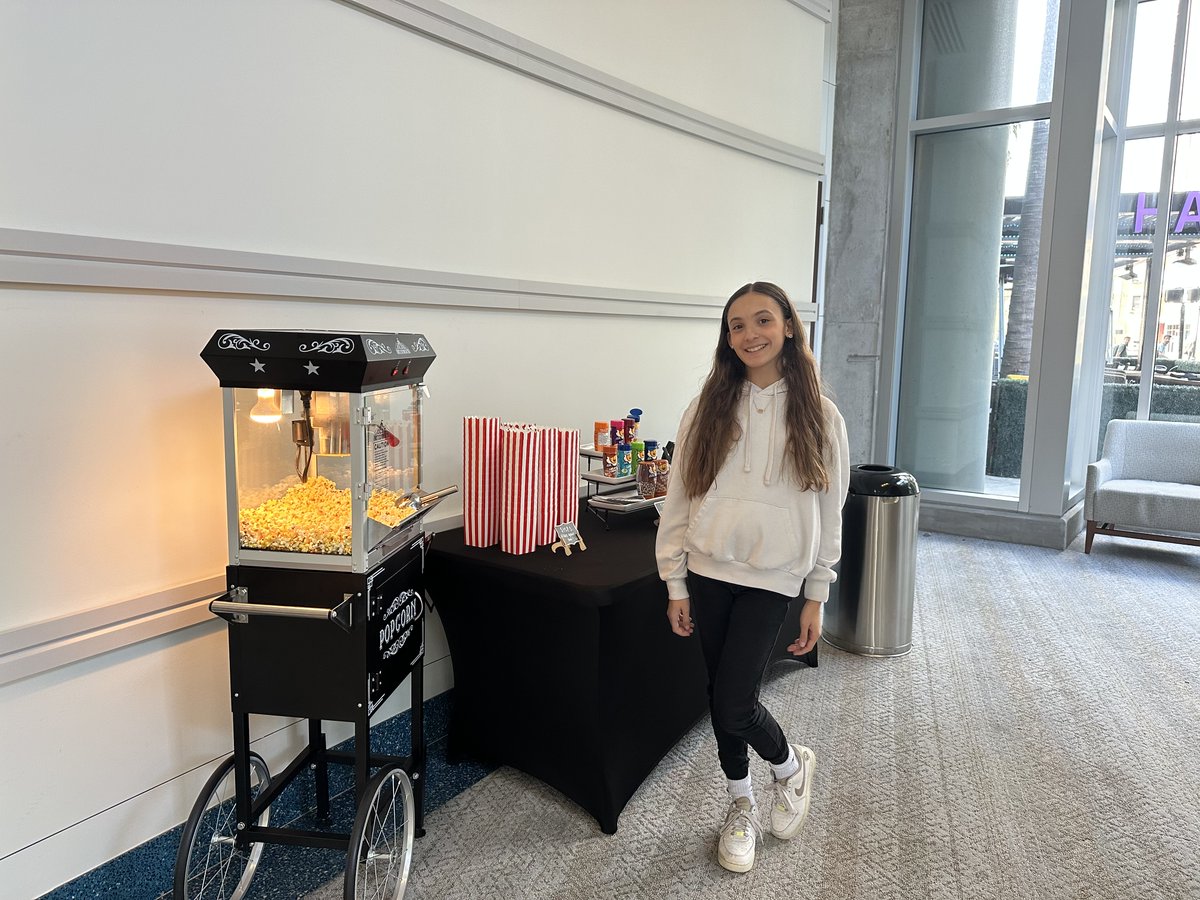
Thank you all for celebrating National Popcorn Lovers Day with us!
#nationalpopcornloversday
#LoveWhereYouLive #WeLoveOurResidents #Tampa #March #Community #ResidentEvents #LuxuryRentals #ElementTampa #LiveElement #Popcorn

4
34
25 Feb 2023
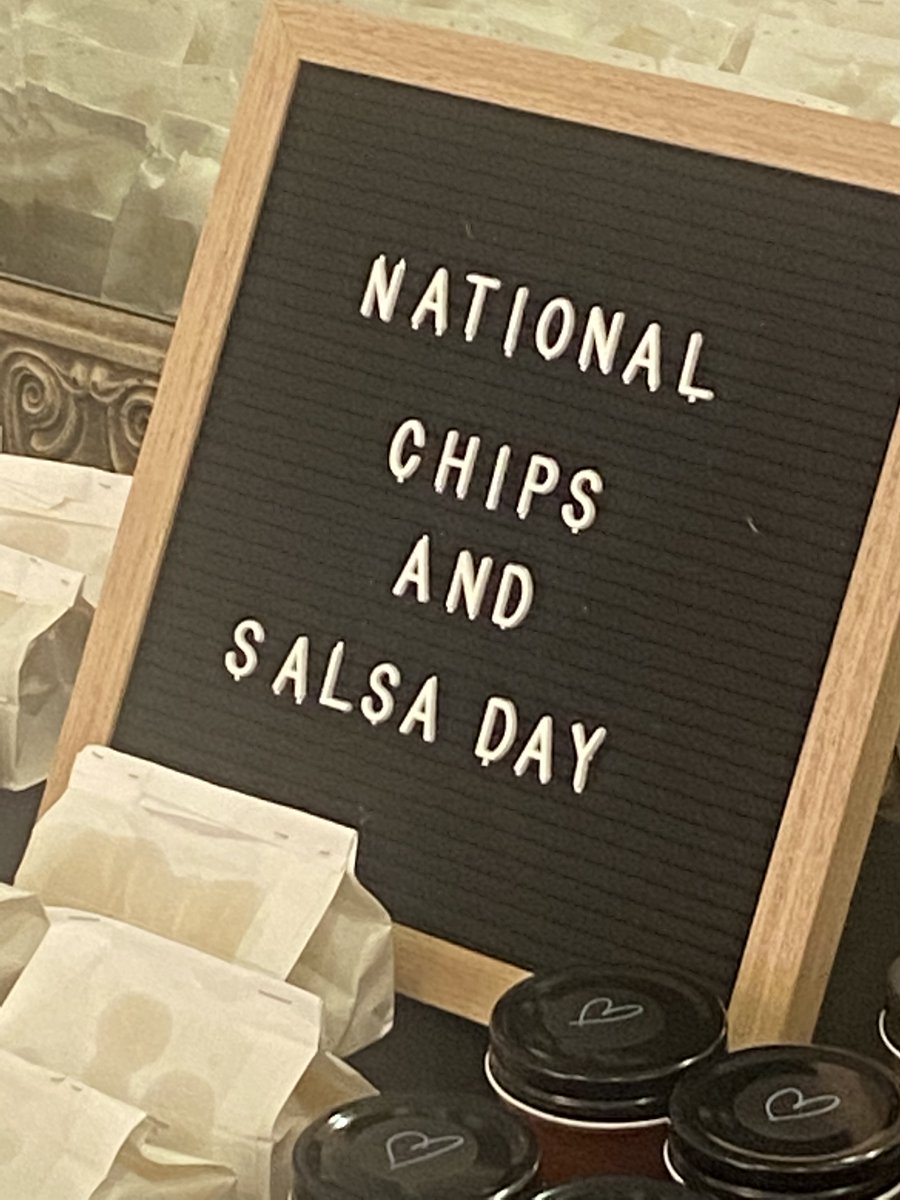
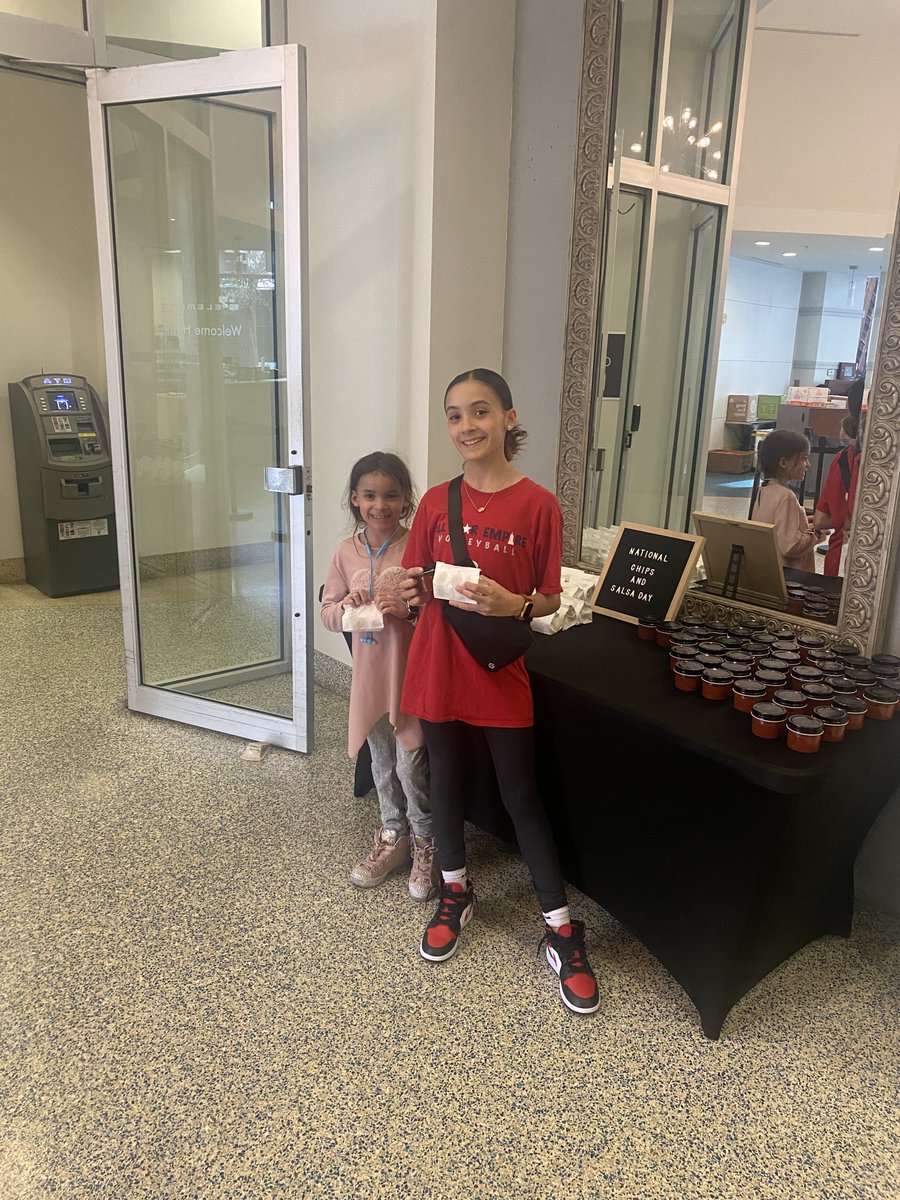
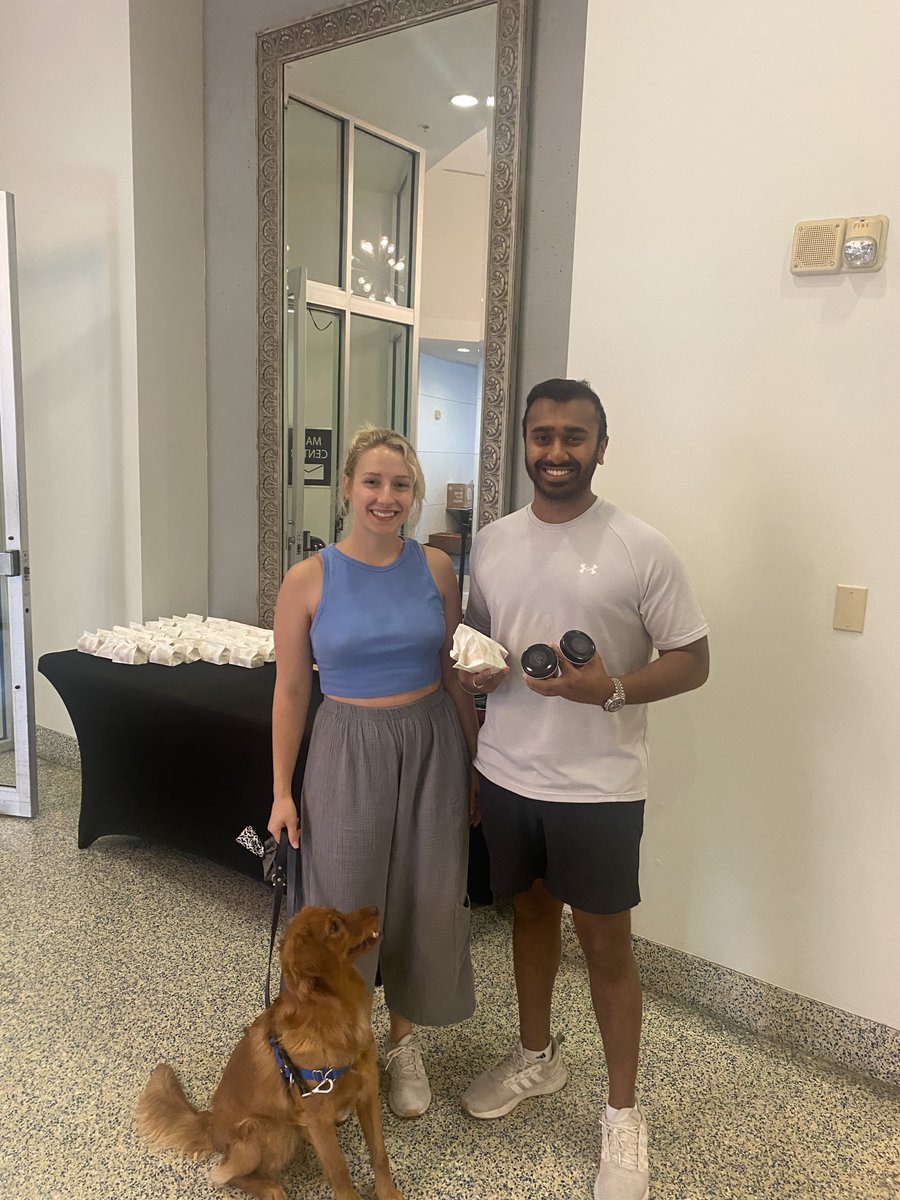
Thank you all for joining us for National Tortilla Chip Day!
#WeLoveOurResidents #lovewhereyoulive #Tampa #Element #NationalTortillaChipDay #Community #ResidentEvents #LuxuryRentals #LiveElement

1
29
8 Dec 2022
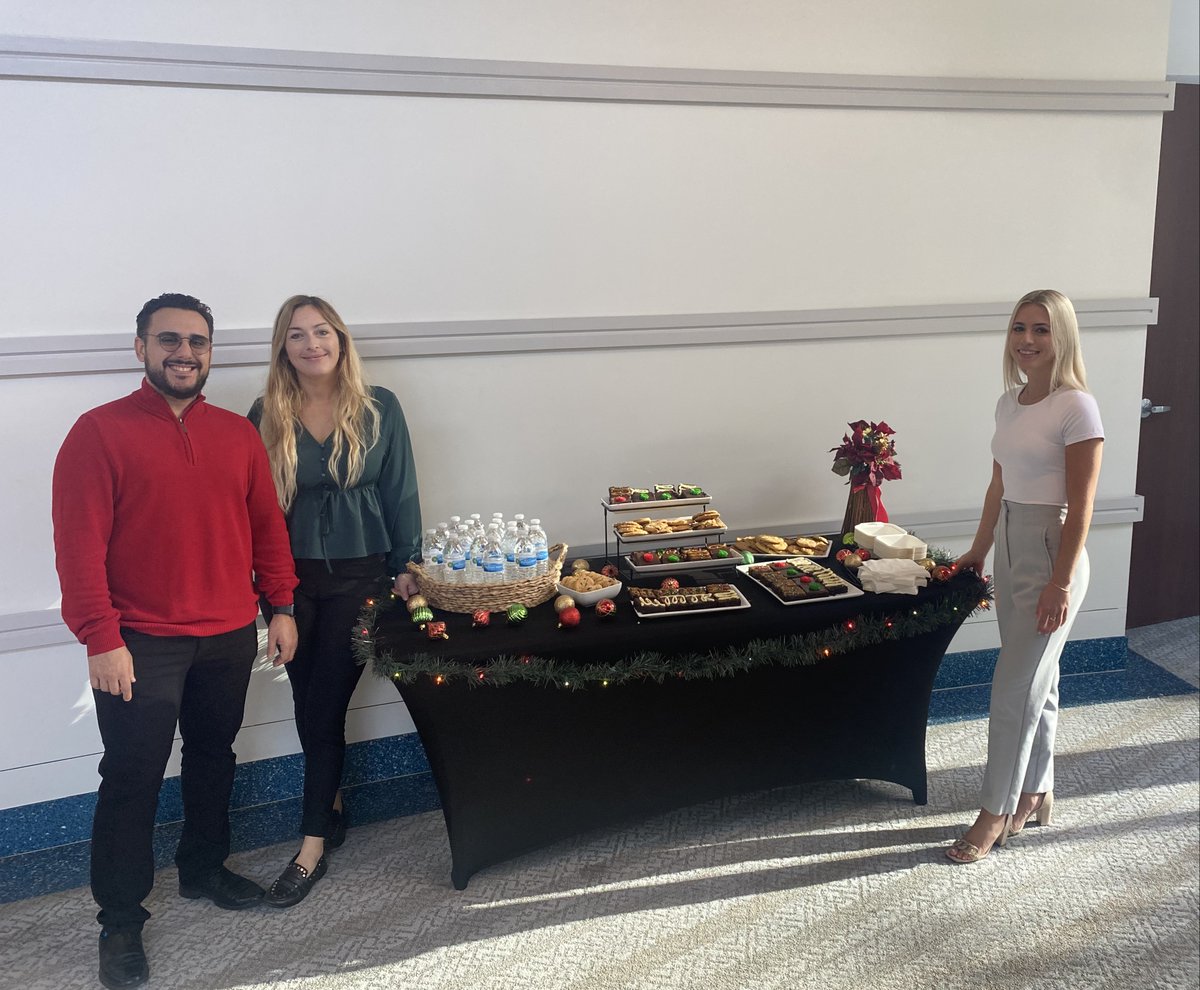
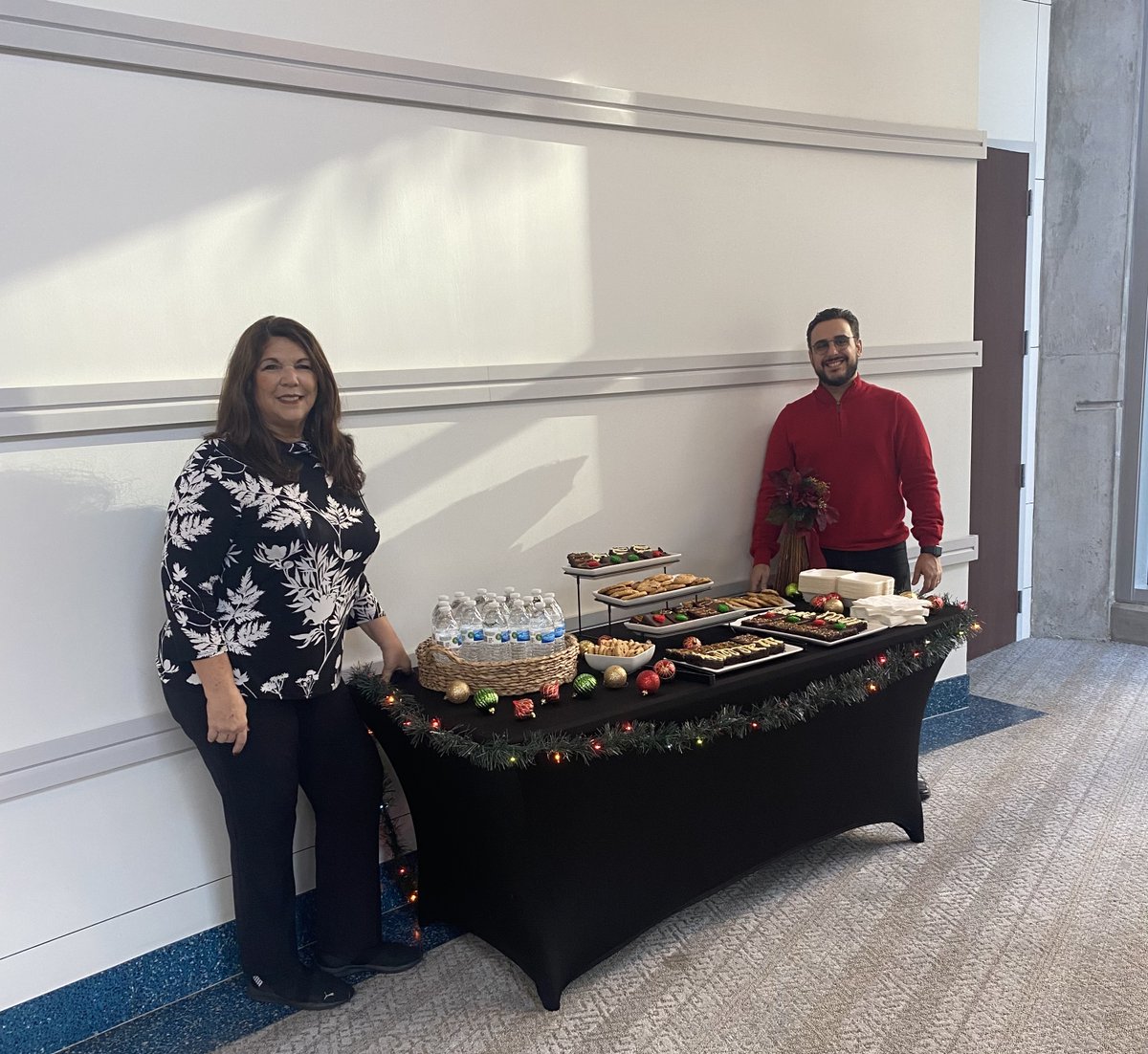
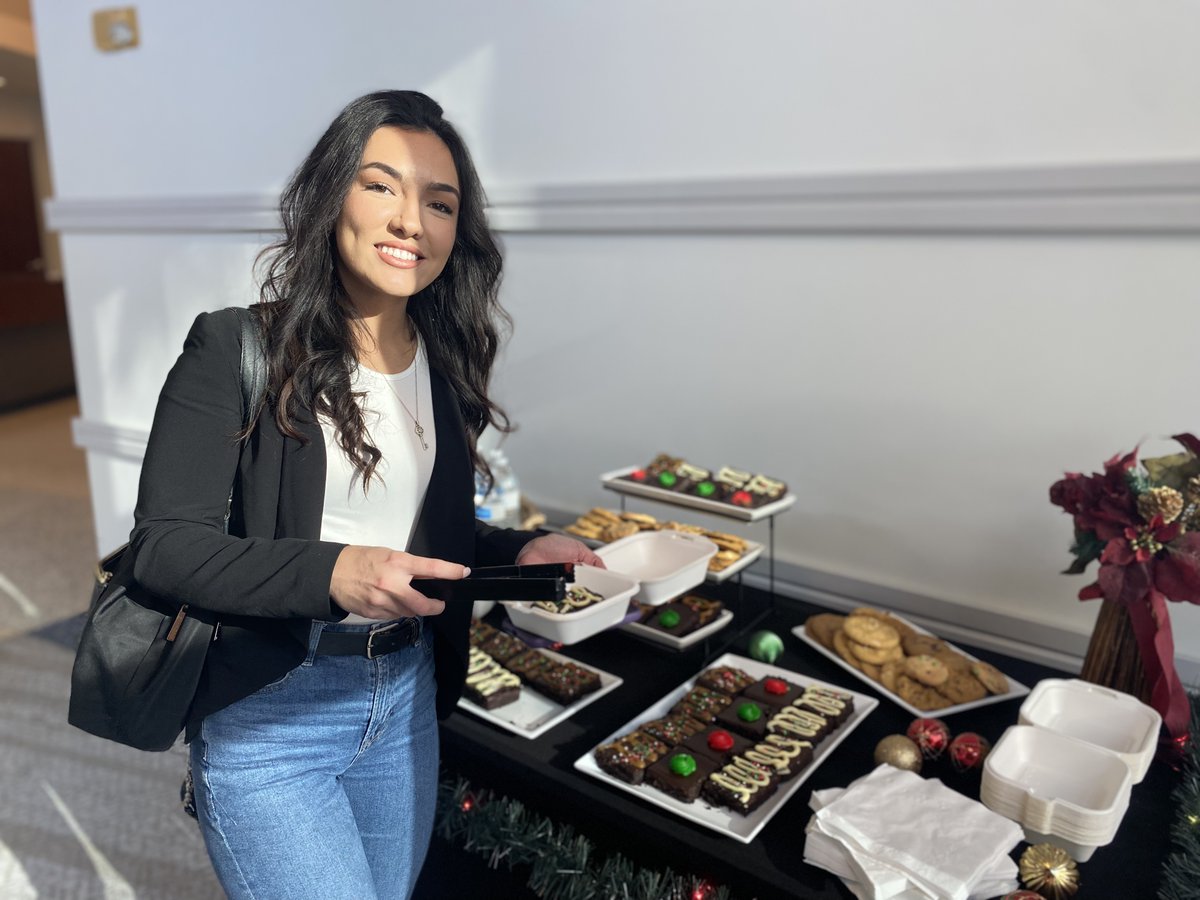
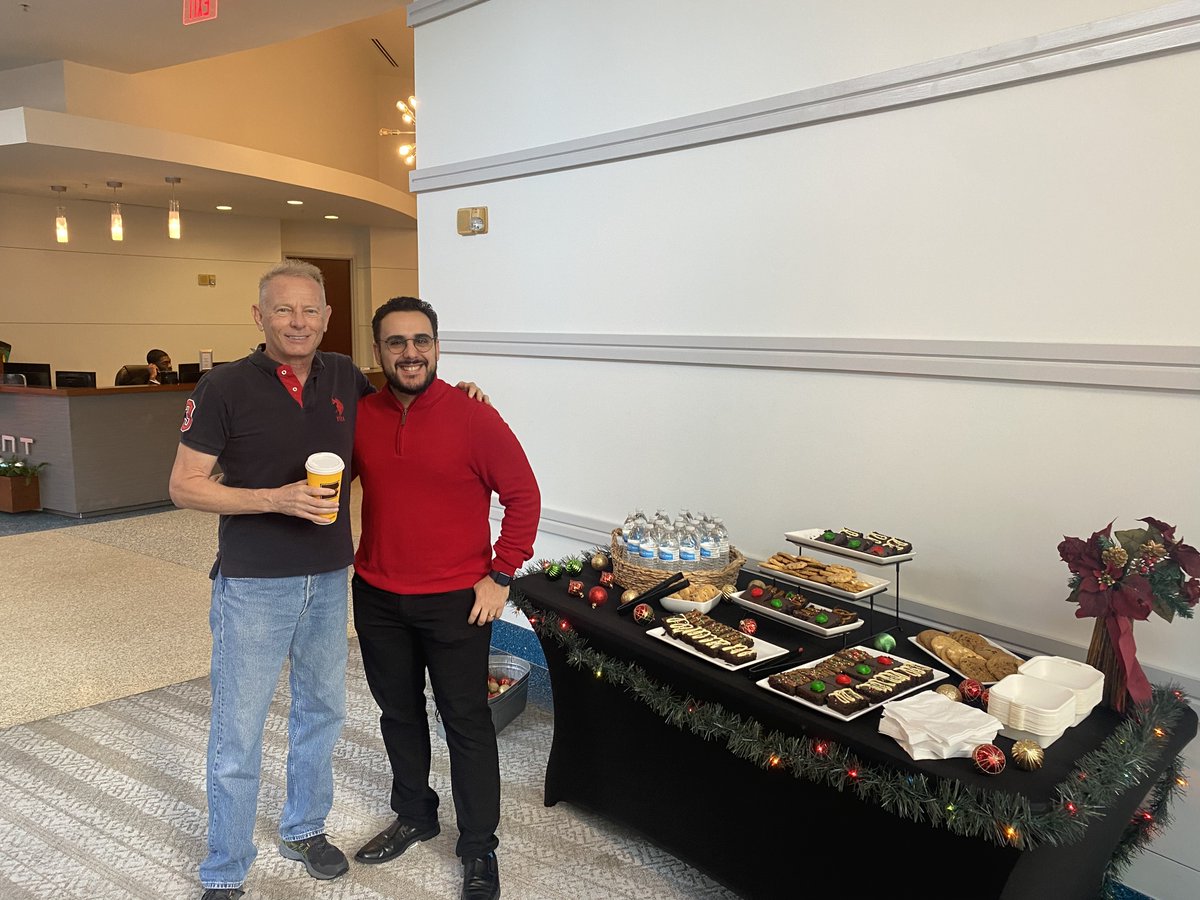
Thanks for stopping by today to celebrate #NationalBrownieDay with us!
#lovewhereyoulive #LiveElement #Holidays2022 #Brownies #Treats #LuxuryRentals #Tampa #WeLoveOurResidents
2
21 Oct 2022
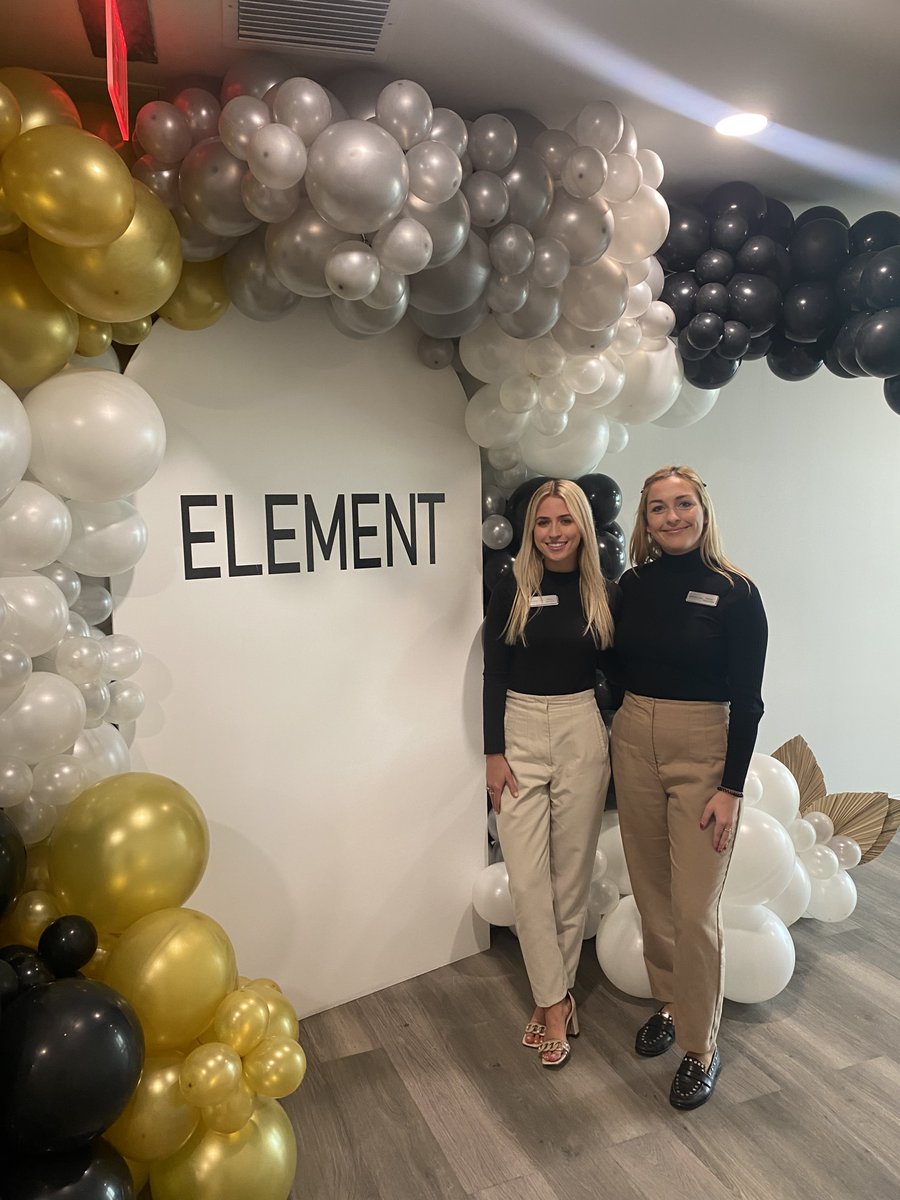
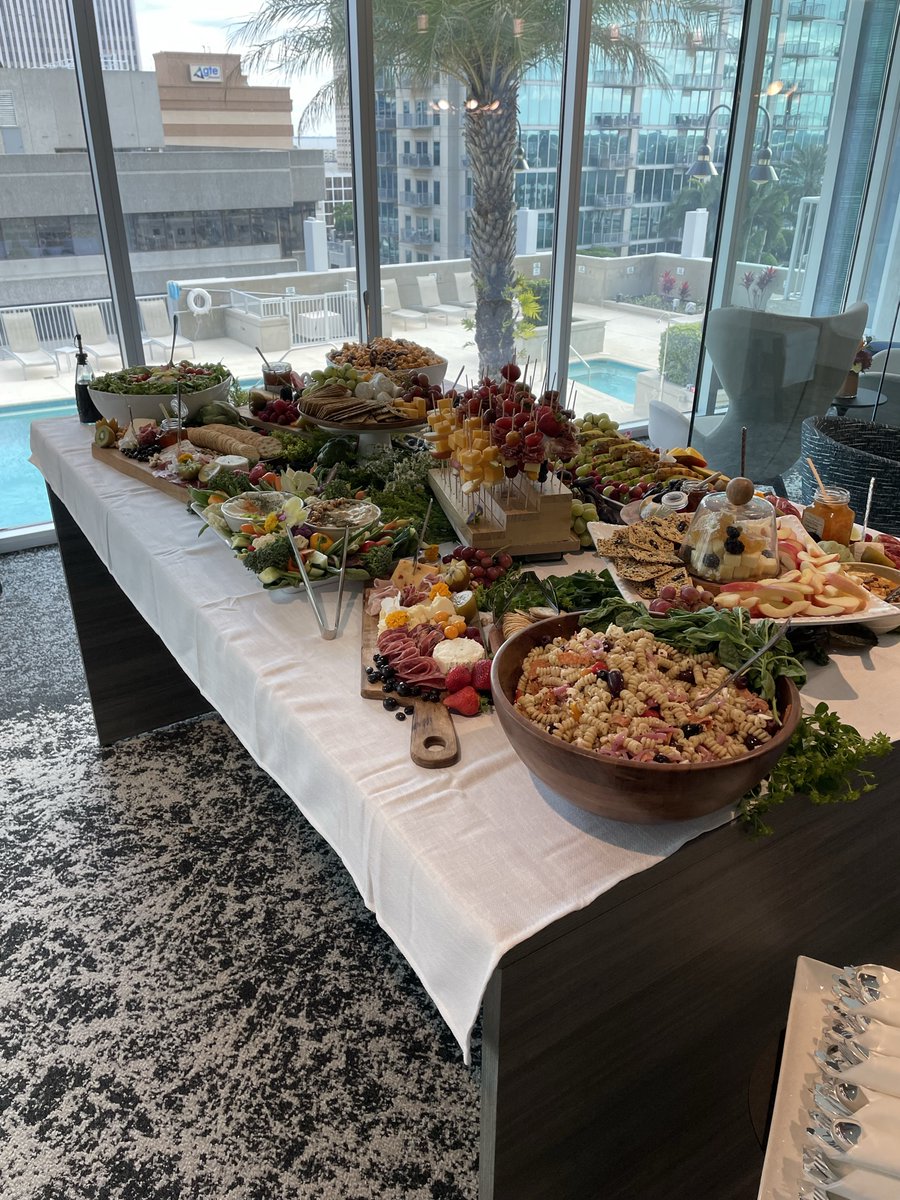
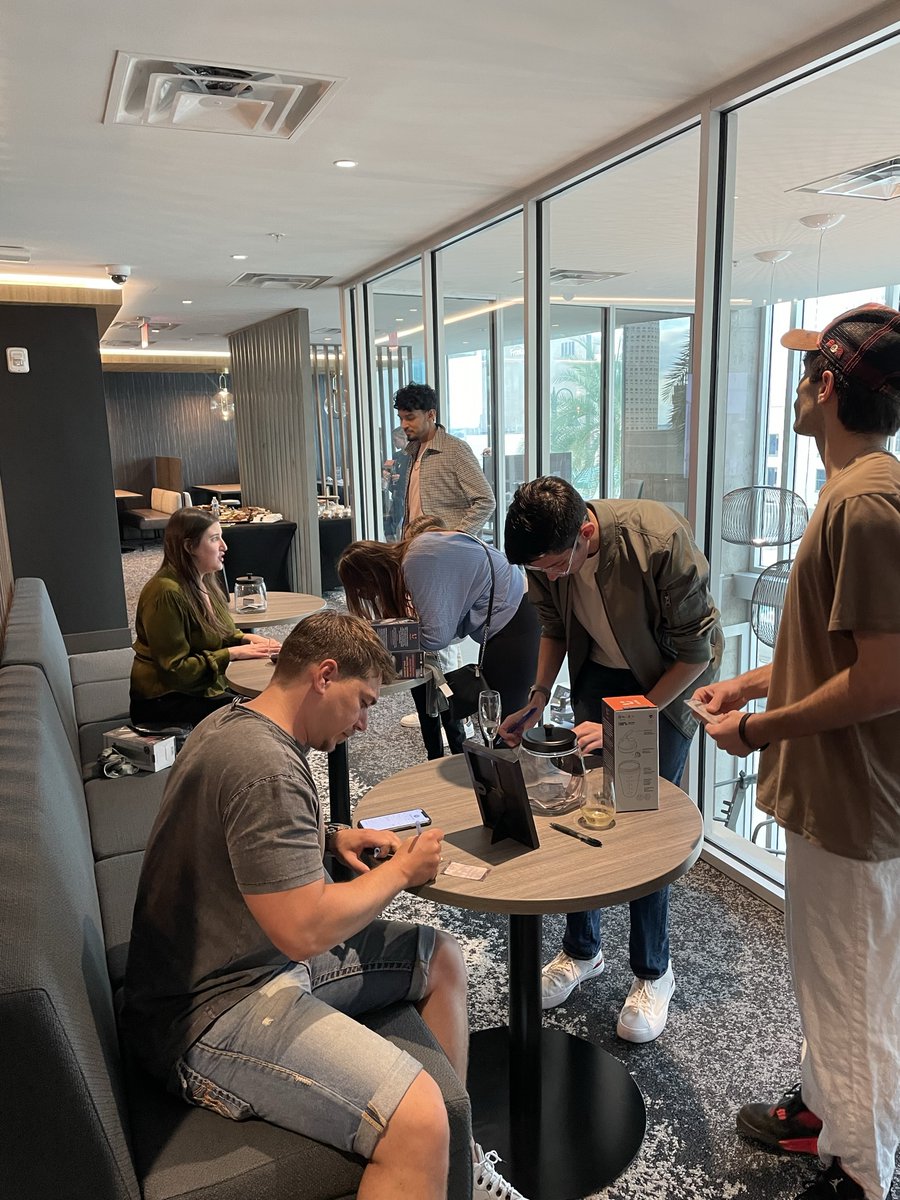
Thank you to all our residents that turned out to celebrate the Grand Reopening of our amenity spaces at Element.
See all the photos at:
facebook.com/elementtampa
#LiveElement #Tampa #Element #LuxuryRentals #CircuitStudio #SkyviewLounge #WeLoveOurResidents #LoveWhereYouLive

2
21 Sep 2022
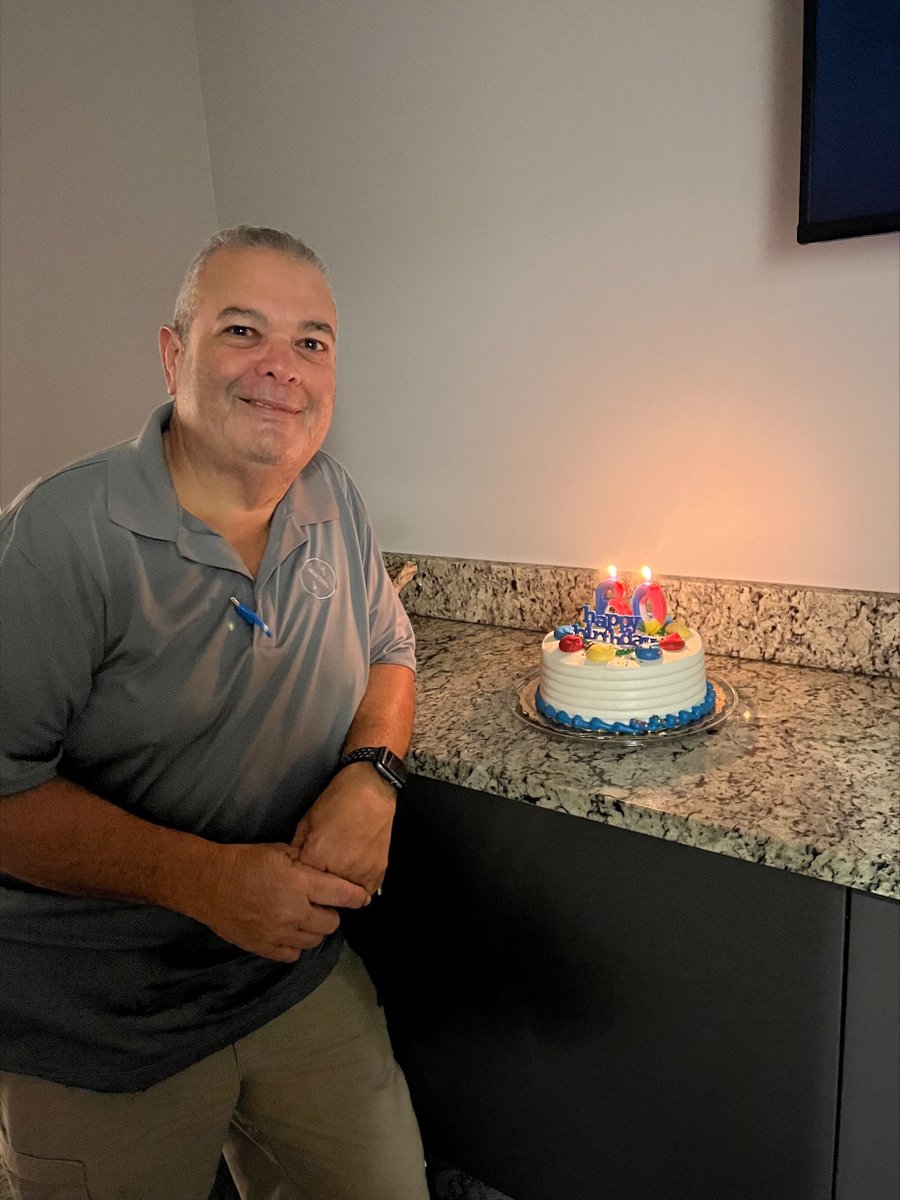
Please join us in wishing Fernando a very happy birthday today! Thank you for all you do for the Element community!
#HappyBirthday #BirthdayWishes #LoveWhereYouWork #LiveElement #Tampa #TampaBay #LuxuryRentals #BlowOutTheCandles
2

3 Sep 2022
Liveelement für die Schweiz : Käserad auf die Bühne rollen 🧀
1
3
22 Aug 2022
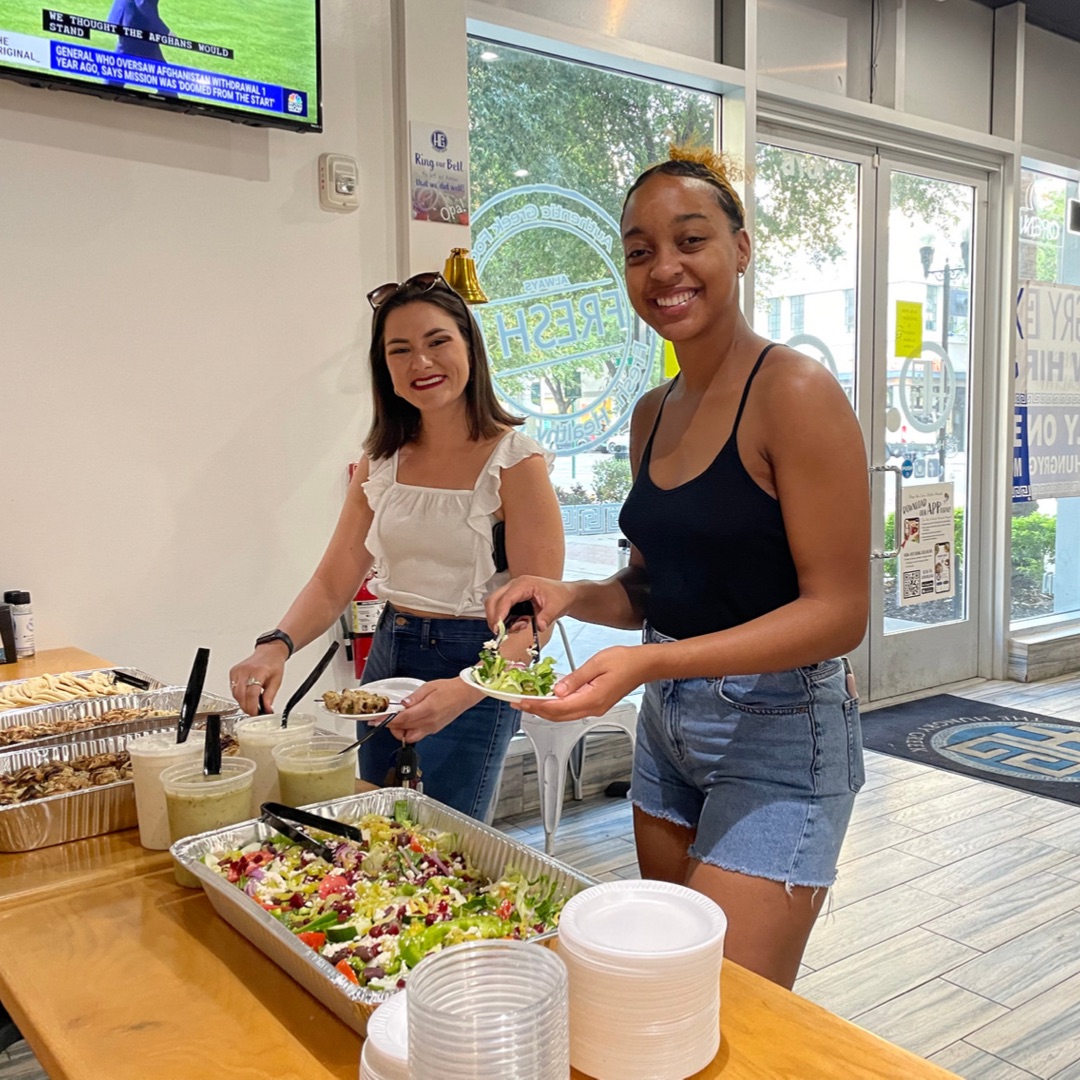
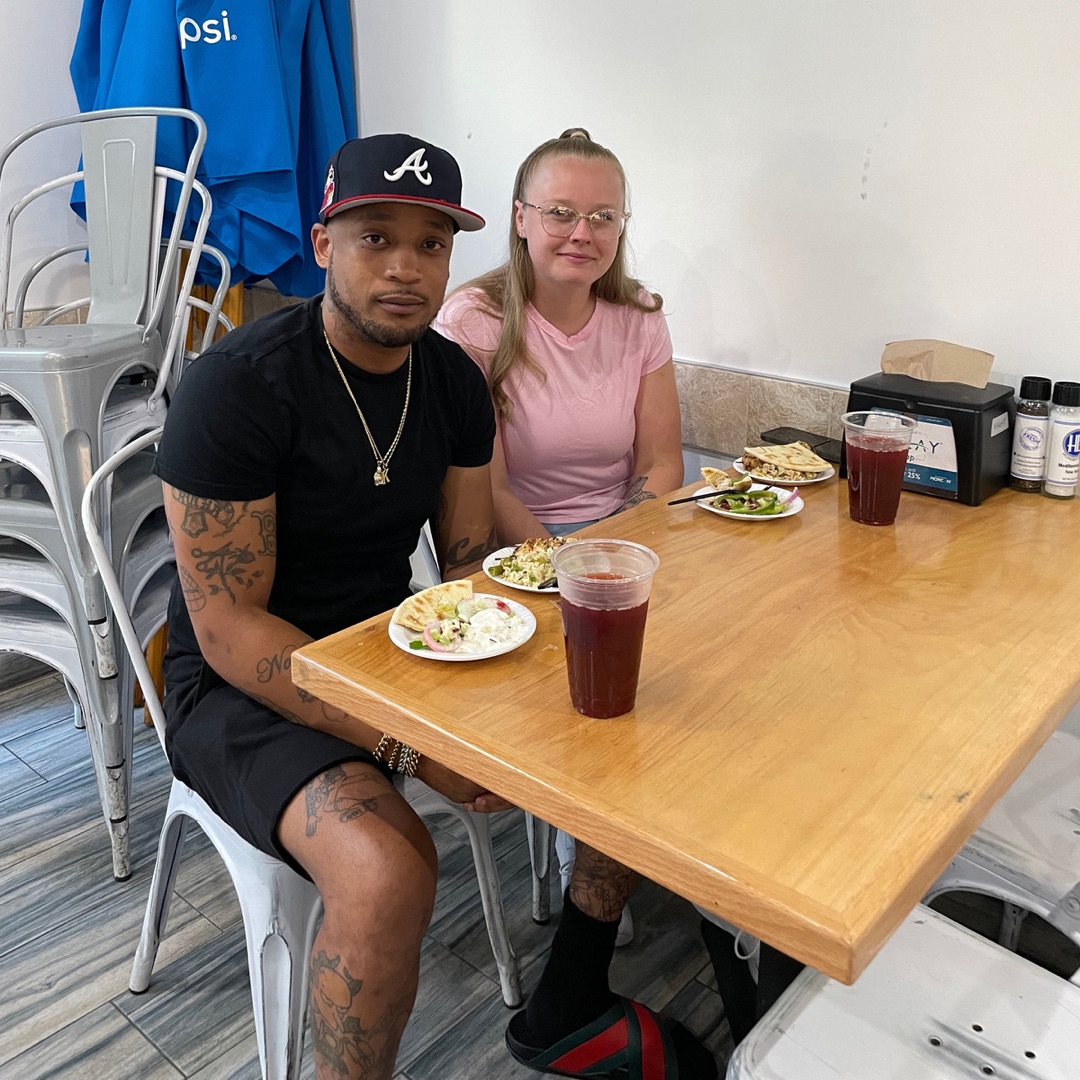
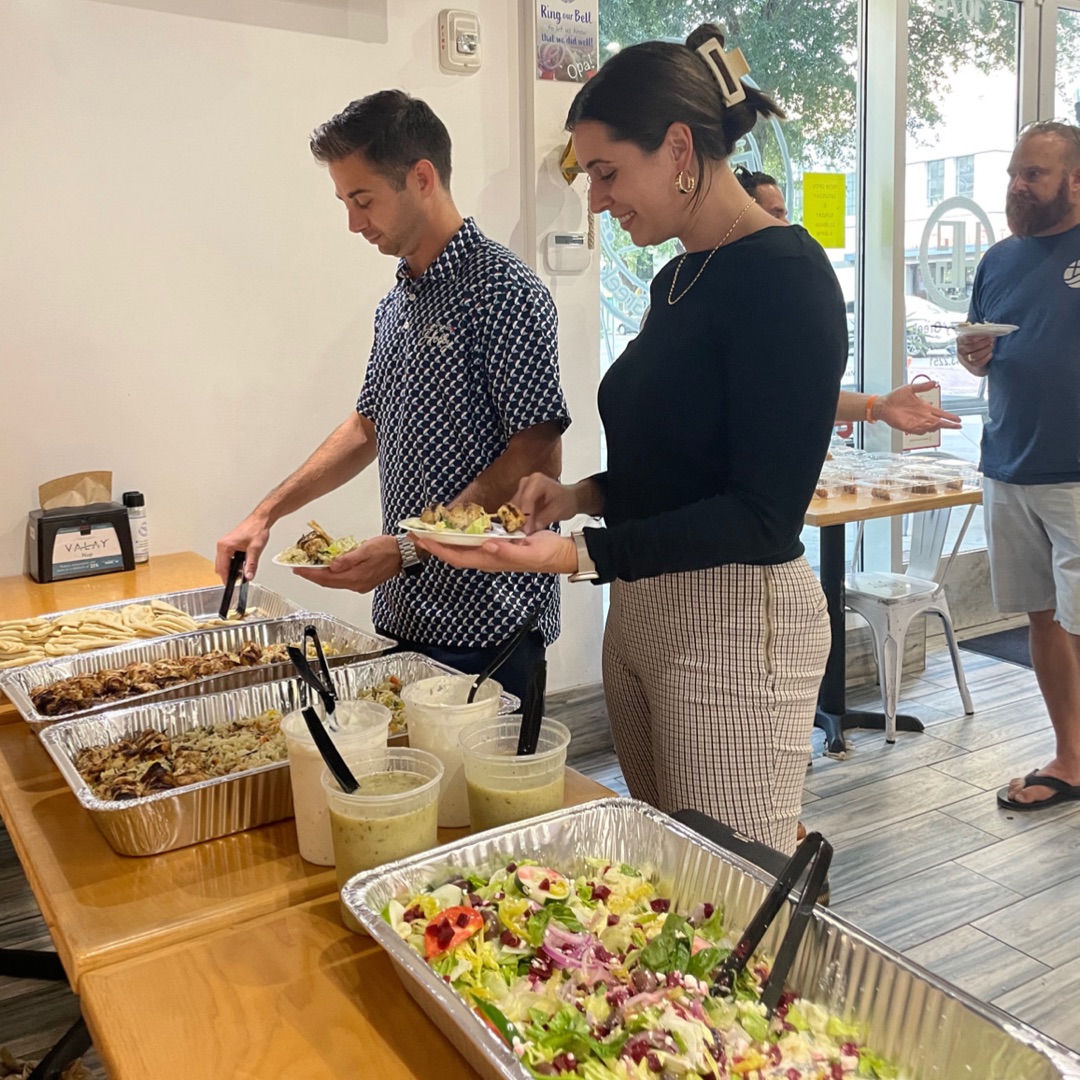
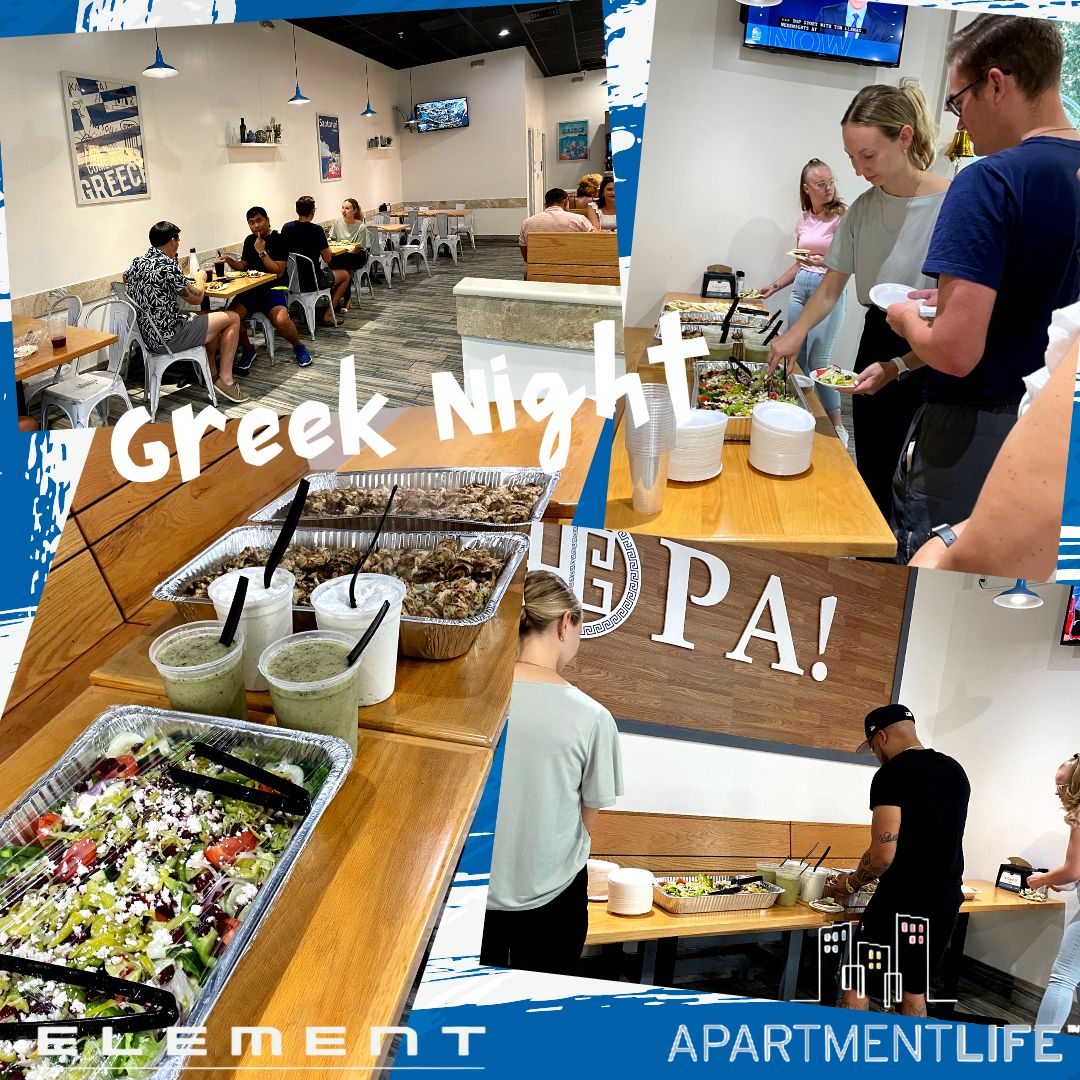
Thank you all for joining us at The Element Greek Dinner Party at The Hungry Greek!
#LiveElement #Tampa #LuxuryRentals #ResidentEvents #WeLoveOurResidents #LoveWhereYouLive #Element #TheHungryGreek #AptLife
1
21 Jul 2022
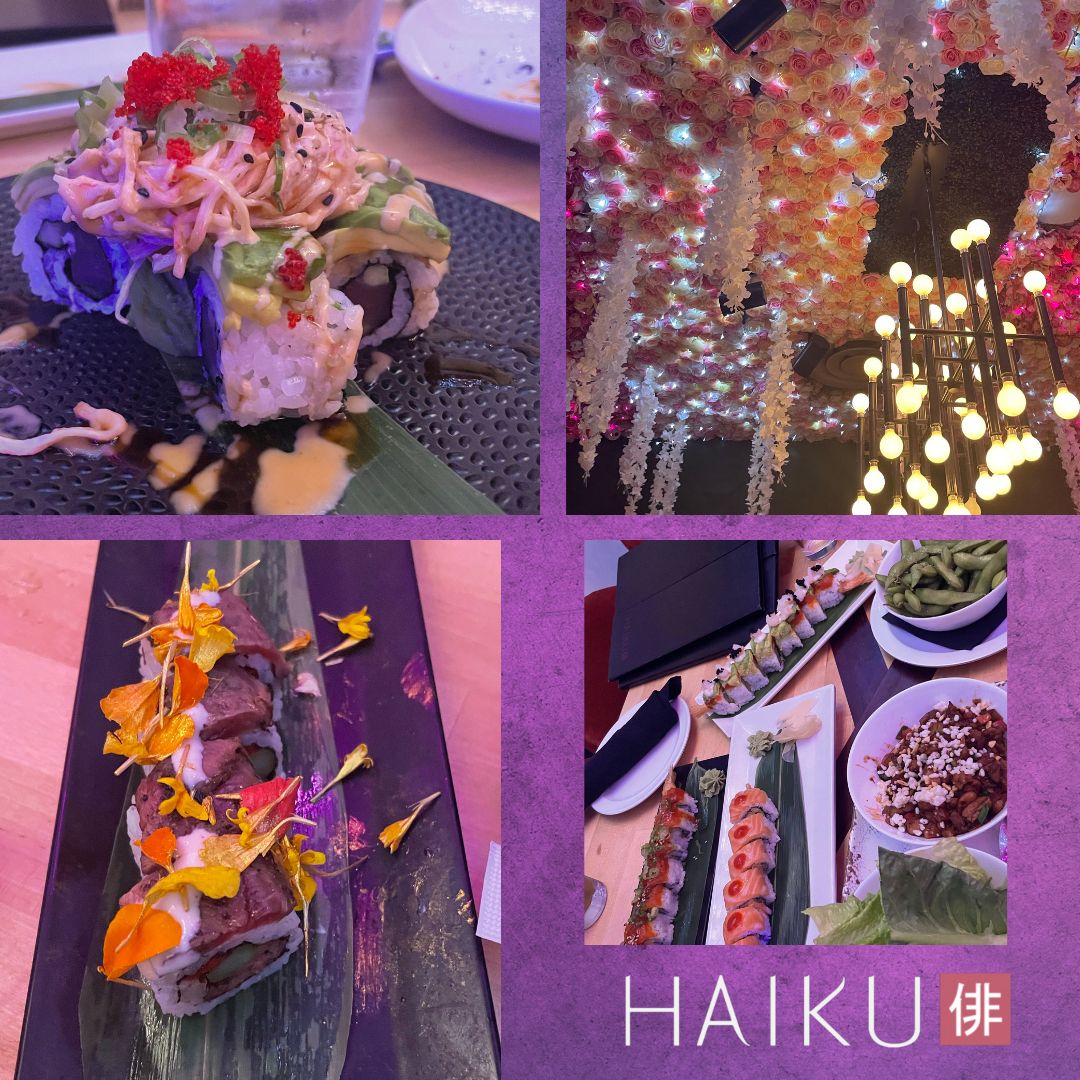
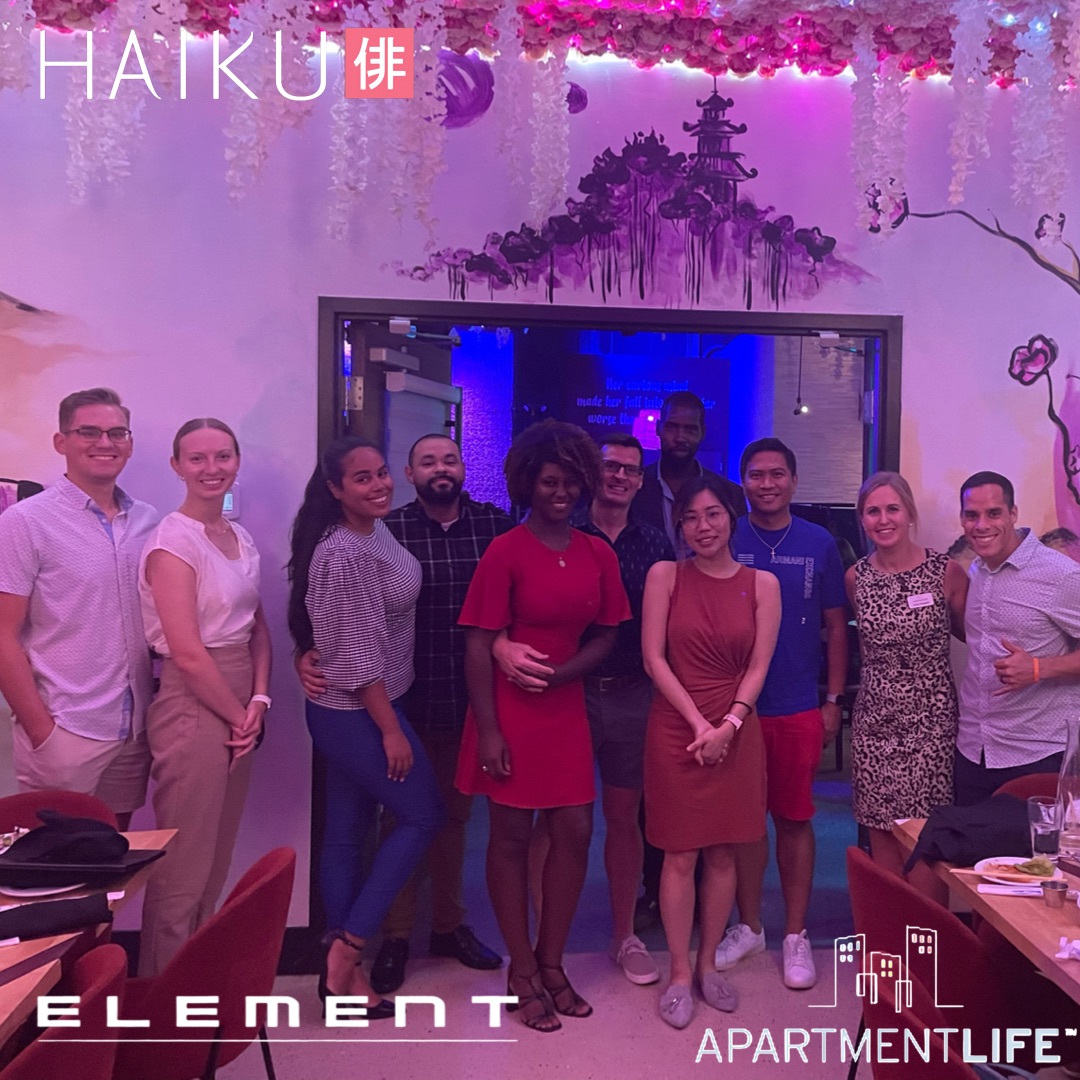
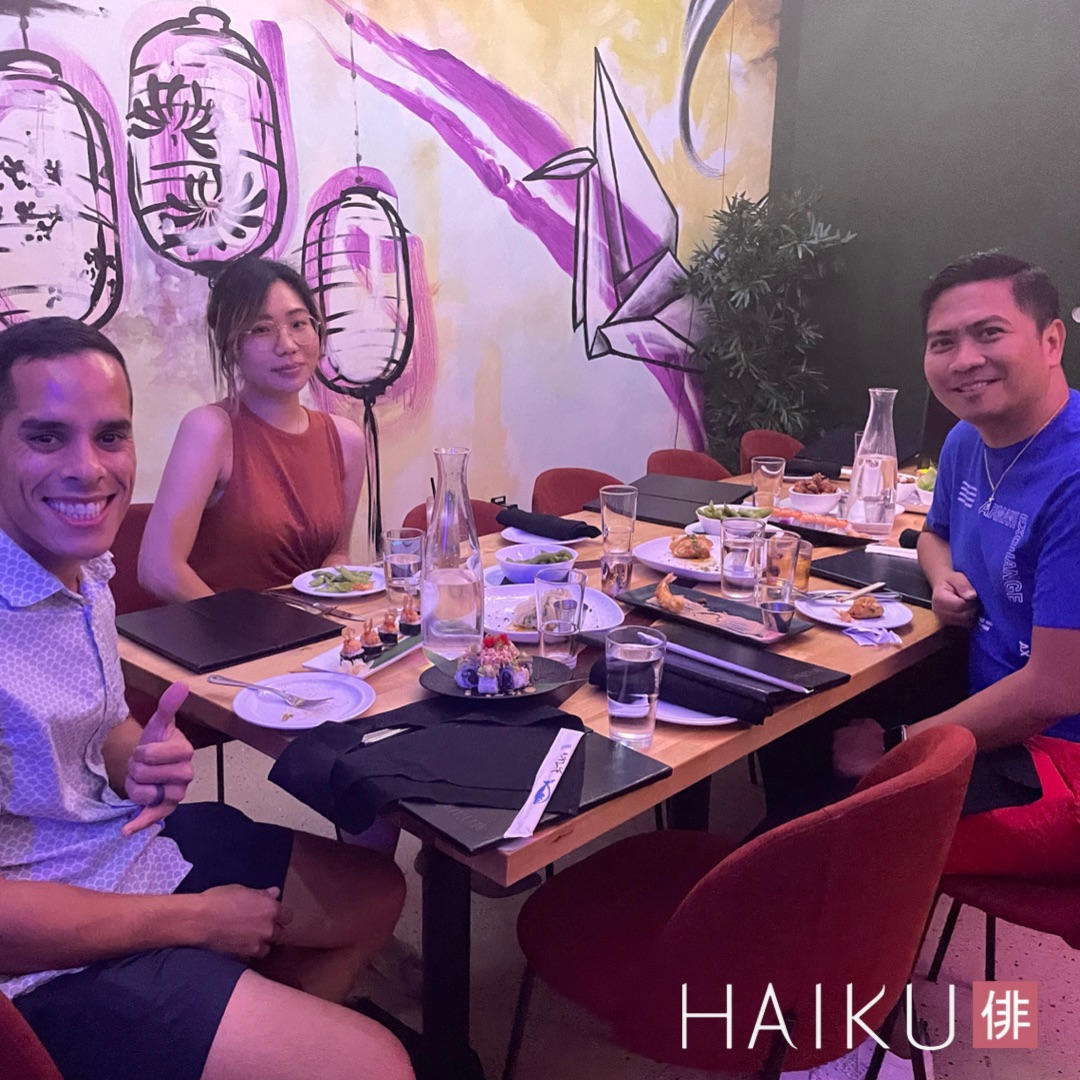
We love our Residents at The Element and had a lovely evening and dinner at @HaikuTampa
#WeLoveOurResidents #LiveElement #LoveWhereYouLive #Tampa #LuxuryRentals #ElementTampa

2
9 Jul 2022
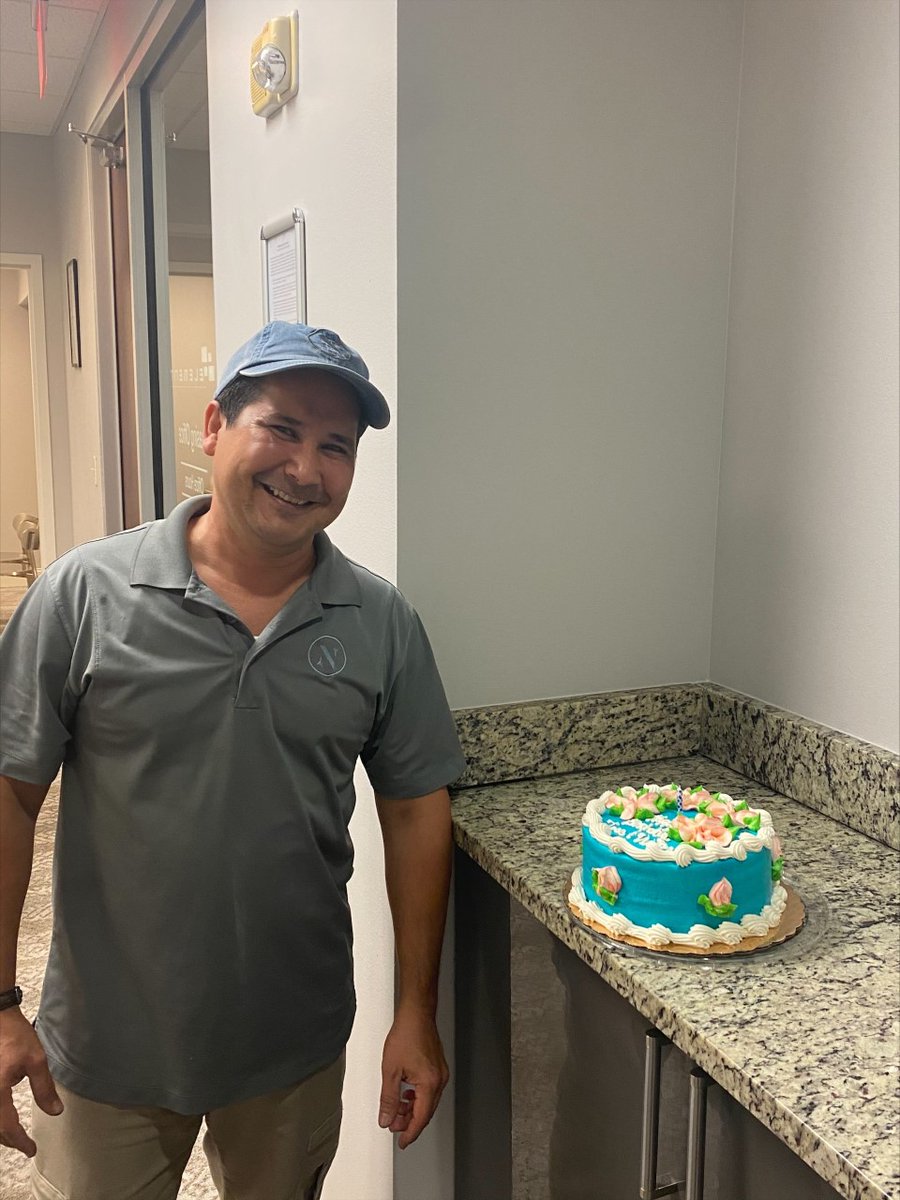
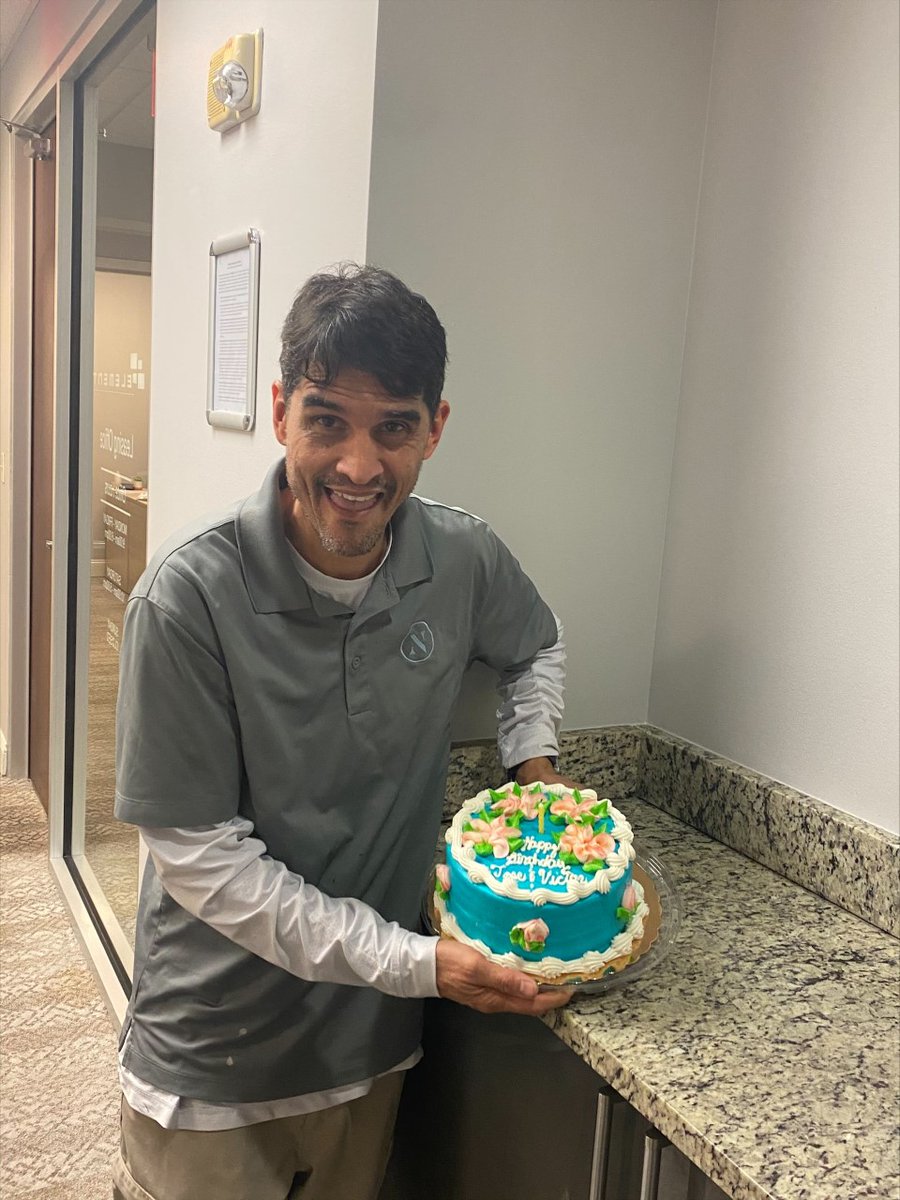
Please join us in wishing Element Team Members, Jose and Victor, a very happy birthday!
#HappyBirthday #BirthdayWIshes #Community #LiveElement #Tampa #LoveWhereYouWork #BlowOutTheCandles #Family
2
9