
16 Jun 2025
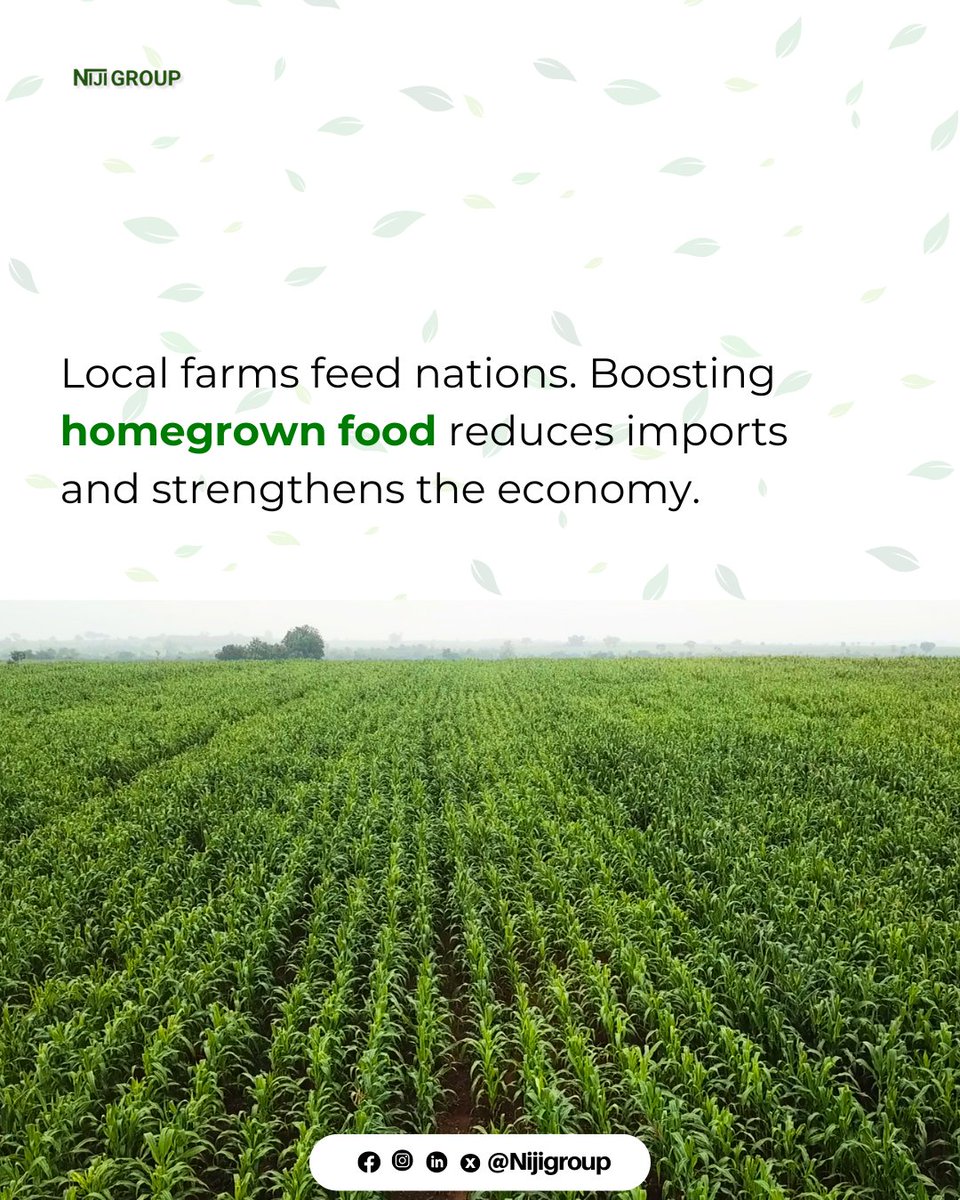
When we invest in food production, we’re growing stability, jobs, and a future we can be proud of.
Everyone has a role to play, from farmers to consumers.
Therefore, support local food systems and champion a future where no one goes hungry.
#localfoodproduction #nijigroup
2
1
4
3,754

12 Aug 2024
Its time to bring stakeholders like @NSFA to the collaborative table to make strides in growing our local food production. We should also be working as a Maritime region and remove all unnecessary interprovincial barriers- not put up new ones. #foodsecurity #localfoodproduction
1
1
3
383

2 Apr 2024
Did you know that #Louisburgh has its own dedicated website for all things #Climate #Action managed by volunteers? #sustainableenergy #sustainablemobility #localfoodproduction #carbonsequestration #sustainableliving #biodiversity #climateconversations
callclimateaction.ie/
1
4
88

24 Aug 2023
Imagine these lower rooftops in #EastmanVillage planted with flowering shrubs in #Harrow, the old #Kodak site.
Imagine if local residents pushed for #verticalfarming there.
Imagine if we could dream how to support #localfoodproduction.
Feed the Tesco beggars!
@PrincesTrust

3
113

30 Jul 2023
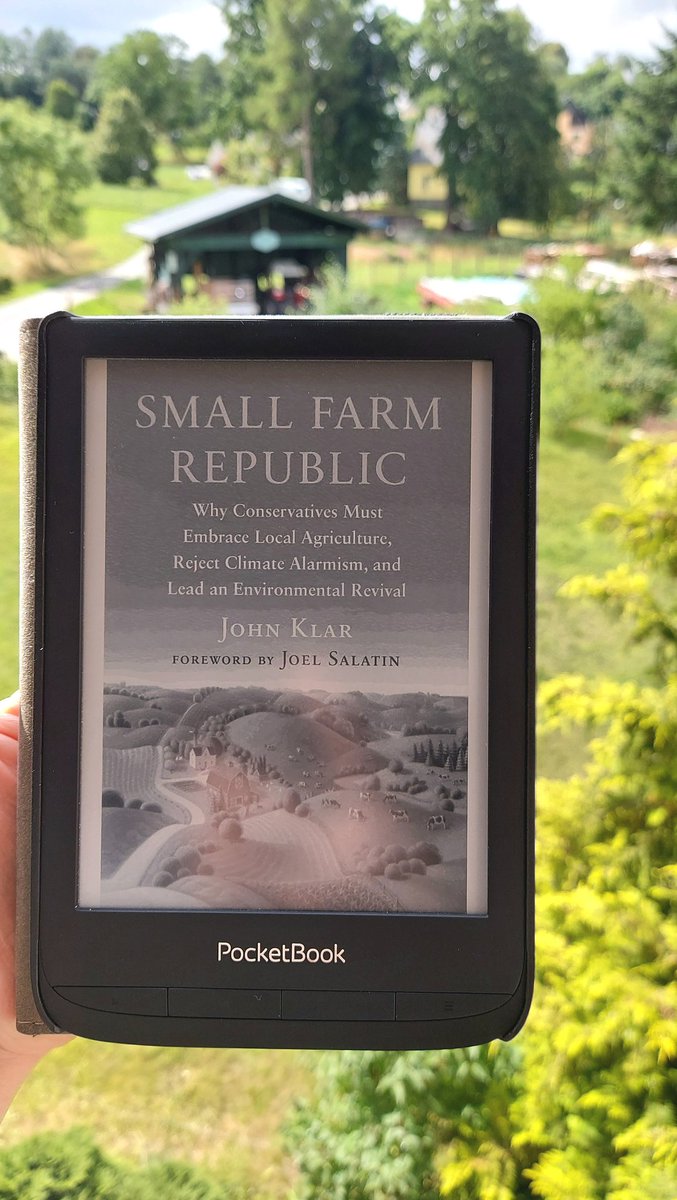
Reading @KlarVT 'small farm republic' in the proper environment.
#smallfarmrepublic#johnklar#conservativeenvironmentalism#environmentalism#localfoodproduction
1
6
182

26 Jul 2023
Discover how local food systems boost accessibility to healthy food and enhance resilience but also face challenges. Learn more at ACE website: ace-usa.org/blog/research/fo… #FoodSecurity #SustainabilityMatters #LocalFoodProduction 🍏🥕
1
36

18 Jun 2023
HAPPY FATHER'S DAY
.
.
.
--------- cleantech-mart.com --------
--------- carbinnov.com -----------------
.
.
.
.
#FathersDay2023 #DroneTechnology #Innovation #FatherDay
#ClimateSmartAgri #localfoodproduction
#CleanWaterForAll #HealthyLiving
#OrganicProducts
2
12
16 Jun 2023
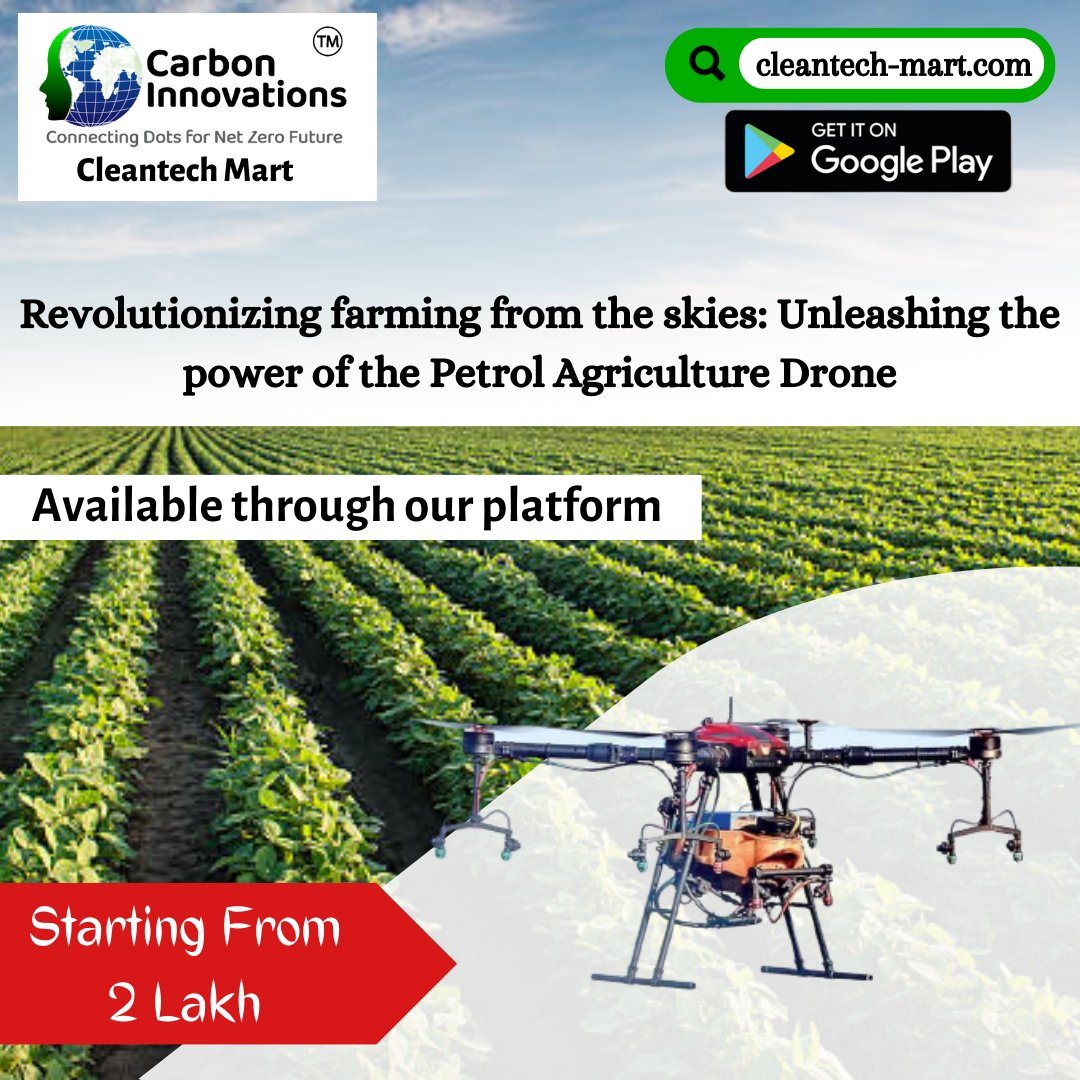
Introducing the Petrol Agriculture Drone! 🚁🌾
Visit us on :- cleantech-mart.com
#PrecisionAgriculture #DroneTechnology #FarmInnovation
#ClimateSmartAgri #localfoodproduction
#CleanWaterForAll #HealthyLiving"
#OrganicProducts #EcoFriendly #GoGreen #CleantechMart
2
12
14 Jun 2023
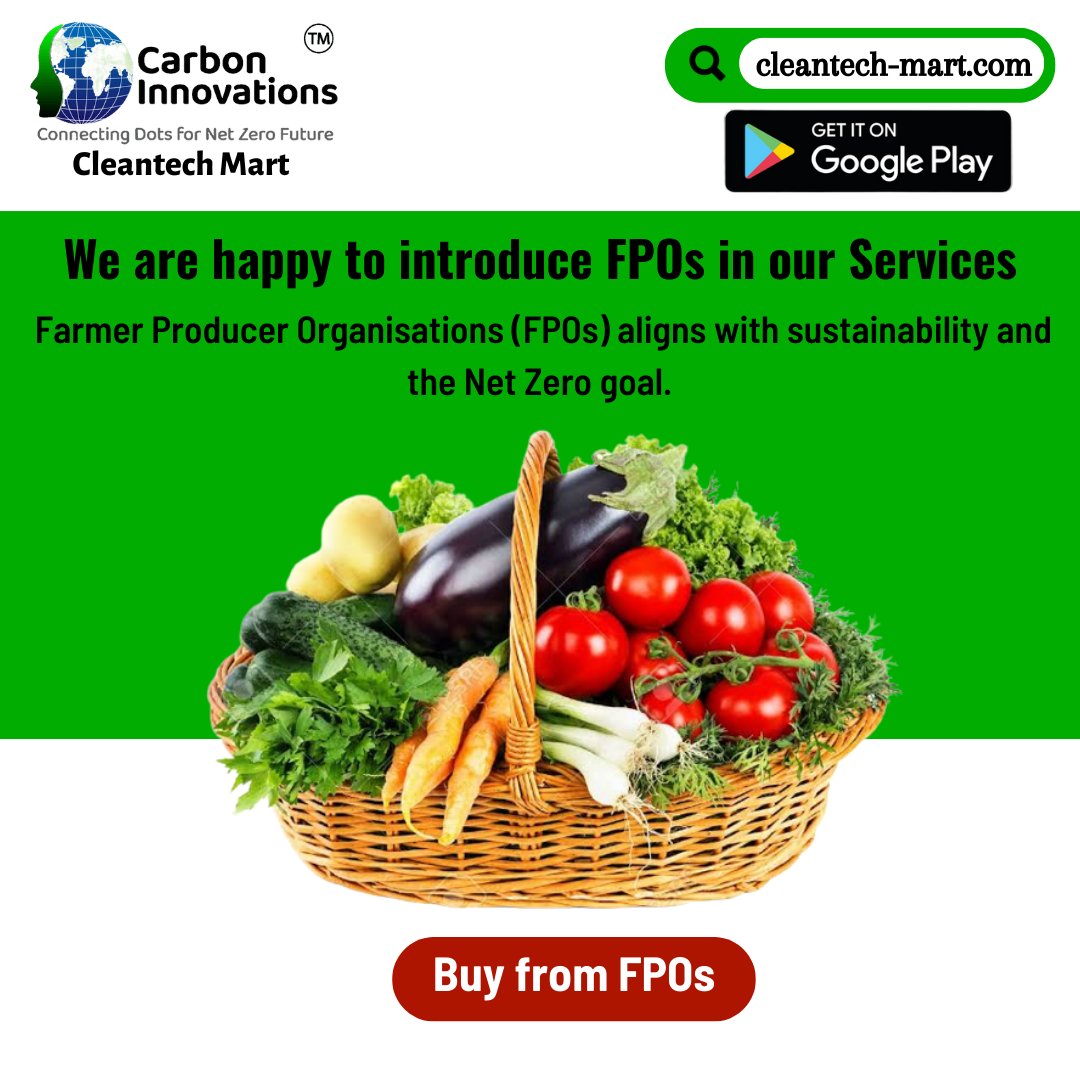
🌱 Join the Sustainable Farming Movement! 🚜
At cleantech-mart.com
#ClimateSmartAgri #localfoodproduction
#CleanWaterForAll #HealthyLiving"
#OrganicProducts #EcoFriendly #GoGreen #CleantechMart #energyefficiency #ecofriendly #renewableenergy #sustainability
2
9

Aquaponic farming is a sustainable agricultural technique that combines aquaculture (fish farming) and hydroponics (soilless plant cultivation) in a symbiotic system. In aquaponics, fish are raised in a tank, and their waste serves as a nutrient source for plants grown hydroponically. The plants, in turn, filter and purify the water for the fish. This integrated approach offers numerous benefits:
1. Resource Efficiency: Aquaponics conserves water by recirculating it between the fish tank and the plant beds. It uses up to 90% less water compared to traditional soil-based farming methods.
2. Nutrient Recycling: Fish waste provides organic nutrients for plants, eliminating the need for synthetic fertilizers. The plants naturally filter the water, creating a sustainable nutrient cycle.
3. Increased Crop Yield: Aquaponics often yields faster plant growth and higher crop yields compared to traditional farming methods. The nutrient-rich water and optimal growing conditions promote plant growth.
4. Space Utilization: Aquaponics can be implemented in various settings, including urban areas and limited spaces. It allows for vertical farming and stacking, maximizing production in small areas.
5. Year-Round Production: Aquaponic systems are not dependent on seasonal changes or weather conditions, enabling year-round cultivation and consistent harvests.
6. Reduced Environmental Impact: The closed-loop system of aquaponics minimizes the release of pollutants and chemicals into the environment. It reduces the need for pesticides and prevents soil erosion and nutrient runoff.
7. Diverse Crop Cultivation: Aquaponics supports the growth of a wide range of crops, including vegetables, herbs, fruits, and even flowers, offering versatility in production.
8. Sustainable Fish Production: Aquaponics provides a sustainable and controlled environment for fish farming. It reduces the environmental impact associated with traditional fish farming and overfishing.
9. Educational Value: Aquaponics is an excellent educational tool, offering hands-on learning opportunities about sustainable food production, ecosystems, and the importance of environmental stewardship.
10. Local Food Production: Aquaponics allows for localized food production, reducing transportation distances and promoting access to fresh, locally grown produce.
Aquaponic farming technology represents an innovative and sustainable approach to agriculture, integrating fish and plant production in a symbiotic system. It offers the potential to enhance food security, conserve resources, and promote ecological balance.#Aquaponics #SustainableFarming #Aquaculture #Hydroponics #ResourceEfficiency #NutrientRecycling #CropYield #SpaceUtilization #YearRoundProduction #EnvironmentalImpact #DiverseCropCultivation #SustainableFishProduction #Education #LocalFoodProduction #FoodSecurity #mycityxyz #neosrilanka #createabetterworld #infasxyz
2
48
Hydroponics farming is a technology-based method of growing plants without soil, where plants receive essential nutrients through a nutrient-rich water solution. The roots are either immersed in the nutrient solution or supported by an inert medium like perlite, rockwool, or coconut coir. This system allows for precise control over factors like nutrient levels, pH, and water supply, resulting in several benefits:
1. Efficient Resource Use: Hydroponics uses significantly less water compared to traditional soil-based farming. The water is recirculated within the system, reducing water wastage.
2. Higher Crop Yield: Plants in hydroponic systems often grow faster and produce higher yields due to the optimized growing conditions, including the constant availability of nutrients.
3. Space Utilization: Hydroponics can be practiced in smaller spaces, making it suitable for urban or limited land areas. Vertical farming and stacked systems maximize the use of vertical space.
4. Year-Round Production: The controlled environment in hydroponics enables year-round cultivation, unaffected by external climate conditions, allowing for consistent crop production.
5. Pest and Disease Control: Hydroponic systems are less susceptible to pests and diseases typically associated with soil. This reduces the need for chemical pesticides, making it more environmentally friendly.
6. Nutrient Control: The nutrient solution in hydroponics can be precisely tailored to the specific needs of plants, ensuring optimal nutrition and minimizing nutrient deficiencies.
7. Sustainability: Hydroponics reduces the reliance on traditional agriculture practices that may lead to soil degradation, erosion, or chemical runoff. It promotes sustainable agriculture by minimizing environmental impact.
8. Efficient Space Utilization: Hydroponic systems can be designed vertically, allowing for the cultivation of multiple layers of crops in a limited space.
9. Consistent Quality: The controlled environment and nutrient supply in hydroponics result in consistent quality produce with enhanced flavor, texture, and appearance.
10. Local Food Production: Hydroponics enables food production closer to urban centers, reducing transportation distances and promoting local, fresh produce.
Hydroponics farming technology is continually evolving, offering innovative and sustainable solutions for agriculture, contributing to food security, and addressing the challenges of land scarcity and environmental impact. #Hydroponics #FarmingTechnology #SoillessFarming #ResourceEfficiency #CropYield #SpaceUtilization #YearRoundProduction #PestControl #DiseaseControl #NutrientManagement #Sustainability #VerticalFarming #ConsistentQuality #LocalFoodProduction #FoodSecurity #EnvironmentalImpact #mycityxyz #neosrilanka #createabetterworld
2
28

New £2.9 million NIHR research project working with the Caribbean, Pacific and Philippines towards population #nutrition through ecologically #sustainable #localfoodproduction Around 2/3 of food is imported & most is of low nutritional value.@ExeterMed ecehh.org/news/8113/
3
5
447

13 Mar 2023
📣 #CasteloBranco's Food Policy Council has been established! Working with local authorities, the council aims to
🌽 increase #localfoodproduction,
🗑️ reduce food waste, and
👨👩👧👦 improve access to healthy and affordable food
More on this news👉 buff.ly/3F7qeeh
1
6
89

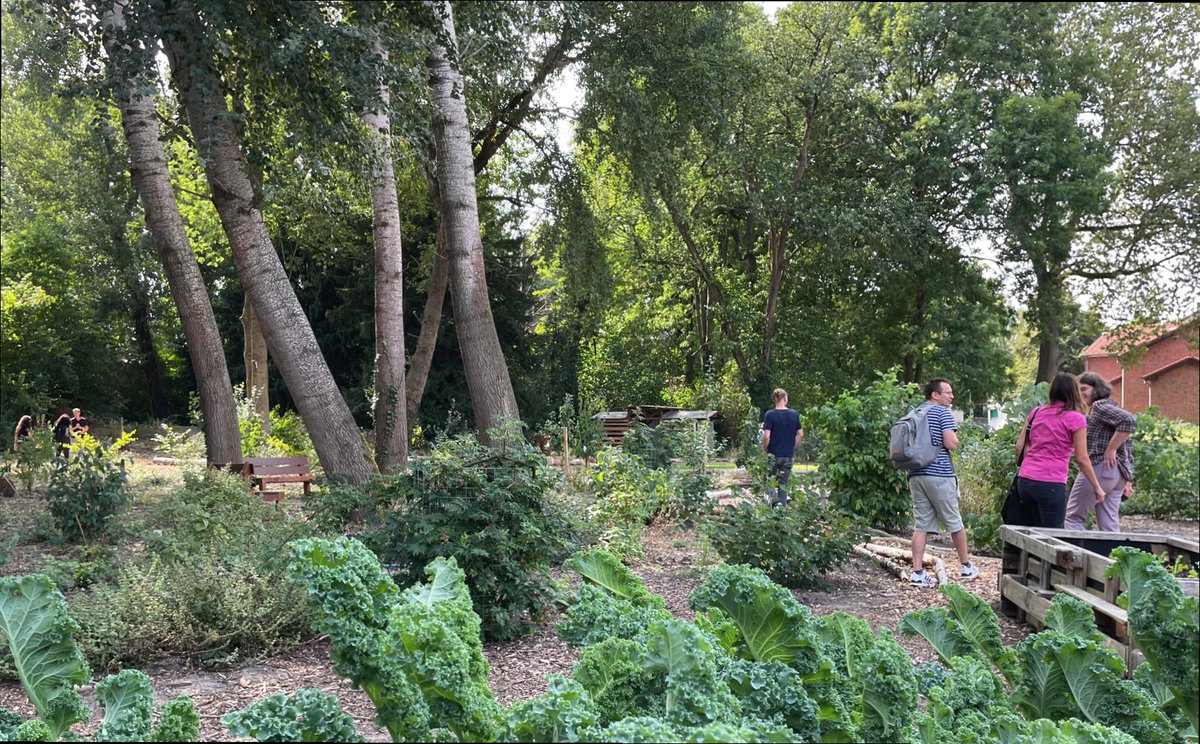
Back to @stadtdortmund where some underutilized land was used to pave the way for a community-based #foodforest! 🍒🌳
This forest supports #localfoodproduction & brings the community together!
Learn more from our new #NBS factsheet here: progireg.eu/fileadmin/user_u…
2
12
867

30 Jul 2022
👏👏 one more step towards #LNOB #LocalFoodProduction cutting down unseen costs such as transportation, carbon emissions ....
3

14 Jul 2022
Giddy up indeed! YVR peeps starting a telegram channel for outdoor gatherings and planning sessions for the fall. Harvest is coming soon. #localfoodproduction
2

28 Apr 2022
▹ Support #SustainableFarming; #PreserveFarmland
▹ Bring Healthy Food #FoodLiteracy into Ontario Schools
▹ Support #CommunityGrowing
▹ Enable all Ontarians to Access #HealthyFood
▹ Support Sustainable Just #LocalFoodProduction
▹ Establish a Provincial #FoodPolicyCouncil
26 Apr 2022

Our 2022 #VoteONFood Campaign is live! 🥕🌱
Please visit SustainOntario.com/Vote-ON-F… for our Good Food & Farming Ideas — and the Issues, Evidence, and Action Items.
#SustainableFarming #FoodLiteracy #CommunityGrowing #FoodAccess #LocalFoodProduction #FoodJustice #FoodPolicy #onpoli
8
12
26 Apr 2022
Our 2022 #VoteONFood Campaign is live! 🥕🌱
Please visit SustainOntario.com/Vote-ON-F… for our Good Food & Farming Ideas — and the Issues, Evidence, and Action Items.
#SustainableFarming #FoodLiteracy #CommunityGrowing #FoodAccess #LocalFoodProduction #FoodJustice #FoodPolicy #onpoli
12
12
17 Apr 2022
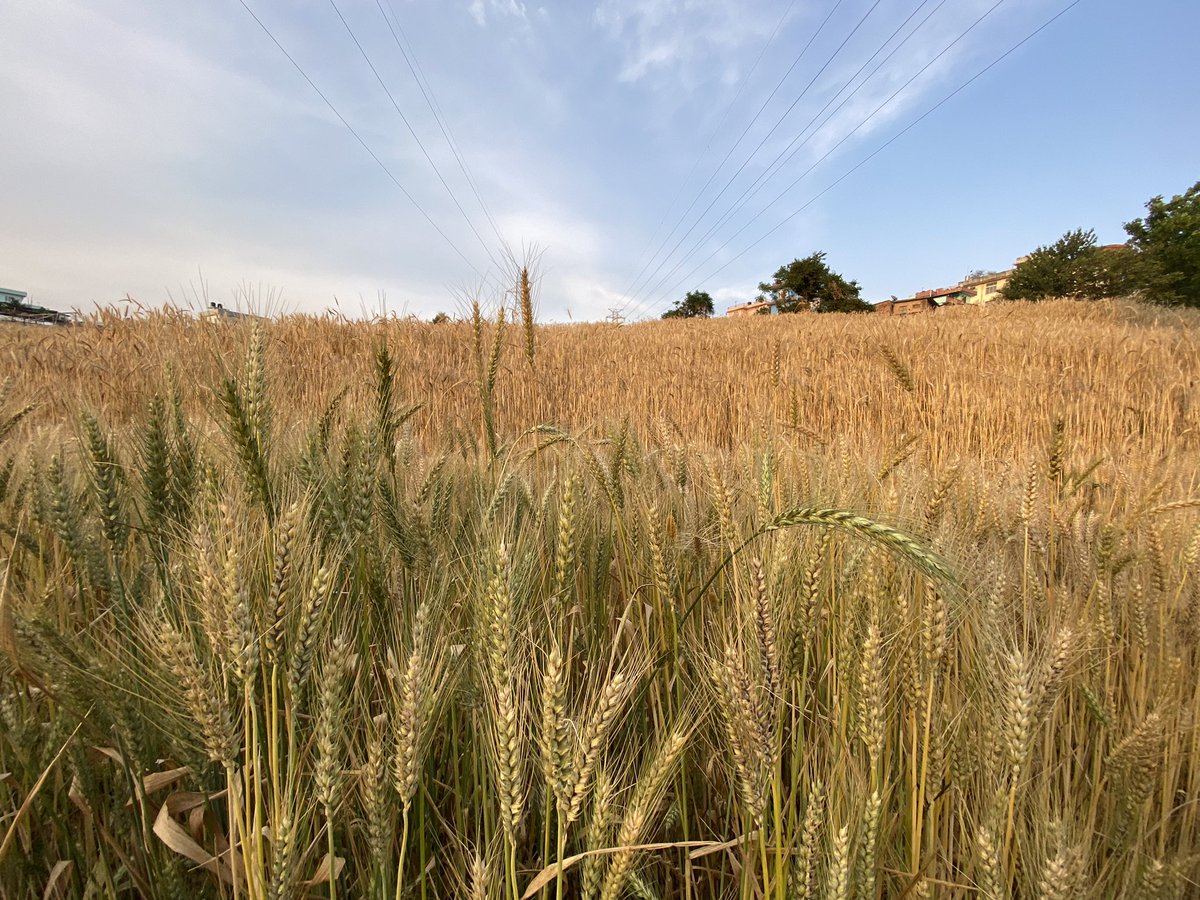
Rich bounty of labour and nature.
#Localfoodproduction is also less transportation and less environment problem.
कृषि मुलश्य जीवनम् !
11

11 Aug 2021
“We have to do something rather drastic - like completely eliminating consumption of coal, oil, and natural gas.”
In a crisis you do what you need to do. #GreenCities #WalkableCities #LocalFoodProduction
1
10