
Jun 8
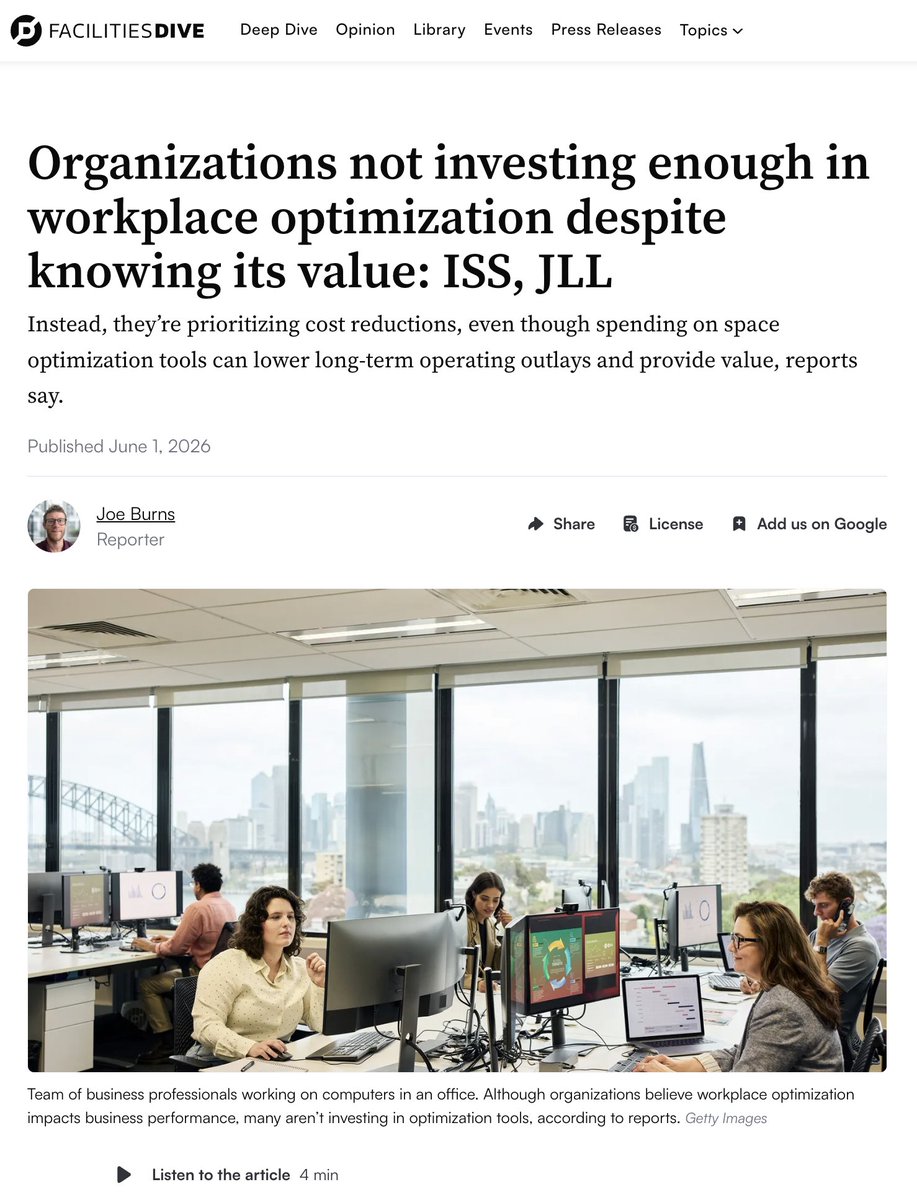
As @FacilitiesDive reports, new research from @JLL and @ISS A/S shows organizations aren't investing enough in workplace optimization, even though they recognize its value.
Why? Three hurdles:
💰 Cost. New tools feel like a budget risk when you're already under pressure to cut.
🛡️ Privacy. 70% of organizations cite privacy risks as a concern.
📊 Proof. Without accurate space utilization data, it's impossible to build a business case for investment.
#Occuspace solves all three: delivering real-time hashtag#spaceutilization data that is cost-effective, 100% privacy-safe, and 97% accurate.
That's why leading organizations across #CRE, #government, and #HigherEd choose Occuspace.
DM us for a free consultation.
1
1
31

May 1
#JAMSS が運営している #宇宙利用サポートメディア #アスミラ に記事を掲載していただきました。連載企画で順次掲載される予定です。|宇宙は次世代の基幹産業へ―市場拡大と政府支援で加速する宇宙ビジネス #宇宙で課題解決 #ASMILLA #ISS #Spaceutilization asmilla.com/future/detail/?i…
1
2
380

6 Oct 2025
Potential risk if he falls down sir..
Especially with so many potholes
Btw.. there was already one person along with driver in front cabin.. 😏
#spaceutilization
1
3
93

15 Apr 2025
🔬Space BDが支援した宇宙実験の成果が、新たな治療の可能性に繋がりました。
Space BDは、京都工芸繊維大学をはじめとする研究機関による宇宙空間での高品質結晶生成実験を支援しました。
その成果として、黄色ブドウ球菌の病原因子を阻害する仕組みが明らかになりました。
詳細は大学のリリースをご覧ください👇
🔗 lnkd.in/gk-CRqcJ
🔬A breakthrough from a space experiment supported by Space BD may pave the way for new therapies.
Space BD supported a high-quality protein crystal growth experiment in microgravity conducted by Kyoto Institute of Technology and other institutions.
The study revealed how an antipsychotic drug inhibits a virulence factor of Staphylococcus aureus.
For details, please see the university’s release👇
🔗 lnkd.in/gk-CRqcJ
#宇宙利用 #創薬支援 #SpaceBD #宇宙実験 #JAXA #SpaceUtilization #DrugDiscovery #Microgravity #LifeSciences #SpaceBD
5
16
5,813

16 Nov 2023
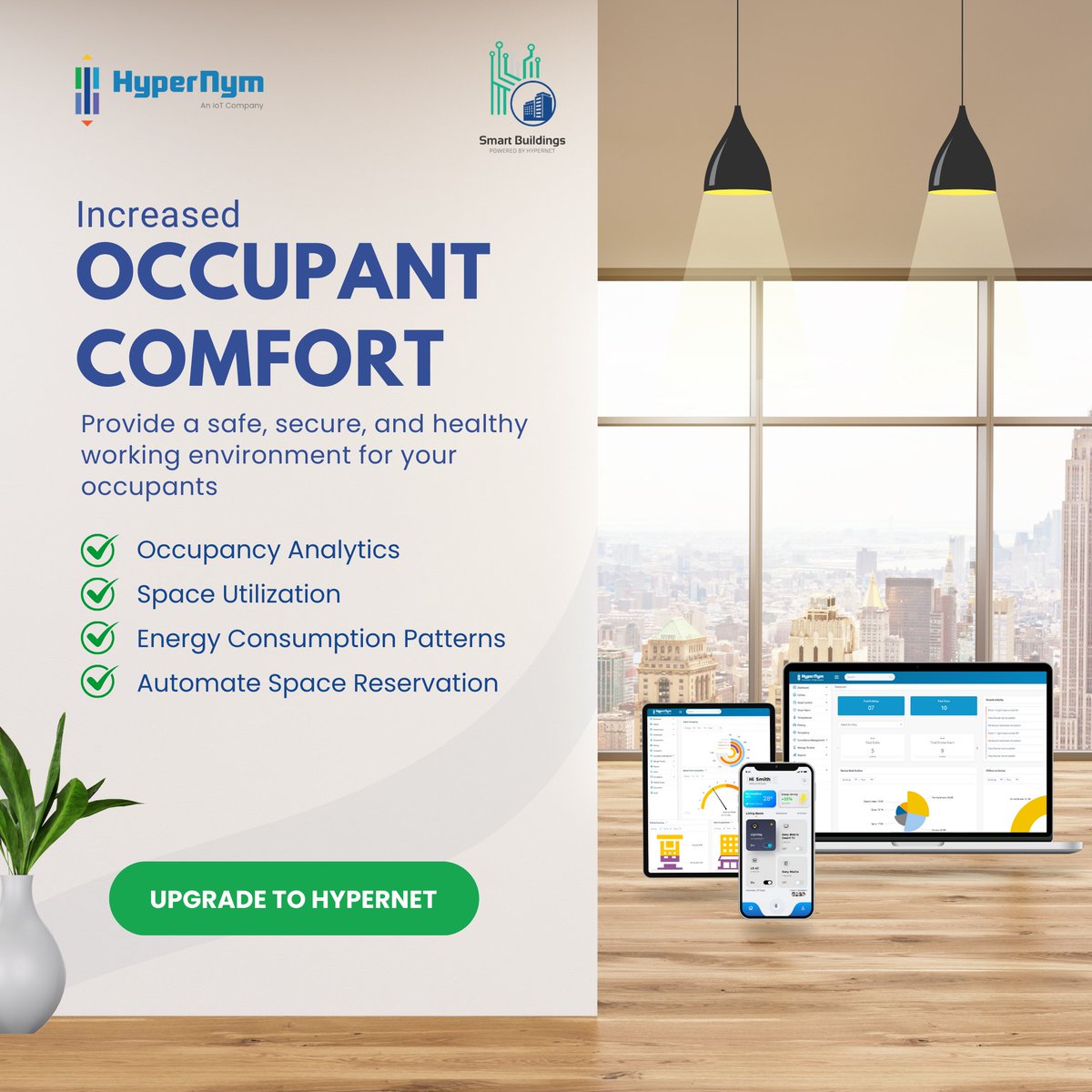
✨Redefine your workplace experience with HyperNet! We're not just talking safety and security; we're amplifying Occupant Comfort. 💆♂️
#smartbuildings #productivity #occupancy #analytics #energyconsumption #spaceutilization #bigdata #buildingmaintenance #automation
1
1
2
51

7 Sep 2023
🚀 Exciting News! #Quanergy has partnered with a major social media provider to revolutionize #SpaceUtilization on their campuses. Traditional solutions fell short, compromising accuracy and #Privacy.
Read more about this success story here: buff.ly/3PbSBfw
1
2
175

17 May 2023
Counting on Success: The Benefits of People Counting Systems for Libraries
Discover the hidden potential of libraries with the power of data.
Read more:
footfallcam.com/blog/2023/05…
#librarycounting #resourceoptimization #spaceutilization #userexperience #librarysolution
1
2
105
10 May 2023
What is the use of prescriptive analysis for people counting in office?
The advanced data-driven analytics to optimize workspace utilization.
Read more: footfallcam.com/blog/2023/05…
#peoplecounting #smartoffice #workspace #spaceutilization
1
2
47

Aquaponic farming is a sustainable agricultural technique that combines aquaculture (fish farming) and hydroponics (soilless plant cultivation) in a symbiotic system. In aquaponics, fish are raised in a tank, and their waste serves as a nutrient source for plants grown hydroponically. The plants, in turn, filter and purify the water for the fish. This integrated approach offers numerous benefits:
1. Resource Efficiency: Aquaponics conserves water by recirculating it between the fish tank and the plant beds. It uses up to 90% less water compared to traditional soil-based farming methods.
2. Nutrient Recycling: Fish waste provides organic nutrients for plants, eliminating the need for synthetic fertilizers. The plants naturally filter the water, creating a sustainable nutrient cycle.
3. Increased Crop Yield: Aquaponics often yields faster plant growth and higher crop yields compared to traditional farming methods. The nutrient-rich water and optimal growing conditions promote plant growth.
4. Space Utilization: Aquaponics can be implemented in various settings, including urban areas and limited spaces. It allows for vertical farming and stacking, maximizing production in small areas.
5. Year-Round Production: Aquaponic systems are not dependent on seasonal changes or weather conditions, enabling year-round cultivation and consistent harvests.
6. Reduced Environmental Impact: The closed-loop system of aquaponics minimizes the release of pollutants and chemicals into the environment. It reduces the need for pesticides and prevents soil erosion and nutrient runoff.
7. Diverse Crop Cultivation: Aquaponics supports the growth of a wide range of crops, including vegetables, herbs, fruits, and even flowers, offering versatility in production.
8. Sustainable Fish Production: Aquaponics provides a sustainable and controlled environment for fish farming. It reduces the environmental impact associated with traditional fish farming and overfishing.
9. Educational Value: Aquaponics is an excellent educational tool, offering hands-on learning opportunities about sustainable food production, ecosystems, and the importance of environmental stewardship.
10. Local Food Production: Aquaponics allows for localized food production, reducing transportation distances and promoting access to fresh, locally grown produce.
Aquaponic farming technology represents an innovative and sustainable approach to agriculture, integrating fish and plant production in a symbiotic system. It offers the potential to enhance food security, conserve resources, and promote ecological balance.#Aquaponics #SustainableFarming #Aquaculture #Hydroponics #ResourceEfficiency #NutrientRecycling #CropYield #SpaceUtilization #YearRoundProduction #EnvironmentalImpact #DiverseCropCultivation #SustainableFishProduction #Education #LocalFoodProduction #FoodSecurity #mycityxyz #neosrilanka #createabetterworld #infasxyz
2
48
Hydroponics farming is a technology-based method of growing plants without soil, where plants receive essential nutrients through a nutrient-rich water solution. The roots are either immersed in the nutrient solution or supported by an inert medium like perlite, rockwool, or coconut coir. This system allows for precise control over factors like nutrient levels, pH, and water supply, resulting in several benefits:
1. Efficient Resource Use: Hydroponics uses significantly less water compared to traditional soil-based farming. The water is recirculated within the system, reducing water wastage.
2. Higher Crop Yield: Plants in hydroponic systems often grow faster and produce higher yields due to the optimized growing conditions, including the constant availability of nutrients.
3. Space Utilization: Hydroponics can be practiced in smaller spaces, making it suitable for urban or limited land areas. Vertical farming and stacked systems maximize the use of vertical space.
4. Year-Round Production: The controlled environment in hydroponics enables year-round cultivation, unaffected by external climate conditions, allowing for consistent crop production.
5. Pest and Disease Control: Hydroponic systems are less susceptible to pests and diseases typically associated with soil. This reduces the need for chemical pesticides, making it more environmentally friendly.
6. Nutrient Control: The nutrient solution in hydroponics can be precisely tailored to the specific needs of plants, ensuring optimal nutrition and minimizing nutrient deficiencies.
7. Sustainability: Hydroponics reduces the reliance on traditional agriculture practices that may lead to soil degradation, erosion, or chemical runoff. It promotes sustainable agriculture by minimizing environmental impact.
8. Efficient Space Utilization: Hydroponic systems can be designed vertically, allowing for the cultivation of multiple layers of crops in a limited space.
9. Consistent Quality: The controlled environment and nutrient supply in hydroponics result in consistent quality produce with enhanced flavor, texture, and appearance.
10. Local Food Production: Hydroponics enables food production closer to urban centers, reducing transportation distances and promoting local, fresh produce.
Hydroponics farming technology is continually evolving, offering innovative and sustainable solutions for agriculture, contributing to food security, and addressing the challenges of land scarcity and environmental impact. #Hydroponics #FarmingTechnology #SoillessFarming #ResourceEfficiency #CropYield #SpaceUtilization #YearRoundProduction #PestControl #DiseaseControl #NutrientManagement #Sustainability #VerticalFarming #ConsistentQuality #LocalFoodProduction #FoodSecurity #EnvironmentalImpact #mycityxyz #neosrilanka #createabetterworld
2
28

5 Apr 2023
📢Our "Kirara 4" mission was introduced on the website of the European Space Agency👏🏻
It is scheduled to continue crystal formation and other operations until mid-April and will return to Earth🌎
bsgn.esa.int/2023/03/30/kira…
#icecubes #iss #columbus #spaceutilization
ツイートを翻訳
2
389

10 Mar 2023
Is your organization struggling with wasted time and resources due to meetings?
Utilize meeting space management software in your organization.
#businessresources #spaceutilization #officeofthefuture
2
12

30 Aug 2022
Is redesigning your workplace costing you sleep? Validate designs through intelligent #spaceutilization. #AI #occupancy #clickerstudies hubs.la/Q01kRyrd0
3

16 Aug 2022
Try to combine the function of living room and studyroom together, make good use of the space as the house gets only 70 m2. #design #customized #furniture #spaceutilization #livingroom #bookcase #studyroom #diningroom #modern #luxury #projector




1
3
29 Jul 2022
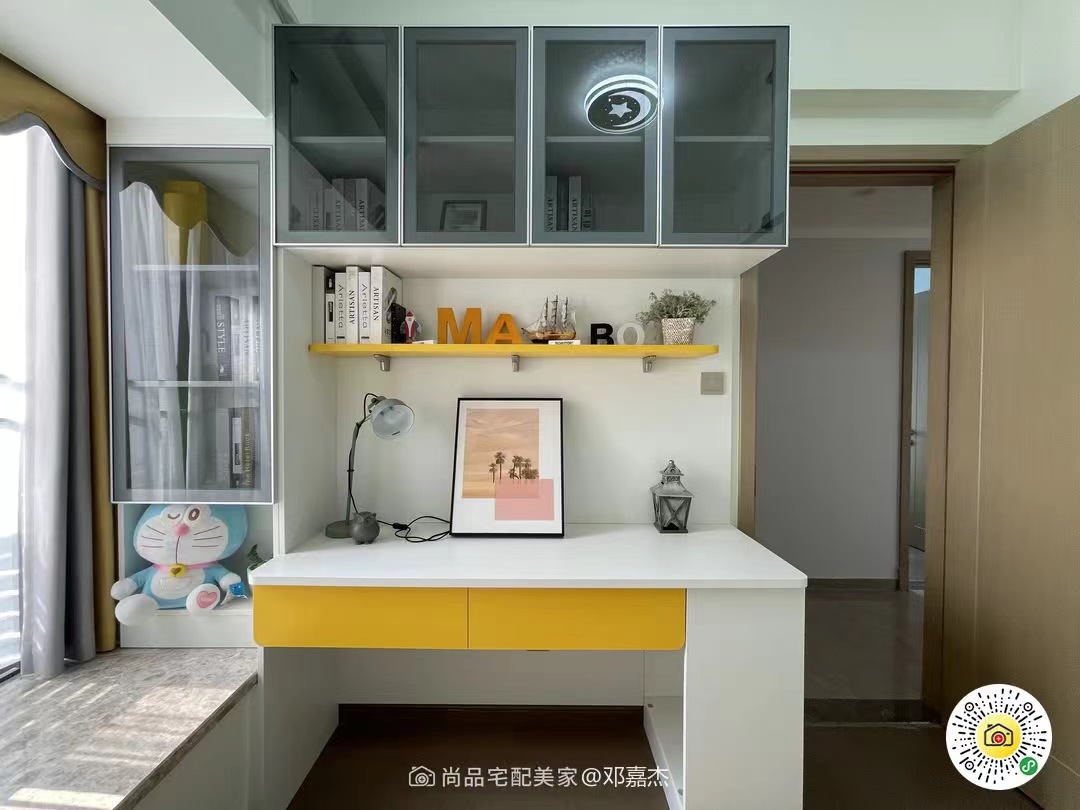
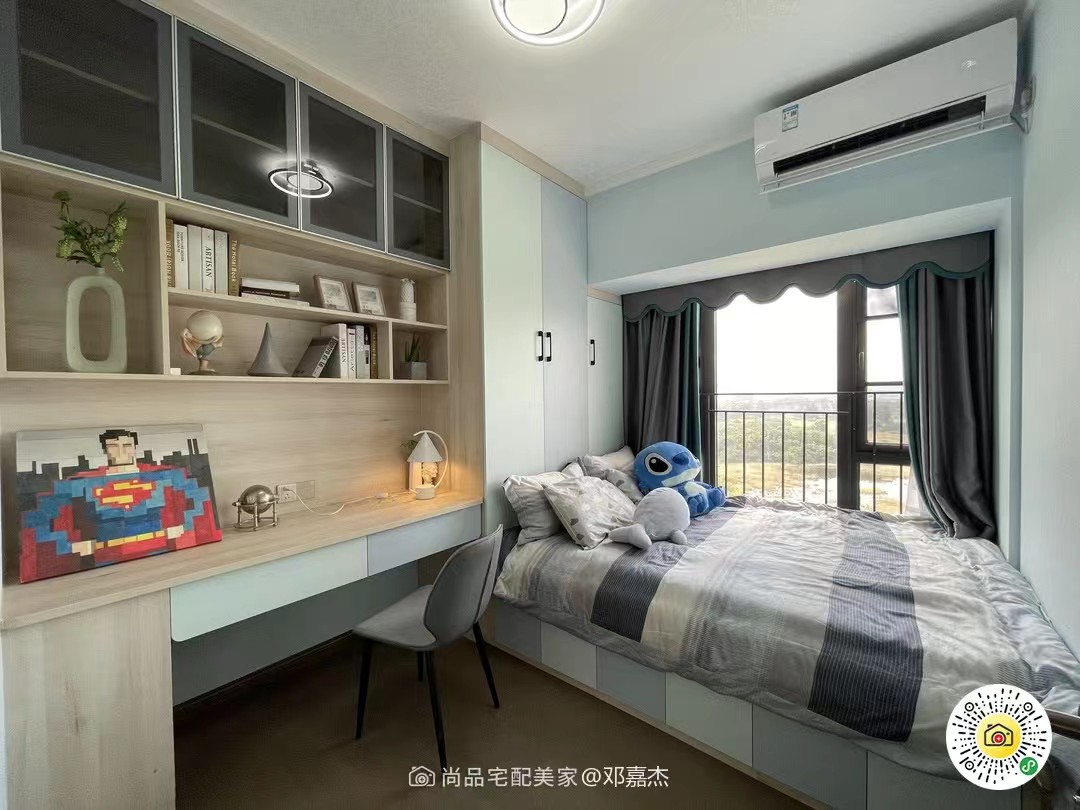
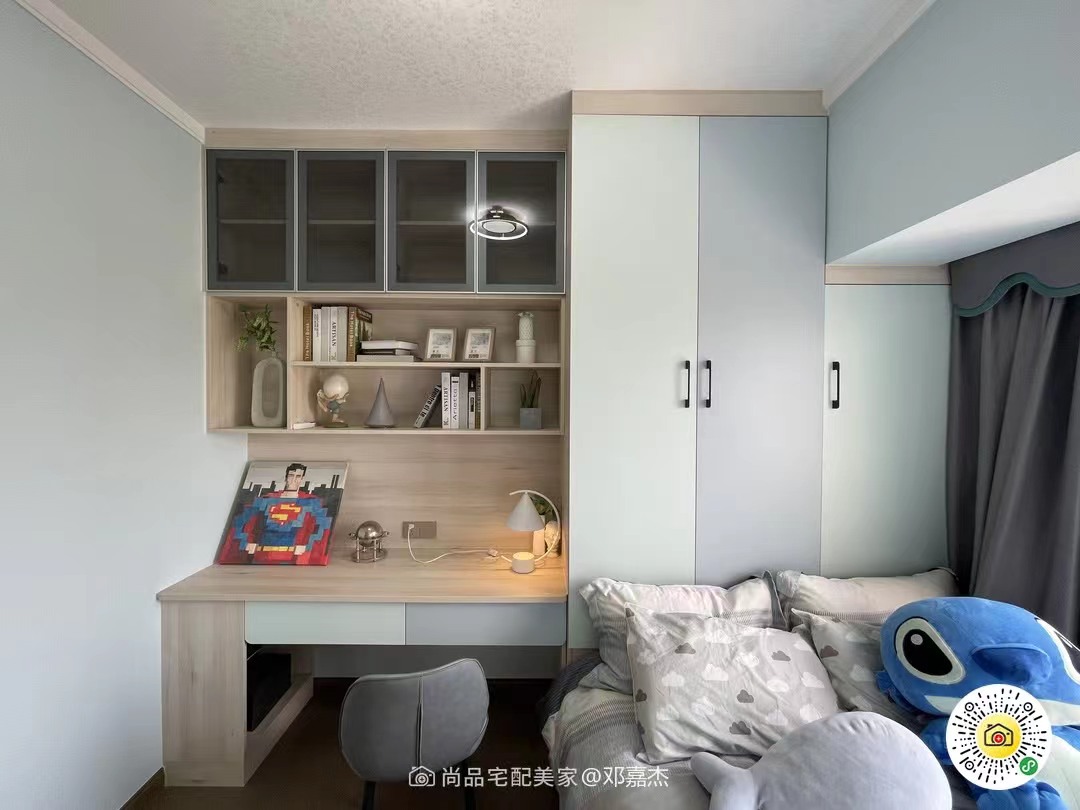
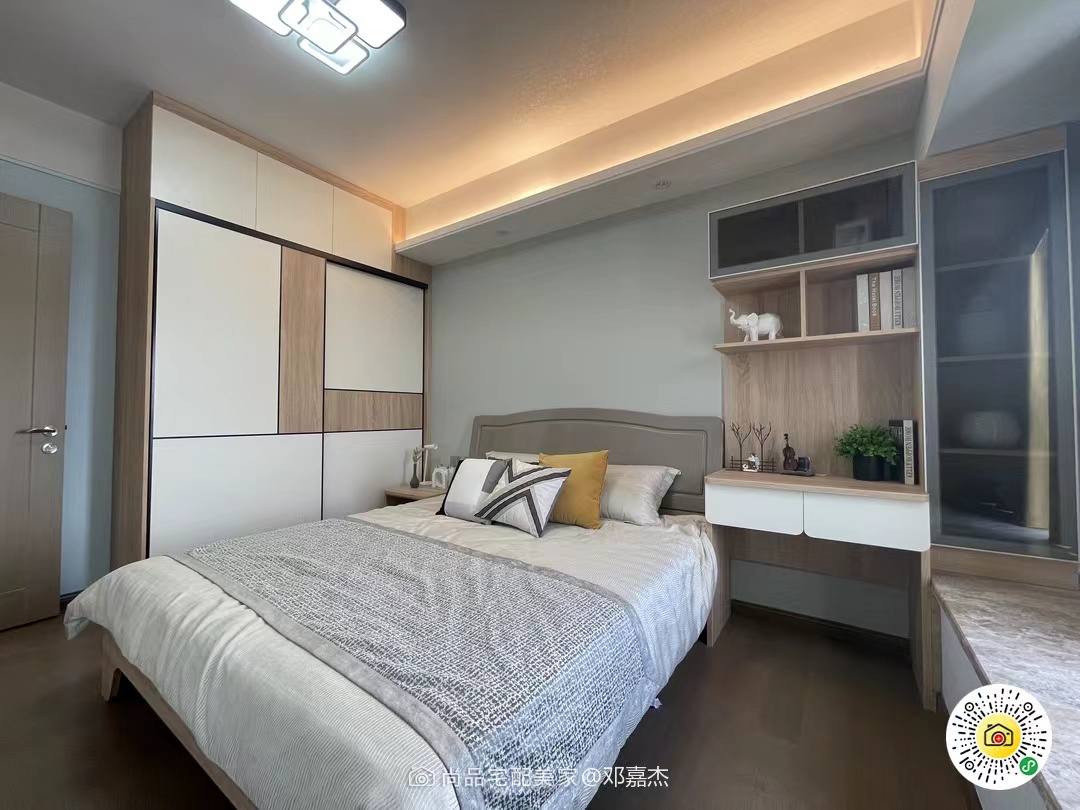
Real installation effect of space utilization design: Borrow 30cm space from the bay window. #cabinet #furniture #furnituredesign #customized #bedroom #livingroom #diningroom #spaceutilization #baywindow #decor #design #storagedesign
1
2
20 Apr 2022
How are facilities managers adjusting to the new norm? See how #occupancyanalytics and #spaceutilization are essential to in-person learning hubs.la/Q017jvbD0
2

How To Kick Start The Best Workplace Strategy Using #SpaceUtilization Data: a new blog from @s_panara is here to teach you everything you need to tackle the ever-changing #workplace landscape 🎯
relogix.com/how-to-kick-star…
1
2

28 Feb 2022
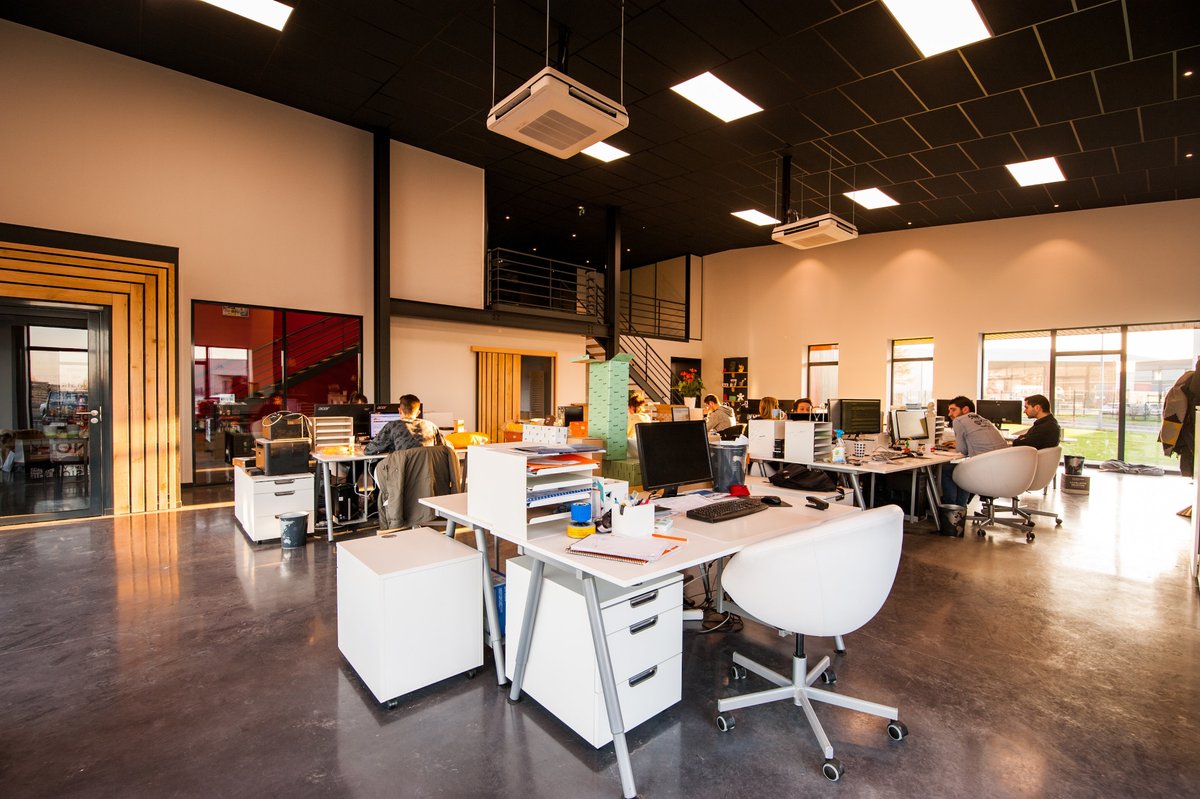
Space utilization: How FMs can improve their use of space #spaceutilization #spaceplanning #facilities #fm hubs.li/H0_5GMZ0
3

25 Feb 2022
Return to work with confidence! Read the full press release below to find out more about B-Line's work re-entry solution and latest collaboration with Area X.O.
bline.io/news/eqsyl0ahrfkkq3…
#reintegration #software #contacttracing #spaceutilization #optimization
3
24 Jan 2022
How are facilities managers adjusting to the new norm? Read our new blog to see how #occupancyanalytics and #spaceutilization are essential to in-person learning. armoredthings.com/blog/bring…
1
2