
Jun 9
Crypto markets move on speed, liquidity, and execution.
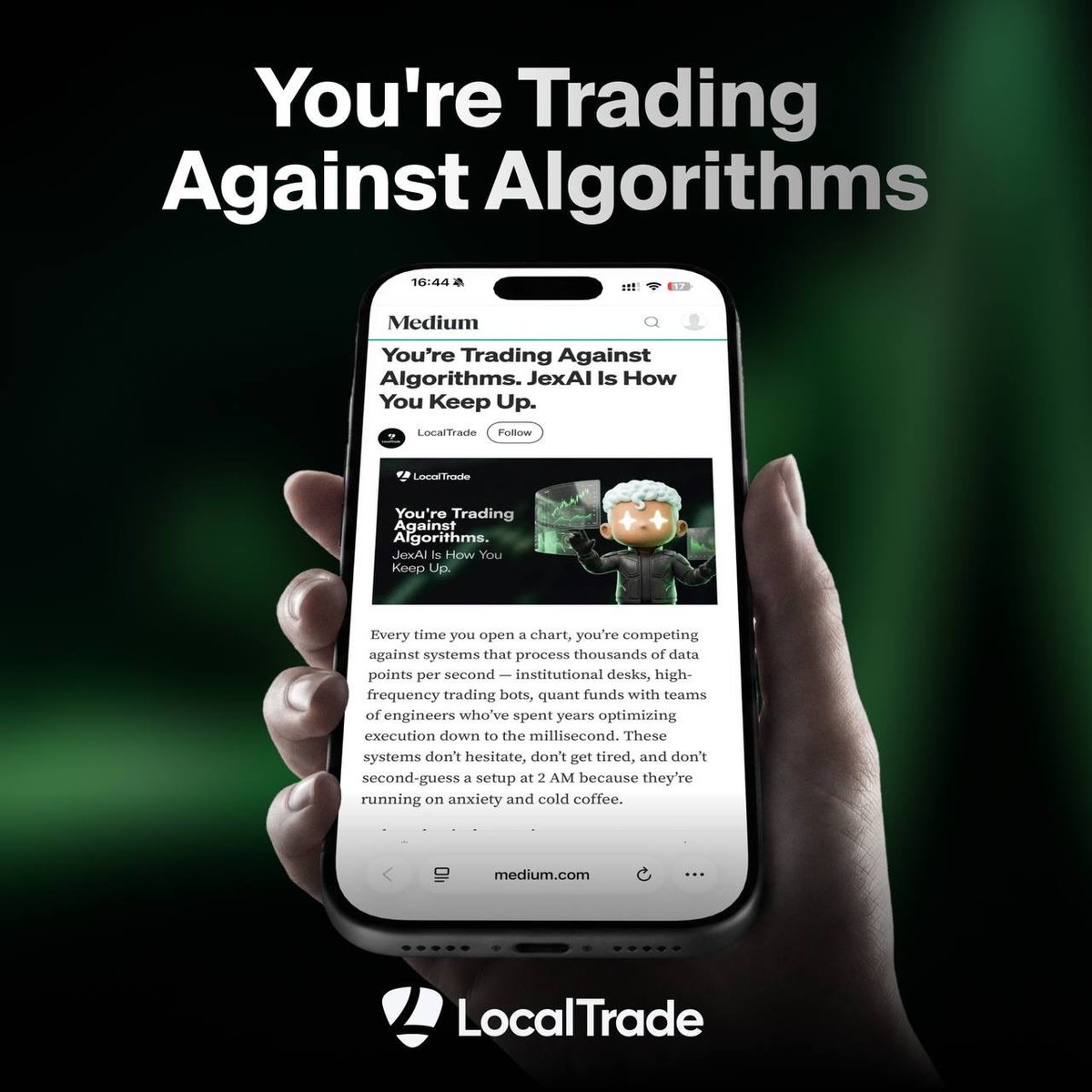
Our new Medium article explores how JexAI helps traders analyze markets faster, assess risk more clearly, and manage trades through one AI-powered interface inside LocalTrade.
Inside:
🔗 smarter copy trader selection
🔗 real-time market analysis
🔗 AI-driven risk assessment
🔗 conversational trade execution
🔗 instant portfolio management
In modern markets, the edge comes from faster decisions and better clarity.
Read more in our latest Medium article.
Read more in our new Medium article: medium.com/localtrade-cc/you…
6
31
1,175
May 28
LocalTrade is rebuilding rewards.
Soon, trading, copy trading, JexAI activity, and referrals will all connect inside one Reward Hub — with a redesigned referral system built for long-term value.
Rollout starts soon. Stay tuned 👀
11
105
1,250
May 28
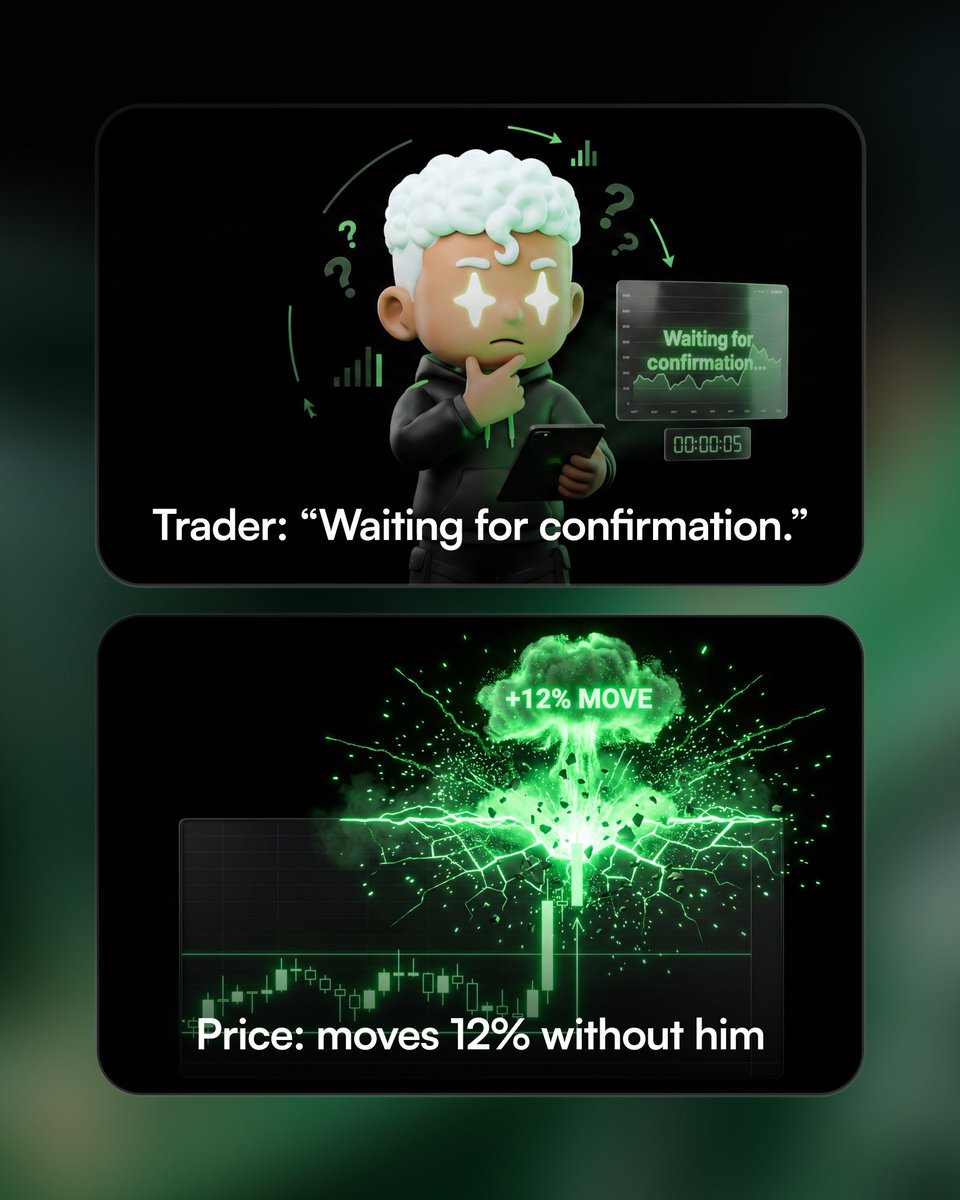
Most traders lose waiting for confirmation 📈
By the time the move feels “safe”:
🔗 liquidity is gone
🔗 RR gets worse
🔗 late entries start chasing price
In fast markets, execution timing matters more than perfect certainty.
Trade smarter with LocalTrade.
1
3
58
519
May 22
Most traders follow headlines.
Markets follow positioning.
When one side gets crowded, liquidity builds around entries, stops, and liquidations — and that’s where volatility starts.
Price is driven by:
🔹 positioning
🔹 liquidity
🔹 liquidations
🔹 execution speed
The edge today is less about prediction — more about execution and market structure.
Explore smarter trading on LocalTrade.
24
166
618
4,795
May 13
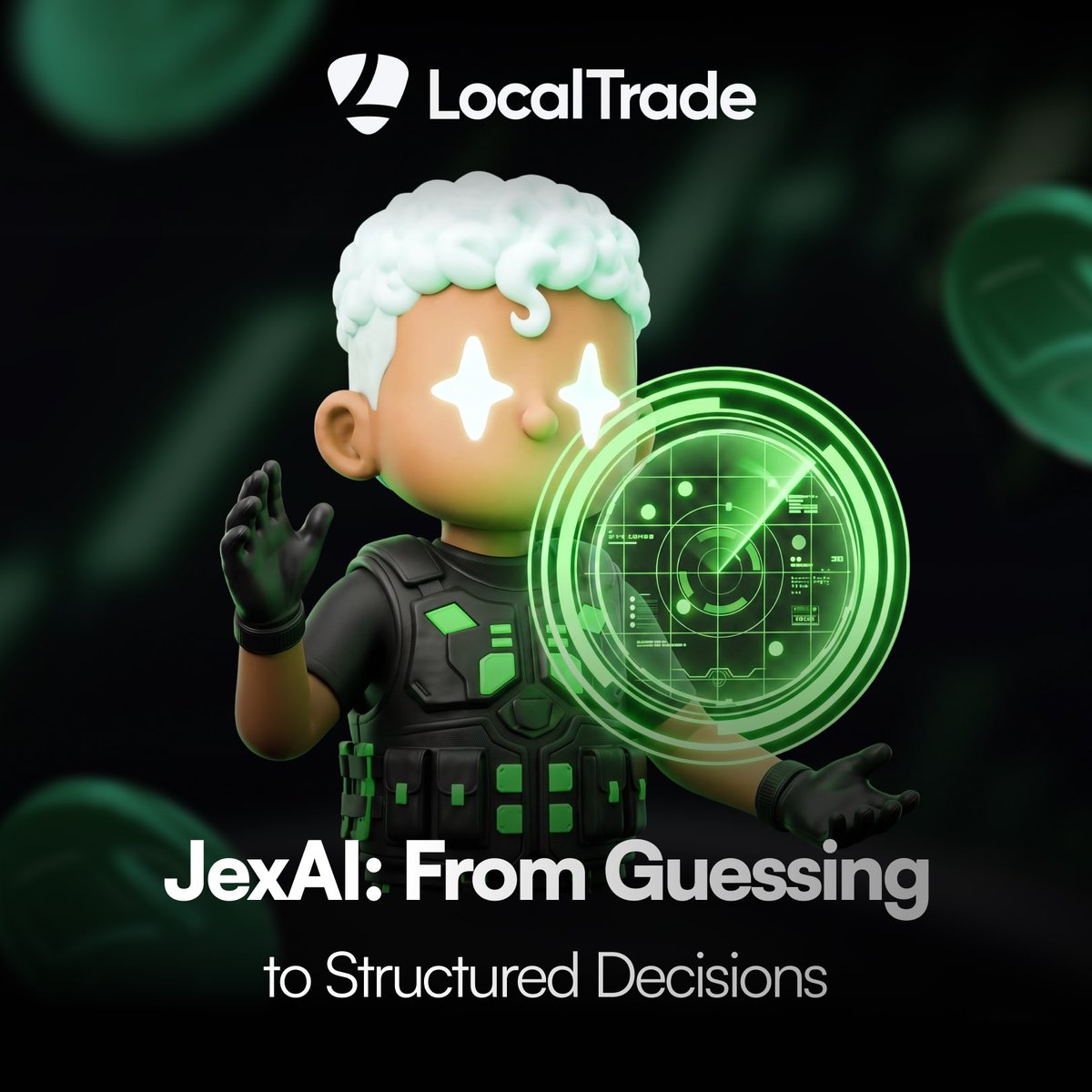
JexAI is built to read the market — not guess the next candle.
⚡️Instead of juggling 20 charts or chasing headlines, JexAI scans the market in real time, tracks liquidity and behavior, and highlights where opportunity actually exists.
In copy trading, ROI alone means nothing without risk context. JexAI evaluates drawdown, consistency, volatility, and strategy behavior across market conditions — not just profit screenshots.
You still make the decision. JexAI makes sure it’s based on data, not noise.
Start with Jex on LocalTrade.
#AINative #TradeSmart #CryptoEcosystem
51
380
1,654
6,708
May 8
Most traders focus on trades.
But capital spends most of its time sitting idle 🚩
On LocalTrade, selected assets can keep working through staking — while you wait for real setups.
Trade less. Keep capital efficient.
8
173
1,148
3,853

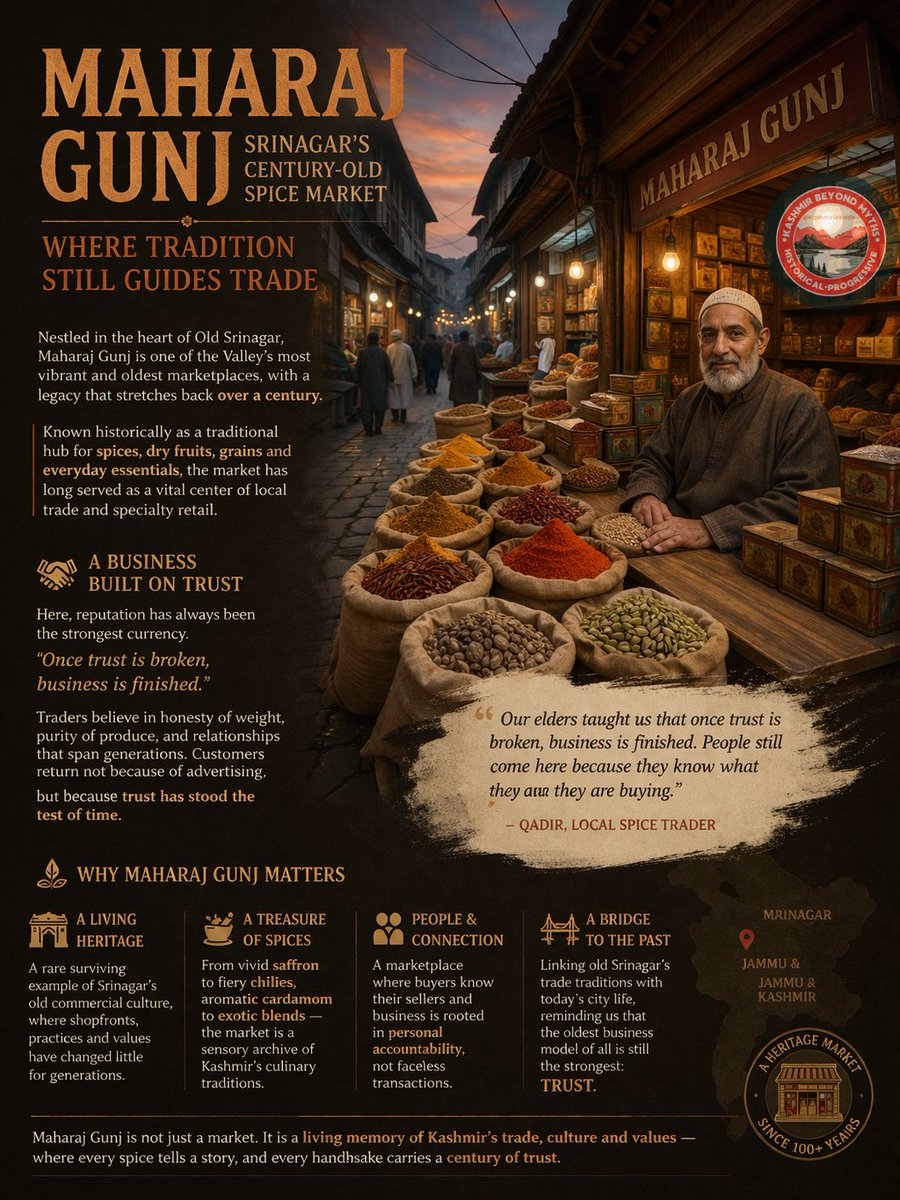
Maharaj Gunj: Srinagar’s Living Market Heritage
Maharaj Gunj in Srinagar is far more than a century-old spice market. It is one of the Valley’s most important surviving commercial heritage spaces a marketplace where trade still carries the imprint of memory, discipline, trust and intergenerational knowledge.
At first glance, it may appear to be just another old bazaar filled with sacks of spices, dry fruits, groceries and traditional goods. But its deeper importance lies in what it represents.
Maharaj Gunj reflects an older business culture in which commerce was not built only on price, but on credibility. The idea expressed by local trader Qadir once trust is broken, business is finished captures the moral foundation on which such markets functioned for generations. Before modern advertising, branded packaging and online ratings, a trader’s reputation was his guarantee. Trust was not a slogan. It was the actual basis of survival.
That is why this market matters historically as well as economically.
For Srinagar, Maharaj Gunj stands as a reminder of how local trade once operated through personal relationships, repeat customers, word-of-mouth credibility and a deep understanding of product quality. Buyers returned because they knew the seller, trusted the measure, and believed in the honesty of what was being offered. In this way, the market preserved a form of commerce that was both practical and ethical.
Its importance also lies in continuity.
Across changing times, new business models and shifting urban life, Maharaj Gunj has continued to function as a living bridge between old Srinagar and the present. It keeps alive not only traditional trading practices, but also the atmosphere of an older city economy — where markets were social institutions, not just transaction points.
The spice trade itself adds another layer of significance.
Spices are not merely commodities. They are tied to food culture, household traditions, regional tastes and the everyday sensory life of Kashmir. A market that deals in such goods becomes part of cultural preservation as much as economic exchange. The smells, textures, storage methods, shop layouts and buyer-seller interactions all reflect a local civilisational rhythm that modern retail often erases.
Maharaj Gunj also highlights the value of small and traditional businesses in sustaining urban identity.
In many cities, historic markets are gradually replaced by anonymous commercial spaces that may be efficient but lack memory and character. Maharaj Gunj resists that loss. It reminds us that heritage is not preserved only in monuments, shrines or museums. It also survives in markets, in business ethics, in inherited shopfronts, and in the quiet continuity of everyday trade.
Economically too, such markets remain relevant.
They support local livelihoods, preserve specialised knowledge of sourcing and quality, and maintain consumer confidence through experience rather than packaging alone.
In an era of fast and often impersonal commerce, Maharaj Gunj shows that traditional markets can still offer something modern systems often struggle to replicate:
authenticity, familiarity and trust.
So Maharaj Gunj should not be viewed merely as an old spice market.
It is a living institution of Srinagar’s commercial history.
A keeper of business values.
A space where culture and commerce still meet. And a reminder that the strongest markets are not built only on goods, but on character.
#MaharajGunj #Srinagar #Kashmir #OldSrinagar #HeritageMarket #SpiceMarket #KashmirCulture #LocalTrade #BusinessEthics #TraditionalCommerce
5
18
3,555

Feb 25
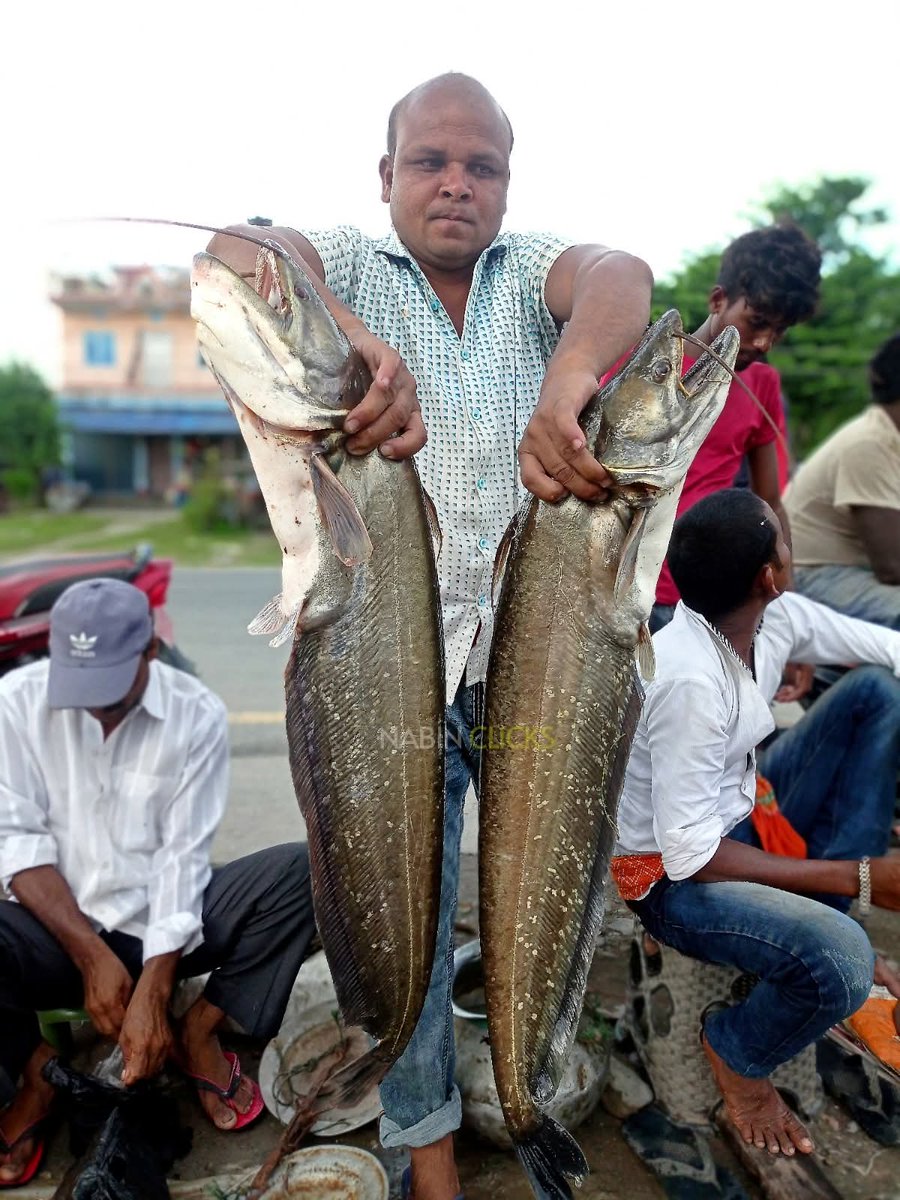
कोसीको गर्जन : बुहारी माछा !
( शब्द /तस्वीर साभार :;नवीन गडतौला )
जब कोसीको छालसँगै हुर्किएका यी भीमकाय बुहारी माछा (Wallago Attu) लौकही बजारमा पुग्छन्, तब त्यहाँको रौनक नै बेग्लै हुन्छ । हातमा दुईवटा अजङ्गका माछा थामेर मुस्कुराइरहेका यी व्यापारीको अनुहारमा केवल व्यापार मात्र छैन, कोसीको अथाह सम्पत्तिप्रतिको गर्व पनि झल्किन्छ ।
सुनसरीको लौकाही बजारमा कैद गरिएको यो दृश्यले हाम्रो स्थानीय बजारको जीवन्तता र कोसी किनारको समृद्धिलाई जीवन्त पारेको छ । स्वादका पारखीहरूका लागि यो केवल माछा मात्र होइन, कोसीको एउटा ब्रान्ड हो । प्रकृतिको वरदान र स्थानीयको पसिनाको यो संगम साच्चै लोभलाग्दो छ ।
📍 लौकही बजार, सुनसरी
सेप्टेम्बर १३, २०२२
📸 #NabinClicks #koshiriver #buharifish #LocalTrade #laukahibazaar #sunsaridiaries #freshwatershark #NepalAgriculture #riverlife #AuthenticNepal
1
12
370

Jan 14
🚨 𝗕𝗥𝗘𝗔𝗞𝗜𝗡𝗚: 𝗔 𝗺𝗮𝗷𝗼𝗿 𝗯𝗿𝗶𝗱𝗴𝗲 𝗼𝘃𝗲𝗿 𝘁𝗵𝗲 𝗞𝘂𝗿𝗿𝗮𝗺 𝗥𝗶𝘃𝗲𝗿 𝗵𝗮𝘀 𝗯𝗲𝗲𝗻 𝗯𝗹𝗼𝘄𝗻 𝘂𝗽 𝗯𝘆 𝘂𝗻𝗸𝗻𝗼𝘄𝗻 𝗽𝗲𝗿𝘀𝗼𝗻𝘀,𝗰𝘂𝘁𝘁𝗶𝗻𝗴 𝗼𝗳𝗳 𝗮𝗻 𝗲𝘀𝘀𝗲𝗻𝘁𝗶𝗮𝗹 𝗮𝗿𝘁𝗲𝗿𝘆. 𝗥𝗲𝘀𝗶𝗱𝗲𝗻𝘁𝘀 𝗻𝗼𝘄 𝗳𝗮𝗰𝗲 𝘀𝗲𝘃𝗲𝗿𝗲 𝗱𝗶𝘀𝗿𝘂𝗽𝘁𝗶𝗼𝗻 𝘁𝗼 𝗺𝗼𝘃𝗲𝗺𝗲𝗻𝘁 𝗮𝗻𝗱 𝗹𝗼𝗰𝗮𝗹 𝘁𝗿𝗮𝗱𝗲 - 𝗦𝗵𝗲𝘄𝗮, 𝗡. 𝗪𝗮𝘇𝗶𝗿𝗶𝘀𝘁𝗮𝗻, 𝗞𝗣𝗞
#NWA #Shewa #KurramRiver #BridgeBlast #ConnectivityDisrupted #LocalTrade
15
25
1,738

14 Dec 2025
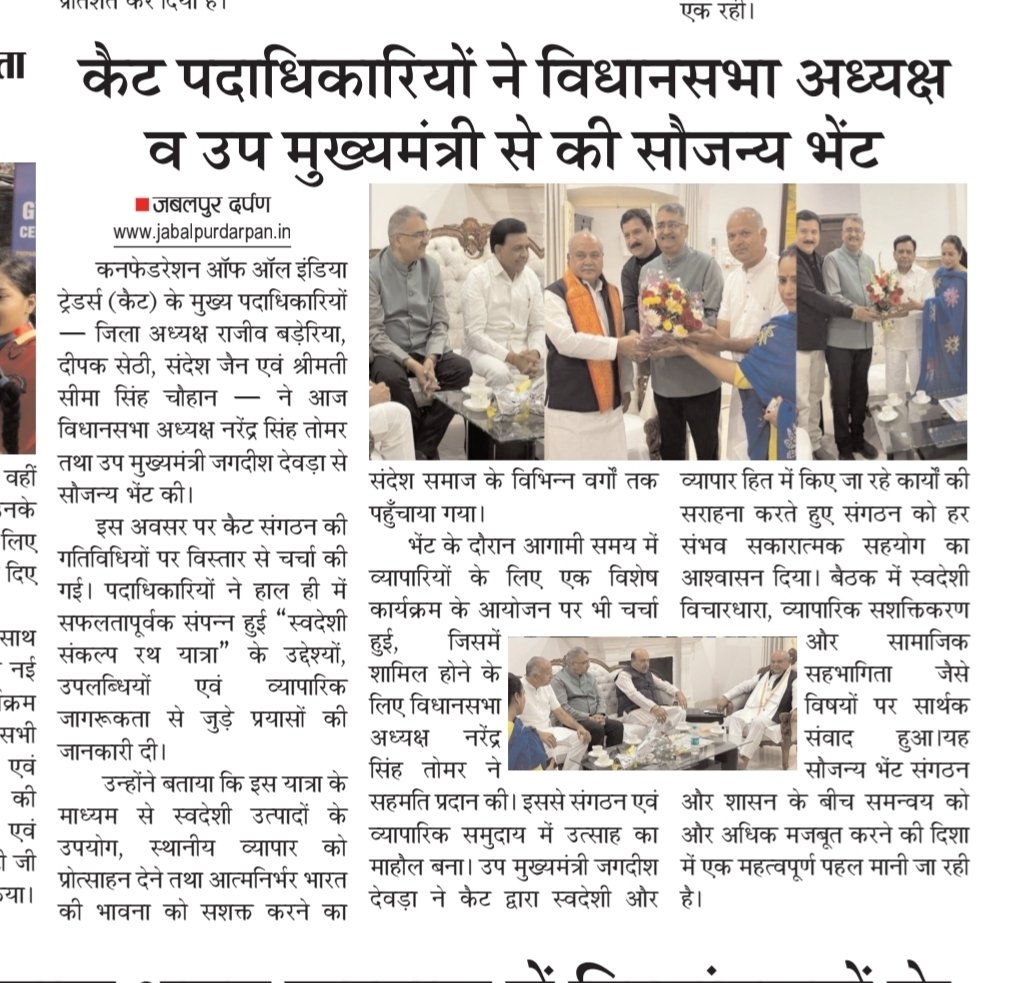
व्यापारी–प्रशासन समन्वय से ही आत्मनिर्भर भारत का सपना साकार होगा।
केट की पहल प्रशंसनीय है।
#AtmanirbharBharat #LocalTrade #CAITIndia
1
3
55
14 Dec 2025
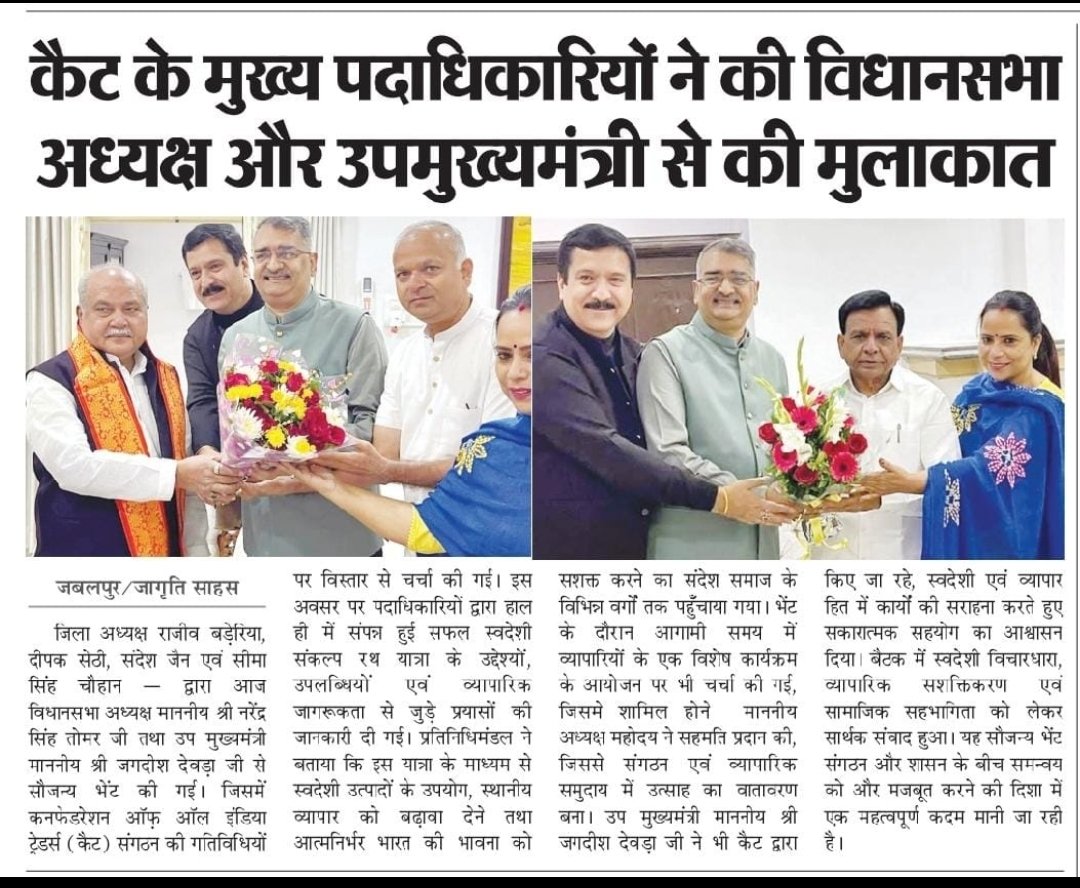
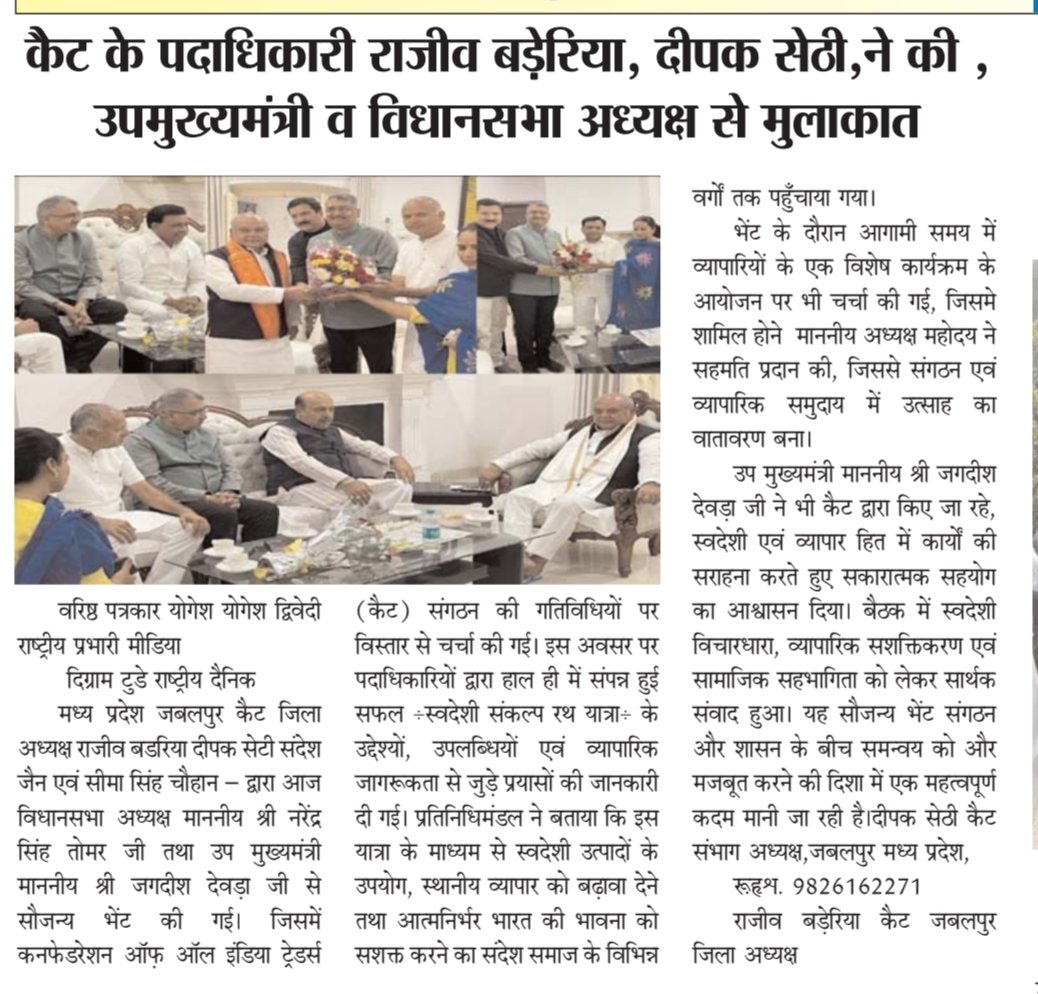
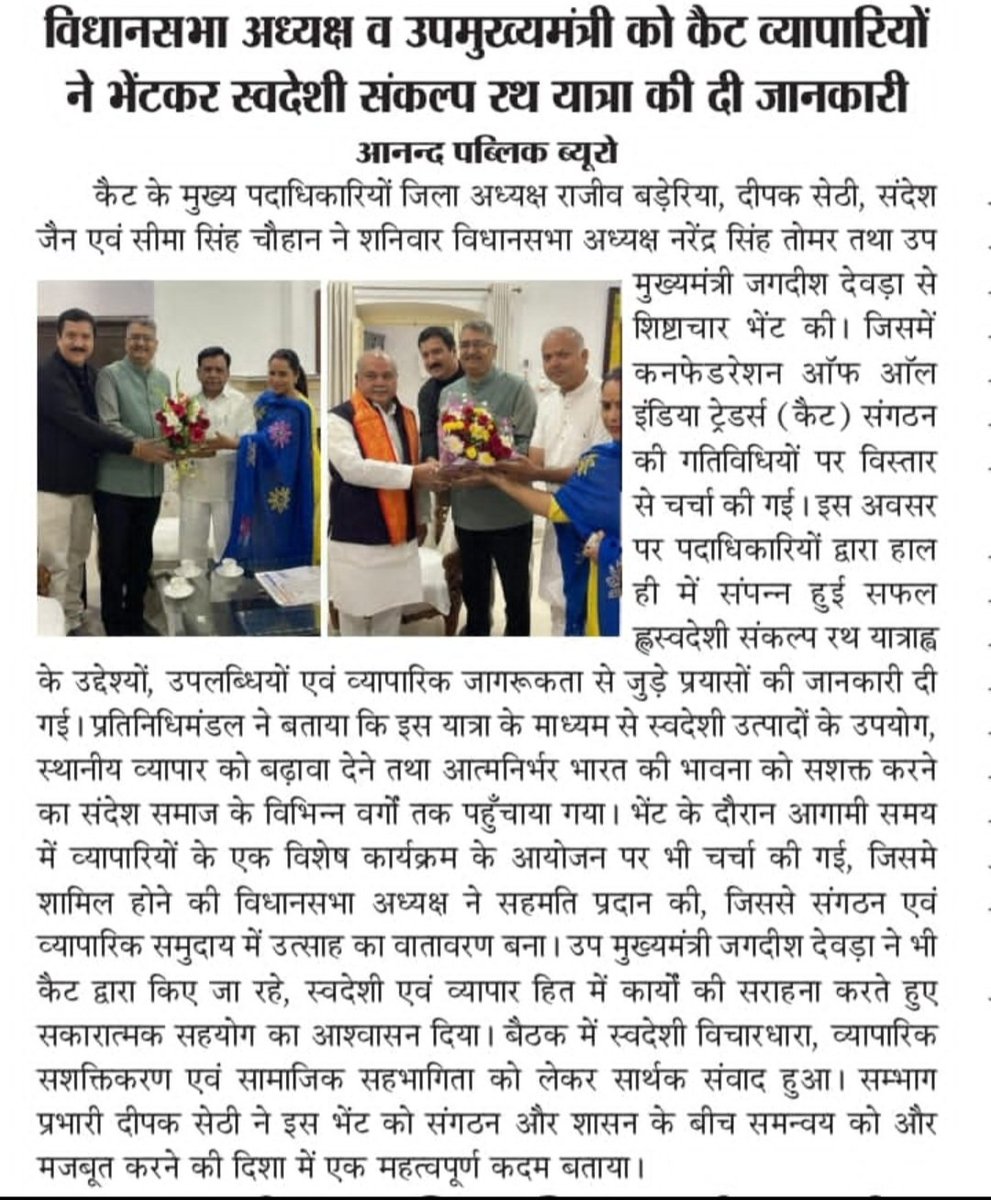
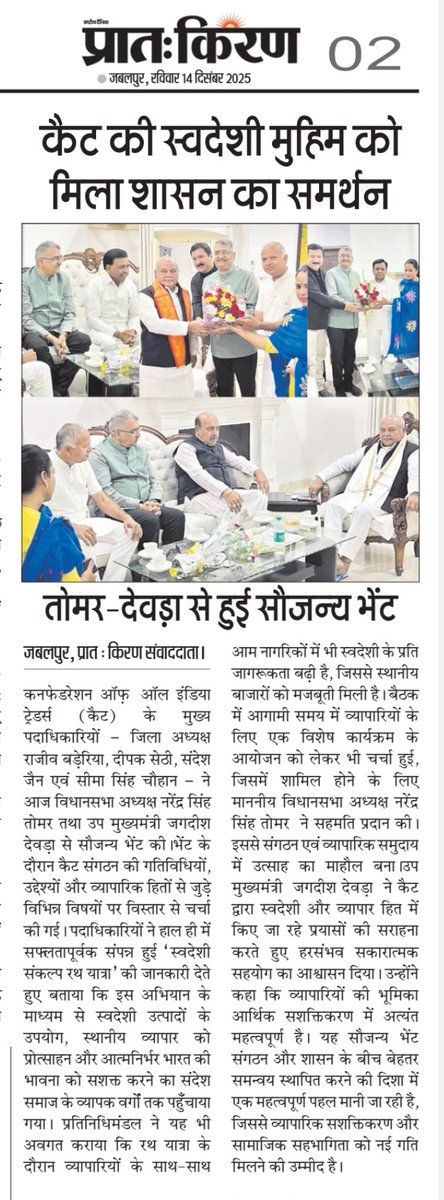
मध्य प्रदेश के माननीय विधानसभा अध्यक्ष एवं माननीय उपमुख्यमंत्री से कैट (CAIT) पदाधिकारियों की सौजन्य भेंट।
स्वदेशी, स्थानीय व्यापार व व्यापारी हितों पर सकारात्मक चर्चा हुई।
यह संवाद व्यापारी–शासन समन्वय को और मजबूत करेगा। 🇮🇳
@MP_VidhanSabha @BJP4MP @CAIT_India
#MadhyaPradesh
#swadeshijagranमंच #VyapariHit
#SwadeshijagranManch #LocalTrade #AtmanirbharBharat
5
3
12
742

Check out this story from Reddit 👇
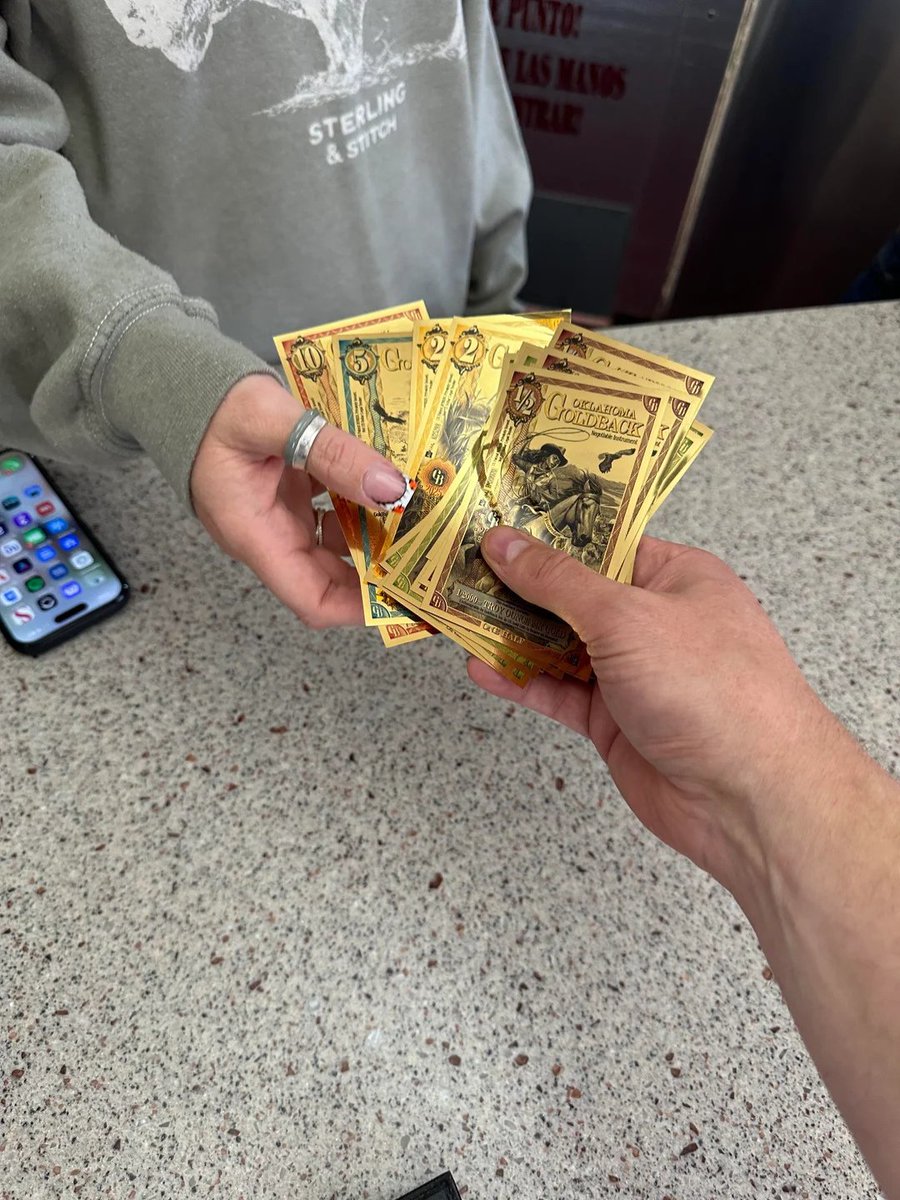
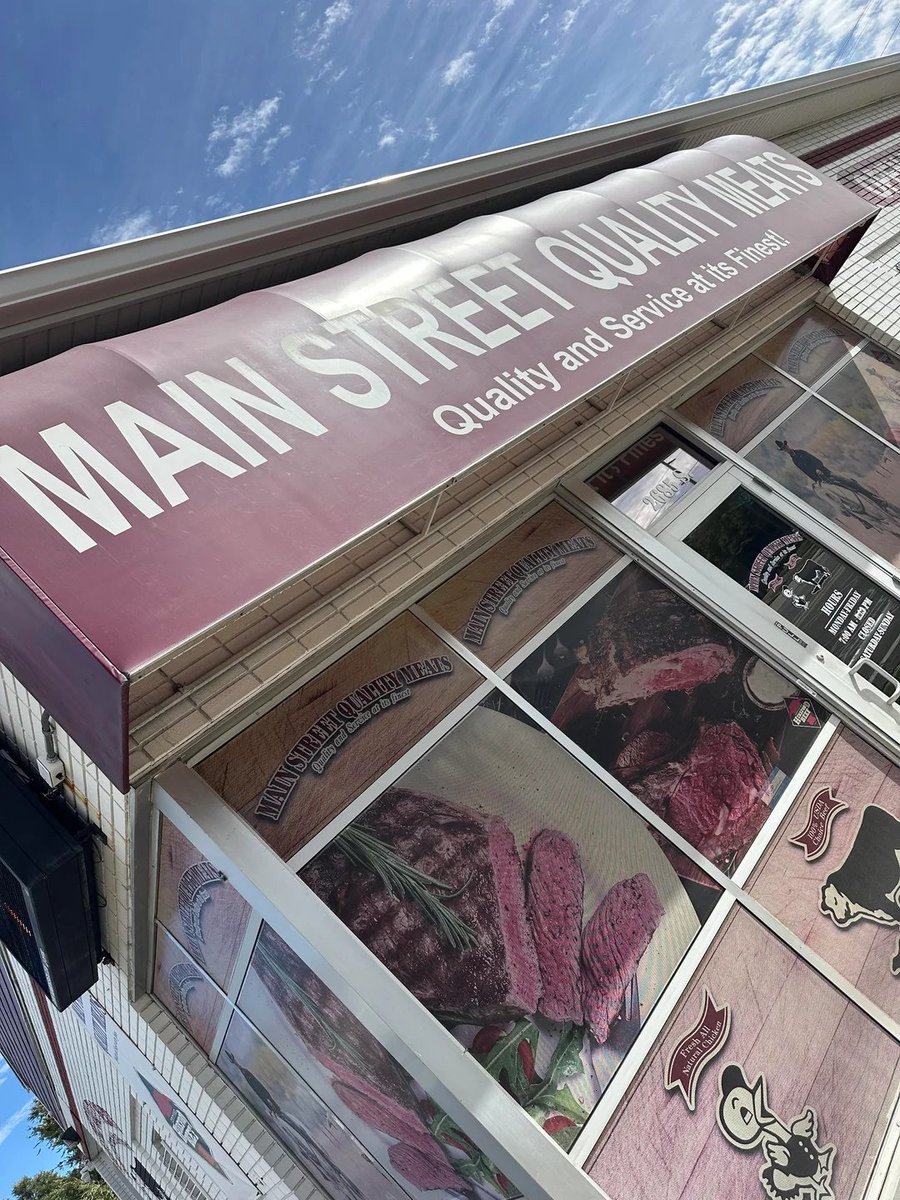
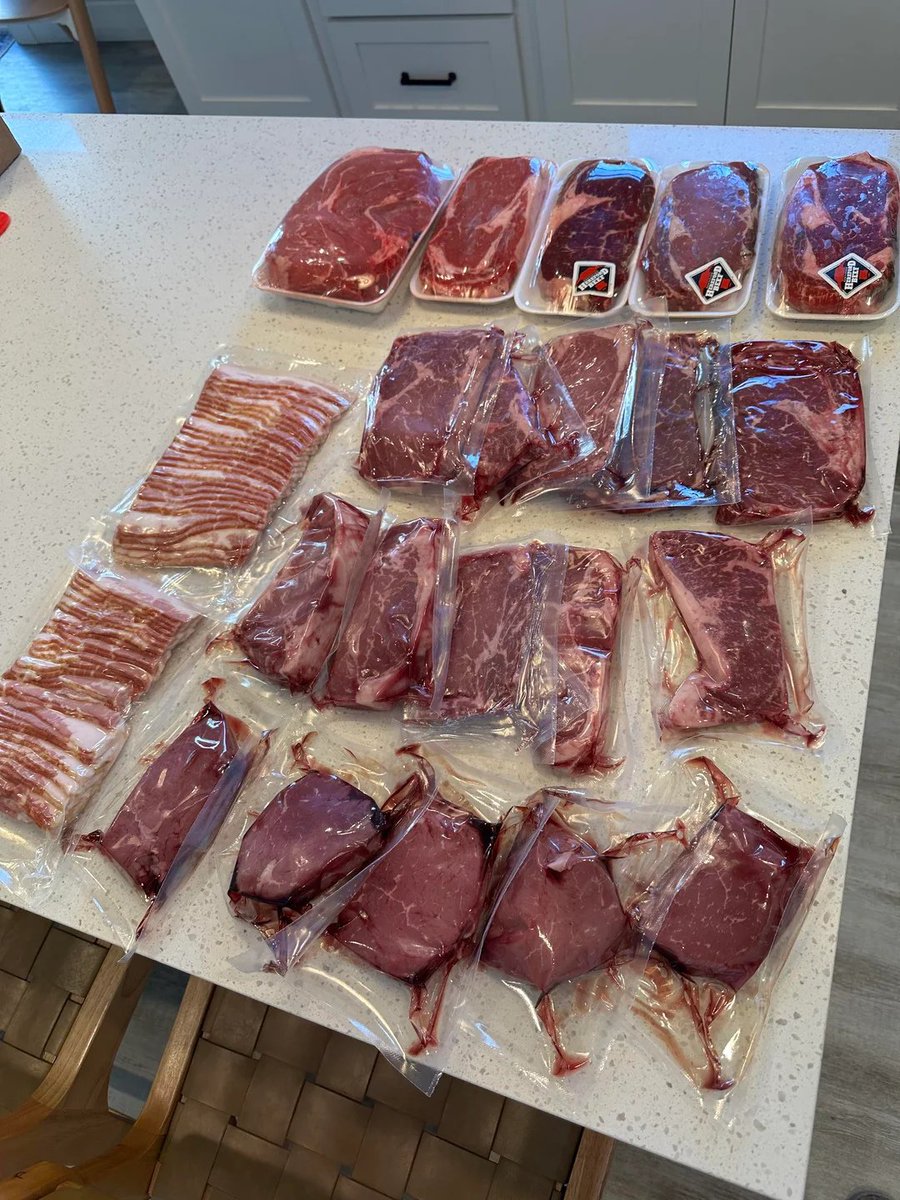
A Goldback user named Jay went to spend some Goldbacks at Main Street Quality Meats in Salt Lake City, and here’s what happened:
"I talked to [the manager] for a minute about what Goldbacks were and how to use them in a store like theirs, and she said she would gladly accept them now and in the future."
Sometimes all it takes is a simple conversation to spark a little change!
#goldbacks #localtrade #goldcurrency
6
14
118
4,092

13 Sep 2025
Web3 七大寶藏:照亮前沿 在不斷發展的 Web3 格局中,AI 代理、DeFi 創新和合規基礎設施匯聚一堂,這七大「寶藏」代表著突破去中心化技術邊界的關鍵項目。每一項都與 Web3 的一項核心成果相契合:用於建立信任的「聲譽之鏡」、用於無縫流動性的「跨鏈橋」、用於統一交易的「聚合中心」、用於沉浸式身份的「幻影石」、用於規範可擴展性的「合規法令」、用於戰術執行的「戰略之劍」以及用於社區驅動增長的「共同創造門戶」。下文中,我將對每項進行闡述和擴展,並結合它們的機制和最新發展,突出它們在 AI-DeFi 連接中的作用。
@recallnet (#recall)** Recall Network 充當 AI 經濟的信任層,利用鏈上競賽來驗證和排名 AI 代理。其「Recall Rank」系統將代幣激勵與績效指標直接掛鉤——排名較高的代理商獲得放大獎勵,而社群支持者則獲得相應份額。這形成了一個良性循環:卓越的 AI 成果獲得認可,從而提升排名和採用率。自 2025 年 3 月起,Recall 推出了「Surge」積分計劃,獎勵參與競賽和生態系統貢獻的開發者和用戶,旨在催生數十億個專業代理商。透過將可審計的推理儲存在鏈上,它為情報交易提供了一個無需信任的市場,這對於金融及其他領域高風險的 Web3 決策至關重要。
@VeloraDEX (#Velora)** Velora(由 ParaSwap 演變而來)是一個基於意圖的 DEX 聚合器,整合了 L1/L2 鏈上 160 多種協議,並透過獨家做市商定價機制增強其功能。除了基本的互換功能外,它還透過「超級掛鉤」(Super Hooks)支援限價訂單、批量交易和複合操作——可自訂的多步驟流程,例如互換轉權益或借貸優化。其深度 Morpho 整合支援無縫應用內互換,例如“一鍵倍增”和“抵押償還”,從而消除了用戶介面的摩擦。 Velora 於 2025 年 4 月更名,其基於代理商的架構確保了具有競爭力的執行力,使其成為 DeFi 靈活的交易支柱。
@antix_in (#antix) Antix 率先將 AI 賦能的數位人類作為不斷發展的 NFT,將虛幻引擎 5 的超現實主義與 GPT 整合相結合,實現情境化、口型同步的對話。用戶可以透過 NFT 市場自訂自己的角色,包括髮型、服裝、聲音和個性,該市場具有模擬穿戴的「耐久性」機制。這些角色在虛擬空間中開啟社交大門,從活動到內容創作,以及串流媒體、教育和服務等應用,在 Web2/Web3 領域展現出真正的「人性化」行為。 Antix 於 2024 年底與 $ANTIX 代幣一起推出,進軍價值 220 億美元的數位人類市場,強調透過區塊鏈和多語言互動實現所有權,從而實現全球參與。
@RaylsLabs (#Rayls) Rayls Labs 為機構金融提供「UniFi」EVM 區塊鏈,在協議層嵌入 KYC/AML 認證,同時支援 DeFi 互通性。與孤立的聯盟鏈不同,它採用 KYC 門控的公鏈(以太坊側鏈),連接到注重隱私的 VEN(價值交換網路),使用零知識證明和同態加密技術實現可擴展的隱私交易。這將透過風險加權資產 (RWA) 和代幣化,將傳統金融 (TradFi) 的流動性(潛在價值 100T)與 DeFi 連接起來。預計到 2025 年中期,Rayls Labs 的 Twitter 粉絲將超過 30 萬,其第二季度測試網空投和 G20 TechSprint 展示(例如,在巴西的 Drex 試點)贏得了 KOL 的讚譽,被譽為「嚴肅資本的嚴肅賽道」。
@LABtrade_ (#LAB) LAB(可能是 LocalTrade DeFi Lab)秉承「產品優先,代幣後」的理念,優先透過交易記錄來提升用戶忠誠度,然後再進行代幣生成(TGE)結算和治理。這抑制了投機行為,使激勵機制與跨多鏈架構的實際使用和留存率一致。該團隊將企業區塊鏈專業知識與 DeFi 營運經驗相結合,專注於安全工程和用戶體驗簡化——在服務交易者和機構的同時隱藏複雜性。作為一個 DEX/交易平台,它強調可維護的基礎設施以製定長期策略,儘管 2025 年的具體發佈時間仍在醞釀中;它的定位是機構級永續合約和。
@vooi_io (#vooi) Vooi 是一個基於鏈抽象的去中心化交易所 (DEX),它將 Hyperliquid、Orderly 和 SynFutures 的流動性聚合到一個無 gas 的統一終端中,並透過 OneBalance 工具包消除了過橋和費用。在 Symbiosis Finance 聯合創始人 Will K 的領導下,Vooi 於 2024 年獲得了 YZi Labs(前幣安實驗室)的投資,並於 2025 年初獲得了 125 萬美元的社區融資,驗證了其模式。自 2024 年 5 月以來,Vooi 的累積交易量已超過 84 億美元,其交易/推薦獎勵、追溯獎金和 Telegram 小程式降低了進入門檻。 V2 主網(2025 年 7 月)支持跨鏈交易和風險加權資產 (RWA),由積極的反饋循環驅動,從而推動快速的、由社區主導的成長。 | 財富 | 專案 | 核心創新 | 2025 年里程碑 | Web3 影響 | |----------|---------|-----------------|----------------|-------------| |
12 Sep 2025

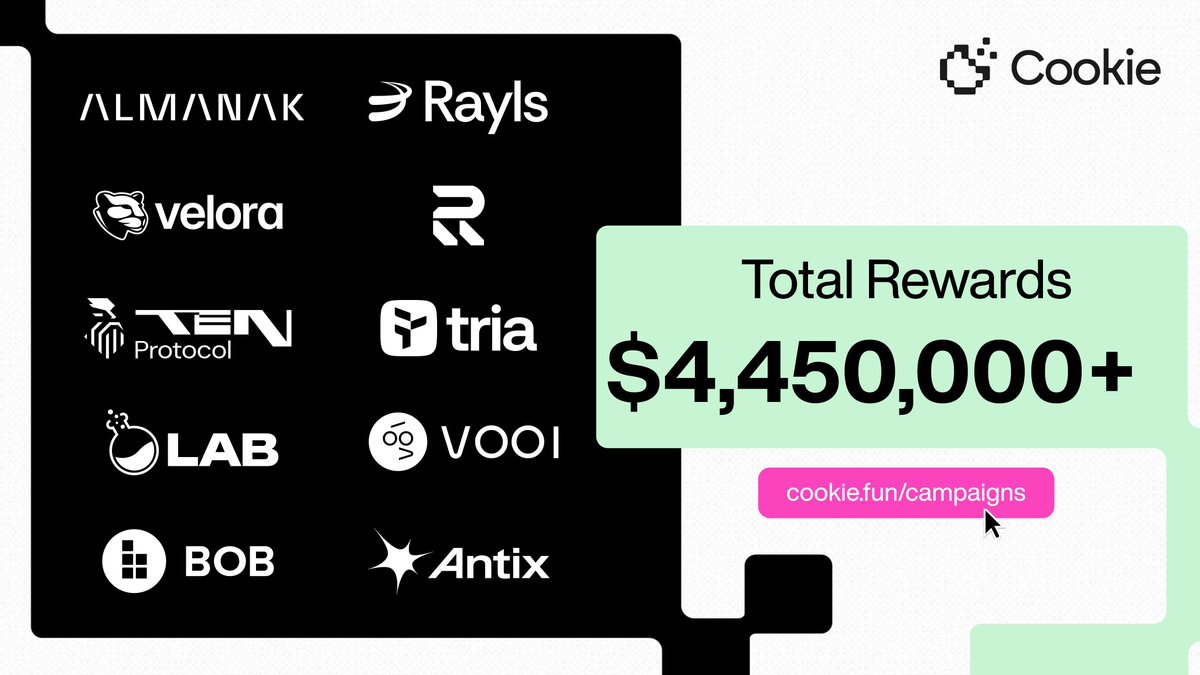
4.45M in total rewards across all live Cookie Snaps and ACM campaigns.
Here’s an overview of all the projects:
@Almanak__ (ACM campaign): No-code platform to build, optimize & manage financial strategies with AI agents. Reward Pool → $550,000
@useTria (ACM campaign):
6
13
14,359

You need some ApeCoin where we're headed.
There are 140 venues that list ApeCoin.
Binance
Coinbase
HyperLiquid (HyperCore)
GMX
OKX
Upbit
TokoCrypto
Bit2Me
Crypto. com
Upbit Indonesia
Deepcoin
BitDelta
LBank
HTX
DigiFinex
Bitvavo
BitMart
Coinstore
Bitazza
Phemex
BTSE
Bitunix
Gemini
Hibt
BVOX
ZebPay
PancakeSwap V3 (Arbitrum)
MEXC
Nami Exchange
Max Maicoin
CoinTR
KuCoin
GroveX
Tokenize
Mudrex
Bitget
CoinEx
Paribu
Bitso
Bittime
BIT
Bitlo
Trubit
BingX
Ourbit
Azbit
CoinCatch
Bitrue
CoinW
BitKan
Gate
SAFEbit
Toobit
BigONE
Bitstamp
Nonkyc. io
FameEX
Uniswap V2 (Ethereum)
WOO X
Hotcoin
XBO. com
AscendEX (BitMax)
KCEX
Bitkub
Bitfinex
Dex-Trade
Kraken
Pionex
BloFin
BitoPro
Balancer V2 (Polygon)
Bitbank
XT. COM
Bybit
bitcastle
P2B
OrangeX
Binance US
Tothemoon
Foxbit
CoinUp. io
BTCC
LATOKEN
Bullish
BtcTurk | Kripto
Niza. io
Vindax
Camelot V3
Icrypex
Backpack Exchange
Bilaxy
Bitcoin. me
Bithumb
CEX. IO
ChangeNOW
CoinDCX
CoinJar Exchange
Coinone
Digitalexchange. id
FMFW. io
HitBTC
Indodax
Kanga
Koinpark
Korbit
LCX Exchange
LocalTrade
Mercado Bitcoin
NovaDAX
OKJ
Poloniex
ProBit Global
Sushiswap
Websea
WEEX
WhiteBIT

24
19
122
5,612

15 Jun 2025
ମନ ମୋହୁଛି ରୋହିତଙ୍କ ରଜ ପାନ । ପାନ ପତ୍ର ରେ ବାନରସି ମିଠା ପାନରେ ଗଜମତୀ, ସିଙ୍ଗଡ଼ା, ଆରିସା ପାନକୁ ନେଇ ଚର୍ଚ୍ଚା । ପାନ ଖଣ୍ଡ ୨୦ ରୁ ଷାଠିଏ ଟଙ୍କା । ନାଚି ନାଚି ପାନ ଭାଙ୍ଗିବା ସହ ଯାତ୍ରା ଡାଏଲଗ ଶୁଣାଇ ରଜରେ ଲୋକଙ୍କୁ ପାନ ଖୁଆଉଛନ୍ତି । ଏଥି ସହ ଫାୟାର ପାନ ଲୋକ ଙ୍କୁ ଖୁଆଇ ଦେଉଛନ୍ତି।ତେବେ ରଜ ରେ ଭଲ ବେପାର ହେଉଥିବା ରୋହିତ କହିଛନ୍ତି। ସେପଟେ ରୋହିତଙ୍କ କଥା ଆଉ ପାନ ଗ୍ରାହକଙ୍କୁ ଆକର୍ଷିତ କରୁଥିବା କଥା କହିଛନ୍ତି ଗ୍ରାହକ |
#Cuttack #BetelLeafBusiness #LocalTrade #MarketVibes #ruhit #TraditionalBusiness #CommunityTrade #OdishaMarkets #BusinessGrowth #LocalEconomy #CulturalTradition #prameyanews7
2
155

19 May 2025
Bee Network Miners – Congratulations! 🎉
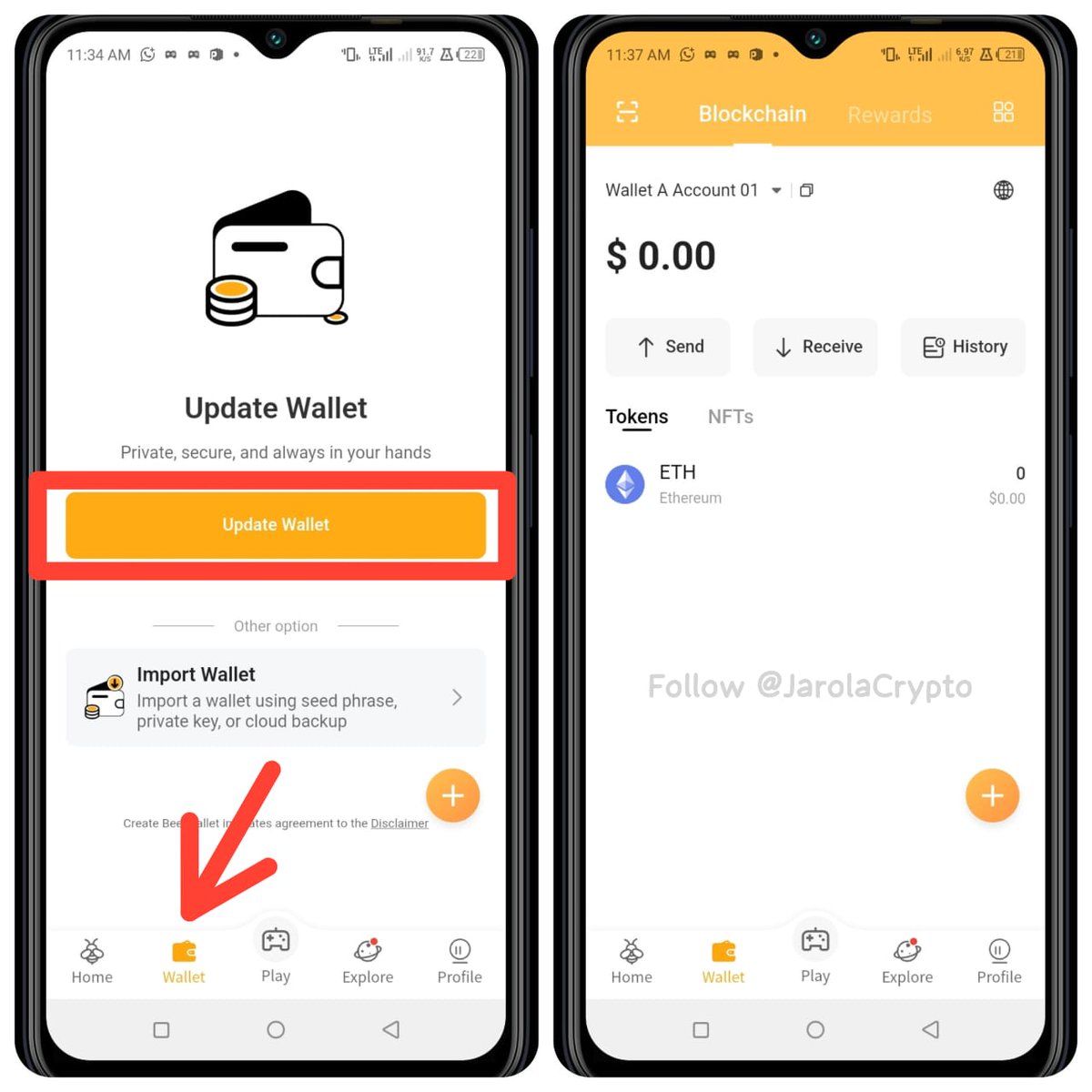
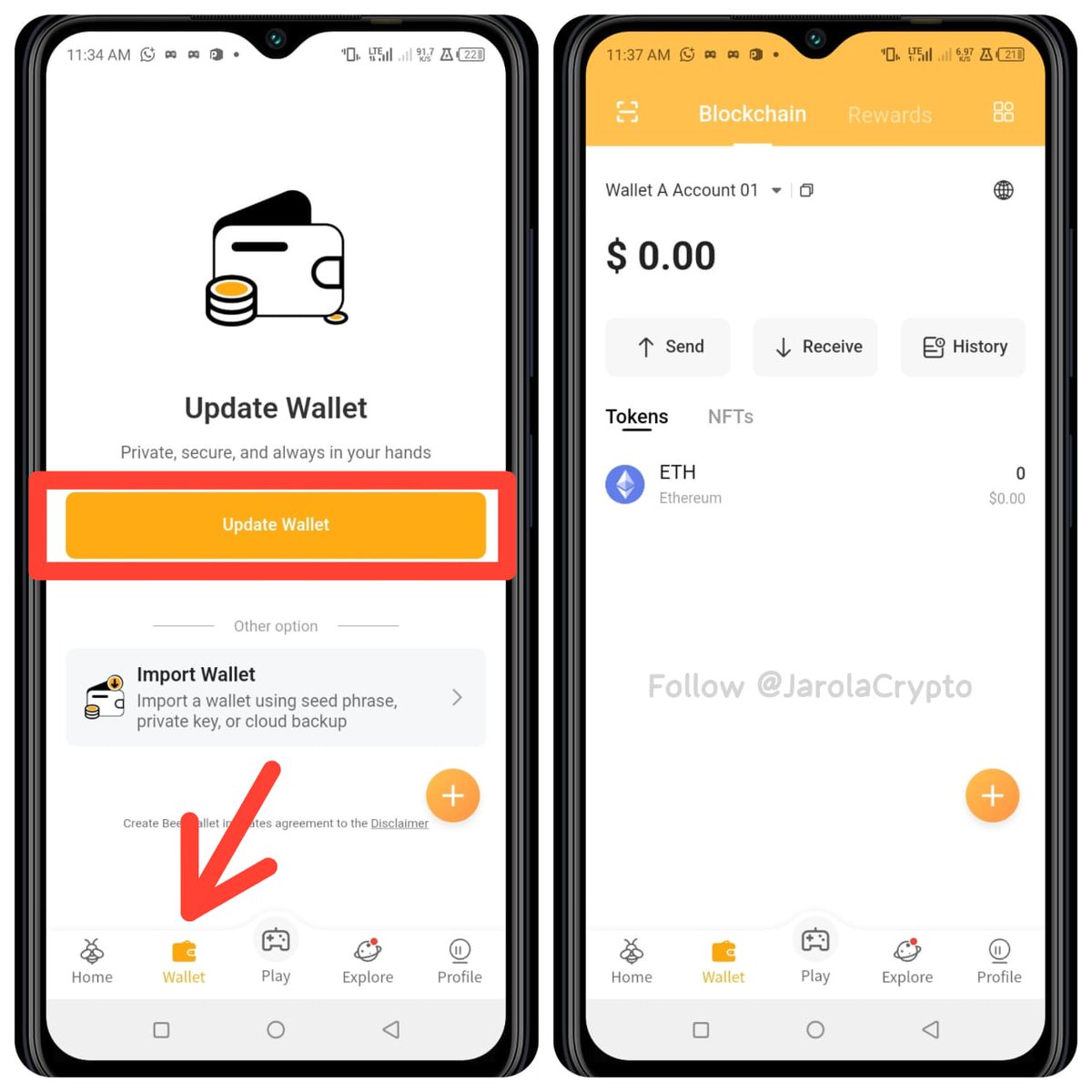
🚨 $BEE Wallet is NOW LIVE! 🚨
🔥 Update your app from the Play Store RIGHT NOW!💫
📌 Key Remainder 💬👇
📲 Open the app
🔐 Tap on Bee Wallet
⚙️ Complete your Wallet Update
💾 Save your Recovery Phrase / Cloud Wallet – VERY IMPORTANT!
⏳ Wait for the Official Bee Contract Address ✔️✍🏻
💱 $Bee Token's Buy/Sell will start soon in the LOCAL market only⚠️❣️
🔸 Are YOU mining on Bee Network❓
🔸 Have YOU completed your KYC❓
✅ KYC opens every week on Monday & early Tuesday!⚠️🧾
Don’t miss your chance – Verify & Be Ready!📌
💸 Big Opportunity for Early Users – Be Ready!
⛏️ Join Bee Network Now:
j.bee.com/s?a=ayitha1992
📌 Referral Code👉🏻; ayitha1992
#BeeNetwork #BeeWallet #CryptoMining #KYCAlert #LocalTrade #BeeReady #PassiveIncome #Web3
2
159

19 May 2025
🎉 Bee Network Miners – Congratulations! 🎉
🚨 $BEE Wallet is NOW LIVE! 🚨
🔥 Update your app from the Play Store RIGHT NOW!💫
📌 Key Remainder 💬👇
📲 Open the app
🔐 Tap on Bee Wallet
⚙️ Complete your Wallet Update
💾 Save your Recovery Phrase / Cloud Wallet – VERY IMPORTANT!
⏳ Wait for the Official Bee Contract Address ✔️✍🏻
💱 $Bee Token's Buy/Sell will start soon in the LOCAL market only⚠️❣️
🔸 Are YOU mining on Bee Network❓
🔸 Have YOU completed your KYC❓
✅ KYC opens every week on Monday & early Tuesday!⚠️🧾
Don’t miss your chance – Verify & Be Ready!📌
💸 Big Opportunity for Early Users – Be Ready!
⛏️ Join Bee Network Now:
👉 j.bee.com/s?a=asadhayat143
📌 Referral Code👉🏻; asadhayat143
#BeeNetwork #BeeWallet #CryptoMining #KYCAlert #LocalTrade #BeeReady #PassiveIncome #Web3
47
44
314
32,445
11 Apr 2025
Gujarati Couple Sell Pakistani Salt in the Capital | ରାଜଧାନୀରେ ପାକିସ୍ତାନ ଲୁଣ, ଟ୍ରକରେ ଆଣି ରଘୁନାଥପୁରରେ ବ୍ୟବସାୟ କରୁଛନ୍ତି ଗୁଜରାଟୀ ଦମ୍ଫତି #PakistaniSaltTrade #GujaratiCouple #RaghunathpurBusiness #OdishaNews #SaltImports #TradeUpdates #CommunityBusiness #LocalTrade #Sendhaluna #blacksalt #healthbenefits #saltforhealth
1
182

25 Mar 2025
The establishment of marketplaces is crucial for socio-economic development.
#VillageMarkets #RuralEconomy #LocalTrade
6
45

1 Mar 2025
The Barter Renaissance: Trading Your Way Through Economic Armageddon medium.com/readers-club/the-…
What Happens to Society When Banks No Longer Exist?
#Survival
#Collapse
#Barter
#Crypto
#DoomsdayFinance
#PostCollapse
#TradeNetwork
#DigitalMoney
#CashlessSociety
#EconomicRuin
#Bitcoin
#AltFinance
#Prepping
#LocalTrade
#Resilience
#NoBanks
#NewEconomy
#WealthShift
#DarkAgeEconomics
#FinancialSurvival
#CrisisTrading
#BarterEconomy
#FutureOfMoney
#EndOfFiat
#HardTimesTrading
2
33