
Get out of our country Guamanian! Bring your Anahao and Treehouse restaurants with you! Camou distanced itself and so as Longevitylab in BGC from this ingrato. If I were you I wouldnt patronize those establishments at all. Pick one truly owned and managed by Pinoys....
1
4
571


เห็นแอนชิลีมีรูปร่างที่ฟิต ลีน แข็งแรงขนาดนี้ มีวันขี้เกียจออกกำลังกายบ้างไหม? แล้วเธอจัดการตัวเองอย่างไร? ลองมาฟังคำตอบกัน
รับชมคลิปเต็ม: youtu.be/1Vh9nuqWLqw
#TheStandardLife #LongevityLab #LongevityLabEP18 #AnchileeScottKemmis #แอนชิลี
29
62
2,723

#LongevityLab
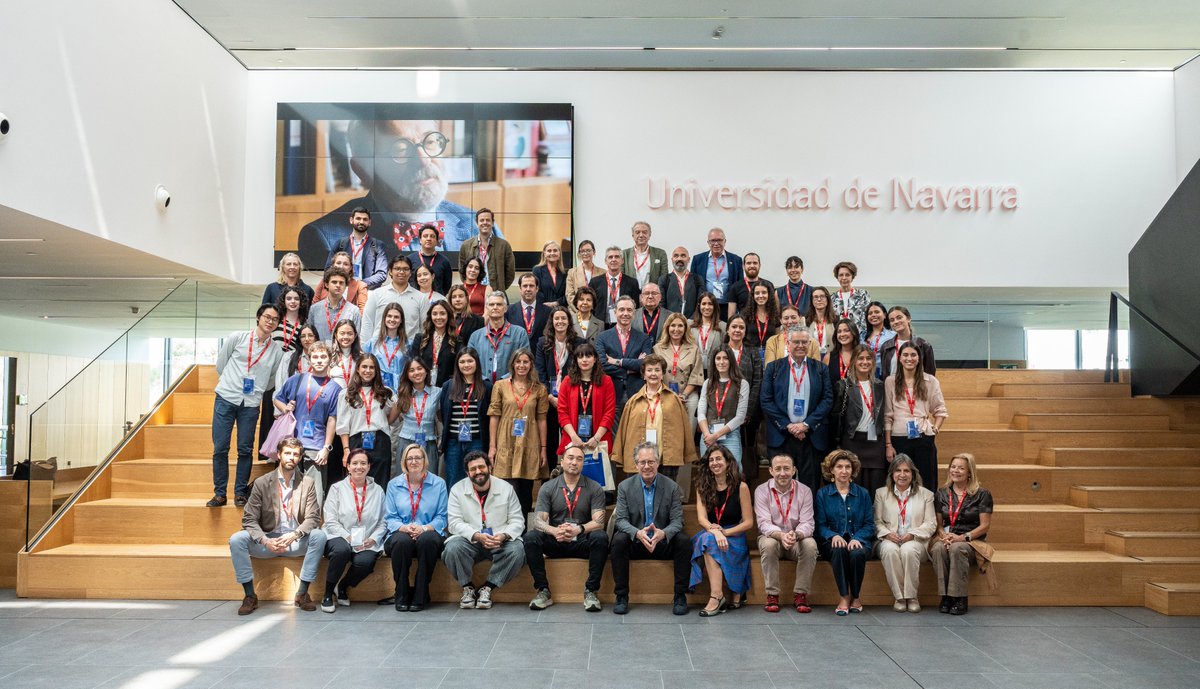
Creatividad, innovación y debate en torno al envejecimiento con sentido y los cuidados. Así fue la 2ª edición de este evento organizado por @etsaunav, Fundación IDEA y el ICS para imaginar de forma colectiva los futuros del cuidado
⬇️
unav.edu/noticias/-/contents…
1
1
2
109

24 Nov 2025
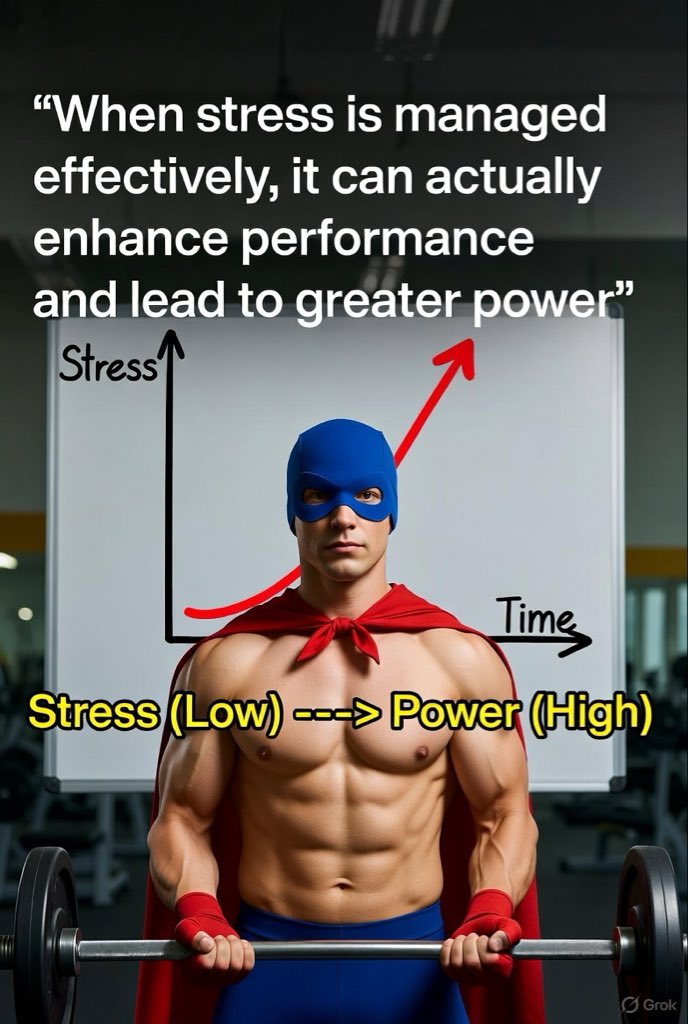
Hormesis: The Stress That Makes You Stronger! 💪
Ask yourself: What if a little stress is the key to thriving? Hormesis—the biphasic response where low-dose stressors (like exercise or fasting) stimulate health benefits, while high doses harm—could extend healthspan. 2025 research (npj Sci Food) shows dietary hormesis from plant metabolites boosts cellular resilience, slowing aging and fighting disease. No more “stress is bad”—it’s your superpower! 🌟
@HormesisHub @LongevityLab
Hormesis Hack – “Weak or wired? Thread 1 or 2 strengthens you!”
Hormesis Defined. Low doses of stress (e.g., intermittent fasting) trigger adaptive responses—sirtuins activate for longevity (PMC 2025). Why fear the dose that heals?
Dietary Power. Plant compounds like sulforaphane (broccoli) induce hormesis, reducing inflammation 25% (Nature Neuroscience 2025).
Exercise Edge. Moderate workouts build resilience—mitochondria biogenesis adds 5-7 years (Cell Metabolism 2025).
Fasting Flip. 16-hour fasts clear junk cells (autophagy), boosting immunity 30% (NIH 2025).
Why It Works. Biphasic curve: low stress = stimulation, high = toxicity (European J Clin Nutr 2007, updated 2025).
Evidence. Hormetic diets extend mouse lifespan 30% (Ageing Res Rev 2025)—human trials next!
2
1,748

14 Jul 2025
You expect us to believe you over an account called LongevityLab?
Please.
They even purposefully misspell their handle by using an x instead of an o in their name.
Bruh, that just shows you how legit they are.
21
1,756


26 Apr 2025
Based on the X thread from LongevityLab and the related web results, here’s a concise summary of Dr. David Sinclair’s science-backed recommendations to extend life and slow aging:
1. **Intermittent Fasting**:
- Skip meals (e.g., breakfast) to give your body a break from constant eating. This activates longevity genes by putting the body in a state of "scarcity," promoting cellular repair and the removal of damaged cells. Sinclair emphasizes that three meals a day plus snacks is too much, as it keeps the body in a state of abundance, which can turn off longevity mechanisms.
2. **Supplements**:
- **NMN (Nicotinamide Mononucleotide)**: Boosts NAD levels, which decline with age. NAD supports energy production, cell repair, and longevity. Studies show NMN improves insulin sensitivity, mitochondrial function, and reduces age-related inflammation.
- **Resveratrol**: Found in red wine, it activates sirtuins (longevity genes), aiding in anti-aging, cell repair, and reducing inflammation. Sinclair suggests taking 1g daily with olive oil or yogurt for better absorption.
- **Berberine**: Improves insulin sensitivity, lowers blood sugar, and reduces fat storage. Sinclair recommends high-quality berberine, as many supplements are low-quality or fake.
3. **Exercise**:
- Regular movement is critical to reduce vulnerability to chronic diseases. Sinclair notes that even simple exercise—less than 4 hours per week—can significantly improve health and longevity. Moderate aerobic activities like walking also enhance sleep quality, which supports tissue repair.
4. **Cold and Heat Stress**:
- **Cold Exposure**: Burns fat and strengthens mitochondria, the energy powerhouses of cells.
- **Heat Exposure (e.g., Saunas)**: Boosts heart health and triggers cellular repair mechanisms. These stressors help the body adapt and improve resilience.
5. **Quality Sleep**:
- Prioritize sleep to allow the body to heal, repair tissues, clear brain toxins, and regulate hormones like growth hormone and testosterone. Lack of sleep leads to brain fog, slower fat loss, hormonal imbalances, and higher disease risk. Tips include keeping your room dark to support melatonin production and exercising regularly to improve slow-wave sleep.
### Additional Context:
- Sinclair’s recommendations are based on his research into the epigenome and NAD pathways, with notable studies like his 2020 work on reversing aging in mice by restoring vision. However, while these strategies show promise in animal models, human trials are still ongoing, and results may vary.
- He also advises avoiding sugar, alcohol (even one glass of wine), and meat, focusing instead on a plant-based diet rich in polyphenols for anti-aging benefits.
- Always consult a doctor before starting supplements or major lifestyle changes to ensure they’re safe for you.
This protocol aims to address aging at the cellular level, targeting the root causes of age-related diseases like cancer, Alzheimer’s, and heart disease, rather than just treating symptoms.
1
5
1,327

9 Apr 2025
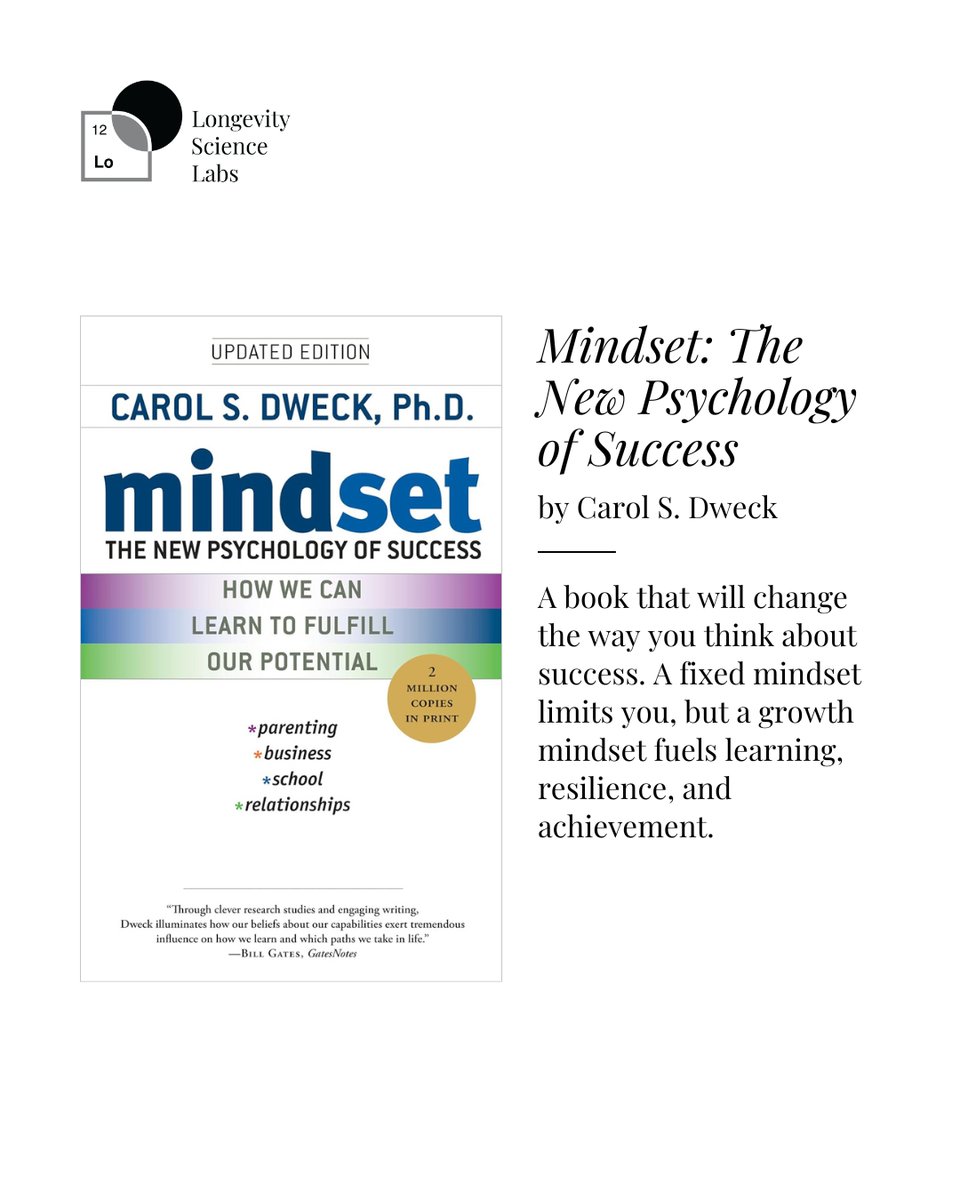
Your mindset shapes your success! This book explores how our beliefs about intelligence and ability can significantly impact our learning potential and how to cultivate a growth mindset to embrace challenges and persist through difficulties.
#LMSL #LongevityLab #Longevity #Books
1
2
32
9 Mar 2025
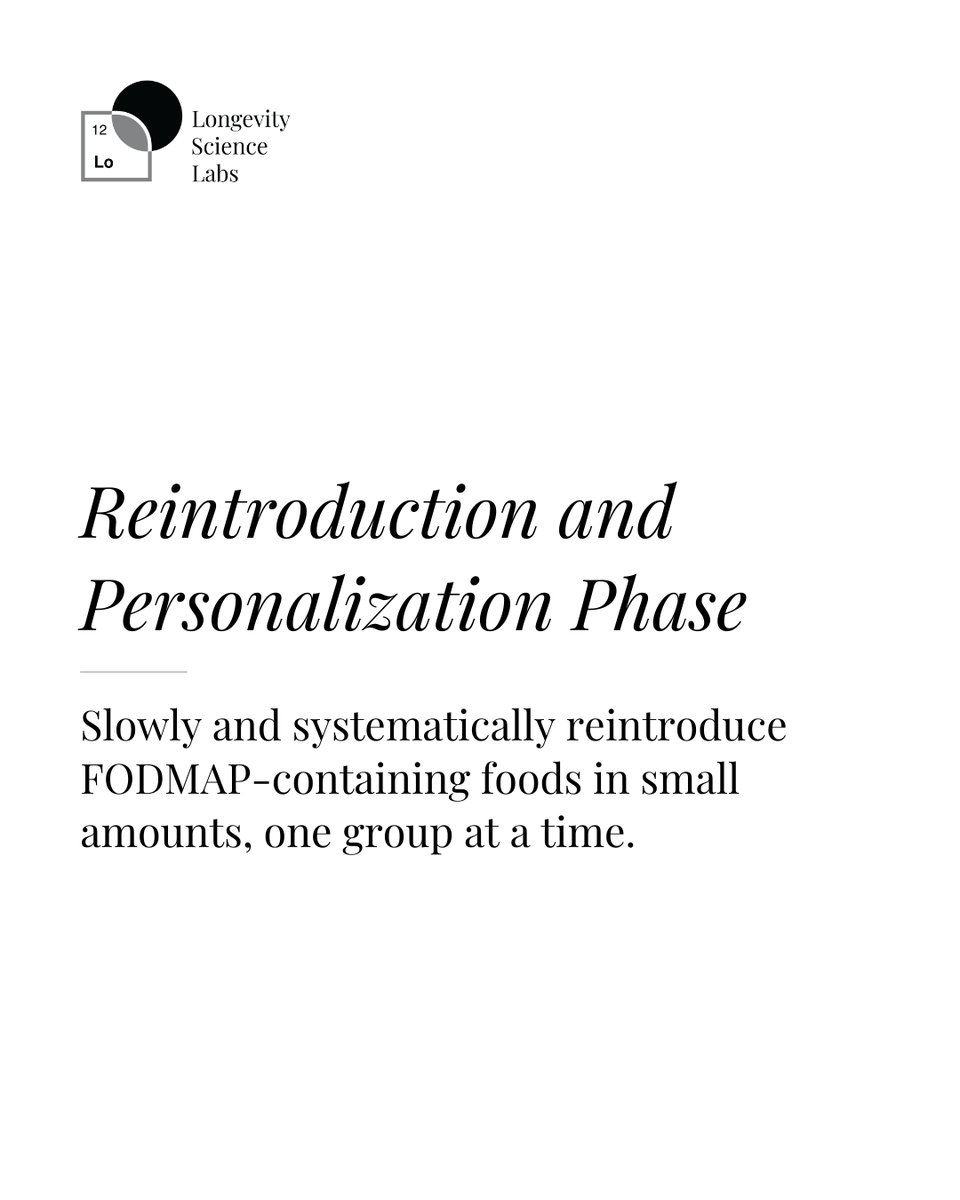
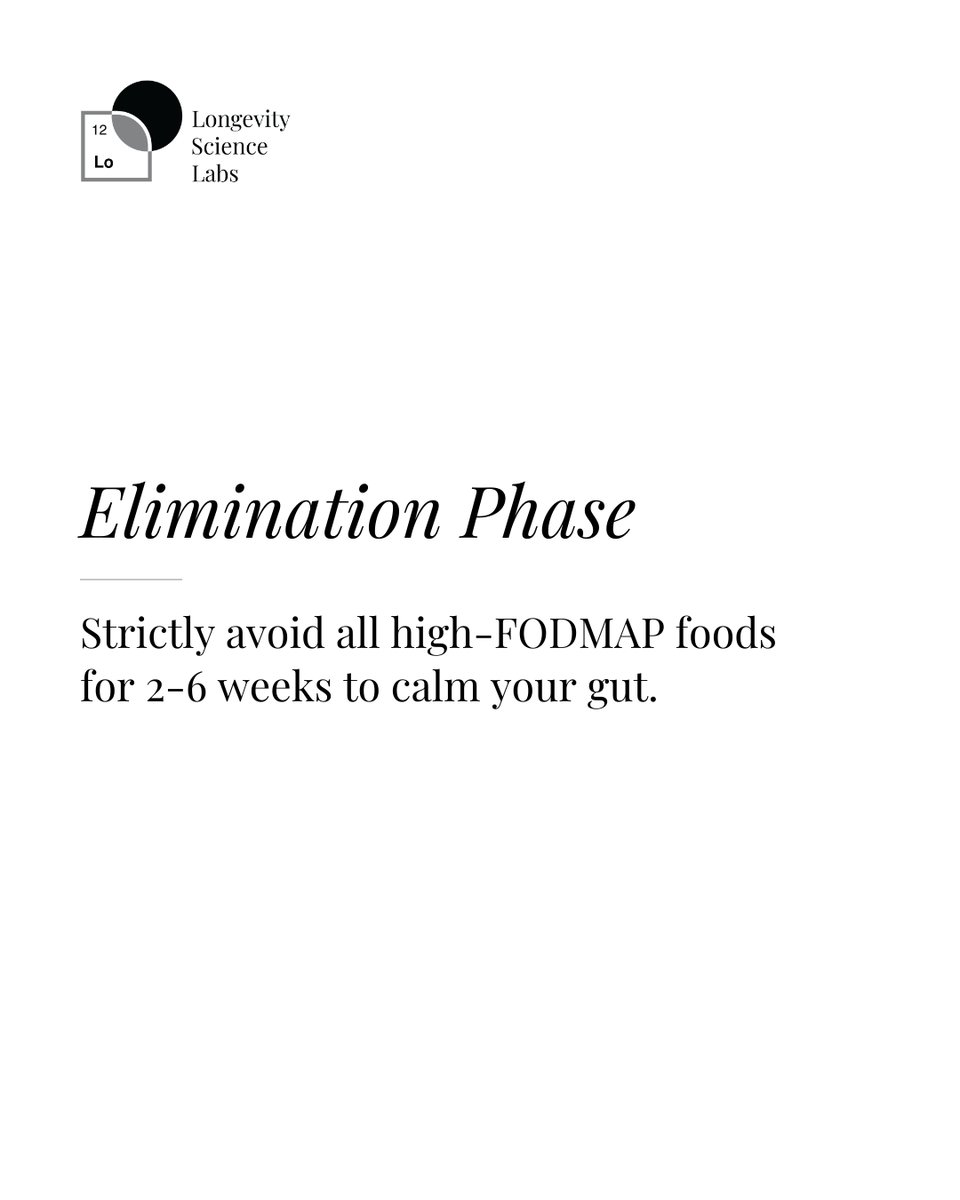
The Low FODMAP diet helps manage bloating, gas, and stomach pain by reducing certain hard-to-digest carbs. Learn how this approach can help identify trigger foods and improve your gut health.
#LMSL #LifeManagementScienceLabs #LongevityLab #Longevity #Practices #WellBeing #fodmap
1
1
35
12 Jan 2025
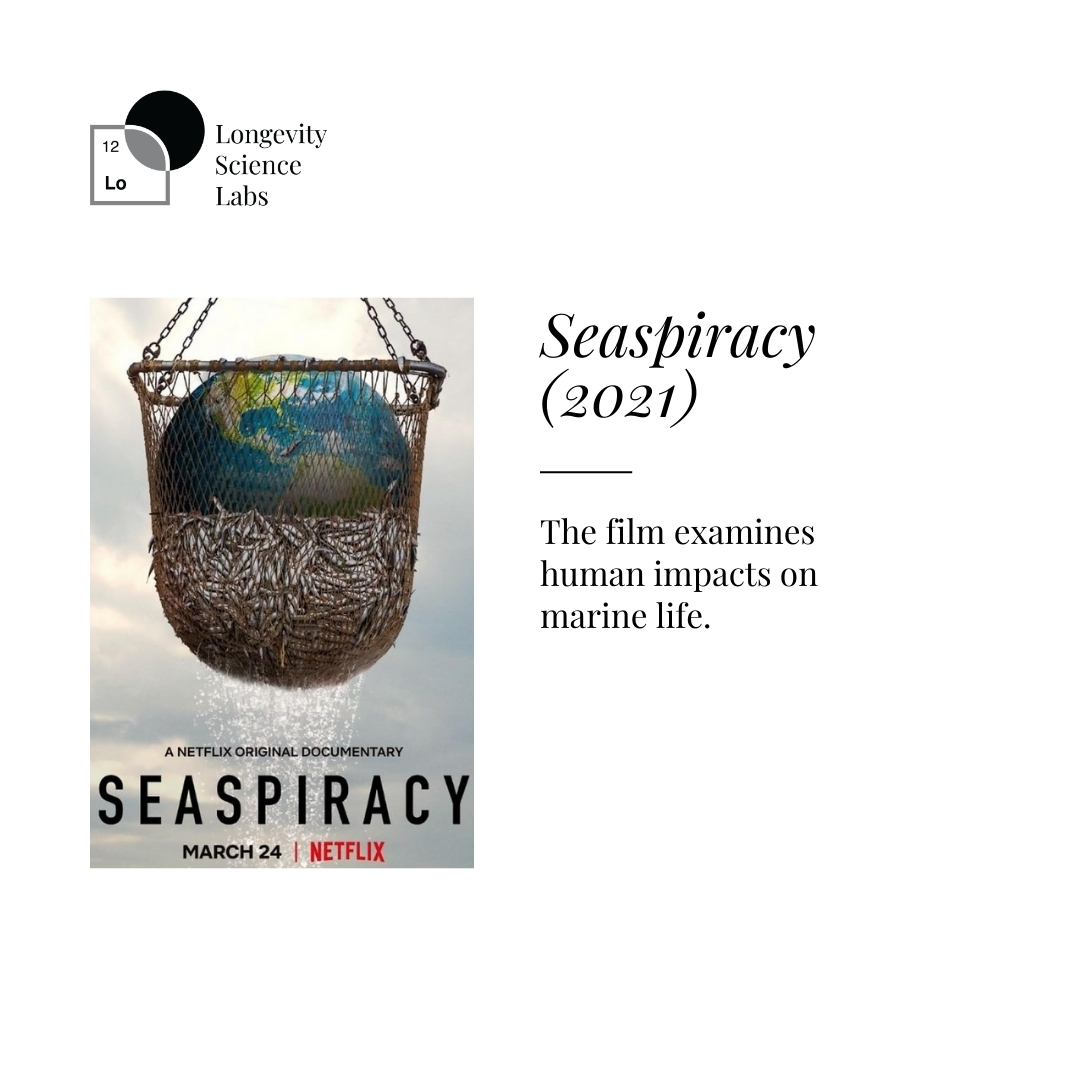
Ready to uncover the hidden side of the ocean? Seaspiracy exposes the devastating impact of the fishing industry on our oceans. This eye-opening documentary will change the way you view seafood.
#LMSL #LifeManagementScienceLabs #LongevityLab #Longevity #MovieInspiration
1
1
23

11 Nov 2024
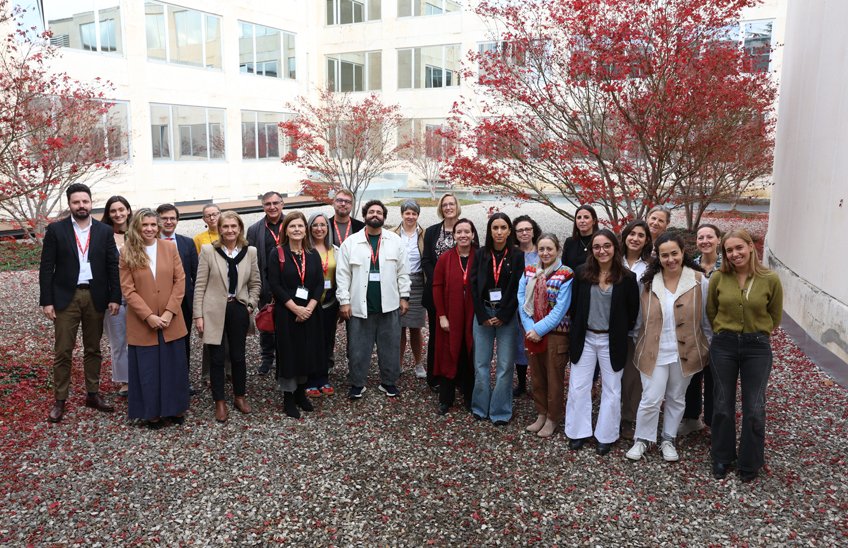
La Escuela de Arquitectura y la Cátedra IDEA de Nuevas Longevidades de la @unav han llevado a cabo el taller Aesthetics of Care: Improving Older Adults Environments through a Multidisciplinary Approach 🙌.
@ICS_unav #LongevityLab #etsaunav
👉unav.edu/noticias/-/contents…
2
352
#LongevityLab
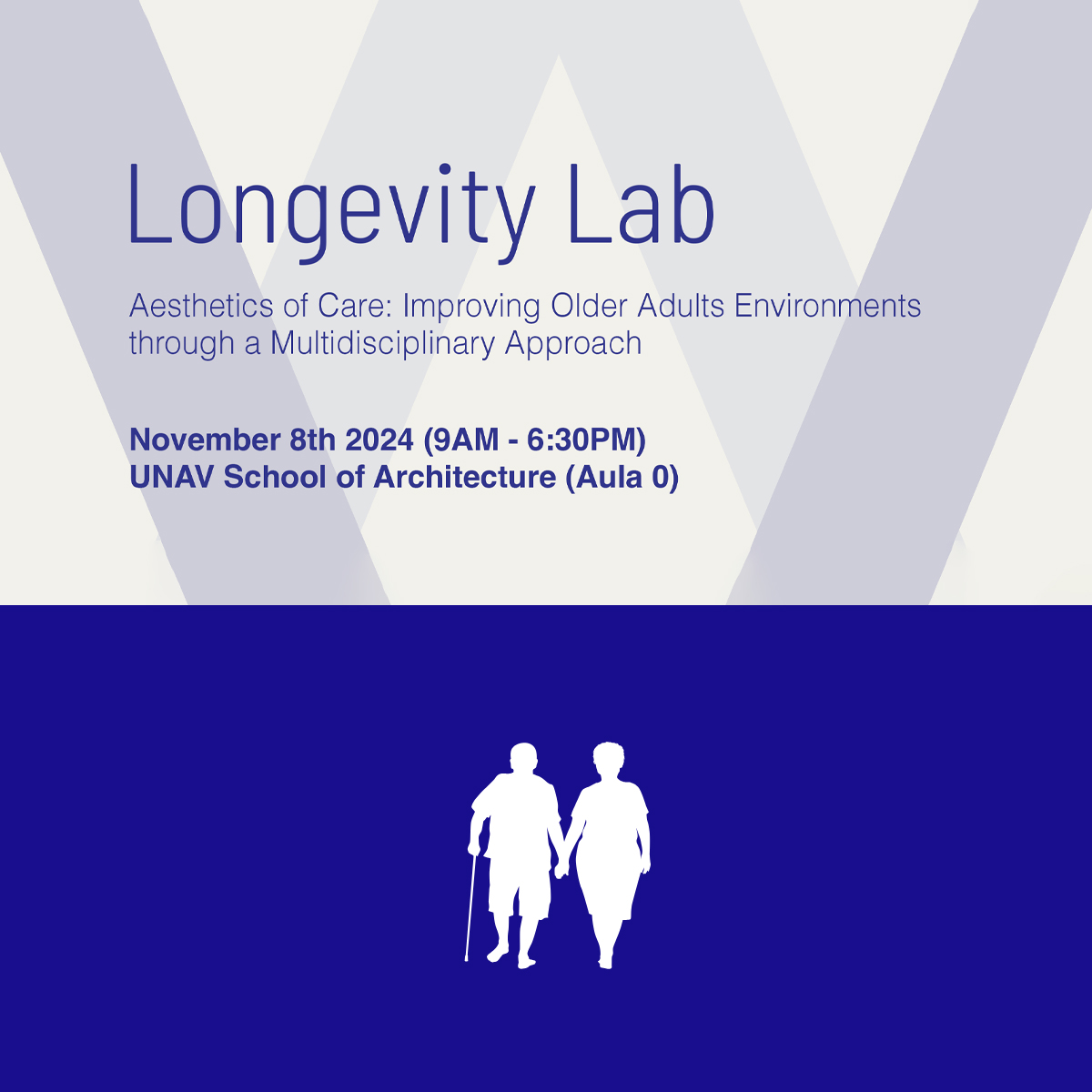
La Cátedra IDEA de Nuevas Longevidades y @etsaunav celebran este workshop para abordar el desafío que supone el envejecimiento y la creciente necesidad de brindar una atención de calidad a las personas mayores.
Inscripciones➡️ow.ly/XkqT50U267u
2
4
203

Yesterday, @EdelmanPR announced our very exciting partnership in launching The #LongevityLab.🎉
Read more about our partnership here: bit.ly/4a90o73 👈
Learn all about The #Longevity Lab via @adage: bit.ly/3VEhaqn
#ageingintelligence
1
1
3
292

27 Feb 2024
Doug Vaughan, MD, and John Wilkins, MD, of Northwestern Medicine Bluhm Cardiovascular Institute, join the @TODAYshow to discuss the #LongevityLab where they examine the #biological age of patients and implement treatments to potentially extend their life.
today.com/video/inside-the-l…
5
9
3,880

1 Nov 2020
イケハヤ氏が「国産NMNサプリメント」
9g(NMNの正味量)¥14,800をLongevitylabロンジェビティ・ラボ ってサイト作って売ってるけど、検索除けかなんかしらんが、イケダハヤトの名前をわざとテキストに書いてない。
別にどこか表記があるのかね?
archive.is/q5GVY
2
6

19 Dec 2019
Infrared for my little monkey’s lungs:) #drmom #biohacking #nourishment #momlife #loveourtools #longevitylab instagram.com/p/B6RY8ynBgp2/…
1
2

11 Dec 2018
1
1

26 Oct 2018
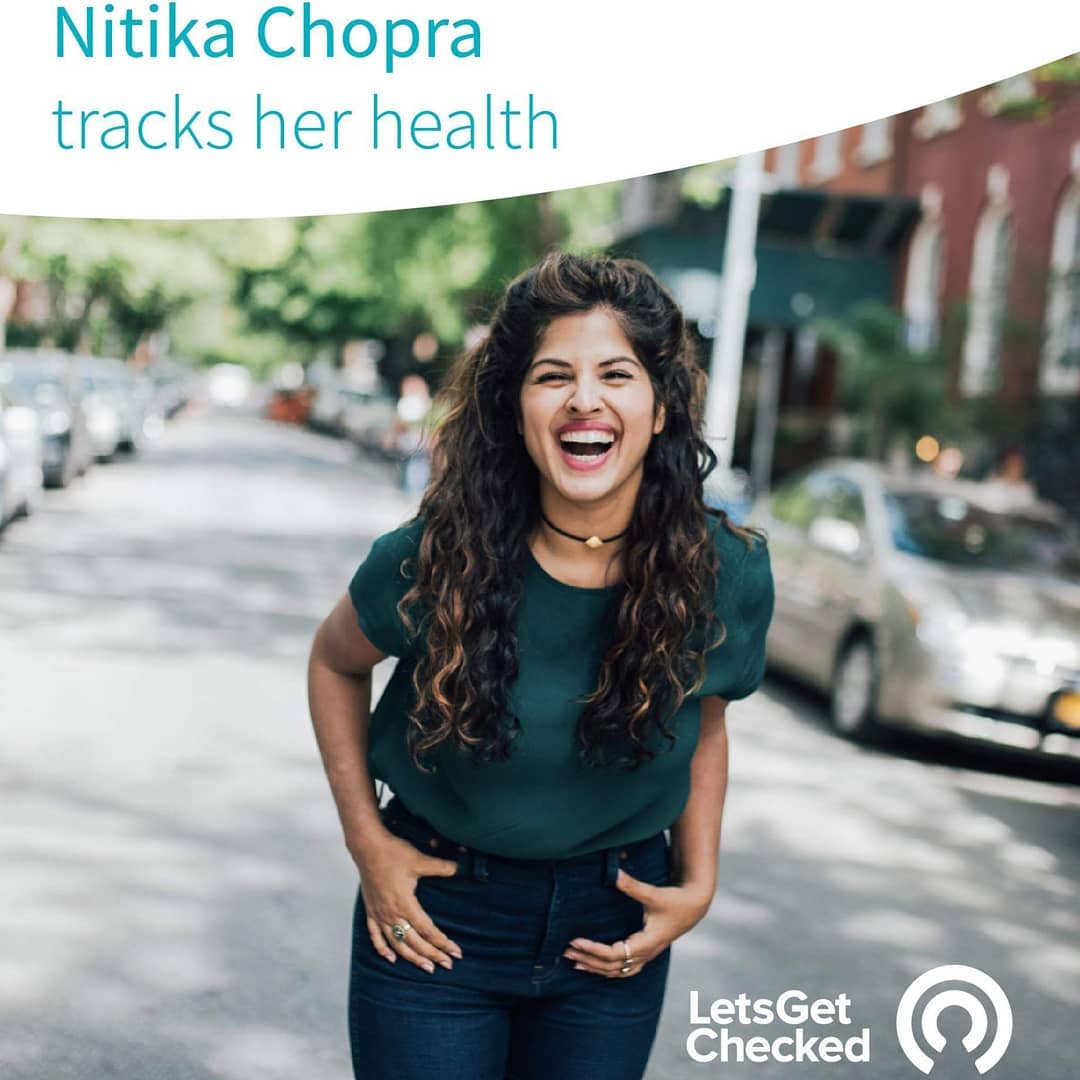
Introducing @NitikaChopra, chronic illness advocate, talk show host and beauty & lifestyle expert.
Nitika will be joining LetsGetChecked at The Longevity Lab to discuss “The Future Of Digital Health”.
Join us at 1.00PM at 198 Allen St. NY 10002 #ItsGoodToKnow #LongevityLab
1
3

22 Dec 2017
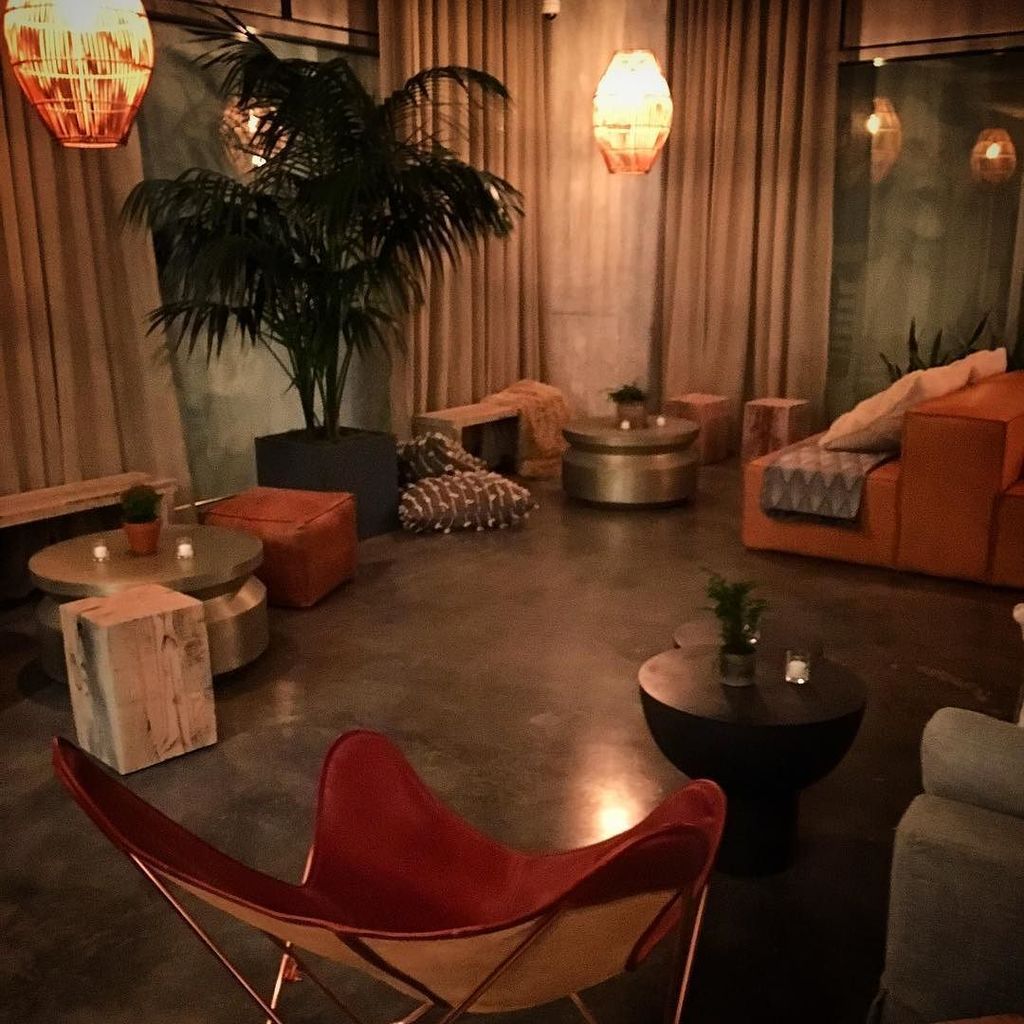
Every #livingroom comes with its own character. Welcome to our #lounge! #ComingSoon #LongevityLab #grecanyc #greeksoftribeca #bluezones #baking #mixology #wine #eclectic #interiordesign #livingspaces ift.tt/2Bpin9j
1