
Why learn from trust-fund fit? I went from broke→WEALTHY, obese→SCULPTED BODY. Proven playbook for body, mind, spirit & bank account. Author & Life Coach
Joined January 2025
- Tweets 3,742
- Following 680
- Followers 710
- Likes 780
402 Photos and videos











Pinned Tweet

30 Dec 2025
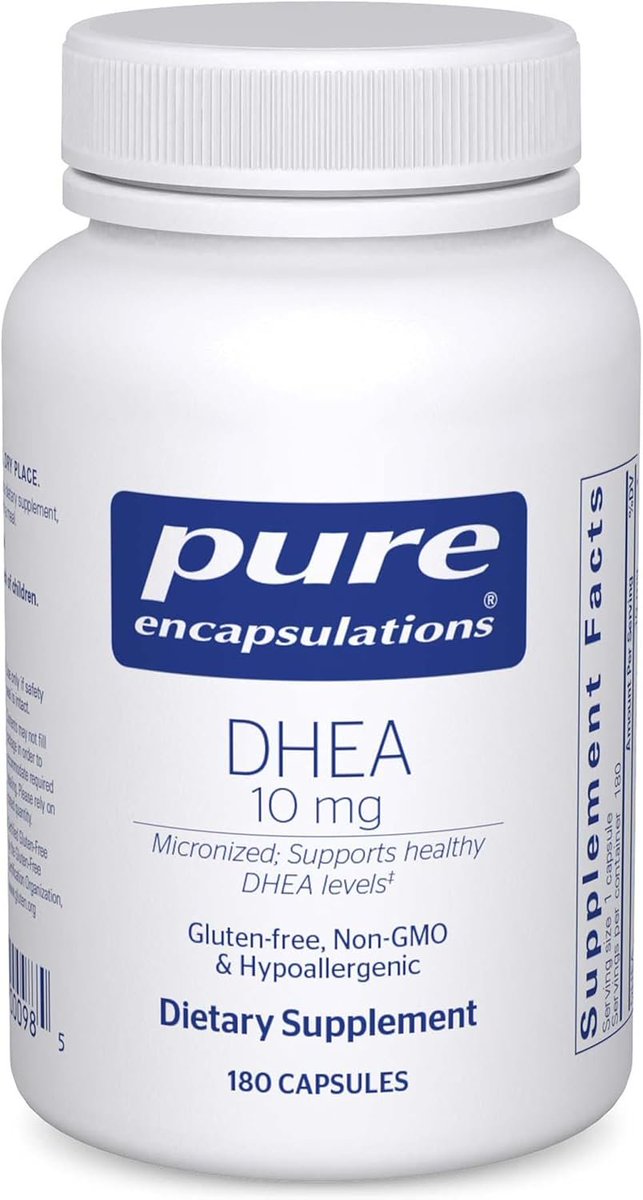
Supplements, what I take, and why...
Supplements supply the additional nutrition the body needs when our daily diets and time constraints do not allow for the proper nutrition.
After extensive research, blood tests, and the use of other supplements, the value for the money with Pure Encapsulations is sound. Thorne offers a superior product, however difference in price does not merit purchase in the United States.
I would use Thorne if money were not a factor, but third party testing shows that American Made Pure Encapsulations is very close in potency compared to other brands. This is why Joe Rogan and others use this brand. I highly recommend. Since taking these supplements I have felt a palpable difference in my overall heath and wellbeing.
DHEA is a hormone your adrenal glands make naturally, and levels drop as you get older. Some people take it as a supplement for better energy, mood, libido, bone strength, or to ease menopause symptoms. The evidence is pretty mixed though. Reliable places like Mayo Clinic and Harvard Health say there's not strong proof it helps healthy people much.
It seems to work better for specific things, like vaginal dryness (there's an FDA-approved version for that), adrenal issues, or sometimes mild depression. A few studies show small boosts in skin, sex drive, or fertility in certain cases.
Definitely talk to a doctor first, since it messes with hormone levels and can cause side effects like acne, extra hair growth or loss, mood swings, or risks if you have hormone-sensitive conditions.
For dosage, there's no official guideline, but studies often use 25 to 50 mg a day to get close to younger levels. Women or anyone starting out might go lower, like 10 to 25 mg. If your capsules are 10 mg each, that could mean 1 to 5 a day total. Best to start low and get blood tests for DHEA-S to check.
Take it once a day in the morning, since that's when your body naturally has higher levels. If you split the dose, keep it to morning or early afternoon so it doesn't mess with sleep. Stick with it daily, but we don't know a ton about super long term use yet.
amazon.com/dp/B0015VY4JQ?th=…
1
4
185
Joe Graham retweeted

The Olympics banned this technique because it removed the Fear of Failure.
> Long before the modern Olympics,
Greek athletes followed rules that would sound extreme today.
They didn’t only train their bodies.
They trained who they were.
Because to the Greeks,
fear of failure
was the real enemy of performance.
Not weak muscles.
Not missing talent.
Fear.
So they practiced a method
called prokatalēpsis a mental ritual so powerful
it was later banned for giving an “unfair advantage.”
> Athletes described it as:
“the moment the future stopped being threatening.”
Here’s how it worked.
The night before competition,
the athlete did something unusual:
He imagined losing.
Fully.
Clearly.
Painfully.
Without excuses.
Not to discourage himself.
Not to spiral.
But to drain fear of its power.
Because the Greeks believed
you can’t be afraid of
what you’ve already accepted.
Then came the second step the part that made the ritual famous:
After visualizing defeat,
the athlete stood alone in silence
and repeated one sentence
until his body felt it was true:
“What remains after fear
is my true form.”
They believed this revealed
the identity beneath ego,
expectations,
and imagined judgment.
And something strange happened:
Athletes slept deeper,
moved more freely,
and competed with a calm
that felt almost untouchable.
> Modern psychology later confirmed it:
When you vividly face
the worst outcome
and survive it mentally,
your brain reduces the fear response tied to it.
Today it’s called
“exposure reconsolidation.”
The Greeks called it:
“returning to yourself
before the world interferes.”
Try it next time
fear tightens your chest.
Accept the loss
for sixty seconds.
Then say the line.
You may feel
something very old
stirring awake inside you.
38
395
2,001
86,793
Apr 3
**The Boomer Legacy: How the Generation That Had It Easiest Left the Hardest Bill**
For decades, Baby Boomers have told younger generations they “had it so hard.” They walked uphill both ways, paid their dues, and earned every advantage through grit and sacrifice.
The data tells a different story.
From the end of World War II through the early 1970s, the United States experienced the most extraordinary period of broad-based prosperity in modern history. Real wages rose steadily, homes were affordable on a single income, college was cheap, pensions were standard, and the national debt was manageable. Boomers entered adulthood during this golden window.
Then, as they gained political and economic power from the 1980s onward, many of those advantages were quietly dismantled or shifted onto future generations.
### The Economic Reality Boomers Inherited (Inflation-Adjusted)
**Housing Affordability**
- 1950: Median home price ≈ $7,400 (≈ 2.2× median household income of $3,300).
- 1970: Median home price ≈ $17,000 (≈ 2.0× median household income of $8,700).
- Today (2025): Median home price ≈ $420,000 while median household income is ≈ $80,000 → **5.25× income nationally**, often 7–9× in major metros (Case-Shiller Census Bureau 2025 data).
A single working-class income could buy a home, raise a family, and save for retirement in the 1950s–1970s. Today it often cannot.
**Education Costs**
- Public college tuition in the 1960s averaged $300–$500 per year (≈ $2,800–$4,700 in 2025 dollars).
- Today: Average public four-year tuition ≈ $11,000–$12,000 per year (College Board 2025), private ≈ $40,000 .
- Result: Student debt now exceeds $1.7 trillion, a burden Boomers largely never faced.
**Wage Growth vs. Productivity**
- Real median wages rose steadily from 1945 to the mid-1970s.
- Since then, productivity has continued to climb sharply, but real median wages have been largely stagnant (Economic Policy Institute 2025).
- The gap between productivity and wages is one of the largest in U.S. history — and it began widening exactly as Boomers entered peak earning and political power.
**Pensions**
- Defined-benefit pensions were the norm in union and corporate jobs during the Boomer working years.
- By the 1980s–1990s, most companies shifted to 401(k)s, transferring retirement risk to employees. Boomers largely retired under the old system; Millennials and Gen Z inherited the new, far less secure one.
**Other Everyday Costs**
- No mandatory car insurance in many states until the 1970s–1980s.
- No monthly internet, cell phone, or streaming subscriptions (costs that now average $200–$300/month for many households).
- Healthcare was far cheaper; families could often pay cash for routine care.
These were not “hard times.” They were historically favorable conditions that allowed one generation to accumulate wealth faster than any before or since.
### The Policy Shift: When Boomers Took the Reins
As Baby Boomers moved into positions of power in government, corporations, and finance from the 1980s onward, several major changes occurred:
1. **Ending the Gold Standard (1971)**
Nixon’s decision allowed unchecked fiat money creation. The U.S. national debt was under $400 billion in 1971. By 2025 it exceeds $36 trillion.
2. **Explosive Debt Accumulation**
Boomers presided over the largest peacetime debt buildup in history. Deficits ballooned under multiple administrations. Younger generations inherit both the debt and the interest payments.
3. **Wars for Profit and Geopolitical Overreach**
From Vietnam (which many Boomers avoided through deferments) to the post-9/11 wars, trillions were spent with questionable strategic outcomes. The military-industrial complex profited while future taxpayers footed the bill.
4. **The Workforce Doubling**
When women entered the workforce en masse in the 1970s–1990s, the labor supply roughly doubled. Basic economics tells us that doubling the supply of labor while demand stayed relatively constant suppressed wage growth. Real median wages have been largely stagnant since the mid-1970s despite massive productivity gains.
5. **The Death of Pensions**
The shift from defined-benefit pensions to 401(k)s transferred retirement risk from employers to employees. Boomers largely benefited from the old system; younger generations inherited the new, far less secure one.
6. **Housing and Asset Inflation**
Boomers bought homes at 2–3× income. Today’s first-time buyers face 7–8× income in many markets. The same generation that bought low and watched values soar now supports policies (zoning, NIMBYism) that keep supply restricted and prices elevated.
### The Narrative Gap
Boomers often say “we worked hard.”
Many did.
But they also benefited from:
- Post-WWII economic dominance
- Cheap energy
- Low debt
- Affordable education and housing
- Strong unions and pensions
Younger generations face:
- Stagnant real wages
- Sky-high housing costs
- Student debt
- Gig economy insecurity
- A national debt that will require higher taxes or inflation to service
The data is not partisan. It is arithmetic.
### Why This Matters Now
The generation that enjoyed the greatest economic tailwinds in modern history is now the one most resistant to reforms that would make those same opportunities available again. Zoning laws, entitlement programs, and monetary policy all reflect a desire to protect existing asset values at the expense of future mobility.
A movement is needed—not of anger, but of clarity.
We must recognize the historical advantages Boomers had, acknowledge the policy choices that shifted burdens forward, and demand a return to the principles of opportunity, fiscal responsibility, and genuine economic mobility that made the post-war era possible.
The goal is not to punish any generation.
The goal is to stop pretending the playing field was level when it clearly was not, and to fix the structures that are making it harder for the next generation to build the same kind of life their parents and grandparents took for granted.
**E Pluribus Unum** was never meant to mean “out of many, one set of rules for those who got there first.”
It was meant to mean one nation where each generation has a fair shot.
That is the conversation we need to have — honestly, without guilt or resentment, but with clear eyes and a commitment to truth.
If you like what I have written, please like, repost, and follow. Thank you!
@elonmusk @VivekGRamaswamy @jordanbpeterson @benshapiro @TuckerCarlson @RealCandaceO @libsoftiktok @MattWalshBlog @michaeljknowles @charliekirk11 @Timcast @DrPhil @naval @RayDalio @NassimNTaleb @tylercowen @mises @Reason @TheFederalist @CatoInstitute @Heritage @RandPaul @ThomasMassie @JMilei @realDonaldTrump @RobertKennedyJr @TulsiGabbard @AndrewYang @aoc @BernieSanders @hankgreen @yung_pueblo @ScienceA1218
1
1
64
Feb 27
Twitter Post (ready to copy-post):
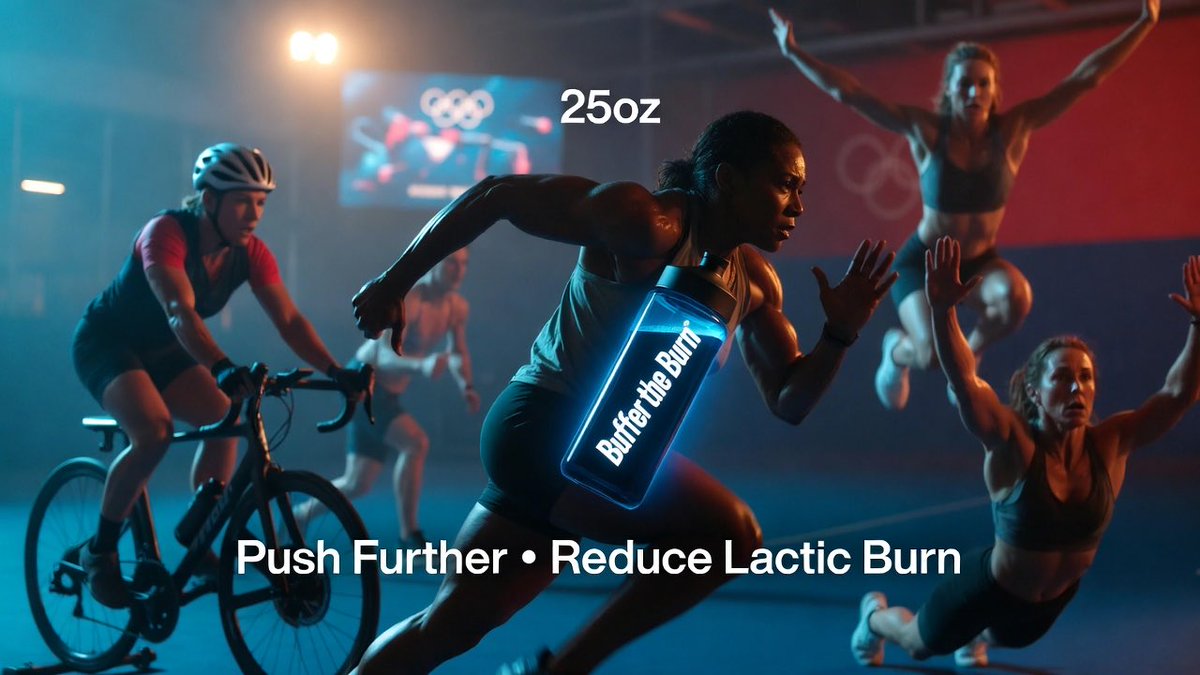
🚀 Pro tip for anyone hitting a high-intensity workout or comp: fight that burning, sore lactic acid feeling & push longer/stronger with this proven hack.
Sodium bicarbonate (baking soda) buffers acid buildup in real time during hard efforts—great for any intense session (running, cycling, HIIT, strength bursts, etc.).
📊 Science & Facts (ISSN 2021 position stand reviews):
•Boosts performance in high-intensity exercise (30s–12 min), muscular endurance, combat sports, cycling, running, swimming, rowing.
•Optimal single dose: 0.2–0.3 g/kg body weight, 60–180 min pre (90–120 min peak).
•2024 Paris Olympics: 80% elite runners used it; 2/3 middle/long-distance medallists; IOC top-5 ergogenic aid. Pros like Keely Hodgkinson & Marco Arop credited it.
Plan: Mix 2 tsp (~12g) baking soda in 25-oz water bottle (electrolytes optional). Sip slowly over 20–30 min, 60–180 min before workout (aim 90–120 min).
Disclaimer: Low dose minimizes gut issues (bloating, nausea, diarrhea possible at higher doses). Side effects vary; test in training first, not on big days. Not for everyone—consult a doc if unsure. Don’t overuse—stick to occasional use.
Crush it! 💪 #BakingSodaHack #Performance
@keelyhodgkinson @marco_arop @Kipyegon_Faith
1
50
Joe Graham retweeted

The safest space a woman can find
25
239
15,491
Joe Graham retweeted

Feb 8
SPOILER ALERT: if bringing down the largest child sex trafficking ring will “collapse” your government, your government needs to collapse.
1,304
64,358
451,452
4,102,233
Jan 25
In a quiet village, there lived a man named Elias who spoke only what he saw, not what he was told to see.
When the elders declared the river must run backward to prove their wisdom, Elias pointed out the water still flowed the same way. They called him a traitor and banished him.
Years later, drought came. The elders insisted the river had turned because the village was not loyal enough. People suffered, crops died, children weakened. Elias returned one night and quietly showed the elders the real cause: a dam they had built upstream to control the flow for their private gardens. The water had never reversed; they had blocked it themselves.
The elders could have listened to Elias early. Instead they silenced him, and the village paid the price.
When someone forbids questions, they are not protecting truth.
They are protecting power.
If you like what I have written, please like, repost, and follow. Thank you!
1
23
Joe Graham retweeted

Jan 16
We’re trying something new: we’re giving $1 million to the Top Article of the next payout period.
We're doubling down on what creators on 𝕏 do best: writing.
In 2026, our goal is to recognize high-value, high-impact content that shapes conversation, breaks news and moves culture.
5,198
2,761
19,148
15,278,120
Joe Graham retweeted

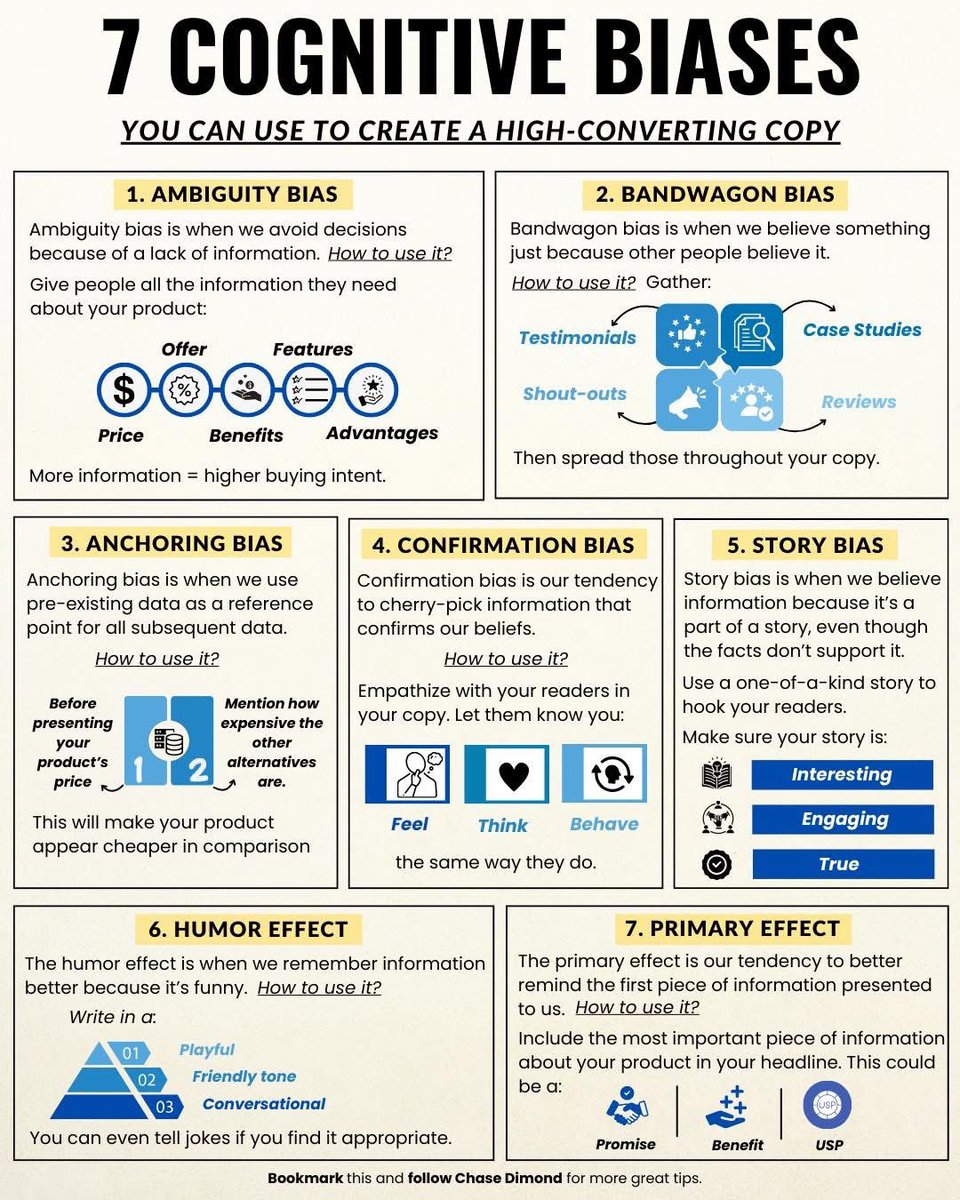
7 Cognitive Biases You Can Use To Create High-Converting Copy:
12
65
297
24,442
Jan 13
RT @DeepakChopra: The struggle to make the right choice isn't solved by more thinking. It's transformed by expanding your awareness.
Expl…
3
Joe Graham retweeted

Jan 9
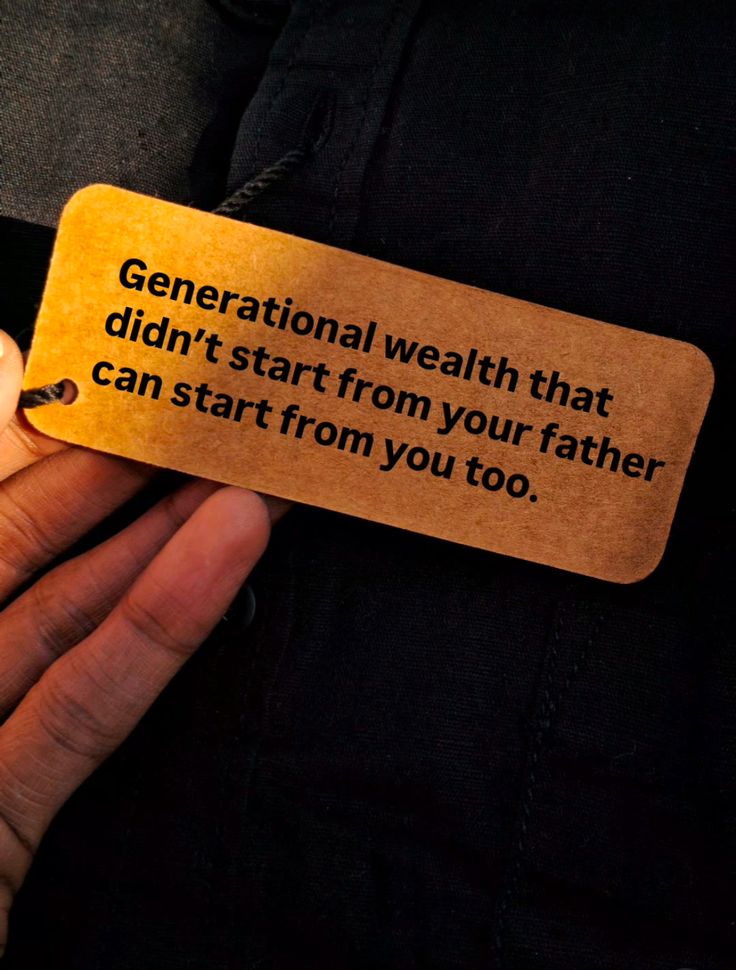
Generational wealth starts with you.
71
140
1,686
33,734
Joe Graham retweeted

Jan 7
Most people my age think Boomers stole all the wealth…
But I know something they don’t:
1
7
46
5,899
Joe Graham retweeted

Jan 6
The ROI on your health is infinite.
I just bought a new house and spent $200K turning it into the world's healthiest environment for my family.
If you want to invest in your health, these 14 tools will move the needle:


51
129
1,420
308,721

xAI

Jensen Huang: "I think what Elon and the X team did, what they achieved, is singular. It's never been done before
Just to put it in perspective, a hundred thousand GPUs....that’s easily the fastest supercomputer on the planet as one cluster
A supercomputer that you would build would normally take three years to plan, and then they deliver the equipment and it takes one year to get it all working
Yes, we’re talking about 19 days"
1,693
3,614
36,501
8,100,208
Joe Graham retweeted

We now have clear evidence that the COVID-19 mRNA shots have crippled the reproductive capacity of humanity.
In animal models, they destroy >60% of women’s finite egg supply.
In human data (n=1.3M), vaccinated women have ~33% fewer successful pregnancies than unvaccinated.
Jan 2

When are we going to talk about how the Covid vax caused widespread infertility?
1,236
11,229
29,549
2,120,678
Joe Graham retweeted

Jan 2
It’s the Muslims.

Israeli billionaire Shlomo Kramer:
“It’s time to limit the first amendment”
“We need to control the platforms
…of every person that expresses themselves online.”
“We need to take control of what they are saying.”
Who is “we”?!
82
272
2,093
48,997

Gold has doubled in two years. What’s the most cost-effective way to hold it? Think about costs, taxes and liquidity.
forbes.com/sites/baldwin/202…
21
18
57
24,416
Joe Graham retweeted

23 Oct 2024
GM. #NoStrollers parenting has been the focus of this page and will remain so but going forward I will be adding several other parenting foci that have had profoundly positive and important impacts on my children and family.
1. *Socratic dialogue*. Thanks to Michael Strong @flowidealism for showing the way here and helping our family wield this proven, powerful, free educational (and relationship building) too. Shout out to Socrates, too. I will be sharing clips and links to the YouTube page that Michael and my now 12 year old daughter have been building since Alana was 3.5 demonstrating the what, why, how, and IMPACT of Socratic dialogue. Here is the Michael-Alana YT, and a recent representative clip is attached. youtube.com/@socraticmichael…
2. *Early Childhood Literacy*. If you are unaware, literacy levels in the USA are deplorable. The 'reading gap' is an active tragedy mentally crippling more than half of the young people in America. As a parent to be I was determined my child would be a a strong and early reader.
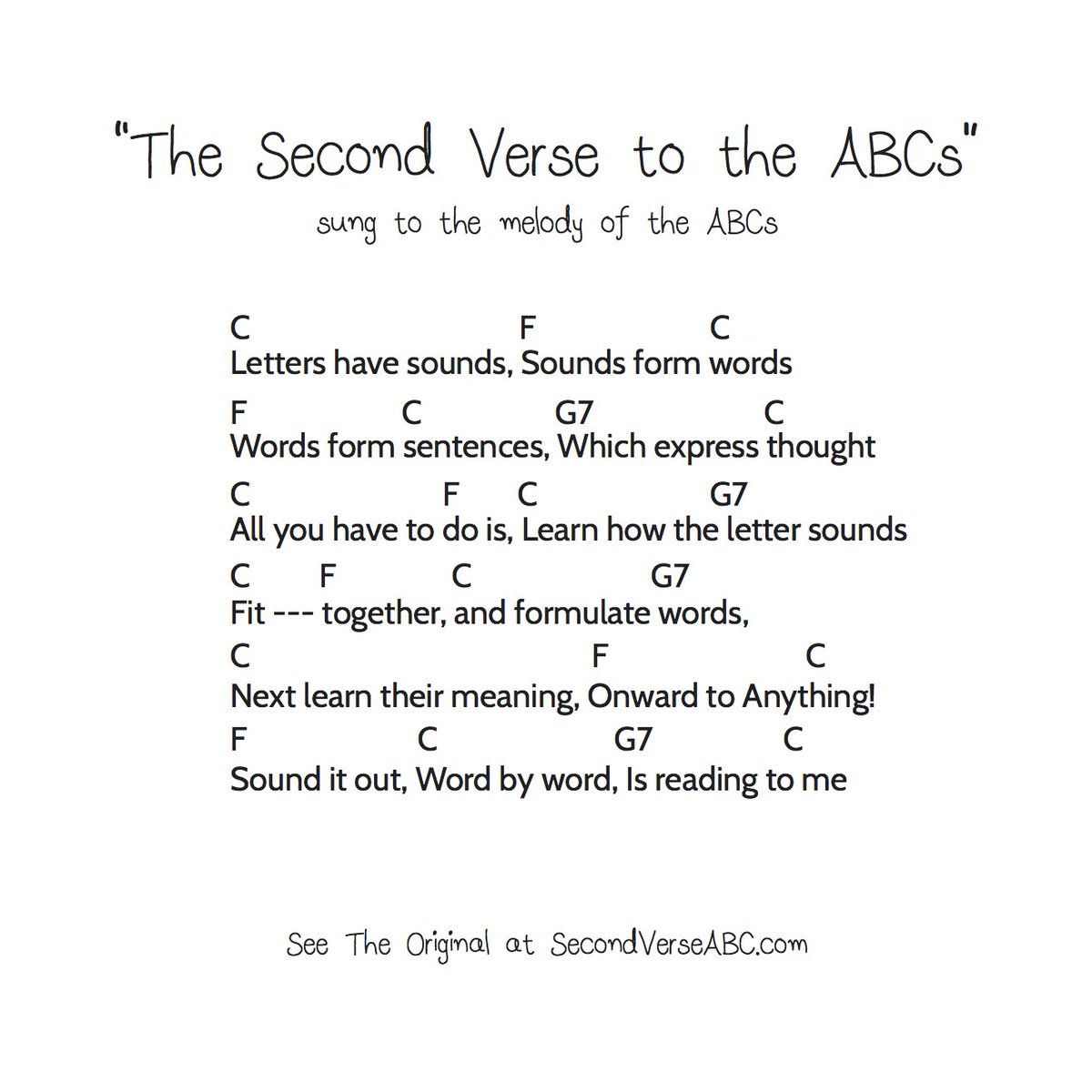
Drawing upon my time as a volunteer reading tutor to 4th and 5th graders (!!) In San Diego, I composed alternate lyrics to the ABC song about how to read (the mechanics of reading), dubbed 'The Secind Verse to the ABCs.' My wife and I sang this verse to our children as often or more than any other kids song. We sincerely believe the 'Second Verse' strongly contributed to our children reading and comprehending chapter books by age 4. Reading well at a young age opened the world for them, as it did for me as a child. Almost nothing matters more than fostering a love of learning and strong reading skills at a young age. I hope you will sing and widely share the Second Verse.
A few years ago I published a children's book of the same title featuring child-led Socratic dialogue to teach reading, and I will be sharing that as well (foreword by @MarkVHansen -- ty again Sir -- and afterword by Michael Strong). A soft cover version is available on Amazon and I have a couple hundred original hardcovers available too (DM me if interested). In the meantime, teach and sing the Second Verse to children!
3. *Healthy Kids Food". We raised children whose default is enjoy healthy foods including liver and sardines. I'll be sharing some of what worked for us. And yes I am anti-goldfish.
Finally, don't forget that strollers (and mental strollers aka tablets) are suboptimal and deprive children of an enormous amount of invaluable time in the stream of life. Abandon them!
Thank you for your interest and I hope you will share this post. Aloha.
#homeschool #ParentingTips #parenting #socratic #socraticdialogue #newborn #toddlers #readingcommunity #literacy #kindergarten

5
5
45
15,143
Joe Graham retweeted

Secretaries Rubio and Hegseth looked every Senator in the eye a few weeks ago and said this wasn’t about regime change. I didn’t trust them then and we see now that they blatantly lied to Congress. Trump rejected our Constitutionally required approval process for armed conflict because the Administration knows the American people overwhelmingly reject risks pulling our nation into another war.
This strike doesn't represent strength. It's not sound foreign policy. It puts Americans at risk in Venezuela and the region, and it sends a horrible and disturbing signal to other powerful leaders across the globe that targeting a head of state is an acceptable policy for the U.S. government. This will further damage our reputation – already hurt by Trump’s policies around the world – and only isolate us in a time when we need our friends and allies more than ever.
Jan 3

Breaking News: President Trump said that the U.S. captured Nicolás Maduro, the Venezuelan leader, and that he is being flown out of the country. Follow live updates. nyti.ms/45AcbuS
4,554
5,353
20,045
1,214,061