
May 9
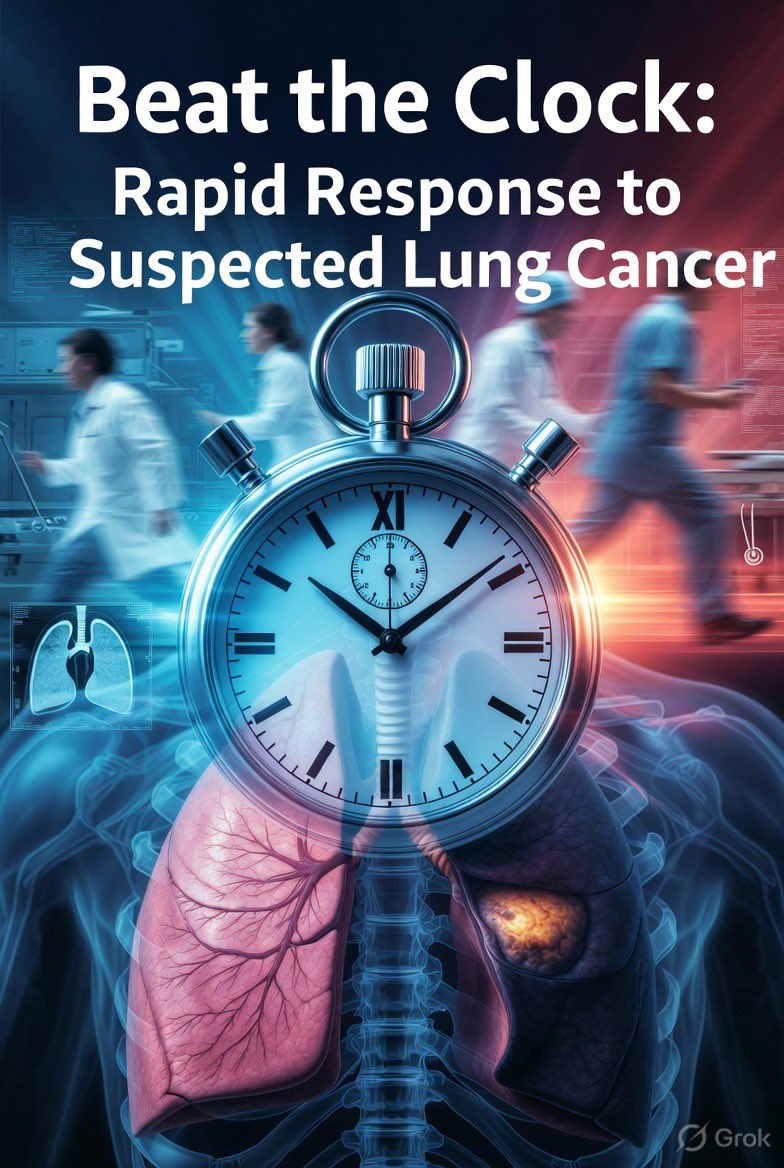
Beat the Clock: Rapid Response to Suspected Lung Cancer – No Time to Lose”——————————————-
🫁🫁🫁🫁🫁🫁🫁🫁🫁🫁🫁🫁🫁🫁
#LungCancer remains one of the leading causes of cancer-related mortality worldwide, largely because symptoms often appear late. However, timely evaluation of suspected cases can dramatically improve outcomes. When a patient presents with red-flag symptoms—persistent cough >2-3 weeks, hemoptysis, unexplained weight loss, dyspnea, chest pain, or hoarseness—clinicians must act with urgency to avoid diagnostic delays.
Stepwise Approach
1. History & Risk Assessment (Day 1)
Elicit detailed smoking history (pack-years), occupational exposures (asbestos, radon), family history, and comorbidities. Use validated tools like the Liverpool Lung Project risk model when appropriate. Never dismiss “smoker’s cough.”
2. Clinical Examination
Look for clubbing, supraclavicular lymphadenopathy, Horner’s syndrome, superior vena cava obstruction, or pleural effusion. Performance status (ECOG) should be documented early.
3. Immediate Imaging (Within 48-72 hours)
Order a contrast-enhanced CT thorax as the cornerstone investigation. Chest X-ray has low sensitivity and should not delay CT. Low-dose CT screening is recommended for high-risk individuals (age 50-80, ≥20 pack-years).
4. Tissue Diagnosis & Staging (Target: <2 weeks)
Proceed to bronchoscopy with biopsy, EBUS-TBNA, or CT-guided transthoracic needle aspiration based on lesion location. Molecular testing (EGFR, ALK, ROS1, PD-L1) and NGS should be prioritized in advanced disease. PET-CT completes staging and detects occult metastases.
5. Multidisciplinary Team (MDT) Review
Early referral to a thoracic oncology MDT prevents fragmented care. Involve pulmonologist, thoracic surgeon, medical oncologist, radiation oncologist, and radiologist.
Avoiding Delays – Key Mantras
• Replace “watchful waiting” with “active pursuit.”
• Use fast-track cancer pathways (e.g., 2-week wait rule in many systems).
• Educate patients on symptom reporting.
• Leverage telemedicine for rapid triage but not for definitive diagnosis.
Early-stage detection allows curative surgery or SBRT, with 5-year survival exceeding 50-70% versus <10% in metastatic disease. Every week of delay matters.
Act fast. Diagnose smart. Treat sooner.
#LungCancerAwareness #EarlyDetectionSavesLives #NoTimeToLose #ThoracicOncology #CancerDiagnosis #Pulmonology #MDTApproach #StopDelays #MedTwitter #LungHealth #OncologyFastTrack #MedEd #MedX
@IhabFathiSulima @Cancer_Free_IND
1
4
8
792

RT @claretwiggpeckh: @_ALSG_ #ALSGConferenceBound in Manchester F2F this year - great to see Vimal and Emma on the programme - important simulation training @UHMBT #ImportantTraining #MDTApproach #APLSMatters #APexCYPMatters #ChildHealthMatters
1
2
103

Wonderful way to finish the week talking to the wonderful @LathaShankar82 about Eat Drink Dress Move project @DudleyGroupNHS how collaboration with @DGProfDev will improve our patients care/ experience. #proud #nurse #physiotherapist #MDTapproach #earlymobilisation @GlynnJenny
2
7
575

29 Nov 2024
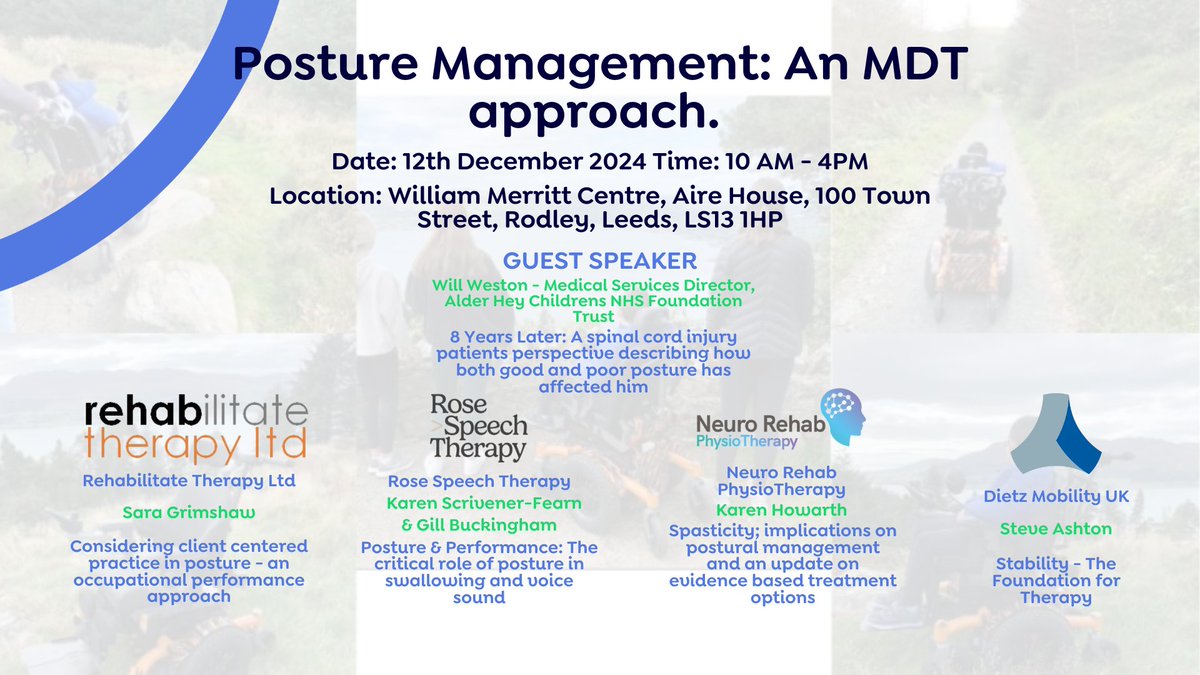
Save the Date! 🎉
12th Dec, 10 AM-4 PM at William Merritt Centre, Leeds.
🎤 Will Weston expert speakers.
👩⚕️ FREE for clinicians – DM to reserve!
📞 0333 011 5844
📧 info@dietz-mobility.co.uk
#PostureManagement #MDTApproach #LeedsEvents
1
2
18

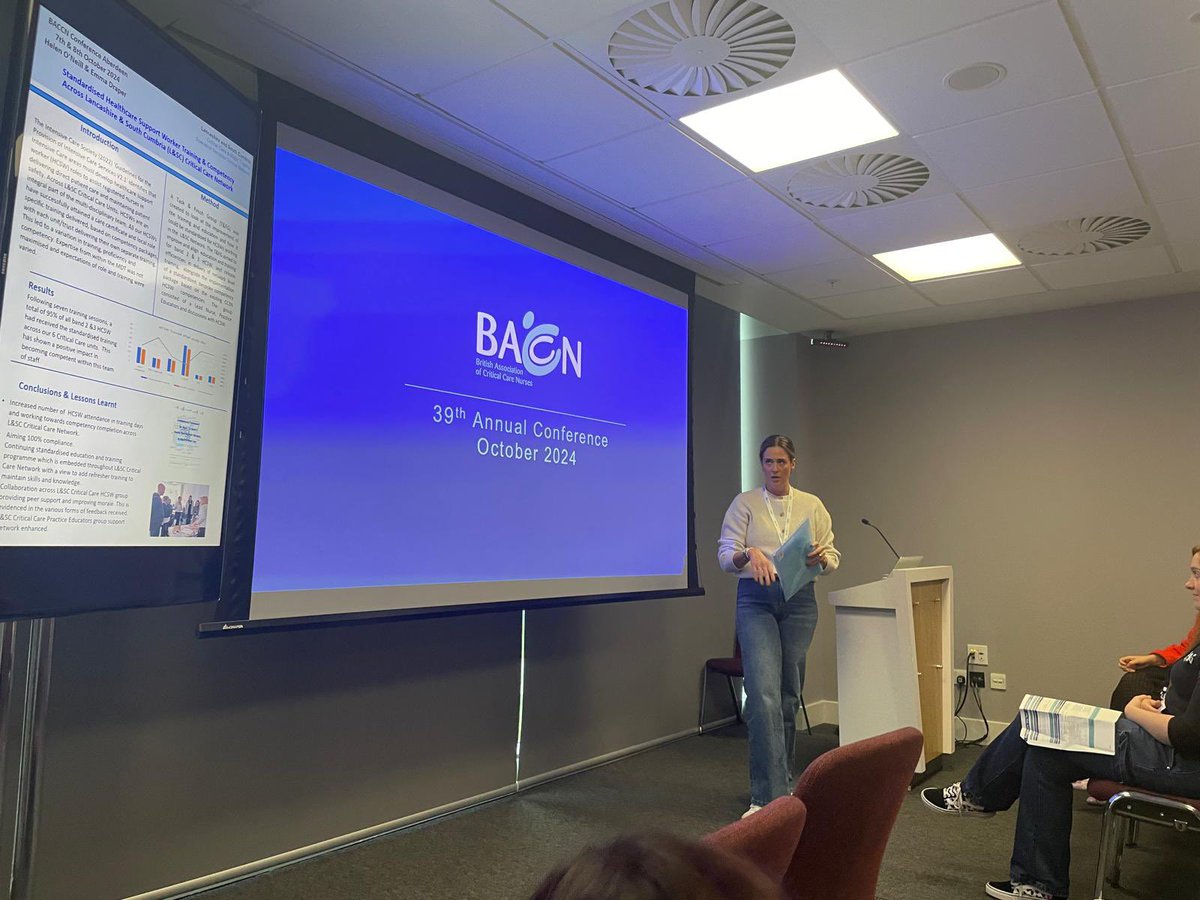
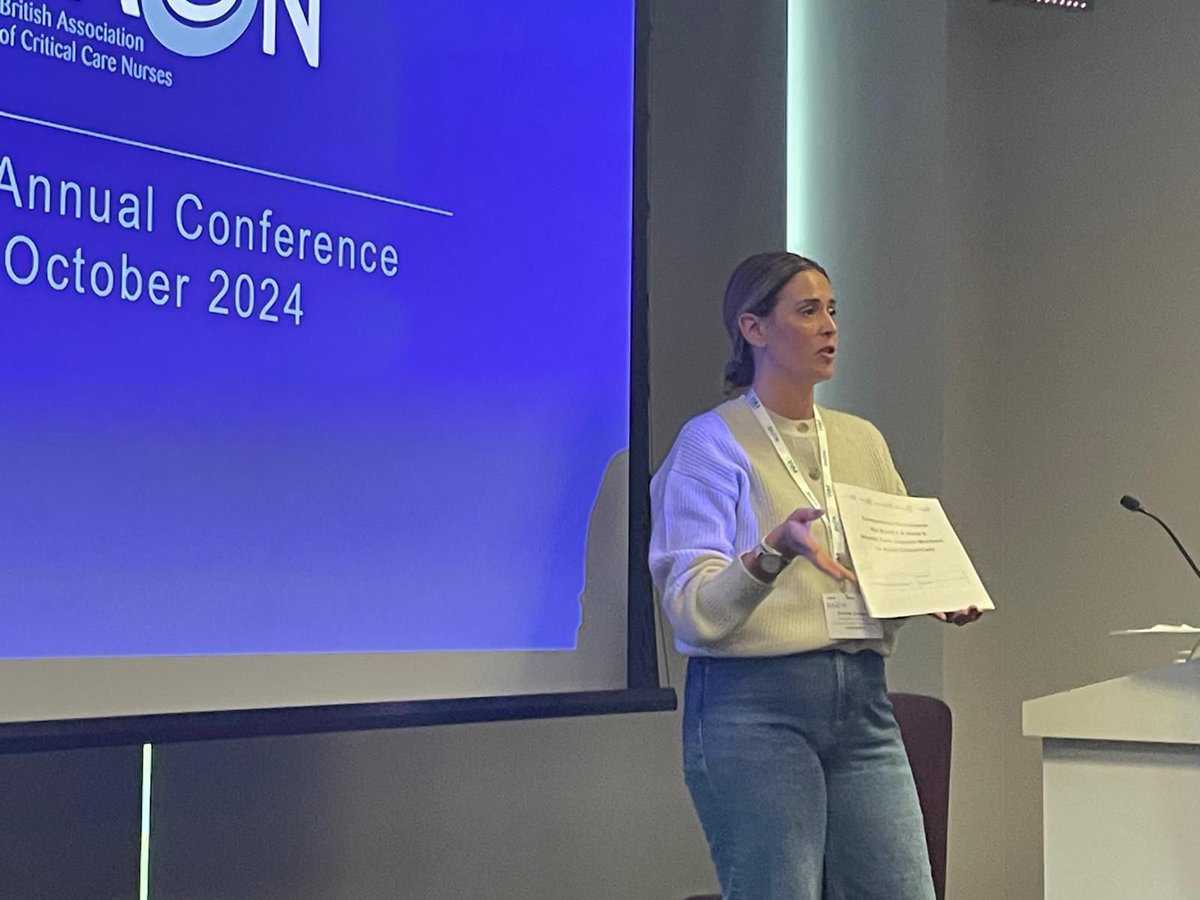
Presenting the fantastic work our Network and educators have done on standardising Critical Care HCSW training across L&SC #mdtapproach @BACCNConf2024
1
14
549

18 Sep 2024
35yrs ago today I started working in the #NHS as an #OccupationalTherapist in #MH! Seen many changes in that time but pleased to remain part of committed, compassionate teams ❤️#MDTapproach #NHSLOT #AHPDementia
3
10
335

15 Aug 2024
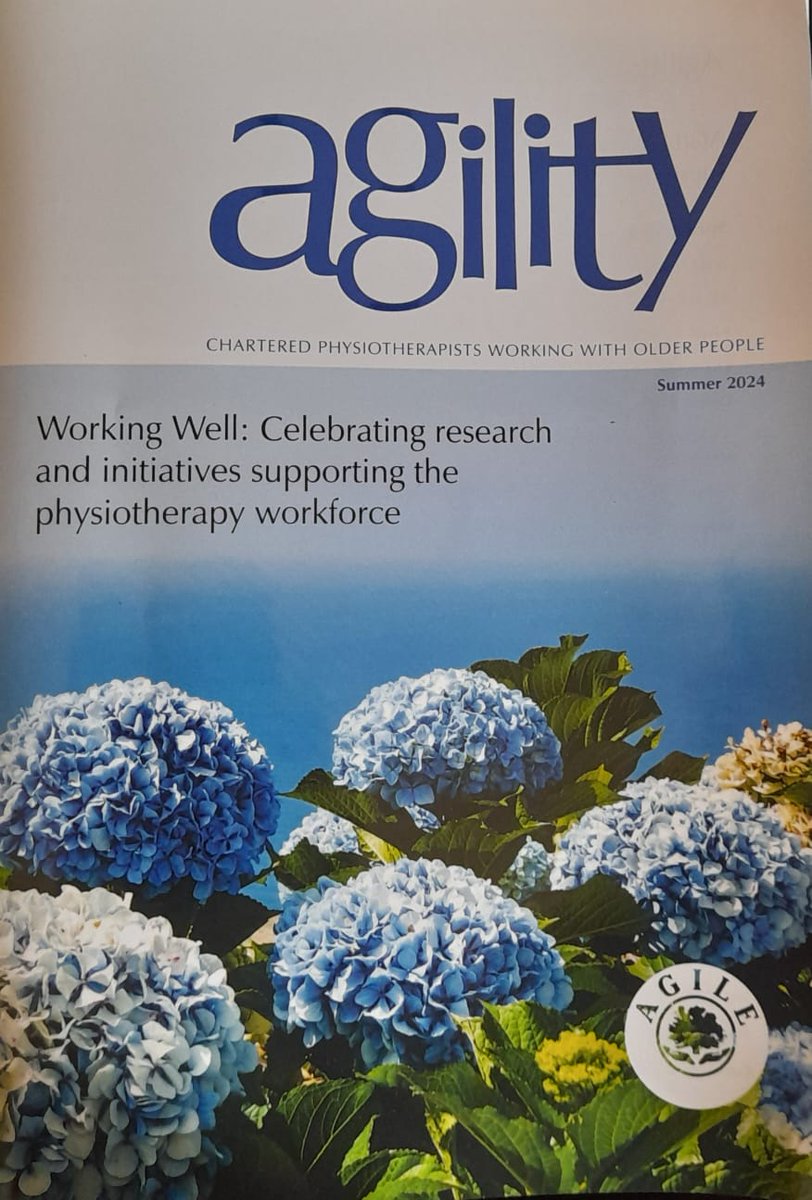
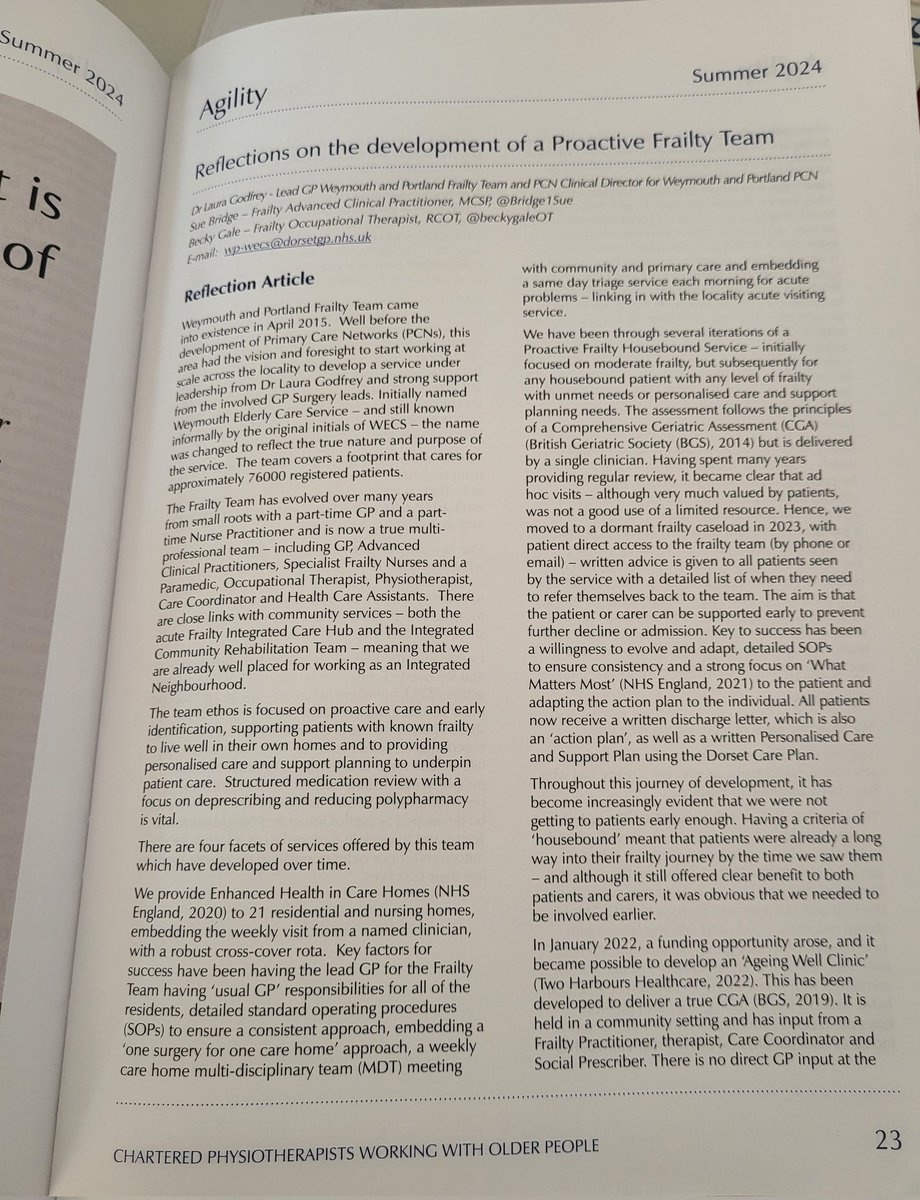
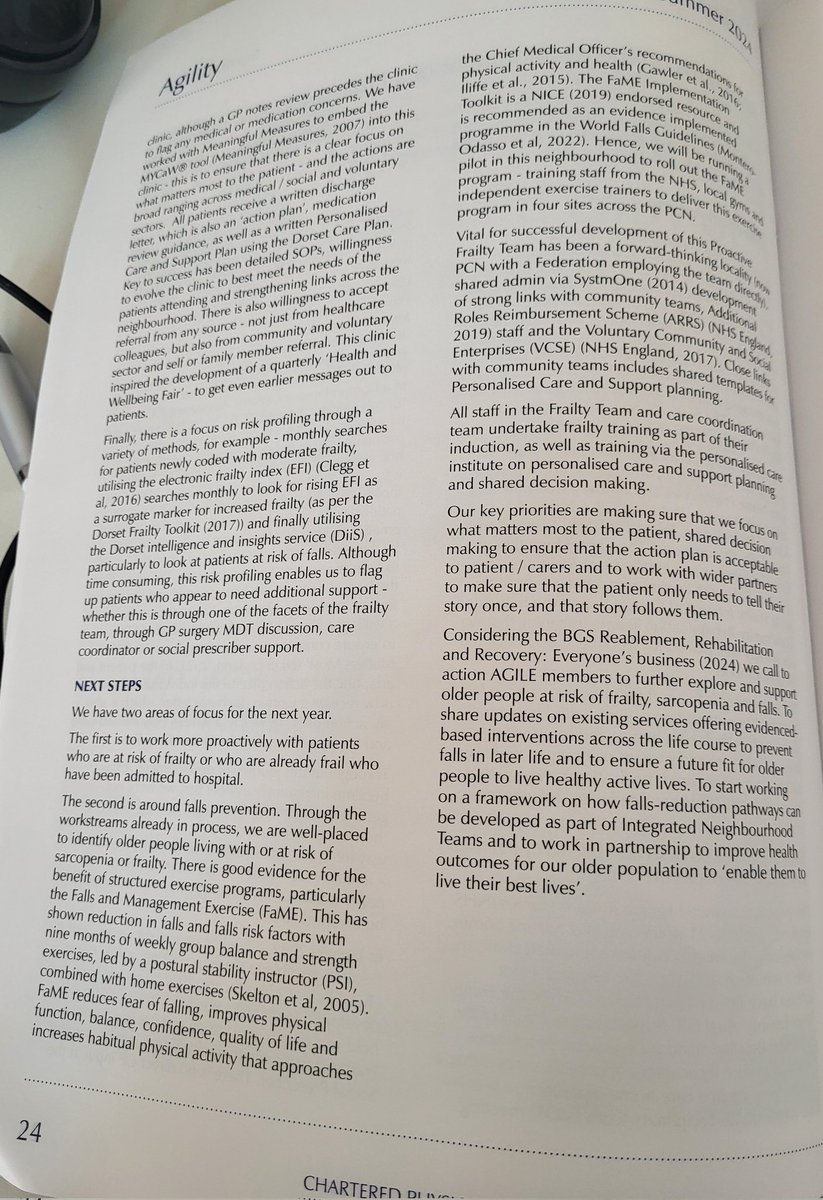
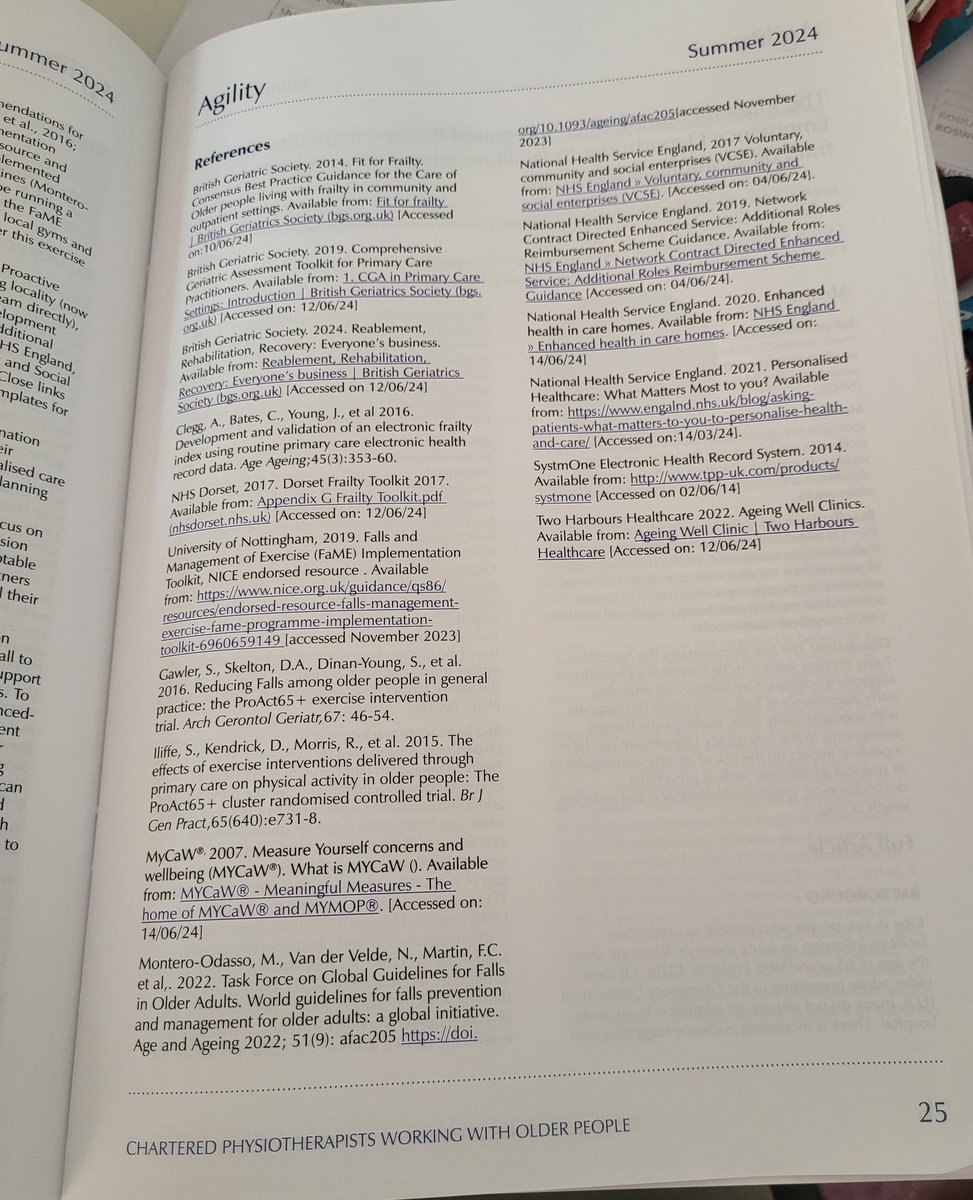
Thank you @AGILECSP for publishing our article about the proactive frailty work we have been carrying out in Weymouth & Portland, so proud to be a part of this amazing team.
Dr Laura Godfrey & @Bridge1Sue #RightToRehab #AgeingWell #ProactiveFrailty #MDTapproach #MattersMost
3
6
19
1,953

31 Jul 2024
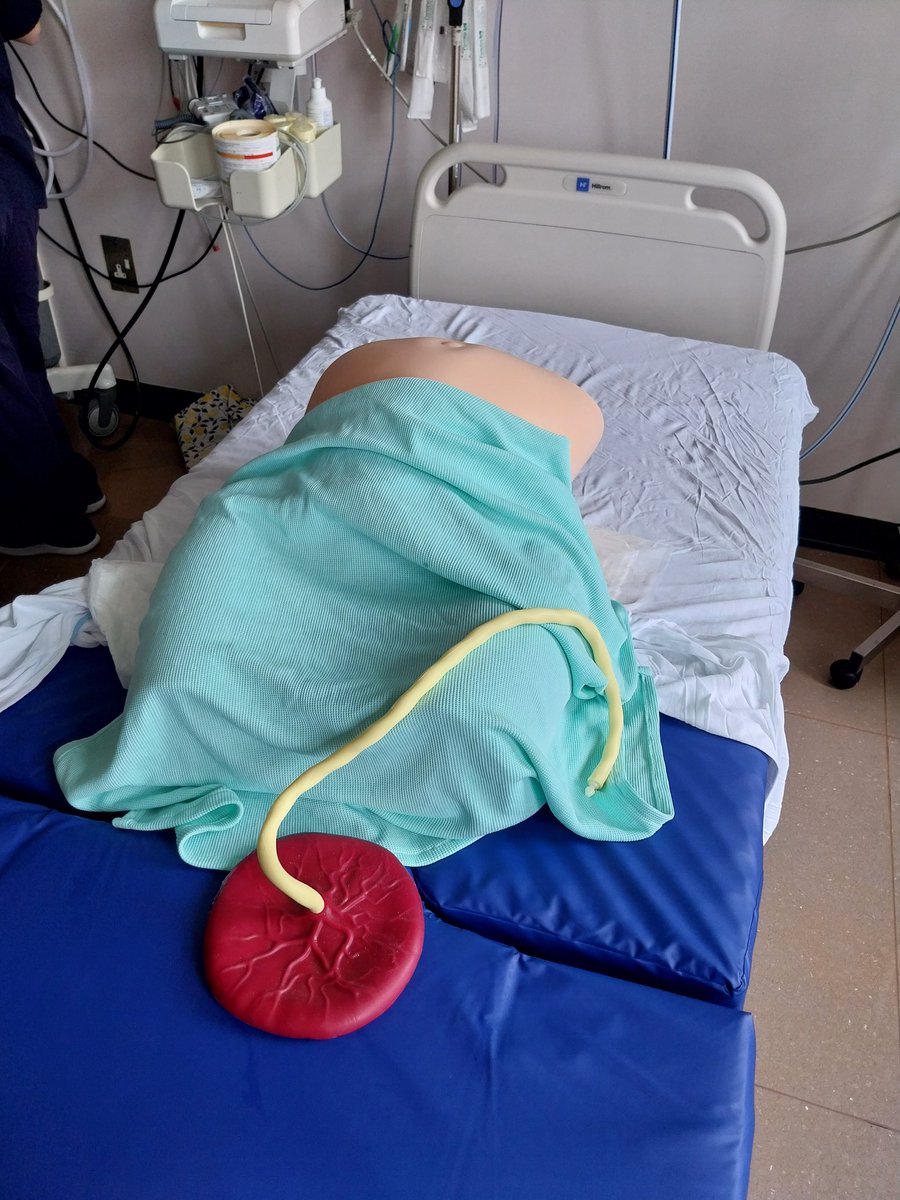
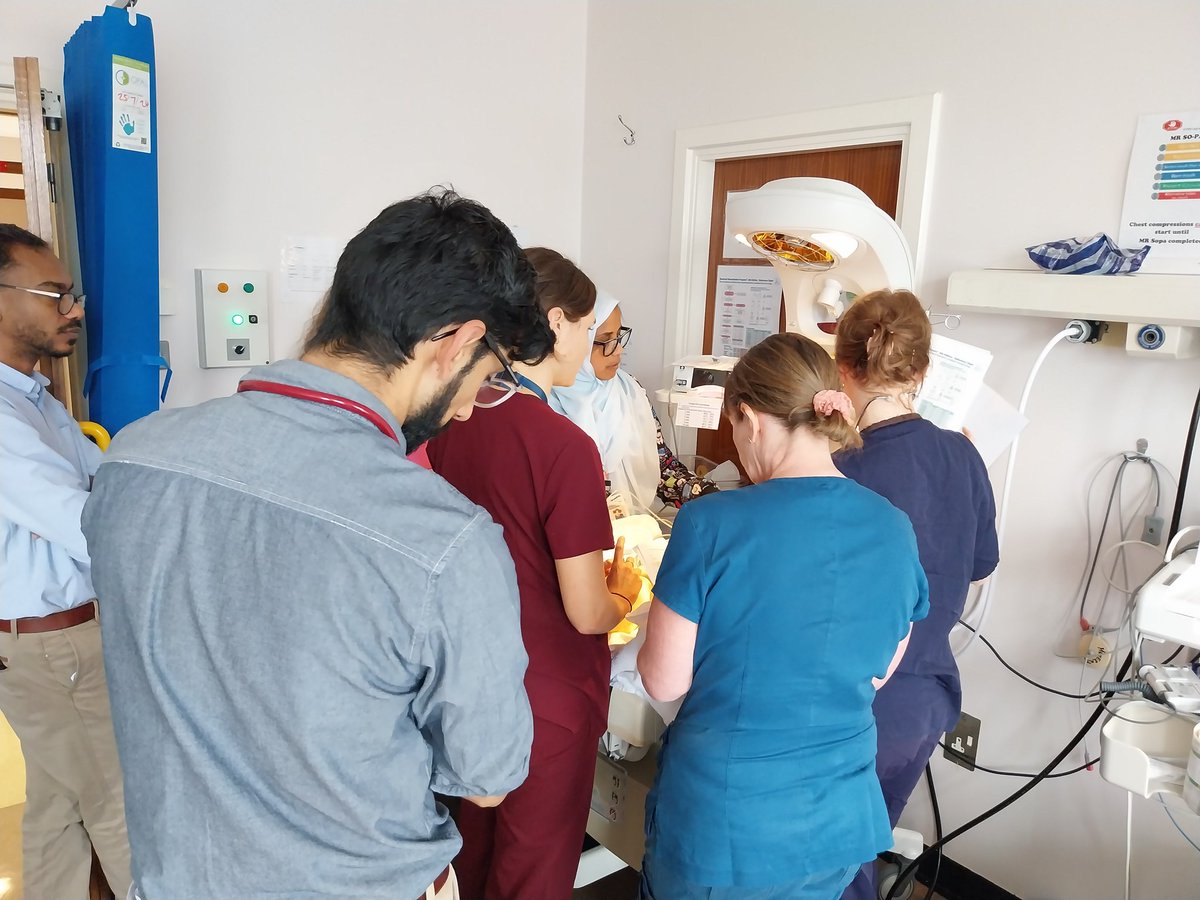
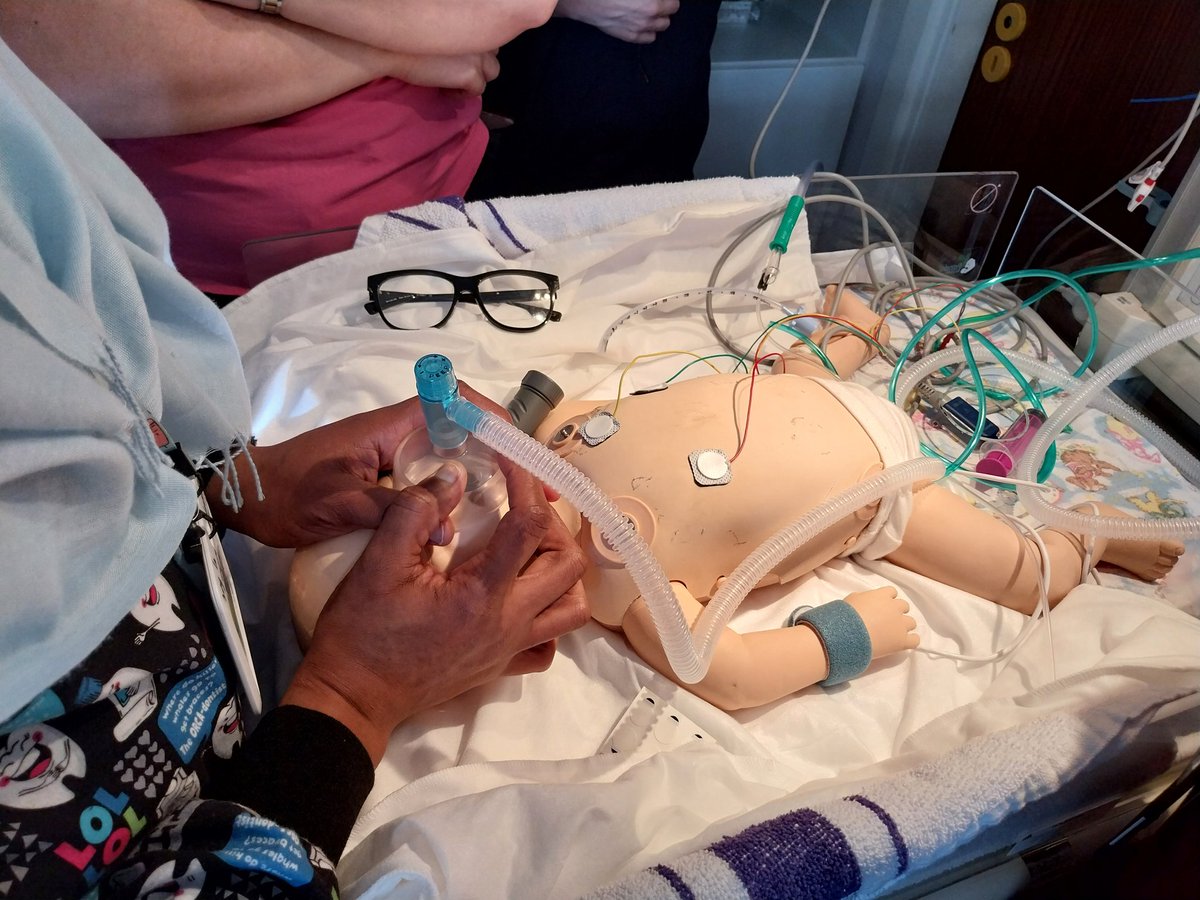
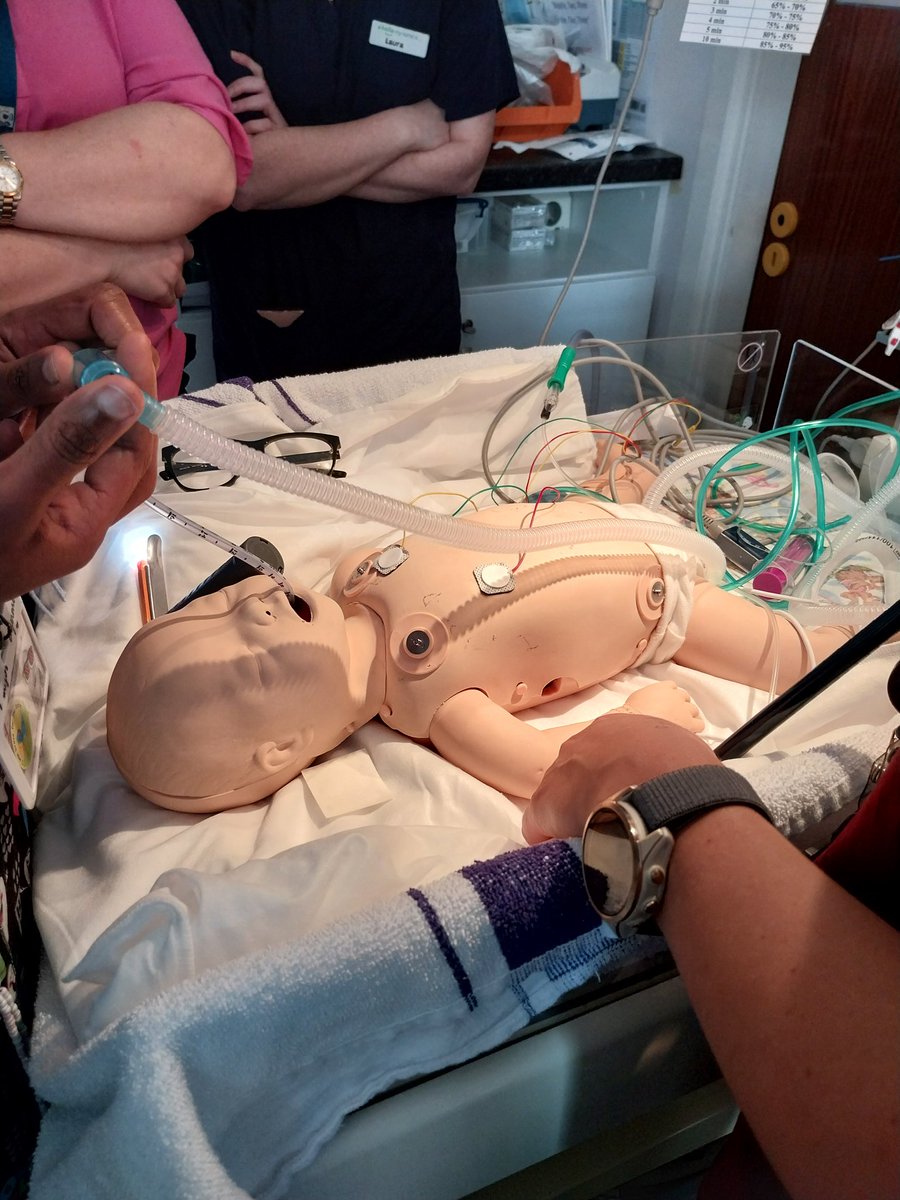
Shoulder Dystocia simulation followed by a NRP simulation, great teamwork by all! Clear escalation and use of emergency bleep system 👏🔊☎️ A team that works together, trains together 💪 #MDTapproach #midwives #paediatricians #obstetricians #teamSUH #SUHmidwives
2
13
349

26 Jun 2024
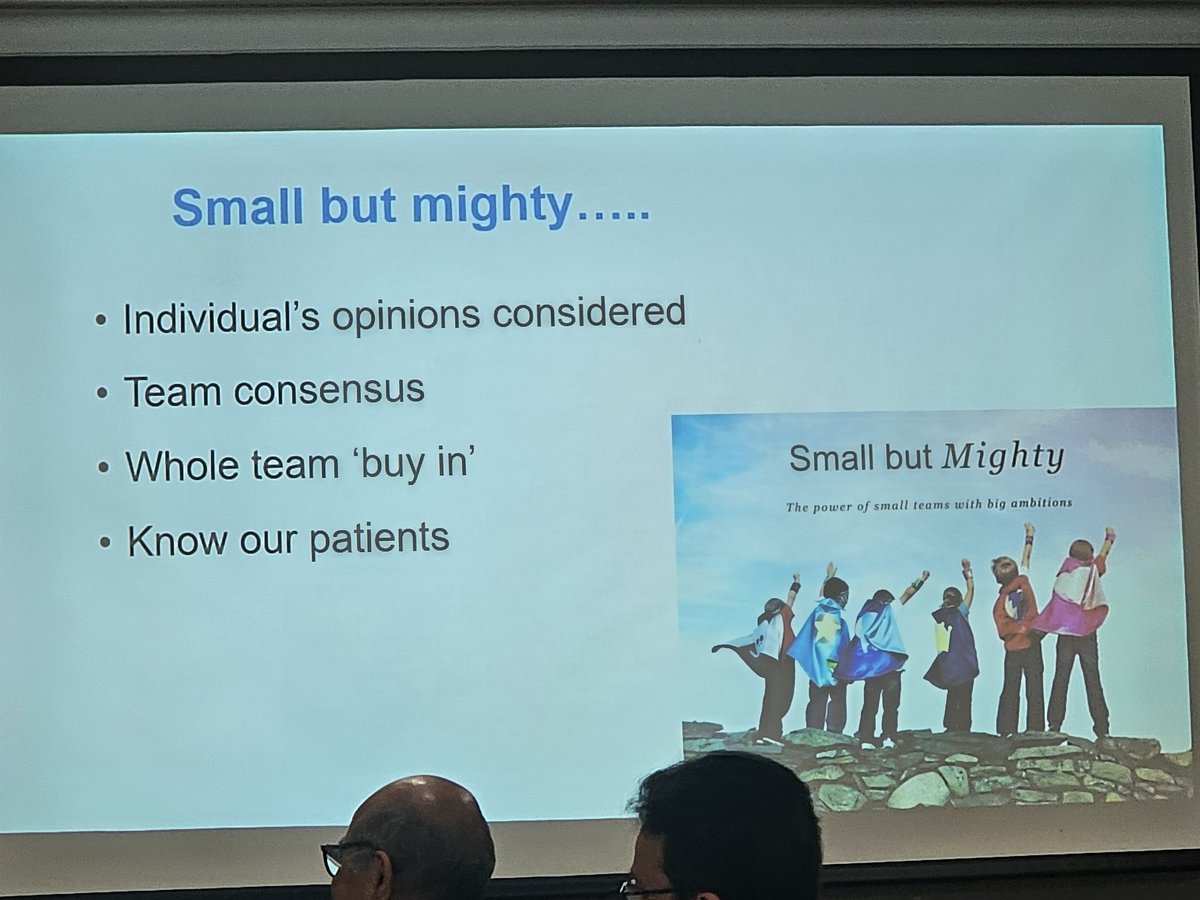
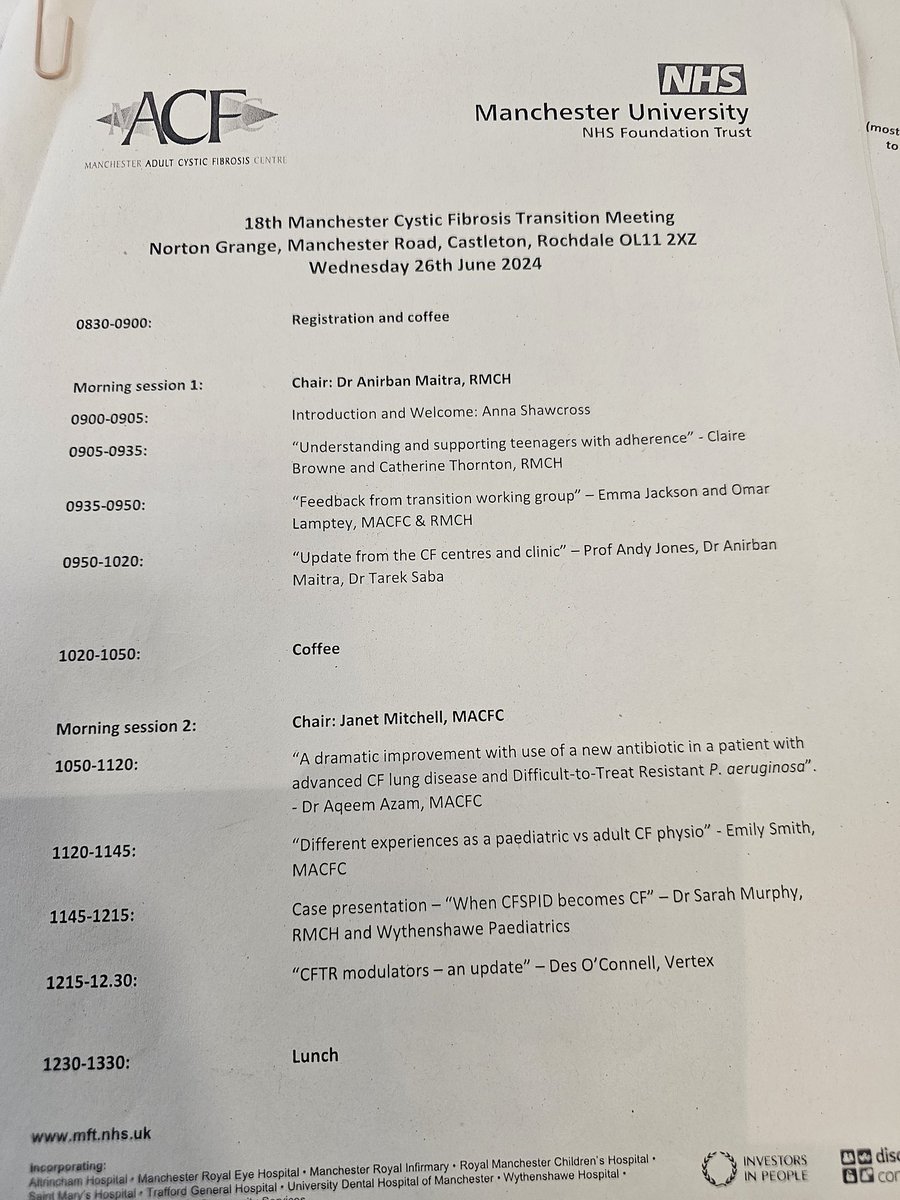
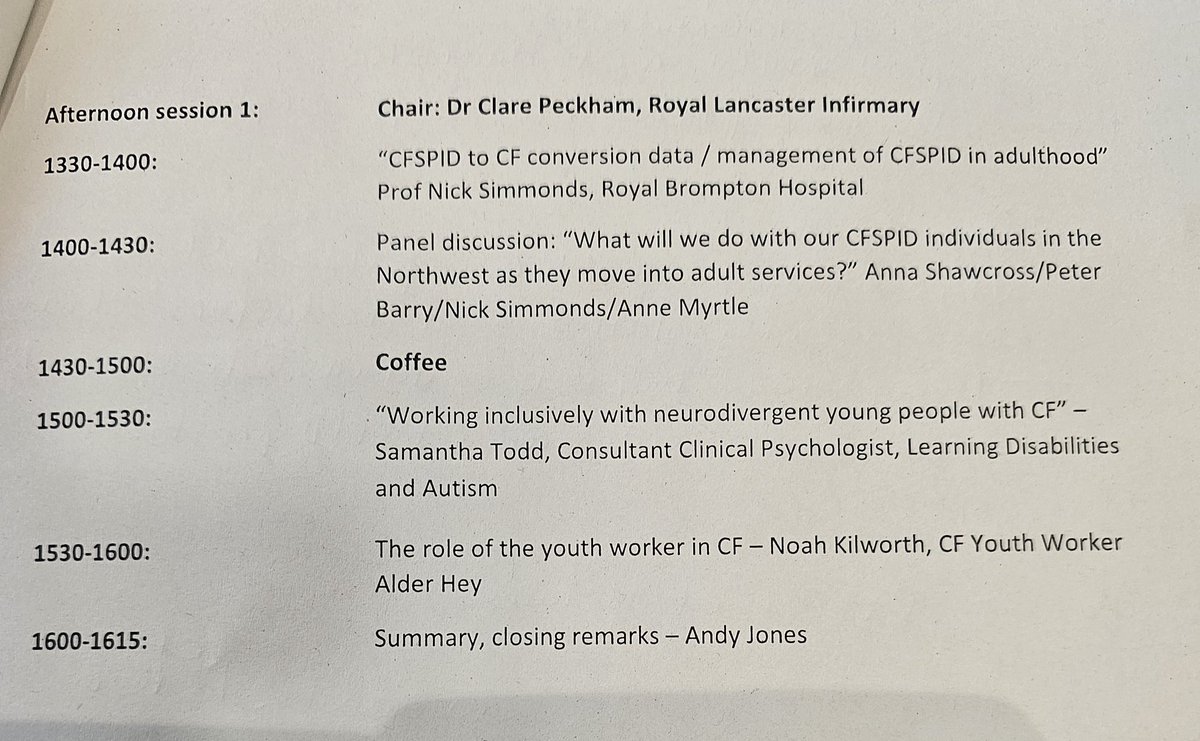
Gr8 2 attend with @RLIPaedsPhysio @janinem35924124 from @UHMBT 2 #18thManchesterCFTransitionMeeting tnku @anna_shawcross 4 the organisation support expertise #CFMattersInADGH #MDTApproach #UnderstandingSupportingTeenagers #Proud @PaedResp_UHMBT #Transition2AdultServices
2
4
283

25 Jun 2024
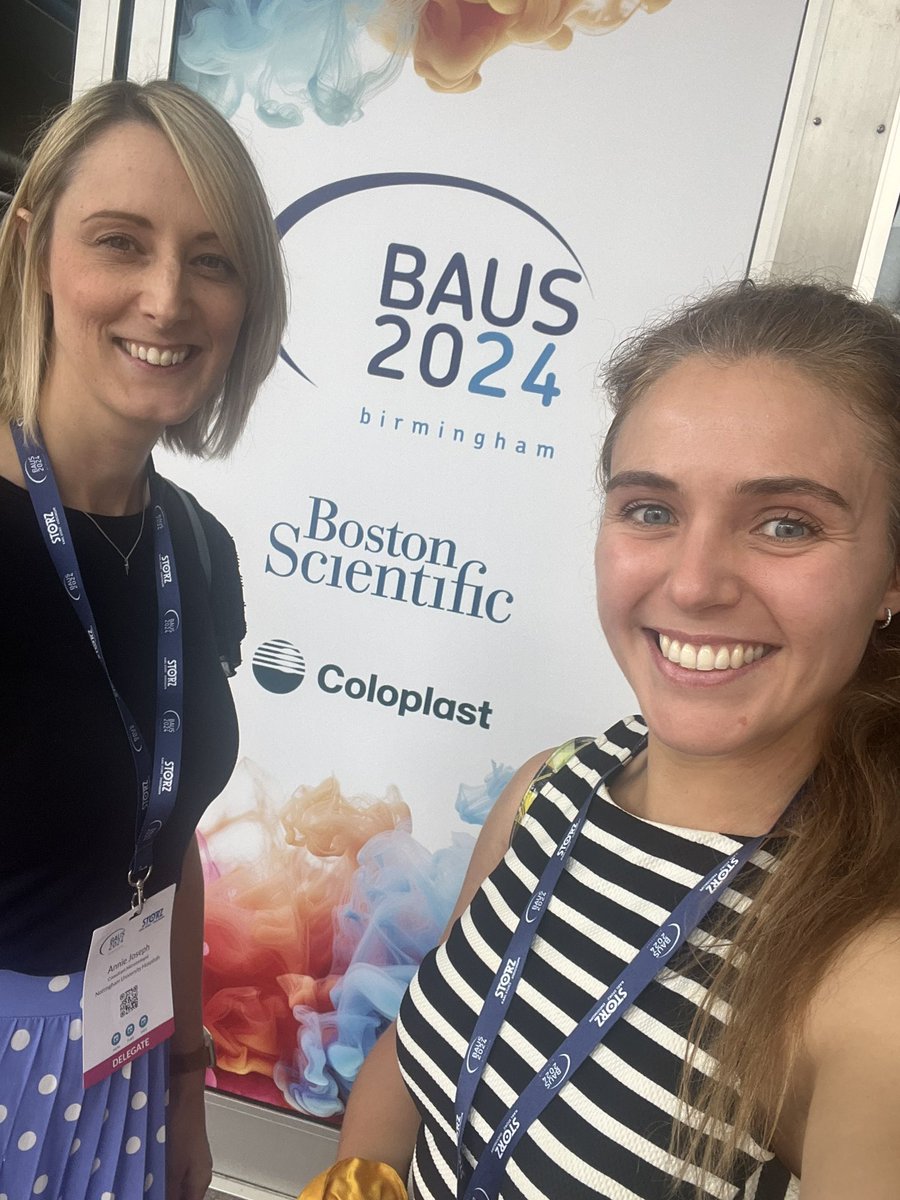
Amazing to speak on #fungalutis at #BAUS2024 with @ajosephnotts talking about #extendedculture and #MDTapproach. Thanks for the invite @lithohlr, fab time speaking about our tricky fungal friends @NUH_Micro 🍄 🍄🟫
1
1
11
518

19 Jun 2024
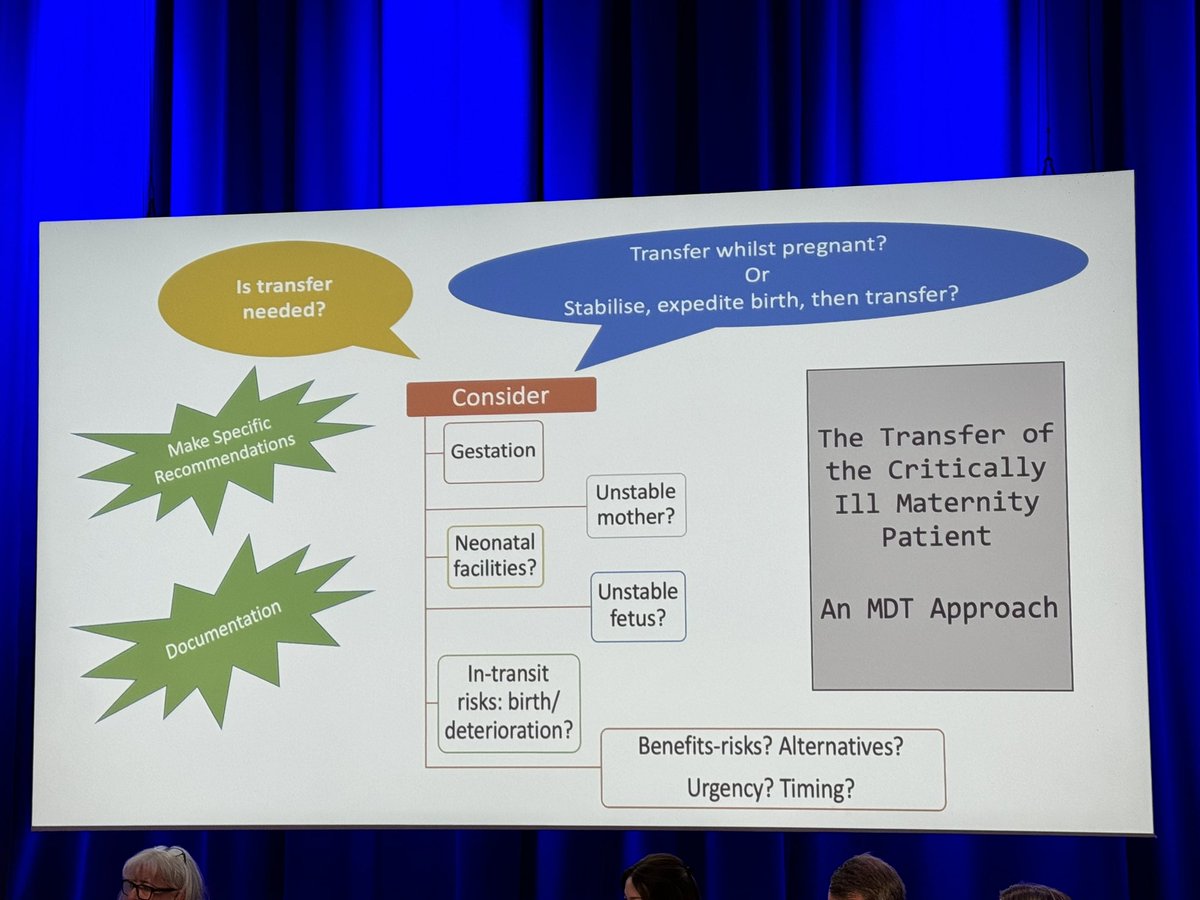
Considerations for transfer of maternal patients to tertiary maternal centre
Ask
- should we consider a transfer?
- destination suitability?
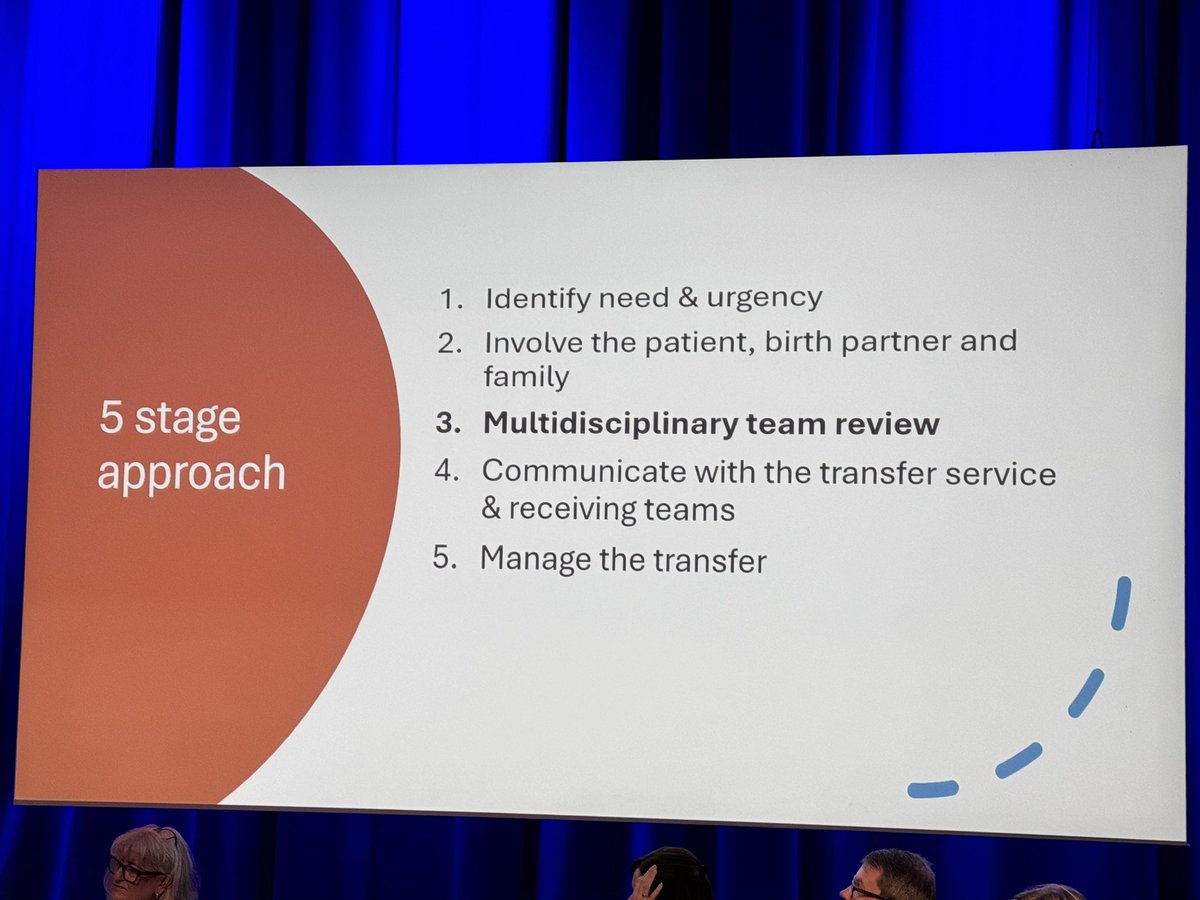
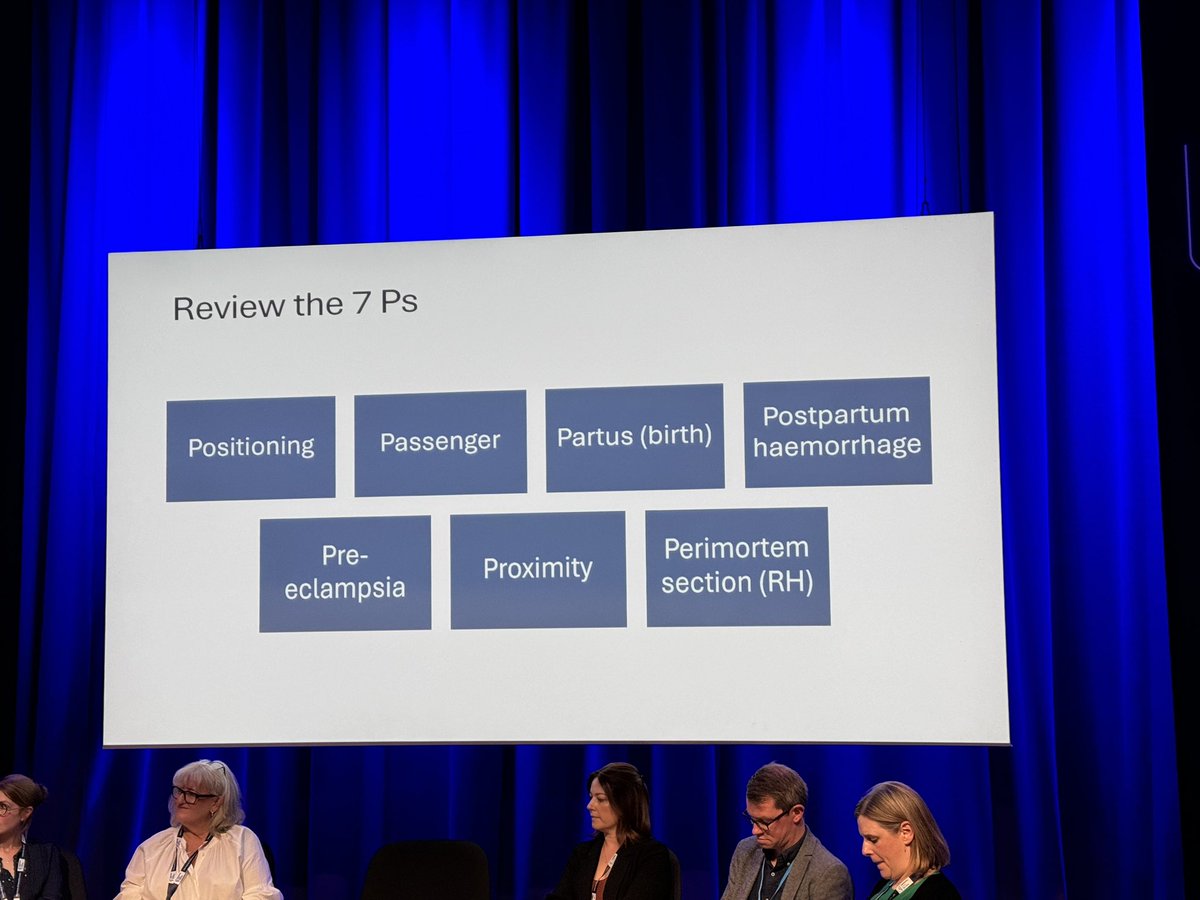
If decided to transfer, consider the following
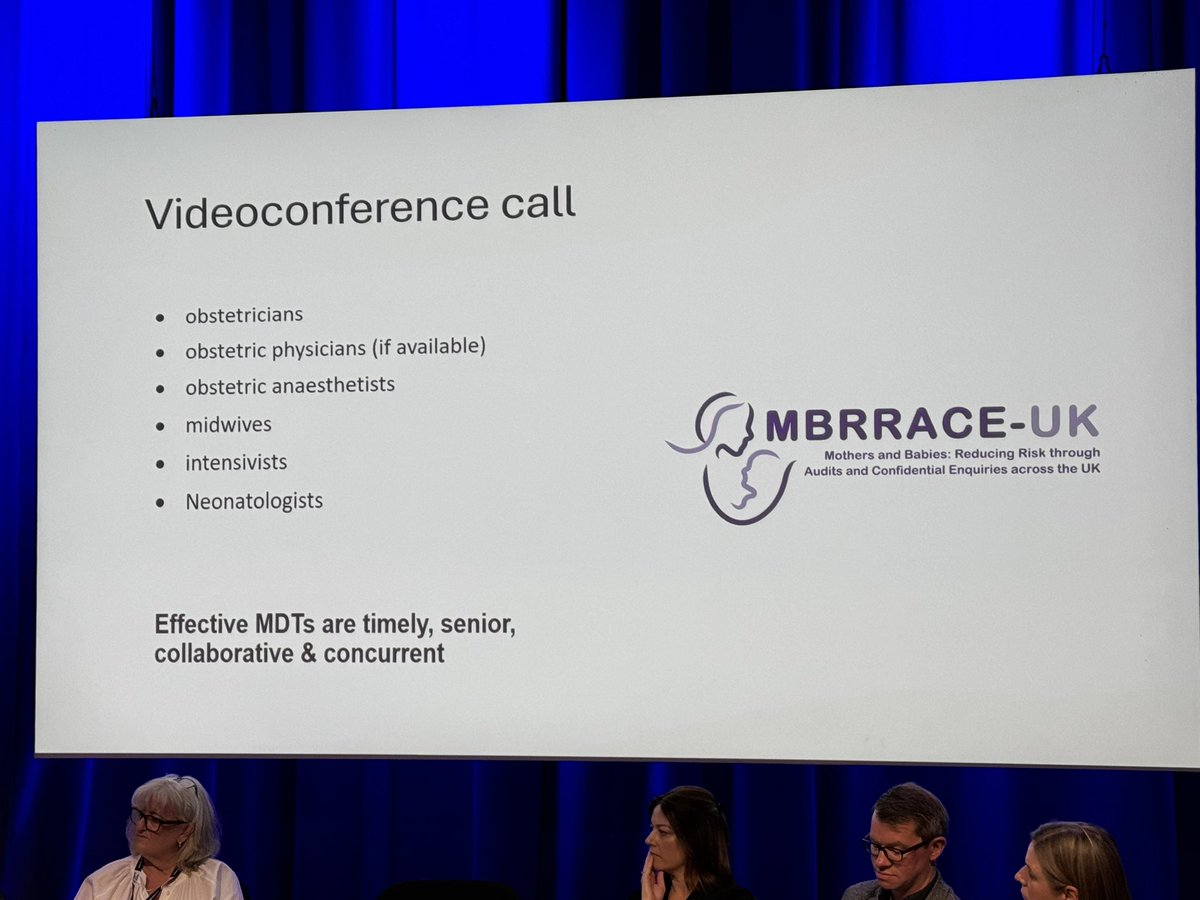
5 stage plan and Review the 7 Ps #MDTapproach
@ICS_updates #soa24
3
3
6
1,735

29 Mar 2024
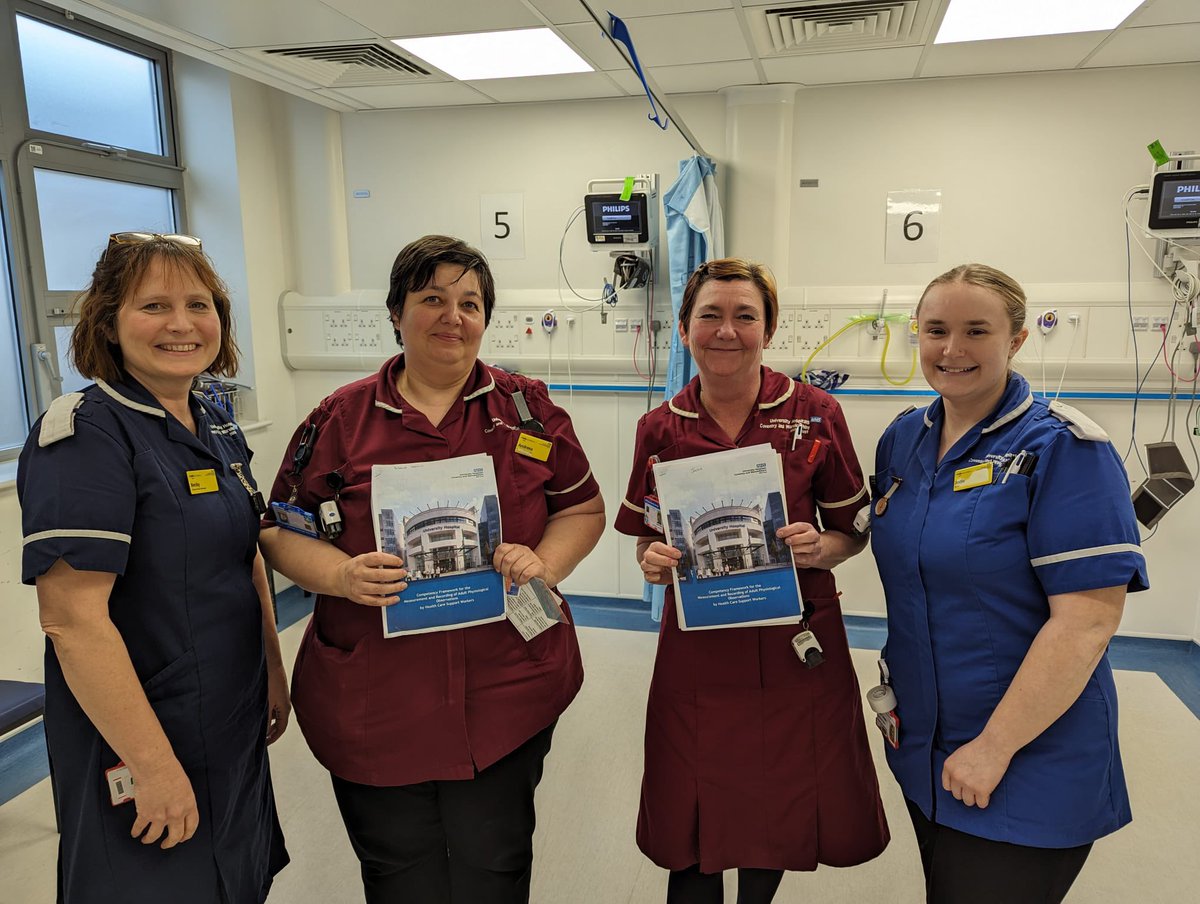
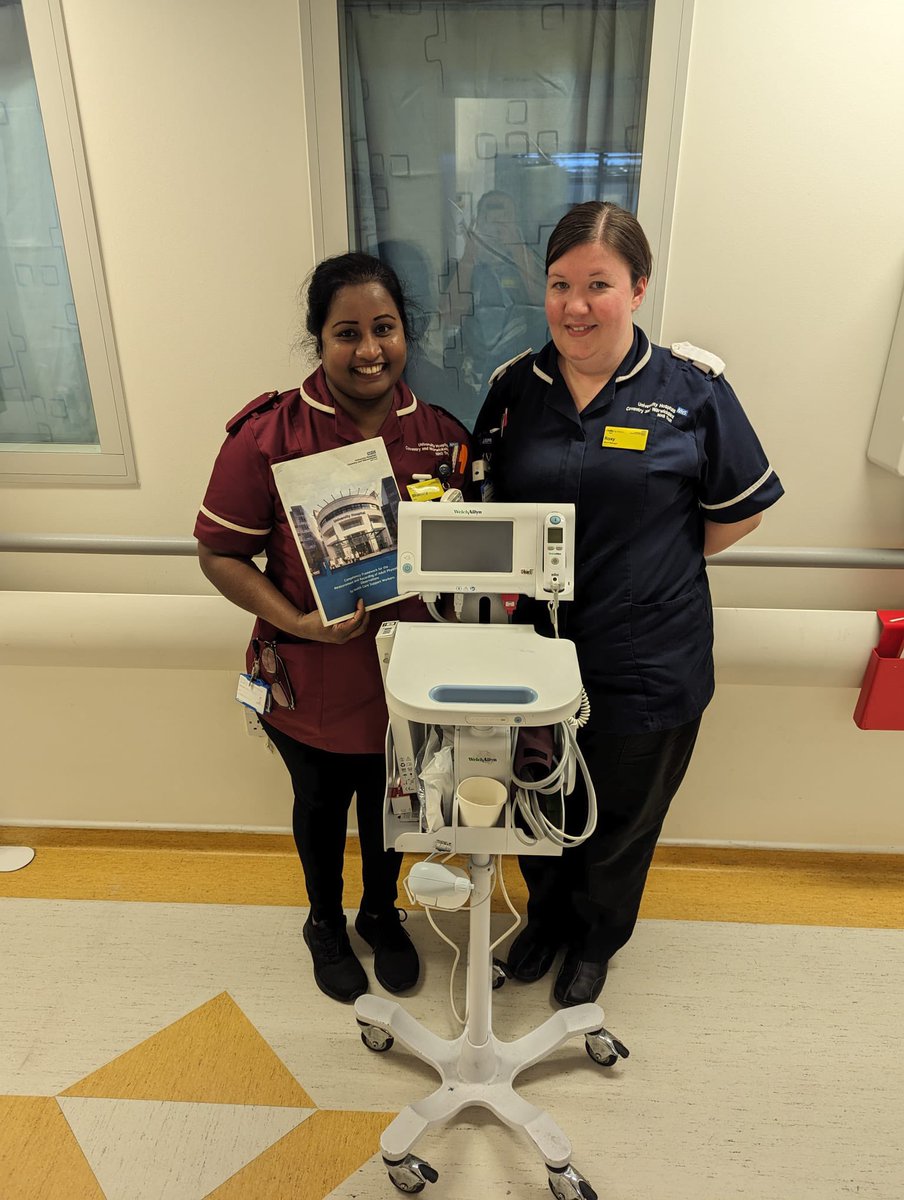
Training of our HCA’s in #teamEM of delegated observations is coming along nicely… great to see all the team getting involved in this learning and what it means for their role… #learning #developing #MDTapproach @Lydiabotham
12
341

25 Mar 2024
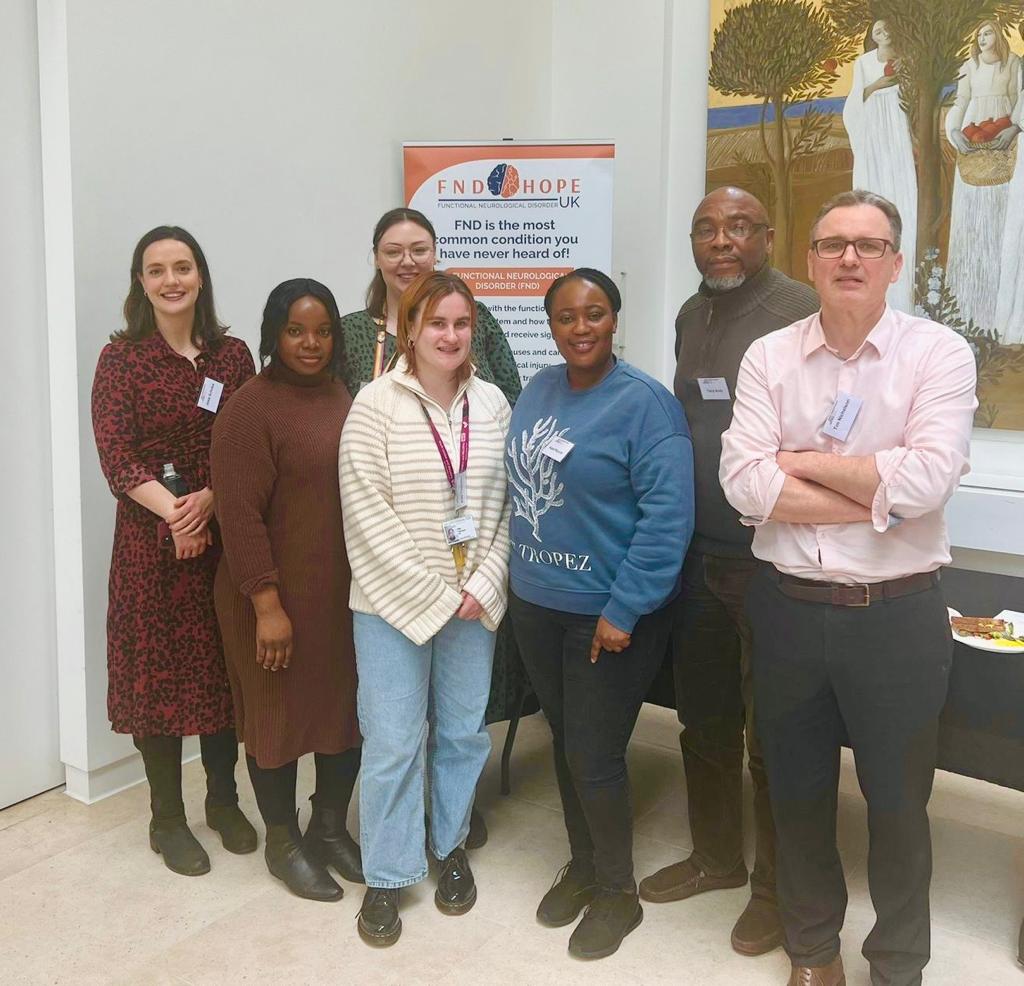
FNDMasterclass 2024. Effective presentation by the Physiotherapist from Lishman and rich diverse resource learning from other services/trusts, to adapt and re-adapt in rehabilitation.
#MDTApproach
#KHPFNDMasterclass2024
@mallardf94
@MaudsleyDoN
@HaddyQuist
@HelenKelsall3
3
10
224

14 Mar 2024
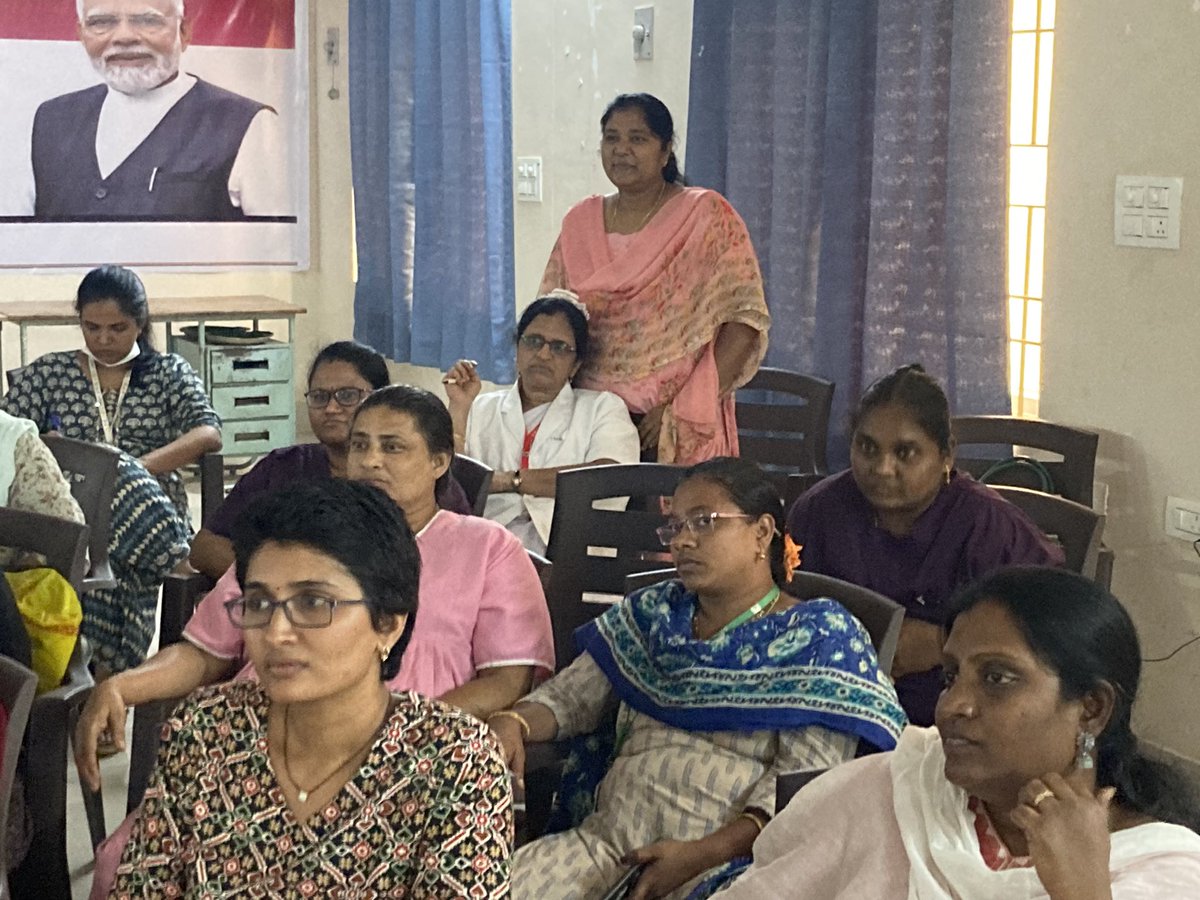
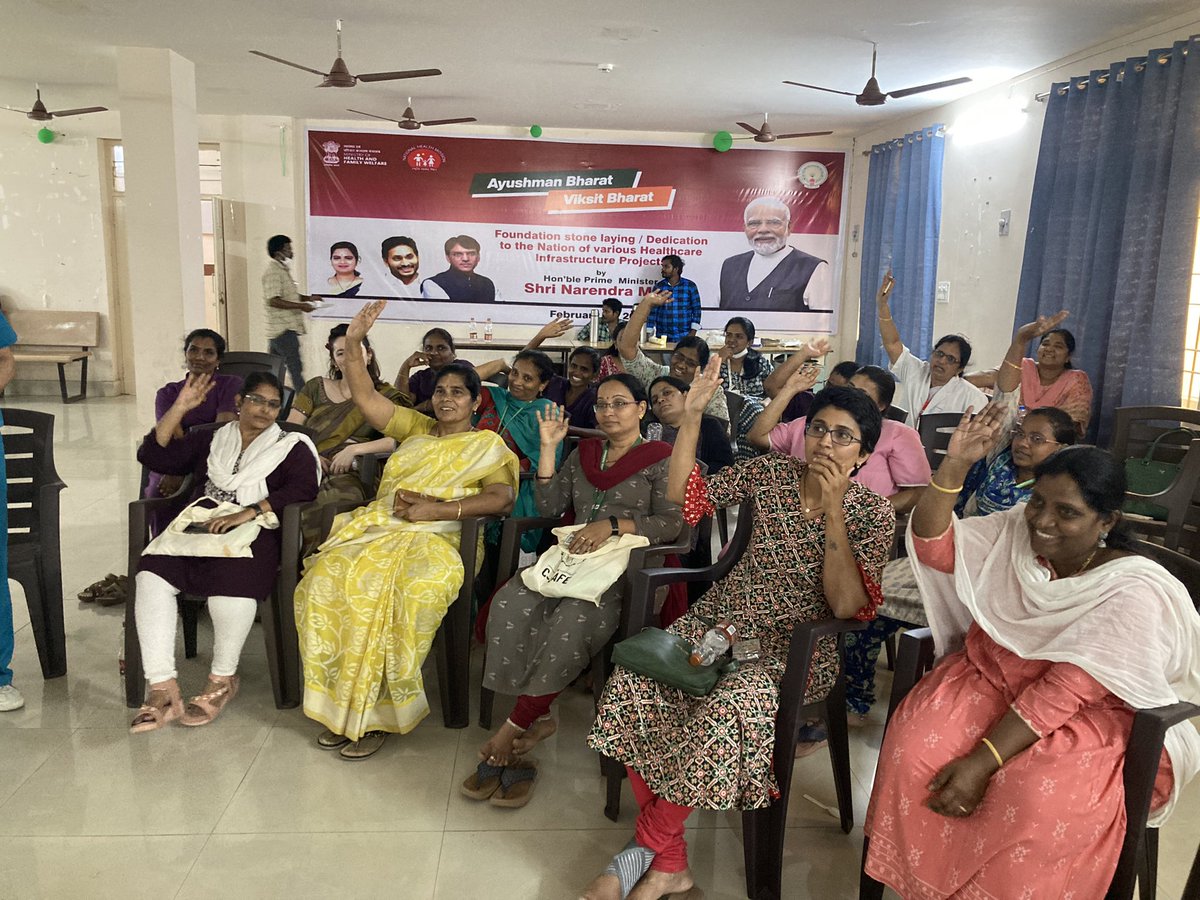
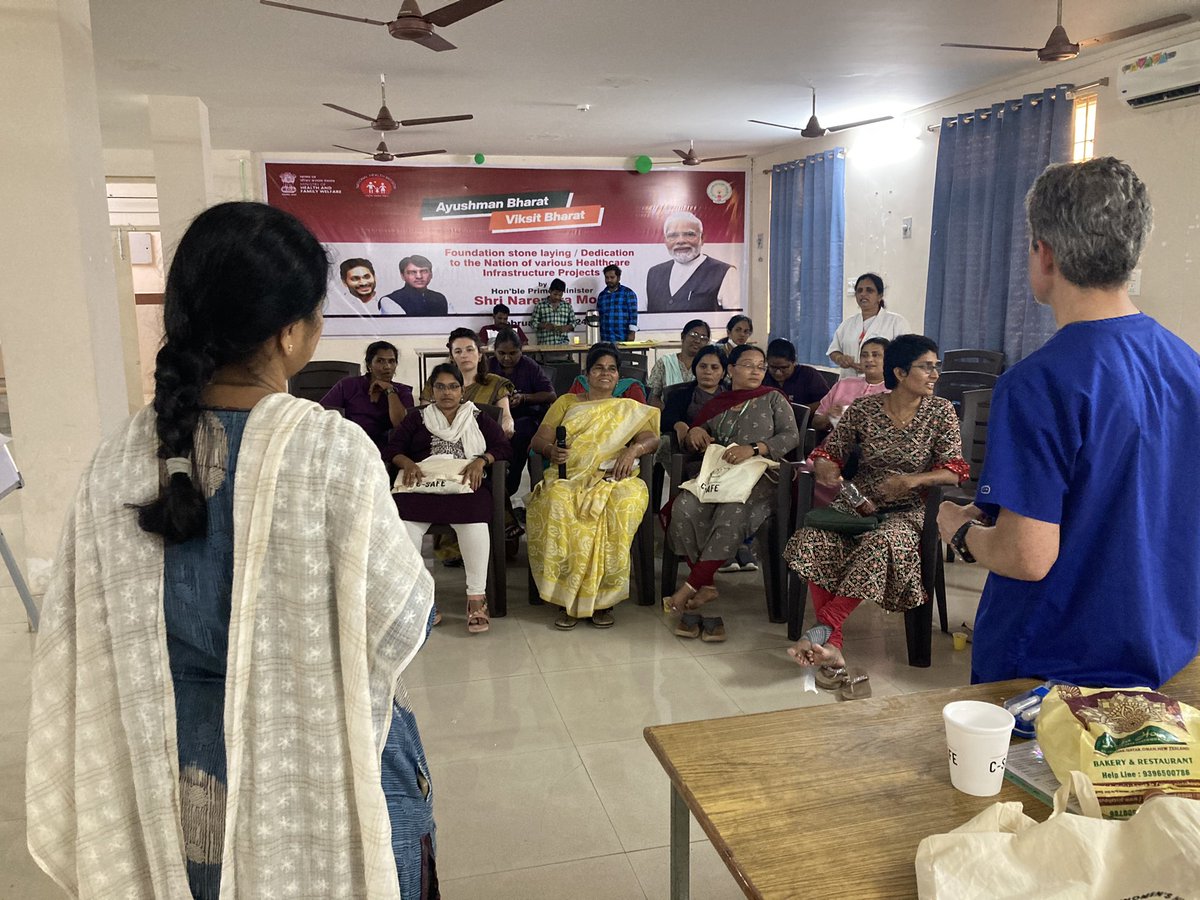
Discussions about improving the patient pathway - show of hands for where ABX are given and by whom #MDTapproach @CSafeTrial @DrJVarallo @fernandezhospit @indiek1 @NeenaDondapati
3
159

26 Sep 2023
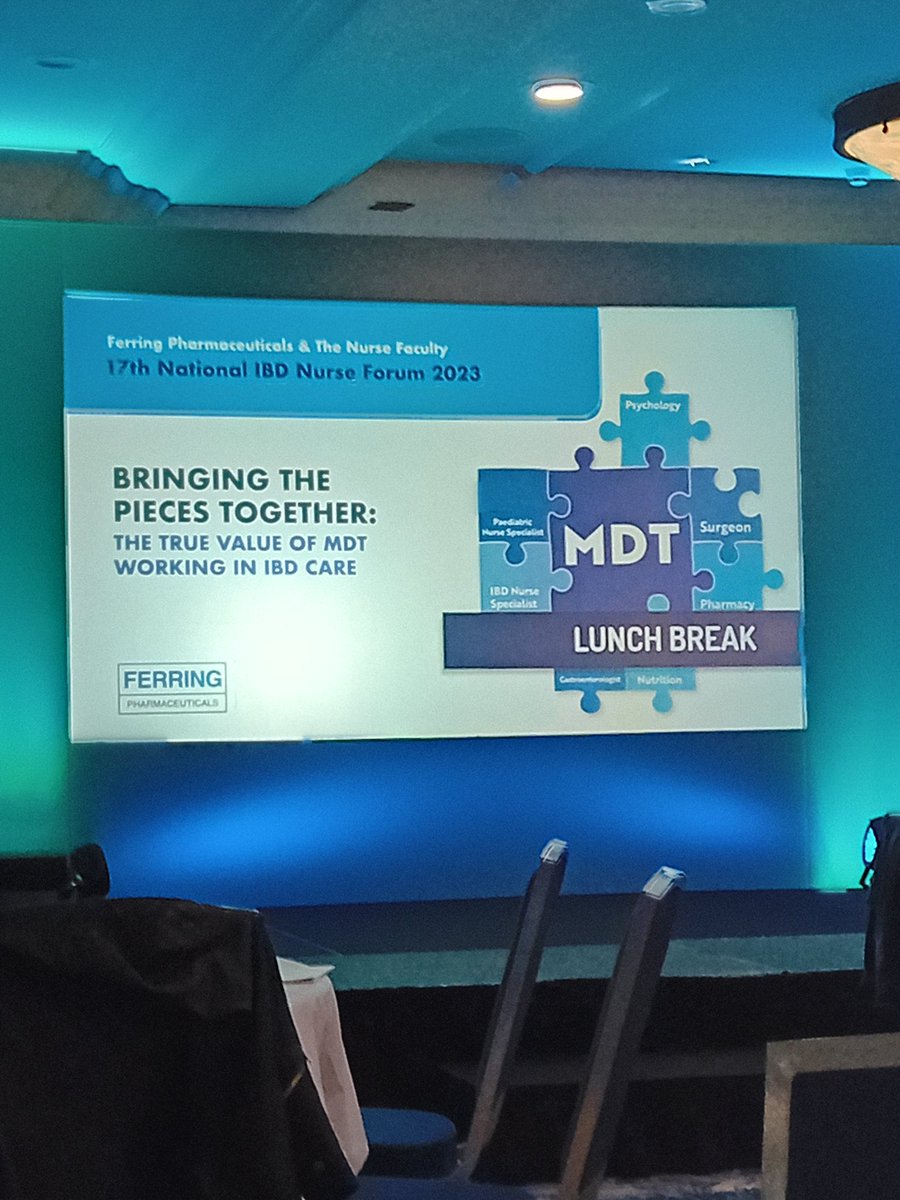
17th National IBD nurse meeting.....transitioning to adult services, surgery/medicine , stoma care and pouch care.... @ColoCNS_SNHSFT #MDTapproach
2
6
389

13 Sep 2023
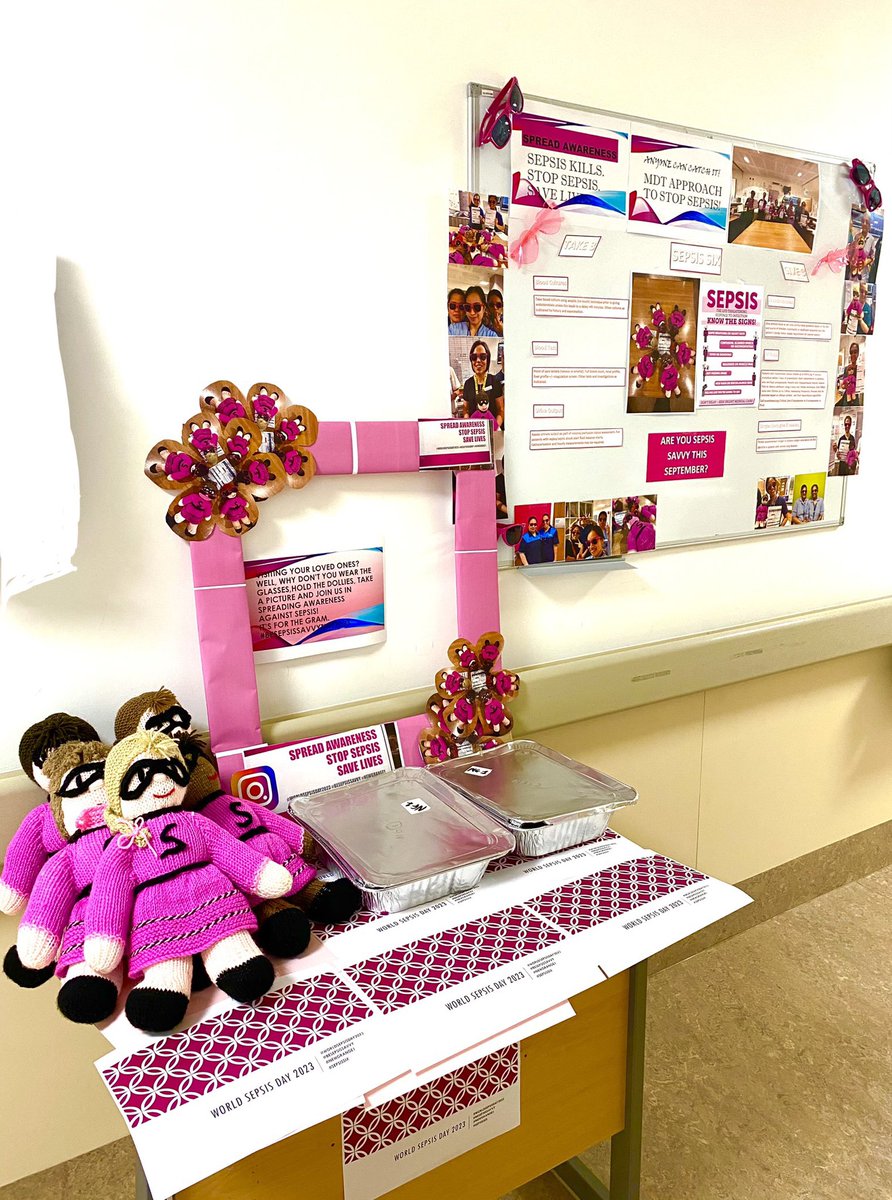
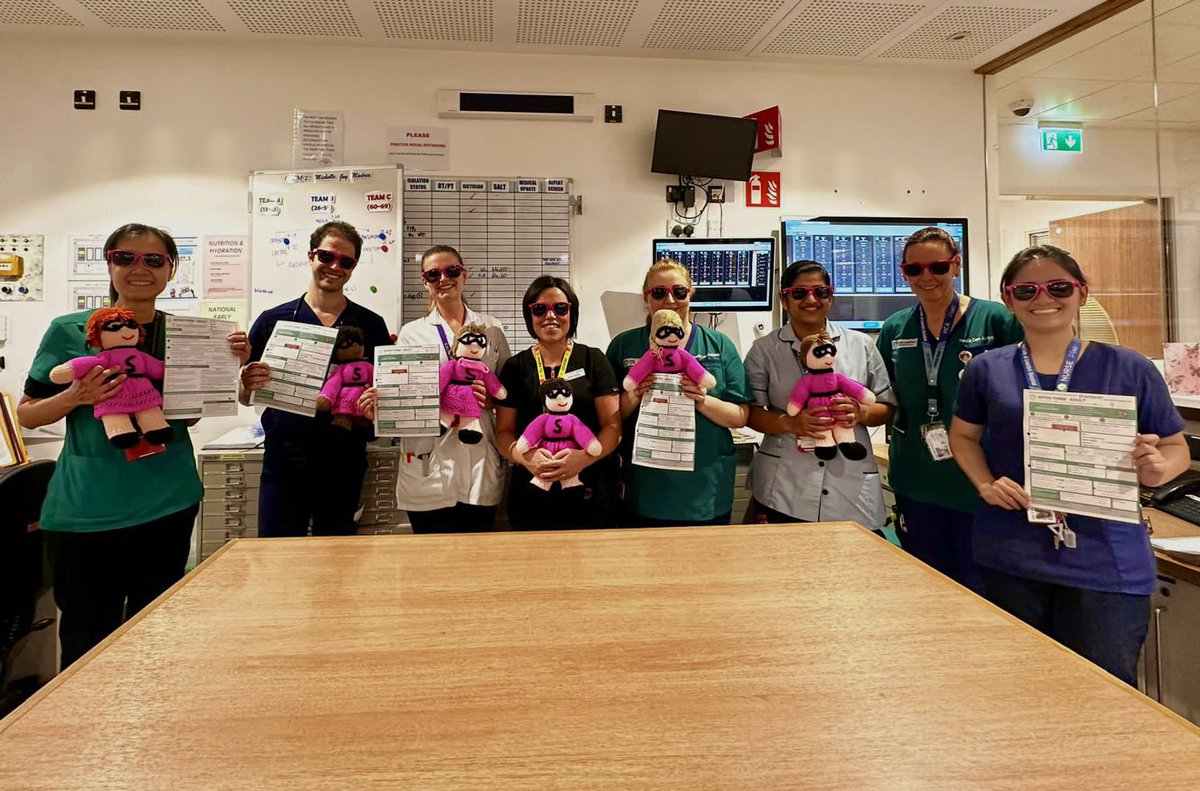
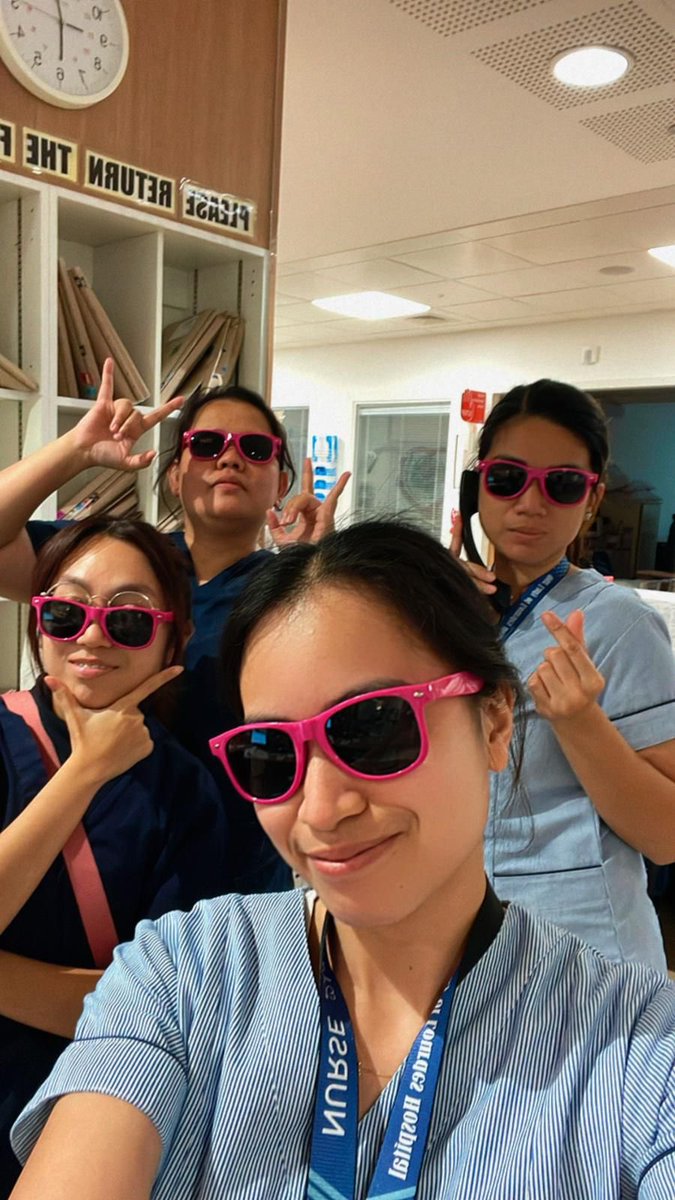
Spreading awareness this World Sepsis Day 2023! Know the signs. STOP Sepsis. SAVE Lives. #sepsissavvy #newgrange1team #mdtapproach #anyonecanstopit #sepsissix @NenaMarieRGN @lindakeogh16 @NualaRafferty3 @NursingOlol @AdrianCleary101 @KuriakPrincy

2
5
24
1,001

20 Aug 2023
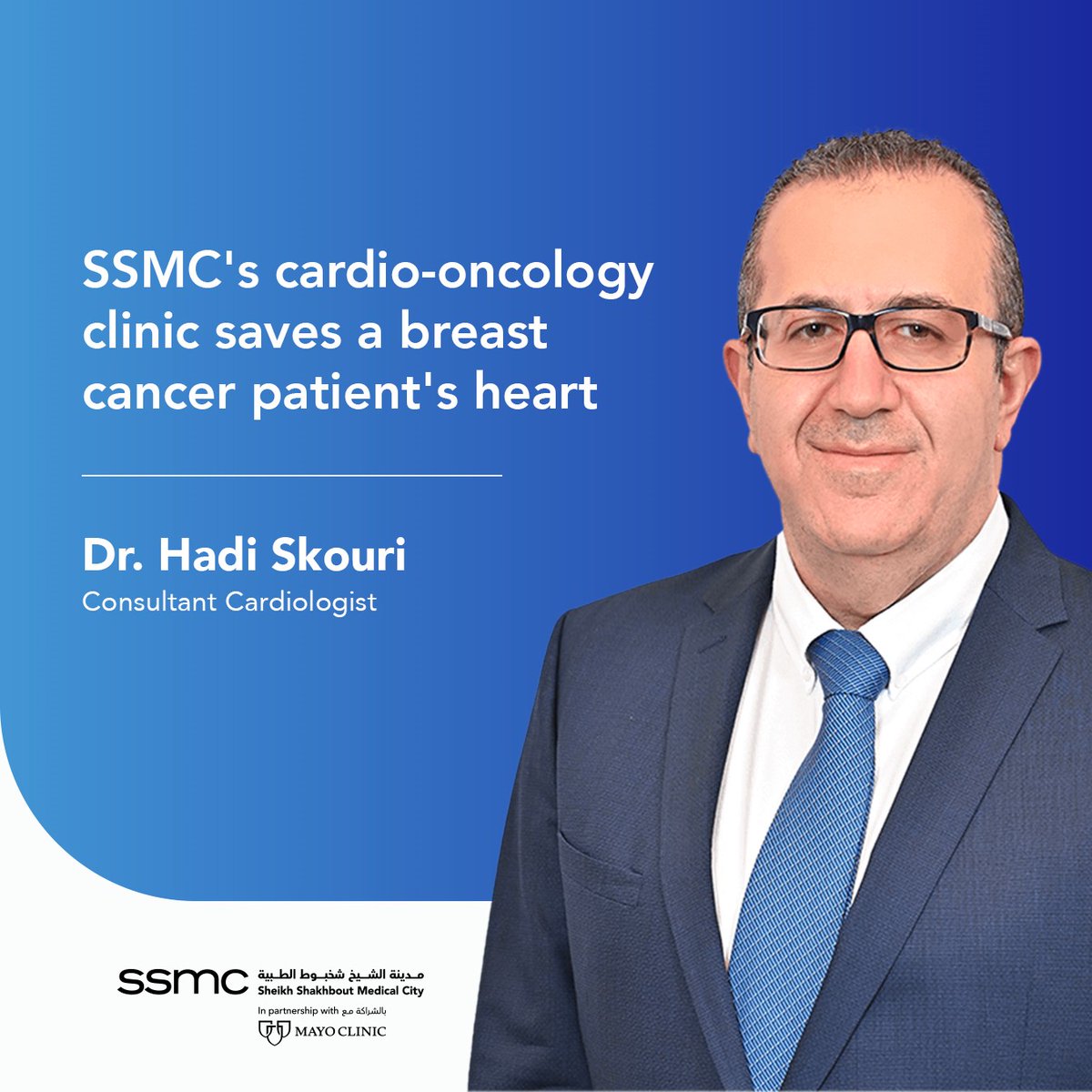
Dr. Hadi Skouri, consultant cardiologist at #SSMC, highlights the vital collaboration between cardiologists and oncologists in addressing cardiac issues in cancer patients.
Visit the bitly.ws/SwGE to read more.
#HeartDiseases #ThePowerOfCare #MayoClinic #MDTApproach
2
291

29 Jun 2023
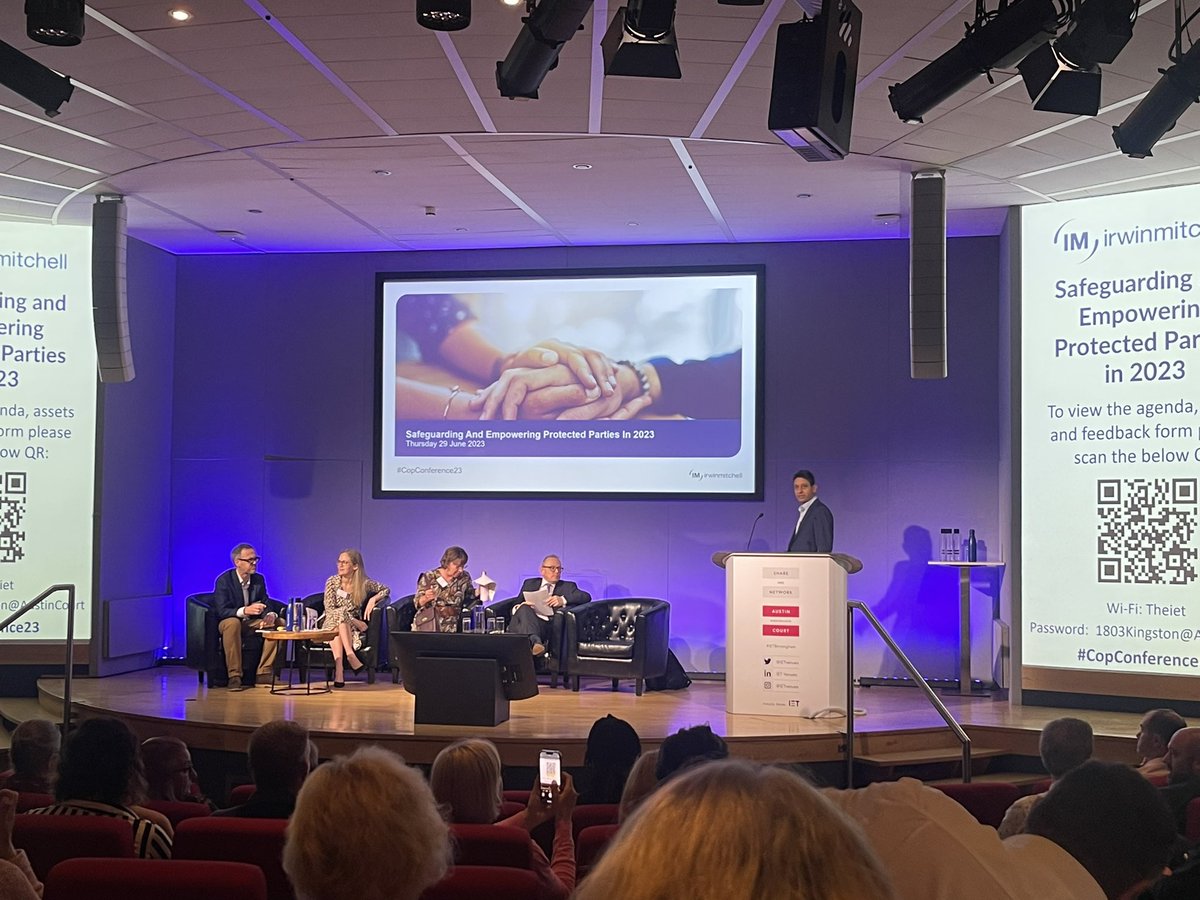
Today we are at @irwinmitchell
Safeguarding and Empowering protected parties conference in Birmingham. Excited to hear from all the speakers and seeing all the attendees
#copconference23 #courtofprotection #workingtogether #mdtapproach #learning
2
293

5 Jun 2023
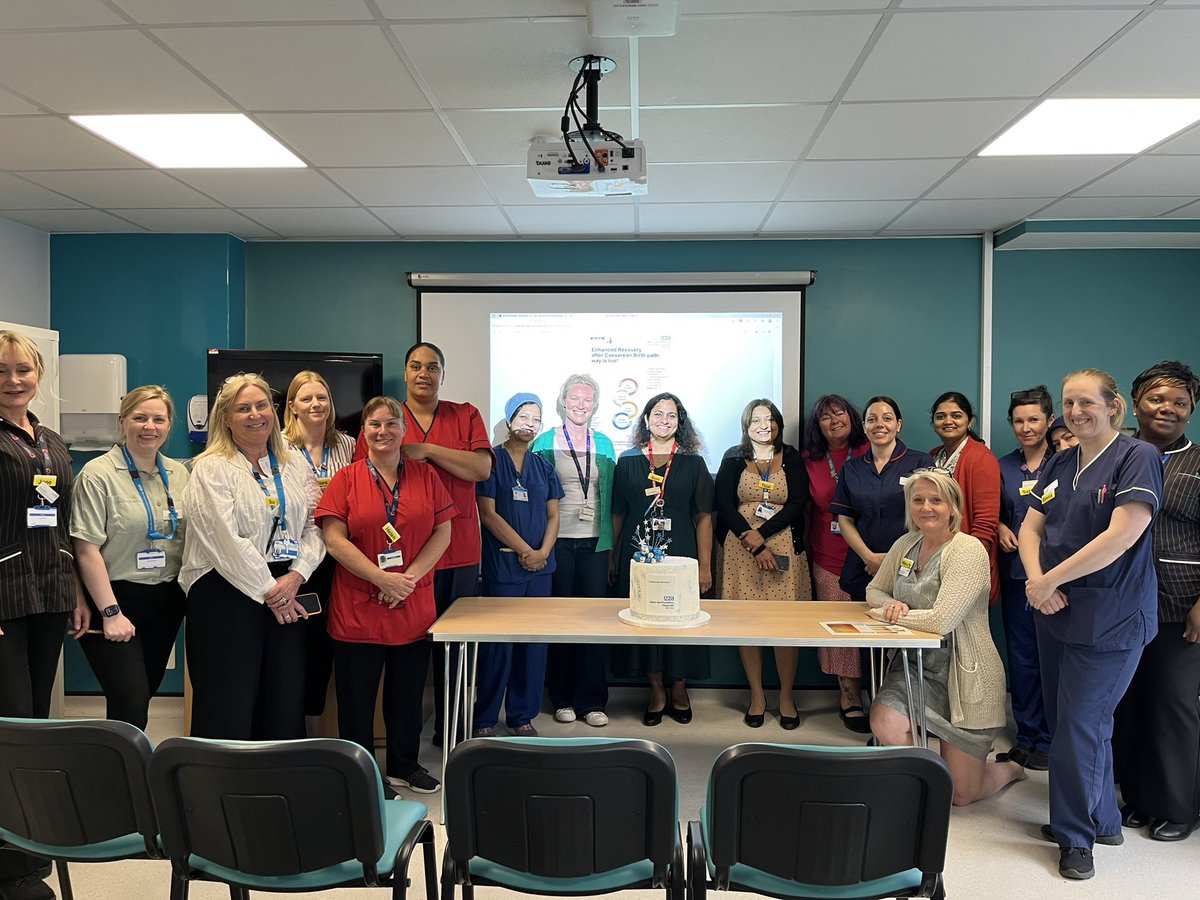
A great team who learn together, grow together and pull in the same direction to improve the experience of families in our care. Working with @tejalvaghela15 has been amazing for integrated care. Super proud of @whhtmaternity #diverseteam #MDTapproach
1
8
561

11 Apr 2023
On #WorldParkinsonsDay we want to acknowledge that Parkinson’s Disease is the fastest growing neurological condition in the world. Individual symptoms and ways to manage them. We use an #MDTapproach to support our patients and help with safe discharges #onebigteam @UHP_NHS
1
2
169