
Is that a 1 to 10,000 power? Either way I think you need more magnification.😂🤣😅
1
2
9

I used the wrong toilet because I didn’t know. A patient stared at me as though I were Jack the Ripper. gross magnification of guilt. One million fold. People just don’t understand the scale of guilt from trivial minor offences to multiple murders, people think they’re all the
6

French (Français)
Avec grâce et autorité divine, la Femme de Dieu, l'Évangéliste Joy, s'est avancée vers le saint autel pour glorifier et exalter le nom du Seigneur. Alors qu'elle exerçait son ministère, une atmosphère d'adoration et de magnification remplit l'assemblée,
1
10
With grace and divine authority, the Woman of God, Evangelist Joy, stepped onto the holy altar to glorify and exalt the name of the Lord. As she ministered, an atmosphere of worship and magnification filled the congregation,

5
1
13
80

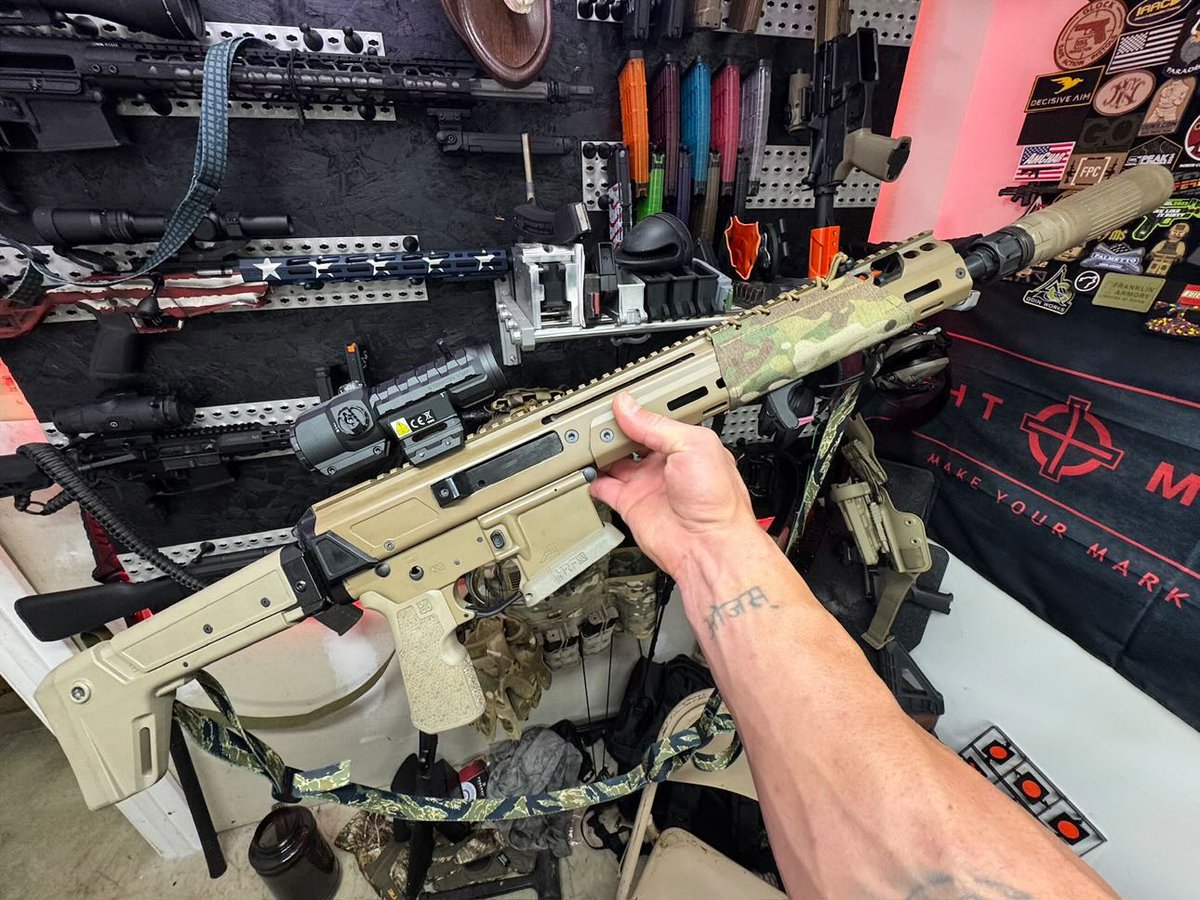
The Strikon VMP 1-4x22 combines the speed of a red dot with the precision of a riflescope in a compact prism design. Featuring a fiber-wire illuminated reticle, true 1x performance, and 4x magnification when you need to reach out, it's built to keep up with any mission.
1
33
Bella Bare Fan Club retweeted

The torn sacred hole. The biggest Ihram magnification I shudder at the orgasm 👿
 Dark Panther X
24
108
6,733

Troons so stupid they turn up the magnification to make the bullets shoot faster.
2
320
𝚂𝚒𝚖𝚒 𝚃𝚑𝚎 𝚆𝚒𝚝𝚌𝚑 🪄🦋 retweeted

12h
This edit is making me feel 🦋🦋
Also the way this scene is holding magnification of how one closed the lid and other opened it tells itself that they're destined. OH MY DESTINED LOVERS✨🦋
#Sarbiya #zanjeerain
3
9
107
1,641

More Pixels ≠ More Detail? Resolution vs Magnification Explained
🎧 Watch the full podcast to learn how to select the right imaging approach for your application.
🎙️ youtube.com/watch?v=6CbJ6LAR…
#VisionVitals #Podcast #econSystems
1
14
ZONED LAB retweeted

H14DNnxKC79EsuF9tkbnsLxtfW4uqmw4pVxkKdvipump
I bought it today—it's a 100x magnification scope for warm-up shots $ELF
10h

2
4
306


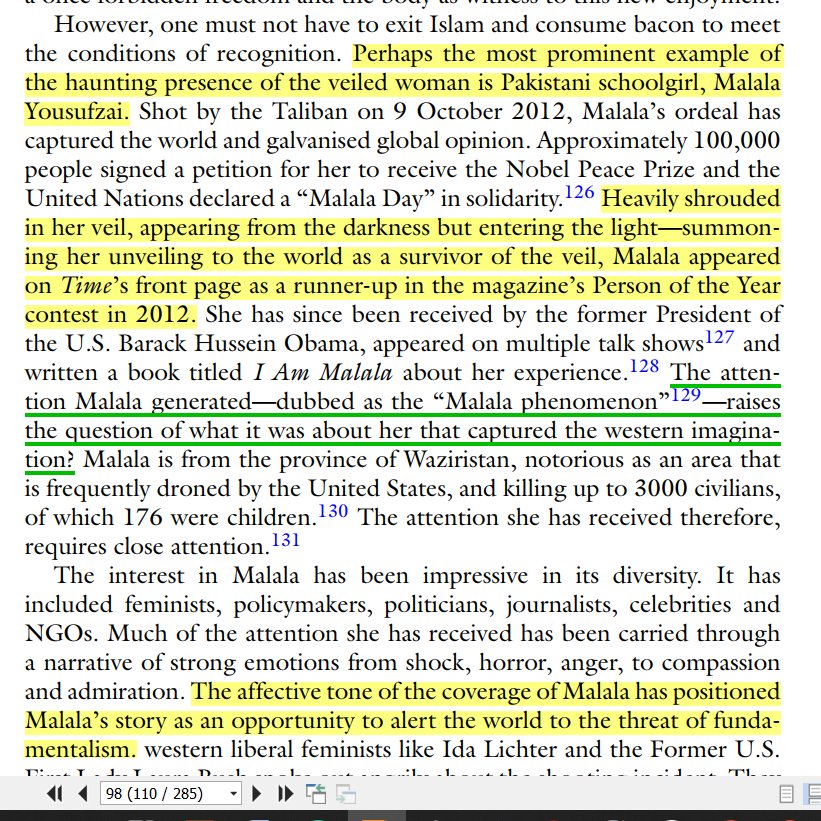

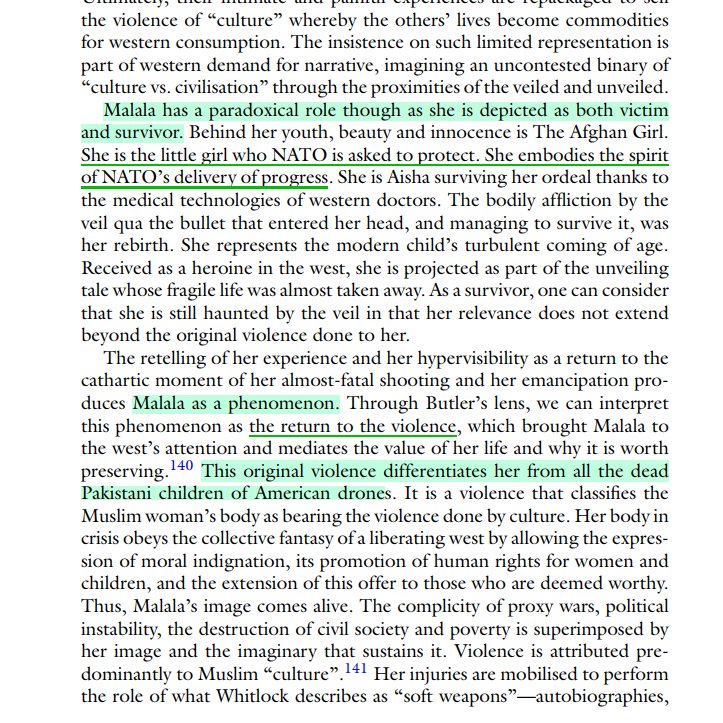

@grok just debunked your glassing claims also
Yes, the woman in the photo is not using proper glassing technique if the goal is to scan for and locate game animals.Here’s a breakdown of the issues visible in the image, tied directly to standard hunting practices:1. Wrong Optic for the JobShe is looking through the rifle’s telescopic scope while shouldered.
Proper glassing uses binoculars (typically 8x–15x) or a dedicated spotting scope on a tripod. Binoculars provide a much wider field of view, making them far better for systematically scanning terrain, picking up movement, contrast, or small details across a hillside.
Rifle scopes have narrow fields of view and high magnification optimized for precise aiming at a known target, not broad searching. Using one this way is inefficient and tiring for prolonged glassing.
Her binoculars are hanging unused around her neck — that’s a clear sign this isn’t standard glassing.2. Body Position and StabilityShe’s in a shouldered shooting stance.
Effective glassing is usually done from a stable, comfortable seated or prone position with binoculars (or spotting scope) supported on a tripod, knees, pack, or trekking poles. Shouldering a rifle for extended periods causes fatigue, shake, and poor stability — exactly the opposite of what you want when trying to pick apart distant terrain slowly and methodically.
The red circle around the stock/butt area may be highlighting an awkward or incomplete shouldering position, which compounds instability.
3. Trigger Finger Discipline (Safety Issue)This was already debated in the original thread. In the photo, her trigger-hand index finger appears extended and forward. Best practice (as discussed previously): Keep your finger straight and completely off the trigger — ideally along the side of the receiver or frame — until you have positively identified a legal target and decided to shoot. Resting it on or near the trigger (even “on the side”) violates core safety rules and is especially risky when the rifle is shouldered and you’re actively looking through the optic.4. Overall Workflow ProblemProper sequence for most big-game hunting:Use binoculars (or spotting scope) from a stable vantage point to glass/scan and locate animals.
Once you spot something, use the spotting scope for detailed confirmation (size, sex, antlers, etc.).
Only then transition to the rifle — sling it or set it aside until the moment you’re ready to take a shot.
In the photo, she appears to be skipping the glassing step and going straight to a rifle-ready position.Quick Summary of What Proper Glassing Looks LikeBinoculars or spotting scope as primary tools.
Stable rest (tripod preferred).
Slow, methodical scanning (grid or divide-and-conquer method).
Comfortable seated position.
Rifle slung or safely aside until a specific animal is identified and you’re preparing to shoot.
Finger completely off the trigger.
The photo looks like a staged “what’s wrong with this picture” example highlighting common mistakes in both glassing technique and firearm safety. It’s educational in that sense — it shows several things not to do.If the intent was something very specific (e.g., quickly checking a known animal at close range), it might be marginally acceptable in some scenarios, but as a general demonstration of glassing, it falls short on multiple levels.Would you like me to expand on any specific part (e.g., recommended binocular setups, how to transition from glassing to shooting, or safety drills)? Or compare it to better examples?
1
55

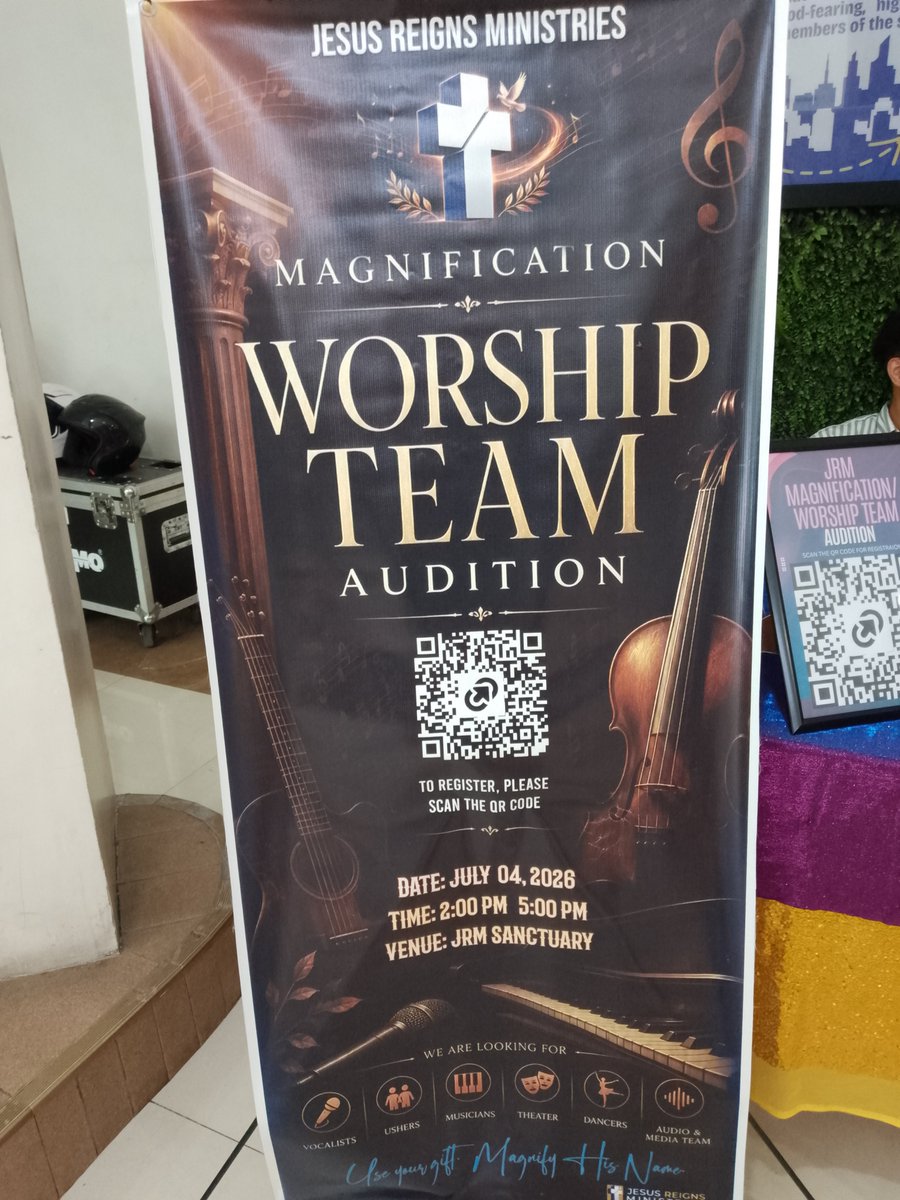
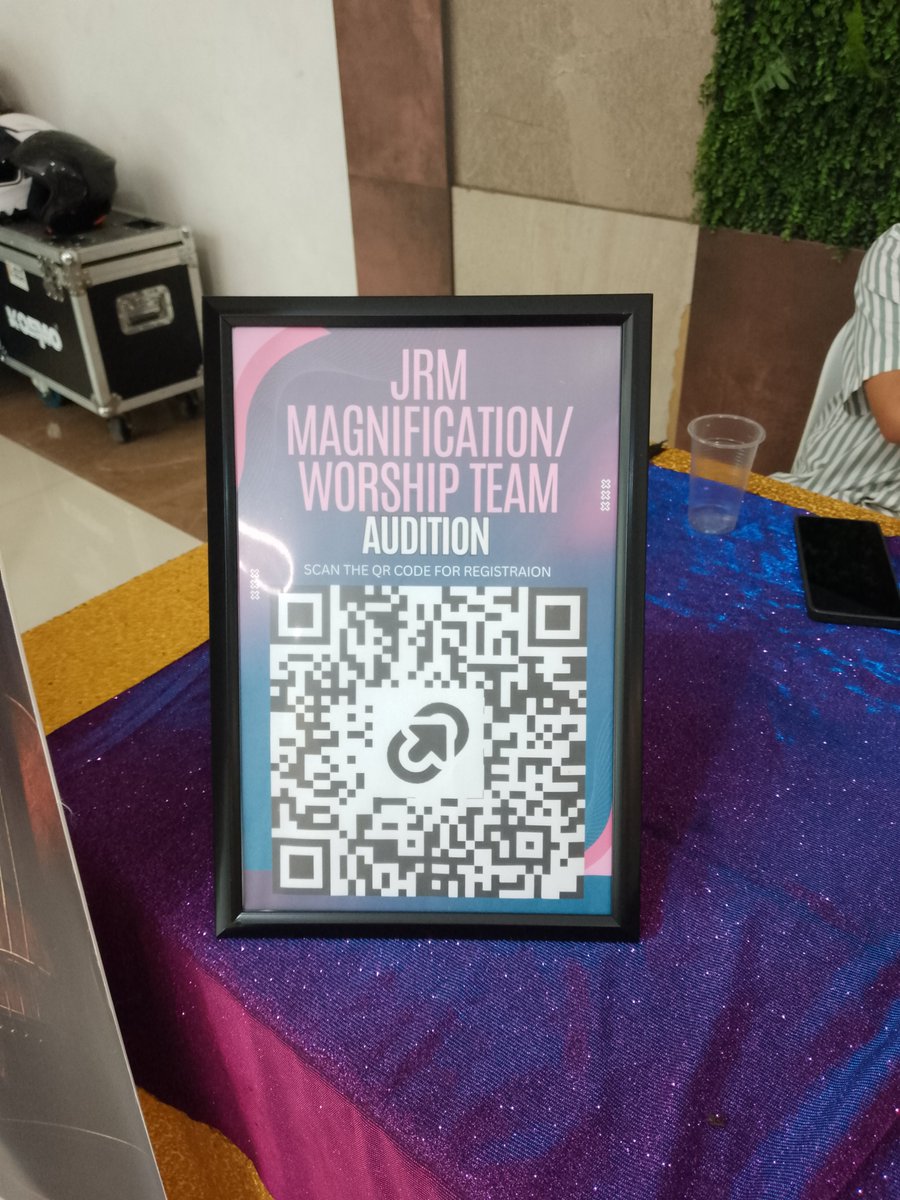
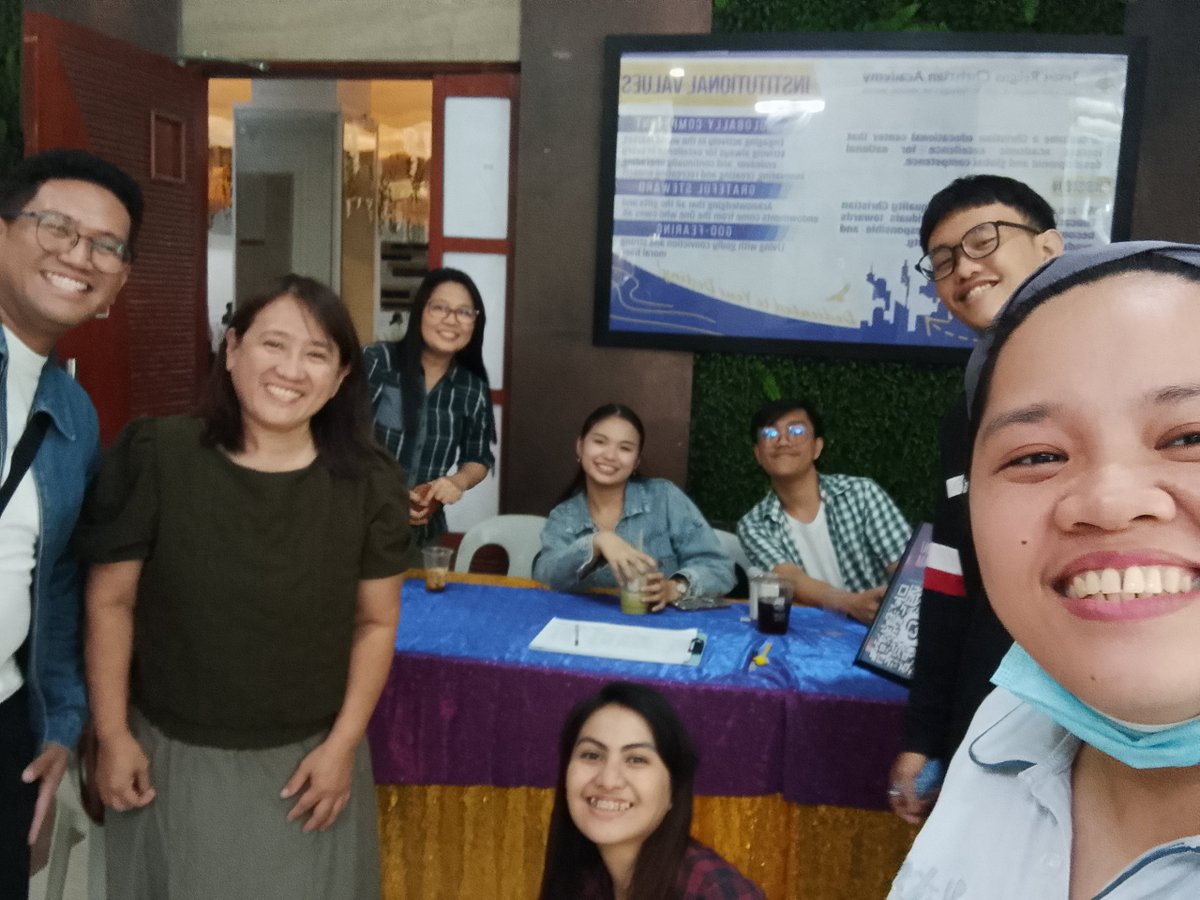
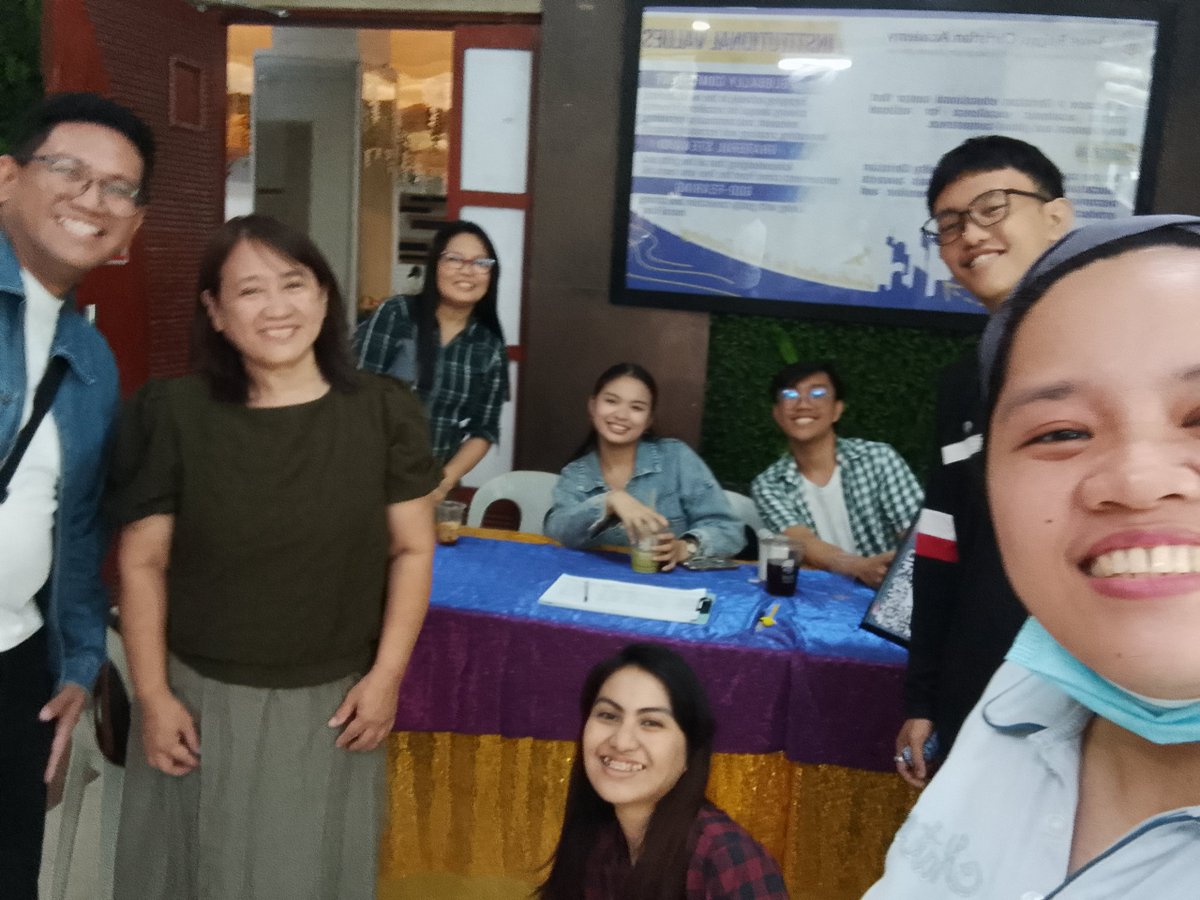
REGISTRATION IS NOW OPEN GUYS !
❤️❤️❤️❤️
Join us our
JRM M2 MAGNIFICATION TEAM
❤️🔥❤️🔥❤️🔥❤️🔥
Come and Let us serve the Lord
😁🙌❤️❤️❤️
@JesusReignsMinistry
#JRMFamily
#JRMWorshipTeam
#LetUsServeTheLordWithGladness
6

The scope has more magnification than the binos so she can see more detail of whatever she’s looking at
8

Other point to note is that NI eg 1963-68 or so has had periods where manufacturing in some dimensions looked healthier than rUK. As I note macro, magnification and unique processes all exist in the NI economy since 1920s. 2/2
1
18