Kuldeep retweeted

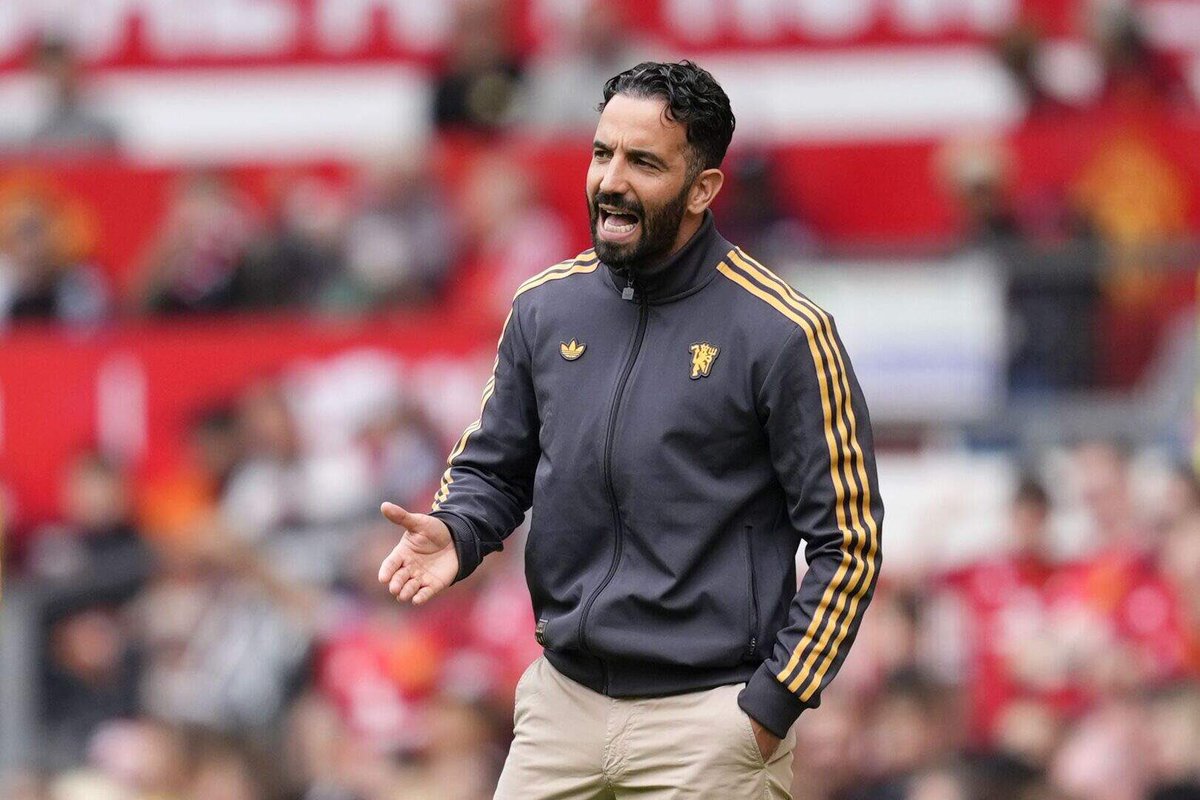
🚨 Rúben Amorim, ready to accept all conditions discussed with AC Milan to become the new manager.
He wants the job and waiting for final green light from Milan. 🔴⚫️🇵🇹
1,186
1,221
15,198
561,576
Vajih VU retweeted

« Je vais faire une carrière manager réaliste »
La deuxième saison :
8
376
10,449
166,065

Know nothing about this manager (tho nor will them appointing him). Wish him well but the fish rots from the head and the fish is still there. So he starts with one hand tied behind his back. 10 years of disgruntled managers. Quite the record #ffc

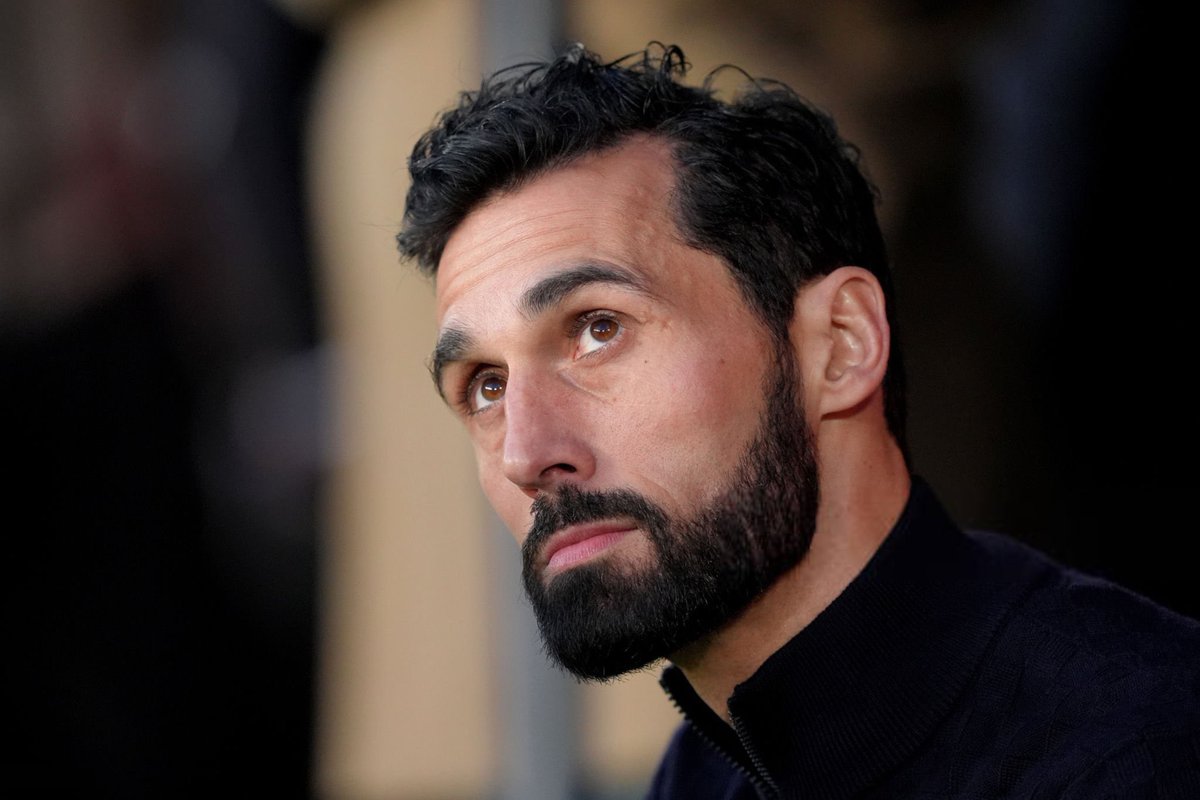
🚨 Álvaro Arbeloa, completing final details of the agreement to sign in as new Fulham head coach. ⚪️⚫️
sheriff🇰🇪 retweeted

Mar 6
Hey, I’m Nna — an experienced Community & Social Media Manager. My previous account got suspended, but I’m back and ready to build again.
If your project needs a dedicated CM to grow, manage, and engage your community, I’m open to opportunities. Let’s build together 🤝
#Hiring
31
36
86
3,225
Maruf retweeted

Jun 12
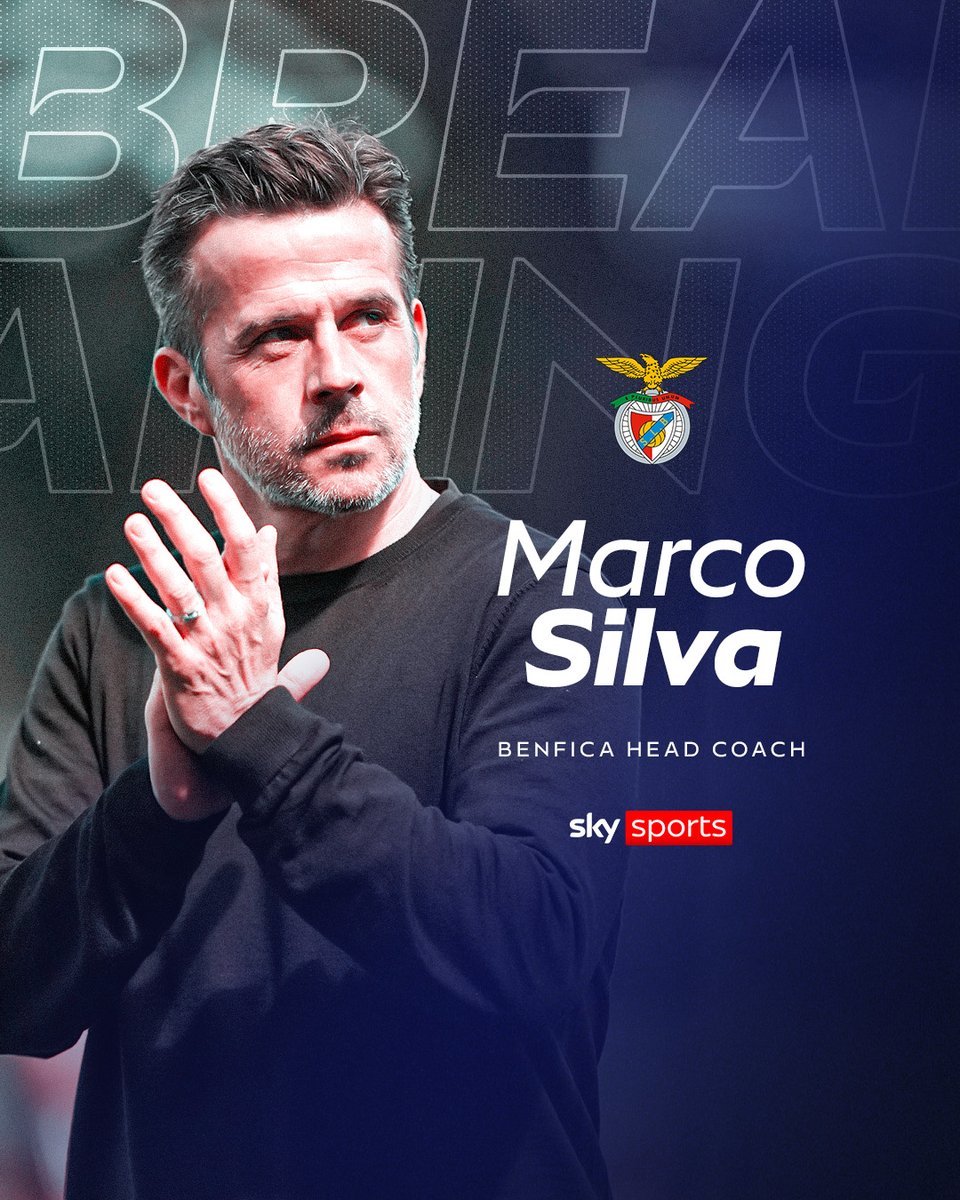
Benfica have announced the appointment of Marco Silva as their new manager to replace Jose Mourinho ✍️🇵🇹
123
573
9,119
169,622

Hi, we'll certainly look into this for you. Please DM us your registered contact details for further assistance. -Anay, Service Manager x.com/messages/compose?recip…
Please note that HDFC Bank will only respond using either @HDFCBank_Cares or @HDFC_Bank handle. Both handles have the
1
Maruf retweeted

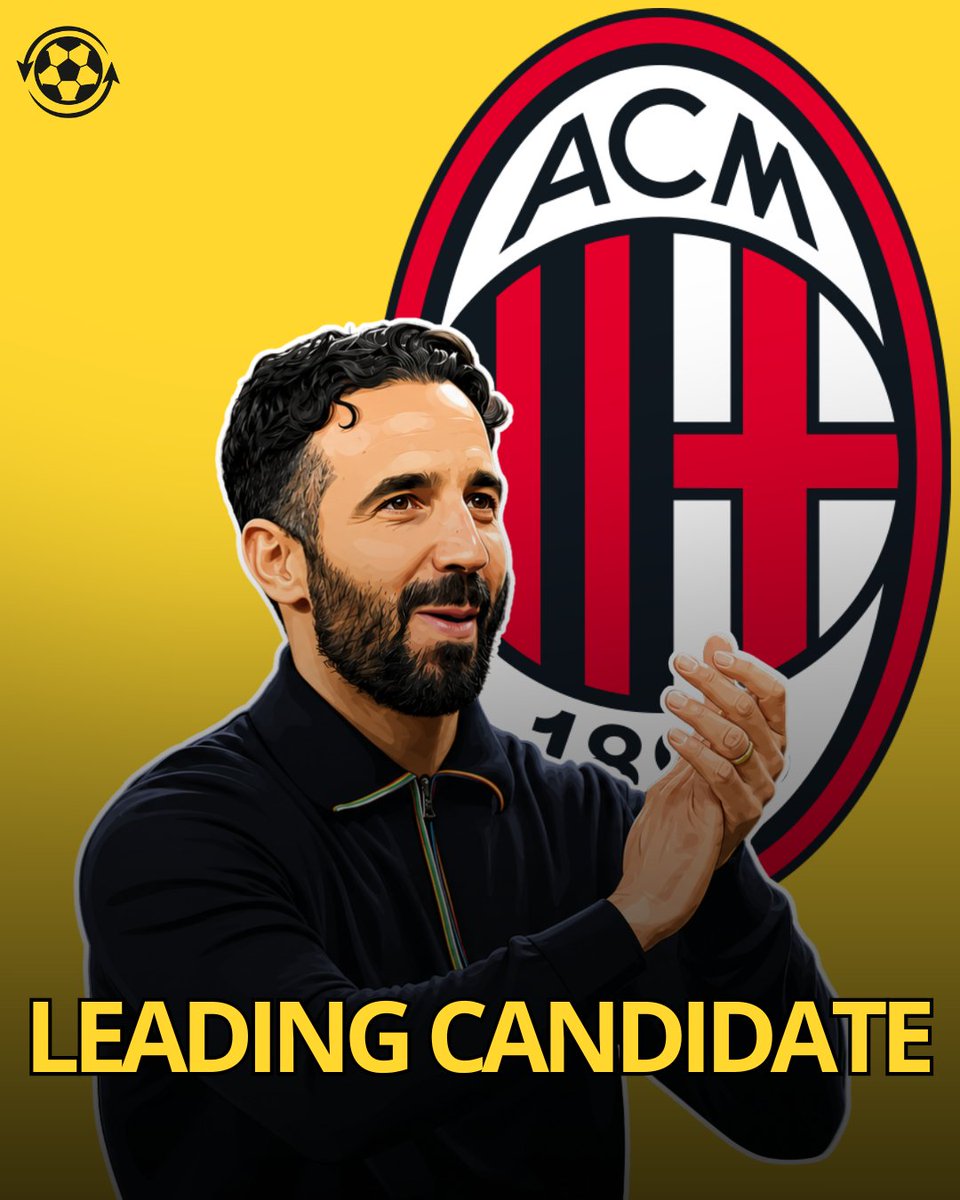
🚨 Former Manchester United head coach Ruben Amorim is the 𝗟𝗘𝗔𝗗𝗜𝗡𝗚 𝗖𝗔𝗡𝗗𝗜𝗗𝗔𝗧𝗘 to become the next AC Milan manager.
The 41-year-old has been out of football since his departure from Manchester United on January 5 and held talks with the Serie A club in Portugal last week.
AC Milan are now considering Amorim as their preferred option as they continue their search for a new head coach.
(Source: @TheAthletic)
79
72
810
50,033

RT @Osi_Suave: Dino is supposed to have a house manager that deals with things like this .
The home should have a float that covers litt…
24

RT @Umma_sayed1: ⚠️⚠️ #BreakingNews #Bihar Darbhanga
A Muslim Manager Mohammad Faiz Ahmad at Yamaha agency/showroom). He was attacked wit…
326

Funny how this case started as allegations of sexual harassment by a senior manager at a bank....

🇬🇭 Deborah Seyram Adablah, who became widely known from her earlier legal dispute with her former “sugar daddy,” has been granted bail of GH¢500,000 with two sureties to be justified with landed property.
The bail forms part of an ongoing separate case filed by Council of State member Gabriel Tanko Kwamigah-Atokple.
She is being prosecuted for alleged publication of false information and offensive conduct likely to disturb public peace.
2
13
123
54,938
$AJ retweeted

A Muslim manager, Mohammad Faiz Ahmad, working at a Yamaha showroom/agency, was reportedly attacked while sitting at his desk shortly after Friday prayers.
#IndianMuslimUnderAttack
According to reports, former employee Sonu Paswan allegedly assaulted him with an iron rod. CCTV footage is said to show the attacker entering the office and repeatedly striking him. Police reportedly arrested the accused within hours, and the motive is being described as personal enmity.
If the allegations are proven, the law should take its course and the accused should face strict legal consequences. We urge Bihar Police to ensure a fair, transparent, and speedy investigation so that justice is delivered.
#IndianMuslimsInDanger
22
174
243
8,451
Maruf retweeted

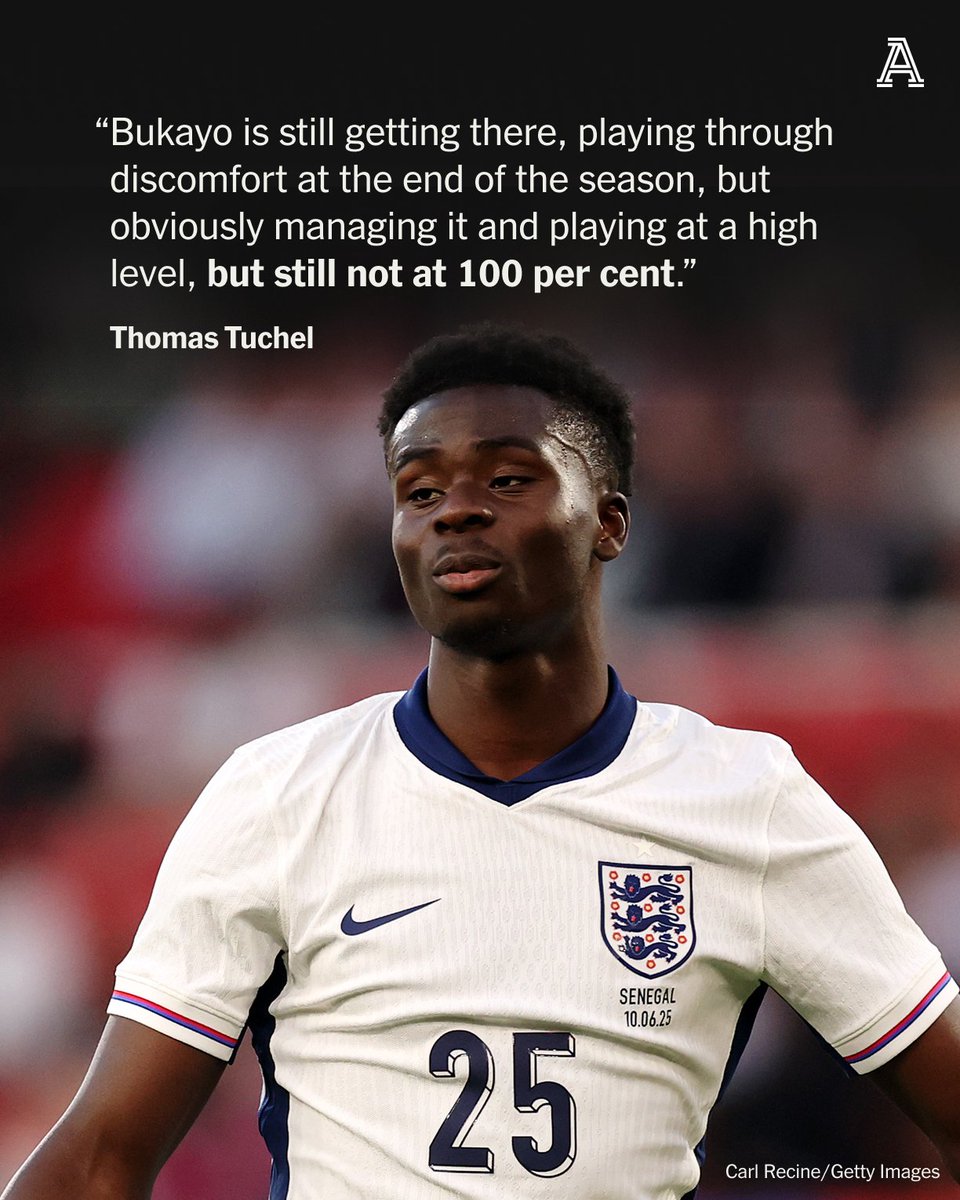
England manager Thomas Tuchel has revealed Bukayo Saka is unable to train on consecutive days and is yet to fully recover from the Achilles injury he sustained in March after “playing through the pain” at Arsenal.
“He is the one we are building and taking care of in training.”
More from @Dan_Sheldon_ — free to read ⬇️
bit.ly/4uv140a
396
792
6,225
2,797,111

I had travelled to Hyderabad for a wedding. The hotel was jam-packed and it seemed other guests were there for weddings. The manager told me that guests steal towels and sheets. They pay 5k per night but they steal.
Maruf retweeted
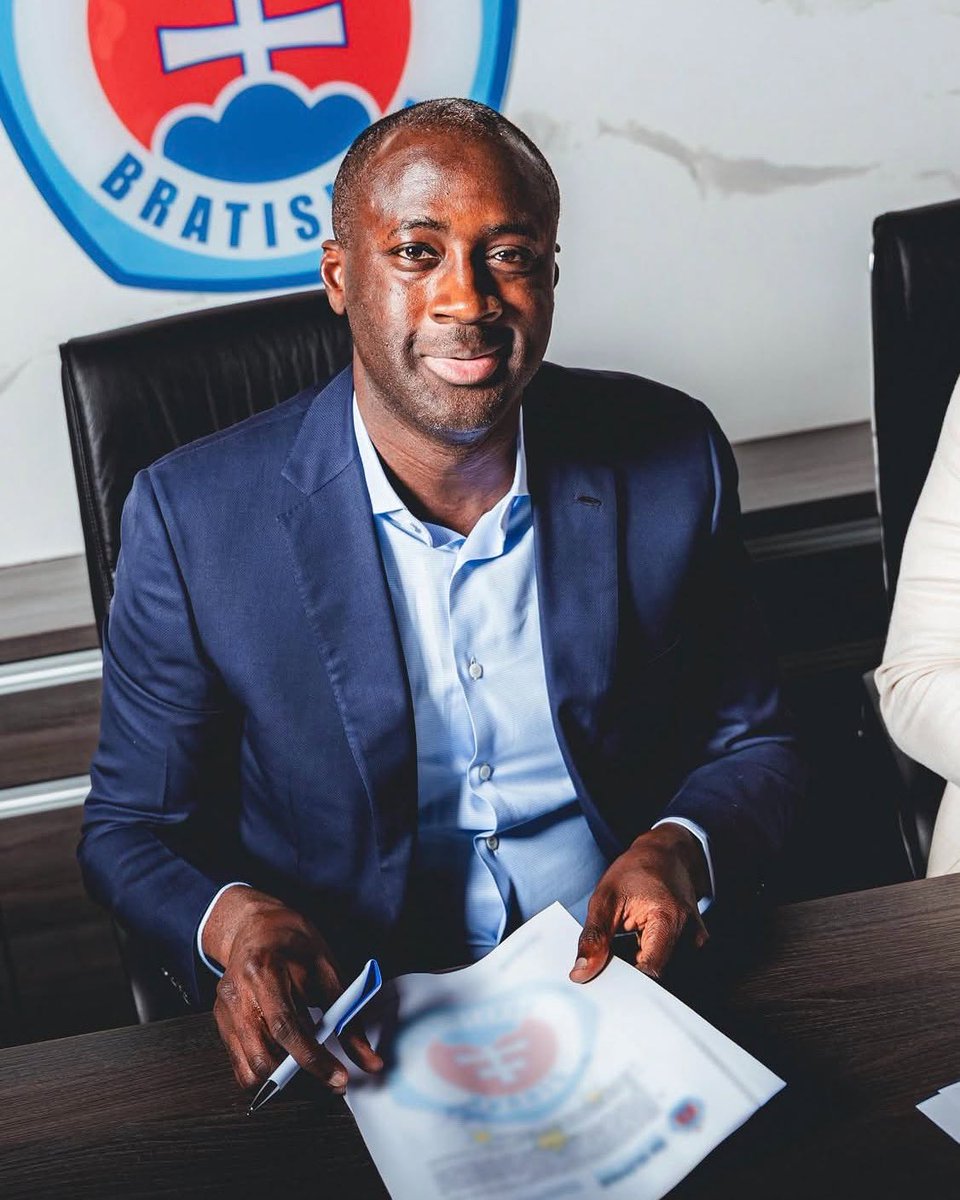
📝 𝗗𝗘𝗔𝗟 𝗗𝗢𝗡𝗘: Yaya Touré has been appointed the new manager of Slovan Bratislava. 😍👔🇸🇰
It is his first job in football management.
(Source: @SKSlovan)
78
93
928
50,417
Gupta BGV retweeted

Indian-origin restaurant manager in London sprinted across rooftops and caught a 3-year-old girl as she fell from a second-floor window after dangling for nearly 9 minutes.
While onlookers watched in horror and police struggled to reach her in time, he acted without hesitation. The rescue ended with an emotional hug from a police officer.
Funny how anti-India clips go viral worldwide within hours, but stories of Indians saving lives rarely get the same attention from major Western media or social media algorithms.
Courage doesn't trend as easily as propaganda. But this hero deserves to be seen. 👏
33
739
4,248
158,808

34s
Hi Tesla Team,
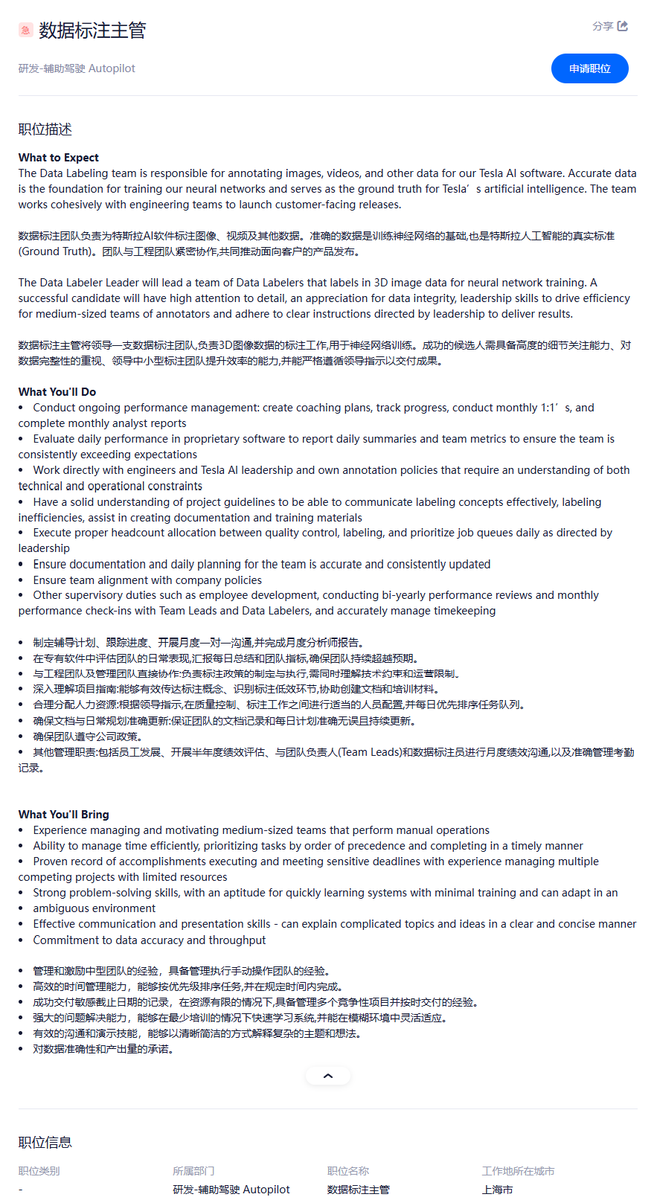
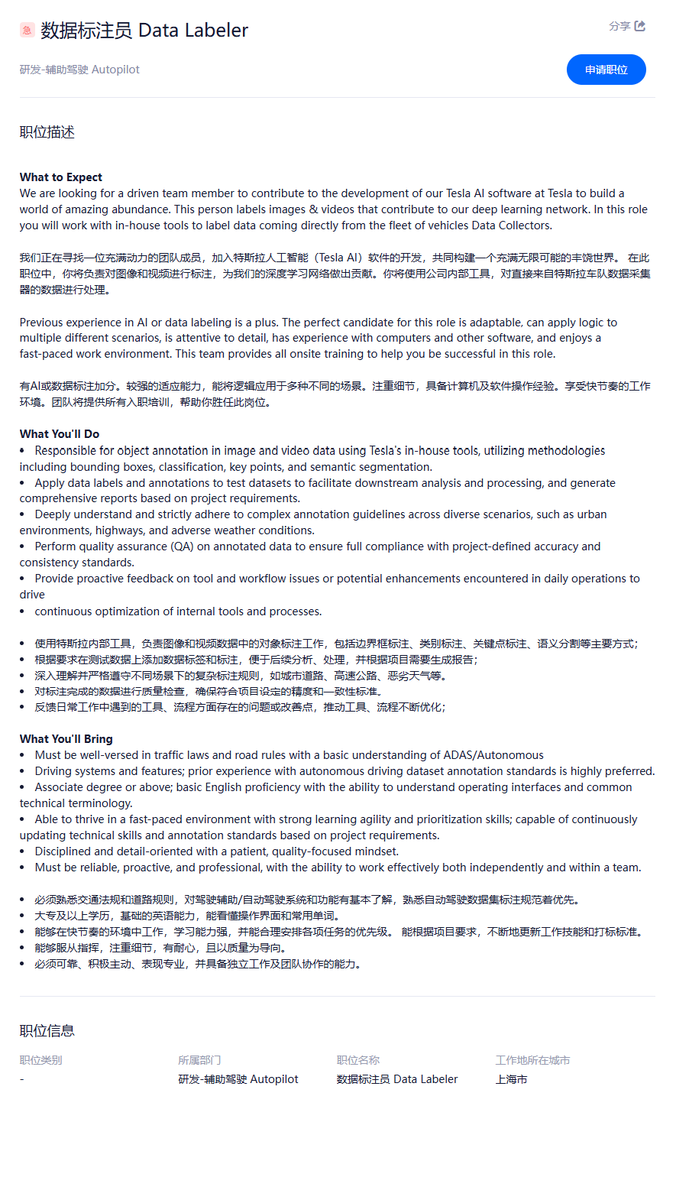
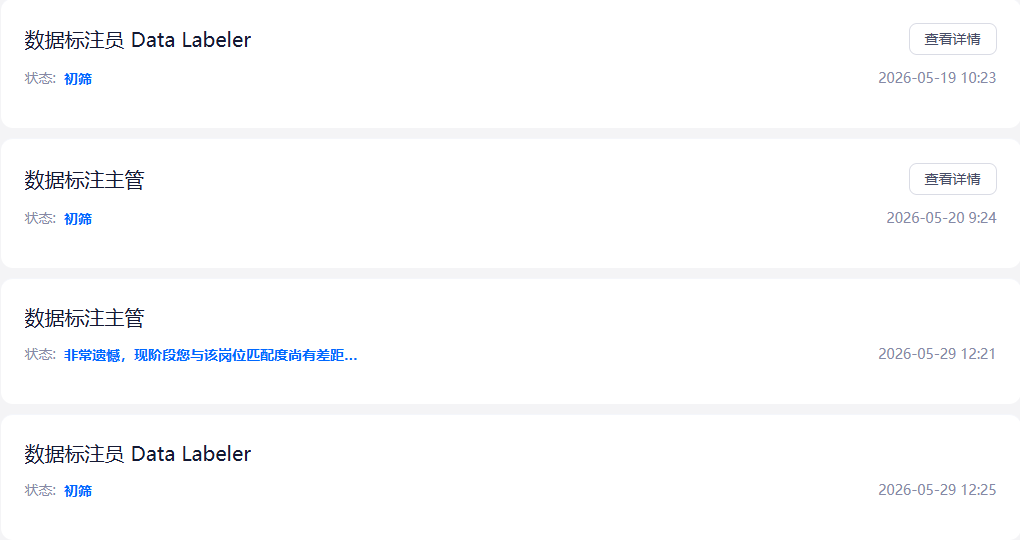
I am a Chinese applicant who applied for the Data Annotation Supervisor/Specialist position at Tesla (Shanghai). I feel that I have experienced unfair treatment during this recruitment process, so I would like to reach out and discuss a potential solution with you.
Here is what happened: Recently, Tesla (Shanghai) opened up several positions that were previously unavailable in mainland China, including Autopilot Test Technician and Data Annotation. I have been closely following Tesla's recruitment for these types of roles since 2022, so I spotted them and applied immediately. However, during the application process, I encountered a massive hurdle—spoken English.
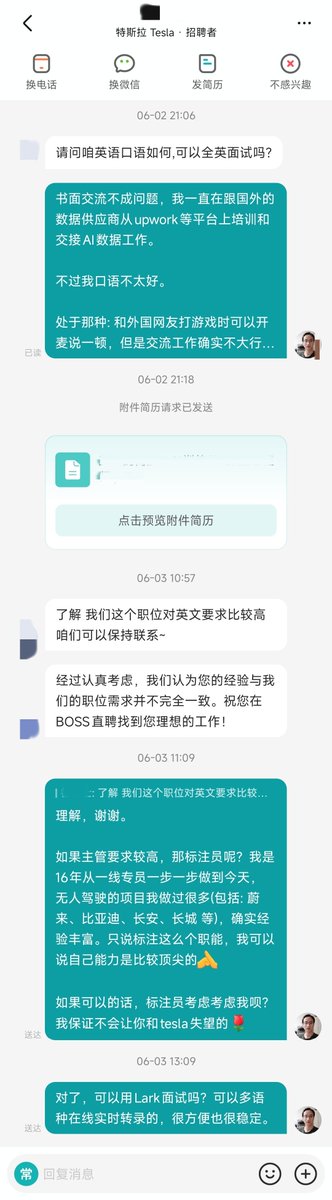
Crucially, this hurdle was never clearly stated in the job description (JD). We all submitted our resumes with excitement and anticipation, only to receive no feedback for a long time, being completely ignored. For instance, I applied on May 19, but it wasn't until June 1 that my application for Data Annotation Supervisor was rejected. The official website only showed a generic boilerplate response, leaving me clueless as to why I was turned down. I had to inquire through various domestic professional networking and recruitment apps, and I finally learned from an HR representative that the interview process has high requirements for spoken English conversation. The HR manager judged that my spoken English was weak and directly rejected my resume during the initial screening.
I explained to them that I am a senior AI data acquisition and annotation engineer, and I frequently use platforms like Upwork to recruit, train, and hand over work to data vendors from various countries. Therefore, even though my spoken English might be weaker, my written communication skills are fully up to standard.
Furthermore, for several years now, China has developed many multilingual instant communication tools, such as Lark, which can translate spoken content in real-time quickly and accurately. We could have easily discussed using this kind of real-time translation software for the interview.
But the HR representative did not respond to me further. All the explanations I sent showed "unread"—which is a blocking mechanism on Chinese recruitment apps; the HR had blocked me.
What I want to say is that many countries have excellent talents who might face language barriers but are outstanding in their actual fields. This kind of near-invisible, arrogant discrimination against spoken language by Tesla (Shanghai) will only allow a group of people who only know how to translate, but are mediocre in actual operations, to get the job.
Why do I say this? Because roles like Autopilot Test Technician and Data Annotation are not "straight-A student" positions. Talents who excel at English under the traditional Chinese education system look down on these operator roles. The vast majority of Chinese people who have been doing data annotation for years are those who accept this kind of "lower-tier" work. They are not the crowd with wealthy families who casually go abroad just to grab a degree and return home as "fluent English-speaking" returnees.
Sorry, I went a bit off-topic.
I believe Tesla needs true talent, and algorithm engineers certainly wouldn't want to dedicate themselves to this kind of role, even though most of their spoken English is probably fine. Thus, talent naturally comes from the frontline practitioners across the country who have persisted for a long time—data annotation really requires immense resilience. Furthermore, the industry is realizing that data quality is paramount, and in some critical aspects, it has become even more important than code quality itself. This shift is so profound that recently, even tech giants like Meta have begun reallocating large cohorts of senior engineers to full-time data annotation roles, underscoring that high-quality data engineering is the real bottleneck of advanced AI. Therefore, I believe when Tesla recruits for roles like Autopilot Test Technician and Data Annotation, the company should provide some kind of real-time translation software, rather than directly excluding many highly capable and practical applicants at the initial screening stage just because of "weak spoken English."
This is truly heartbreaking. It feels just like when CBS's "60 Minutes" interviewed Elon back then—a profound sense of feeling suffocated, angry, and deeply hurt.
I hope Tesla can look into this recruitment bias and provide a fairer environment for practical talents.
Best regards
@elonmusk @TeslaRecruiting
@Tesla_AI @Tesla_Optimus
#TeslaAI #Autopilot #TeslaRecruiting
1

My manager was telling us what clubs to travel to and mentioned DC and I was like uhh idk if I can go to DC I be on the internet saying I want trump to die I’m probably on a watch list somewhere 😭