
Hello Tanya, the @MangoLanguages app has Croatian or Hrvatski! 🇭🇷
1
2
40

I know Duolingo and MangoLanguages both have Scottish Gaelic courses. There's also learngaelic[dot]scot, which has free courses audio and video resources in Scottish Gaelic with transcriptions and translations.
2
257


11 Nov 2025
All Santa Monica Public Libraries are closed Tuesday, November 11 for Veterans Day. We are available 24/7 at smpl.org. Get eBooks, audiobooks, music, movies, and more!
#SMPublicLibrary #Libby #Hoopla #PressReader #MangoLanguages

1
3
224

19 Oct 2025
I've decided to get myself a lifetime subscription for a language learning app.
I'm now going to spend the upcoming month agonizing on deciding which one. I love @babbel, but @rosettastone looks great and @MangoLanguages highlights the words so well...
1
3
139

7 Sep 2025
One of Huron Public Library's core values is lifelong learning. The perfect way to expand your knowledge is by using the @mangolanguages app to learn a new language for FREE with your HPL card. Learn a new language anytime, anywhere, completely free.
huronlibrary.org/clevnet-res…
3
56


15 Aug 2025
Does Having AI-Created Author Profiles or Fake Website Owners Matter?
Back in 2021 and 2022, I published some of the first research on Authorship Signatures. The idea is simple: if you use AI to create content, you leave behind statistical fingerprints. Every LLM has its own patterns — phrasing, sentence structure, even how it answers certain types of questions. If you and your competitors are all using the same system, your outputs will carry the same detectable “signature.”
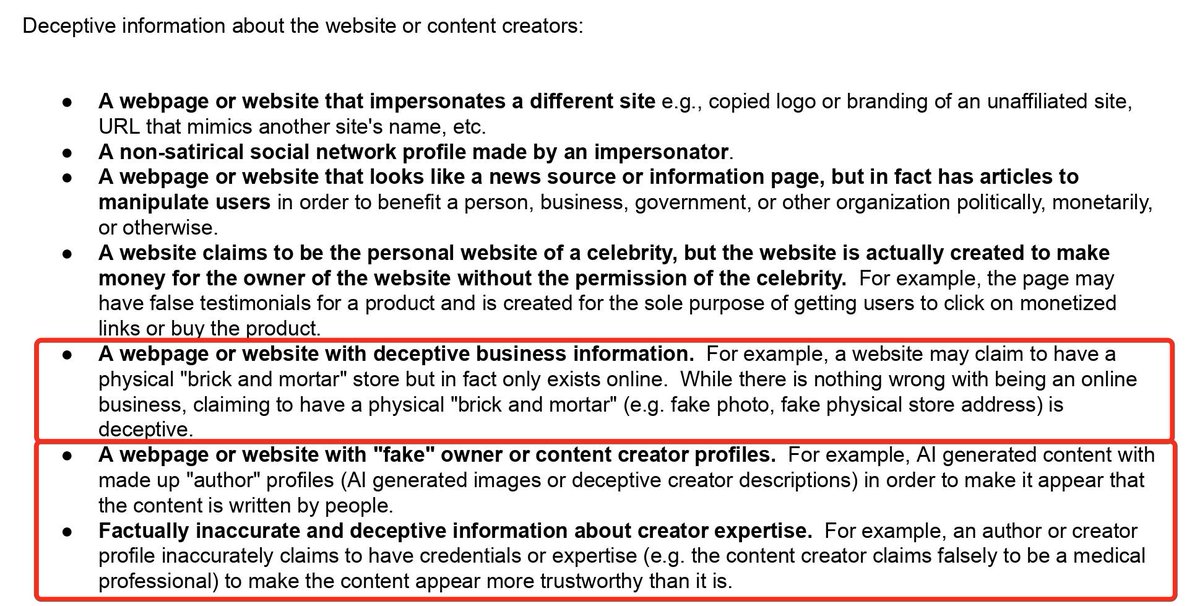
That’s why authorship — or main content creatorship — matters as much as the content itself. Google even highlights this in its Quality Rater Guidelines: AI-created, deceptive author descriptions or fake website owners are considered low-quality signals.
You can see this reflected in Google’s own UI. In the “About this source” panel, sometimes Google shows the author as the primary source — not the website.
A good example comes from my case study on MangoLanguages. We redefined every author as a linguist and built corroboration pages across the web to register them into Google’s Knowledge Graph. This created consensus around the entity, reinforcing trust and relevance.
Key points:
•Faces, logos, and products in imagery help Google classify and connect entities.
•Founders, authors, linguists should appear consistently across your homepage, about page, and structured data.
•Corroboration pages on external sites help align your internal and external declarations.
If your website lacks real human ownership or isn’t recognized as a brand entity in the Knowledge Graph, you’re effectively at point zero for entity-based SEO.
That’s why, when I design a homepage, I always include:
•Team sections
•Founder/author profiles
•Opinion/testimonial cards
•Structured data linking out to official profiles and corroborating pages
👉 In SEO, authority isn’t just about what you publish — it’s also about who Google believes is behind it.
To learn more, join our course or community: seonewsletter.digital/subscr… #seo
7
1,072
15 Aug 2025
Does Having AI-Created Author Profiles or Fake Website Owners Matter?
Back in 2021 and 2022, I published some of the first research on Authorship Signatures. The idea is simple: if you use AI to create content, you leave behind statistical fingerprints. Every LLM has its own patterns — phrasing, sentence structure, even how it answers certain types of questions. If you and your competitors are all using the same system, your outputs will carry the same detectable “signature.”
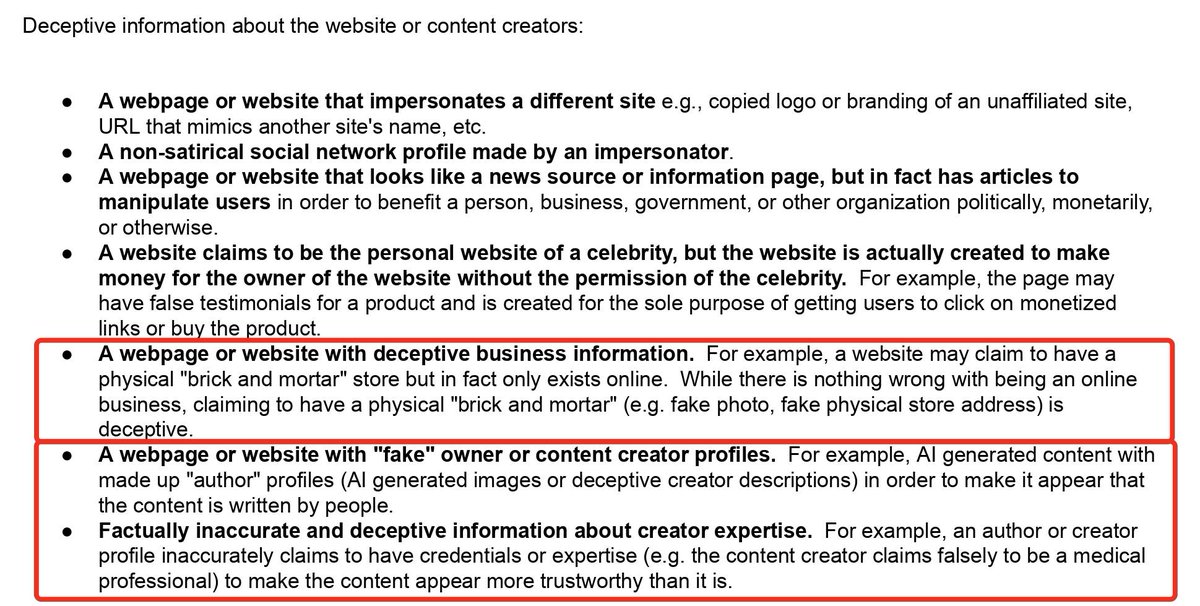
That’s why authorship — or main content creatorship — matters as much as the content itself. Google even highlights this in its Quality Rater Guidelines: AI-created, deceptive author descriptions or fake website owners are considered low-quality signals.
You can see this reflected in Google’s own UI. In the “About this source” panel, sometimes Google shows the author as the primary source — not the website.
A good example comes from my case study on MangoLanguages. We redefined every author as a linguist and built corroboration pages across the web to register them into Google’s Knowledge Graph. This created consensus around the entity, reinforcing trust and relevance.
Key points:
•Faces, logos, and products in imagery help Google classify and connect entities.
•Founders, authors, linguists should appear consistently across your homepage, about page, and structured data.
•Corroboration pages on external sites help align your internal and external declarations.
If your website lacks real human ownership or isn’t recognized as a brand entity in the Knowledge Graph, you’re effectively at point zero for entity-based SEO.
That’s why, when I design a homepage, I always include:
•Team sections
•Founder/author profiles
•Opinion/testimonial cards
•Structured data linking out to official profiles and corroborating pages
👉 In SEO, authority isn’t just about what you publish — it’s also about who Google believes is behind it.
To learn more, join our course or community: seonewsletter.digital/subscr… #seo
1
3
24
2,582


12 Jun 2025
Celebrate National German Chocolate Cake Day by learning a few sweet phrases with @MangoLanguages . Available free with your library card!
Mango Languages helps you build vocabulary, improve pronunciation and explore cultural insights.
learn.mangolanguages.com/log…
ALT Mango Languages graphic to celebrate National German Chocolate Cake Day
2
130

17 May 2025
Deleted my *paid for* @duolingo acct because of the company decision to go AI and issues with their lack of teaching language rules and only forcing memorization. Got set up with @MangoLanguages and it’s so significantly better already! Highly recommend making the switch 💜
1
7
293

4 May 2025
Also if you want to learn languages without AI (yes this is @duolingo shade), use your library card to access @MangoLanguages :3
1
7
727

18 Apr 2025
Summit County Library has been recognized by Mango Languages as a superstar for 2025! @MangoLanguages
2
9
216

4 Apr 2025
Two great apps reading and writing @HelloChineseApp and speaking and listening @MangoLanguages
3
525

22 Feb 2025
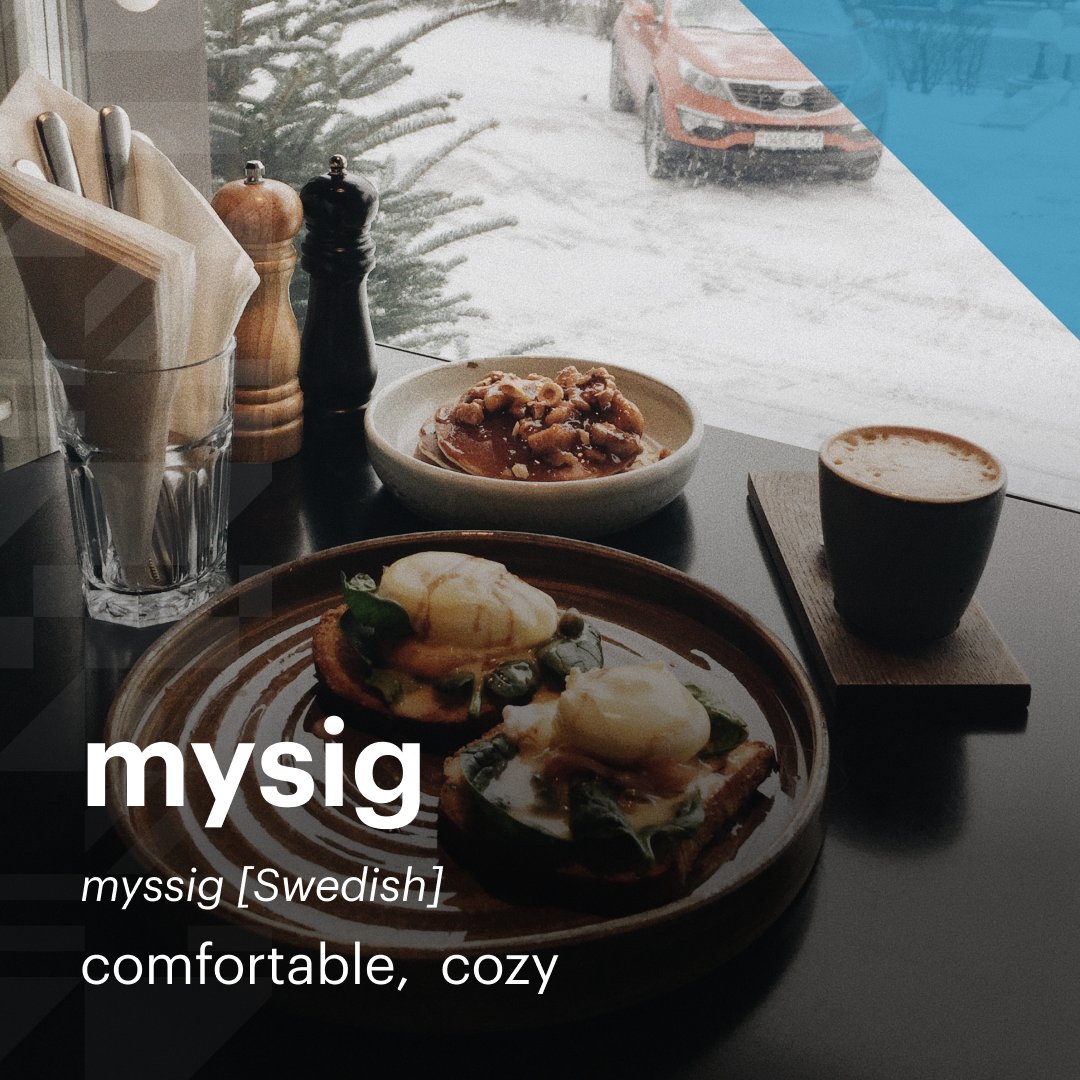
Cozy-up with your next @MangoLanguages lesson! Try Swedish, or choose from over 70 other languages available to learn for free with your library card. Start learning today!
#LanguageIsAnAdventure
4
74

6 Feb 2025
Learning can be fun and effective! Don’t take our word for it, check out the learning resources for every Kansas learner at library.ks.gov/students . #Kansas #LibrariesMatter @Britannica @MangoLanguages @vooks @Scholastic @EBSCO @InfobaseInc
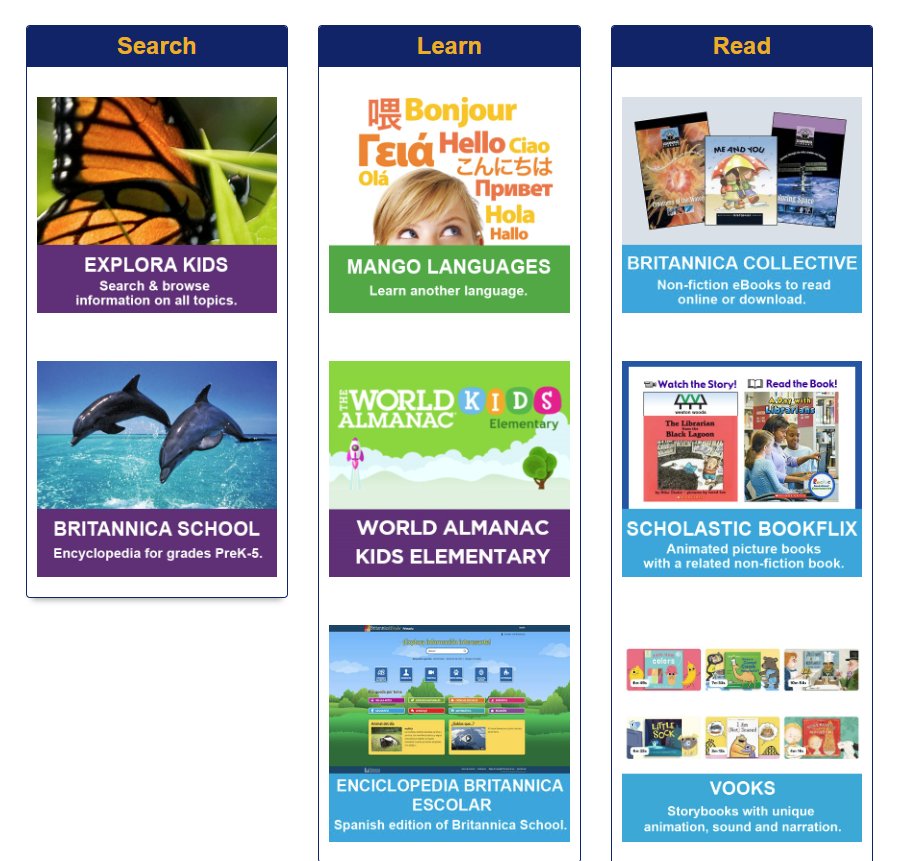
ALT Image of portals to databases: Vooks, Explora Kids, Britannica School, Mango Languages, World Almanac, Scholastic
1
3
190