
18 Nov 2025
This is a no brainer and Newsom will win.
1. The core GOP/DOJ argument hinges on framing the map as racial gerrymandering (where race predominates without strict justification), not partisan gerrymandering (favoring one party).
However, the U.S. Supreme Court's 2019 decision in Rucho v. Common Cause explicitly barred federal courts from adjudicating partisan gerrymandering claims, deeming them "nonjusticiable" political questions best left to voters or state legislatures.
This leaves plaintiffs with a narrow path: They must prove race, not politics, drove the map— a high bar.
A 2024 SCOTUS ruling in an Alabama redistricting case (Milligan II) further tightened standards, requiring challengers to show race was the "predominant" factor in districting, overriding traditional criteria like compactness or communities of interest. Maps that consider race alongside politics (as here) rarely trigger strict scrutiny if they don't dilute minority votes.
2. Evidentiary Challenges in Proving Racial Predominance
Plaintiffs point to legislative emails, public comments, and demographic data showing mapmakers targeted Latino-heavy areas to boost Democratic seats. But defenders argue this was incidental: California's demographics heavily correlate race with party (e.g., Latinos vote ~70% Democratic), so any partisan map will reflect racial patterns without race being the "but-for" cause.
3. To win, plaintiffs need "substantial evidence" of racial sorting—e.g., bizarre district shapes unexplained by non-racial factors. Early analyses suggest the Prop 50 map maintains or enhances Latino-majority districts without cracking them, potentially shielding it under Voting Rights Act protections for minority representation. Weakness here could doom the claim, as noted in pre-election suits (e.g., a November 3 ruling dismissing Rep. Darrell Issa's preemptive challenge).
The complaint has no more likelihood of winning than the original GOP filing. Race was considered to comply with Voting Rights Act requirements, not to predominate; a 2024 SCOTUS shift makes this uphill.
State challenges (under California's constitution) will fail, as voters can amend redistricting rules. Federal Equal Protection claims invoke strict scrutiny but crumble without proof of racial pretext.
Traditional VRA challenges are also "unlikely," as the map preserves minority districts; novel theories might emerge but face skepticism.
Versus Texas Ruling:
Key Reasons Texas "Lost" (Map Blocked)
The court's 160-page opinion hinged on overwhelming evidence that race—not just partisanship—predominated in the mapdrawing process, failing strict scrutiny under precedents like Milligan v. Alabama (2024).
Here's a breakdown:
This direct racial focus made it impossible for defenders to argue incidental correlation between race and party (e.g., Latinos' ~65% Democratic lean in Texas).
Overt Racial Targeting via DOJ Directive:
The Trump administration's Department of Justice sent a July 2025 letter explicitly urging Texas to redraw districts to dismantle "coalition districts" (areas with non-white majorities, like Latino-Black alliances in South Texas and urban centers) held by Democrats.
The court labeled this "ham-fisted" interference as a "smoking gun," showing lawmakers prioritized racial sorting to achieve partisan gains, overriding neutral criteria like compactness or communities of interest.
Unlike subtler gerrymanders, this left no plausible deniability.
Documentary Evidence of Racial Predominance:
Internal emails, consultant memos, and legislative testimony revealed mapmakers cracking Latino-heavy enclaves (e.g., splitting El Paso and Dallas-Fort Worth) into "bizarre" shapes unexplained by non-racial factors. The court found these changes diluted minority voting power without VRA justification, contrasting with preserved minority districts in prior maps.
Timing and Mid-Decade Overreach:
Enacted outside the decennial census cycle, the map was seen as a blatant midterm power grab, amplifying scrutiny.
The ruling aligns with post-Rucho v. Common Cause (2019) limits on partisan claims but exploits the racial angle, where federal courts retain jurisdiction.
This will be a no brainer win for @CAgovernor ⚖️
1
3
20
2,751

11 Nov 2025
You can't make this up. The legislature's mapdrawer used the SAME SOFTWARE, displaying the SAME PARTISAN DATA, that the legislature said disqualifies maps from consideration. It violated Prop 4 by considering political data in the mapdrawing process.
1
2
105
11 Nov 2025
Wondering why there's a new court-ordered Utah congressional map? Read the opinion! campaignlegal.org/sites/defa… Don't have time for 91 pages? Read this thread! TLDR? The UT legislature violated nearly *EVERY* legal rqrmt - including using a mapdrawing program/data THEY disqualified🧵
1
9
26
1,447

30 Sep 2025
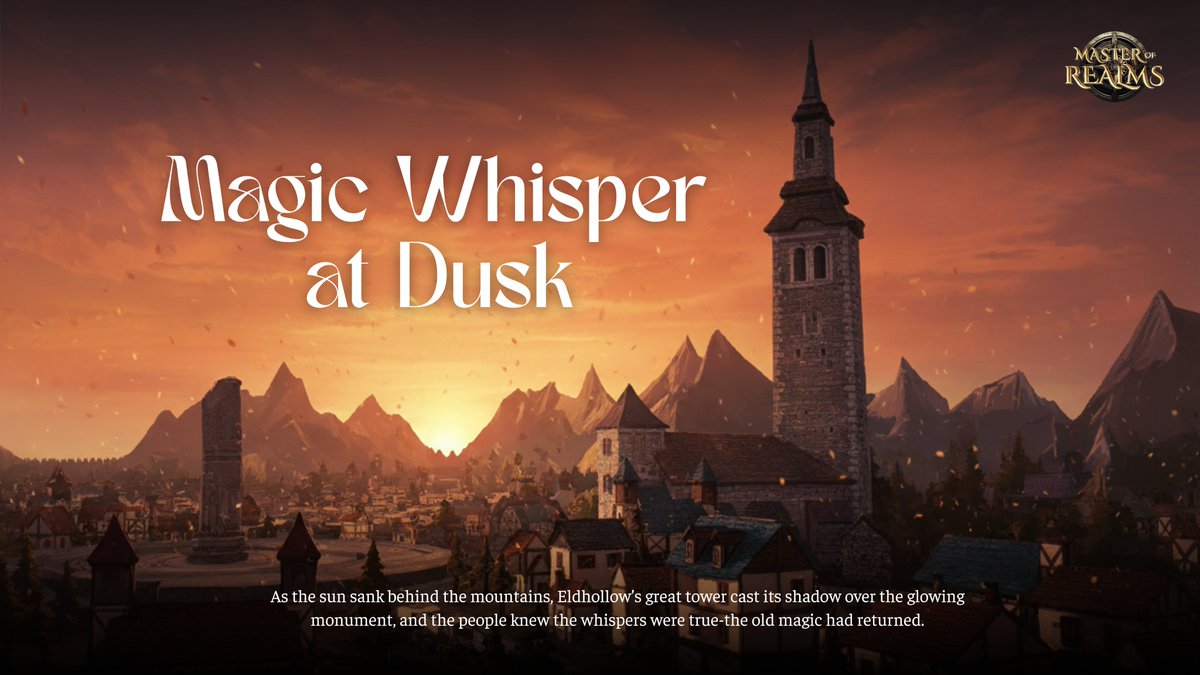
✨Magic Whisper at Dusk✨
The whispers have returned… magic stirs in Eldhollow once more. 🗼🌤️
🪄Are you ready to shape your own fantacy DnD World?
📌 Wishlist Master of Realms now on Steam and be the first to enter the adventure!
Wishlist Now!
store.steampowered.com/app/2…
#masterofrealms #steamwishlist #fantasyworld #worldbuilding #map #maps #mapmakers #mapmaking #mapdrawing #dndart #dndmap #dndmaps #dungeonsanddragonart #fantasyart #fantasymaps #fantasymap #fantasyworlds #fantasycartography #cartographer #cartography
2
108
20 Aug 2025
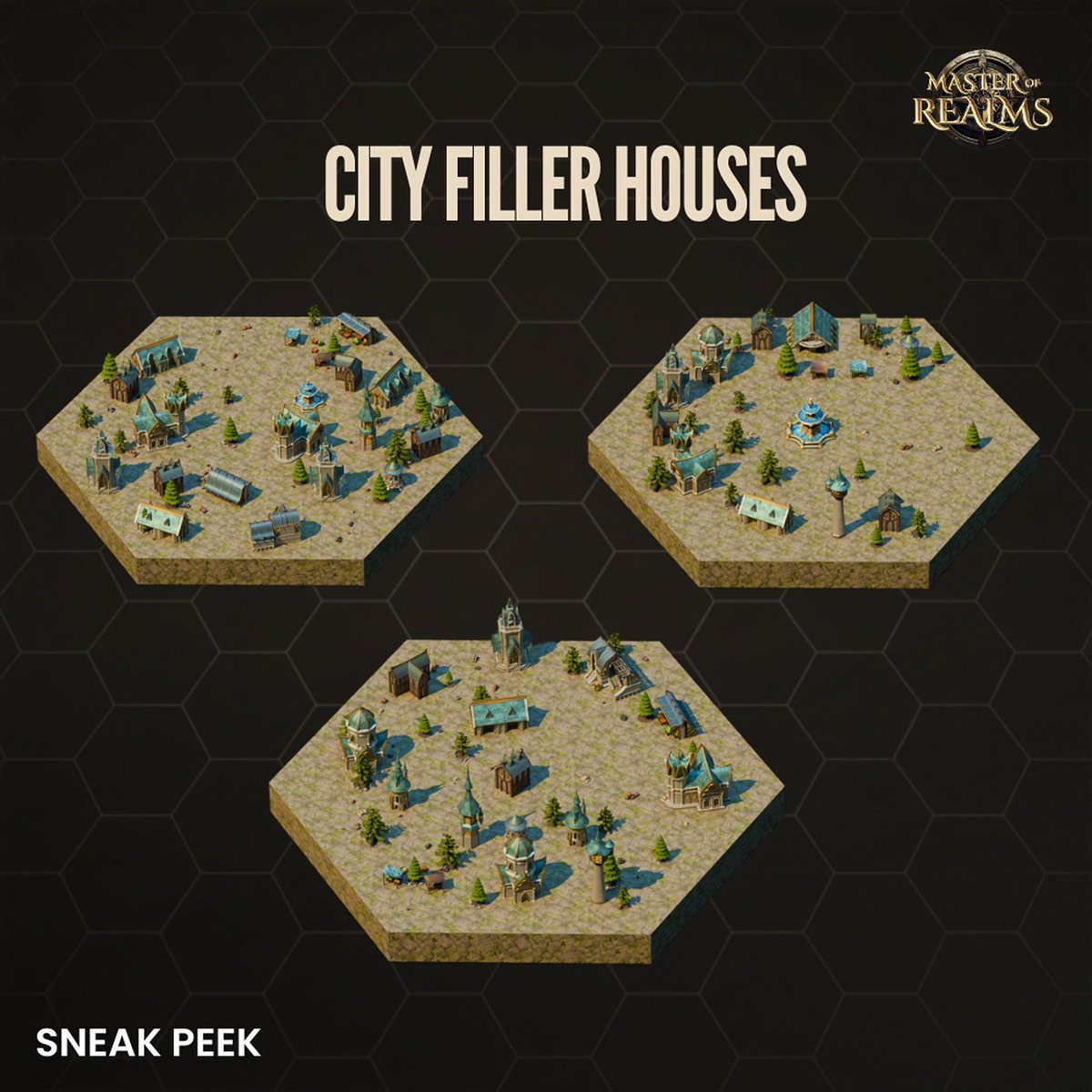
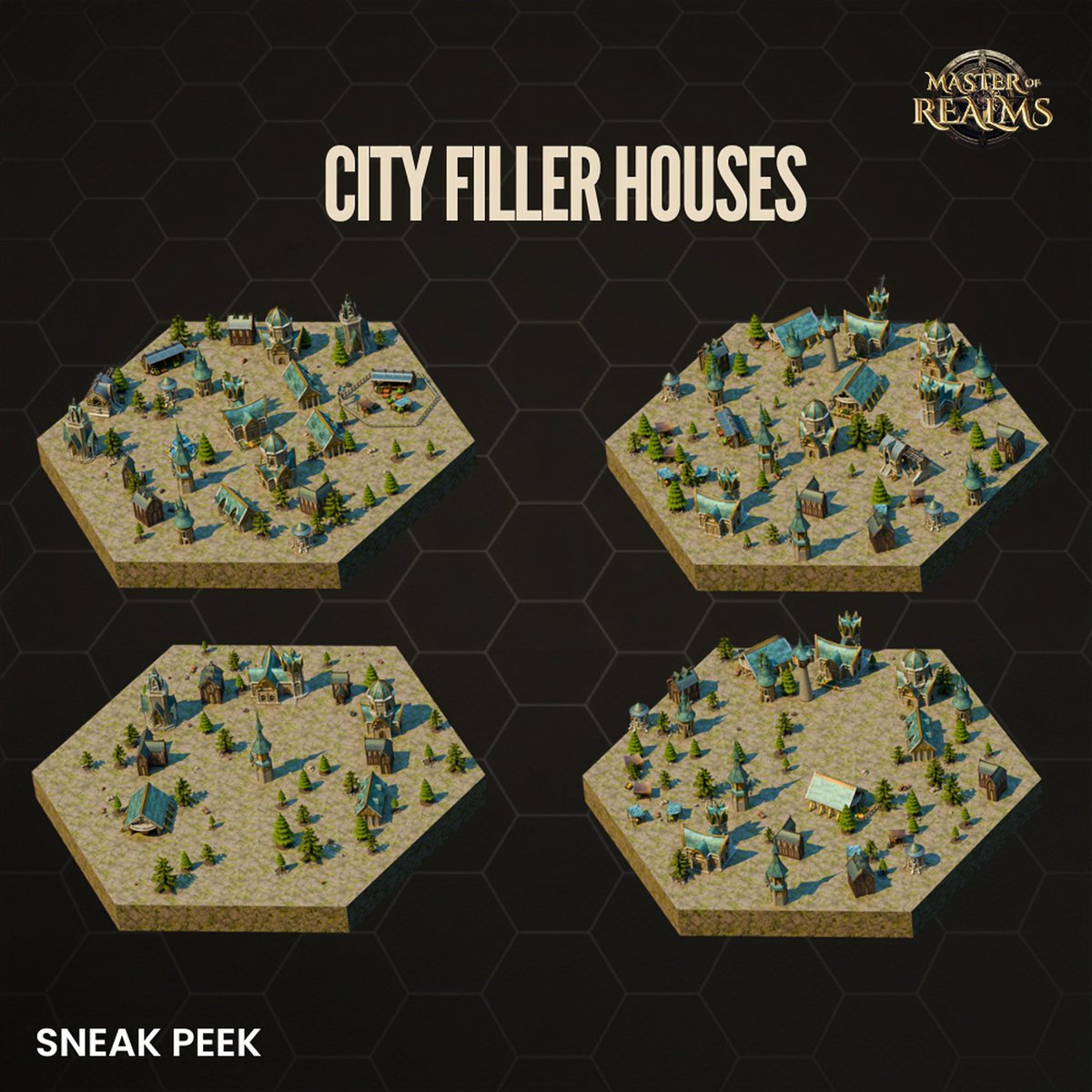
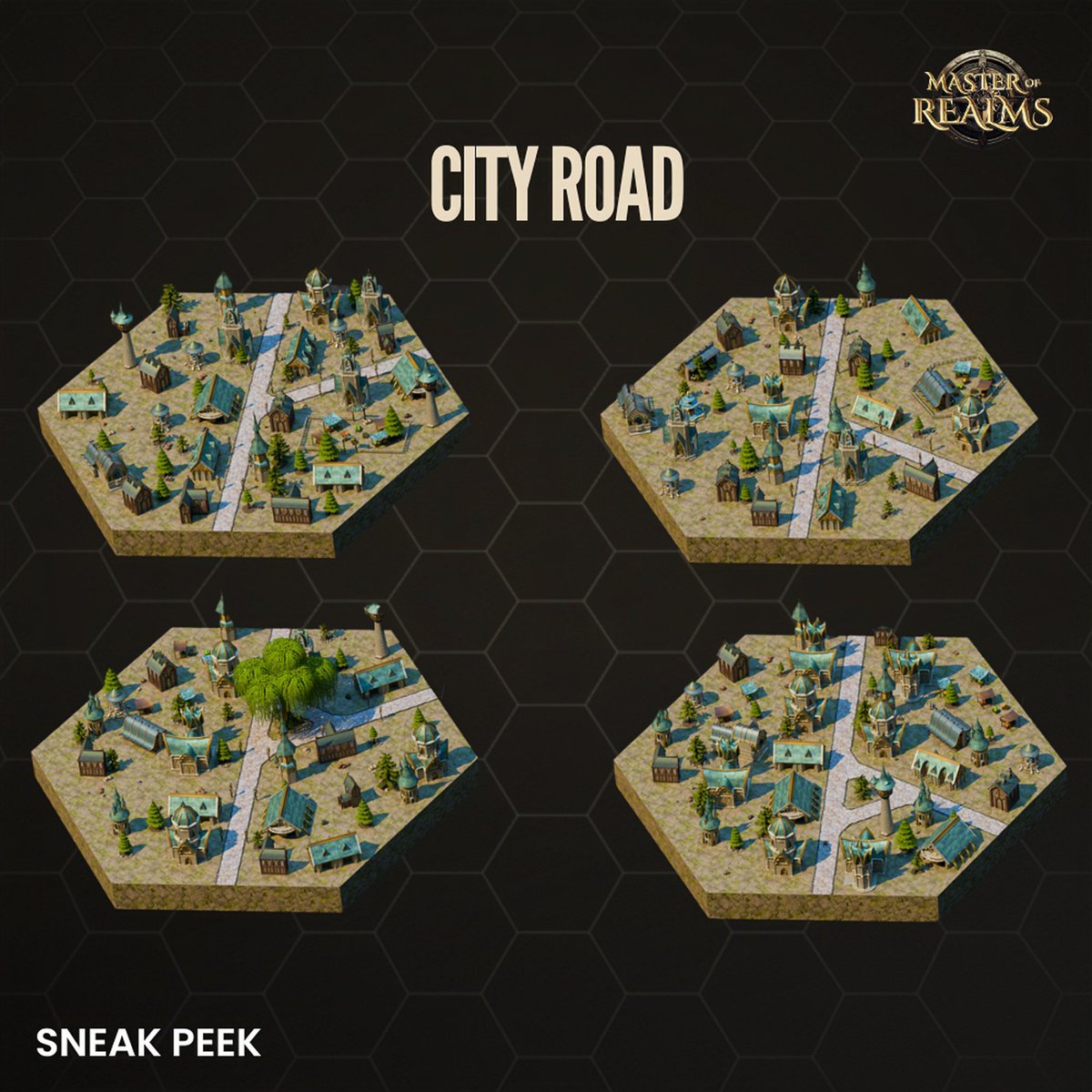
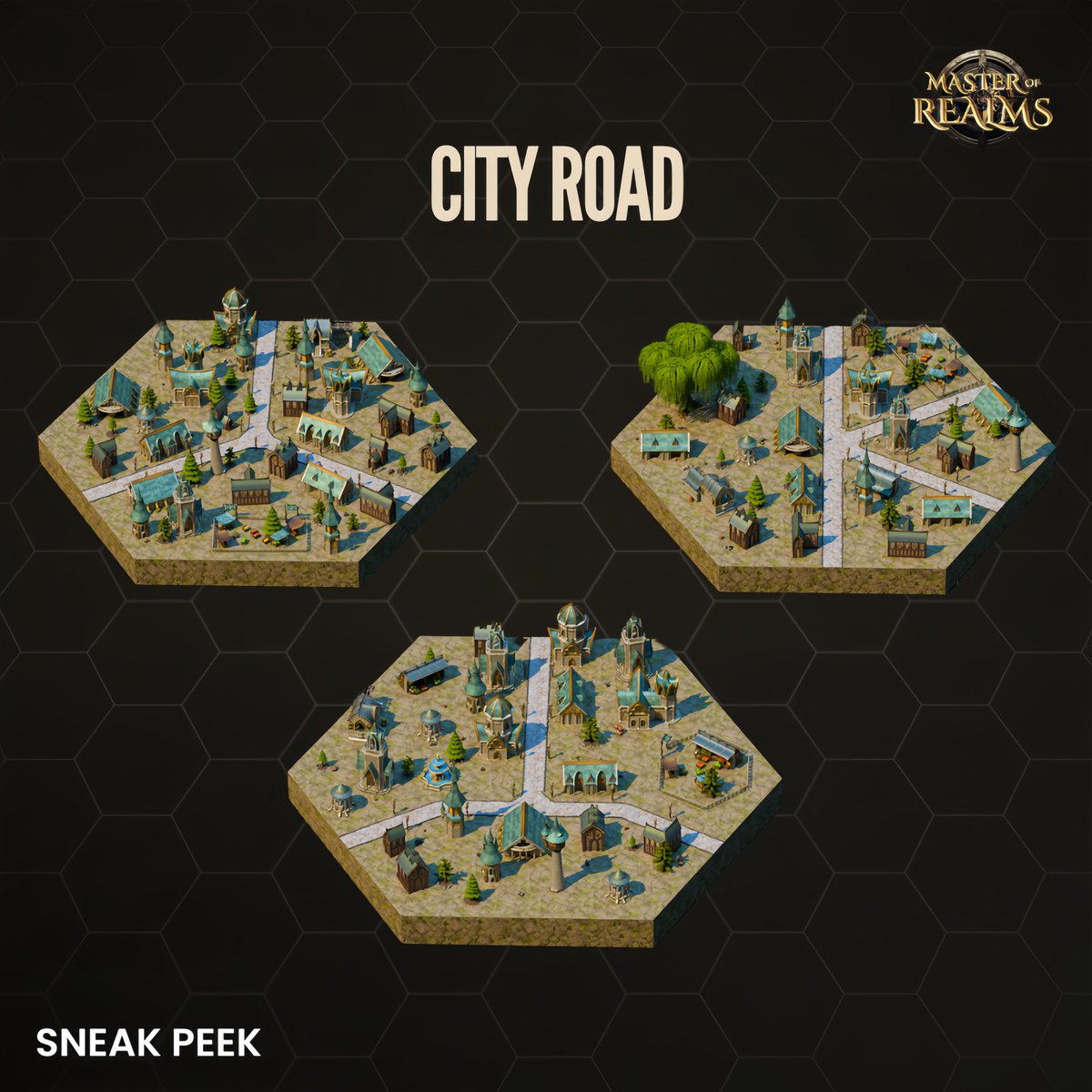
Sneak Peek : 🌿✨ Elf Tiles #1 🏹
🏠 City Fillers Houses – elegant dwellings with silver roofs and graceful arches
🛣 City Roads – winding streets lined with towers, gardens, and mystical waystones
#Elf #sneakpeek #map #maps #mapmakers #mapmakers #mapdrawing #dndart #dndmap #dndmaps #fantasymaps #fantasymap #dungeonsanddragonart
4
102
7 Aug 2025
Example: Made with 'Master of Realms' mapmaking tool. ✨
Join Our Discord Community - discord.com/invite/EZtdftkw6…
#map #maps #mapmakers #mapmakers #mapdrawing #dndart #dndmap
4
119
4 Aug 2025
Build epic maps with Master of Realms ✨🏰🏝️
Join Our Discord Community - discord.com/invite/EZtdftkw6…
#map #maps #mapmakers #mapmakers #mapdrawing #dndart #dndmap #dndmaps #fantasymaps #fantasymap #dungeonsanddragonart #Island #Castle
1
5
120
29 Jul 2025
Introducing the Z-Axis Lift & Sink! ✨
Move objects up and down with ease and bring depth to your world ⬆️⬇️
#newfeature #ZAxisMagic #map #maps #mapmakers #mapmakers #mapdrawing #dndart #dndmap
5
137

14 Jul 2025
Almost finished my fantasy map! Every line tells a piece of the story.
Next time back to my warrior girl
#gamedev #fantasymap #indieartist #mapdrawing #artistsoftiktok #digitalart #indiegamedev
1
11
177
1 Jul 2025
Craft Stunning Maps in Minutes✨🗺️
Join our discord community - discord.gg/Qa9YtaXAHZ
#map #maps #mapmakers #mapmakers #mapdrawing #dndart #dndmap
2
315

10 Jun 2025
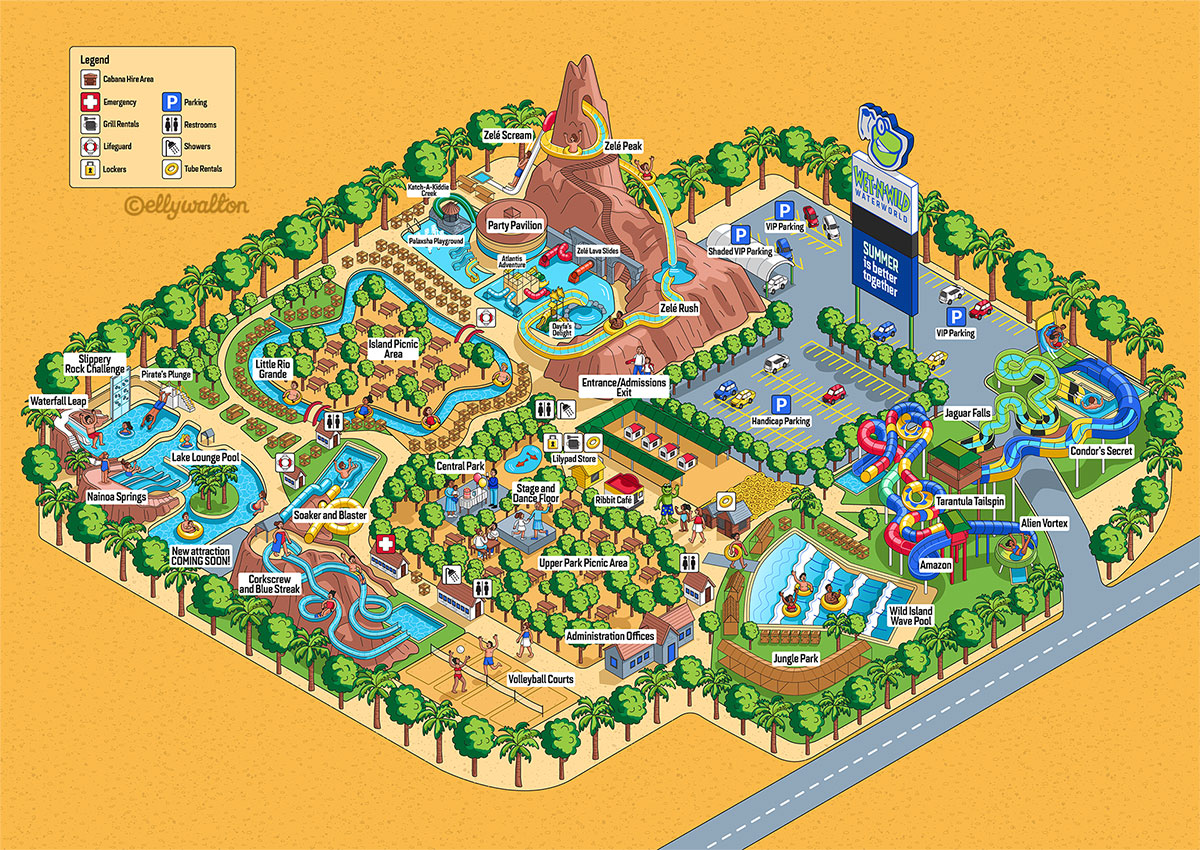
I recently created this isometric map illustration for Wet 'N Wild water park in Texas. A ton of fun creating little water shutes, lazy river, wave pool and all the other attractions! #Illustrator #mapillustration #themeparkmap #illustration #mapdrawing #waterpark
2
72
23 May 2025
⚒ MOR Patch v0.6.3 is LIVE!
Reworked Lake & River Tool - better performance, jagged coasts, and rivers that connect!
Walls now auto-generate gates when roads/paths hit them.
Tons of stability improvements.🏰🌊
#map #maps #mapmakers #mapmakers #mapdrawing #dndart #dndmap
3
377
20 May 2025
Unleash your imagination with Master of Realms!🗺✨
Create epic landscapes, mystical dungeons, and immersive worlds - all at your fingertips.🏝⛰🌎
Join Our Discord Community - discord.gg/Qa9YtaXAHZ
#map #maps #mapmakers #mapmakers
#mapdrawing #dndart #dndmap #dndmaps
4
250

11 May 2025
I do believe that proportionality is *a* factor but not necessarily a factor that's superior to communities of interest; I do however think that more qualitative measures like the efficiency gap are really good at measuring the effects of partisanship in mapdrawing
1
3
62

7 May 2025
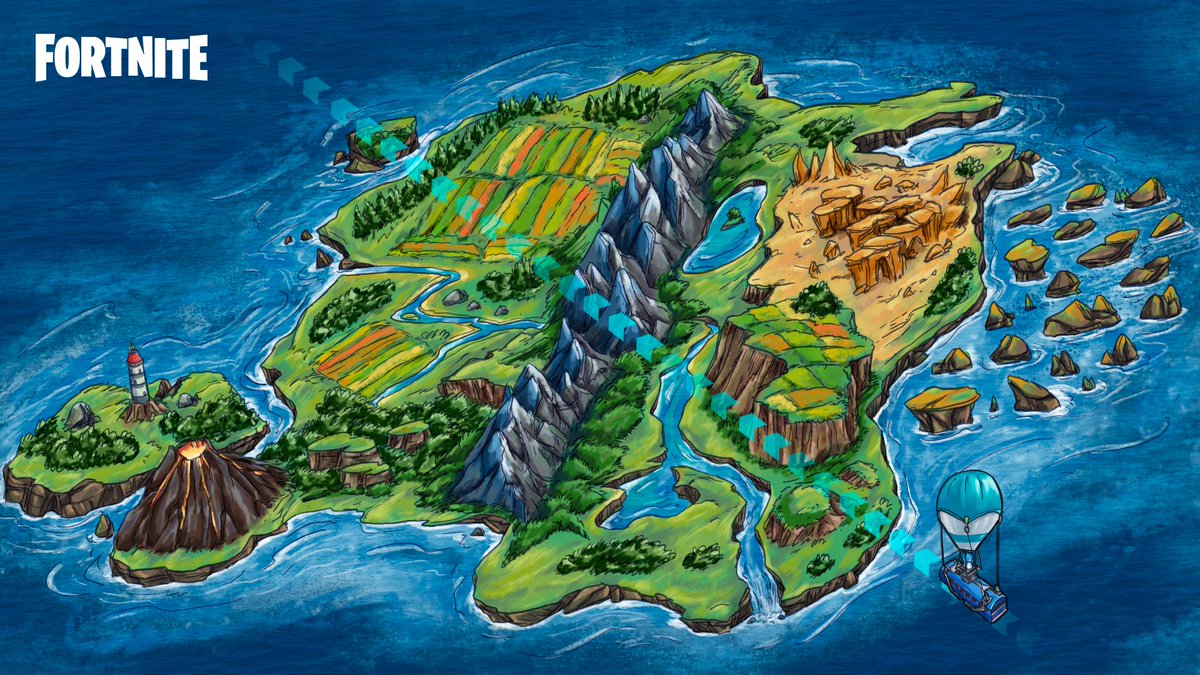
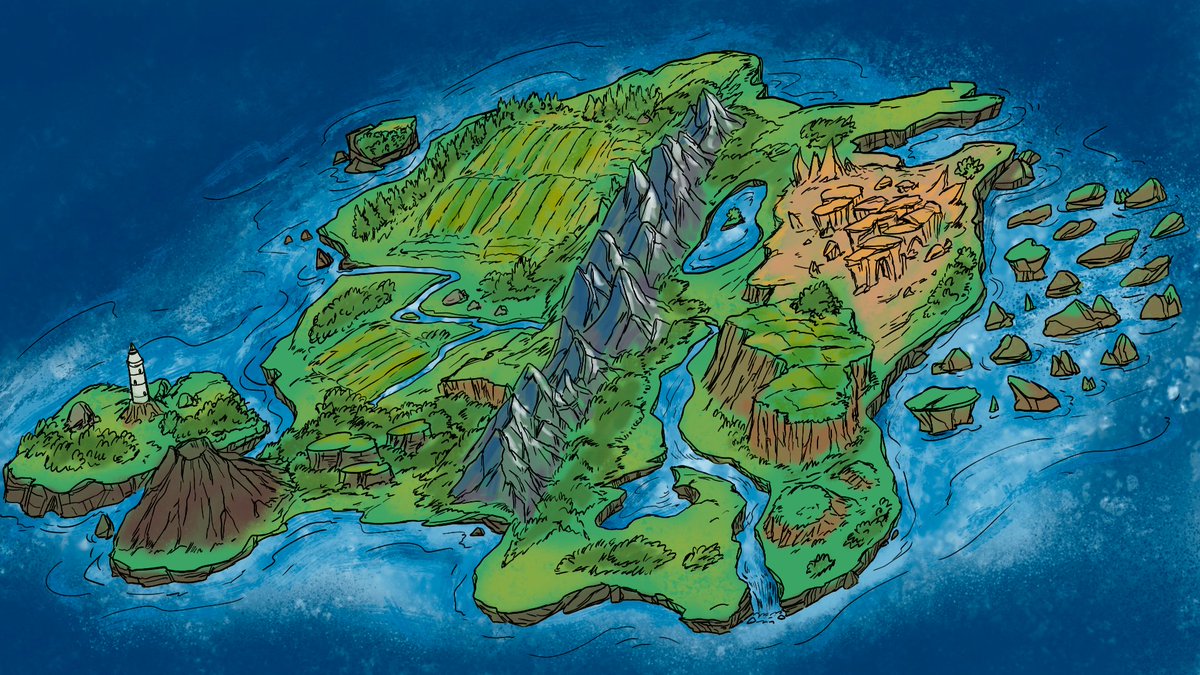
Fortnite map illustration
(Fanart)
#mapillustrator #gamemap #mapillustration #illustration #drawing #fortnite #digitalartist #digitalart #mapdrawing #Level #epicgames
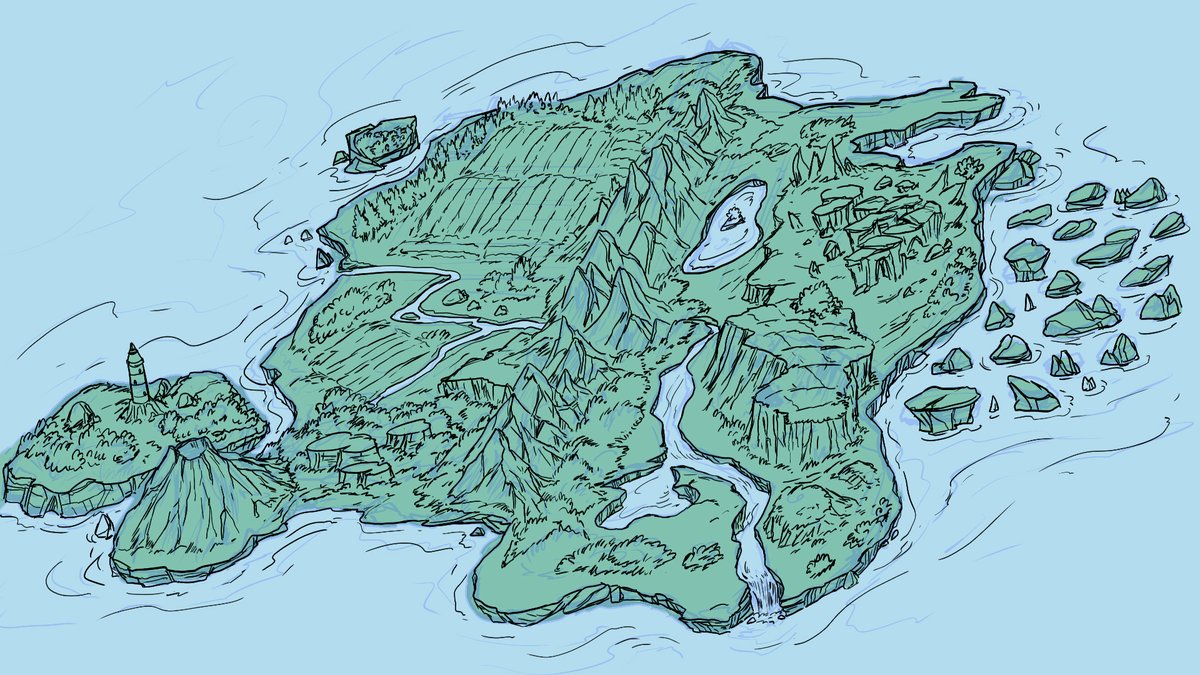
2
2
143

4 May 2025
Didn't get chance to produce any sketchbook drawings yesterday for a personal project, so sharing a map of N.America (section). This piece is for a jigsaw puzzle.
#mapdrawing #illustrator #kidlitartist #nonfictionillustrator #kidlit #freelanceillustrator
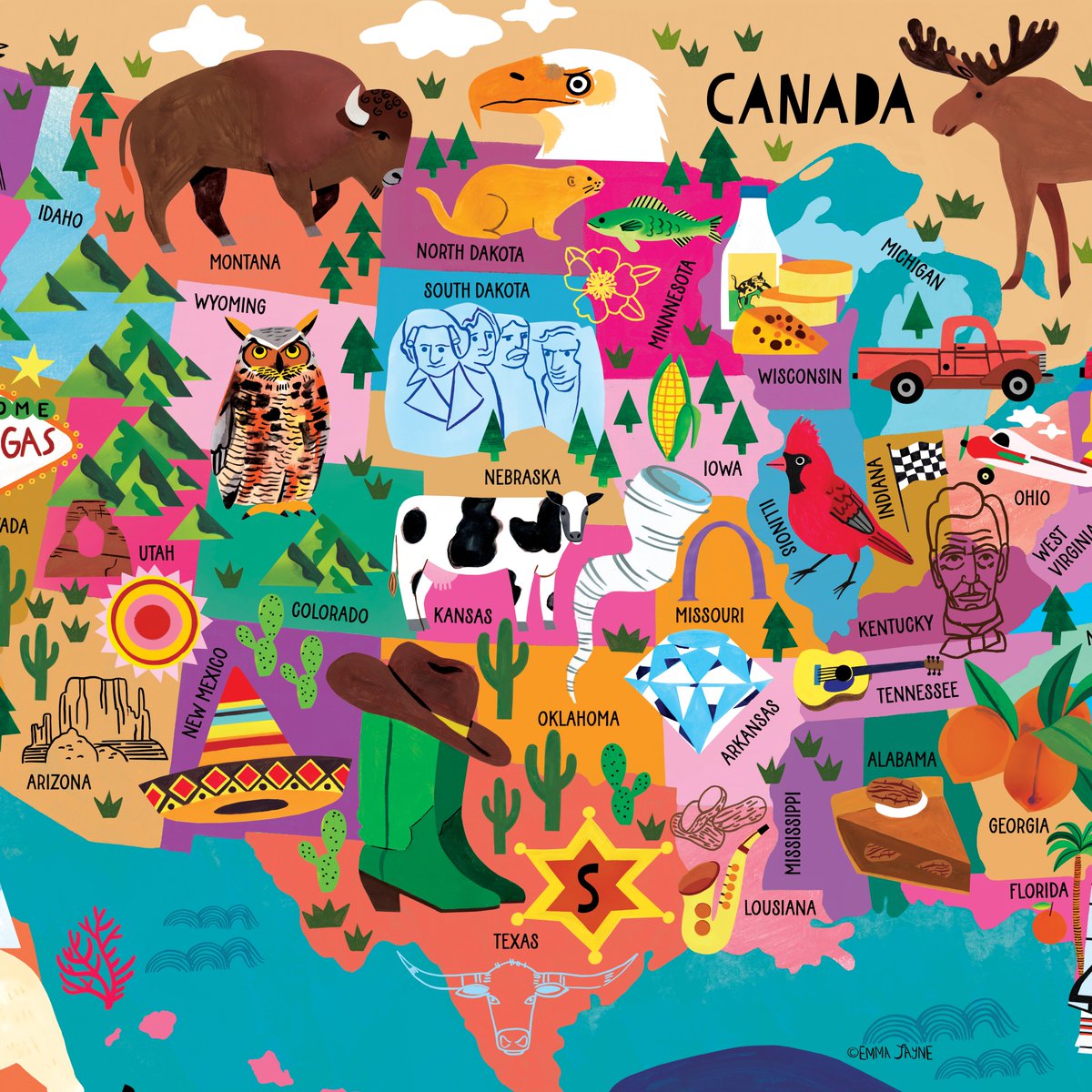
1
4
125

14 Dec 2024
Exam Hack: Draw Maps, Impress the Examiner!
Maps create a lasting positive impression on examiners. 🗺⭐
#VisionIAS #MapYourSuccess #ImpressTheExaminers #UPSCPreparation #GeographySkills #EffectiveAnswerWriting #UPSC2025 #ExamStrategy #VisualImpression #MapDrawing
2
148

27 Nov 2024
love this colonial approach to mapdrawing - don't give a shit about history, culture and ethnic divisions, will just draw and name the way I like it to make in beautiful))
2
41

7 Nov 2024
President 2024 - Donald Trump - Election 2024 🇺🇸 - Interesting USA Maps 🌃🌆 #fyp #foryou #map #mapa #art #artist #geography #american #usa #americans #usa #mapping #drawingmaps #mapdrawing #unitedstates #president #donaldtrump #election2024
7
868

1 Oct 2024
This me doing a rough sketch for a real cartographer to do the professional job later! #yafantasy #cartography #mapdrawing
1
12
396