
Clark should have just joined a game development company, he coulda been like, the father of 3D video game mapmaking #backrooms
1
32
RiftBetweenMediums retweeted

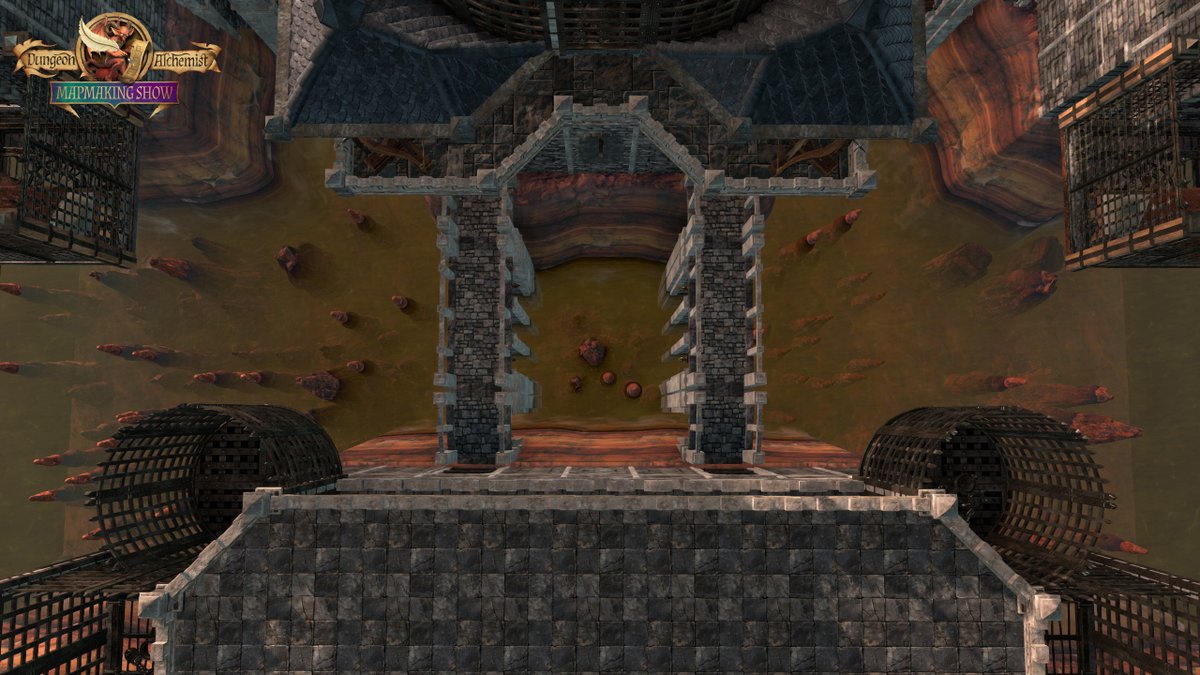
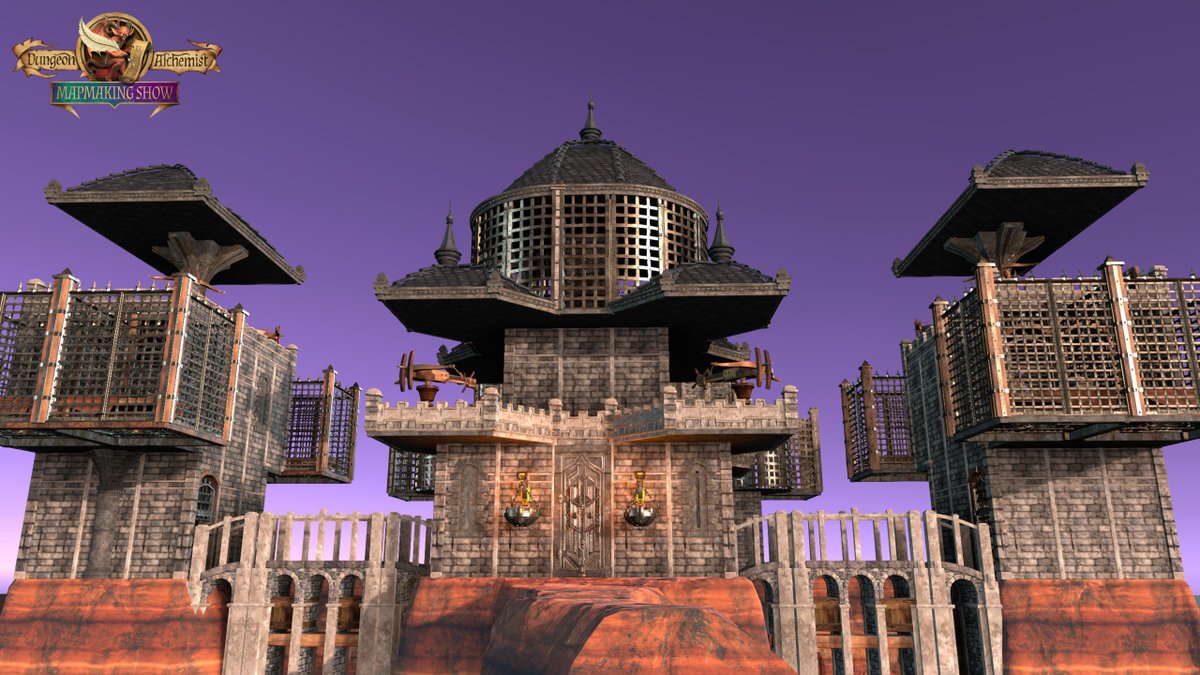
Our weekly stream starts soon!
Join us for The Dungeon Alchemist⚗️ Mapmaking Show
Featuring
- Development News
- Prison DAM Challenge
- Q & A
And more!
Airs
12 PM PT / 3 PM ET / 7 PM UTC
Links
discord.com/events/802094386…
#GameDev #IndieDev #GM #DM #DND5e #DND #Pathfinder #Mapmaking #Cartography
1
3
197

"Free Dungeons and Dragons Mapmaking Tool Just Added 800 New Images" vice.com/en/article/free-dun… via @VICE
4


Mapmaking is political 🫤
Question: shld Diaspreneurs change "baan ya" to "identifies as"? Things get murky after born-in-Ja /born-abroad w min☝🏽🇯🇲 born parent. Identifies as fits today's "I am who I am" ethos
Evn some Cat1 & Cat2 long ago brushed Jamdown's dust off their feet
/2
1
3
419

Then name them. Dems have gerrymandered in states like Illinois and Maryland. But claiming “dozens of times” while ignoring TX, FL, Ohio, and NC is just partisan revisionism. Most analyses found Republicans controlled more mapmaking power and gained the larger national advantage
1
6
43

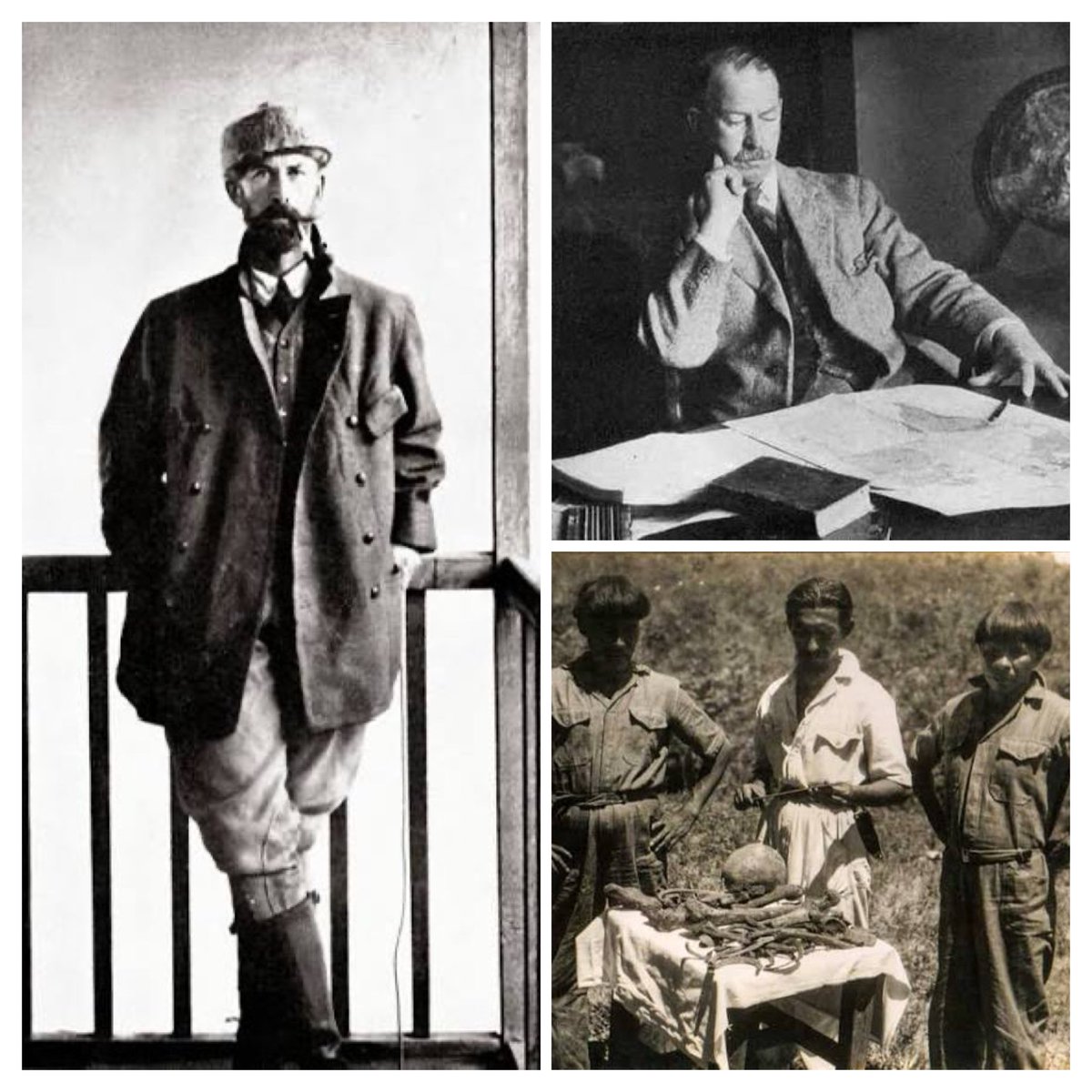
Lieutenant-Colonel Percy Harrison Fawcett was a prominent British geographer, artillery officer, cartographer, and archaeologist who vanished in 1925 alongside his eldest son, Jack, and his son's friend, Raleigh Rimmel, while searching for a legendary ancient civilisation he named the "Lost City of Z" deep within the uncharted Amazon rainforest. His life, exploits, and mysterious disappearance have made him one of history's most iconic figures of exploration, inspiring everything from Arthur Conan Doyle's novel The Lost World to the modern character of Indiana Jones.
Born on 18 August 1867 in Torquay, Devon, Fawcett grew up with a natural inclination for adventure—his father was a member of the Royal Geographical Society (RGS).
He entered the Royal Military Academy, Woolwich, and was commissioned into the Royal Artillery in 1886. He served across the British Empire in Hong Kong, Malta, and Ceylon (now Sri Lanka). Before fully committing to exploration, Fawcett worked for the British Secret Service as a spy in North Africa.
During WWI, despite being nearly 50 years old, he volunteered for the Western Front, commanding an artillery brigade in Flanders. He was mentioned in despatches three times and awarded the Distinguished Service Order (DSO).
Between 1906 and 1924, Fawcett led seven successful expeditions into South America, initially funded by the Royal Geographical Society. His early trips focused on highly dangerous surveying work, mapping the treacherous jungle borders between Bolivia, Brazil, and Peru. Fawcett gained legendary status for his physical stamina, resistance to tropical diseases, and his strict rule of maintaining respectful, peaceful relations with indigenous tribes.
Over time, his focus shifted from mapmaking to archaeology. Influenced by indigenous legends, Portuguese archival documents from 1753, and the discovery of Machu Picchu, Fawcett became convinced that an advanced urban civilization lay hidden in the Mato Grosso region of Brazil.
In April 1925, funded by media syndicates, Fawcett set out from Cuiabá on his final quest. Believing a small group could travel lighter and avoid triggering hostility from native tribes, he took only two companions: his 22-year-old son Jack and Jack's best friend Raleigh Rimmel.
On 29 May 1925, Fawcett sent a native runner back with a letter to his wife, Nina, from a location he called "Dead Horse Camp". He reported crossing the Upper Xingu River and closed with the famous optimistic line: "You need have no fear of any failure”. They were never seen again.
Fawcett explicitly left instructions that no rescue missions should be sent if they vanished, fearing rescuers would suffer a similar fate. Despite this, over the decades, dozens of search parties set out to find him, resulting in the tragic deaths or disappearances of an estimated 100 further explorers.
The exact cause of his death remains unknown, with theories ranging from starvation and disease to being killed by hostile indigenous tribes like the Kalapalo or the Anuhukua.
Ironically, while Fawcett’s contemporary critics mocked his belief in complex jungle cities, modern satellite imagery and other technology have recently revealed that extensive, highly organised pre-Columbian urban settlements and earthworks did exist in the Amazon basin.
Did Fawcett ever make it to the “The Lost City of Z”? Did it ever truly exist? Maybe someday these questions will be answered, until then the legend of Percy Fawcett will live on through written and oral history of which he has earned his place.
1
1
4
127

Jun 12
Ready for the 2026 Summer Map Making Competition? Publishing your map is easy! Just head to the 3D toolbar, click the community map icon, then share. ! #MapMaking #GameDev
youtu.be/B3W7cBkitEM
2
17

Jun 11
"Maps Are Not Mapmakers"
Most AI debates ask whether machines can think.
The deeper question is whether they can explore.
AI is brilliant at navigating inherited maps: summaries, translations, recombinations, arguments, code, archives. But map-reading is not mapmaking. The real source of knowledge is contact with reality: exploration, risk, error, discovery, classification, prediction, preservation.
The danger is not that machines become explorers.
The greater danger is that humans stop being explorers.
Civilization survives by making maps from reality — not merely maps from maps.
Before there are maps, there are explorers.
The real problem with AI isn’t consciousness or “understanding”—it’s that we’ve reversed the capital structure of knowledge production. LLMs are extraordinary engines of semantic derivatives, but they don’t explore territory or create new predictive capital. They inherit the maps civilization already made.
The danger isn’t that machines will become explorers. It’s that we’ll stop being ones.
freemarketsandfirepower.subs…
1
2
15
183

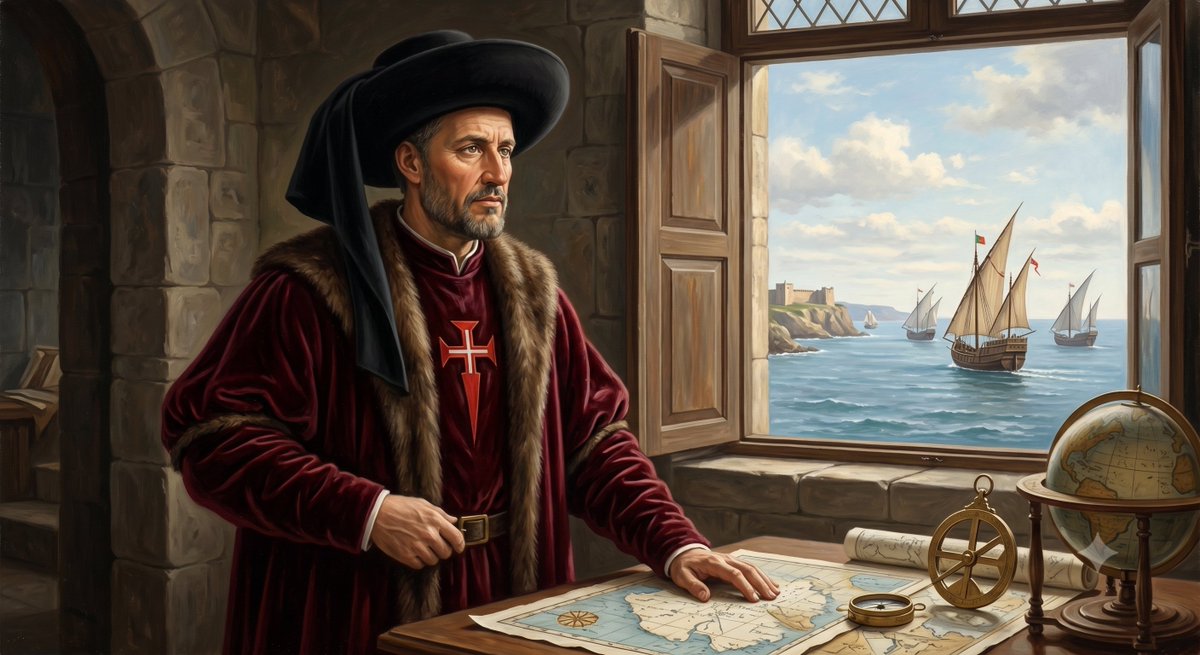
Who was Prince Henry the Navigator? Let’s talk about it! He was a well known 15th-century Portuguese Prince, who launched expeditions to map the Western Coast of Africa, find a sea route to Asia, and access the West African gold trade. During his exploration career, he founded a navigation school, advanced mapmaking, and promoted maritime exploration. His contributions to sea travel sparked the Age of Exploration, opening new routes for trade. #PrinceHenry #MaritimeTravel
24

When it was added back in ODST and Reach I actually LIKED Heal stations making a return to the gameloop
it certainly added as a valuable pickup to mapmaking
1
3
88

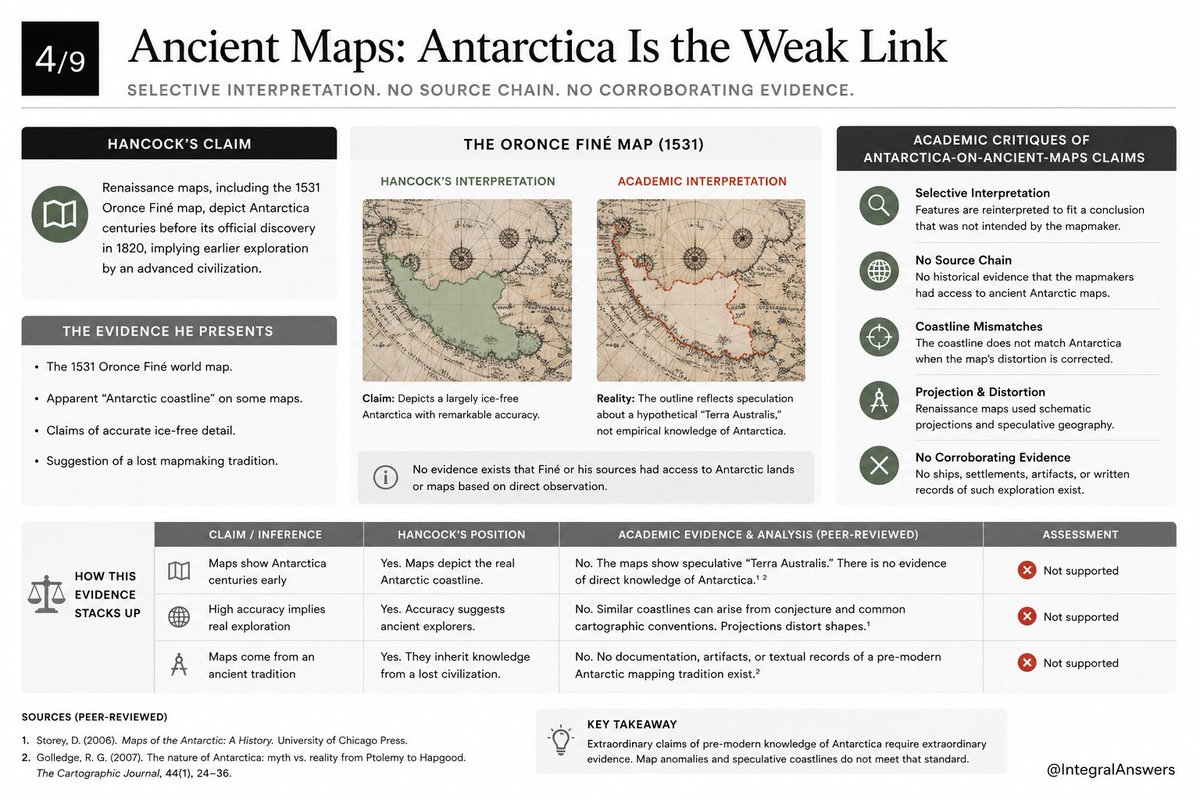
4/ Ancient maps: Antarctica is the weak link
Hancock claims Renaissance maps may preserve knowledge of Antarctica before its official sighting in 1820.
But scholarly critiques of Hapgood-style map claims point out major problems: selective reinterpretation, coastline mismatches, projection issues, and the absence of historical evidence that the mapmakers possessed Antarctic source maps. (UC Research Repository)
The obvious counterfactual:
If an Ice Age civilization mapped Antarctica, where are the ships, ports, settlements, instruments, inscriptions, or mapmaking tradition?
A suspicious-looking coastline is not enough.
1
1
65

Jun 10
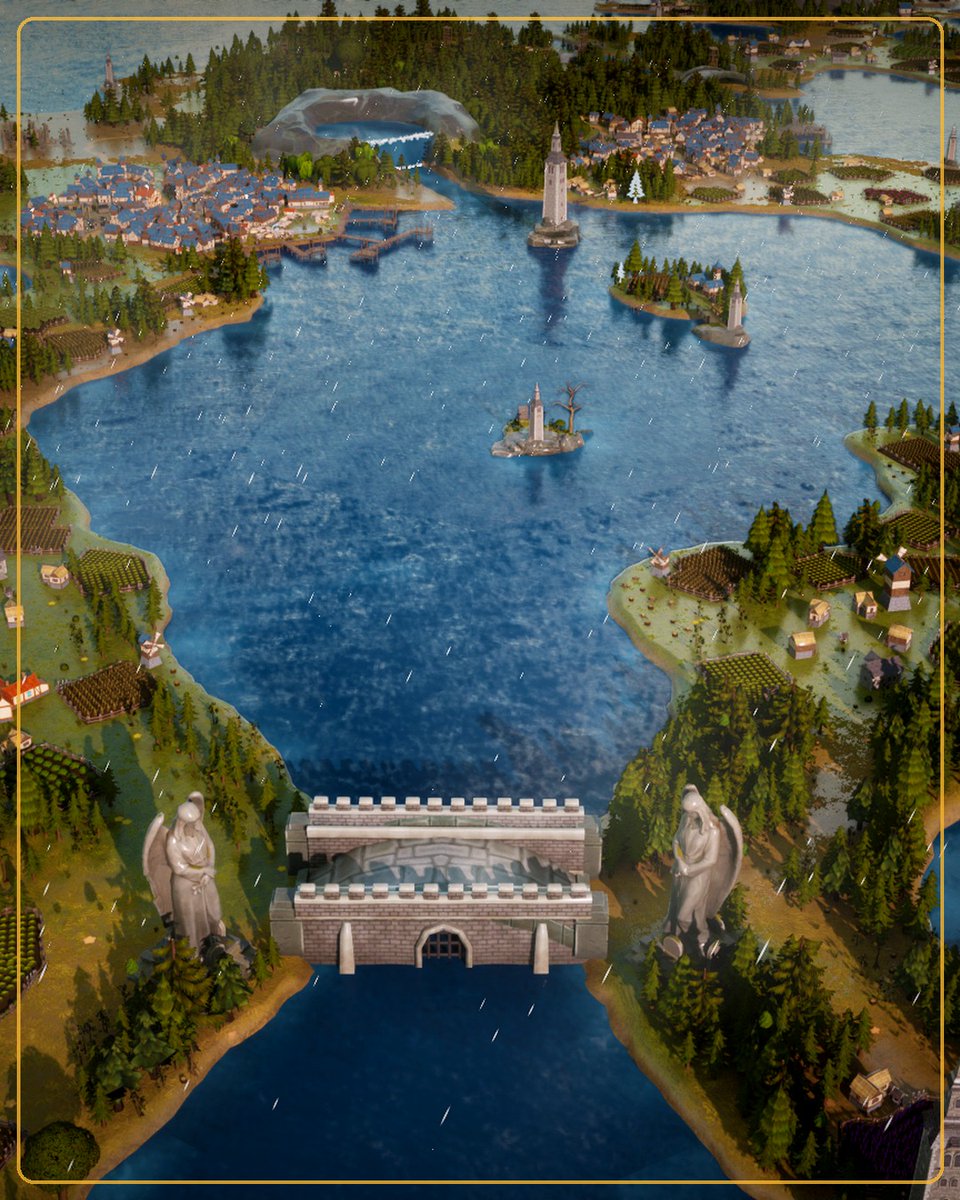
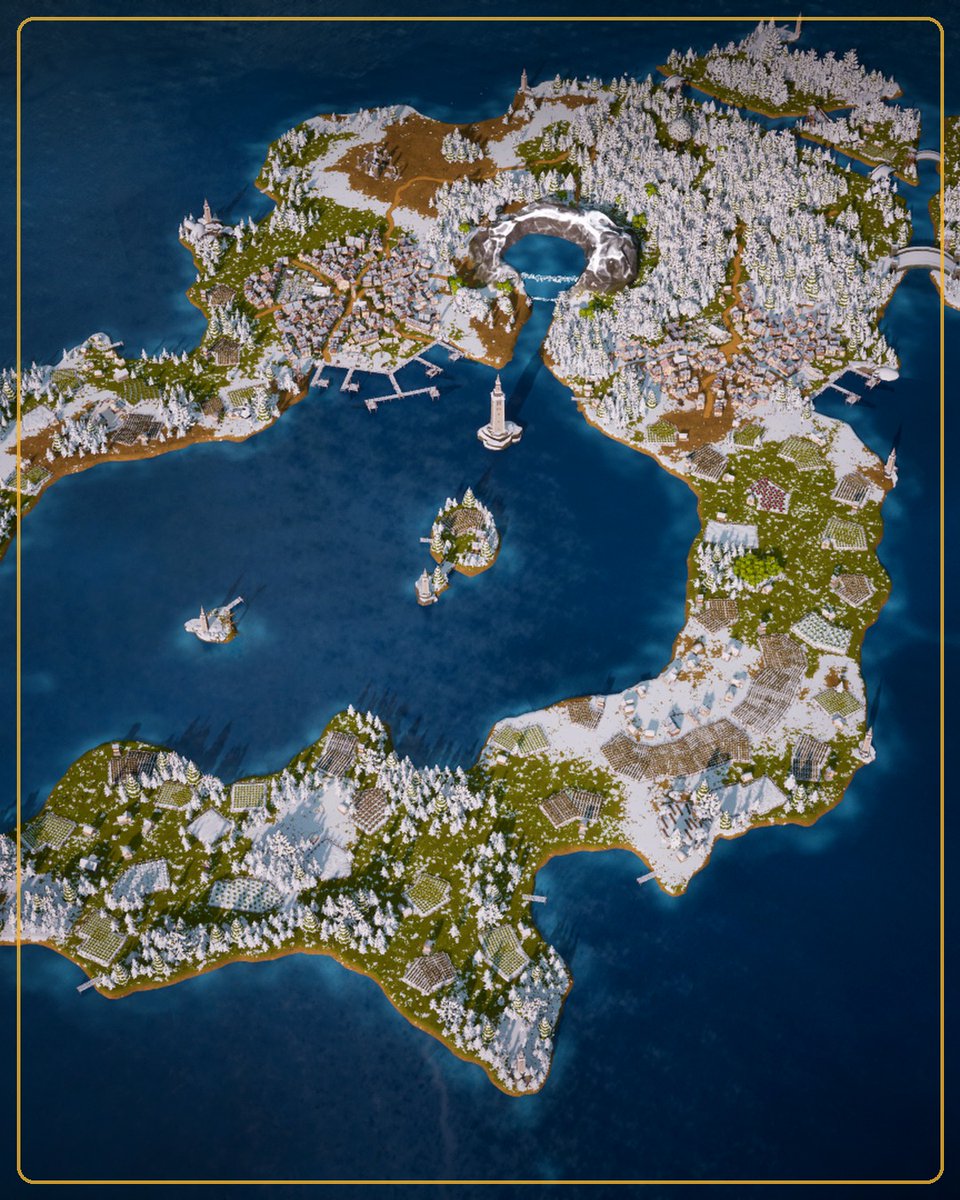
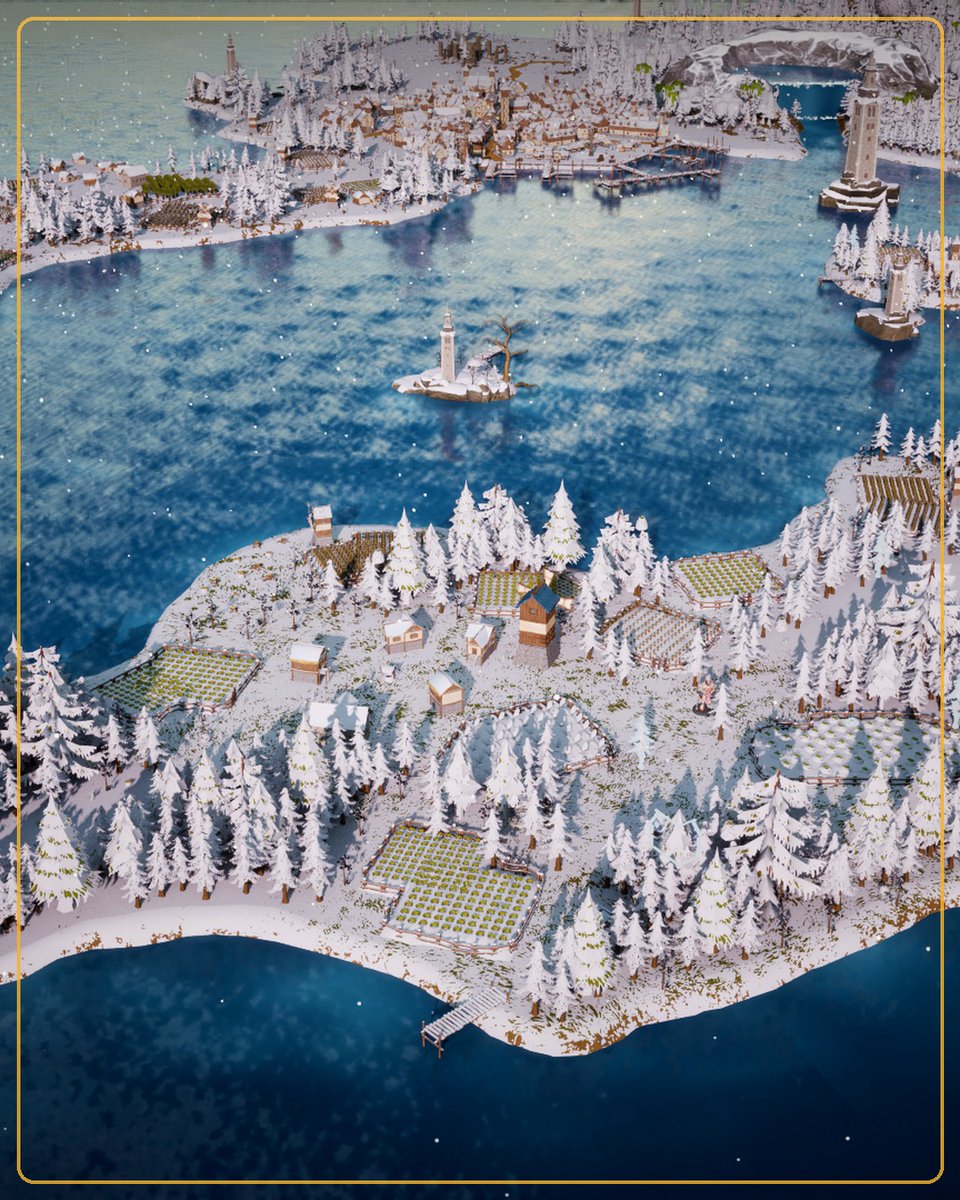
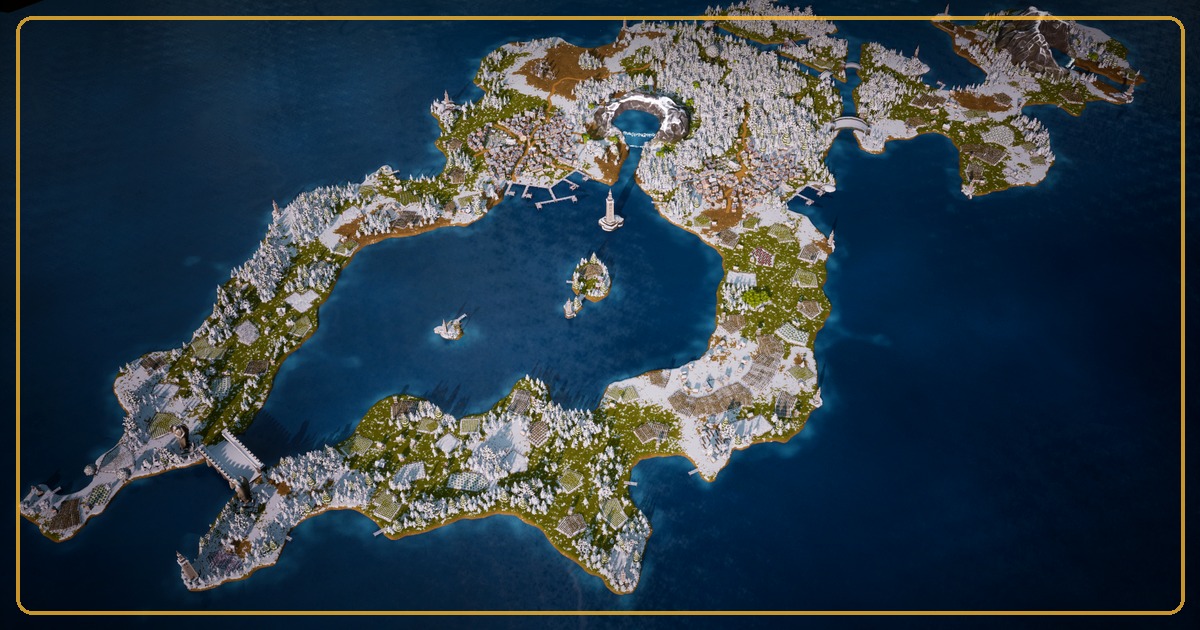
Verdant Island : built in Master of Realms. 📷📷
Link: store.steampowered.com/app/2…
Forests, towns, bridges, snowy regions, farms, lighthouses, and dynamic weather effects, all created inside MOR.
What would your campaign begin with here?
Wishlist Master of Realms on Steam.
#masterofrealms #ttrpg #dnd #dungeonsanddragons #tabletoprpg #worldbuilding #fantasymap #mapmaking #gamemaster #dungeonmaster #RPGTools #fantasyworld #virtualtabletop #indiegames #steamgames #TTRPGCommunity
1
5
263

Jun 10
I almost just ripped your ass to shreds but decided against it. You are correct you made the map and it was used by people that don't know what the f they are talking about. Not for sure what could have been done to prevent that. With the map audience being the general public. I see the asterisk and the note on the map but most people don't. Is the 40.7% part of the note Area or something else. Last question... Mapmaking 101: What was the purpose of this map?
1
30
Victoria Varela retweeted

May 4
This indie developer is making a mapmaking tool which is very powerful, perfect for your next tabletop session, novel or even video game!
It's called Canvas of Kings, will you use this?
76
1,221
9,868
2,272,996

Jun 10
es veda, pero aqui tamos algunos aquí, y mojang saca bastantes cosas que sirven para mapmaking
pero falta más comunidad 😞, pero iwal hay más de lo que parece
63
VictorPS retweeted
Jun 10
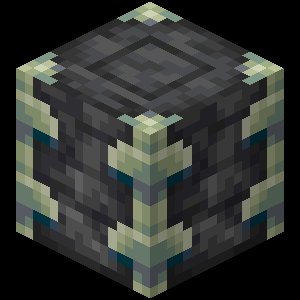
Mientras exista el mapmaking no existen bloques inutiles

8
9
242
6,154