
#NewAnnouncement
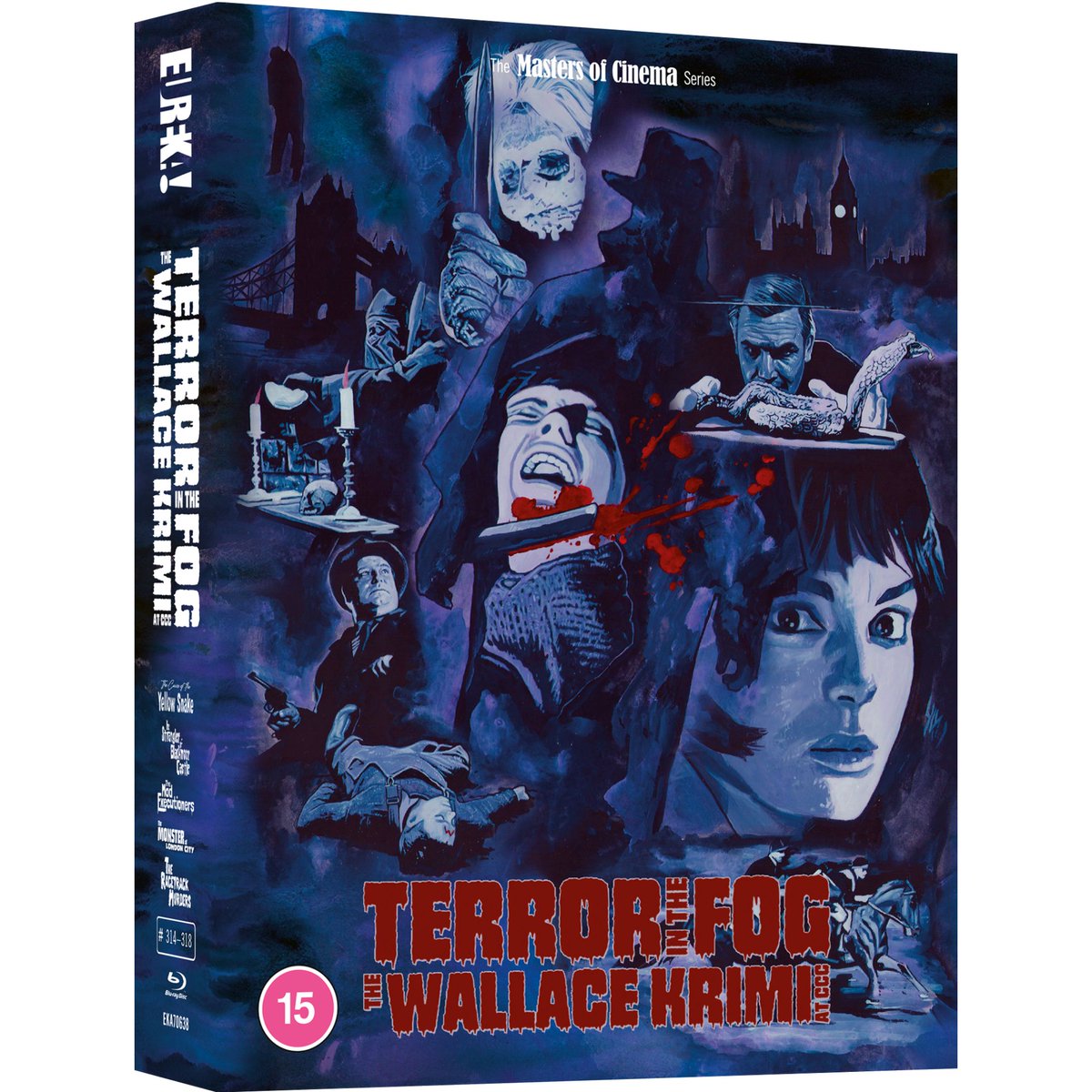
TERROR IN THE FOG: THE WALLACE KRIMI AT CCC returns to Blu-ray, collecting five gripping crime thrillers produced by Artur Brauner and adapted from the works of British crime writers Bryan Edgar Wallace & Edgar Wallace buff.ly/fJEwnhA
#MastersOfCinema
1
3
14
1,807
#ICYMI 🇬🇧
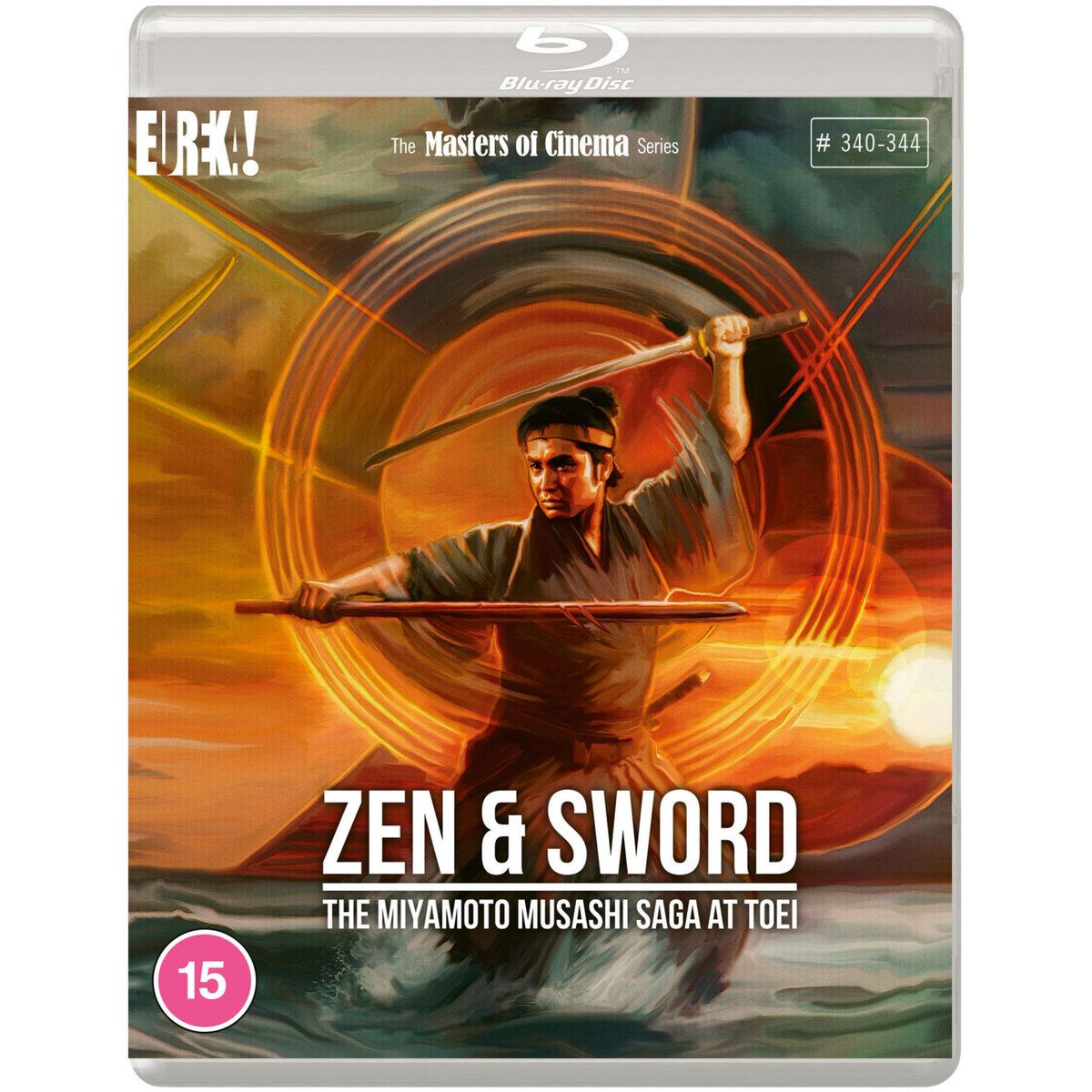
ZEN & SWORD: THE MIYAMOTO MUSASHI SAGA AT TOEI, a five-film chronicle capturing the rise and legacy of Japan’s legendary swordsman.
Pre-order now – see full details here: buff.ly/DLq7Tqy
#4KRestoration #MastersofCinema
1
4
14
1,834
Sweeping five-film samurai epic starring Kinnosuke Nakamura and Ken Takakura...
ZEN & SWORD: THE MIYAMOTO MUSASHI SAGA AT TOEI available from 24 August as a standard edition release.
Pre-order now – see full details here: buff.ly/DLq7Tqy
#4KRestoration #MastersofCinema
1
6
30
2,124
#NewAnnouncement 🇬🇧
ZEN & SWORD: THE MIYAMOTO MUSASHI SAGA AT TOEI, a five-film chronicle capturing the rise and legacy of Japan’s legendary swordsman.
Pre-order now – see full details here: buff.ly/DLq7Tqy
#4KRestoration #MastersofCinema
1
5
24
3,508
Maurice Tourneur’s CÉCILE IS DEAD, a classic Maigret mystery adapted from Georges Simenon’s acclaimed novel and starring Albert Préjean as Inspector Maigret, is OUT TODAY on Blu-ray
#MastersofCinema #LimitedEdition #CollectorsEdition
1
4
23
1,961
Mario Bava turns crime into pop art…
DANGER: DIABOLIK has joined the #MastersofCinema series in a Dual Format (4K UHD Blu-ray) edition.
Available NOW buff.ly/0P5K9Mr
4
17
1,745

Apr 24
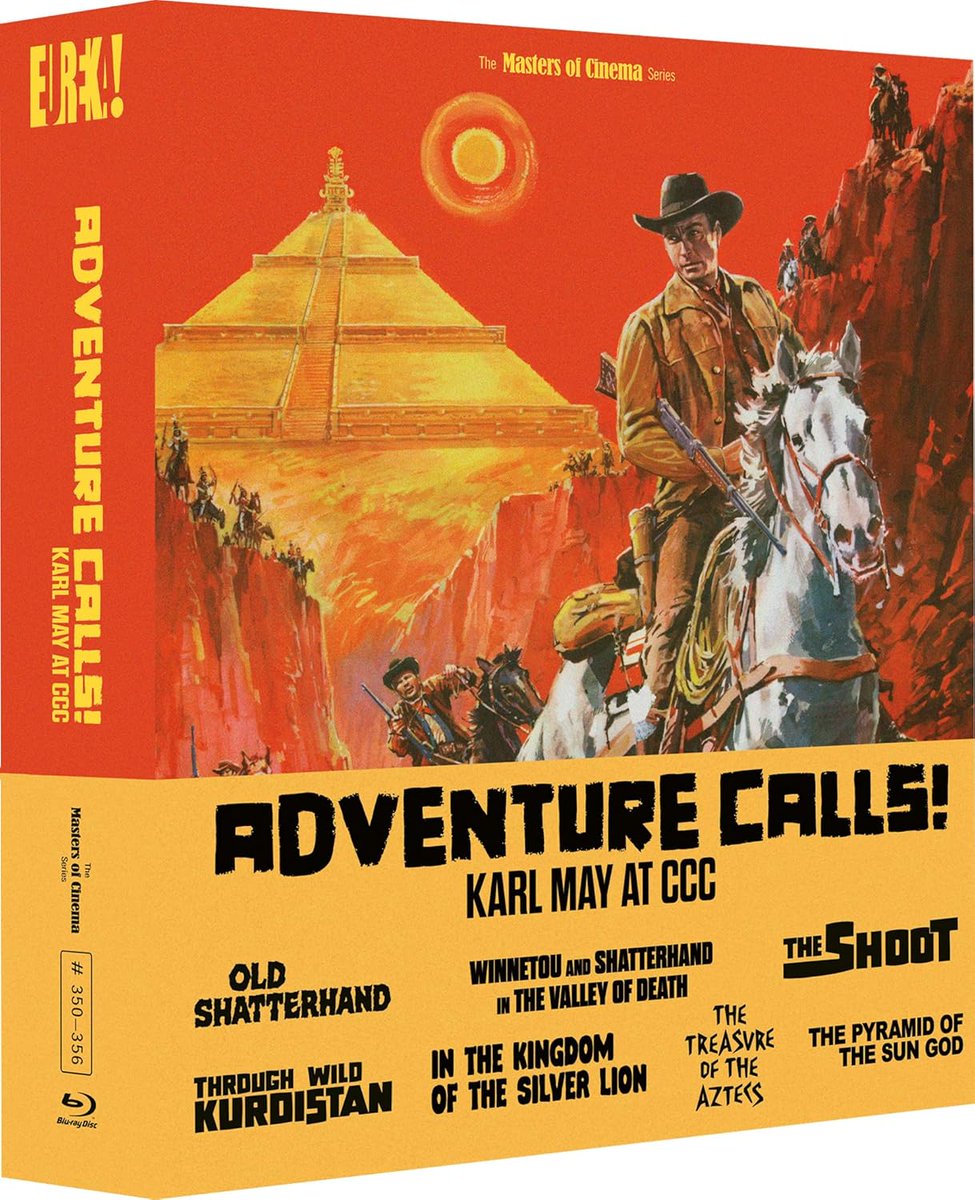
Adventure Calls! Karl May at CCC Blu-ray - Lex Barker, Pierre Brice, Daliah Lavi, Rik Battaglia, Karin Dor, Marie Versini, Marianne Hold, Michele Girardon, Alessandra Panaro, Ralf Wolter @mastersofcinema @Eurekavideo
US: amzn.to/4cYjC3c
CAN: amzn.to/3QUrMRw
UK: amazon.co.uk/exec/obidos/ASI…
BONUS CAPTURES:
patreon.com/posts/adventure-…
OUR REVIEW:
dvdbeaver.com/subsite/film2/…
The collection splits neatly between two main strands of May’s oeuvre. Old Shatterhand (1964) and the later Winnetou and Shatterhand in the Valley of Death (1968) are classic Winnetou Westerns, pairing Barker’s frontiersman with Pierre Brice’s noble Apache chief in tales of frontier conflict, gold heists, and cross-cultural friendship. The Oriental cycle—The Shoot (Der Schut, 1964), Through Wild Kurdistan (1965), and In the Kingdom of the Silver Lion (1965)—sends Barker’s Kara Ben Nemsi on swashbuckling journeys through the Near East with his comic sidekick Hadschi Halef Omar. Finally, the Mexican diptych The Treasure of the Aztecs (1965) and The Pyramid of the Sun God (1965), both directed by Siodmak, follows Dr. Karl Sternau in epic quests involving lost treasures, political intrigue, and ancient civilizations. Together, they showcase CCC’s ambitious production values, memorable scores, and a blend of rugged heroism with family-friendly spectacle that made Karl May a cinematic phenomenon.
***
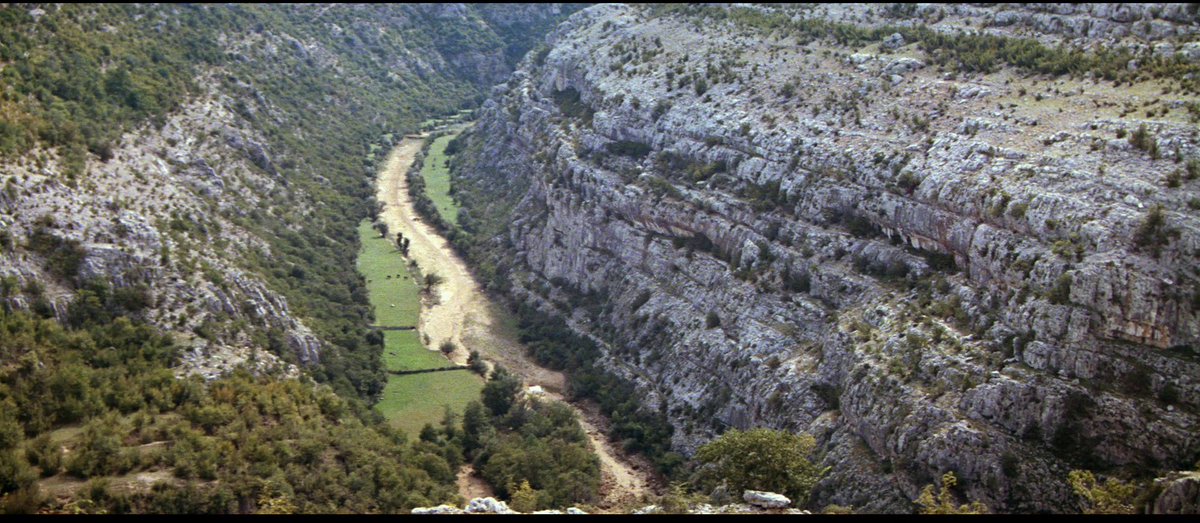
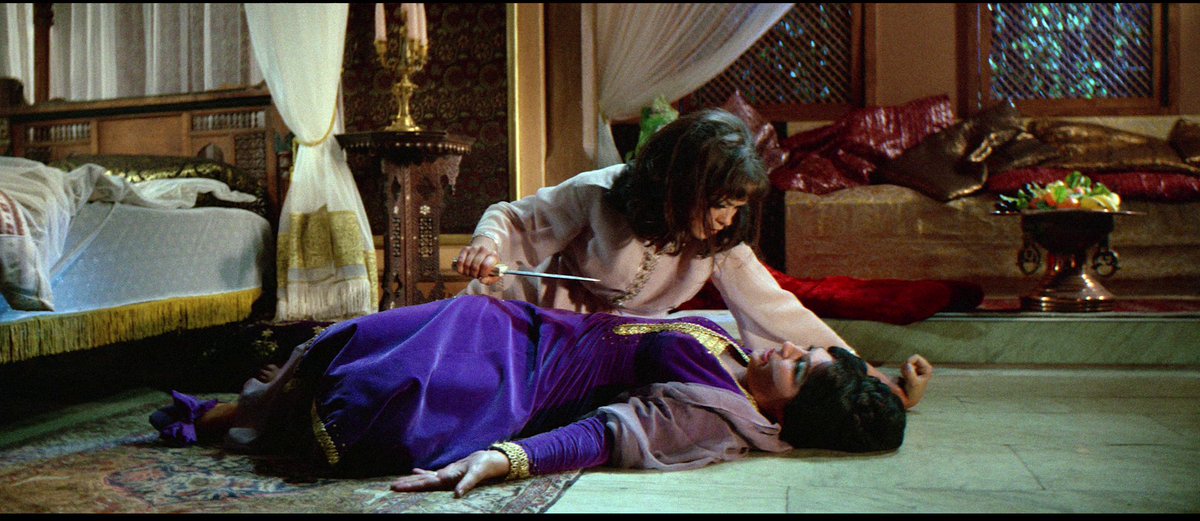
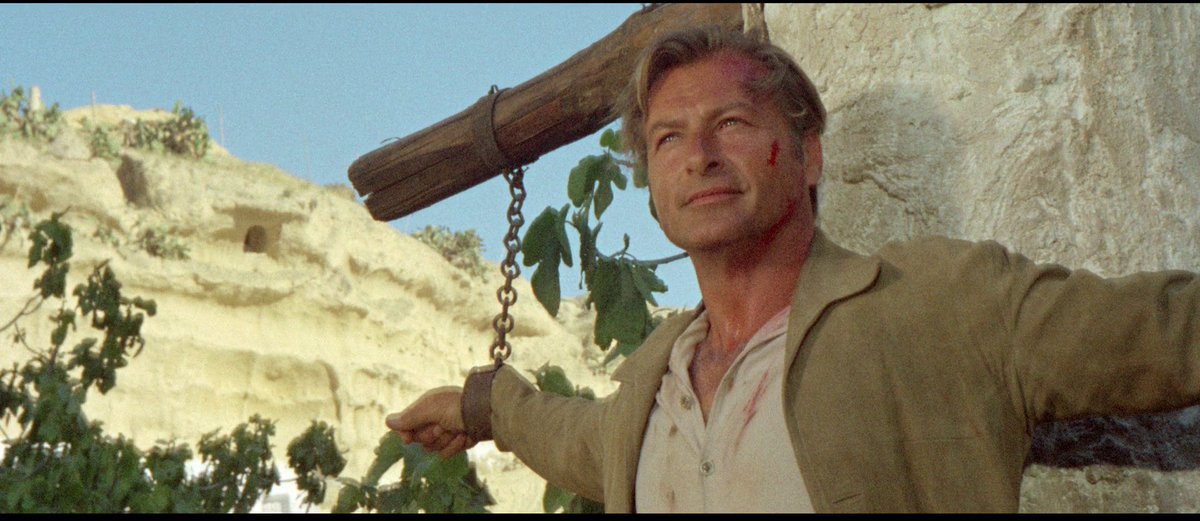
Collectively, the seven Karl May adaptations produced by Artur Brauner’s CCC Film between 1964 and 1968 form a remarkably cohesive yet thematically expansive cycle that capitalizes on the explosive popularity of the author’s adventure novels in postwar West Germany. Brauner, a Holocaust survivor and remigrant whose CCC studio specialized in ambitious genre fare (from Edgar Wallace thrillers to Mabuse revivals,) positioned these films as a direct rival to Horst Wendlandt’s Rialto productions, which had launched the Karl May boom with Treasure of Silver Lake (1962). Denied rights to the core Winnetou novels, CCC ingeniously borrowed stars Lex Barker (The Price of Fear, The Girl in Black Stockings, The Torture Chamber of Dr. Sadism, The Girl in the Kremlin, The Return of Dr. Mabuse, The Velvet Touch,) and Pierre Brice (Treasure of Silver Lake, Mill of the Stone Women,) for Old Shatterhand, crafting an original story around the iconic blood-brother duo, then pivoted to May’s lesser-filmed Oriental and Mexican cycles. The result is a self-contained “CCC Mayverse”: two frontier Westerns, three swashbuckling Near Eastern tales, and a two-part Mexican epic that together embody the author’s signature blend of pulp exoticism, moral heroism, and cross-cultural friendship - filtered through 1960s European co-production gloss. Stylistically and thematically, the films are bound by a shared DNA of grand-scale escapism. Shot primarily in Yugoslavia’s Plitvice Lakes and other Croatian locales (doubling for the American West, Kurdish mountains, and Aztec temples), they exploit widescreen color cinematography and sweeping natural backdrops to conjure May’s fantastical geographies - places the Saxony-born author himself never visited. Barker anchors every entry as the unflappable German-born protagonist: Old Shatterhand in the Winnetou films (a noble frontiersman mediating white-Indian conflicts in Old Shatterhand and thwarting gold-theft schemes in the 1968 finale Winnetou and Shatterhand in the Valley of Death.) Also Kara Ben Nemsi in the Oriental trio (The Shoot/Der Schut, Through Wild Kurdistan, In the Kingdom of the Silver Lion,) and Dr. Karl Sternau in the Mexican diptych (The Treasure of the Aztecs and The Pyramid of the Sun God.) His performance - stoic, athletic, quietly authoritative - lends a unifying moral center: a white hero who respects indigenous cultures, fights colonial greed or tyranny (French intervention in Mexico, despotic warlords in Kurdistan), and forges bonds with comic sidekicks like Ralf Wolter’s Hadschi Halef Omar. In Old Shatterhand, Israeli actress Daliah Lavi (Jules Verne’s Rocket to the Moon, The Whip and the Body, Some Girls Do, Ten Little Indians, Lord Jim, The Silencers, Two Weeks in Another Town, The High Commissioner, Casino Royale, The Return of Dr. Mabuse,) brings exotic beauty and spirited presence to the role of Paloma (often called Paloma the White Dove), the courageous love interest who adds emotional depth and romantic tension to Lex Barker’s frontiersman adventure. Marie Versini (Is Paris Burning?, The Brides of Fu Manchu, The Young Racers, Paris Blues,) the graceful French actress, appears in four of the seven films in the CCC Karl May Masters of Cinema set; Old Shatterhand, The Shoot / Der Schut, Through Wild Kurdistan, and In the Kingdom of the Silver Lion. Her presence adds a consistent touch of European elegance and romantic appeal across the CCC cycle. Directors such as Old Shatterhand's Hugo Fregonese (One Way Street, Black Tuesday, The Death Ray of Dr. Mabuse, Blowing Wild, Marco Polo,) multipler by Harald Reinl (The Invisible Dr. Mabuse, Treasure of Silver Lake,) Franz Josef Gottlieb (The Phantom of Soho,) and especially Robert Siodmak (The Killers, Farewell, The Suspect, Time Out of Mind, The Man in Search of his Murderer, Criss Cross, Deported, Phantom Lady, The Whistle at Eaton Falls, The File on Thelma Jordon, Cry of the City, The Devil Strikes at Night, The Strange Affair of Uncle Harry, The Dark Mirror, Cobra Woman) helming the Aztec pair - bring varying polish - Siodmak’s noir-honed tension elevates the Mexican films’ political intrigue and temple-set cliffhangers into something approaching epic pulp. Scores range from Riz Ortolani’s choral grandeur in Old Shatterhand to more conventional orchestral cues, all amplifying the sense of boyish wonder and larger-than-life spectacle. What elevates these films beyond mere formula is their subtle negotiation of 1960s German identity and global fantasy. May’s novels - written in the late 19th/early 20th century - offered armchair travelers a romantic antidote to industrialization and later Nazism’s distortions; the CCC cycle reframes that for the Wirtschaftswunder era, celebrating international co-productions (West Germany–Italy–France–Yugoslavia) while indulging in unapologetic Orientalism and “noble savage” tropes. Viewed as a septet, the collection reveals CCC’s strategic versatility: the Winnetou pair bookends the era with frontier camaraderie (the 1968 entry, directed by Reinl, feels like a fond farewell to the cycle), while the Oriental and Mexican films expand May’s universe into new exotic territories, proving the formula’s portability. Barker’s triple-hero turn - frontiersman, desert wanderer, revolutionary physician - becomes a meta-commentary on the actor’s own stardom, an American Tarzan reimagined as the ultimate European everyman adventurer. Minor flaws persist across the set (occasional pacing lulls in the two-parter, formulaic plotting), yet the restorations in Masters of Cinema’s Blu-ray box set reveal their enduring visual poetry: sun-drenched landscapes, vibrant costumes, and meticulously staged action that hold up as pure cinematic escapism. Together, these seven films don’t merely adapt Karl May; they crystallize a golden moment when West German popular cinema confidently exported its own brand of mythic adventure to the world - earnest, colorful, and unashamedly entertaining. Masters of Cinema’s Adventure Calls! Karl May at CCC Blu-ray package is a triumphant, and deeply appreciative, effort that finally gathers these seven vibrant, escapist adventures in one beautifully restored and contextualized collection. The 4K-sourced visuals and solid audio revitalize the films’ cinematic scope, while the extras - scholarly yet fan-friendly - illuminate their production history, cultural impact, and enduring charm. At under 2,000 copies, it’s a must-own for devotees of Euro-Westerns, Karl May lore, Lex Barker’s swashbuckling era, or anyone craving colorful 1960s pulp spectacle. This set doesn’t just preserve the films; it celebrates them as a cohesive, influential chapter in European popular cinema. What an incredible package! Strongly recommended.
3
13
2,275

Apr 23
***ANNOUNCEMENT***
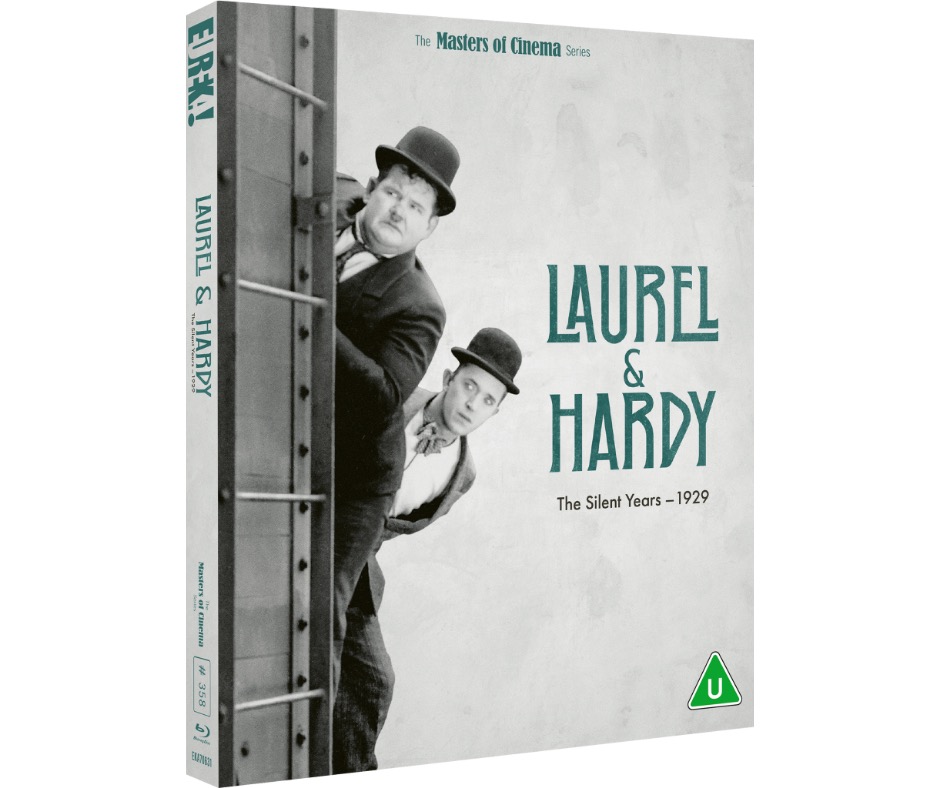
Coming on July 20th on Blu-ray in the UK from @EurekaVideo as part of their #MastersOfCinema line: #LaurelAndHardy: The Silent years (1929)!
Two of the most talented comedians to ever grace the silver screen, Stan Laurel and Oliver Hardy had firmly established their enduring partnership by the time the age of talking pictures loomed at the end of the 1920s. As they made their final silent shorts together in 1929, they continued to build upon the double act forged in earlier films such as You’re Darn Tootin’, Should Married Men Go Home? and We Faw Down – and prepared themselves for success in the sound era.
This collection brings together the silent Laurel & Hardy shorts produced in 1929, as the boys reached new levels of fame and success: Liberty casts Stan and Ollie as fugitives on the run; in Wrong Again, the boys try to claim a reward by returning a lost horse to a bewildered millionaire seeking a stolen painting; That’s My Wife sees Ollie forced to choose between Stan and his spouse; in Big Business, the boys go door-to-door selling Christmas trees; in Unaccustomed As We Are, Ollie invites Stan over for dinner and attracts the ire of Mrs Hardy; Double Whoopee sees the boys take jobs at a fancy hotel; Berth Marks has them cause chaos on a sleeper train; in Bacon Grabbers, Stan and Ollie are bailiffs tasked with recovering a radio; and finally, in Angora Love, they try to conceal a goat that has become very, very attached to them.
The Masters of Cinema Series is honoured to present Laurel & Hardy’s final run of silent shorts, newly restored in 2K by Blackhawk Films from the finest available materials, in a special two-disc Blu-ray edition for the first time in the UK.
The set contains the following shorts: Liberty, Wrong Again, That’s My Wife, Big Business, Unaccustomed As We Are (Silent Version), Double Whoopee, Berth Marks (Silent Version), Bacon Grabbers and Angora Love (Silent Version)
SPECIAL FEATURES
Limited edition O-Card slipcase featuring new artwork by Scott Saslow [2000 copies]
Limited edition collector’s booklet featuring newly written notes on each film by writer and comedian Paul Merton and a new essay on frequent Laurel & Hardy collaborator James Finlayson by silent cinema expert Chris Grosvenor [2000 copies]
1080p HD presentations on Blu-ray from 2K restorations by Blackhawk Films of Liberty, Wrong Again, That's My Wife, Big Business, Unaccustomed as We Are, Double Whoopee, Berth Marks, Bacon Grabbers and Angora Love
Scores by Robert Israel (Angora Love, Big Business and Double Whoopee), Neil Brand (Bacon Grabbers, Wrong Again and That’s My Wife), Andreas Benz (That’s My Wife, Unaccustomed as We Are and Berth Marks), Maud Nelissen (Big Business, Liberty) and Gaylord Carter (Big Business)
New audio commentaries on Liberty and Berth Marks by film writer Chris Seguin and Kyp Harness, author of The Art of Laurel & Hardy: Graceful Calamity in the Films
New audio commentaries on Double Whoopee, Unaccustomed As We Are and Wrong Again by film historian and writer David Kalat
New audio commentaries on Big Business and Angora Love by silent film accompanist Neil Brand
New audio commentaries on That’s My Wife and Bacon Grabbers by Glenn Mitchell, author of The Laurel and Hardy Encyclopedia
New documentary by David Cairns and Fiona Watson
Alternate musical scores on select shorts including the Robert Youngson score for Liberty, newly restored by Stephen Horne
Unaccustomed As We Are alternate sound version
Alternate dubbed version of Double Whoopee
1929 sound shorts They Go Boom! and The Hoose-Gow
The Hollywood Revue of 1929 (excerpt)
Crazy Heights – Alternate Super 8 version of Liberty
Super 8 versions of Big Business, Double Whoopee and Angora Love
Stills Galleries
*All extras subject to change
buff.ly/GH53Icr
#BluRay #PhysicalMedia #BluRays #BoutiqueBluRay #CultMovies #DiscConnected #Eureka #EurekaEntertainment
6
788
#NewAnnouncement 🇬🇧
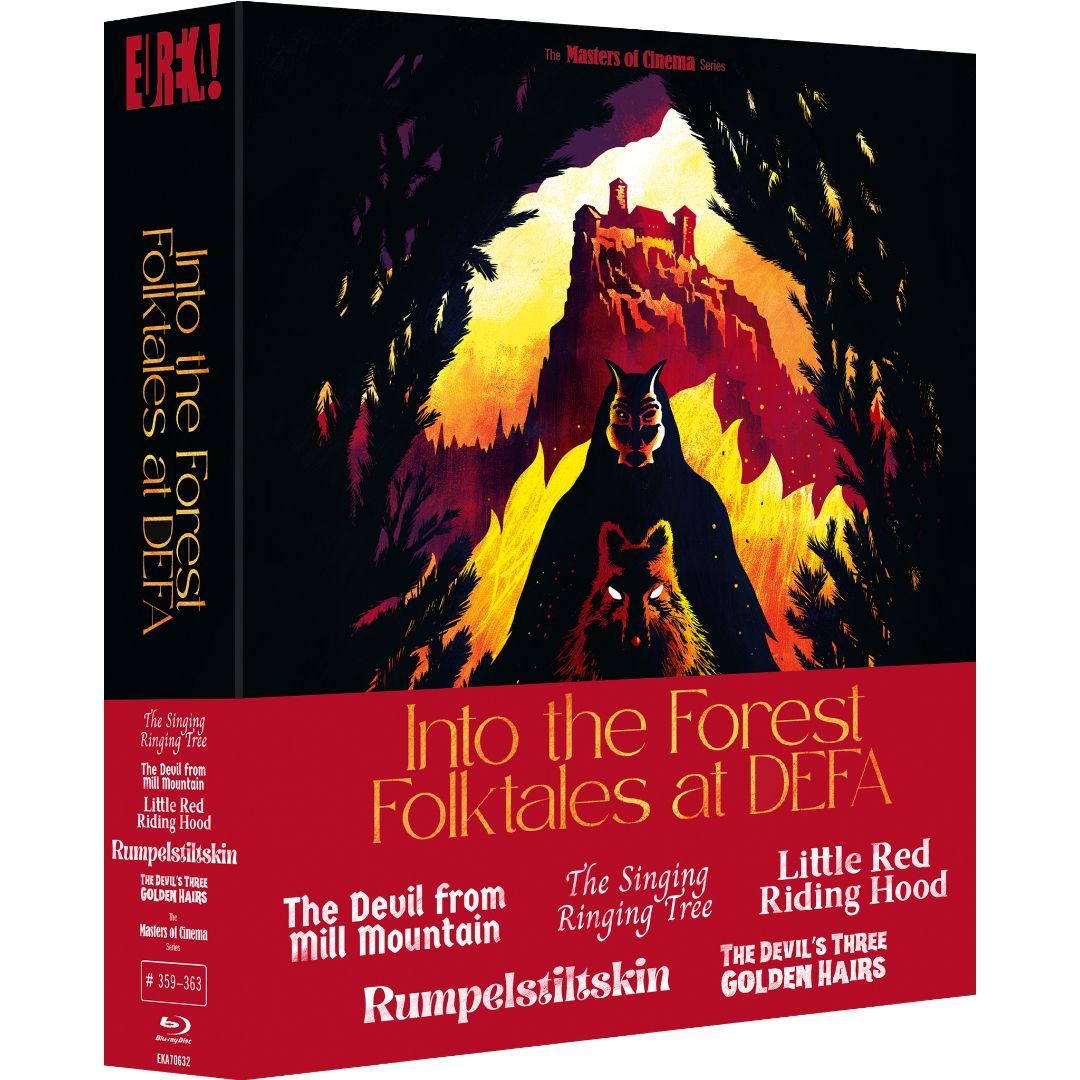
INTO THE FOREST: FOLKTALES AT DEFA arrives on Blu-ray—a new collection of five classic fairy and folktales from the celebrated East German studio DEFA.
Pre-order now: buff.ly/mPBKuZ5
#MastersofCinema #TheSingingRingingTree #Rumpelstiltskin
2
16
72
4,679
From the sea. Into the shadows. Diabolik strikes — and vanishes.
Mario Bava’s DANGER: DIABOLIK joins the #MastersofCinema series in a Dual Format (4K UHD Blu-ray) edition from 20 April. Pre-order now buff.ly/0P5K9Mr
1
2
18
1,491
A show of force. A carefully staged illusion. But somewhere in the shadows… Diabolik is already ahead.
Mario Bava’s DANGER: DIABOLIK joins the #MastersofCinema series in a Dual Format (4K UHD Blu-ray) edition from 20 April. Pre-order now buff.ly/0P5K9Mr
6
41
2,973
#ICYMI 🇬🇧
The worldwide Blu-ray debut of Richard Attenborough’s OH! WHAT A LOVELY WAR—one of the most daring & original war films ever made.
📀 29 June #MastersofCinema
⚠️ Limited to 2,000 copies
📖 Slipcase collector’s booklet
🔗 Pre-order via links in replies...
1
5
1,024
Mar 26
***ANNOUNCEMENT***
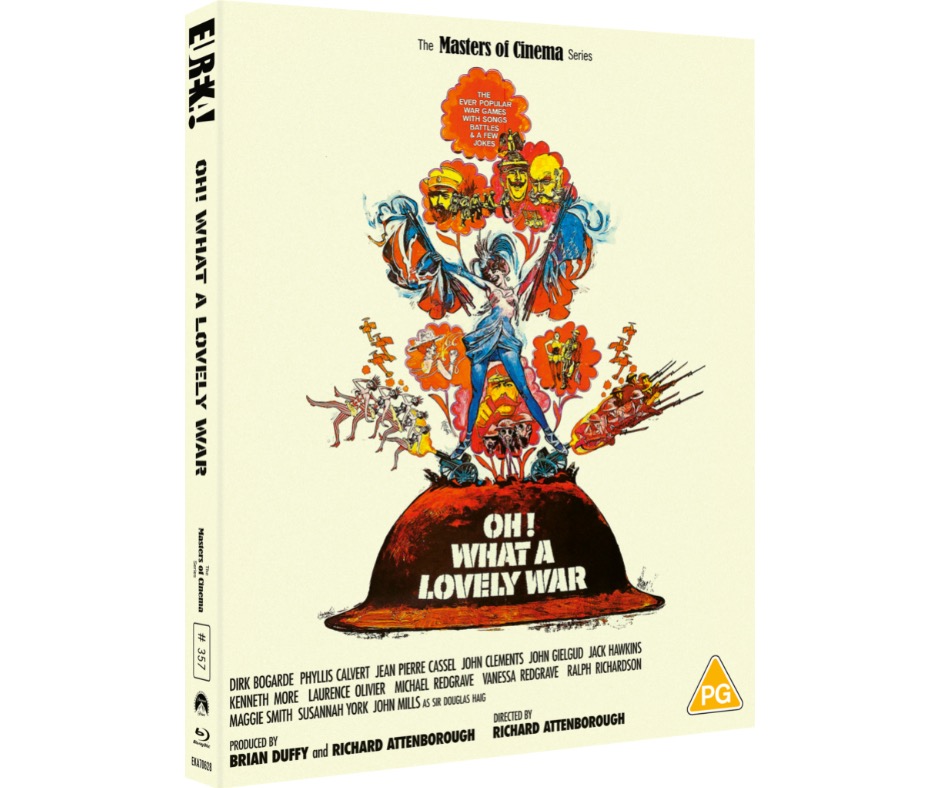
Coming on June 22nd on Blu-ray in the UK from @EurekaVideo as part of their #MastersOfCinema line: #OhWhatALovelyWar (1969)!
Having begun his career as an actor celebrated for his performances in the likes of Brighton Rock, The Great Escape and Séance on a Wet Afternoon, Richard Attenborough made his directorial debut in 1969 with Oh! What a Lovely War, a satirical history of World War I told through the British music hall tradition.
Adapted from Joan Littlewood’s 1963 stage musical of the same name (itself a reworking of Charles Chilton’s 1961 radio play The Long Long Trail), Oh! What a Lovely War restages the events of the Great War. As the film traces the progression of the conflict from the assassination of Archduke Ferdinand in 1914 to the Armistice of November 1918, it intertwines the fortunes of the everyman Smith family with performances of popular wartime music, from the recruitment song “I’ll Make a Man of You” to the airmen’s anthem “The Bells of Hell Go Ting-a-ling-a-ling.”
Featuring a who’s who of British acting talent from Dirk Bogarde to Michael Redgrave and Maggie Smith, Attenborough’s first film as director earned him a raft of BAFTA nominations and set him on the path to making A Bridge Too Far, Gandhi and Chaplin. The Masters of Cinema Series is honoured to present Oh! What a Lovely War on Blu-ray for the first time anywhere in the world.
SPECIAL FEATURES
Limited edition O-card slipcase featuring original poster artwork [2000 copies]
Limited edition booklet featuring new writing on Oh! What a Lovely War by Andy Dougan, author of The Actors’ Director: Richard Attenborough Behind the Camera [2000 copies]
1080p HD presentation from a restoration by Paramount Pictures
Original English mono audio
Optional English subtitles (SDH)
New audio commentary with British cinema scholars Melanie Williams and Lawrence Napper
Archival audio commentary with director Richard Attenborough
Your Country Needs You – new interview with film historian Simon Brown on depictions of World War I in British cinema, from The Battle of the Somme to 1917
Extensive making-of documentary presented in three parts: “Welcome to World War I,” “The Smith Family Album” and “Keep the Home Fires Burning”
bit.ly/oh-lovely-war
#BluRay #PhysicalMedia #BluRays #BoutiqueBluRay #CultMovies #DiscConnected #Eureka #EurekaEntertainment #RichardAttenborough #DirkBogarde #MichaelRedgrave #MaggieSmith
3
576
#NewAnnouncement 🇬🇧
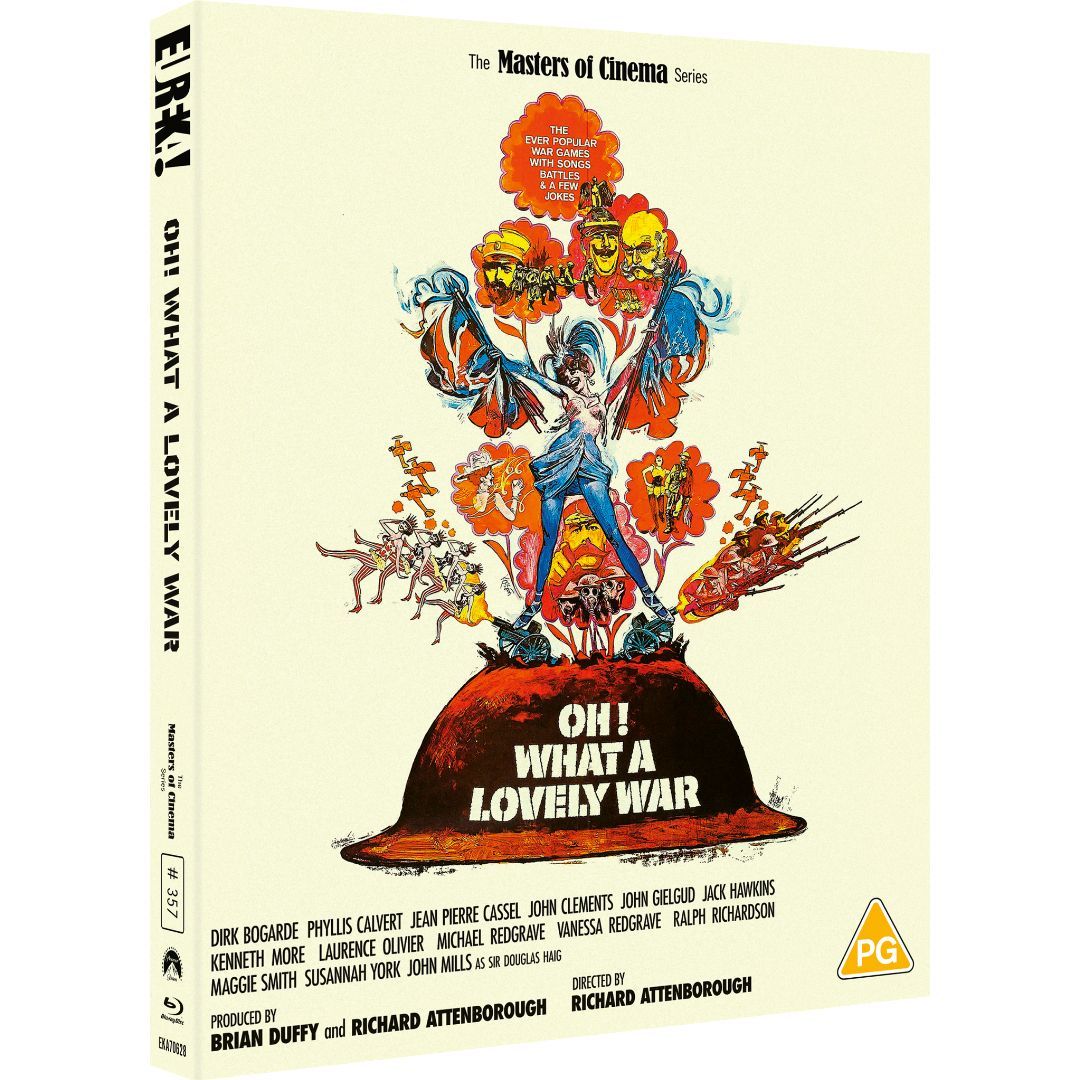
The worldwide Blu-ray debut of Richard Attenborough’s OH! WHAT A LOVELY WAR—one of the most daring & original war films ever made.
📀 29 June #MastersofCinema
⚠️ Limited to 2,000 copies
📖 Slipcase collector’s booklet
🔗 Pre-order via links in replies...
1
11
32
2,259

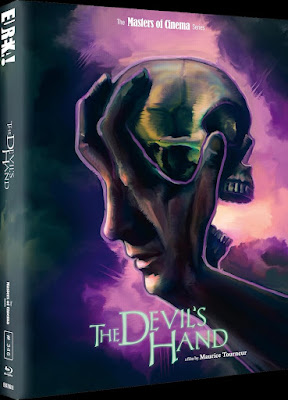
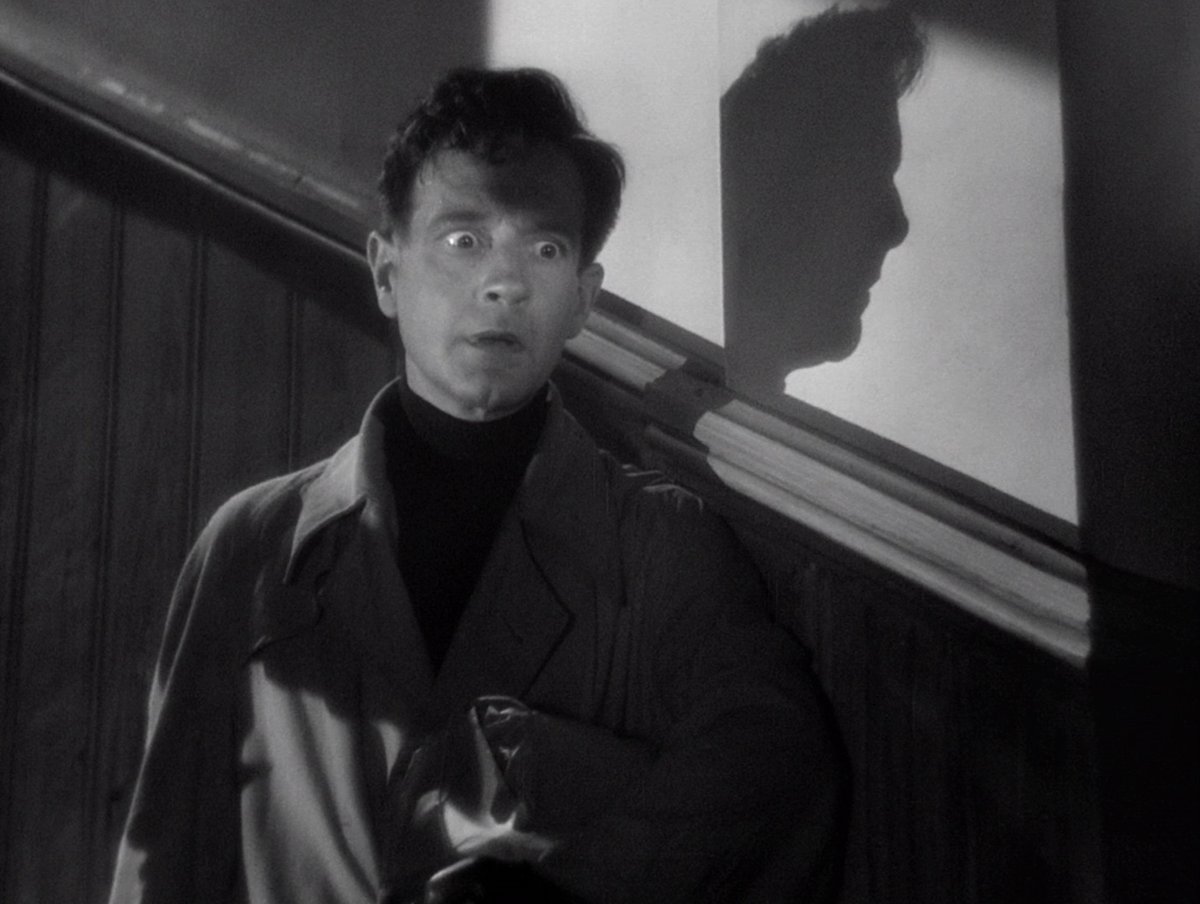
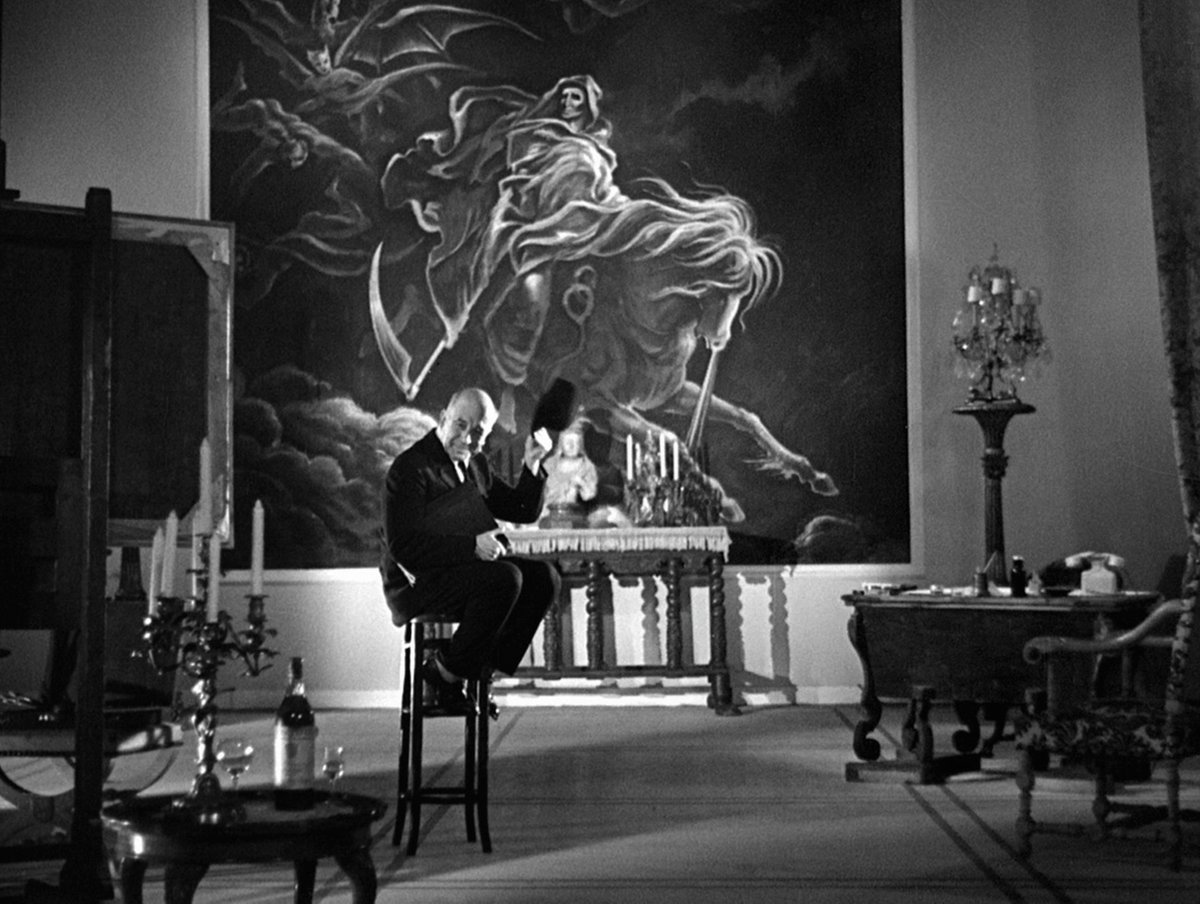
Eureka's Masters of Cinema makes a pact with THE DEVIL'S HAND (review): cineventures.blogspot.com/20… @dvdcompare @Eurekavideo @mastersofcinema

3
5
1,179
Mar 14
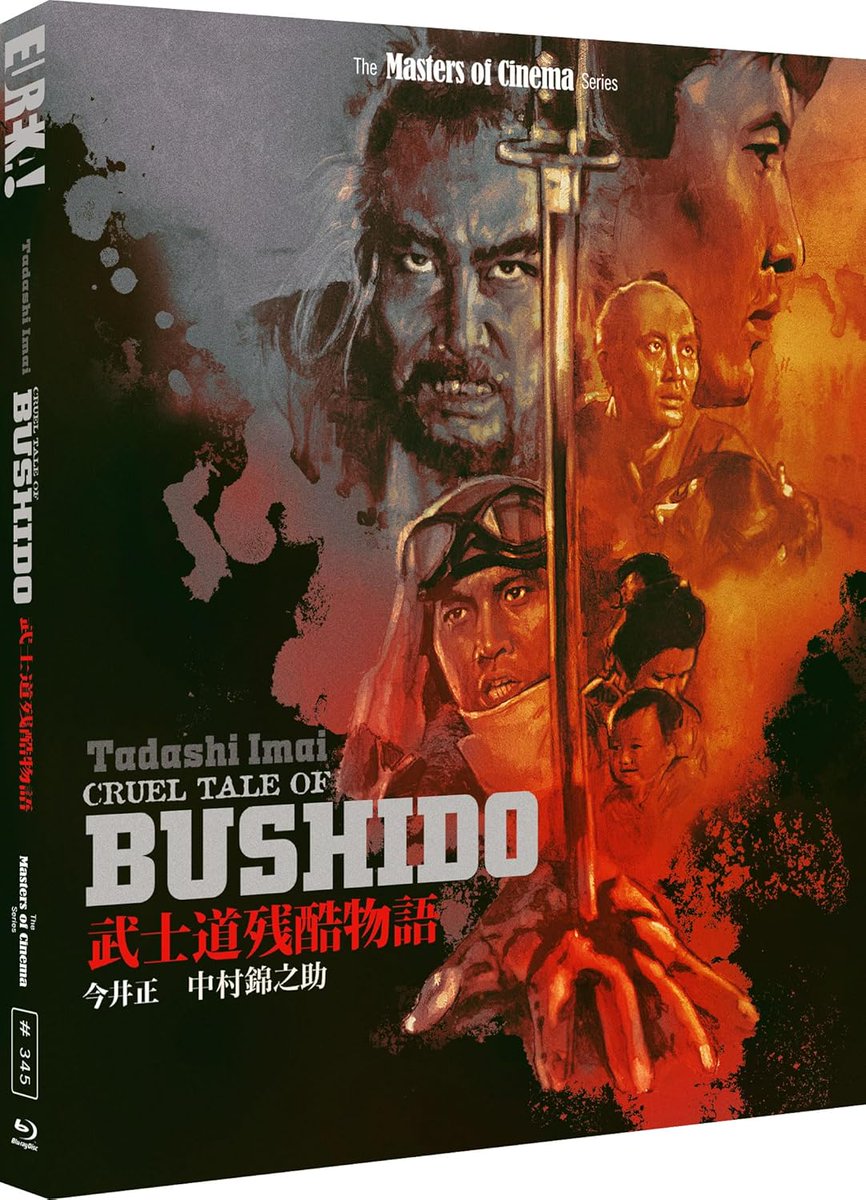
Tadashi Imai's "Cruel Tale of Bushido" Blu-ray - Kinnosuke Nakamura, Shibiku-Shosuke Hori, Kyôko Kishida, Masayuki Mori, Takeshi Katô, Yoshiko Mita, Ineko Arima @mastersofcinema @Eurekavideo
US: amzn.to/4sAIqUK
CAN: amzn.to/4uprIJ1
UK: amzn.to/4qt1DGF
BONUS CAPTURES:
patreon.com/posts/tadashi-im…
OUR REVIEW:
dvdbeaver.com/subsite/film4/…
Best known for dramas such as Until We Meet Again and An Inlet of Muddy Water, the Japanese filmmaker Tadashi Imai was also the director of Revenge, a highly accomplished and brutal jidaigeki picture. These two sensibilities come together in the film that might just stand as Imai’s masterpiece: Cruel Tale of Bushido.
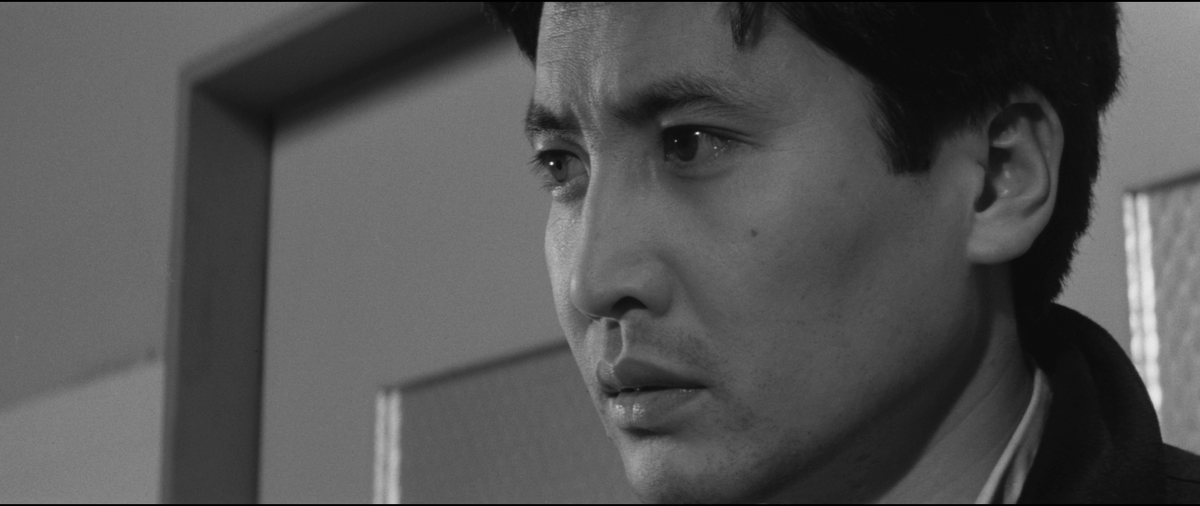
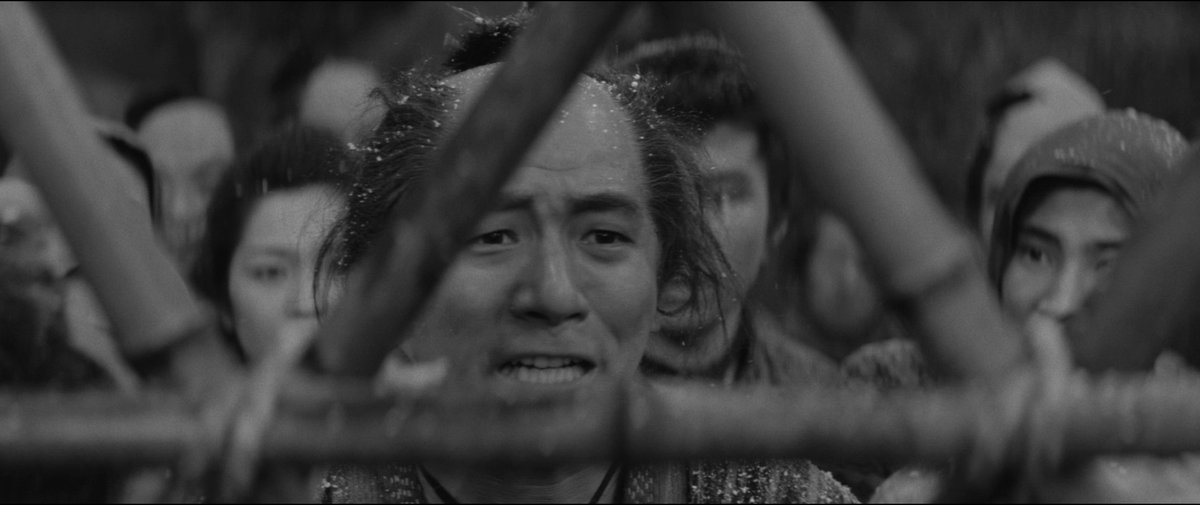
Kinnosuke Nakamura (Miyamoto Musashi) stars in multiple roles, playing seven generations of men belonging to the same family. In the modern day, salaryman Iikura is devastated by his wife’s attempted suicide. To distract himself, he begins working through his recently discovered family records. As he traces his personal history across 350 years, he discovers tale after tale of men who have suffered, debased themselves and made untold sacrifices in the name of bushido, or the moral code of the samurai.
***
Tadashi Imai's Cruel Tale of Bushido stands as one of the most radical and unflinching deconstructions of the samurai myth in Japanese cinema, a Golden Bear winner at the 1963 Berlin Film Festival that systematically dismantles the romanticized image of bushido as noble honor by exposing it as a centuries-long mechanism of psychological, sexual, and social oppression. At its core, the film is a Marxist-inflected leftist critique (Imai was one of the few Japanese directors who remained a committed Communist into the postwar era) of how bushido was never about personal integrity but a tool wielded by the powerful to extract total obedience from the weak. Loyalty flows only upward; lords and later corporations demand everything - dignity, sexuality, family, life - while offering nothing in return. The code proves infinitely flexible: it justifies sexual assault, betrayal, and murder when convenient for the elite, yet punishes any deviation by subordinates with ruin or death. The film ends on a note of tentative awakening rather than triumph, leaving the question open: can one man finally break the chain that has bound his bloodline for centuries? In 1963, and still today, that remains a radical and unsettling challenge. Masters of Cinema's Blu-ray is a triumphant debut for Cruel Tale of Bushido in the West, combining a strong 4K-derived restoration, solid audio options, and thoughtful new extras that illuminate its radical anti-authoritarian message without ever softening its bleak power. As one of the most unflinching deconstructions of bushido in cinema, the film benefits enormously from this HD treatment that elevates it beyond mere rediscovery into an essential artifact of 1960s Japanese filmmaking, making this release highly recommended for collectors and cinephiles alike despite its niche appeal and unrelenting darkness. Certainly endorsed.
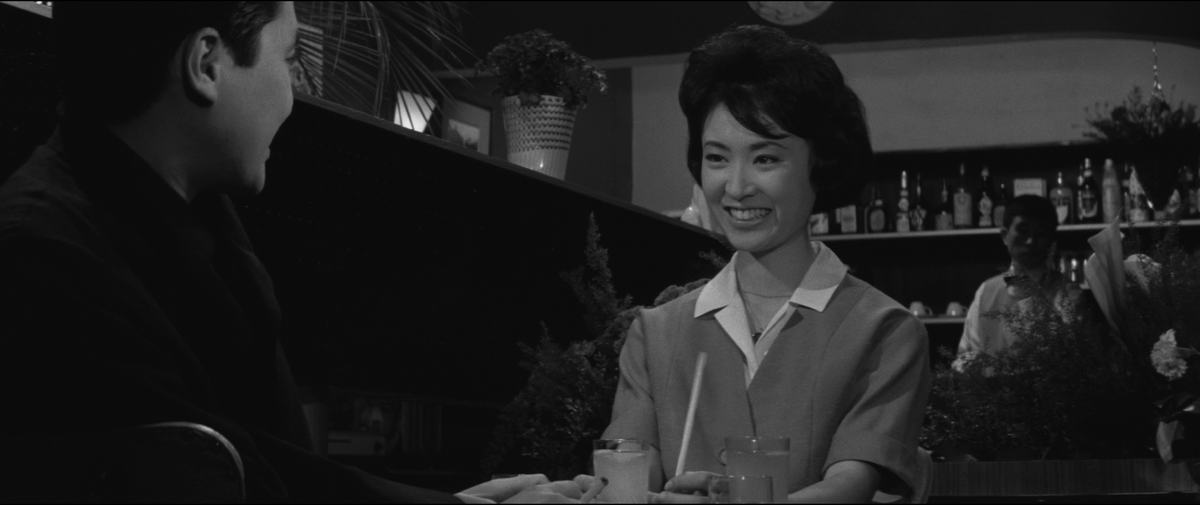
6
14
2,109
Stylish heists. Stunning imagery. Sinister charm.
John Phillip Law as the flawless antihero — Marisa Mell as Eva Kant.
Mario Bava’s DANGER: DIABOLIK joins the #MastersofCinema series in a Dual Format (4K UHD Blu-ray) edition from 20 April. Pre-order buff.ly/0P5K9Mr
4
16
1,700
If you love gothic crime, masked killers and fog-shrouded mysteries, this one’s for you.
Discover the Wallace krimis today. Order now in the US: buff.ly/tXw4X9M
(before it sells out, like it did in the UK)
#SaturnAwards #MastersOfCinema #CrimeCinema #Krimi #ClassicFilm
1
4
1,012

Mar 3
Sean Connery’s best performance! He should have been Oscar nominated for it. An underrated film.
1
2
9
Directed by the visionary Maurice Tourneur and starring Pierre Fresnay, this haunting classic stands alongside DIABOLIQUE and EYES WITHOUT A FACE as one of the finest horror films France ever produced.
#MastersOfCinema #ClassicHorror #FrenchCinema #BluRayCollector
3
4
760