
Cork is only the beginning.
Within each work, selected haute couture textiles - rare silks and satin cottons sourced from Italian fashion ateliers - introduce a second, quieter layer of luxury.
Materials chosen not to impress, but to endure.
#CorkFashionArt #MaterialIntelligence #Provenance
1
3
37


Designed by @perkinswill, Figueira Leopoldo translates kinetic art into architecture through movable wooden brise-soleil that modulate light, air, and privacy.
archello.com/project/figueir…
#MaterialIntelligence #ResponsiveFacade #ClimateDesign

1
8
671
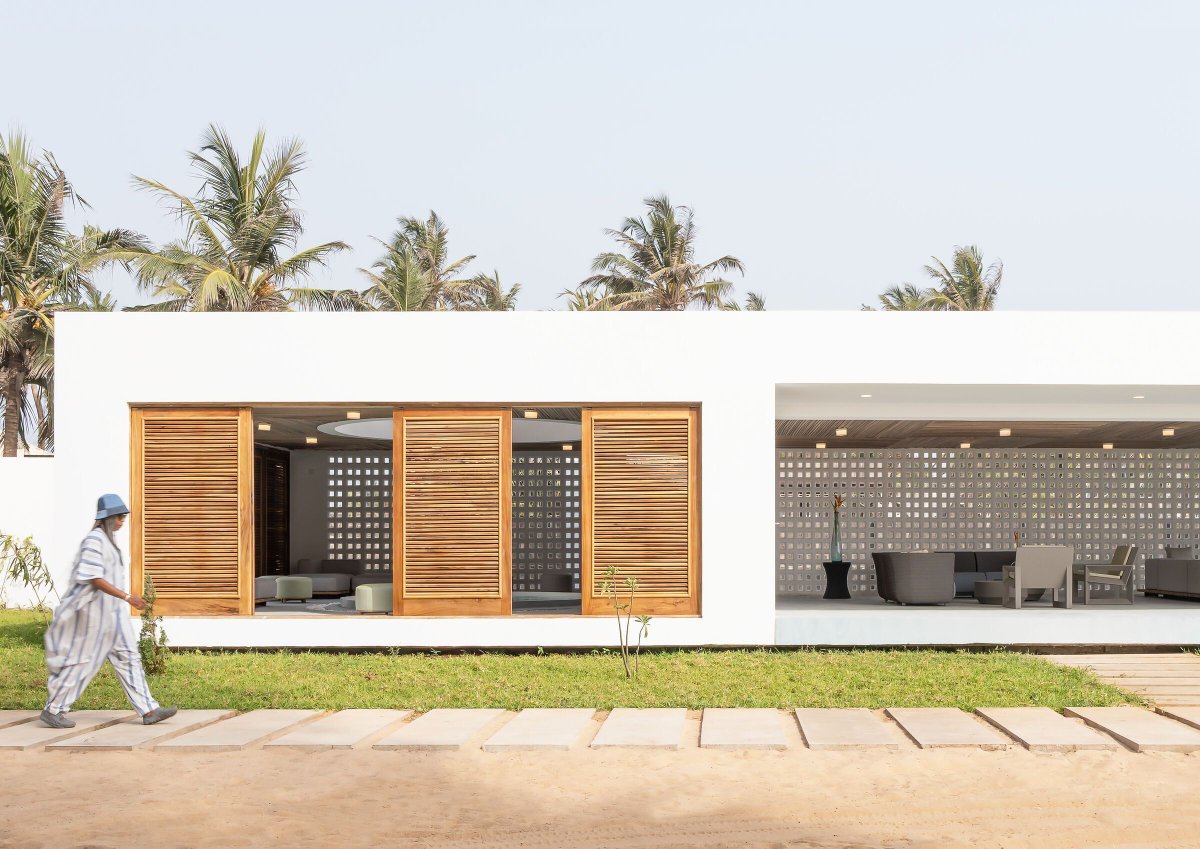
Fowóralé II by Oshinowo Studio extends the coastal home through finely tuned material decisions: white rendered walls, timber ceilings, and mint-tinted concrete flooring create a calm, unified palette.
archello.com/project/foworal…
#MaterialIntelligence #PassiveDesign #OshinowoStudio
4
3
23
770
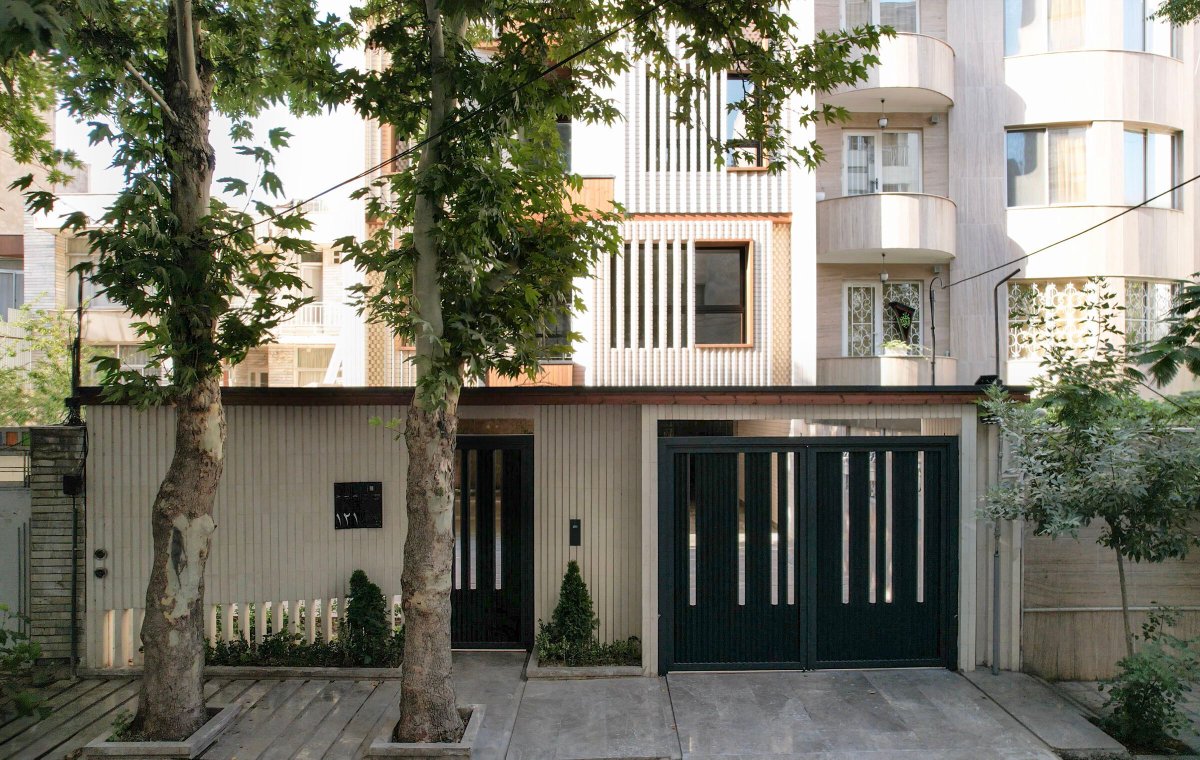
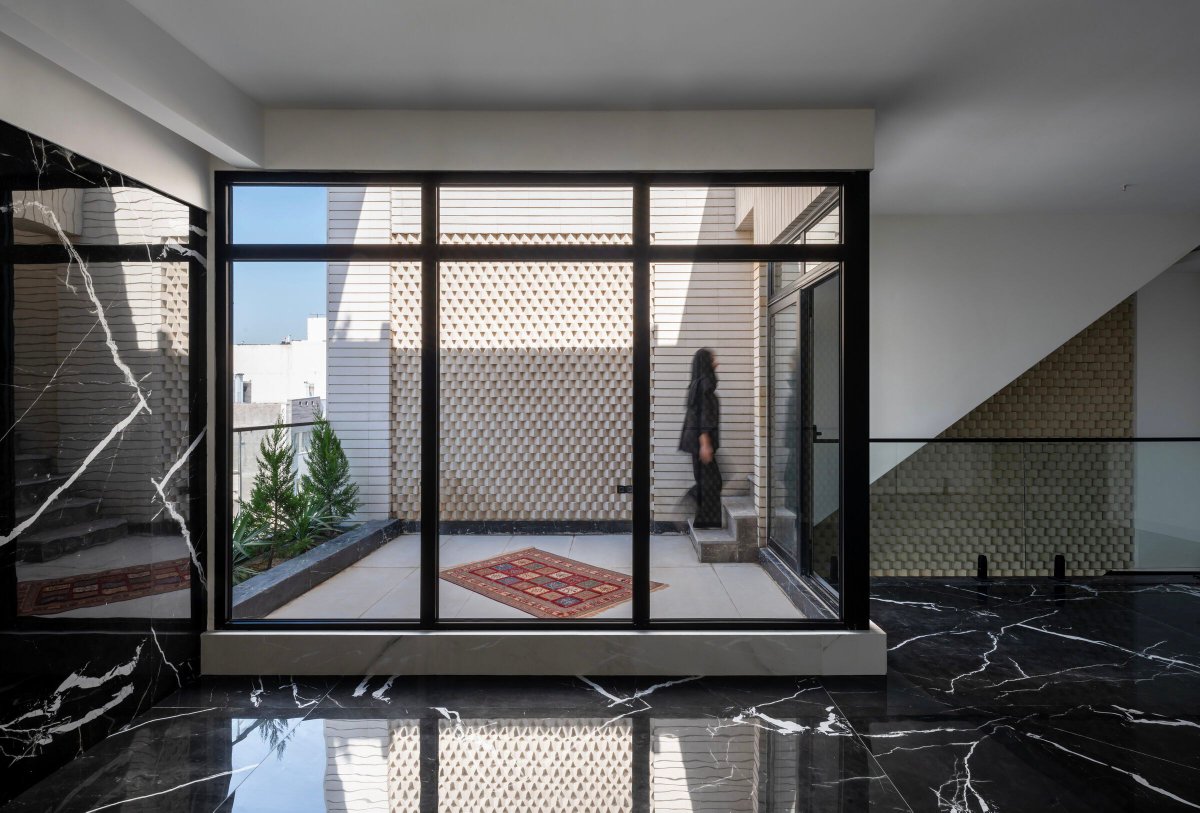
Barsav Office’s Grapevine project uses a lattice of S20 white brick, angled for micro-shading, airflow, and privacy, reinterpreting the climatic logic of traditional courtyard houses.
archello.com/project/grapevi…
#WhiteBrickLattice #PassiveDesign #MaterialIntelligence


2
23
957
White Arkitekter @whitearkitekter transforms a condemned 1970s structure into Lumi, now the world’s highest-rated LEED v4 office building.
archello.com/project/lumi-in…
#CircularArchitecture #AdaptiveReuse #MaterialIntelligence

632
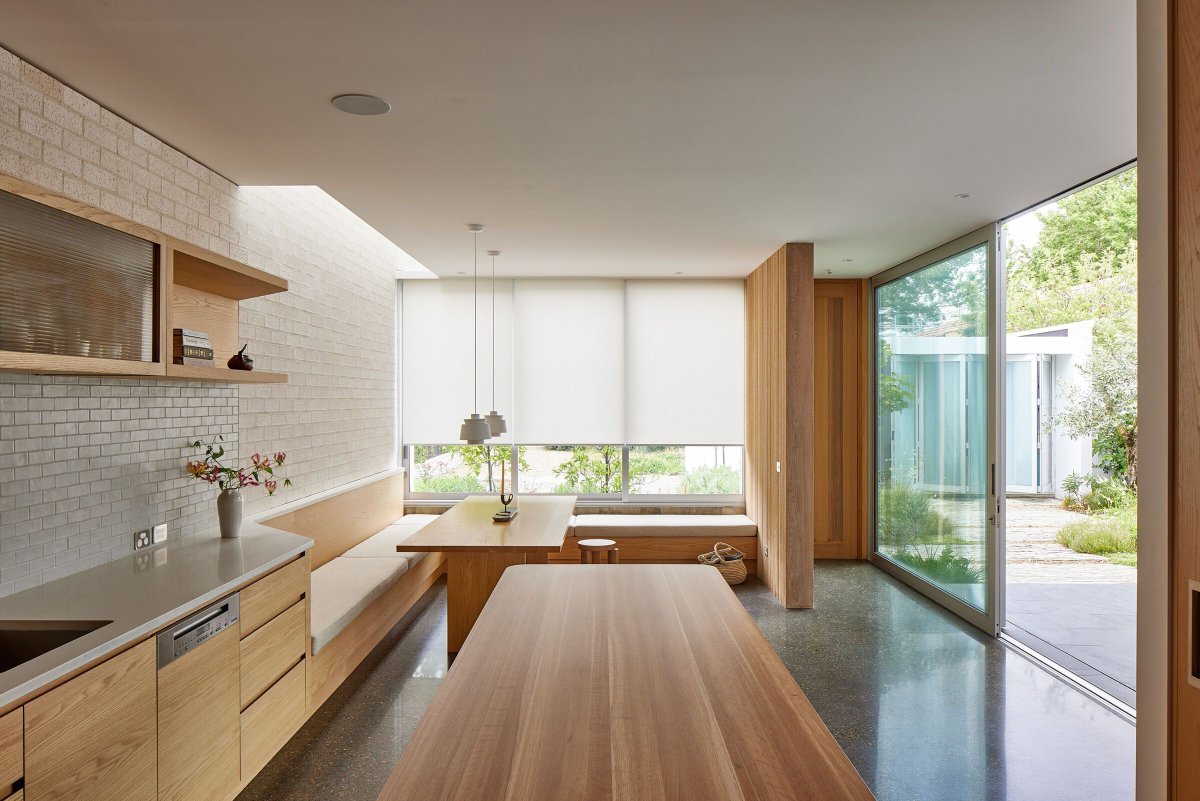
Point House applies a precise material strategy and passive climatic logic to deliver generous living within a compact footprint.
archello.com/project/point-h…
#MaterialIntelligence #PassiveDesign #UrbanLiving
2
7
681

22 Oct 2025
Acelab Secures $13.5 Million in Series A
#AI #Construction #Architecture #MaterialSelection #MaterialsManagement #MaterialIntelligence #ConstructionTech #SeriesA #Funding #Acelab
thesaasnews.com/news/acelab-…
2
37
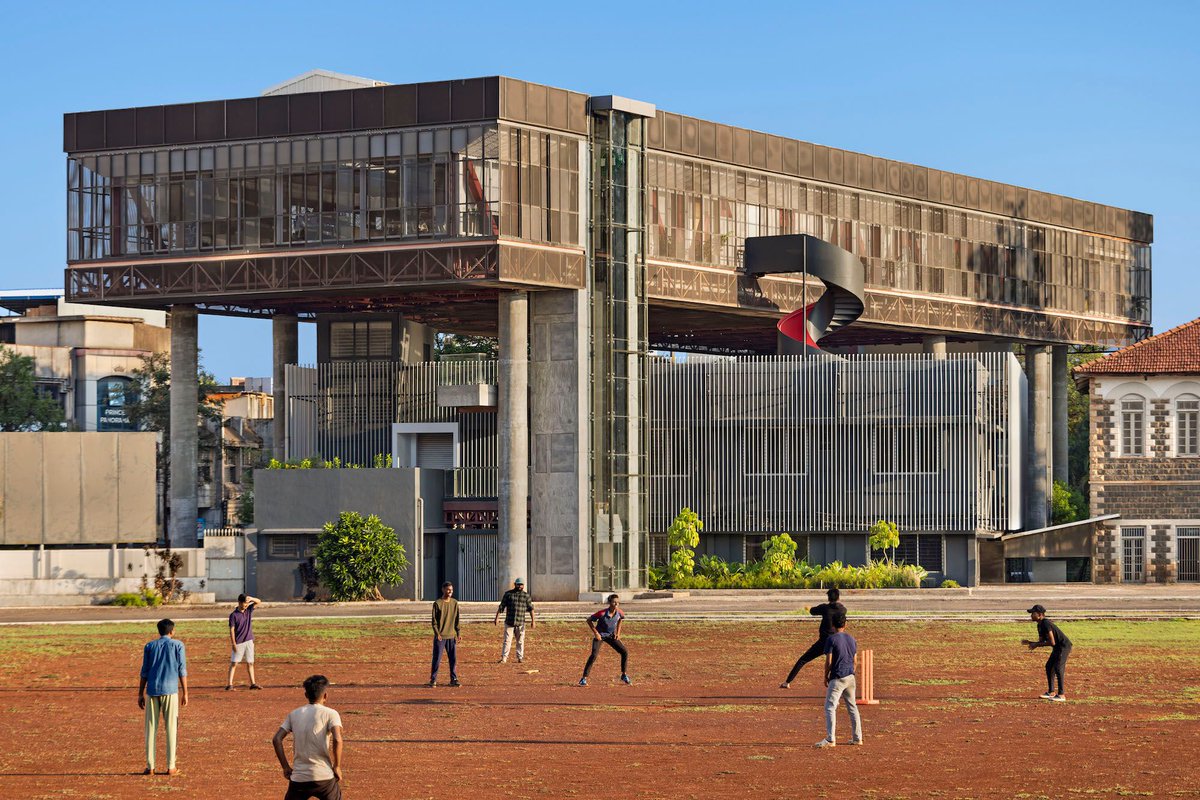
HOVER SPACE by Thirdspace Architecture Studio redefines adaptive reuse through precision engineering and material clarity.
buff.ly/Tjx0Ug1
#AdaptiveReuse #MaterialIntelligence #ThirdspaceArchitecture
1
7
771
Superlimão redefines the bank HQ for Stark Bank with an office that fuses digital culture, biophilia, and high-tech craftsmanship.
buff.ly/OSU7at6
#BiophilicDesign #ParametricArchitecture #MaterialIntelligence

12
1,180
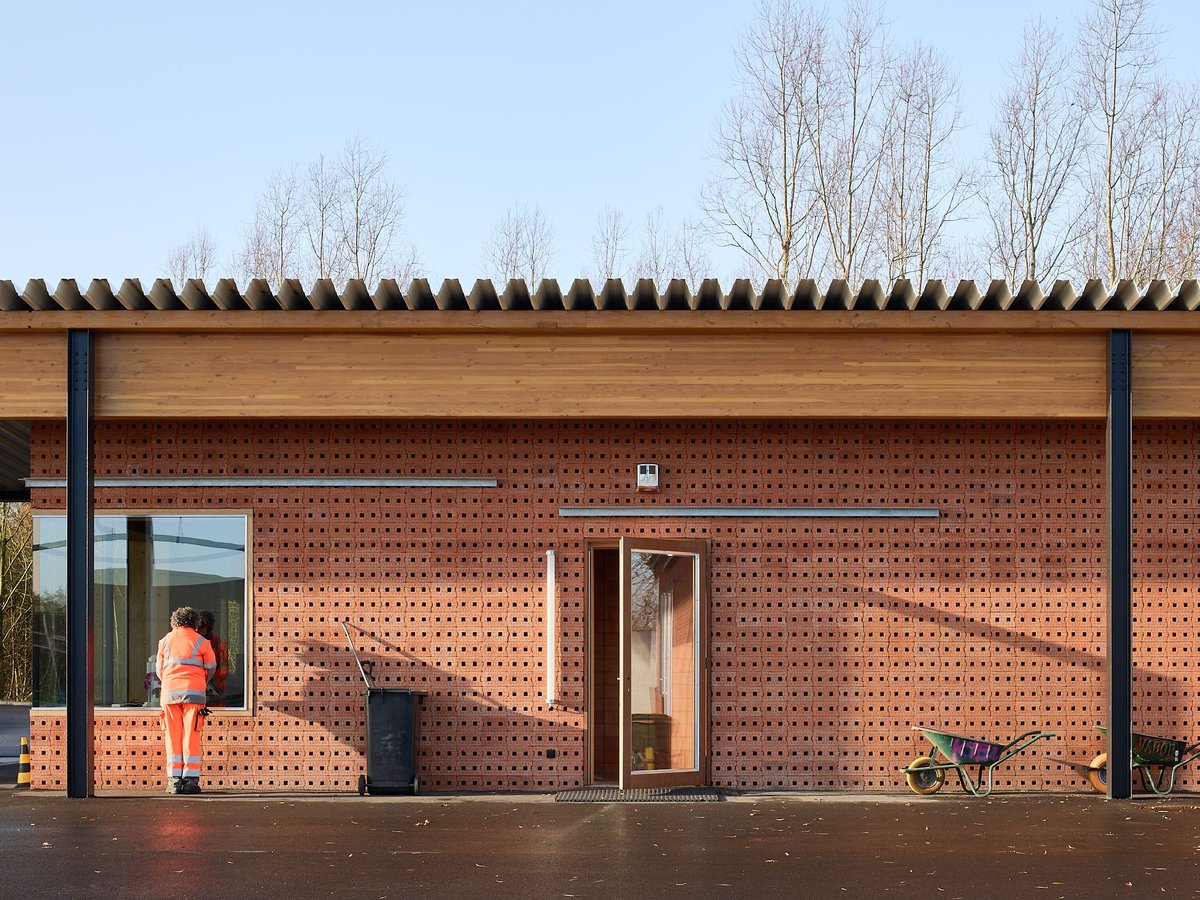
At Kielsbroek Recycling Square, BOVENBOUW elevates infrastructure through precise material use and smart terrain adaptation.
buff.ly/u9zibk9
#MaterialIntelligence #InfrastructuralArchitecture #RecyclingDesign
5
631
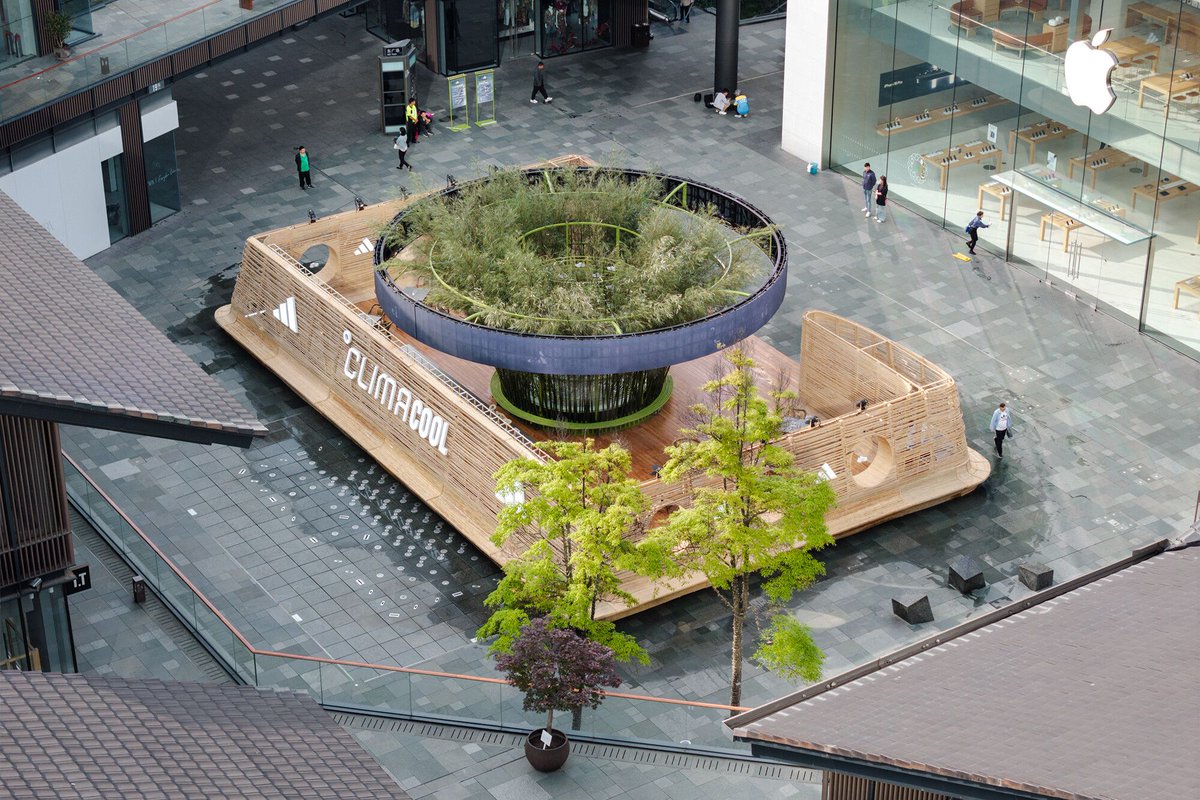
Crafted from fresh bamboo and cooled by mist and air, the Climacool Teahouse by line transforms Chengdu’s urban plaza into a living grove.
buff.ly/6X70ZIU
#BambooArchitecture #MaterialIntelligence #AtmosphericDesign
3
812

27 Mar 2024
Accelerating learning in the #semiconductor sector! 🚀 Our #SiliconScienceHub in the USA leads in material & device innovation, thanks to deep industry collaboration. Discover our integrated innovation process with #MaterialIntelligence. emdgroup.com/en/expertise/se…
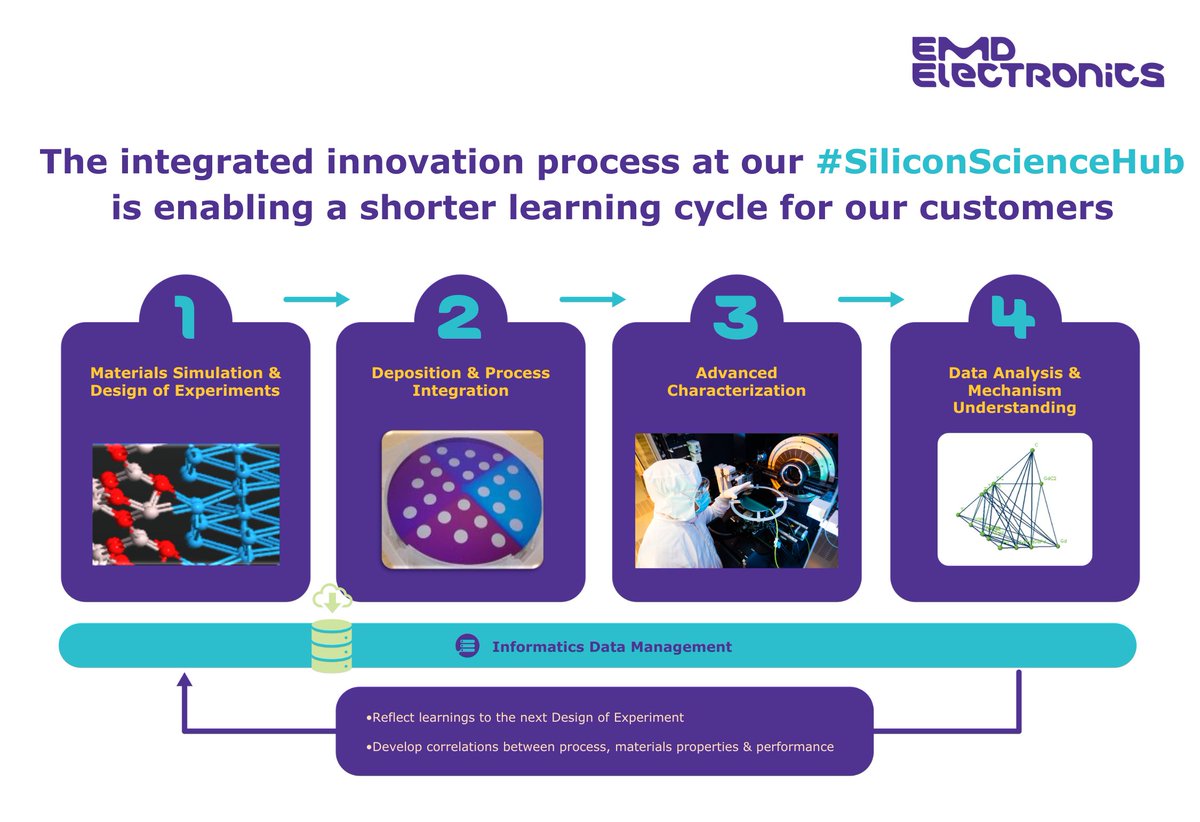
ALT Our integrated innovation process is enabling a shorter learning cycle for our customers
1
49

17 Oct 2023
Explore topics ranging from Norse mythology to the process of tanning and environmental impact.
Read more on #Leather in the latest issue of #MaterialIntelligence. bit.ly/3nNKL1N
1
3
102

11 Aug 2023
aksioma.org/podcast▶️#tacticspractice #podcast▶️#SCALE series▶️4 episodes, 4 Fridays, 6 guests▶️Ep.#1: journalist & researcher #NejaBerger talks to writer & independent researcher @TripaldiLaura about #nanoscale, #cognition and #materialintelligence

1
2
199
11 Jul 2023
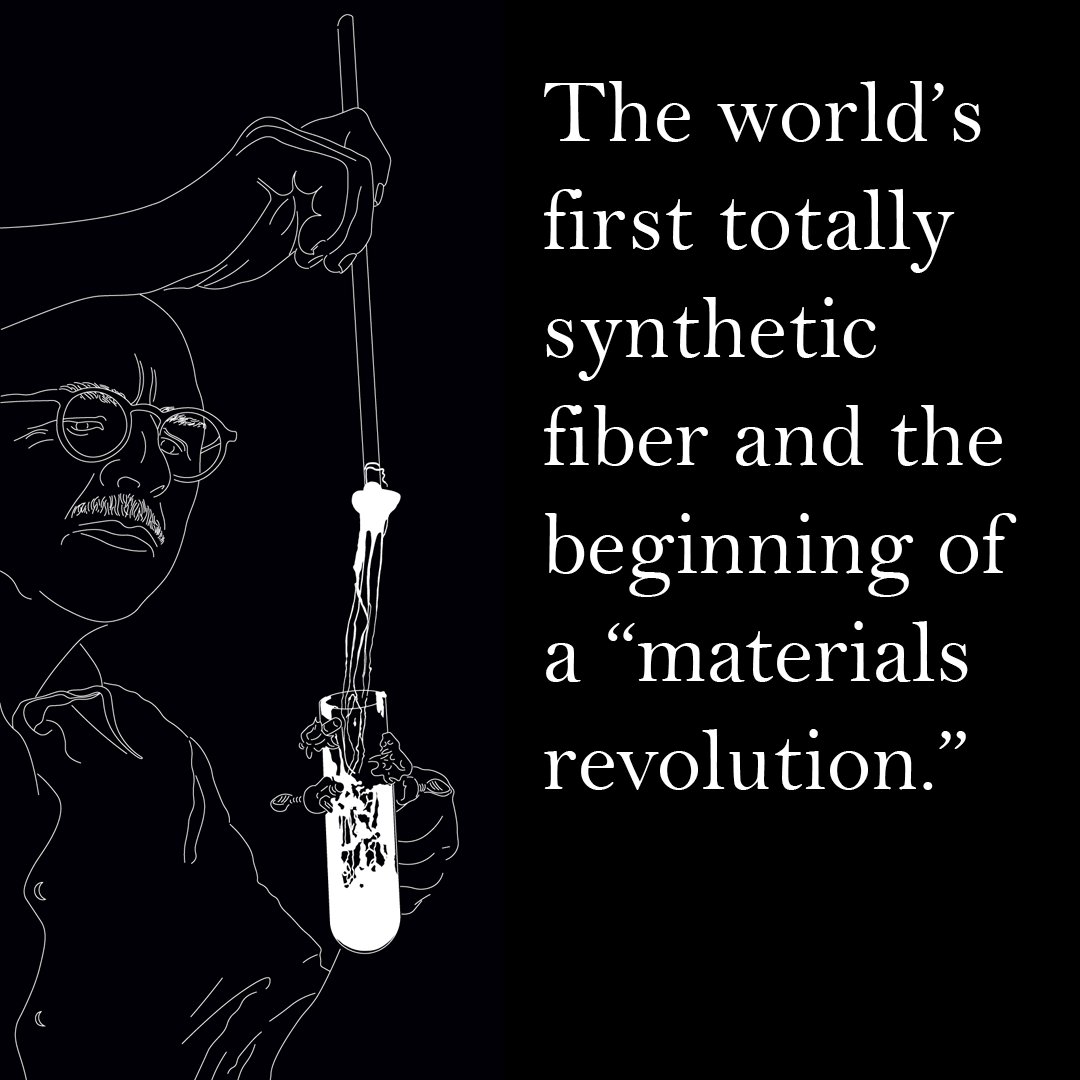
Nylon was not grown, mined, or gathered, but instead manufactured in a laboratory. A team at E. I. du Pont de Nemours and Co., led by Wallace Hume Carothers worked for over a decade to refine the process.
#Nylon’s origin story from #MaterialIntelligence: bit.ly/3nNKL1N
1
1
6
750
20 Jun 2023
"With #nylon, we are traversing new terrain—in fact, the terrain of newness itself."
The 6th issue of #MaterialIntelligence takes its cue from the six carbon atoms that identify the chemical structure for nylon, the magazine’s first synthetic material. materialintelligencemag.org/

4
364
4 May 2023
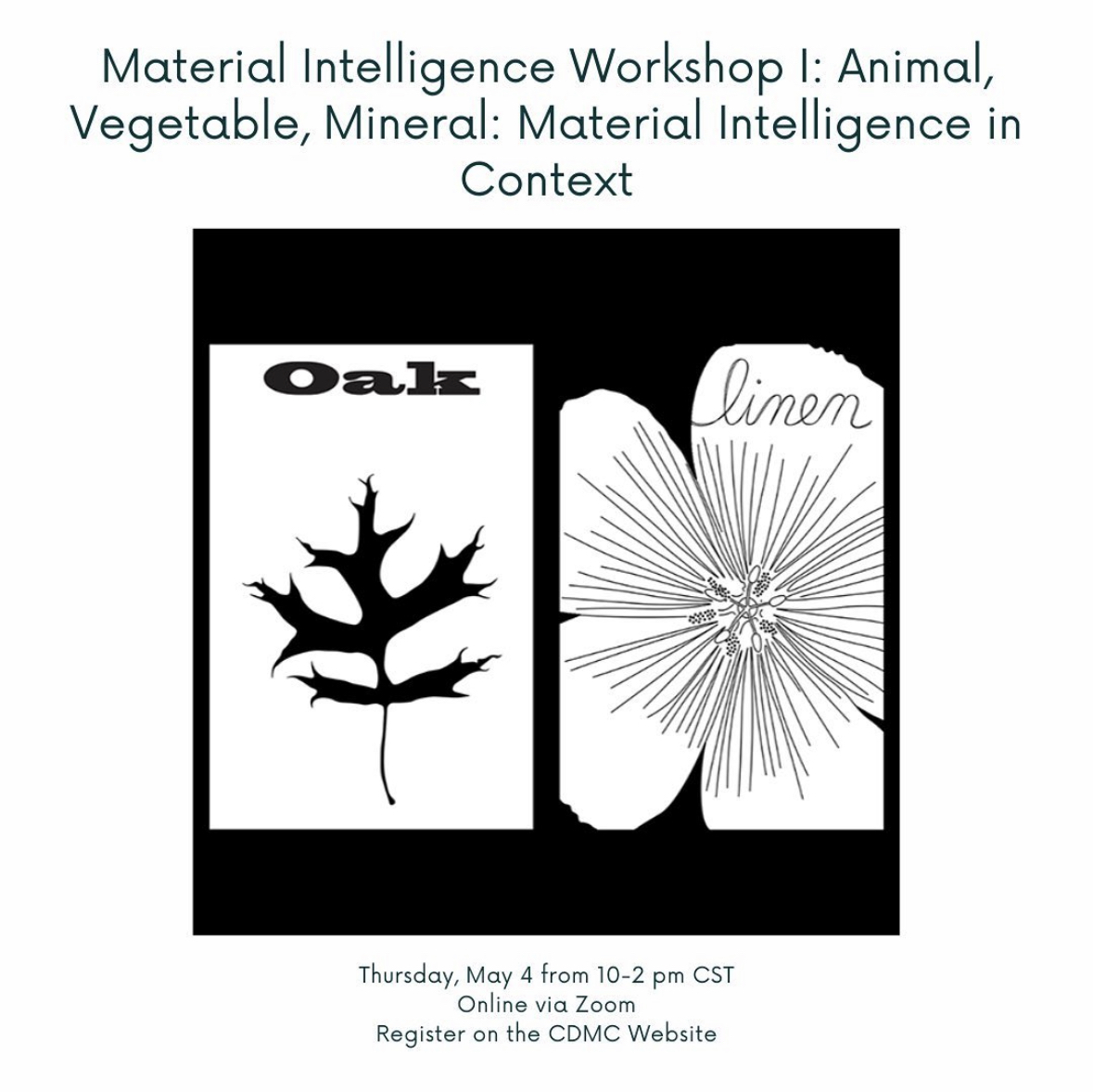
The Center for Design and Material Culture (@uw_cdmc) is hosting the inaugural #MaterialIntelligence Workshop around the theme "Animal, Vegetable, Mineral: Material Intelligence in Context."
Join us via Zoom on Thurs, May 4. Register: bit.ly/3nmks2Z
1
4
388
9 Apr 2023
“For as long as there have been tools, tools have been made from obsidian.”—Thomas J. Connolly
📖 Read the full #MaterialIntelligence issue on #obsidian. bit.ly/3nNKL1N

ALT Zoomed in image of porous black rock with text “Ancestral toolstone Thomas J. Connolly”
2
216
5 Apr 2023
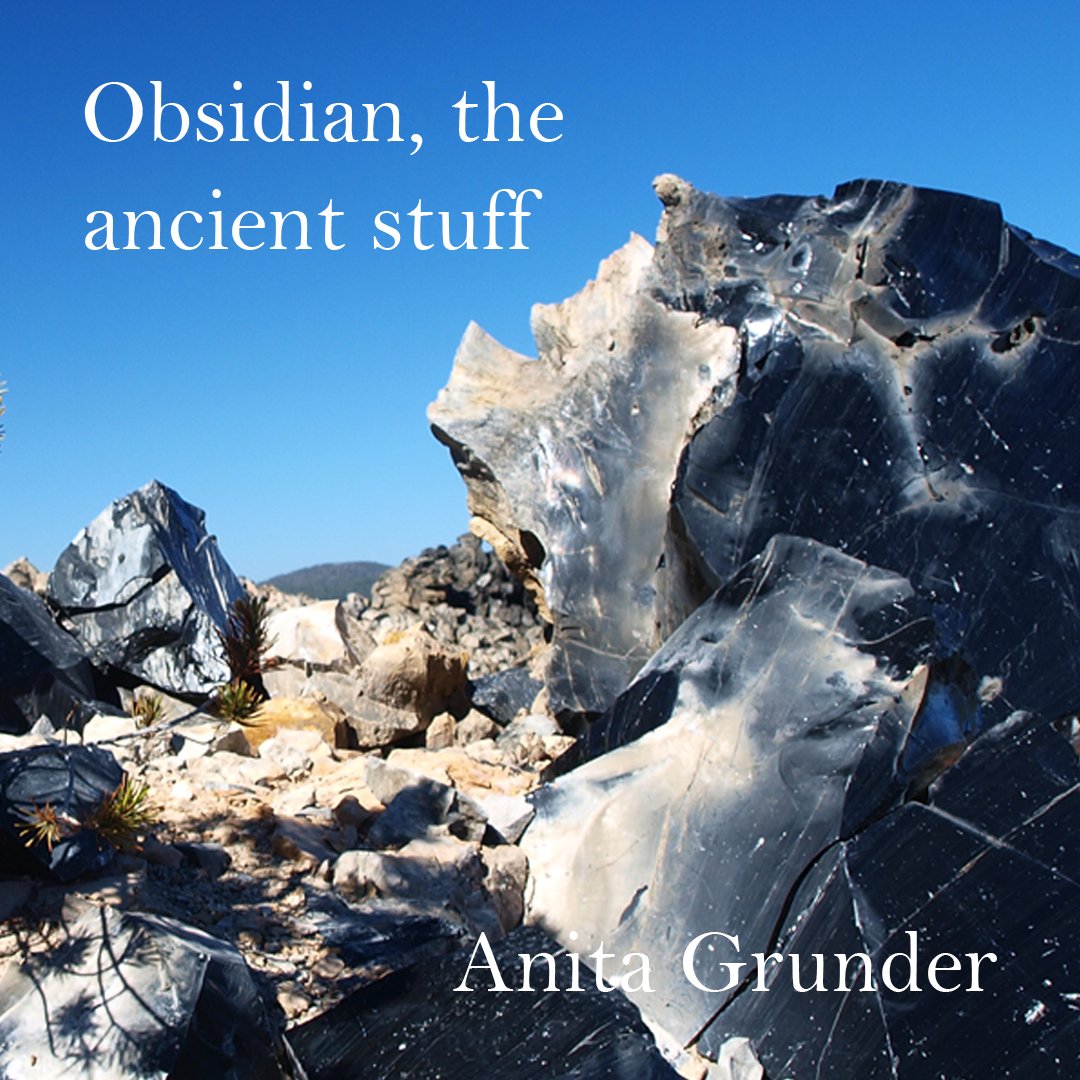
“The physical properties of obsidian, a hardness greater than that of ordinary steel and the ability to cleave to a fine edge, have made obsidian a prized material for millennia.”—Anita Grunder
Read more from the #MaterialIntelligence issue on #obsidian: bit.ly/3nNKL1N
ALT Boulders of obsidian with the text “Obsidian, the ancient stuff” and “Anita Grunder”
2
5
1,008