
Jun 17
ദൃശ്യം 3'യുടെ വിജയത്തിന് പിന്നാലെ വീണ്ടും ബിഗ് ബജറ്റ് സിനിമകളുമായി പനോരമ സ്റ്റുഡിയോസ്; പ്രധാന വേഷത്തിലെത്തുന്നത് ഫഹദ്
#FahadhFaasil #Drishyam3 #PanoramaStudios #JacobBabu #Maxlab #MollywoodNews #NewMovieAnnouncement #Fafa #MalayalamCinema
etvbharat.com/ml/entertainme…
1
139

🏆 UNA FECHA QUE PUEDE DEFINIR TODO 👀
La Fecha 16 del Torneo Apertura promete partidazos… y hasta podría coronar al campeón. ⚽🔥
Con la pelea por la cima más apretada que nunca, cada punto empieza a valer oro. ¿Habrá vuelta olímpica este fin de semana? 🤔
📺 Vive toda la Fecha 16 en vivo por L1MAX 👉 l1max.com
#L1MAX #Liga1 #TorneoApertura #MaxLab

2
3
17
1,196
🟠Betsson⚪ presenta al jugador de la Fecha 15
Bernardo Cuesta fue la gran figura en la goleada de Melgar: convirtió dos goles y aportó una asistencia en el contundente 4-1 frente a Sport Huancayo. 🔥⚽🎯
El delantero del Dominó 🔴⚫ es el jugador @betssonperu de la Fecha 👏
📺 Conoce cómo ver L1MAX en vivo 👉 l1max.com
La elección de este jugador está basada en estadísticas individuales procesadas post partido por Max Lab a través de sus proveedores oficiales.
#MaxLab #JugadordelaFecha #BernardoCuesta #Melgar
1
5
1,494
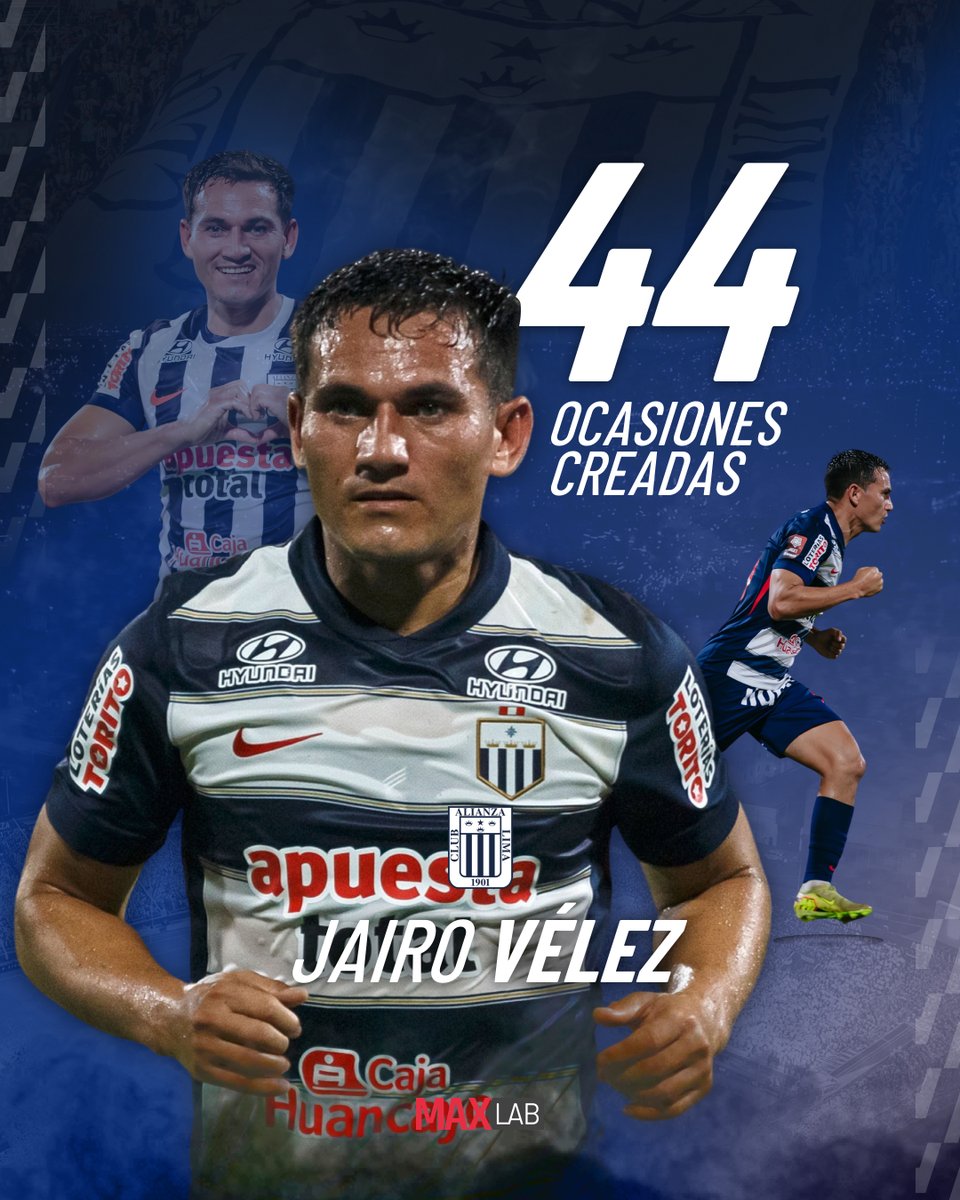
🎯 EL CREADOR DEL TORNEO.
Jairo Vélez lidera el Apertura en ocasiones creadas con 44 y se consolida como una de las principales armas ofensivas de Alianza Lima. 🔥
¿Hará un partidazo como suele hacer vs Cienciano?
📺 Vive toda la Liga1 por L1MAX 👉 l1max.com
#MaxLab #Liga1 #TorneoApertura
1
9
233
19,411
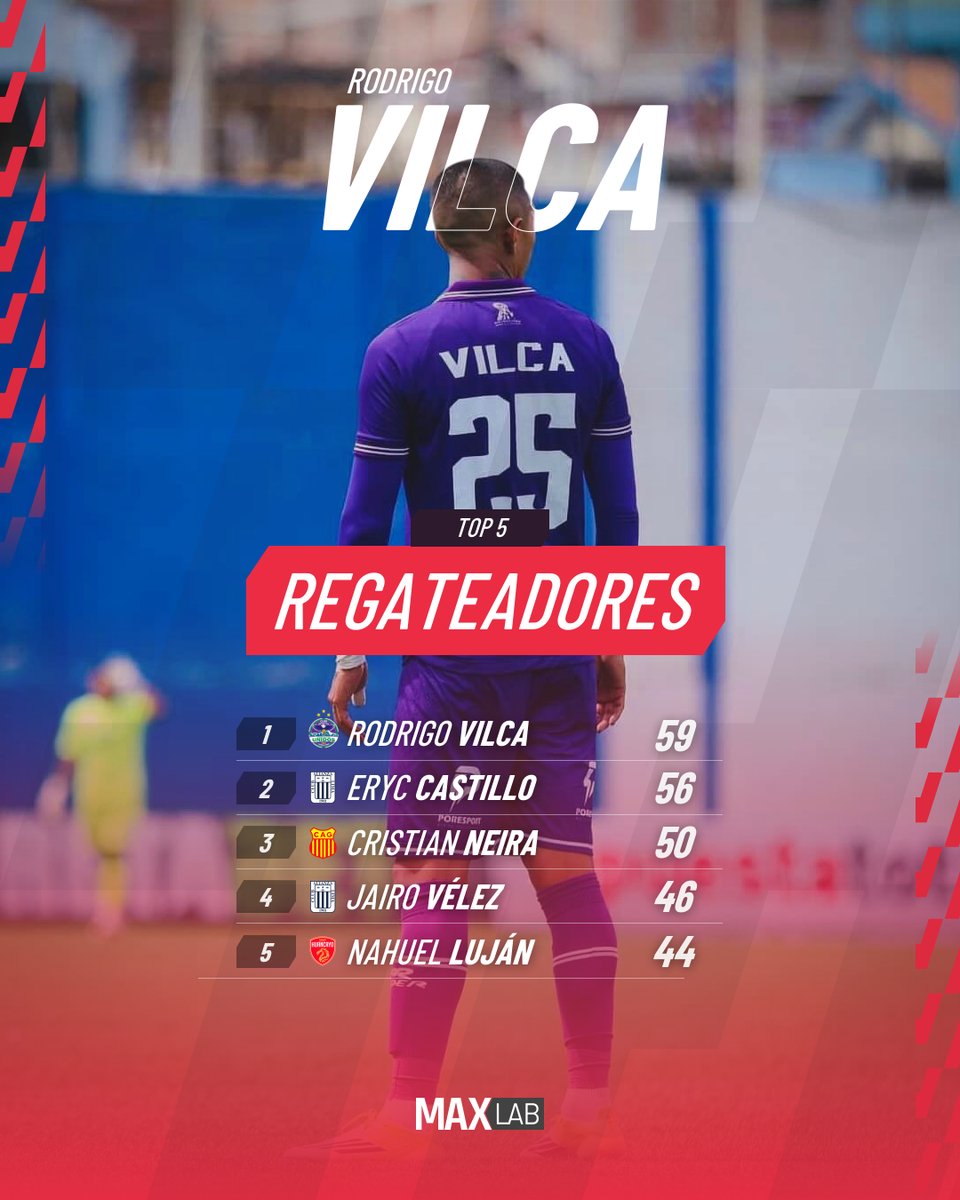
🧤 SEGURIDAD BAJO LOS TRES PALOS.
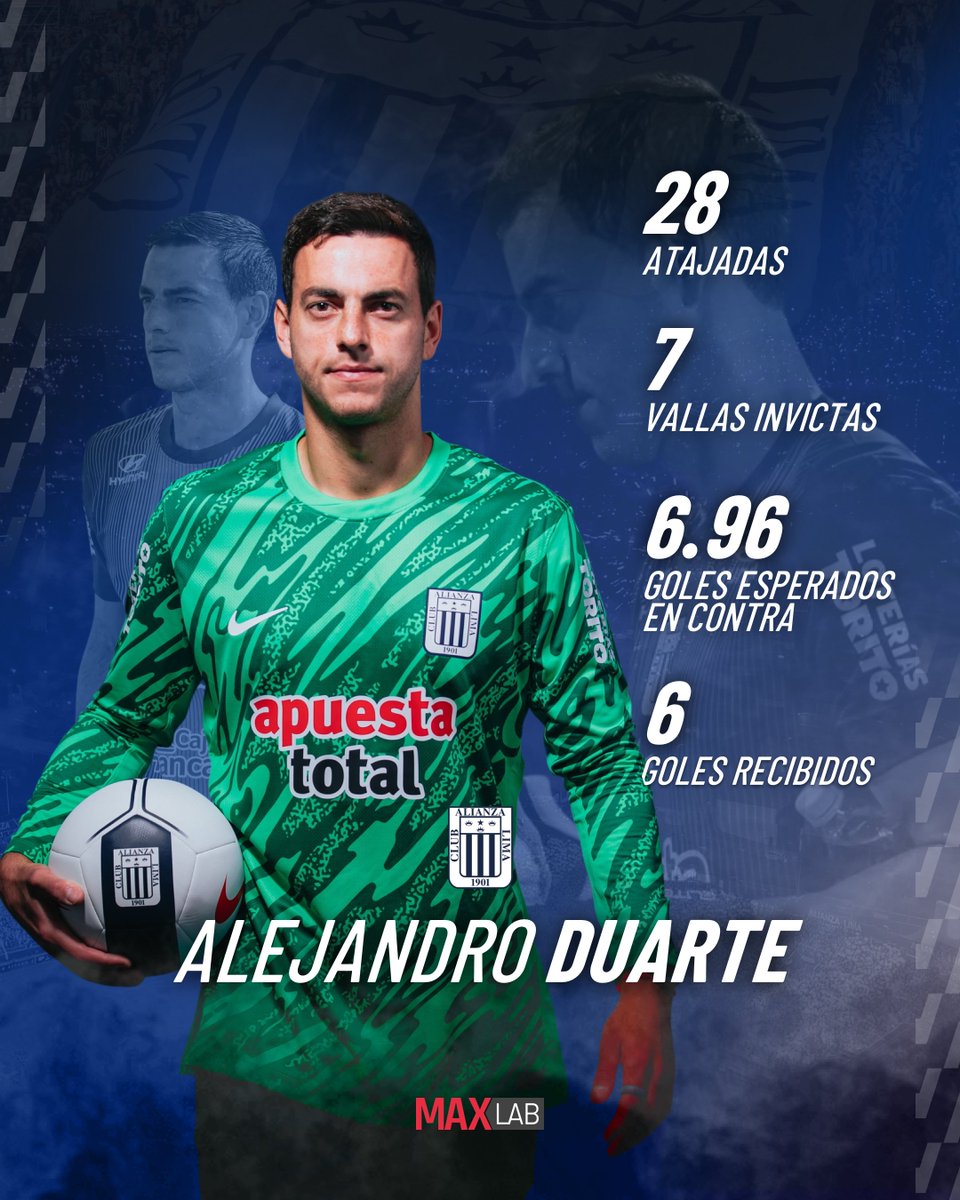
Alejandro Duarte viene siendo una de las grandes figuras de Alianza Lima en el Apertura: 28 atajadas, 7 vallas invictas y apenas 6 goles recibidos. 🔥
Los números respaldan el gran momento del arquero blanquiazul. 👀
📺 Vive toda la Liga1 por L1MAX 👉 l1max.com
#MaxLab #Liga1 #TorneoApertura
12
154
3,085
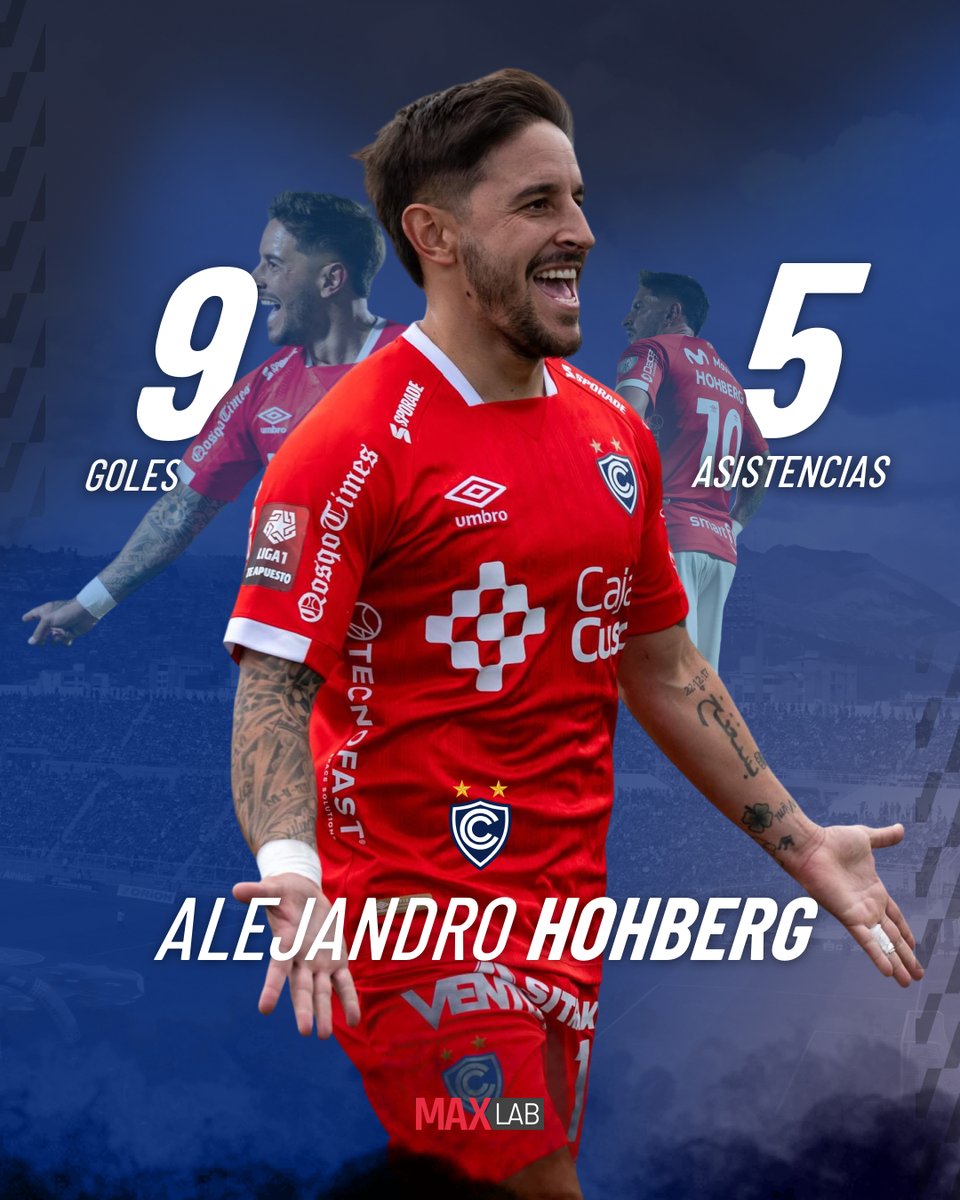
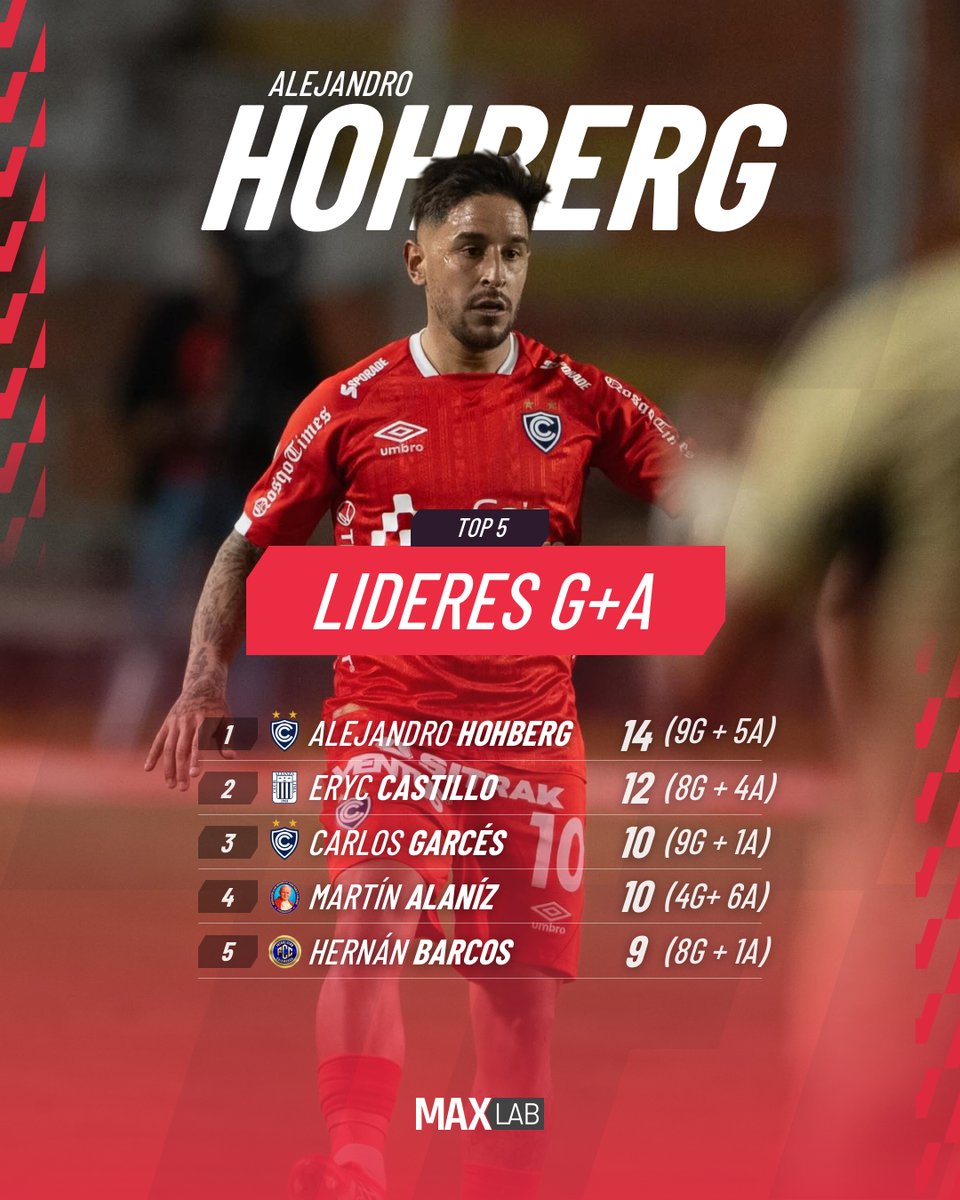
⚽️ LA PELEA POR EL GOL ESTÁ QUE ARDE.
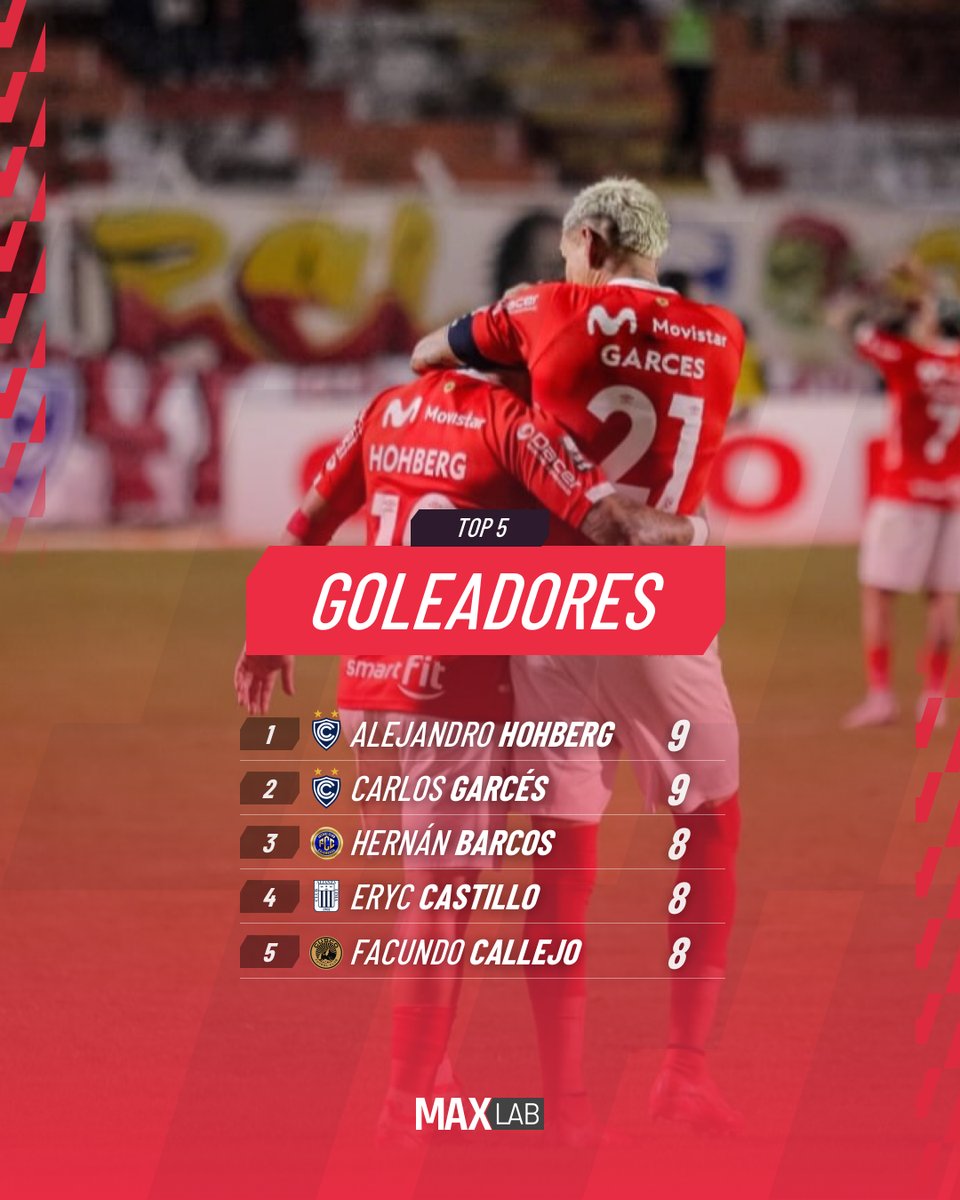
Alejandro Hohberg alcanzó la cima de goleadores del Apertura y comparte el liderato con Carlos Garcés. 🔥
Barcos, Eryc Castillo y Callejo también siguen al acecho en una tabla que promete definirse fecha a fecha. 👀
📺 Vive toda la Liga1 por L1MAX 👉 l1max.com
#MaxLab #Liga1 #TorneoApertura
1
17
2,929
🎯 LOS QUE HACEN JUGAR.
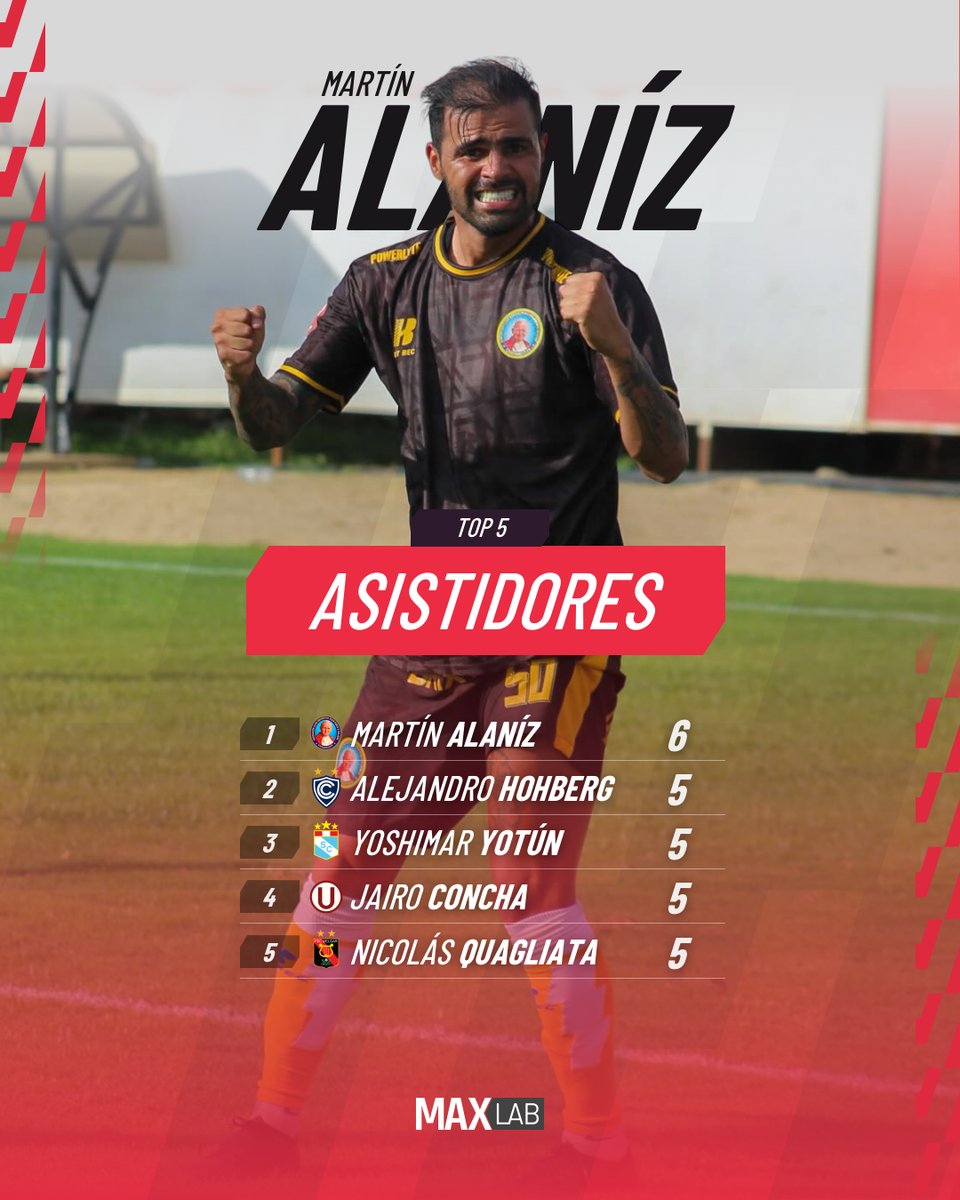
Martín Alaníz lidera la tabla de asistidores del Apertura y marca la diferencia con su visión y último pase. 🔥
Hohberg, Yotún, Jairo Concha y Quagliata completan un TOP 5 lleno de talento y creatividad. 👀
📺 Vive toda la Liga1 por L1MAX 👉 l1max.com
#MaxLab #Liga1 #TorneoApertura
5
1,303
🔥 HISTORIAL RECIENTE ENTRE ÍNTIMOS Y IMPERIALES 👀
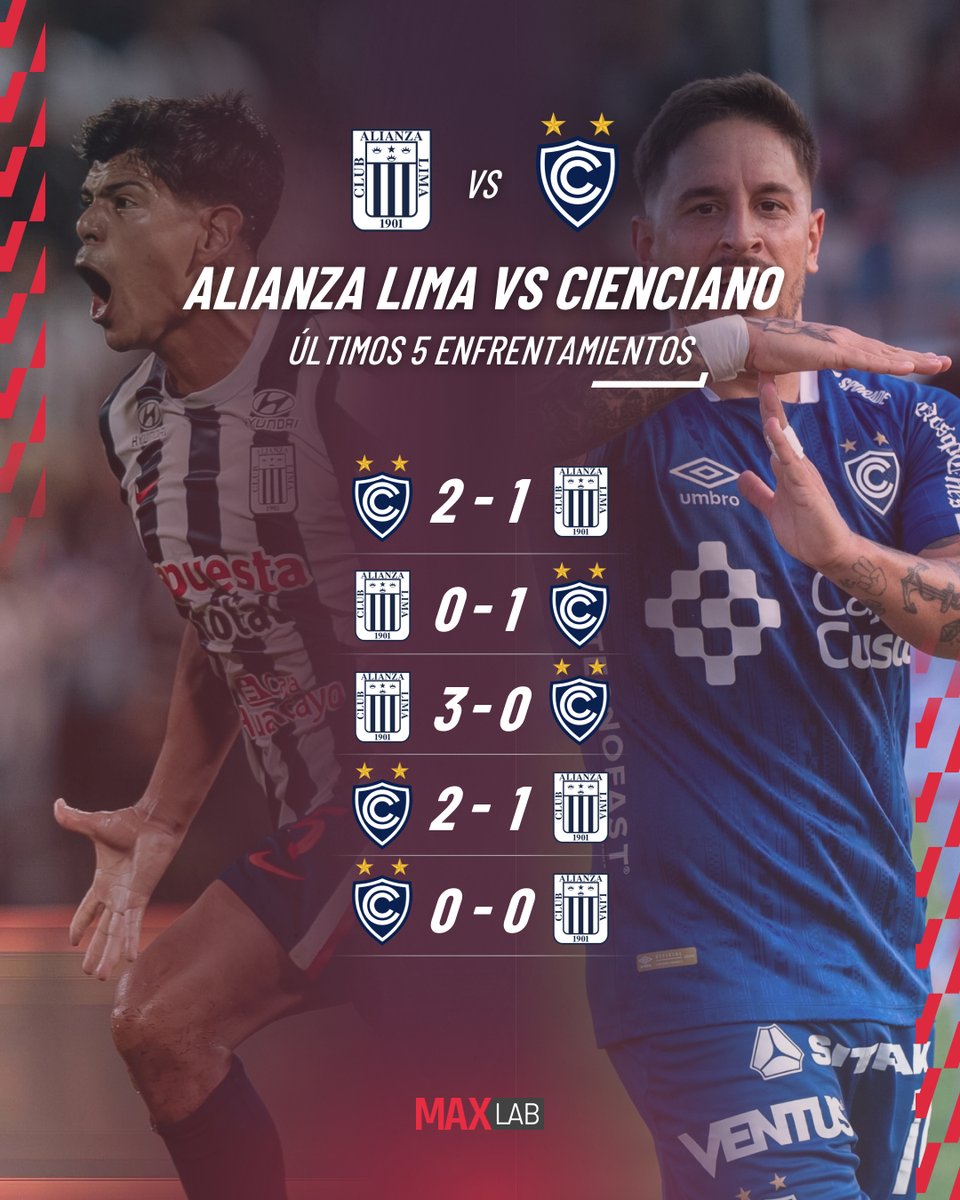
Así quedaron los últimos 5 enfrentamientos entre Alianza Lima y Cienciano. ⚽📊
¿Quién llega mejor para el duelo del sábado? 🤔
📺 Conoce cómo ver L1MAX en vivo 👉 l1max.com
#L1MAX #MaxLab #AlianzaLima #Cienciano
10
3
54
7,334
🟠Betsson⚪ presenta al jugador de la Fecha
Cristian Penilla participó en los 4 goles de Alianza Atlético: marcó 2 y dio 2 asistencias para darle la victoria a su equipo.
El delantero de Alianza Atlético es el jugador @betssonperu de la Fecha 🔥
📺 Conoce cómo ver L1MAX en vivo 👉 l1max.com
La elección de este jugador está basada en estadísticas individuales procesadas post partido por Max Lab a través de sus proveedores oficiales.
#MaxLab #JugadordelaFecha
3
890

FYI, my video will explain why TuG (but not Megan) and Tizzy were struck, as well as MaxLab, as far as others go, I would have to see their channels to know if my analysis fits or not
2
12

അയാൾക്ക് താല്പര്യം ഇല്ലാതെ ഇരിക്കുന്ന കാലത്തോളം ഒന്നും സംഭവിക്കില്ല.പുള്ളിക്ക് ഇപ്പോഴും വരുമാനത്തിന് ഒന്നും ഒരു കുറവും ഇല്ലല്ലോ.ഒരുപാട് ബിസിനസ്സ് ഉണ്ട്.പിന്നെ എന്ത് നോക്കാൻ. അവിടെയാണ് മോഹൻലാൽ വ്യത്യസ്ഥൻ ആകുന്നത്.അയാളുടെ ഏറ്റവും വലിയ വിജയം maxlab distribution കമ്പനി തുടങ്ങിയതാണ്
5
917
🟠Betsson⚪ presenta al jugador de la Fecha
Beto da Silva ⚡ fue la gran figura en la victoria de Deportivo Garcilaso. El delantero apareció en el momento más caliente del partido: marcó un doblete ⚽⚽ en los minutos finales y lideró la remontada para sellar un triunfo clave en el Torneo Apertura 🇵🇪.
El atacante del conjunto celeste 🔵 mostró toda su jerarquía: 2 goles y 1 asistencia que marcaron la diferencia cuando más lo necesitaban.
El goleador de la noche es el jugador @betssonperu de la Fecha.
¡Se gritó con todo! 💥
📺 Conoce cómo ver L1MAX en vivo 👉 l1max.com
La elección de este jugador está basada en estadísticas individuales procesadas post partido por Max Lab a través de sus proveedores oficiales.
#MaxLab #BetodaSilva #DeportivoGarcilaso #JugadordelaFecha
1
6
1,447
🟠Betsson⚪ presenta al jugador de la Fecha
Eryc Castillo ⚡ fue determinante en la victoria de Alianza Lima. El extremo ecuatoriano apareció en el momento justo: firmó un doblete ⚽⚽ en Matute y resolvió un partido exigente ante Juan Pablo II.
Atacó el espacio, ganó en velocidad y definió con claridad cuando el equipo lo necesitaba.
Su actuación sostuvo el invicto y puso a los íntimos en la cima del Torneo Apertura 🇵🇪.
El atacante del cuadro íntimo 💙 es el jugador @betssonperu de la Fecha.
¡Noche clave en Matute! 💥
📺 Conoce cómo ver L1MAX en vivo 👉 l1max.com
La elección de este jugador está basada en estadísticas individuales procesadas post partido por Max Lab a través de sus proveedores oficiales.
#MaxLab #ErycCastillo #AlianzaLima #JugadordelaFecha #L1MAX #Liga1 #TorneoApertura2026
2
60
1,864

Mar 24
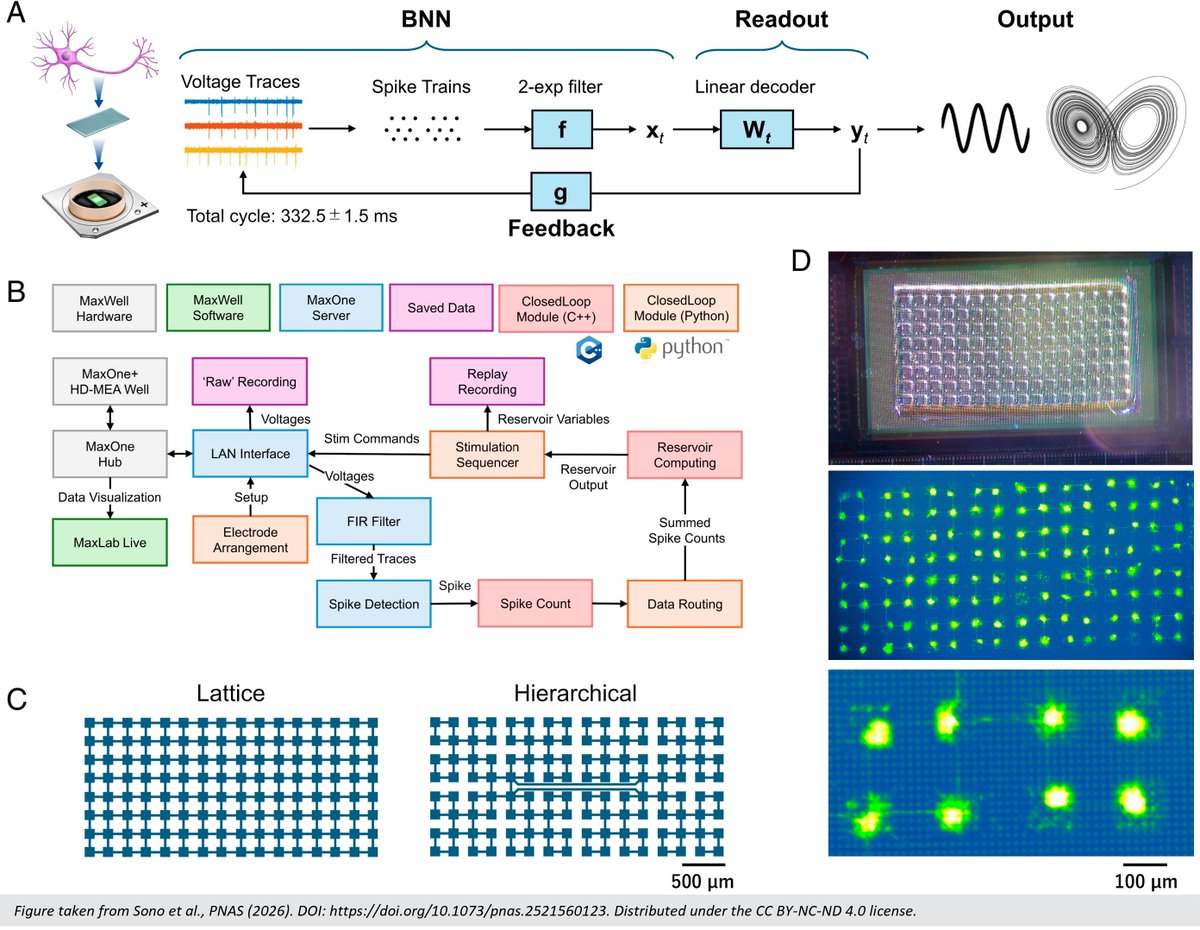
🧠 Linking closed-loop control to temporal learning in living neural networks: In a new PNAS paper, Sono et al. show that engineered biological neural networks can be trained online to autonomously generate structured temporal signals. By combining modular in-vitro cortical networks with real-time decoding and stimulation, they demonstrate that living neurons can sustain learned temporal outputs in a reservoir-computing framework.
Using the MaxOne HD-MEA with PDMS microfluidic structures onto MaxOne chips (Fig.1), the team engineered two modular network architectures, lattice and hierarchical, and compared them with homogeneous cultures. They found that modular networks reduced excessive global synchrony and supported more distributed activity patterns (Fig.2).
Now, moving to the training phase — which network has better learning capabilities? Those with less global synchrony. Using the MaxLab Live API module for electrical stimulation-based online training, the authors show that these modular configurations display improved learning performance when trained on different temporal waveforms. These inputs can be learned and transiently maintained by the network, highlighting how structured connectivity enhances the computational capacity of living neural systems.
👉 Read the full article here mxwbio.com/resources/proceed…
👏 Congratulations to Yuki Sono, Hideaki Yamamoto, Yusei Nishi, Takuma Sumi, Yuya Sato, Ayumi Hirano-Iwata, Prof. Yuichi Katori, and Shigeo Sato from the Research Institute of Electrical Communication, Tohoku University; Department of Electronic Engineering, Graduate School of Engineering, Tohoku University; WPI-AIMR (Advanced Institute for Materials Research), Tohoku University; Hotchkiss Brain Institute, University of Calgary; Department of Biomedical Engineering, Graduate School of Biomedical Engineering, Tohoku University; Research Organization for Nano & Life Innovation, Waseda University; School of Systems Information Science, Future University Hakodate; and the IRCN (International Research Center for Neurointelligence, The University of Tokyo).
#Neurocomputing #HDMEA #Electrophysiology #MaxOne #PDMS
5
5
237
🟠Betsson⚪ presenta al jugador de la Fecha
Irven Ávila participó en los 3 goles ante Sport Boys: marcó 1 y dio 2 asistencias para dejar a los celestes a solo 6 puntos de la cima.
El delantero de Sporting Cristal es el jugador @betssonperu de la Fecha 7 🔥
📺 Conoce cómo ver L1MAX en vivo 👉 l1max.com
La elección de este jugador está basada en estadísticas individuales procesadas post partido por Max Lab a través de sus proveedores oficiales.
#MaxLab #JugadordelaFecha #IrvenÁvila #SportingCristal
1
10
84
2,556
Mar 12
🔁 What does it actually take to build a closed-loop experiment?
As we launch our #neurocomputing content series, we are starting with one of the most common requests from the community: the building blocks and practical workflows behind closed-loop experiments.
In this first blog post, Robert Jelitto and Dr. Zhuoliang (Ed) Li walk you through a step-by-step example of how to set up a closed-loop experiment using the MaxLab Live API.
Along the way, we explore:
🔹 The core logic behind closed-loop paradigms;
🔹 A simple, reproducible demo setup;
🔹 How to move from “record and stimulate” toward a functional feedback loop.
With this series, we aim to make neurocomputing more concrete, navigable, and reproducible for our research community.
👉 Read the blog here: mxwbio.com/updates/getting-s…
❓ What closed-loop workflows are you currently exploring in your research?
#HDMEA #Electrophysiology #Neuroscience #Neurocomputing
1
6
98
🟠Betsson⚪ presenta al jugador de la Fecha
Jairo Vélez ⚡ fue determinante en la victoria de Alianza Lima. El volante blanquiazul apareció en los momentos clave del partido: marcó un gol ⚽ y aportó una asistencia 🎯, liderando a su equipo para mantener el invicto y quedar como único puntero del Torneo Apertura 🇵🇪.
El creativo del cuadro íntimo 💙 es el jugador @betssonperu de la Fecha.
¡Se festeja en Matute! 💥
📺 Conoce cómo ver L1MAX en vivo 👉 l1max.com
La elección de este jugador está basada en estadísticas individuales procesadas post partido por Max Lab a través de sus proveedores oficiales.
#MaxLab #JairoVelez #AlianzaLima #JugadordelaFecha
14
1,465