
Joined June 2016
- Tweets 1,224
- Following 895
- Followers 1,047
- Likes 591
874 Photos and videos

Jun 12
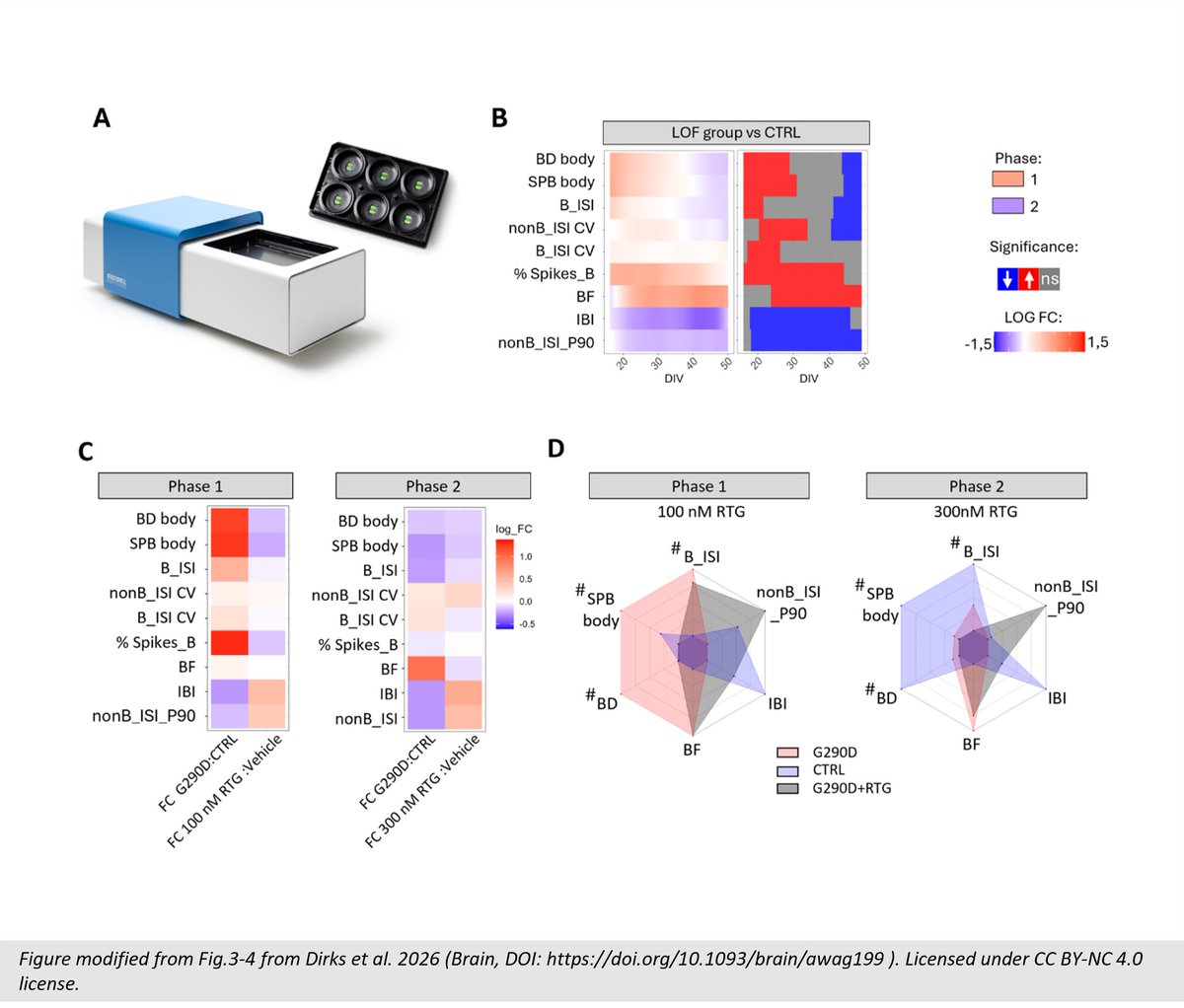
🧠 KCNQ2-related epilepsy as a moving target, not a static phenotype. In a new @Brain1878 paper (@OxUniPress), Dirkx et al. follow human iPSC-derived cortical iNeurons carrying KCNQ2 loss-of-function variants across maturation and show that the disease phenotype evolves over time.
At early developmental stages, the hallmark of the disease lies in Kv7-driven hyperexcitability. At later stages, this intrinsic hyperexcitability normalizes, giving way to network phenotypes that diverge further from control trajectories. Together, these data suggest that the primary Kv7.2 defect triggers compensatory responses that become maladaptive as the network matures.
How did they gain all this functional information? By using the MaxTwo High-Density Microelectrode Array (HD-MEA) system. With MaxTwo HD-MEA 6-Well Plate, the team tracked the emergence of spontaneous firing and network bursts as hallmarks of early hyperexcitability, captured the later divergence in network behavior, and showed that retigabine can rescue the early Kv7-driven phenotype but not the later maladaptive remodeling. All of this on one single platform.
👉 Read the full publication here – mxwbio.com/resources/brain-2…
👏 Congratulations to @DirkxNina, Dr. @mark_kaji Kaji, Els De Vriendt, Dr. Giusy Carleo, Dr. Francesco Miceli, Dr. Bob Asselbergh, Dr. Peter Verstraelen, Dr. Noortje Zonnekein, Dr. Lidia Carotenuto, Dr. Louis Dang, Vera Sommers, Eve Vlaemynck, Prof. Dr. @LievenLagae, Dr. Berten Ceulemans, Prof. Dr. Peter De Jonghe, Prof. Dr. Winnok De Vos, Prof. Dr. Maurizio Taglialatela, and Dr. @SWeckhuysen from:
@Weckhuysen_team , Translational Epilepsy Genomics Group, VIB-UAntwerp Center for Molecular Neurology (@CMN_VIB), VIB (@VIBLifeSciences), Department of Biomedical Sciences, University of Antwerp, Translational Neurosciences, Faculty of Medicine and Health Science, University of Antwerp, µNEURO Research Centre of Excellence, University of Antwerp, Division of Pharmacology, Department of Neuroscience, University of Naples Federico II, Laboratory of Cell Biology and Histology, University of Antwerp, Division of Pediatric Neurology, Department of Pediatrics, Michigan Medicine (@umichmedicine), University of Michigan (@UMich), Department of Development and Regeneration, Paediatric Neurology, University of Leuven (@KU_Leuven), Member of European Reference Network EpiCare, Department of Pediatric Neurology, University Hospital Antwerp, Laboratory of Neuromuscular Pathology, Institute Born-Bunge, University of Antwerp, Neuromuscular Reference Centre, Department of Neurology, Antwerp University Hospital, Antwerp Centre for Advanced Microscopy, University of Antwerp, and Division of Neurology, University Hospital Antwerp
#HDMEA #Electrophysiology #Neuroscience
1
2
4
270
Jun 12
🧠 What can human neural models teach us about the origins of brain function?
As neural organoids and assembloids continue to evolve, they provide unprecedented opportunities to investigate the cellular and network mechanisms underlying human brain development and disease. Unlocking their full potential requires understanding not only how they are built, but how they function.
We are excited to be part of Cortical Evolution 2026, a meeting dedicated to exploring the biological foundations of cortical development, evolution, and function.
Visit our poster to learn how HD-MEA technology can complement transcriptomic and imaging approaches, helping researchers uncover patterns of network activity, maturation, and disease-related dysfunction in human neural systems.👇
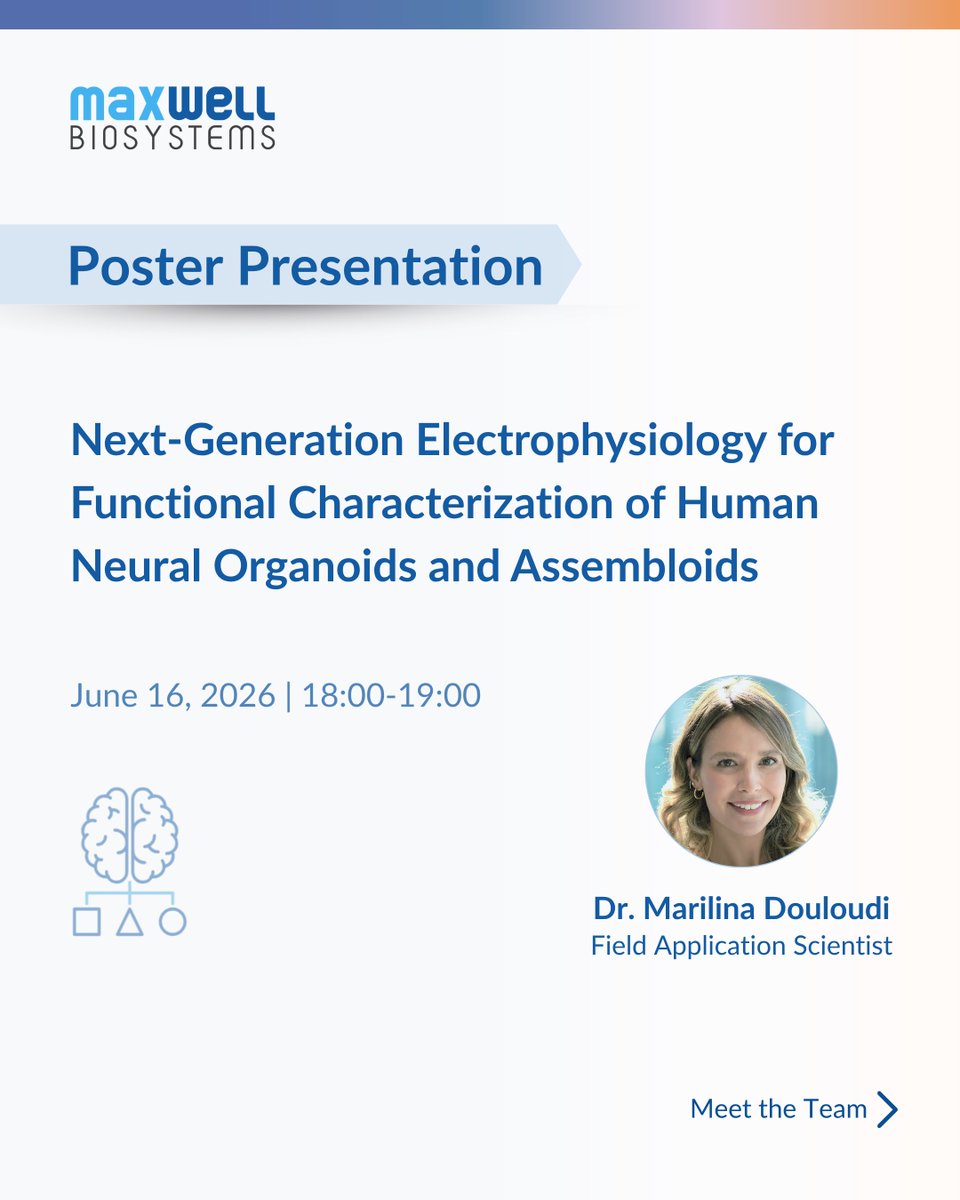
📌 Poster Presentation
“Next-Generation Electrophysiology for Functional Characterization of Human Neural Organoids and Assembloids”
Presented by Dr. Marilina Douloundi
🗓 June 16, 2026 - ⏰ 18:00 – 19:00
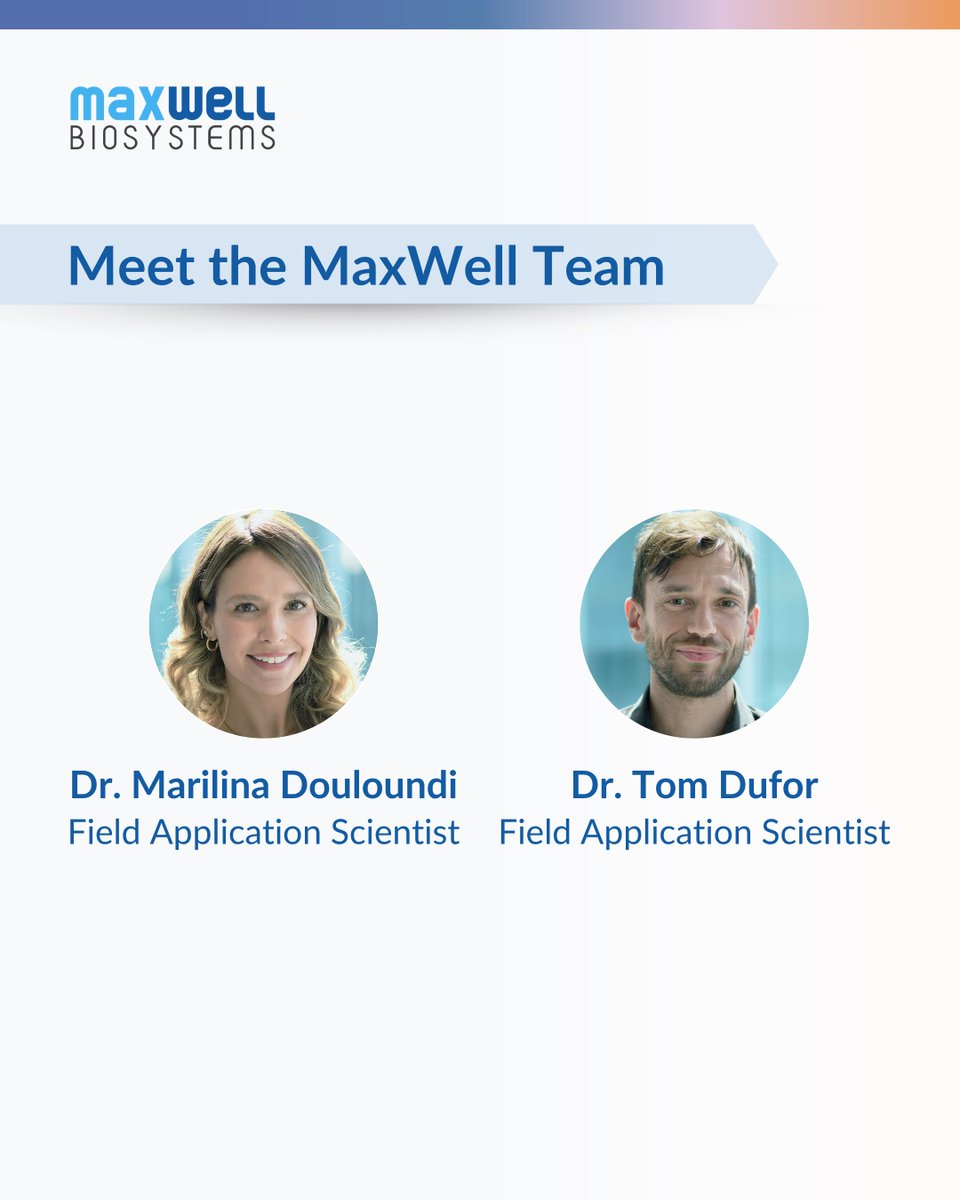
Meet the MaxWell Biosystems team:
🔬 Dr. Marilina Douloundi – Field Application Scientist
🔬 Dr. Tom Dufor – Field Application Scientist
We look forward to connecting with the community advancing our understanding of cortical development, neural circuit formation, and the mechanisms that shape human brain function.
🇪🇸 See you in Bilbao!
#CorticalEvolution2026 #Organoids #Neuroscience #Electrophysiology #HDMEA #MxWConnect
48
Jun 10
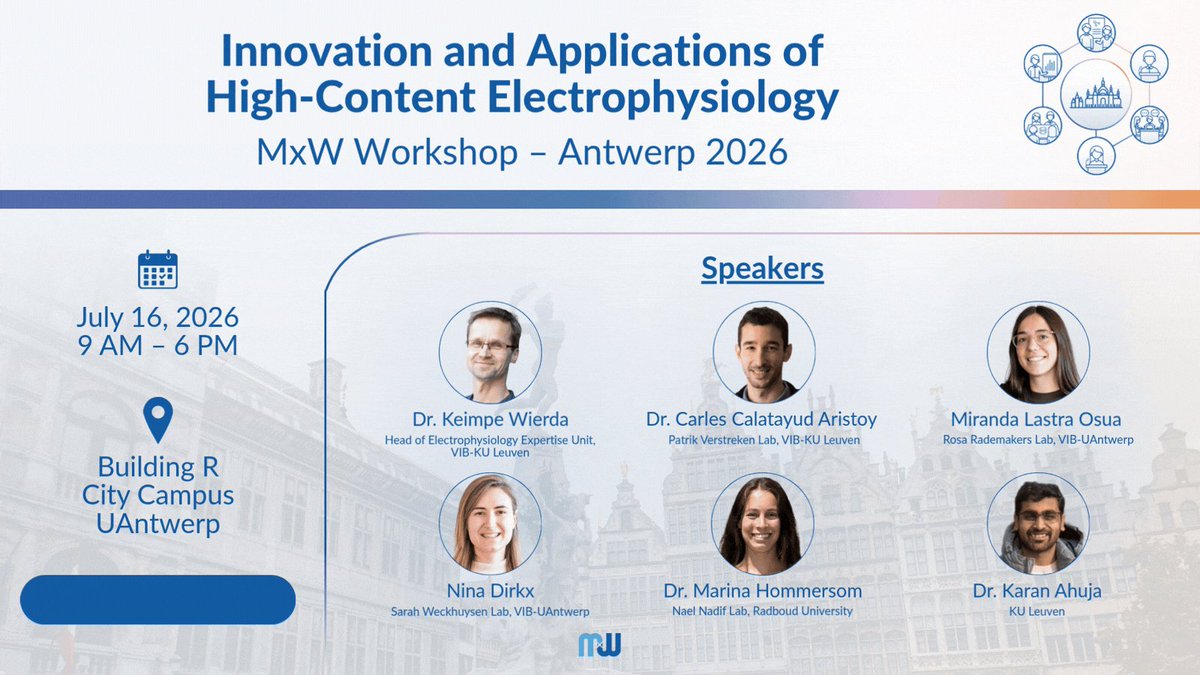
After successful stops in California, the United Kingdom, China, and Japan, our Global Event Series is heading to Belgium this summer. Will you be joining us? 🧠
On July 16th, we are bringing together neuroscientists, electrophysiology experts, and HD-MEA users for a day of scientific exchange focused on the latest advances in high-content electrophysiology, neuroscience, and human-relevant neural models.
We are excited to welcome an outstanding lineup of speakers including:
✅ Dr. @KeimpeWierda, VIB-KU Leuven Center for Brain & Disease Research (@VIBLifeSciences)
✅ Dr. Carles Calatayud Aristoy, Patrik Verstreken Lab, VIB-KU Leuven Center for Brain & Disease Research
✅ Miranda Lastra Osua, @RademakersRosa Lab, VIB-UAntwerp Center for Molecular Neurology
✅ Nina Dirkx, Sarah Weckhuysen Lab (@SWeckhuysen), VIB-UAntwerp Center for Molecular Neurology
✅ Dr. Marina Hommersom, Nael Nadif Kasri Lab, Radboud University
✅ Dr. Karan Ahuja, VIB-KU Leuven
...and more speakers to be announced soon.
Whether you are already working with HD-MEA technology or exploring how high-resolution electrophysiology can unlock new insights into neuronal function, this workshop offers a unique opportunity to learn from peers, share experiences, and expand your network.
📅 July 16, 2026
📍 Building R, City Campus, University of Antwerp, Belgium
Join us for a day of cutting-edge science, engaging discussions, and valuable networking with the neuroscience community.
Secure your spot today 👇
🔗 mxwbio.com/events/mxw-events…
We look forward to welcoming you to Antwerp together with the Weckhuysen team! 🇧🇪
#Neuroscience #Electrophysiology #HDMEA #MxWConnectAntwerp2026
89
Jun 9
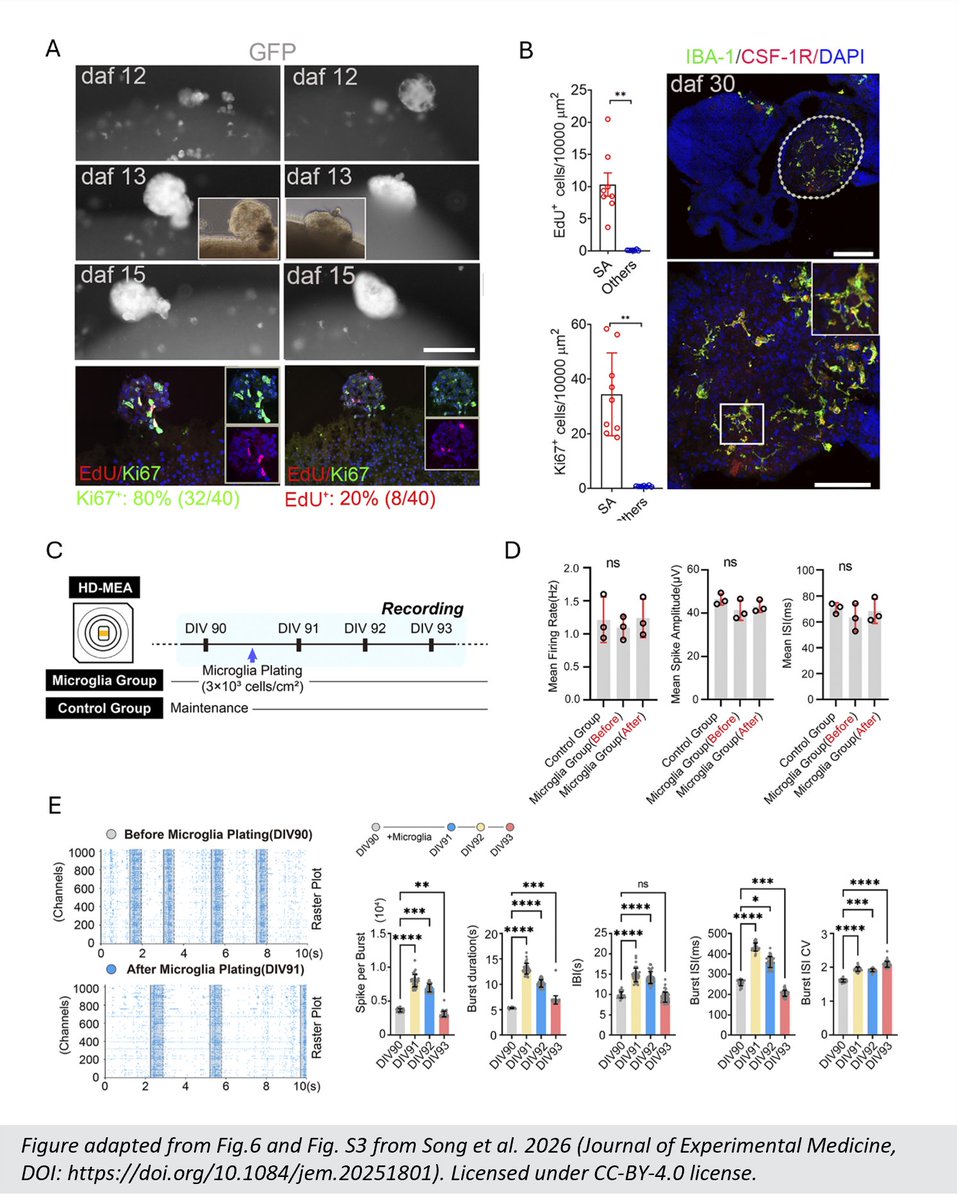
🧠A new source of human microglia during brain development? In a new Journal of Experimental Medicine paper, Song et al. identify a previously unrecognized secondary microglial formation center (SMFC) in the human fetal brain. This newly identified microglial hub emerges during brain development and is even larger in Down’s syndrome and Edwards syndrome fetal brains.
To test whether this structure could be recreated in vitro, the authors turned to chimeric microglia–human cortical organoids. Remarkably, these organoids recapitulated key features of the SMFC, providing a human model to study how microglia expand, organize, and interact with the developing brain during critical stages of neurodevelopment.
Where does MaxWell Biosystems' HD-MEA technology come in? To add a functional dimension to their organoid model, the team used MaxWell HD-MEAs to assess neuronal network activity. While the presence of microglia had only limited effects on basic firing properties, it altered network synchronization and bursting behavior, suggesting that microglia contribute to the maturation and organization of developing neural circuits. This is a nice example of how HD-MEAs can uncover subtle network-level effects in complex neuroimmune models, opening exciting opportunities to investigate microglia-related neurological disorders and developmental syndromes.
👉 Read the full publication here – mxwbio.com/resources/journal…
👏 Congratulations to Dr. Chenyun Song, Dr. Xinyu Chen, Dr. Rong Ji, Dr. Yang Liu, Dr. Yawen Han, Dr. Fangzhou Ye, Dr. Ling Zhang, Dr. Li Li, Dr. Lu Gao, Dr. Qizhi He, Dr. Lixiang Ma, and Dr. Hexige Saiyin from Department of Anatomy and Histology & Embryology, School of Basic Medical Sciences, @FudanUniversity , Shanghai, China; Department of Neurology, Minhang Hospital, Fudan University, Shanghai, China; Department of Developmental Biology, @UW Washington University School of Medicine, St. Louis, MO, USA; Department of Anesthesiology, Huashan Hospital, Fudan University, Shanghai, China; Department of Pathology, Shanghai Key Laboratory of Maternal-Fetal Medicine, Shanghai Institute of Maternal-Fetal Medicine and Gynecologic Oncology, Shanghai First Maternity and Infant Hospital, School of Medicine, @Tongji_Uni, Shanghai, China; State Key Laboratory of Genetic Engineering, School of Life Sciences, Fudan University, Shanghai, China
#HDMEA #Neuroscience #Electrophysiology
1
2
121
Jun 9
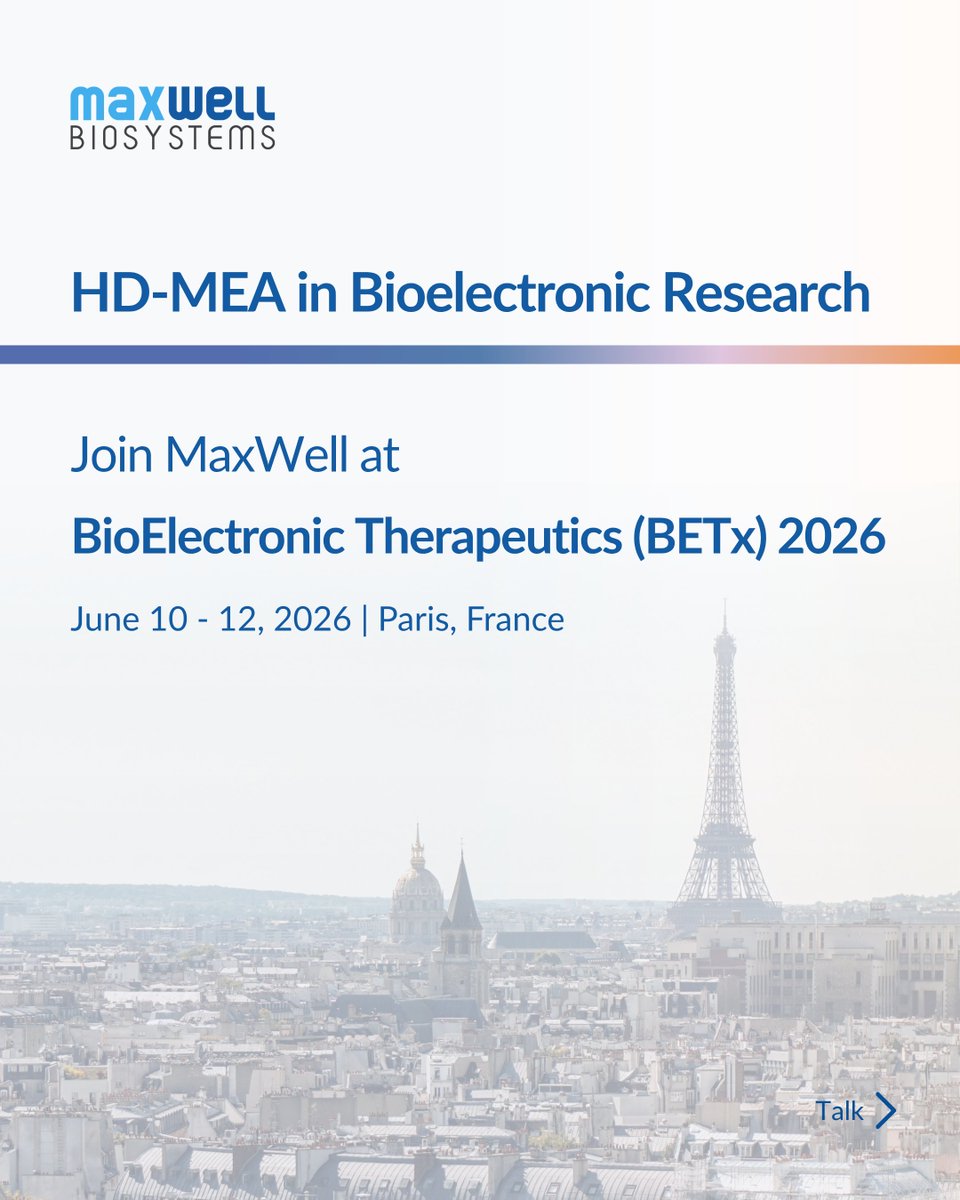
🧠⚡ Bioelectronics is transforming healthcare by connecting two powerful systems: biology and technology.
From decoding neural activity to enabling next-generation therapeutics, this rapidly growing field is reshaping how we understand, diagnose, and treat disease.
We are excited to join the conversation at BioElectronic Therapeutics (BETx) 2026, with innovators across neuroscience, engineering, and medicine.
Discover how our HD-MEA technology is enabling deeper functional insights into neuronal networks and accelerating the development of bioelectronic therapies. 👇
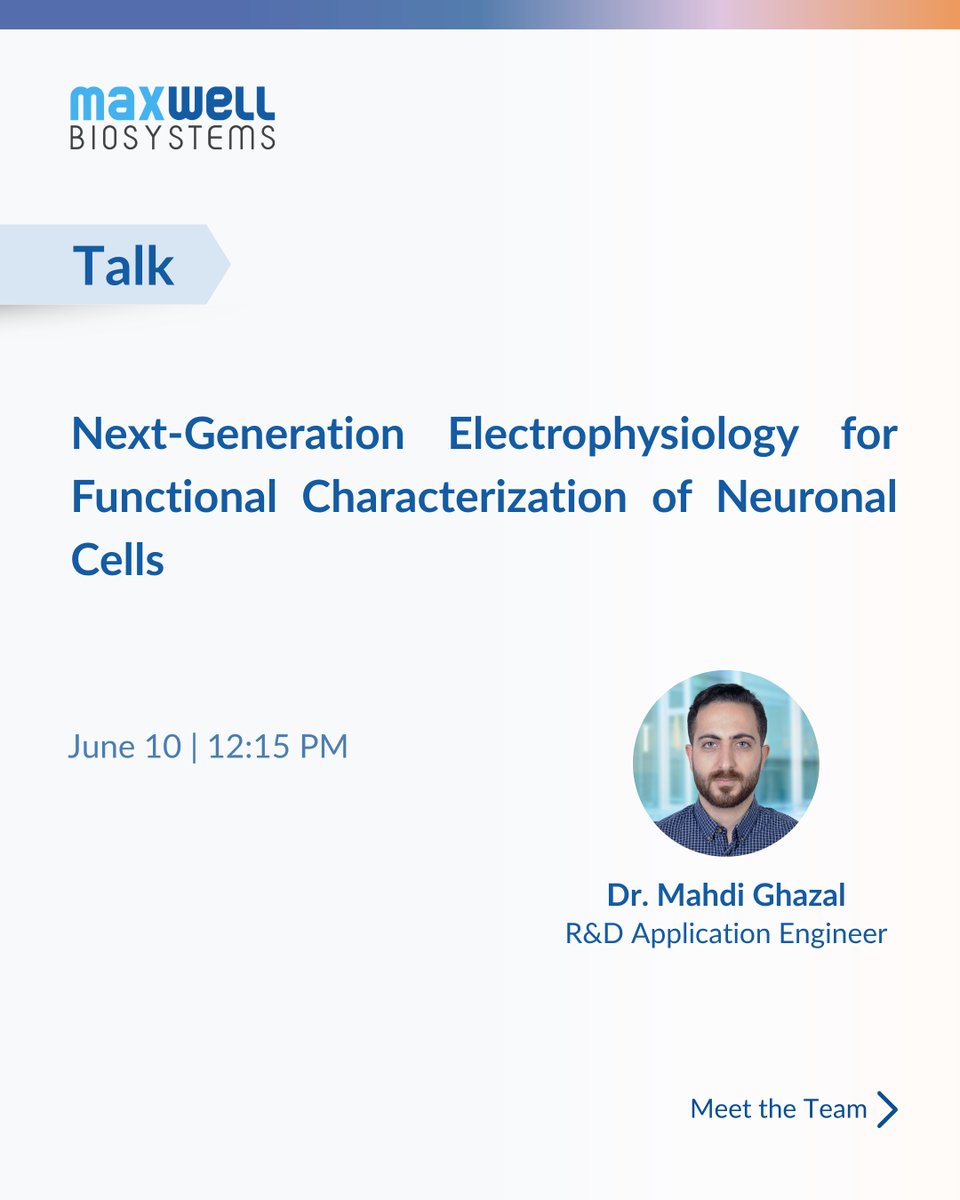
🎤 Talk
“Next-Generation Electrophysiology for Functional Characterization of Neuronal Cells”
Presented by Dr. Mahdi Ghazal (@GhazalMahdi)
🗓 June 10, 2026 - ⏰ 12:15 PM
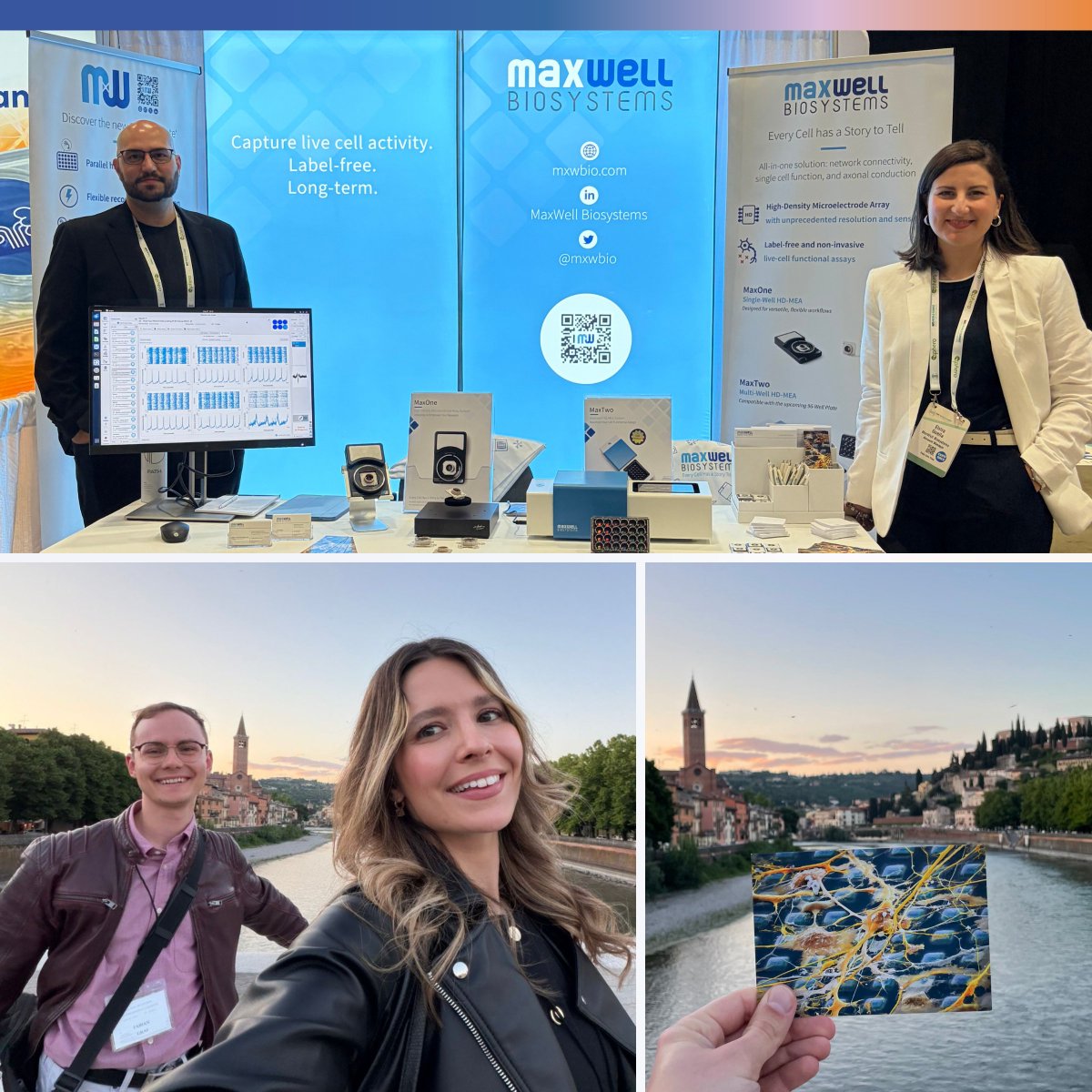
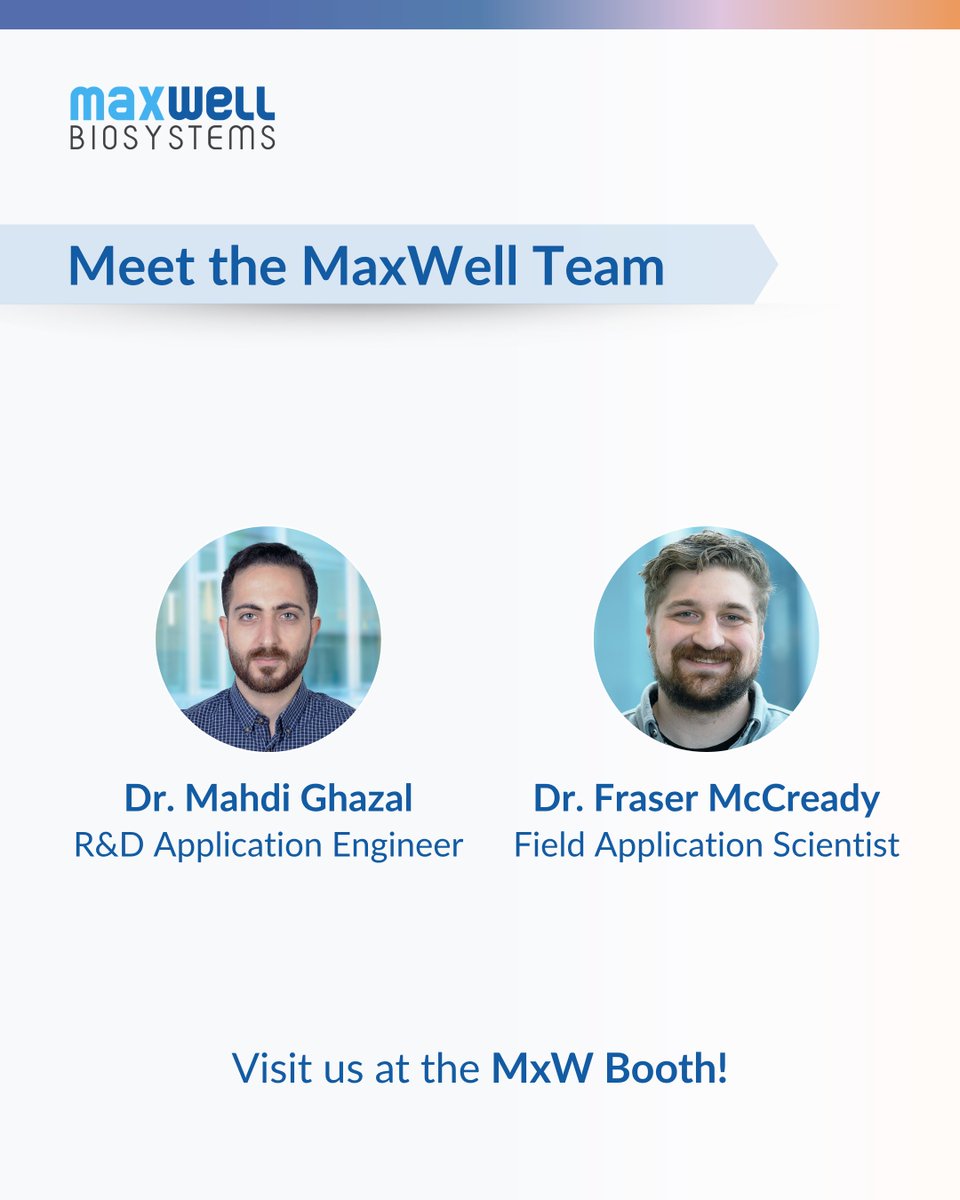
Stop by our booth and meet the MaxWell team:
🔬 Dr. Mahdi Ghazal (@GhazalMahdi) – R&D Application Engineer
🔬 Dr. Fraser McCready (@Fraser_mccready) – Field Application Scientist
A special thank you to Cristina Tringines (@cm_tringides) and the Rice Biotech Launch Pad team for the invitation.
See you at #BETx2026!
#Bioelectronics #Neuroscience #HDMEA #MxWConnect
1
1
68
Jun 8
May kept us moving, from Europe to the US, with two inspiring conferences and one question that kept coming up: how do we build models that truly reflect human biology?
💊 Pain Mechanisms & Therapeutics Conference
The momentum behind human translational models was impossible to miss. DRGs, iPSC-derived sensory neurons, organoids, and ex vivo systems are rapidly becoming essential tools for bridging the gap between preclinical research and patient outcomes. But the conversation has evolved beyond model development alone.
The real challenge lies in achieving:
✔️ Reproducibility
✔️ Clinically relevant endpoints
✔️ A systems-level understanding of disease
This is especially true in chronic pain, where neuro-immune interactions, glial biology, sex differences, and AI-driven analysis are revealing levels of complexity that traditional models often struggle to capture.
⚙️ MPS World Summit 2026
Organ-on-chip technologies and other human-relevant platforms are no longer just a vision for the future, but they are increasingly becoming part of today's research landscape.
What stood out most was seeing regulators, researchers, and industry leaders engaging in practical discussions around New Approach Methodologies (NAMs). The conversation is clearly shifting from why these models matter to how we can implement them effectively, reliably, and at scale.
Despite the different audiences and technologies, the same message resonated across both events:
➡️ The future of biomedical research depends on our ability to build models that are not only innovative, but genuinely predictive of human biology.
A big thank you to the organizers, speakers, and everyone we had the opportunity to connect with along the way. We are proud to be contributing to this transition toward more predictive, human-relevant research. 💡
If we crossed paths at either event, it was great connecting. If not, let's change that.
✈️ On to the next conversation.
#PainResearch #MicrophysiologicalSystems #NAMs #MPS2026 #MxWConnect
61
Jun 4
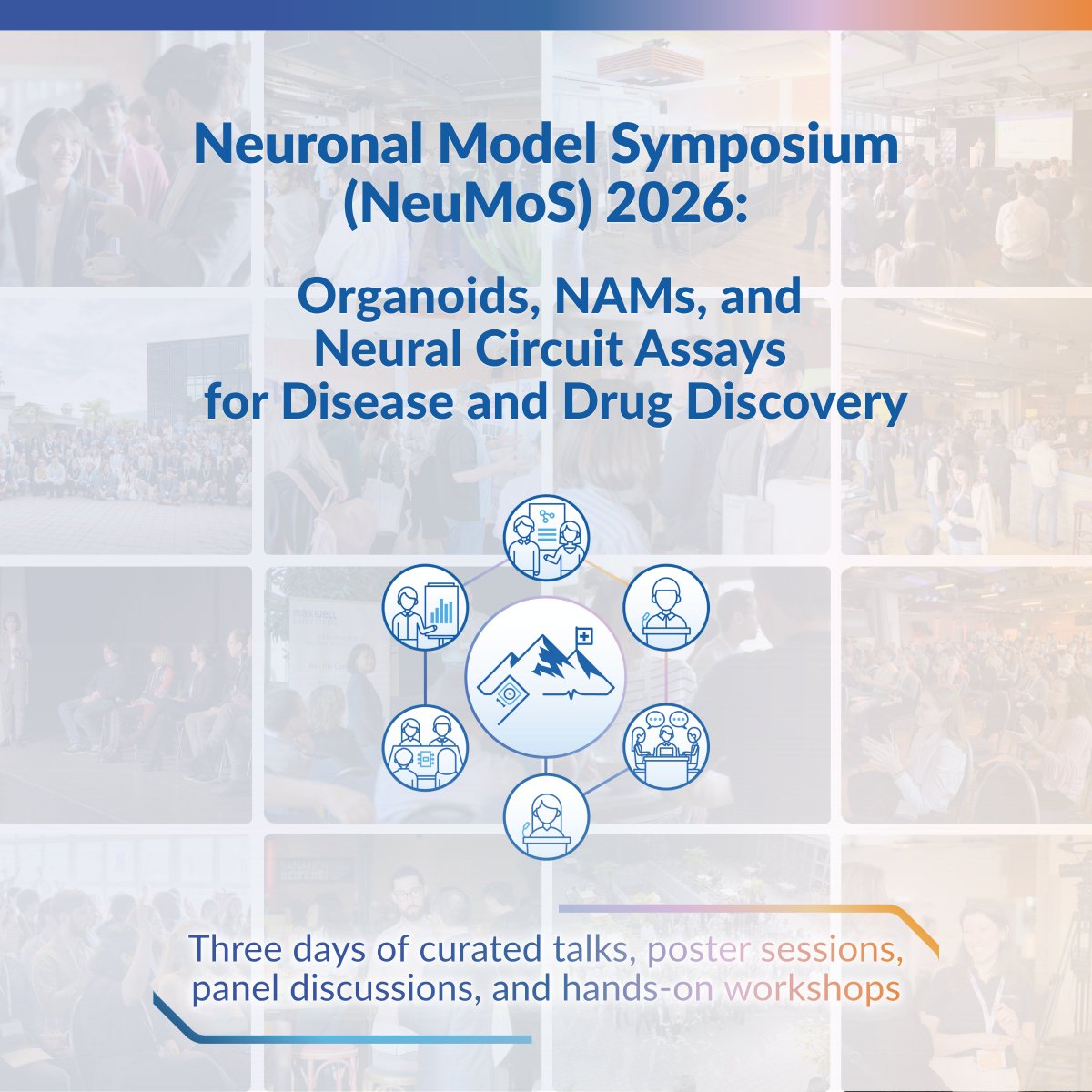
🧠🔬 Registration is now open for the Neuronal Models Symposium (NeuMoS) 2026: Organoids, NAMs, and Neural Circuit Assays for Disease and Drug Discovery.
📍 Zurich, Switzerland
📅 September 16–18, 2026
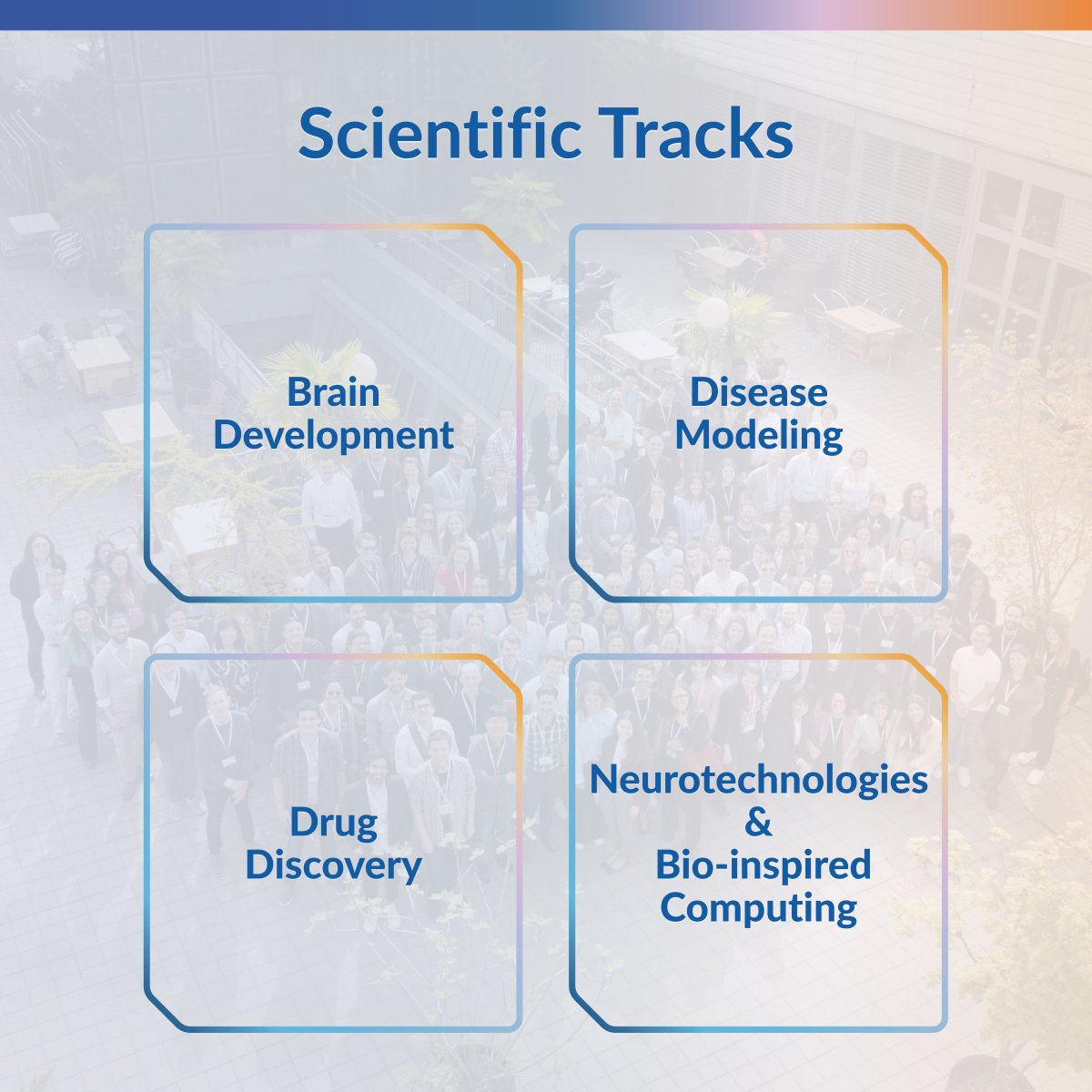
Building on the success of previous MxW Summit editions, NeuMoS 2026 reflects an expanded vision for the field, bringing together researchers across neuroscience, stem cell biology, organoids, neurotechnology, disease modeling, drug discovery, and biocomputing. The symposium is designed to foster interdisciplinary exchange and accelerate the development and application of next-generation in vitro neuronal models, New Approach Methodologies (NAMs), and neural circuit assays.
We are delighted to welcome an outstanding lineup of speakers:
🎤 Prof. Hideyuki Okano - Keio University, Japan
🎤 Prof. Janos Vörös - ETH Zurich, Switzerland
🎤 Prof. Juergen Knoblich - Institute of Molecular Biotechnology (IMBA), Austria
🎤 Prof. Tomasz Nowakowski - University of California, San Francisco, USA
🎤 Dr. Ranmal Samarasinghe - UCLA Broad Stem Cell Research Center, USA
🎤 Dr. Keri Martinowich @martinowk - Lieber Institute for Brain Development, USA
🎤 Dr. Michael Wells - UCLA David Geffen School of Medicine, USA
🎤 Dr. Silvia Velasco @SilviaM_Velasco - Murdoch Children's Research Institute & reNEW, Australia
🎤 Dr. Jen Pan @JenPanMA - Stanley Center for Psychiatric Research, Broad Institute of MIT and Harvard, USA
🎤 Dr. Mirjana Maletic-Savaticć-Savatić - Texas Children's Hospital, USA
🎤 Dr. Tal Sharf @tal_sharf - University of California, Santa Cruz, USA
🎤 Prof. Hideaki Yamamoto - Tohoku University, Japan
🎤 Dr. Mohammed Mostajo-Radji - University of California, Santa Cruz, USA
🎤 Dr. Sheila Chari - Cell Stem Cell, USA
...with additional speakers to be announced soon.
A special thank you to our Scientific Committee for helping shape the scientific vision and program of the symposium: Dr. @GiorgiaQuadrato, Dr. @_Matt_Kelley, and Prof. @YoshihoIkeuchi.
🤝 In addition to keynote lectures and scientific presentations, attendees will have the opportunity to participate in interactive workshops, discover emerging technologies and methodologies, and engage directly with experts from academia, industry, and scientific publishing.
📢 Researchers at all career stages are invited to contribute to the program through short talks and poster presentations. We warmly encourage you to submit an abstract and share your work with the growing NeuMoS community.
🔗 Register and submit your abstract: mxwbio.com/events/mxw-events…
#Neuroscience #Organoids #DiseaseModeling #DrugDiscovery #NAMs #Biocomputing #NeuMoS2026

2
5
307
Jun 3
🧠 Can living neuronal networks become computational systems?
Join our upcoming webinar in the Neurocomputing Series, where we will explore how engineered neuronal networks and high-content electrophysiology are advancing brain-inspired computing.
🎙️ Prof. Dr. Hideaki Yamamoto (Tohoku University, Japan) will present cutting-edge research on closed-loop reservoir computing using engineered cortical networks on HD-MEAs.
Discover how researchers are using biological neural networks to:
✅ investigate adaptive computation in living systems
✅ engineer modular neuronal connectivity for reservoir computing
✅ interface with neural networks at high spatial and temporal resolution using HD-MEAs
This session highlights the exciting convergence of neuroscience, AI, neuroengineering, and electrophysiology, and how living neuronal systems may inspire the next generation of computing technologies.
If you work in neuroscience, neuroengineering, AI, electrophysiology, or biocomputing, this webinar is for you.
📅 Thursday, June 25, 2026 | 16:00 CET
🔗 Register here: mxwbio.com/webinar/advancing…
#Neurocomputing #Biocomputing #Neuroscience #Electrophysiology #HDMEA
1
1
128
Jun 3
This webinar is part of our Neurocomputing Focus stream, check out the full content mxwbio.com/campaigns/neuroco…
1
71
Jun 2
🧠 Are familial and sporadic Alzheimer’s really the same at the neuronal-network level?
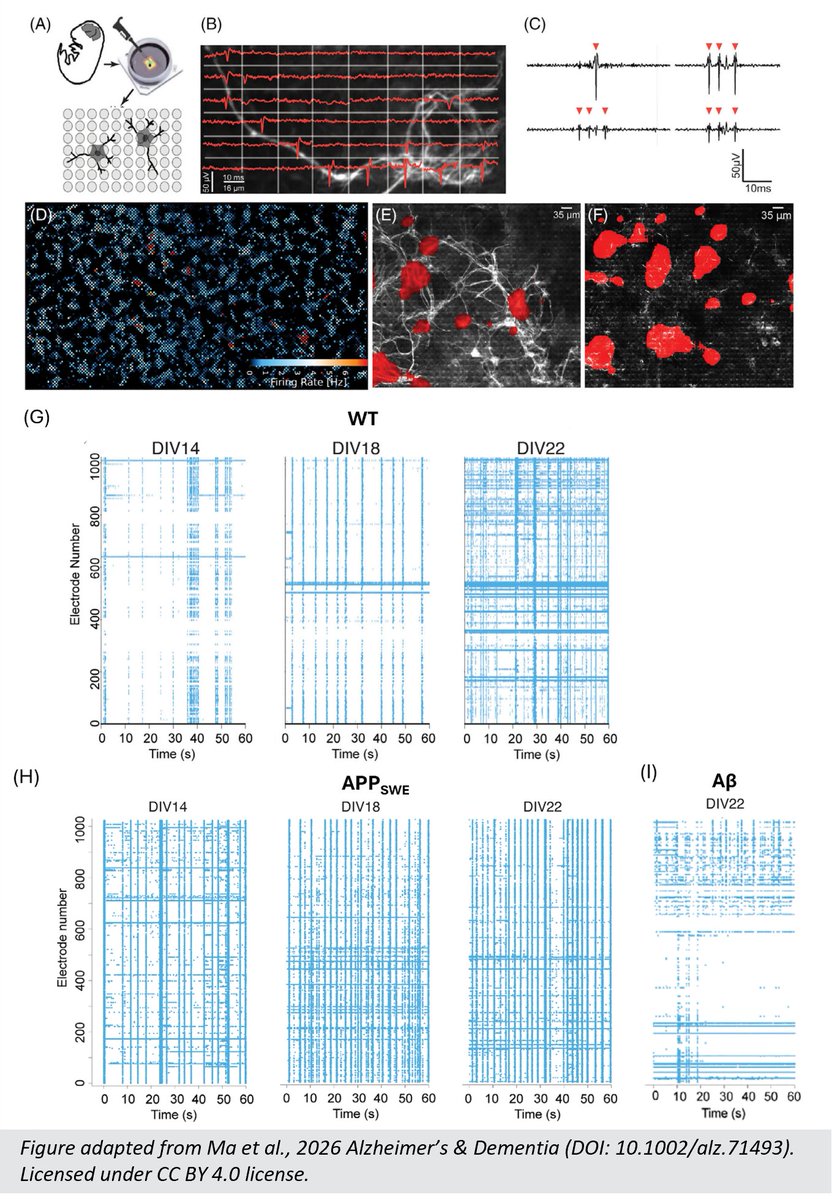
In a new Alzheimer’s & Dementia paper, Ma et al. use MaxWell Biosystems’ HD-MEA technology to compare mouse cortical cultures modeling familial AD through APPSwe with sporadic-like paradigms based on APP overexpression or Aβ exposure. Their answer is provocative: these conditions do not simply converge on one common neuronal phenotype.
Using MaxOne Single-Well High-Density Microelectrode Array, the team followed cultures longitudinally and quantified active electrodes, spike amplitude, firing rate, bursting, axonal branching, propagation speed, and stimulation response.
The investigation revealed clear differences when timing was considered. Chronic APP overexpression, particularly when present during network development, reduced firing probability, impaired axonal branching, and trapped cultures in an immature bursting state. By contrast, Aβ applied to established networks disrupted synaptic communication and network-level coordination without reproducing the same developmental phenotype.
This is a very nice example of how HD-MEA data depth can disentangle APP-driven developmental effects from later Aβ-induced synaptotoxicity, instead of treating all AD-like network dysfunction as equivalent.
👉 Read the full publication here – mxwbio.com/resources/alzheim…
👏 Congratulations to Dr. Fulin Ma, Dr. Himanshu Akolkar, Prof. Dr. Ryad Benosman, and Prof. Dr. KARL HERRUP from the Departments of Neurobiology and Ophthalmology, @pitt_medicine University of Pittsburgh School of Medicine, Pittsburgh, Pennsylvania, USA, and the Department of Ophthalmology, University of Pittsburgh School of Medicine, Pittsburgh, Pennsylvania, USA.
#HDMEA #Electrophysiology #Neuroscience #DiseaseModeling #AlzheimersResearch
1
76
Jun 2
🧠 From disease modelling to therapeutic discovery, advancing ALS and FTD research depends on technologies that can reveal meaningful functional insights at scale.
That's why we are proud to join the 5th Annual ALS Drug Development Summit as an Innovation Partner, alongside leaders from biotech, pharma, academia, and advocacy organizations united by a common goal: accelerating the development of effective therapies for ALS and FTD.
We are excited to showcase how HD-MEA technology is helping researchers unlock deeper functional understanding of neurodegenerative disease models through:
🔹 Quantification of disease-relevant activity patterns in human iPSC-derived ALS and FTD models
🔹 Functional phenotyping to support therapeutic screening and rescue studies
🔹 High-resolution analysis of network, single-neuron, and axonal dysfunction in TDP-43 and GRN-linked neurodegeneration
🔹 Scalable, automated workflows for longitudinal studies, screening campaigns, and industry collaborations
📍 Meet the team onsite:
🔹 Dr. @u_frey - CEO
🔹 Dr. @m_hruskaplochan - Scientific Business Developer
🎤 Talk | June 3
Advancing ALS and FTD Functional Phenotyping with Next-Generation High-Density Microelectrode Arrays
📌 Poster | June 3
High-Density Microelectrode Arrays for Functional Phenotyping and Screening in Human iPSC-Derived ALS and FTD Models
🔗 Explore the agenda: ter.li/imn3cyt3
A special thank you to entire organizing team, Katie Orchard, for bringing together this important community and creating a forum dedicated to accelerating progress in ALS and FTD drug development.
We look forward to connecting with researchers, drug developers, and industry leaders throughout the meeting to discuss how next-generation electrophysiology can help bridge the gap between disease modelling and translational discovery.
#ALS #FTD #Neuroscience #HDMEA #DiseaseModeling #MxWConnect
70
Jun 2
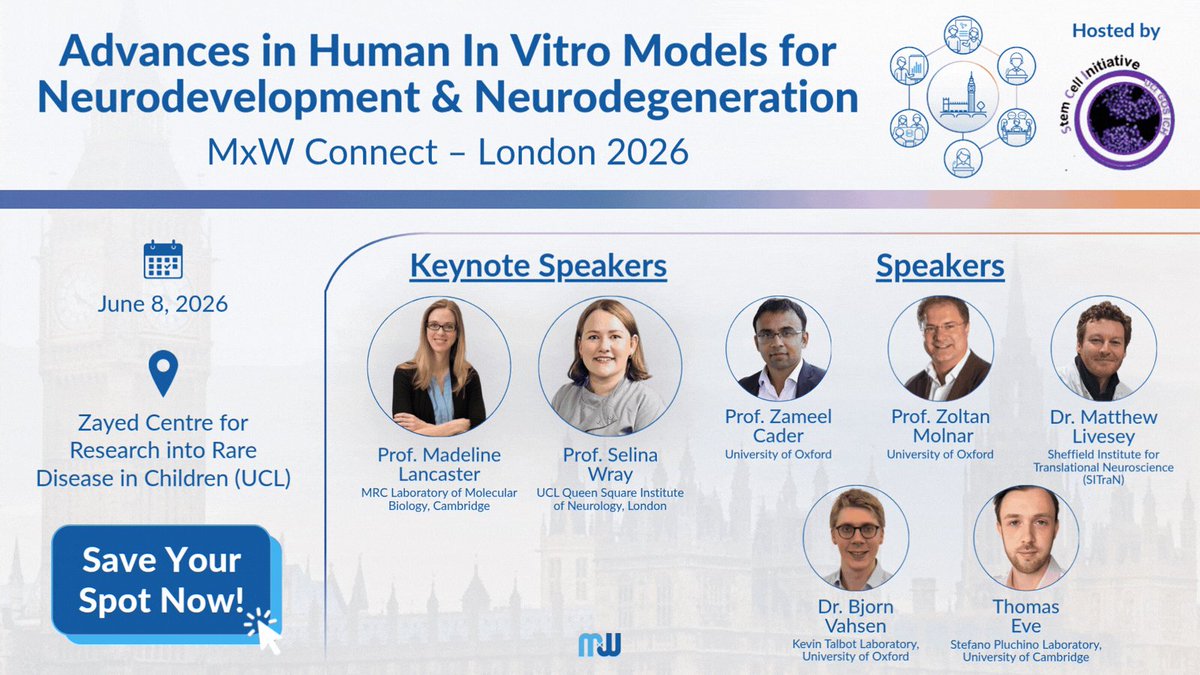
🚨 What happens when some of the UK's leading neuroscience researchers gather in one room? Find out in London next week.
From neurodevelopment and neurodegeneration to stem cell technologies and human in vitro models, this event will bring together scientists pushing the boundaries of neuroscience research for a day of scientific exchange, fresh perspectives, and new collaborations.
We are proud to welcome an exceptional line-up of speakers, including:
🎤 Prof. Madeline Lancaster — MRC Laboratory of Molecular Biology (LMB), Cambridge
🎤 Prof. Selina Wray— @UCLIoN
🎤 Prof. Zameel Cader — @UniofOxford
🎤 Prof. Zoltán Molnár — @UniofOxford
🎤 Dr. Matthew Livesey — Sheffield Institute For Translational Neuroscience
🎤 Dr. Björn Vahsen — Kevin Talbot Laboratory, @UniofOxford
🎤 Thomas Eve — Stefano Pluchino Laboratory, @CamUniOnline
Beyond the talks, attendees will have the opportunity to discover how HD-MEA technology is advancing in vitro disease modelling, engage directly with fellow researchers, and continue the conversation during dedicated networking sessions.
A special thank you to the UCL Great Ormond Street Institute of Child Health (@GOS_ICH_SCI) Stem Cell Initiative for hosting us, and to @bitbio, our Bronze Sponsor, for supporting this event.
⏳ With just one week to go, now is the time to secure your place.
🔗 mxwbio.com/events/mxw-events…
We look forward to welcoming you to London.
#Neuroscience #Neurodegeneration #Neurodevelopment #HDMEA #MxWConnectLondon2026
1
60
Jun 2
Can't make London? Our 2026 Global Event Series includes several other stops. Find the event closest to you: mxwbio.com/events/mxw-events
35
Jun 1
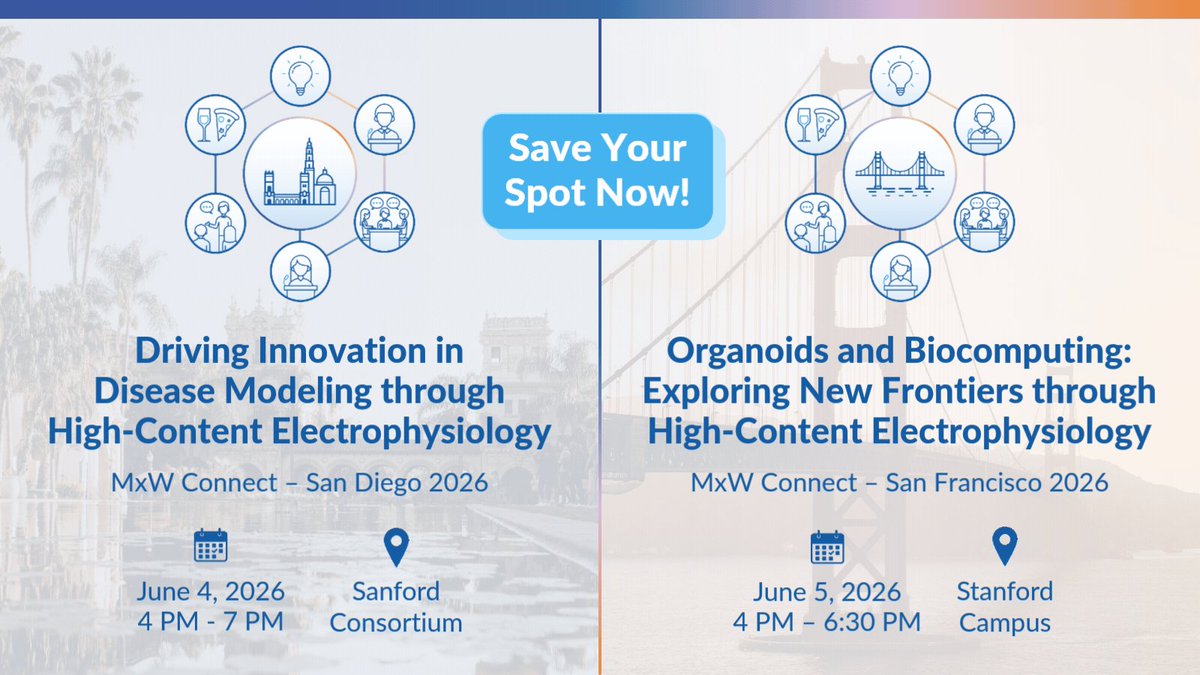
☀️ California, we are heading your way!
Whether your research is focused on disease modelling and translational science or organoids and biological computing, we are bringing together leading voices from across the field for two evenings of scientific discussion, new ideas, and meaningful connections.
📍 San Diego | June 4
We are delighted to welcome:
✅Dr. Ana Maria Moreno (Navega Therapeutics)
✅Dr. Seungkyu Lee (Bristol Myers Squibb)
✅Dr. Patrick Walsh (Anatomic)
✅Dr. Dezmond Taylor-Douglas, PhD (FUJIFILM Cellular Dynamics)
✅Shaun Teacher (bit bio)
📍 San Francisco | June 5
We are proud to be joined by:
✅Dr. Dhriti Nagar (Stanford Medicine)
✅Dr. Mohammed Mostajo-Radji (University of California, Santa Cruz)
✅Dr. Mircea Teodorescu (University of California, Santa Cruz)
✅Dr. Tal Sharf @tal_sharf (University of California, Santa Cruz)
✅Dr. Spencer Seiler, Dr. Kataryna Voitiuk @kvoitiuk, and Dr. Tjitse van der Molen (Open Culture Science)
Join us to explore the latest advances, exchange ideas with peers, and hear from researchers shaping the future of human-relevant biology.
🧠 Come for the science.
🤝 Stay for the networking reception.
🎟️Secure your place now! Looking forward to meeting you there!
#Neuroscience #DiseaseModeling #Organoids #Biocomputing #HDMEA #MxWConnect
1
92
Jun 1
Can't make San Diego or San Francisco? Our 2026 Global Event Series includes several other stops. Find the event closest to you: mxwbio.com/events/mxw-events
65
May 29
🧠 Curious about how an Autism-Risk Gene Derails Ventral Neurogenesis? Check this out!
In a new Nature Communications paper, Nitahara et al. show that heterozygous mutation of Chd8 during a specific midfetal window is sufficient to drive autistic-like behavior in mice.
By combining lineage tracing, scRNA-seq, EdU pulse-chase analysis, and spatial transcriptomics, the authors show that Chd8 mutation drives premature progenitor differentiation, followed by later disruptions in inhibitory circuits and oligodendrocyte-related programs. Rescue of Chd8 in ventral progenitors ameliorates both developmental and behavioral abnormalities.
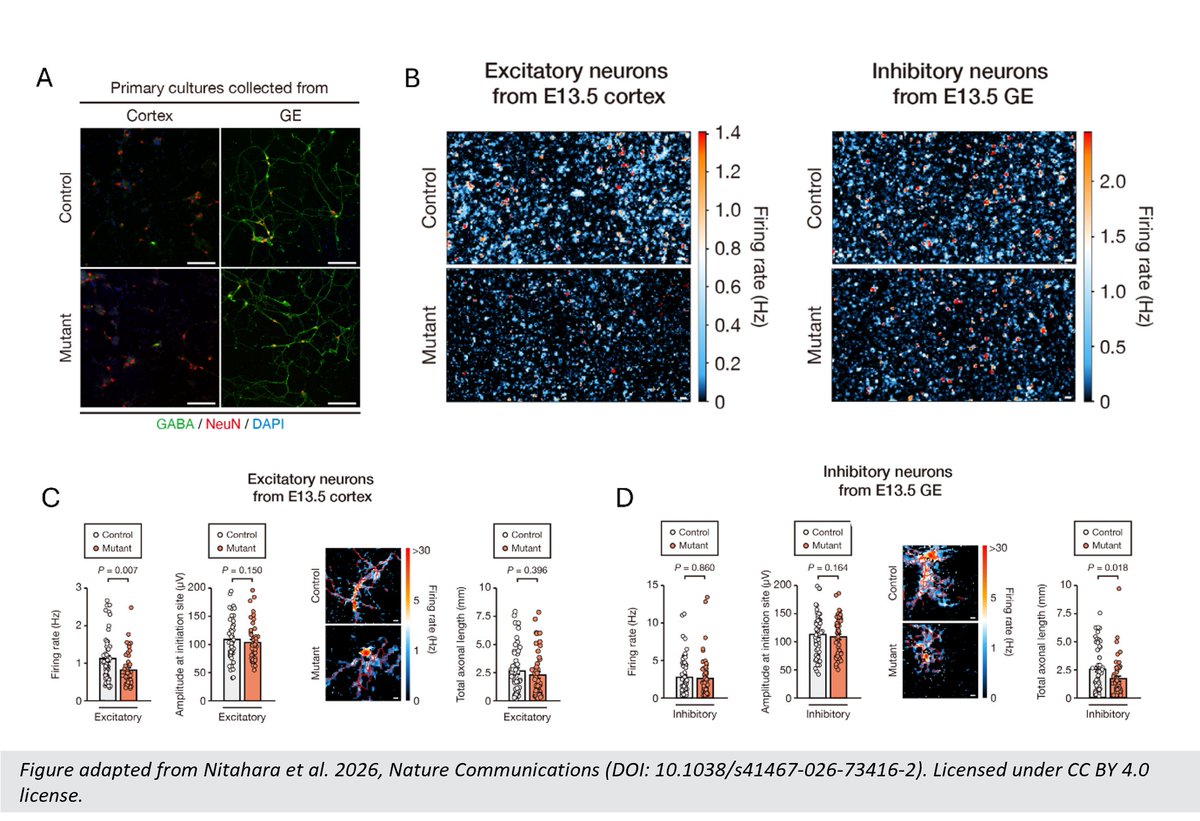
Using the MaxOne HD-MEA system the team functionally profiled primary excitatory neurons from embryonic cortex and inhibitory neurons from ganglionic eminence. Chd8 mutant excitatory neurons showed reduced firing rate, whereas mutant inhibitory neurons showed shorter total axonal length, pointing to cell-type-specific functional impairment that complements the in vivo circuit findings.
A nice example of how MaxWell HD-MEA technology can resolve distinct neuronal phenotypes inside a complex developmental disease model.
👉 Read the full publication here – mxwbio.com/resources/nature-…
👏 Congratulations to Dr. Kenta Nitahara, Dr. Atsuki Kawamura, Dr. Ayumu Tashiro, Dr. Tomoya Iwasaki, Dr. Shin-ichi Horike, Dr. Jumpei Terakawa, Prof. Dr. Takiko Daikoku, Dr. Koichi Higashi, Prof. Dr. Ken Kurokawa, Dr. Kiyoko Kato, and Prof. Dr. Masaaki Nishiyama from Social Brain Development Research Unit, Next Generation Medical Development Research Core, Institute for Frontier Science Initiative, @KanazawaUniv, Kanazawa, Japan; Department of Histology and Cellular Biology, Graduate School of Medical Sciences, Kanazawa University, Kanazawa, Japan; Department of Gynecology and Obstetrics, Graduate School of Medical Sciences, @KyushuUniv_EN, Fukuoka, Japan; Genome Evolution Laboratory, National Institute of Genetics, Mishima, Japan; Research Center for Experimental Modeling of Human Disease, Kanazawa University, Kanazawa, Japan.
#HDMEA #Electrophysiology #Neuroscience #DiseaseModeling
3
128
May 29
🌐 As this year’s MPS World Summit comes to a close, we are revisiting one of last year’s inspiring conversations: how can we build more physiologically relevant models to study human pain signaling in vitro?
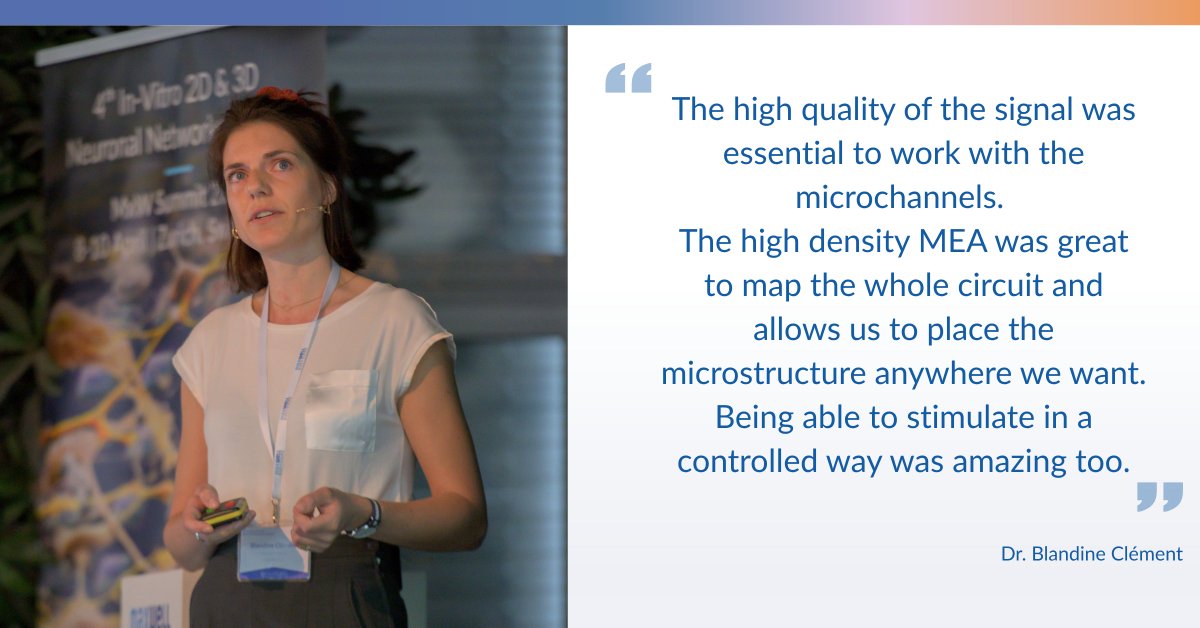
In our latest Community Voice interview, Dr. Blandine Clément shares her perspective on building in vitro nociceptive models by combining HD-MEAs, microfluidics, and human iPSC-derived sensory neurons.
From translating complex neuronal signaling into measurable functional readouts to developing robust experimental workflows, Dr. Clément offers valuable insights into the challenges and opportunities of neuroengineering research.
The interview explores:
🔹 bottom-up neuroscience and translational in vitro models
🔹 integrating microfluidics with HD-MEA electrophysiology
🔹 studying nociceptive networks and peripheral nervous system signaling
🔹 developing advanced in vitro platforms for pain research
A thoughtful conversation highlighting how researchers are pushing the boundaries of functional neuroscience in vitro.
🔗 Read the full testimonial here:
mxwbio.com/community-voice/d…
#MPSWorldSummit #Neuroscience #Electrophysiology #PainResearch #HDMEA #Microfluidics
46