Christiaan Venter retweeted

Jun 15


4
11
430
Jun 14
El streaming se abre paso entre el broadcasting tradicional y el networking de las primeras redes sociales. ¿Es el streaming una continuación del viejo broadcasting por otros medios? ¿O estamos frente a un new media, con nuevos formatos y prácticas? Frente a estas preguntas, algunos verán el vaso medio lleno, otros medio vacío... 🤔 #MediaEvolution
1
1
43

Jun 13

Preguntas existenciales que me hacía allá por 2013: ante los cambios en la TV (eso que mi amigo José Luis Fernández -@unfernandezmas- llama "post-broadcasting"), ¿hasta dónde las facultades de comunicación y los planes de estudio están siendo afectados por estos cambios? ¿No seguimos en gran medida formando "comunicadores Nielsen", o sea profesionales para una ecología mediática que ya no existe? hipermediaciones.com/2013/06…
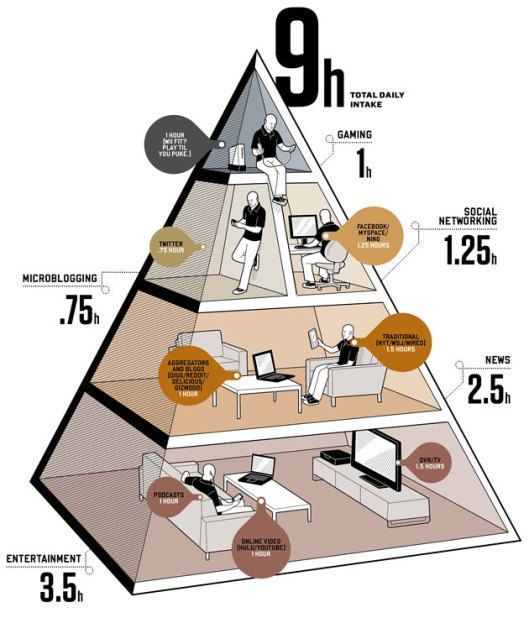
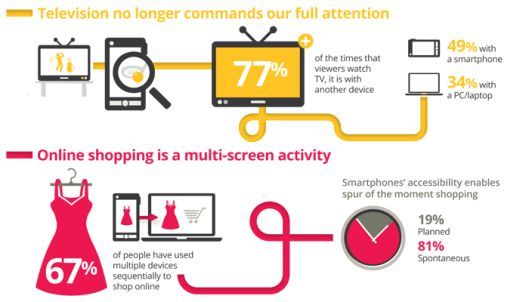
2
71

Jun 11
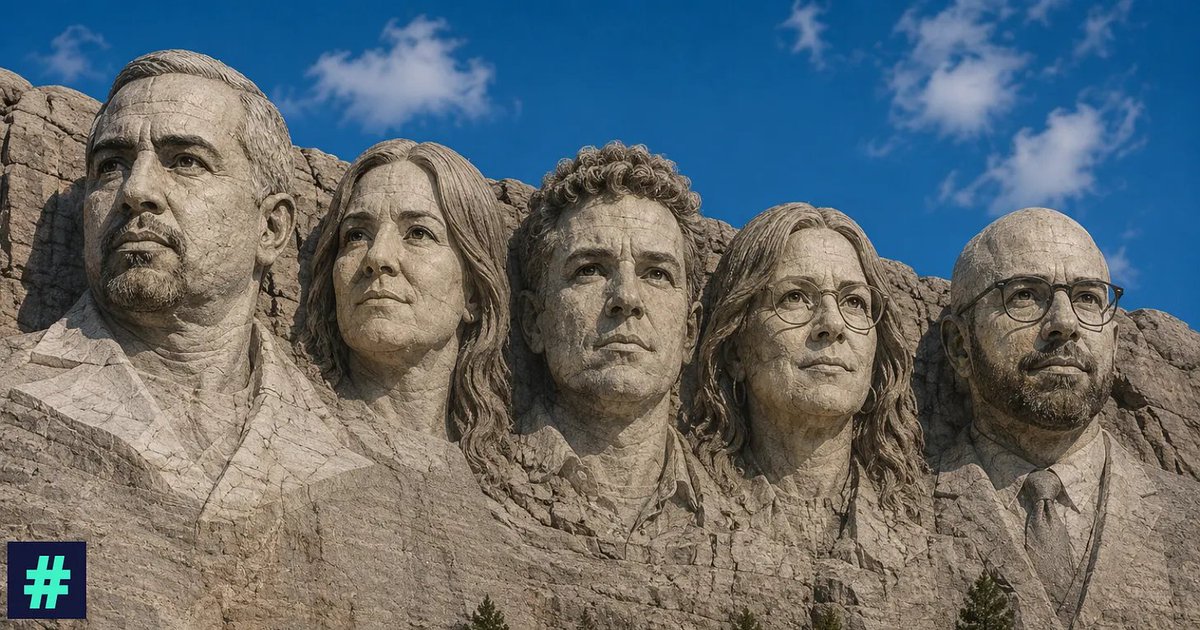
Si Zeteo logra ser rentable, el caso confirmará q el periodismo de suscripcion puede escalar sin la estructura de un grupo de comunicacion tradicional, y q la insatisfaccion de las audiencias con los medios establecidos es una oportunidad. #MediaEvolution periodismo.substack.com/p/ze…
2
4
166

Jun 10
Today marks the end of an era—and the beginning of something even greater. None of this would be possible without the support of the Jacobs and the WDUN team.
Stay tuned. The mission doesn’t change… it just gets more focused.
#MarthaZoller #BreakingNews #PoliticalMedia #NextChapter #MediaEvolution #VoiceThatMatters #WDUN #BroadcastToDigital #Leadership #NewBeginnings #gapol
7
5
20
4,323
Jun 10
El texto de alta calidad disponible en internet y necesario para entrenar a las IA se agotará en algún momento entre 2026 y 2032
China pretende construir antes de 2028 un ecosistema de datos validados que sirva de combustible para la siguiente generación de modelos de IA #MediaEvolution

El mundo se está quedando sin datos para seguir entrenando a la IA. China tiene un as en la manga xataka.com/robotica-e-ia/mun…
2
5
27
2,421
edmundogs💚 retweeted
Jun 8
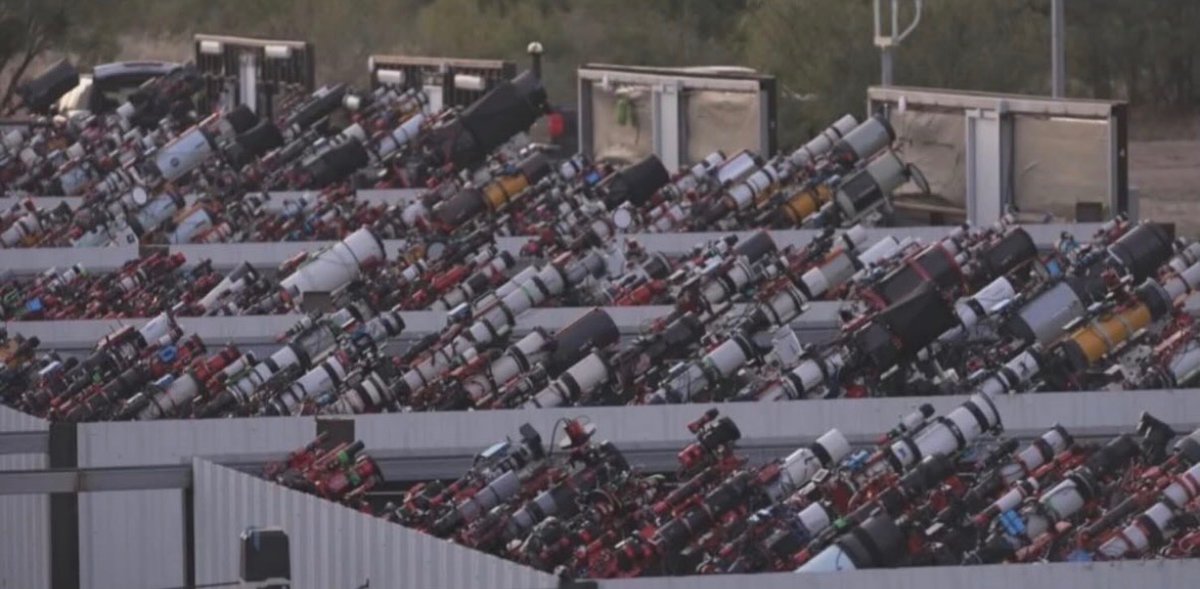
The rise of remote astronomy has reshaped amateur astrophotography #mediaevolution 😎👇
Jun 8

A telescope ranch in Texas lets people store high-end telescope setups under dark skies, where the roofs roll back at night and owners can remotely control their equipment from anywhere in the world to avoid light pollution.
The rise of remote astronomy has reshaped amateur astrophotography, allowing enthusiasts to capture deep-space images without ever leaving home. Facilities like these are typically placed in exceptionally dark regions—often Bortle Class 1 or 2 skies—where the Milky Way can cast faint shadows and the night sky reveals thousands more stars than are visible from suburban environments.
Many telescope ranches now offer infrastructure such as high-speed internet, automated weather systems, backup power, and robotic mounts capable of tracking celestial objects with extreme precision for hours at a time. Users can remotely schedule imaging sessions and collect data on distant galaxies, nebulae, and star clusters while located hundreds or even thousands of miles away.
A fully equipped astrophotography setup can easily surpass $20,000 once telescopes, cameras, mounts, filters, and observatory access are included. For dedicated imagers, operating under consistently dark skies often produces far superior results compared to using identical equipment in light-polluted cities.
Today, more than 80% of the global population lives under light-polluted skies, and roughly a third can no longer see the Milky Way from where they live.
4
5
631
Jun 8
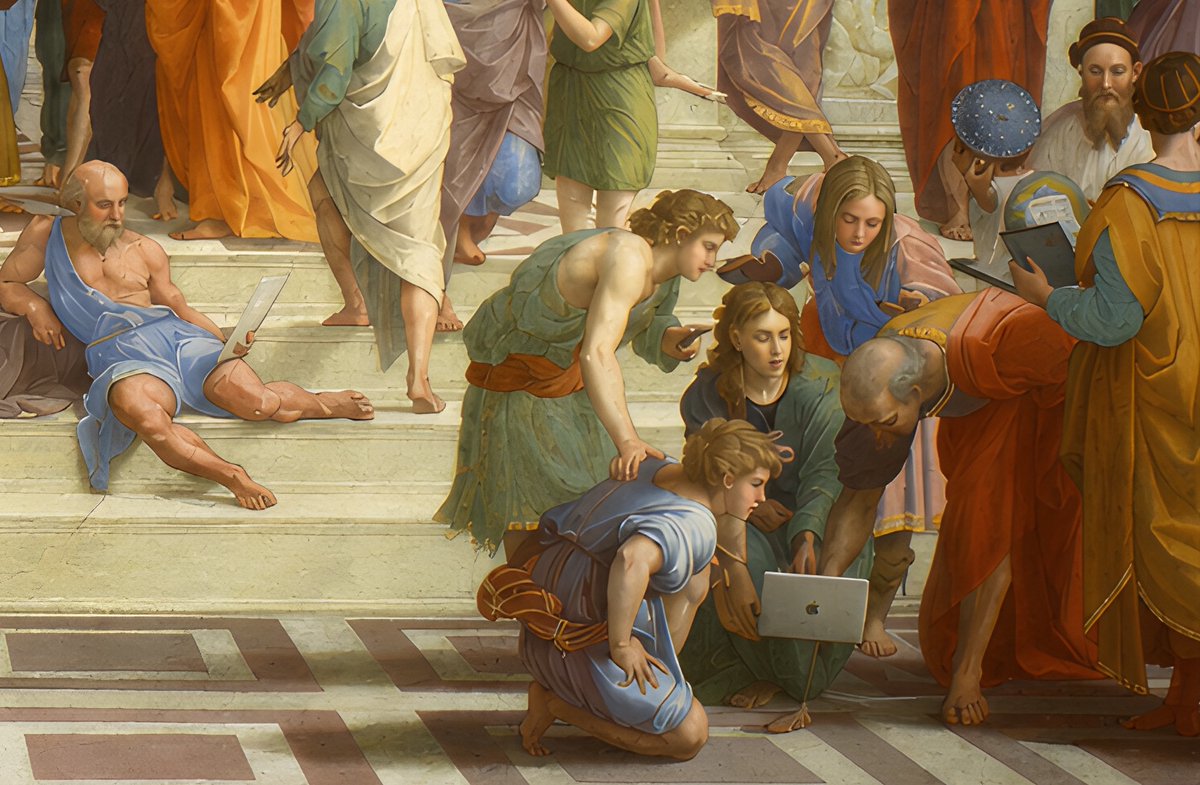
APOCALYPSE NOW. LOS SAPIENS CONTRA LA TECNOLOGÍA en #Hipermediaciones 👉 ¿De dónde viene el visceral rechazo de los sapiens a la tecnología? Vivimos en un entorno plagado de artilugios, a estas alturas imposibles de escindir de la humanidad, aunque seguimos venerando lo natural como si fuera un espacio puro, bueno y originario. En "Platón contra las máquinas" Marcos Alonso no se pregunta si la inteligencia artificial es inteligente, sino algo más radical: ¿tiene sentido seguir hablando de lo ‘artificial‘? hipermediaciones.com/2026/06… #MediaEvolution #IA #AI

4
18
44
7,944
Jun 5
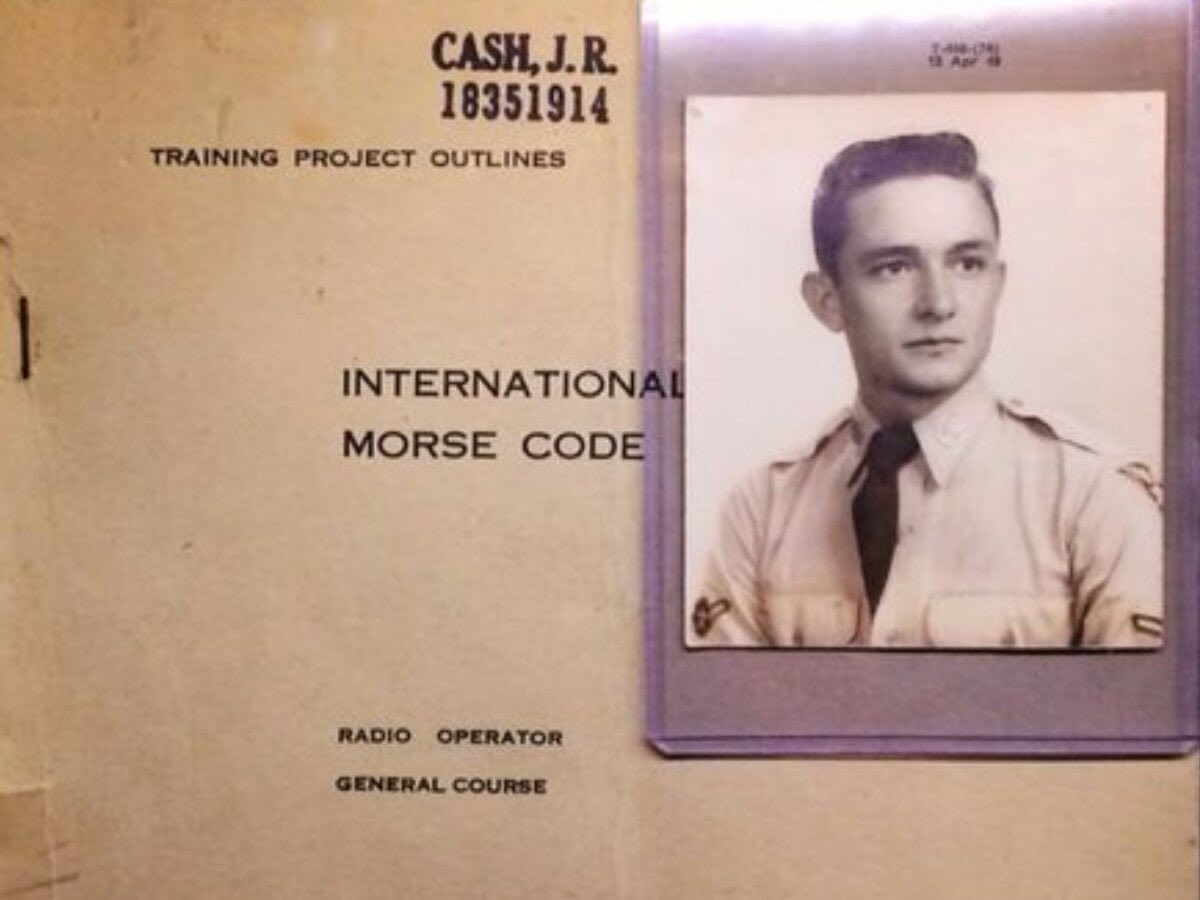
Goodbye Little Darlin' #MediaEvolution

Cuando la Unión Soviética comunicó la muerte de Stalin por código Morse, el primer estadounidense en enterarse fue un operador de radio de la Fuerza Aérea de EE.UU. en Alemania que interceptó y transcribió el mensaje.
De entre todas las personas posibles, era Johnny Cash.
1
6
619
Jun 5
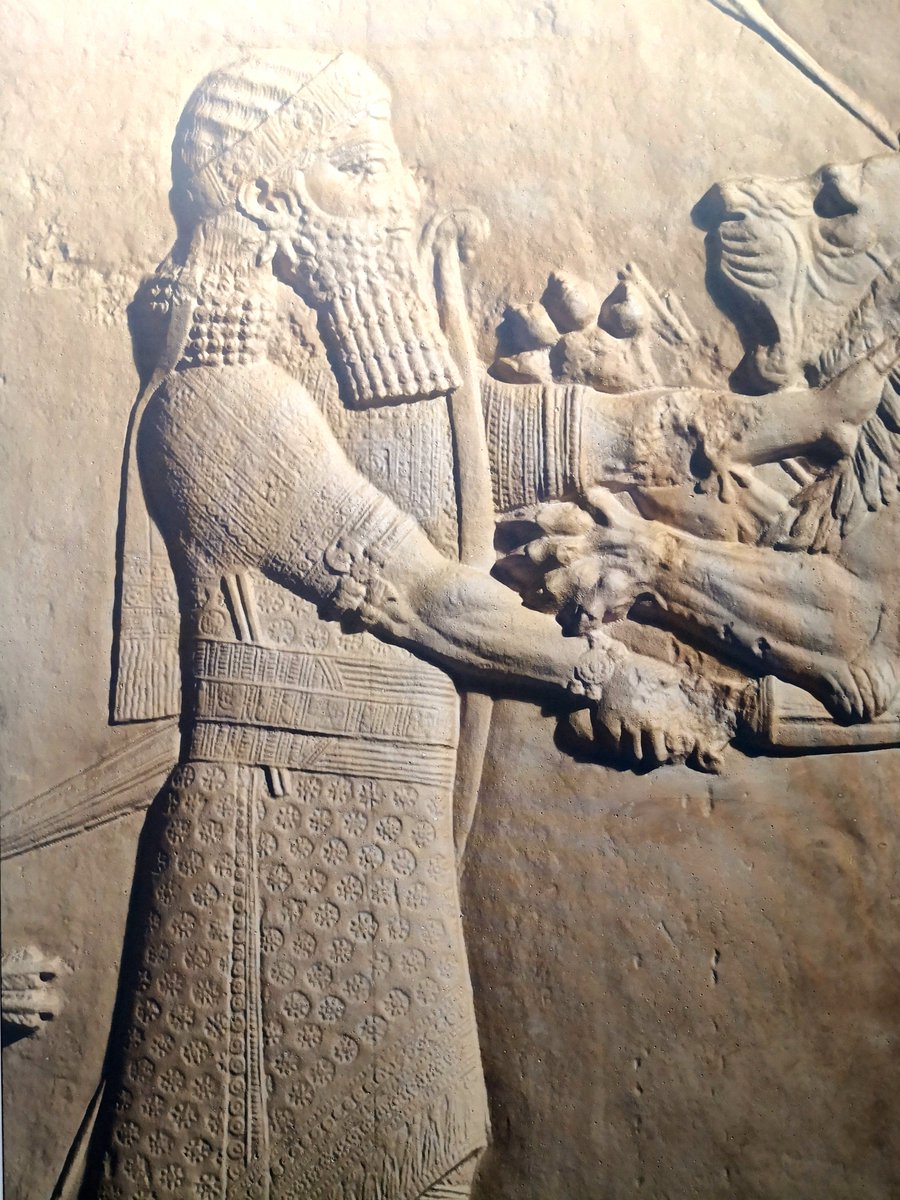
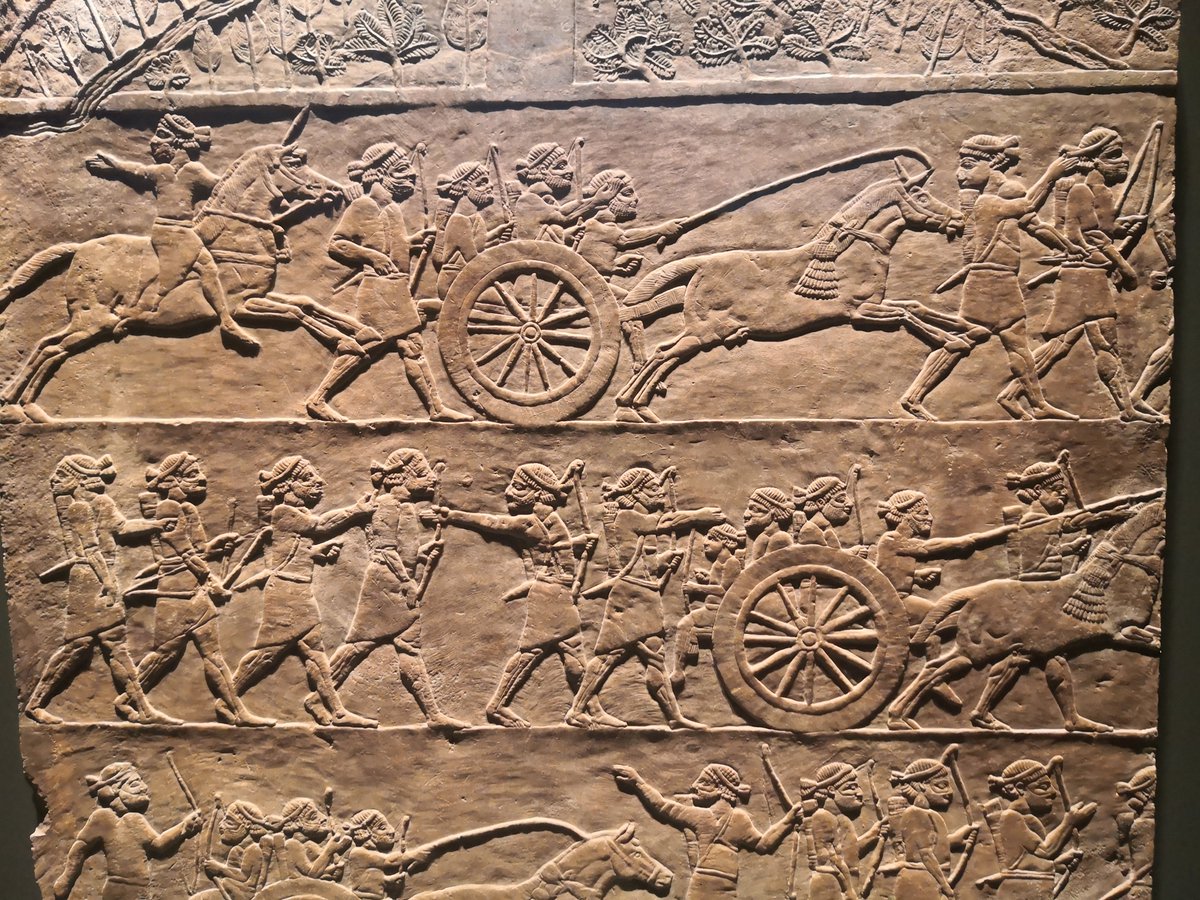
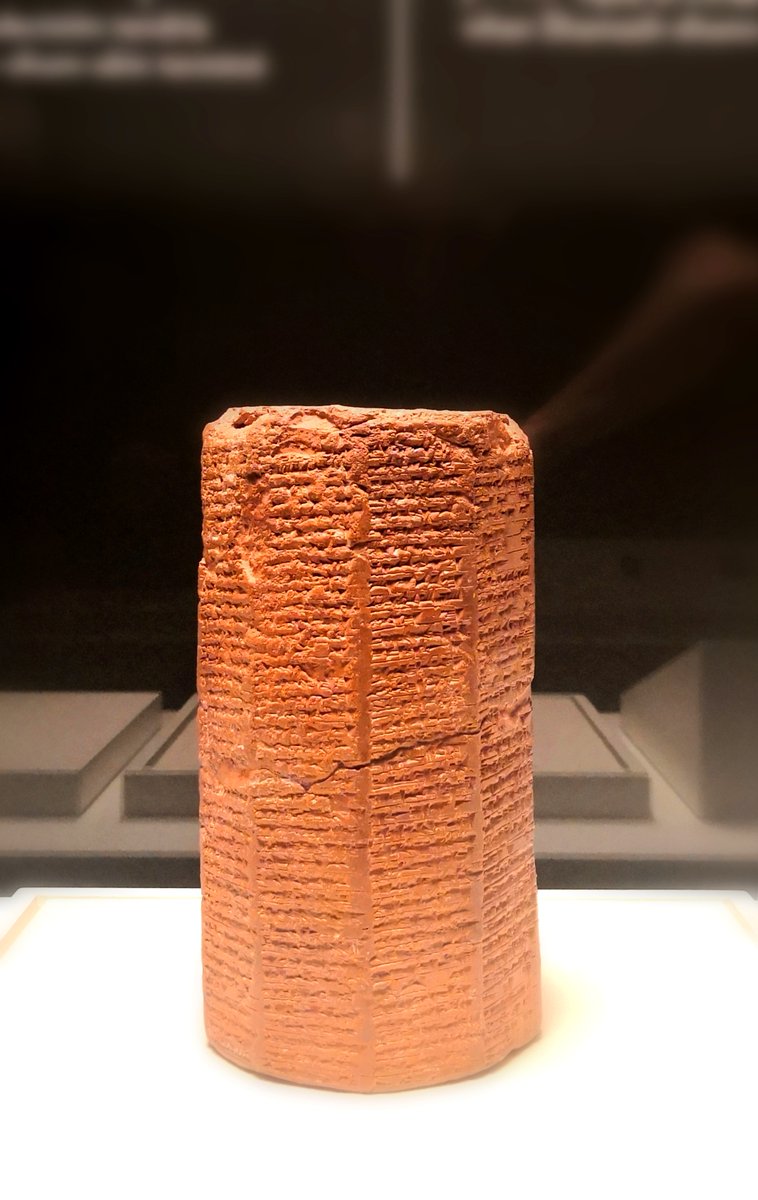
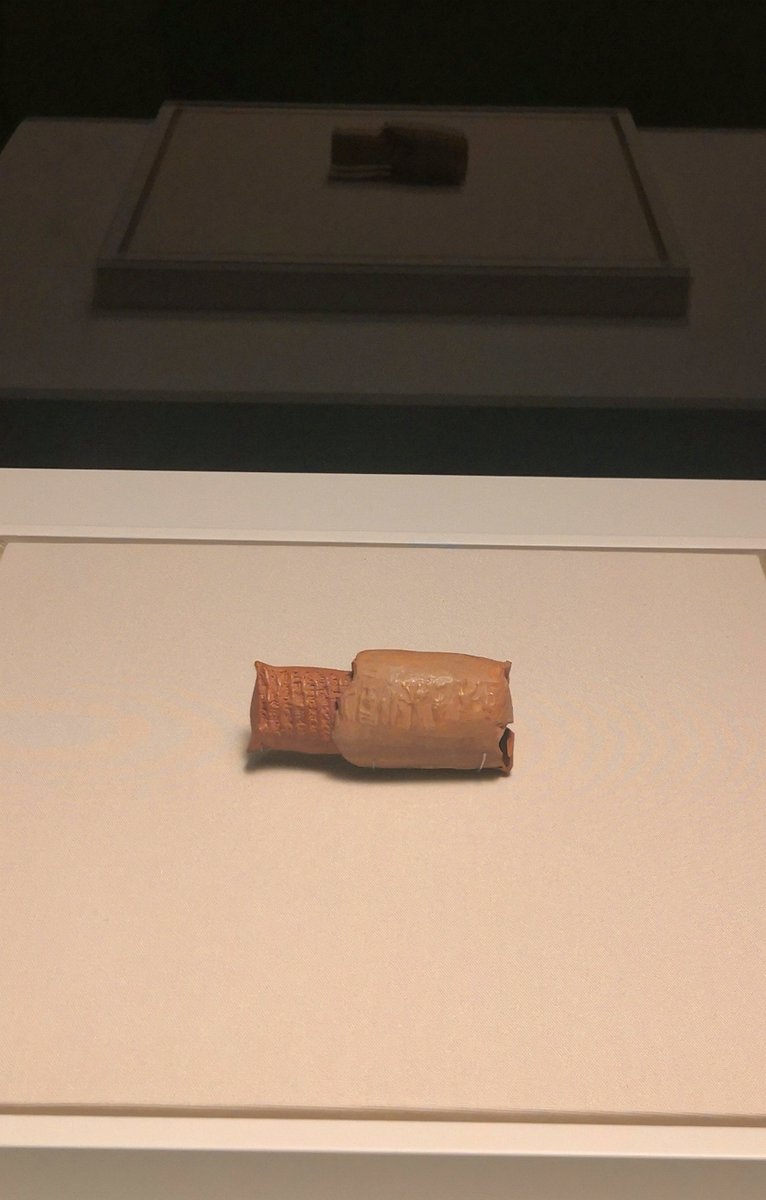
La exposición dedicada a Asurbanipal en @CaixaForum es obligatoria para cualquier interesado en la #MediaEvolution. Conquistador y guerrero, Asurbanipal conocía los misterios de la escritura y por eso se hacía esculpir con un par de cálamos para grabar las tablillas en su cinto. La exposición es un festival de viejos fósiles mediáticos, desde estelas y cilindros hasta viejas tablillas y cartas selladas.
caixaforum.org/es/madrid/p/s…
1
1
10
416
Jun 1
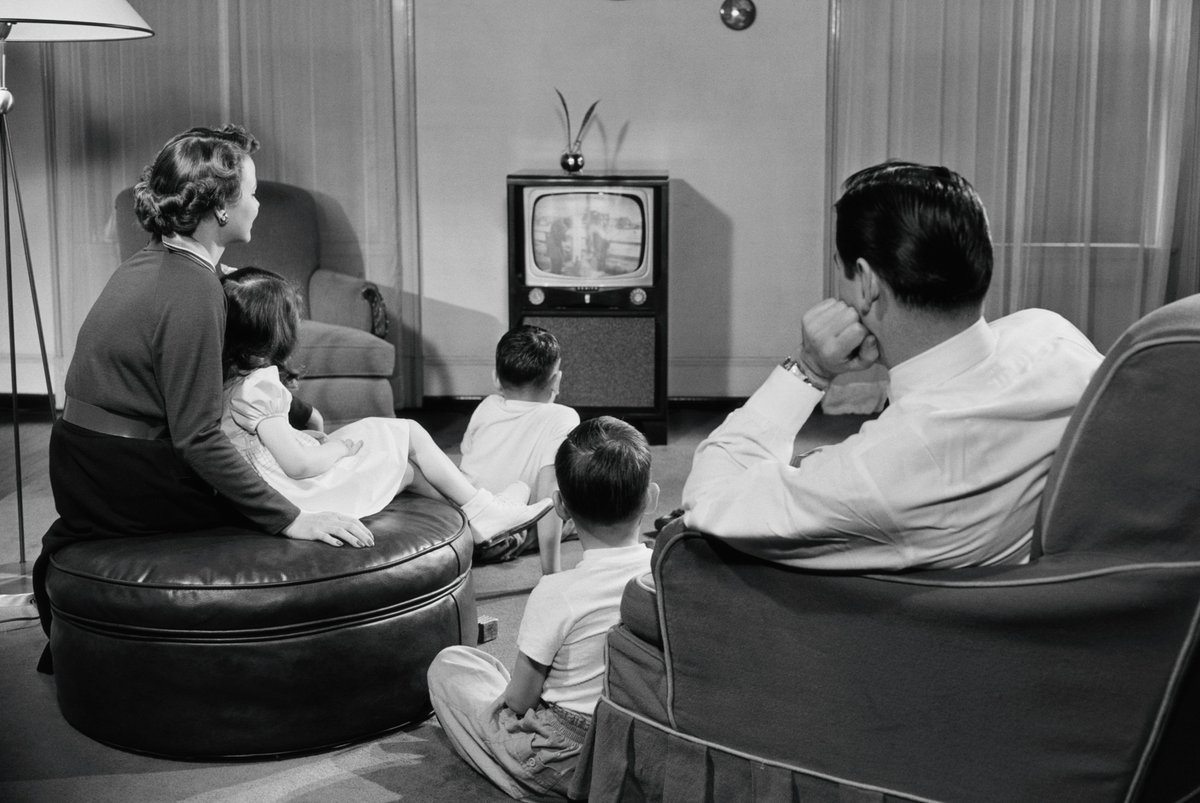
Este artículo de @timventura recupera la larga historia de los miedos y pánicos mediáticos. En otras palabras, es una mis tesis sobre la #MediaEvolution: "Todo medio pasado fue mejor" hipermediaciones.com/2025/10…
May 31

"El ciclo de desconfianza q una vez rodeó a la radio, la TV, los videojuegos y las RRSS se repite ahora con la IA". Luego, el #moralpanic se disipa, la tecnología se normaliza y la sociedad volverá a enfrentarse al mismo desafío con la siguiente novedad 👇🏻
medium.com/@timventura/the-o…
5
17
1,221
May 31
¿Y si ya no fuéramos nosotros quienes usamos los medios, sino los medios quienes nos usan a nosotros? En este vídeo presento las 4 leyes de los medios de Marshall y Eric McLuhan, reseño el efervescente libro de Andrey Mir (@Andrey4Mir) y cierro con un maridaje musical ⚫️⚪️ #mediaecology #mediaevolution #hipermediaciones #mcluhan instagram.com/reel/DZApM1tM6… La reseña completa en #Hipermediaciones (incluye entrevista a Andrey): shorturl.at/xxpWw
1
32
73
3,574