
log1103.seesaa.net/article/5…
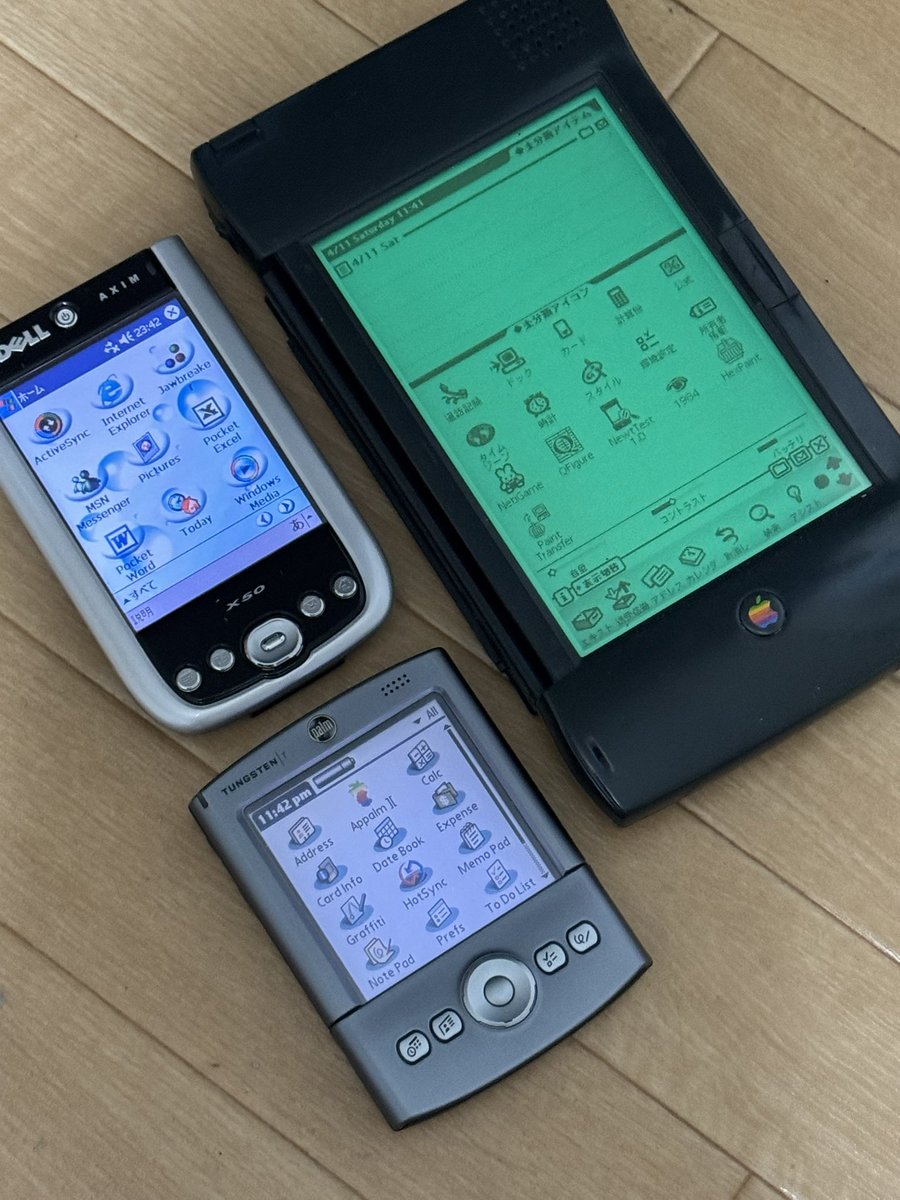
#2635 最近使い出したアプリ。
ふとした事で知ったアプリケーション「Obsidian」。
なんだか不思議な魅力を持ったアプリケーションです。
まだまだ使い出したところですが、ちょっと話してみましたよ。
#Log1103 #ポッドキャスト
#Obsidian #Notion #Newton #MessagePad
1
3
105

Jun 8
Ja – oder bei mir der Newton MessagePad — das war Apples PDA (Personal Digital Assistant) mit Handschrifterkennung, erschienen 1993. Die Handschrifterkennungs-Technologie hiess Newton Intelligence bzw. lief unter dem Betriebssystem Newton OS.
Handschrifterkennung – 😳🤣
1
2
68

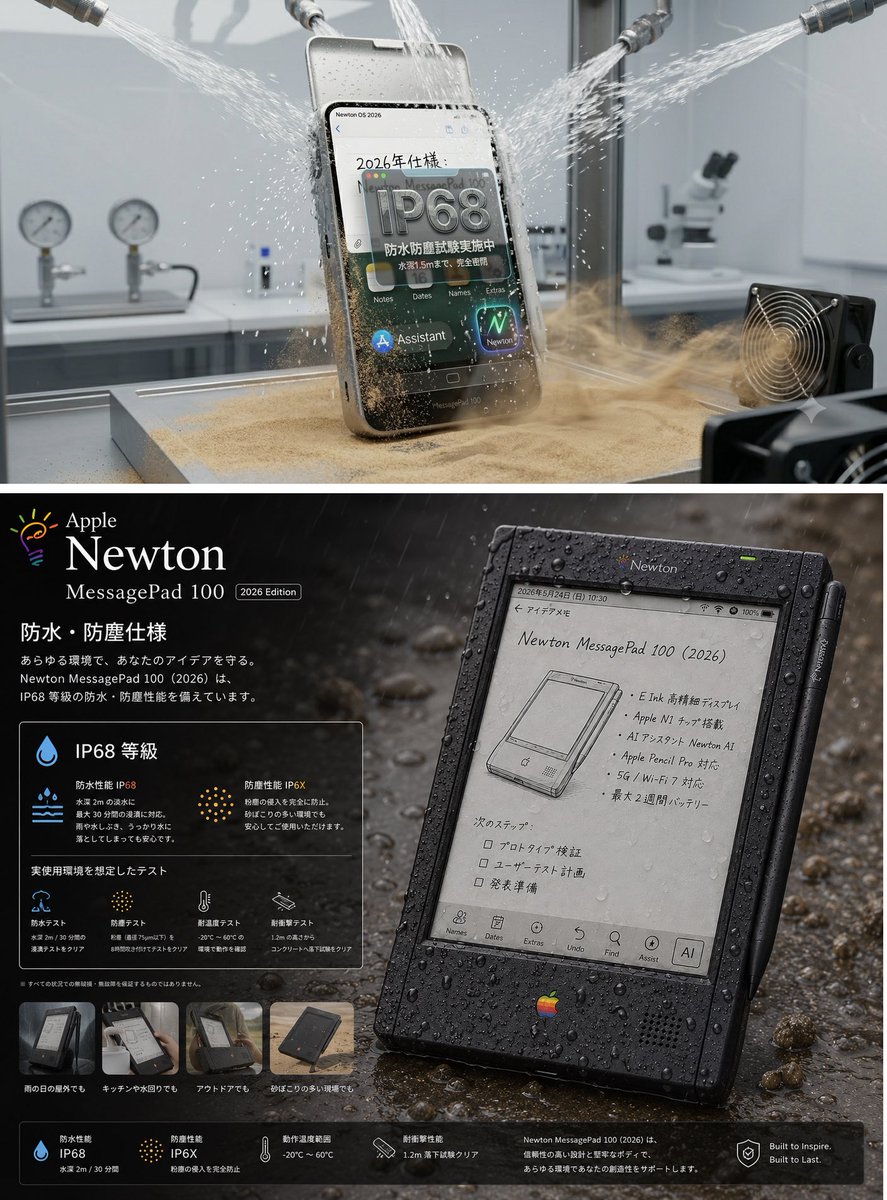
Apple Newton MessagePad 100 2026 Edition tough BODY type
by Gemini
bs
by ChatGPT
2
30

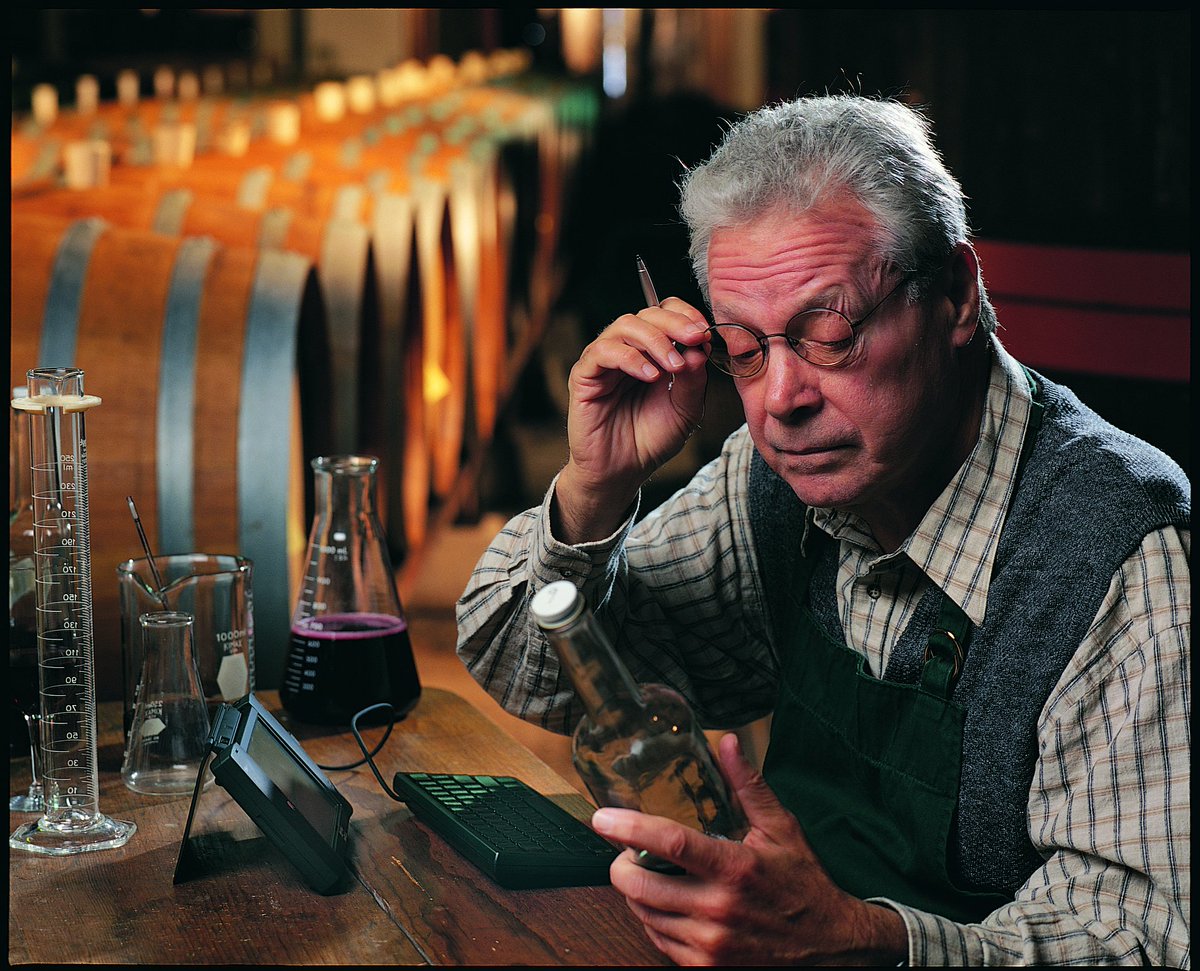
In search of the perfect formula.
Promotional photo from an advertising campaign for Apple devices. The photo shows an Apple Newton MessagePad 2000, 1997
1
7
627

May 29
The Newton MessagePad was truly a device ahead of its time. The world got its first look at the heldheld today in 1992.
Today in history:
cultofmac.com/apple-history/…
#Apple
1
11
1,869
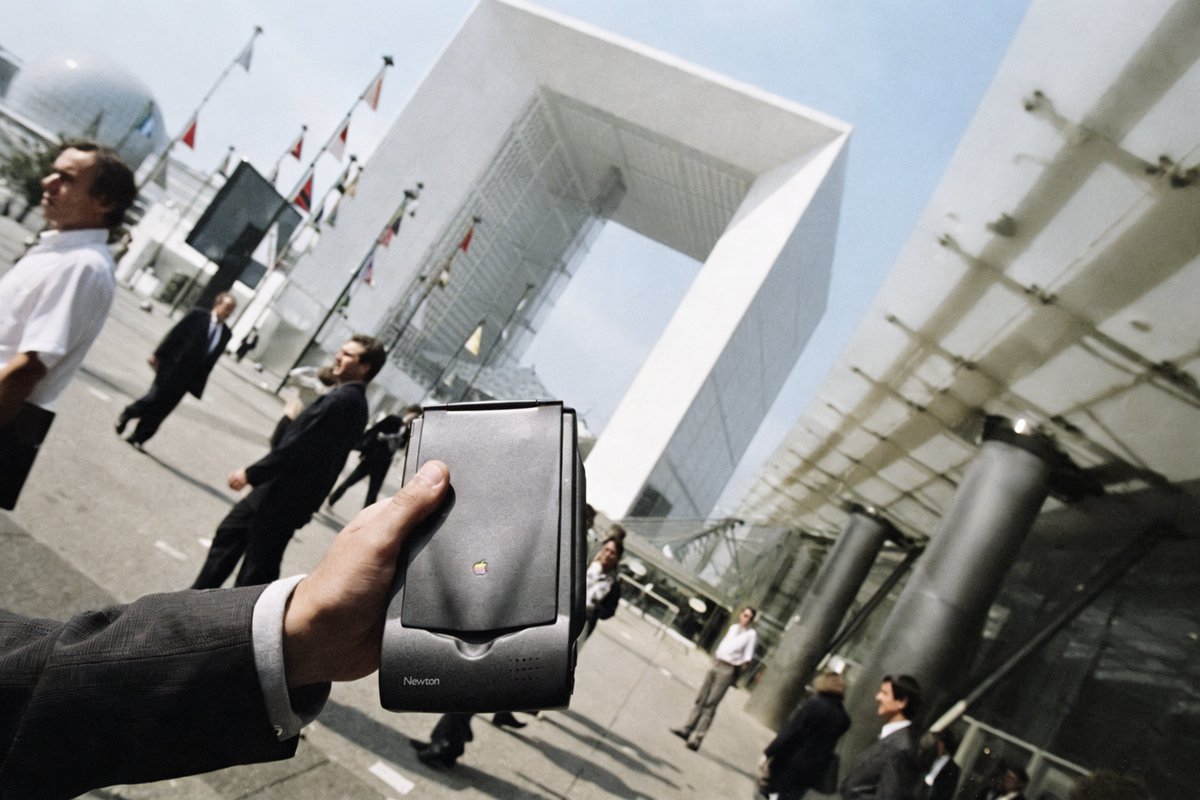
Apple Newton Prototype in Paris, 1992.
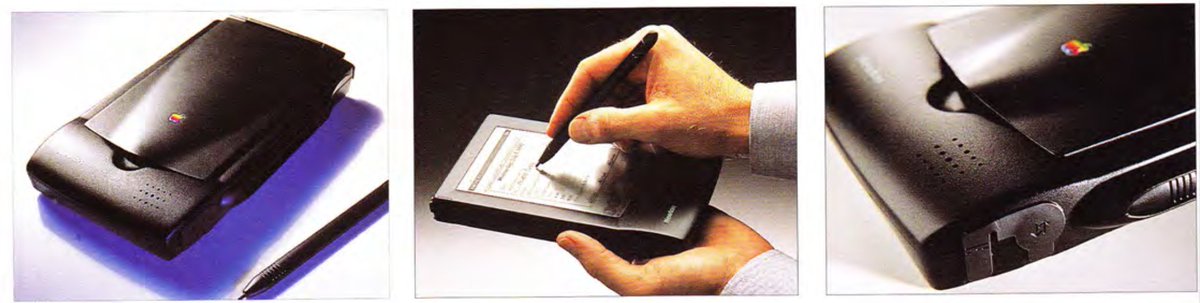
This is initial design for the Newton MessagePad 100 code-named Batman, with a curved lid and sculpted enclosure with integrated palm rest. Industrial Design: Gavin Ivester, Tim Parsey, Daniele Deluliis, Susane Pierce, Robert Brunner.
3
5
26
1,614
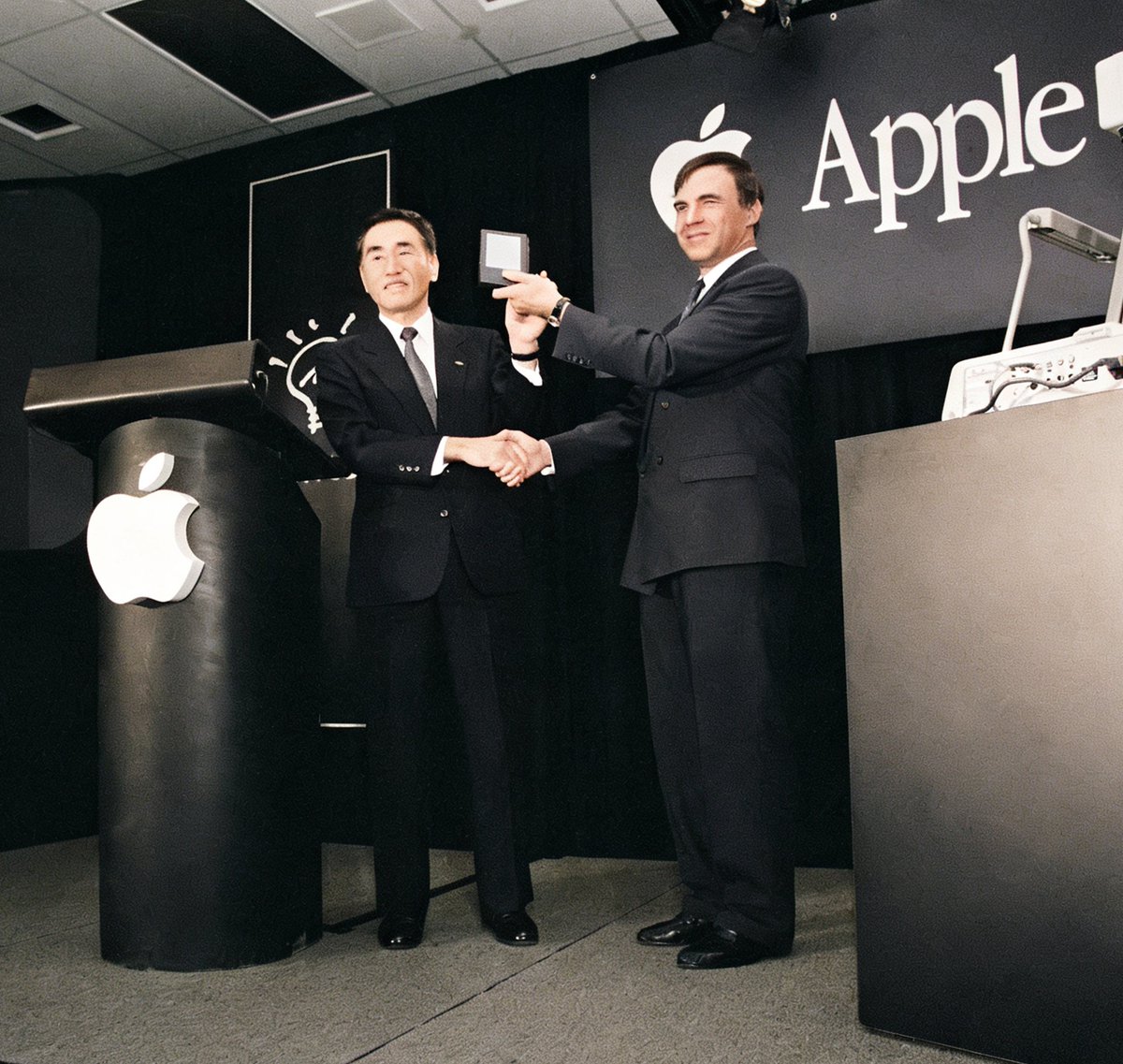
Hello Newton MessagePad.
Newton Project Launch by Apple Computer, Inc. 1993
1
3
37
1,339


May 27
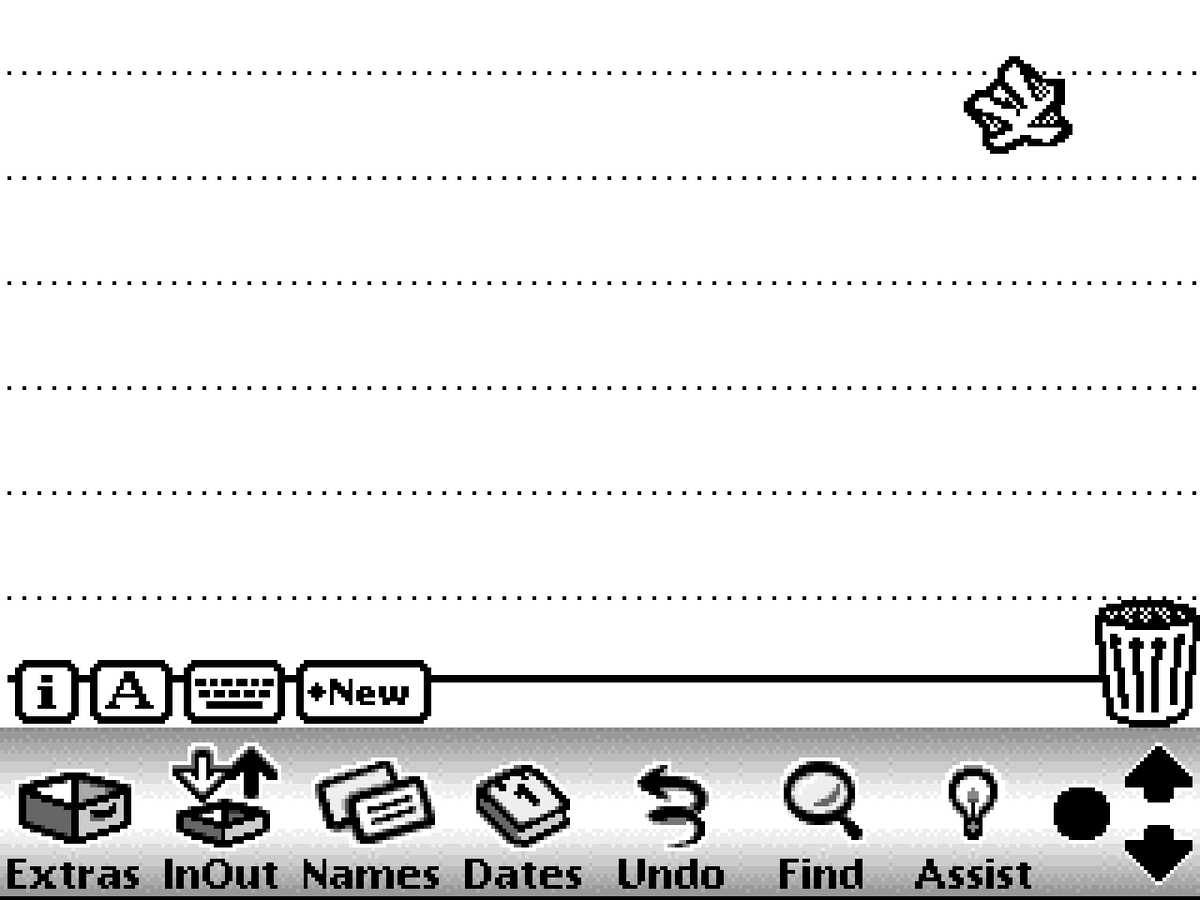
The “Undo” icon on Apple Newton MessagePad contains more whimsy than the entire current macOS.
5
3
112
5,513

May 26
A clip from New Stadium in Toronto.
Jamie March (@jamesdavidmarch) shares the story of how, as an undergrad in the early 2000s when laptops were still uncommon in class, he started buying old Apple products on eBay during what he calls the sweet spot when Apple was a revered underdog.
He recounts using an Apple Newton MessagePad 120 to take handwritten notes and export them as .txt files, drawing puzzled looks from classmates, and reflects on what made the device feel special: the colour, the size, the portability in the pre-smartphone era when it lived permanently in his book bag.
"I've always loved the Newtons, I've always had a soft spot for them, and I've always appreciated the constraints of technology within their different timelines."
1
5
12
2,171

May 23
Most people think AI is just ChatGPT, Grok, or Claude.
But the real AI stack is a massive iceberg.
Applications are just the tiny visible tip.
Here is what it actually takes to power the AI wave:
Applications: The chat box we interact with.
Models: The brains (GPT-4, Gemini, Llama).
Data: The fuel (Snowflake, Databricks).
Silicon: The muscles (Nvidia GPUs, AMD, Google TPUs).
Networking: The nervous system (Broadcom, Arista, Cisco).
Infrastructure: The skeleton (Datacenters, Vertiv, Equinix).
All of it must work together.
A large set of data on a model without efficient processing unit is useless . So GPUs comes into picture.
GPUs without bidirectional transfer of bits is bottleneck. Datacenter without power cannot scale. Applications without distribution die quietly.
Trillions in value are being unlocked at every single layer simultaneously.
However, as someone who builds applications and works directly on the networking and datacenter layer, I see a glaring truth:
Applications are currently the easiest layer to replace.
To understand where the money will settle, we have to ask: Where does the bottleneck move next?
The Historical Pattern
History doesn't repeat, but it absolutely rhymes. Every major tech wave follows a strict three-phase evolution:
Phase 1: Infrastructure Wins First
During the late 1990s internet boom, we didn't invest in websites first; we invested in the hardware building the web. Cisco became the most valuable company in the world in 2000 because everyone needed routers (want to bet on the share price?). Today, Nvidia is experiencing that exact unprecedented growth.
Phase 2: Platforms Emerge
Once the pipes are laid, it was all set. Think of how Facebook emerged in 2004, leveraging the newly built broadband infrastructure to defeat early, fragmented networks like Orkut by creating a true identity platform.
Phase 3: Applications & Ecosystems Mature
Apps can only succeed after the infrastructure and platforms are stable.
Let's take an example.
Think about it: why did the Apple Newton MessagePad failed in the late 1990s, but the iPhone - a very similar concept with apps - made Apple the most valuable company in the world just a decade later?
The Newton failed because the mobile networks, touchscreens, and software ecosystems simply weren't ready. The iPhone won because the infrastructure finally caught up to the idea.
The Next Shift
We are currently at the peak of Phase 1 in 2026.
Infrastructure is winning heavily.
Initially, models were scarce. Today, compute and grid power are the primary bottlenecks.
But infrastructure eventually commoditises. Hoping it to by 2027. When the bottleneck moves past the data center, value will shift drastically.
The winners of the next phase won't just be thin wrapper apps. The value will land on proprietary data moats, robust distribution networks, and deep workflow integration.
The infrastructure is being laid right now. Perhaps the AI operating system platforms come next. Only then will the final application layer truly settle.
One thing I keep thinking about:
what does Phase 2 actually look like?
Curious how others here are thinking about it.
2
13
107
140,722


May 8
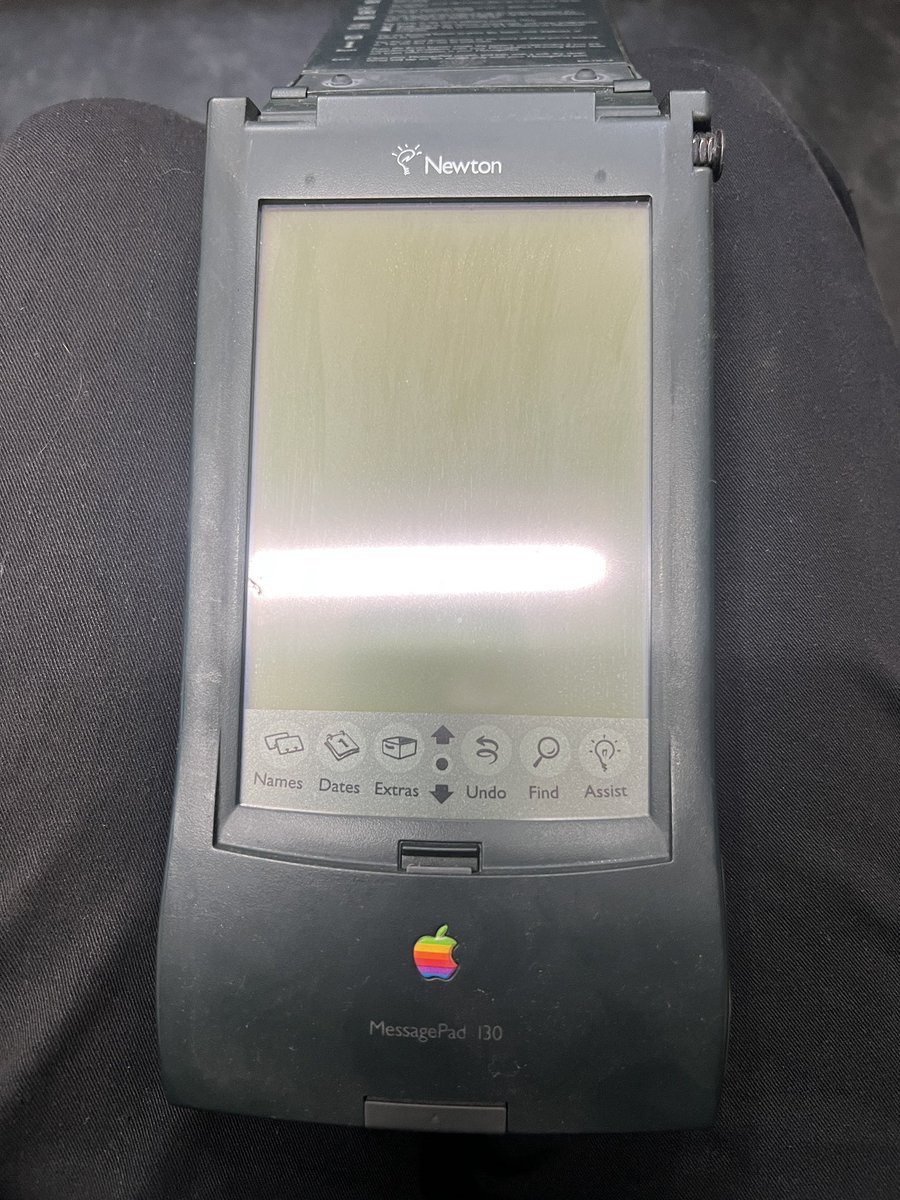
アップル製品のデザインと言っても話題になるのは、外見の話ばかりになりがちだけれど、アップル製品の修理をしているNCRクイックガレージの修理工の人がPowerBook 2400とIBM ThinkPad 535を比較し、Newtonに技術提供していたシャープのエンジニアがザウルスと共通技術多いMessagePad見て真っ先に語ったアップルデザインの凄さが「重心」。
製品は「重心」をどこに置くかで、持った時の重さの印象などがかなり変わる。他のメーカーだとなんとなく真ん中に持ってくるように後から調整努力をするけれど、アップルの設計だと、まずは重心設計があってそれによって内部コンポーネントの配置が決めるくらいに持った時の体験を重視している(ちなみにどちらもアイブはいたけれど、ジョブズは戻ってくる前の時代の製品)。
1
12
57
4,333

1
4
86

Apr 16
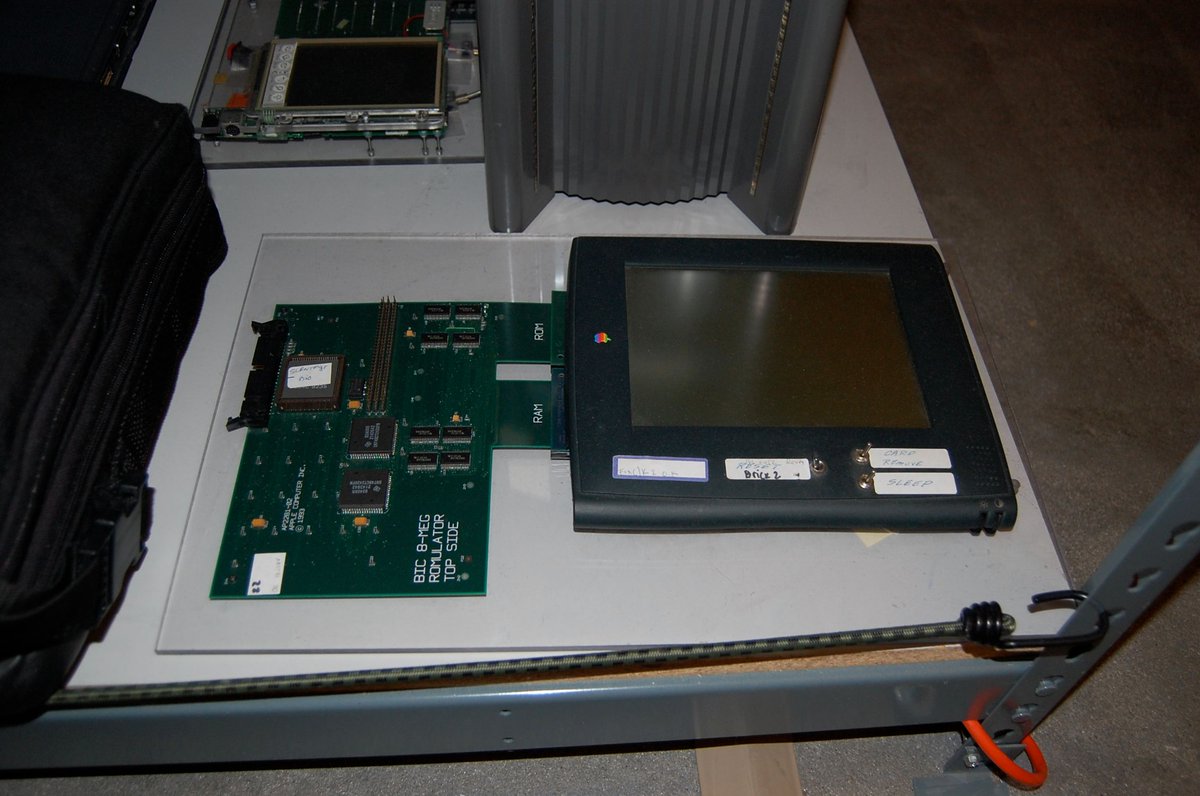
This is the Apple Newton "Cadillac" engineering prototype! You can see the main display that would become the Apple Newton MessagePad and an attached BIC 8-MEG ROMulator circuit board.
During development, engineers had to test new code constantly. Instead of permanently "burning" the operating system onto ROM chips every time they made a tiny tweak, using the "ROMulator" to emulate the Read-Only Memory. This allowed them to save time and resources.
#RetroTech #VintageApple #TechHistory
2
2
23
1,131



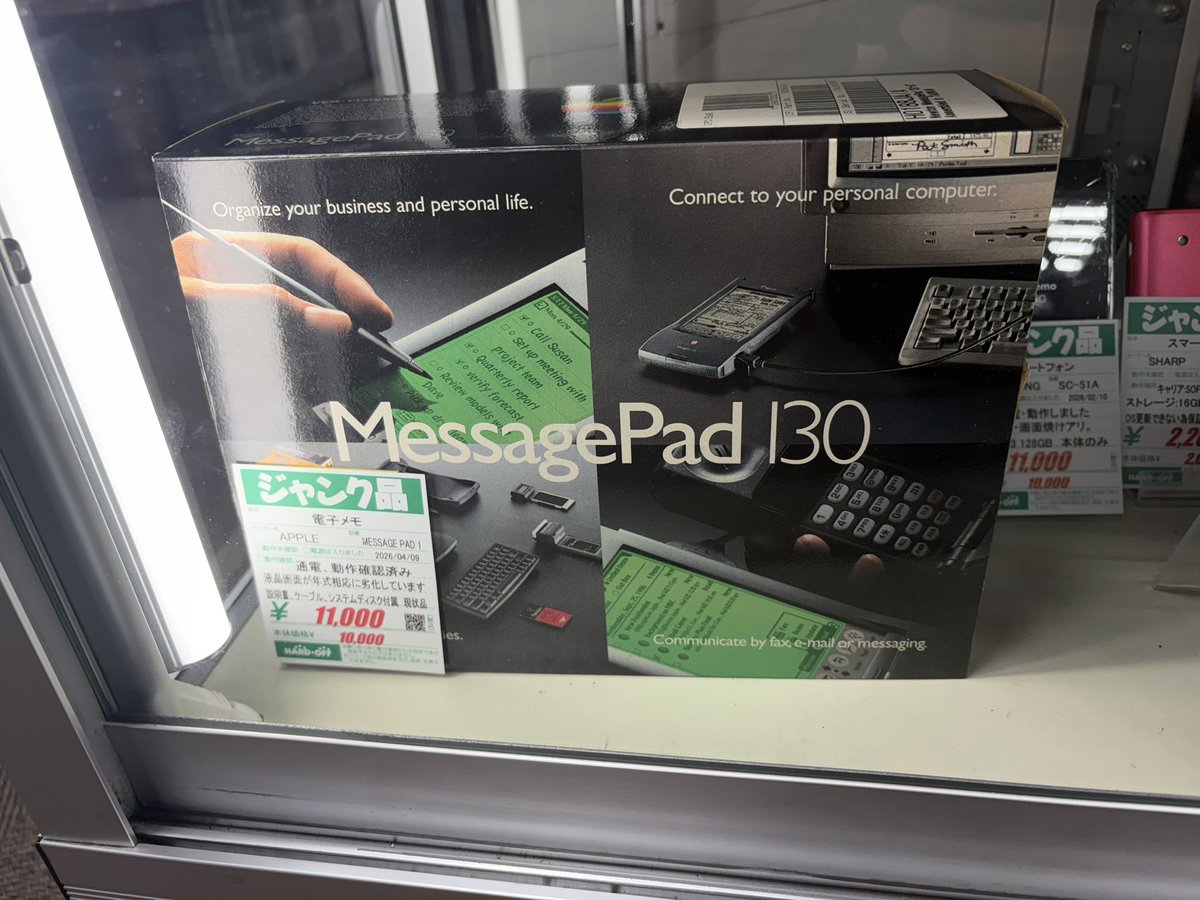

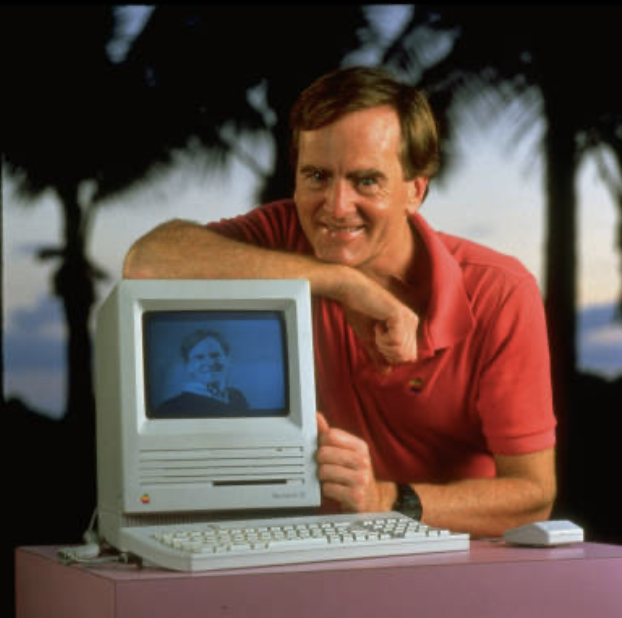
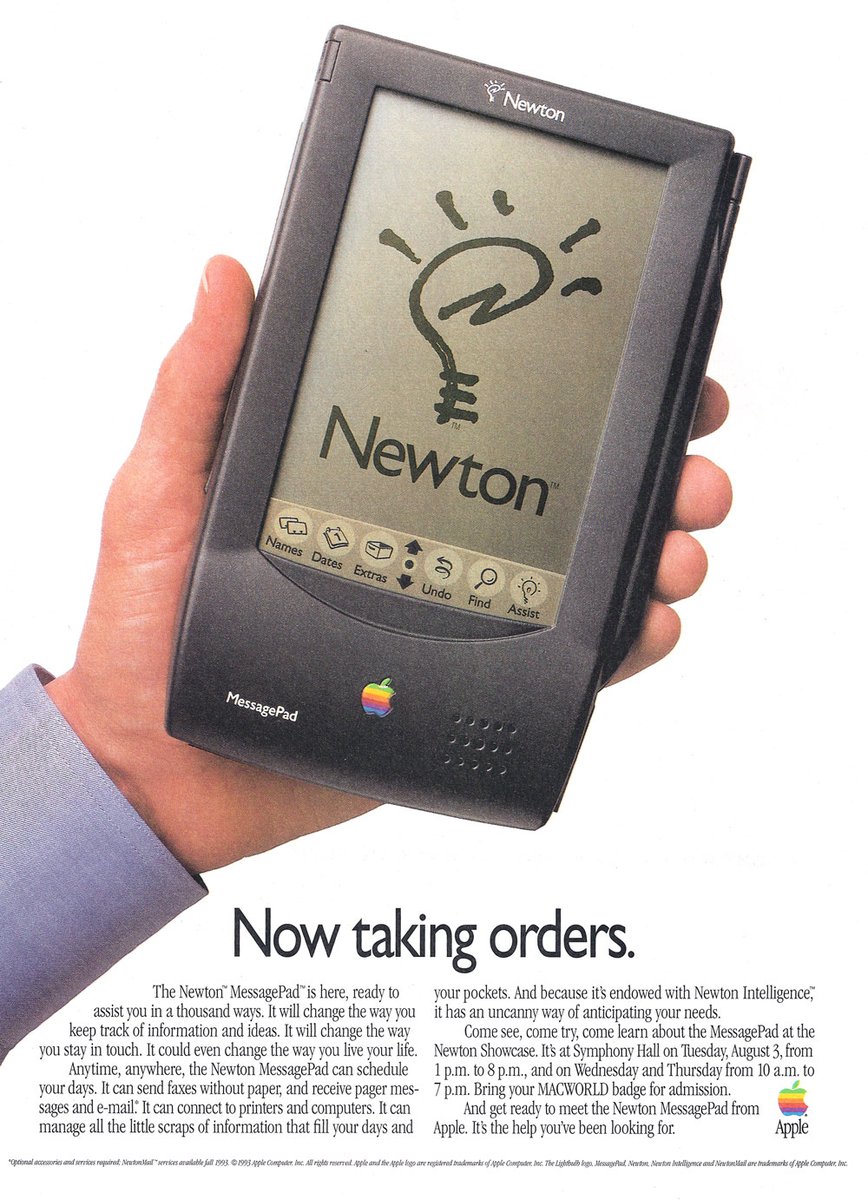
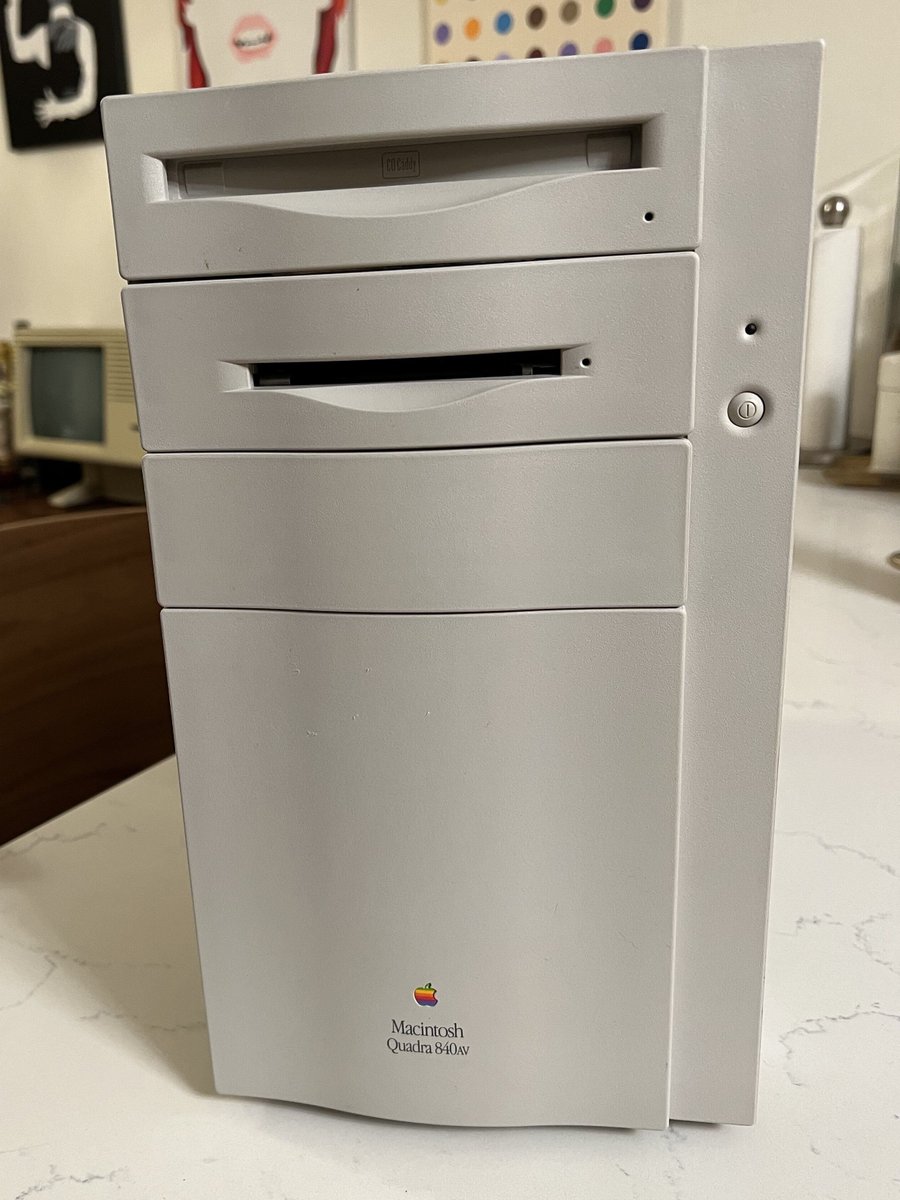
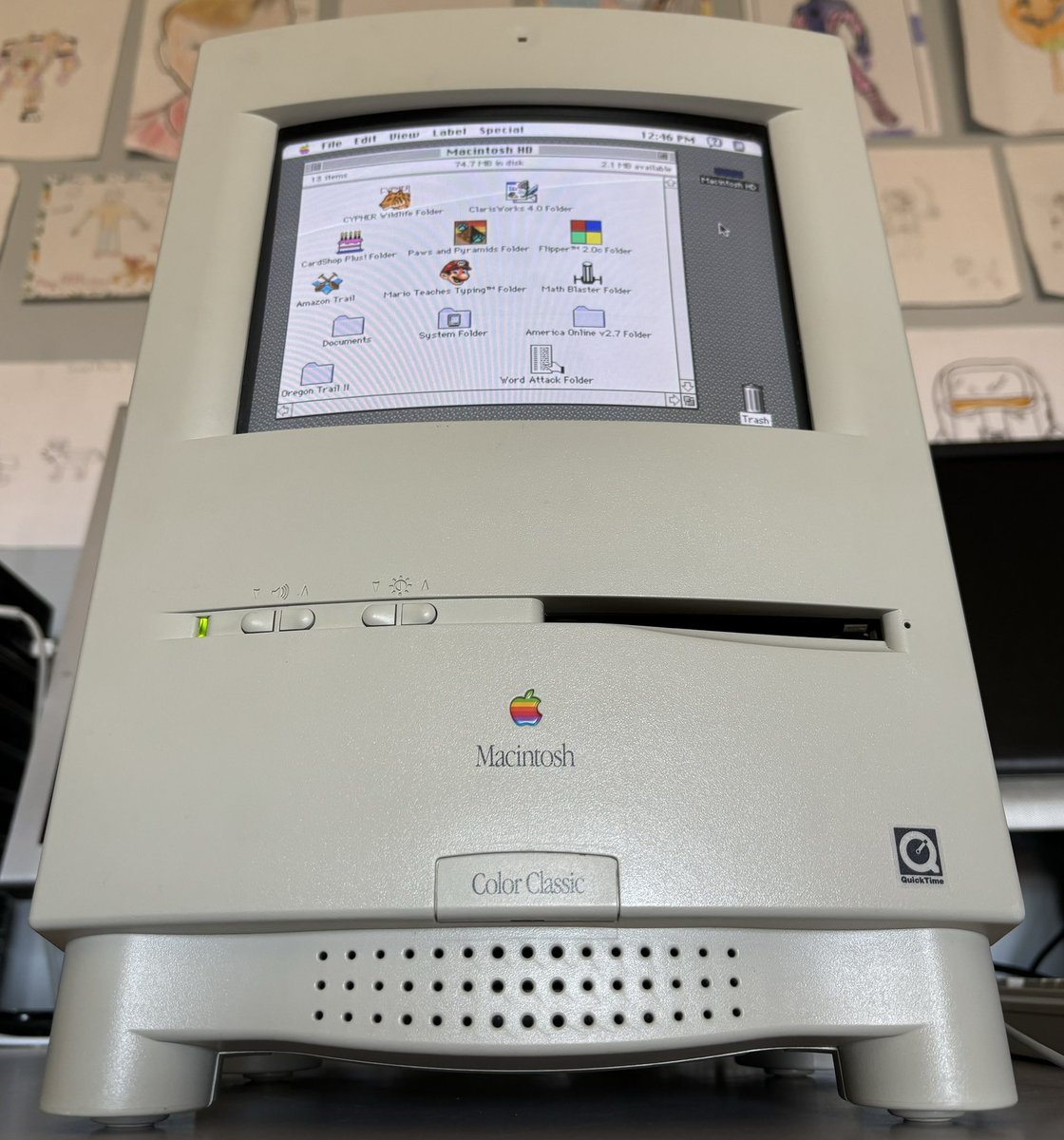
🧵#Apple50 1993
Cracks are starting to show❤️🩹
1. John Sculley resigns as CEO of Apple and is replaced by Michael Spindler
2. Newton MessagePad running Newton OS is released during Macworld Expo in Boston
3. Macintosh Quadra 840AV is released
4. Our beloved little Color Classic
2
5
323

Mar 30
Apple’s Evolution
The Garage Foundation (1970s)
1976: Apple I
1977: Apple II
1978: Disk II
1979: Apple II Plus
The GUI Revolution (1980s)
1980: Apple III
1983: Apple Lisa, Apple IIe
1984: Macintosh (128K), Apple IIc
1985: Macintosh Plus, LaserWriter
1986: Macintosh SE, Apple IIGS
1987: Macintosh II
1988: Macintosh IIx
1989: Macintosh Portable
The Wilderness & The Renaissance (1990s)
1990: Macintosh LC
1991: PowerBook
1992–1993: PowerBook Duo, Newton MessagePad
1994: Power Macintosh (PowerPC)
1995–1997: Power Macintosh series
1998: iMac G3
1999: iBook G3
The Digital Hub Era (2000s)
2001: iPod
2002: eMac, Xserve
2003–2005: iPod Mini, Shuffle, Nano, PowerBook G4
2006: MacBook Pro, MacBook, iPod Video
2007: iPhone, Apple TV, iPod Touch
2008: iPhone 3G, MacBook Air
2009: iPhone 3GS
The Mobile Juggernaut (2010s)
2010: iPad
2011: iPhone 4S, iPad 2
2012: iPhone 5, MacBook Pro (Retina)
2013: iPhone 5S, iPhone 5C
2014: iPhone 6, iPhone 6 Plus
2015: Apple Watch, iPhone 6S
2016: iPhone 7, AirPods
2017: iPhone X, HomePod
2018: iPhone XS, XR, iPad Pro (USB-C)
2019: iPhone 11, AirPods Pro, Mac Pro
Silicon Independence & Spatial Computing (2020–2024)
2020: iPhone 12, M1 Macs, Apple Watch SE
2021: iPhone 13, M1 iPad Pro
2022: iPhone 14, M2 Macs, Apple Watch Ultra
2023: iPhone 15 (USB-C), M3 Macs
2024: iPhone 16, Apple Vision Pro
The Bleeding Edge (2025–2026)
2025: iPhone 17 series, AirPods Pro (3rd gen), Apple Watch Series 11 / Ultra 3 / SE 3, M5 MacBook Pro, M5 iPad Pro, Vision Pro (M5)
2026: AirTag 2, iPhone 17e, MacBook Neo, M5 MacBook Air/Pro, M4 iPad Air, Studio Display (updated), AirPods Max (2nd gen)
2
414