
Jan 24
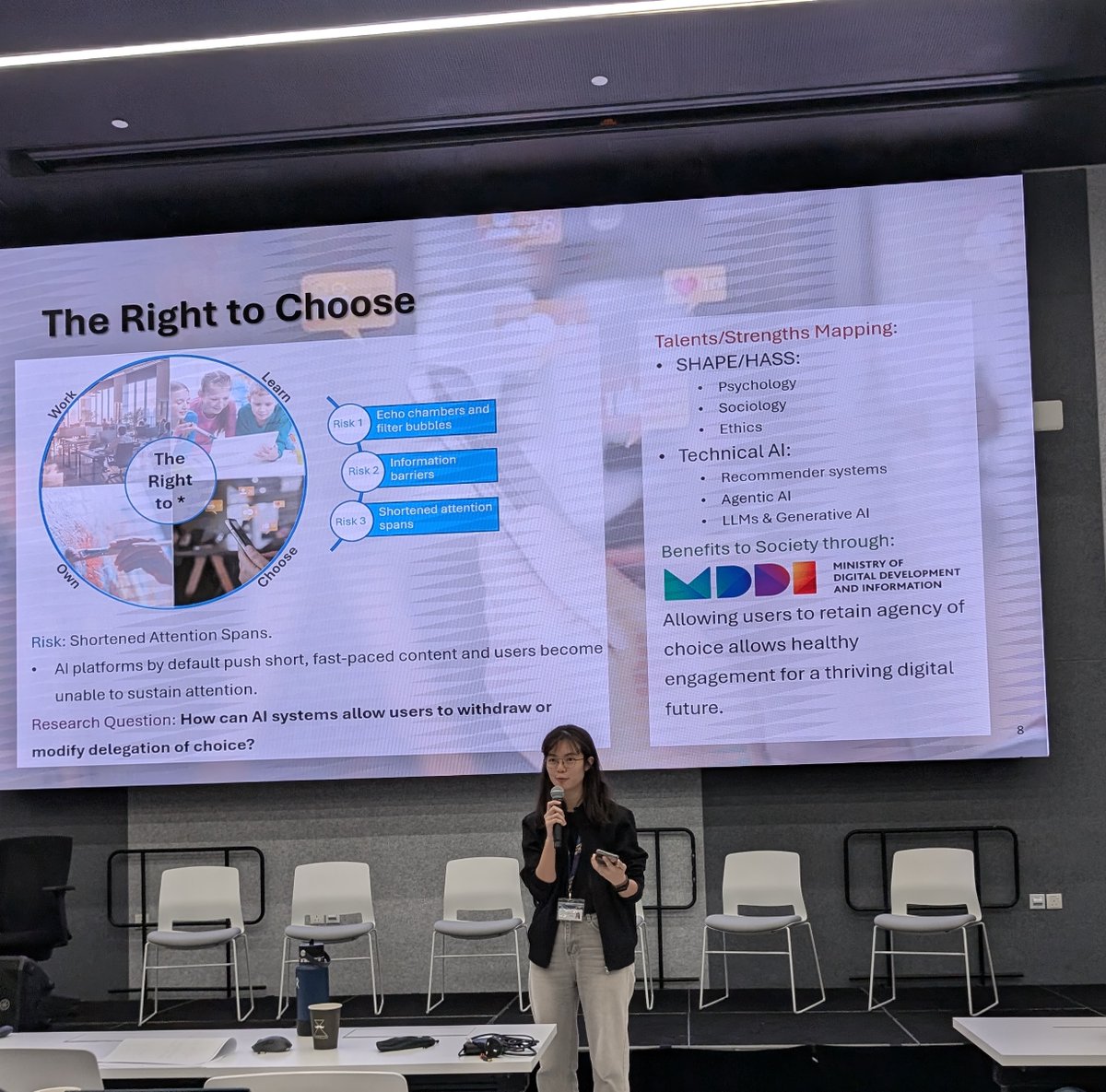
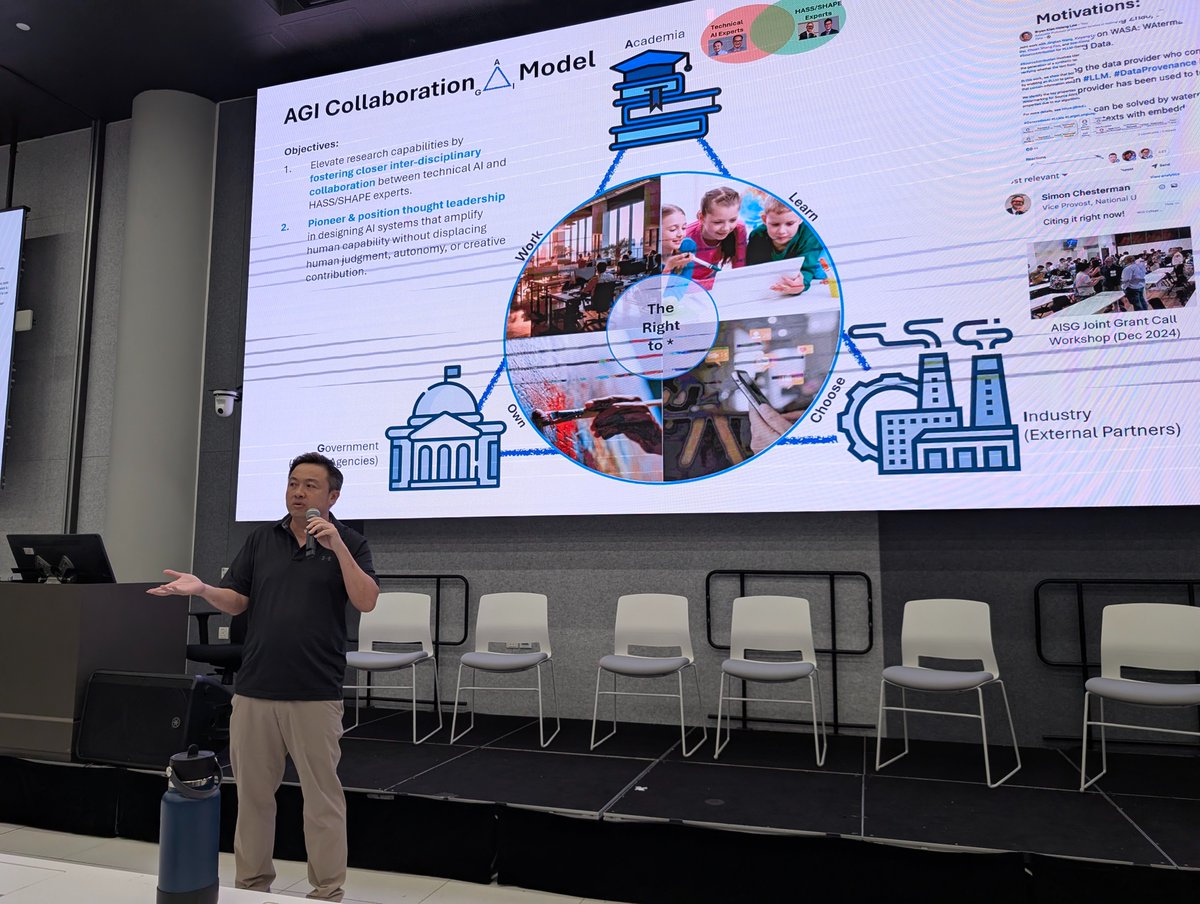
The incredible turnout from the technical AI and AI governance communities validates the importance and timeliness of the themes covered in the @AISingapore Symposium on The Right to Learn, Work, Own & Choose on 23 Jan 💪. This event is part of the Singapore AI Research Week (luma.com/sgairesearchweek) that is held in parallel with @RealAAAI #AAAI2026.
The key takeaways I got from the inspiring speakers:
(1) Ashok Goel @AshKGoel (@GeorgiaTech) — The Right to Work and the Right to Learn: AI for Adult Learning and Online Education: In one of his research studies, AI did not necessarily retard the students learning from interacting with it. As he had explained, this might be because the students who are working adults are intrinsically motivated to learn the materials well. Hope I caught his message right 😅 I also thought that these working adults have previously been brought up in conventional learning environments, unlike the younger generation with direct and immediate access to generative AI tools. Could that have implications on his research study?
However, he also said that learning is a social and emotional process, which in my opinion makes AI-assisted learning a challenging problem and puts the Right to Learn in the limelight.
🎤 Jungpil Hahn @jungpil(@NUSComputing) — The Organizational AI Efficiency Paradox: I really like his proposal of intentionally designing "friction" in the current system where the junior staff need to go through the manual exercise of building up their cognitive maps before being allowed to use AI shortcuts. In other words, know what you're using!
He also said that such a process is a lifelong one. How then can we accelerate the development of the cognitive maps?
🎤 Prof. Luke Zettlemoyer@LukeZettlemoyer (@UW&@MetaFAIR) — Towards Copyright Aware Language Modeling: I was inspired to think more deeply about his proposals of using #RetrievalAugmentedGeneration and Modular Models as means for handling copyright takedowns. Tonnes of interesting research questions/problems pop up in my head!
🎤 Dr Nancy Chen (@ASTARsg) — The Right to Think: How Thoughtfully Soft AI can Help: I'm impressed by how she has paid careful attention to the cultural nuances and contexts involved in the text and speech conversations when developing the multimodal AI tools.
🎤 Dr Djallel Bouneffouf @DjallelBouneff(@IBMResearch) — From Emergence to Evaluation: Understanding Theory of Mind, Persuasion, and Power Asymmetries in Intelligent Agents: His notion of a Shepherd Test is really interesting: Would AI treat us in the same way as a superintelligent being would, just like how we treat the other species living on Earth?
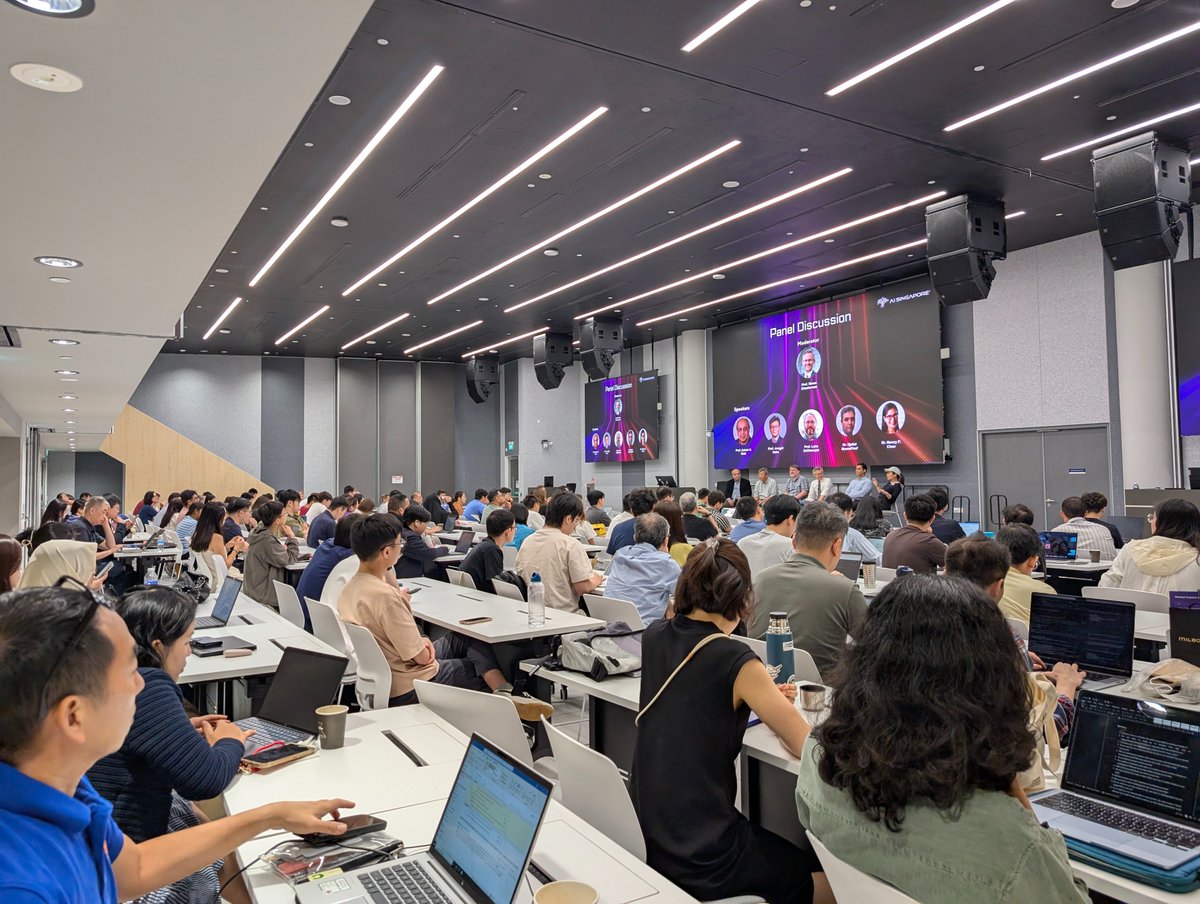
During the panel discussion, I've posed a question: Let's consider a scenario of the near future that can challenge our right to choose. For the sake of advancing technology to improve our quality of life, supposing hashtag#AAAI2027 informs us that it has potentially received 60% submissions that are near-fully AI generated, what are your thoughts as a reviewer, program chair, and a human author? Should you be given the right to choose whether to review a human or an AI-generated paper?
There are currently policies in place at the top AI conferences like @NeurIPSConf @iclr_conf @icmlconf regarding the use of #LLMs in paper submissions. However, recent incidents caught us by surprise: We've seen hallucinated references in #NeurIPS2025 (gptzero.me/news/neurips/). As a senior area chair of #ICLR2026, I know that paper submissions with such hallucinated references were also desk-rejected. Last year, we heard about prompt injections into manuscripts to exploit AI-assisted peer reviews (arxiv.org/abs/2507.06185).
Some panel members are generally receptive to AI-generated research and papers that help to improve the quality of life in the society. However, there is still so much that we don't understand about this technology and its societal impact, both positive and negative. There is a need to significantly improve our understanding of generative AI before we can use it effectively.
Some have also voiced that the reviewers need to be informed so that they have the right to choose.
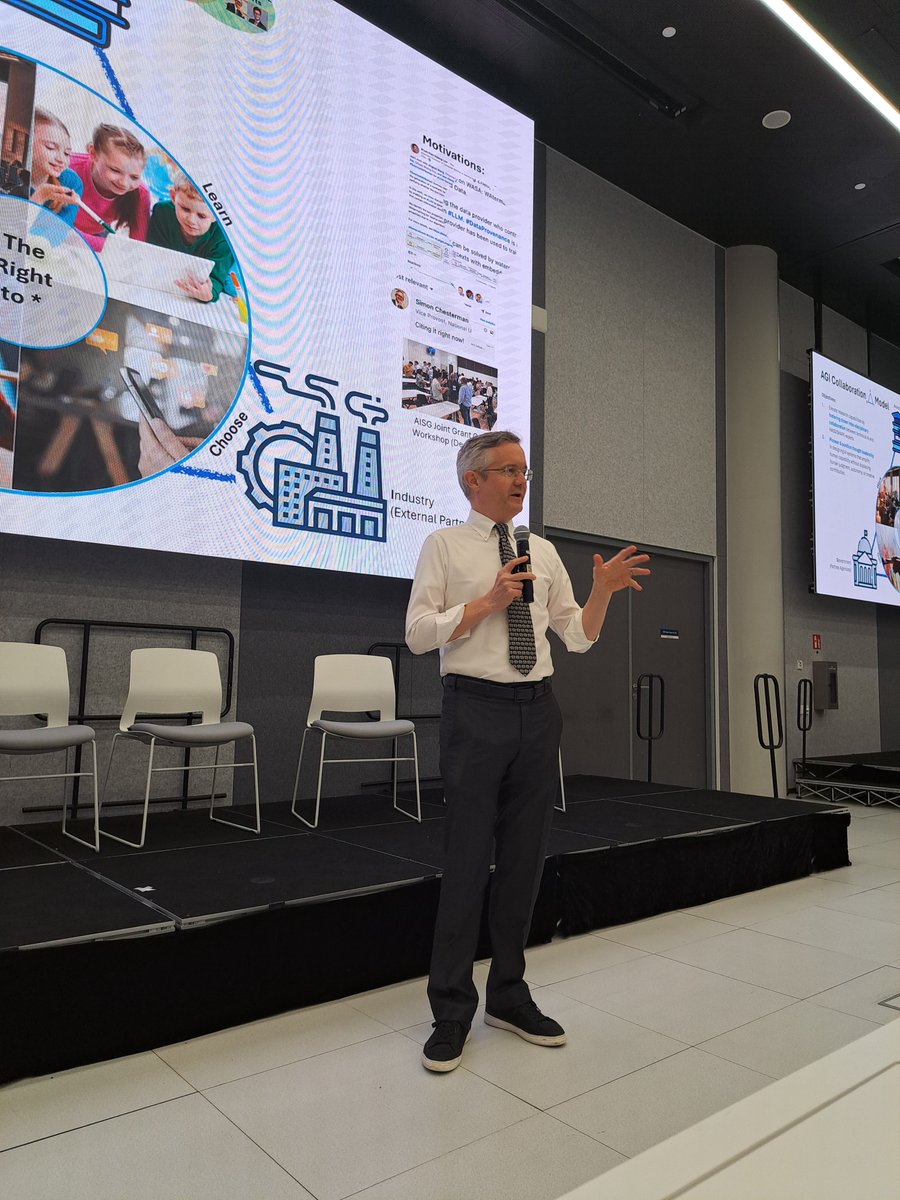
My sincere gratitude to @ziyuuu____ who has orchestrated the entire symposium, including the content, together with Lynn Wong, Simon @ProfChesterman for co-hosting with me and doing such a great job in moderating the panel discussion, Jalyn Ong and Abigail Toh for their amazing publicity materials, Rachel Tay, Erica Megan Wee, Pei Yon Ong, and Janice Teo for their help on site!
6
18
1,096
Jan 22
Yesterday, at the NUS Artificial Intelligence Institute x DSO National Laboratories x Amazon Web Services (AWS) Symposium on Agentic AI meets Autonomous Agents and Multiagent Systems, it was mentioned a number of times that as AI systems become increasingly agentic, their risks and opportunities become harder to separate 🤖.
@nusaiinstitute @awscloud
Agents can plan, act autonomously, and operate across tools. They enable powerful assistance, but also raising concerns around privacy, limited testability, and uncontrolled planning that may lead to unwanted behaviour.
This tension sits at the heart of tomorrow’s symposium: How do we harness AI as a helpful assistant without quietly eroding human agency?
Looking forward to the conversations tomorrow at the
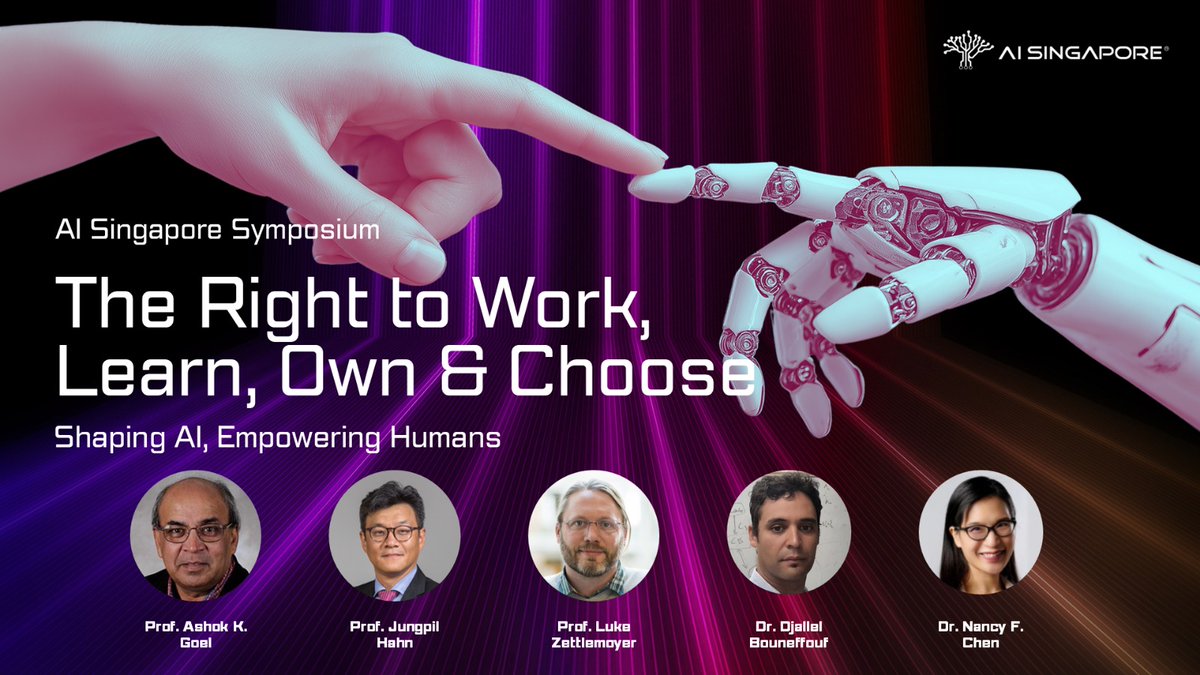
@AISingapore Symposium on The Right to Learn, Work, Own, and Choose with Ashok Goel @AshKGoel (@GeorgiaTech), Jungpil Hahn @jungpil (@NUSComputing), Luke Zettlemoyer @LukeZettlemoyer (@UW&@MetaFAIR), @DjallelBouneff(@IBMResearch), and Nancy Chen ( @ASTARsg )!
This event is part of the Singapore AI Research Week (luma.com/sgairesearchweek) that is held in parallel with @RealAAAI #AAAI2026.
1
10
261
Jan 21
✨ Today we kick off with the NUS Artificial Intelligence Institute x DSO National Laboratories x Amazon Web Services (AWS) Symposium on Agentic AI Meets Autonomous Agents and Multi-Agent Systems 🚀.
We take a short break tomorrow, and on 23 Jan, we reconvene for the @AISingapore Symposium on The Right to Learn, Work, Own & Choose 💪. The response is overwhelming too with over 400 registrations!
This event is part of the Singapore AI Research Week (luma.com/sgairesearchweek) that is held in parallel with @RealAAAI #AAAI2026.
On 23 Jan, you’ll hear from an incredible lineup of speakers:
🎤 Prof. Ashok Goel @AshKGoel (@GeorgiaTech) — The Right to Work and the Right to Learn: AI for Adult Learning and Online Education.
🎤 Dr Djallel Bouneffouf @DjallelBouneff (@IBMResearch) — From Emergence to Evaluation: Understanding Theory of Mind, Persuasion, and Power Asymmetries in Intelligent Agents.
🎤 Prof. Jungpil Hahn @jungpil (@NUSComputing) — The Organizational AI Efficiency Paradox
🎤 Prof. Luke Zettlemoyer @LukeZettlemoyer (@UW&@MetaFAIR) — Towards Copyright Aware Language Modeling
🎤 Dr. Nancy Chen (@ASTARsg) — The Right to Think: How Thoughtfully Soft AI can Help
The day will also feature a panel discussion moderated by Prof. Simon Chesterman @ProfChesterman (Senior Director of AI Governance, @AISingapore), bringing together perspectives across research, governance, and practice.
Due to the overwhelming response, we kindly ask registered participants who are unable to attend to update your status on luma asap so that we can offer your place to others on the waitlist.
Looking forward to two days of thoughtful conversations on the future of AI!

How do we preserve meaningful human discretion in an age where AI quietly reconfigures our agency?
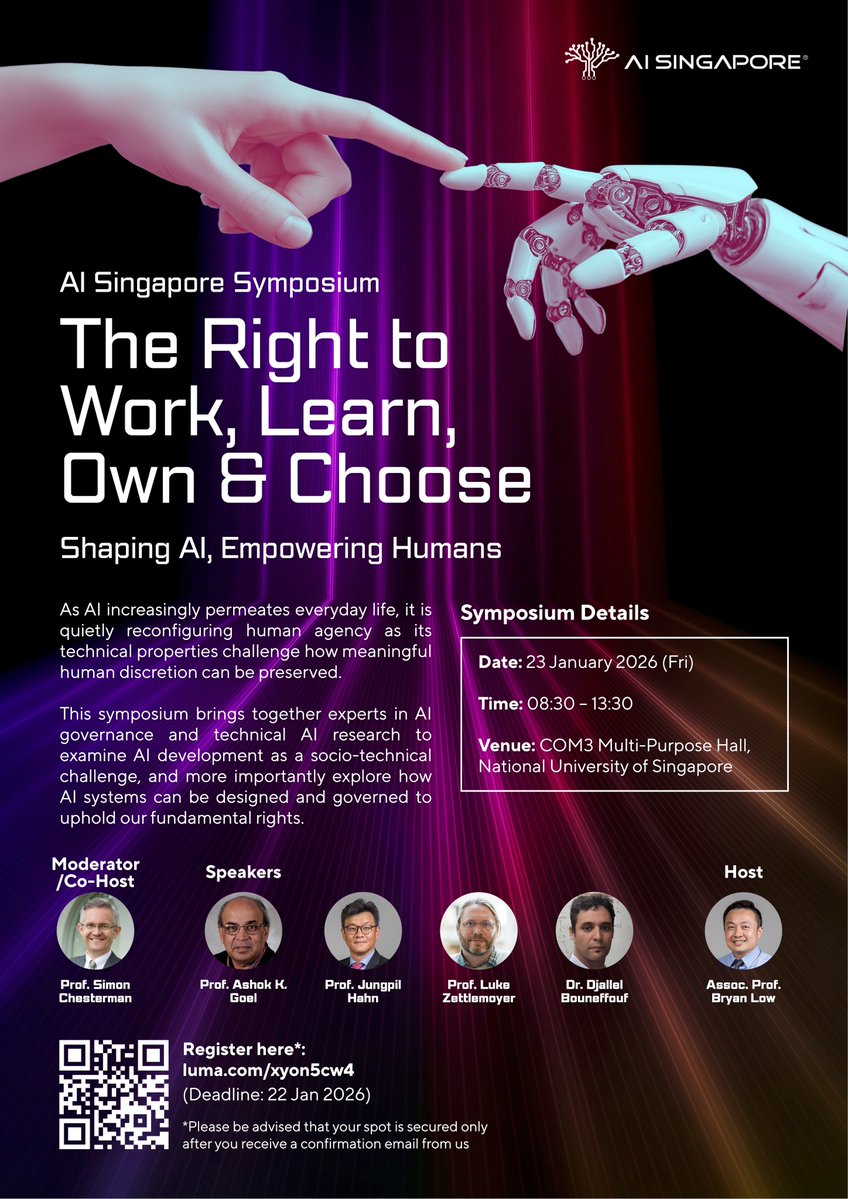
Join us at the @AISingapore Symposium on The Right to Work, Learn, Own & Choose to examine how the technical AI and AI governance communities can converge to advance AI systems that respect human agency and uphold our rights to work, learn, own, and choose.
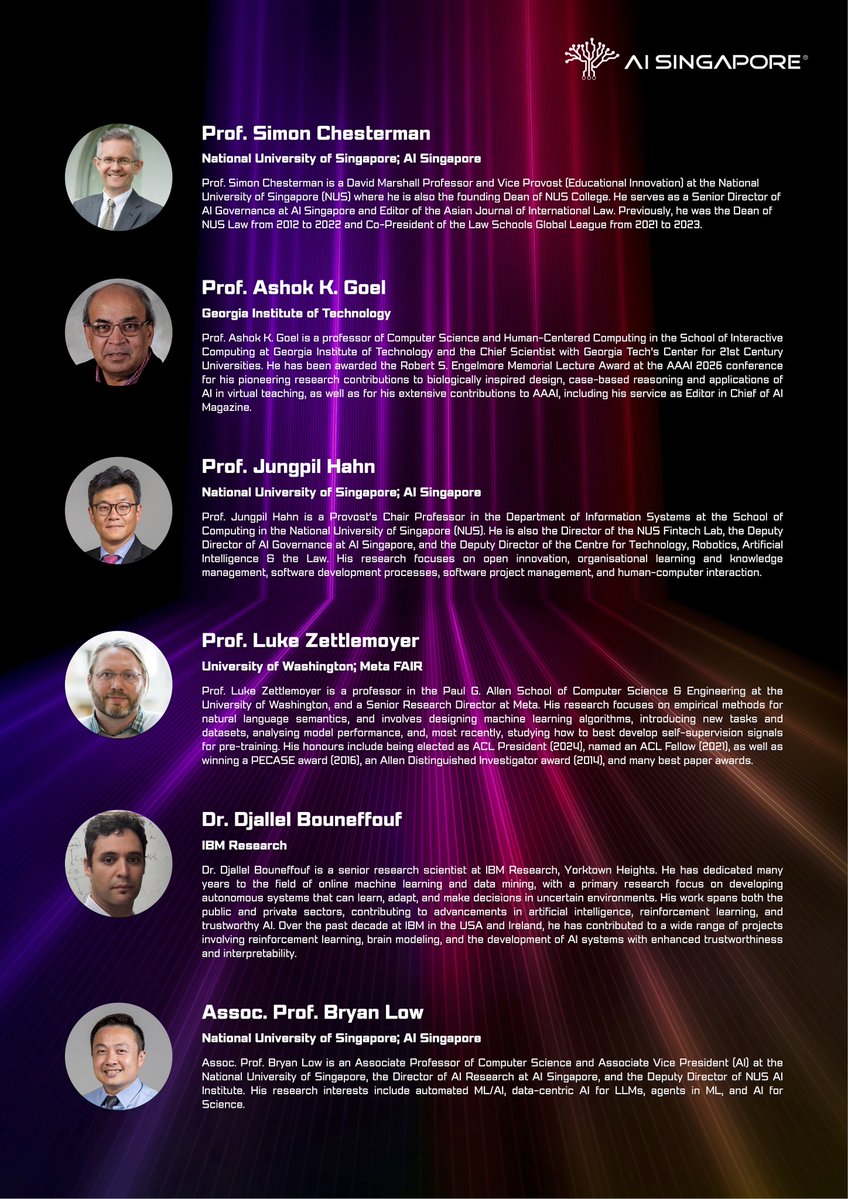
The symposium features invited speakers like @AshKGoel (@GeorgiaTech), @jungpil (@NUSComputing), @LukeZettlemoyer (@UW & @Meta FAIR), and @DjallelBouneff (@IBMResearch). For more details on the symposium and invited speakers, refer below:
📆 23 Jan 2026 (Fri)
🕦 08:30 - 13:30
📍COM3 Multi-Purpose Hall, 11 Research Link, Singapore 119391, Singapore
Lunch and light refreshments will be served.
Register here: luma.com/xyon5cw4 (Deadline: 22 Jan 2026)
This event is part of the Singapore AI Research Week (luma.com/sgairesearchweek) that is held in parallel with #AAAI2026.
#AIEthics #HumanAgency #LLM #LLMs
10
371

3 Dec 2025
9| 6. AGI Frontiers
✔openai
✔Deepmind
✔Anthropic
✔Metafair
✔Mistral
✔xai
1
11
247

winbuzzer.com/2025/11/11/met…
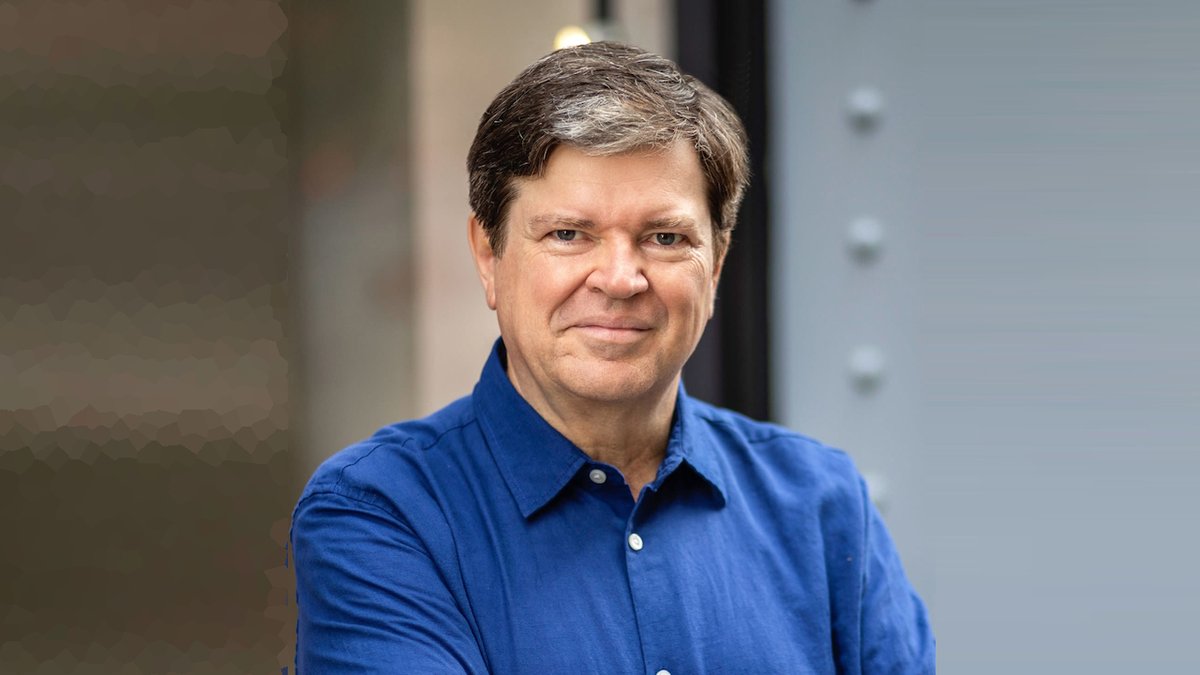
Meta Chief AI Scientist Yann LeCun to Exit and Launch New Startup
#AI #Meta #YannLeCun #MetaAI #AIBrainDrain #BigTech #DeepLearning #AIResearch #MarkZuckerberg #WorldModels #MetaFAIR
1
2
243
winbuzzer.com/2025/11/11/ai-…
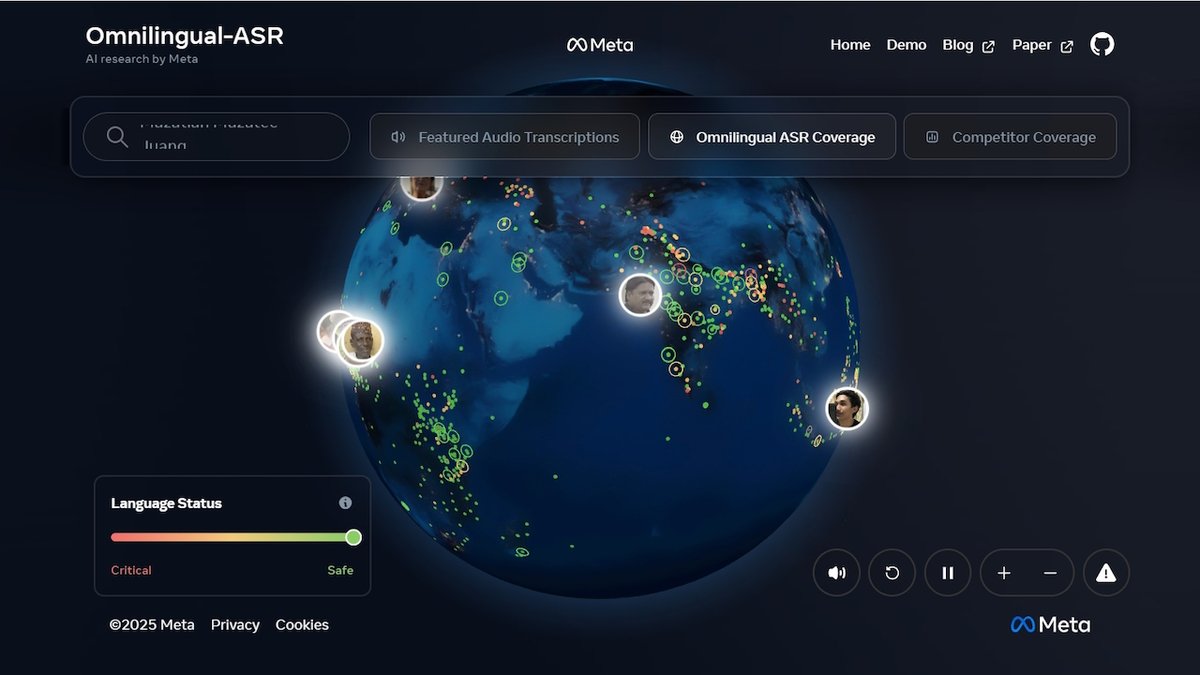
AI Speech Recognition and Transcription: New Meta AI System Supports over 1,600 Languages
#AI #MetaAI #OpenSource #ASR #SpeechRecognition #MetaFAIR #LanguageTechnology #Developer #DeepLearning #NLP #Linguistics #Multilingual
1
1
2
118

31 Oct 2025
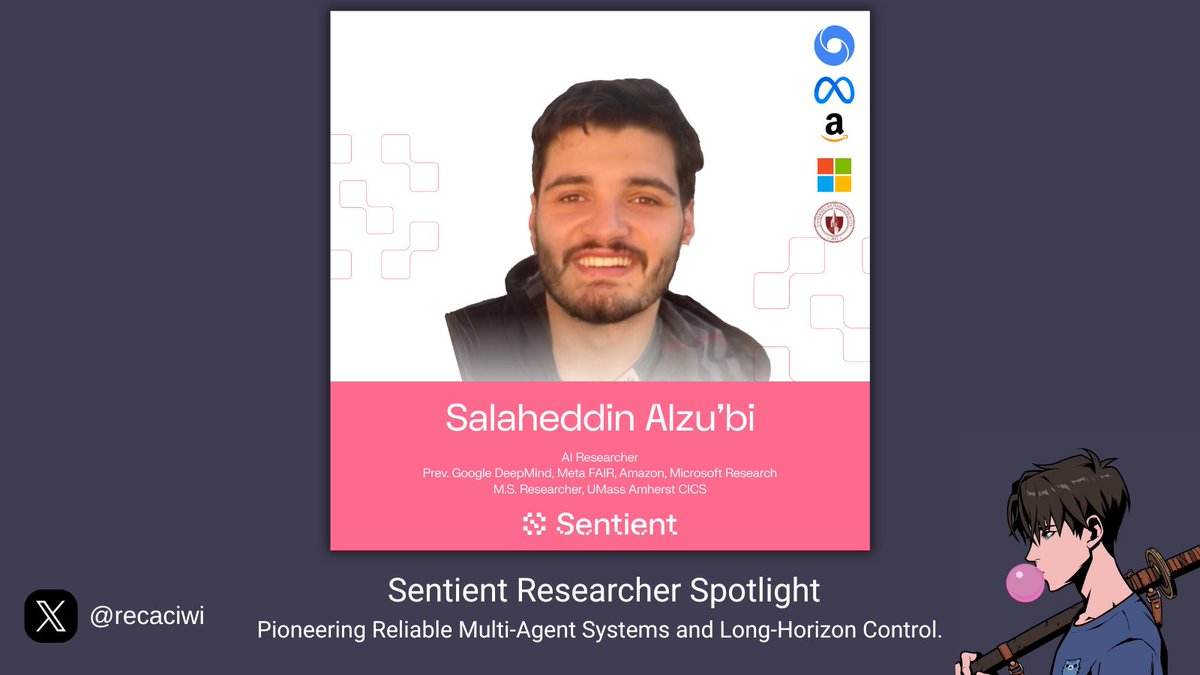
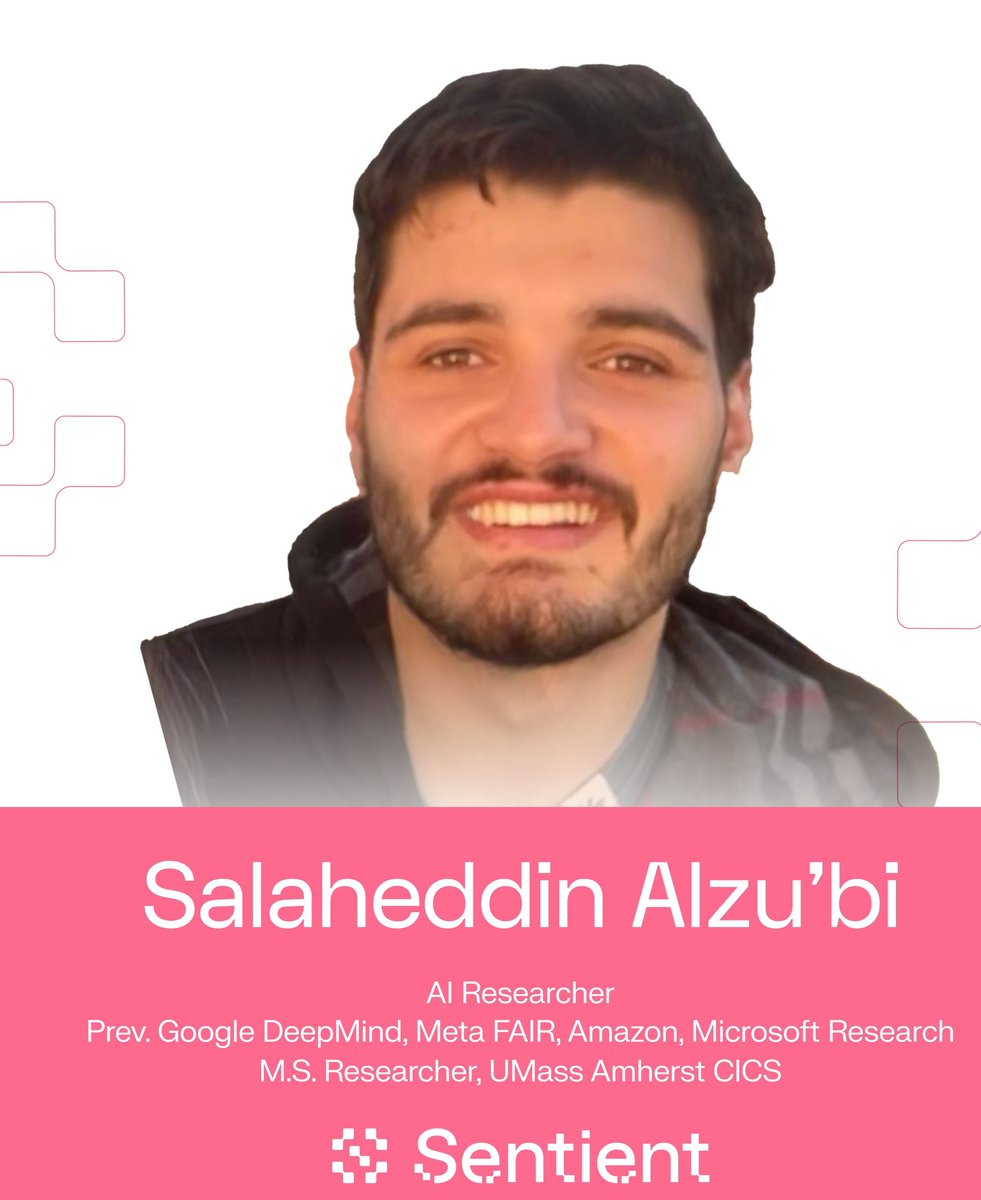
Today, i'm focus on Salaheddin Alzu'bi (@sala88232), one of our core researchers specializing in multi agent systems and the generalization capabilities of LLMs.
Salah holds an MS in Computer Science from @UMassAmherst and has contributed to research at @GoogleDeepMind, @MetaFAIR, and @Microsoft Research.
1. Foundational Contributions in Evaluation
Across academia and industry, Salah work explores how LLMs generalize. He co authored FLAME, a family of foundational autoraters designed for reliable automatic evaluation.
His expertise in robust evaluation is crucial for maintaining the quality and trustworthiness of open models.
2. Leading Multi Agent and Long Horizon Work
Salah led our work on multi agent systems through Open Deep Search and ROMA.
His work on ROMA introduced:
▫️Scalable recursive control.
▫️A robust workflow: atomize, plan, execute, aggregate.
This approach significantly improves reliability, sample efficiency, and cross tool alignment when tackling complex, long horizon queries.
3. The Impact on @SentientAGI
Salah background and focus on generalization directly drive our ability to build robust, practical agentic AI.
His current work ensures that Sentient agents can operate reliably on complex, long horizon tasks, effectively leveraging external tools and coordinating across multiple steps.
23
1
34
247

Researcher Face: Salah Alzu’bi Multi-Agent Systems Architect
At @SentientAGI, we are building the next generation of AI, and Salah Alzu’bi is leading that effort.
Salah, a former researcher at leading labs such as @GoogleDeepMind, @MetaFAIR, and @MicrosoftResearch, with an MS in Computer Science from @UMassAmherst, is focused on making multi-agent systems a reliable reality.
Salah’s work at Sentient is about more than just research. It’s about solving complex long-horizon tasks that LLMs alone can’t do.
He pioneered ROMA—a scalable recursive control framework that uses atomize, plan, execute, aggregate to:
Increase reliability.
Improve sample efficiency.
Ensuring consistent coordination between tools in complex queries.
Salah and works like FLAMe (automated evaluation) demonstrate that exploiting the generalization capabilities of machine learning models is key to building AI agents capable of real planning and execution.

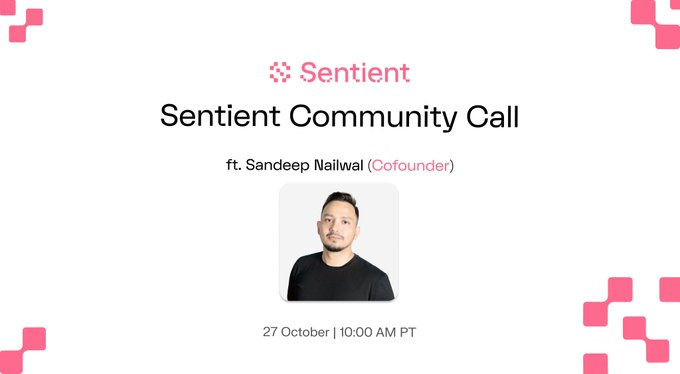
🎙️ Don't Miss: Live AMA with Co-founder sandeepnailwal (Sentient)!
A rare opportunity to hear directly from the founder of Sentient!
Join the upcoming AMA, where @sandeepnailwal will share more about @SentientAGI decentralized and open AI vision and reveal the project's next steps.
🗓️ AMA Details:
When: October 27th at 10 AM PT
Event Link: discord.com/invite/sentientf…
🔥 Action Now: Post your questions below—we'll schedule them for the AMA!
126
1
66
1,047

25 Oct 2025
Good Night future-millionaires 🥂
ROMA dominates @SentientAGI's leaderboard not just from $85M funding, but because the team includes scientists from Google DeepMind, MetaFAIR, and Microsoft research.
Lead developer Salah Alzu'bi created ROMA's scalable recursive control mechanism, agents breakdown tasks, execute components, then combine results. The boosts long term mission success and efficiency.
World class research meets real execution.
@sala88232 🫡
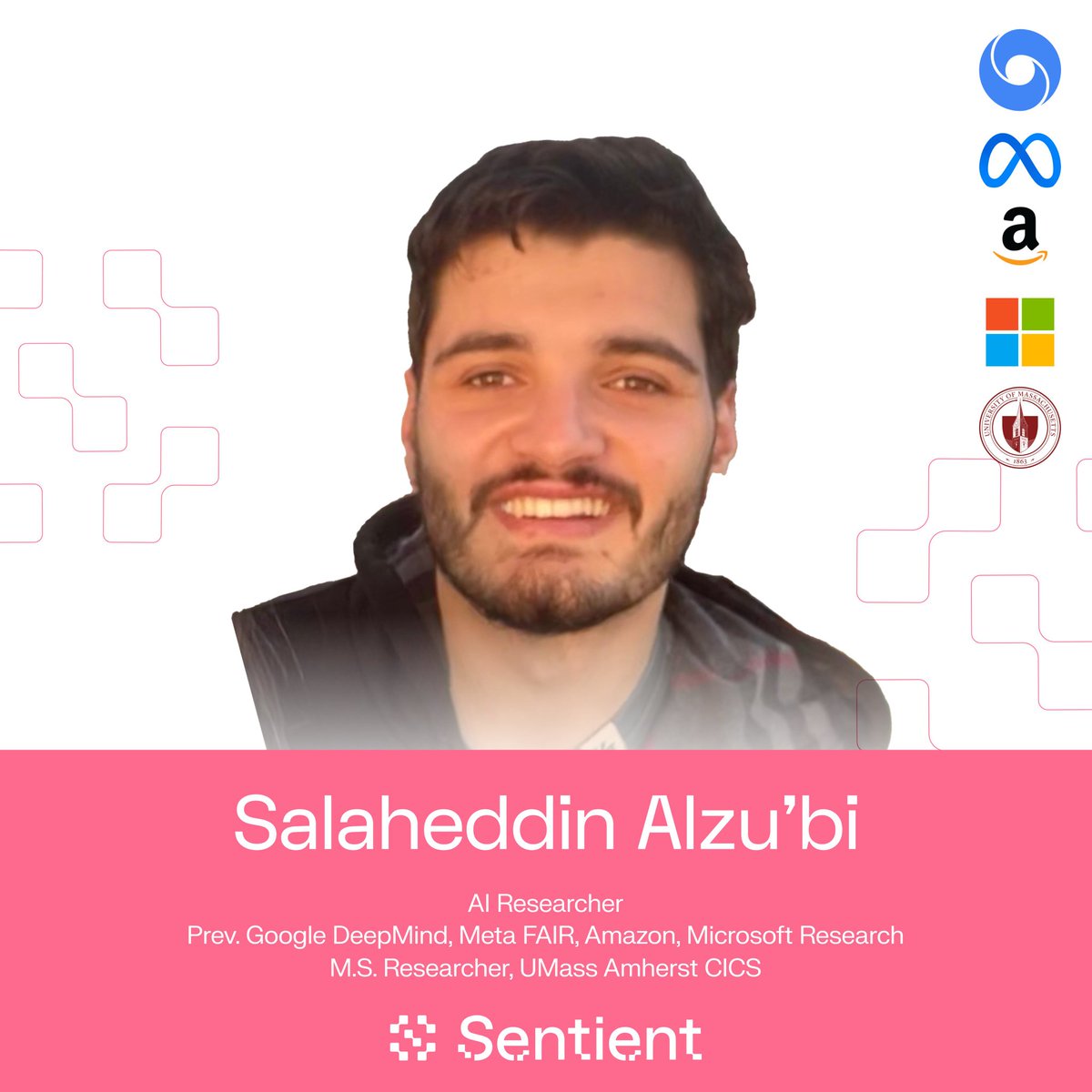
9
1
5
269

💎 Salah Alzu’bi
▫️Salah Alzu’bi is a researcher at @SentientAGI working on multi agent systems.
▪️He completed his master's degree in computer science at @UMassAmherst and previously worked on large research teams such as @GoogleDeepMind, @MetaFAIR, and @Microsoft Research.
▫️He works on transforming AI into systems that can reason and adapt in complex situations.
▪️In the FLAMe project, he contributed to the development of automated measurement tools that can accurately and objectively evaluate the performance of AI models.
▫️In the ROMA and Open Deep Search projects, he designed new approaches for multiple AI agents to make decisions and act strategically together.
▪️At Sentient, he currently focuses on enabling these agents to work more efficiently in long term missions and communicate better with each other when planning.
🪨@SentientTurkiye
🪨@vivekkolli
🪨@shad_haq_
🪨@scalpkripto
🪨@Kriptoloji123
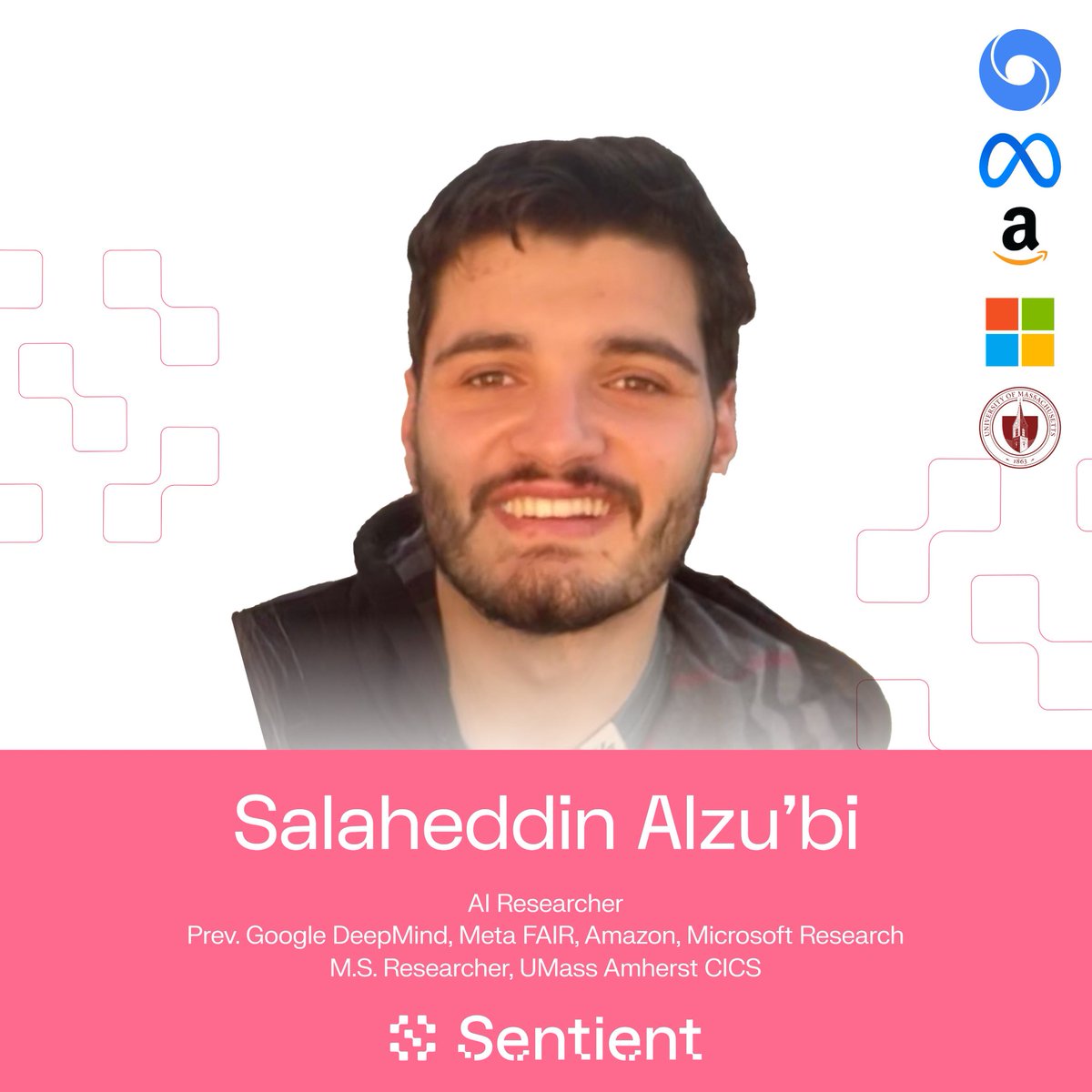
23 Oct 2025

SENTIENT RESEARCHER SPOTLIGHT: Salah Alzu’bi
One of our core researchers working on multi-agent systems, @sala88232 holds an MS in Computer Science from @UMassAmherst and has contributed to research efforts at @GoogleDeepMind, @Meta FAIR, and @Microsoft Research.
Across academia and industry, his work focuses on exploring the generalization capabilities of machine learning models, particularly LLMs. He coauthored FLAMe, a family of foundational autoraters for reliable automatic evaluation, and led our work on multi-agent systems through Open Deep Search and ROMA.
At Sentient he works on exploring multi-agent systems for long-horizon tasks. His work on ROMA introduced scalable recursive control, atomize, plan, execute, aggregate, improving reliability, sample efficiency, and cross tool alignment on complex queries.
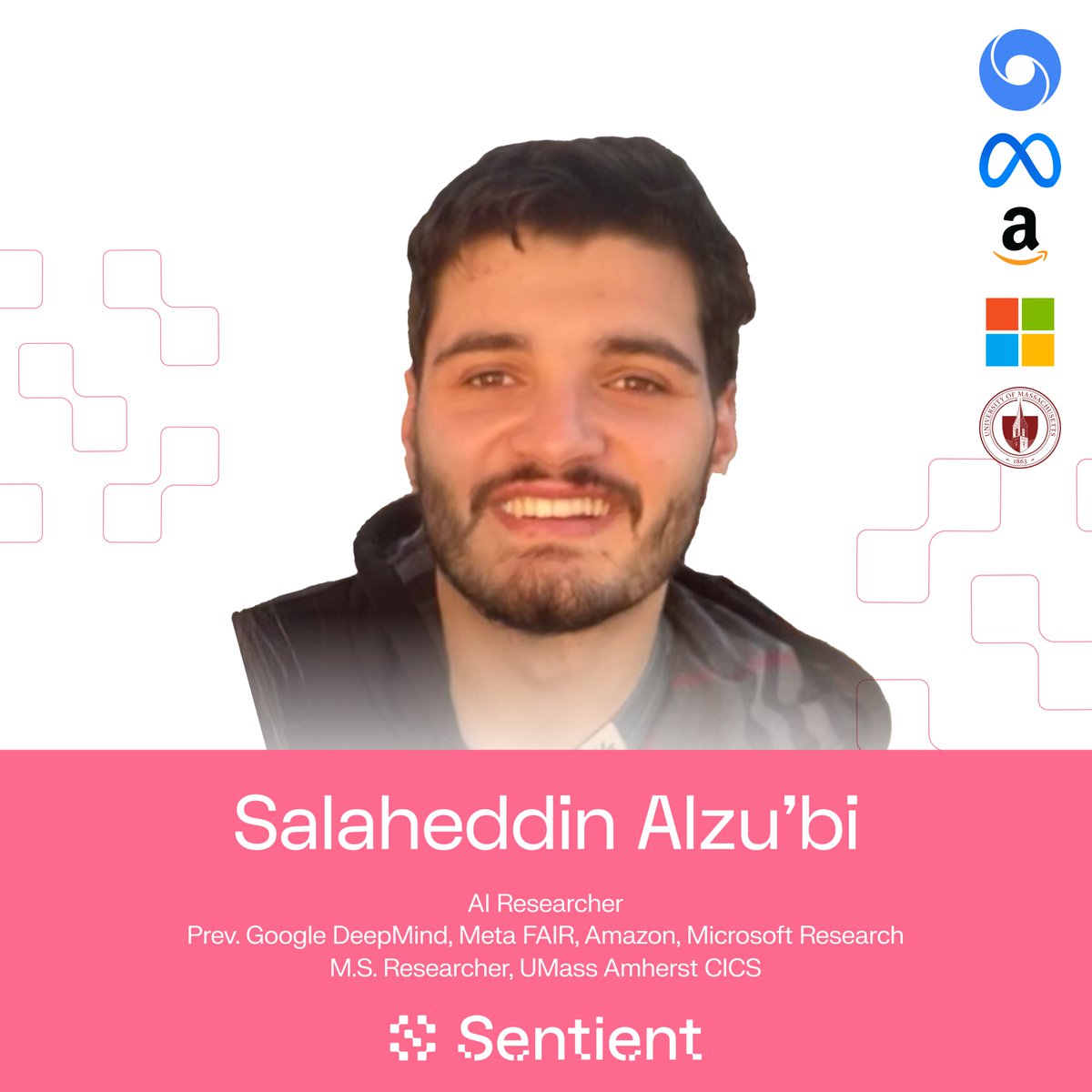
25
66
550

25 Oct 2025
Spotlight on @sala88232: MS from @UMassAmherst , ex-@GoogleDeepMind,@MetaFAIR & @Microsoft
Research
He co-created FLAMe autoraters & leads our multi-agent charge with Open Deep Search ROMArecursive atomize-plan-execute-aggregate for reliable long-horizon AI
@SentientAGI
1
6
46

24 Oct 2025
The presence of scientists from DeepMind and MetaFAIR means the level of the project is characteristic
1
2
26

24 Oct 2025
Seeing former DeepMind and MetaFAIR scientists on ROMA makes its @SentientAGI Kaito leaderboard spot make total sense.
1
2
87

24 Oct 2025
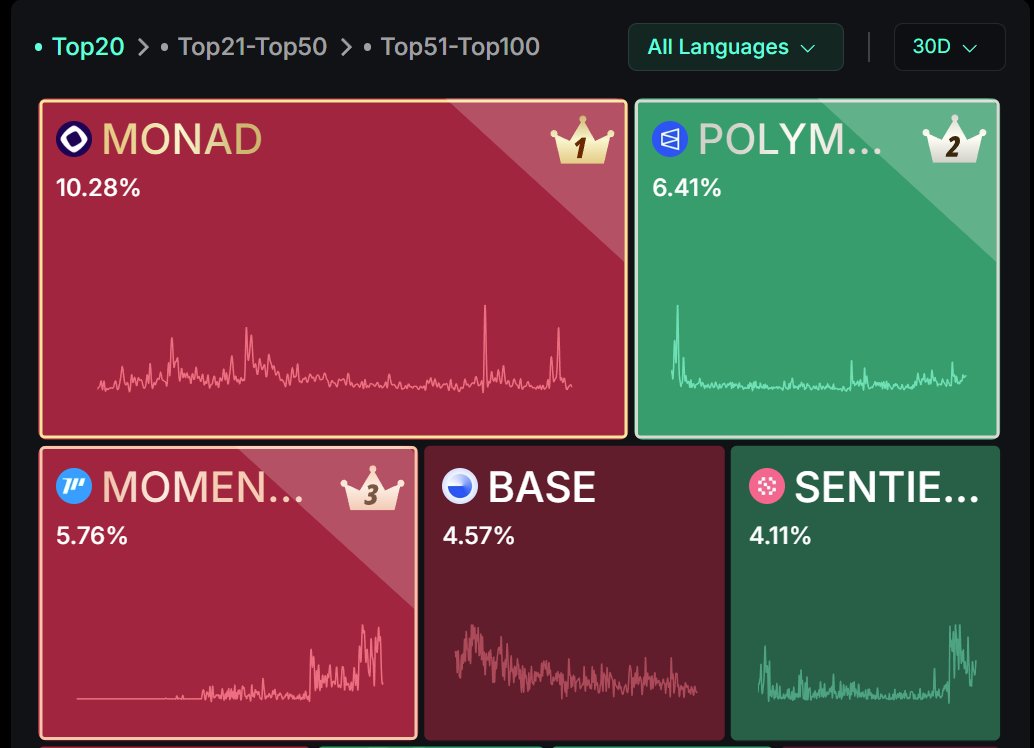
There's a team building ROMA. Since its launch on @SentientAGI's Kaito leaderboard, it has consistently remained a top priority. This isn't just due to its $85 million investment. One of the biggest reasons for this hype is that the team includes scientists who previously worked at some of the world's most prestigious AI research labs, including Google DeepMind, MetaFAIR, and Microsoft Research.
Salah Alzu'bi is one of ROMA's key developers, lead contributors, and researchers presenting the project. ROMA is one of Sentient's most important technological cornerstones. Here, Salah Alzu'bi developed the scalable recursive control mechanism.
This structure allows an agent to atomize the task. It plans and implements each component. At the end of the process, it combines and evaluates the results.
This approach increases the success rate of long-term missions, ensures alignment between tools, and increases efficiency.
Sentient's research team is not only startup based but also very strong academically. I've been posting for Sentient for months, explaining all the details in detail. Don't forget to share your posts regularly and in an original way. I'm here to support everyone I see.
182
230
10,554

24 Oct 2025
Salah Alzu’bi is a core researcher at Sentient, a key figure at the heart of Sentient’s research team.
Role at Sentient
Area of work: Multi-agent systems
Focus: Improving the planning, coordination, and reliability capabilities of these systems for long-term, complex missions.
Contributions: At Sentient, he led the development of the ROMA (Recursive Open Multi-Agent) project.
With this system, he made the collaboration of multiple agents more efficient and consistent through methods such as scalable recursive control.
The Importance of His Contribution to Sentient
Salah Alzu'bi's prior experience at research giants like Google DeepMind, MetaFAIR, and Microsoft Research significantly contributes to Sentient's research quality.
His work, particularly on the generalizability of LLMs (large language models) and automated evaluation (FLAMe), aligns with Sentient's mission to make artificial intelligence more reliable and autonomous.
@SentientAGI @SentientTurkiye @shad_haq_ @scalpkripto @vivekkolli @sala88232
23 Oct 2025
SENTIENT RESEARCHER SPOTLIGHT: Salah Alzu’bi
One of our core researchers working on multi-agent systems, @sala88232 holds an MS in Computer Science from @UMassAmherst and has contributed to research efforts at @GoogleDeepMind, @Meta FAIR, and @Microsoft Research.
Across academia and industry, his work focuses on exploring the generalization capabilities of machine learning models, particularly LLMs. He coauthored FLAMe, a family of foundational autoraters for reliable automatic evaluation, and led our work on multi-agent systems through Open Deep Search and ROMA.
At Sentient he works on exploring multi-agent systems for long-horizon tasks. His work on ROMA introduced scalable recursive control, atomize, plan, execute, aggregate, improving reliability, sample efficiency, and cross tool alignment on complex queries.
46
114
1,851

24 Oct 2025
Salaheddin Alzu'bi:开源AI领域的创新推动者
Salaheddin Alzu'bi是一位专注于人工智能开源项目的杰出研究员,其贡献显著推动了AGI(人工通用智能)的民主化发展,避免了大型科技公司的垄断。
通过Sentinet @SentientAGI 的X帖子(x.com/SentientAGI/status/198…)及全网资料,可见他目前任职于Sentient公司,担任AI研究员,专攻多代理系统,并在FLAMe和ROMA等项目中发挥关键作用。
这些框架旨在提升AI在复杂任务中的可靠性和效率。Alzu'bi的开源工作尤为突出。
2024年,他主导开发的FLAMe是一个基础自动评估器家族,利用超过500万条人类判断数据进行训练,全程采用开源数据集。
在RewardBench基准测试中,该框架超越GPT-4o,准确率达87.8%,为社区开发者提供了可靠的模型评估工具,避免了对封闭大模型的依赖。
2025年推出的Open Deep Search是一个开源推理代理框架,在SimpleQA和FRAMES基准上提升性能9.7%,同样优于GPT-4o,强调长序列任务的递归优化。
目前在Sentient,他领导ROMA框架的研发,该框架引入递归控制机制,包括任务原子化、路径规划、执行与聚合,从而提高采样效率、工具对齐并减少幻觉问题。
这些项目体现了其对开源AGI的承诺,促进技术共享与创新。Alzu'bi的职业历程同样丰富。他拥有中东背景,原生阿拉伯语使用者,这使其在自然语言处理(NLP)领域特别关注多语言公平性。
2022年,他在OSACT会议上参与aiXplain项目,采用集成方法检测阿拉伯语仇恨言论,该论文已被引用14次。
其研究兴趣涵盖转移学习、元学习、NLP和大语言模型,Google Scholar总引用量达119次。
教育方面,他于2020-2023年在马萨诸塞大学阿默斯特分校(UMass Amherst)CICS学院获得计算机科学硕士学位,师从Andrew McCallum教授,专注NLP与转移学习。毕业后,2023-2024年在DAIMON Labs担任研究员,负责实时视频AI管道和伴侣LLM开发,涵盖数据清洗至RAG(检索增强生成)部署的全流程。
此前,他曾在Google DeepMind、Meta FAIR、Amazon和Microsoft Research等顶尖机构积累工业经验。
在GitHub(用户名salahzoubi)上,他维护12个仓库,主要涉及AI代理模拟器如Pacman-AI和Amidar Agents,以及转移学习数据集,体现开源精神。
其X账号@sala88232 拥有158位粉丝,简介简要列出职业经历,显示出低调作风。
代表性论文包括2022年的Meta-Adapters,利用元学习实现参数高效的少样本微调,在AutoML会议发表,被引28次。
总体而言,Alzu'bi是一位从学术到工业的多面专家,其工作不仅提升AI的智能水平,还强调公平性和包容性。
通过开源贡献,他已成为对抗科技垄断的“草根英雄”,为AI行业的多样化发展注入活力。
---------------English version-----------------
Salaheddin Alzu'bi: An Innovator in Open Source AI
Salaheddin Alzu'bi is a prominent researcher focused on open source AI projects. His contributions have significantly democratized the development of AGI (artificial general intelligence), preventing the monopoly of large tech companies.
According to the Sentinet @SentientAGI X post (x.com/SentientAGI/status/198…) and other online profiles, he currently works at Sentient as an AI researcher specializing in multi-agent systems and plays a key role in projects such as FLAMe and ROMA.
These frameworks aim to improve the reliability and efficiency of AI in complex tasks. Alzu'bi's open source work is particularly prominent.
In 2024, he led the development of FLAMe, a family of foundational automatic evaluators trained with over 5 million human judgments, using open source datasets throughout.
On the RewardBench benchmark, this framework surpassed GPT-4o, achieving an accuracy of 87.8%, providing community developers with a reliable model evaluation tool and avoiding reliance on closed, large models.
Open Deep Search, launched in 2025, is an open-source reasoning agent framework that achieved a 9.7% performance improvement on the SimpleQA and FRAMES benchmarks, also outperforming GPT-4o. It emphasizes recursive optimization for long-sequence tasks.
Currently at Sentient, he leads the development of the ROMA framework, which introduces recursive control mechanisms, including task atomization, path planning, execution, and aggregation, to improve sample efficiency, tool alignment, and reduce hallucinations.
These projects demonstrate his commitment to open source AGI and promote technology sharing and innovation. Alzu'bi's career is equally rich. His Middle Eastern background and native Arabic speaker have given him a special interest in multilingual fairness in natural language processing (NLP).
In 2022, he participated in the aiXplain project at the OSACT conference, using an ensemble approach to detecting hate speech in Arabic. The paper has been cited 14 times.
His research interests cover transfer learning, meta-learning, NLP, and large language models, with a total of 119 citations on Google Scholar.
He earned a Master's degree in Computer Science from the CICS School at the University of Massachusetts Amherst (UMass Amherst) from 2020 to 2023, studying under Professor Andrew McCallum, focusing on NLP and transfer learning. After graduation, he worked as a researcher at DAIMON Labs from 2023 to 2024, responsible for the development of real-time video AI pipelines and companion LLMs, covering the entire process from data cleaning to RAG (retrieval-augmented generation) deployment.
He previously gained industrial experience at leading institutions such as Google DeepMind, MetaFAIR, Amazon, and Microsoft Research.
On GitHub (username salahzoubi), he maintains 12 repositories, primarily focusing on AI agent simulators such as Pacman-AI and Amidar Agents, as well as transfer learning datasets, embodying the spirit of open source.
His username, @sala88232, has 158 followers, and his profile briefly outlines his career, suggesting a low-key approach.
Representative papers include Meta-Adapters (2022), which leverages meta-learning for efficient few-shot parameter fine-tuning. This paper was published at the AutoML conference and has been cited 28 times.
Overall, Alzu'bi is a multifaceted expert, both academically and industrially. His work not only advances AI intelligence but also emphasizes fairness and inclusiveness.
Through open source contributions, he has become a grassroots hero fighting tech monopolies and injecting vitality into the diverse development of the AI industry.
@shad_haq_
@Miles082510
@KaitoAI
23 Oct 2025
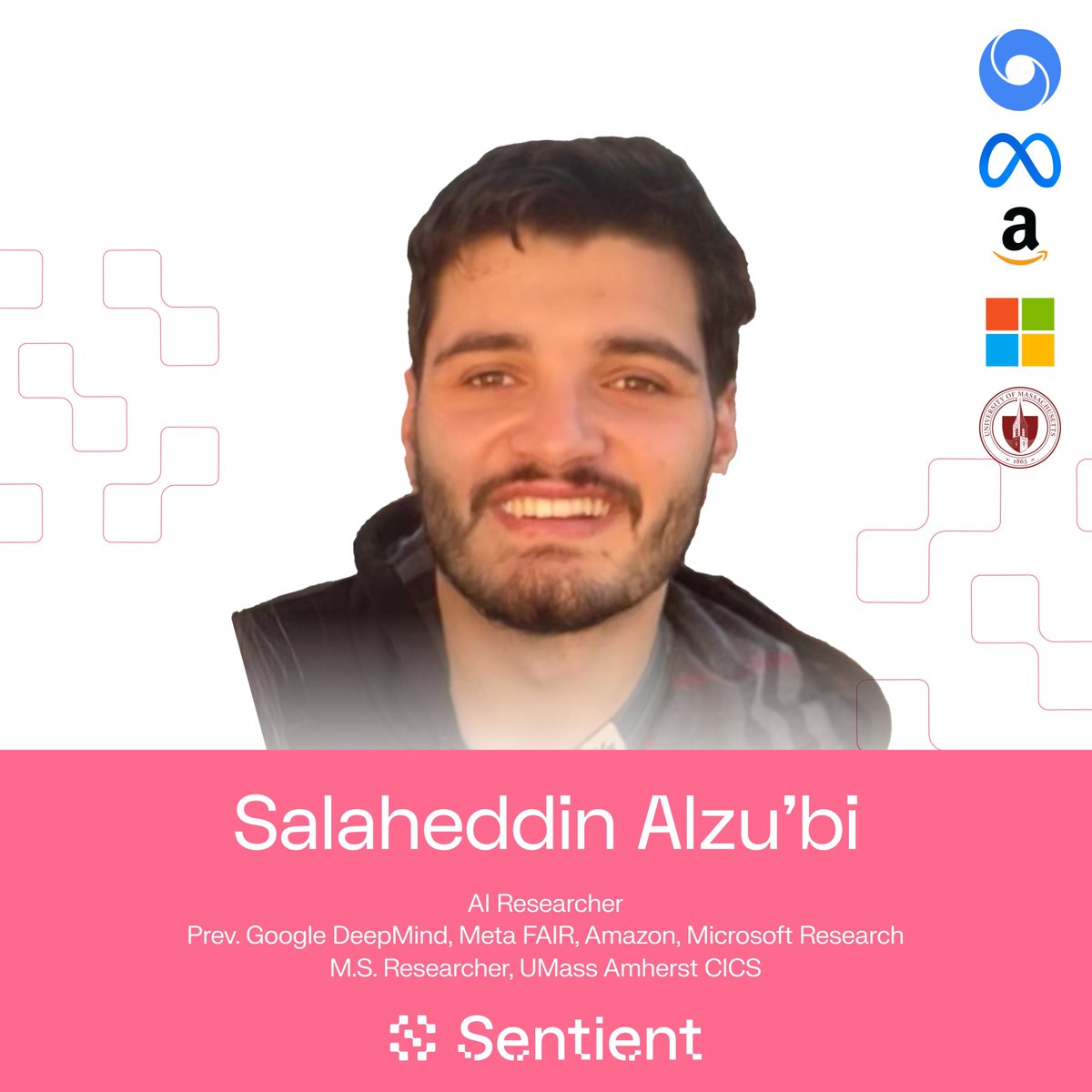
SENTIENT RESEARCHER SPOTLIGHT: Salah Alzu’bi
One of our core researchers working on multi-agent systems, @sala88232 holds an MS in Computer Science from @UMassAmherst and has contributed to research efforts at @GoogleDeepMind, @Meta FAIR, and @Microsoft Research.
Across academia and industry, his work focuses on exploring the generalization capabilities of machine learning models, particularly LLMs. He coauthored FLAMe, a family of foundational autoraters for reliable automatic evaluation, and led our work on multi-agent systems through Open Deep Search and ROMA.
At Sentient he works on exploring multi-agent systems for long-horizon tasks. His work on ROMA introduced scalable recursive control, atomize, plan, execute, aggregate, improving reliability, sample efficiency, and cross tool alignment on complex queries.
1
7
208

24 Oct 2025
🚨 IN THE LIGHT OF SENTIENT RESEARCHER Meet Salah Alzu'bi (@sala88232), one of the brilliant minds behind the @SentientAGI project’s advancement in multi-agent systems. 🤖
A graduate of @UMassAmherst, Salah bridges the gap between academia and industry through his work at @GoogleDeepMind, @MetaFAIR, and @Microsoft Research, delving into the generalization capabilities of LLMs. A co-author of FLAMe (a family of reliable basic authoritative raters for automated evaluation), Salah pioneered the Open Deep Search and ROMA projects, introducing the concept of scalable iterative control, making agents’ thinking, planning, and acting more reliable and efficient. 🔁🧠 At Sentient, he is now working on multi-agent intelligence for long-term missions. 🌐✨
@SentientAGI
#ArtificialIntelligence
#MultiAgent
#SentientAGI
#Research
#LLMs
@shad_haq_
I will keep you updated on developments regarding SentientAGI, stay tuned
23 Oct 2025
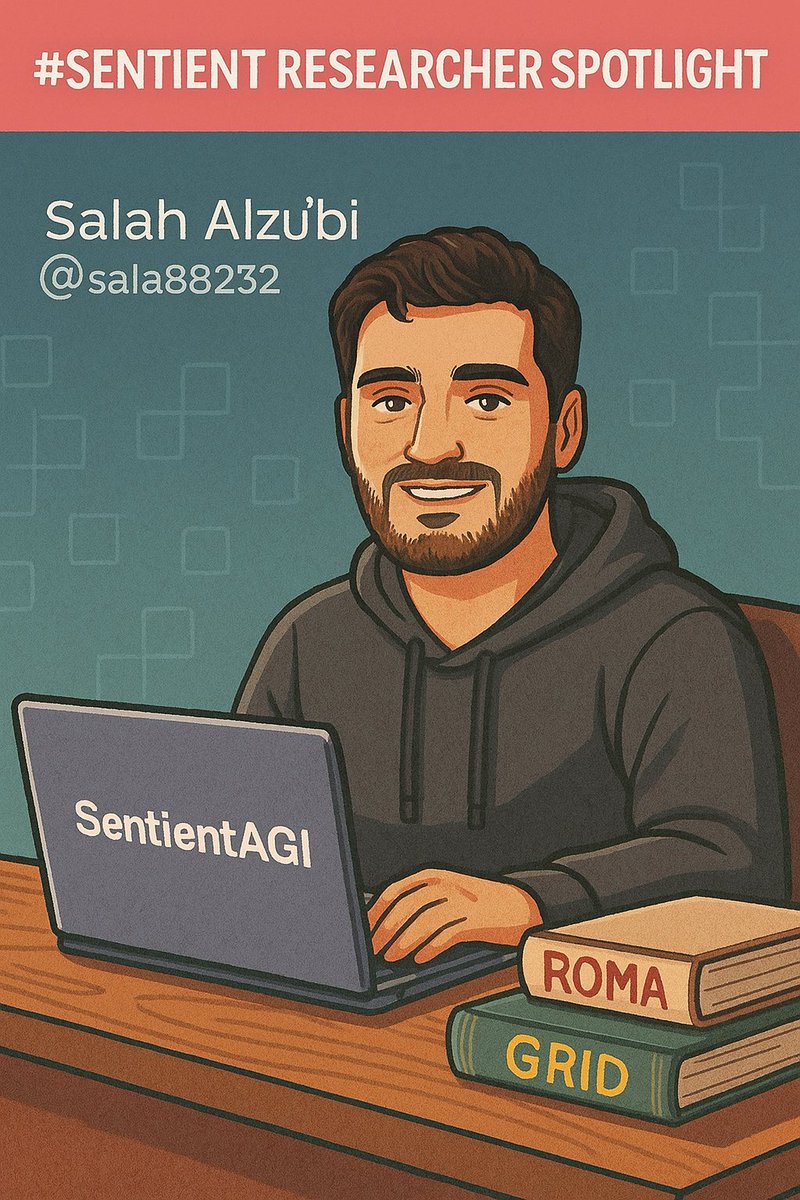
SENTIENT RESEARCHER SPOTLIGHT: Salah Alzu’bi
One of our core researchers working on multi-agent systems, @sala88232 holds an MS in Computer Science from @UMassAmherst and has contributed to research efforts at @GoogleDeepMind, @Meta FAIR, and @Microsoft Research.
Across academia and industry, his work focuses on exploring the generalization capabilities of machine learning models, particularly LLMs. He coauthored FLAMe, a family of foundational autoraters for reliable automatic evaluation, and led our work on multi-agent systems through Open Deep Search and ROMA.
At Sentient he works on exploring multi-agent systems for long-horizon tasks. His work on ROMA introduced scalable recursive control, atomize, plan, execute, aggregate, improving reliability, sample efficiency, and cross tool alignment on complex queries.
19
1
69
2,791

24 Oct 2025
2/ Background and Contributions
* Holds an MS in Computer Science from UMass Amherst.
* Has research experience at leading institutions such as Google DeepMind, MetaFAIR, and Microsoft Research.
* Currently leads Sentient AGI work on multi-agent systems.
2
59

24 Oct 2025
💡 SPOTLIGHT: Salah Alzu’bi – Sentient’s Breakthrough Multi-Agent Systems Researcher!
Meet Salah Alzu’bi @sala88232 , one of Sentient’s core researchers in Multi-Agent Systems.
With a Master’s in Computer Science from @UMassAmherst and experience at leading research labs such as @GoogleDeepMind, @MetaFAIR, and @MicrosoftResearch, Salah focuses on the generalization of machine learning models, especially LLMs.
At Sentient, he is the driving force behind Open Deep Search and the ROMA architecture. Salah’s work on ROMA introduced scalable recursive control, using the atomize, plan, execute, aggregate workflow.
This breakthrough significantly improves reliability, sampling efficiency, and inter-engine coordination in complex queries. Salah is paving the way for complex long-horizon tasks through efficient multi-agent systems.
#Sentient #AI #Dobby @SentientAGI
1
10
386

23 Oct 2025
SENTIENT RESEARCHER on Salah Alzu’bi
@Sala88232, a core researcher at Sentient, explores multi-agent systems for long horizon tasks. With an MS from @UMassAmherst and research stints at @GoogleDeepMind, @MetaFAIR, and @MSFTResearch, his work advances the generalization of ML.
7
1
15
137