

Unwanted leg pullings
Silly trolls
Ika midata veetiki react avalsina avasaram ledankunta @RCBTweets

37
1,118

株式会社MiDATAと東京大学マーケットデザインセンター(UTMD)マッチングアプリ「CoupLink」を用いた共同研究成果を発表 prtimes.jp/main/html/rd/p/00… 経済理論を活用して作った新しい「制度(推薦システム)」の性能を、社会実装を通じて検証するという研究をやりました!
5
26
2,774

株式会社MiDATAとUTMDは、AIデータを活用し対象者双方の嗜好性を考慮したアルゴリズム改良と、データに基づく新技術の性能検証に関する共同研究プロジェクトを推進しています。 この度、機会の公平性とマッチングの質を向上させる新たな推薦アルゴリズムを実装しました。
mdc.e.u-tokyo.ac.jp/news/929…
5
9
11,740


Credit stealing.... Tourism ki kandula durgesh kada ravali.. E midata mohamodu ekkadi numdi vachadu?? @JaiTDP
May 19

రాష్ట్ర పర్యాటకాభివృద్ధి కోసం కేంద్రం నుంచి 8 పర్యాటక ప్రాజెక్టులకు రూ. 428 కోట్ల నిధులు ఇచ్చారు. సూర్యలంక బీచ్, బొర్రా గుహలు, అఖండ గోదావరి, గండికోట, అన్నవరం, సింహాచలం, అహోబిలం, నాగార్జునసాగర్ ల వద్ద ఈ ప్రాజెక్టులను అభివృద్ధి చేస్తోంది రాష్ట్ర ప్రభుత్వం.
#IdhiManchiPrabhutvam
#ChandrababuNaidu
#AndhraPradesh

3
40
109
1,933

Mar 15
Ayana Vastunnappudu intlo undala ra AAthu ga ..niku success nettiki ekkindi chusuko ni cinema lu ela adutayo AP lo ika midata nunchi
4
189

Em parledu pushpa mania aipoindi ga ika midata nela midhe bathuktharu
Back to normal form
1
5
597

Mar 2
Naku telisi first time twitter lo telugu poster gurunchi tweets vesi telugu lo vachela chesaru.. Inka midata kuda alane unte baguntundi anni movies ki
1
2
29

Feb 14
Happy valentine's day ❤️
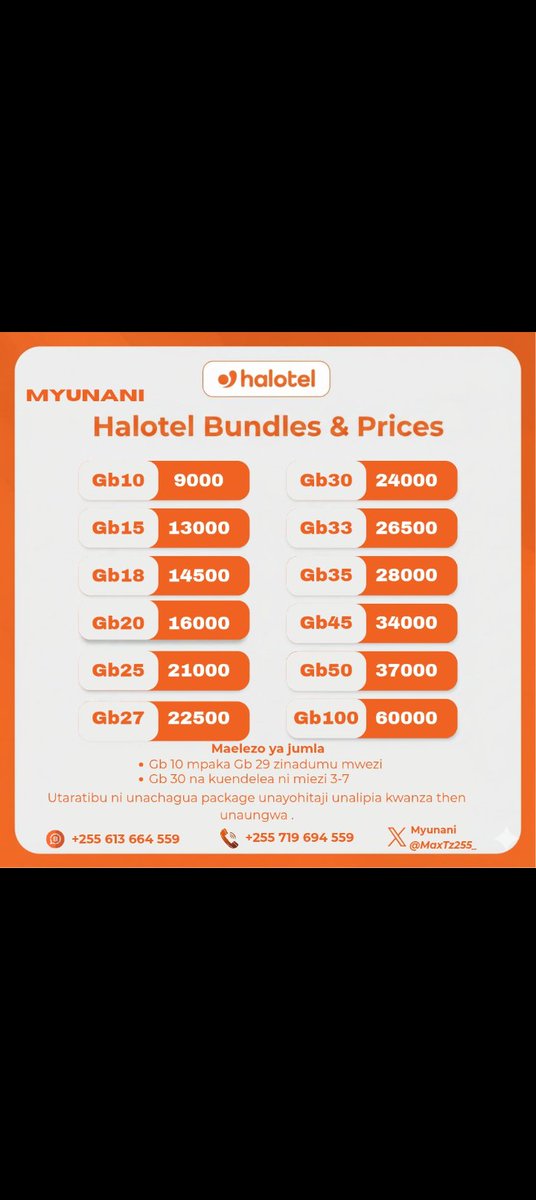
Nitashangaa sanaa siku ya Leo ya wapendanao unakosa bando na unakaa kinyonge, 🙆
🔥Njoo nikumiminie midata ya kutosha ambayo utaperuzi bila kuchoka, nilimradi simu yako iwe na Chaji tu basi🙏
15
18
22
590

Feb 12
왜 나는 OpenAI를 그만뒀나.
수익과 지배 조종 우선하는 기업 주도 AI에 순응하기보다 공익 위한 AI의 길로 함께 견인해야
(아래 원문 발췌)
2년간 AI 모델 구축 및 가격 책정 방식 설계하고, 초기 안전 정책 수립 도왔던 연구자의 고백
한때는 나도 개발자들이 AI가 초래할 문제들 미리 대비하도록 도울 수 있다고 믿었다. 이번 주 ChatGPT 광고 테스트 시작한 것 보고, 회사가 해야 할 질문들 더 이상 묻지 않는 것 같다는 심증을 사실로 확인하고 퇴사했다.
광고 자체를 뭐랄 순 없다. 막대한 운영비용 충당해야니끼. 문제는 광고 이면의 경영 전략이다.
ChatGPT 사용자들은 그동안 대체로 인간적 솔직함으로 대화했다. 상대가 숨은 의도 없다고 믿었기 때문일 것이다. 건강부터 인간관계, 신과 사후 세계에 대한 믿음까지 가장 사적인 생각을 털어놨다.
OpenAI는 이제 이 기록 활용해 광고하려 한다. 사용자는 속수무책이 된다. 상대를 이해는커녕 막을 수단조차 없는 방식으로 사용자를 조종할 수 있다.
흔히 AI 자금 조달 방법으로 1)유료화로 비용 감당할 수 있는 소수 부유층으로 사용 제한하거나 2)광고 모델로, 사용자의 취약점인 두려움과 욕망 이용해 제품 파는 광고 유치해 수익 올리는 방안밖에 없는 것처럼 얘기한다.
허위다. 유용한 기술을 광범위하게 이용할 수 있게 하면서도, 기업이 사용자 감시하고 조종하려는 유인도 제한할 수 있는 더 나은 방안 있다.
OpenAI는 광고 규정 공표하면서 광고물은 하단에 명확히 표시하고 챗봇 응답에는 영향 미치지 않을 거라고 했다. 하지만 초반엔 이런 원칙 따르겠지만 결국 자체 규정 무력화할 강력한 유인 창출하는 경제적 엔진을 구축 중이다.
초기 페북을 보더라도 사용자가 자기 데이터 통제하고 정책 변경에 투표할 수 있게 하겠다고 약속했지만 다 무산됐다. 사용자 참여도를 우선하는 광고 수익 모델 압력 탓이었다.
OpenAI도 마찬가지다. 광고 수익 위해 사용자 참여도 최적화하는 건 애초의 회사 원칙에 반하지만, 이미 일일 활성 사용자 수 기준으로 최적화를 진행 중이다. 이는 모델이 사용자에게 더 아첨하도록 유도함으로써만 가능하다. 이런 최적화는 사용자를 AI에 더 의존하게 만들 수 있다. 불행한 결과는 이미 목격되고 보도된 바와 같다.
진짜 문제는 광고 유무가 아니다. 소비자인 그들을 잠재적으로 조종하지 않는 구조를 설계할 수 있는가이다. 가능하다.
1) 명시적인 교차 보조금: 한 서비스나 고객 기반에서 발생한 이익으로 다른 서비스의 손실을 상쇄하는 방식. 기업이 직원의 고부가가치 작업을 대규모로 AI에 맡기고 값을 지불할 경우 다른 모든 사용자의 무료 또는 저비용 접근 보조 위한 추가 요금 부담하는 방안.
연방통신위원회는 통신 사업자들에게도 농촌 지역 및 저소득 가정의 전화·광대역 서비스 이용료 부담을 줄이기 위한 기금 조성 의무를 부과. 많은 주에서는 전기 요금에 공공 복지 부담금을 추가해 저소득층 지원을 제공하기도.
2) 광고 허용하되 실질적 거버넌스 병행
개인 데이터 사용에 대한 독립적 감독을 포함한 구속력 있는 구조를 마련하는 것. 독일의 공동결정법은 지멘스나 폭스바겐 같은 대기업이 감독위원회 의석의 최대 절반을 노동자에게 할당하도록 강제. 민간 기업 내에도 공식적으로 이해관계자들이 대표되도록 의무화.
지금 AI 산업에 필요한 건 이런 접근법들의 조합. 즉, 독립적인 전문가와 개인 데이터가 위험에 처한 사람들의 대표를 모두 포함하는 위원회를 구성하고, 챗봇과의 데이터가 표적 광고에 어떻게 사용될 수 있는지, 무엇이 중대한 정책 변경으로 간주되는지, 사용자에게 어떤 내용이 전달되는지에 대한 구속력 있는 권한을 부여하는 것.
3) 사용자 이익 위해 행동할 법적 의무 있는 신탁이나 협동조합 통해 사용자 데이터를 독립적으로 관리. 가령, 스위스 협동조합인 미데이터(MIDATA)는 회원들이 암호화된 플랫폼에 건강 데이터를 저장하고 연구자와의 공유 여부를 사례별로 결정할 수 있게 한다. 미데이터 회원들은 총회에서 정책을 결정하며, 그들이 선출한 윤리 위원회가 연구 접근 요청을 검토한다.
물론 어느 방안도 쉽지는 않다. 그러나 가장 우려하는 두 가지 결과: AI가 광고로 사용자 조종하는 기술이 되거나, 사용료 낼 능력 있는 소수만 혜택 보는 기술이 되는 상황 피하기 위해 나서야 한다.
nytimes.com/2026/02/11/opini…
1
80
112
15,262
Jan 9
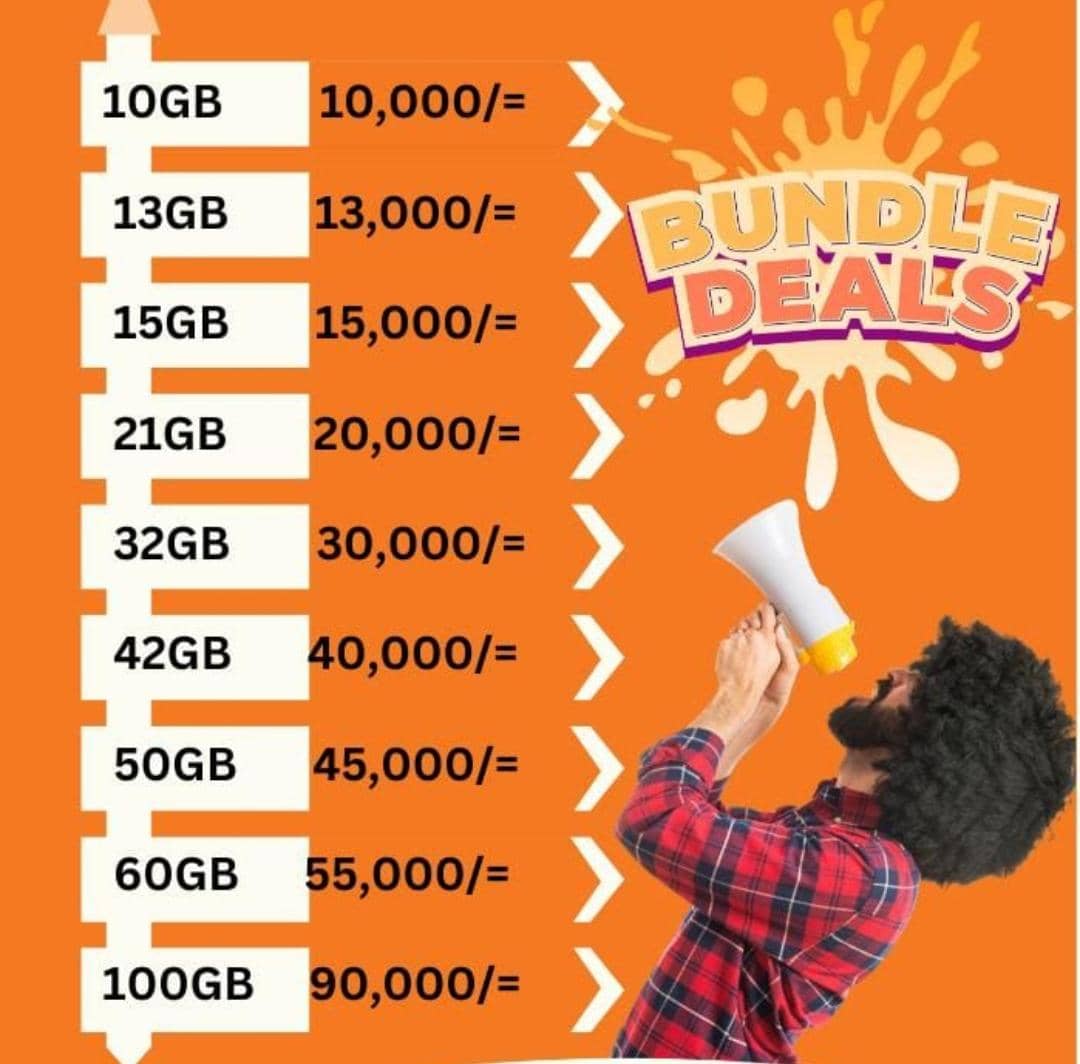
NAOMBA REPOST YAKO FAMILIAR🙏
Njoo ujichimbie Midata ya kutosha Anko.🤝
Gusa namba ambayo Ipo kwa BIO yangu, uje uchukue Maelekezo Whatsap.🎉
10
12
15
1,168

12 Dec 2025
Edavadaniki kuda oka limit undi.
Nuvvu Danini exceed avuthune unav... Ninnu chusi vallu chestharu 🙏 🙏 🙏
Just time gap anthe 🤞
Enka midata Nandamuri & Mega movies ki unanimous positive talk Eppudu radhu veedi lanti pages punyama ani 😇😇
1
5
542

13 Nov 2025
swami tho pettukunte em avutado ika midata chustaru 🙏🏻
3
88
262
2,107

26 Oct 2025
Confusopoly unveiled: How firms use complexity to raise prices | Ambre Nicolle, Christos Genakos & Tobias Kretschmer, CEPR
Can entire markets strategically confuse consumers to raise prices? This column tracks the prices of nearly all mobile phone tariffs and handsets in the UK from 2010 to 2012, and finds that quality-adjusted prices rise in the early part of the sample period and decline later. Obfuscation strategies by firms appear to be the primary driver, with the rise in prices strongly correlated with the introduction of dominated tariffs – contracts for which cheaper alternatives exist from the same operator. These strategies reduce product transparency, elevating prices not only for dominated tariffs but also for efficient ones, distinguishing the effect from behavioural price discrimination.
Do firms strategically confuse their consumers to raise prices at the industry level, and if so, how? Obfuscation refers to strategies that make it harder for consumers to compare products and choose the best deal. Strategic obfuscation can take several forms, such as bundling obscure product characteristics with well-known ones to shroud the prices of individual components (Gabaix and Laibson 2006), issuing complex product descriptions (Ellison and Ellison 2009), or simply introducing an excessive number of nonviable products (Miravete 2013, Blake et al. 2021). However, can this be sustained as an industry equilibrium? Despite its theoretical appeal, few empirical studies look at obfuscation as an industry-wide strategy.
Confusopoly unveiled
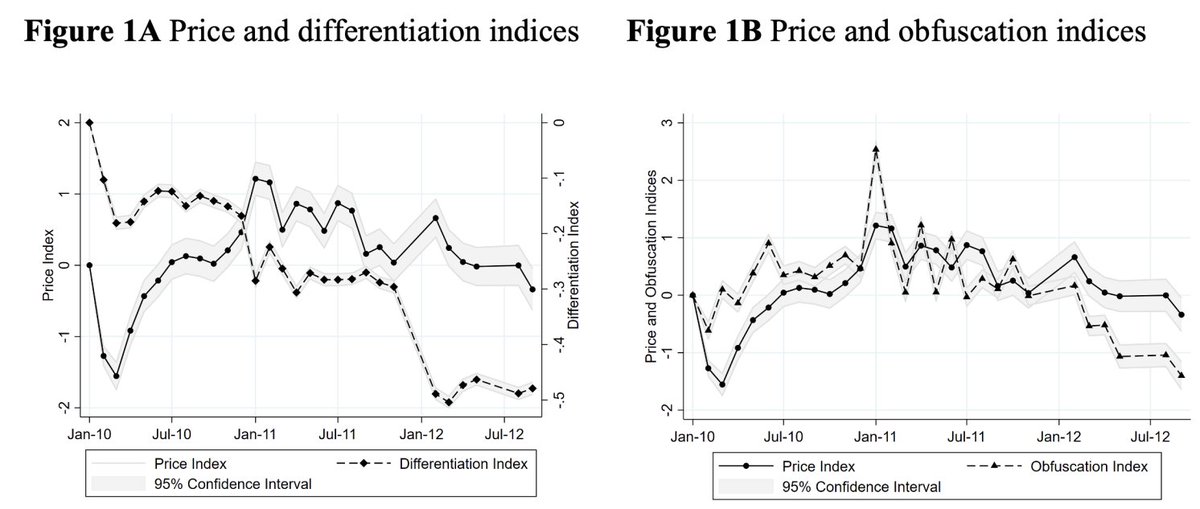
Our ‘forensic’ analysis of the UK mobile telecommunication market – carefully ruling out alternative explanations such as differentiation, proliferation, or handset competition – provides novel evidence of the existence of these strategies and their impact on product prices and margins, with an ultimate impact on consumer welfare (Nicolle et al. 2025). We track the prices of virtually all products offered in this market over nearly three years and observe that quality-adjusted prices rise in the early part of our sample period and decline later (Figure 1A). We analyse the level of product differentiation (Figure 1A) and proliferation, and comment on the possible existence of a collusive agreement on prices only. We conclude that none of these factors can truly explain the observed evolution.
We then turn to a less-documented aspect that could impact price, namely, the transparency of tariffs offered. Interestingly, the share of ‘dominated tariffs’ – i.e. plans that were more expensive than other options from the same provider without offering significantly better features or terms – follows the same pattern as the one observed for quality-adjusted prices (Figure 1B).
We argue that it is highly plausible that all firms in the industry participated in a ‘confusopoly’ (an oligopoly of firms trying to confuse consumers), in which they jointly increased the number of dominated tariffs to create a ‘shroud’ over the most efficient (i.e. non-dominated) tariffs to raise average prices.
Importantly, the presence of these confusing tariffs not only raised the prices of the dominated plans but also increased the prices of more efficient plans. This suggests that the entire market was affected, not just inattentive or uninformed consumers. We estimate that the total cost of obfuscation strategies for consumers was between £57 million and $137 million in the least costly scenario, or between £106 million and $252 million in the worst-case scenario.
In the latter part of the sample period, firms reduced the number of dominated tariffs, triggered by a move for transparency by the smallest operator and a push by the regulator to increase price and product transparency in the market. Three – the last operator to enter, and consequently the smallest – introduced a new range of simplified tariffs and advertised heavily how transparent and simple they were. Specifically, the introduction of the tariff named “The One Plan” by Three around December 2010 may have marked the end of the ‘confusopoly’ period. The period after was characterised by a ‘competition on transparency’, where firms cleared their portfolio of dominated tariffs, goes along with a steady decline in prices.
Policy implications
The findings have important implications for policymakers and regulators:
1. Promoting transparency: Regulators should prioritise policies that promote transparency in pricing. For example, requiring firms to clearly highlight the most cost-effective options could help consumers make better decisions.
2. Monitoring obfuscation: Competition authorities should closely monitor markets for signs of obfuscation, especially in industries with complex products. The presence of dominated tariffs or similar strategies could signal anti-competitive behaviour.
3. Encouraging disruptive competition: Smaller, innovative firms like Three can play a key role in breaking down ‘confusopolies’. Policymakers should consider supporting such firms through measures like easier market entry or incentives for transparent pricing.
4. Consumer education: Empowering consumers with tools and information to navigate complex markets can reduce the effectiveness of obfuscation strategies. For instance, price comparison websites and mobile apps could help consumers identify the best deals more easily. The UK government also pushed the ‘midata’ clause into law in 2013, which required companies to print a QR code on their bills that summarized subscriber details, usage patterns and their current tariff in a machine-readable form, essentially giving access to these data to switching sites and other intermediaries to act on consumers’ behalf.
While our study focuses on the UK mobile market, its findings are relevant to other industries where complex pricing is common, such as insurance, utilities, and financial services. Our research highlights the need for a balance between encouraging innovation and ensuring fair competition. Without adequate oversight, firms may prioritise profit over consumer welfare, leading to higher prices and reduced market efficiency.
We shed light on how firms can manipulate market dynamics to their advantage by confusing consumers. The results underscore the importance of transparency and regulatory vigilance in protecting consumer interests and maintaining competitive markets. By addressing obfuscation strategies, policymakers can help create fairer and more efficient markets for everyone.
Read more:
cepr.org/voxeu/columns/confu…
7
12
49
98,531



6 Oct 2025
After Pokiri and MD no A certified films worked
Oka midata work avav pokiri MD la because of Multiplex


2
332

22 Sep 2025
We already see models that prove it can work.
From public programs like NIH All of Us to ownership initiatives like Switzerland’s MIDATA, participation as partnership creates better datasets and better outcomes.
2
1
1,158

22 Sep 2025
In August, open banking hit a new record: 30 million payment initiations.
That’s 30 million times people and businesses chose a simpler, safer, smarter way to pay.
Through sustained growth, open banking has become a real alternative in payments - and it’s here to stay.
See full monthly data here >> openbanking.org.uk/api-perfo…
#OpenBanking #SmartData #OpenFinance #FinancialInnovation #Milestone #FutureOfFinance #PaymentsInnovation #MiData #API #Data
2
4
282