
Jun 13
i really wonder whether obsessing over design/UX and microanimations help me 3-4 months down the line when i actually become what i want to be as an engineer, completely different from what my profile is rn
hopefully, i find myself connecting the dots later
1
17
227

Apr 17
Landing page concept for PromptEye - AEO Tool.
I really love @framer for shaders, microanimations & interactions.
3
71

Apr 16
Y'all wont believe me but I built my entire portfolio with just 1 prompt using sonnet 4.6
And I was on claude's site not using any agent harness
it just used its default frontend design skill and one shotted it
this was my shitty prompt -
"make 1 perfect portfolio site with all the major, minor and micro details you posses, display everything literally in the most perfect manner, design should be vercel like extremely minimal just typography and alignment, no borders, no bg, nothing, add some microanimations too"
gud tek imo
2
44
1,706

Apr 10
imma call it a day
landing page redesign is up
still needs some work,
its a little cluttered,
but im happy with theming
and microanimations
but now we just gunna gymmaxx and xmaxx

5
1
14
380


Mar 24
Nah not always
Some apps need to be complex and are still very straightforward. Microanimations, good/engaging tutorials, gamification all help keep engaged
It’s why we designer have a job - optimizing complex experiences 🤘
1
1
33


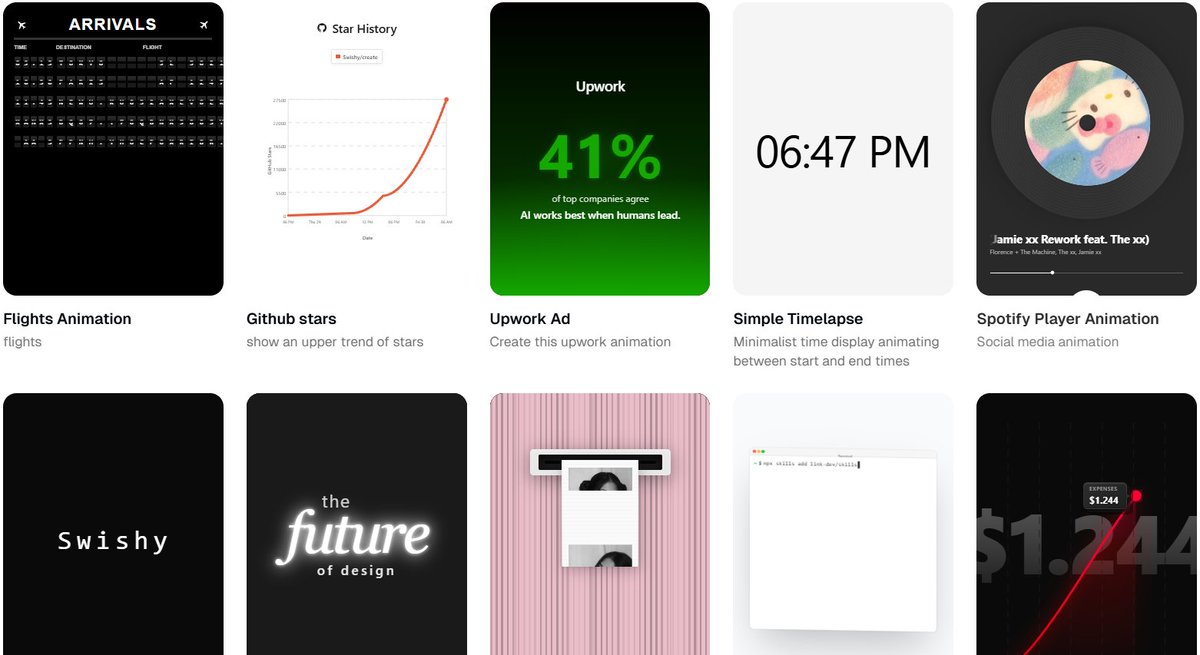
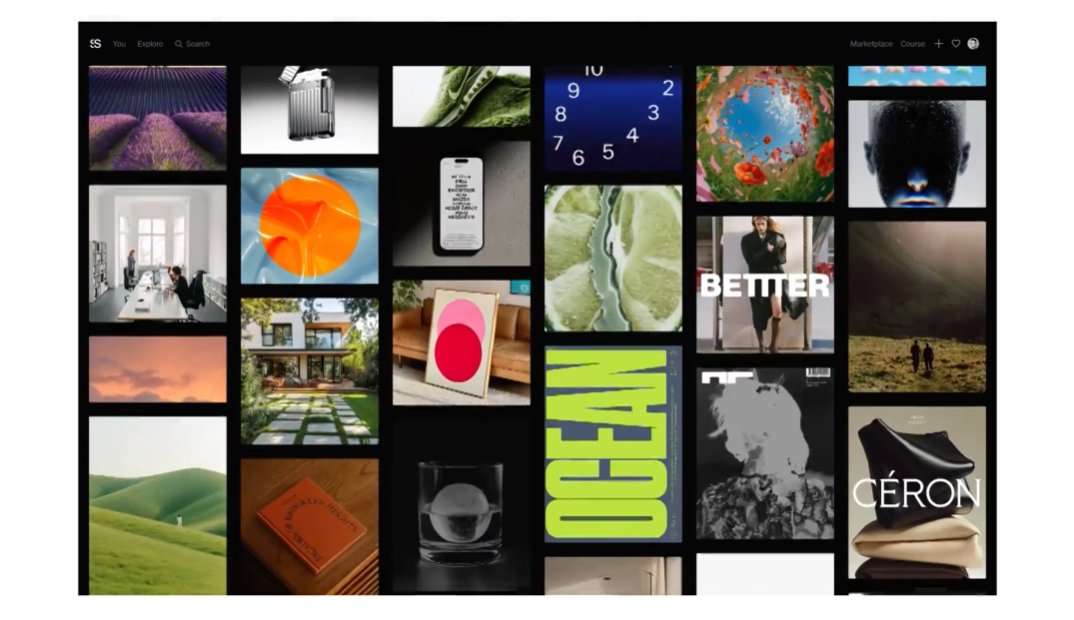
guys I found and gathered some sites for microanimations/inspo that can level up your page :)
swishy.ai
savee.com
makeitanimated.dev/
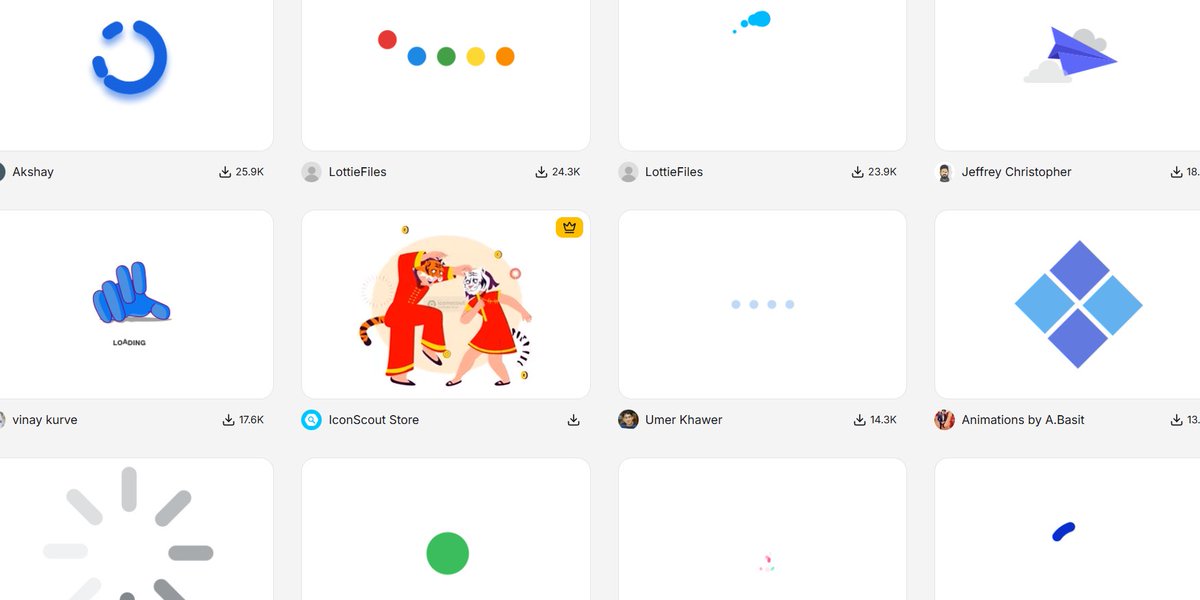
btw learn to use lottie, it is really good:
lottiefiles.com/popular-free…
6
16
218
10,140


Jan 26
For a luxury wellness brand in Los Angeles, we built a complete digital experience in @framer that translates tranquility into every interaction.
Soft lighting effects, natural imagery, and thoughtful microanimations guide visitors from curiosity to booking without breaking the sense of calm.
Live site on first comment!
1
3
92

This is what great micro-animations look like 👇
Saw a website by Awsmd (@bogdan_qclay ) and couldn’t stop noticing the subtle micro-animations.
Loved it so much I recreated the experience in Framer.
#Framer #GSAP #MicroAnimations #ThreeJS
2
33

as we get closer to launching superlocal search v2, i'm working A LOT on microanimations and tiny UI details
still need to polish spacing/colors, but this really improves showing how our search analyzes your check-ins and bookmarks to understand your taste
the results are ridiculously personalized
1
3
12
1,695

10 Dec 2025
What’s Your Take on…
The Power of Subliminal Messaging: A Historical Perspective
Subliminal messaging is not a myth; it’s a proven psychological phenomenon with a rich history of influence. Despite attempts to downplay its significance, the evidence shows that subliminal messages can shape thoughts, behaviors, and decisions in subtle yet profound ways.
The concept dates back to ancient Greek philosophers like Plato and Aristotle, who explored subtle persuasion. It gained modern attention in the 20th century, particularly in the 1950s with James Vicary’s infamous experiment. Though later exposed as a hoax, his claim of boosting Coca-Cola and popcorn sales via hidden prompts sparked widespread interest and highlighted a key truth: the subconscious is receptive to stimuli below conscious awareness.
Scientific studies since the 1960s have shown that subliminal stimuli activate brain areas like the amygdala, insula, hippocampus, and visual cortex, affecting emotion, memory, and perception. Recent neuroimaging research confirms these messages can influence decisions even when people are unaware of exposure, sometimes creating lasting associations that affect choices days or weeks later.
Historically, subliminal techniques have been used in advertising, political propaganda, and during the Cold War by both the U.S. and Soviet Union to shape opinion and morale. Brands employ fleeting images and embedded audio; the music industry has used backmasking in reversed tracks to influence listeners’ emotions or beliefs.
Cultural works, from shows like “Kappa Mikey” to novels like Thomas Stratton’s “The Man From U.N.C.L.E. #12: The Mind-Twisters Affair,” reflect society’s fascination with these methods.
Today, digital advertising uses microcopy, microanimations, and color psychology to create subconscious associations. The ethical concerns are significant, as these techniques bypass conscious consent.
In conclusion, subliminal messaging is not a debunked relic but an enduring tool of influence. Understanding it remains essential for protecting autonomy in an age of subtle persuasion. For more on disturbing patterns in recent attacks that may relate to these techniques, see this discussion.
9 Dec 2025

DISTURBING PATTERNS IN RECENT ATTACKS
“There’s this disturbing pattern of an interest in… childlike interests but also in things that are bordering on sexual.” — @MaryMargOlohan
@JackPosobiec
3
4
6
449

7 Dec 2025
let me get a little too carried away with my microanimations

2
157


26 Nov 2025
now i wonder if i can use @rive_app as ui engine on top of react flow. would be cool if it works though.
imagine every node interaction looks like a game. all those microanimations~
hence any gamification would look good too. but yeah can only imagine now haha
1
11
255


26 Oct 2025
Next up is the UI for a paused mobile video. Adding the title, views, & more to start. A color-contrasted bar, microanimations for the arrows, & my personal favorite, confetti triangles when you like/dislike. Some more frosted green too!
@ric_rac @chrispavlovski @rumblevideo
1
3
41