This on-demand #webinar shares insights from #SpinLab Katowice and #TUGraz on applying advanced #ElectronMicroscopy and #microCT workflows in #CoreFacilities for impactful research.
hubs.la/Q0439BnP0
@USinKatowice
14


Jun 8
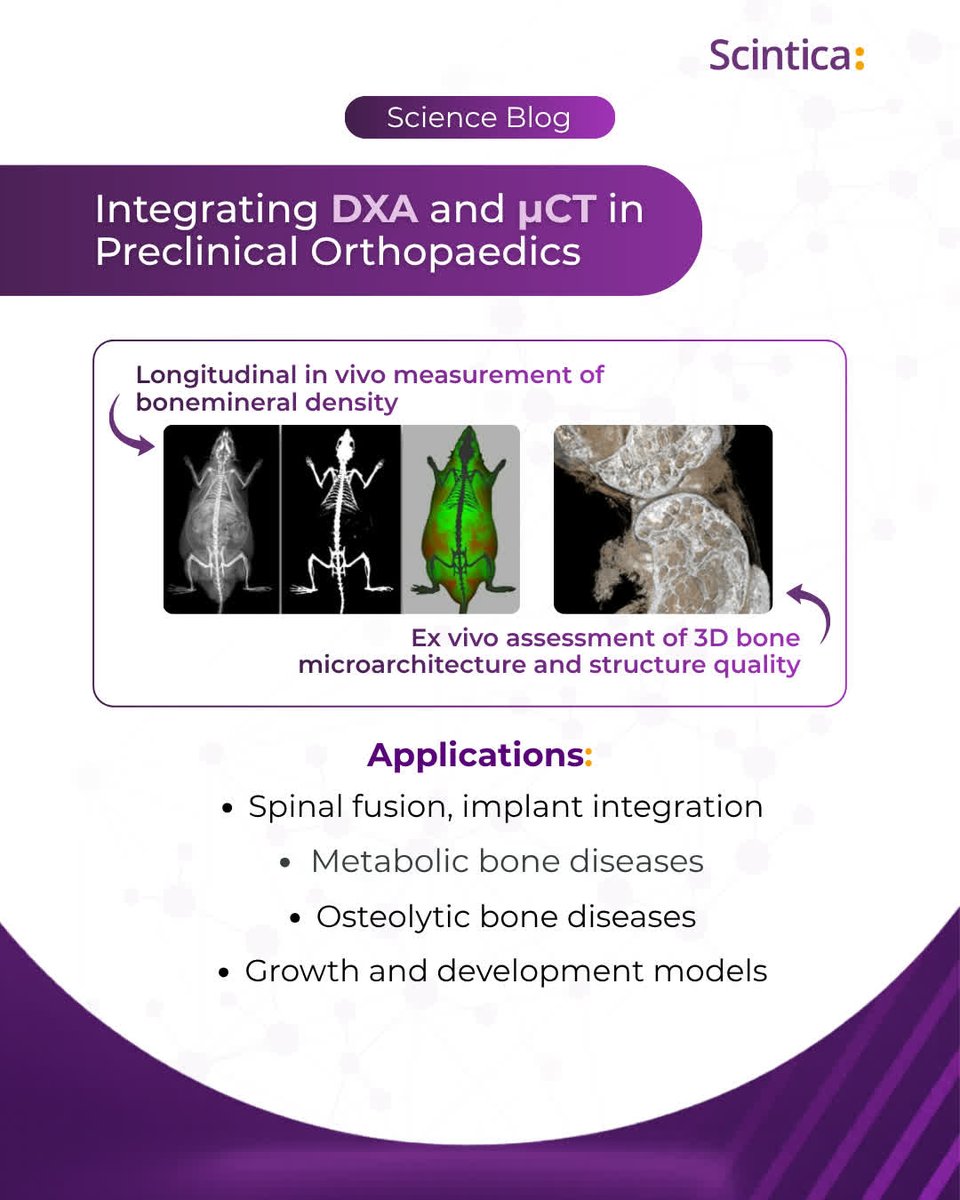
Tracking bone changes over time is only part of the story. Combine DXA for longitudinal in vivo measurements with micro-CT for high-resolution ex vivo bone analysis.
Explore the workflow at bit.ly/4v85VFB.
#DXA #MicroCT #BoneResearch
11

Jun 8
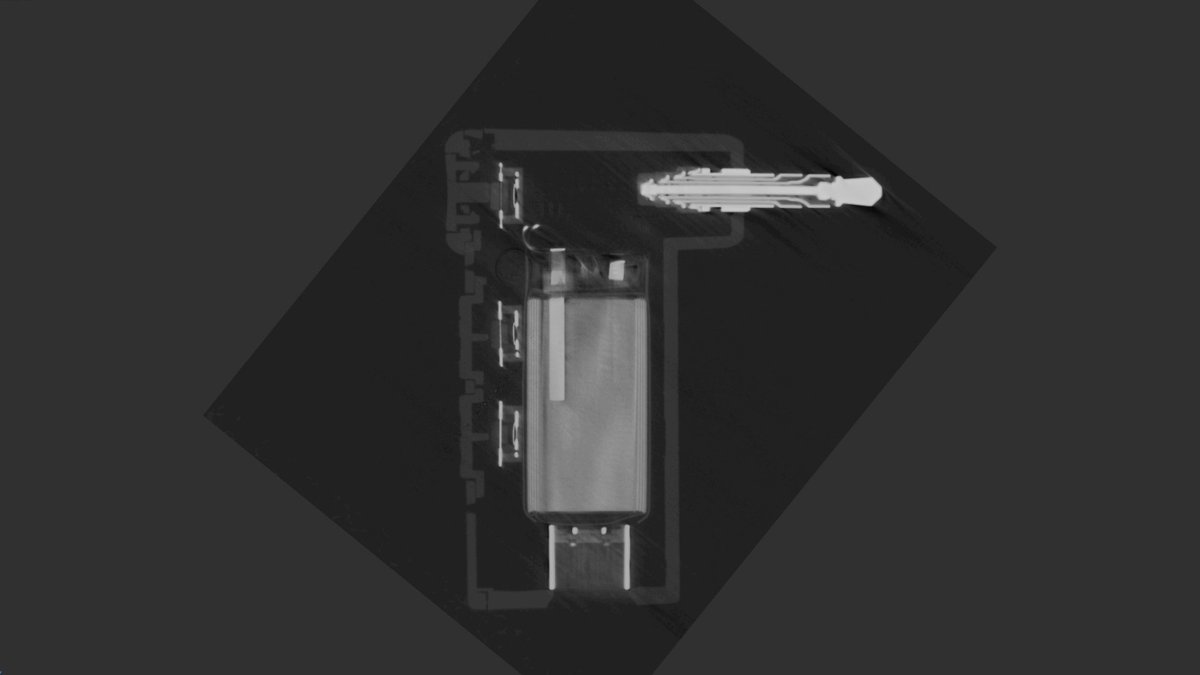
Another image from our scan of a wireless Bluetooth audio receiver.
#xsightxray #nikonmetrology #hexagon #microct #xray #industrialxray #xrayinspection #computedtomogrophy #industrialtomography #inspectionservices #3dscanning #ndt #ctscan #xrayct #qualityassurance #3drendering
84

Jun 7
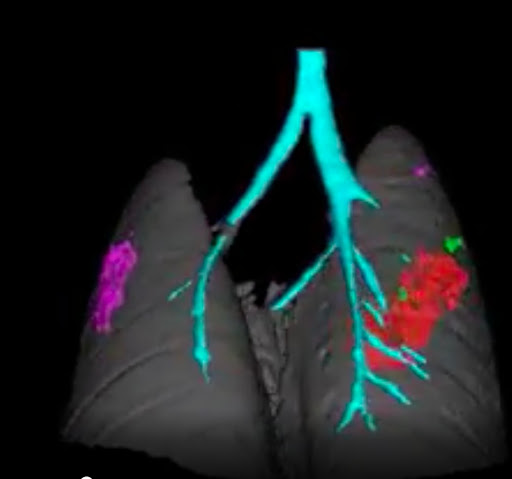
5/8 ככה זה נראה ברזולוציה מטורפת, שחזור תלת-ממדי של סריקות MicroCT מתוך המחקר.
שימו לב לקנה הנשימה ודרכי האוויר (בטורקיז), לרקמת הריאה הרגילה (בירוק), ולנגעים הגידוליים השונים (באדום ובסגול) שמתפתחים ומתפשטים בתוך הרקמה מאותם תאי KAC משתנים .
1
28
873
Jun 5
An image from our scan of a pomegranate, You can see that it's starting to rot, top right.
#xsightxray #nikonmetrology #microct #xray #industrialxray #xrayinspection #computedtomogrophy #industrialtomography #inspectionservices #3dscanning #ndt #ctscan #xrayct #qualityassurance

32

マイクロCT・シンクロトロン放射光トモグラフィにより、両生類の微小骨格・内耳・神経管を非破壊で三次元解析する時代に。古典解剖学が「データ駆動型」へ転換しました。 #microCT #synchrotron
13
12

What A 5-Million-Year-Old Bite Reveals About Climate Change And Sharks 👇
This story begins not in the open ocean, but in a dockyard. Decades ago, fossil hunters working along the busy port of Antwerp (a historic Belgian port city which you might know as the world’s diamond capital) uncovered something unusual buried in sediment millions of years old.
Not a diamond, mind you, but what at first glance looked like just another whale skull. But hidden within it was a clue that would take years to fully understand: a shark tooth lodged in the bone.
The single tooth fragment — now studied by researchers including Bournemouth University Professor of Evolutionary Palaeoecology John Stewart and Royal Belgian Institute of Natural Sciences Researcher in Vertebrate Palaeontology Olivier Lambert — offers a window into a very different North Sea that existed roughly 4 to 5 million years ago during the early Pliocene.
Back then, this region was not the relatively low-diversity marine environment we know today. Instead, it was home to a rich community of marine life that included small baleen whales, dolphins, seals and, importantly, large predatory sharks.
While it may seem like a futile effort to study how organisms interacted in the past, scientists can actually begin to understand how ecosystems might respond to the changes happening today by doing just that.
"If you want information about how animals and other organisms might respond to the kind of climate changes our planet is experiencing right now, you need evidence of former responses to such changes,” the Stewart and Lambert say in a Conversation piece they published about their new study featuring this shark tooth.
The fossil record rarely preserves direct evidence of predator-prey interactions. Bite marks on bones are one thing (and quite common), but they often leave room for interpretation, so a tooth fragment embedded in a skull is something else entirely because it directly ties predator and prey together in a single, undeniable moment.
In one case, the skull belonged to a small, now-extinct right whale species called Balaenella brachyrhynus.
Analysis using microCT scanning revealed that the embedded tooth fragment came from a bluntnose sixgill shark (Hexanchus griseus), a deep-water species that still exists today!
The placement of the bite suggests the whale was likely scavenged after death, its body drifting belly-up through ancient seas.
But a second fossil tells a slightly different story; this skull came from a relative of the modern beluga whale, Casatia thermophila. And while here, too, a shark tooth fragment was found embedded in bone, the evidence suggests a more active attack.
The shark, likely an extinct mako species related to today’s great white, appears to have targeted the whale’s head, possibly attempting to access the fat-rich tissues used in echolocation.
More here:
forbes.com/sites/melissacris…
1
249
Jun 2
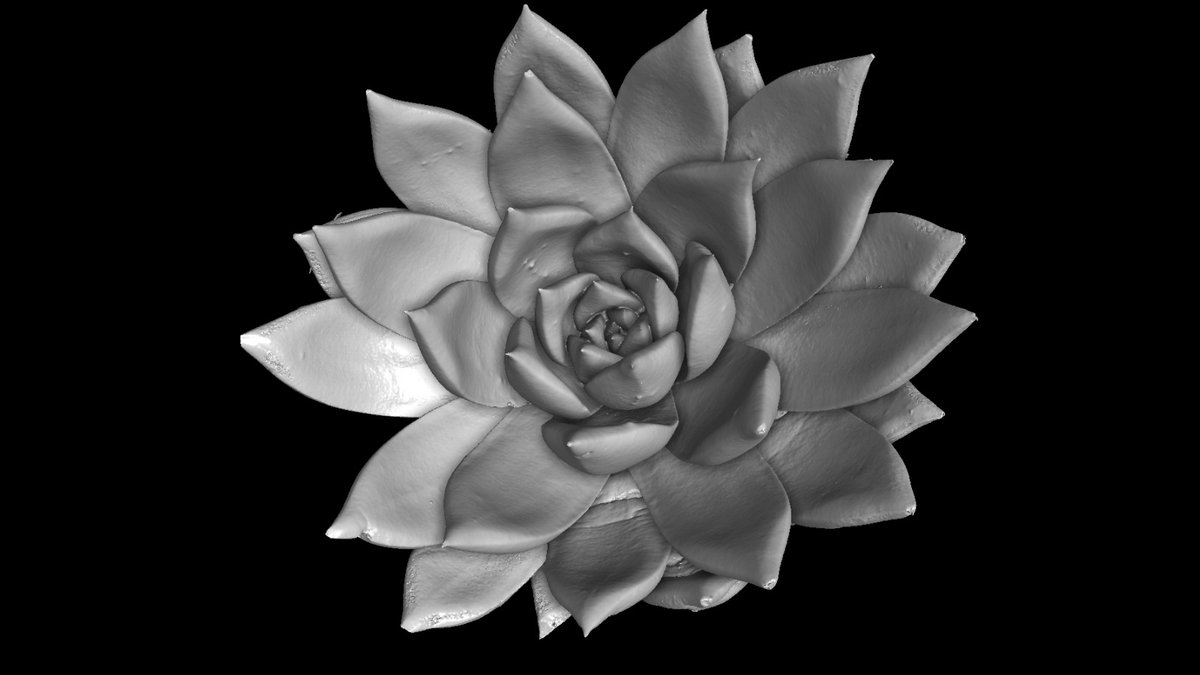
An image from our scans of various succulent plants.
#xsightxray #nikonmetrology #hexagon #microct #xray #industrialxray #xrayinspection #computedtomogrophy #industrialtomography #inspectionservices #3dscanning #ndt #ctscan #xrayct #qualityassurance #3drendering
37

Jun 1
another toothed mysticete from the Jan Juc Formation - slicing teeth, big forward facing eyes, nothing alive today looks remotely like this. love that the cochlea survived well enough for microCT work
58

Jun 1
Dr. Bernadette De Bakker from #UMC #Amsterdam shared with us how she first began using #microCT in her research, and where she sees the technology shaping the future of #prenatal care.
Watch the full #interview on our website: hubs.la/Q04jxbLD0
1
32

New #paper: "A modified synchrotron X-ray phase-contrast micro-CT workflow for non-destructive 3D imaging of intestinal biopsies" by @McGillMacCampus @mcgillu @cusm_muhc who used the BMIT beamline at the CLS. bit.ly/4e6ons5 👈
#MicroCT #3DImaging
1
52

Protocol for 3D digital dynamic histomorphometry of bone via time-lapse registration of serial microCT scans
ift.tt/LByFGR5
#biorxiv_bioE
14

May 28
First of its kind study demonstrating overestimation of calcium on #EIDCT vs #PCDCT as compared to microCT as a gold standard in explanted coronaries. @onco_cardiology @ziadalinyc @rooshaparikh @Heart_SCCT @ACCinTouch @NYSCACC @iamritu @purviparwani
pubmed.ncbi.nlm.nih.gov/4220…
3
12
542
May 28
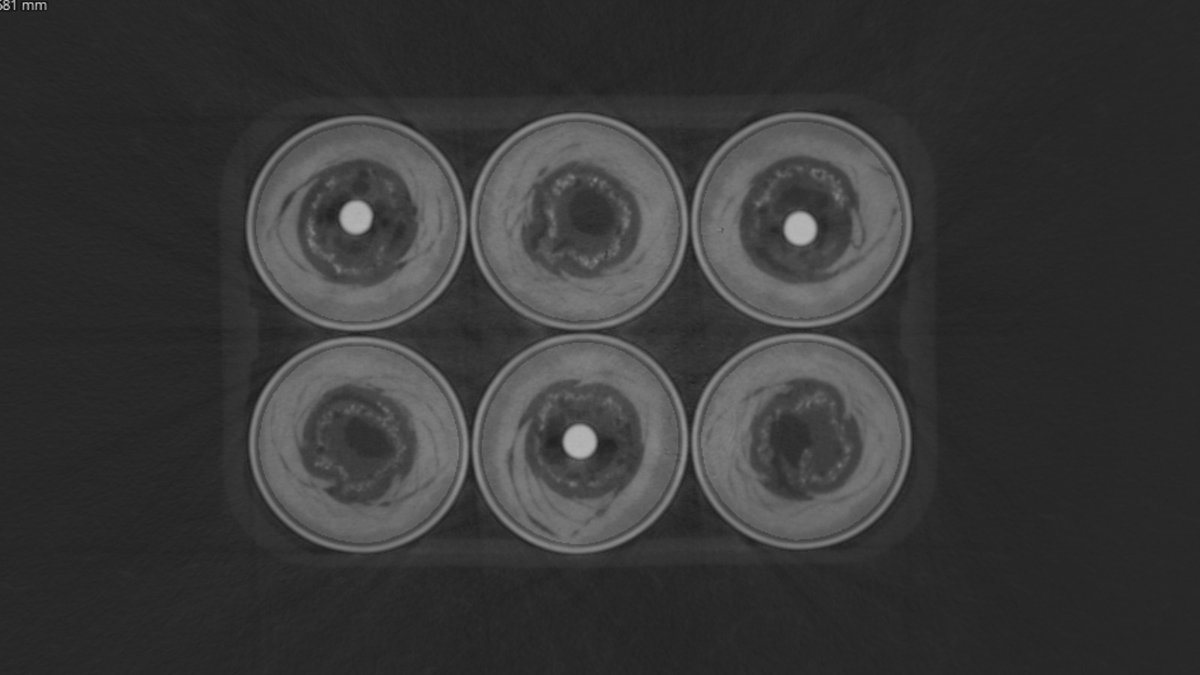
Our final post for May is an image from our scan of a 9V battery.
#xsightxray #nikonmetrology #hexagon #microct #xray #industrialxray #xrayinspection #computedtomogrophy #industrialtomography #inspectionservices #3dscanning #ndt #ctscan #xrayct #qualityassurance #3drendering
43

Coral growth, retraction, defense, and regenerative strategies revealed by live microCT
Science Advances
science.org/doi/10.1126/scia…
14

May 27
Coral growth, retraction, defense, and regenerative strategies revealed by live microCT
science.org/doi/abs/10.1126/…
2