
Happy new week 🤖😊
Last week we got into the electronics side:
🧠 The robot brain (microcontrollers)
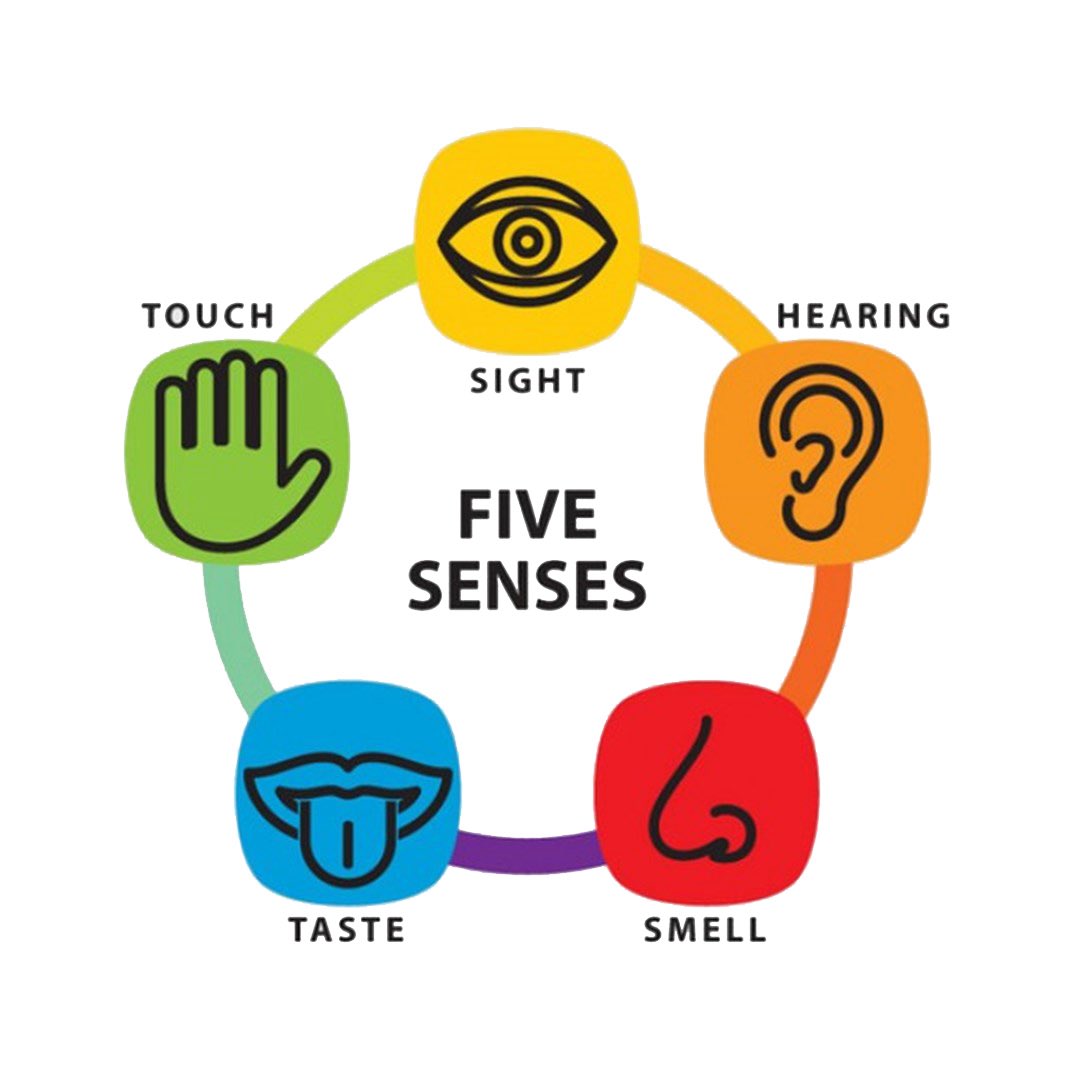
📡 How robots sense the world (sensors)
Week 3 is about the code ; how robots are actually programmed and taught to make decisions.
What's been your favourite so far? Tell us
3

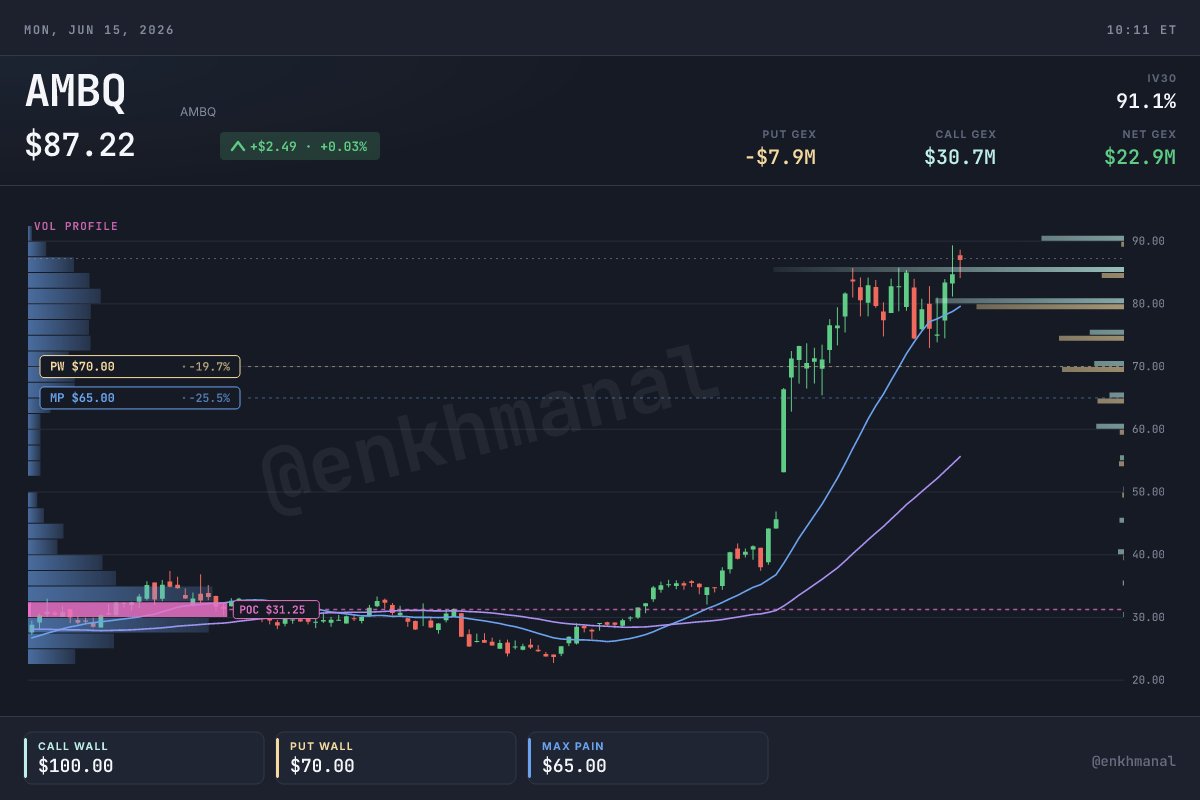
$AMBQ - THE PUREST BET ON THE ONE VARIABLE THAT GATES PHYSICAL AI — ENERGY PER INFERENCE — BUT THE TAPE ALREADY PAYS FOR A 2028 IT HASN'T SHIPPED
Ambiq's moat is sub-threshold silicon — logic that runs below 0.5V for a quadratic, not linear, energy saving — validated by 280M shipped microcontrollers, >80% of them running an AI model on-device. The inflection is real: after deliberately walking away from $1–2 commodity smartband chips (FY25 revenue −4.7% to $72.5M), Q1 FY26 re-accelerated to $25.1M ( 59%) on higher-value Apollo 5 silicon into Garmin, Whoop and Google, with Q2 guided ~ 75%.
The catch: at ~$87 it trades ~22× sales, 253% above its $24 IPO and 165% since the canonical bull note at $32 — and by the CFO's own math it needs ~$47M a quarter, roughly double today, just to break even, a 2027–28 event. Mechanism: there is no Moore's Law for batteries, so power-efficient edge compute is the binding constraint for wearables, drones and humanoids — but the Atomiq platform chip that justifies this multiple hasn't shipped a dollar of revenue yet.
33

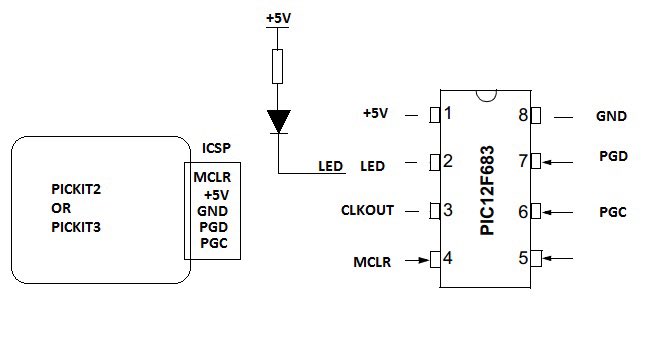
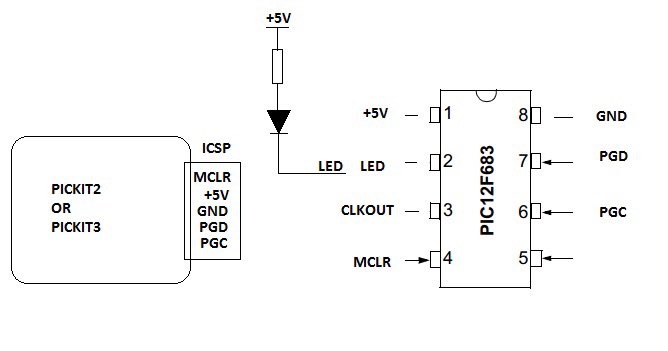
(2) 8 Pin Microcontrollers per sense
Total 10 Microcontrollers with 8 pins each
80 pin

1
8

🔓Unlock #keyestudio 🐞bit.ly/3Q20cBG
🚀 Taking a look back at these amazing moments with @codewithnika
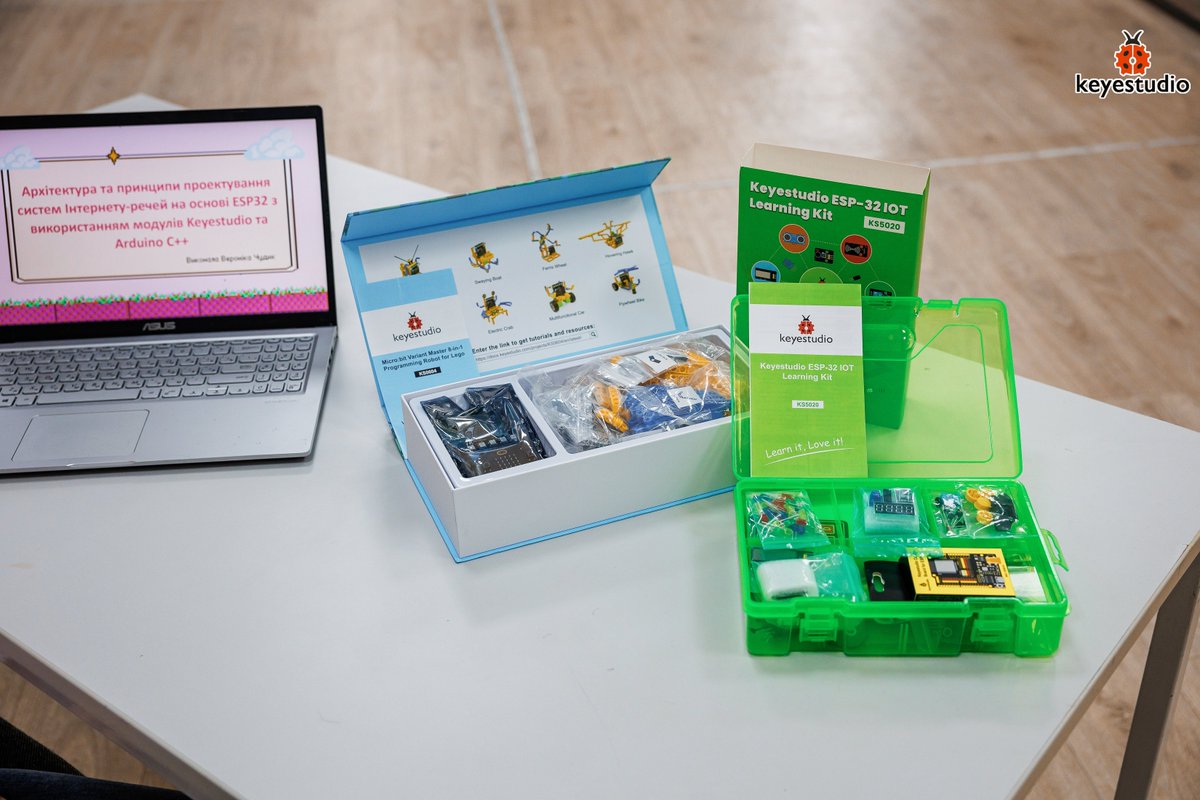
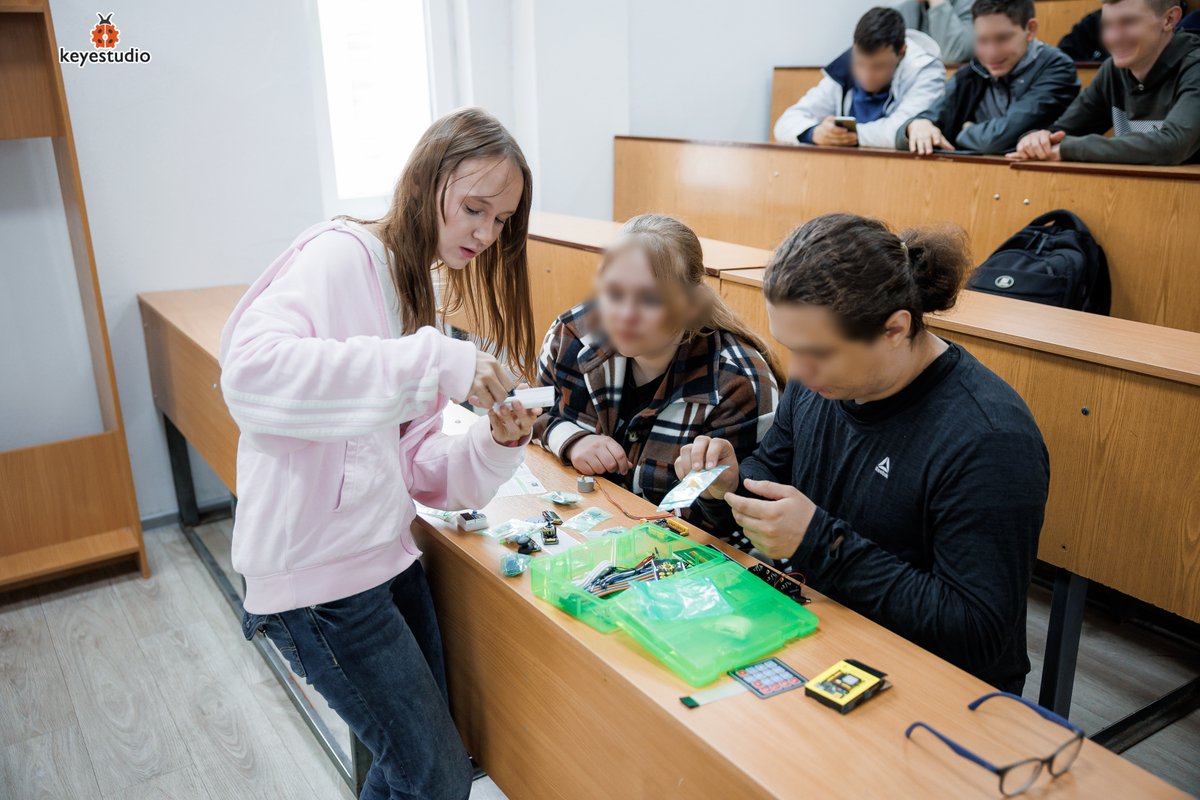
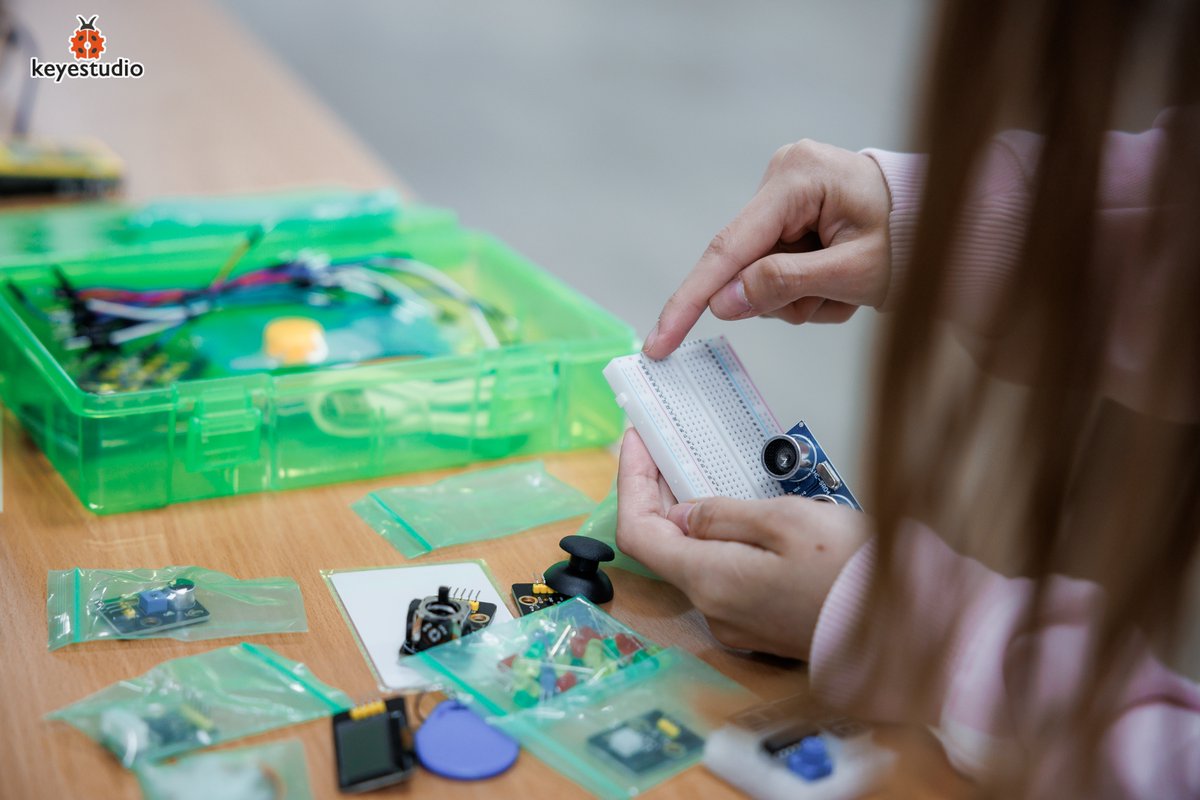
There is nothing better than seeing hands-on innovation come to life. Veronika recently took the stage at IFNTUNG to lead an incredible lecture on the Internet of Things (IoT), and we are still buzzing with excitement!🌟
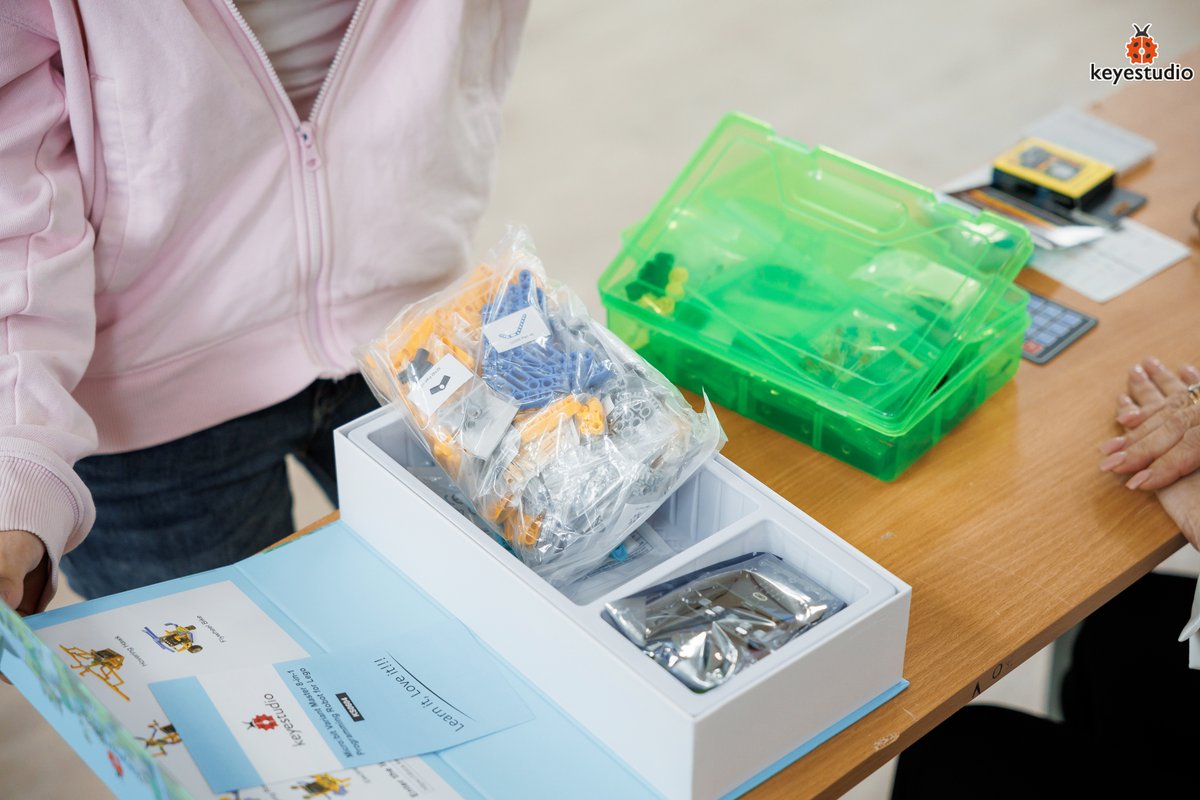
It’s incredibly rewarding to see how our Keyestudio ESP32 IoT Learning Kit and Micro:bit Programming Robot helped turn a classroom into a buzzing hub of practical creation.👏
From exploring microcontrollers to wiring up custom solutions, these students proved that the best way to learn tech is by building it. Proud to support future software engineers and tech visionaries! 🌐
Quick heads-up for everyone wanting to build their own: we’ll be gradually releasing the cool builds and step-by-step setup videos for the Micro:bit 8-in-1 Programming Robot Kit very soon! 🚀
At the same time, you can also view all the videos for the ESP32 IoT learning kit in the published tweets. Go check them out! 💙
#ESP32 #Microbit #programming #technology #coding #maker #Robotics #electronics #STEM #DIY #Python #stemeducation #robots #teacher #makecode #engineering #diyproject #kits #robotica #OpenSource #KidsActivities #codingforkids #STEMFun #IoT #lego #FutureEngineers #iotproject #HandsOnSTEM #TechCommunity
Jun 12

#keyestudio 🐞 bit.ly/3Q20cBG
🚗 Build This Multifunctional Car With Me!
From a pile of parts to a fully functional Lego robot car. The Multifunctional Car is one of 8 builds you can create with the Micro:bit Variant Master Kit.⚙️
Which build should we make next❓
#Microbit #programming #technology #coding #maker #Robotics #learning #electronics #STEM #DIY #toys #Python #stemeducation #robots #engineering #teacher #makecode #engineering #diyproject #kits #robotica #OpenSource #KidsActivities #innovations #codingforkids #STEMFun #FutureCoders #lego #assembly
2
4
83

The Chinese have a proverb: when You're pointing a finger at someone, three other fingers are pointing back at you at the same time.
There was an uproar in Europe after the US imposed an export ban on Anthropic’s models. Meanwhile, our own internal regulations - completely detached from reality - are blocking virtually everything possible. This is precisely what our leading AI expert, Prof. Sankowski, wrote about.
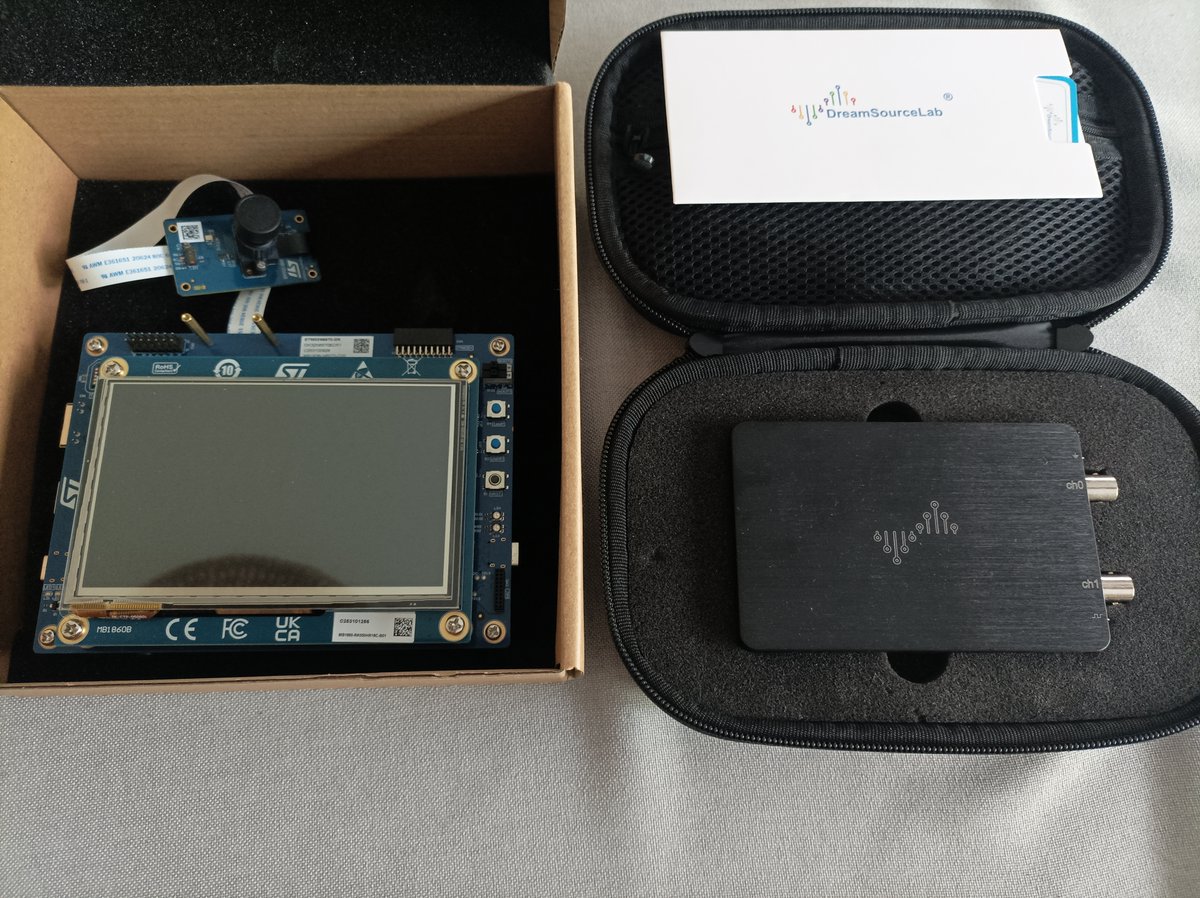
The problem lies on our side. EU dumb bureaucrats are already labeling not only models like Fable as “dual use” and “restricted” - it goes much further than that, all the way down to simple oscilloscopes and microcontrollers. I don’t know whose interests these people are serving, but the clear effect of their decisions is the slaughtering of any technological thinking and the technological development of Europe.
Let me depict the EU restrictions with a photo:
28

loop to real time everything here and time to make stuff is going to go to 0
No one is internalizing how microcontrollers and code are going to come together yet
1
23
Chris Black | Azure MVP | Happy Azure Stacking! retweeted

Jun 14
PowerShell meets wires, motors, and microcontrollers. 💡 Mark Go lights LEDs, spins servos, even waters a cactus—all from your console. Scripts to circuits, live:
youtube.com/watch?v=v4BTuYSO…
#PSHSummit #PowerShell #IoT
1
3
158

Title: "Canada confuses grant-review literacy with technical capability recognition."
Oh, this sounds a lot like public-sector-adjacent tech grant review in Canada.
People in the know will relate: Canadian founders, technicians, technologists, engineers, computer scientists, builders, grant applicants, and anyone who has been filtered through bureaucratic review systems.
Some Canadian tech grant programs provide applicants with one-word or one-sentence reviews, if that, even after the applicant spends weeks preparing a serious technical submission package.
Actual engineers show up with director-level references from top-tier American tech, real execution history, real product-development experience, and deep technical depth — the kind of experience many reviewers may never have had themselves.
Then experienced technical people get reviewed through systems that often reward grant-writing theatre over real technical capability.
The review criteria drift away from the thing being built.
A microcontroller project should be judged by people who understand microcontrollers.
A drone project should be judged by people who understand drones.
An autonomous vehicle project should be judged by people who understand autonomy, software, systems engineering, testing, safety, and deployment.
Equity, inclusion, accessibility, and Indigenous participation can matter in public programs. But in a technical grant, they should support the technical mission — not replace it.
Canada’s mistake is letting administrative categories become substitutes for engineering judgment.
When review programs over-weight GBA Plus, EDI, community-benefit language, regional-politics language, and polished social-impact essays, they risk selecting the best grant writer instead of the best builder.
Instead, Canada too often builds review systems where the strongest applicant is not the strongest builder.
It is the strongest bureaucratic essay-writer.
And sometimes, serious external credibility produces disbelief.
People in Canada with serious American tech references can be treated as if their experience must be exaggerated, fake, or impossible.
“The reference is fake.”
“The director never wrote that.”
“No one gets references from American tech.”
“There are many directors in American tech, so maybe the applicant is overstating what the title means.”
That is the mindset problem.
The result?
It creates the impression that tech grant funds are kept close to the office, recycled through familiar administrative networks, and assigned to people who may have little real training, experience, or operating history inside serious technology companies or real technical projects.
Then the public sector wonders why major IT and technology projects become over-budget, delayed, broken, or dependent on endless outside rescue.
Maybe one reason is simple:
The real technical candidates were rejected before the work even began.
The administrators rejected the builders.
The builders never developed the ecosystems the country needed.
Then future public technology projects became more expensive because Canada had to buy, outsource, patch, or rescue systems that should have been built by a stronger domestic builder class years earlier.
Candidates who have actually engaged with American tech directors, software engineers, project managers, board members, engineering leaders, and serious execution environments can end up ignored, filtered out, or quietly avoided because their experience looks “too much” for the local review culture.
That is how a country accidentally builds a grant-management class instead of a technology-building class.
Canada does not have an innovation shortage.
It has a builder-recognition problem.
35

A huge majority of people who say they want a car with ZERO TECH don't actually mean that.
What they mean is they want a car from the late 80's or early 90's, when we were using microcontrollers to manage fuel injection, ignition timing and transmission shifting.
We don't want full-tilt operating systems, modems, etc.
19h

The first auto brand to make a pickup with ZERO TECH will sell out so fast it'll make their head spin. No brain, no GPS...just engine, transmission, rear end, and get the hell outta my way:)
8

EV Value Chain Architecture & Core Bottlenecks
A. Power Electronics & Battery Management Systems (BMS)
The Complexity: Translating raw DC current into regulated, variable AC phase power requires complex algorithms running on high-power microcontrollers. Managing thermal runways during rapid ambient temperature shifts requires edge computing at the cell level.
Moat Status: High technical entry barriers; highly sticky client relationships due to extensive testing and validation timelines.
B. EV Thermal Management Systems (TMS)
The Complexity: Indian ambient temperatures frequently exceed 40°C. Fast charging generates massive internal cell heat. Moving from passive air-cooling to active liquid-immersion cooling requires ultra-precise, leak-free aluminum chilling plates, electronic water pumps, and specialized cooling valves.
Moat Status: Absolute bottleneck zone. A single failure bricking a multi-lakh battery pack gives top-tier component fabricators enormous pricing power.
C. Electric Drivetrains & Precision Gears
The Complexity: EV motors operate efficiently at 10,000 to 15,000 RPM, requiring precise reduction gearboxes to bring wheel speeds down safely. This demands absolute micrometric precision in gear tooth grinding to minimize transmission noise (NVH) and energy loss.
Moat Status: High capital-expenditure barriers; protected by complex metallurgical casting and finishing secrets.
5
638

No longer true with Linux on most robots. One can update the various microcontrollers connected from that as a hub.
30

The market is giving incredible opportunities...
BUT
That doesn't mean you can just throw out a dart and make money
This is still an incredibly thematic market that rewards strength and leadership
If you are underperforming, its likely because you are not trading the RIGHT stocks
Here's a list of the strongest themes I'm watching:
Semis:
$INTC
$ARM
$MRVL
$AMD
$DELL
$ALAB
$QCOM
$TSM
Semi parts:
$ACLS
$AMAT
$KLAC
$LRCX
Semi test systems:
$AEHR
$ONTO
$FORM
$COHU
$KEYS
$AMKR
$TER
Microcontrollers:
$ADI
$AMBQ
$MCHP
$TXN
$STM
Memory:
$DRAM
$SNDK
$MU
$STX
$WDC
Laser/optics:
$OUST
$POET
$COHR
$CRDO
$VIAV
$AEVA
$VPG
$APH
$VECO
Data center cooling:
VRT
MOD
FIX
JCI
CARR
Cybersecurity:
PANW
CRWD
NET
FTNT
Data/Cloud
NBIS
APLD
INOD
HUT
IREN
CIFR
CORZ
WULF
CLSK
Banks:
BAC
GS
JPM
MS
C
Healthcare:
OSCR
HNGE
UNH
JNJ
HTFL
Energy:
HYLN
TE
FCEL
BE
These are the stocks ill be focusing on in the next few months!
13
22
227
17,670

18h
can I have a high dollar YC job? alternately you can fund my American microcontrollers startup
40

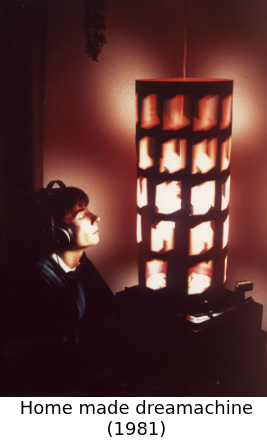
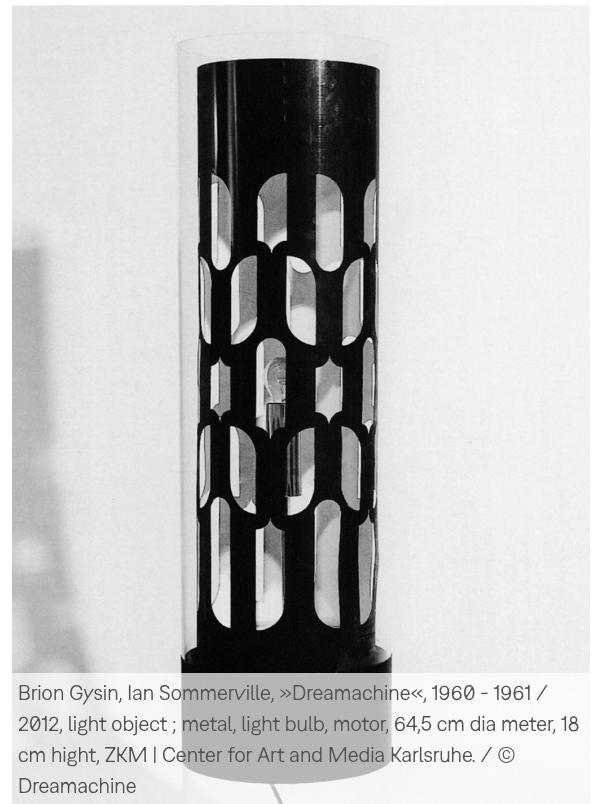
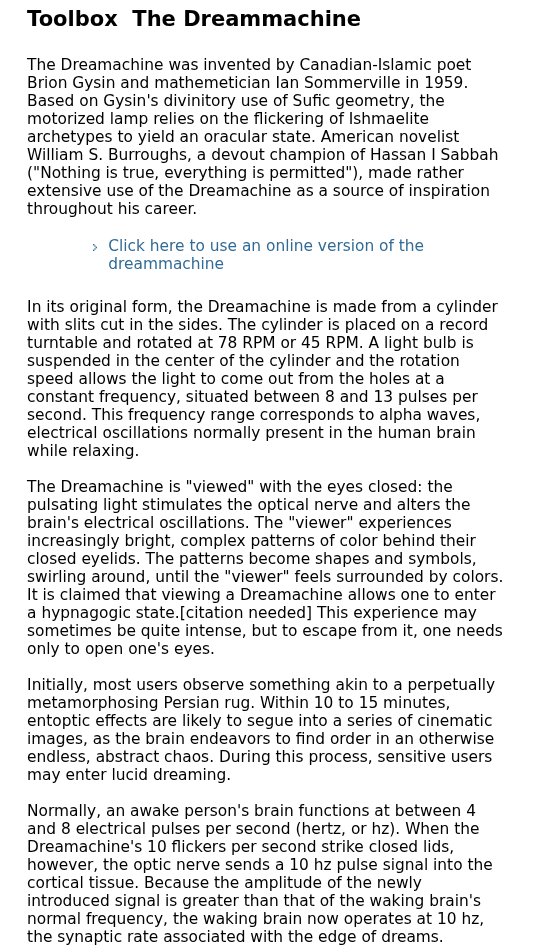
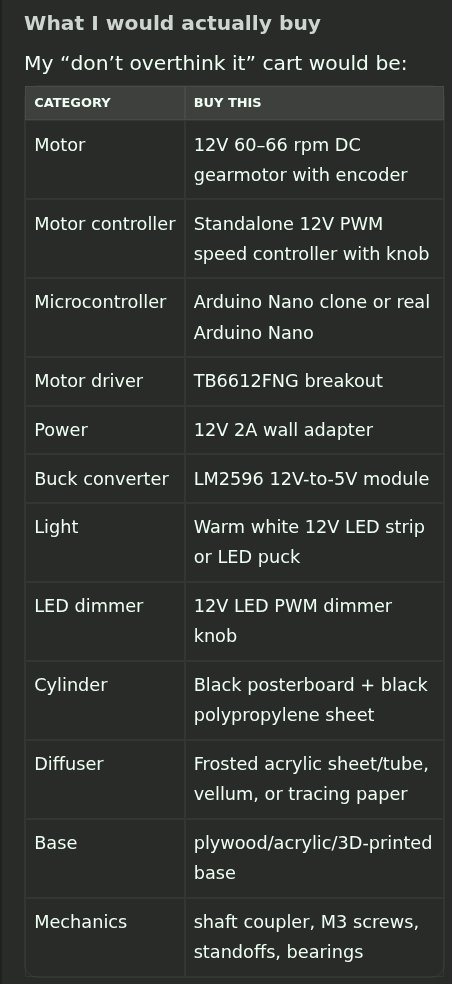
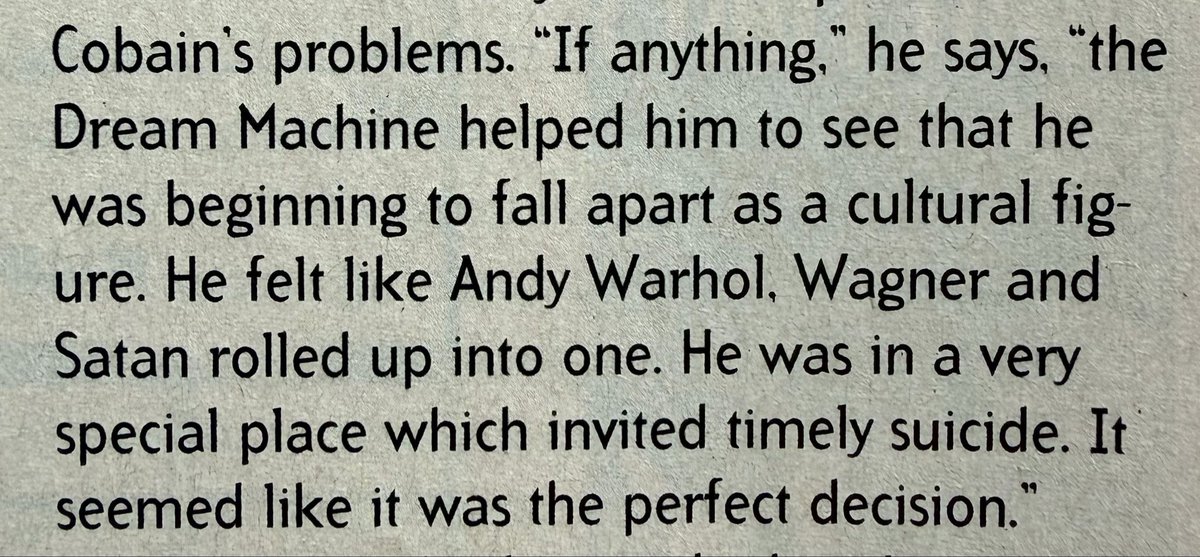
btw the "Dream Machine" is another old forgotten tech of Hypnagogic interfaces. if you're serious about Hyperstition, Platonic Khora and communing with the Machine Elves, then you're already asking AI to give you a build list to construct one. With today's Maker hobby subculture, advanced microcontrollers and the flood of cheap electronics components from China, building a DIY Dream Machine has never been easier.

1
1
383

Well it wasnt a raspberry pi but i watched a video of a guy installing linux on an arduino micro computer (not the microcontrollers they usually make but an ARM computer) and running half life and portal on it
91


Pins are the physical metal connectors protruding from components which is ICs, microcontrollers, or sensors❤️☺️
👉It serve as the interface for electricity and data signals to flow between components allowing them to communicate and function together when
1
2

Jun 14
🚀 Hiring: Associate Software Engineer – Embedded
📍 Mayfield Heights, Ohio, United States
💰 $71K – $107K/year
Skills:
✔️ Embedded C/C
✔️ RTOS
✔️ Firmware Development
✔️ Device Drivers
✔️ Microcontrollers
✔️ Software Testing
✔️ Git
✔️ SDLC
Apply Now👇
studentscircles.com/rockwell…
#EmbeddedSystems #SoftwareEngineer #TechJobs #OhioJobs #Hiring
38

Many politicians, "digital safety" activists, and general members of the public think there are clear differences between the computers of end users and social media platforms, and that we can legislate accordingly to solve alleged problems they describe.
Websites are just computers you can connect to and exchange data with using a set of communication protocols.
All information consumed from any other computer by an end user is relevant to one's relations in society. Whether professional or recreational, they pertain to events relevant to the society we are a part of, and our status as citizens living in that society.
Particularly now, the information exchanged through applications used for any professional or recreational activity bears the characteristics associated with well known social media platforms, as the type of data and manner in which it is presented is personalized. That doesn't even mean "personalized" in the sense of a public user profile, but in the sense that the information is useful to the consumer, and affords the means to make choices:
- Target data
- Meta data
- How it presents
- Addition of media
This remains true not just of popular social media platforms, but of any modern user application that sends and receives data over a network.
There are many ways that different permutations describing the manner in which any application behaves and is used can be made to fit moniker of "social media".
Even less-immersive applications, such as those for creating remote shell sessions, can be considered as exposing participants to any information liable to be on any computer.
Remote virtual desktop technologies became sufficiently advanced years ago whereby anyone could assume identities remotely, adding greater potential to circumvent standard authentication.
A child can encounter the types of information of concern, activists and politicians warn about, through the general use of digital devices, even without accessing any of the popular platforms.
The chief concern ostensibly sought by digital safety advocates is the possible information presented to the child, the habits that might be adopted by the child through the use of digital devices, and how these affect a child's development, mental health, and ability to integrate with society.
It is impossible to implement a thorough practice that addresses these concerns without knowing who is using or in the vicinity of a digital device. As embedded systems and small microcontrollers have become more sophisticated, this increasingly means the raw components themselves, rather than certain more polished and complex products (mobile phones, gaming/personal computers).
Authenticating with ever-smaller components is something which can be done, and something which we'll perpetually have to grapple with as technology continues to improve.
16

Jun 14
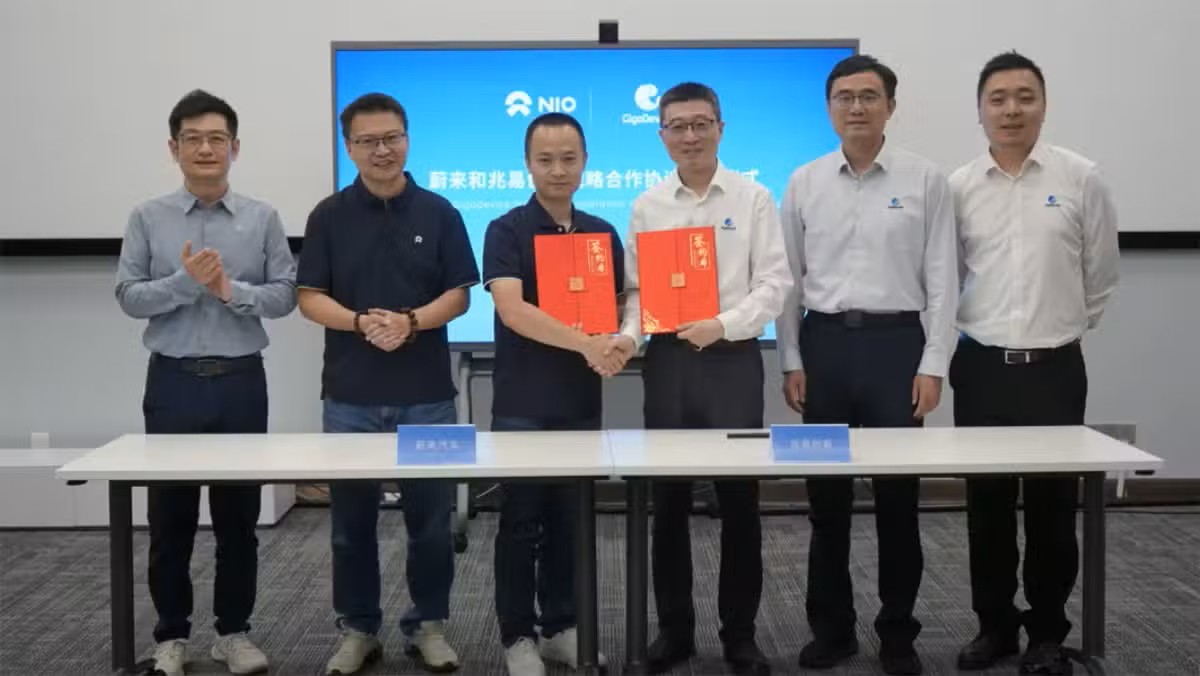
$NIO & GigaDevice partner to develop chips &next-gen electronics &architectures
#NIO leverage GigaDevice exp in memory prod, microcontrollers(MCUs) &iauto-grade chips &solutions. NIO bring its platform development, system integration &chip optimization
Jun 5

$NIO & GigaDevice partner to develop auto chips &next-gen electronics &architectures
#NIO to leverage GigaDevice background in memory prod µcontrollers(MCUs), &experience in auto-grade chip &solutions.NIO bring its platform development, system integration &chip optimization
1
272