
🇫🇷 Fiers d’être Français ! 🇨🇵
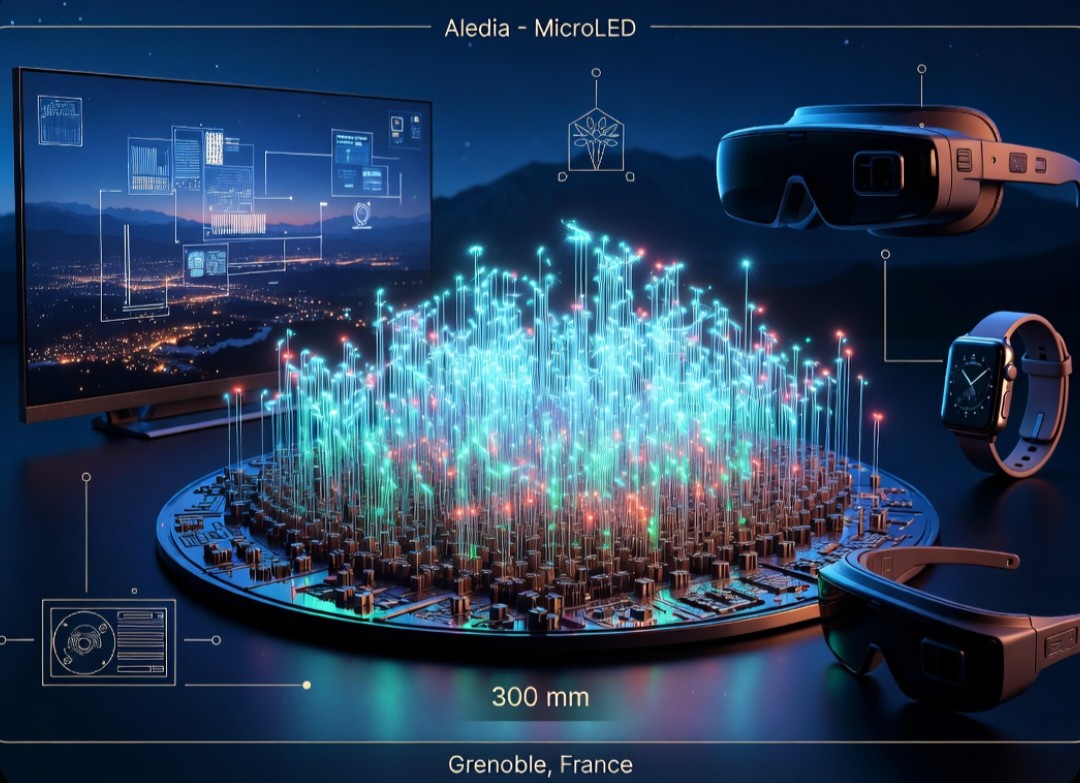
À Grenoble, l’entreprise française Aledia maîtrise une technologie que ni Apple ni Samsung n’ont encore réussi à industrialiser à grande échelle : les microLED.
Des écrans plus lumineux, plus économes en énergie, plus durables et potentiellement bien moins chers grâce à une approche révolutionnaire : des nanofils en 3D cultivés directement sur du silicium.
Cette technologie pourrait peser entre 25 et 60 milliards de dollars d’ici 2030 et devenir le nouveau standard des écrans (téléviseurs, montres, etc.).
Mais Aledia ne s’arrête pas là : avec sa technologie µLink, elle se positionne aussi sur les interconnexions photoniques pour les centres de données et l’intelligence artificielle, un marché encore plus stratégique.
C’est une magnifique démonstration du savoir-faire français dans les semi-conducteurs et les hautes technologies.
C’est ça, la France qui gagne et qui peut devenir un champion mondial dans les technologies de demain ! 💪🔵⚪🔴
#Aledia #MicroLED #InnovationFrançaise #SemiConducteurs #Grenoble #FiertéFrançaise #HighTech
12
22
188
☮ & ♥ U.T.H/CB.S.V retweeted

Jun 5
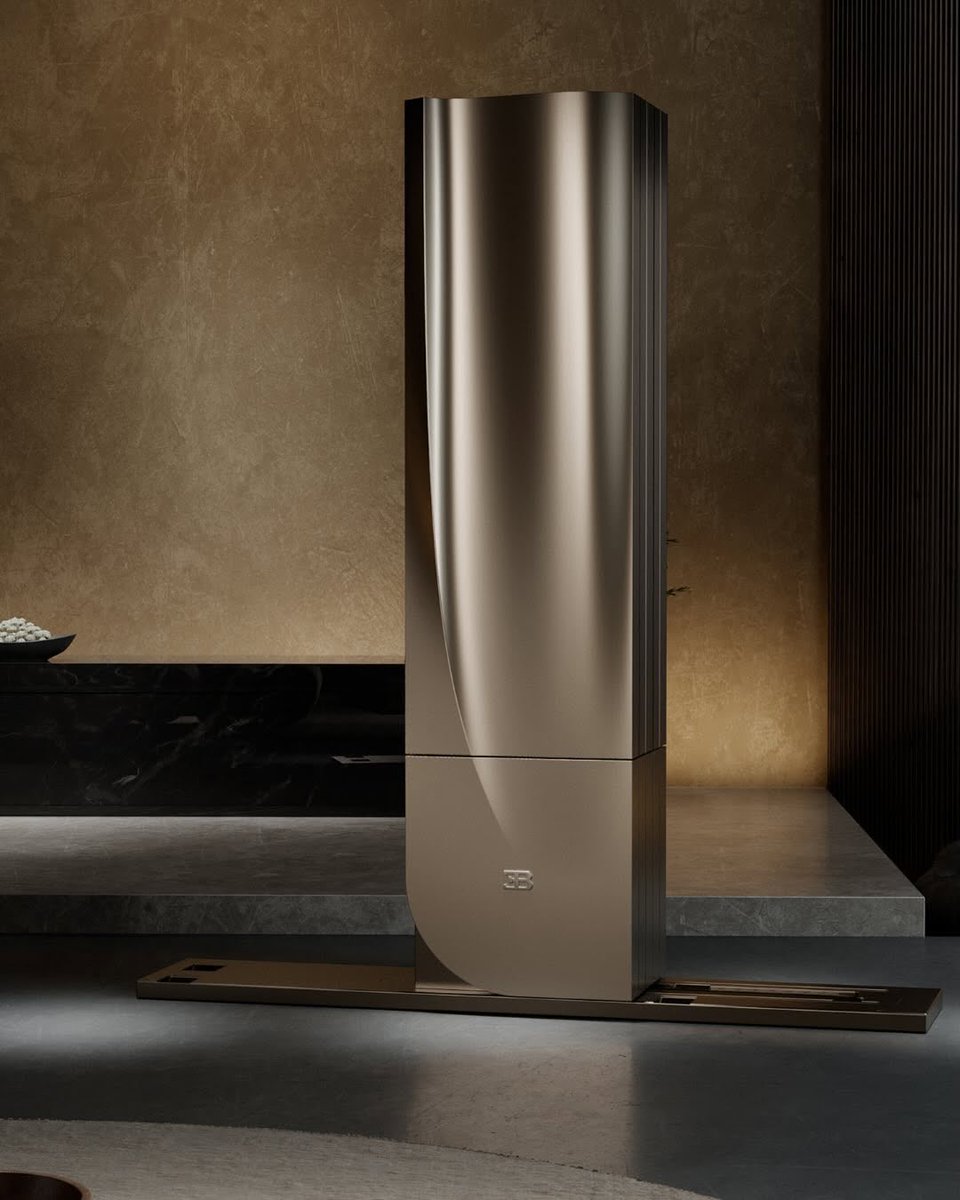
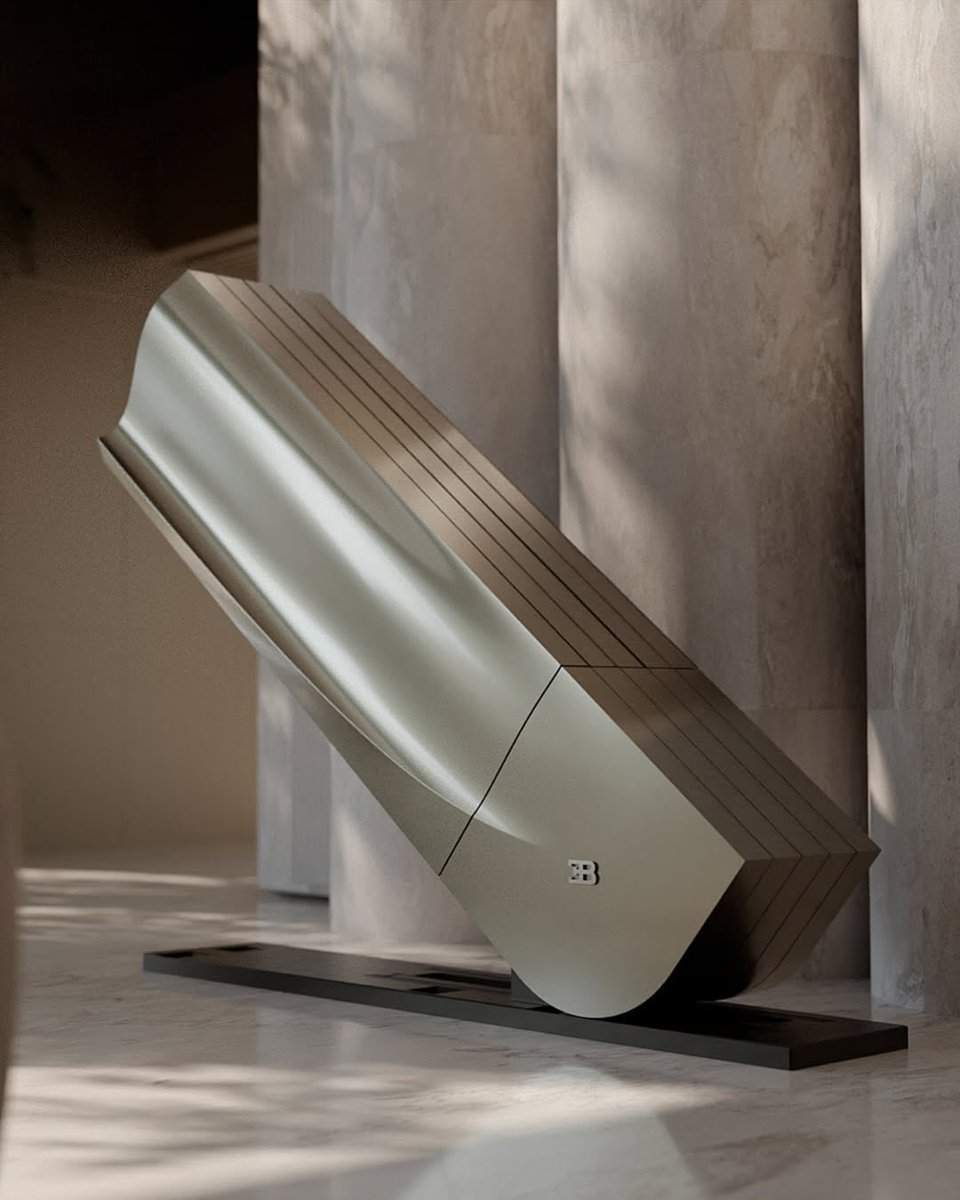
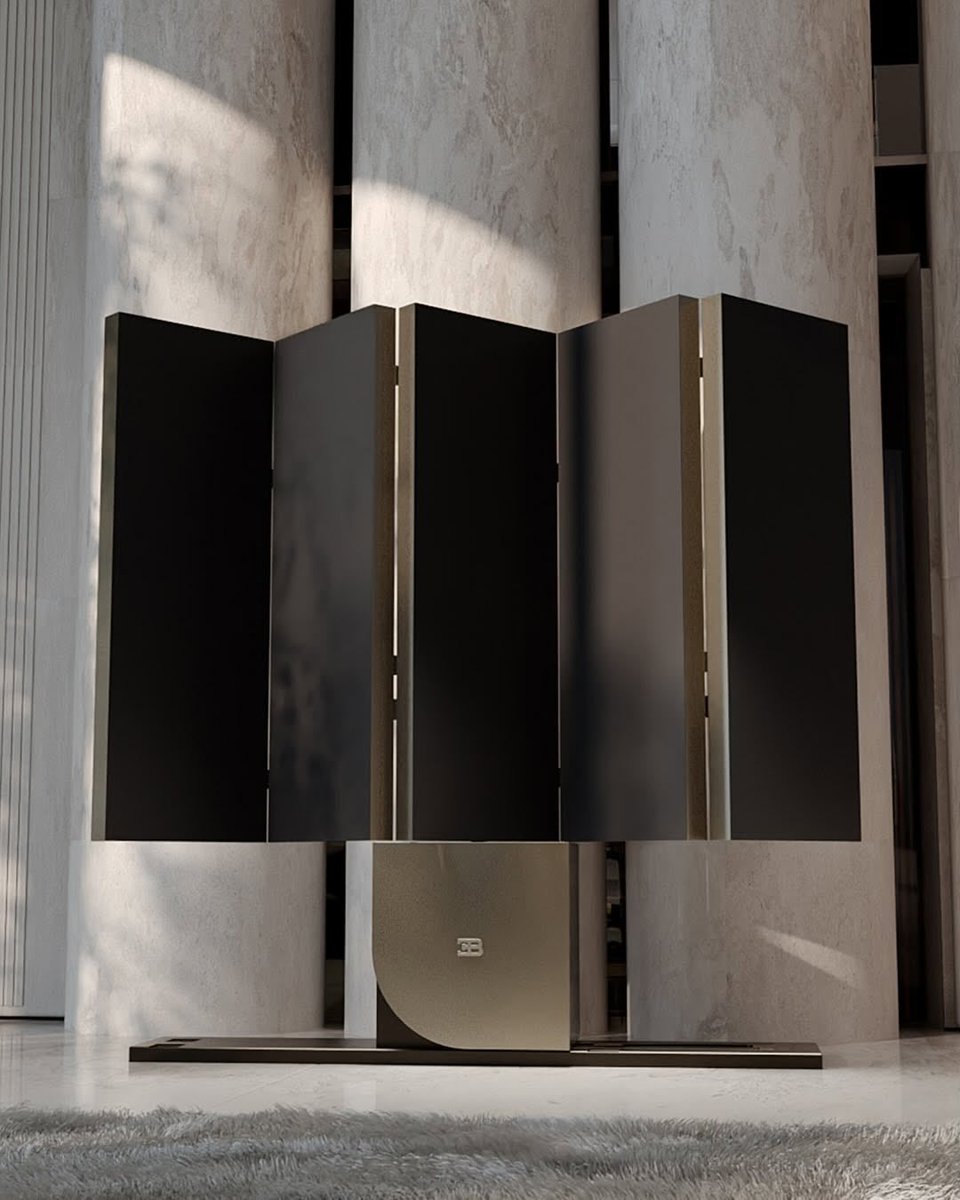
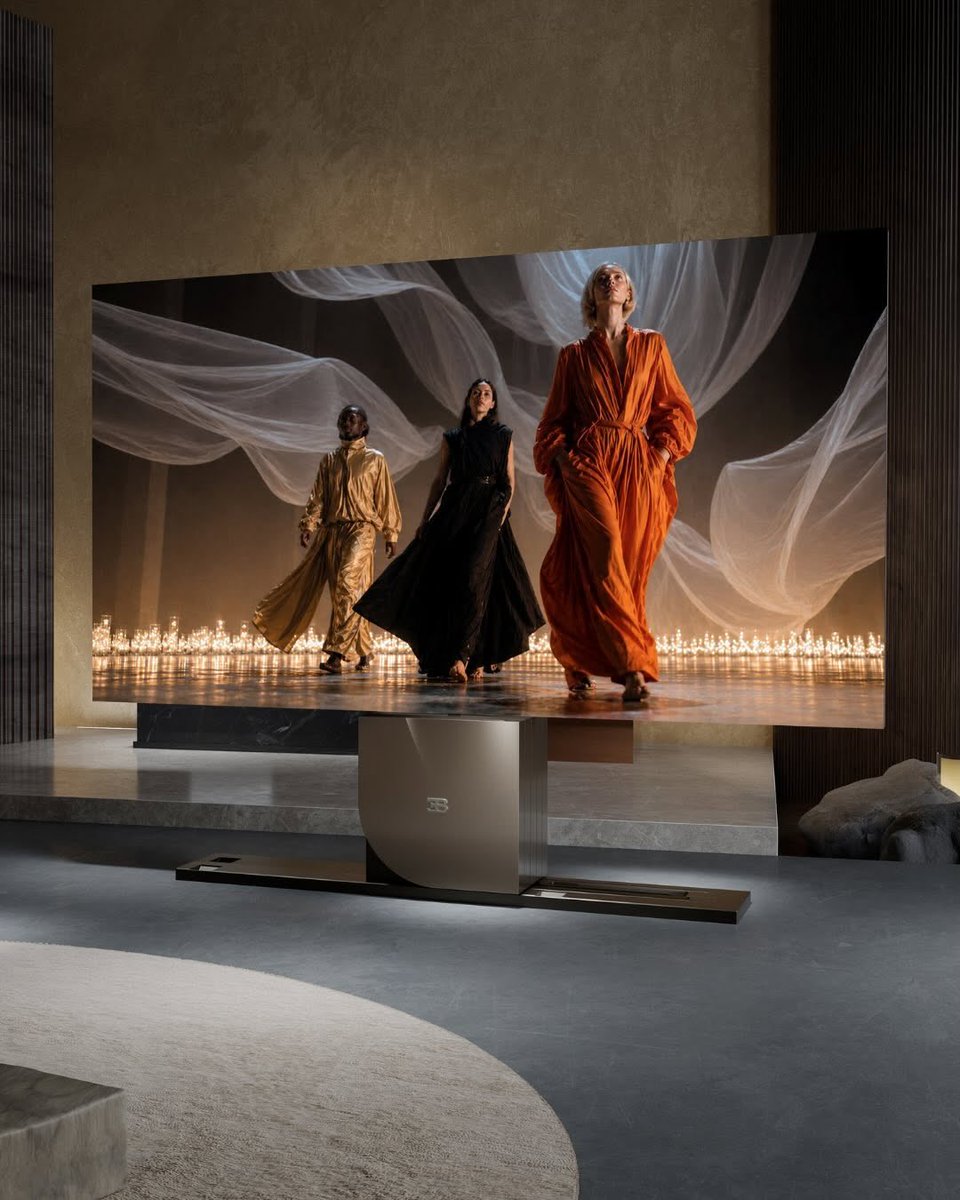
Bugatti just dropped a $500k MicroLED television.
You won’t believe how it’s inspired by the Bugatti Tourbillon.
2
6
27
2,991

La #France n’a pas de pétrole, mais elle a des sacrés ingénieurs …
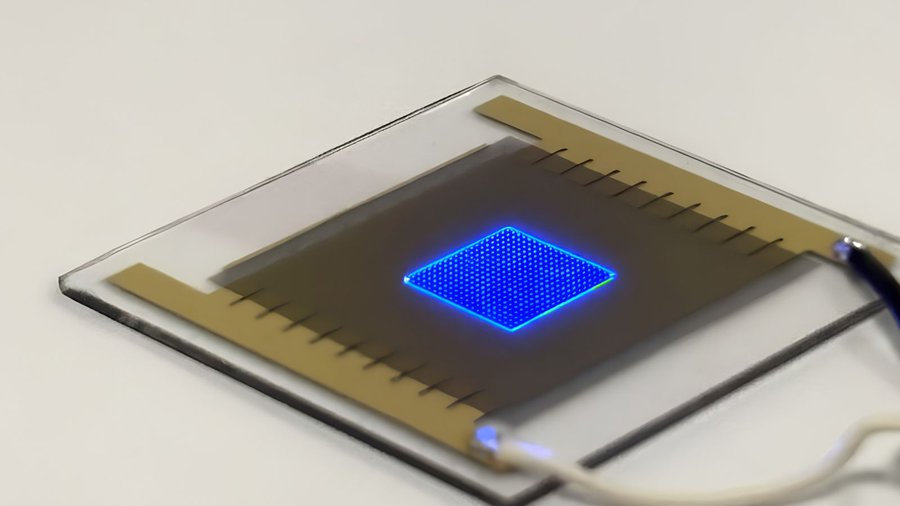
👉 #Aledia, c’est l’une d’elles. La start-up grenobloise fabrique des #MicroLED ✨, des écrans de demain, dans une usine de 5 000 mètres carrés à #Champagnier, au pied du #Vercors.

Cette entreprise française #Aledia 🇫🇷 maîtrise une technologie que ni #Apple 🇺🇸 ni #Samsung 🇰🇷 n’ont encore réussi à dompter et qui pourrait peser 50 milliards d’euros en 2030 : les #MicroLED ✨
media24.fr/2026/06/14/a-cham…
2
5
33
3,897

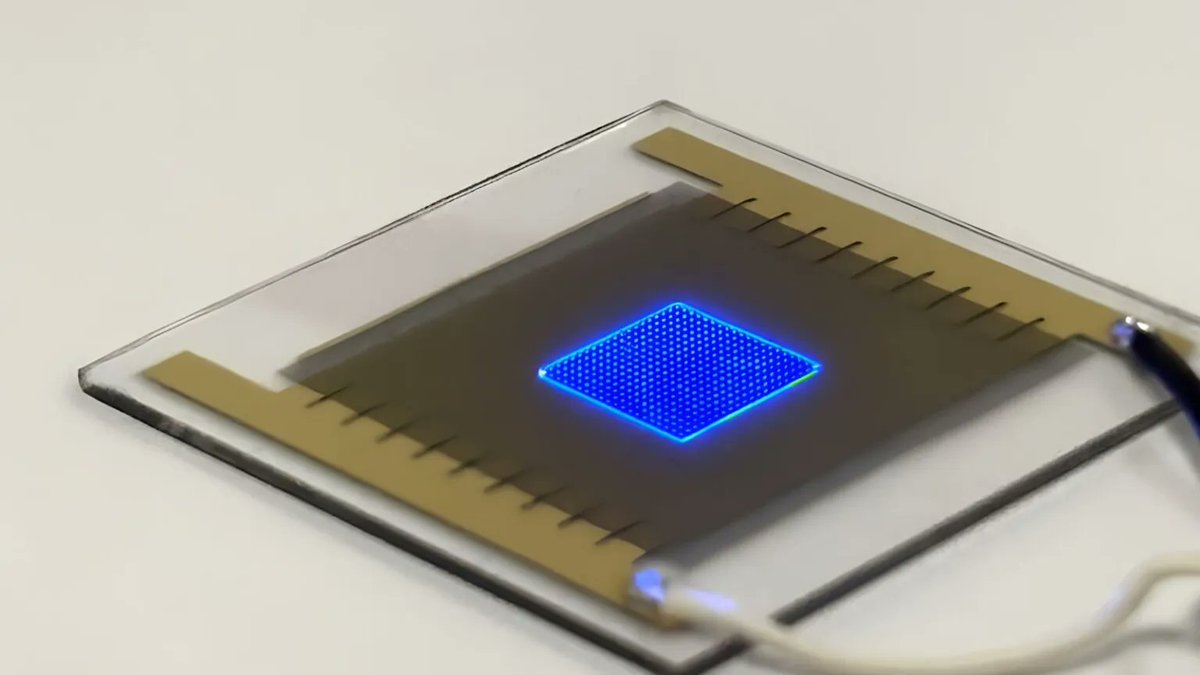
📺🇫🇷 𝗖𝗲𝘁𝘁𝗲 𝗲𝗻𝘁𝗿𝗲𝗽𝗿𝗶𝘀𝗲 𝗳𝗿𝗮𝗻𝗰̧𝗮𝗶𝘀𝗲 𝗺𝗮𝗶̂𝘁𝗿𝗶𝘀𝗲 𝘂𝗻𝗲 𝘁𝗲𝗰𝗵𝗻𝗼𝗹𝗼𝗴𝗶𝗲 𝗾𝘂𝗲 𝗻𝗶 𝗔𝗽𝗽𝗹𝗲 𝗻𝗶 𝗦𝗮𝗺𝘀𝘂𝗻𝗴 𝗻’𝗼𝗻𝘁 𝗲𝗻𝗰𝗼𝗿𝗲 𝗿𝗲́𝘂𝘀𝘀𝗶 𝗮̀ 𝗱𝗼𝗺𝗽𝘁𝗲𝗿 𝗲𝘁 𝗾𝘂𝗶 𝗽𝗼𝘂𝗿𝗿𝗮𝗶𝘁 𝗽𝗲𝘀𝗲𝗿 𝟱𝟬 𝗺𝗶𝗹𝗹𝗶𝗮𝗿𝗱𝘀 𝗱’𝗲𝘂𝗿𝗼𝘀 𝗲𝗻 𝟮𝟬𝟯𝟬 : 𝗹𝗲𝘀 𝗺𝗶𝗰𝗿𝗼𝗟𝗘𝗗
À Grenoble, une entreprise française tente de réussir là où les plus grands géants mondiaux de l’électronique peinent encore à passer à l’échelle industrielle.
Cette entreprise s’appelle Aledia. Depuis plus d’une décennie, elle développe une technologie considérée comme l’un des futurs standards de l’affichage : les microLED. Des écrans capables d’être plus lumineux, plus économes en énergie et beaucoup plus durables que les OLED actuels.
La promesse est immense. Chaque pixel devient une véritable micro-source lumineuse inorganique, offrant une qualité d’image exceptionnelle tout en réduisant fortement la consommation électrique. Apple, Samsung, Sony ou LG travaillent sur le sujet depuis des années, mais la production de masse reste extrêmement complexe.
L’originalité d’Aledia réside dans son approche industrielle. Là où la concurrence fabrique ses microLED sur des substrats plats en saphir, les ingénieurs grenoblois font pousser des nanofils en trois dimensions directement sur du silicium, le matériau utilisé dans l’industrie mondiale des semi-conducteurs. Cette méthode pourrait réduire les coûts de fabrication d’un facteur cinq à dix.
L’entreprise ne vise pas seulement les téléviseurs ou les montres connectées. Avec sa technologie µLink, elle se positionne également sur les futures interconnexions photoniques destinées aux centres de données et à l’intelligence artificielle, un marché qui pourrait devenir encore plus lucratif que celui des écrans.
Dans notre article, on vous explique ce que sont réellement les microLED et pourquoi elles pourraient remplacer les OLED, comment Aledia a développé une approche unique basée sur des nanofils en 3D, pourquoi les géants de l’électronique peinent encore à industrialiser cette technologie, quel rôle joue Grenoble dans cette aventure industrielle française, et comment un marché estimé entre 25 et 60 milliards de dollars pourrait faire émerger un nouveau champion européen des semi-conducteurs.
Notre article complet :
👉 media24.fr/2026/06/14/a-cham…
#France #MicroLED #Aledia #Technologie #SemiConducteurs #Innovation #IndustrieFrancaise #HighTech
5
17
124
14,225

And one to watch, not bet on yet: microLED interconnects— the rumored next generation after this one. Too early to pick a winner, but the industry already planning CPO's replacement tells you how durable this theme is.
1
72

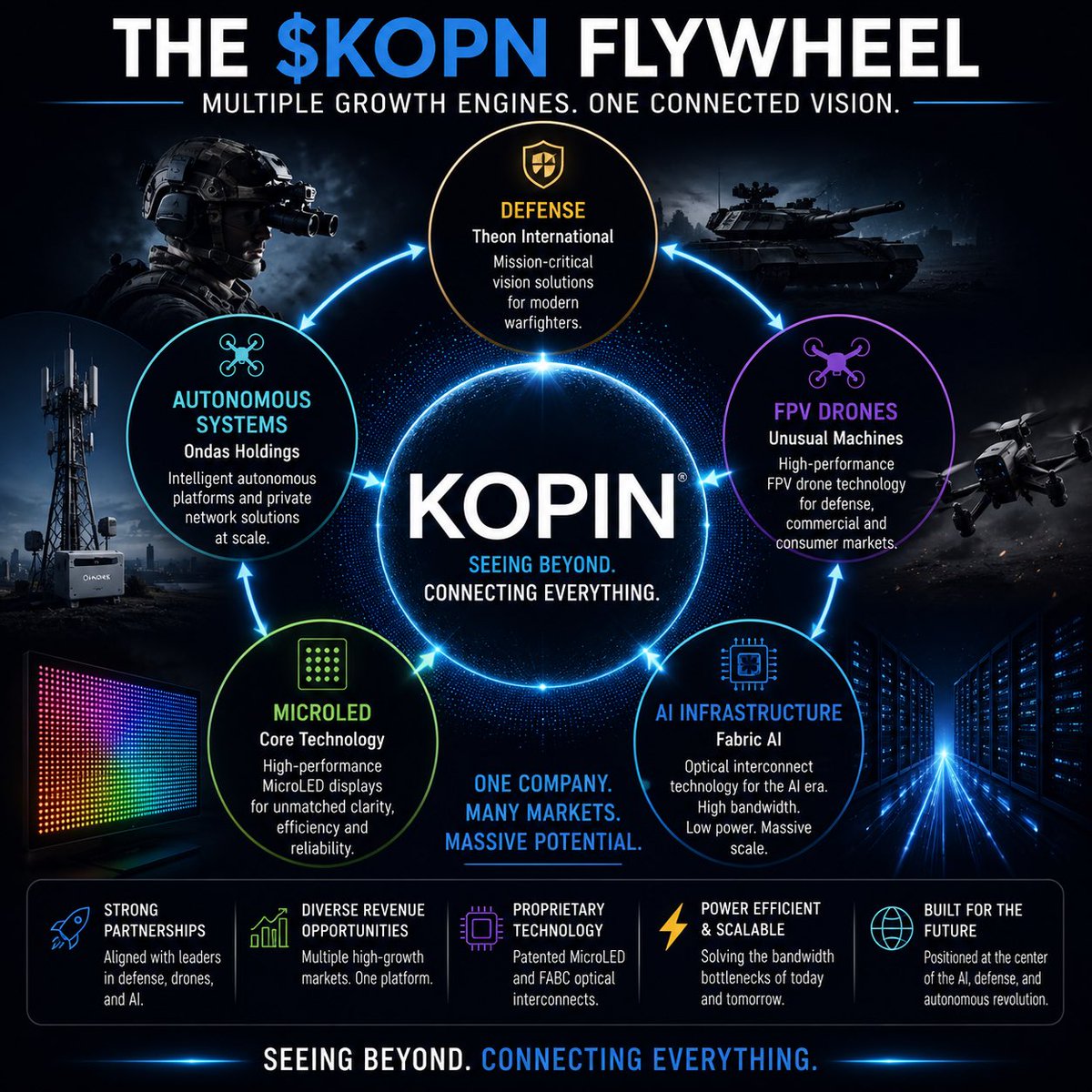
$KOPN update I did last month that shifted the math:
Defense: Platform-agnostic MicroLED displays → potential to supply all 3 competing primes in the $1B US Army SBMC program (direct DoD funding).
AI: Clear 2026 demo 2027 production timeline for Neural I/O interconnects with $FABC ( $KOPN owns 19.9%). $100B TAM potential.
Worth the read and listen. 👇
May 19

Two underappreciated $KOPN angles emerged this week that changed the math for me.
Both came from Michael Murray, one on a $BULL presentation and one in a $FABC press release.
ANGLE 1: Soldier Borne Mission Command (SBMC) is what I see as a platform-agnostic supplier play.
SBMC is a US Army program with a $1B SAM. About 240,000 displays plus night vision goggle enhancements and thermal weapon sites.
Three primes are competing for the program:
@anduriltech (with $META as display partner)
Rivet ($PLTR -backed startup)
@ElbitAmerica $ESLT (partnered with Booz Allen)
Asked directly on the call:
"Does Kopin have the potential to supply all of the primes? The answer is absolutely yes."
That single line is what changed how I see this position.
The traditional defense supplier story is binary for me. You bet on one prime, you win or lose with them.
Kopin's color MicroLED, funded by a $15.4M IBAS award directly from the Department of War, is being designed in with the Army directly, not with any individual prime. So when their tech is ready for insertion, the capability exists to plug into all three.
Three primes competing. The potential for Kopin to be the display layer underneath all of them.
That's the kind of structural setup I look for when I'm trying to find asymmetric exposure in defense.
(2/3 👇)
3
918


13h
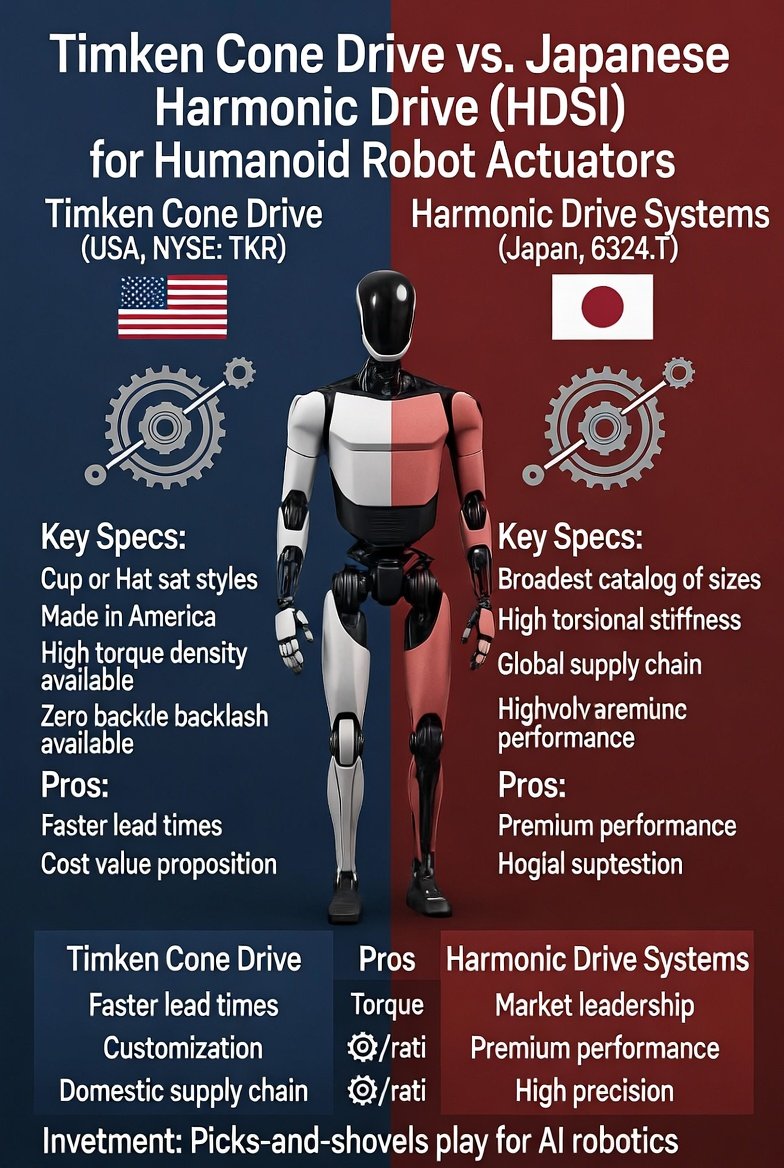
Sooo adding onto @aleabitoreddit masterful deep dives for robotics, physical AI. I like U.S. companies i can invest in.
Timken's Cone Drive, Timken Company, $TKR offers U.S.-made harmonic (strain wave) gearing as a strong domestic alternative to Japan's Harmonic Drive Systems (HDSI, 6324.T / group including Harmonic Drive LLC in the US). Both provide zero/low-backlash, high-reduction-ratio precision reducers ideal for humanoid robot joints, robotics, automation, aerospace, and medical applications.
Core Technology/Performance:
Both use the same fundamental strain wave gear principle (flexspline, wave generator, circular spline) for compact size, high torque density, and precision.
Similarities:
Zero or ultra-low backlash (<1 arc-min or low mRad typical) for excellent positional accuracy and repeatability.
High single-stage ratios (typically 50:1 to 160:1, with some higher options).
Compact, lightweight designs with hollow shaft options in certain configurations.
Configurations: Cup, Hat, and Ring/Pancake styles for flexibility in integration (e.g., robotics joints).
Torque density suited for actuators; both support customization.
Key Differences:
Torque Capacity & Sizes: Japanese Harmonic Drive (HDSI/HD LLC) often leads in peak torque for larger frames (up to thousands of Nm in big units) and broader catalog depth, including miniature and ultra-high-torque options. Cone Drive specs show continuous torque up to ~172 Nm and peak ~750 Nm in common sizes (11–32), with strong performance in cup/hat series.
Stiffness & Durability:
HDSI is renowned for high torsional stiffness, long-life materials (e.g., specialized flexspline treatments), and proven track record in high-cycle robotics (decades of dominance in industrial robots). Cone Drive emphasizes robustness, U.S. manufacturing quality, and testing; users note it as "decent" to competitive, with good integration options (e.g., with motors or cycloidal complements via Timken's Spinea).
Efficiency & Heat:
Both have good efficiency (~70-85% typical for harmonics), but specifics vary by design/load. Harmonics generally trade some efficiency for compactness vs. cycloidal alternatives.
Cone Drive positions its harmonics for lighter-duty humanoid joints (hips, knees, wrists) alongside cycloidal for higher-load axes.
Market Position, Availability & Cost HDSI / Harmonic Drive:
The pioneer and market leader (especially in Japan/Asia robotics OEMs like Fanuc, Yaskawa). Premium pricing, global installed base, and tight integration with robot makers. Strong in high-end, high-volume production. U.S. subsidiary (Harmonic Drive LLC) provides local support.
Cone Drive (Timken): Smaller but growing player Tier 3-ish in some rankings, focused on U.S./domestic supply chain advantages. Often more competitive on lead times (2-4 weeks standard), customization, and "Made in America" for reshoring/defense/humanoid projects.
Price: Japanese originals typically command a premium; Cone Drive may offer better value for U.S. customers needing shorter supply chains.
Timken (TKR): Direct U.S.-listed exposure. Industrial Motion segment (including Cone Drive, Spinea, Rollon, recent CGI) drives growth in automation/robotics/humanoids. Strong balance sheet, dividends, and diversification beyond harmonics (bearings, etc.). Robotics exposure has shown double-digit CAGR internally since Cone Drive acquisition (2018).
HDSI (6324.T / OTC: HSYDF): Pure-play harmonic leader with robotics tailwinds but more Japan/Asia-centric and subject to currency/competition from Chinese players (Leaderdrive, etc.).
Bottom Line: Choose HDSI for proven highest-end performance and robot OEM incumbency. Opt for Cone Drive/Timken for U.S. sourcing, solid precision, faster/custom support, and broader Timken ecosystem—especially appealing for domestic humanoid scaling or defense.
#physicalAI #robotics #AI #memory #microLED
1
110


Wall Street is mispricing the $FABC pivot because they are looking at the wrong math. The market sees a $19M micro-cap with a history of bizarre corporate shifts, completely ignoring the $30M pro forma cash pile and an exclusive global monopoly on MicroLED optical interconnects. If their 3.6 TB/s prototype succeeds in late 2026, it fundamentally breaks the thermal and speed bottlenecks of legacy silicon photonics in AI clusters. Here is the hidden truth behind the massive 400% dilution overhang and why this is the highest-beta binary bet in semiconductors today. ⚡🔬 #Semiconductors #AI
auth.flash.stocksentinel.ai/…
131

MicroLED TVs are destined to fail - here's why
bit.ly/4ekrsUb
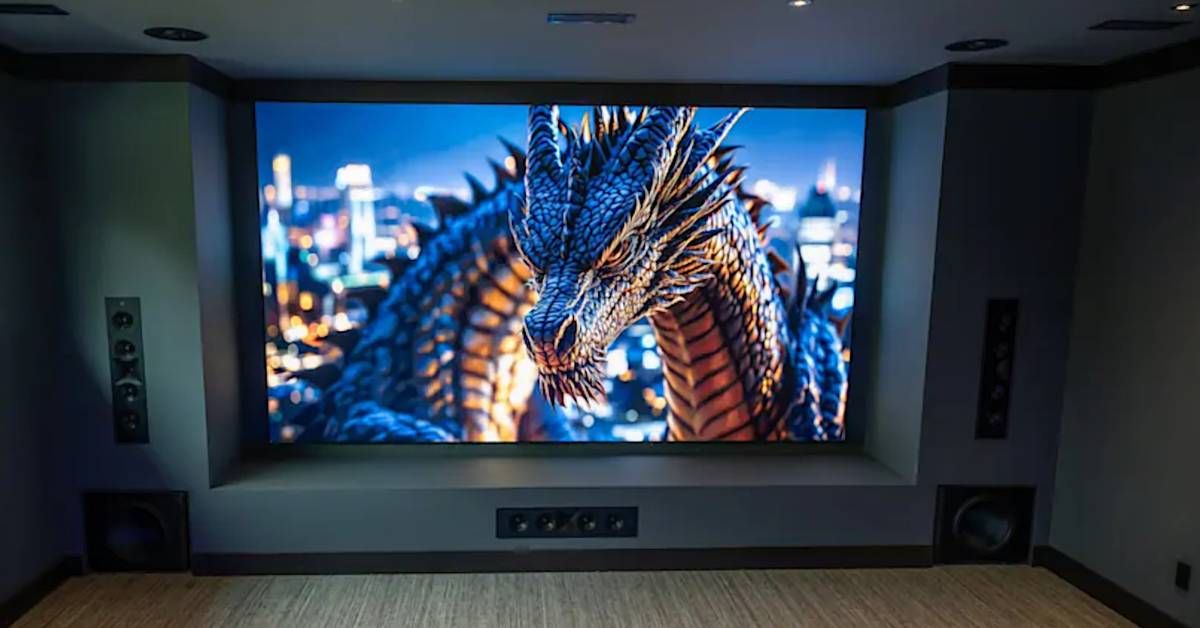
ALT MicroLED TVs are destined to fail - here's why
208

Why do the newest AR glasses run on 30-year-old LCoS technology instead of MicroLED? 🕶️
It comes down to six layers of hidden bulk. A MicroLED chip itself is microscopic, but the engines currently require heavy heat sinks, memory boards, and complex glass prisms that make them too large for normal frames.
Discover the exact engineering math behind the AR display war and how new factories from Foxconn and JBD are building the single-chip future for 2028. 🏭💡
$AAPL $META
open.substack.com/pub/thinki…
21



Jun 13
Absolutely once I got OLED, LCD tech joined the likes of CRT and plasma obsolete, only microled and nanoled will be considered whenever they launch in the next 5 years or so.
4
1,657

🇯🇵2026年6月第2週(2026/6/7~14)の週間XRニュースヘッドライン。 #XRニュース #XRnews
orecen.com/x-reality/xr-news…
【今週の注目トピック】
✅韓国ETRI、XRデバイス向けマイクロLED製造技術を開発
✅NTTドコモ、体験型MR技術の実証実験を開始
✅RobloxでサッカーW杯連動イベント開始
🇺🇸Weekly XR News Headlines: June 6 - 14, 2026
【Weekly Highlights】
✅ETRI unveils microLED manufacturing technology for XR devices
✅NTT DOCOMO begins testing immersive MR technology
✅Roblox launches FIFA World Cup-themed event
120
Oliver retweeted

May 3
$ORCL - Scaling model-agnostic AI data center capacity
$KOPN $FABC - Revolutionary MicroLED Optical Interconnect tech for AI Data Centers
Apr 30

Money is starting to flow downhill - a critical observation for the next few years.
The Mags may make all the money but they are spending it faster than they can make it.
Their free cash flows are cratering.
Best to follow the money and see who’s getting it. In this case, it’s following the AI trade and, more specifically, the data center and power economies.
Make money from capital light business models like ads and software, then redirect it to asset heavy, traditional infrastructure companies.
A complete reversal from the last 20 years is underway.
2
21
3,977
Gloria Santos retweeted

Jun 11
This. $FABC working on the leading MicroLED interconnect while the AI companies about to spend a trillion dollars on AI infrastructure. $CRDO and $ALAB have $40B market caps with worse technology. Excited to be early.
Jun 11

$Fabc was added to the regsho list on June 5. Based on the FTD minimum of 0.5% of the float and dilution to 4.8m shares there is likely about 24,281 shares that could be forced to buy in before the mandatory closeout window of June 24. (Or an amount more than that to bring it under the 24,281 failures).
Locked float is 3.4m of Series K and institutional ownership which makes this interesting, that leaves about 1.46m shares tradable.
To avoid the mandatory buy-in clock (June 24th) there could be purchases June 15-June 17 to settle the FTDs.
Things hardly ever workout like this but let’s see if volume spikes, FTDs or borrow rates early next week.
@jaltucher
6
5
26
6,926

Jun 12
Hi Jimmy, Do you have any view on microLEDs? Credo acquired a microLED fire and mediatek was quite bullish on it too. Would that be a possible transitionary tech?
1
36