Launch a Smarter Mobile App with Integrated AI 🚀
Professional mobile app development using React Native and Flutter with AI features, modern UI, and scalable performance.
go.fiverr.com/visit/?bta=221…
#MobileAppDev #AI #ReactNative #FlutterDev #AppDevelopment

17

Jun 12
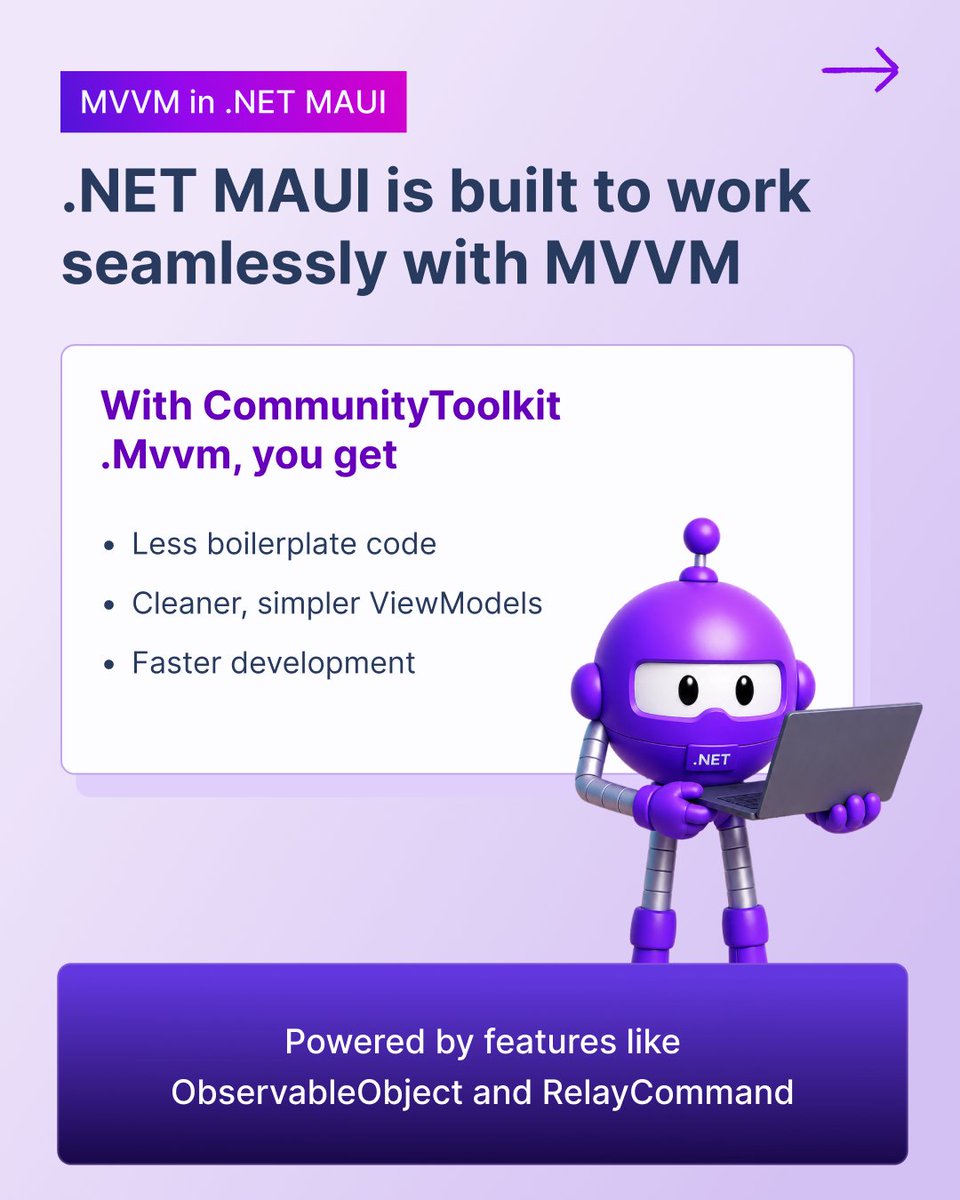
One of the biggest myths about clean architecture:
“Too much boilerplate.”
In practice, modern tooling removes most of the setup so teams can focus on building and not wiring.
#DotNETMAUI #CSharp #MobileAppDev
1
23

Jun 10
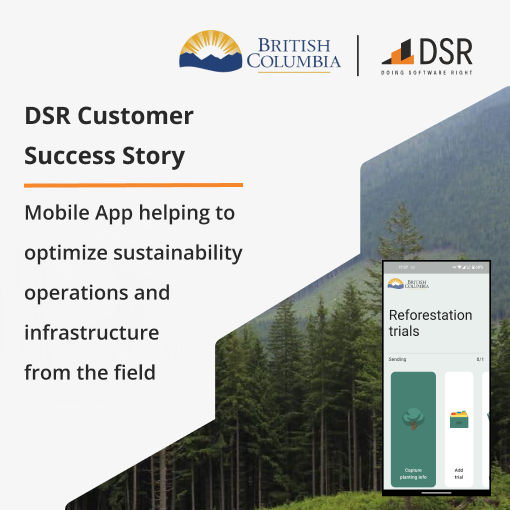
Integrated Apps with Proven Performance!
You can find DSR’s mobile apps supporting systems across industries including smart homes, consumer electronics, media production platforms, sustainability operations, and more.
To gain a sense of DSR’s mobile app capabilities and the real-world impacts they provide, take a look at our work with the @bcgov, which delivered a new mobile app to enhance their sustainability efforts: en.dsr-corporation.com/proje…
#MobileAppDev #SmartHomeApps #ConsumerApps #MediaProductionApps #BCGov
4

Jun 10
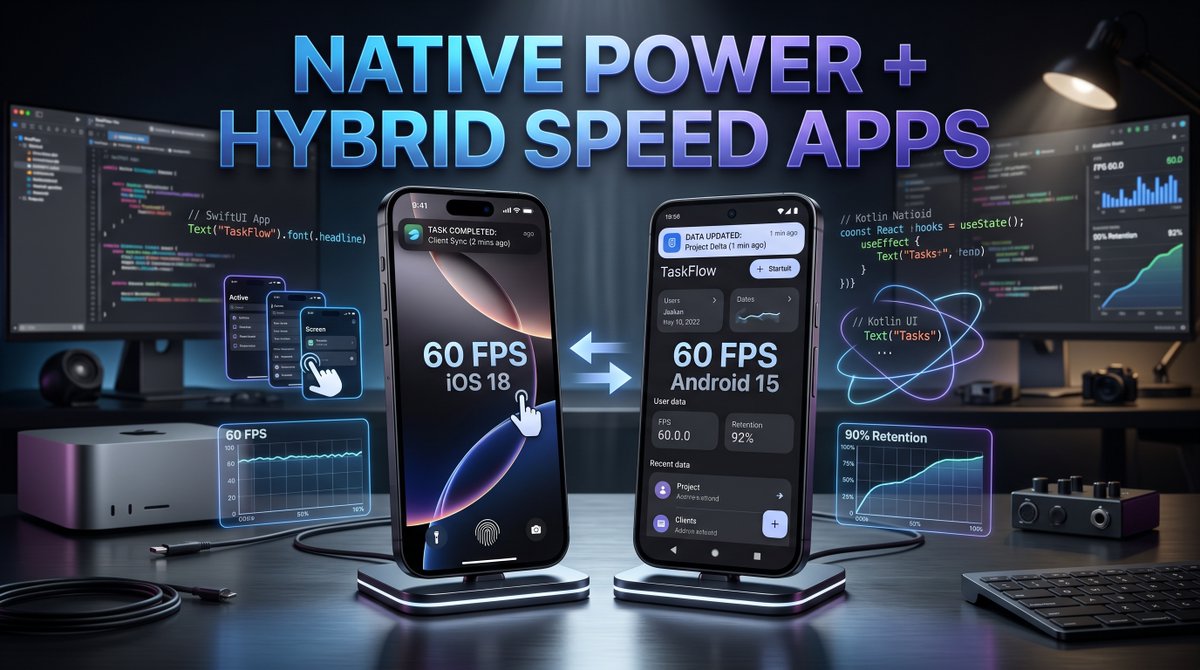
iOS/Android Apps 2x Faster!
Native Swift/Kotlin or hybrid React Native.
Pixel-perfect, crash-free performance.
Get Mobile App: go.fiverr.com/visit/?bta=221…
#MobileAppDev #ReactNative #iOSDev
31
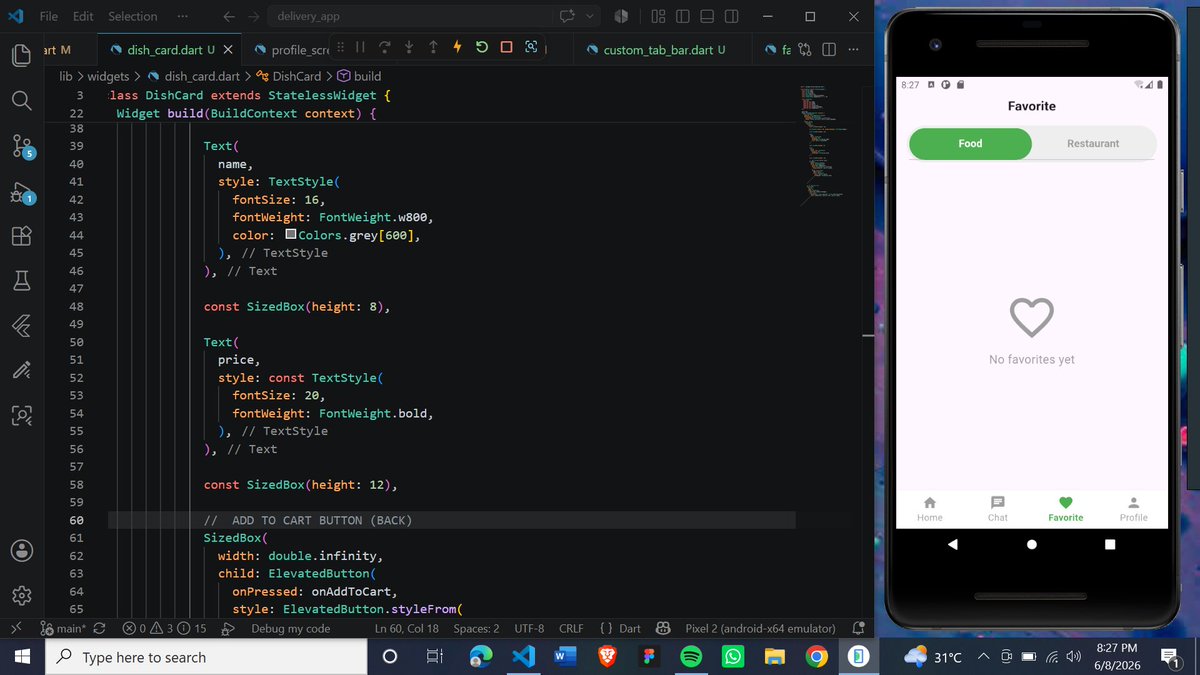
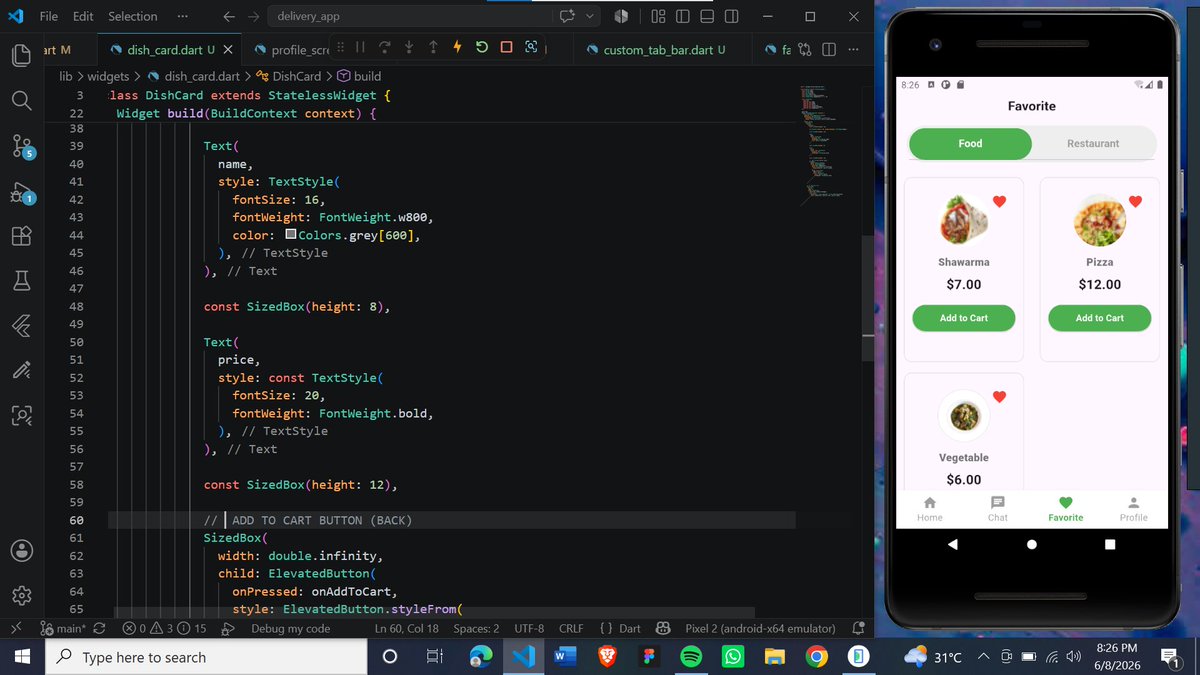
Now users can manage favorites easily inside the app.
More features coming soon as I build my food delivery app 🚀
#Flutter #BuildInPublic #UIDesign #SoftwareEngineering #MobileAppDev
1
59
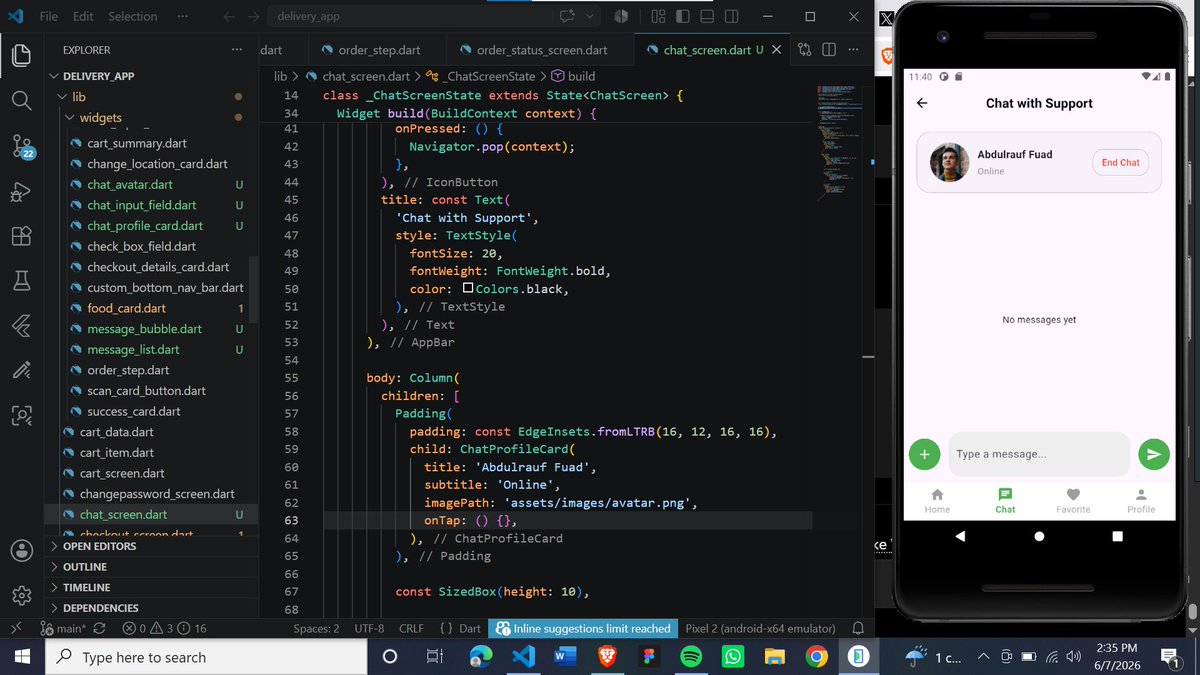
Just added a Chat with Support feature to my delivery app — ExpressFeast 💬🍔
Built with Flutter Firebase:
✔ Real-time messaging
✔ Message input send button
✔ Attachment button for future media support
Still improving the experience 🚀
#Flutter #Firebase #MobileAppDev
3
66
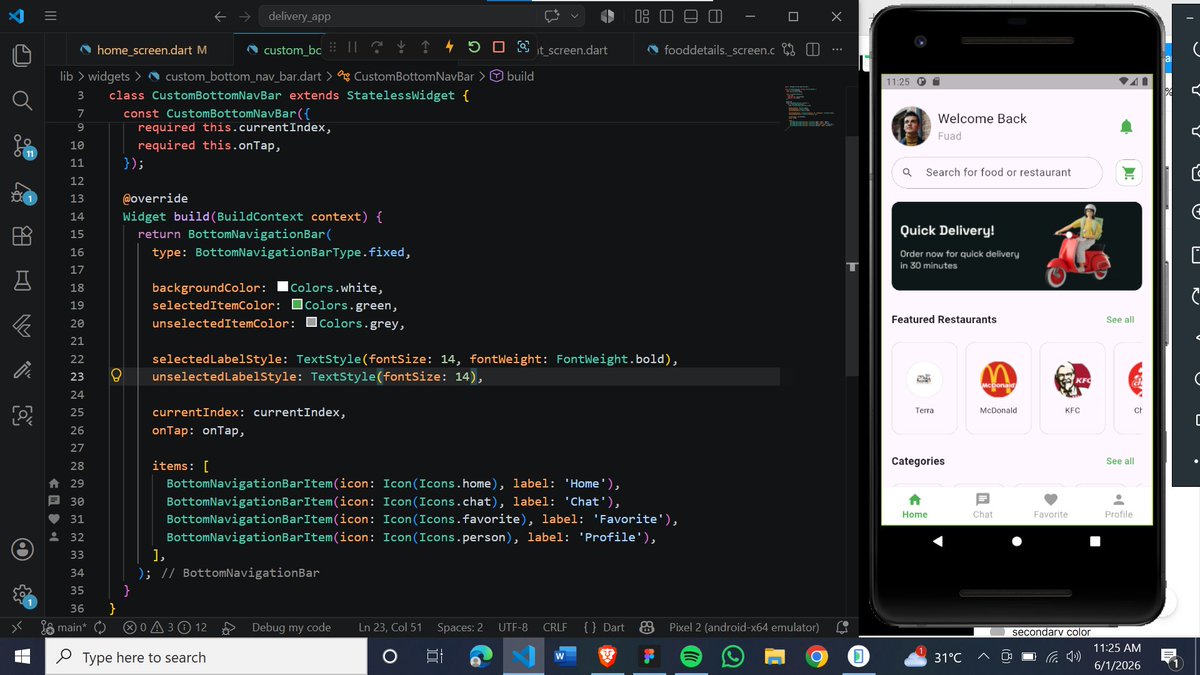
Happy new month, techies 🚀
May this new month bring growth, clarity, and favor to all of us building and learning tech in public. Let’s keep shipping and improving 💻✨
#Flutter #SoftwareEngineering #MobileAppDev #NewMonth
2
42

May 30
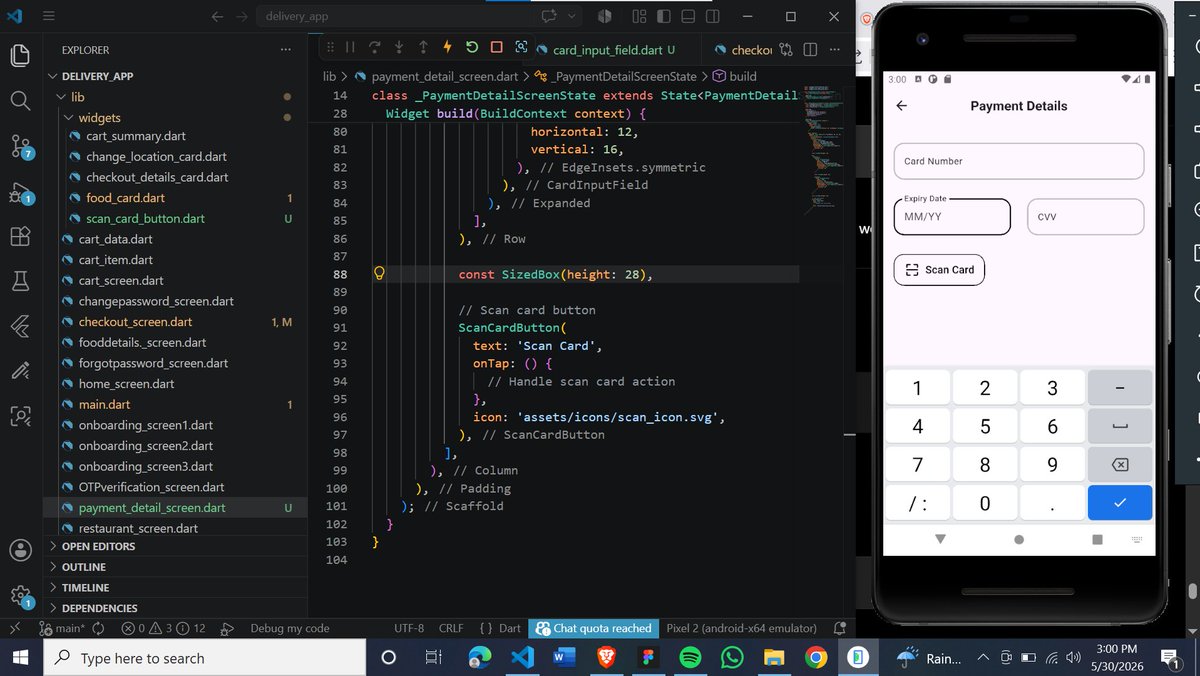
how is your weekend going?? Here is how mine is going🔥
#flutter #softwareengineering #mobileappdev #paymentdetailspage
1
3
69
May 29
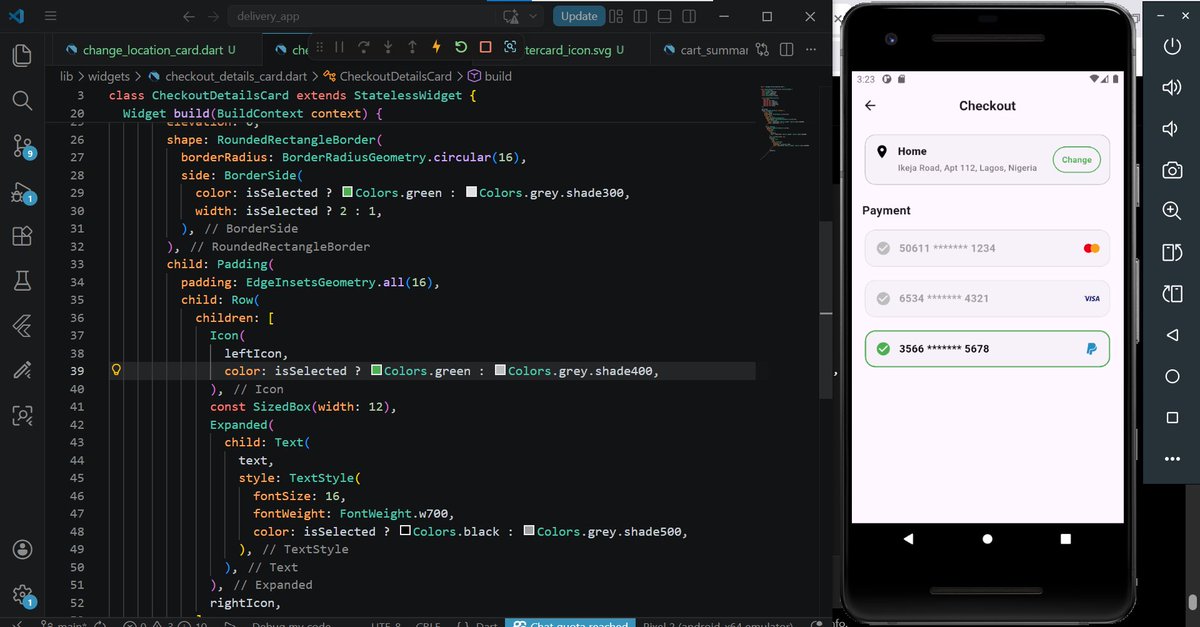
The Checkout page is almost completed
#Flutter #FlutterDev #MobileAppDev #SoftwareEngineering #checkoutPage #FoodDeliveryApp
3
113

May 28
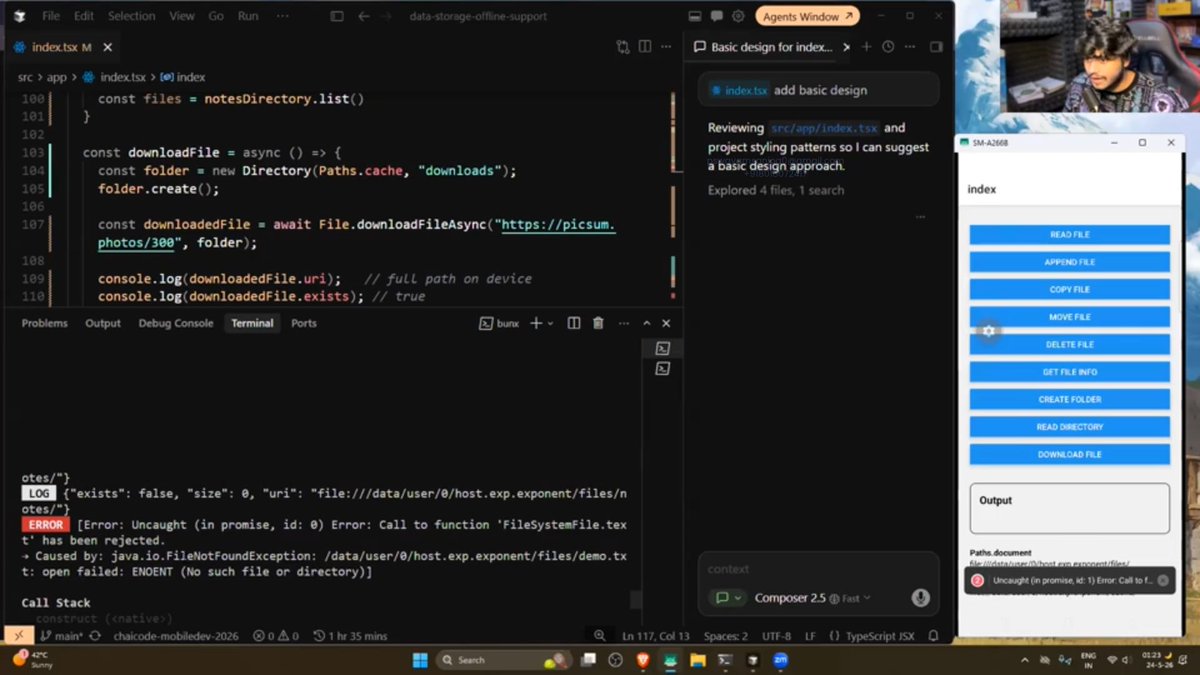
🚀 Day 8 Mobile App Development📱
Mastered the 4 pillars:
🔑 AsyncStorage (Settings)
🗄️ SQLite (Complex data)
🔒 SecureStorage (Tokens/Auth)
📂 File System (Media/Images)
Building fast, offline-first apps! 🔥
@surajtwt_ @Hiteshdotcom @nirudhuuu @ChaiCodeHQ
#MobileAppDev

4
49
May 28
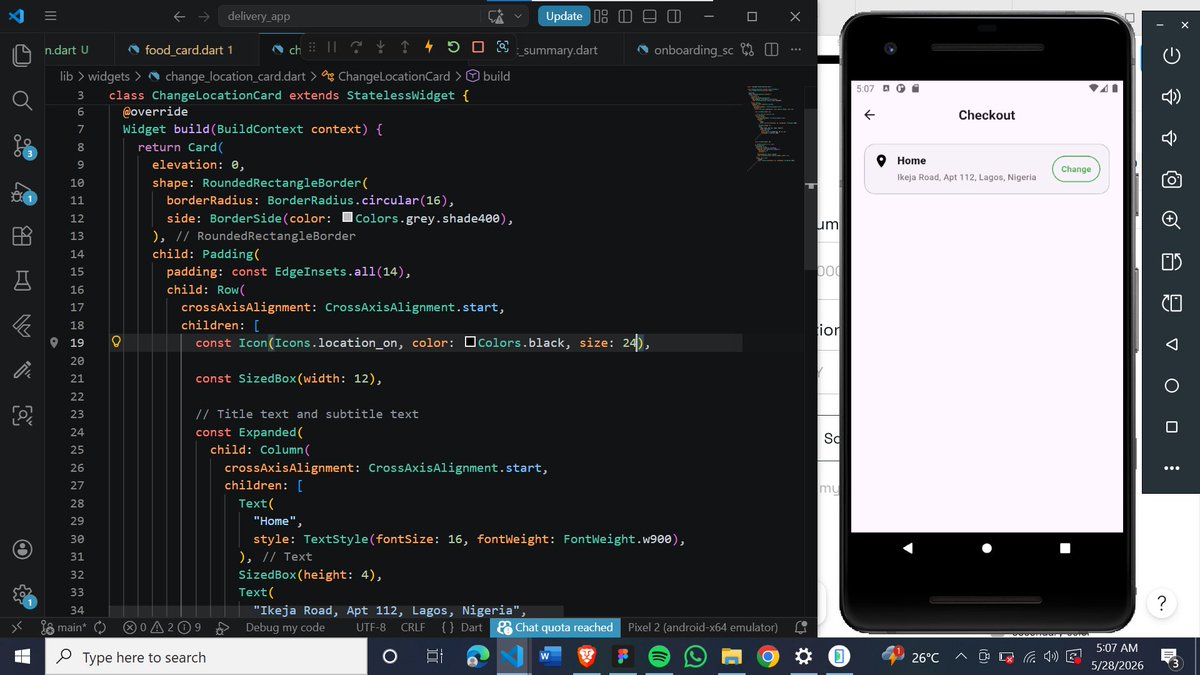
My checkout page is coming out clean, tho it’s still a work in progress 🚀 so watch out for the complete pager
#flutter #FlutterDev #MobileAppDev #CheckOutPage #FoodDeliveryApp #SoftwareEngineering
1
3
127

May 20
Flutter Tip 💡
Wrap your screen with SafeArea() to avoid content going behind the notch or status bar.
It helps your UI look clean on all devices.
Simple fix that improves user experience 📱
#MobileAppDev #UIUX #Flutter #AppDev #FlutterDev #safearea
2
27

May 11
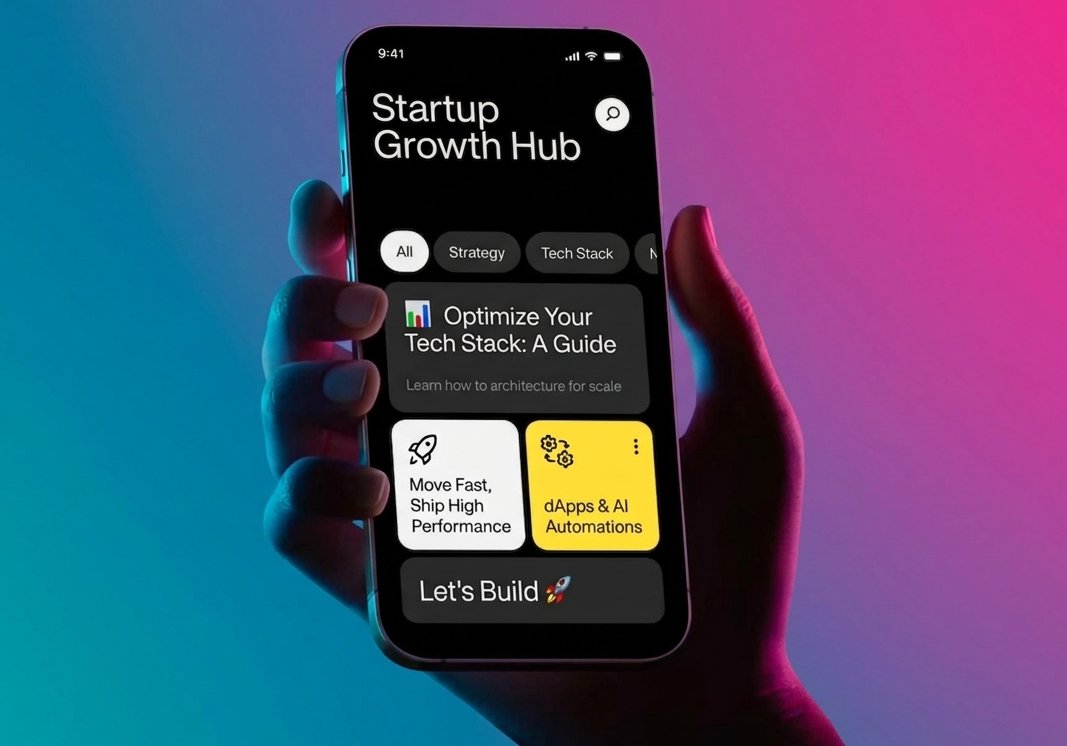
Is your mobile app lagging during startup?
In 2026, users expect sub-second load times.
Quick tip: Audit your third-party SDKs and move heavy computational tasks to Edge AI. You’ll save on server costs and boost performance instantly.
#MobileAppDev #TechTips #Startups
2
7

Go native for peak performance! 📱 We develop platform-specific Android & iOS apps with intuitive designs and secure architectures. Boost your engagement with a seamless mobile experience.
#NativeApps #MobileAppDev #iOS #Android #Coding #TechInnovation

1
15

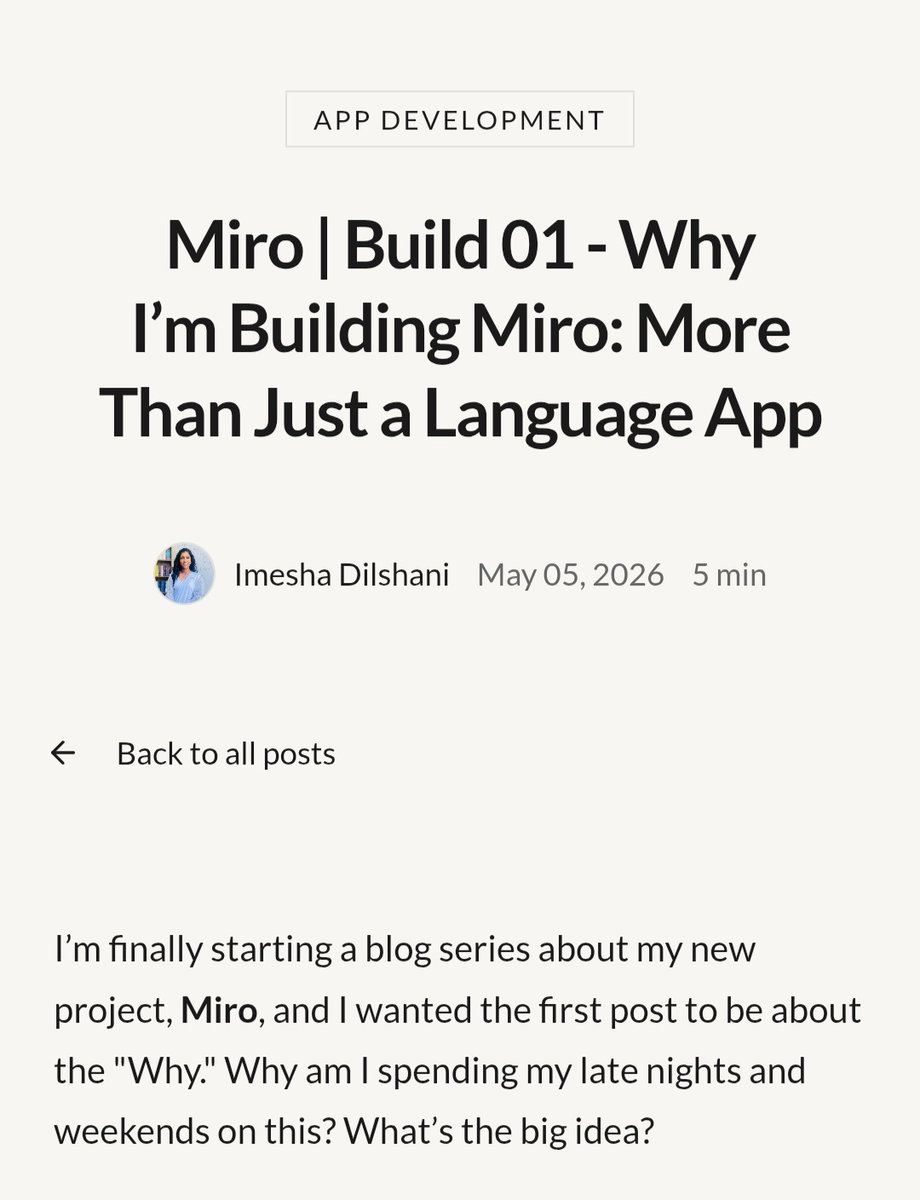
Day 41 of #BuildInPublic | Road to $1k MRR 🚀
Writing about why I'm building Miro and my journey as a dev.
Check out the first post here: imesha.dev/writes/[slug]/?nx…
#BuildInPublic #Miro #MobileAppDev

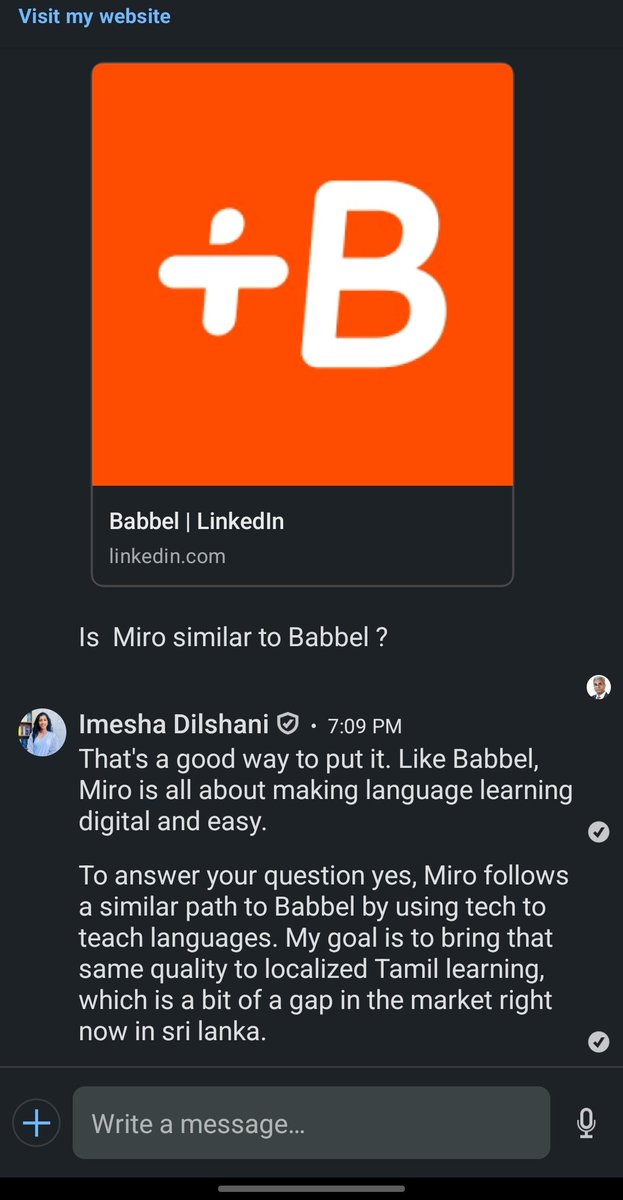
Day 40 of #BuildInPublic | Road to $1k MRR 🚀
Today’s Progress:
- Coding is done; marketing is the new mission.
- Pushing Miro out to the world and focusing on content distribution.
The transition from dev to founder is officially in full swing!
3
140

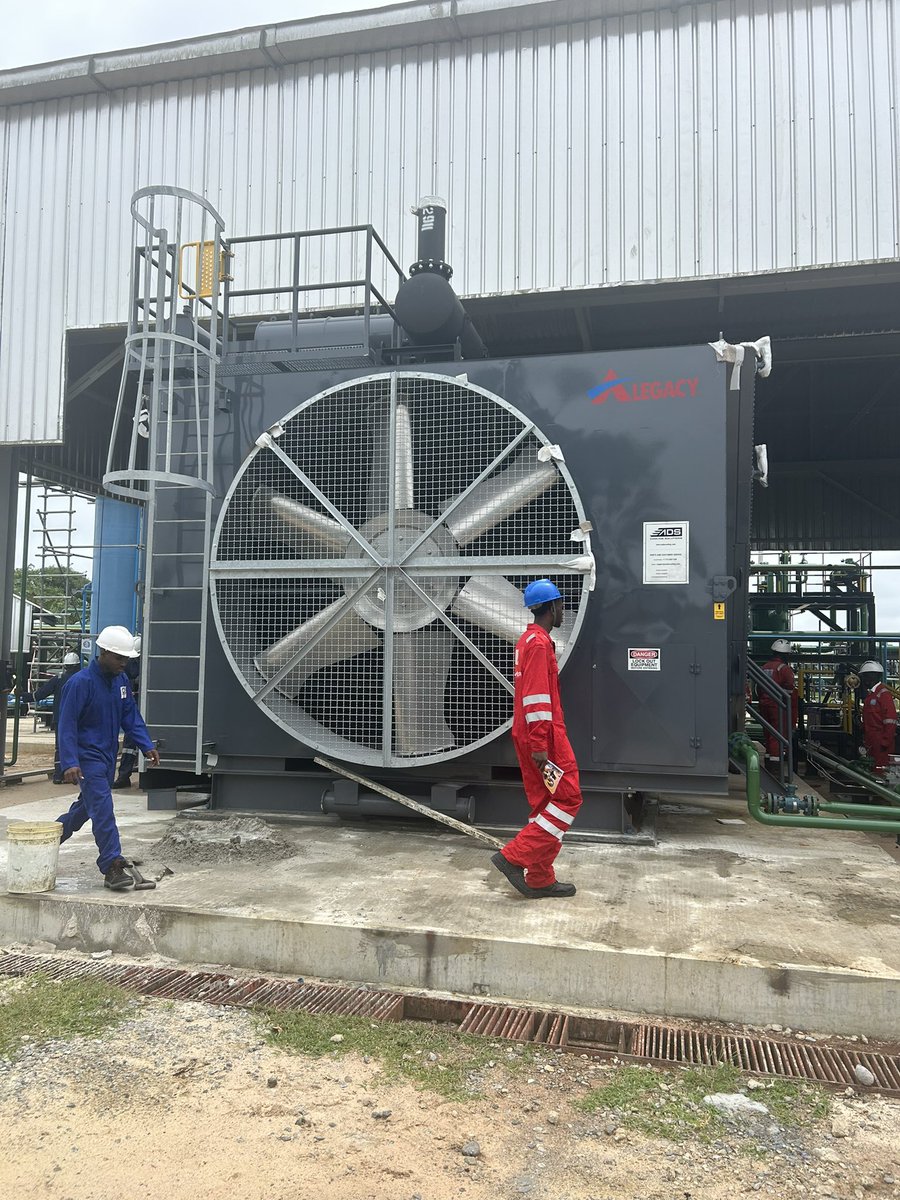
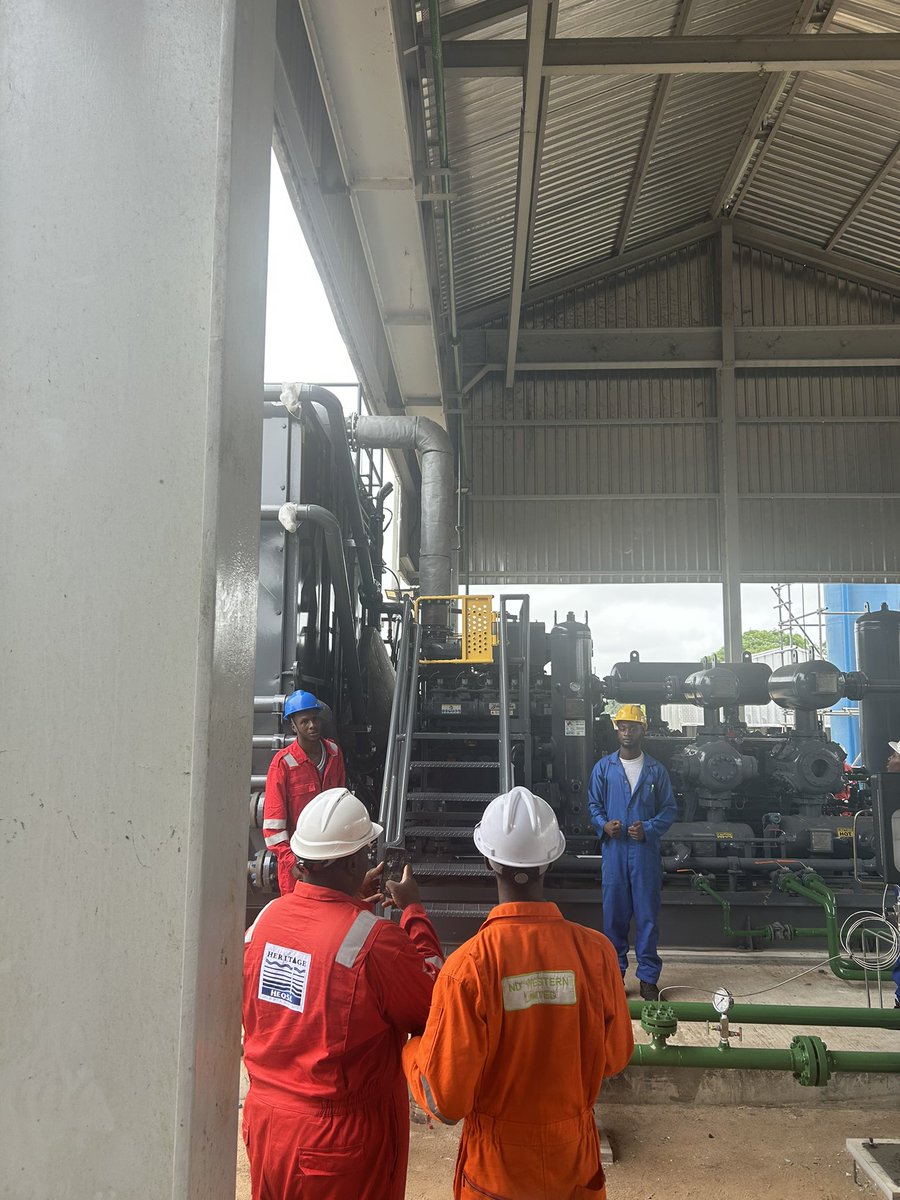
I no know wetin computer science student Dey find for oil and gas sector, but one thing I start to observe be say tech Dey everywhere, no believe say ur options Dey limited. Grow, expand!!
@Shell @nnpclimited @NDDCOnline
#technalogia #oil #mobileappdev
6
96

Building a custom header that feels "native" in React Native is notoriously difficult. You either stick with the rigid defaults provided by navigation libraries, or you build a custom component and spend days fighting to get the scroll sync and screen transitions to look fluid. It’s a classic trade-off between stability and customisation that often leads to janky animations.
𝗿𝗲𝗮𝗰𝘁-𝗻𝗮𝘁𝗶𝘃𝗲-𝗵𝗲𝗮𝗱𝗲𝗿-𝗺𝗼𝘁𝗶𝗼𝗻 just hit 𝘃𝟭.𝟬.𝟬, and it’s a complete shift in how we handle these complex UI patterns. Instead of fighting against the navigation stack, it introduces a way to bridge the gap between your content and the header area with precision.
𝗪𝗵𝗮𝘁’𝘀 𝗻𝗲𝘄 𝗶𝗻 𝘁𝗵𝗶𝘀 𝗿𝗲𝗹𝗲𝗮𝘀𝗲?
➡️ 𝗖𝗼𝗻𝘁𝗲𝘅𝘁-𝗙𝗶𝗿𝘀𝘁 𝗛𝗲𝗮𝗱𝗲𝗿 𝗔𝗣𝗜 — A redesigned architecture that uses React context to manage header state. This makes it much easier to update header elements based on what’s happening deep inside your screen's component tree without messy prop drilling.
➡️ 𝗘𝘅𝗽𝗹𝗶𝗰𝗶𝘁 𝗡𝗮𝘃𝗶𝗴𝗮𝘁𝗶𝗼𝗻 𝗕𝗿𝗶𝗱𝗴𝗶𝗻𝗴 — The library now explicitly bridges with the navigation state, ensuring that as you swipe between screens, the header transitions are perfectly synchronised with the native navigation animation.
➡️ 𝗕𝗲𝘁𝘁𝗲𝗿 𝗣𝗲𝗿𝗳𝗼𝗿𝗺𝗮𝗻𝗰𝗲 — Significant internal refactors have reduced the overhead of tracking scroll positions and state changes, delivering much smoother motion even in complex layouts.
𝗪𝗵𝘆 𝗶𝘁 𝗺𝗮𝘁𝘁𝗲𝗿𝘀?
For a long time, achieving that polished "Apple-style" large header that morphs and moves was reserved for apps with massive engineering teams. With the 𝘃𝟭.𝟬 milestone, 𝗿𝗲𝗮𝗰𝘁-𝗻𝗮𝘁𝗶𝘃𝗲-𝗵𝗲𝗮𝗱𝗲𝗿-𝗺𝗼𝘁𝗶𝗼𝗻 makes these high-end interactions accessible to everyone, providing a stable, performant foundation for design systems that need to stand out.
#ReactNative #MobileDev #UIUX #OpenSource #JavaScript #TypeScript #Animations #Navigation #HeaderMotion #SoftwareEngineering #DevTools #MobileAppDev
2
7
95
9,207

Apr 4
💪 React Native Apps: From beginner to pro
New comprehensive guide covering:
✨ Core concepts
🔧 Practical examples
⚡ Performance tips
🎯 Best practices
Dive in 👇
🔗 kubaik.github.io/react-nativ…
#MobileAppDev #TechTwitter #techtrends #programming #ReactNative
2
29
Mar 28
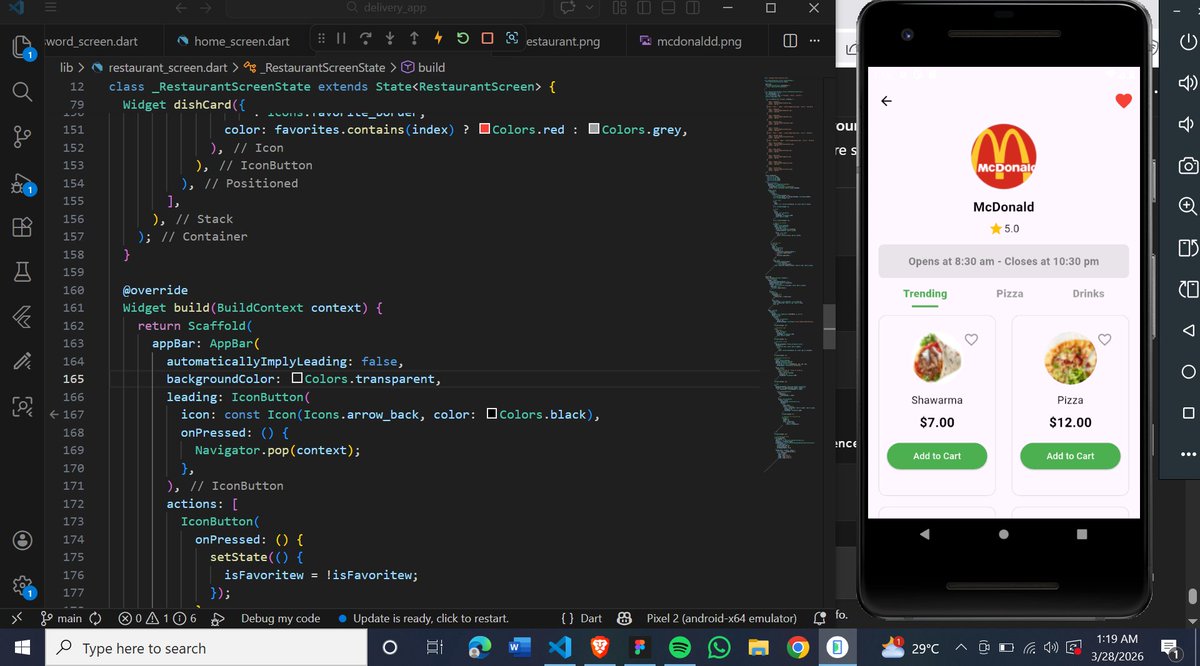
Implement restaurant screen UI including for my food delivery app I'm building currently with flutter
- big restaurant avatar
- name, rating, and opening time
- category tabs
- trending dishes grid with favorite functionality
#flutter #mobileappdev #fooddeliveryapp
1
2
54

Mar 9
Day 6 of #100DaysOfCode
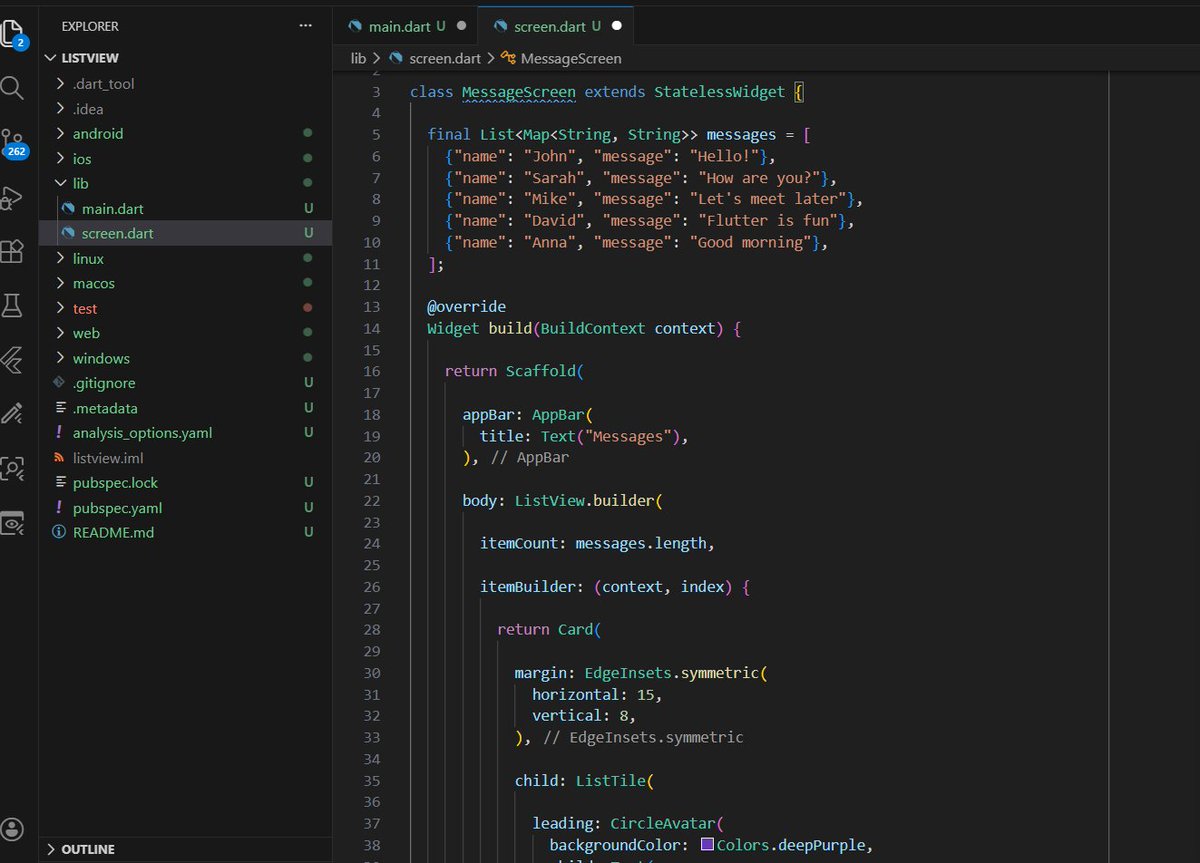
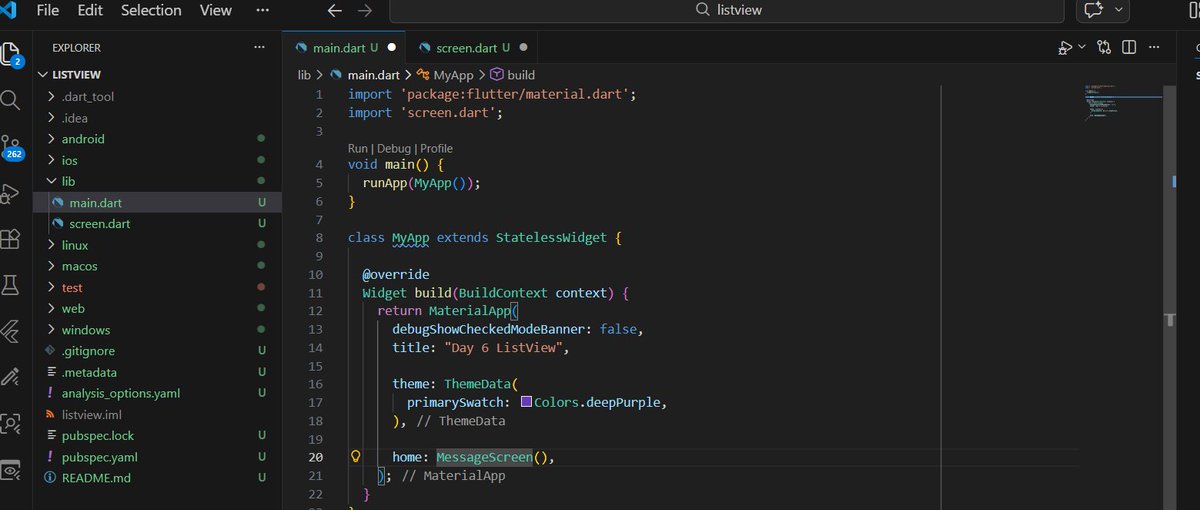
A scrollable lists using ListView.builder().
#100DaysOfFlutter #100DaysOfCode #Mobileappdev
1
1
2
18