
🧘♂️💧 2026 MORNING MOBILITY RESET: Why You Feel Stiff & “Glued” When You Wake Up — The Natural Movement Hack That Helps Rehydrate Your Fascia
Do you wake up with a stiff lower back, cracking shoulders, or a neck that feels decades older than you are?
It’s not just tight muscles.
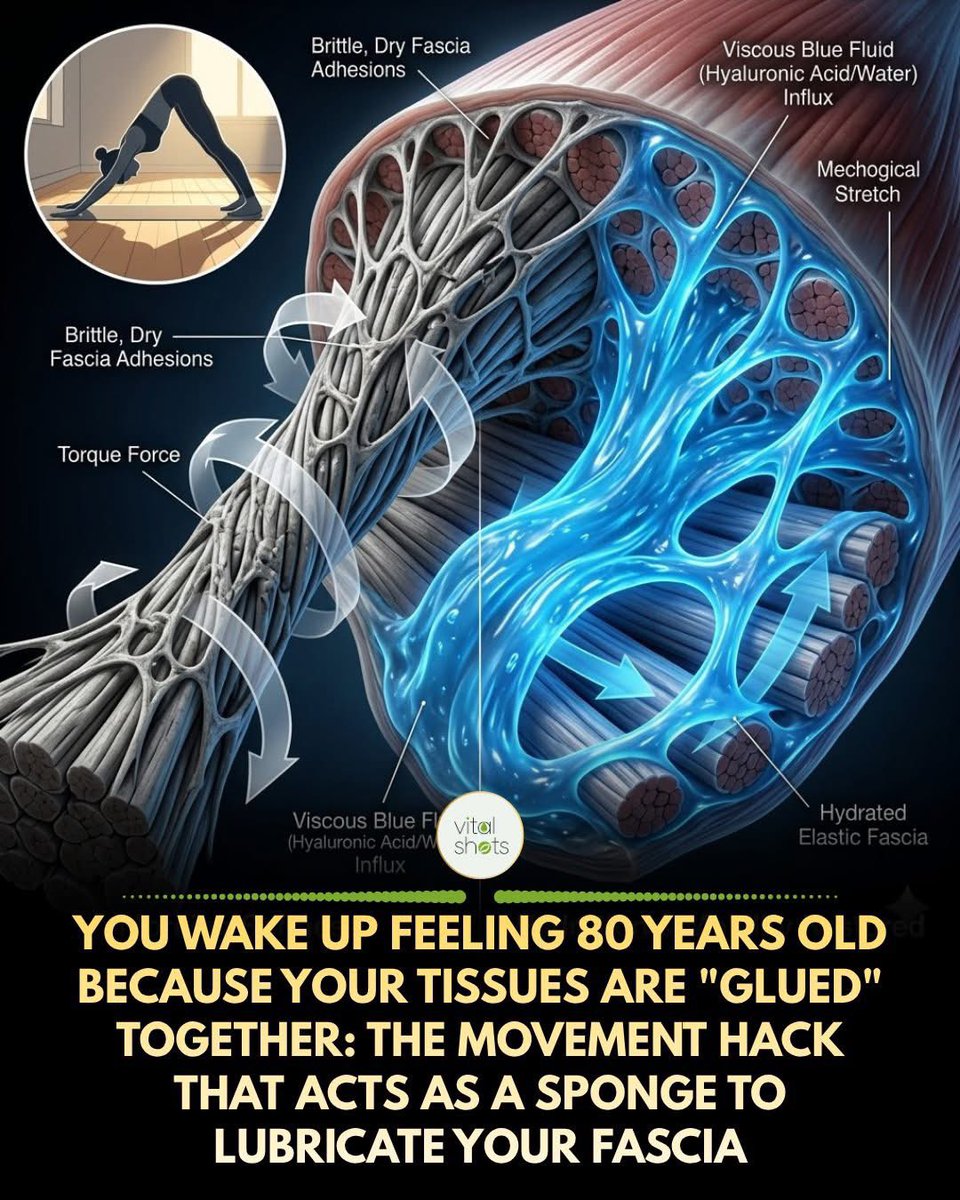
Your body is wrapped in a continuous web of connective tissue called fascia. This 3D network surrounds muscles, organs, and nerves, and it relies on movement to stay hydrated and glide smoothly.
During 8 hours of sleep, with little movement, the fluid inside the fascia (including hyaluronic acid, a natural lubricant) can become thicker and more viscous. This can lead to temporary adhesions and that “glued” feeling, making you move less freely in the morning.
The Simple Fix: Pandiculation
Animals like dogs and cats instinctively do this every time they wake up: a big yawn combined with active stretching and contraction, followed by a slow release. This is called pandiculation.
It works like a natural pump for your fascia. By actively tensing muscles (creating gentle torque and stretch) and then slowly releasing, you help encourage fluid movement and restore better glide between tissue layers. Fascia research describes it as supporting the viscoelastic properties of connective tissue and acting as a sensory-rich system that responds well to this type of movement.
Unlike forcing a cold static stretch (which can sometimes feel uncomfortable on dehydrated tissue), pandiculation uses your body’s own contraction-relax pattern to gently re-engage the tissues.
⚡ 2026 VitalShot Protocol – The In-Bed Fascial Reset
Try this before your feet hit the floor:
1Lie in bed and take a deep breath in. Reach your arms overhead, point your toes, and gently tense as many muscles as you can for 3–5 seconds (full-body pandiculation).
2Slowly exhale and fully release the tension, letting your body melt back into the mattress.
3Get up, drink a large glass of warm water (add a pinch of sea salt if you like for better hydration), then spend 5 minutes on gentle dynamic movement such as sun salutations or flowing yoga.
Many people notice smoother, more comfortable movement throughout the day after making this a habit.
Would you give this quick animal-inspired reset a try tomorrow morning? Drop a 🧘♂️ below if you often wake up stiff, and tag a friend who could benefit from better daily mobility!
#FasciaHealth #Pandiculation #MorningStiffness #MobilityHack #Yoga #Biohacking2026 #MovementMedicine #JointHealth
📚 VERIFIED SOURCES & VIDEOS
Key Research
•Pandiculation for myofascial integrity (Bertolucci, Journal of Bodywork and Movement Therapies, 2011): sciencedirect.com/science/ar…
•Fascia as a sensory organ (Schleip et al., Journal of Bodywork and Movement Therapies): Overview of fascia’s mechanoreception and fluid dynamics.
•Hyaluronan in fascia, hydration, and densification mechanisms: pmc.ncbi.nlm.nih.gov/article… and related reviews on connective tissue viscoelasticity.
•General fascia science and movement: ncbi.nlm.nih.gov/books/NBK49…
•“Fascia Strength Series Ep2 | Fascial Hydration” (explains hydration and pandiculation clearly): youtube.com/watch?v=i1kVIFcx…
•“Better Than Stretching? Discover Pandiculation For Pre/Post-Workout Relief” (practical comparison and routine): youtube.com/watch?v=zAU6DLVZ…
•“3-Minute Morning Fascia Reset for Stiffness After 40” (quick guided pandiculation): youtube.com/watch?v=7Q_qZtzX…
•“Morning Fascia Reset: Feel Better in 10 Minutes” (simple daily routine): youtube.com/watch?v=ncnVXxdn…
Fascia is a dynamic tissue that responds well to movement. Pandiculation is a natural pattern that supports tissue glide and mobility for many people.
Results vary depending on your age, activity level, and consistency.
This post is for informational and discussion purposes only.
What’s your favorite way to shake off morning stiffness?
Share below! 🧘♂️💧
13
44
2,350

16 Jun 2025
Buy a home in Cyprus, get a passport to Europe.
No borders. No waiting. Just access.
From Limassol to London — one investment opens all doors.
#GoldenPassport #SecondCitizenship #Cyprus #WealthMoves #EUAccess #MobilityHack #Geopolitics
2
17

31 Jul 2019
Due to over whelming intrest and requests, we have decided to reopen the application and extend the deadline to Friday 2nd August 2019. Apply now and inspire to innovative.
#Sensitechhub #hackathon #innovation #SierraLeone #mobilityhack #urbanmobility

2
3

29 Mar 2019
This is brilliant! 🚲🛴👇 #mobilityhack
29 Mar 2019

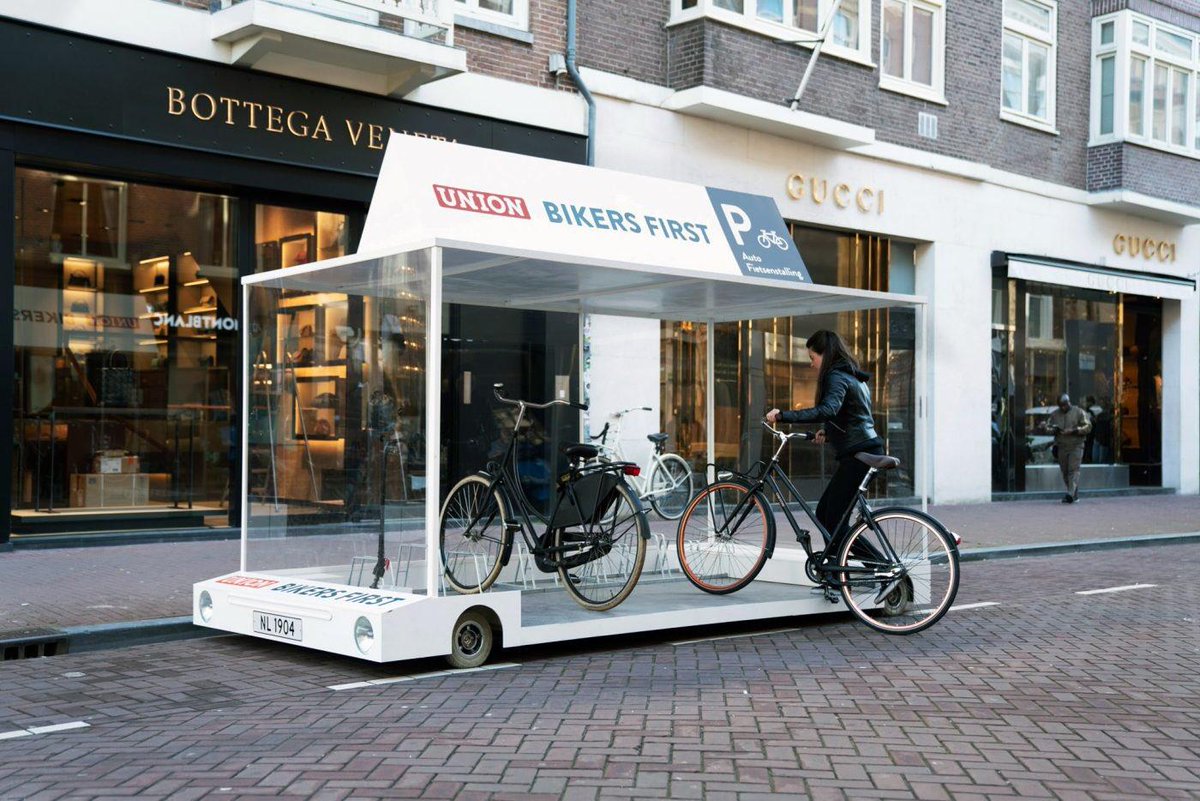
This mobile parklet fits 8 bikes. With a license plate, it can be legally parked anywhere for the price of parking 1 car. Genius. popupcity.net/mobile-parklet…
4
16

24 Nov 2018
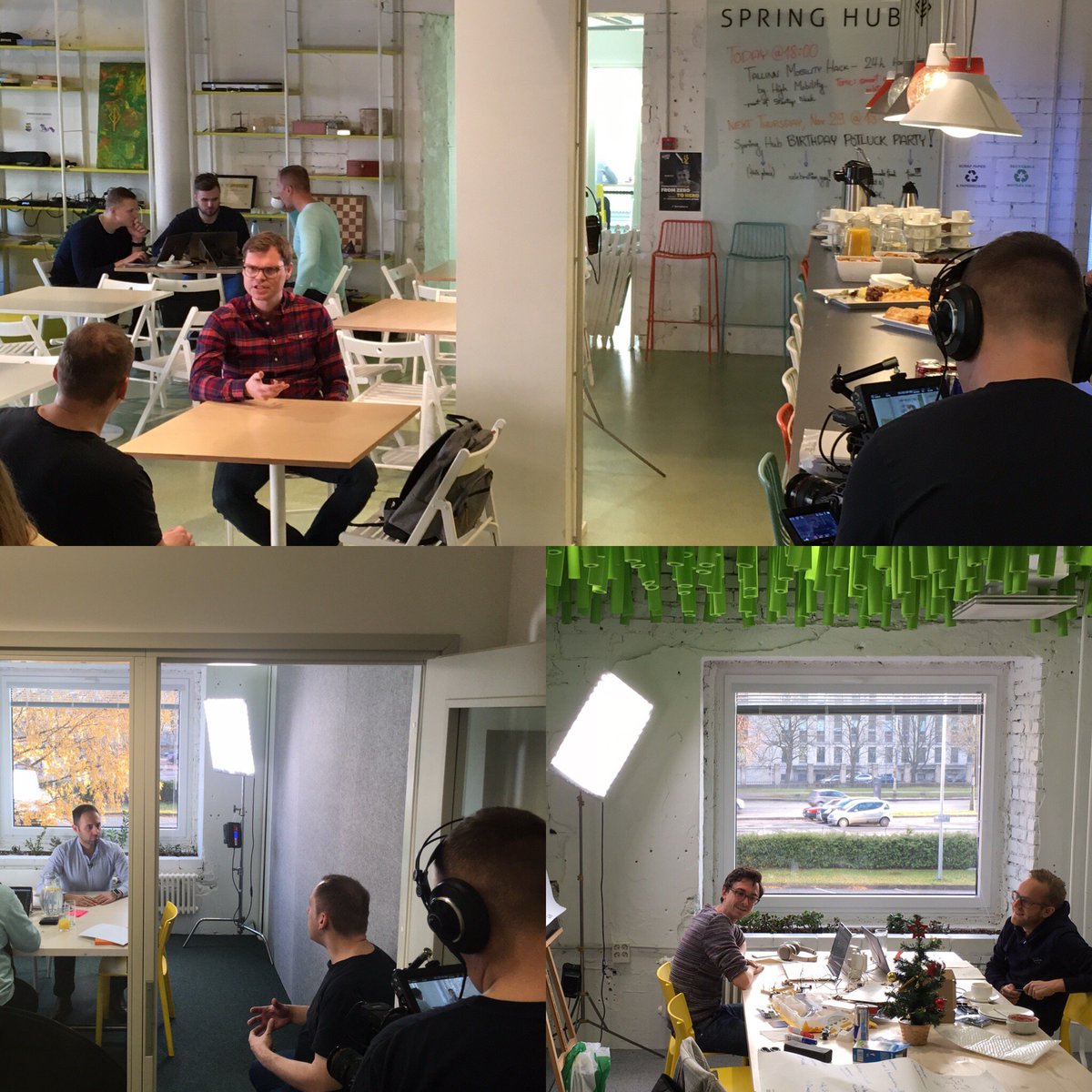
We're in Tallinn this weekend for our Tallinn Mobility Hack with a true international feeling and a passion for app development in the air. We're also making a short aftermovie of the event, shining a light on the awesome participants - stay tuned for the video! #mobilityhack
6

14 May 2018
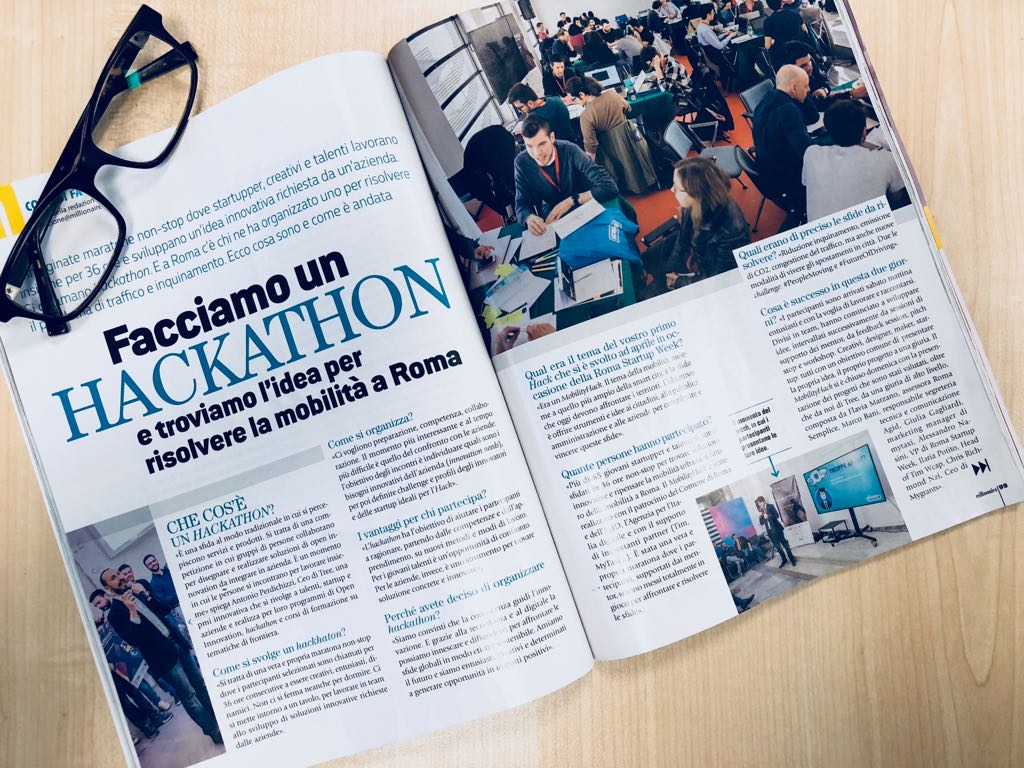
"Il #MobilityHACK è il primo del #treeHACK program, una serie di #hackathon che @tree_srl organizzerà in tutta Italia [...] per sperimentare soluzioni legate a #SmartCity": l'articolo sul numero di maggio di @millionaireit.
10
21
10 Apr 2018
"A Roma il primo #treeHack - #MobilityHACK per innovare la mobilità" bit.ly/2qjRVtn - immaginare e disegnare il #futuro della mobilità. Rivivi con noi l'evento | @timwcap @mytaxi_it @campuspartyIT @millionaireit @RomaStartup @my_grants
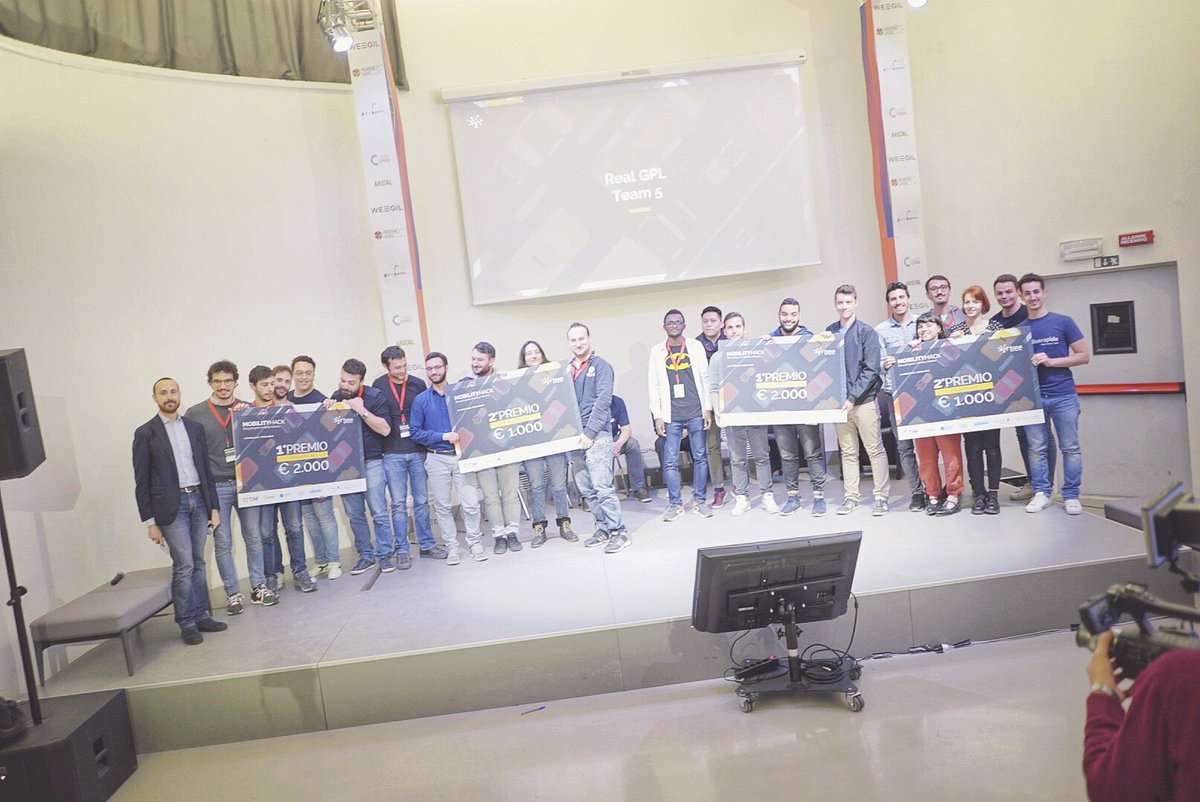
3
3

9 Apr 2018
#MobilityHACK, 4 soluzioni per migliorare il modo in cui ci muoviamo nelle città bit.ly/2EwMyMh @RomeStartupWeek @RomaStartup @tree_srl
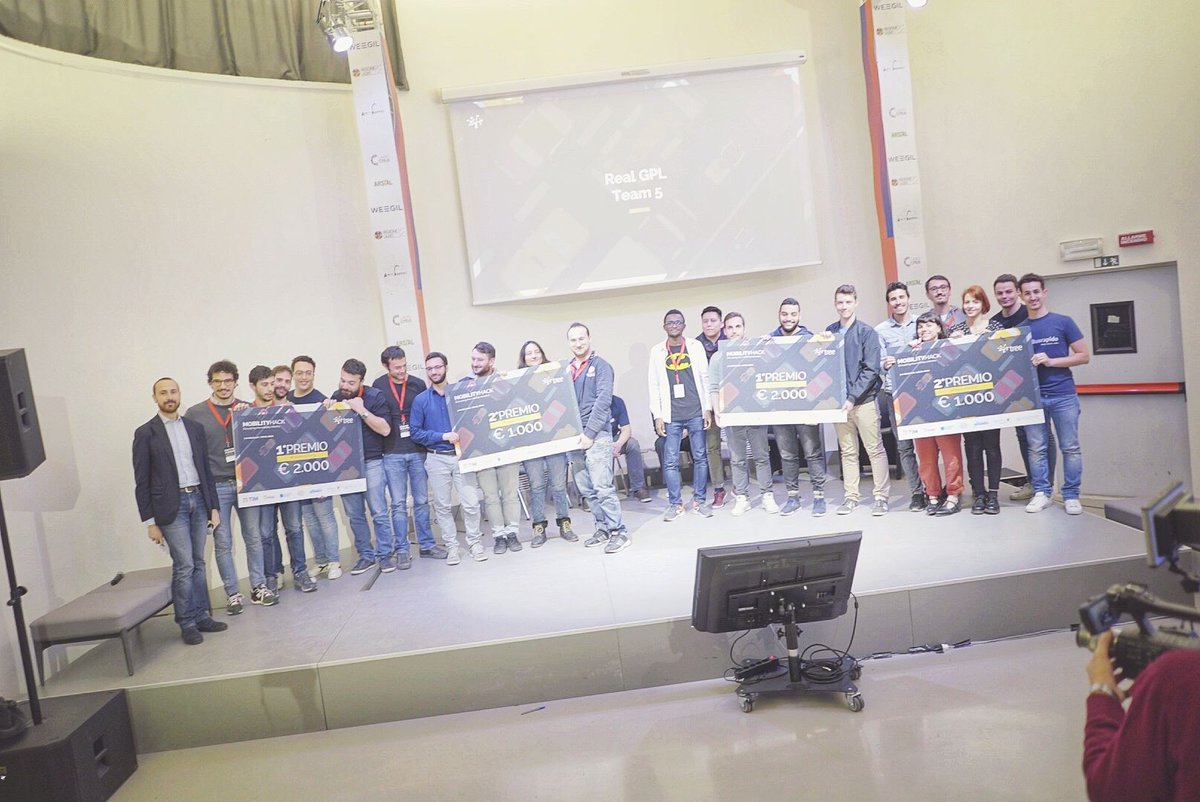
2
4

8 Apr 2018
8 Apr 2018

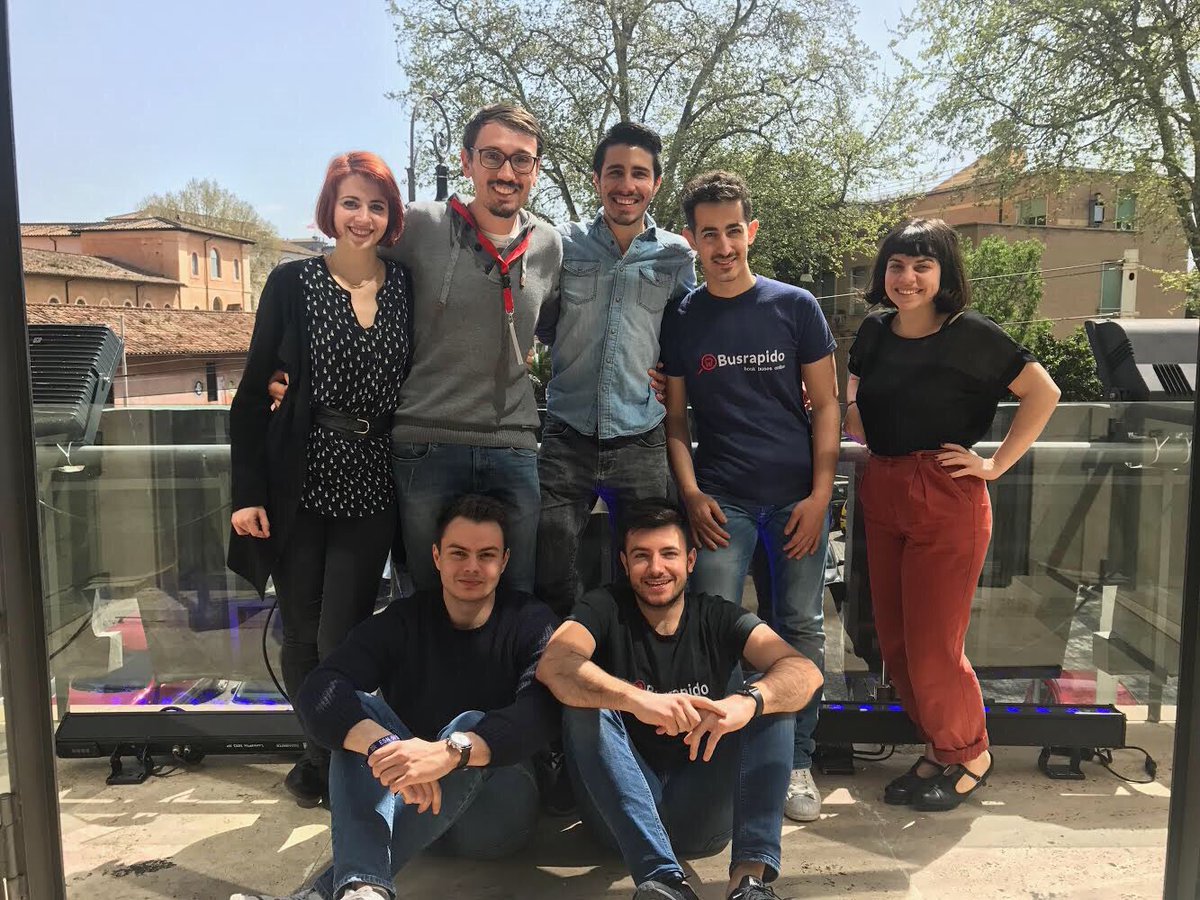
Un bellissimo team che vince il #MobilityHACK @timwcap @mytaxi @RomaStartup @AgidGov @campuspartyIT @millionaireit
1
7

8 Apr 2018
Il Team di Busrapido vince il #MobilityHACK A #Roma!
8 Apr 2018
Un bellissimo team che vince il #MobilityHACK @timwcap @mytaxi @RomaStartup @AgidGov @campuspartyIT @millionaireit
7
13

8 Apr 2018
Un bellissimo team che vince il #MobilityHACK @timwcap @mytaxi @RomaStartup @AgidGov @campuspartyIT @millionaireit
1
5
13
8 Apr 2018
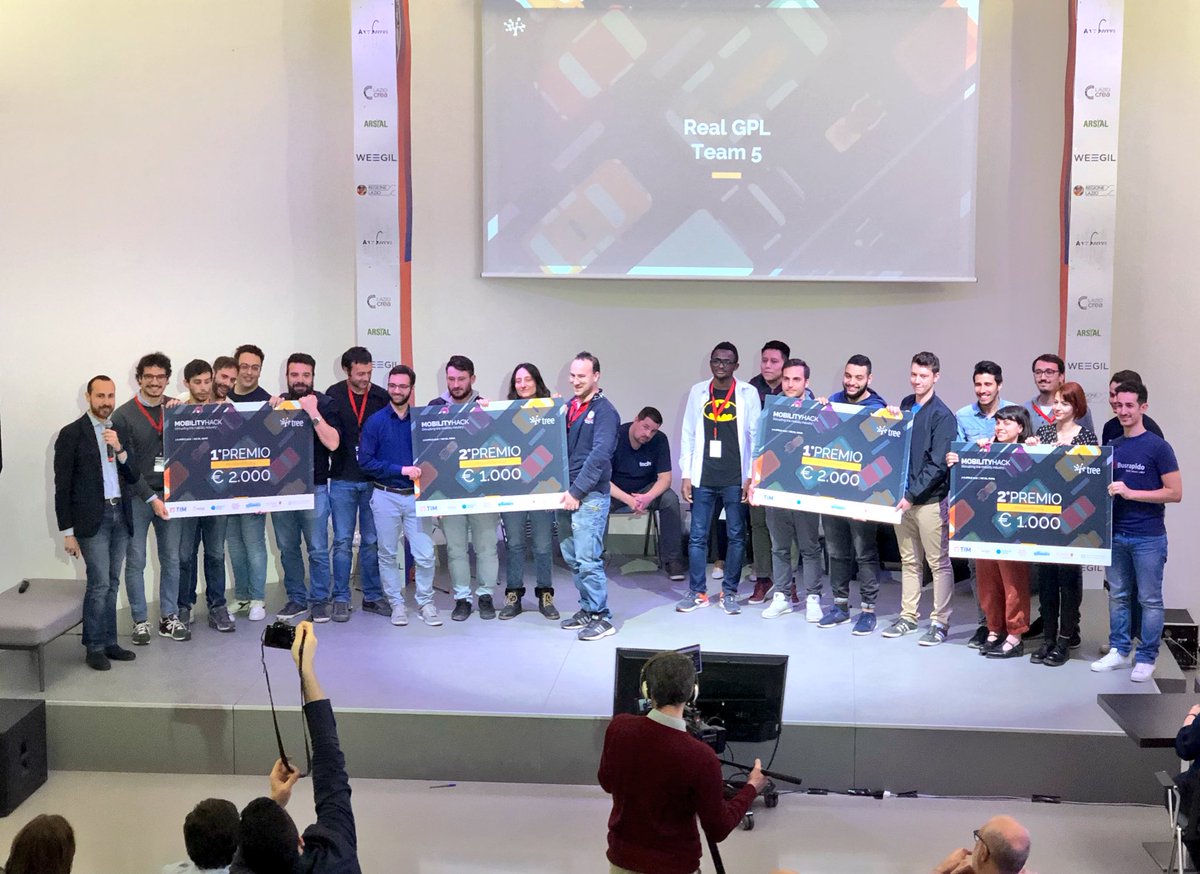
Ecco i vincitori del primo @tree_srl #MobilityHACK. Complimenti a tutti! Al prossimo #treeHACK @RomaStartup @timwcap @campuspartyIT @mytaxi_it @AgidGov @millionaireit
1
23
32

8 Apr 2018
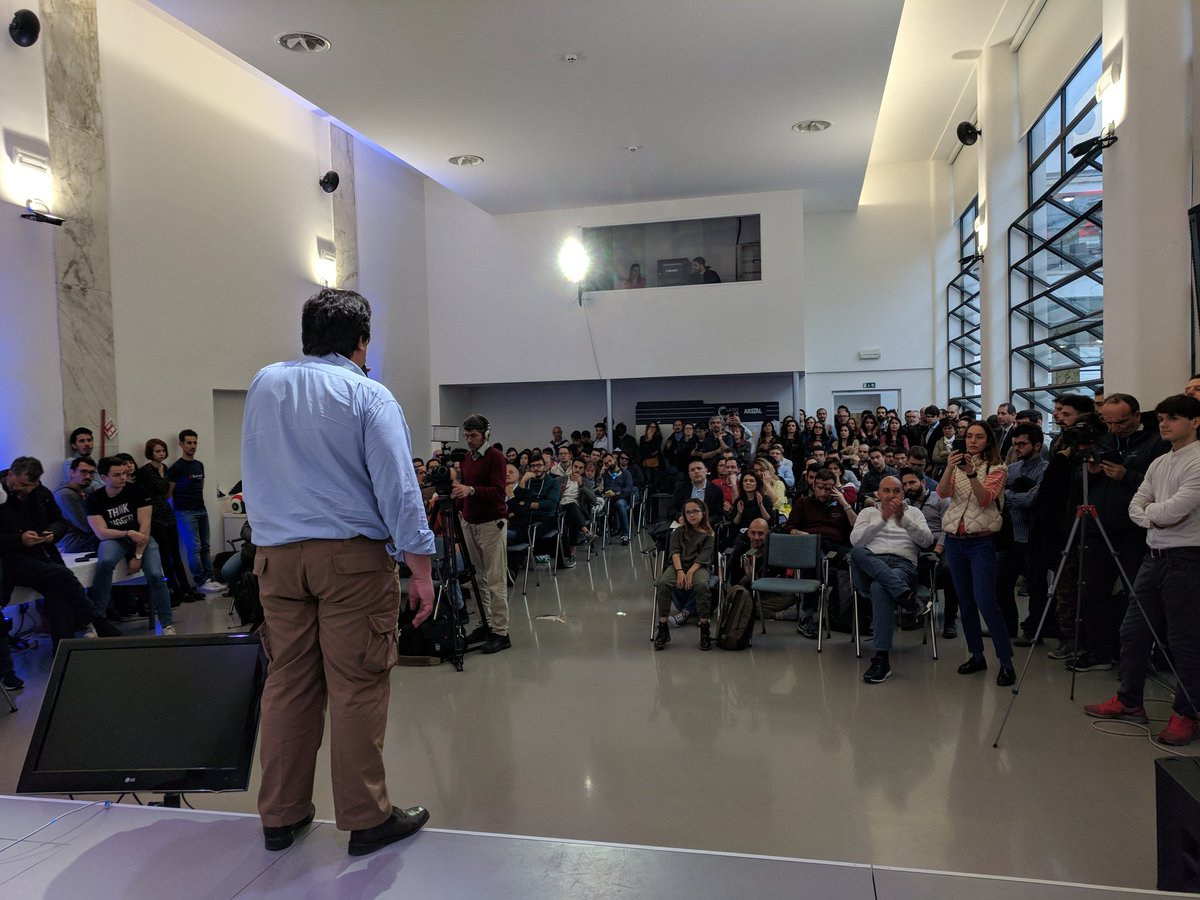
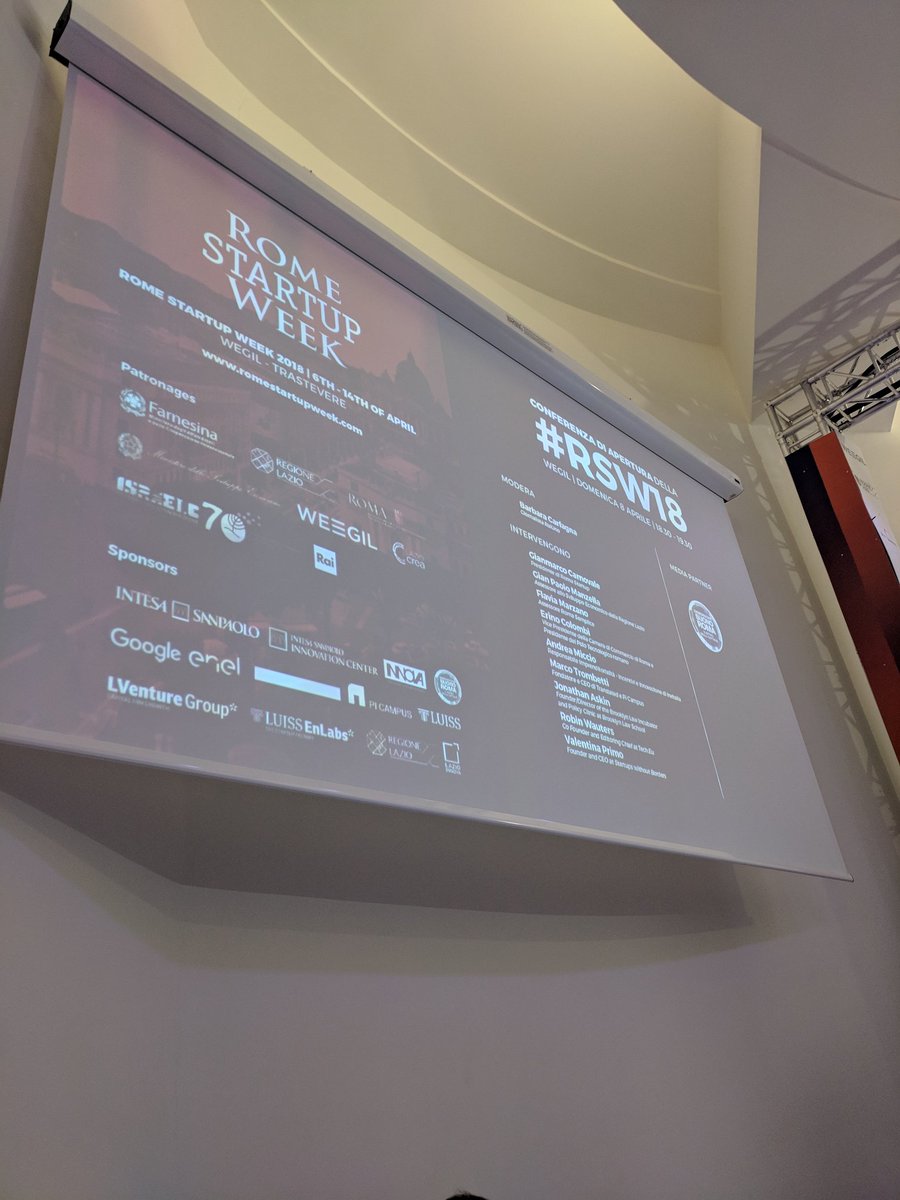
6
9

8 Apr 2018
Siamo ancora alla #MobilityHACK tra #communication #digitalmanager #marketing #developers #startup dentro #Startupweek #Silicondrinkabout etc. #Hackathon
8 Apr 2018

Apre la Pitch Session @largentino_ con presentazione della Giuria insieme a @flavia_marzano che ricorda @postoccupato contro la violenza sulle donne. Benvenuti all'ultimo step di #MobilityHACK • @timwcap @mytaxi_it @campuspartyIT @RomaStartup @Roma @AgidGov @millionaireit
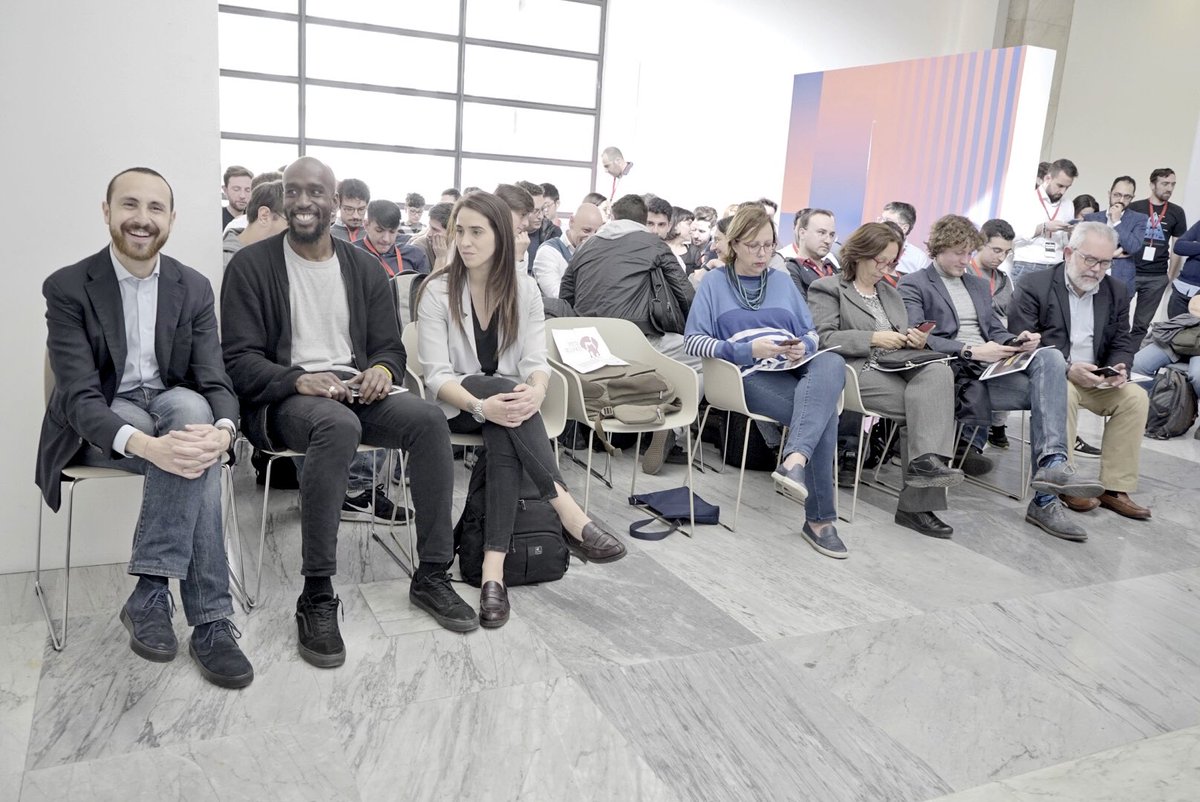
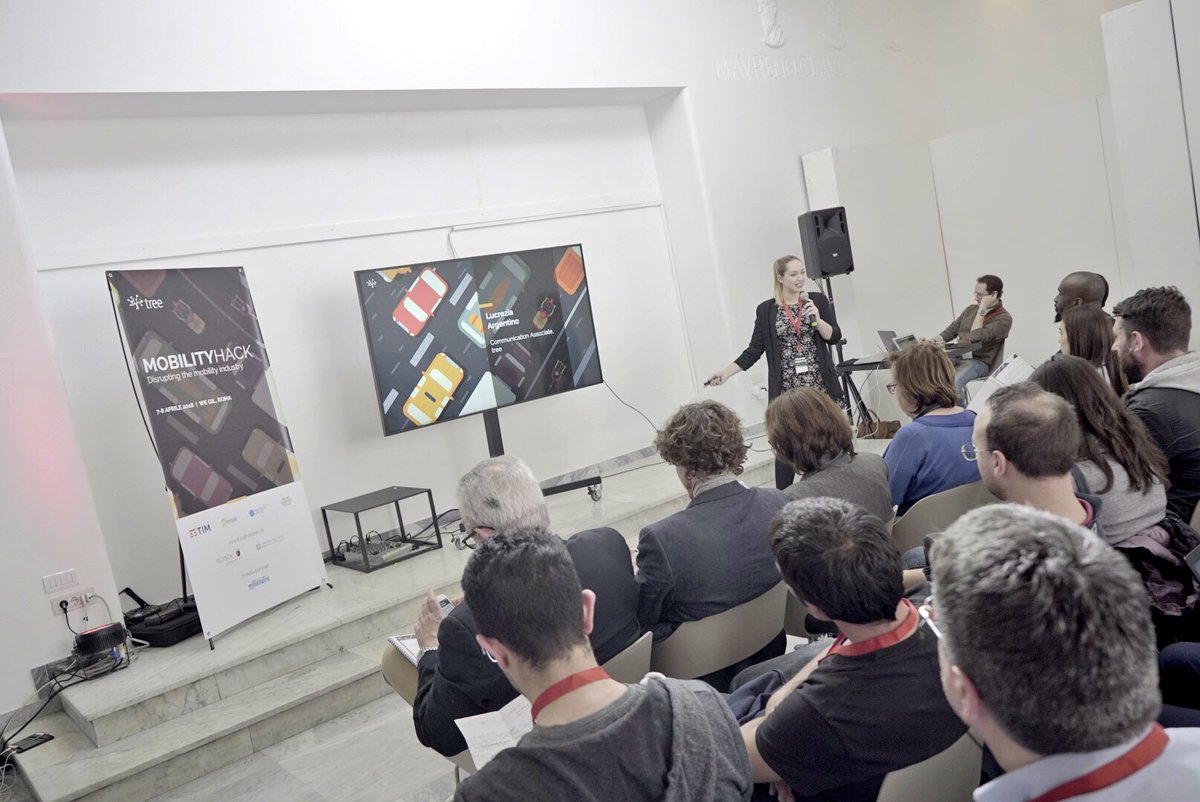
3
5
8 Apr 2018
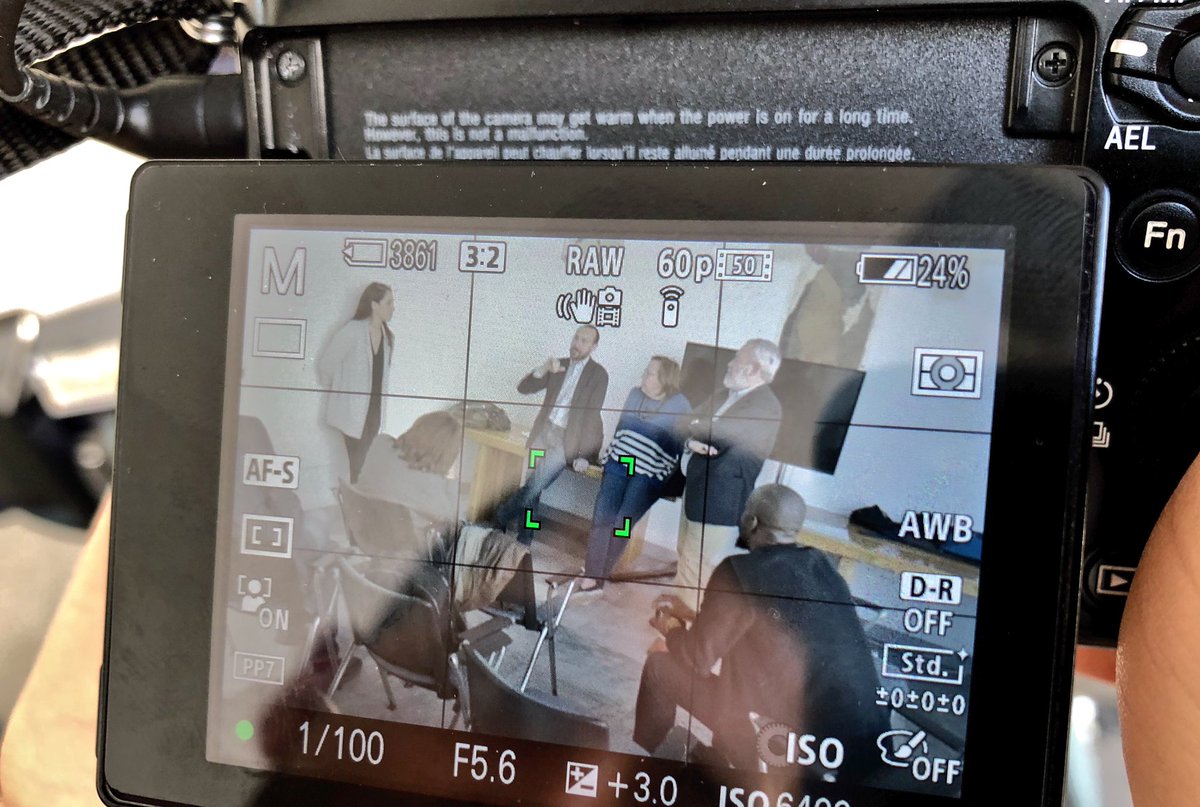
Dopo la presentazione dei #team, la giuria si è riunita per riflettere, pensare, ragionare e scegliere le 4 migliori idee. #staytuned - "#MobilityHACK: #disrupting the #mobility #industry" • We Gil, @Roma @RomaStartup @timwcap @campuspartyIT @mytaxi_it @AgidGov @millionaireit
6
13
8 Apr 2018
Apre la Pitch Session @largentino_ con presentazione della Giuria insieme a @flavia_marzano che ricorda @postoccupato contro la violenza sulle donne. Benvenuti all'ultimo step di #MobilityHACK • @timwcap @mytaxi_it @campuspartyIT @RomaStartup @Roma @AgidGov @millionaireit
8
16

8 Apr 2018

5
23
8 Apr 2018
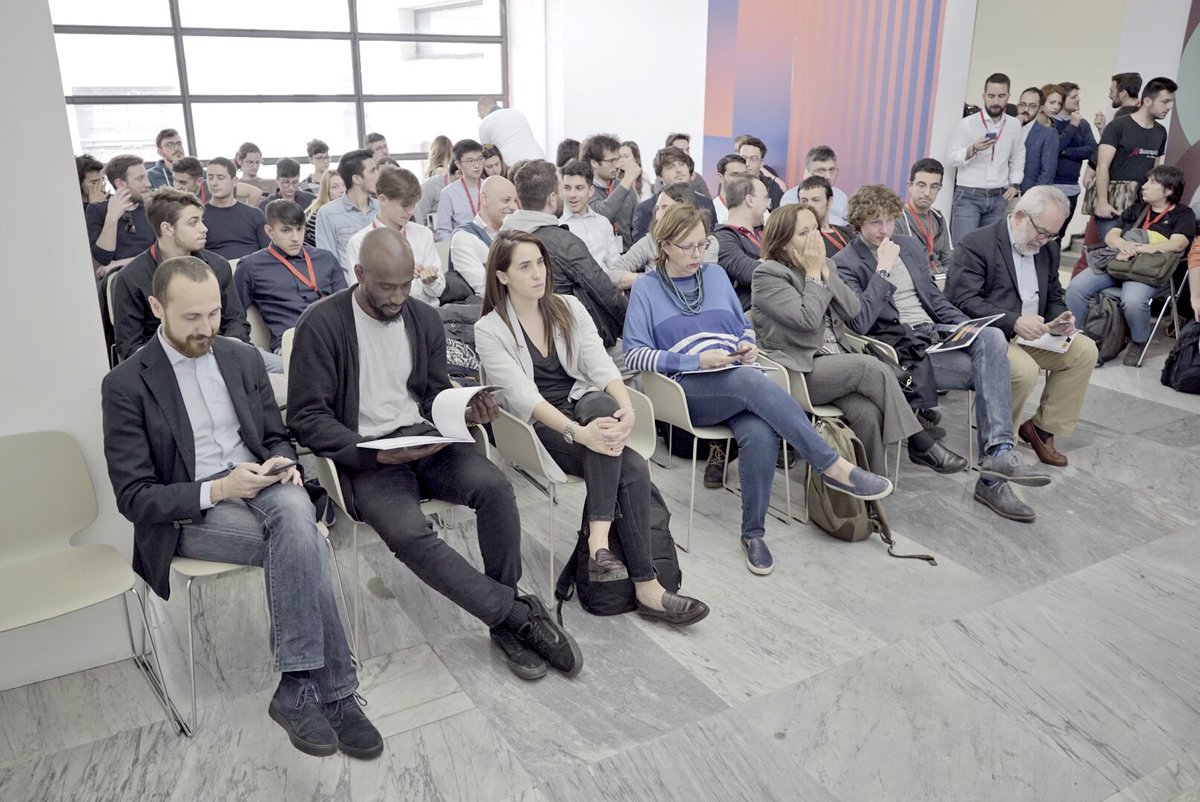
I giurati sono pronti ad ascoltare i progetti che tra poco verranno presentati a We Gil! - "#MobilityHACK: #disrupting the #mobility #industry" • @timwcap @mytaxi_it @campuspartyIT @RomaStartup @Roma @AgidGov @millionaireit
4
12
8 Apr 2018
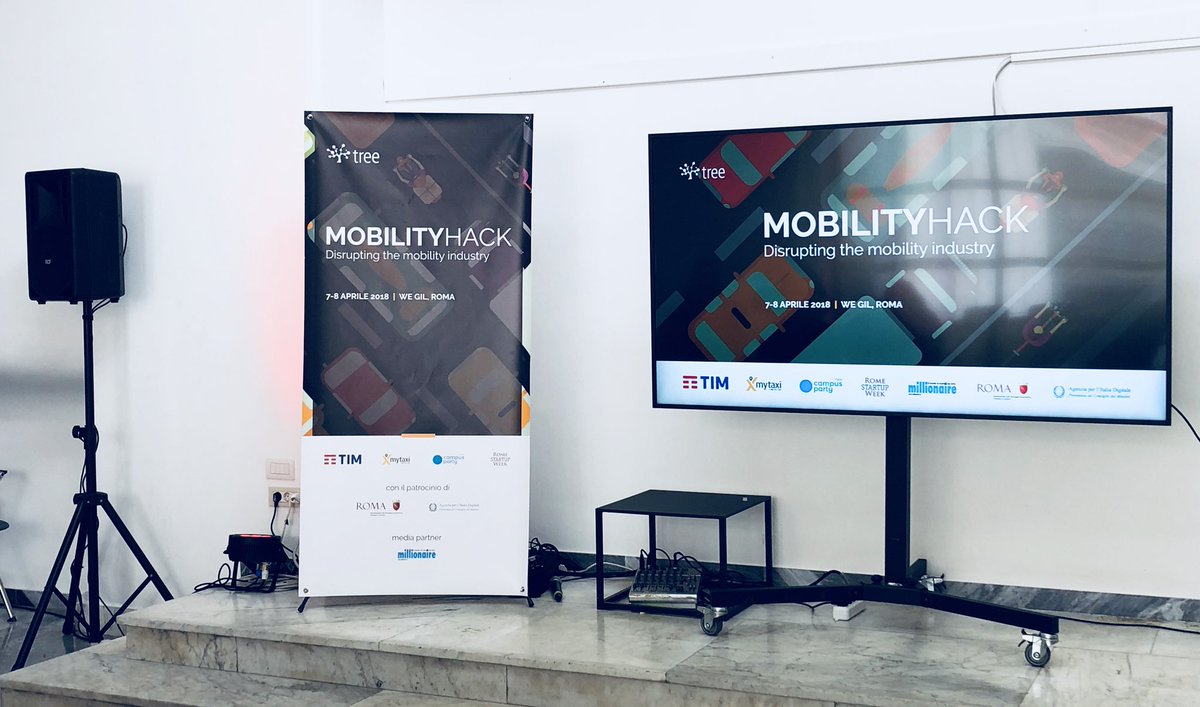
Ci siamo! Tra poco comincia la fase finale del #MobilityHACK - il momento in cui tutti i #team si raccontano di fronte alla giuria. Il momento in cui ogni progetto sviluppato prende vita - @timwcap @campuspartyIT @AgidGov @RomaStartup @Roma @mytaxi @millionaireit
4
10
8 Apr 2018
“Altri elementi importanti, racconta @distepas, sono #positioning e #team - racconto, esperienza, competenze e lavoro fatto insieme” a #MobilityHACK - We Gil • @RomaStartup @Roma @campuspartyIT @mytaxi_it @AgidGov @millionaireit #hackathon @aperdichizzi
2
4