SpiderRob19 retweeted

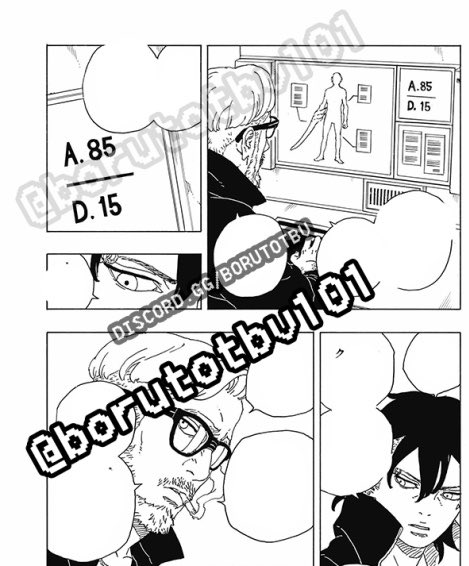
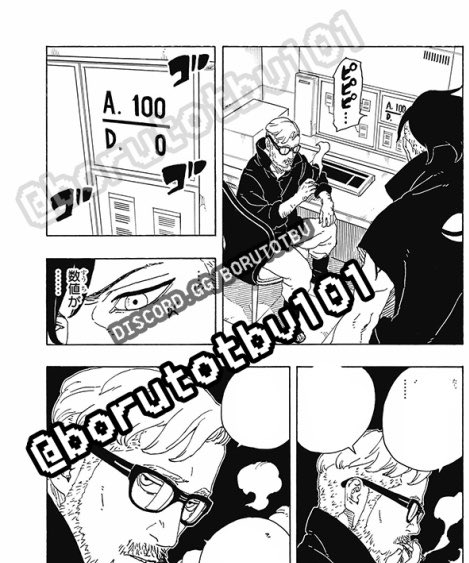
AMADO MODIFIED KAWAKI’S STATS
FROM 85 ATTACK AND 15 DEFENSE TO 100 ATTACK AND 0 DEFENCE
5
2
32
473
Pretty Formality retweeted

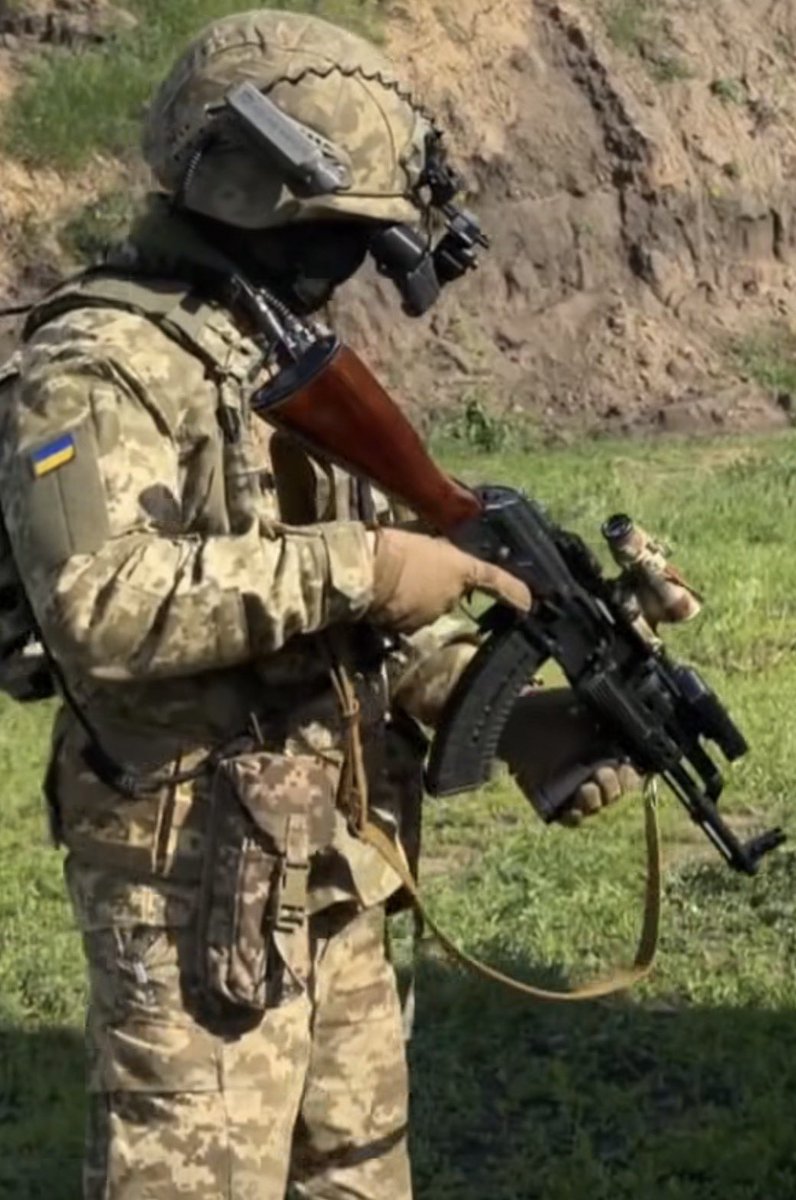
Ukrainian Trooper using modified AKM 7.62x39mm assault rifle with ACOG style optic, 2026.
1
10
121
1,652

totally fair! i imagine you did the same for susie's shotgun too? that it's a bit more modified than just being the ssg
1
1
1


RT @Bl0TICBREED3R: ⠀
⠀
𝐙𝐄𝐑𝐎 - 𝐂𝐎𝐌𝐏𝐑𝐎𝐌𝐈𝐒𝐄𝐃 🔋 > ݁ ̲ ⠀🧬 * #𝐆𝐀𝐋𝐀𝐂𝐓𝐈𝐂_𝐓𝐎𝐘
[ ᵍᵉⁿ ݁ ᵐᵒᵈⁱᶠⁱᵉᵈ ᵗᵒ ᵇʳᵉᵉᵈ ʷⁱᵗʰ ᴬᴺᵞ ˢᵖᵉᶜⁱᵉˢ ]…
249

most of them have modified health, theres less enemies in encounters than youd expect for doom so i raised all their health to match that
1
1
1

Liar. It was not modified. Lying about tunnels that didn't exist where the regime said they did doesn't help you dude. 80,000-100,000 is a low death count? FU subhuman garbage.
1

Glenn, you're making two different claims and neither one proves what you think it proves.
First, "Reformed Egyptian" doesn't have to be a standalone language recognized by modern scholars. The Book of Mormon itself says it was a modified writing system used by a small group of people:
"And if our plates had been sufficiently large we should have written in Hebrew; but the Hebrew hath been altered by us also... we have written this record according to our knowledge, in the characters which are called among us the reformed Egyptian." (Mormon 9:33-34)
Notice it doesn't say "the Egyptians called it Reformed Egyptian." It says "called among us." In other words, it was their term for an adapted script.
Second, the argument "we haven't found an example of it, therefore it didn't exist" is an argument from silence. We have thousands of ancient languages, dialects, and local writing systems known from only a handful of inscriptions, and many that disappeared entirely. The absence of surviving examples is not evidence of impossibility.
Third, the irony is that critics often demand archaeological evidence for every detail in the Book of Mormon while accepting countless ancient texts whose originals no longer exist. By that standard, much of ancient history would have to be discarded.
Finally, you're still appealing to authority rather than addressing the actual evidence and arguments. Latter-day Saint scholars aren't saying, "Believe Joseph because Joseph said so." They're pointing to things like ancient Near Eastern patterns, Semitic wordplays, Book of Abraham parallels, Hebraisms, chiasmus, and other features Joseph Smith was highly unlikely to have invented in frontier America.
You can disagree with those arguments, but simply saying "Egyptologists disagree" isn't evidence. It's just another appeal to authority.
The real question isn't whether a majority of scholars accept Joseph Smith. The real question is whether the evidence is best explained by fraud, coincidence, or revelation. That's the debate.
@inkssjo🎨 retweeted

#borutotbvspoilers
P14
Amado: The base is the same as the model as the one Koji uses. But it's a special version modified for my use. As you know... they're all scientific ninja tools. Using a mark bearing your "name", it's also possible to shrink them.

1
1
17
802


Then reinstate the Original Smith-Mundt Act that Obama modified to the Modernization Act by omitting politicians & media can’t spread propaganda in the USA. Why do you think Propaganda & Division has escalated since 2013? @VP @JDVance @realDonaldTrump @POTUS @BasedMikeLee
1
1
4


My daughter with very special needs, and has difficulties both physically and mentally but she has responsibilities and life skills she’s responsible for. They are often modified, but, she has them. Parents who don’t do this are setting their kids up for failure
13h

In a new video, Jo Frost, aka Supernanny, warns that some modern parents are hindering their kids’ independence by choosing short-term convenience over teaching basic life skills.
The Instagram post featuring the video is filled with comments from teachers agreeing with her that it’s a growing concern.
@Jo_Frost
8

Yeah honestly it should work. Iroha for the field does too, although she's also, technically, someone who wants the field to be anything BUT fire - so she can flip it back to fire for free and stuff.
but she'll work.
My fire team is still basically just modified 31-A...
1
6
Prinz Eugen360 retweeted
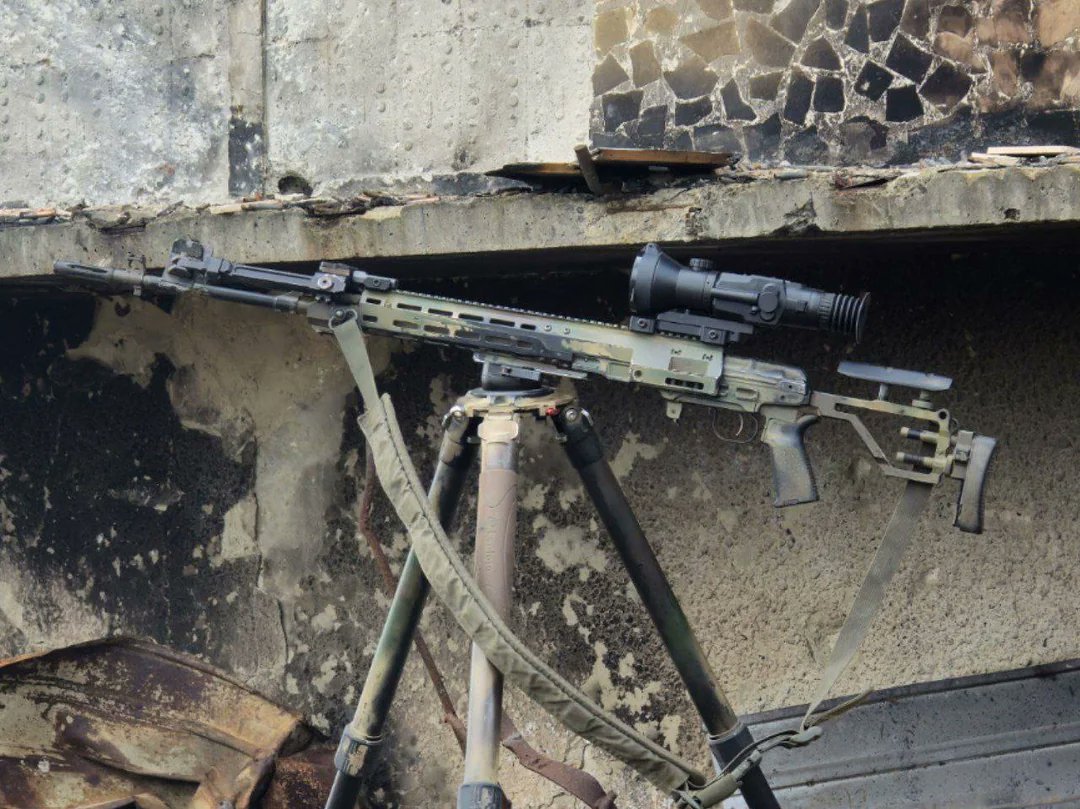
Heavily modified SVD Marksman rifle in Russian service, Donetsk, 2026.
23
372
5,859