
TnF-a/ MECF
In Myalgic Encephalomyelitis/Chronic Fatigue Syndrome (ME/CFS), the intersection of adipose tissue metabolism and TNF-α expression represents a critical area of research into the disease's underlying neuroimmune and metabolic dysregulation. While TNF-α is traditionally studied in obesity, emerging ME/CFS data highlights how lipid dysregulation within fat cells can trigger systemic, low-grade inflammation, driving profound exhaustion and post-exertional malaise (PEM). [1, 2, 3, 4]
## 1. Dysregulated Lipid Metabolism and Energy Failure [5, 6]
Recent NIH-funded studies show that individuals with ME/CFS possess elevated plasma triglycerides and diglycerides, alongside a reduced capacity to break down fats for energy. [1, 3]
* The Energy Trap: Because ME/CFS impairs mitochondrial function, the body struggles to utilize glucose and fatty acids for ATP (cellular energy) production. [2, 7, 8, 9]
* Lipid Accumulation: Unused free fatty acids accumulate systemically or back up into adipose tissue. This lipotoxicity triggers localized tissue stress, causing fat cells and resident immune cells to overproduce pro-inflammatory cytokines, specifically TNF-α. [1, 10, 11]
## 2. The Adipose-Brain Inflammatory Axis
Adipose tissue is not just a storage depot; it is an active endocrine organ. In ME/CFS, a localized increase in adipose TNF-α expression can spill over into systemic circulation or talk directly to the central nervous system: [12, 13, 14, 15]
* Vagus Nerve Activation: Peripheral TNF-α can stimulate the vagus nerve, sending signals directly to the brain to trigger "sickness behavior" (profound fatigue, brain fog, and flu-like symptoms). [16, 17, 18, 19, 20]
* Microglial Priming: Circulating TNF-α can cross the blood-brain barrier or activate endothelial cells, priming the brain's resident immune cells (microglia). This contributes to the chronic, low-grade neuroinflammation characteristic of ME/CFS. [21, 22, 23, 24, 25]
## 3. Impact on Post-Exertional Malaise (PEM)
When an ME/CFS patient overexerts themselves, their already strained metabolic pathways face a severe energy crisis. [2, 7]
* Research published in [npj Metabolic Health and Disease](nature.com/articles/s44324-0…) details a heightened innate immune response following exertion in ME/CFS patients. [3]
* Physical or cognitive stress acts as a cellular danger signal, causing a sudden spike in inflammatory cascades. [26]
* Adipose tissue, responding to this exertion-induced metabolic stress, contributes to the rapid release of TNF-α and other cytokines, locking the patient into a prolonged crash or PEM cycle. [3, 10, 27, 28, 29]
## 4. Therapeutic and Research Implications
Because TNF-α and lipid pathways are altered, standard exercise programs (like Graded Exercise Therapy) fail and can cause harm by exacerbating this underlying metabolic stress. Instead, modern clinical approaches focus on: [30]
* Mitochondrial Support: Utilizing cofactors like CoQ10 or L-carnitine to optimize fatty acid transport and burning, reducing lipid stagnation.
* Targeting Adipose Inflammation: Investigating metabolic modulators that support healthy adipocyte function, lower oxidative stress, and downregulate the TNF-α cascade. [2, 31]
------------------------------
If you are navigating ME/CFS or researching this pathway, let me know if you would like to explore:
* The specific role of neuroinflammation and microglial activation in ME/CFS
* Current supplemental or pharmacological strategies being studied to lower TNF-α or support lipid metabolism
* How pacing and heart-rate monitoring protect against exertion-induced inflammatory spikes [31, 32, 33]
What area would be most helpful to focus on?
[1] [nih.gov](nih.gov/news-events/nih-rese…)
[2] [pmc.ncbi.nlm.nih.gov](pmc.ncbi.nlm.nih.gov/article…)
[3] [nature.com](nature.com/articles/s44324-0…)
[4] [sciencedirect.com](sciencedirect.com/science/ar…)
[5] [pmc.ncbi.nlm.nih.gov](pmc.ncbi.nlm.nih.gov/article…)
1
1
58

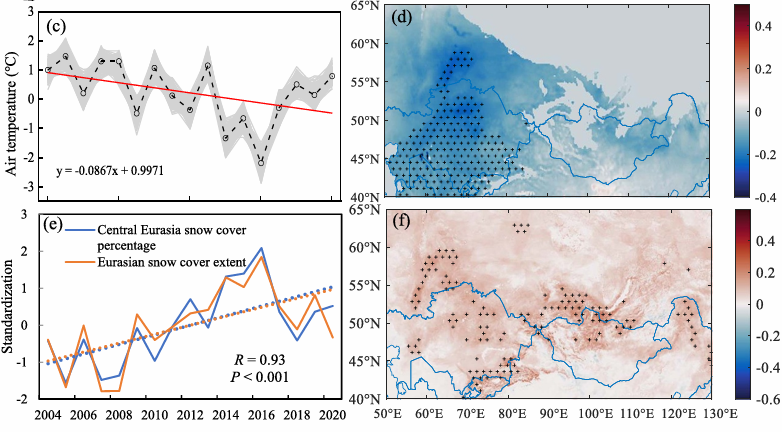
Sun and Earth axis inclination are THE main climate modulators. Next are the ocean algae. Period. Human activity is marginal.

The public is told climate models can tell us what comes next. But study after study shows they fail that test badly.
Full breakdown (& more) in today's Substack: electroverse.substack.com/p/…
1
Sun and Earth axis inclination are THE main climate modulators. Next are the ocean algae. Period. Human activity is marginal.
5


ขนาด wafer: 200 mm หรือ 300 mm ไม่จำเป็นในเริ่มต้น — 200 mm หรือ even 150 mm/100 mm process อาจพอเพียงขึ้นกับลูกค้า
ฟีเจอร์: single- and multi-layer waveguides, passive devices, modulators (if planned), basic doping/implantation, metallization, BEOL-compatible processes
1
14
Cannibidiol CBD / NLRP3
Cannabidiol inhibits NLRP3 inflammasome activation and cytokine release.
•
Cannabidiol acts indirectly via ROS suppression, NF-κB inhibition, Ca2 regulation, and autophagy.
•
Preclinical studies show benefits in neurodegenerative, autoimmune, metabolic, and fibrotic diseases.
•
Cannabidiol has advantages over other modulators but faces bioavailability and regulatory hurdles.
•
Future work needs optimized delivery and robust clinical validation.
sciencedirect.com/science/ar…
1
19
KOL Pulse AI retweeted

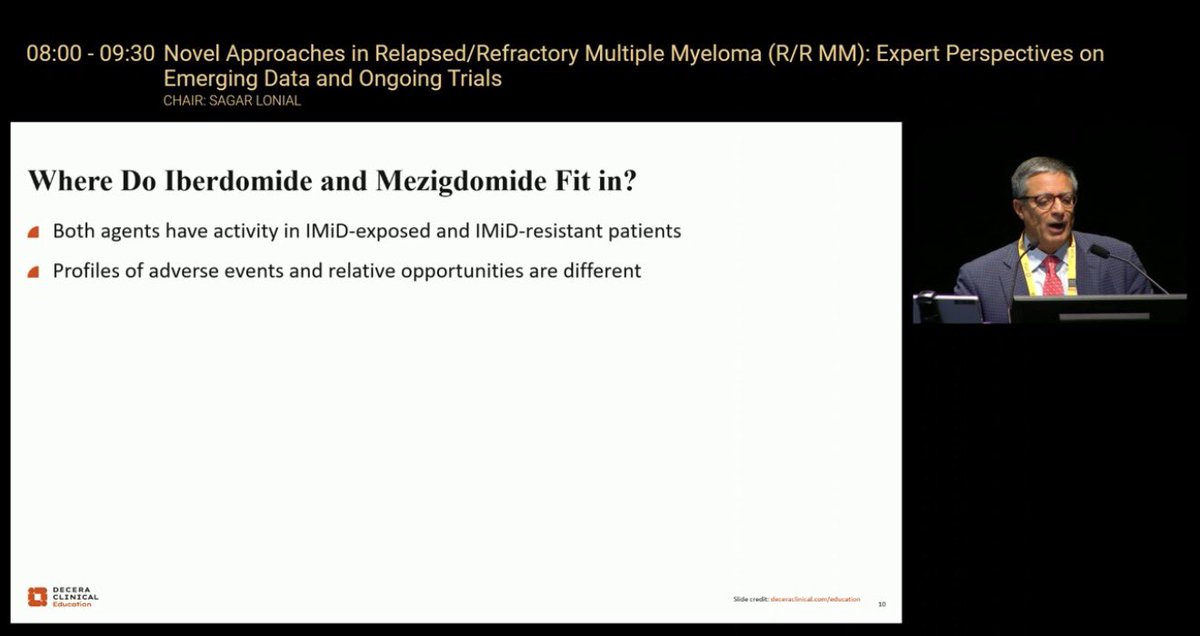
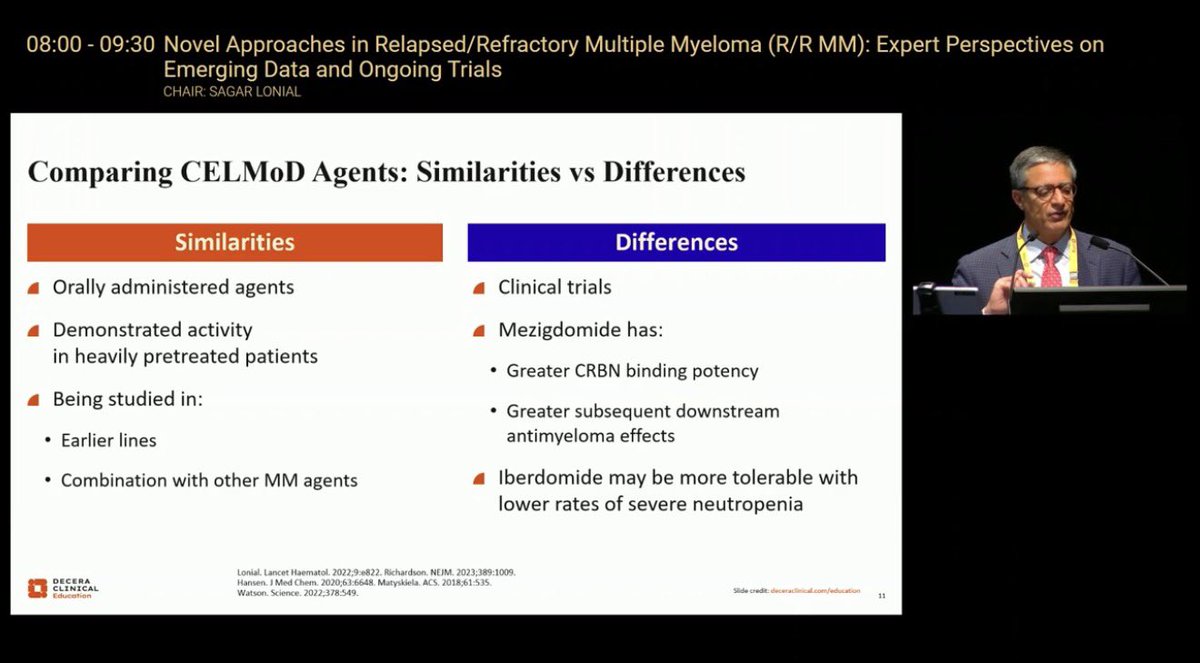
Where Iberdomide & Mezigdomide Fit in R/R MM 🧬🔥
🧪 CELMoDs = next-generation cereblon modulators
📌 Active even in IMiD-exposed and IMiD-resistant myeloma
💊 Shared features
✅ Oral agents
✅ Activity in heavily pretreated R/R MM
✅ Being tested in earlier lines
✅ Being combined with anti-MM backbones
🔬 Key difference
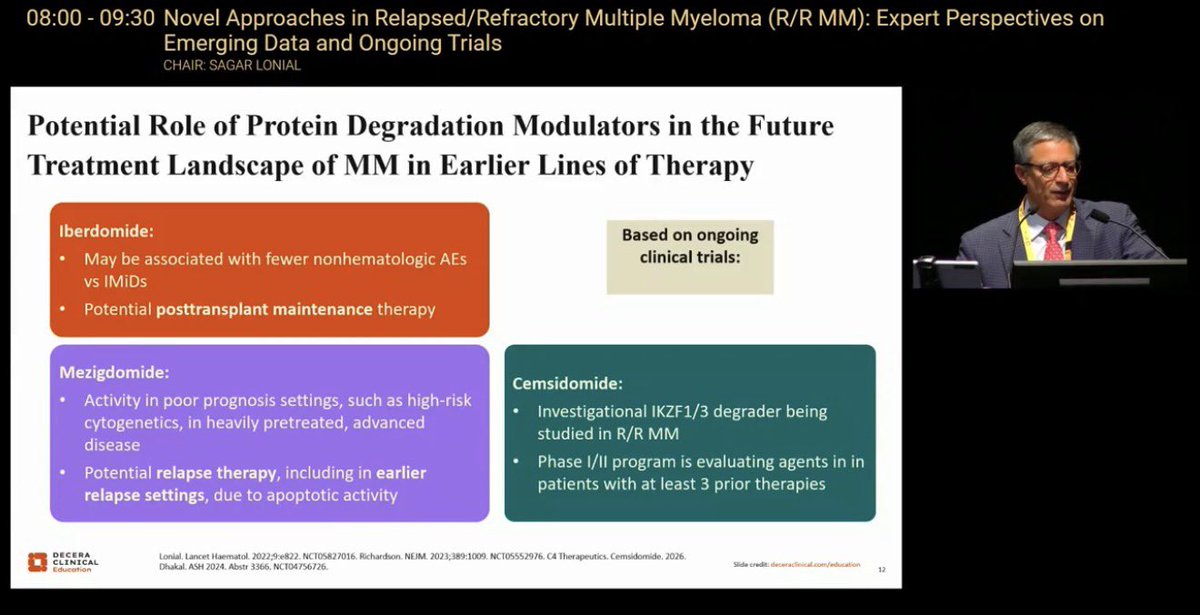
Mezigdomide appears more potent biologically:
🧬 Greater CRBN binding potency
🔥 Greater downstream anti-myeloma effect
🛡️ Iberdomide may be more tolerable
📌 Lower severe neutropenia signal vs mezigdomide
📌 Potential role as post-transplant maintenance
⚡ Mezigdomide potential role
📌 Poor-prognosis disease
📌 High-risk cytogenetics
📌 Heavily pretreated advanced MM
📌 Earlier relapse settings
📌 Strong apoptotic activity
🧪 Cemsidomide
📌 Investigational IKZF1/3 degrader
📌 Being studied in R/R MM
📌 Phase I/II program in patients with ≥3 prior therapies
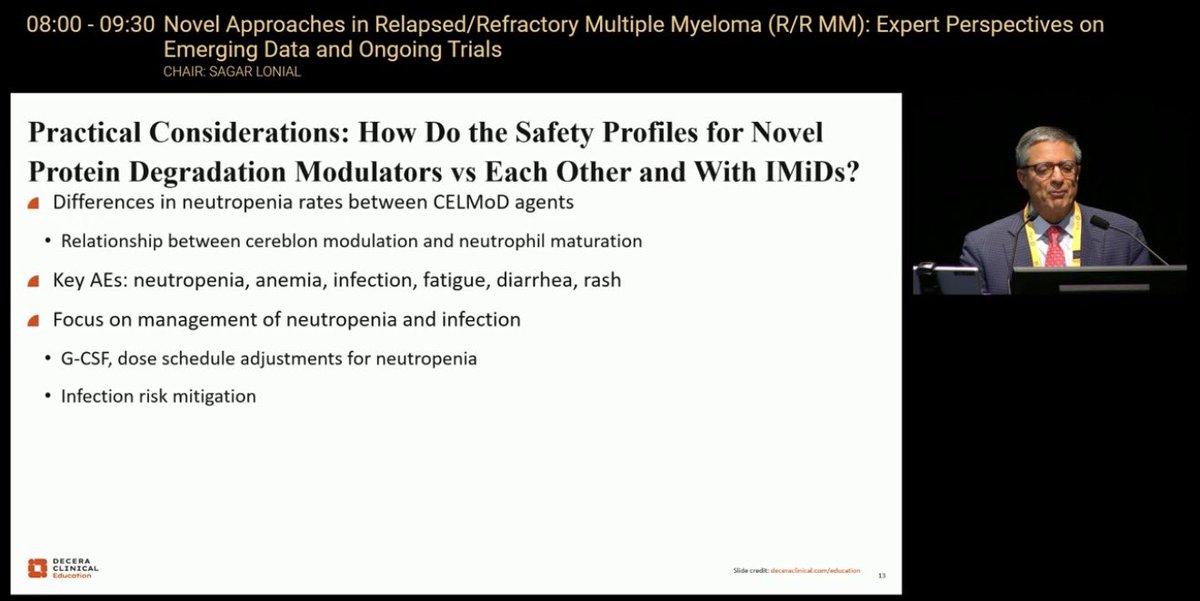
⚠️ Practical safety focus
Main AEs:
🩸 Neutropenia
🩸 Anemia
🦠 Infection
😴 Fatigue
🚽 Diarrhea
🌿 Rash
🧯 Management pearls
✅ Monitor ANC closely
✅ Use G-CSF when needed
✅ Adjust dose/schedule for neutropenia
✅ Aggressive infection risk mitigation
✅ Watch cytopenias more closely with mezigdomide-based regimens
🧠 Take-home
Iberdomide may fit better where tolerability/maintenance matters, while mezigdomide may fit better where deeper activity is needed in high-risk or earlier relapsed R/R MM.
#MultipleMyeloma #RRMM #CELMoD #Iberdomide #Mezigdomide #Cemsidomide #IMiD #CRBN #Hematology #KFSHRC
1
7
5
593

9h
6 op との事。
M-VAVE FM-1: a budget-friendly DX-7-style desktop FM polysynth: synthanatomy.com/2026/06/m-v…
M-VAVE FM-1 features a Yamaha DX-7-style sound engine with six sine-wave operators that can be configured using 32 classic algorithms. They act as carriers or modulators, and each offers an independent ADSR envelope.
1
1
49

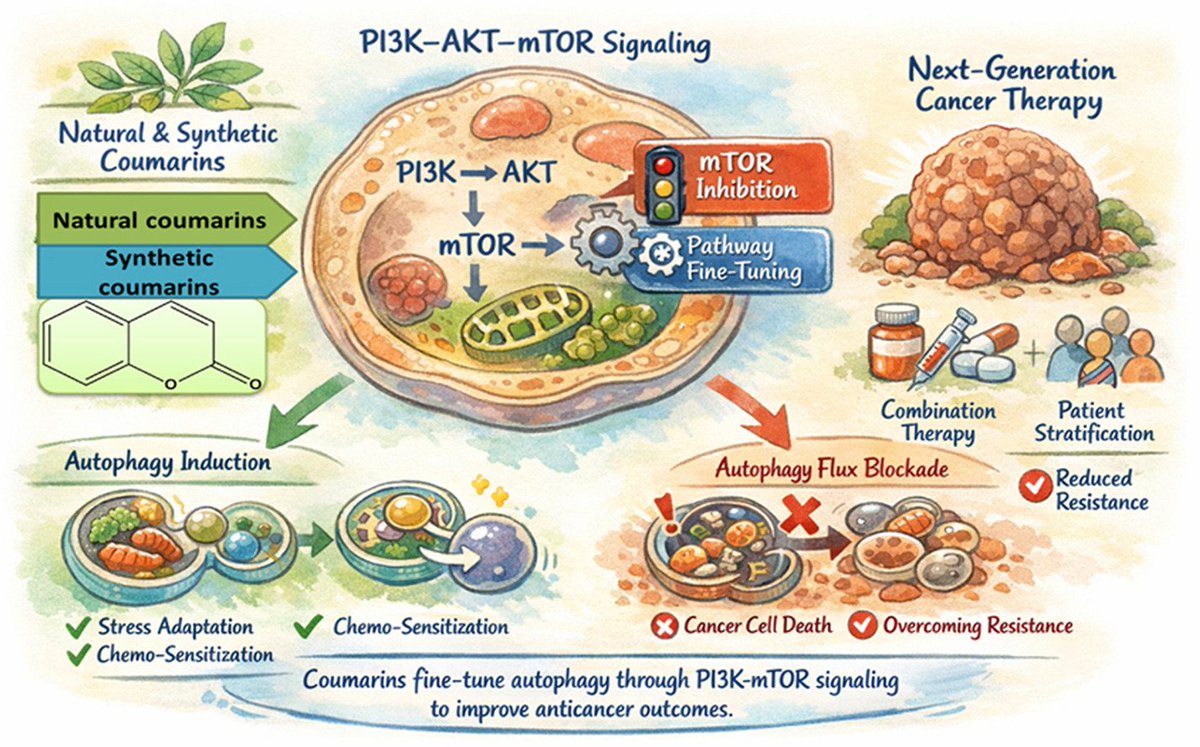
Coumarins as modulators of #autophagy and PI3K/mTOR signaling:
Implications for next-generation #cancer therapies
sciencedirect.com/science/ar… #OpenAccess
22


🚀 Another important milestone from @istesso
We’re pleased to see portfolio company @istesso commence dosing in a Phase 2 clinical trial of its lead candidate, leramistat, in sarcopenia 🧬
The study will evaluate the impact of leramistat on muscle quality, repair and function in patients with muscle loss caused by rheumatoid arthritis.
What’s particularly exciting is the underlying science 🔬 Leramistat is part of a novel class of mitochondrial Complex I modulators, designed to activate the body’s own repair and regeneration processes across multiple tissues.
The programme builds on encouraging clinical signals showing improvements in disability and fatigue, alongside reductions in markers of muscle loss — supported by compelling preclinical data demonstrating restoration of muscle quality and function 📊
At IP Group, we back innovation with the potential to reshape outcomes. A scalable oral approach to tissue repair could help tackle multiple degenerative diseases of ageing and reduce their wider impact.
We’re proud to support Istesso’s progress as it advances this potentially transformative approach to regenerative medicine 🌱
👏 Congratulations to Lisa Patel, Sam Williams and the team — we look forward to following the trial’s progress
Read more in the comments below. 👇
1
2
135

DHM can either reduce their therapeutic efficacy, causing an anxiety rebound or seizure threshold lowering in epileptic patients dependent on benzodiazepines
And have additive or antagonistic effects depending on binding site, unpredictable in combination for GABA modulators
1
3
114

I have several of these laying around, Illudium Q-36 Explosive Space Modulators. IYKYK
5

🔔 The Daily Semi-Cap — June 15, 2026
📊 SMH: $647.10 ( 4.38%)
📈 Earnings:
• No new semiconductor earnings released today.
🔥 Major Developments:
• Qualcomm has been in talks to acquire Tenstorrent, with a discussed price around $8-10B. The read-through is straightforward: Qualcomm wants more AI-chip architecture talent and another shot at pushing beyond smartphones into custom compute.
• PicoJool announced 200G VCSELs and MicroVCSELs for AI scale-up links, with quad 100G/200G and 32x50G parts sampling next quarter and high-volume ramp targeted for early 2027. The interesting angle is GaAs scale: a mature VCSEL supply chain trying to compete with copper for dense short-reach GPU interconnects.
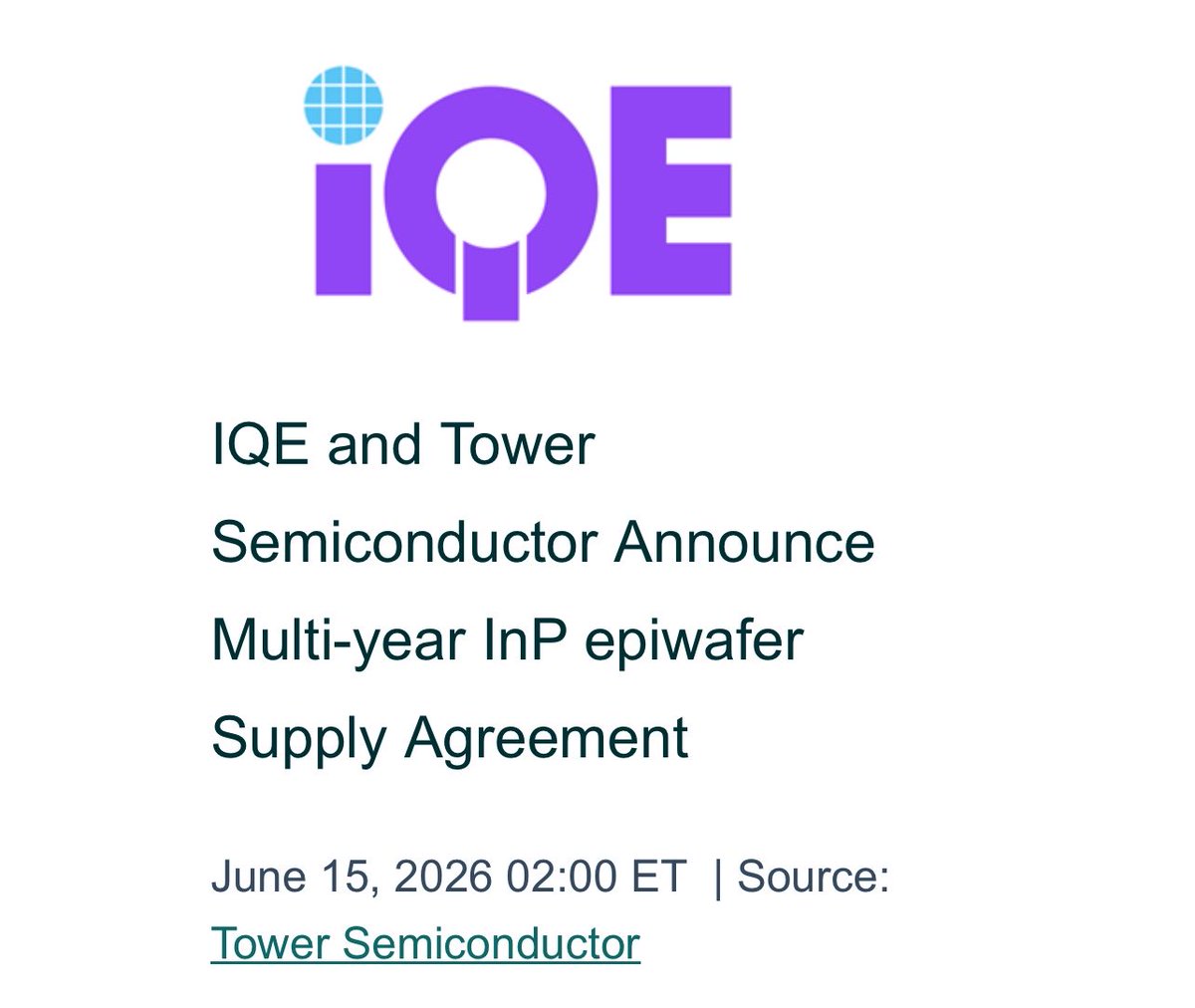
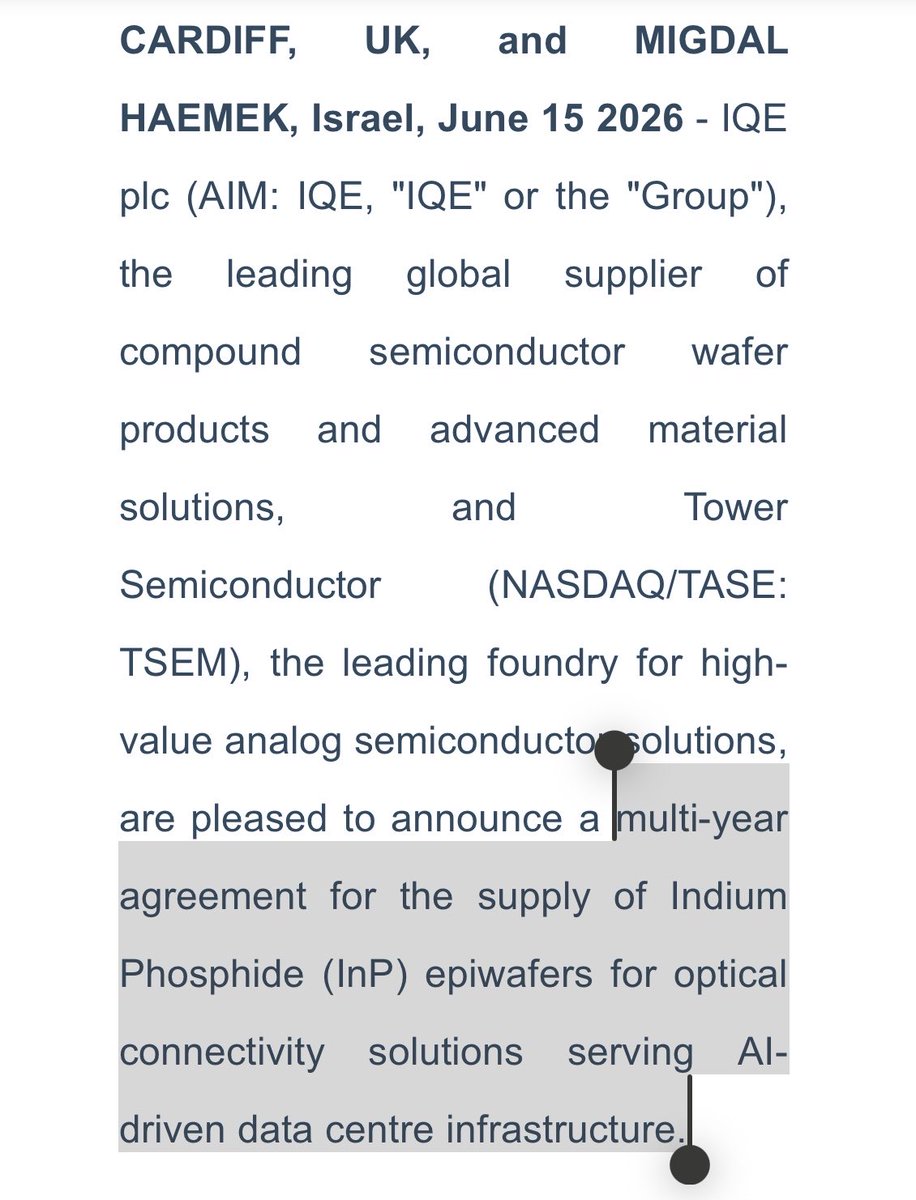
• IQE signed a multi-year InP epiwafer supply agreement with Tower Semiconductor tied to Tower’s silicon photonics platform. The agreement covers 200G/lane pluggables, next-gen 400G/lane modulators, and optical-circuit-switch applications, adding another data point that AI optical capacity is getting locked up years ahead.
• Semis ripped as the AI-infrastructure tape went full risk-on: SMH closed 4.38%, with memory and accelerator-adjacent names leading. The move keeps confirming that investors are still treating AI hardware, HBM, custom silicon, and optical networking as the cleanest places to be when macro pressure eases.
8
1,946

Jun 15
Creating a bat vaccine with spikes automatically gives you the tools and conditions to evolve more vaccine-resistant (antibody-evading) versions of the virus. The same lab techniques, the same spike library, the same animal models — just flip the goal from "make bats immune" to "make the virus harder to stop with immunity."
This is why critics like me argue the 2018 proposal was inherently dual-use and risky, even if framed as preventive.
DARPA rejected it partly over these gain-of-function and biosafety concerns. Whether this exact process happened (and contributed to SARS-CoV-2) remains debated, but the technical ease is clear from the proposal itself.Yes — it was just as easy (and arguably built into the same workflow) for EcoHealth Alliance and partners to select or engineer bat coronaviruses that were more resilient to antibodies/vaccines.
Simple Summary
The DEFUSE proposal had two sides of the same coin:
The "good" intention (what they pitched):
Inoculate bats with lab-made chimeric polyvalent recombinant spike proteins (plus immune modulators) to "boost" the bats' immunity. This would make the bats less likely to get infected and shed dangerous coronaviruses — reducing spillover risk to humans.
The flip side (equally straightforward technically):
To do #1, they first had to create and test many versions of those chimeric spikes and insert them into live viral backbones. They planned to:
Build recombinant chimeric viruses.
Test them in cell cultures and humanized mice.
Challenge them under immune pressure (e.g., in animals with antibodies from the spike-based "vaccine").
Under that pressure, the viruses naturally mutate and evolve to escape neutralization — becoming more resilient to antibodies. This is standard "directed evolution" in virology labs.
The Murphy DARPA memo explicitly calls this out:
"Improving the SARSr-CoV-WIV spike protein to gain robustness against monoclonal vaccines is one of the steps of the DEFUSE program. The mechanism... is to challenge it against animals that have spike protein-only antibodies. The attenuated virus will either die or adapt its form to neutralize the spike protein-only antibodies."
LET THAT SINK IN. Evil.
1
23

Jun 15
Do you know how many athletes (men and women) have been banned from sport for such things? Particularly hormone/metabolic modulators? Just one year’s figures will do. Do know which countries are the worst offenders? What are “sex based rights” like in these countries?
2
138

Jun 15
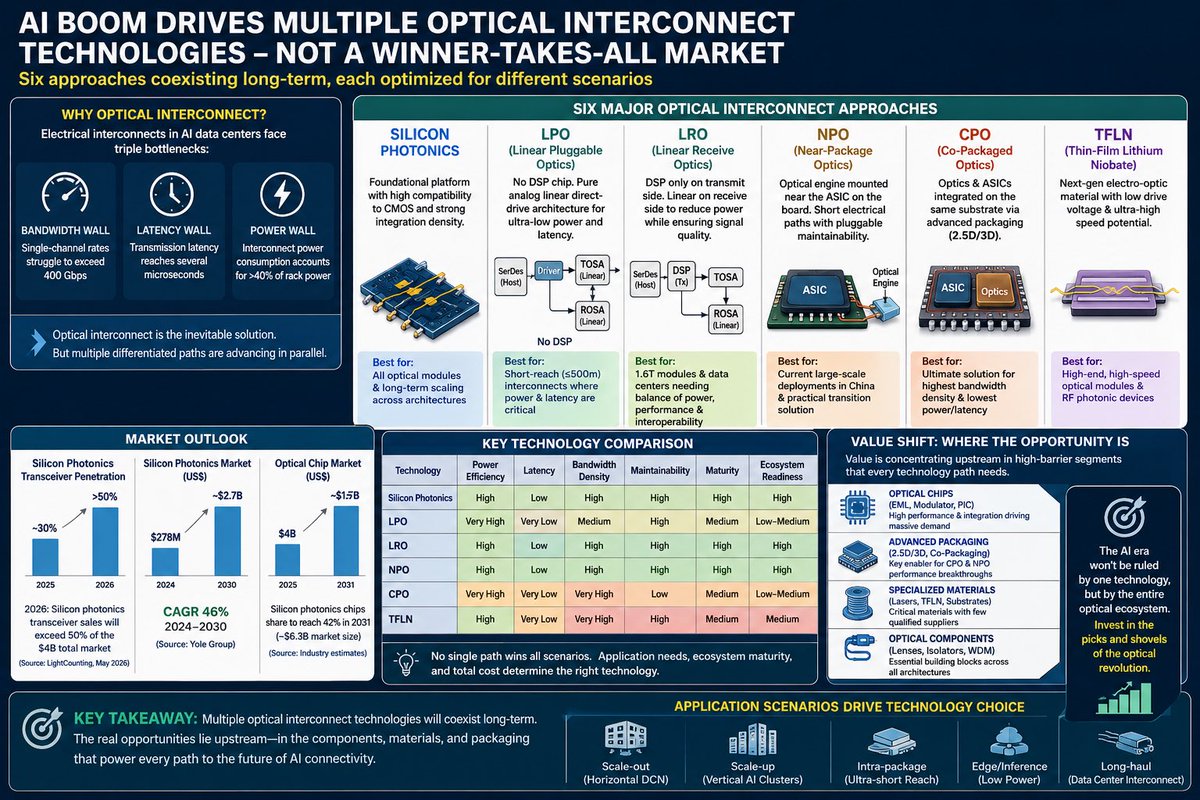
One of the biggest misconceptions in AI investing is believing there will be one winning optical technology.
The reality looks very different.
As AI clusters become larger and GPUs consume more power, traditional copper connections are hitting limits in bandwidth, latency, and energy efficiency. That’s why the industry is rapidly moving toward optical interconnects—but multiple technologies are likely to coexist rather than compete to extinction.
🔹 Silicon Photonics is becoming the foundation of the industry, with penetration expected to exceed 50% of the transceiver market and a projected 46% CAGR through 2030. Companies like $COHR, $LITE, $MRVL, $AVGO, $ALAB, $INTC, and TSM all benefit from this ecosystem.
🔹 LRO and LPO are practical solutions for today’s AI data centers. LRO is emerging as the preferred path for 1.6T optical modules, balancing power savings with reliability, while LPO targets ultra-low latency applications.
🔹 NPO (Near-Packaged Optics) is quietly becoming the mainstream deployment choice in China. It delivers better efficiency while preserving the existing optical module ecosystem, making adoption easier for hyperscalers and GPU manufacturers.
🔹 CPO (Co-Packaged Optics) remains the long-term vision. $NVDA and $AVGO are leading the push because integrating optics directly with AI chips can dramatically reduce power consumption and increase bandwidth density. The challenge is cost, packaging complexity, and maintenance, which means mass adoption will likely take years rather than months.
🔹 TFLN (Thin-Film Lithium Niobate) is the dark horse. It enables faster optical modulation with lower power consumption and could become a critical technology for future 400G-per-lane AI networks, creating opportunities for specialized optical component suppliers.
For investors, the biggest takeaway isn’t choosing one technology over another.
The real value is moving upstream into optical chips, advanced packaging, lasers, modulators, and specialized materials—the components every architecture will need regardless of which standard ultimately dominates.
The AI revolution isn’t creating one winner. It’s creating an entire optical ecosystem where the companies supplying the picks and shovels may generate the most durable long-term returns. 🚀💡📡
89

Jun 15
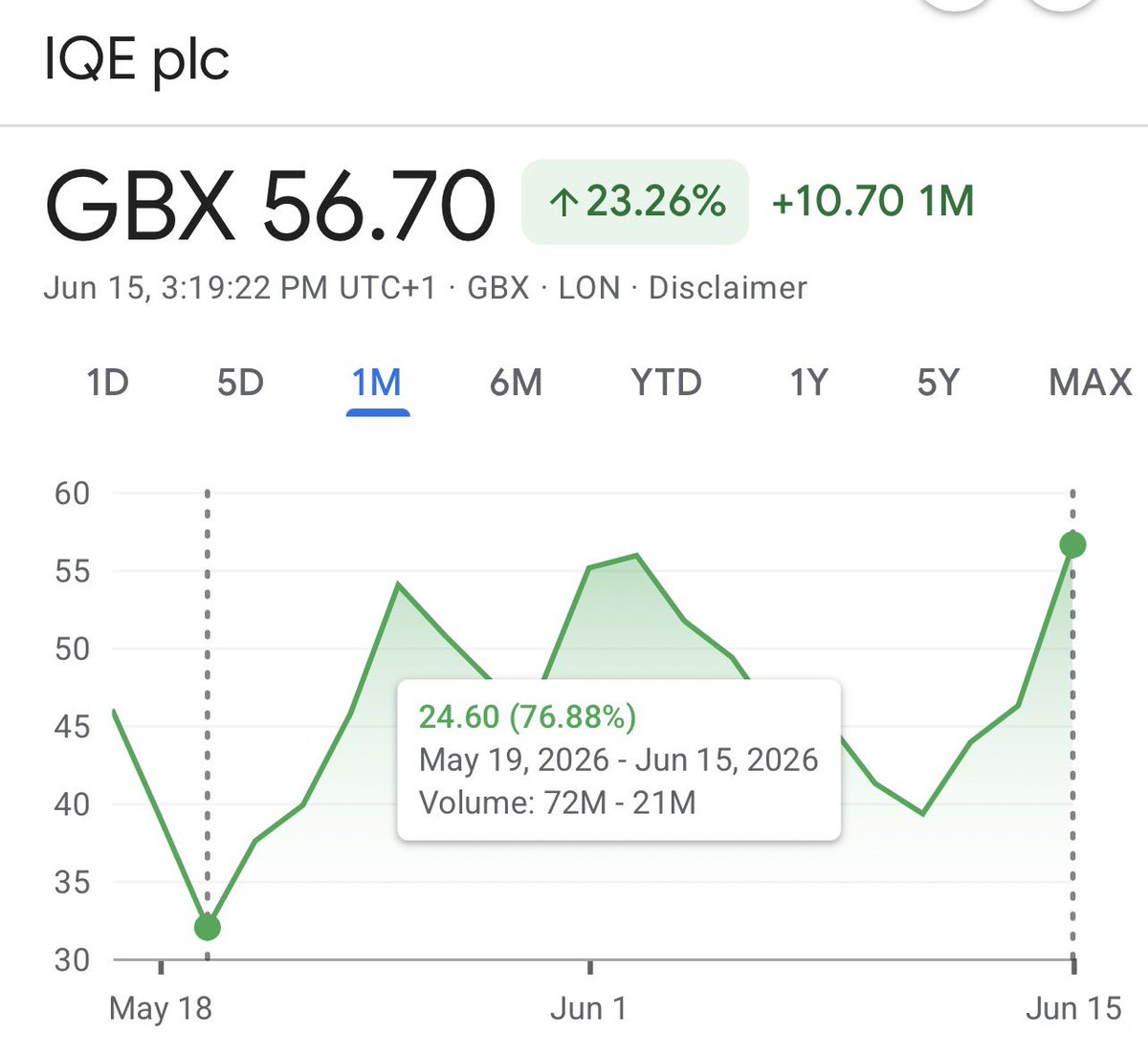
$IQE x $TSEM just announced a multi-year InP epiwafer supply agreement.
IQE is the non-Chinese InP epiwafer source Tower needed. That’s a geopolitical moat that is ever so crucial in this political complex tape.
200Gb/s pluggables today. 400Gb/lane modulators optical circuit switches next. IQE is being designed into the full optical roadmap for AI data centers.
Shat makes this so interesting – IQE sued Tower in 2022 for IP theft. Today Tower grants IQE a royalty-free porous silicon patent license as part of the deal.
Former adversary becomes anchor customer, if you can’t beat them? Join them. That only happens when your product is irreplaceable.
$LITE $MTSI were already IQE optical anchors. Add $TSEM and now you have three Tier-1 foundry relationships in the AI photonics stack.
When the market hands us lemons, we make lemonade. I position myself after the drop at 45 and 32. Now I can rip the benefits.
I’m long $IQE
4
6
92
9,791