
11h
Mais personne n'a dit que tous les italiens étaient identiques. Êtes vous infiniment stupide ou vous le faites exprès ? Cela s'appelle des morphotypes. c'est de la génétique. C'est de la science. Ils ont tous les trois ce que l'ont peut communément appelé des têtes d'italiens.
1
7
Bloodsucking Parasites retweeted

Genome-wide SNP analysis of genetic differentiation between co-existing morphotypes of #Aedes aegypti in India dlvr.it/TT2f5G #ActaTropica
1
81
Chidambara .ML. retweeted

Jun 15
Many C. difficile strains form 2 colony morphotypes: rough & smooth. In a mouse model of CDI, cells from rough colonies are more immunostimulatory during early infection, potentially reducing relative fitness compared to smooth colony cells. #IAIJournal asm.social/2Ys
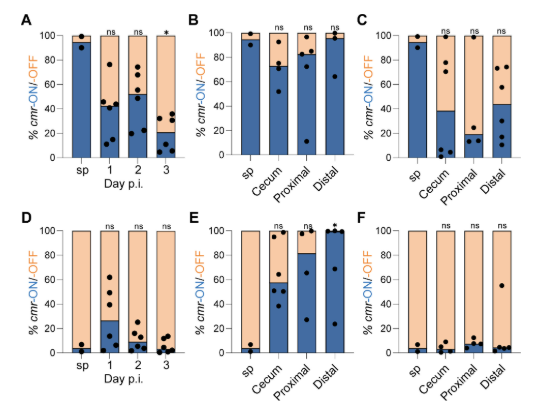
ALT Orientation of the cmr switch in tissue-associated C. difficile during early stages of infection.
1
4
1,226


Jun 13
Justement tocard, j'en ai lu bien plus que toi. Et ts sont formels:
- les morphotypes sont différents selon les ethnies
- les ethnies sont aussi appeller races
- les races existent donc
-ils n'y a pas de hiérarchies entre elle
- le proprio du compte @Cmiler est un colossal tdc
13

Jun 12
Ben observe les morphotypes, avec leurs prédispositions et leurs limites, c'est à la portée de tous... aprés, tu trouveras toujours l'exception qui confirme la règle !
30
Jun 12
Il suffit de voir ce qui est, et de savoir les capacités et limites de divers morphotypes, couillon !
1
130

May 31
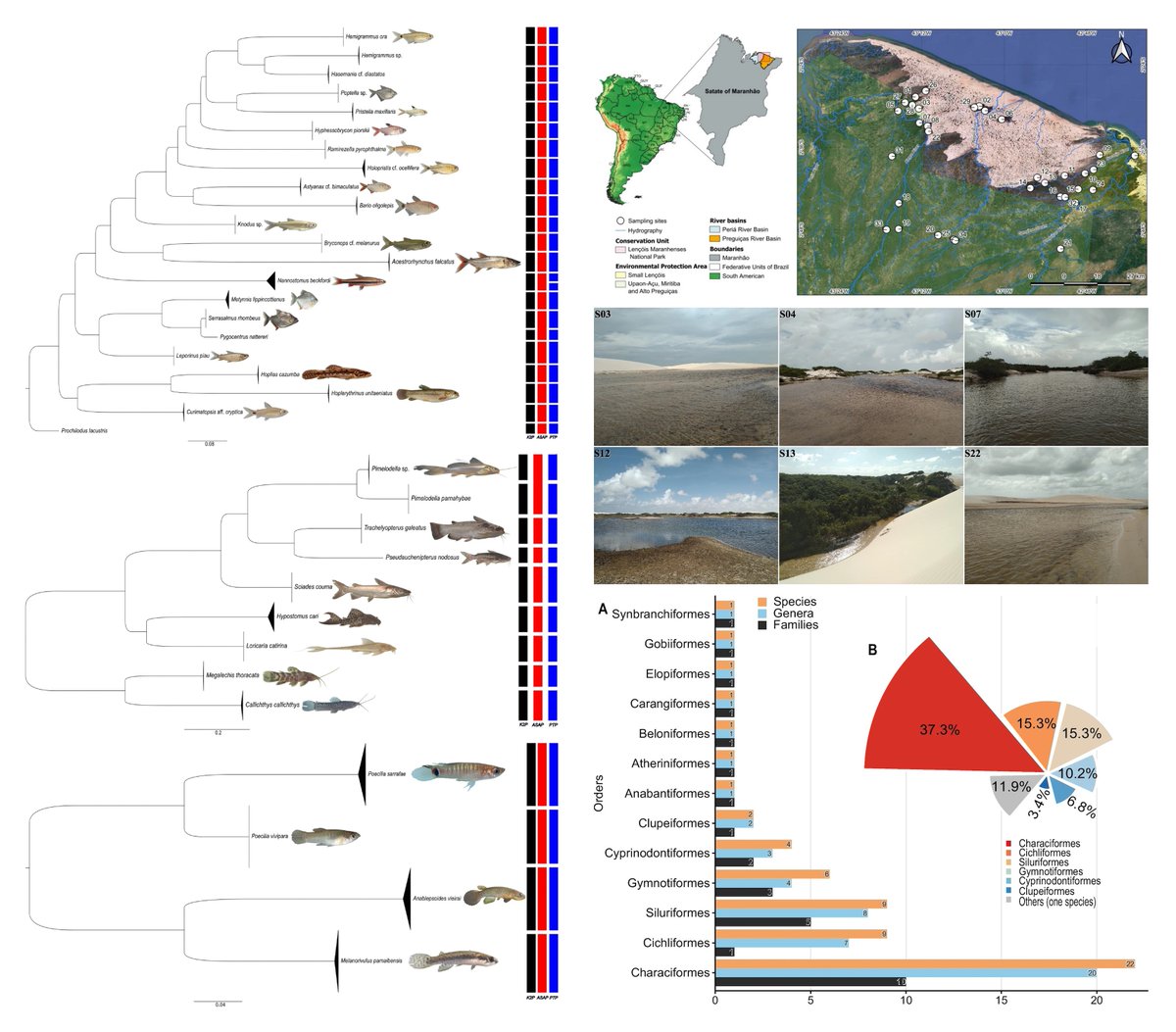
#IchthyofaunaChecklist - Researchers in this study produced a database of the ichthyofauna for Parque Nacional dos Lençóis Maranhenses and adjacent areas in northeastern Brazil by integrating molecular and morphological data, enabling a revision of the ichthyofauna, including nomenclatural updates and correct identifications. Studies like this are essential for conservation strategies, providing critical baselines for the conservation and management of regional fish fauna.
Accurate species identification is a challenge in megadiverse regions, where morphology alone can lead to overestimation or underestimation of biodiversity. In this context, the incorporation of molecular approaches, such as DNA barcoding, has been useful for accurately estimating regional biodiversity, revealing cryptic diversity, and enabling non-specialists to identify species.
"results show that the diversity of some genera has been underestimated in previous studies (e.g. 𝐸𝑖𝑔𝑒𝑛𝑚𝑎𝑛𝑛𝑖𝑎 Jordan & Evermann, 1896, with three instead of one species previously recorded from PNLM and adjacent areas), while other genera had their diversities overestimated (e.g. 𝐵𝑟𝑦𝑐𝑜𝑛𝑜𝑝𝑠 Kner, 1858, with one instead of two species, although two morphotypes are recognized) (other examples can be found in Table 2), and are discussed below."
"Previous studies recorded 60 fish species in PNLM and adjacent areas, and some of these previously recorded species had their identifications revised in the present study...... Consequently, this study expands the known ichthyofaunal diversity of the PNLM and its surrounding areas to a total of 70 species."
Ichthyofauna checklists and rapid assessments are important tools for biologists, researchers, conservationists, and government bodies/NGOs. They provide critical baselines for the conservation and management of regional fish fauna. Our understanding of species composition in a territory evolves due to species movements across borders, extinctions, introductions, and new taxonomic evidence.
𝗥𝗲𝘀𝗲𝗮𝗿𝗰𝗵 𝗧𝗶𝘁𝗹𝗲
Unveiling fish diversity in the Parque Nacional dos Lençóis Maranhenses and adjacent areas through DNA barcoding, Northeastern Brazil
Open-access - link.springer.com/article/10…
𝗖𝗶𝘁𝗮𝘁𝗶𝗼𝗻
de Oliveira Vieira, L., Kuranaka, M., Garcia-Ayala, J.R. et al. Unveiling fish diversity in the Parque Nacional dos Lençóis Maranhenses and adjacent areas through DNA barcoding, Northeastern Brazil. Biologia 81, 142 (2026). doi.org/10.1007/s11756-026-0…
𝗔𝗯𝘀𝘁𝗿𝗮𝗰𝘁
Accurate species identification is a challenge in megadiverse regions, where morphology alone can lead to overestimation or underestimation of biodiversity. In this context, the incorporation of molecular approaches, such as DNA barcoding, has been useful in accurately estimating regional biodiversity, revealing cryptic diversity, and enabling identification by non-specialists.
This study generated a molecular database of fishes for Parque Nacional dos Lençóis Maranhenses and adjacent areas, based on sequences of the mitochondrial cytochrome c oxidase subunit I (COI) gene. Haplotype analyses were conducted using Maximum likelihood (ML), and the delimitation of Operational Taxonomic Units (OTUs) combined the following methods: Kimura 2-parameter model (K2P), Assemble Species by Automatic Partitioning (ASAP) and Poisson Tree Processes (PTP) methods, using K2P ≥ 2% to resolve cases of incongruence between ASAP and PTP. A total of 59 species were recorded, distributed across 51 genera, 29 families, and 13 orders. In total, 258 sequences were analyzed (Two hundred and fifty-three generated in this study and five additional from GenBank), corresponding to the 59 species. K2P genetic distances revealed a clear separation between intraspecific and interspecific variation, with maximum and minimum values of 1.78% and 3.63%, respectively, resulting in a barcoding gap of 1.85% without overlap, demonstrating the high efficiency of the COI marker in species discrimination.
Five new records for the area were identified, including two non-native species. The integration of molecular and morphological data enabled a revision of the ichthyofauna, including nomenclatural updates and the correction of identifications. These findings are essential for conservation strategies.
𝗣𝗵𝗼𝘁𝗼 𝗖𝗿𝗲𝗱𝗶𝘁
See study Figures for details.
© 2026 the Author(s). Published in the journal Biologia. An open access article, distributed under the terms of the Creative Commons Attribution 4.0 International (CC-BY-4.0) licence. creativecommons.org/licenses…
#Ichthyofauna #Brazil #Ichthyology #Taxonomy #Biodiversity #AquariumHobby #Fishkeeping #Aquarist #TropicalFish #DNABarcoding #ConservationStrategies #Conservation #FreshwaterConservation #Freshwater
ALT de Oliveira Vieira, L., Kuranaka, M., Garcia-Ayala, J.R. et al. Unveiling fish diversity in the Parque Nacional dos Lençóis Maranhenses and adjacent areas through DNA barcoding, Northeastern Brazil. Biologia 81, 142 (2026). https://doi.org/10.1007/s11756-026-02217-1
8
34
1,121

May 23
pour avoir testé différents morphotypes je te jure le cavu c intouchable
1
2
61
May 21
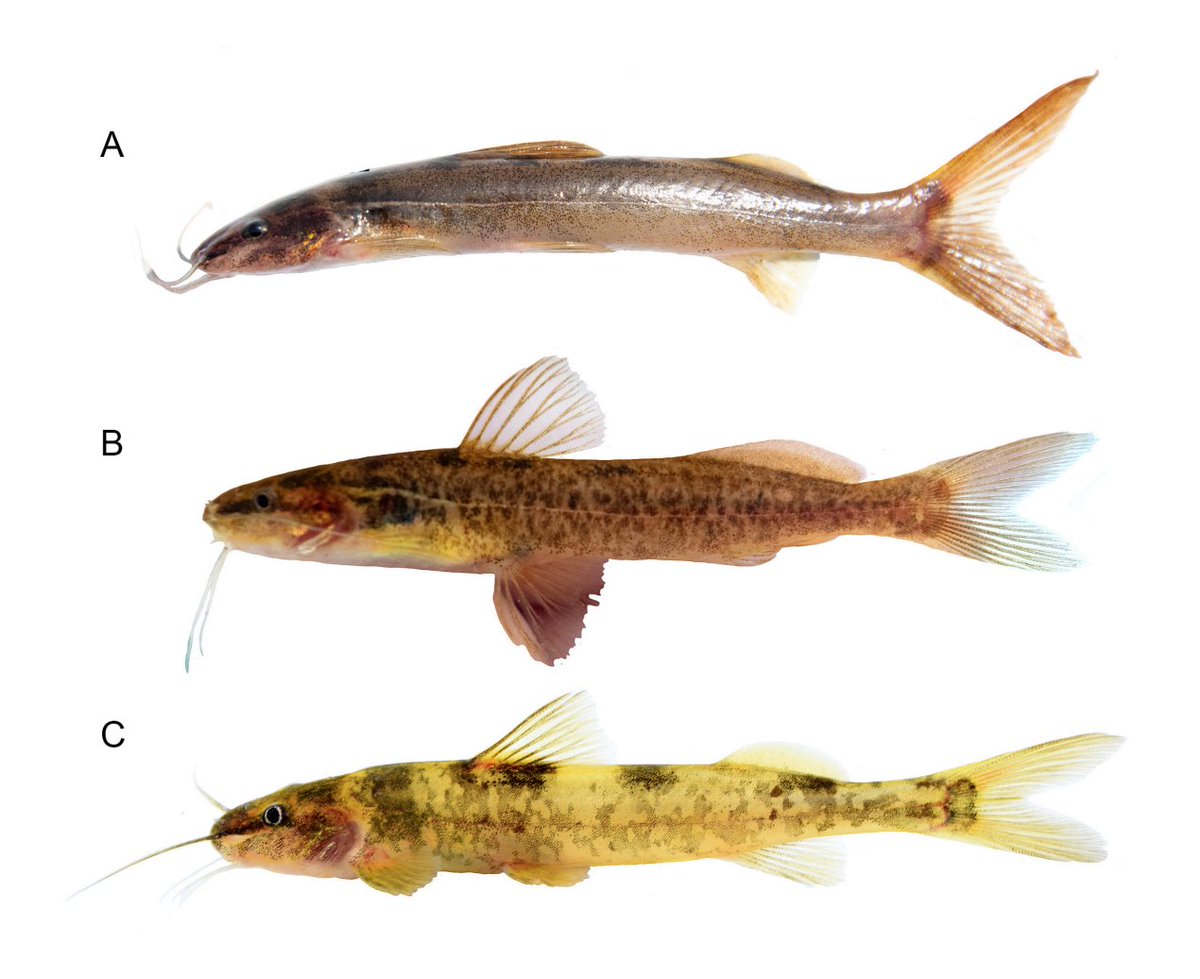
#NewSpeciesAlert - 𝐼𝑚𝑝𝑎𝑟𝑓𝑖𝑛𝑖𝑠 𝑚𝑒𝑙𝑎𝑛𝑜𝑝𝑡𝑒𝑟𝑢𝑠, 𝐼𝑚𝑝𝑎𝑟𝑓𝑖𝑛𝑖𝑠 𝑛𝑖𝑔𝑟𝑜𝑝𝑢𝑛𝑐𝑡𝑎𝑡𝑢𝑠 and 𝐼𝑚𝑝𝑎𝑟𝑓𝑖𝑛𝑖𝑠 𝑡𝑒𝑠𝑠𝑒𝑙𝑙𝑎𝑡𝑢𝑠, three new species of heptapterid catfish, are described from the middle Araguaia River, the upper Araguaia River, and the upper Tapajós River in the Brazilian Shield, respectively. The authors also discuss the distributional patterns of 𝐼𝑚𝑝𝑎𝑟𝑓𝑖𝑛𝑖𝑠 within the Amazon River basin in this study.
🔒 mapress.com/zt/article/view/…
𝗥𝗲𝘀𝗲𝗮𝗿𝗰𝗵 𝗧𝗶𝘁𝗹𝗲
Morphological and molecular evidence reveal three new species of 𝐼𝑚𝑝𝑎𝑟𝑓𝑖𝑛𝑖𝑠 (Heptapteridae: Heptapterini) from the Amazon River basin
𝗖𝗶𝘁𝗮𝘁𝗶𝗼𝗻
Silva, G.S.C., Lopes, M.M., Carvalho, K.R., Oliveira, C. & Sarmento-Soares, L.M. (2026) Morphological and molecular evidence reveal three new species of 𝐼𝑚𝑝𝑎𝑟𝑓𝑖𝑛𝑖𝑠 (Heptapteridae: Heptapterini) from the Amazon River basin. Zootaxa, 5814 (2), 259–275. doi.org/10.11646/zootaxa.581…
𝗔𝗯𝘀𝘁𝗿𝗮𝗰𝘁
The integration of morphological and molecular data for 𝐼𝑚𝑝𝑎𝑟𝑓𝑖𝑛𝑖𝑠 species from Amazonian drainages of the Brazilian Shield revealed the presence of three previously undescribed species, which are formally described herein. These species are readily distinguished from their congeners by characters related to coloration: 𝐼. 𝑚𝑒𝑙𝑎𝑛𝑜𝑝𝑡𝑒𝑟𝑢𝑠, from the middle Araguaia River, has a distinctly darker lower caudal-fin lobe; 𝐼. 𝑛𝑖𝑔𝑟𝑜𝑝𝑢𝑛𝑐𝑡𝑎𝑡𝑢𝑠, from the upper Araguaia River, possesses conspicuous black spots on the body; and 𝐼. 𝑡𝑒𝑠𝑠𝑒𝑙𝑙𝑎𝑡𝑢𝑠, from the upper Tapajós River, is characterized by dark blocks of chromatophores on the body, forming a variegated color pattern. Additionally, our species-delimitation analysis recovered these three morphotypes as independent genetic lineages, exhibiting high levels of genetic divergence. A discussion of distributional patterns of 𝐼𝑚𝑝𝑎𝑟𝑓𝑖𝑛𝑖𝑠 within the Amazon River basin is provided.
𝗣𝗵𝗼𝘁𝗼 𝗖𝗿𝗲𝗱𝗶𝘁
Live specimens of a) 𝐼𝑚𝑝𝑎𝑟𝑓𝑖𝑛𝑖𝑠 𝑚𝑒𝑙𝑎𝑛𝑜𝑝𝑡𝑒𝑟𝑢𝑠, LBP 36347; b) 𝐼𝑚𝑝𝑎𝑟𝑓𝑖𝑛𝑖𝑠 𝑛𝑖𝑔𝑟𝑜𝑝𝑢𝑛𝑐𝑡𝑎𝑡𝑢𝑠, LBP 32067; c) 𝐼𝑚𝑝𝑎𝑟𝑓𝑖𝑛𝑖𝑠 𝑡𝑒𝑠𝑠𝑒𝑙𝑙𝑎𝑡𝑢𝑠, LBP 37269.
© 2026 the Author(s). Published in the journal Zootaxa.
#NewSpecies #Ichthyology #Taxonomy #Biodiversity #AquariumHobby #Fishkeeping #Aquarist #TropicalFish #Catfishes #Imparfinis #Heptapteridae #rioTapajós #Heptapterini #Neotropical #AmazonRiver #Amazon #rioAraguaiari
ALT Silva, G.S.C., Lopes, M.M., Carvalho, K.R., Oliveira, C. & Sarmento-Soares, L.M. (2026) Morphological and molecular evidence reveal three new species of 𝐼𝑚𝑝𝑎𝑟𝑓𝑖𝑛𝑖𝑠 (Heptapteridae: Heptapterini) from the Amazon River basin. Zootaxa, 5814 (2), 259–275. https://doi.org/10.11646/zootaxa.5814.2.5
10
64
2,362

insane to me that i can slot the nymphs into satyr morphotypes intuitively
3
74

May 15
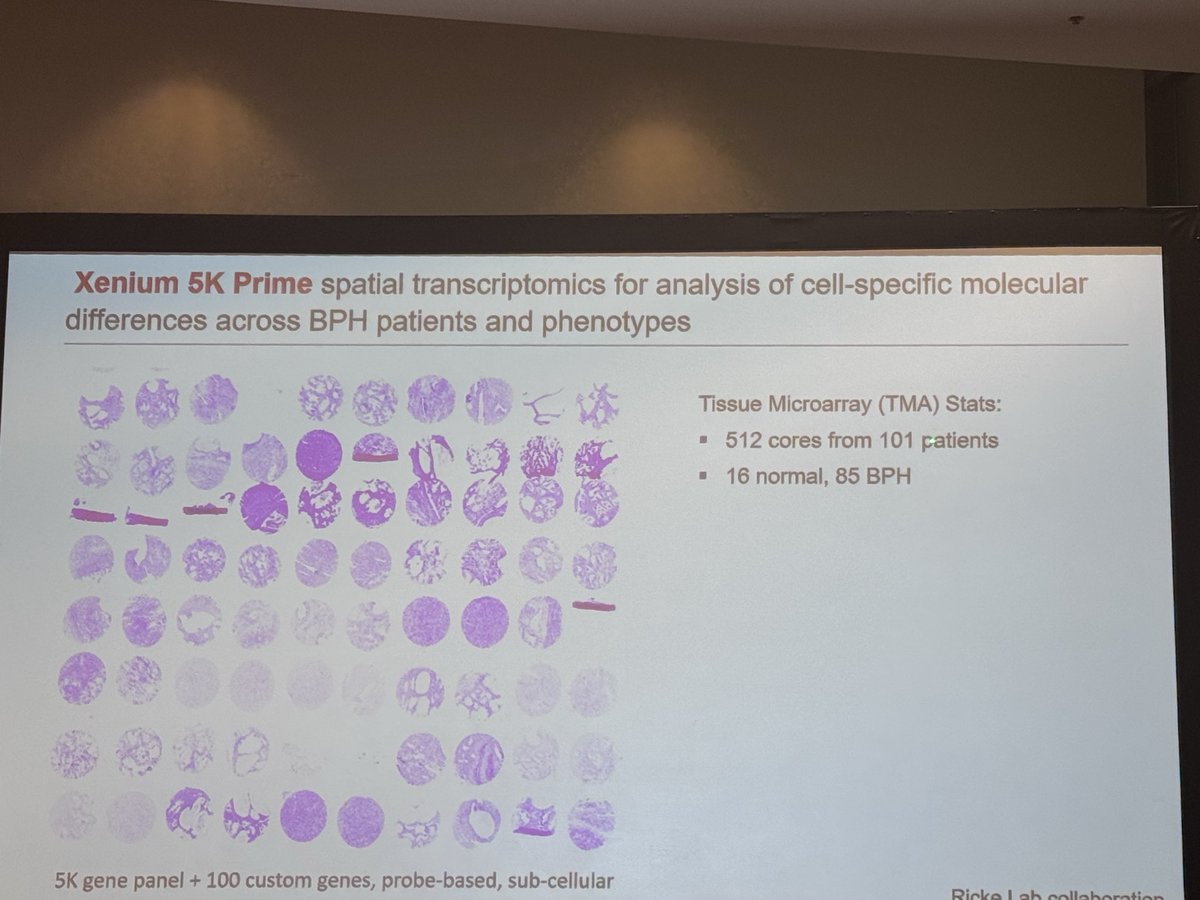
Dr Doug Strand @UTSWUrology presenting on spacial transcriptomics in BPH. Interstitial fibroblasts are expanded in BPH and cause branching morphogenesis. A lot of cool research/technology looking at different BPH morphotypes w/ @LabRicke #AUA26 #SBUR
2
6
458

May 6
🫒 77 morphotypes, 6 breeding-ready standouts — husk tomato from Oaxaca is more diverse than expected.
No geographic structure found, suggesting extensive gene flow across Physalis ixocarpa populations.
🔗 Read more: brnw.ch/21x2eEu
#Physalis #GermplasmConservation
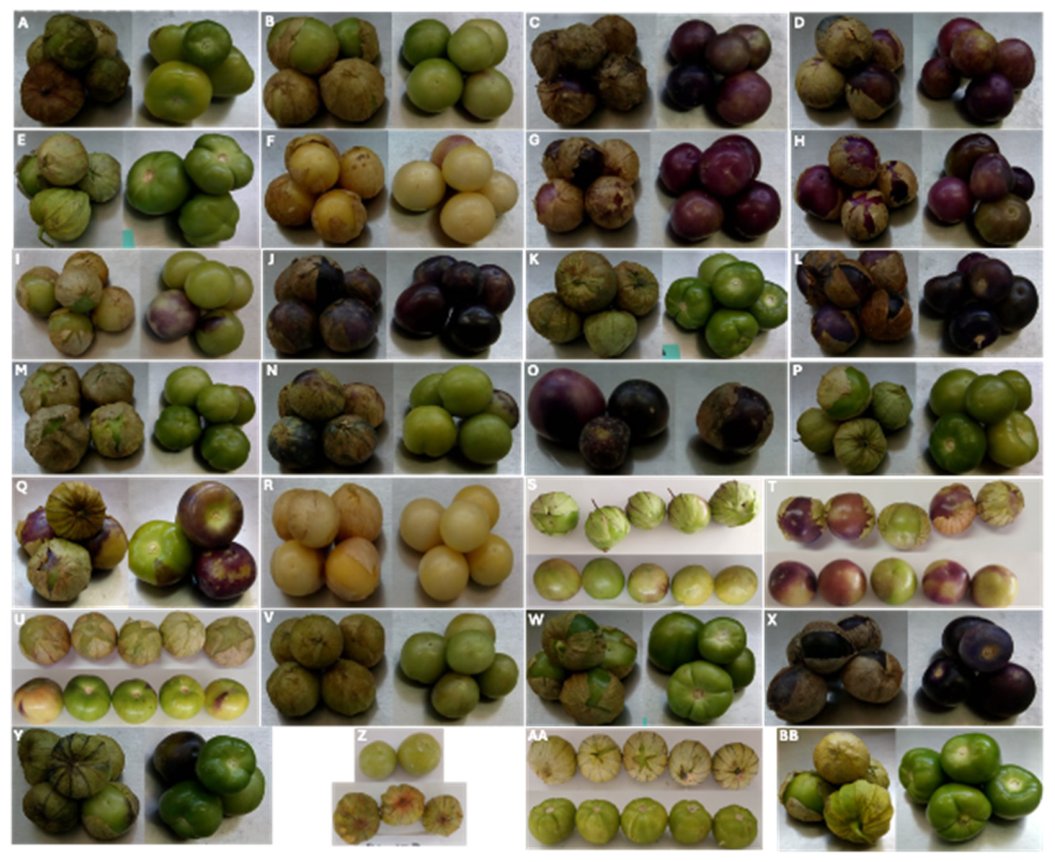
6
162

Multiple studies as studied Aterians and Qafzeh-Skhul. As morphotypes they have more in common with African Sapiens material.

god africa is unusual, how is a 100kya skull more robust and arguably as primitive as a 300kya skull.
anyway I think this isnt a great candidate for explaining those first eurasian sapiens either, if it is then jebel would have to be as well, which is illogical
1
4
126

Metatranscriptome data support the existence of two distinct morphotypes in a single parmalean species in natural environments | bioRxiv biorxiv.org/content/10.64898…
2
207

Metatranscriptome data support the existence of two distinct morphotypes in a single parmalean species in natural environments biorxiv.org/content/10.64898… #biorxiv_micrbio
2
3
305

Mar 13
Well we already knew there were araucarias in the Morrison, this just confirmed the two most well-known morphotypes are the same species
1
1
16
647

Mar 10
Vous vous persuadée de trucs qui n'existent pas. On parle de 2014 pas de 1960. Les morphotypes n'évoluent pas à ce rythme.
1
4
4,247