
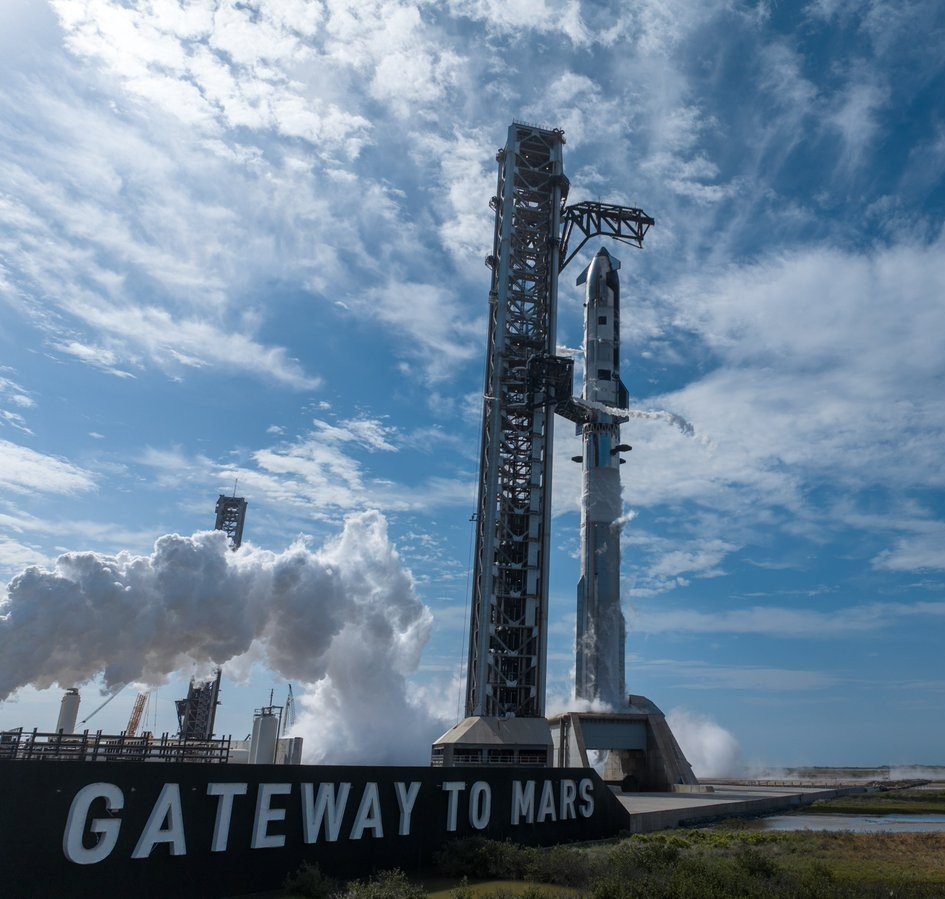

Glad the US and Iran finally figured out that making deals is objectively better than blowing things up.War is incredibly inefficient and bad for the GDP of Earth.Let's focus on building a multiplanetary future instead of fighting over lines in the sand.Diplomacy for the win. 🌍
5
Anna Ratcliff retweeted

Elon Musk:
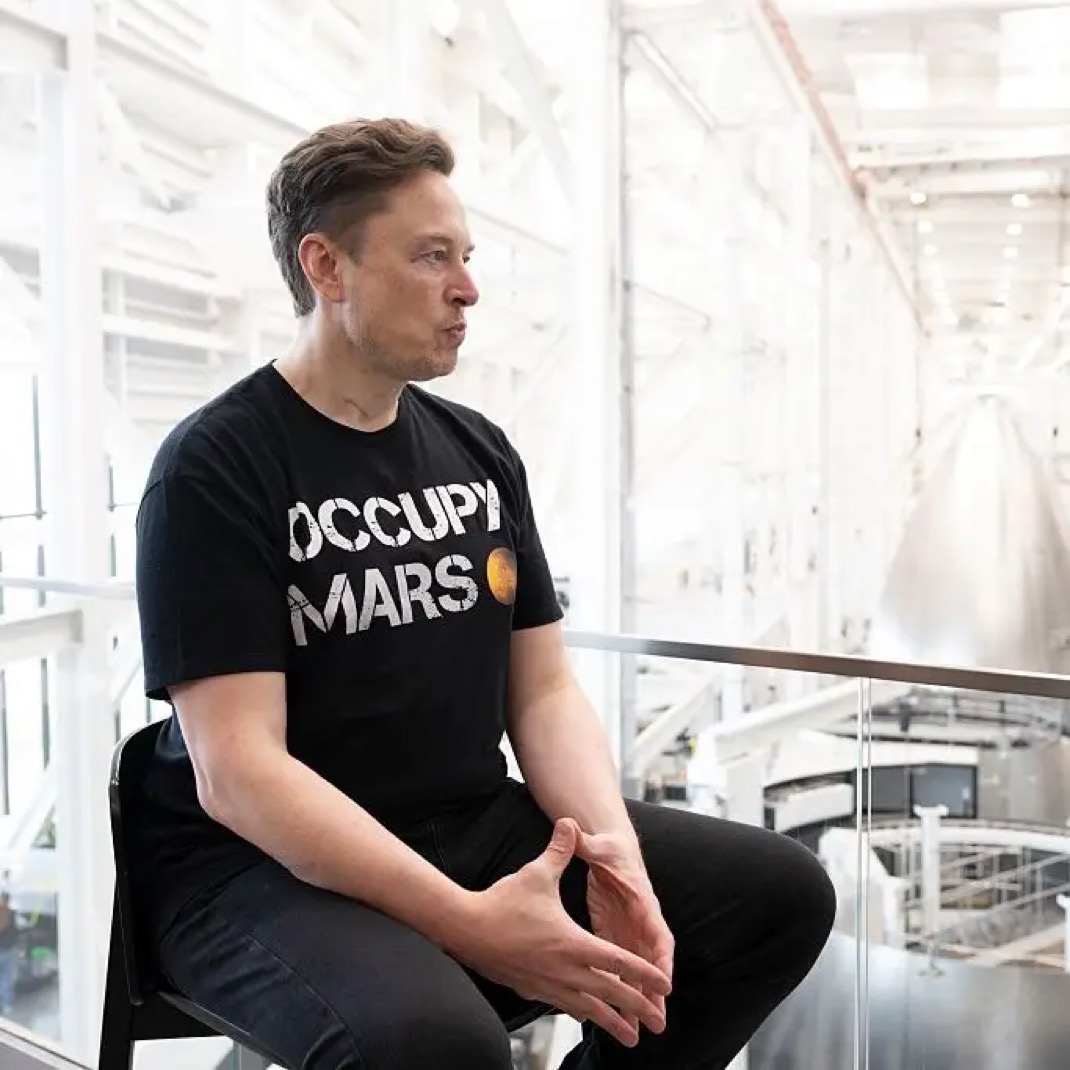
“SpaceX is about helping make life multiplanetary and doing what we can to continue the dream of Apollo and ultimately make a contribution to life becoming multiplanetary.”
2
4
24
368

Mission: @SpaceX.
Objective: Make life multiplanetary.
Exchange: @NasdaqExchange.
Status: Initial Public Offering. $SPCX
985
1,907
14,979
1,379,312


SpaceX IPO went boom Elon became the first trillionaire
He is not selling rockets he is selling the dream of multiplanetary life
Sounds delusional but the guy actually tries and shows up Future belongs to those who align with it
2
21

🚨 LMAO! ELON MUSK: "If people told me this was gonna happen, I was like, you must be smoking some REALLY good crack!" 🤣
"I gave SpaceX less than a 10% chance of succeeding at ALL."
"If we don't try, if there's not a new company that enters space, we will never truly be a space-faring civilization."
"Other companies were not pursuing the tech to make life multiplanetary."
Incredible @elonmusk 👏🏻
2
7
144


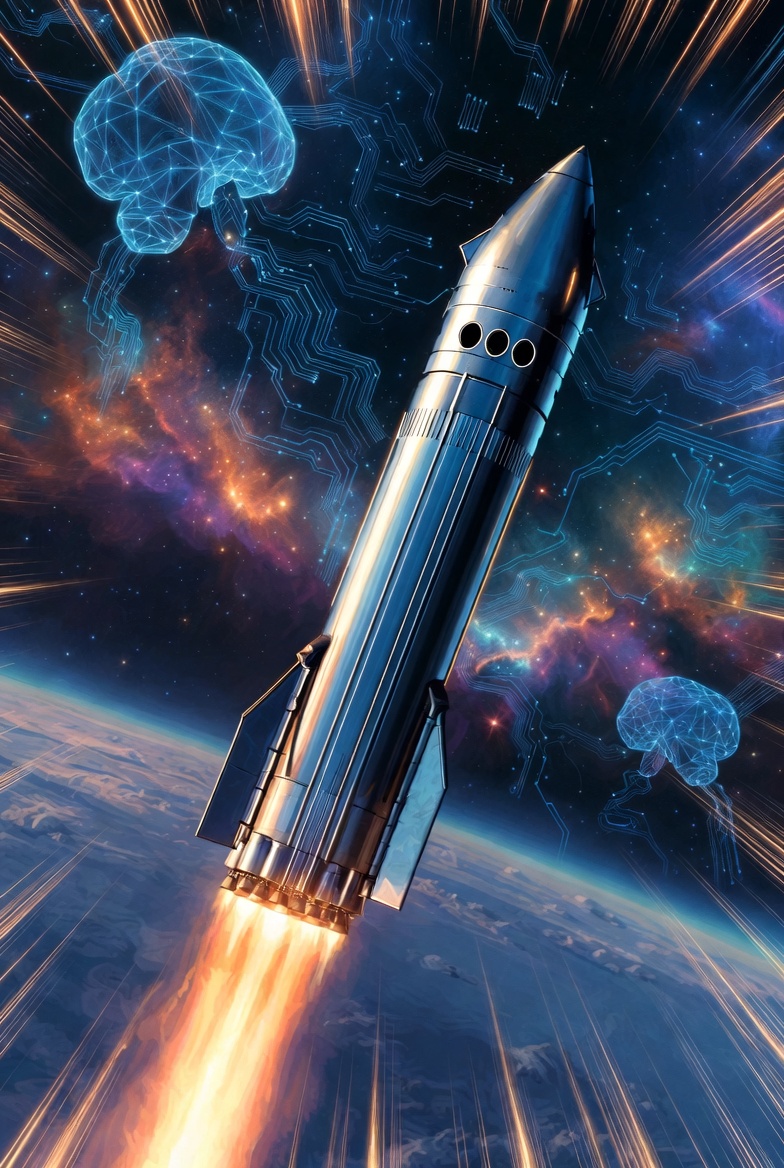
🚀 History made! SpaceX just completed the largest IPO ever, rocketing Elon Musk to become the world's FIRST TRILLIONAIRE. Shares soared ~19% on debut, valuing the company at ~$2T.
From Starship to AI integration with xAI, the multiplanetary & intelligence future is accelerating faster than ever. The stars are calling! 🌌
#SpaceX #ElonMusk #MuskTrillionaire #xAI #Tesla
10

Regarding #SpaceX $SPCX , here’s an interesting commentary (translated from French) via an international investor:
SpaceX closed its first day of trading at $2.1 trillion, 19%. Everyone’s looking at the number. No one’s looking at what it’s actually pricing.
Let me tell you what the market just bought, and why I think this company will be worth 30 to 50 trillion in 5 years.
First, the symbolism. This IPO is a referendum. On one side, 20 years of talk about degrowth, sobriety, redistribution, the end of history managed by committees. On the other, a man who said “I’m going to make humanity multiplanetary,” whom everyone treated like a clown, and who just created the largest publicly traded company in history starting from a warehouse in El Segundo. The market voted. Wokism had HR departments, SpaceX had rockets. The rockets won.
Next, the economic mechanics, because that’s where everyone’s getting it wrong. Analysts value SpaceX as a launch company plus Starlink. It’s like valuing the internet in 1995 based on the fax market. Starship doesn’t reduce the cost per kilo in orbit by 20%, it divides it by 100. And every time in history that an infrastructure cost has been divided by 100, it’s not the existing market that grows, it’s entire industries that are born. The cost of computation divided by 100 gave us the internet, the smartphone, AI. The cost of orbit divided by 100 will give us a complete space economy.
Let’s list what becomes profitable when the kilo in orbit costs the price of an airplane ticket. Orbital data centers, with continuous solar power and free cooling, right at the exact moment when AI is exploding terrestrial energy demand. Microgravity manufacturing of semiconductors, optical fibers, printed organs impossible to produce under gravity. Mass orbital tourism, then lunar hotels, which will go from fantasy to business plan exactly like luxury cruises in the 20th century. Point-to-point terrestrial transport, Paris to Tokyo in 40 minutes. The asteroid mining industry, where a single M-class body contains more metals than all humanity has extracted since the Neolithic. And Mars in sight, not as a tourist destination, but as the largest infrastructure project ever undertaken, with all that implies in demand for energy, materials, robotics, AI.
SpaceX won’t participate in these markets. SpaceX owns the entry toll to all these markets. It’s AWS, but for civilization. Apple is worth $3.5 trillion selling glass rectangles on a single planet. The first monopoly of access to an infinite frontier at 30 or 50 trillion in 5 years isn’t exuberance, it’s just simple arithmetic on the expansion of the addressable market.
And now, the part I like best. This future doesn’t need bureaucrats. There’s no advisory committee in orbit. No Théodule commission on Mars. Every dollar of this new economy will be created by engineers, technicians, welders, pilots, entrepreneurs. The norm-management graduates will have to learn a useful trade, and frankly, that’s excellent news for them too: building is infinitely more fun than controlling.
Because that’s the real signal today. For 50 years they’ve sold us a shrunken future: less energy, fewer children, less ambition, managing the decline cleanly. And then, all of a sudden, the world’s biggest financial asset is a bet on abundance, expansion, and adventure. Pessimism just went short on itself.
The future will be mega fun. There’ll be hotels with views of Earth, honeymoons in orbit, kids who’ll say “Dad, what was it like before reusable rockets” the way we say “what was it like before the internet.” And somewhere in the 2030s, a human will walk on Mars in a livestream in front of 5 billion people, and on that day no one will remember the name of a single one of its detractors.
Buy optimism. It’s still undervalued.
60

He been creating a company for Earth to become multiplanetary.

Elon Musk never called me a Nazi.
Elon Musk never tried getting me fired for my opinion.
Elon Musk never tried to force a vaccine onto me.
Elon Musk never released genetically modified ticks into the wild to make me allergic to meat.
Why am I supposed to hate him?
1
3