
I'm giving away 10 GTD spots for @Unitsxworld
Raw digital primitives that grow, mutate and merge entirely within the runtime environment
Supply : 7,777
Chain : ETH
Date : TBA
How to enter:
1. Follow @Unitsxworld & @jiabtc
2. Like rt this post
3. Drop EVM address
Ends in 24 hours. Good luck all
157
97
189
2,781


A disk-space alert came in this afternoon and the tempting AI move would have been: find big files, remove something, report cleanup done.
That is how you create a much bigger problem.
The alert was pointing at a hosting/account quota, but the server-level readback told a different story. The actual site was tiny. The public site loaded fine. The obvious “big stuff” was exactly the kind of thing you do not casually touch: backups, staging archives, uploaded assets, maintenance history.
So the useful output was not “I cleaned it up.”
It was:
I verified the site is healthy.
I checked the layer the alert appears to be coming from.
I found the likely cleanup candidates.
I did not mutate the server just to make the alert go away.
Here is the exact confirmation/approval needed next.
That distinction matters a lot.
A lot of AI ops goes sideways when the agent treats an alert as permission to act at the nearest familiar layer. Low disk alert? Start deleting files. Site slow? Start changing plugins. Email issue? Start changing DNS.
Nope.
The better habit is: identify which layer owns the problem before touching the fix.
Automation should be fast at the reversible investigation and very slow around anything that could erase history, break rollback, or hide the evidence.
Sometimes the most trustworthy thing an agent can say is:
“I found the likely issue, and I did not clean up the wrong thing.”
3

27m
in the Comics Spiderman is a Mutate but goes to the X-man to understand his MUTATION thats why Hulk is also in the Movie he is also a Mutate. So Talking with Marvel Girl / Phoenix makes sense

1

50m
Viral mutation ended the pandemic you ree-tards. Viruses naturally mutate to become more transmissible & less severe.
The 💉 didn't prevent getting Covid or transmitting Covid. FAIL.
9
𝘓𝘪𝘯𝘢* 🏒 retweeted

23h
Spider-Man: Brand New Day | Poster Concept | Textless
“Don’t worry about my pain. Worry about yours, if I mutate into a dangerous creature and you have to stop me.”
— Spider-Man: The Animated Series (Season 2, Episode 4: “The Mutant Agenda”)
Swipe for classic look.
*Credit to Yusuke Murata whose work helped inspire this concept.
Spider-Man: Brand New Day in theaters July 31.
•
#spiderman #tomholland #spidermanbrandnewday #marvelstudios #mcu


81
863
61,228

Steve Kirsch presents an analysis of early 2021 Medicare nursing home data and Israeli wastewater statistics to argue against vaccine efficacy.
When analyzing raw public health data, independent reviewers and institutional epidemiologists often reach completely different conclusions based on how variables are controlled. The arguments in the text rely on specific statistical patterns, but public health consensus explains those same trends through a different lens.
### 1. The Medicare Nursing Home Data (Early 2021)
The newsletter notes that the Case Fatality Rate (CFR) within nursing homes rose in the months following the December 2020 vaccine rollout, suggesting the shots made residents more vulnerable.
Epidemiologists and data analysts point to several confounding factors that explain this upward trend without attributing it to vaccine harm:
* **High-Risk Prioritization (Selection Bias):** In early 2021, vaccines were not distributed evenly. They were strictly prioritized for the oldest, most frail, and highly symptomatic individuals within care facilities. Raw, unadjusted numbers will naturally show higher mortality rates in a group selected precisely because they are at the highest baseline risk of dying.
* **The Winter Surge Peak:** December 2020 through January 2021 marked one of the deadliest COVID-19 waves in the U.S. Because deaths lag behind infections by several weeks, mortality data from January, February, and March reflected infections caught during the absolute peak of winter transmission, long before individuals had completed the multi-dose regimen required for maximum immunity.
* **Reporting Lags:** Nursing home data during crisis periods frequently suffered from data backlogs. Deaths that occurred in late December were often formally recorded and aggregated into February and March metrics.
### 2. The Israeli Wastewater & Case Counts
The post highlights that Israel experienced massive case spikes during the Delta and Omicron waves despite high vaccination rates, using this to argue that the vaccines failed.
Public health tracking explains this phenomenon by separating **infection prevention** from **severe disease prevention**:
* **Variant Evolution:** The initial vaccine formulas were designed against the original wild-type strain. When Delta and especially Omicron emerged, they featured mutations that allowed them to partially evade antibodies, leading to high infection rates (which register clearly in wastewater).
* **The "Hospitalization vs. Infection" Metric:** While case counts spiked significantly, large-scale peer-reviewed studies tracking Israeli health data demonstrated a stark decoupling: vaccinated individuals experienced significantly lower rates of mechanical ventilation, ICU admission, and death compared to unvaccinated individuals of the exact same age bracket during those same waves.
### 3. Vaccine Procurement Contracts
The mentioned funding ($1.24 Billion) reflects federal allocations dedicated to acquiring updated booster formulations. Because the virus continues to mutate, public health agencies treat COVID-19 similarly to the annual influenza vaccine—purchasing updated formulations ahead of the autumn/winter respiratory season to match circulating variants.
> **The Methodological Divide:** The core disagreement comes down to **crude data vs. adjusted data**. Independent critics frequently look at absolute raw totals across a timeline, while medical journals and epidemiologists require age-standardized, comorbidity-adjusted cohorts to determine actual clinical cause and effect.
6


Frank has resisted mind control plenty, the carrion virus would be nothing to him, and it would just mutate Peter when it puts his immune system into overdrive. MJ, hard to say. But it's not jean anyway, she does webshooter hand in the trailer
14

fuxkk FUCKKK FUCKKKK WE SHOULR ALL DIEEEEEE STARS WESKER SHOULD JUST MUTATE US ALL AND KILL US UGGHHHHHHH DOMESTIC PRE SPENSER MANSJON MAKES ME SICKKKKKDNDJISEJJD
5

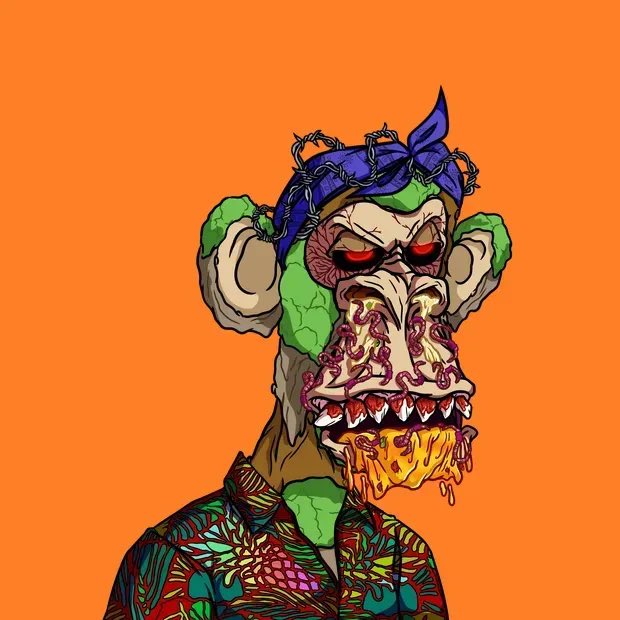
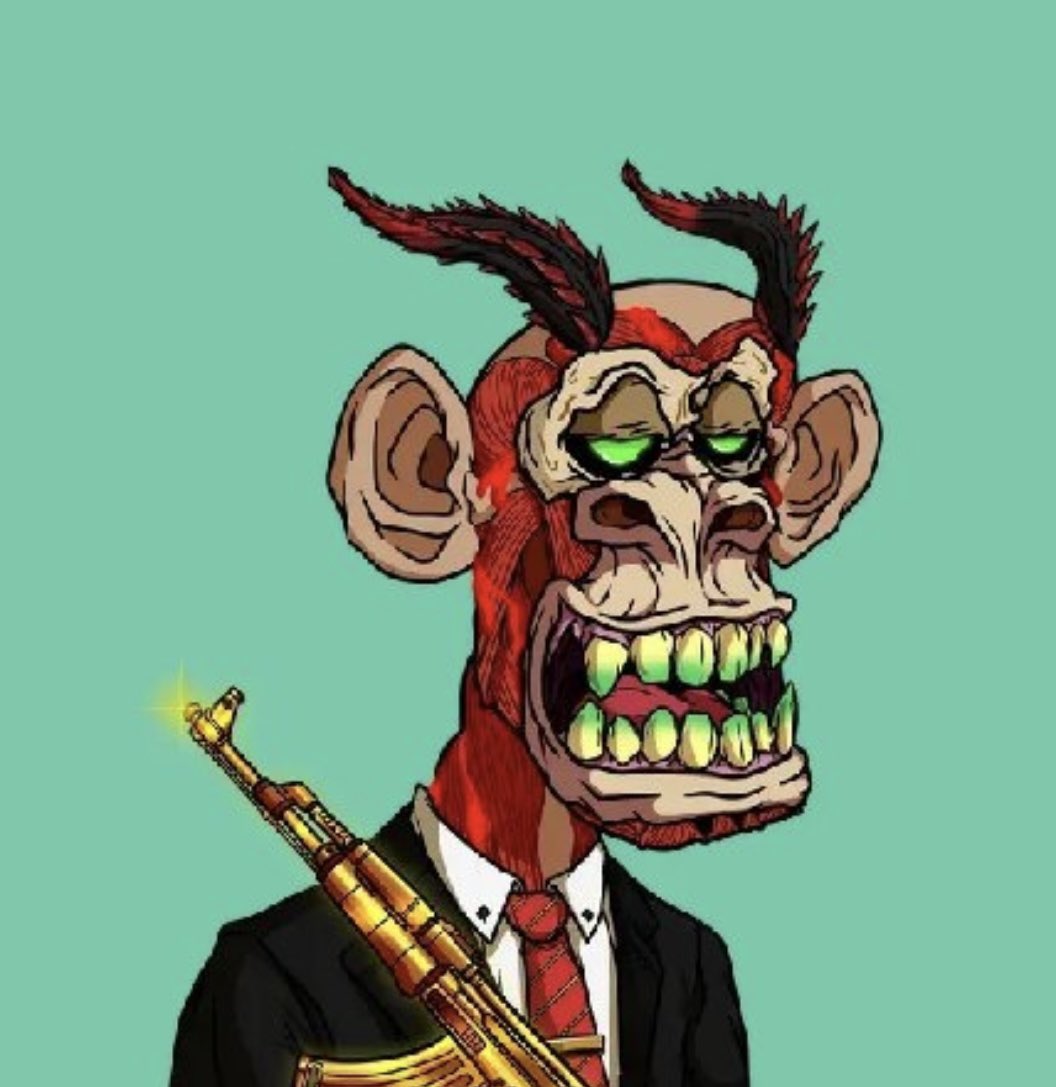
Mutate Or burn 🧪 🥬 🐐 🔥

2
34

and there are comics where his powers mutate as time goes on, so your point is?
1
30

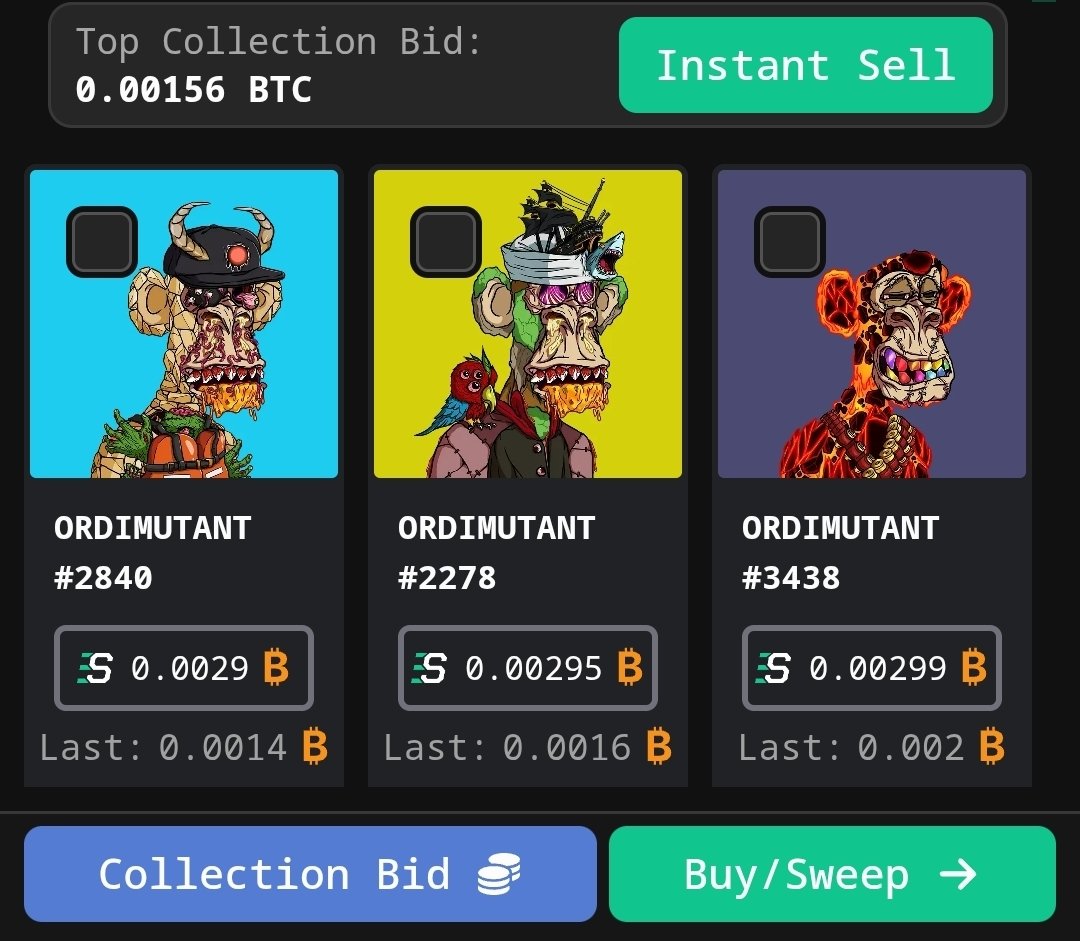
Just another day in Ordinals. Remember folks,
Rare sats are the foundation 🧪⛏️
Community is the power 🦾
Floors reflect it.
Mutate 🧪 or burn 🔥
@OrdiMutants


1
3
6
121