hi🔻 (formerly anon anime pfp) retweeted

Jun 5
The Nexperia saga continues
China’s Dongguan Intermediate People’s Court has accepted Wingtech’s lawsuit against Nexperia and its Dutch entities under China’s Anti-Foreign Sanctions Law (AFSL)
Wingtech (the Chinese owner) is demanding full control restored plus around $1.1 billion in damages. This follows Dutch government moves last year that blocked Wingtech’s oversight on national security grounds, sparking a messy cross-border chip dispute.
Why it matters: This is one of the first big tests of the AFSL in a major semiconductor case. It shows China’s willingness to hit back at Western “de-risking” efforts with domestic lawsuits.
On precedent: Yes, a win or strong ruling here would likely encourage other Chinese companies to use the AFSL when foreign governments restrict their overseas assets. It’s becoming a key tool in the ongoing tech tensions.
Worth watching how it plays out alongside Dutch courts and diplomacy
Jun 5

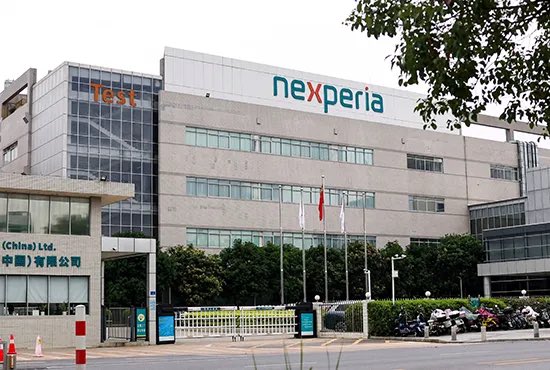
🇨🇳🇳🇱Wingtech sues Nexperia Netherlands
Wingtech Technology has filed a lawsuit in China alleging improper interference by Nexperia Netherlands; the Dongguan Intermediate People’s Court in Guangdong has accepted the case, Nexperia China said. (mktnews.com/flashDetail.html…)
15
74
437
81,727

Jun 10
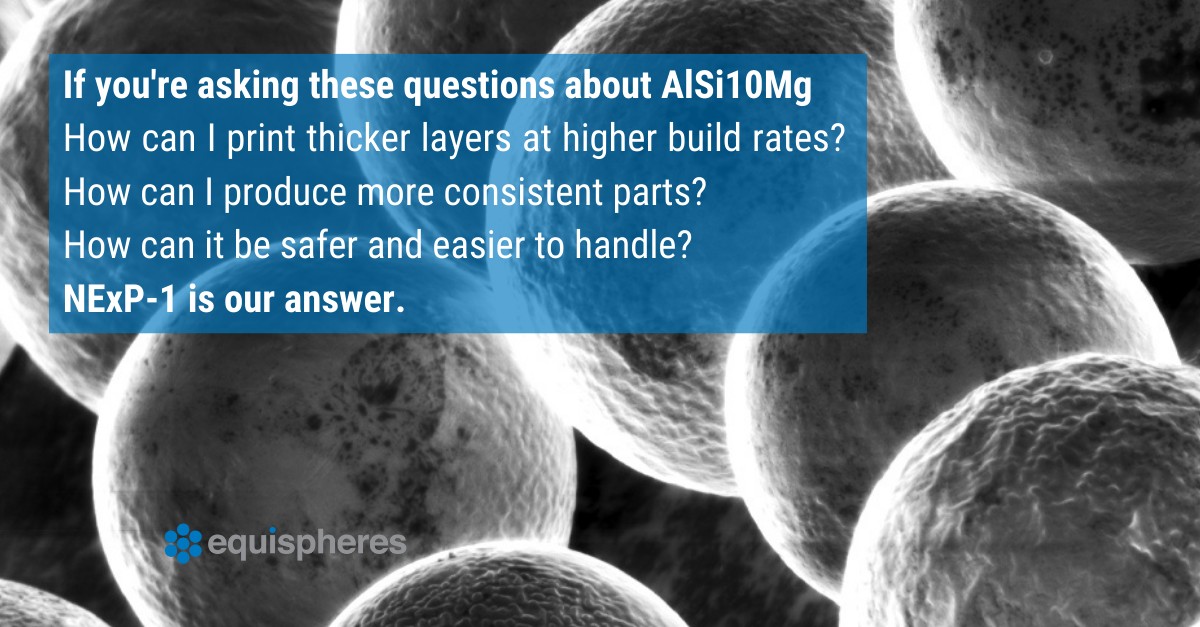
Imagine the perfect aluminum powder for #AdditiveManufacturing. We think it would:
✅ Produce consistent parts.
✅ Be safer to handle.
✅ Provide simpler post-print cleanup.
NExP-1 is our answer. equispheres.com #MetalAdditiveManufacturing
9

Jun 6
اكثر العاب منتظرها في 2027 :
Resident evil Veronica
MHW Asendance NExp
Stellar blade blood rain
Tomb raider legacy of Atlantis
Silent Hill 1 remake
God of war laufey
ILL
Metro 2039
Ke mu ri
The Witcher 4 & TW3 song of past
2
1
7
532

Apr 15
I think it's an open question how much you can verify without understanding answers yourself. For formal problems, you can get very far (e.g. debate gets you NEXP from a polynomial verifier IIRC), and we don't know how close the real problem space is to toy problems
4
5
340

Apr 12
高中:我想证明P != NP
本科:我想解决P = BPP,这看起来没那么民科了吧,毕竟没什么民科知道BPP
刚读研:我想做NEXP \notin TC0,比\notin ACC就改进了一点点,应该不难吧(
最近:上ECCC扒几篇感兴趣的文章,用gpt读完后看看结论那边有没有open problem能做,然后cold mail作者老师求带🥺
Apr 11

唉唉唉,你们说,我什么时候才能成为图灵。
唉唉唉,你们说,我什么时候才能成为冯诺依曼。
唉唉唉,你们说,我什么时候才能成为香农。
唉唉唉,你们说,我什么时候才能成为洛夫莱斯。
唉唉唉,你们说,我什么时候才能成为赫伯。
唉唉唉,你们说,我什么时候才能成为迪杰斯特拉。
5
9
137
20,375

Mar 30
$NEXp 🇫🇷 (Nexans SA) 👇
Mar 30

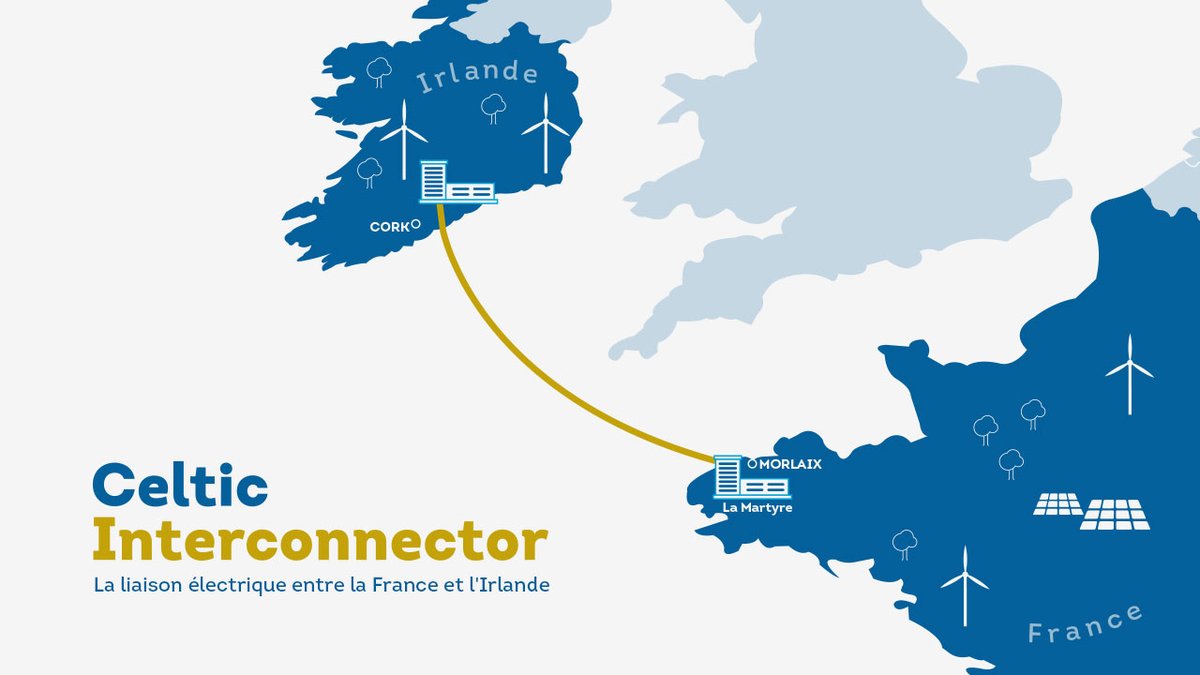
🇫🇷 🇮🇪 Le projet Celtic Interconnector lance sa première campagne française de pose de câbles sous-marins en Bretagne avec le navire La Calypso.
🔌 Cette interconnexion HVDC de 700 MW et 575 km reliera La Martyre (France) à l’est de Cork (Irlande) pour échanger de l’électricité entre les deux pays.
⚡️ Il s’agit de la première liaison directe entre l’Irlande et l’Europe continentale, faisant de l’Irlande le 7e pays interconnecté avec la France.
📅 Les travaux terrestres sont à 90 % achevés, avec une mise en service prévue en 2028.
💶 Le projet, d’un coût de 1,6 milliard d’euros dont 530 millions subventionnés par l’UE, renforce la solidarité électrique et la sécurité d’approvisionnement européen.
rte-france.com/actualites/pr….
4
356


Especially knowing their nexp opponent might be arsenal
1
3
49

Mar 11
A Taxa Selic não está afetando a economia.
A Taxa Selic 👇
•Gafisa (GFSA3): Seca de funding
•Tenda (TEND3): Reestruturação de debêntures para evitar quebra de covenants.
•Nexpe (NEXP): Recuperação Judicial.
•Rossi (RSID3) / João Fortes (JFEN): Recuperação Judicial.
•Americanas (AMER3): RJ (R$ 25 bi); fechamento de 125 lojas.
•Casas Bahia (BHIA3): Reestruturação profunda; fechamento 55 lojas.
•Magalu (MGLU3): Compressão de margens, fechamento de 53 unidades.
•GPA (PCAR3): Recuperação Extrajudicial; R$ 17 bi em contingências.
•Lojas Marisa (AMAR3): Fechamento de 91 lojas; dívida consome margens.
•Azzas 2154 (AZZA3): Fusão defensiva.
•Raízen (RAIZ4): Recuperação Extrajudicial; passivo de R$ 65 bi.
•Light (LIGT3): RJ Homologada; alto endividamento indexado.
•Ambipar (AMBP3): Recuperação Judicial (Out/25);
•Gol (GOLL4): Chapter 11;
•Azul (AZUL4): Renegociação para evitar default.
•Movida (MOVI3): Freio em expansão para conter alavancagem (limite 3,5x).
•BBM Logística (BBML): Recuperação Extrajudicial;
•Agrogalaxy (AGXY3): Recuperação Judicial;
•Braskem (BRKM5): Bonds com deságio de 40%.
•Oi (OIBR3): Recuperação Judicial
•CSN (CSNA3): Rebaixamento S&P; venda compulsória de ativos.
•Dasa (DASA3): Joint Venture forçada para isolar dívidas e venda de ativos.
•Intercement: Recuperação Judicial
131
330
1,918
191,192
Mar 10
$NEXp 🇫🇷 👇
Mar 10

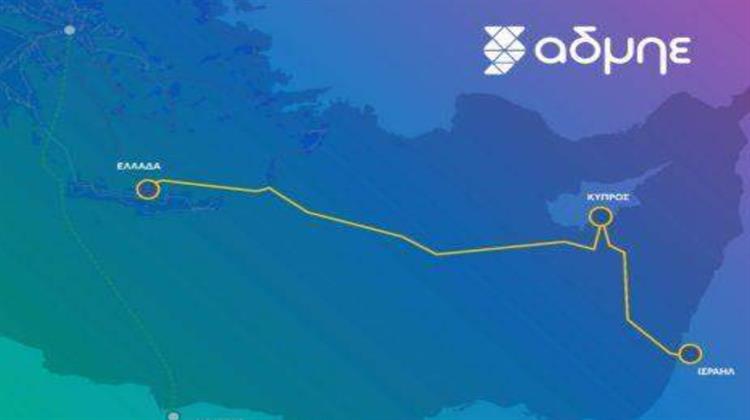
Nexans has set a new world record by installing and testing a 525kV HVDC subsea cable at a depth of 3,000 meters during a sea trial. The trial was conducted as part of Nexans’ work on the Great Sea Interconnector, a project connecting the power systems of #Greece and #Cyprus.
1
3
329

Mar 3
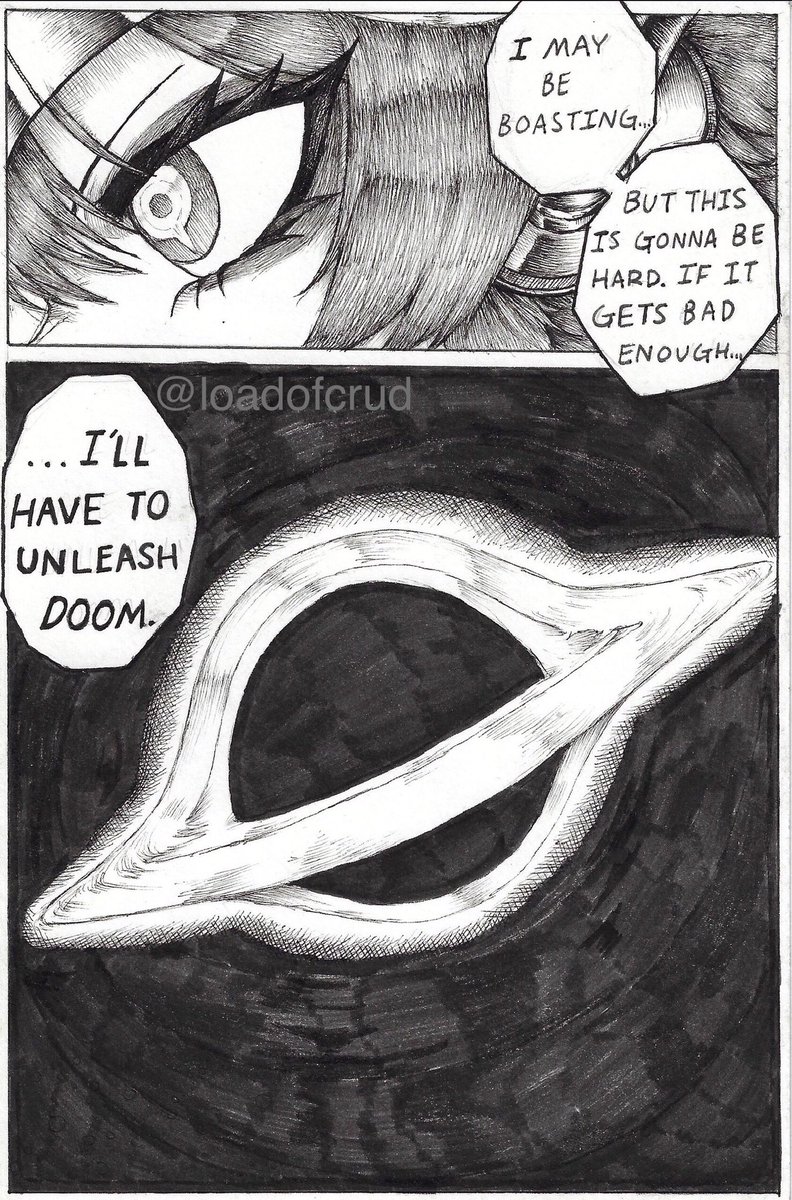
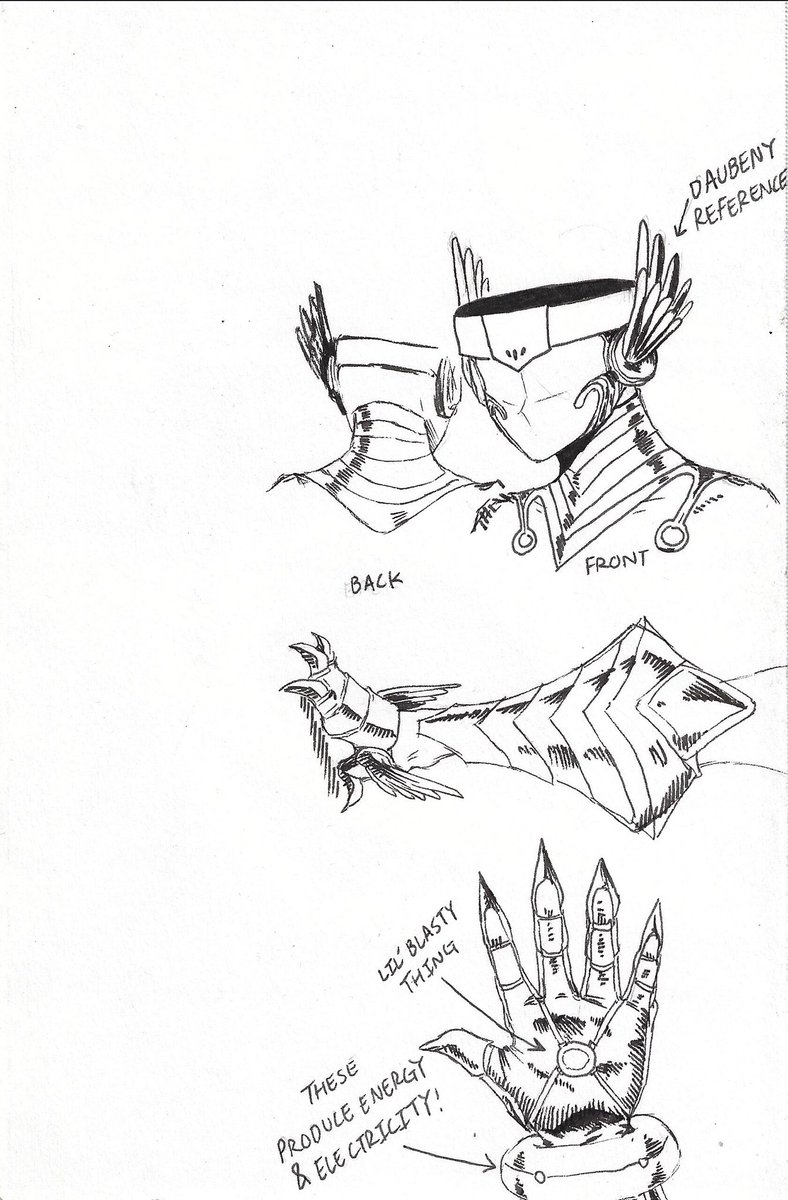
NEXP PAGES OUT NOW!


6
309


Jan 24
float nexp(float x)
{
float cx = clamp(x, 0.0, 1.0);
return (exp(-cx) - exp(-1.0)) / (1.0 - exp(-1.0));
}
3
136
Jan 1
$NEXp 👇
Jan 1

Subsea Power Cables
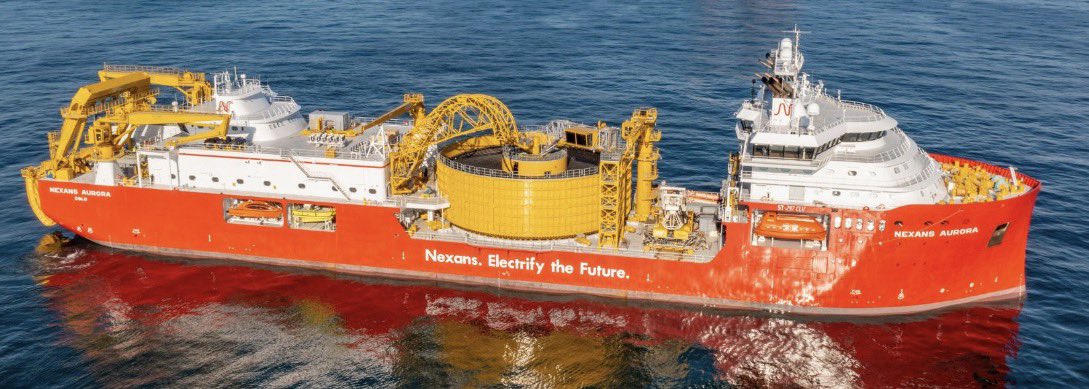
French company Nexans just set a new world record in the subsea power cable industry after installing a 500 kV high-voltage direct current (HVDC) subsea cable at a depth of 2,150 meters (7,000ft) on Italy’s Tyrrhenian Link project.
The installation, completed this week, is the deepest deployment of an HVDC subsea power cable to date.
The cable is 1,000km long and has a capacity of 1GW.
Now, North America to Europe is approx 5,000km by cable path and 3-4,000m by water depth.
Interesting.
If we take the XLPE cable class, you can pus it from 525kV to 800kV without radical material assumptions.
5kA at 800kV is 8GW (using a bipole cable).
If we got good at winding polypole cables, we might be able to create a hexadecapole cable which would be a 64GW cable. 😂
5,000km length is doable here, the practical ceiling is probably somewhere around 8,000km for 800kV.
In terms of depth it’s not hydrostatic pressure that is a constraint it’s the tension during cable laying operations. But a midwater buoy system suspended from the surface would allow you to lay the cable to any depth.
Obviously all of this stuff is a few years away, but why even look at this?
It’s a huge geographical and temporal arbitrage opportunity.
The energy Duck Curves on either side of the Atlantic Ocean are fully out of phase.
This HVDC cable would be equivalent to 64GW of 5hour BESS that could be round tripped twice a day, instead of BESS once per day. So it would operate commercially as 640GWh/day or 230TWh/yr.
That’s around $11bn of revenue, assuming $50 price arbitrage from one solar duck to another.
Probably a bit of a haircut to apply, but who knows? These are napkin figures.
Doing the same thing with BESS is around $80bn if you use BloombergNEF or Ember reference costs.
For context the entire PJM grid is 190GW, this cable corridor would bring 64GW from Europe, with minimal construction permitting or land needs.
1
5
306

26 Dec 2025
di ko alam what age naba ang nikkazi pero sana tuloy ang kasal nexp chap!!!
3
1,388

Let me be clear when I said this I meant there’s no statistically significant correlation btwn China’s net export growth over the years and its lagged trade weighted REER. Ofc that’s primarily due to a lack of data and statistical power. The coefficient you cite here from the 2015 IMF WEO is a cross-country panel regression pooling countries with different XR regimes, sizes, and other important macro differences. Inferring the average treatment effect of such a study (10% RER for 1.5% GDP NExp) directly onto China in 2025 seems problematic (as the IMF study itself acknowledges) let alone drawing any causal inference given the disparate degrees of exogeneity of XR shocks across free float and fixed XR regimes.

I suspect that’s not a statistically significant coefficient even without controlling for other confounding factors…
2
3
787

7 Dec 2025
Explicação genuína e gentil aqui🩷:
Acontece que os players dão dano alto pra bater em ameaças balanceadas
Em um RPG, p vc lançar desafios em seus players, a ND(nível de desafio) tem que bater com o nível de nexp(se eu não me engano) de todos os jogadores juntos pra ser justo
4
7
286


11 Nov 2025
Even with that miss shots with a shotgun by @SaVagecs_ , @semperfiESC wins the 2nd map against @GroundZeroOCE by 13x1!
Nexp map coming up, the DECIDER: #MIRAGE!
1
4
380