
Apr 19
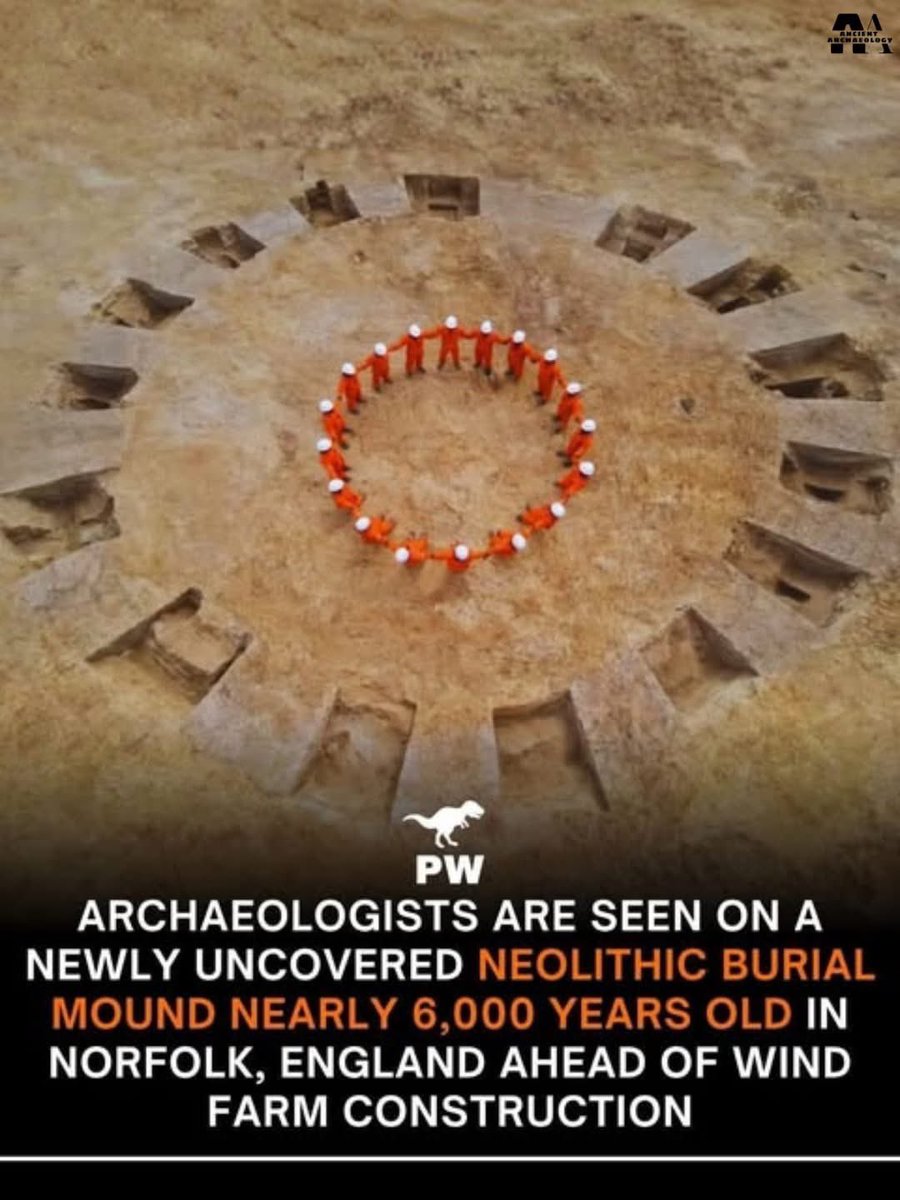
Ahead of the construction of a new wind farm in Norfolk, England, archaeologists have uncovered a significant Neolithic burial mound dating back nearly 6,000 years. The site features a series of timber-lined pits and a circular arrangement that suggests a complex ritual space. This discovery is vital for understanding the early agricultural communities that first began to reshape the British landscape.
The aerial view of the excavation shows the scale of the monument, which would have once been a prominent feature of the local topography. Such mounds were often used for successive generations, serving as ancestral anchors for the people living in the surrounding area. The integration of modern renewable energy projects with heritage preservation has allowed for these intensive studies that might otherwise never have occurred.
Findings at the site include flint tools and pottery fragments, which help date the activity and provide clues about the daily lives of the builders. The circular formation of the pits often aligns with celestial events, a common trait in Neolithic architecture across Northern Europe. This site adds a significant piece to the puzzle of prehistoric Britain and its transition from nomadic life to settled farming.
Credit Rachel Garcia - Ancient Origins, History & Archeology
#NeolithicBritain #Archaeology #PrehistoricEngland
1
12
31
671

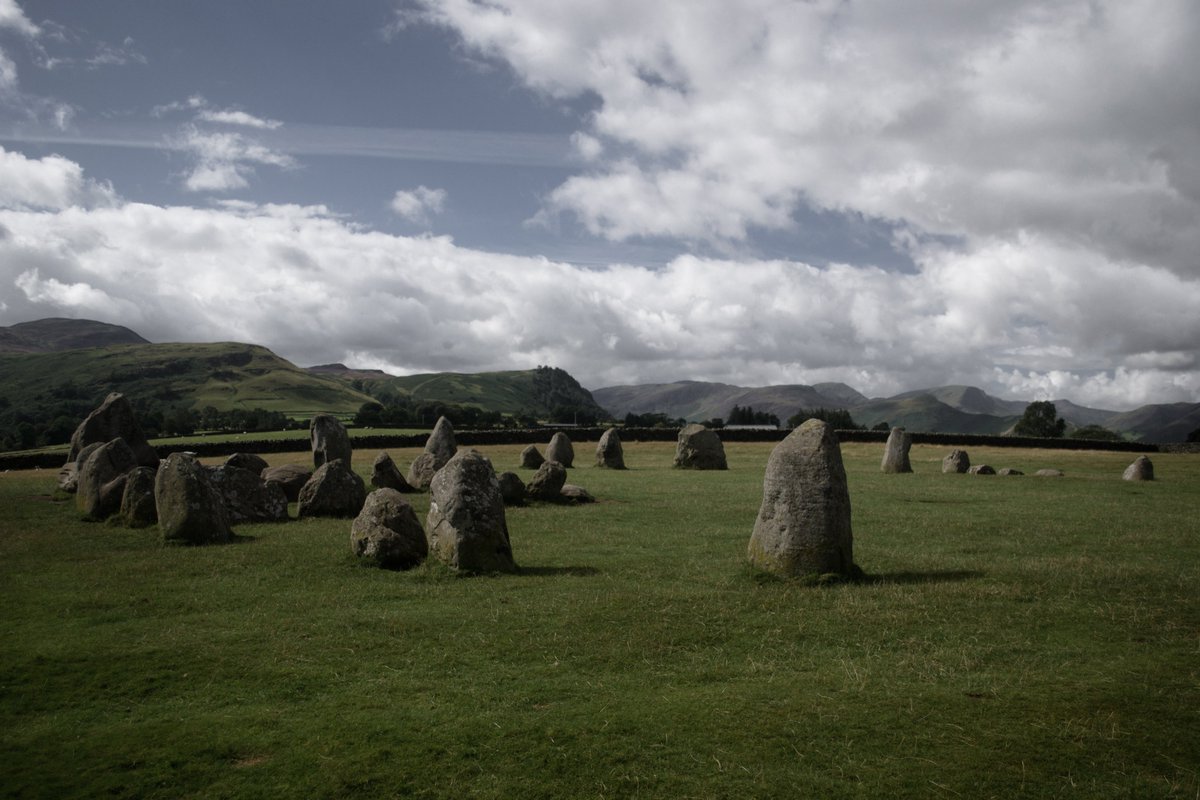
Castlerigg Stone Circle, 2022.
#CastleriggStoneCircle
#MegalithicSite
#NeolithicBritain
#AncientStones
#SacredLandscape
#PrehistoricMonument
#ArchaeologyUK
#AncientEurope
#RitualLandscape
#StoneCircles
#MegalithicBeauty
#MysticLandscape
#CelticTwilight
#TimelessBritain
#NorthernLight
#AncientSilence
#MistsAndMonoliths
#EchoesOfThePast
#BetweenEarthAndSky
#ForgottenEurope
#GeomanticAxis
#SolarSanctuary
#AncestralMemory
#AxisMundi
#SacredGeometry
#AncestralEurope
#HeilDemArtifex
#DieHerrschaft
#SilentOutpost
#WotanIsWatching
#Cumbria
#LakeDistrict
#UKHeritage
#AncientMysteries
#BritanniaSacra
#MegalithicArt
#EuropeanMegaliths
#HeritagePhotography
#MysticalBritain
#ArchaicEurope
5
117

11 Oct 2025
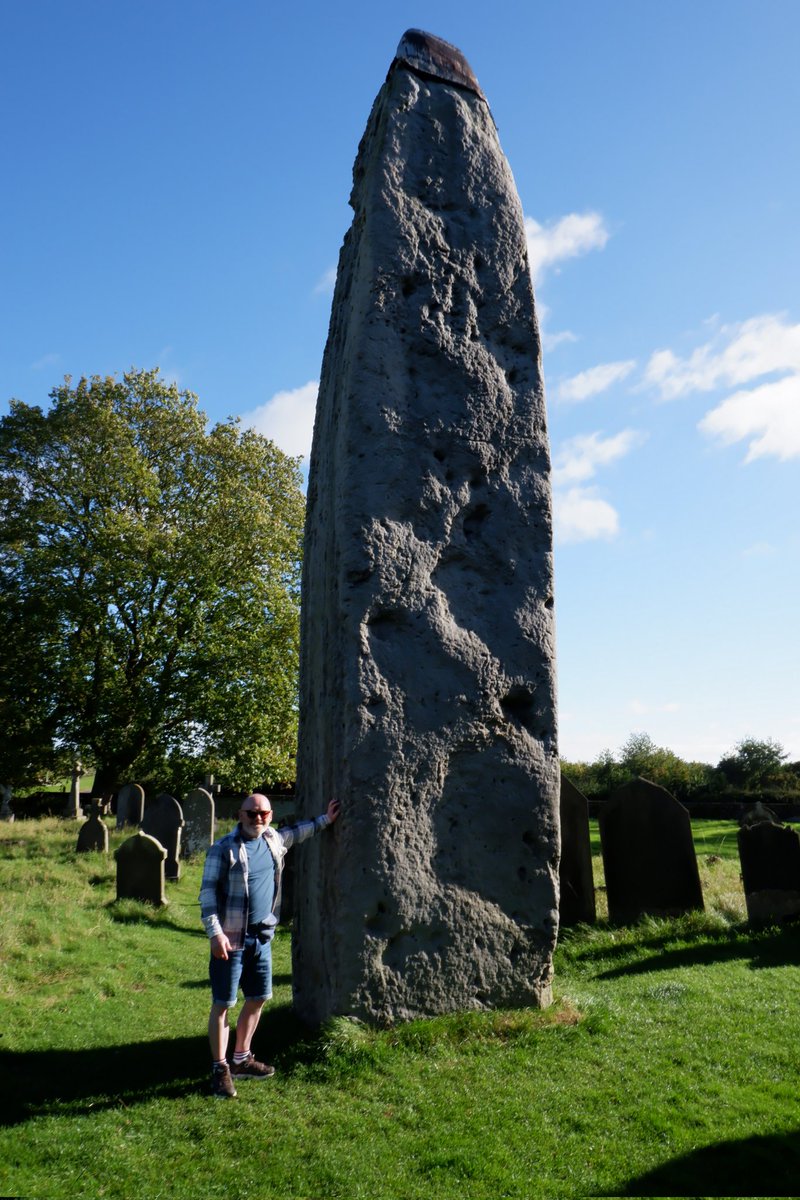
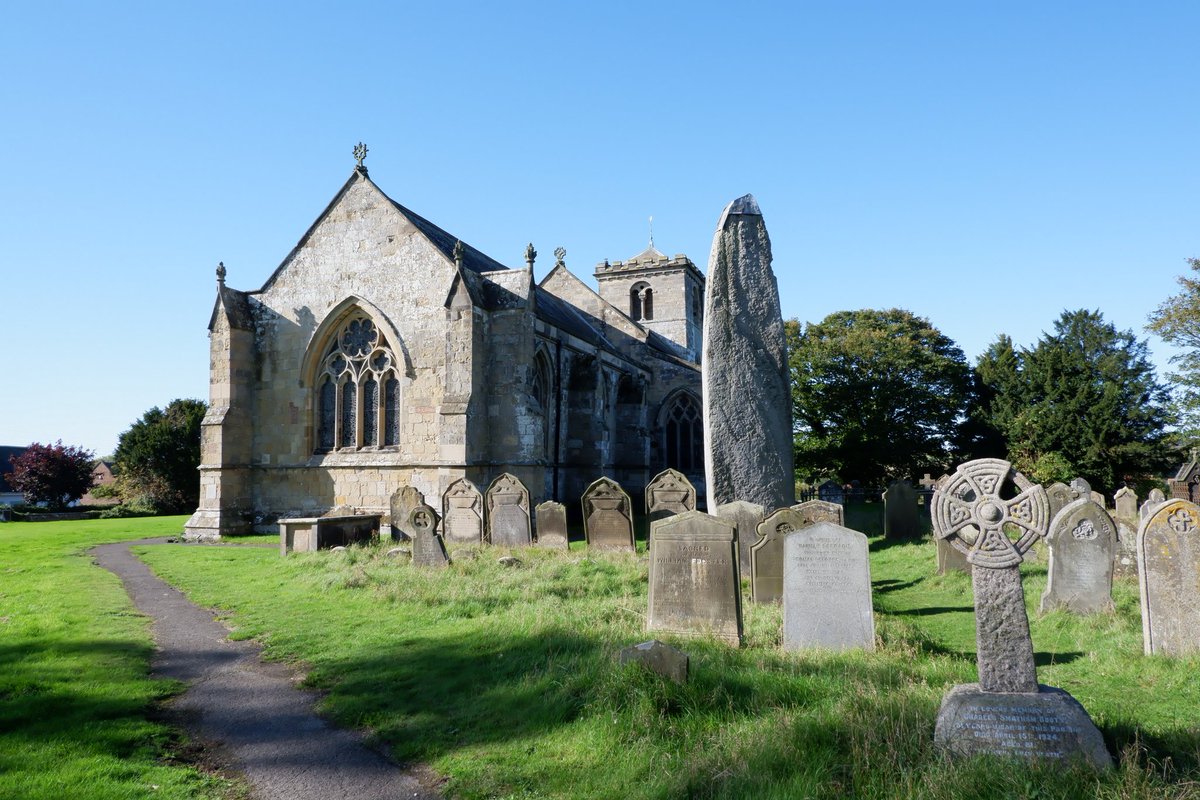
All Saints' Church and the Rudston Monolith, East Riding of Yorkshire
This evocative scene captures the timeless juxtaposition of ancient and medieval heritage in the churchyard of All Saints' Church in Rudston village. Dominating the frame is the Rudston Monolith, Britain's tallest standing stone at over 7.6 meters (25 feet) high, a Neolithic or Early Bronze Age megalith (c. 4400–2500 BC) made of moorstone grit quarried from the Cleveland Hills and transported laboriously to this site. Erected as part of prehistoric rituals—possibly linked to nearby cursus monuments and lost barrows—the monolith was deliberately incorporated into the Christian churchyard during the Norman period (11th–12th centuries), symbolizing the continuity of sacred space from pagan to Christian worship. The Gothic Perpendicular-style church, with its intricate tracery windows and restored in 1861, dates primarily to the 14th century but incorporates Saxon elements, underscoring Rudston's layered history as a ritual center for millennia. In the foreground, weathered Victorian-era gravestones, including a Celtic cross memorial to Rev. Charles Smithson D.D. (d. 1878), evoke the parish's 19th-century social tapestry, while the winding path invites reflection on this enduring Wolds landscape.
#RudstonMonolith #AllSaintsChurch #NeolithicBritain #BronzeAgeMegalith #YorkshireWolds #EastRidingHeritage #StandingStone #GothicArchitecture #PrehistoricRitual #SaxonChurch #VictorianGraveyard #ArchaeologicalSite #BritishHistory #EastYorkshire #ChurchyardMemorials

3
66

6 Sep 2025
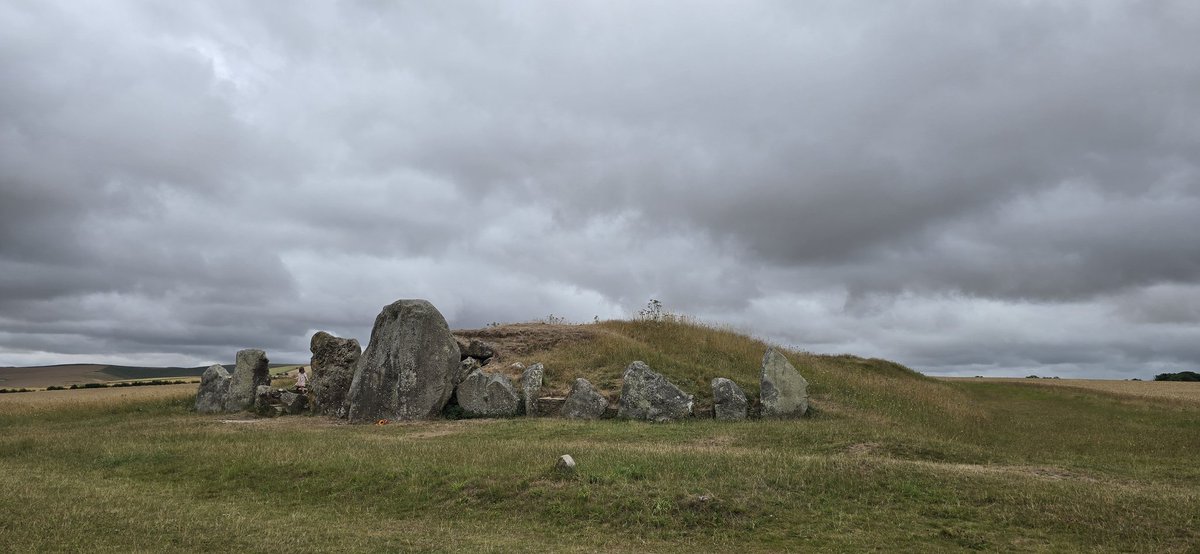
THE SECRETS OF WEST KENNET LONG BARROW
Join me on a journey through West Kennet Long Barrow, one of Britain’s most remarkable Neolithic tombs. In this video, I take you:
Through the calf-shaped entrance lintel stone, the hidden calf carving inside, and a third calf-like stone at the rear chamber.
Past the two polissoir stones—ancient groove-etched polishing stones—that lie along the barrow’s interior.
On a walk-around of the mound, where I name and celebrate the wildflowers blooming atop the tomb.
View panoramic vistas that include the majestic Silbury Hill and the surrounding ancient landscape.
Alongside a concise chronology of the monument—from its erection around 3600 BCE, through its ritual closure circa 2000 BCE, to its modern restoration and meaning.
Accompanied by ambient music, this video offers a thoughtful exploration of stone, landscape, and spirit, inviting you to see West Kennet in a new light.
If you enjoy this video, please like, share, and subscribe to support the channel. Don’t forget to leave a comment with your own thoughts and experiences at West Kennet or other ancient sites—you might inspire a future video!
youtu.be/uKxzRA5srPA?si=UTHR…
#WestKennetLongBarrow #NeolithicBritain #CalfLintel #Polissoirs #SilburyHill #MegalithicTomb #SacredLandscape #Wildflowers #StoneTempleGardening #AncientMysteries #NeolithicSpirituality #Avebury #LongBarrows
8
29
113
5,833
25 Jun 2025
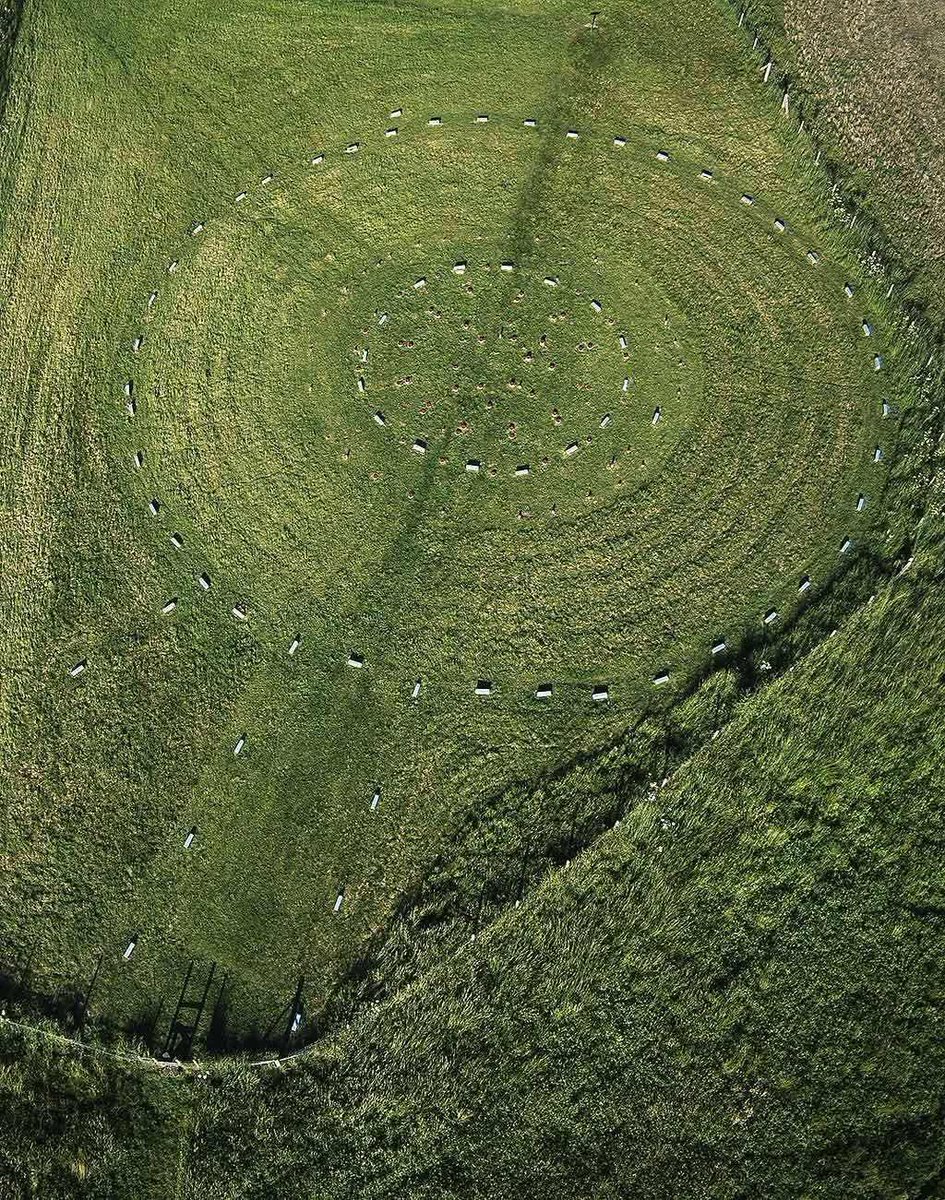
"🌀 The Sanctuary – Avebury’s Forgotten Circle
Not far from the grand henge of Avebury lies a quieter, more mysterious site known as The Sanctuary. Perched on Overton Hill, this lesser-known stone and timber circle once marked the ceremonial end of the West Kennet Avenue – a sacred processional route connecting it to Avebury’s main circle.
Originally built over 4,000 years ago, The Sanctuary began as a wooden post circle, later replaced by rings of standing stones. Though only concrete markers remain today, they hint at a complex ritual site – perhaps used for feasting, offerings, or gatherings tied to death and rebirth.
From this hillside, you can see Silbury Hill rising in the distance and feel how this whole landscape was once connected by belief, ritual, and memory.
Often overlooked, The Sanctuary offers a quieter, more personal glimpse into the spiritual world of Neolithic Britain – one where every stone, post, and pathway carried meaning.
📍 Overton Hill, near Avebury, Wiltshire
#TheSanctuary #AveburyStoneCircle #WestKennetAvenue #NeolithicBritain #SacredLandscapes #AncientRituals #WiltshireMonuments "
📸 and commentary from Clan Dolmen
2
39
176
1,801
24 Jun 2025
🪨 New Stone Temple Gardening Blog Post: Discovering the Rollright Stones – Ritual, Myth & Memory on the Cotswold Ridge
Tucked on the misty boundary between Oxfordshire and Warwickshire, the Rollright Stones form one of Britain’s most mysterious and atmospheric prehistoric landscapes. In my latest blog, I explore this sacred triad—the King’s Men circle, the solitary King Stone, and the Whispering Knights dolmen.
🔍 From Neolithic tombs to midwinter alignments
🌀 From stone circles to ley lines and earth energies
📜 From cursed kings to stones that walk at night
🌄 To modern-day solstice rituals and pagan gatherings
This post weaves archaeology, myth, and modern spirituality into a rich portrait of a timeless site. Whether you're a fellow writer, folklorist, seeker, or prehistory enthusiast, I think you'll enjoy this journey through story, stone, and landscape.
🧭 Walk the ancient paths and read the full post here:
👉 stonetemplegardening.com/pos…
If it resonates, I’d love for you to share your own reflections or photos from Rollright!
#RollrightStones #NeolithicBritain #MegalithicSites #Folklore #StoneTempleGardening #AncientLandscapeshttps://www.stonetemplegardening.com/post/the-rollright-stones-megalithic-mystery-in-the-heart-of-england
2
301
23 Apr 2025
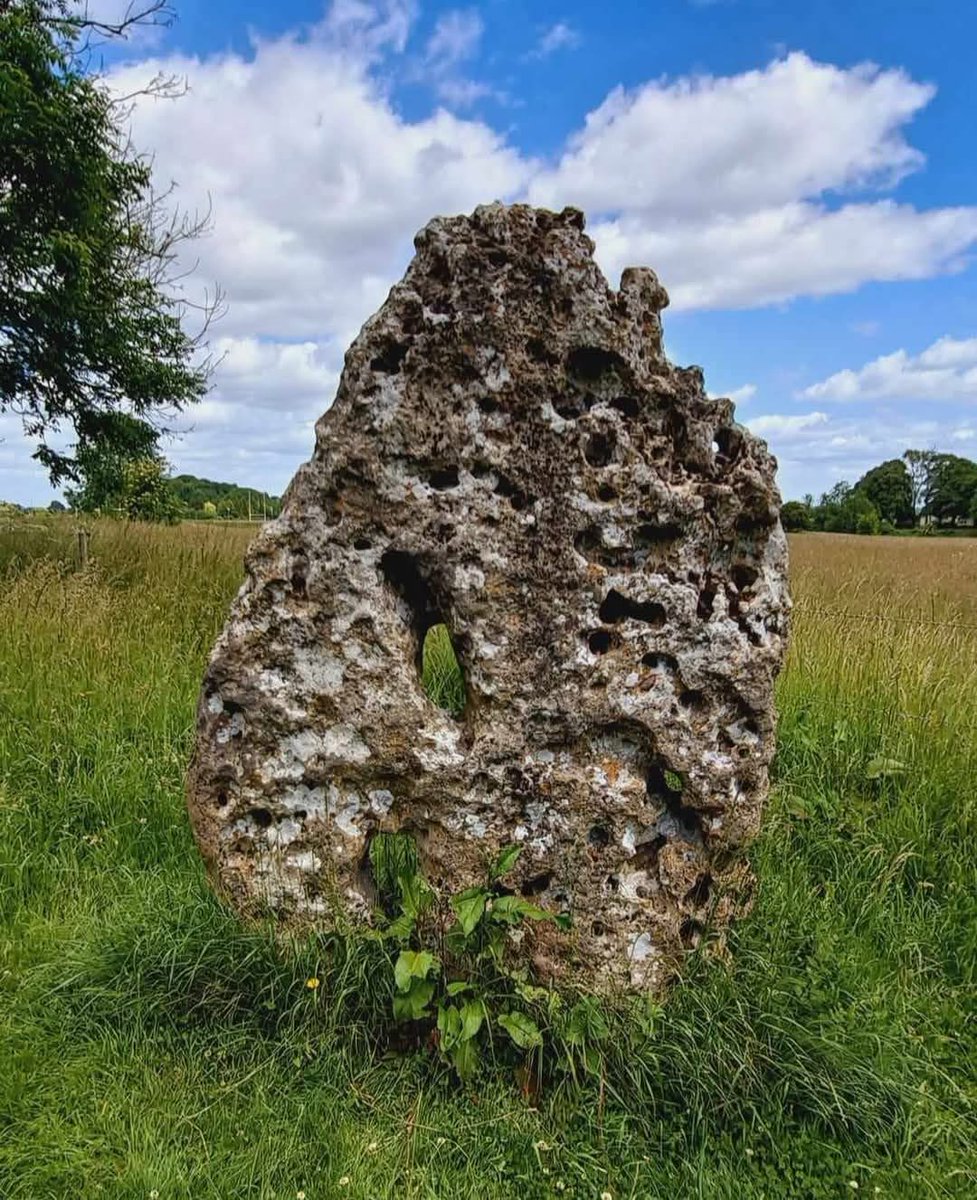
The Longstone of Minchinhampton – A Forgotten Sentinel of the Cotswolds
Tucked away on the windswept Minchinhampton Common in Gloucestershire stands a curious megalith known simply as The Longstone. Weathered, lichen-covered, and often overlooked by walkers and golfers alike, this standing stone has been rooted in place for thousands of years—an enduring reminder of a landscape once thick with prehistoric significance.
At nearly 7 feet tall, the Longstone may have been part of a now-lost stone row or ceremonial complex, or perhaps it stood alone, a marker or gathering point. Folklore claims that it was once a waymarker or even a “devil’s stone” hurled in rage—but the truth, as ever with these enigmatic survivors, remains cloaked in mystery.
There are local whispers of another smaller stone nearby—now buried or vanished—and even hints of alignments with ancient trackways. Whether a ritual landmark, a memory-anchor, or a boundary stone between worlds, the Longstone still holds the space it was given in the Neolithic or Bronze Age—and it still invites wonder.
Next time you cross the common, stop and take a moment. Place a hand on the stone. You might just feel the hum of deep time beneath your fingertips.
#Prehistory #StandingStones #Minchinhampton #Cotswolds #MegalithicMysteries #NeolithicBritain
Www.stonetemplegardening.com
13
60
645
23 Apr 2025
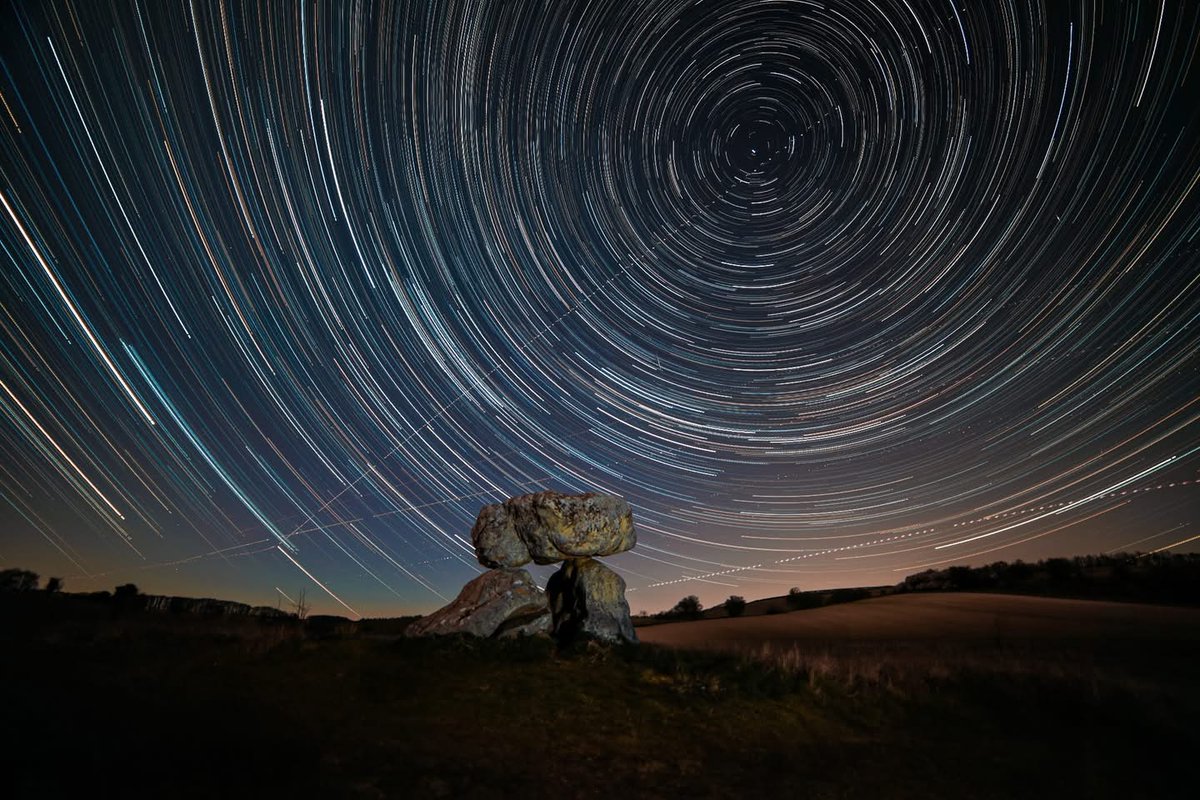
Tucked away in a quiet Wiltshire field, just a few miles from Avebury, lies one of the most overlooked yet evocative prehistoric sites in Britain: the Devil’s Den.
This Neolithic dolmen—what’s left of a once-mighty chambered tomb—consists of two massive upright sarsens supporting a huge capstone, weighing an estimated 17 tonnes. It’s all that remains of a long barrow, mostly destroyed in the 18th century.
Despite its dramatic name, the Devil’s Den has nothing diabolical about it. The name likely stems from local folklore, where anything ancient and mysterious was chalked up to the Devil’s mischief. In one tale, the Devil was said to use the capstone as a table.
What strikes me most when visiting is the atmosphere: the stillness, the solitude, the sense of deep time. Unlike the busier sites of Avebury or Stonehenge, the Devil’s Den rewards the quiet visitor. If you go, listen to the wind through the grass, watch the shifting shadows—it feels like the past is just a breath away.
Have you been? Or is it on your list?
Pic byMartin Tippitt
#Avebury #DevilsDen #NeolithicBritain #MegalithicMonday
Www.stonetemplegardening.com
26
122
1,481

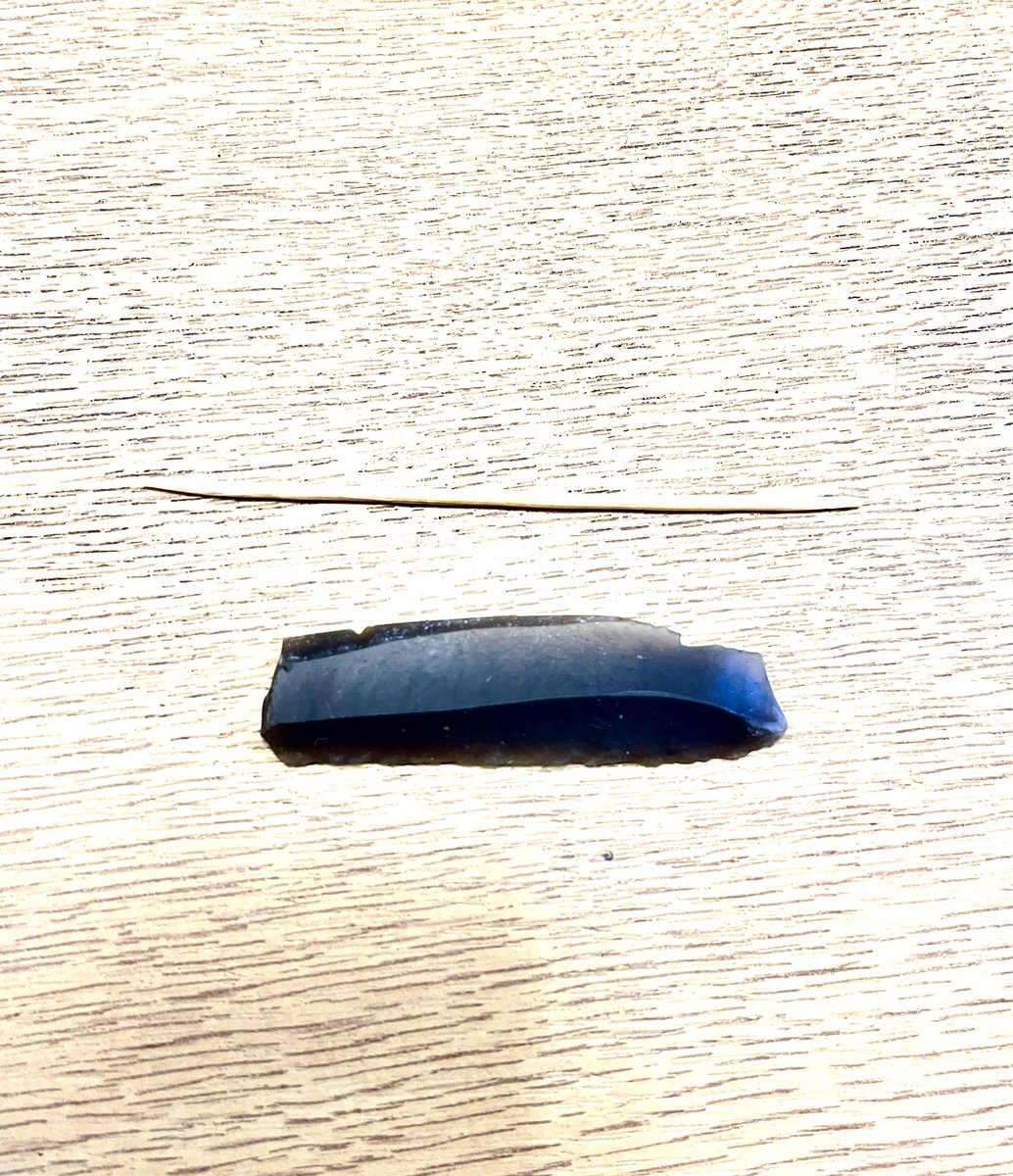
Neolithic Flint Stone Knife Tool #neolithicbritain #stoneage #archaeology #ancientbritain #stonetool
1
1
2
301

27 Jul 2022
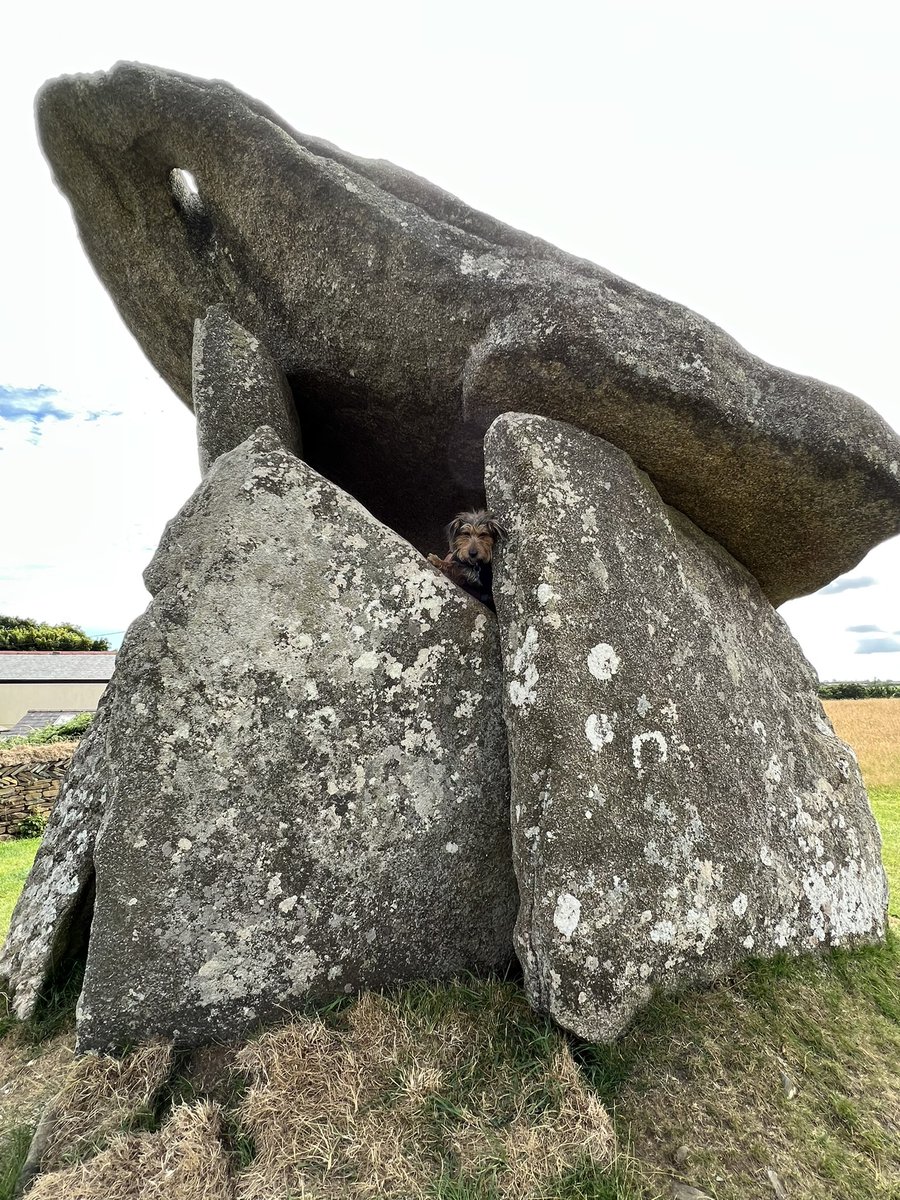
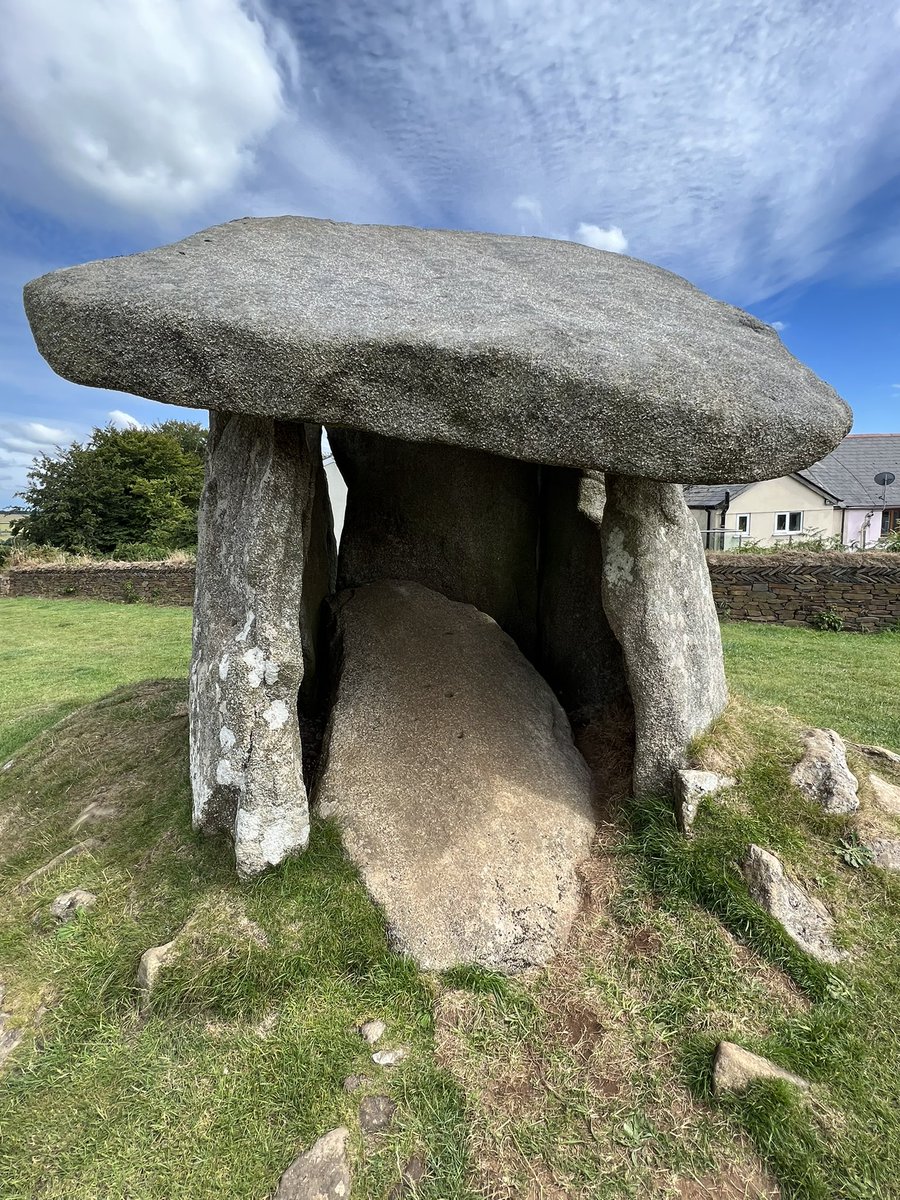
Trevethy Quoit
#neolithicbritain #neolithicart #cornwall @NTCornwallCoast @ILoveCornwallUK @EnglishHeritage
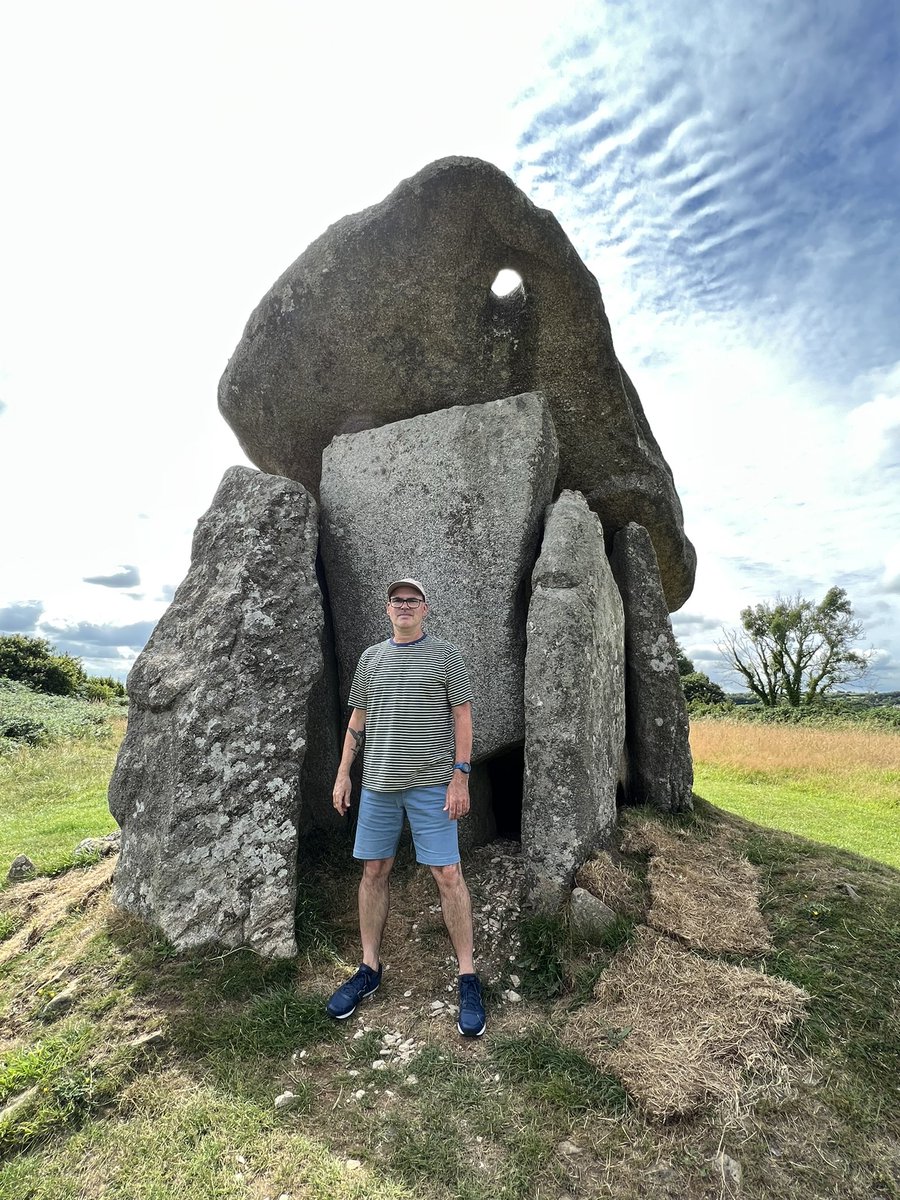
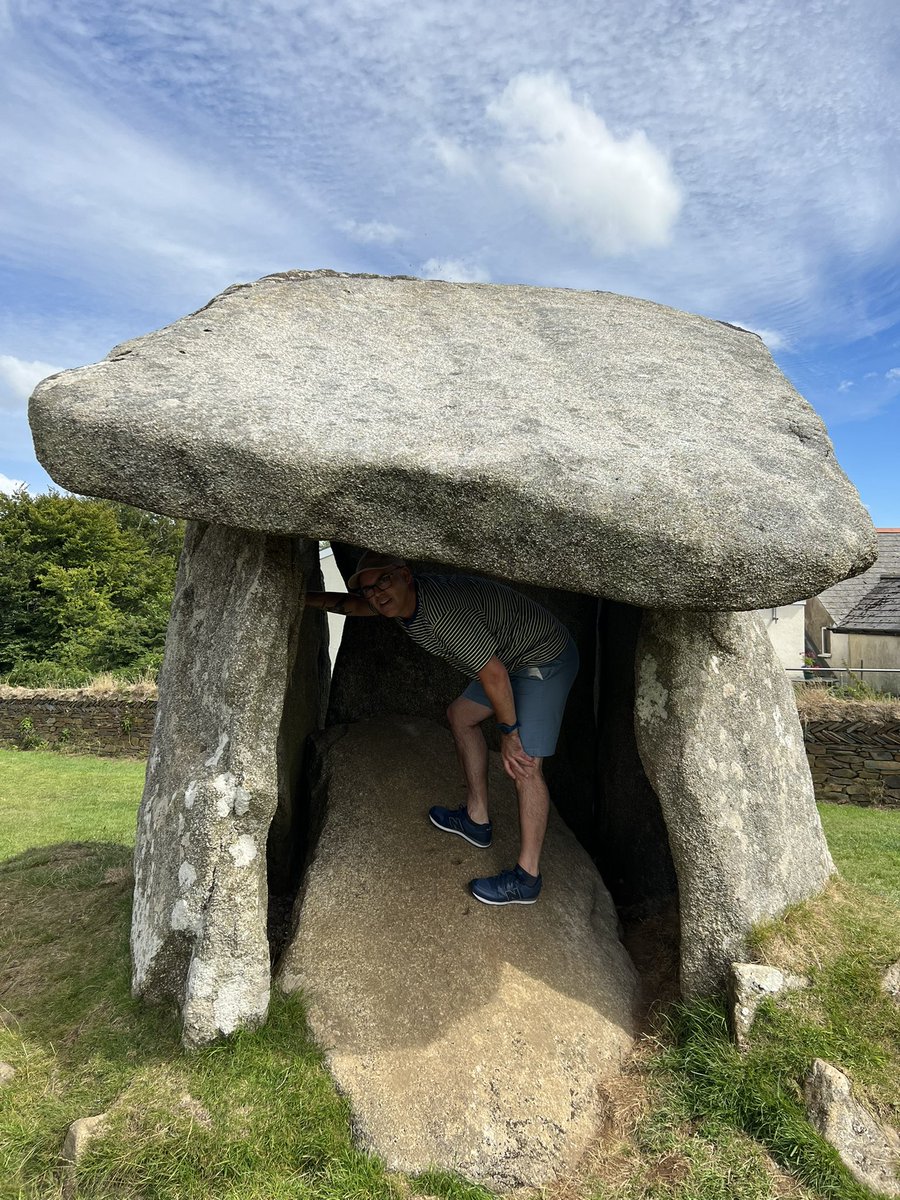
2
27 Jul 2022
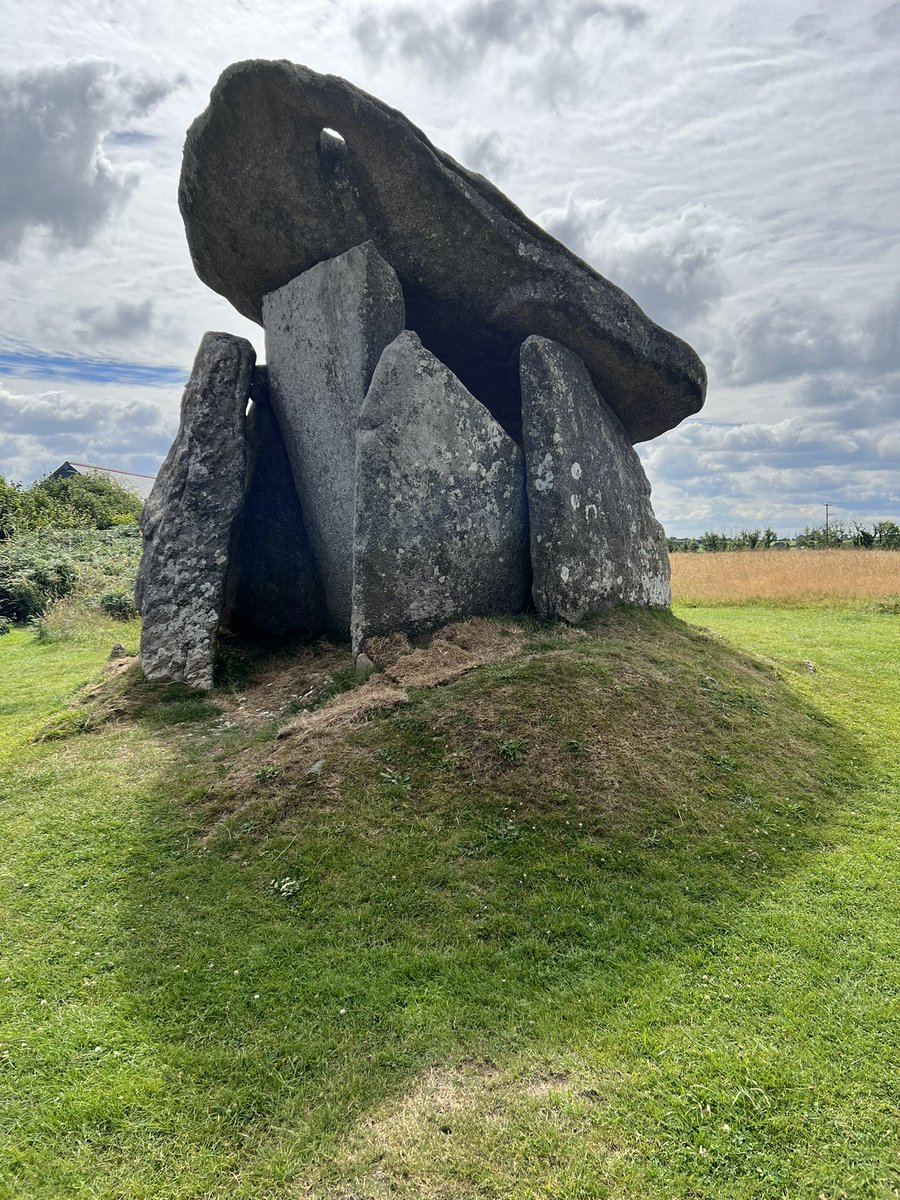
Trevethy Quoit
#neolithicbritain #neolithicart #cornwall @NTCornwallCoast @ILoveCornwallUK @EnglishHeritage
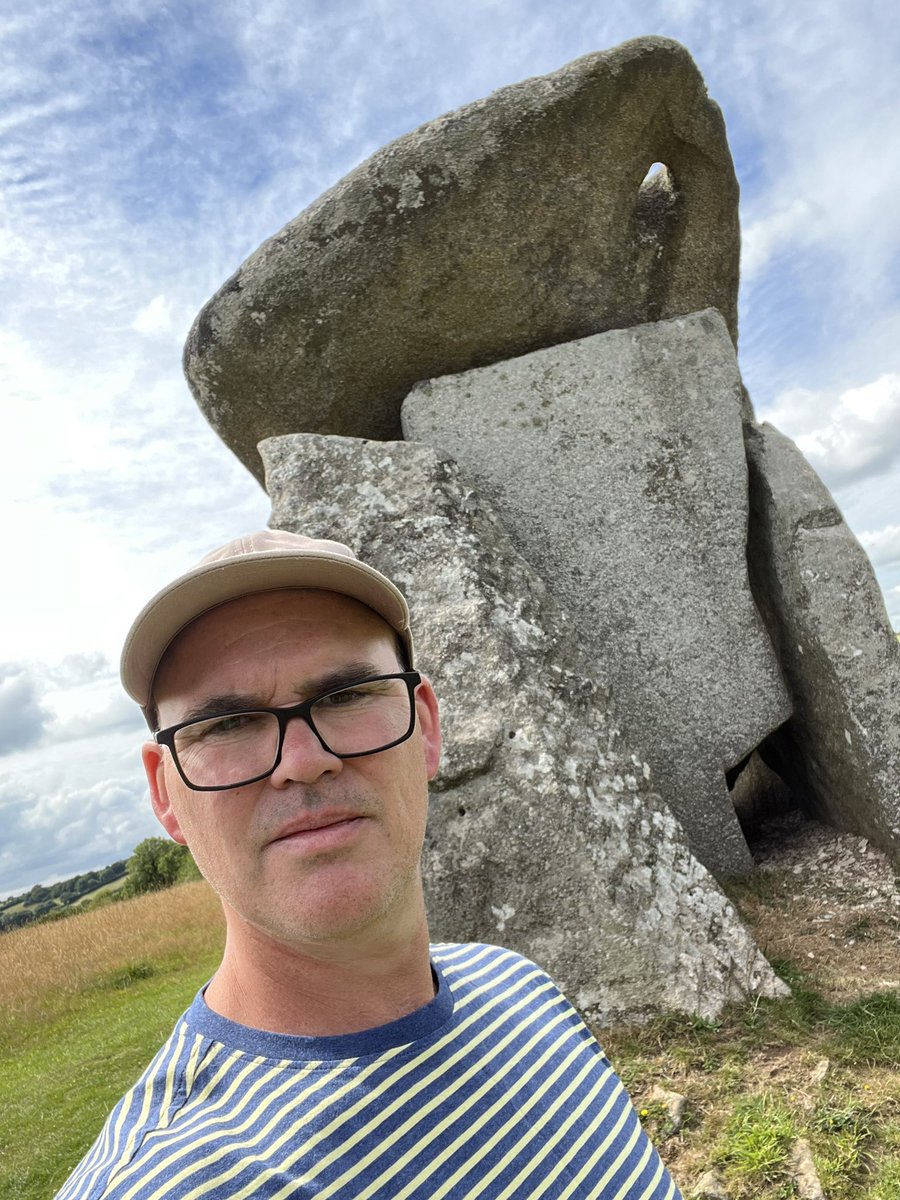
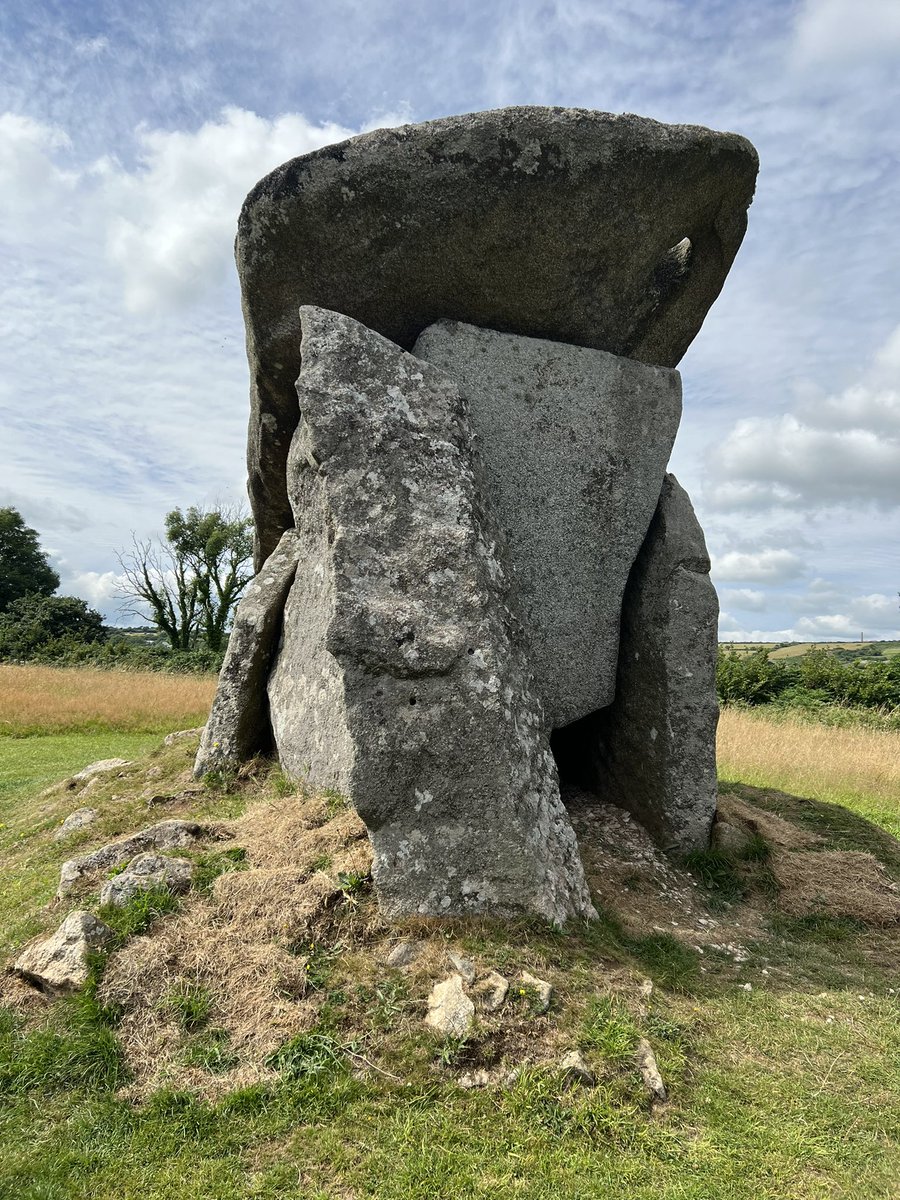
1
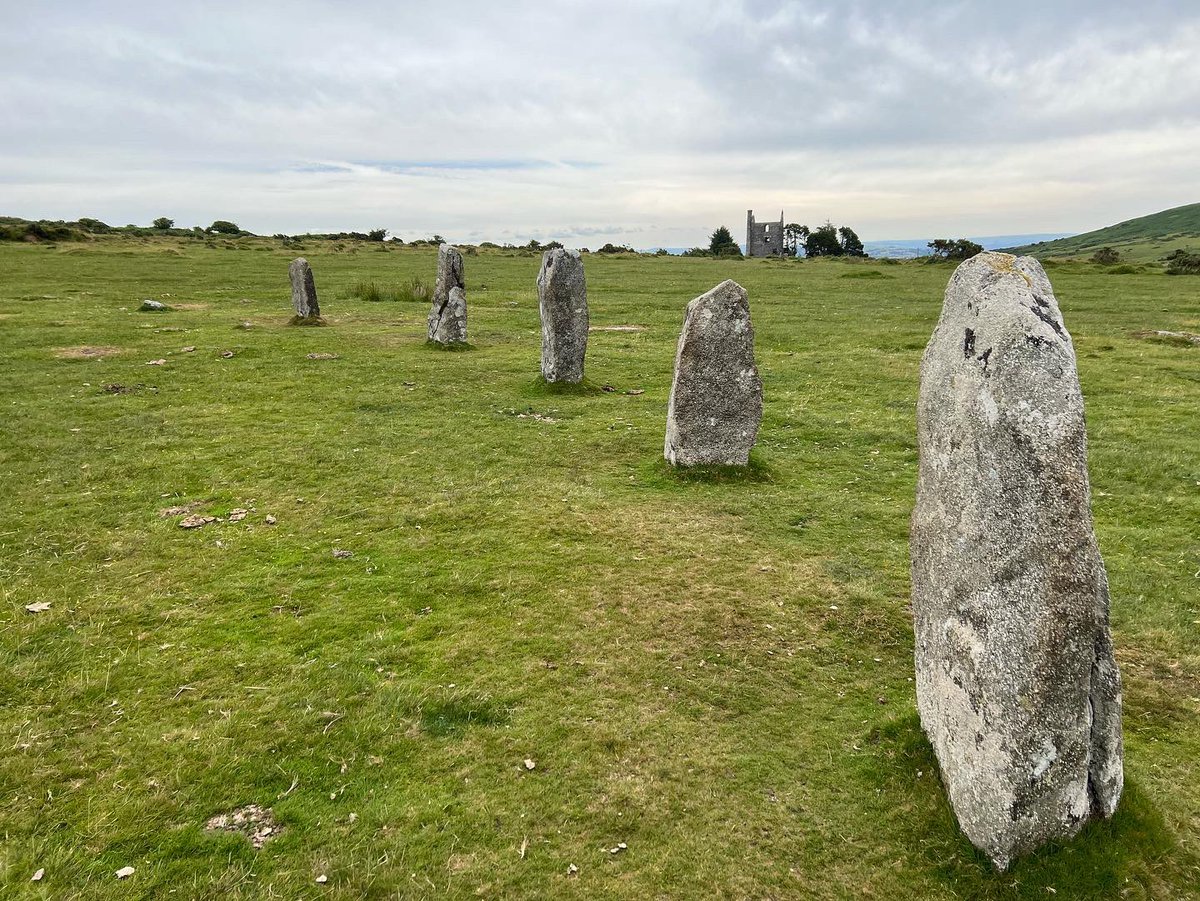
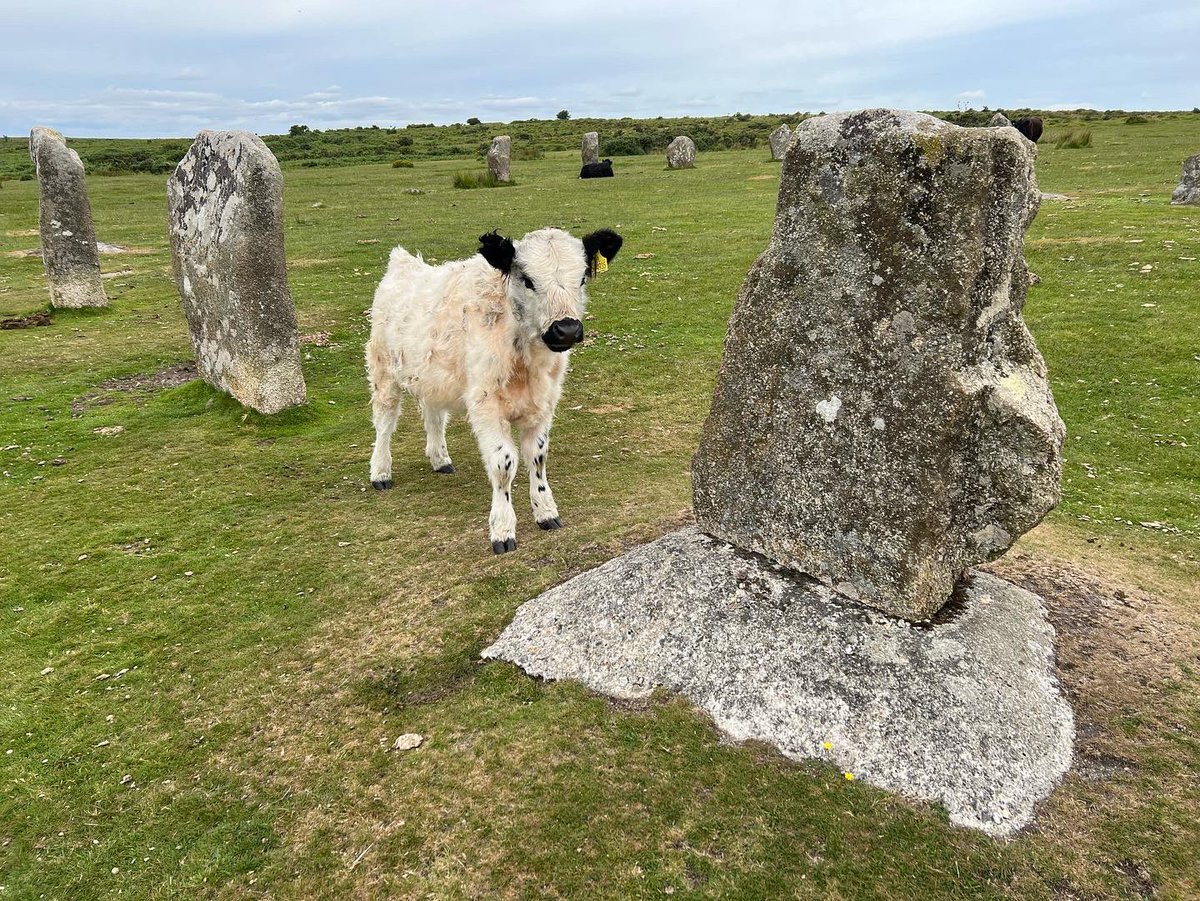
27 Jul 2022
hurlers stone circles #neolithicbritain #neolithicart #stonecircles #stonecircle #cornwall #bodminmoor @NTCornwallCoast @ILoveCornwallUK @EnglishHeritage
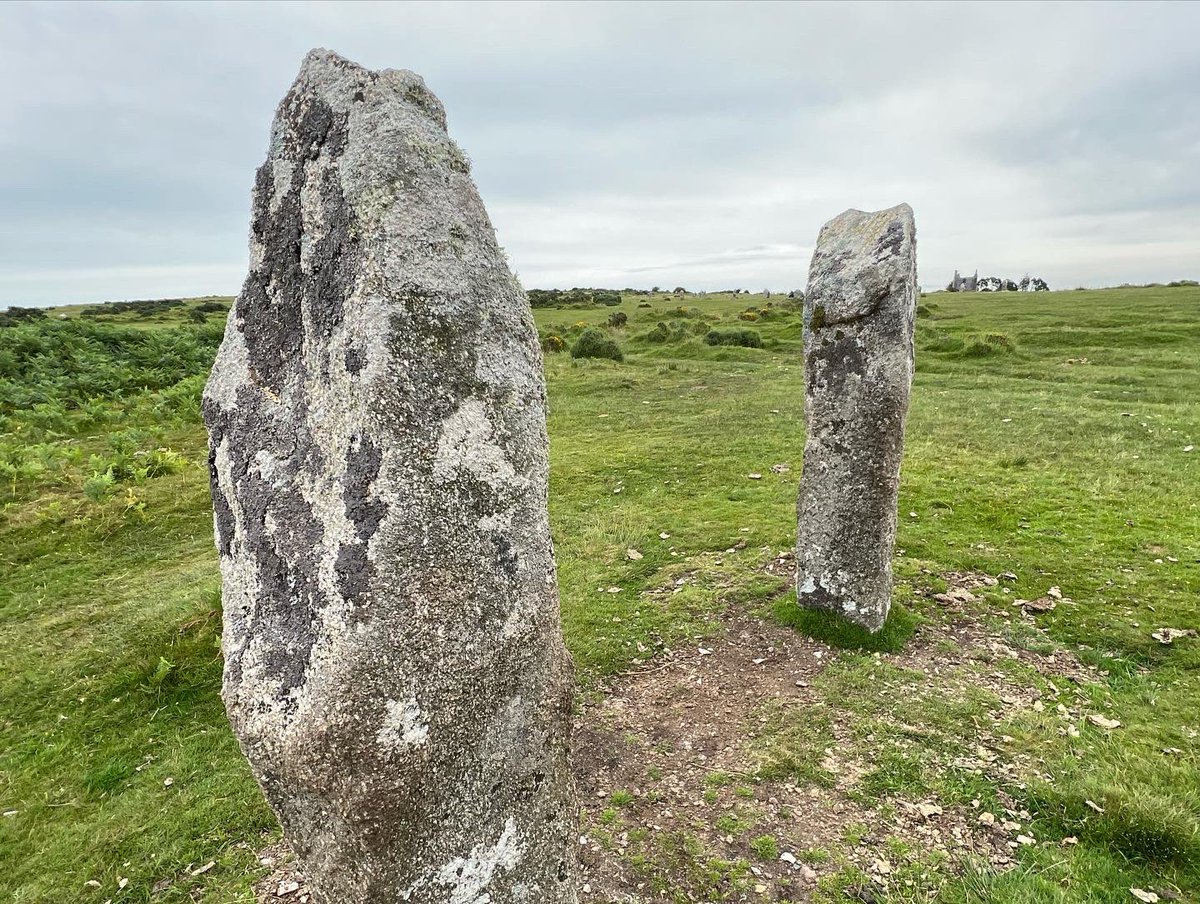
2
27 Jul 2022
hurlers stone circles #neolithicbritain #neolithicart #stonecircles #stonecircle #cornwall #bodminmoor @NTCornwallCoast @ILoveCornwallUK @EnglishHeritage


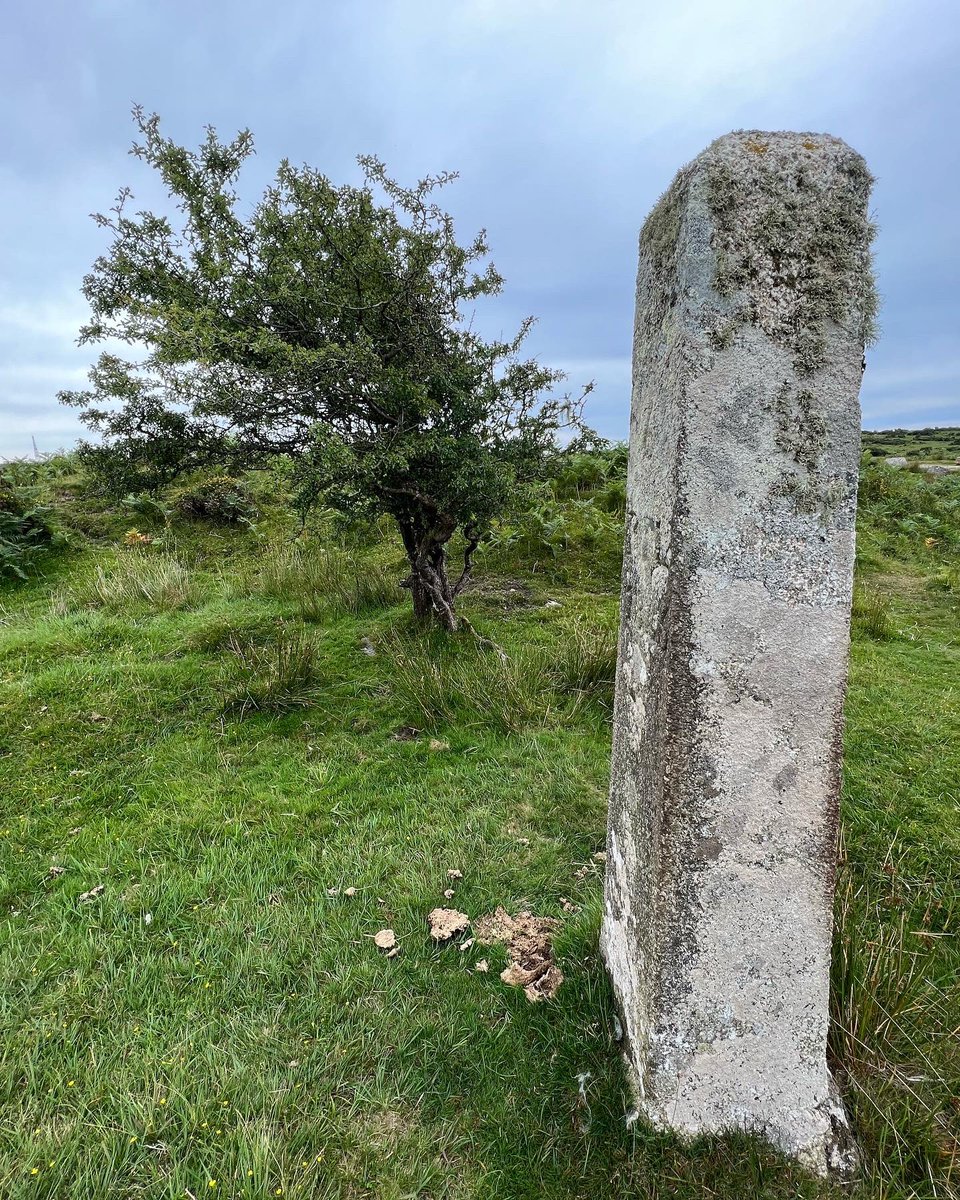

2

21 Jun 2022
Happy Summer Solstice
#SummerSolstice #Solstice #neolithic #ancientcornwall #chunquoit #ancientbritain #Archaeology #Cornwall #neolithicperiod #neolithicbritain #kernow #megalithic #prehistory #mesolithic
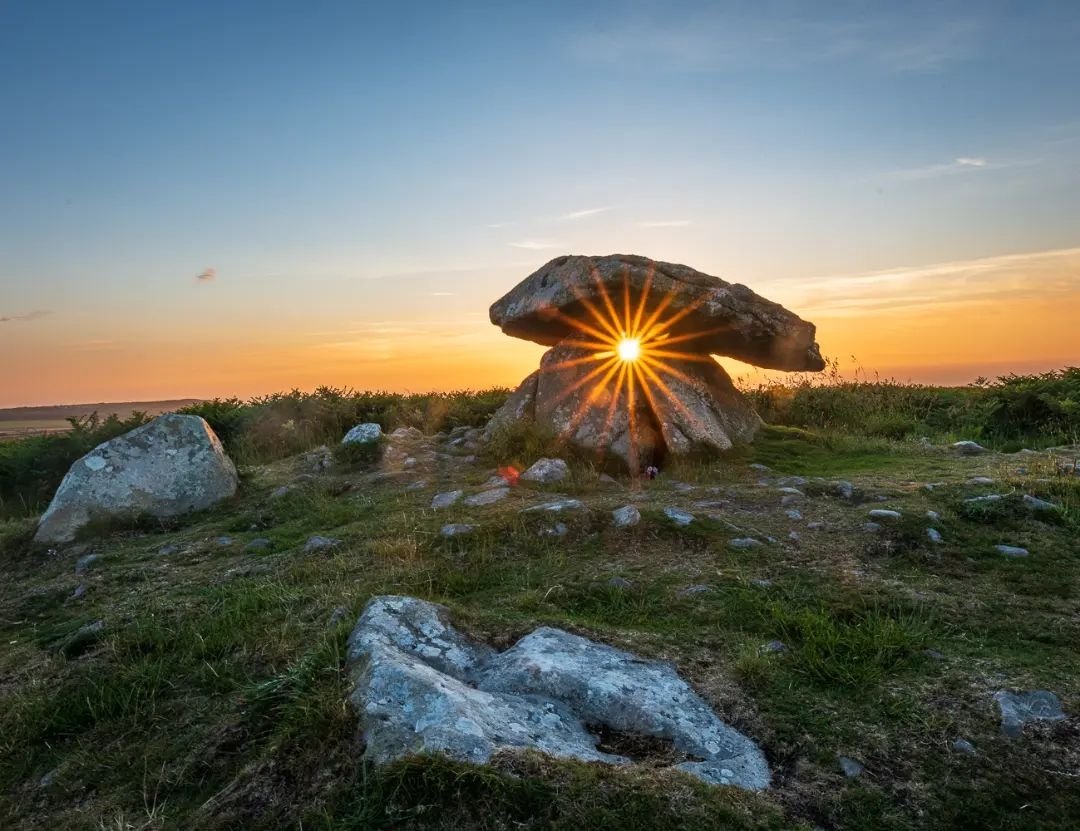
1
5
12
Silbury Hill. The area in front was dug out to create a large water basin or reservoir, perhaps to create a reflection of the gleaming white chalk hill.
The #monument #mound which stands at over 30 meters high was built about 2300 BC. #prehistory #prehistoric #neolithicbritain
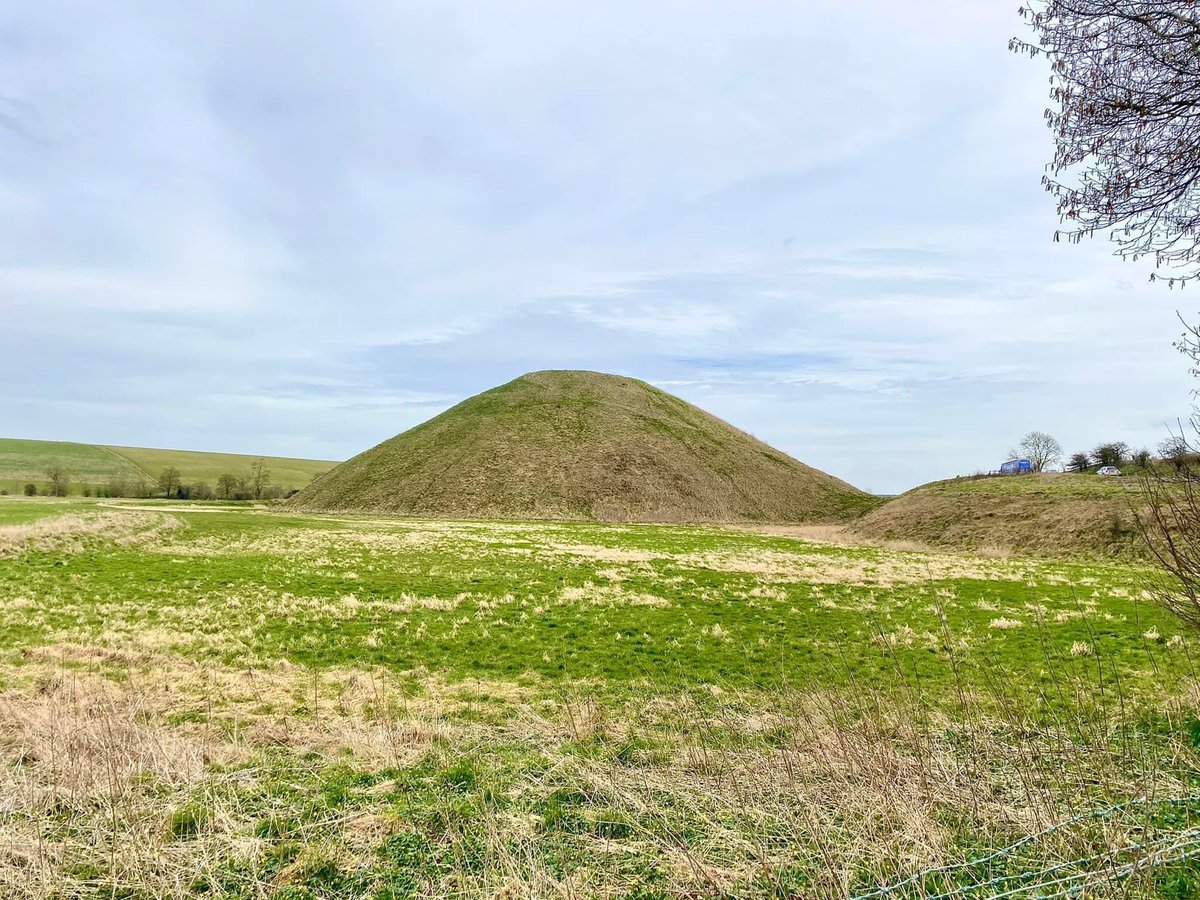
1
1
6

8 Nov 2021
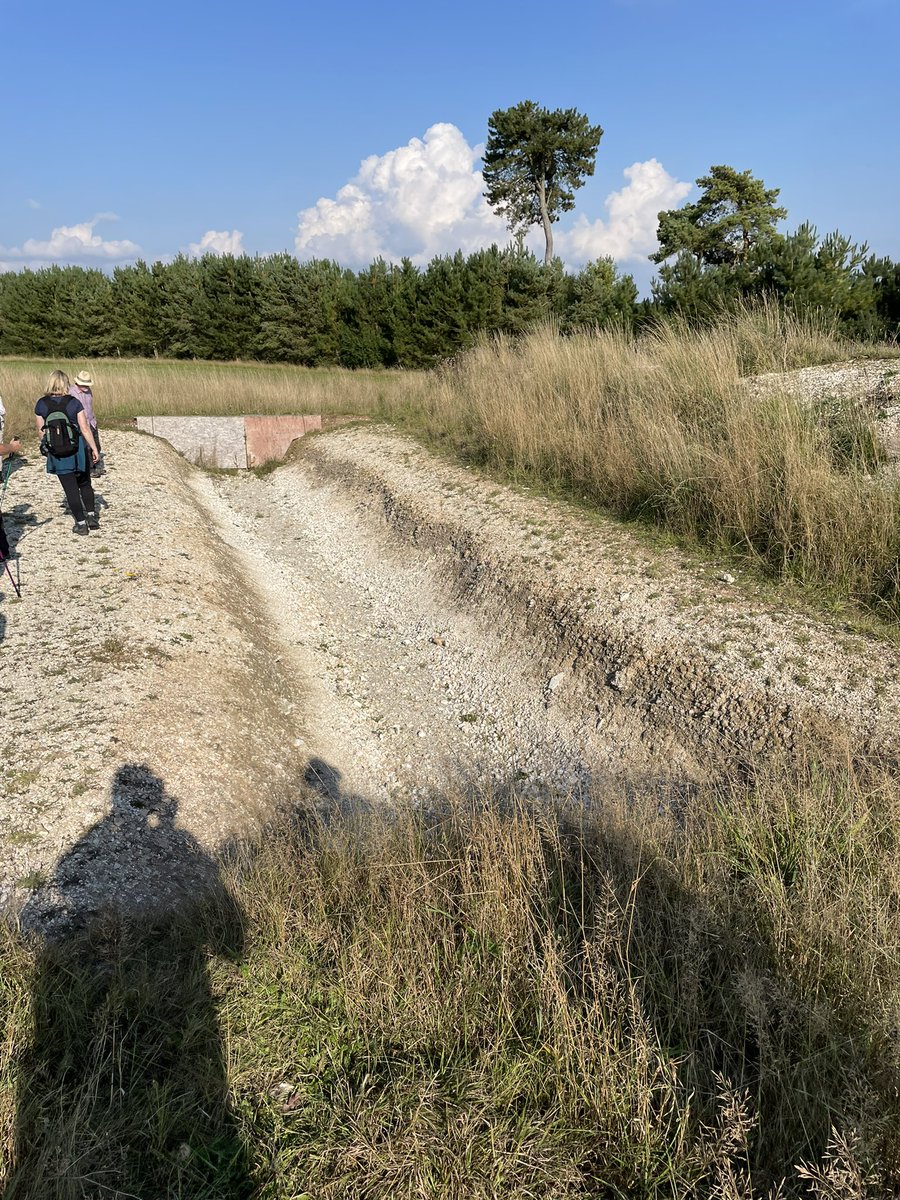
Great to see a small section of the Great Dorset Cursus restored. #dorset #neolithicbritain #neolithic #wessex #durotriges #cursus #dorsetcursus
6
14

14 Jun 2021
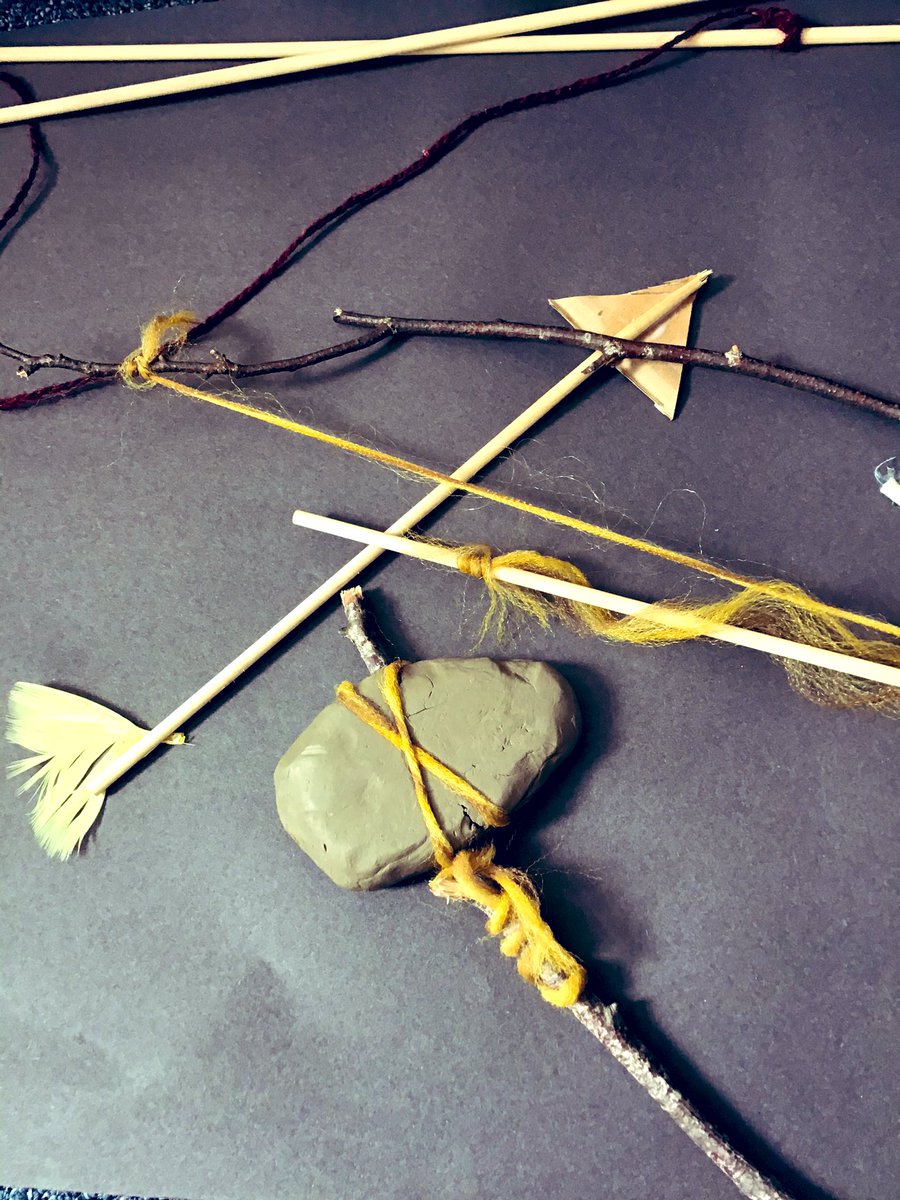
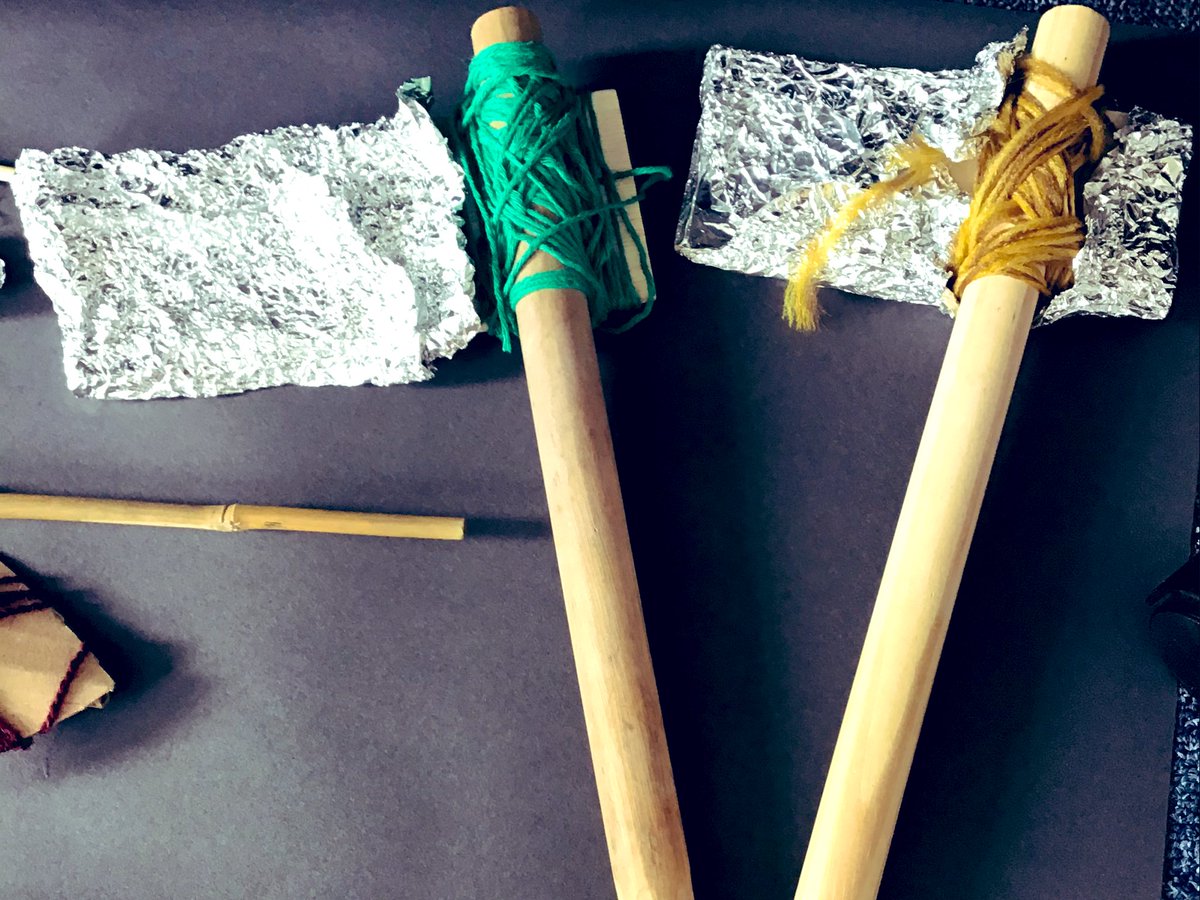
Year 3 have been studying Neolithic tools and weapons, and learning about how they may have been constructed
#wherehaveallthemammothsgone #NeolithicBritain #primaryhistory #designtechnology
@lenhian @martin_haston @ Mrs.Vairavamoorthy

4
10

22 Feb 2021
The constellation orion over the merry maidens stone circle an ancient neolithic place of meeting #cornwall #archaeology #Astrophotography #neolithic #merrymaidens #penwith #neolithicbritain x.com/Cornwalllitwit1/status…
1
3

6 Jan 2020
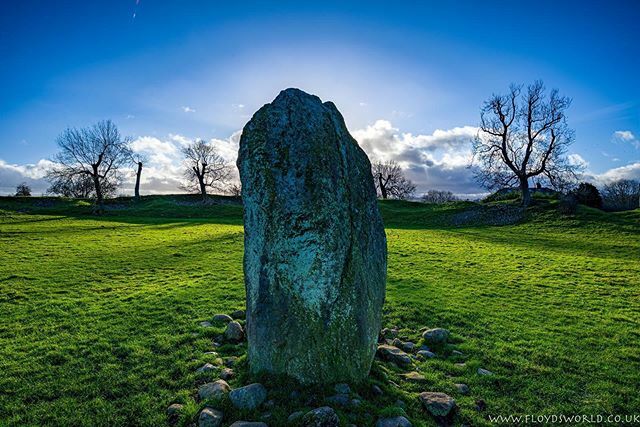
Mayburgh Henge near Penrith Cumbria. #outandabout #neolithic #neolithicbritain #monument #mayburghhenge #cumbria #nikond610 #nikon1835 ift.tt/2tB5Ksm
2

3 Jan 2020
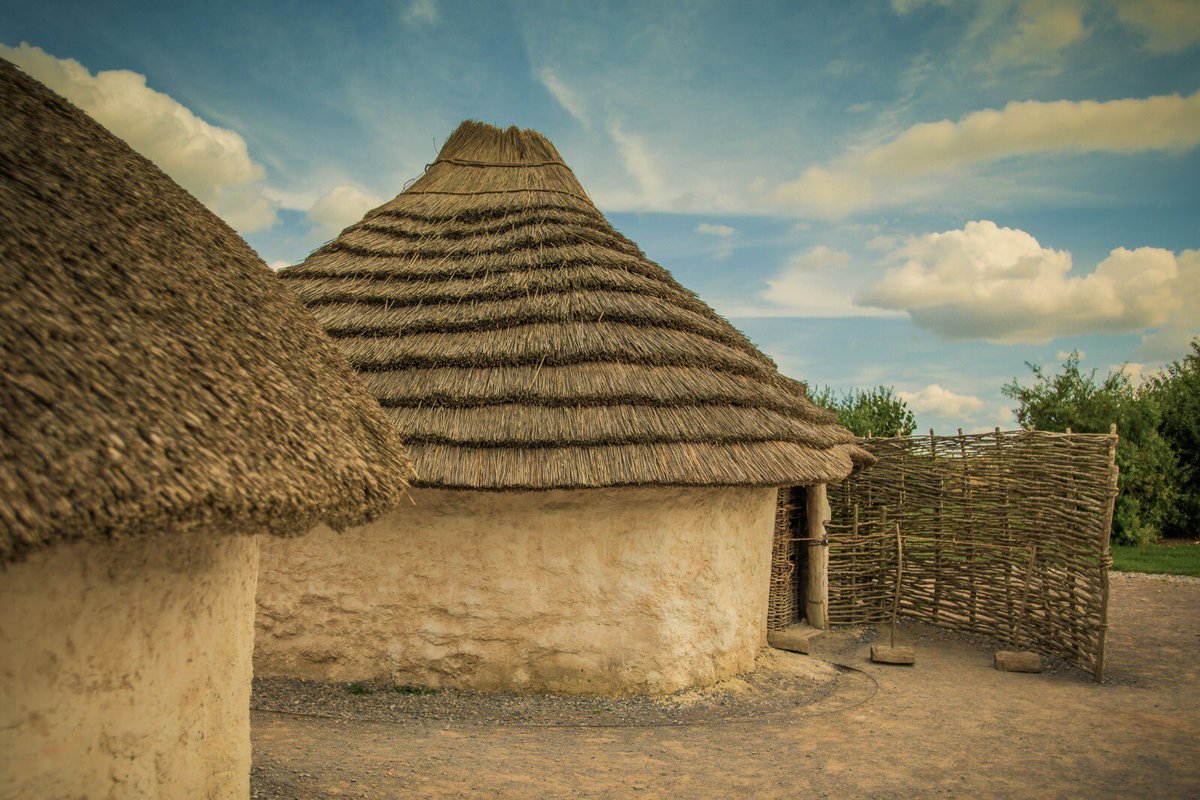
Neolithic buildings at Stonehenge #huts #stonehenge #wiltshire #travel #britain #neolithic #neolithicbritain #neolithicage #britain #landscape #landscapephotography #TundeHundeyin
1
1