
Day 4 of #100DaysOfCyber
Answer: 🟢 Fibre optic cable
Fibre converts electrical signals into light pulses light travels faster and further with less signal loss than copper or Wi-Fi.
That’s why enterprises and large networks use it over copper wire.
#NetworkingBasics

Day 3 of #100DaysOfCyber 🔐
Quick question for my cybersecurity beginner friends 👇
What carries data the fastest?
🔴 Copper wire
🟡 Wi-Fi
🟢 Fibre optic cable
Drop your answer before I drop the explanation tomorrow. 👀
#100DaysOfCyber #NetworkingBasics
1
103

Jun 12
In cloud servers, never bind internal admin interfaces to 0.0.0.0 unless you have a firewall. Someone will find it.
#Localhost #NetworkingBasics #DevOpsJourney #LoopbackAddress
1
3


Jun 12
🚀 Start your networking journey with CCST Networking.
Build the basics: IP addressing, troubleshooting, security, and core networking skills.
Learn. Practice. Certify.
#RouteDigest #CiscoCCST #CiscoCertification #NetworkingBasics #ITCertification #ExamPrep
2
Day 3 of #100DaysOfCyber 🔐
Quick question for my cybersecurity beginner friends 👇
What carries data the fastest?
🔴 Copper wire
🟡 Wi-Fi
🟢 Fibre optic cable
Drop your answer before I drop the explanation tomorrow. 👀
#100DaysOfCyber #NetworkingBasics
1
1
159
Jun 11
dig google.com and nslookup google.com are your best friends for debugging DNS. Try them.
#DNS #DomainNameSystem #NetworkingBasics #CloudJourney
1
26
Day 2 of #100DaysOfCyber 🔐
Every device on a network is either a client or a server. Sometimes both.
Today I covered network components, how ISPs connect you to the internet, and what actually sits between your device and the web.
#NetworkingBasics #CiscoNetAcad
3
87

Jun 10
Day 21/100 🚀
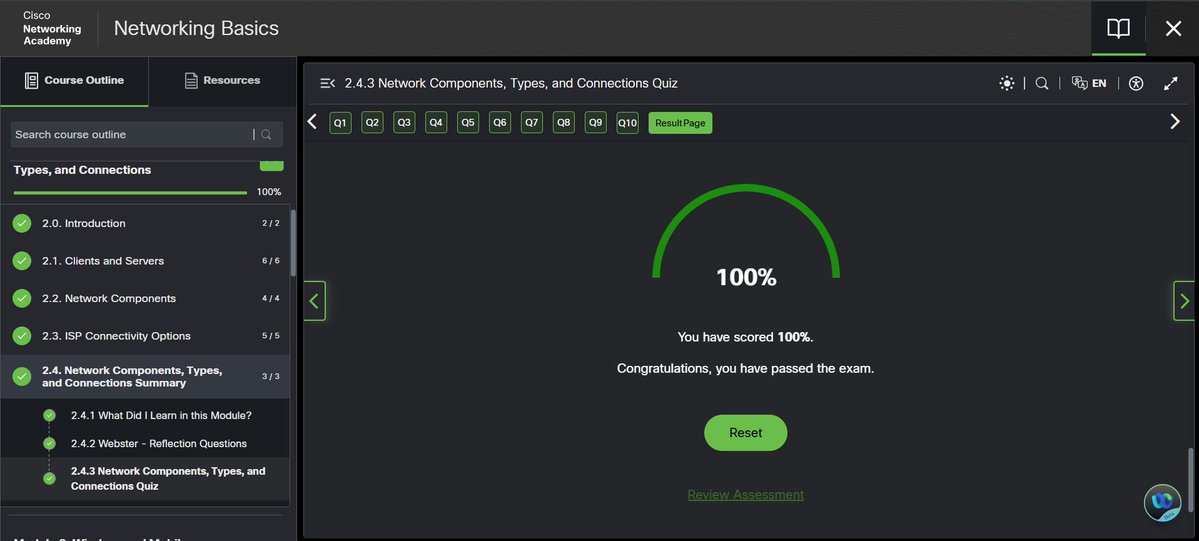
Completed Module 2: Network Components, Types, and Connections in the Cisco Networking Basics course. 🌐
Learned about network components, network types, device connections, and ISP connectivity options. ✅
#100DaysOfLearning #CiscoNetworking #NetworkingBasics
5
35
Day 1 of #100DaysOfCyber 🔐
A signal = electrical or optical patterns between devices. That’s literally the internet.
Bits → bytes → ASCII → signals through copper, fibre, or air.
Today I broke down how data actually moves.
#NetworkingBasics #CiscoNetAcad
3
84

🛜🛜🛜
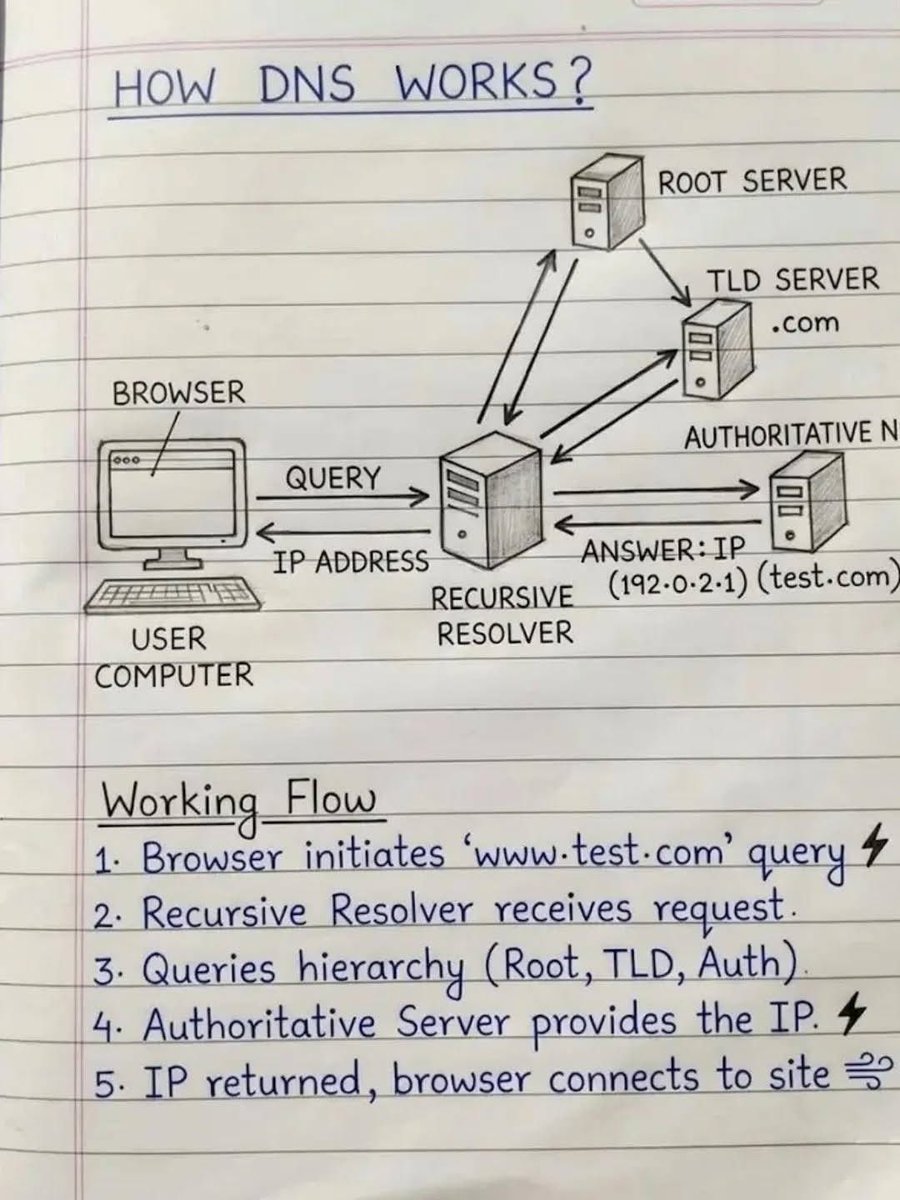
Networking Basics: How DNS, IP Addresses, and VPNs Work
Networking is the invisible foundation that lets every device communicate on the internet. Here’s a simple breakdown of the three key technologies that power it:
DNS (Domain Name System)
Think of DNS as the internet’s phonebook.
When you type “google.com”, DNS translates the human-readable name into a numerical IP address that computers can understand.
Without DNS, you’d have to remember long strings of numbers instead of easy website names.
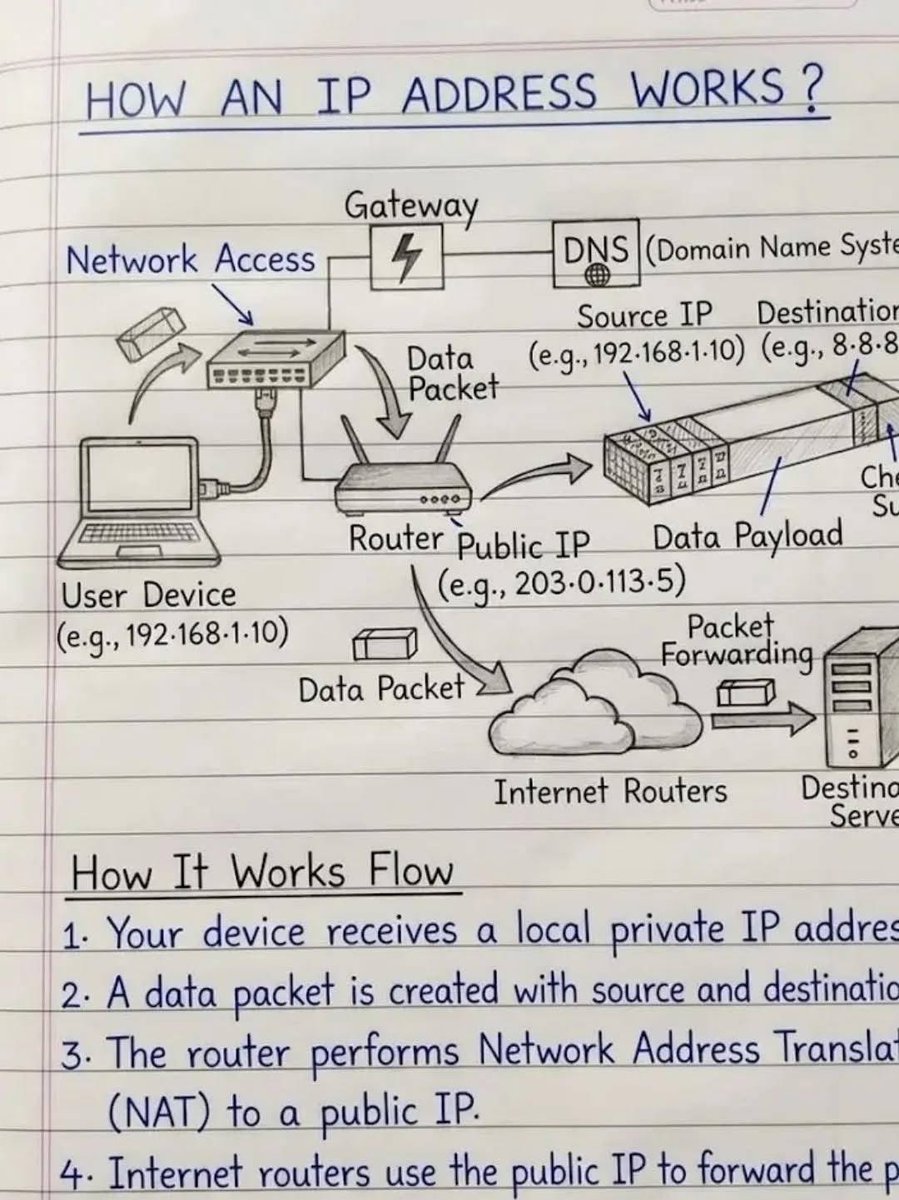
IP Addresses
Every device connected to the internet has a unique IP address — like a digital home address.
There are two main types:
• IPv4 (e.g., 192.168.1.1)
• IPv6 (much longer, designed for the future)
IP addresses tell data packets exactly where to go.
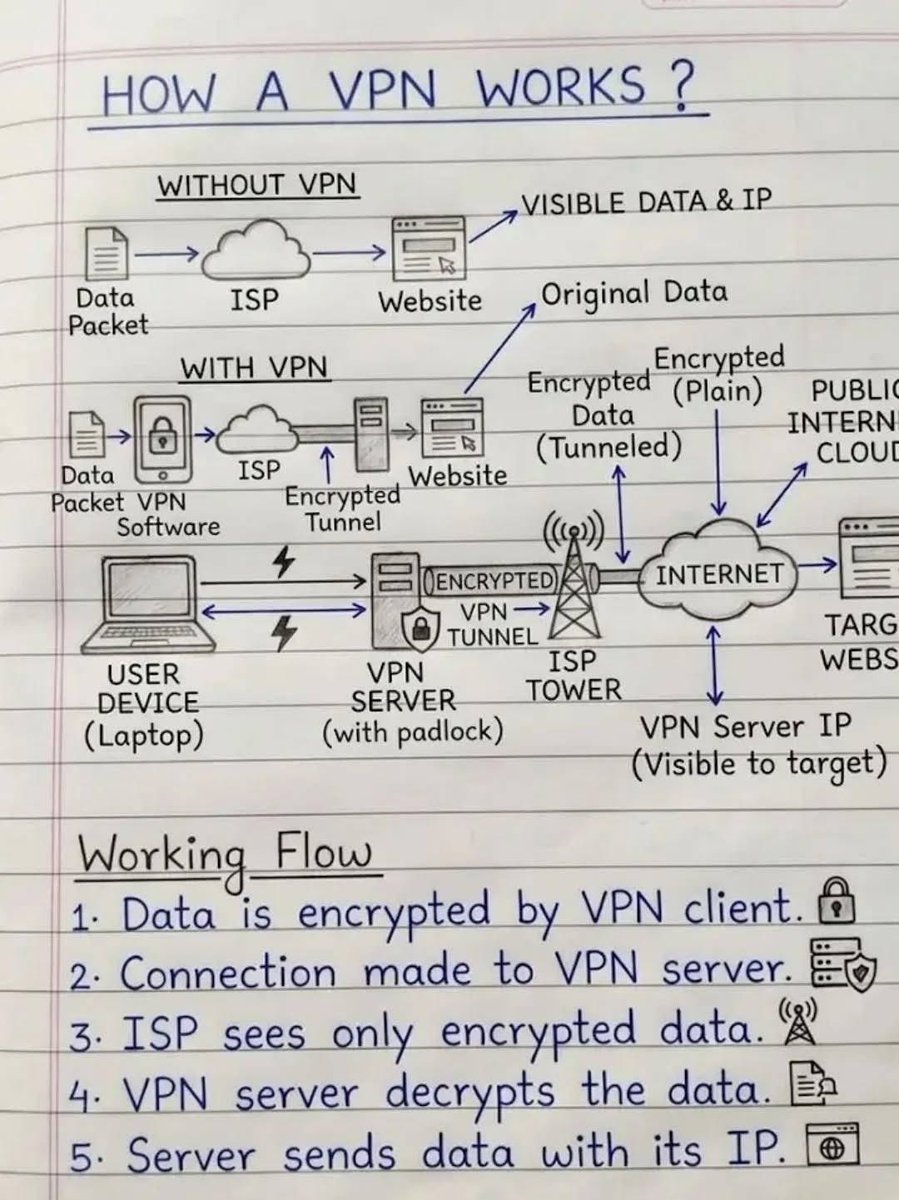
VPN (Virtual Private Network)
A VPN creates an encrypted tunnel between your device and the internet.
It hides your real IP address, encrypts your traffic, and lets you browse securely — especially on public Wi-Fi.
It also helps bypass geo-restrictions and improves privacy.
Together, DNS makes the web user-friendly, IP addresses handle routing, and VPNs keep everything secure and private.
These three technologies working in harmony make modern internet browsing fast, reliable, and safe.
#NetworkingBasics #HowDNSWorks #IPAddress #VPNExplained #CyberSecurity
1
90

May 31
On on↔️↔️Knowledge is the foundation of a pro. Gaining more knowledge from @Cisco courses.
#cybertech #CyberSecurity #Cisco #tech #Networkingbasics #knowledgegain #growth
View my verified achievement from @learningatcisco. credly.com/badges/cf395989-c… via @credly
1
1
2
26

May 14
Day 47✅
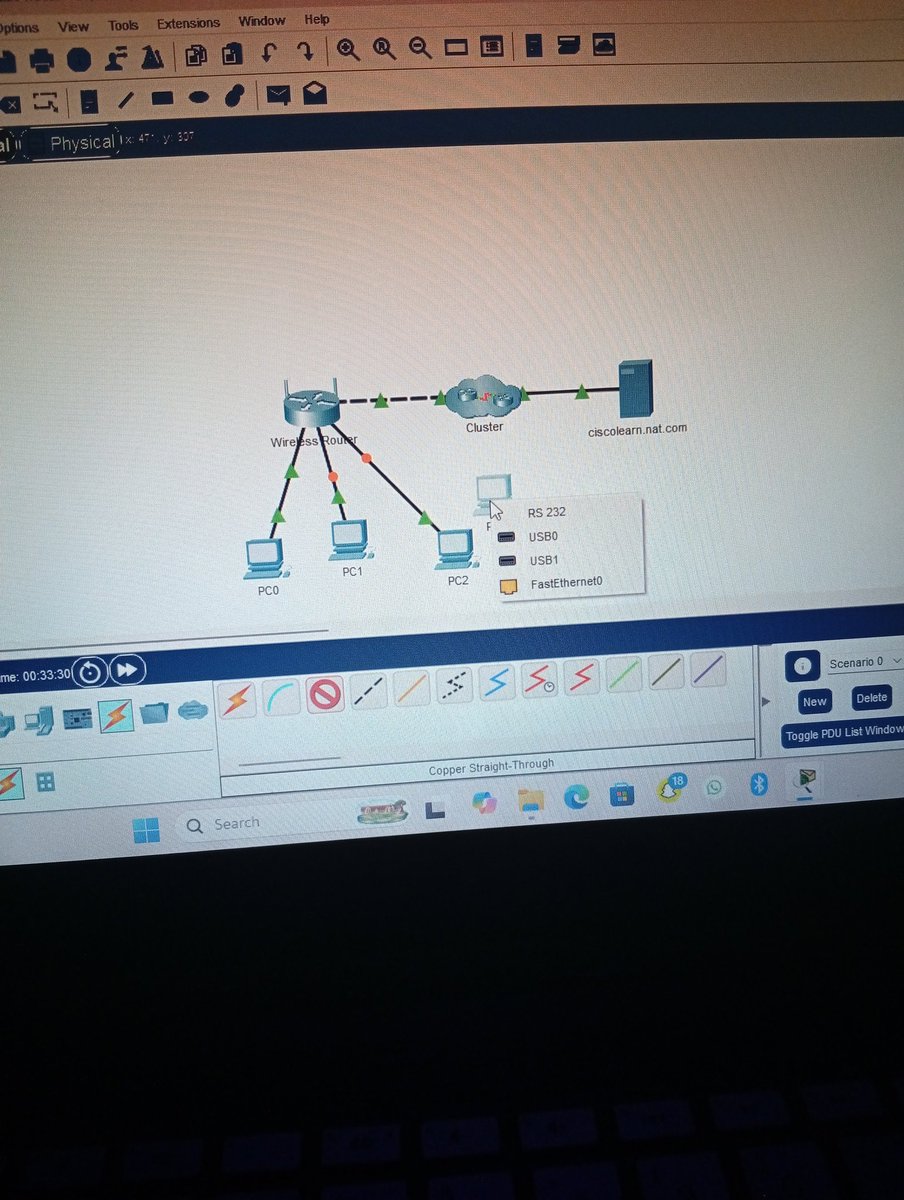
Still working on the Packet Tracer activity 🧑💻..
Slow days still count I guess..
#100DaysofCybersecurity #networkingbasics #LearninginPublic
May 4

Day 46✅
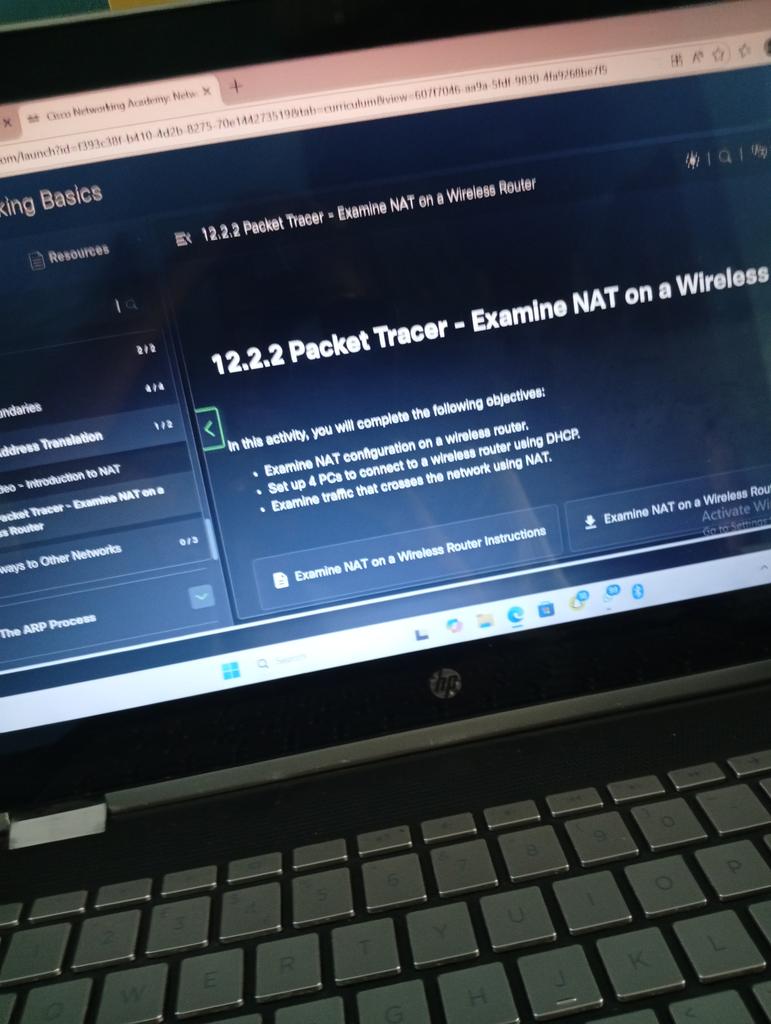
Learned about default gateways to other networks today.
I'll be working on a Packet Tracer activity tomorrow 💻.
#CyberSecurity #100daysofcybersecurity
6
200

Apr 24
Week 5 on TryHackMe:
Learned how packets & frames actually move data.
Now I see why:
• Networks fail
• Data gets delayed
• Connections drop
It’s all happening at this level.
@tryhackme
#NetworkingBasics
#LearnInPublic
#EthicalHacking
1
2
33

Apr 6
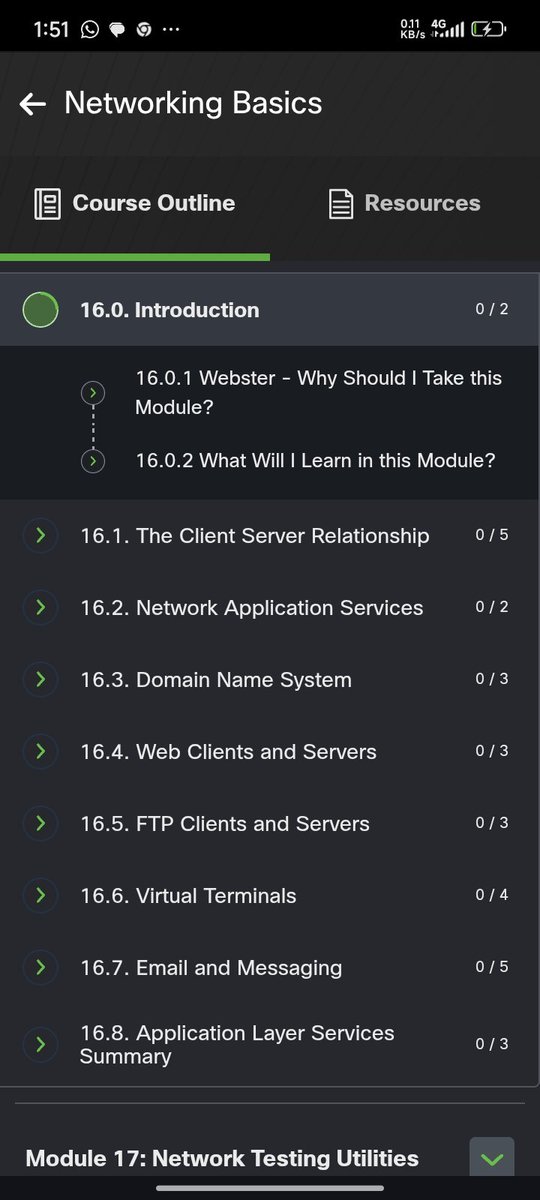
Day 16 of NetworkingBasics on @LearningatCisco ✅
I'll be learning about Application Layer Services, the Client Server Relationship, Network Application Services, Domain Name Systems, Web Clients and Servers, FTP Clients and Servers, Virtual Terminals, Email and Messaging.
Apr 5

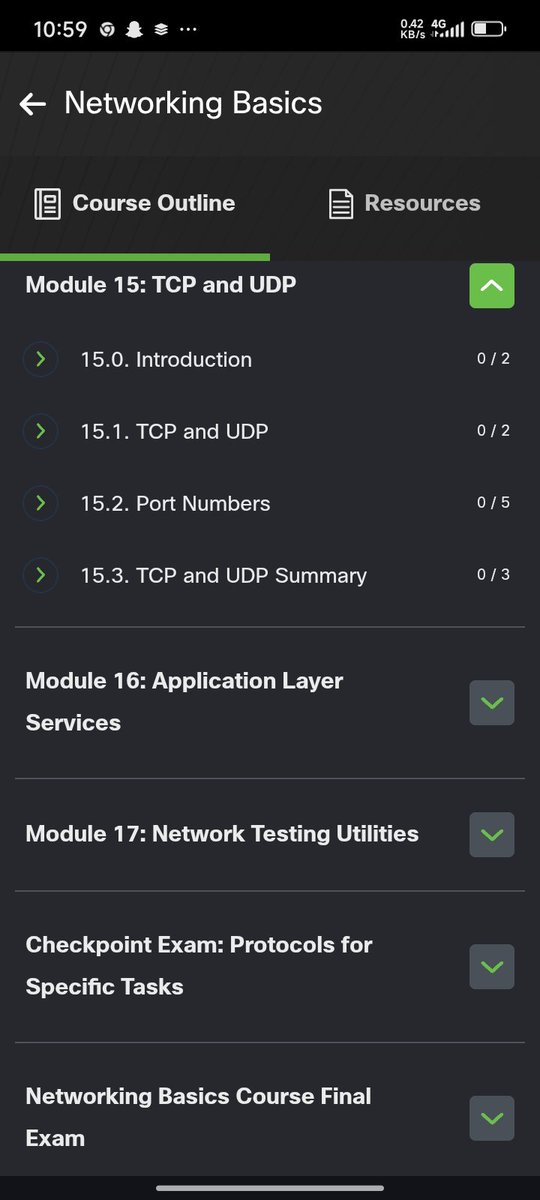
Day 15 of #NetworkingBasics on @LearningatCisco ✅
I'll be learning about TCP and UDP, and Port Numbers.
3
111
Apr 5
Day 15 of #NetworkingBasics on @LearningatCisco ✅
I'll be learning about TCP and UDP, and Port Numbers.
Apr 4
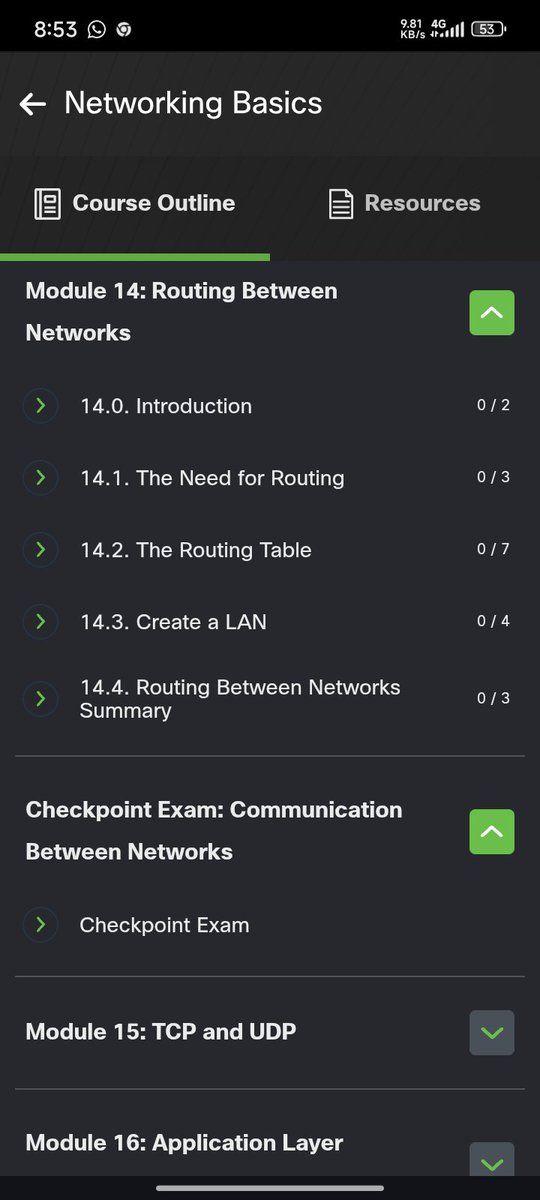
Day 14 of #NetworkingBasics on @LearningatCisco ✅
I'll learn Routing Between Networks, the need for Routing, the Routing table and also to create a Local Area Network.
5
120

Day 3 and 4 of the 30days cybersecurity challenge.
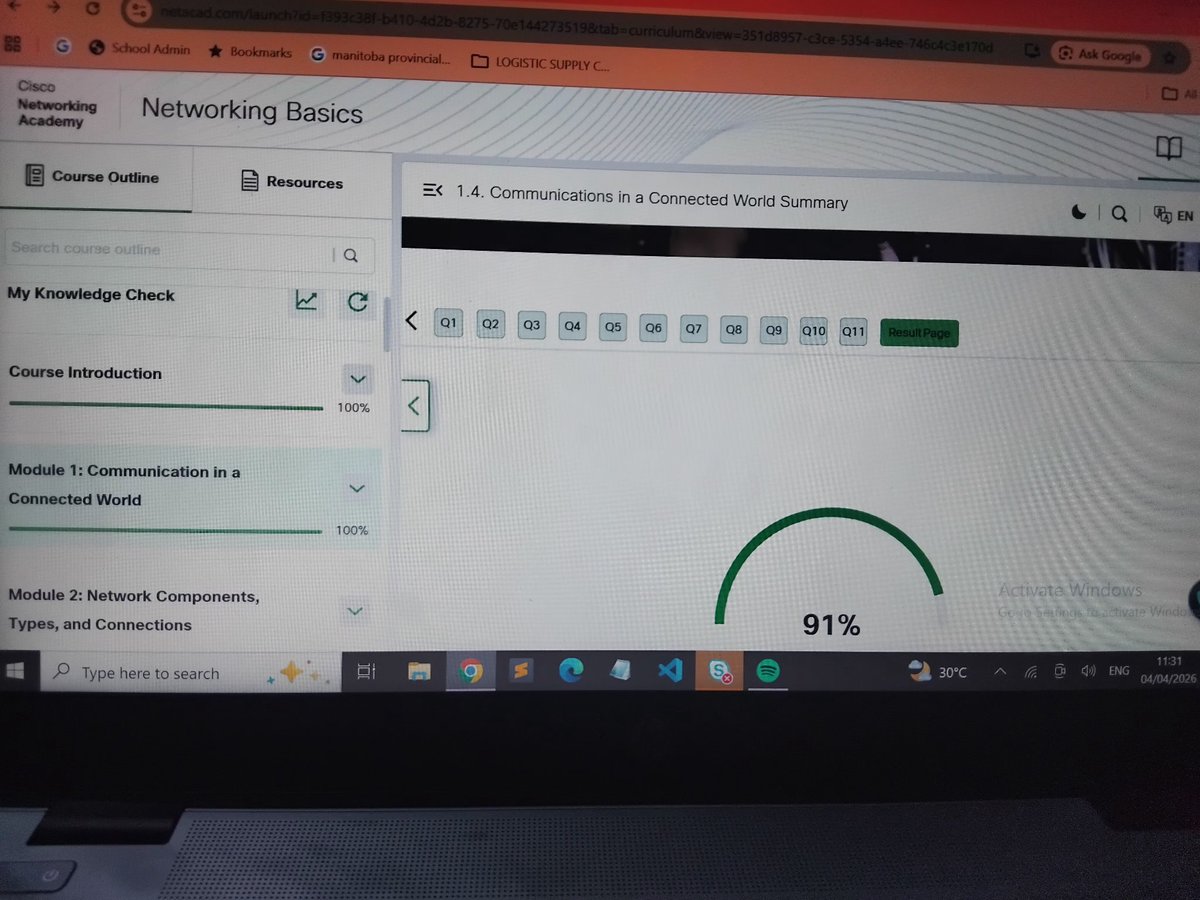
I wasn't able to post yesterday, so I will do it for both days. I was able to start networking basics on cicso and tryhackme.
#CyberSecurity #Networkingbasics #TechJourney #TryHackMe #Learning
@nacss_uniosun @malik_cybersec
1
13
85
Apr 4
Day 14 of #NetworkingBasics on @LearningatCisco ✅
I'll learn Routing Between Networks, the need for Routing, the Routing table and also to create a Local Area Network.
Apr 3
Day 13 of #NetworkingBasics on @LearningatCisco ✅
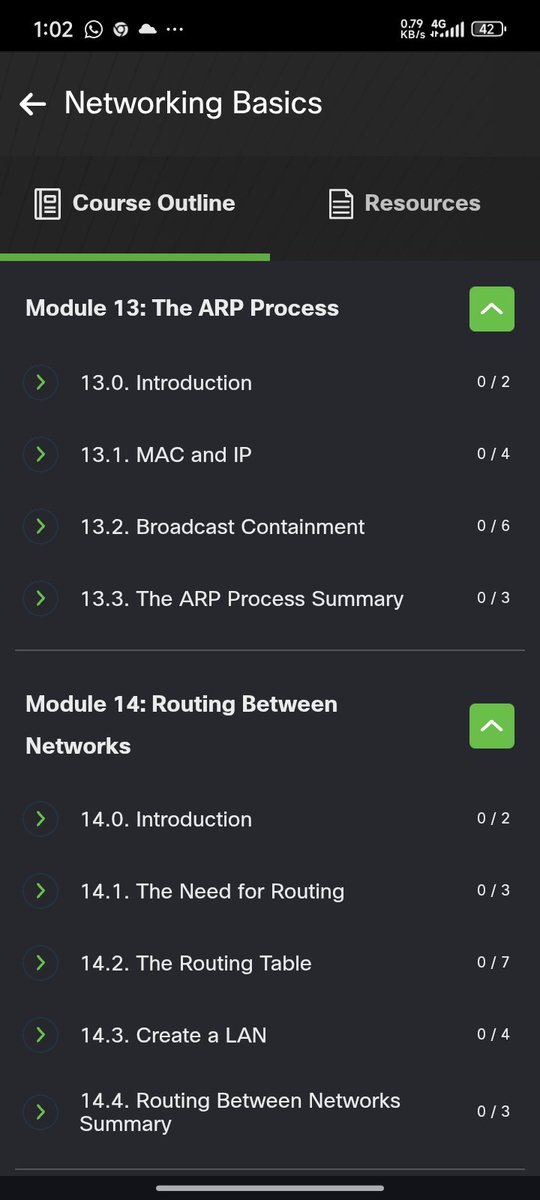
I'll be learning about Address Resolution Protocol Process, MAC and IP, and Broadcast Containment.
2
100

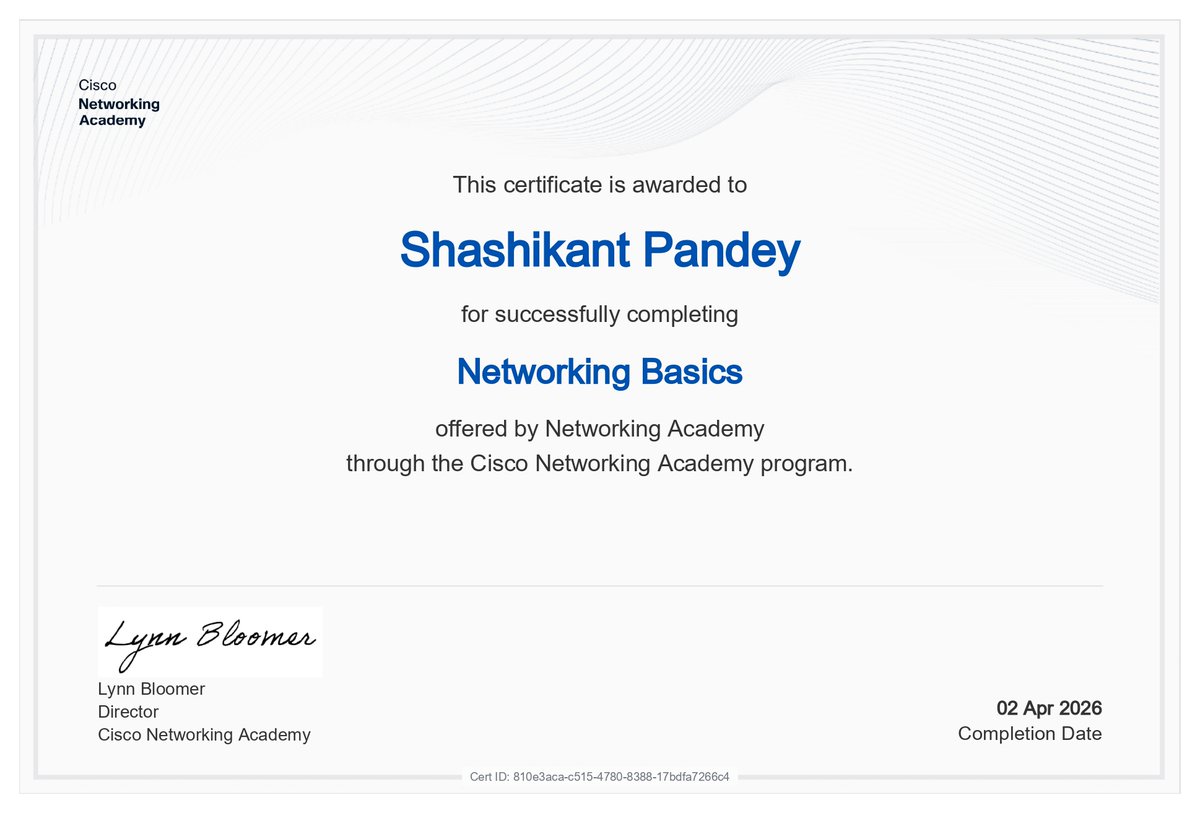
🎉 Just completed Networking Basics with Cisco Networking Academy! Strengthened my networking foundations and ready for more advanced skills. 💻✨
#CiscoNetworkingAcademy #NetworkingBasics #ITSkills
5
69

Mar 30
Day 15 of #100daysofcybersecurity
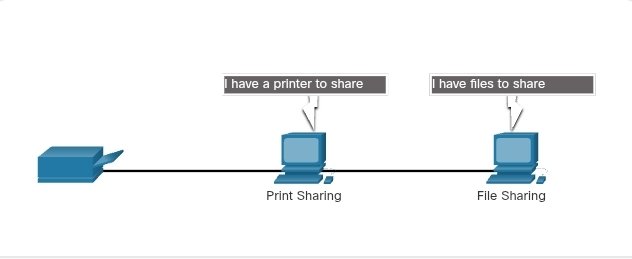
Peer-to-peer network consists of two directly connected computers where both computers are able to exchange data and services with each other, acting as either a client or a server as necessary #cloudsecurity #cybersecurity #networkingbasics
4
23
Mar 30
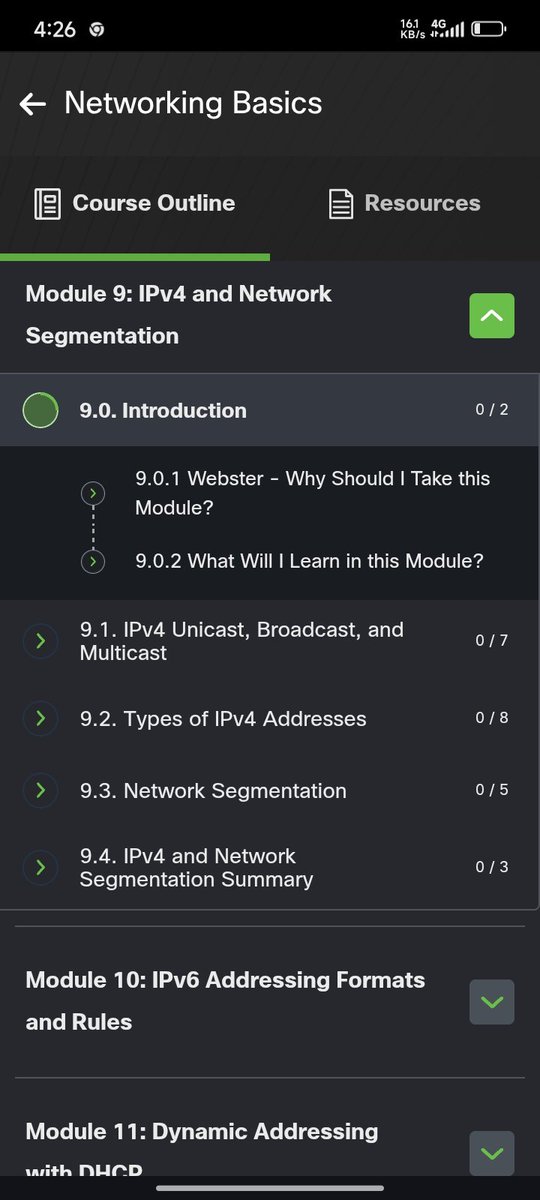
Day 9 of #NetworkingBasics on @LearningatCisco ✅
I'll be learning about IPv4 and Network Segmentation, IPv4 Unicast, Broadcast and Multicast, and types of IPv4 Addresses.
Mar 26
Day 8 of NetworkingBasics on @LearningatCisco
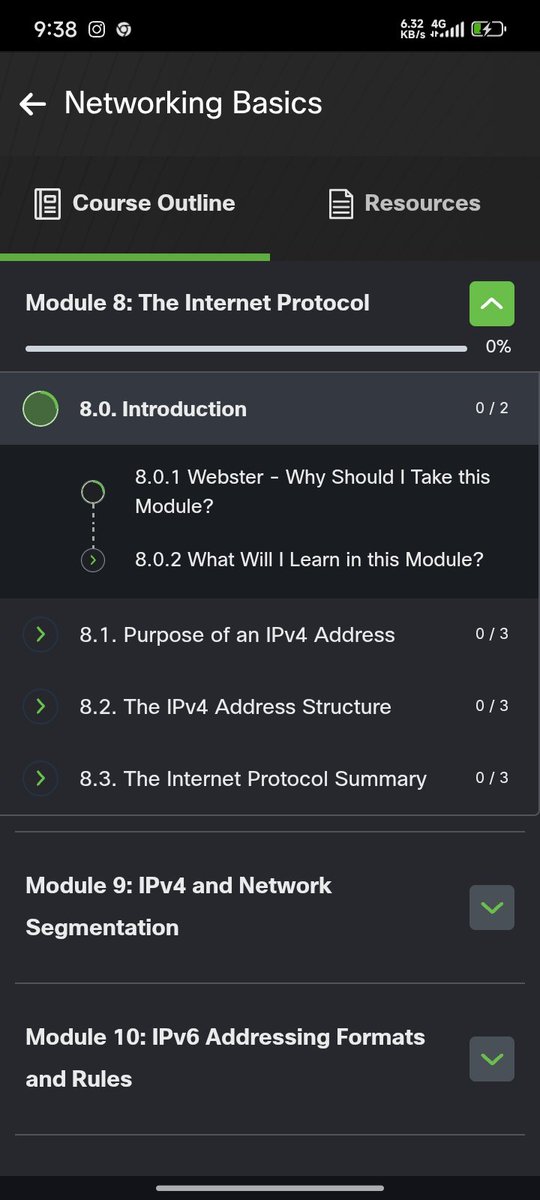
I'll be learning about the Internet Protocol, purpose of an IPv4 Address, and the IPv4 Address Structure
3
82