
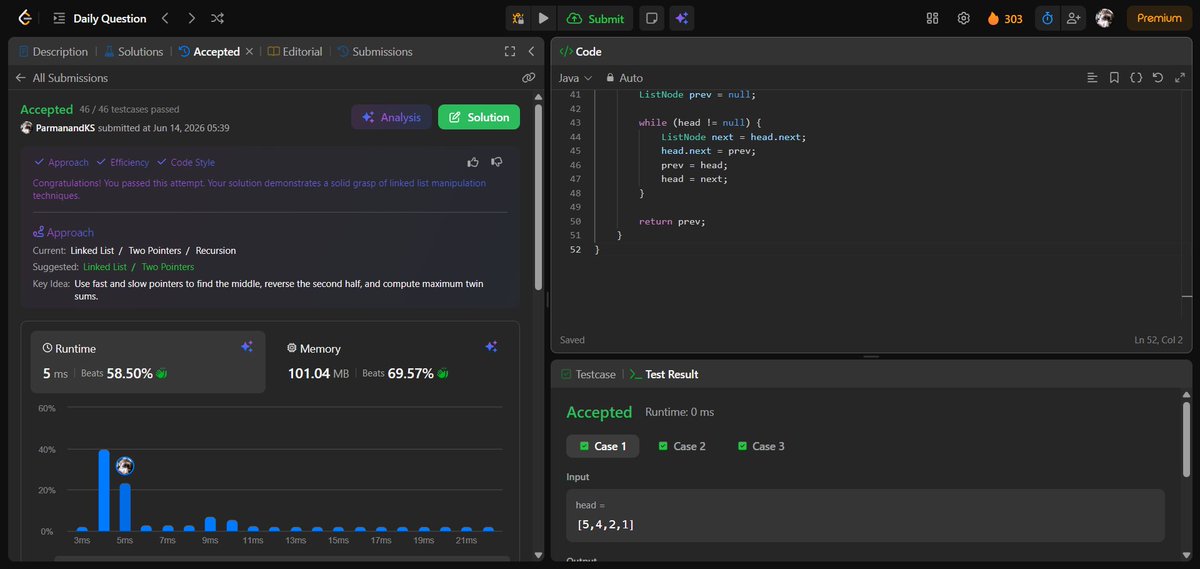
📚 Day 330 of learning DSA with @kunalstwt
Today's topic: @LeetCode 1 DSA DCC Problem
📌 Key takeaway: Maximum Twin Sum of a Linked List
🧠 Feeling: Motivated
Here’s what today looked like 👇
#DSAwithKunal #LearnInPublic #100DaysOfCode
2

🚀 New Learning Journey Begins!
While continuing my #SDESheetChallenge, I'm also starting a dedicated SQL journey today.
The goal is simple:
✅ Strengthen database fundamentals
✅ Prepare for coding interviews and placements
#LearnInPublic #takeuforward #CodingJourney
1
3

🔴Day 5
Good Morning
Late start Sunday it is
No DSA today
🚀 GatherSphere Project
🚀Done and dust with typescript
#30DaysOfCode
#LearnInPublic
Jun 13

🔴Day 4
🚀 GatherSphere project
🚀DSA
🚀Book
#30DaysOfCode
#learninpublic
5

AI product managers: don’t start with the model—start with the decision. If your AI doesn’t change a user action, it’s a demo, not a product. Build around one high-value workflow, measure time saved, then layer intelligence. #aiproductbuilder #learninpublic
8

4
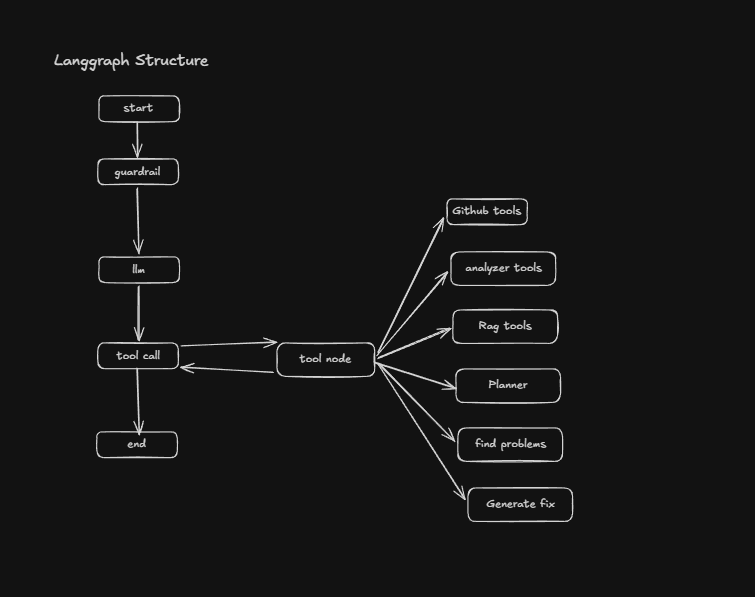
Currently working on Dev Mind Project
Basically it will scan your github repo and give you detailed explanation on vulnerability, performance issues, security issues, etc. and create a pr on users approval to fix em
#langgraph #langchain #buildinpublic #learninpublic
11


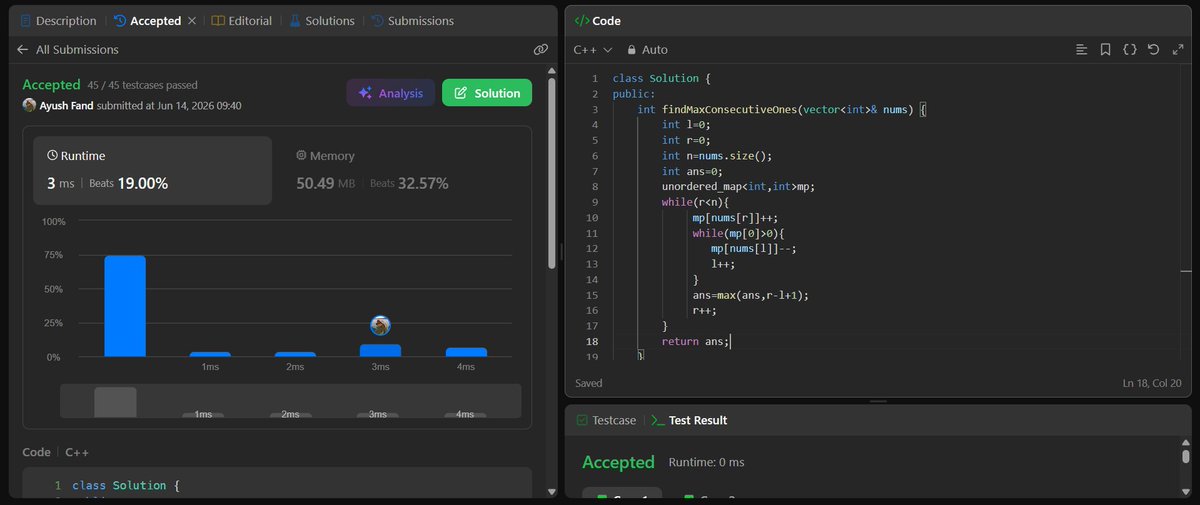
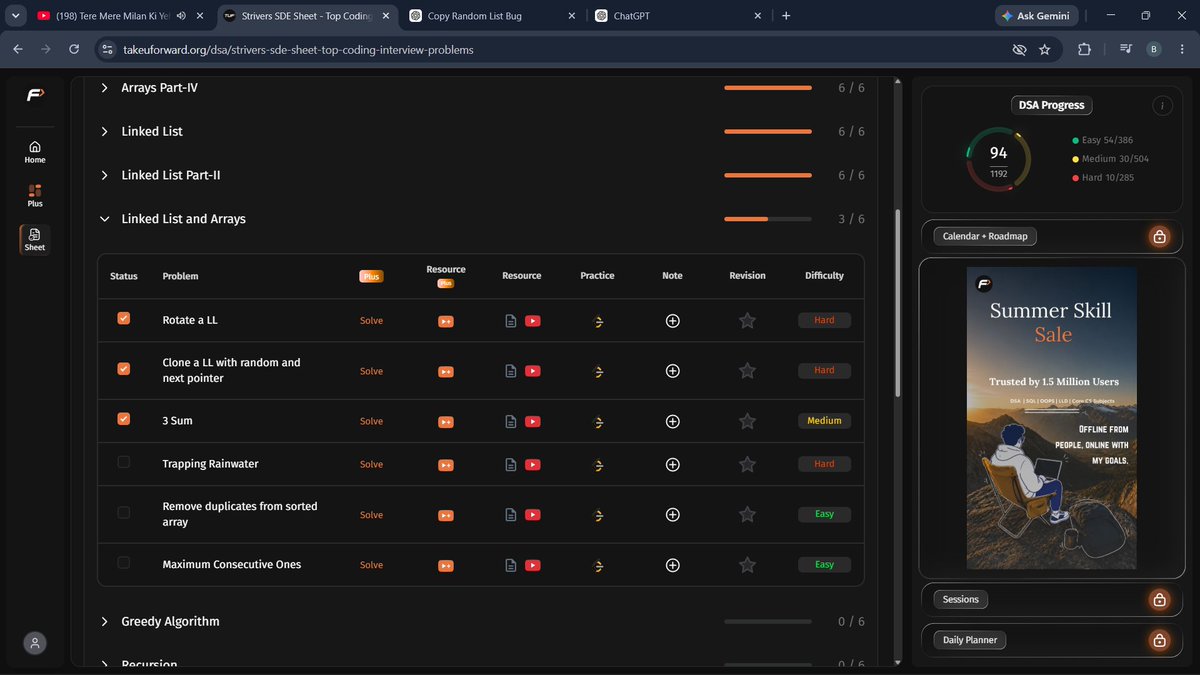
Day 14/45✅
Todays problems were
1) Trapping Rainwater
2)Remove duplicates from sorted array
3)Maximum Consecutive Ones
#SDESheetChallenge
@striver_79 @takeUforward_
#DSA #takeUforward #LearnInPublic
4
14
Done with both DSA and Project
#learninpublic
#30daysofcode
Jun 13
🔴Day 4
🚀 GatherSphere project
🚀DSA
🚀Book
#30DaysOfCode
#learninpublic
1
17

🚀 Day 226 – #LearnInPublic
🔎 Learned Production RAG Architectures
🔹 Retrieval, reranking & generation pipelines
🔹 Vector databases for semantic search
🔹 Chunking, embeddings & context management
#RAG #LLM #AIEngineering #MLOps #100DaysOfCode
1
16

Made this dashboard today! Your thoughts on this?
Still working on it.
@jobrightai how useful is it? Reviews by experienced people accepted.
#dataanalyst #data #ai #dashboard #analytics #learninpublic #buildinpublic #opentowork
1
8

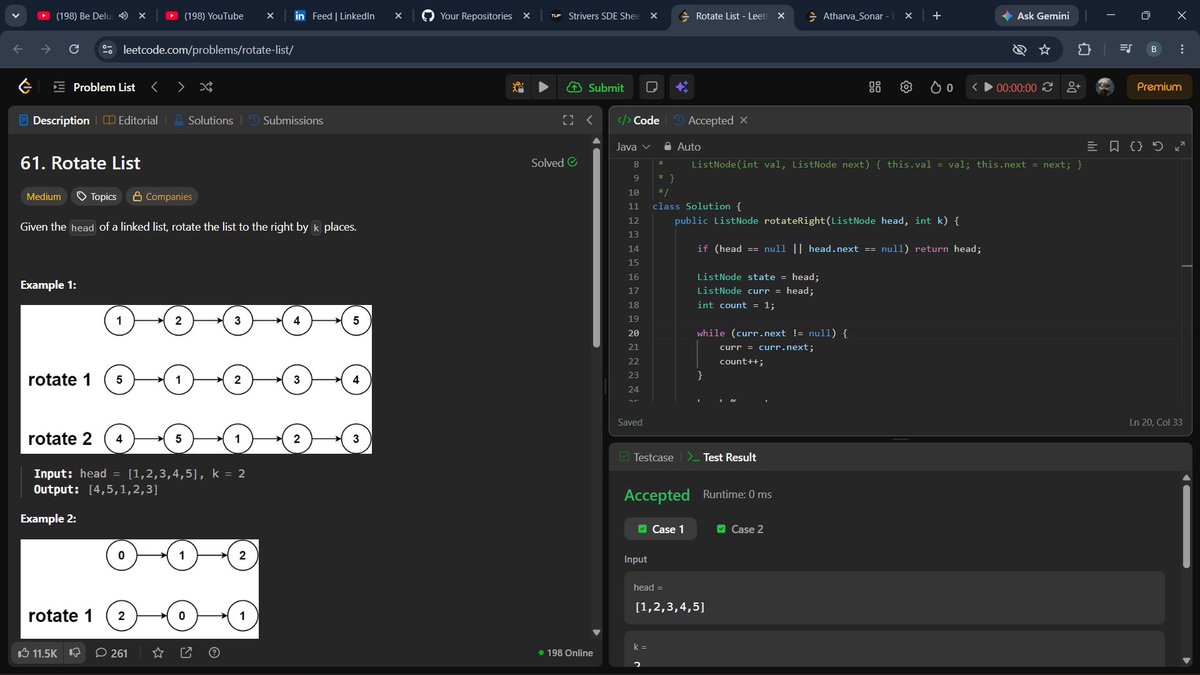
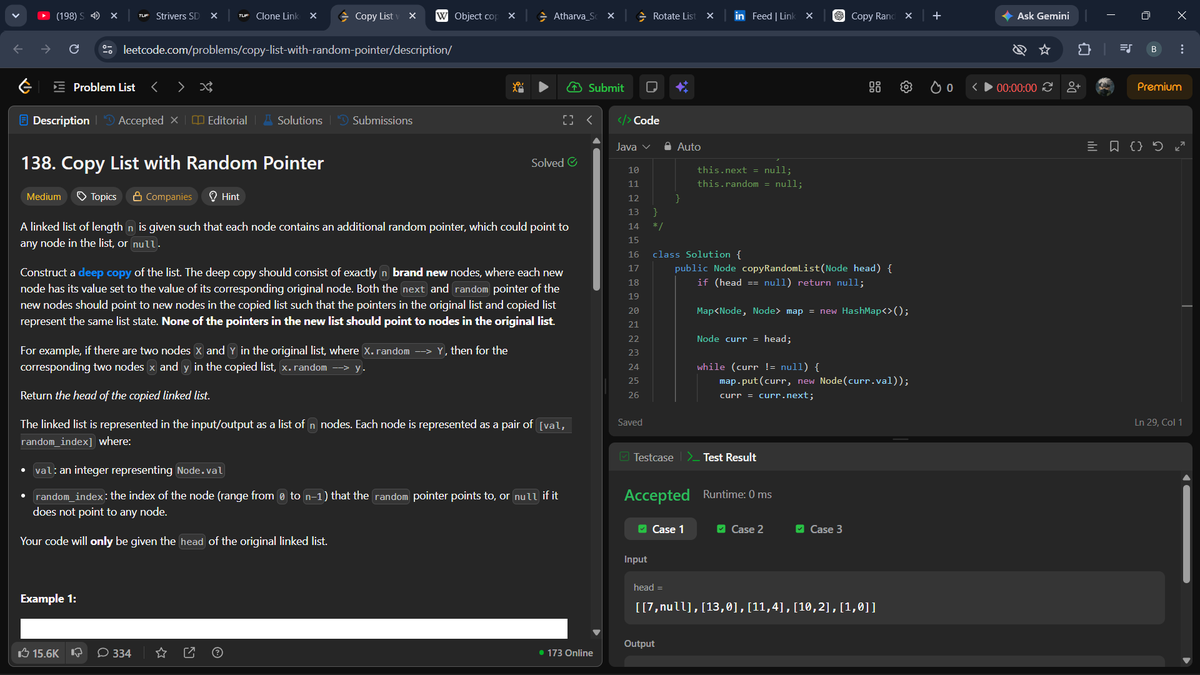
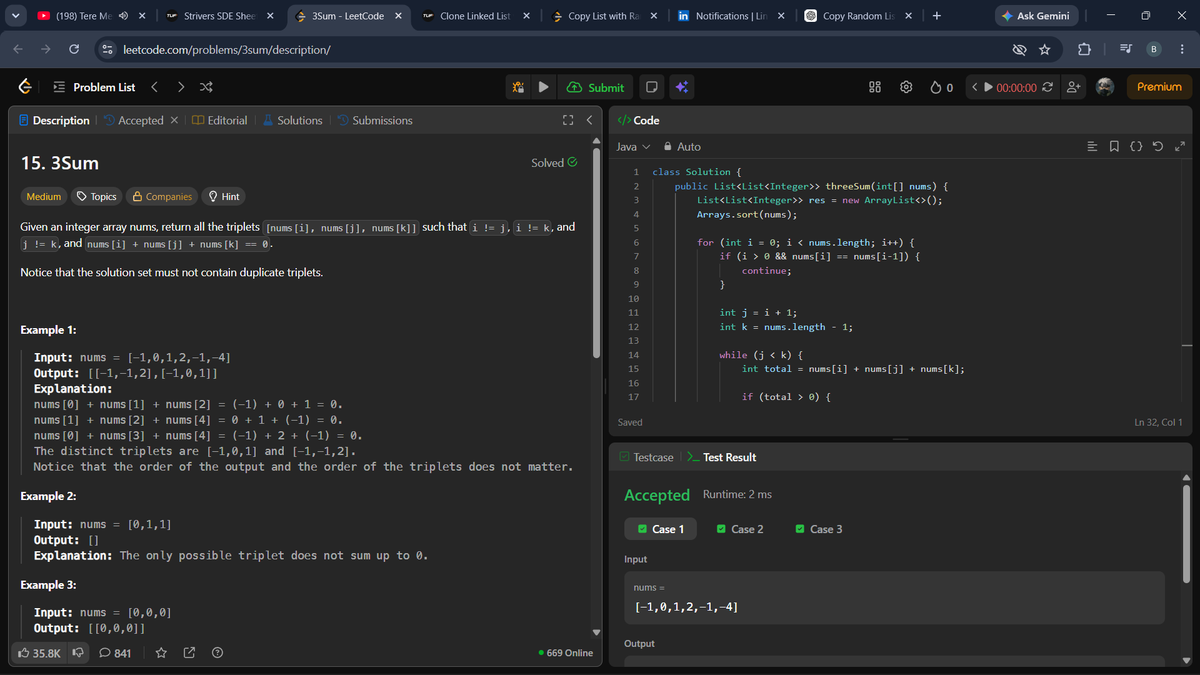
Day 13/45 of #SDESheetChallenge✅
Solved:
✔️ Rotate List
✔️ Clone Linked List with Random Pointer
✔️ 3Sum
Still a long way to go, but that's the exciting part.
Build skills.
Solve problems.
Repeat.
@takeUforward @striver_79
#DSA #LeetCode #Java #LearnInPublic #BuildInPublic
1
2
27

Understanding Client-Server Architecture — the foundation of every web app.
Here's what every developer and security researcher should know:
When you type a URL and hit Enter, a lot happens in milliseconds:
→ DNS resolves the domain to an IP
→ TCP handshake establishes a connection
→ Browser sends an HTTP request
→ Server processes it and returns a response
→ Browser renders HTML, builds the DOM, executes JS
Frontend handles what you see (HTML, CSS, JS). Backend handles the logic — auth, databases, APIs. Both sides have to work together on every single request.
On the infrastructure side:
→ Nginx/Apache serve HTTP requests
→ Reverse proxies sit in front of backends, handle SSL, and often host WAFs
→ Load balancers distribute traffic so no single server breaks under pressure
From a security perspective, every one of these layers can be misconfigured:
- Reverse proxies introduce SSRF and header injection risks
- Load balancers can leak server info in response headers
- DOM manipulation is where XSS starts
Understanding the full request lifecycle isn't just dev knowledge — it's the baseline for web pentesting and bug bounty hunting.
Still learning and sharing as I go.
#BugBounty #WebSecurity #CyberSecurity #Infosec #LearnInPublic #WebDevelopment
25

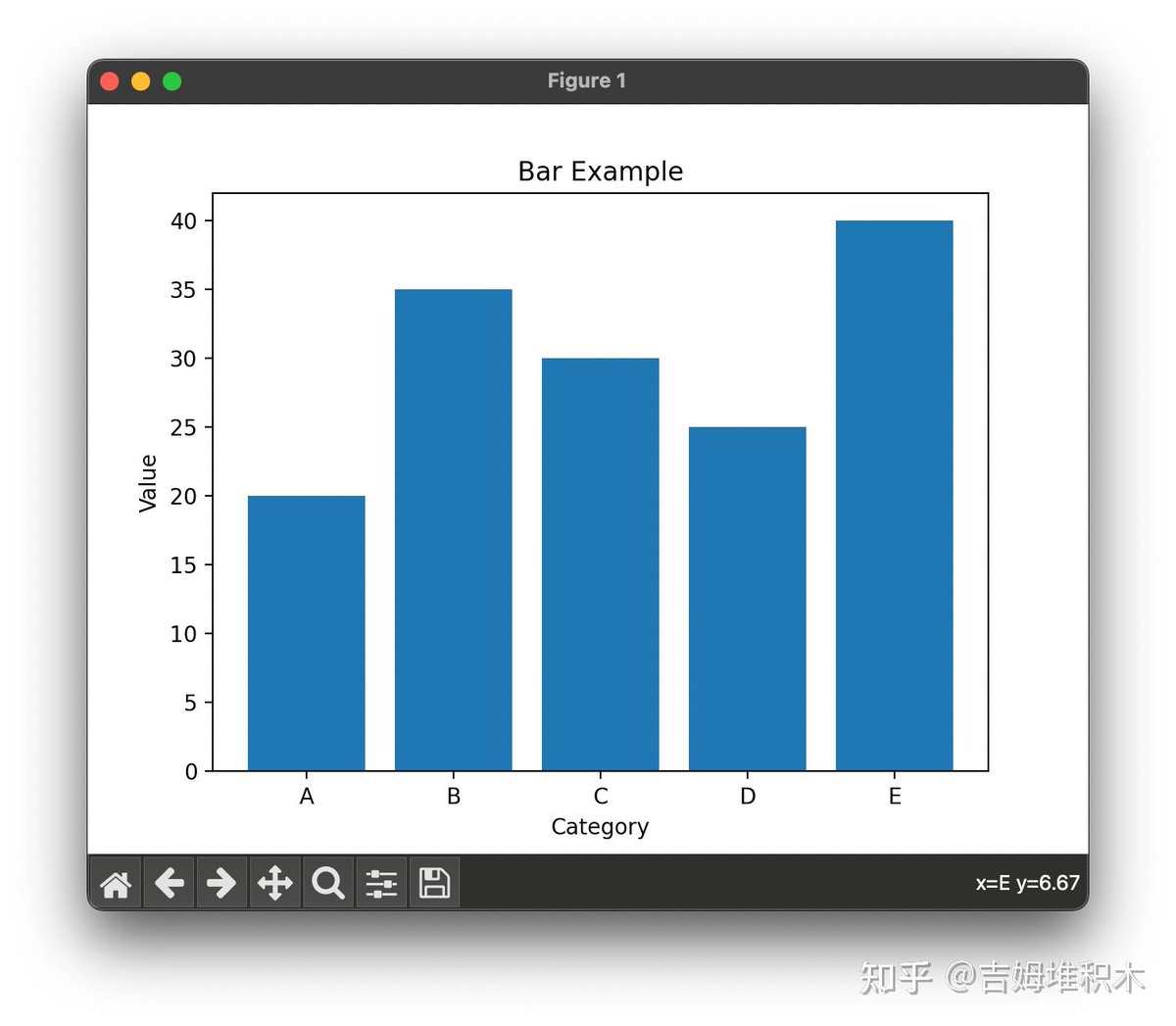
Just nailed my first Python data visualization with Matplotlib! Grateful for the late-night study sessions that finally clicked. #LearnInPublic #PythonForBeginners
1
3

🚀 Day 48/100 of #100DaysOfCode
Today I learned key data collection methods in Data Science:
✅ Web Scraping
✅ APIs & how they work
✅ Using the "requests" library in Python
✅ Making API calls in Python
Also revised my Git and Terminal fundamentals to strengthen my development workflow 💻
Small progress every day adds up. 📈
#Python #DataScience #CodingJourney #LearnInPublic #100DaysChallenge #Git #WebScraping #API
1
16

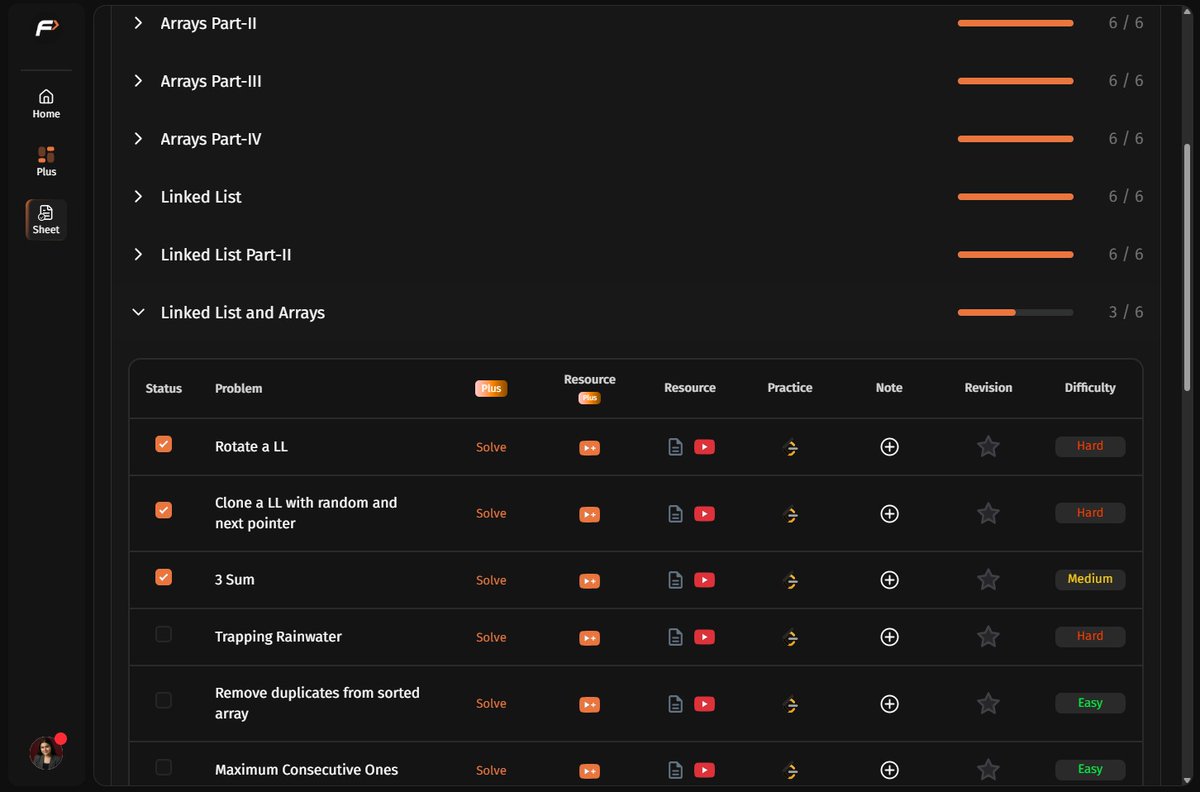
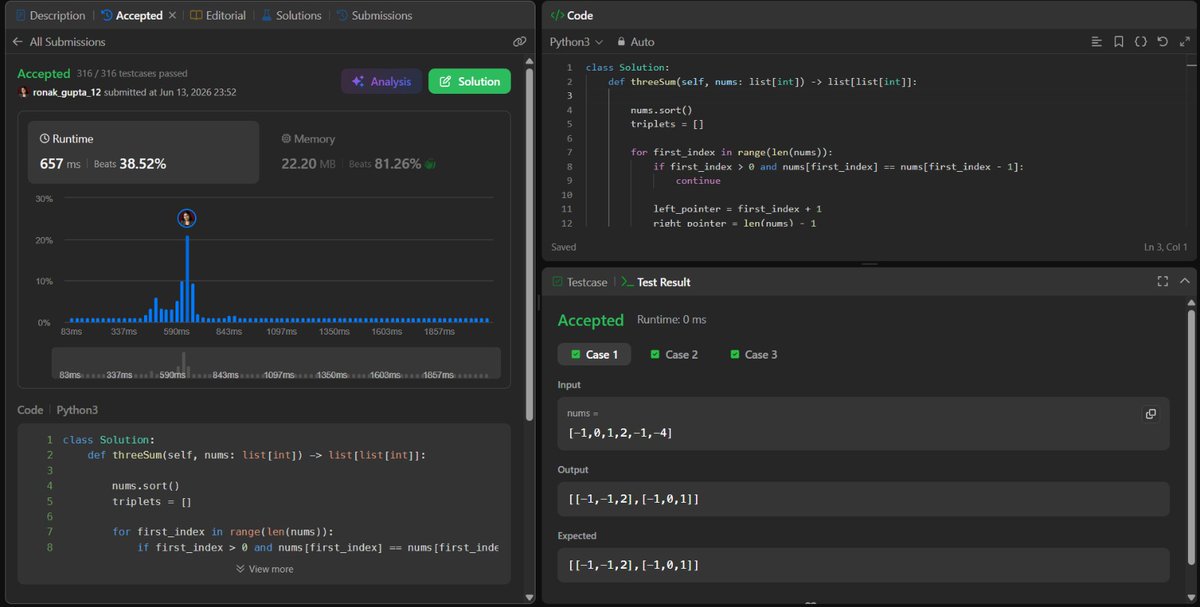
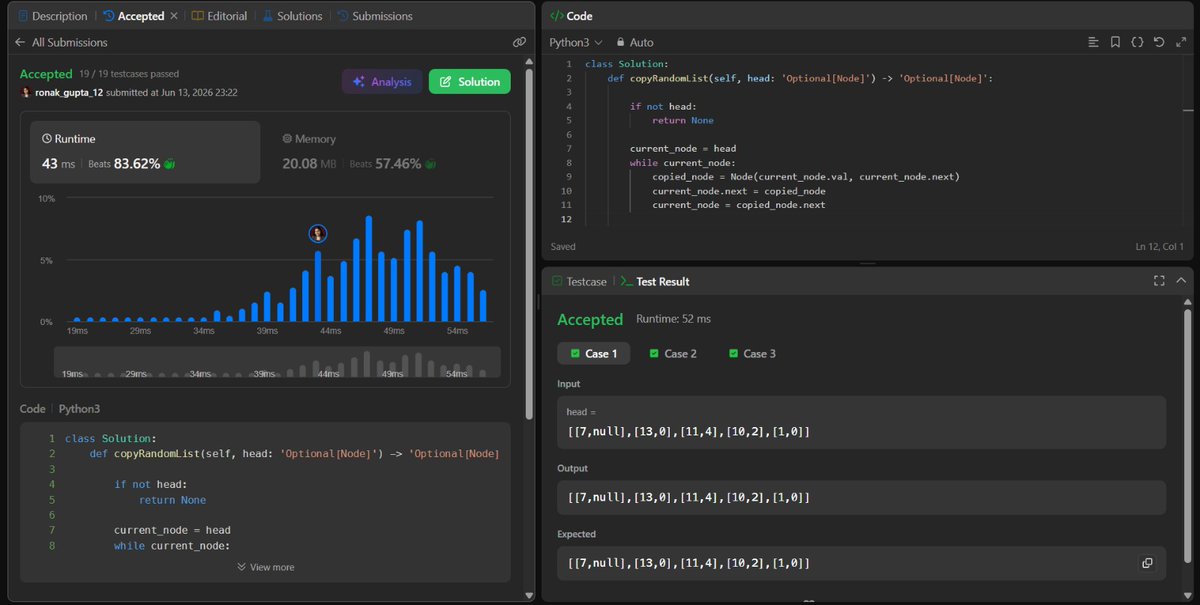
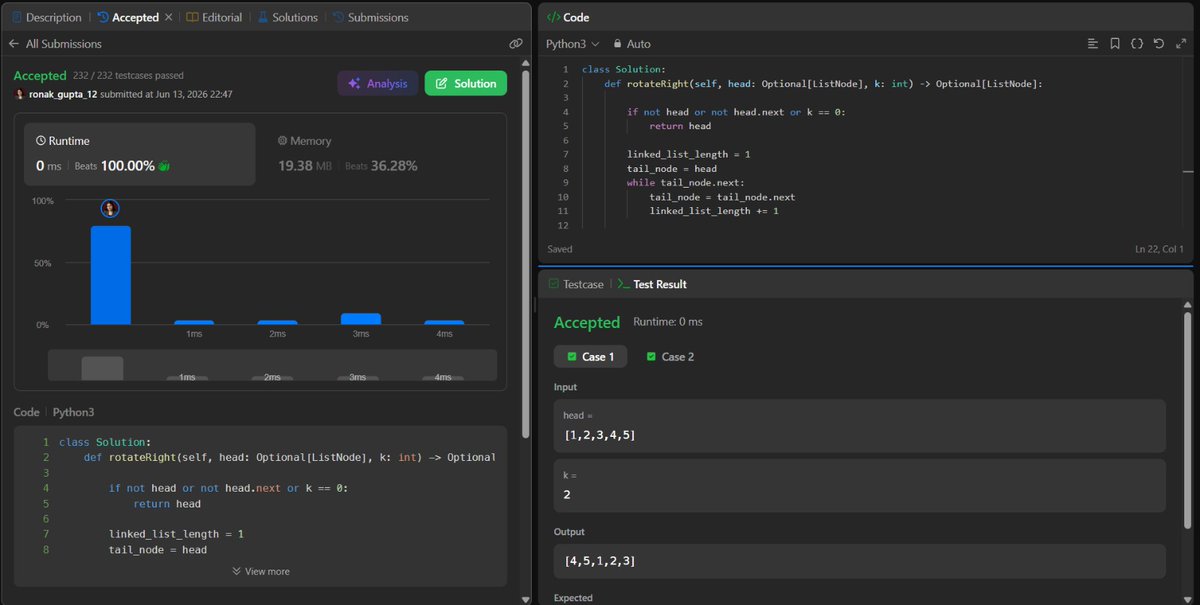
Day 13/45 ✅ of #SDESheetChallenge
Finished today's set from Striver's SDE Sheet:
✅ Rotate a Linked List
✅ Clone a Linked List with Random and Next Pointer
✅ 3 Sum
@takeUforward_
#LearnInPublic #TakeUForward #DSA
14
96

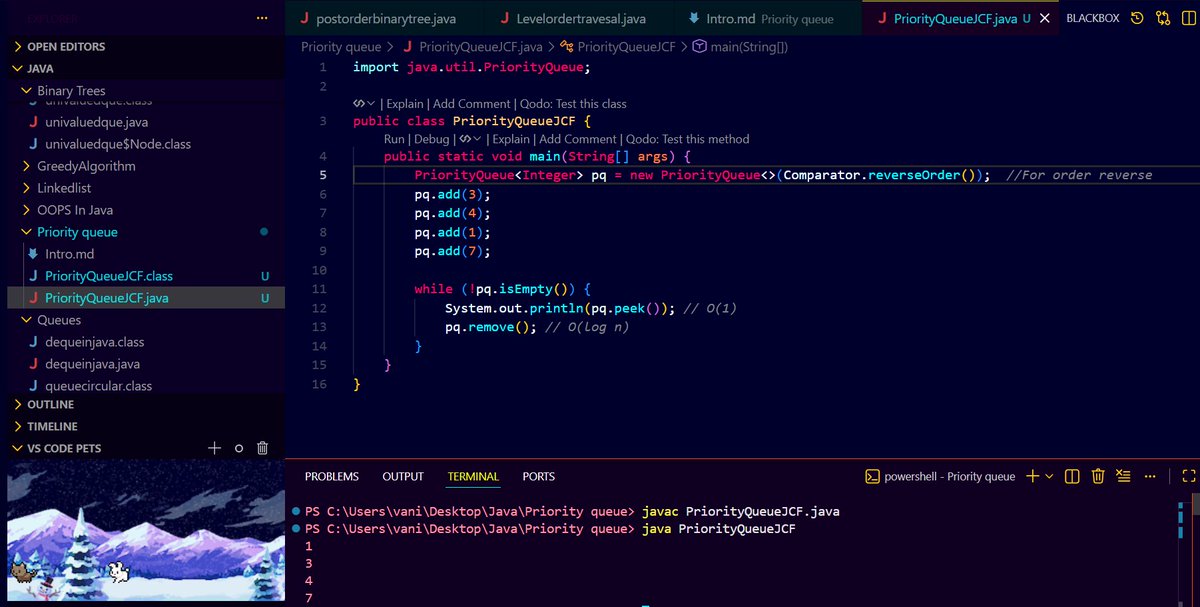
wrapping up the day <3 solved a leetcode problem, solved binary tree sheet questions,learned priority queue in JCF and did a little prep for(practical exam)
today’s tasks:
- leetcode & sheet☑️
-priority queue☑️
-practical prep☑️
good night🌙
#buildinpublic #learninpublic

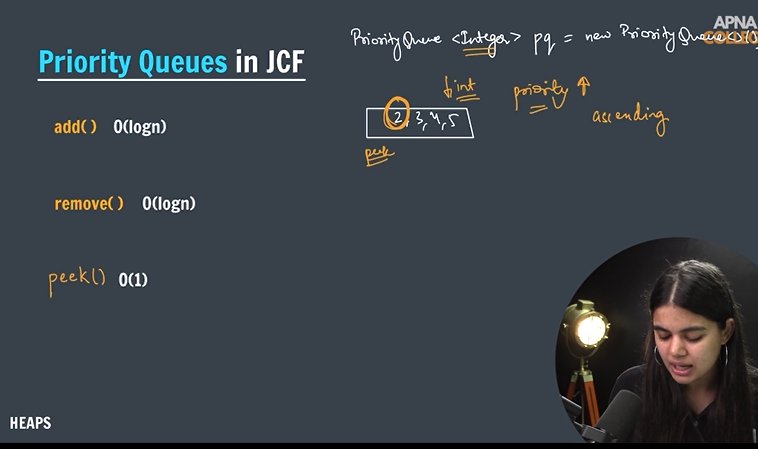
getting back into coding<3 solved a leetcode problem and solved binary tree sheet questions, now learning priority queue in JCF, later preparing for my practical exam (15th June) .
today’s tasks:
-leetcode & sheet ☑️
-priority queue
-practical prep
#buildinpublic #learninpublic
4
18
209

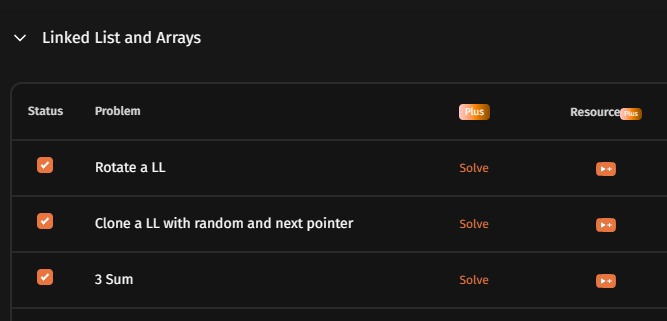
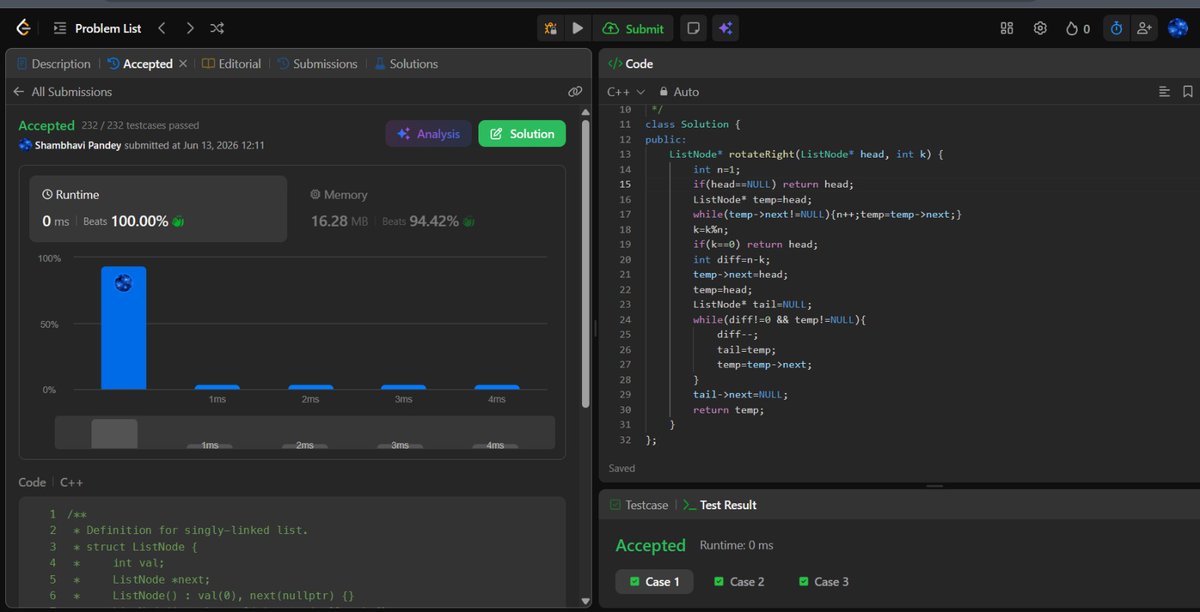
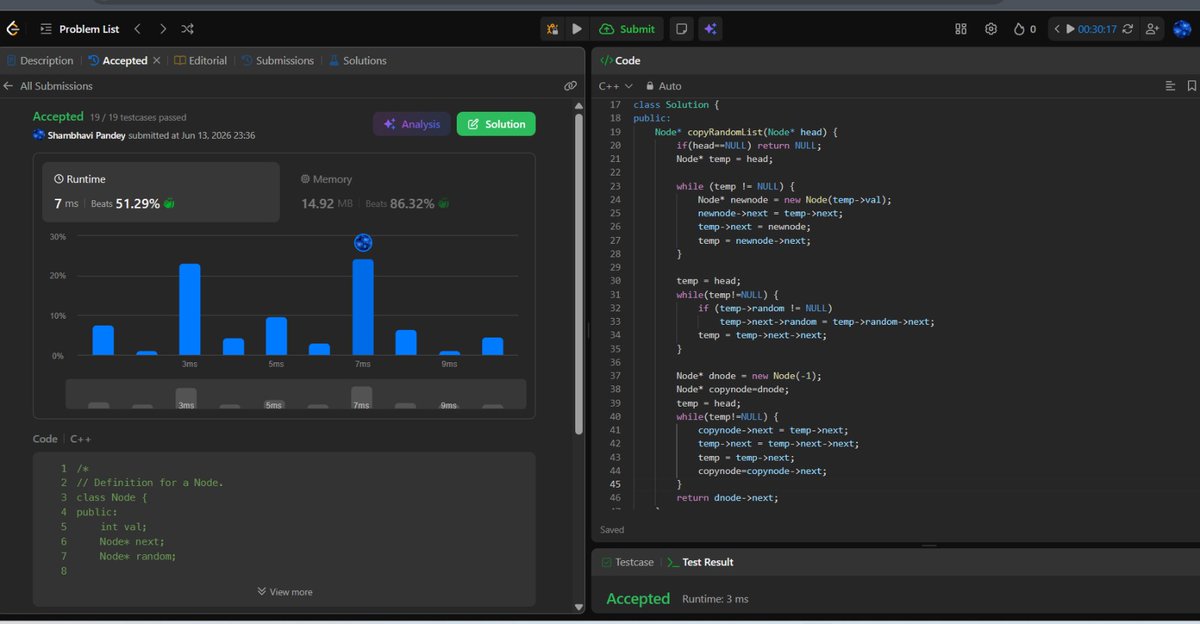
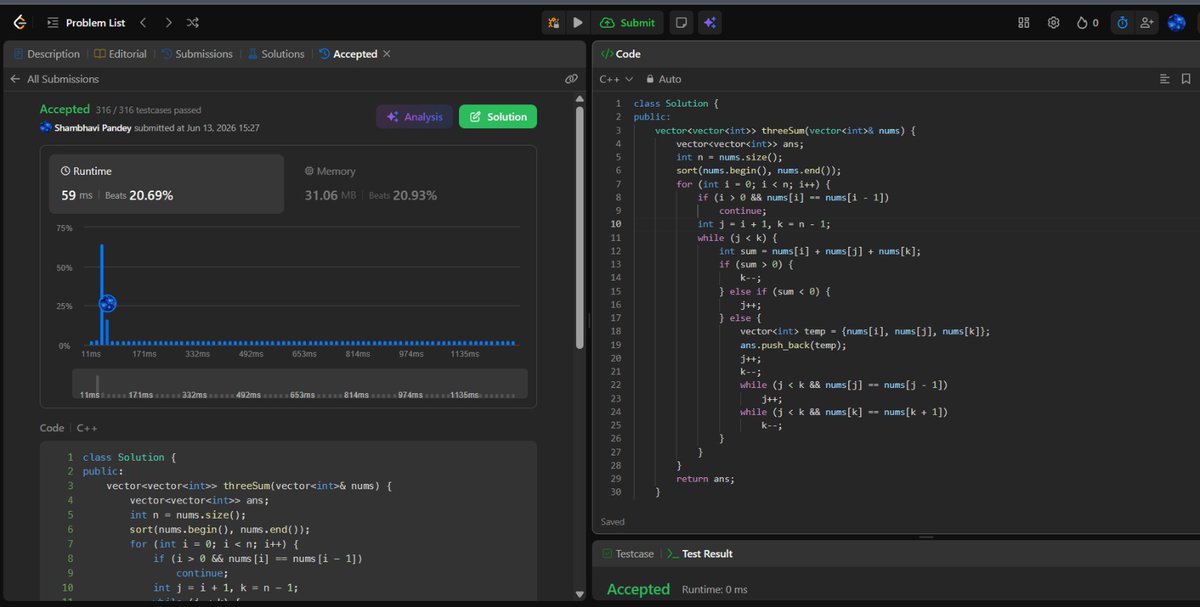
Day 13 🎯 - #SDESheetChallenge
Today's Problems:
1) Rotate a LL
2) Clone a LL with random and next
pointer (The wow question 🤌🏻)
3) 3 Sum
#DSA #LearnInPublic
4
44



🔥 Day 13/45: #SDESheetChallenge
✔️ Rotate a LL
✔️ Clone a LL with random and next pointer
✔️ 3 Sum
@striver_79 @OrionAnkit
I also created a solution explanation video.
#DSA #Java #LearnInPublic #takeUforward_ @takeUforward_
2
381