
you're right it's not kratom, but that's not where the problems started. opms and botanic tonics were already marketing to naive customers and being sued before 7oh products were popular
1
1
2

Still waiting on OPMs comeback. It might not be today but it will be soon
8
632

literally, an emo taste of my bff, princess' musicals, oldies' songs, planetshakers, and OPMs

7

so real. it was through edits of my ships that i got to familiarize myself with so many OPMs
2
387

Jun 15
too many to mention 🙂↕️ but favorites ko tlga eraserheads & 2010 - 2016 opms
1
1
10

@HideYourKids0
🧵
1/
Marco Rubio is a clear advocate for targeted public-private partnerships (PPPs) as a key tool within his “Common Good Capitalism” framework.
Philanthropists and foundations like Arnold Ventures routinely provide grants for university research, including at public institutions such as the University of Oklahoma (OU) or similar schools in Utah and elsewhere, strengthening public-private partnerships (PPPs).
Through its Evidence & Evaluation team, Arnold Ventures funds rigorous, causal research—primarily randomized controlled trials and quasi-experimental studies—in areas like higher education, criminal justice, health, infrastructure, and public finance.
They award millions annually in research grants, often to universities (e.g., University of Texas at Austin, University of Utah, University of Chicago, and University of California schools) for projects on education outcomes, career pathways, and policy impacts.
Critics of Arnold Ventures (AV) grants to universities for research—primarily in states like Texas (e.g., UT Austin), California (e.g., UC Irvine, UCLA), Michigan, Colorado, Indiana, and others. influencewatch.org
Key criticisms include:
• Lack of transparency and circumvention of traditional institutions: William Schambra and others argue AV’s LLC structure allows the Arnolds to bypass public disclosure rules of 501(c)(3)/(c)(4) entities, enabling direct pursuit of policy goals with less accountability. Grantees (including university-linked projects) sometimes fail to prominently disclose AV funding in outputs like articles, lawsuits, or advocacy letters, creating perceptions of hidden influence. influencewatch.org
• Pushing ideological or reform agendas through “evidence-based” research: In higher education, critics claim AV-funded studies and evaluations advance priorities like greater institutional accountability, performance metrics, restrictions on for-profit/online program managers (OPMs), student debt protections, and pension/public finance reforms. This is seen as tilting toward progressive or technocratic solutions that undermine traditional university autonomy, faculty governance, or public institutions (e.g., favoring certain criminal justice or economic mobility evaluations that align with AV’s views). onedtech.philhillaa.com
• Coordinated influence campaigns: In states with AV-supported university research (e.g., on college outcomes or policy evaluations), some allege it fuels litigation, regulatory pushes, and media narratives without balanced counterviews, potentially pressuring institutions or shaping state policy debates. onedtech.philhillaa.com
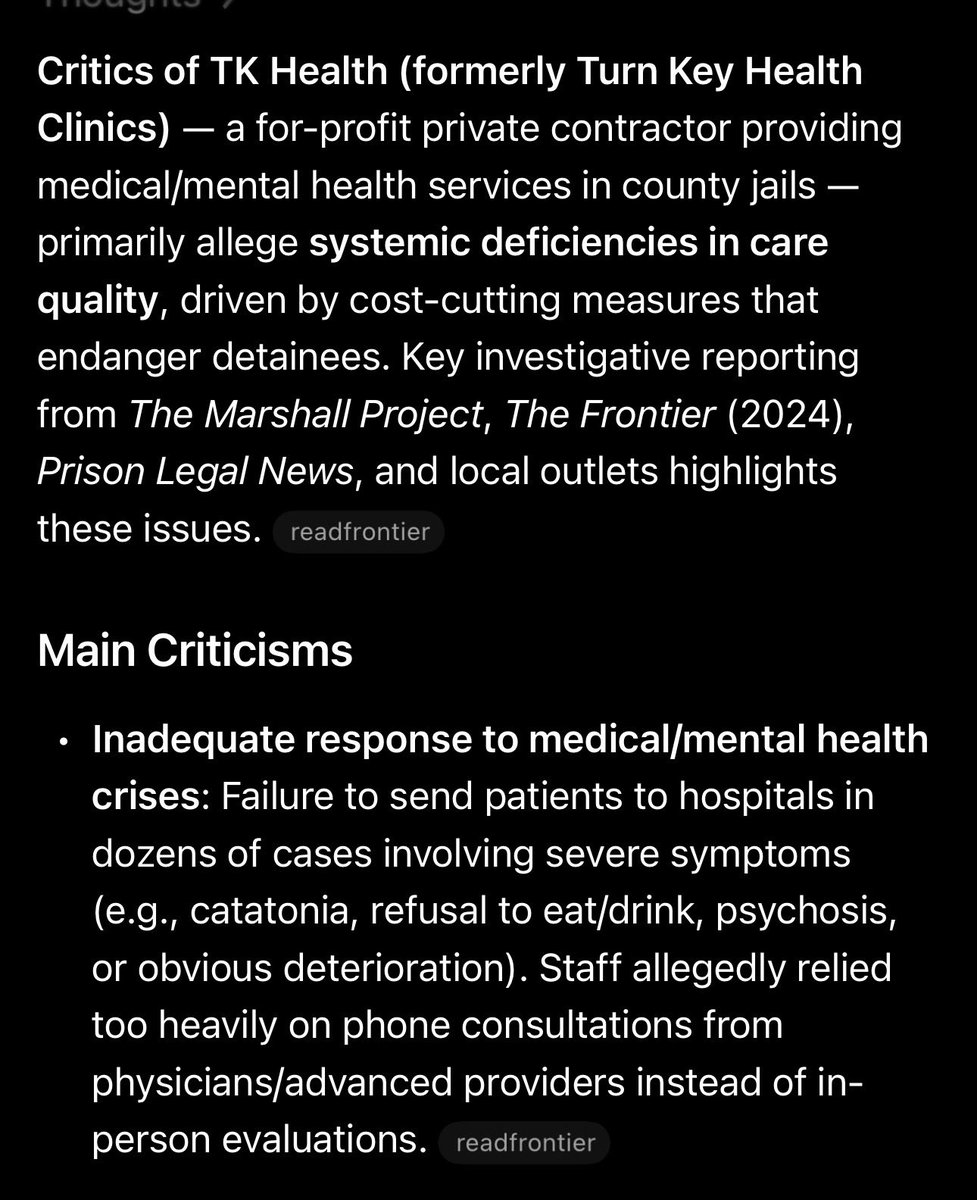
A example of a Oklahoma P3 partnering with TK Health (formerly Turn Key Health Clinics) — a for-profit private contractor providing medical/mental health services in county jails —
Flow Summary (AV Research Guides Practice)
AV RCT Evidence (proves value)
↓
Strengthens/Incentivizes NCCHC Accreditation (gold standard)
↓
Contracts Mandate TK Health Compliance (operational requirement for bids, payments, liability protection).
↓
Improved (or targeted) Jail Healthcare Outcomes
Key Takeaway: AV doesn’t directly fund or partner with TK Health. It funds independent research validating the NCCHC standards that TK Health (and other contractors) must follow under government contracts. This creates an evidence-based feedback loop: research → standards → contractor performance.
This model is common in regulated sectors where philanthropy backs rigorous evaluation of existing best practices.
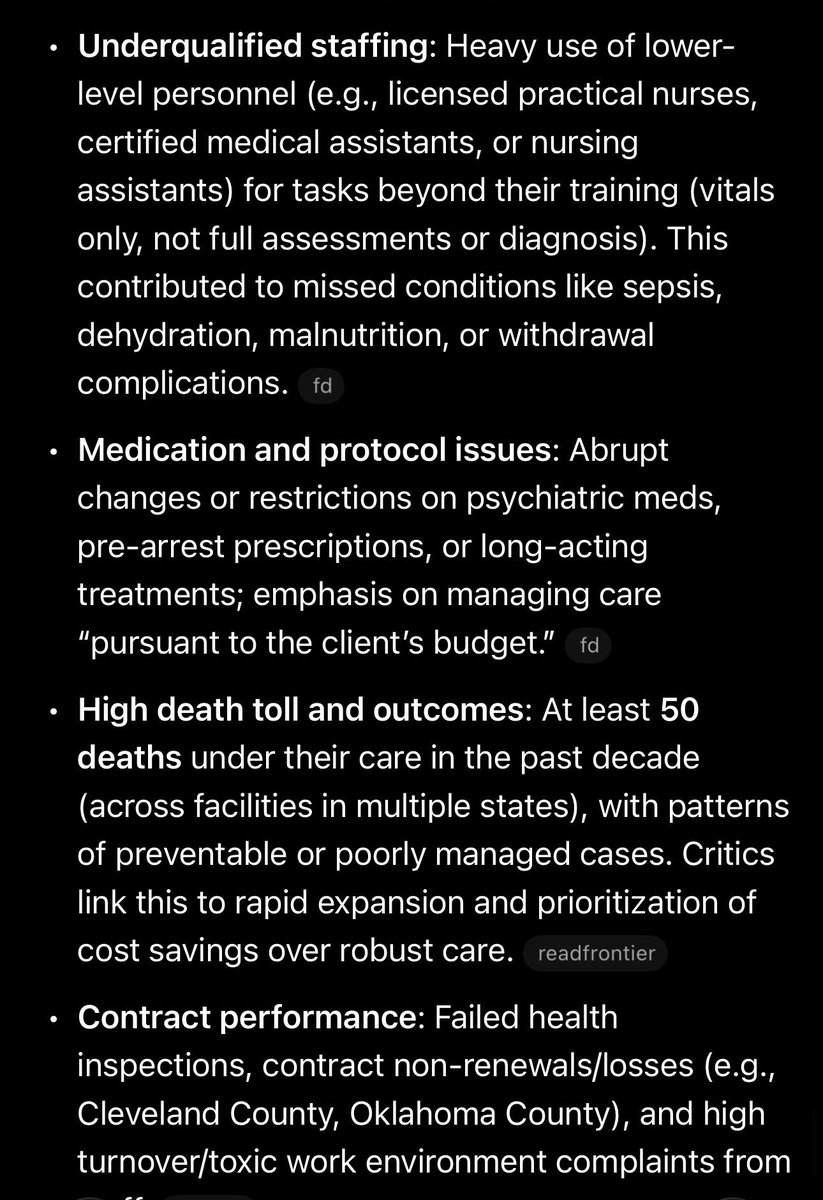
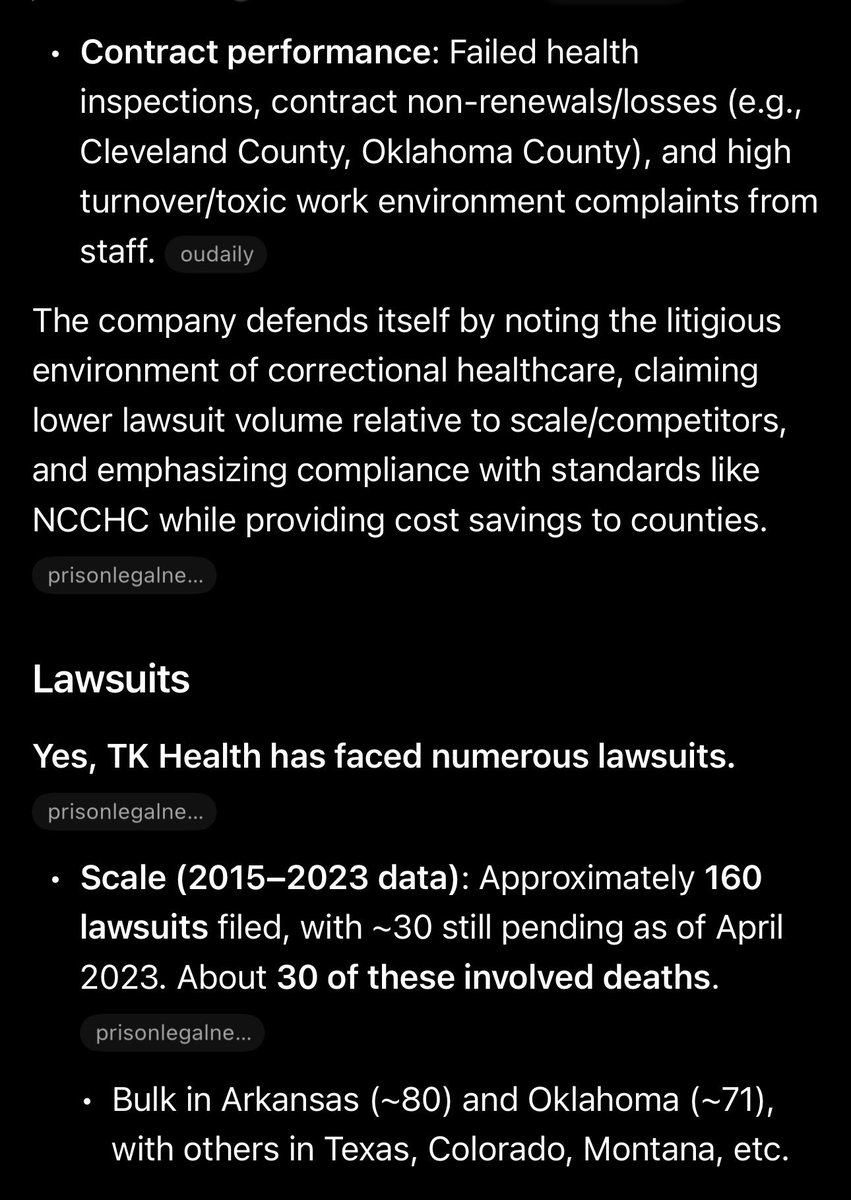
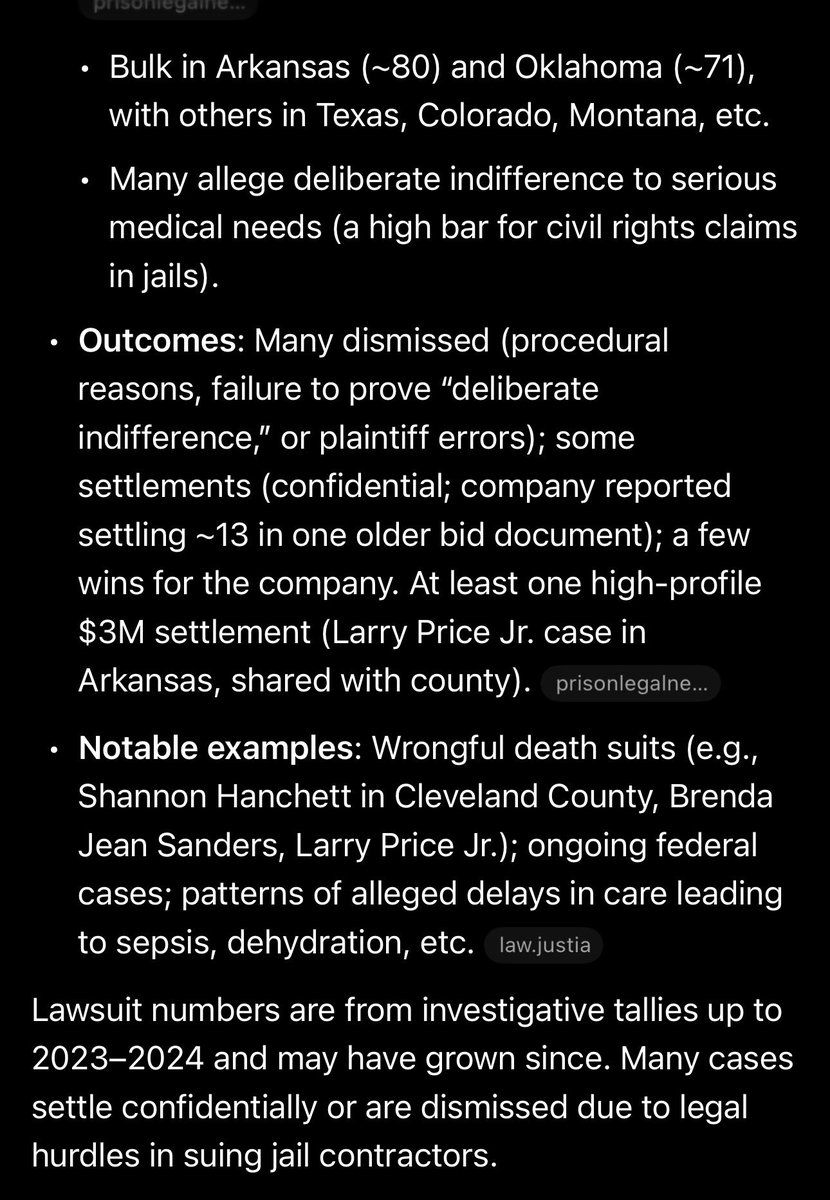
RESULTS are jails primarily allege systemic deficiencies in care quality, driven by cost-cutting measures that endanger detainees. = COUNTLESS LAWSUITS
2
3
93

Jun 13
ngl i didn't like the latest opms but multo brought it back for me, keep it coming!
Jun 13

the concept of multo being performed live at music awards japan 2026!!! you’ve come so far!!! @cupofjoemusic OPM REPRESENT!!! ♥️🇵🇭
@gianbernardino_ @raphridao @xengareza @gab_clz @cjjfernandezz
24


Jun 12
Your right, they stigmatized the Sacklers till they destroyed them & they bow to Indiv for giving them a drug worse than the 1 that actually helped #cpps & the math doesn't math no matter how hard they try. Subox is harder to stop than opms & causes many ses
2
19

Jun 12
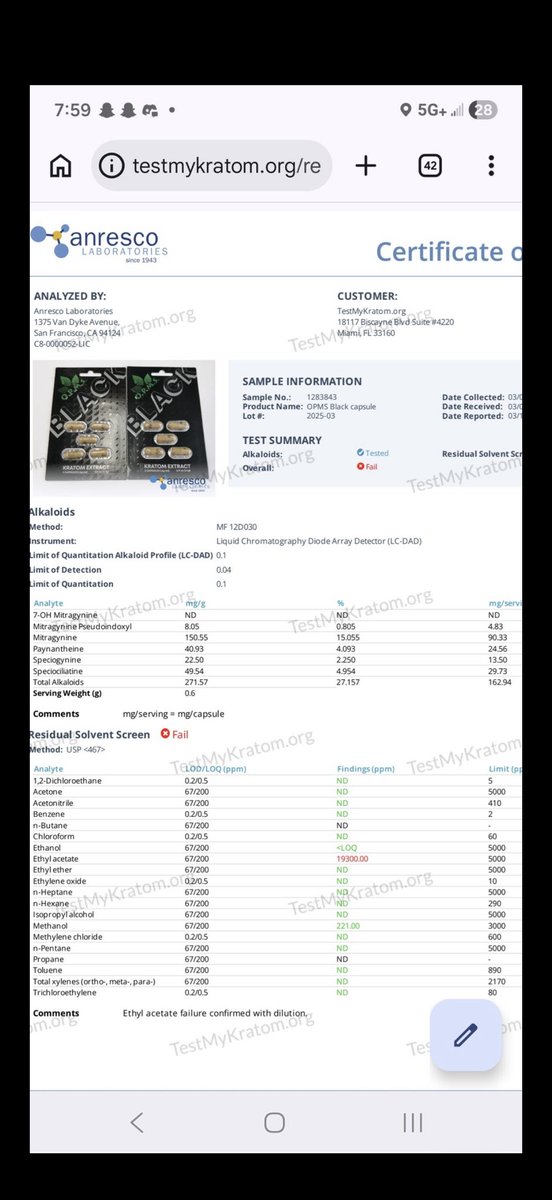
Bro someone on this thread actually posted a COA from OPMS that had 8 grams of pseudo per serving 😂 . He calling this a public health emergency accept there’s no emergency. Ppl are gna think he is losing it or lying 🤥 7oh is literally made in the same way w the same kind of solvents that many of our vitamins, supplements, and medications are made and they’re all 3rd party tested so wtf is he talking about? Are we going after vitamin D next? 😆
1
28

Jun 12
Yup OPMS literally put the VERY FIRST 7OH product on shelves, to the best of my knowledge. Now they’re leading the charge to ban it. They’ve also failed MULTIPLE 3rd party solvent tests for HIGH METHANOL LEVELS, AND started the “stupid drug names” trend for Kratom products.
1
1
13



Jun 11
I take OPMS brand. The ground leaf capsules that cost like 20 for a bag of 100,of them
But I also take the concentrates.
Ive tried the 7OH stuff and its good but I wouldn't use it for pain management. Too strong
1
2
10

sound like an opm like d classic opms na laging kinakaraoke open.spotify.com/track/5CCV2…
34
Jun 10
Depending on suboxone for adxn is okay but depending on opms for #pain is OUD? Help me understand this, cuz the math isnt mathing!
1
18
Jun 10
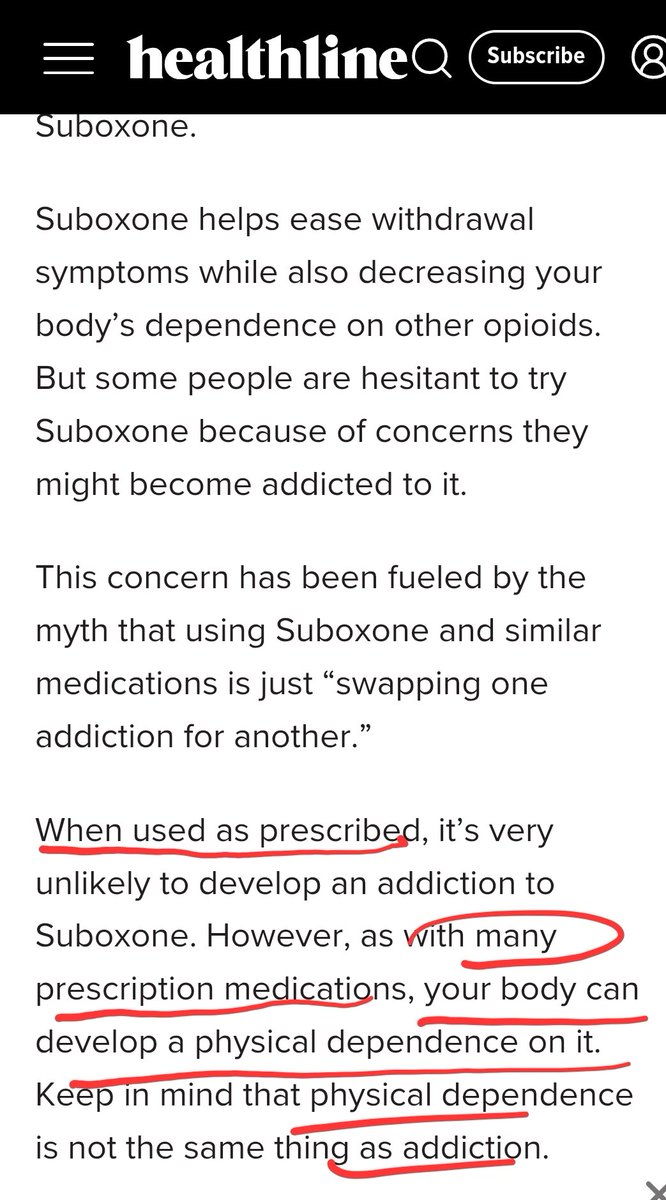
Suboxone like MANY drugs can cause physical dependence yet #painpatients r banned on every level, even end of life from getting full AG opms that we depend on 2 relieve #ChronicPain why r #painpatients punished while Suboxone is the gold standard?
3
33

Jun 10
Im sorry for your loss. My mom died in pain of undiagnosed lung ca while in stroke rehab, she also had crippling form of RA. Her Drs nvr allowed for opms said she'd get addicted, she died taking Tylenol arthritis 3 days after they made the diagnosis. Cruel
1
22
